A Lost City Is Changing What We Know About The Ancient Maya
For more than a thousand years, a thriving Maya city sat quietly beneath one of the world's densest jungles. Trees, vines, and thick vegetation completely concealed its pyramids and plazas, allowing the ancient settlement to remain untouched while entire civilizations rose and fell around it. Now, after a remarkable archaeological expedition, researchers have uncovered that lost city, proving once again that the forests of the Yucatán Peninsula are still hiding extraordinary secrets.
Hidden Deep Inside The Calakmul Biosphere Reserve
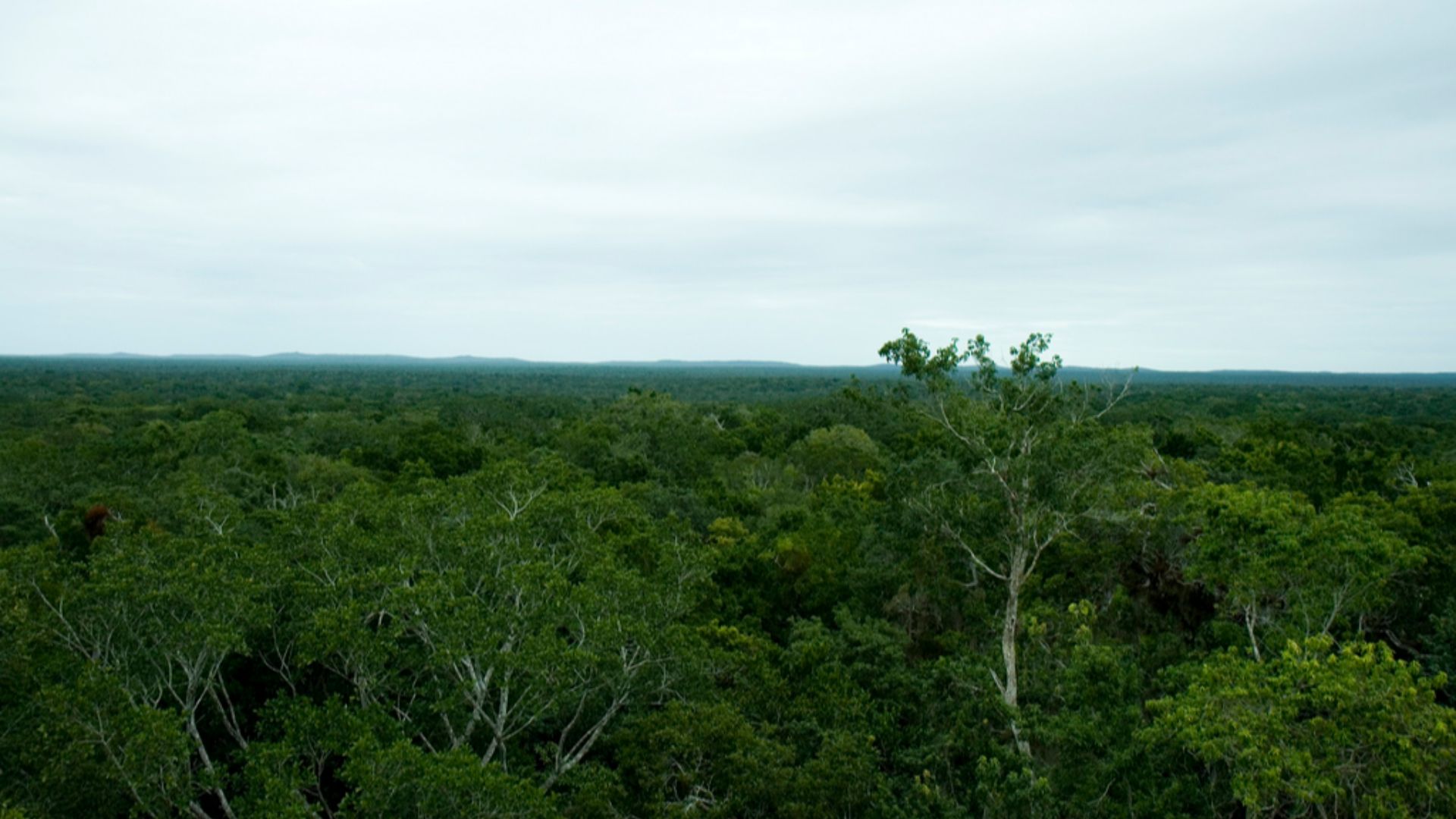
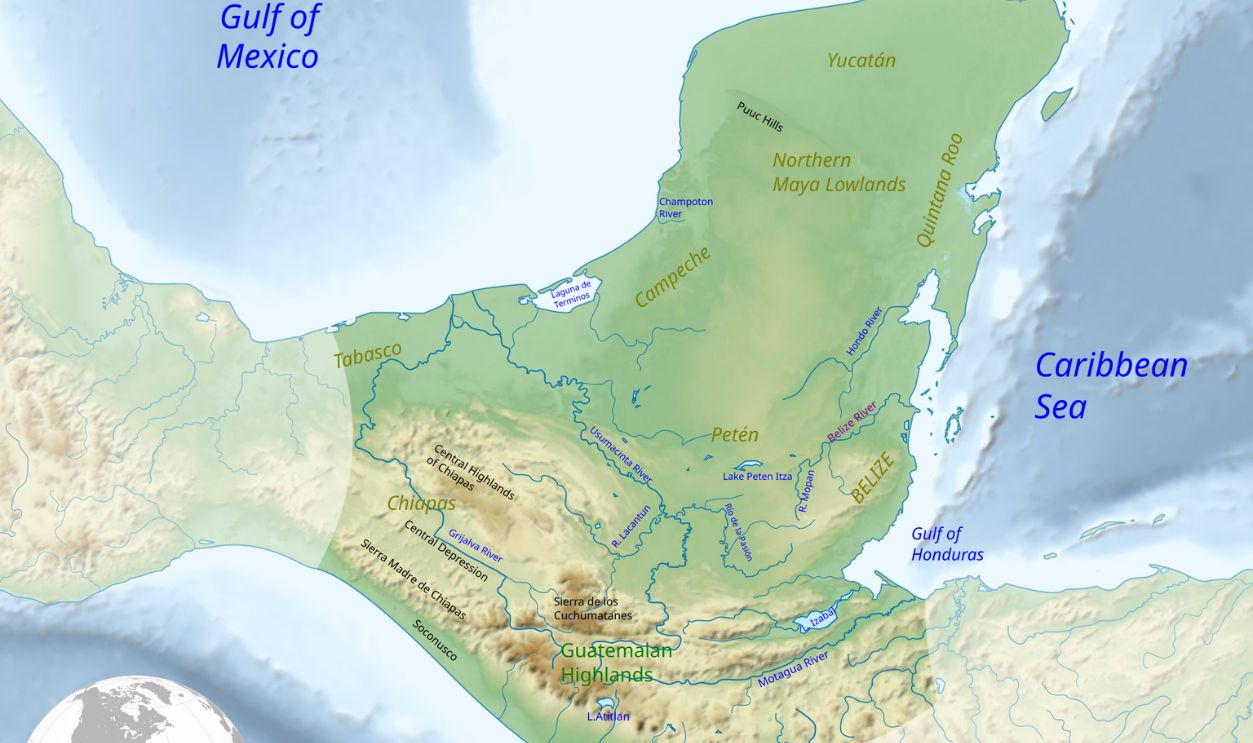
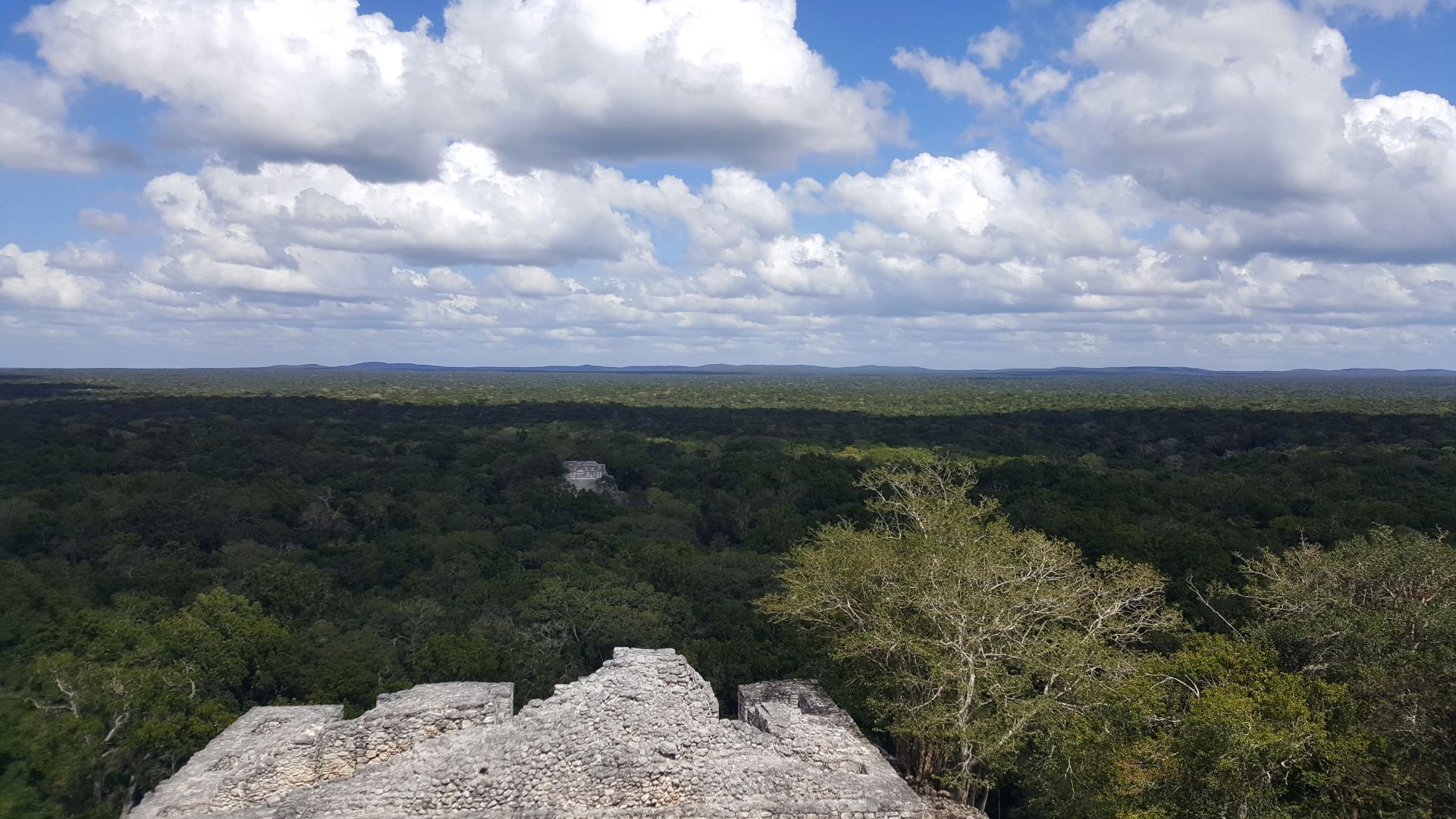
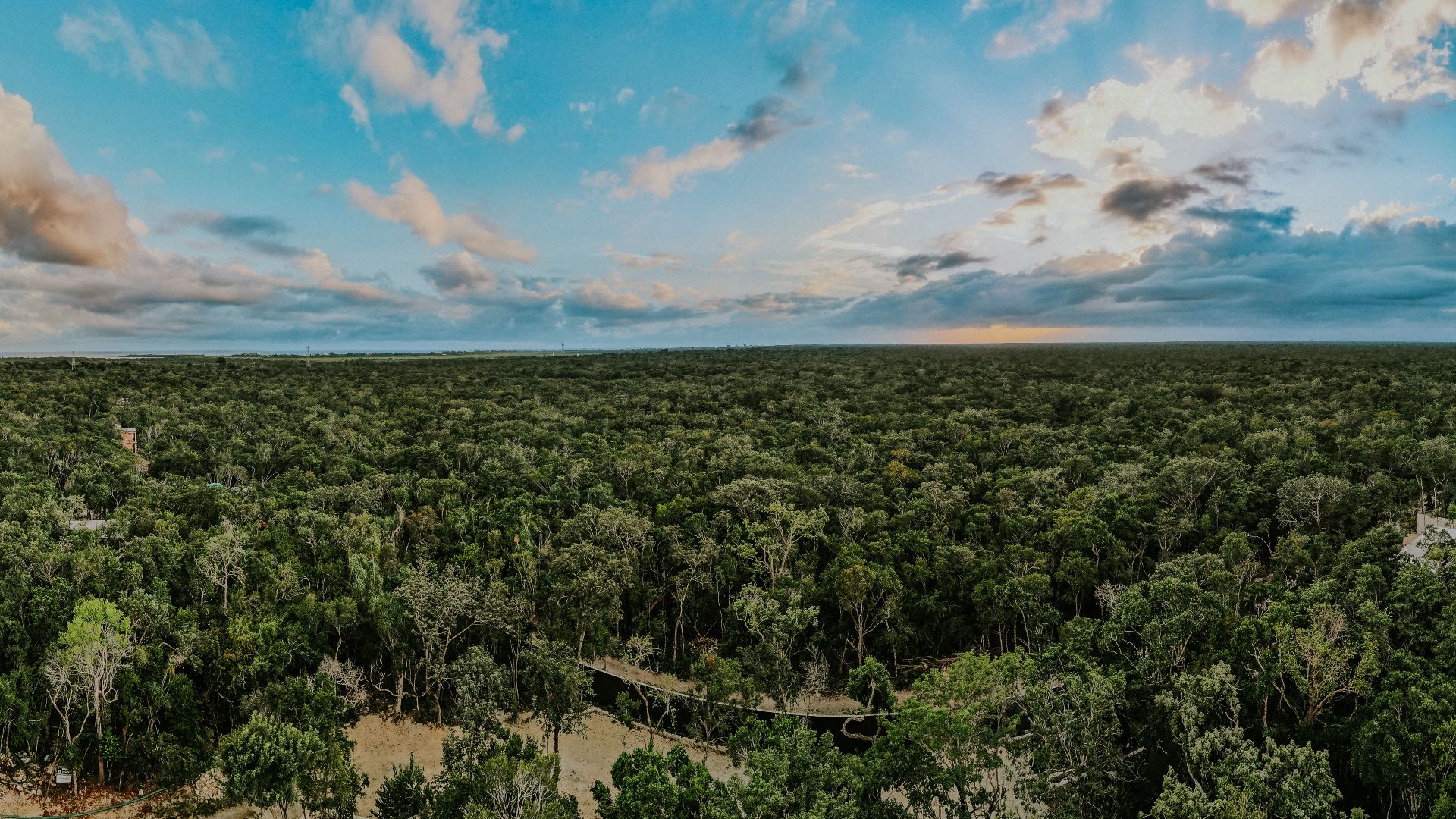
The newly discovered city lies within the Calakmul Biosphere Reserve in the Mexican state of Campeche, one of the largest protected tropical forests in North America. This enormous reserve covers more than 7,000 square kilometers of dense jungle and contains some of the richest concentrations of Maya ruins anywhere in the world. Because so much of the landscape remains difficult to access, archaeologists believe many ancient settlements are still waiting to be found.
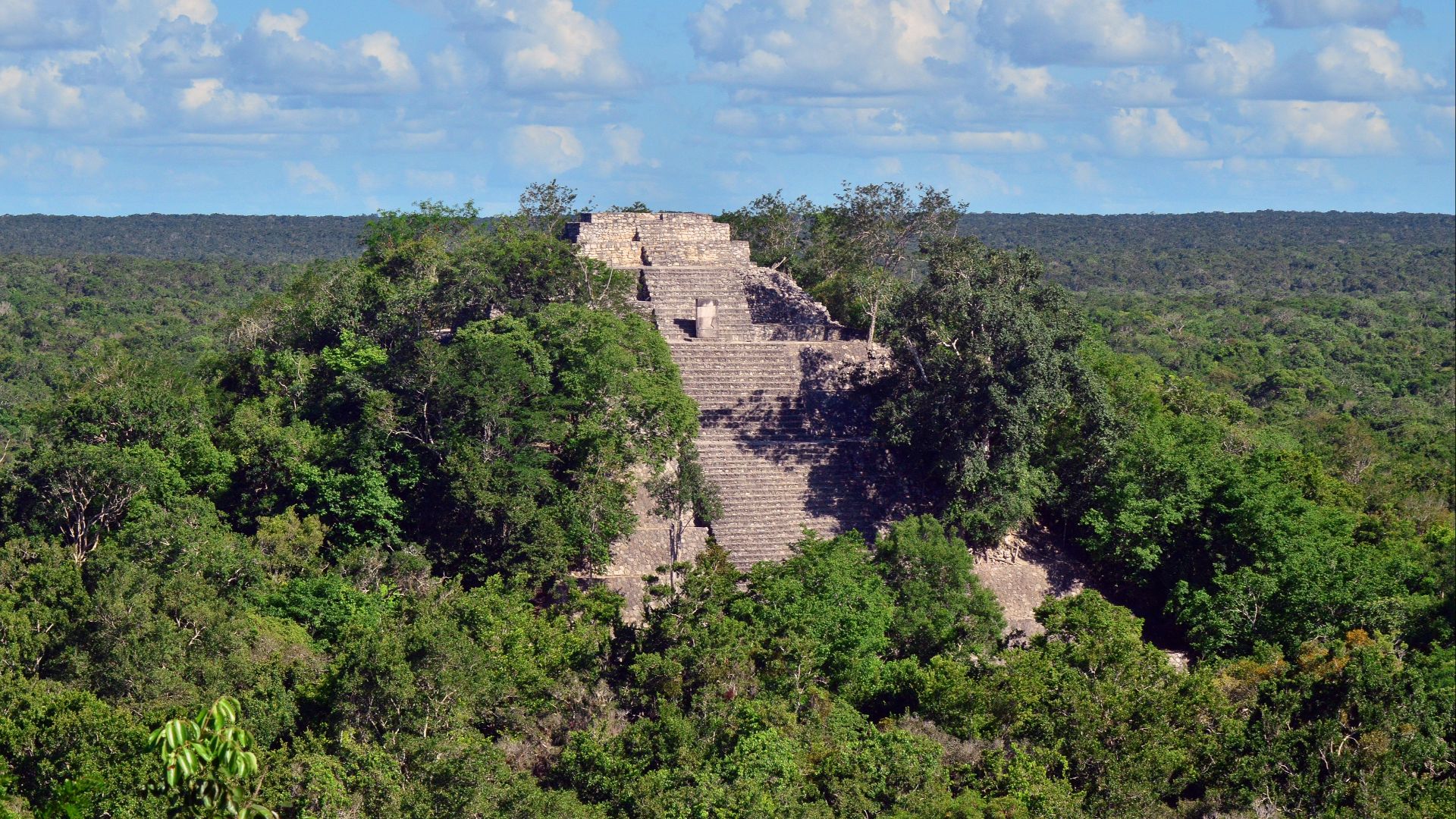
Finding A City Where There Was "No Road"
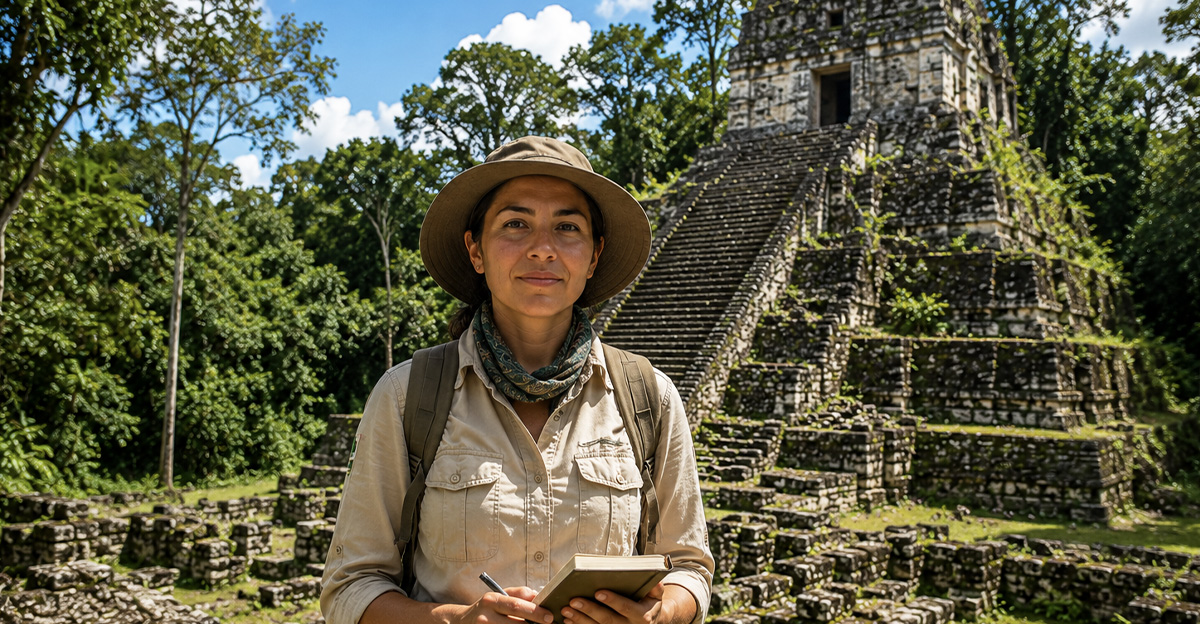
The archaeological team, led by Slovenian researcher Ivan Šprajc in collaboration with Mexico's National Institute of Anthropology and History (INAH), named the newly discovered city "Minanbé," a Yucatec Maya phrase meaning "there is no road." The name perfectly reflects the challenge of reaching the site, which required researchers to cut paths through thick jungle before they could begin documenting the ruins.
 (WT-en) Lahoriali at English Wikivoyage, Wikimedia Commons
Technology Helped Point The Way
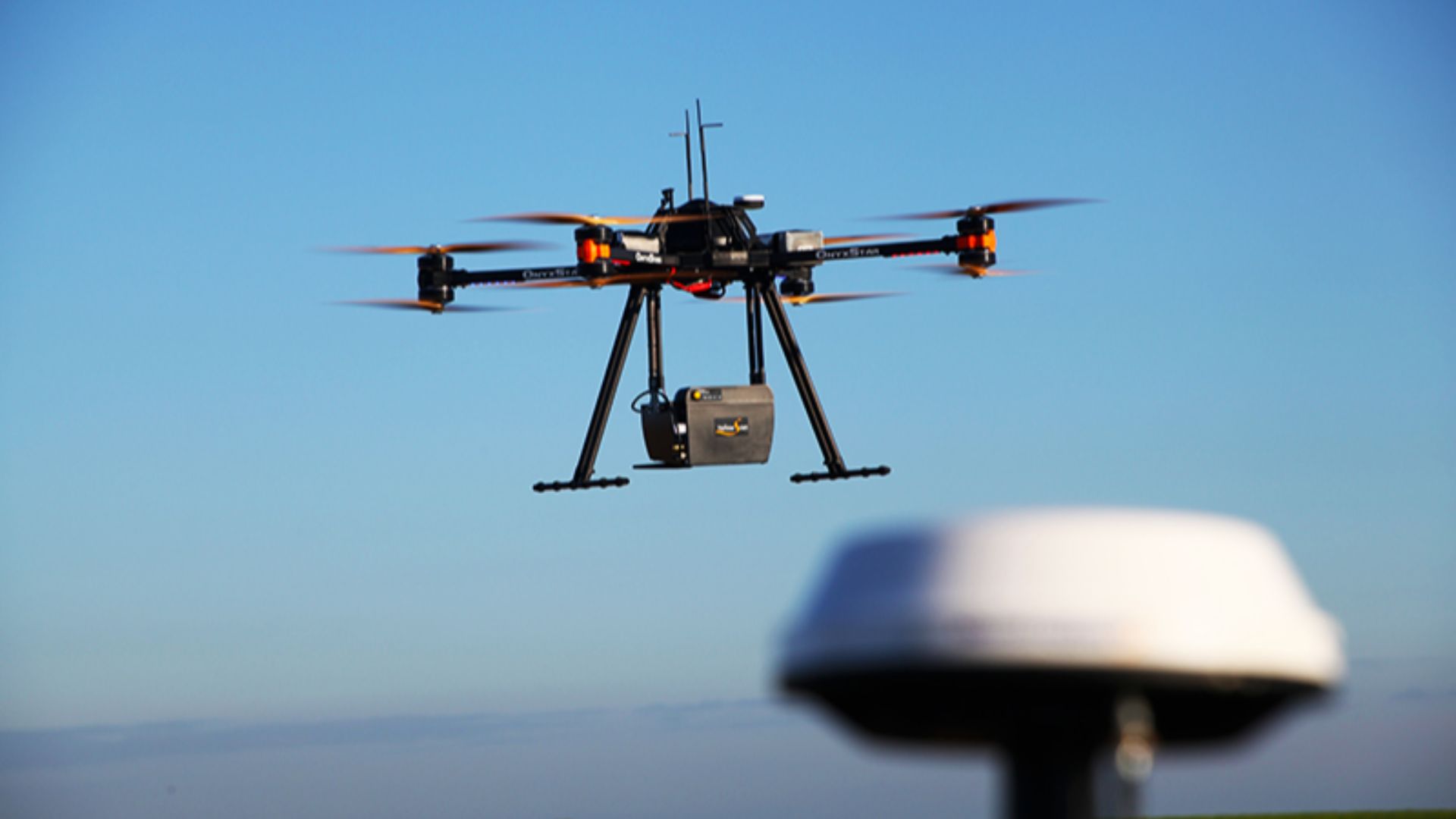
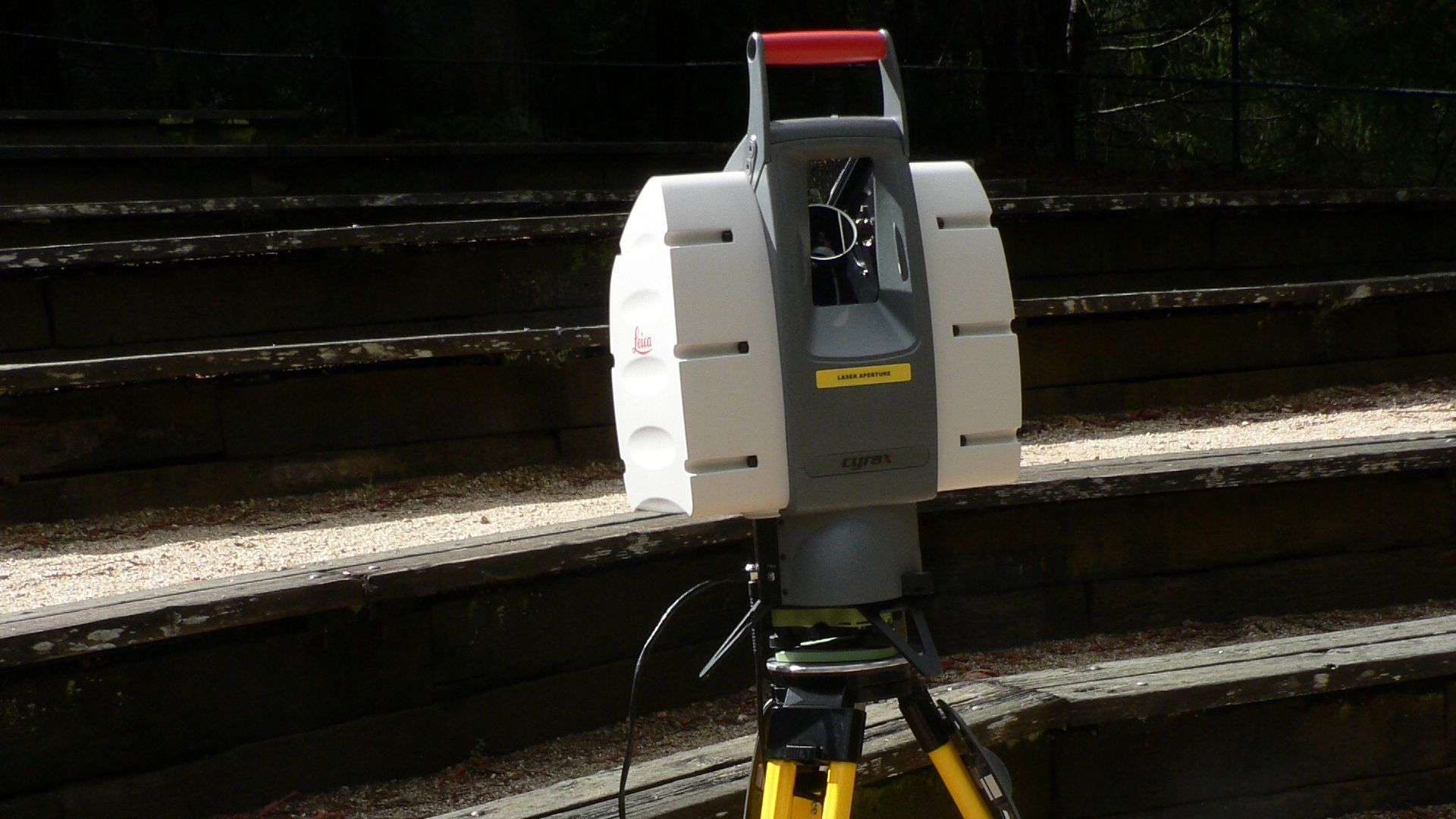
The discovery did not begin with archaeologists stumbling across stone ruins by chance. Instead, researchers first examined airborne LiDAR data, a laser-mapping technology capable of penetrating dense forest canopies to reveal hidden structures below. The scans suggested that something unusual lay beneath the trees, prompting the team to launch a field expedition to investigate what the technology had detected.
The Jungle Had Protected Everything
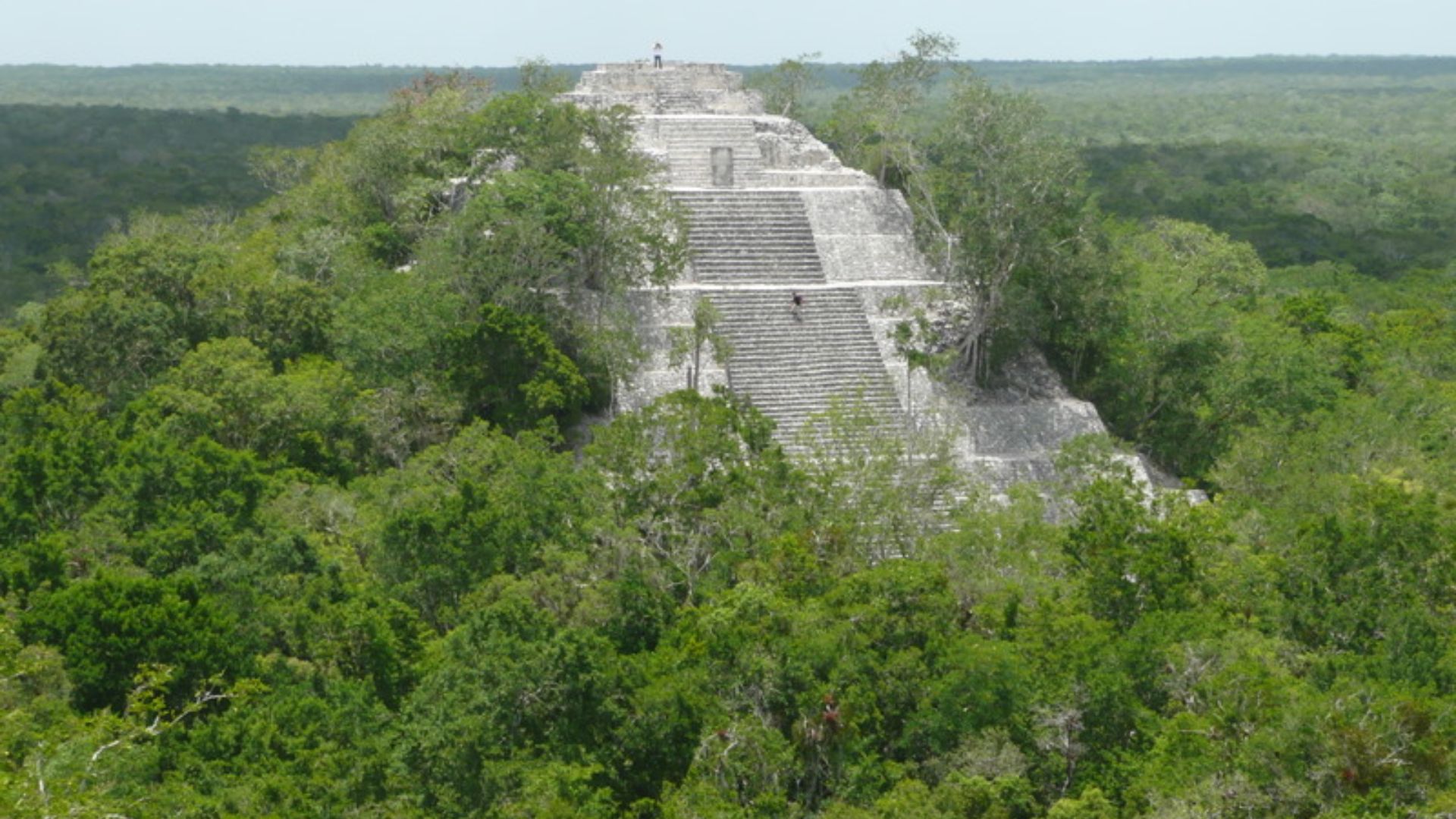
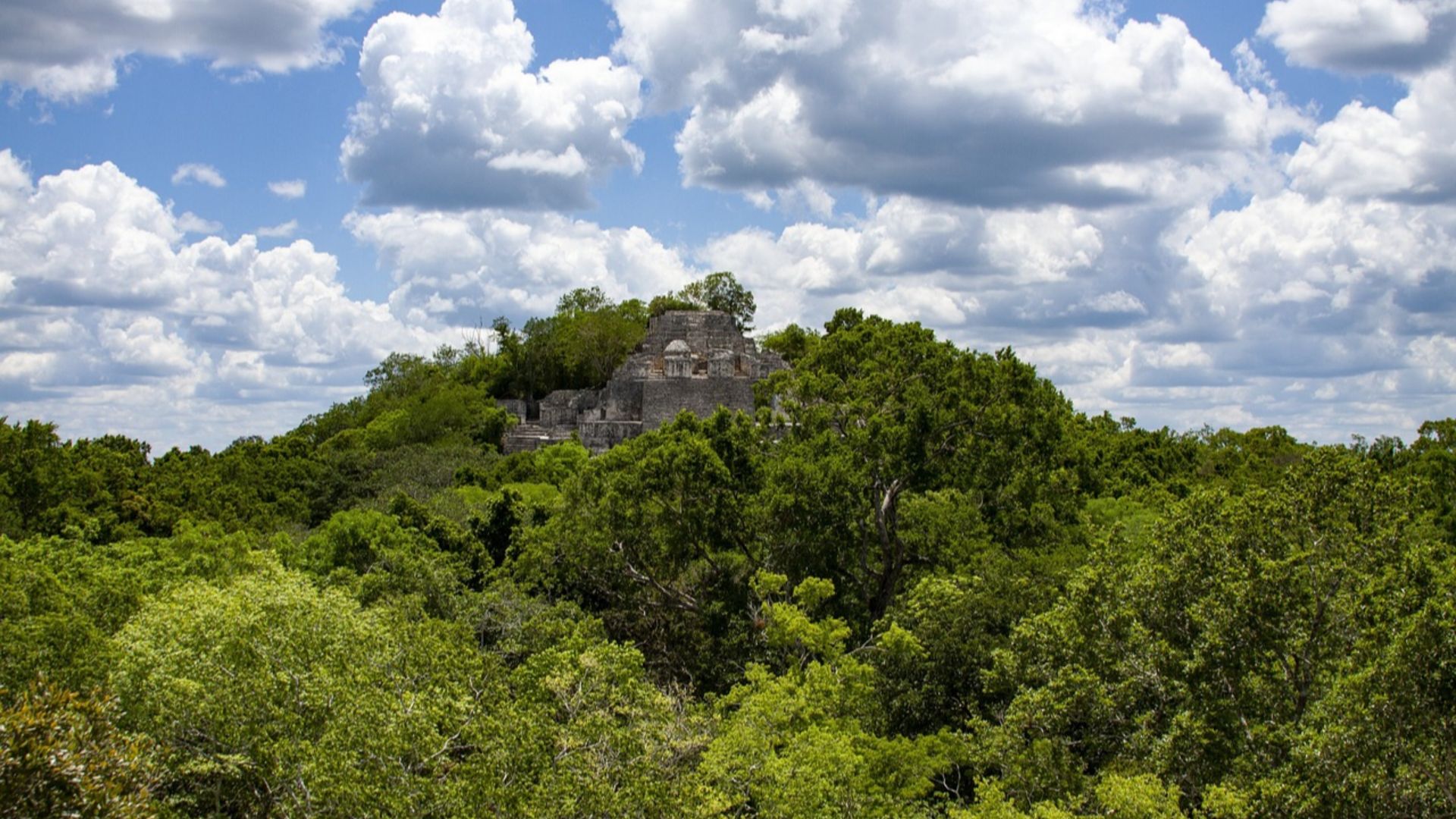
Unlike many ancient sites that have suffered centuries of looting or modern development, Minanbé remained largely untouched beneath thick vegetation. Dense forest acted almost like a protective blanket, shielding buildings from agriculture and large-scale construction. While tree roots caused some damage over the centuries, many structures survived in remarkably good condition because so few people had visited the site since it was abandoned.
 Pete Fordham, Wikimedia Commons
Monumental Pyramids Emerged From The Trees
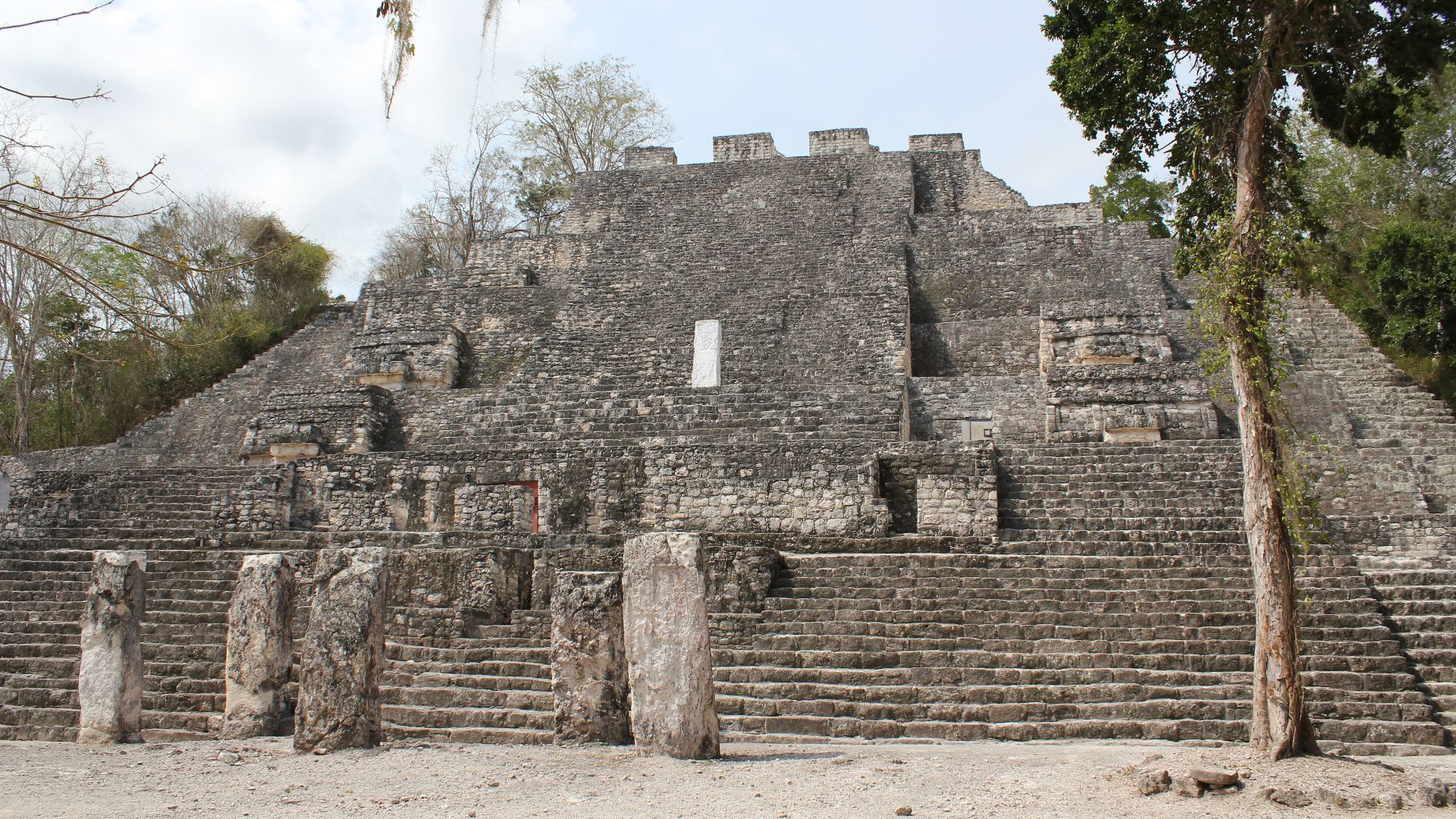
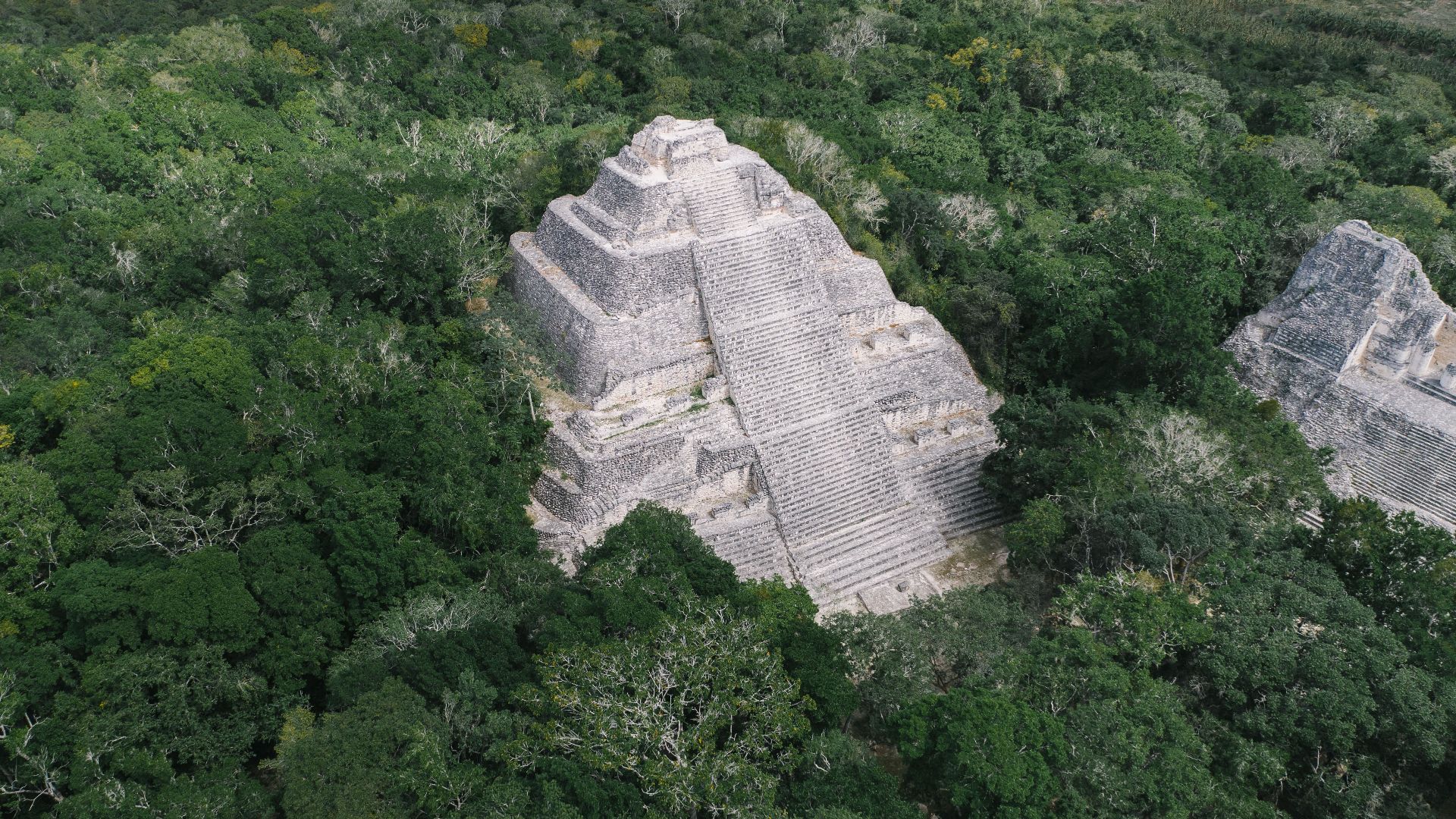
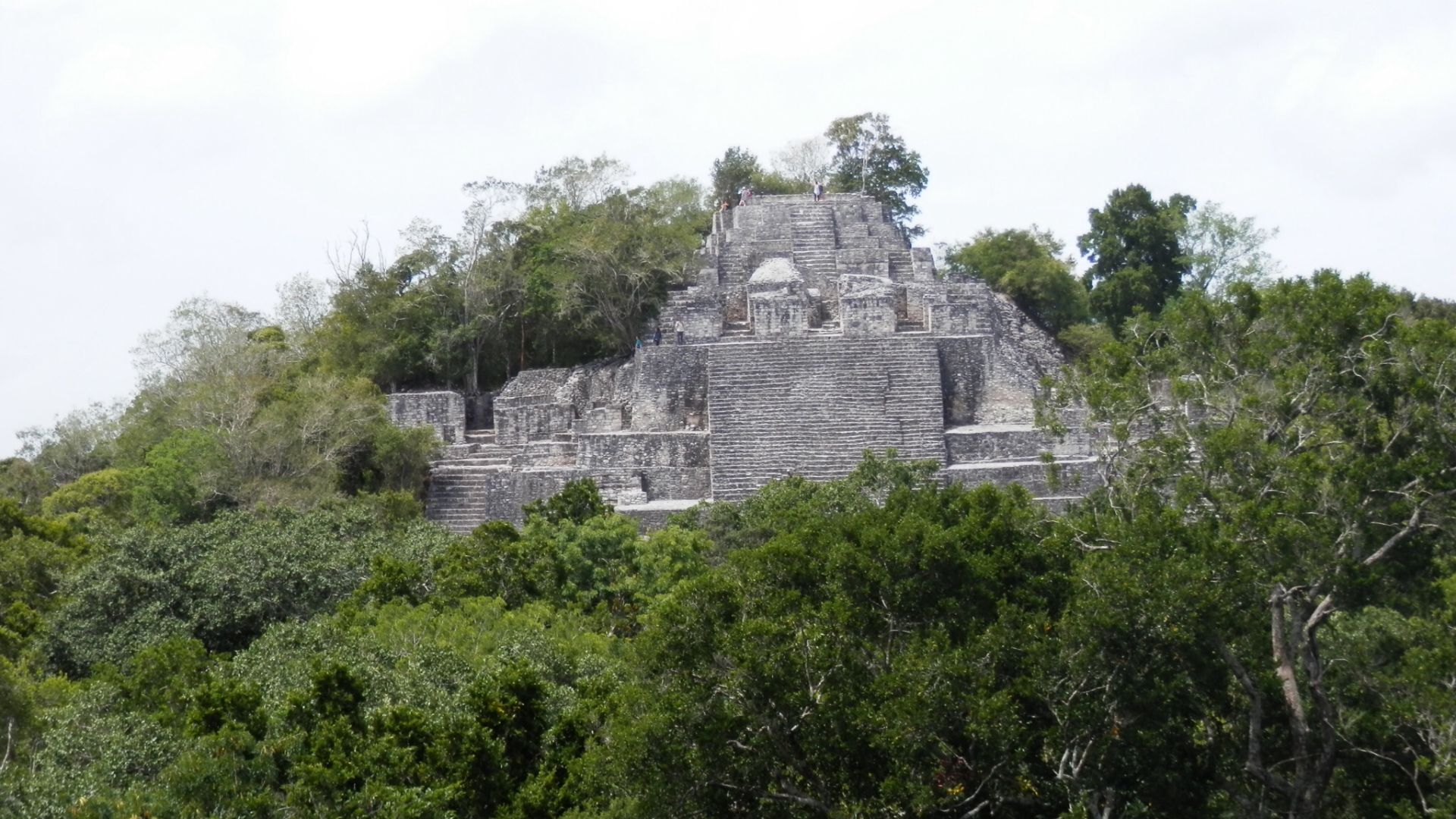
As archaeologists cleared vegetation, they discovered several pyramid structures rising above the surrounding landscape. Some reached heights of approximately 15 meters, dominating plazas and nearby buildings just as they would have over a thousand years ago. These pyramids likely served as religious and political centers where rulers performed ceremonies and demonstrated their authority.
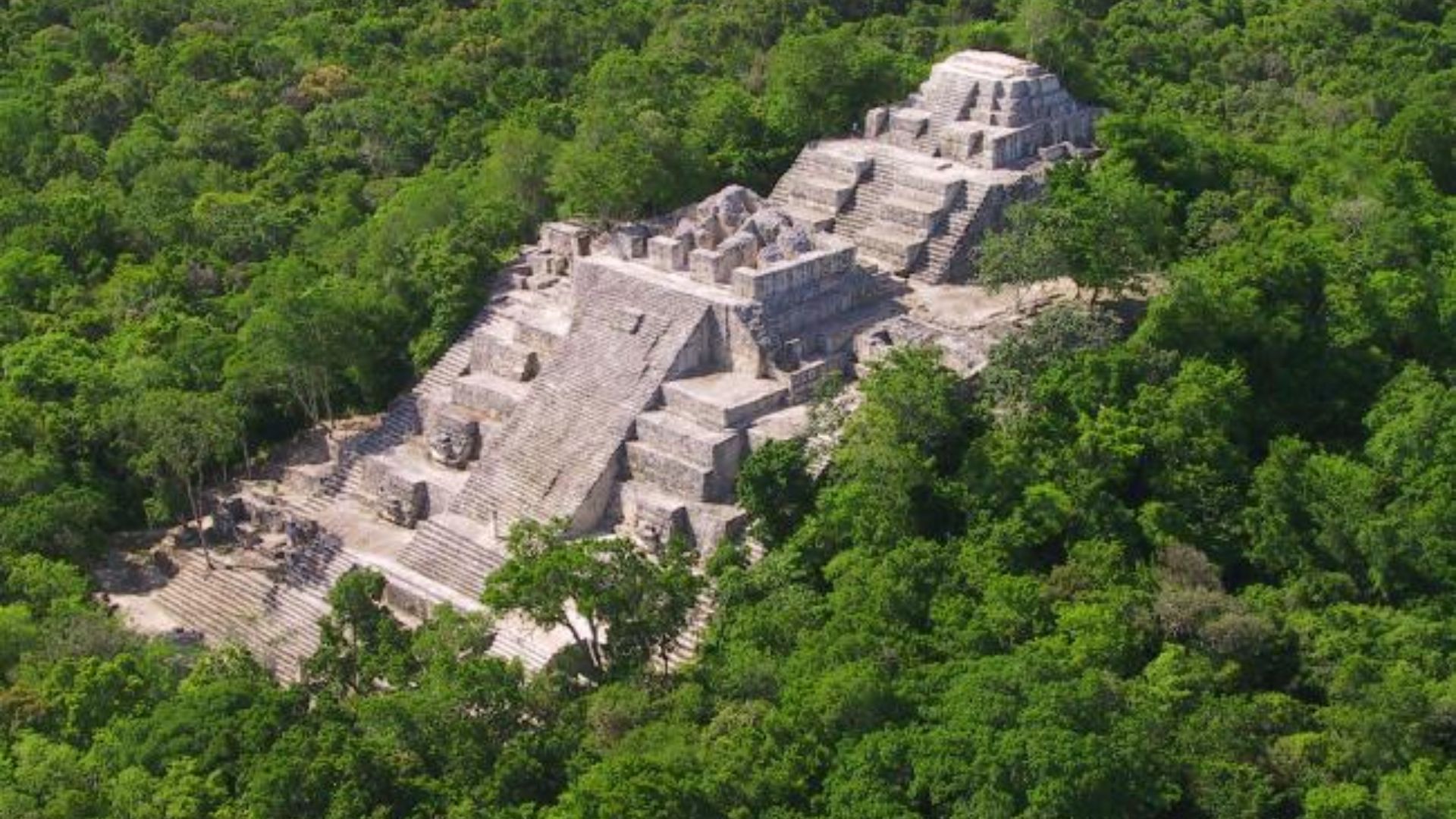 Lugares INAH, Wikimedia Commons
More Than Just A Few Ruins
The city turned out to be much larger than anyone initially expected. Archaeologists documented temple complexes, palace-like buildings, plazas, terraces, reservoirs, and ceremonial monuments spread across the settlement. Together, these features reveal that Minanbé was not an isolated outpost but a substantial urban center with a sophisticated layout and permanent population.
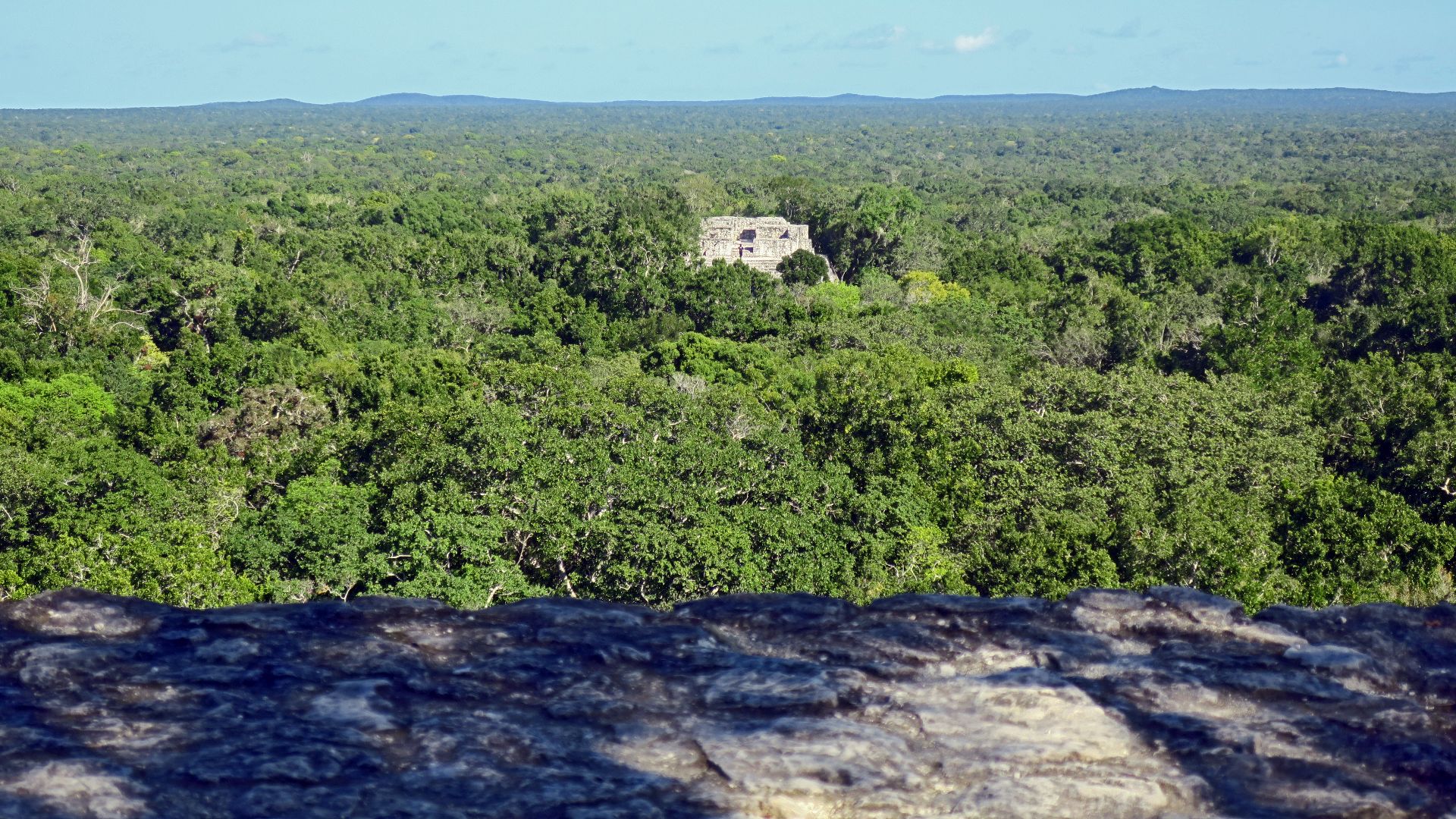 AlisonRuthHughes, Wikimedia Commons
Stone Monuments Still Stand
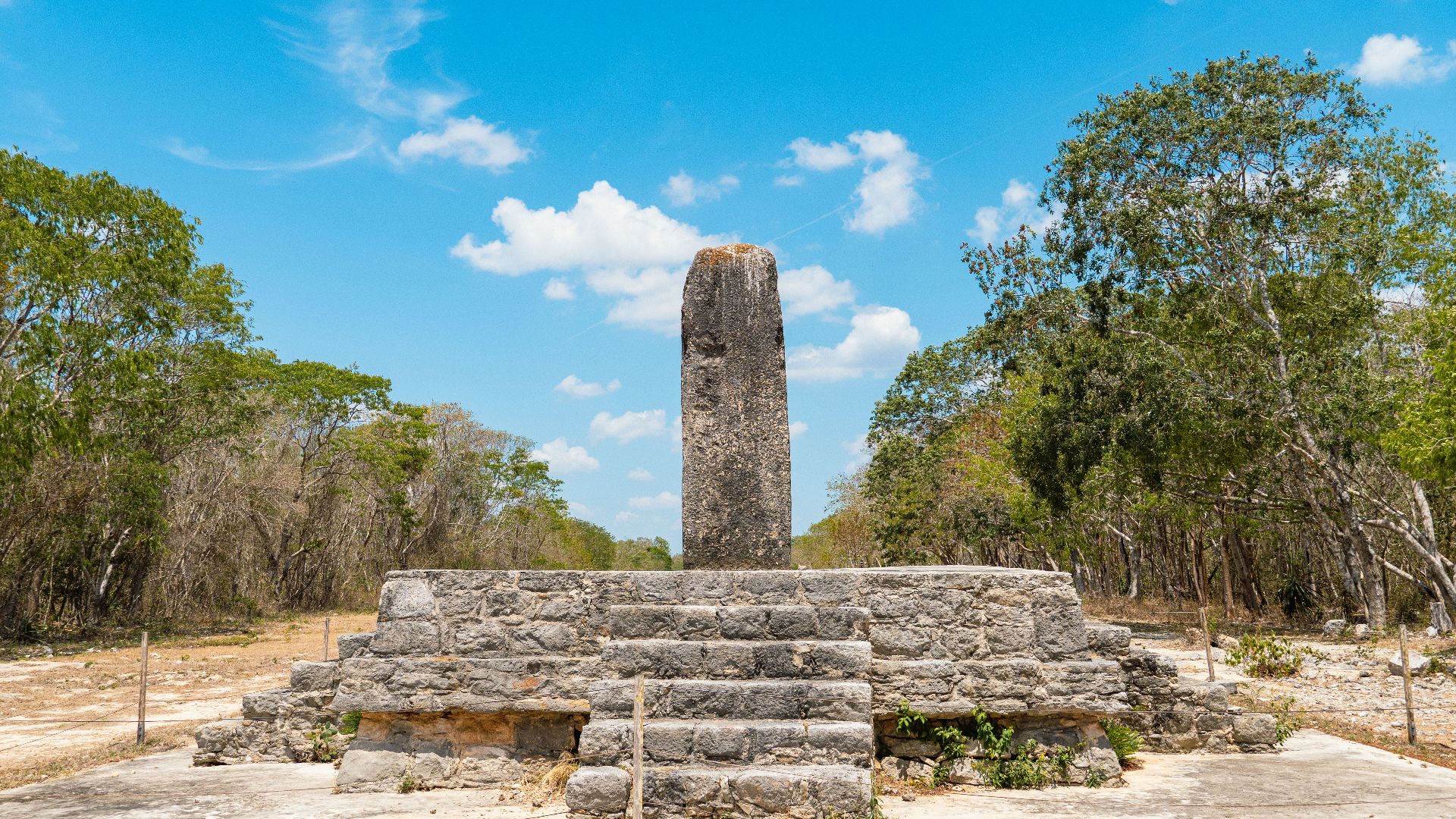
Among the most exciting discoveries were carved stone monuments known as stelae. Throughout the Maya world, these monuments often recorded important events, royal lineages, military victories, and religious ceremonies. Although researchers are still studying the newly discovered monuments, they hope the inscriptions may eventually identify the city's ancient name and the rulers who governed it.
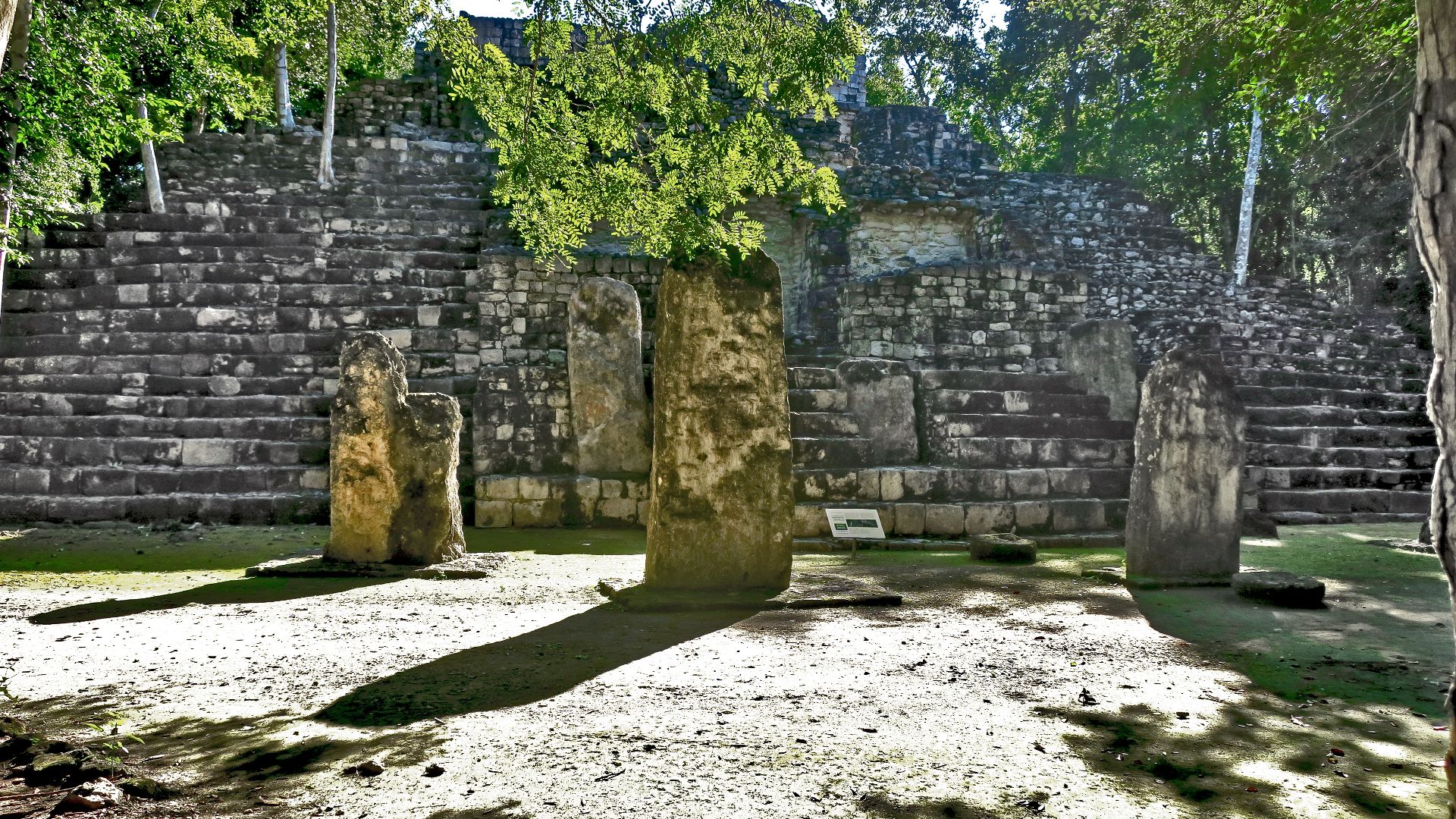 AlisonRuthHughes, Wikimedia Commons
Reservoirs Kept The City Alive
Researchers also identified sophisticated water-management systems, including reservoirs designed to capture and store rainwater. Unlike many civilizations that settled beside large rivers, the Maya often relied on seasonal rainfall. Building reservoirs was essential for surviving long dry seasons, and cities without reliable water systems simply could not support large populations.
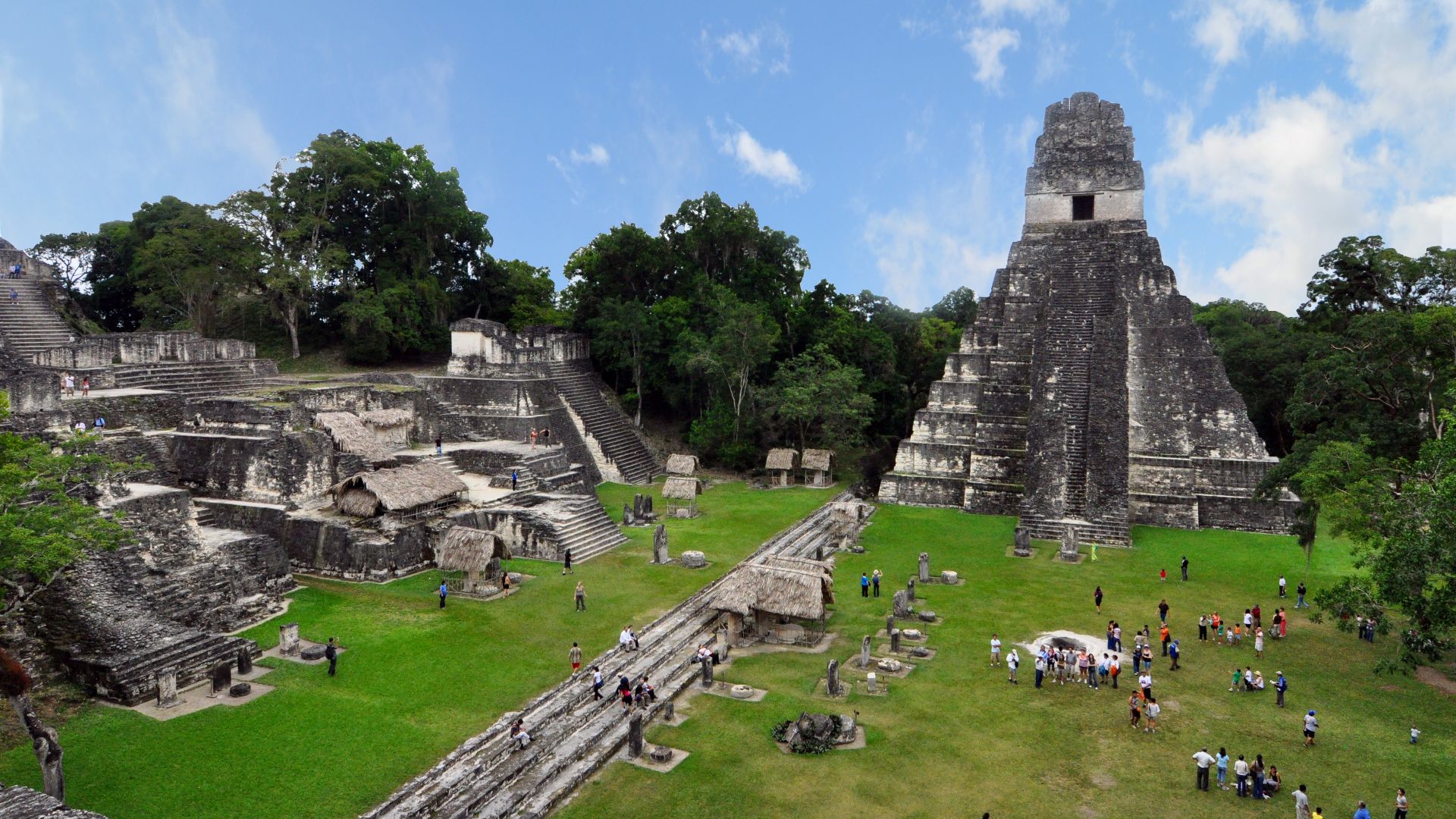
Who Were The Maya?
The Maya civilization flourished across what is now southern Mexico, Guatemala, Belize, western Honduras, and El Salvador. Rather than forming one massive empire, the Maya lived in dozens of independent city-states that competed, traded, and occasionally fought with one another. At their height, these cities supported millions of people and produced some of the most impressive architecture and scientific achievements in the ancient Americas.
 Simon Burchell, Wikimedia Commons
Cities That Rivaled Ancient Rome
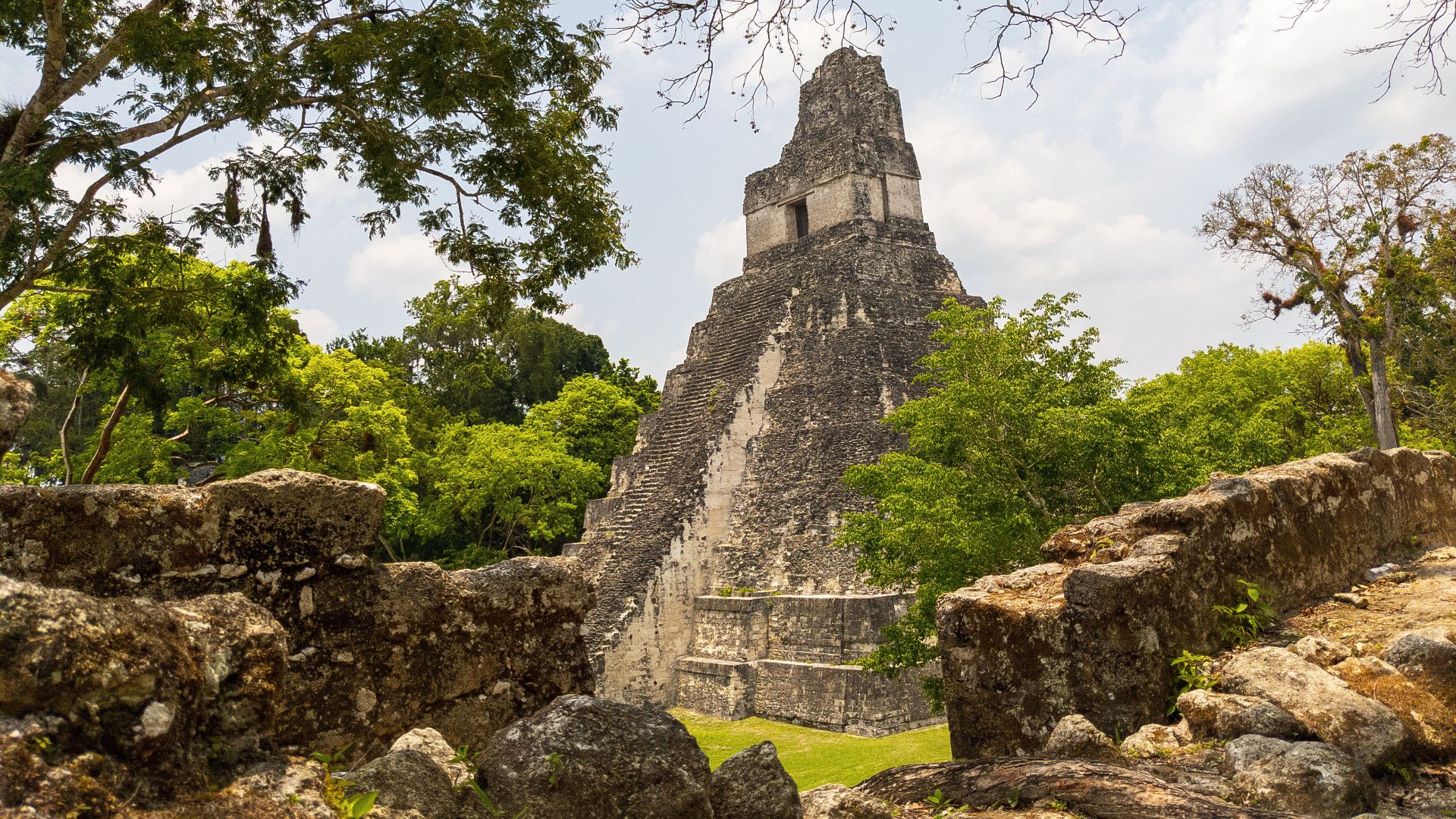
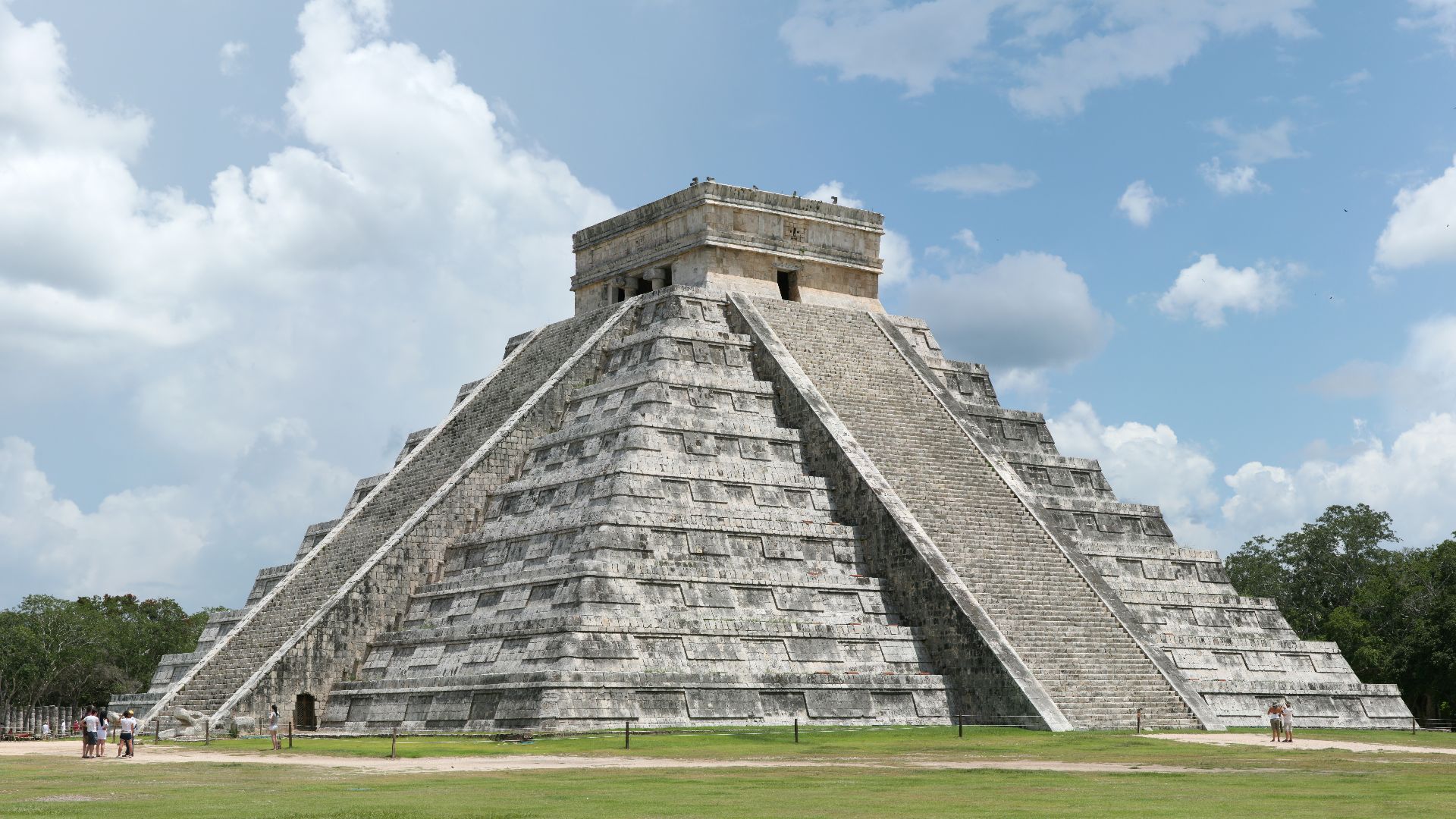
Major Maya cities such as Calakmul, Tikal, Palenque, Copán, and Chichén Itzá rivaled many famous cities of the ancient world in both size and complexity. They featured monumental pyramids, palaces, ball courts, observatories, marketplaces, and carefully planned residential neighborhoods. Minanbé now appears to join this impressive network of urban centers that once dominated the Maya Lowlands.
Why The Maya Built Pyramids
The pyramids of the Maya were not tombs in the same way as Egypt's pyramids. Instead, they served primarily as platforms for temples where priests and rulers carried out religious ceremonies, political rituals, and public celebrations. Climbing these steep structures symbolized a connection between the earthly world and the heavens, making them powerful centers of both religion and government.
 Daniel Schwen, Wikimedia Commons
The Maya Were Masters Of Engineering
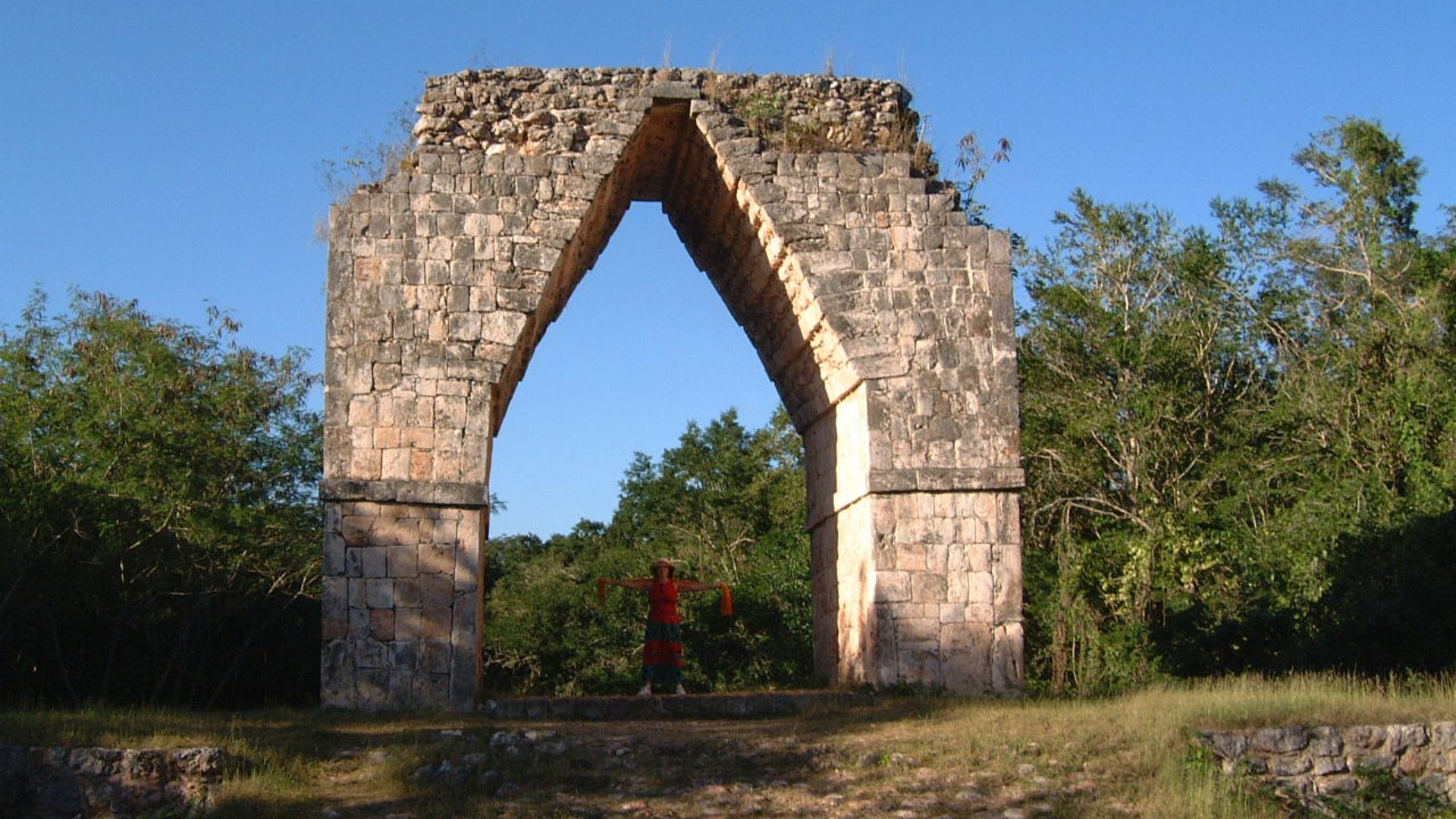
Building massive cities in dense tropical forests required extraordinary planning. The Maya constructed raised roads called sacbeob that connected settlements, engineered reservoirs to collect rainwater, and modified the landscape with terraces and agricultural systems. Their cities demonstrate an impressive understanding of engineering and environmental management that allowed large populations to thrive in difficult conditions.
 Hermann Luyken, Wikimedia Commons
Why So Many Cities Remain Hidden
Unlike the deserts of Egypt or Peru, the tropical forests of Central America constantly reclaim abandoned buildings. Trees grow through temples, roots split masonry, and centuries of leaf litter gradually bury entire structures beneath the jungle floor. Without technologies like LiDAR, many Maya cities remain almost impossible to detect from ground level.
 Arian Zwegers from Brussels, Belgium, Wikimedia Commons
Calakmul Was Already A Maya Giant
The new discovery sits within the broader Calakmul region, one of the most powerful Maya kingdoms during the Classic Period. Calakmul itself controlled an enormous political network and frequently competed with its great rival, Tikal, for dominance across the Maya world. Discoveries like Minanbé suggest that many additional cities helped support this powerful regional kingdom.
Every New City Changes The Map
Finding an entirely unknown Maya city is not simply about adding another archaeological site to a list. Every discovery helps researchers better understand how populations were distributed, how trade routes developed, and how neighboring cities interacted politically and economically. Minanbé may eventually help fill important gaps between several previously known Maya centers.
 Bernard DUPONT, Wikimedia Commons
What Archaeologists Hope To Learn Next
Researchers are only beginning to study the newly discovered city. Future excavations may uncover royal tombs, additional inscriptions, ceramics, tools, and evidence of everyday life. If hieroglyphic texts survive in good condition, they could identify the city's rulers, explain its relationship with neighboring kingdoms, and reveal why it was eventually abandoned.
The Jungle Still Holds Countless Secrets
The discovery of Minanbé reinforces something archaeologists have suspected for years: the Maya world is far larger than we once imagined. Even after decades of exploration, huge portions of the Yucatán Peninsula remain only lightly surveyed. Every new LiDAR project seems to uncover more hidden settlements, roads, terraces, and ceremonial complexes beneath the forest canopy.
Modern Technology Is Transforming Maya Archaeology
Only a generation ago, discovering a hidden city often depended on stumbling across visible ruins during long expeditions through difficult terrain. Today, LiDAR allows archaeologists to map entire landscapes before ever setting foot in the jungle. This technology has revolutionized Maya archaeology, revealing that ancient populations were far larger and their cities far more interconnected than previously believed.
 David Monniaux, Wikimedia Commons
A Discovery That Is Only Beginning
Although the announcement has generated worldwide excitement, archaeologists emphasize that the real work is only just beginning. Mapping the city is one thing, but understanding who lived there, how it functioned, and why it disappeared will likely require many years of careful excavation and analysis. Every field season has the potential to uncover entirely new pieces of the puzzle.
Final Thoughts
The discovery of Minanbé is a powerful reminder that some of humanity's greatest archaeological treasures are still waiting to be found. Hidden beneath dense jungle for more than a thousand years, this remarkable Maya city has survived as a frozen snapshot of a civilization that once dominated much of Central America. Its pyramids, plazas, monuments, and reservoirs are already expanding our understanding of the Maya world, and archaeologists have barely begun exploring what lies beneath the forest floor. If history has taught us anything, it is that every newly discovered Maya city answers a few old questions while raising dozens of fascinating new ones.
You May Also Like:
Scientists Asked Why We Haven't Found Aliens Yet—Their Answer Is Not Good News For Humanity