A City Built Around Water
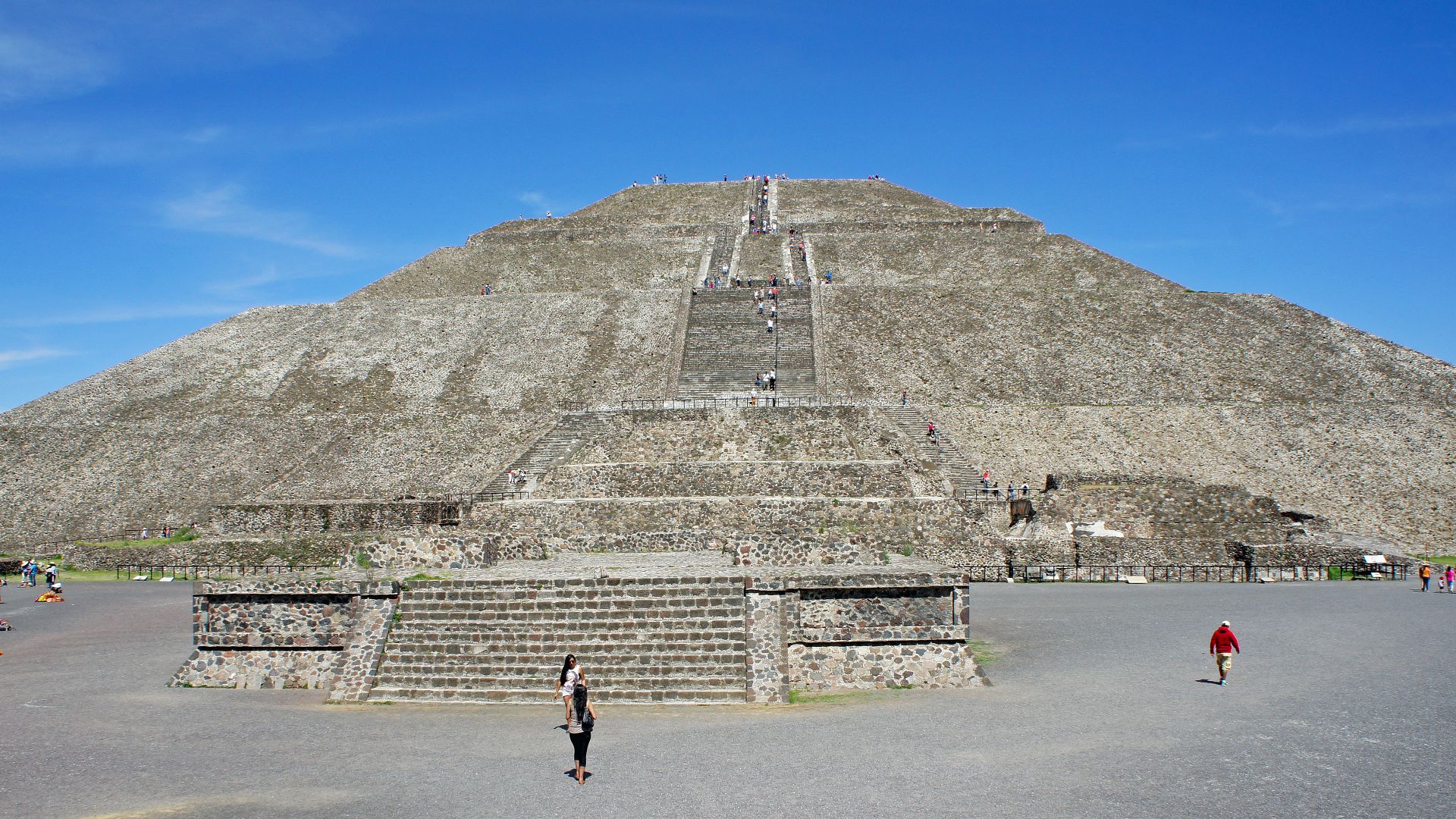
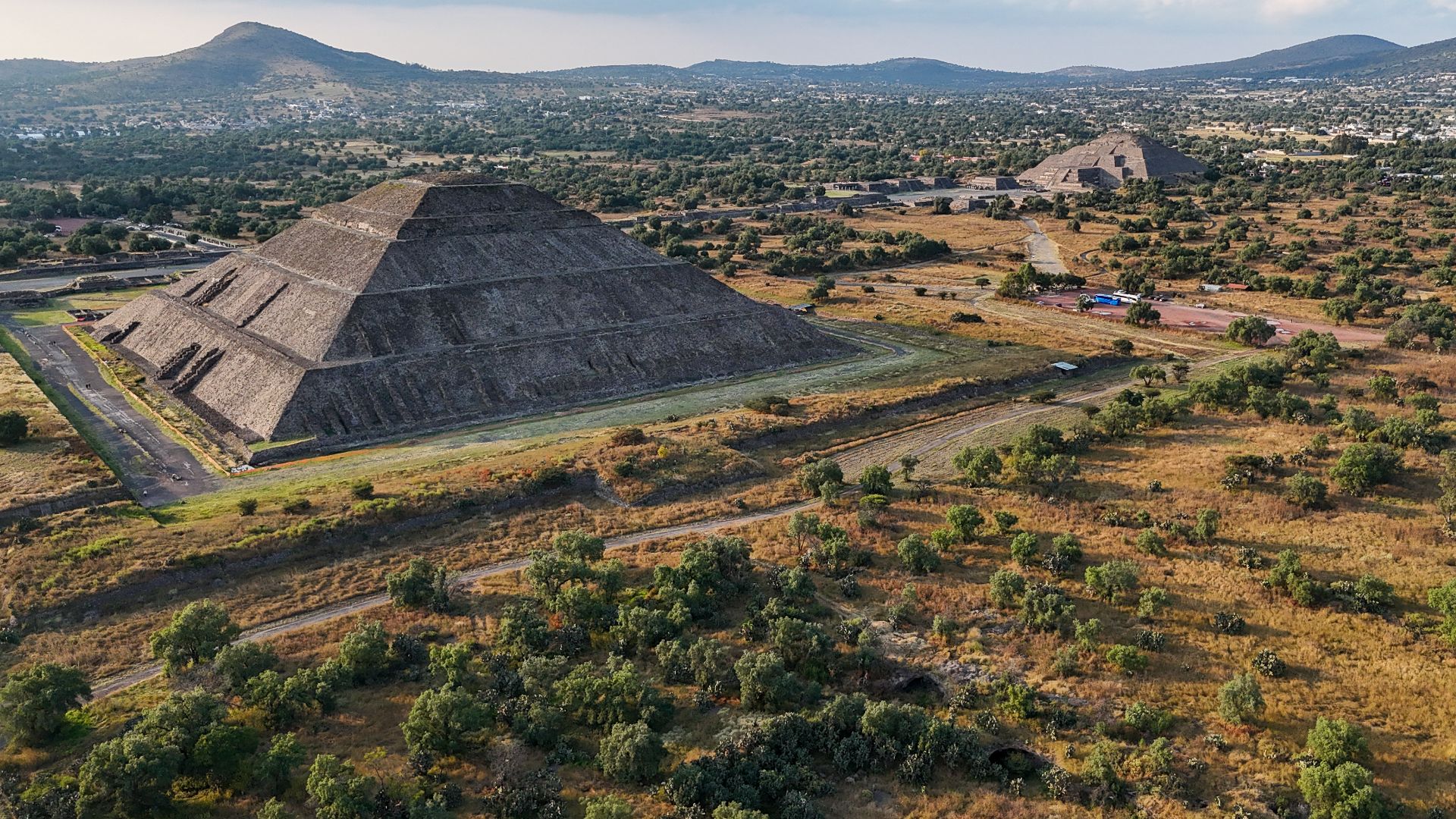
The Pyramid of the Sun may dominate Teotihuacan’s skyline, but some of the city’s most impressive engineering lies much closer to the ground. Canals, drains, redirected waterways, and irrigation channels helped transform a challenging valley into one of the ancient Americas’ largest and most enduring urban centers.
More Than Monumental Pyramids
Most visitors arrive thinking about pyramids, temples, and the famous Avenue of the Dead. Yet Teotihuacan was also a carefully planned living city. Its engineers had to provide water, protect neighborhoods from flooding, drain crowded residential compounds, and support agriculture beyond the monumental center.
 Mariordo (Mario Roberto Durán Ortiz), Wikimedia Commons
Life In A Difficult Valley
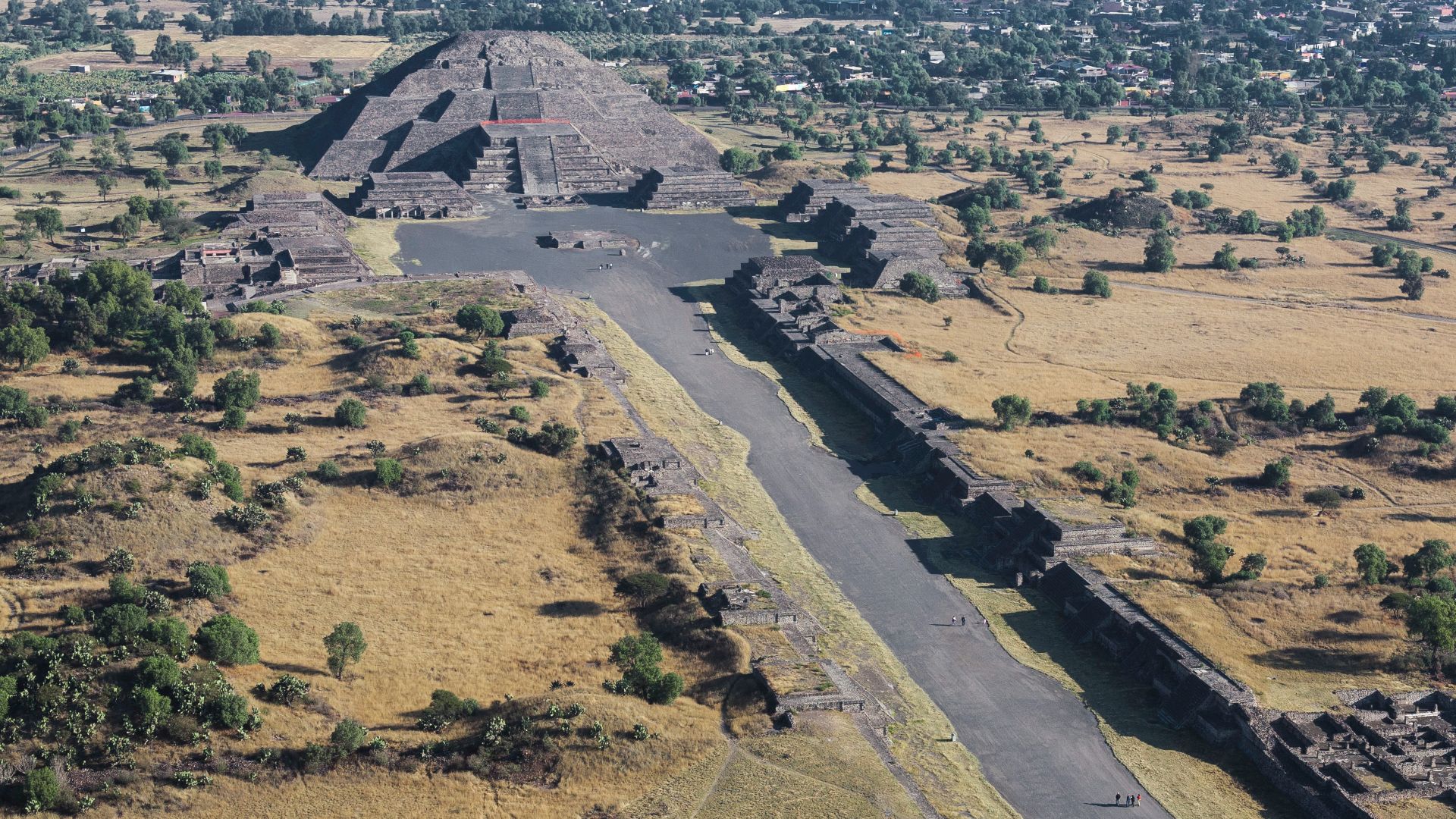
Teotihuacan stood in a high valley northeast of modern Mexico City, where rainfall could be unpredictable. Long dry spells threatened crops, while sudden storms could send water rushing downhill. Building a major city here required more than determination. It demanded an unusually thoughtful approach to water management.
 Ricardo David Sánchez, Wikimedia Commons
The Pyramid At The Center
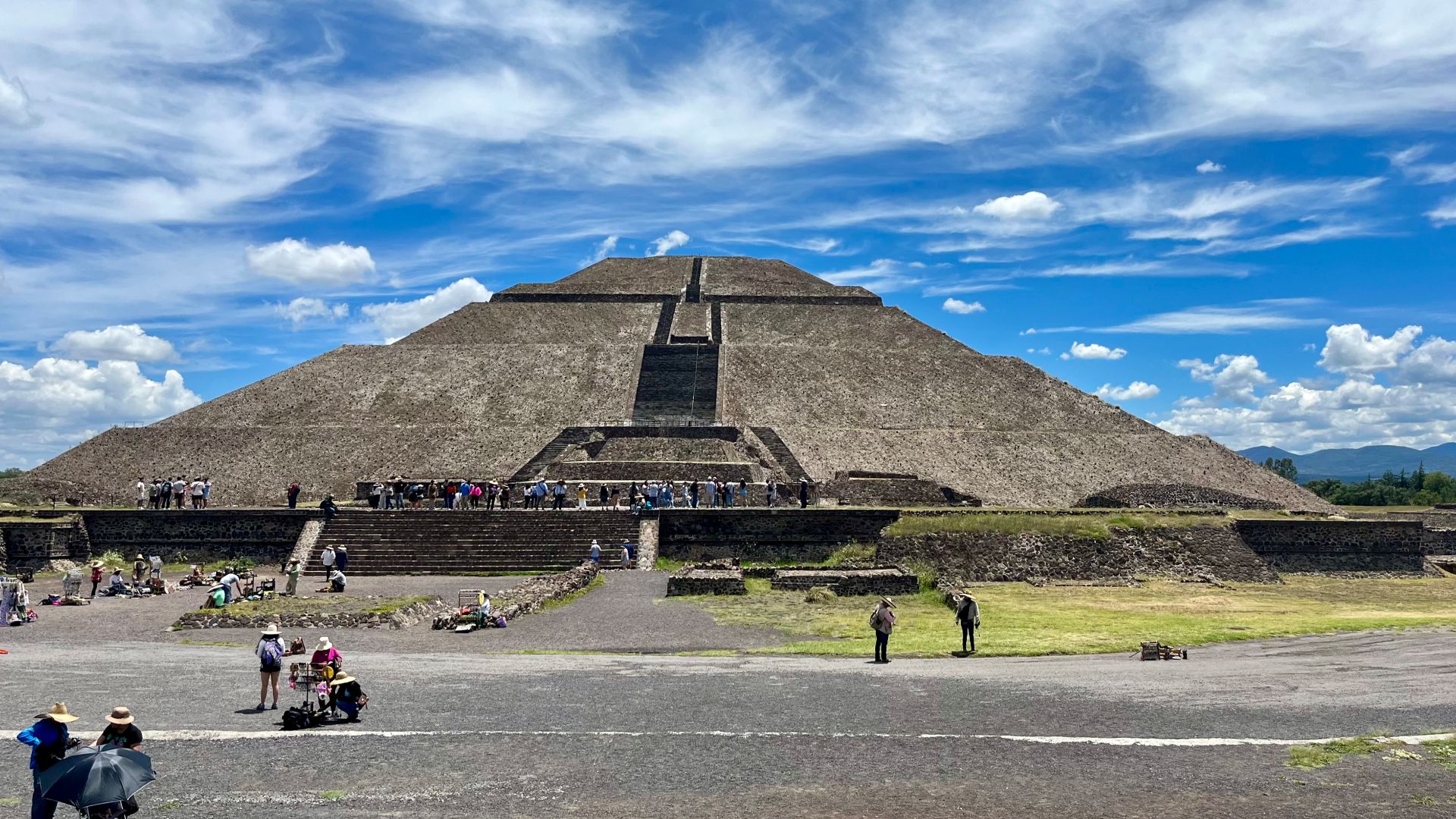
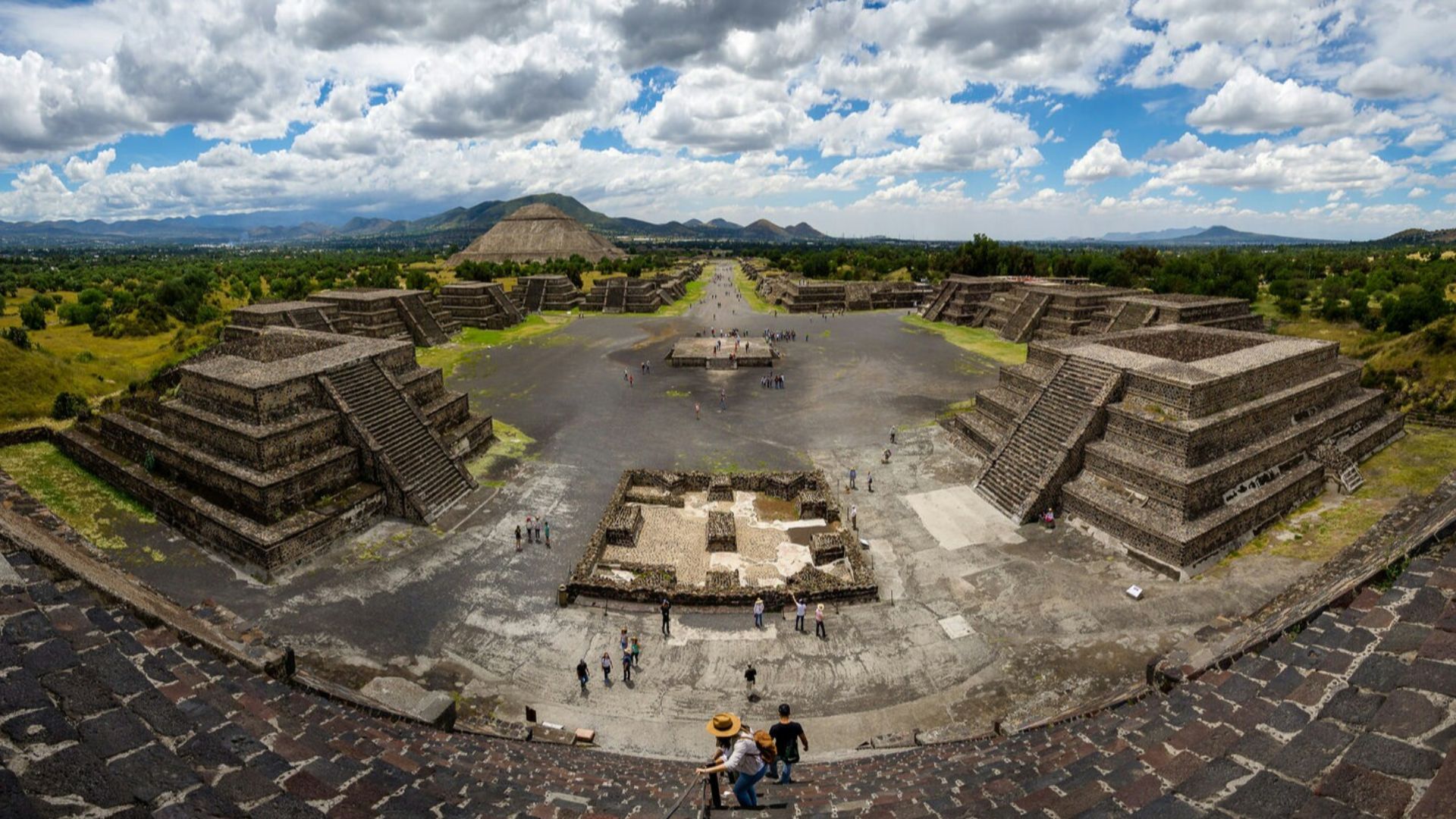
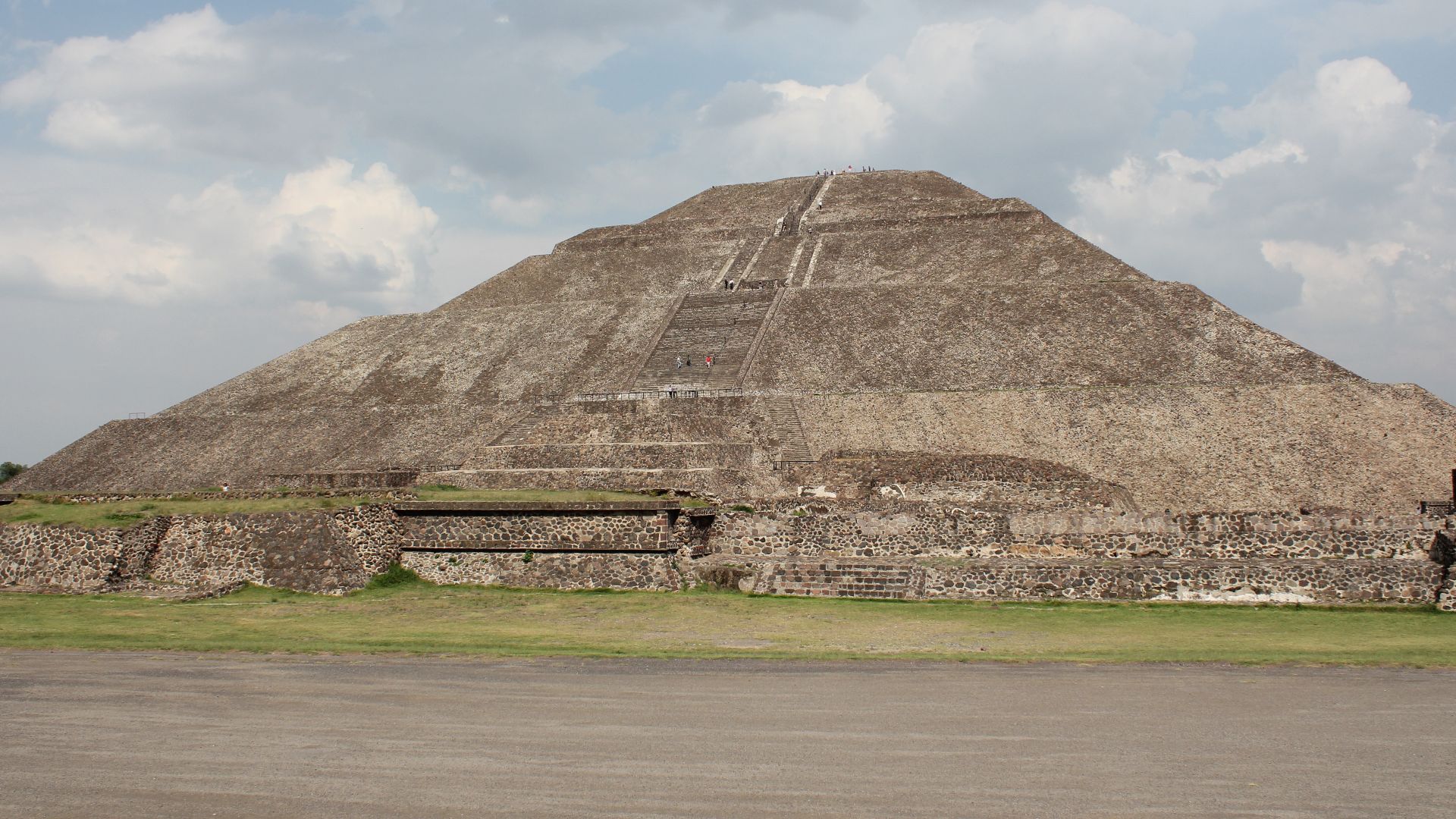
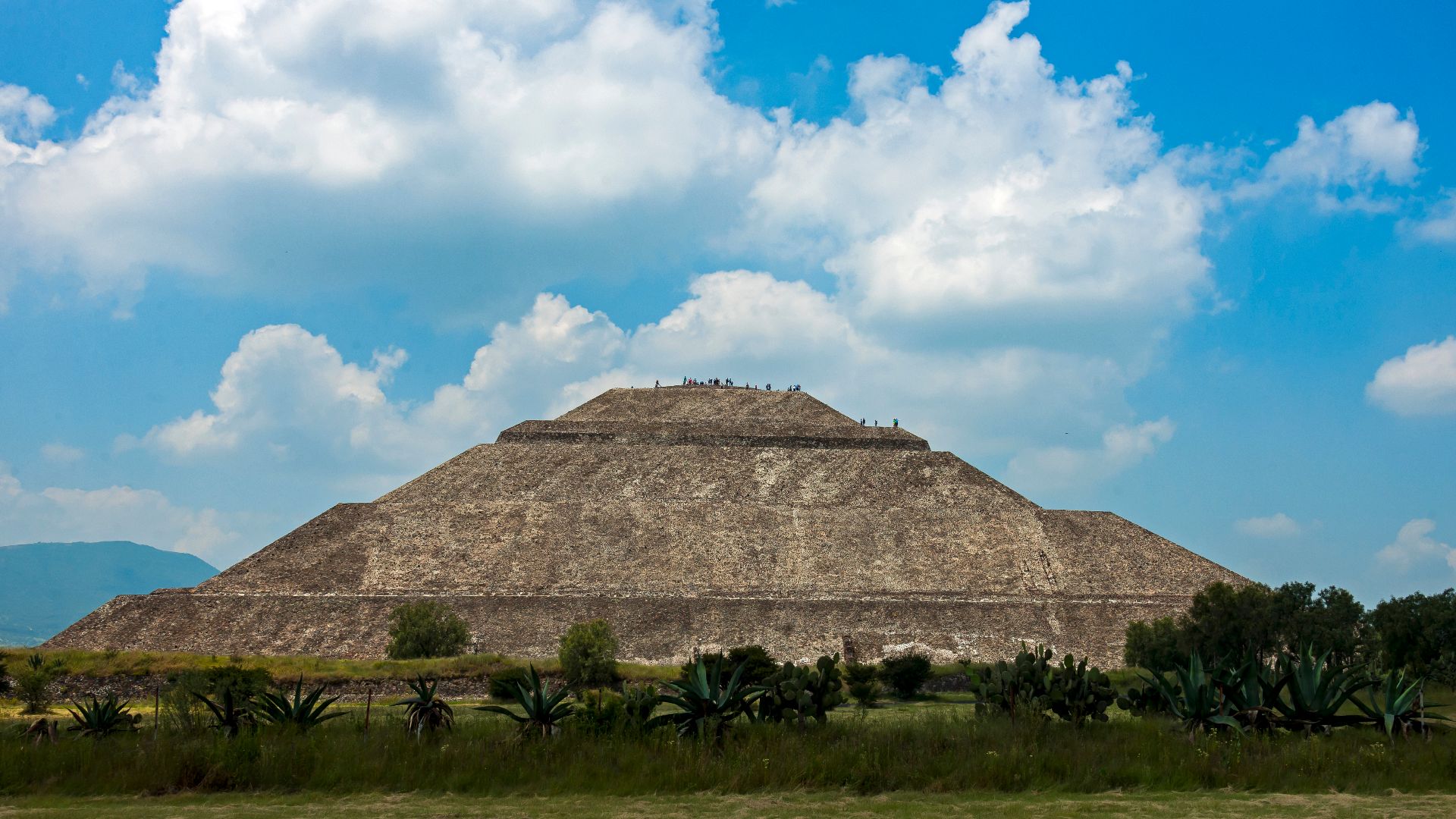
Completed around 200 CE, the Pyramid of the Sun became one of Teotihuacan’s greatest landmarks. Its location influenced the orientation of the surrounding city, linking monumental architecture with mountains, streets, open spaces, and water routes. The pyramid belonged to an urban landscape designed as a connected whole.
What Lies Beneath
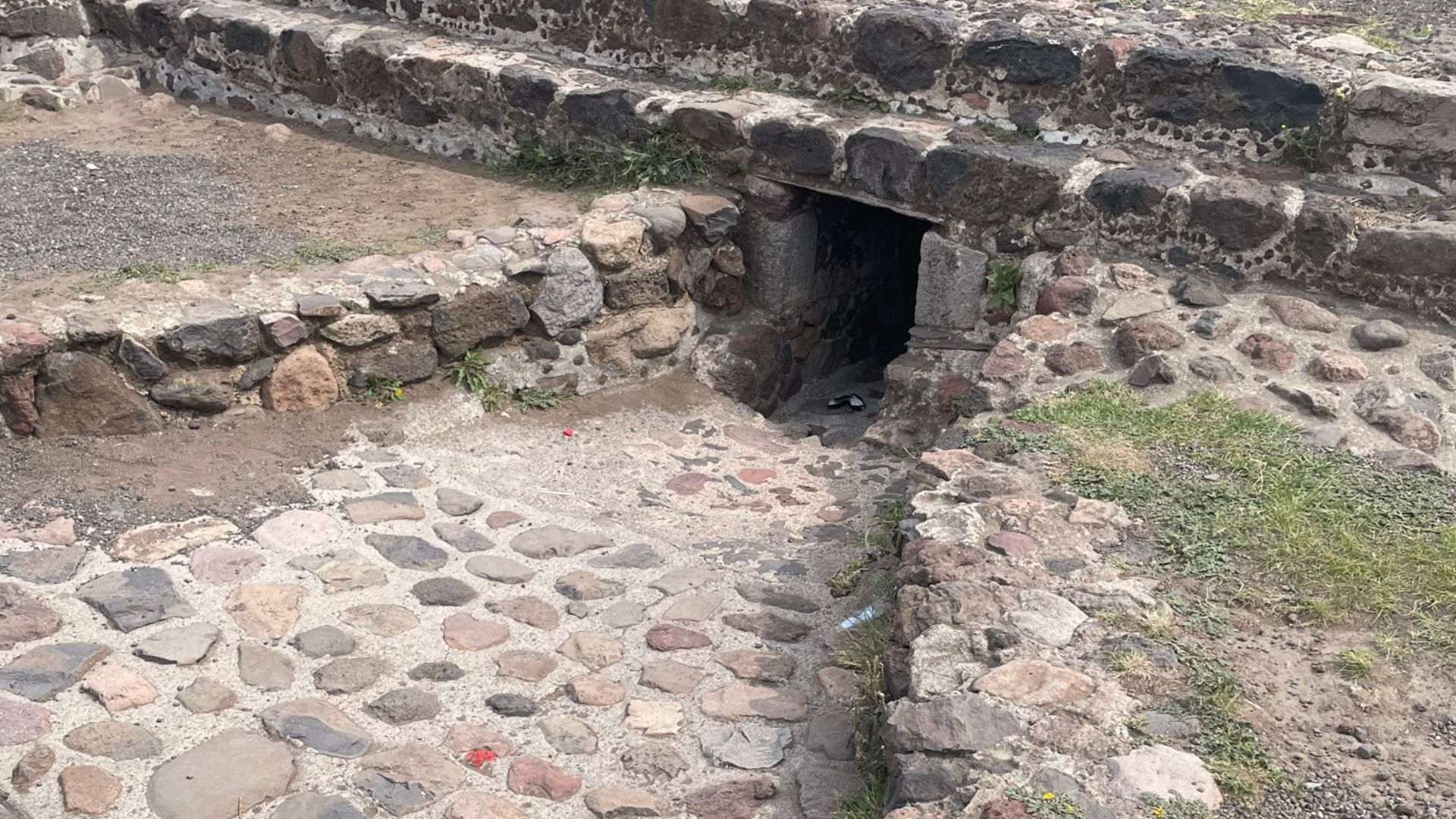
A man-made tunnel and chamber system extends beneath the Pyramid of the Sun, although archaeologists generally interpret it as a sacred space rather than a water-supply canal. Elsewhere beneath Teotihuacan, buried drains and older channels reveal how repeatedly the city was rebuilt over earlier landscapes.
 Peachseltzer, Wikimedia Commons
Following The Ancient Channels
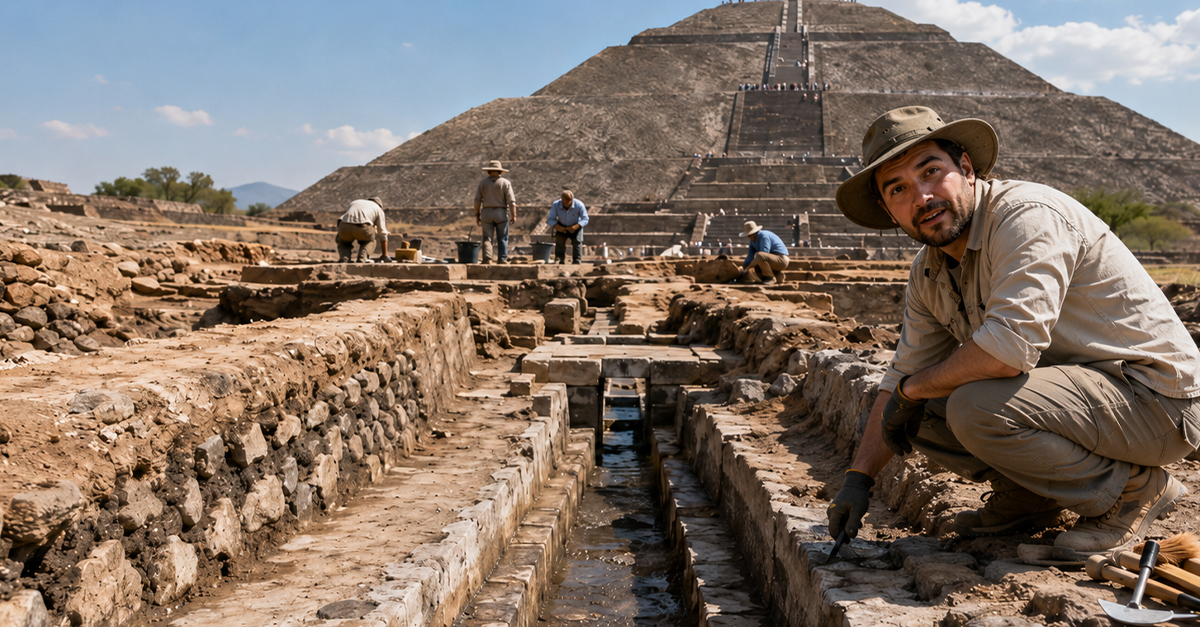
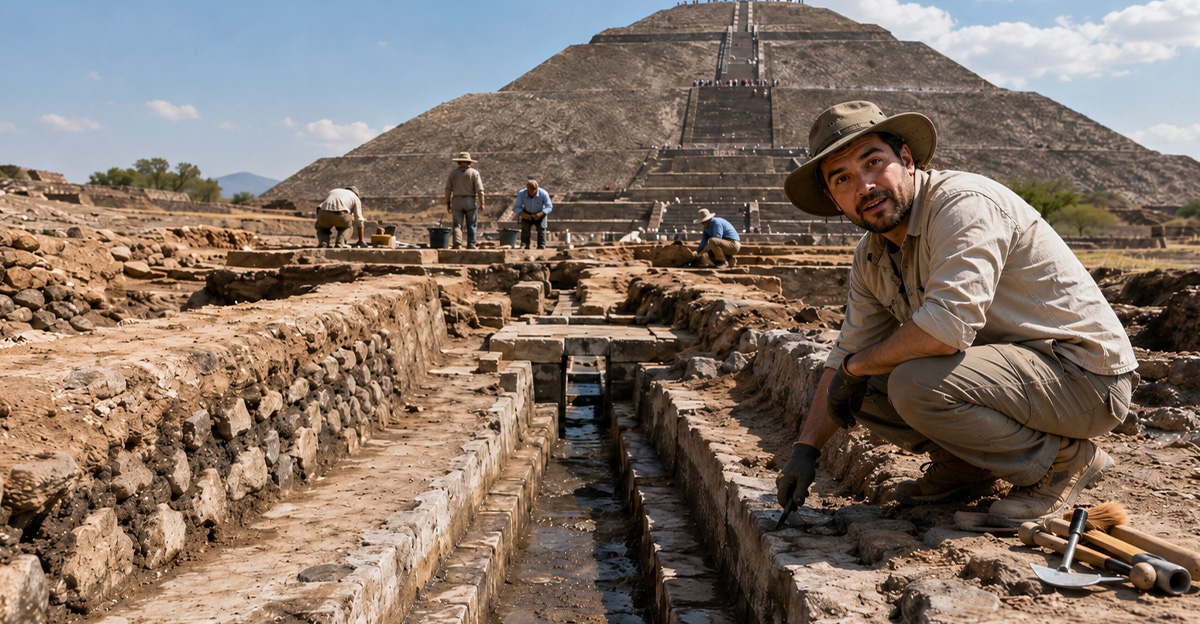
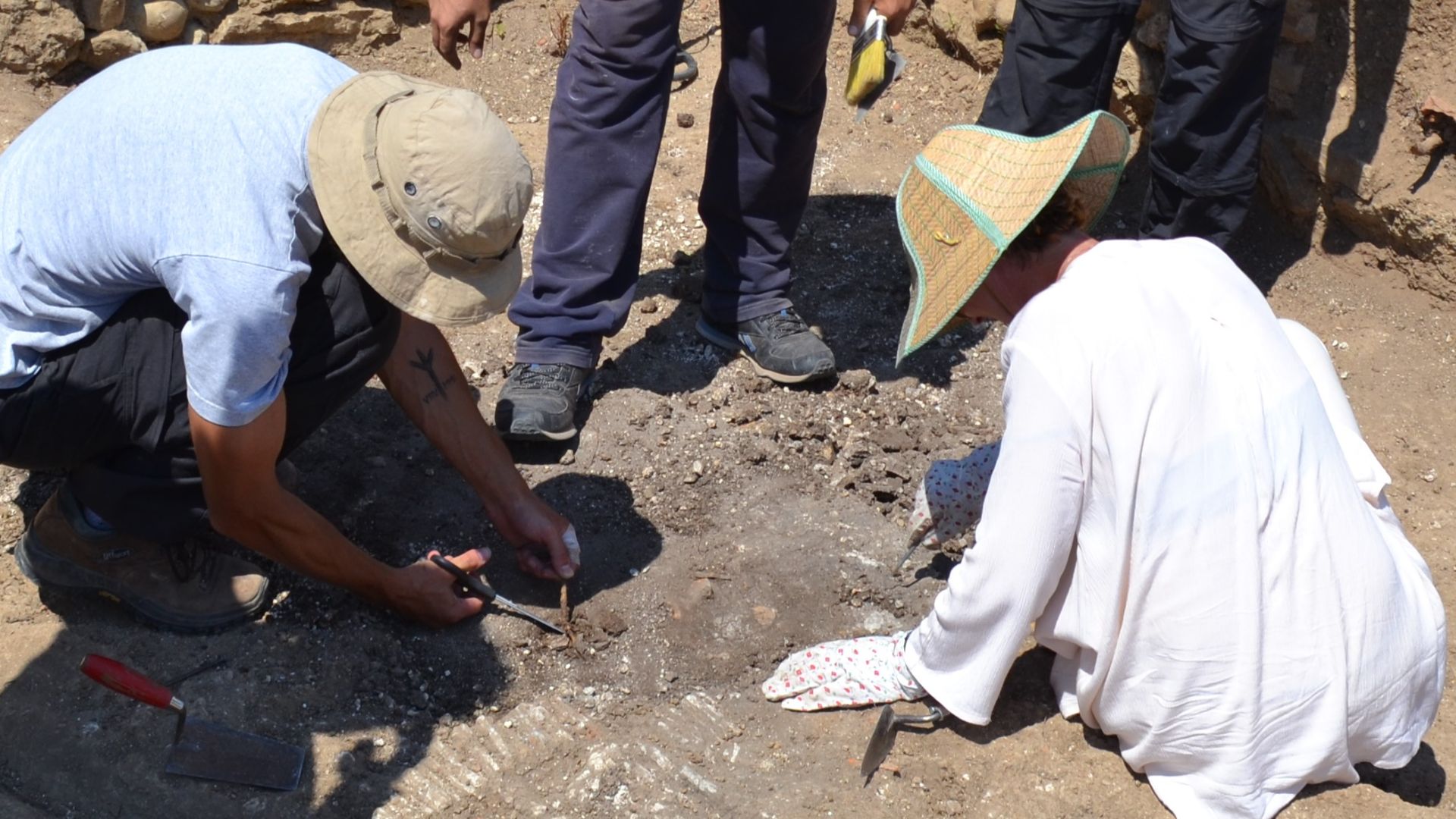
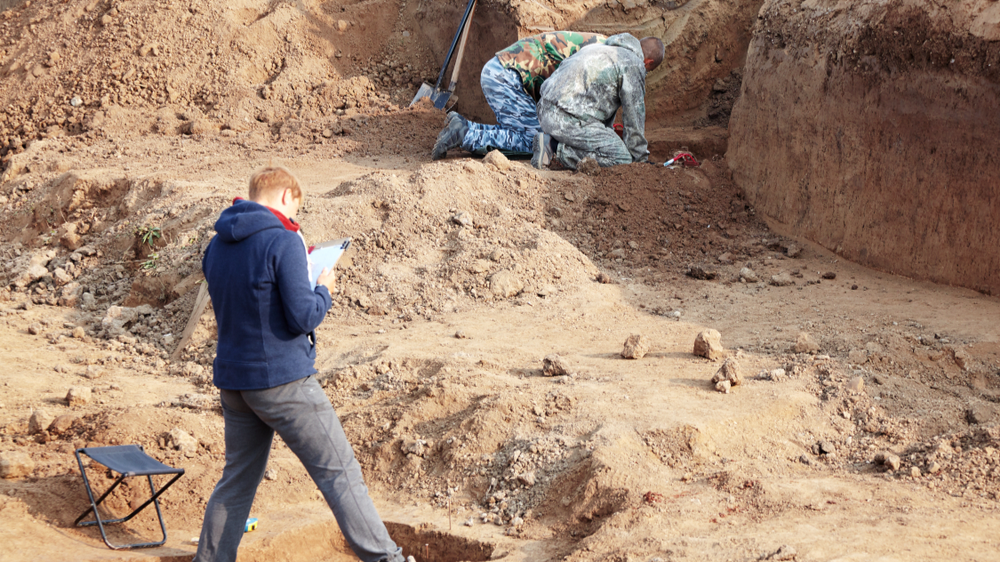
Archaeologists have identified canals in several parts of Teotihuacan. Some carried stormwater away from buildings, while others directed water toward fields. Excavations near the city’s western edge uncovered two canal networks dating to its early development, providing clear evidence that irrigation accompanied Teotihuacan’s rise.
Water Before The Metropolis
Some irrigation channels existed before later apartment compounds covered them. That discovery suggests water engineering was not an afterthought added once Teotihuacan became crowded. It was present during the city’s formative years, helping make large-scale settlement possible before its most famous monuments reached their final form.
 Juan Carlos Fonseca Mata, Wikimedia Commons
Taming The San Juan River
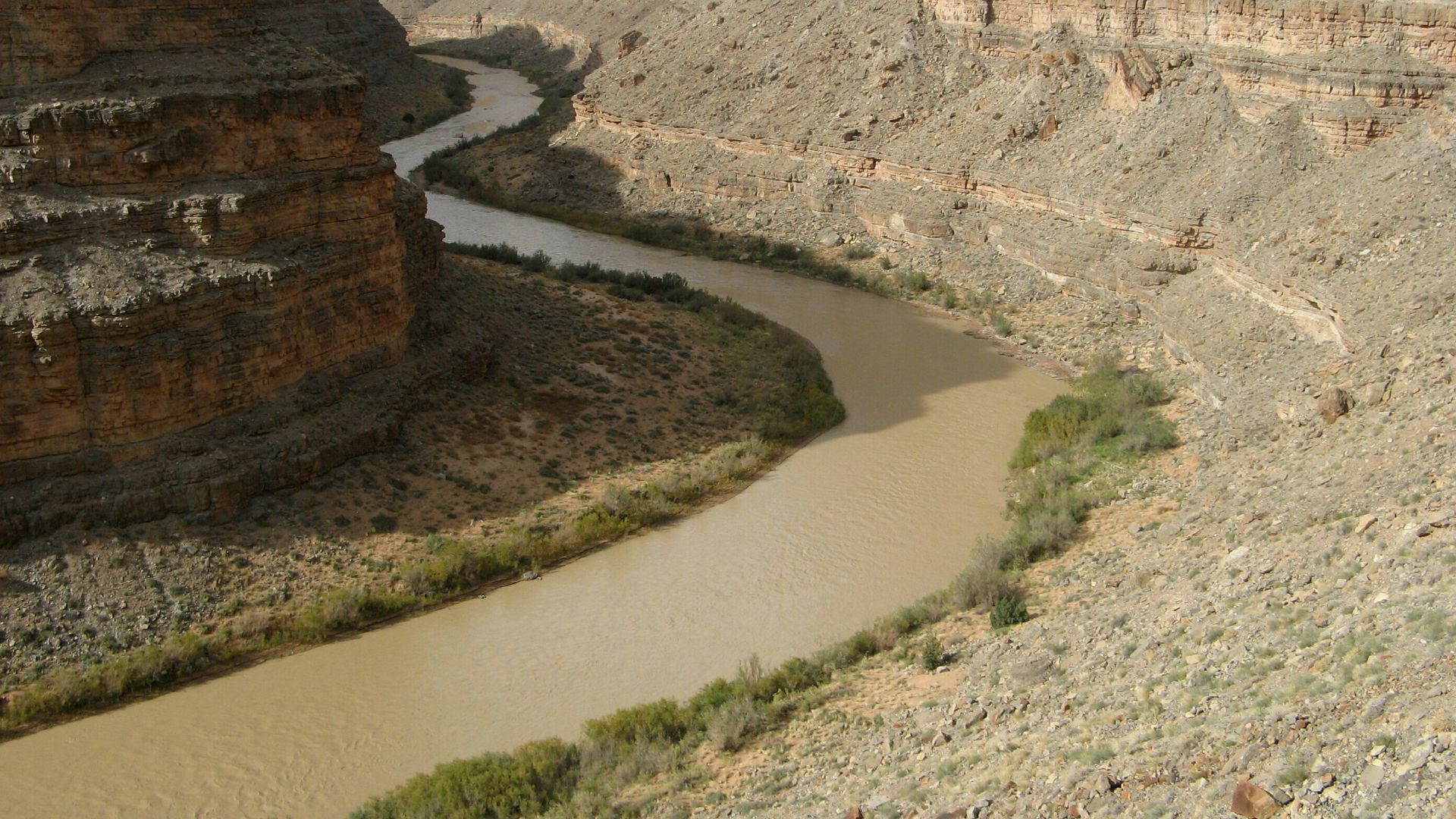
One of the boldest projects involved the San Juan River. Teotihuacan’s planners channelized sections of the river, straightening its course so that it fitted the city’s carefully ordered design. The waterway became both useful infrastructure and a visual feature connected to major ceremonial buildings.
 MostlyDeserts, Wikimedia Commons
Making Water Obey The Grid
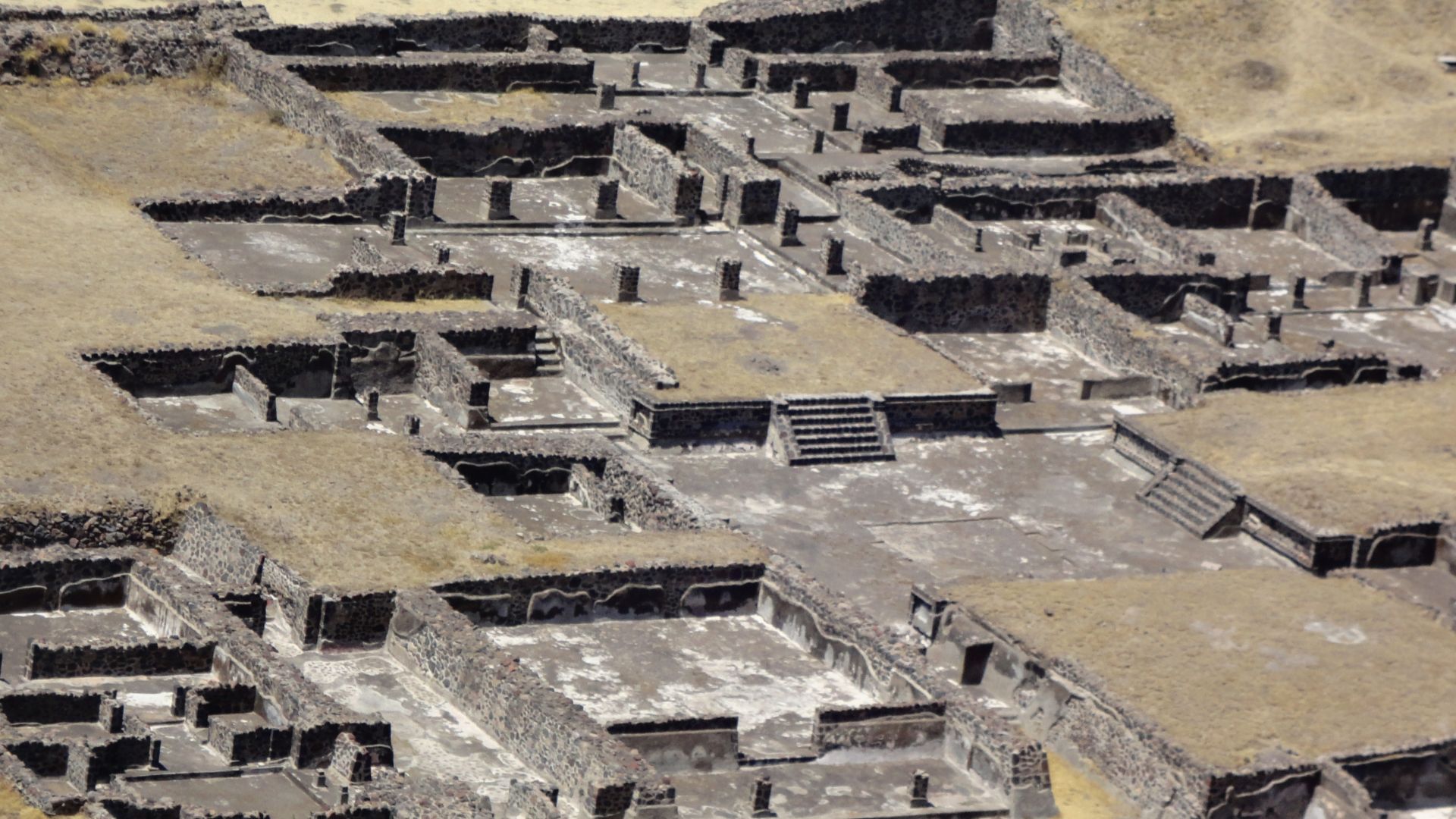
Teotihuacan followed a striking urban grid rather than expanding randomly. Streets, compounds, temples, and waterways shared deliberate orientations. Controlling water through that organized landscape required planners to understand slope, gravity, soil, and seasonal flow, even though they worked without modern surveying equipment.
Drains Beneath Daily Life
Inside the city’s residential compounds, drainage channels helped remove rainwater and household runoff. Courtyards could collect large amounts of water during storms, so builders placed stone-lined drains beneath floors and passageways. These practical features protected walls, reduced standing water, and made dense urban living more manageable.
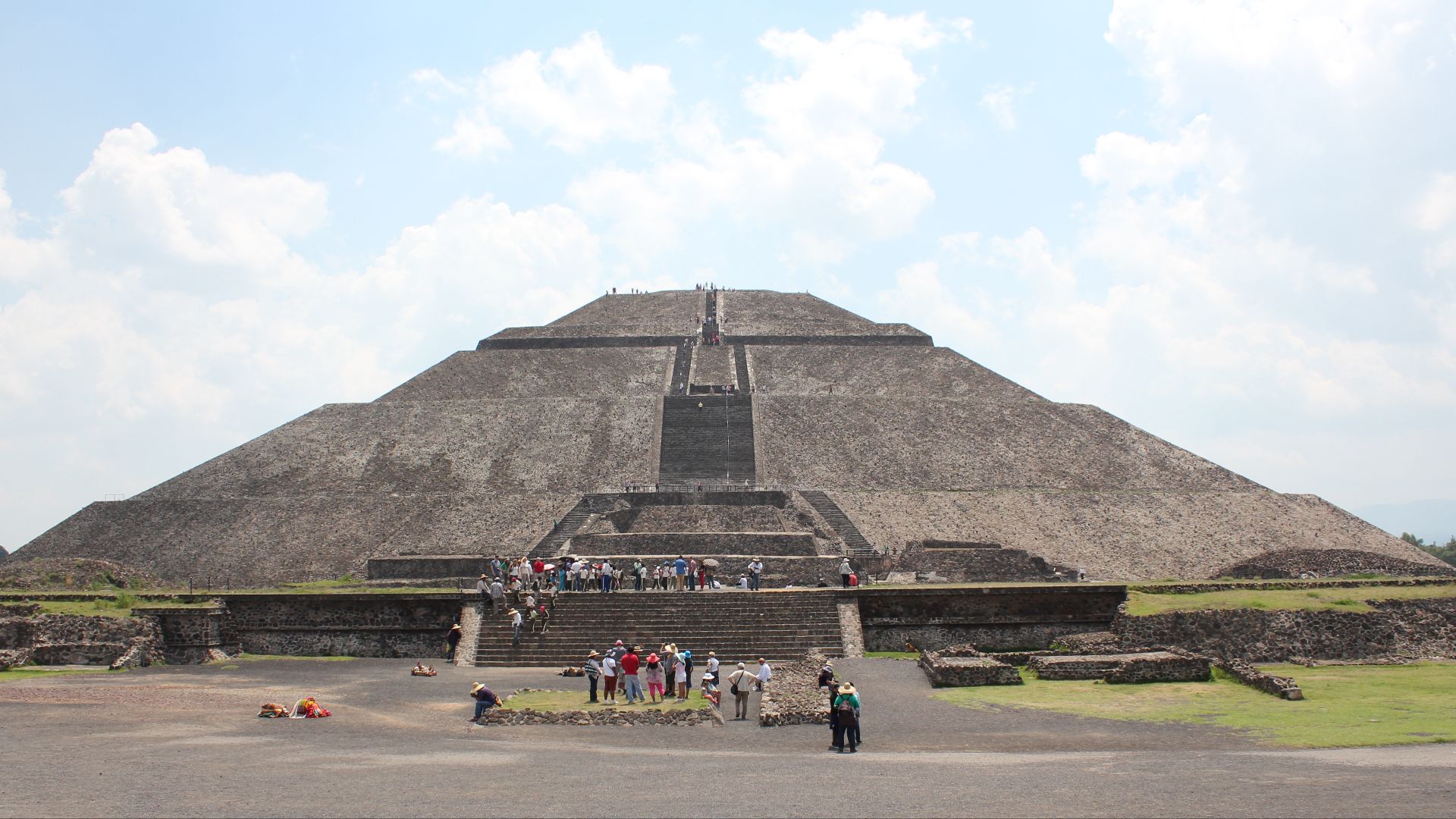 Arian Zwegers from Brussels, Belgium, Wikimedia Commons
A City Of Apartment Compounds
Teotihuacan housed much of its population in large apartment compounds containing multiple families. Thousands of residents cooked, cleaned, stored goods, practiced crafts, and performed rituals in these enclosed spaces. Reliable drainage was therefore not a luxury. It was one of the systems holding urban life together.
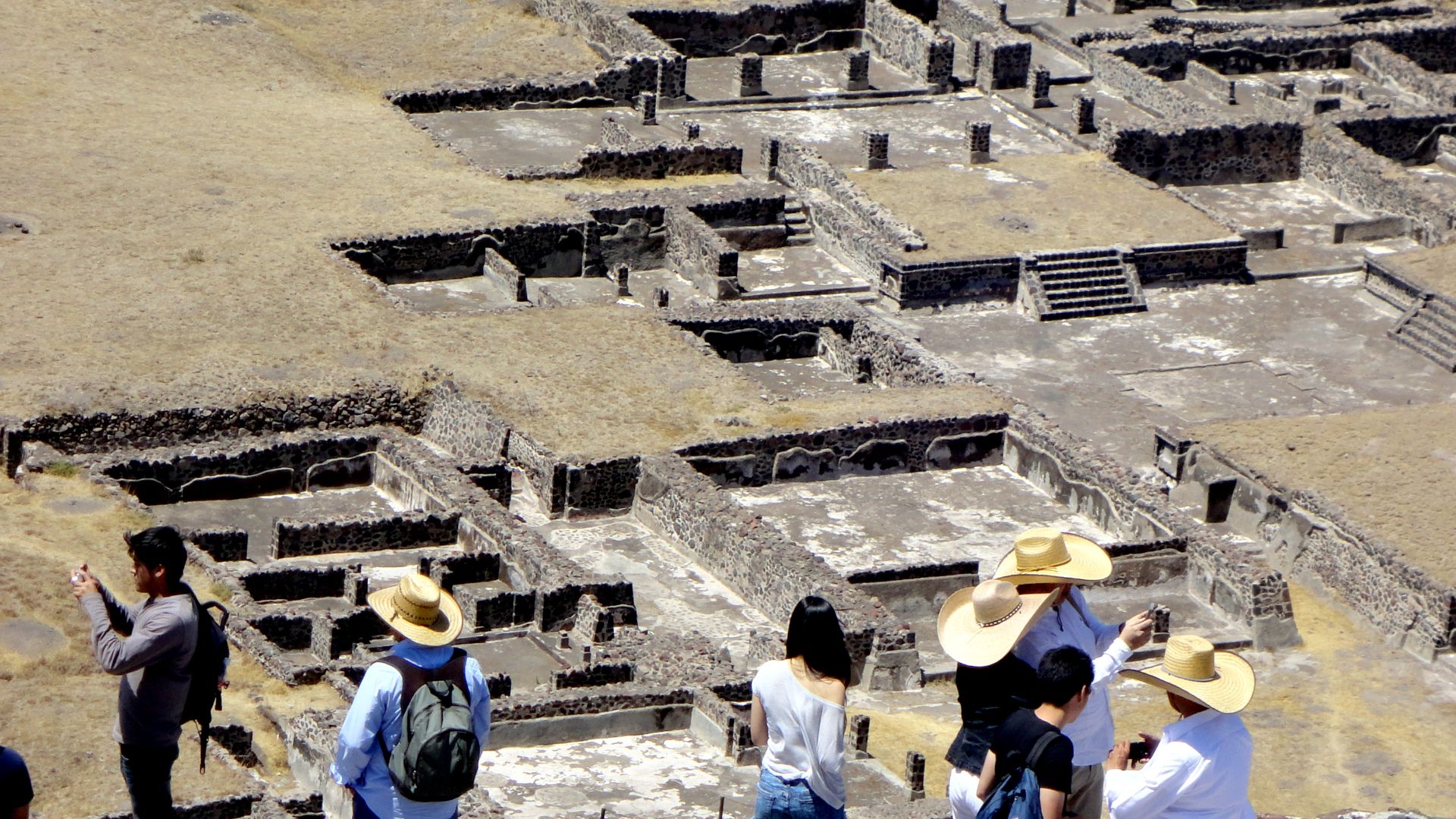 Juan Carlos Fonseca Mata, Wikimedia Commons
The Power Of Gravity
The city’s engineers did not need electric pumps. They shaped channels so gravity could carry water from higher ground to lower areas. Even a small mistake in gradient could leave a canal dry or cause destructive overflow, meaning builders needed a sharp practical understanding of how water moved.
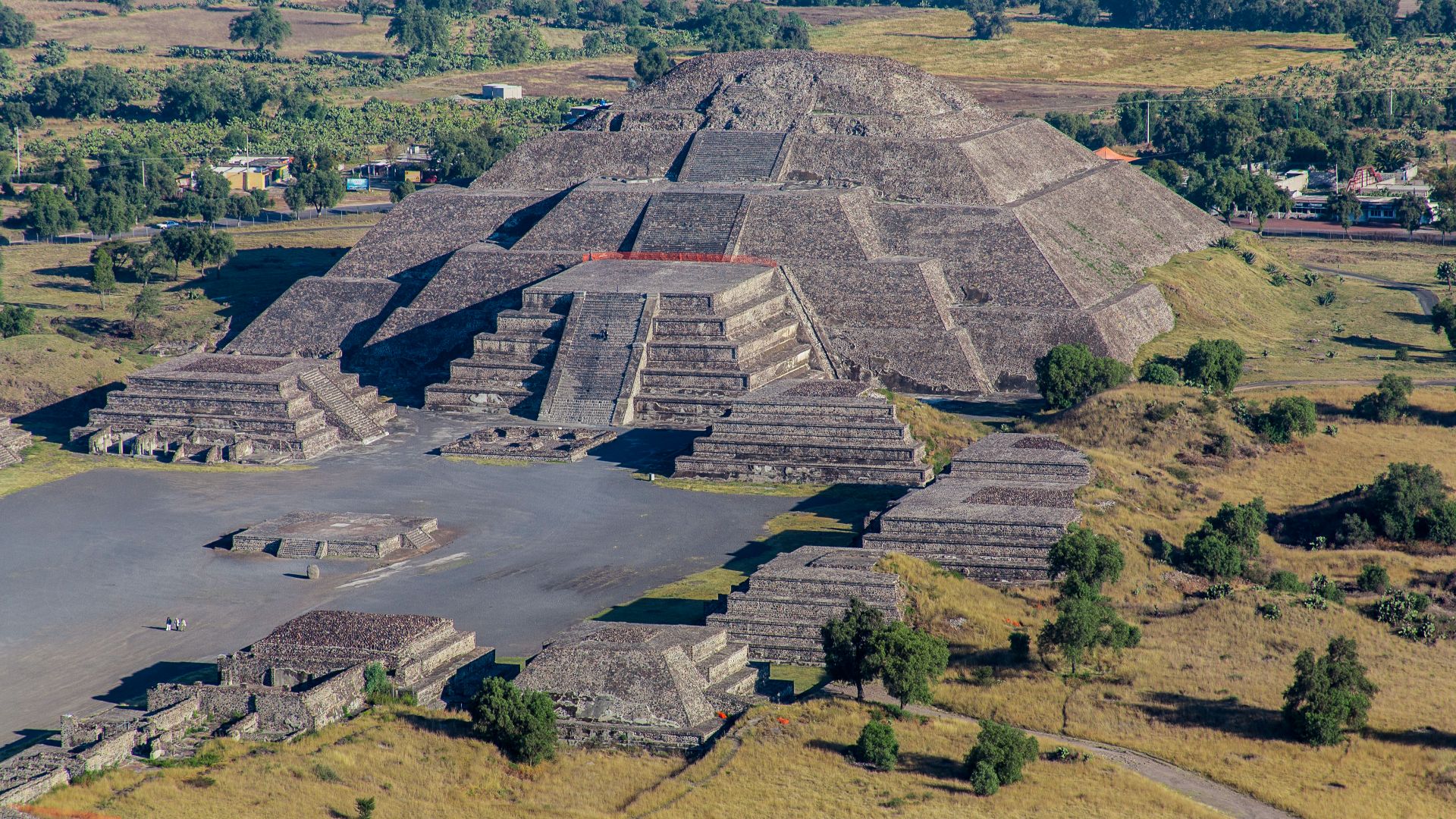 Ricardo David Sánchez, Wikimedia Commons
Catching Sudden Rainfall
Rain in the Teotihuacan Valley did not always arrive gently. Heavy downpours could overwhelm courtyards and erode streets. Channels and drains captured some of that runoff, guiding it away from vulnerable buildings. The system helped turn dangerous stormwater into something that could be controlled and, in some cases, reused.
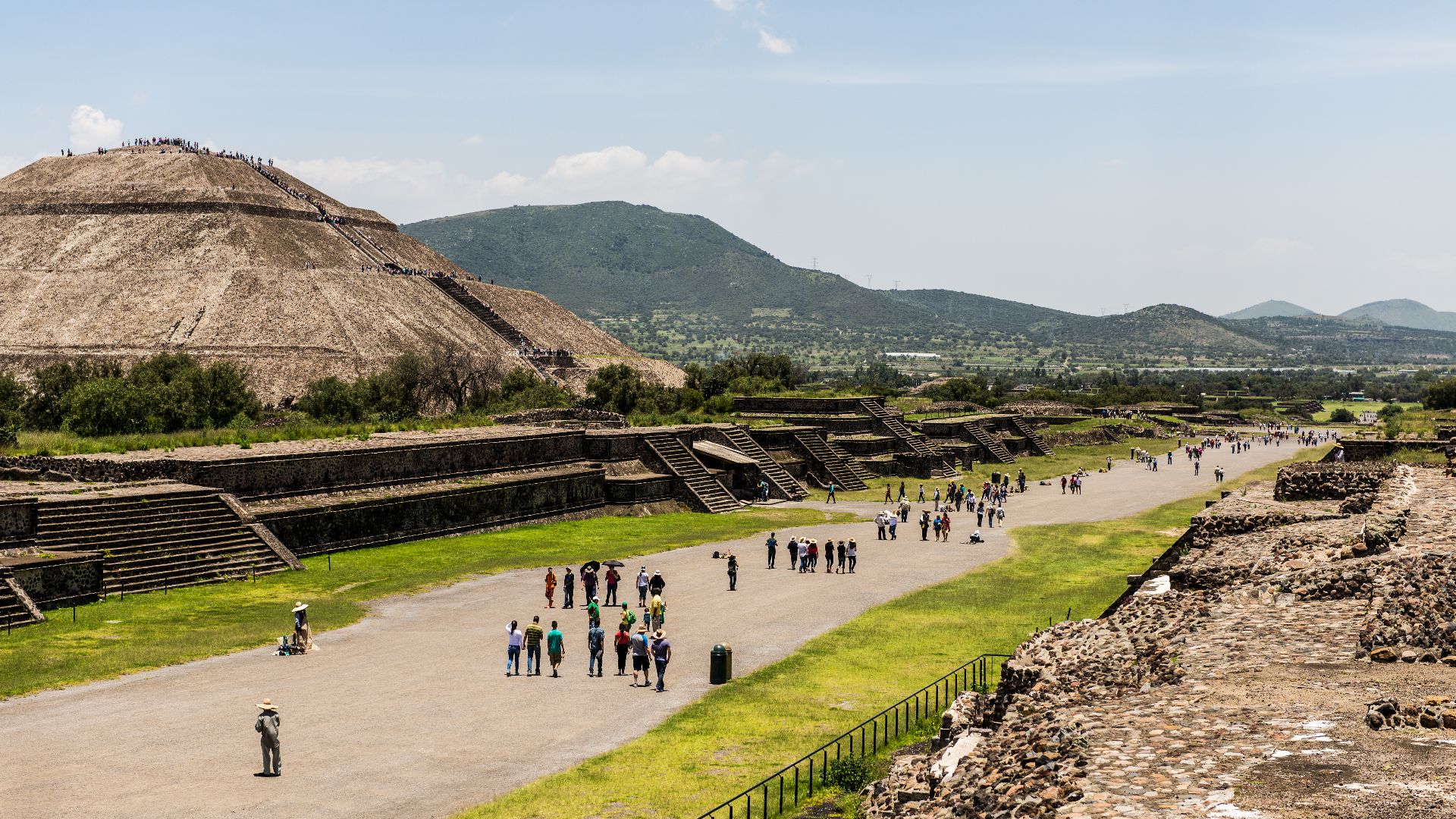 Ralf Roletschek, Wikimedia Commons
Feeding Fields Beyond The City
Teotihuacan could not survive on monuments alone. Farmers around the city produced maize, beans, squash, and other foods for a large urban population. Irrigation channels and floodwater farming made agricultural production more dependable, especially when rainfall failed to arrive at the most useful time.
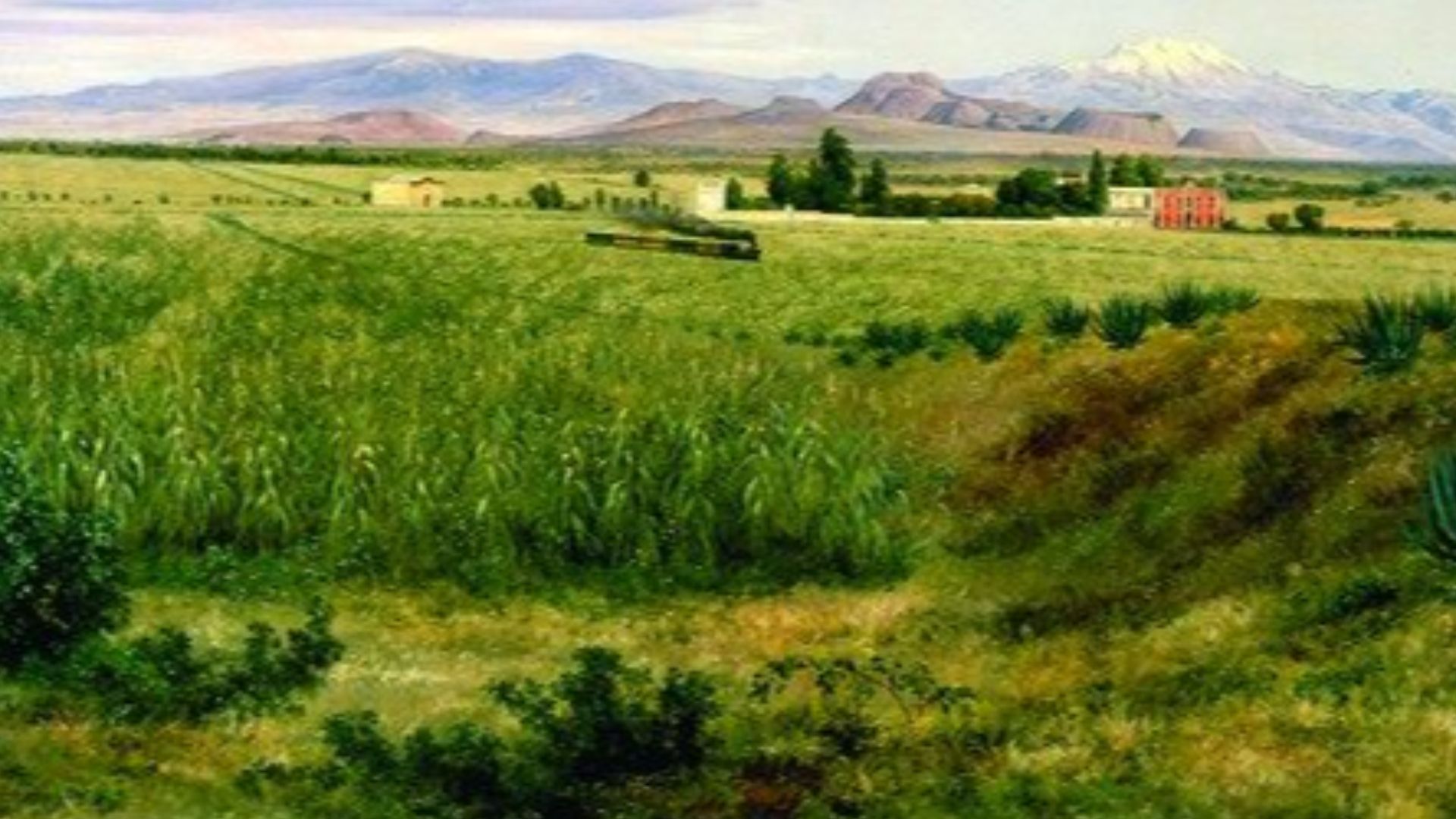 José María Velasco Gómez (1840—1912), Wikimedia Commons
Two Canal Networks
Excavations in the Tlailotlacan neighborhood revealed portions of two superimposed canal systems. Pottery associated with the channels dated them to the Terminal Formative period, making them the earliest firmly documented irrigation works at Teotihuacan. One network had apparently replaced or modified an earlier arrangement.
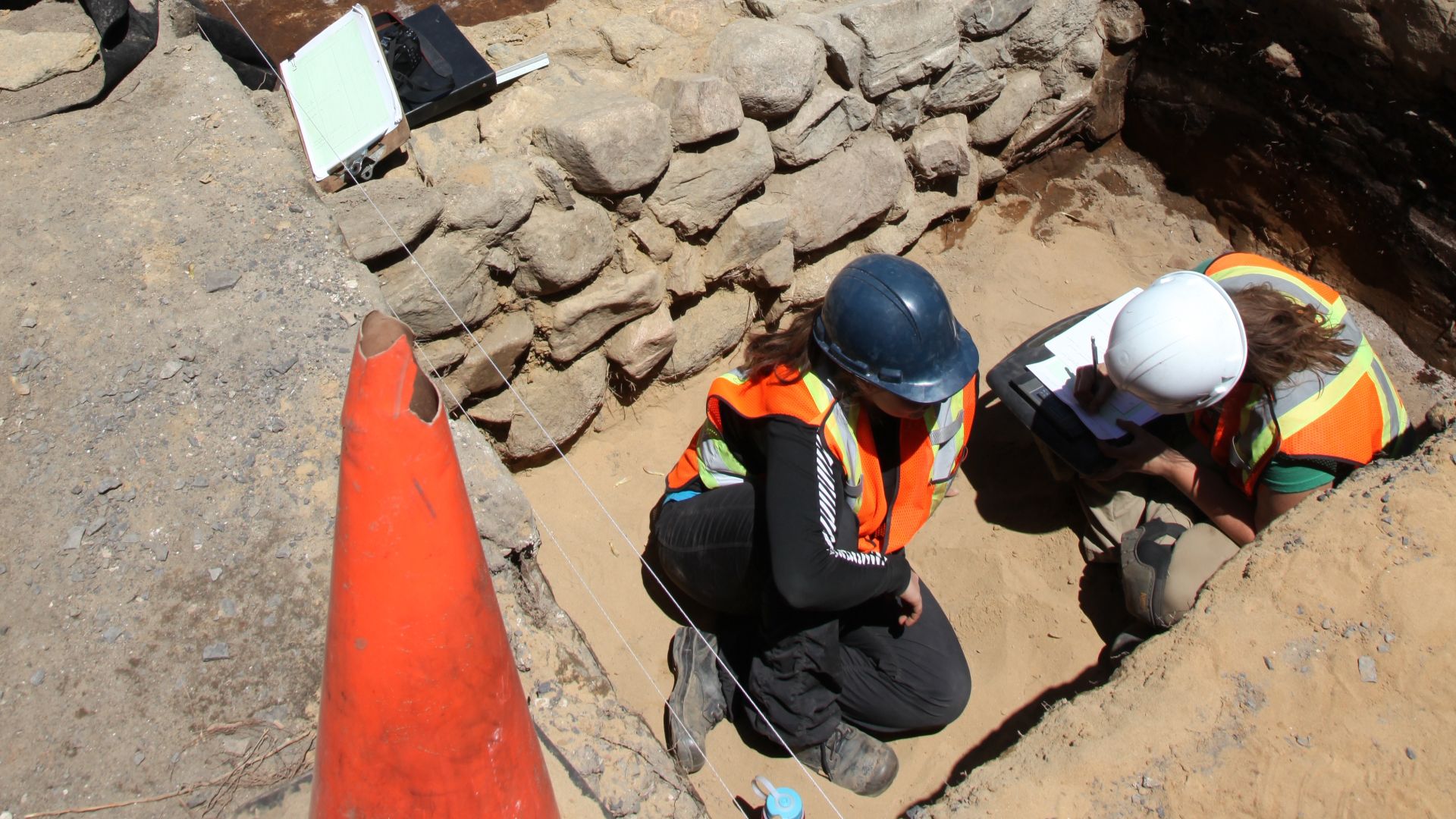 Marc-Lautenbacher, Wikimedia Commons
Rebuilding The Landscape
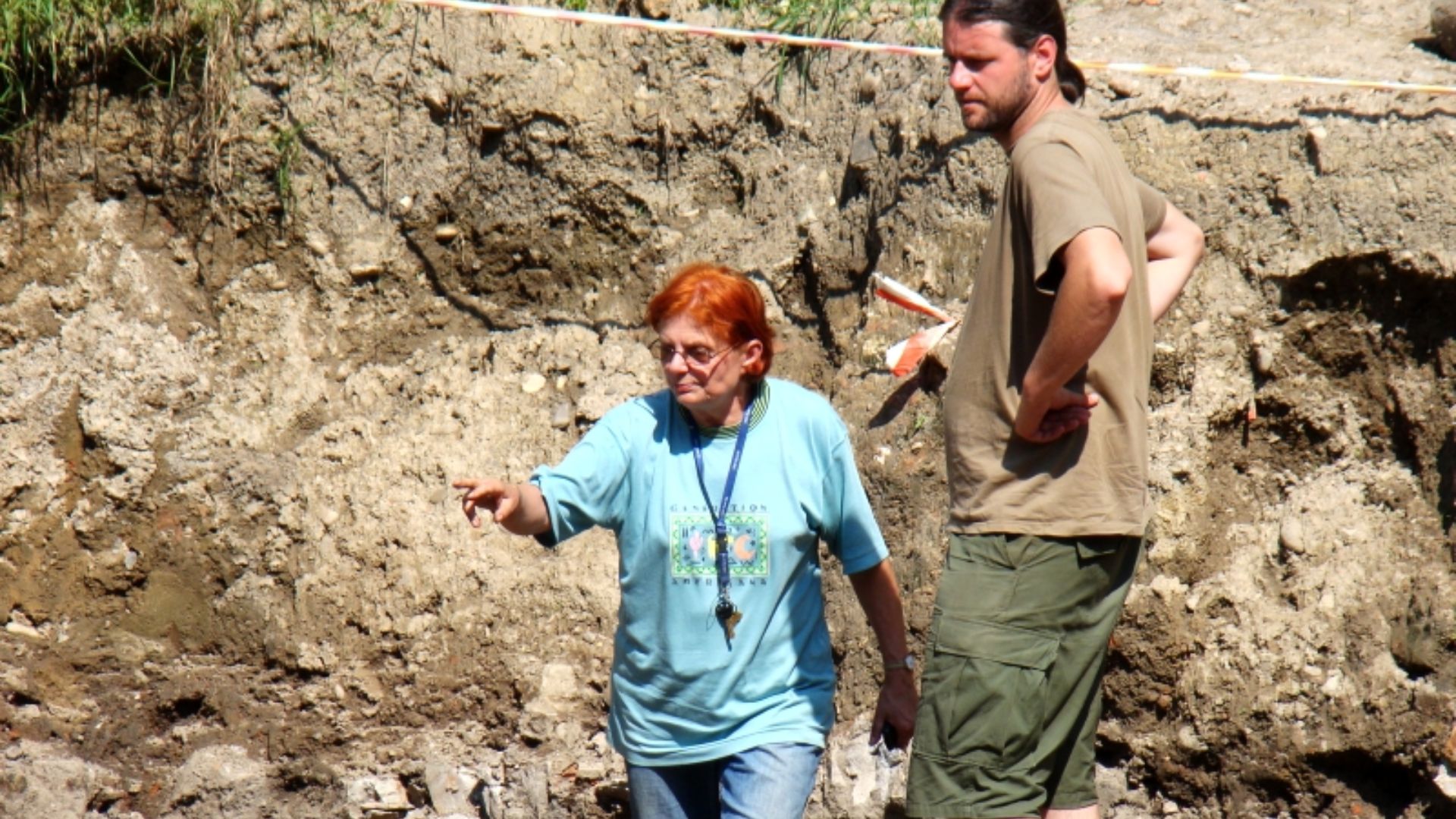
Finding canals buried beneath later buildings shows that Teotihuacan’s landscape changed constantly. A channel might serve fields for years before being filled, abandoned, or covered by housing. The city did not simply appear according to one perfect plan. Generations of residents repeatedly adjusted it to meet new needs.
Supporting A Huge Population
Population estimates vary, but Teotihuacan was unquestionably one of the largest cities in the ancient Americas. Supplying that many people required water from multiple sources, probably including rivers, springs, rainfall, wells, storage features, and local distribution systems. No single canal could have sustained the metropolis by itself.
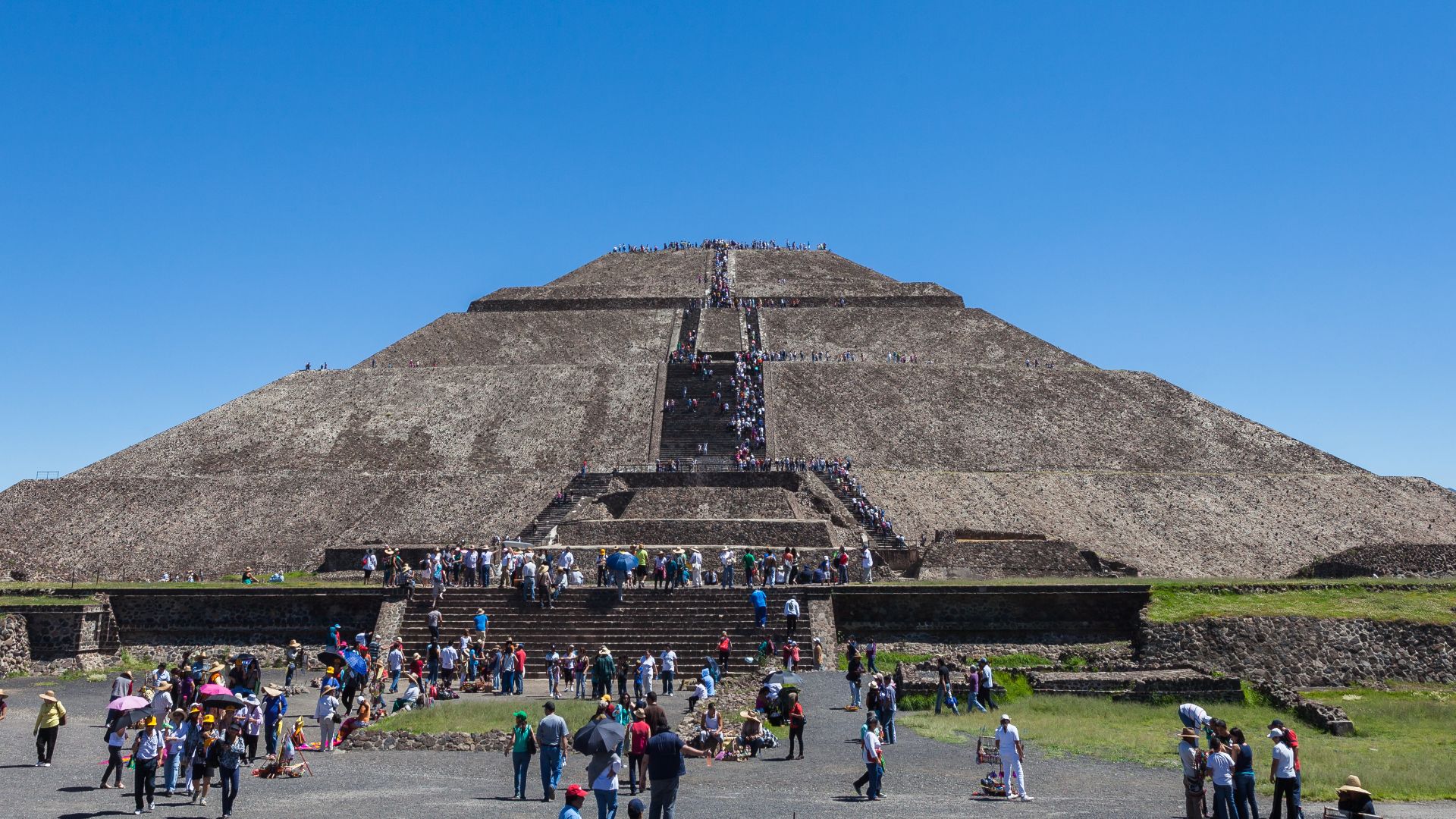 Diego Delso, Wikimedia Commons
Wells Within The City
Research has also documented the importance of wells in Teotihuacan’s urban development. These would have given some neighborhoods access to groundwater without relying entirely on distant sources. Together with canals and drains, wells formed part of a varied system adapted to different locations and changing conditions.
 Arian Zwegers from Brussels, Belgium, Wikimedia Commons
Engineering With Stone And Plaster
Canals and drains had to survive flowing water, sediment, pressure, and regular use. Builders lined many channels with stone or plaster, creating durable surfaces that limited erosion and leakage. Maintenance crews would still have needed to remove silt and repair damage, especially after powerful seasonal storms.
 Arian Zwegers from Brussels, Belgium, Wikimedia Commons
Practical Work With Sacred Meaning
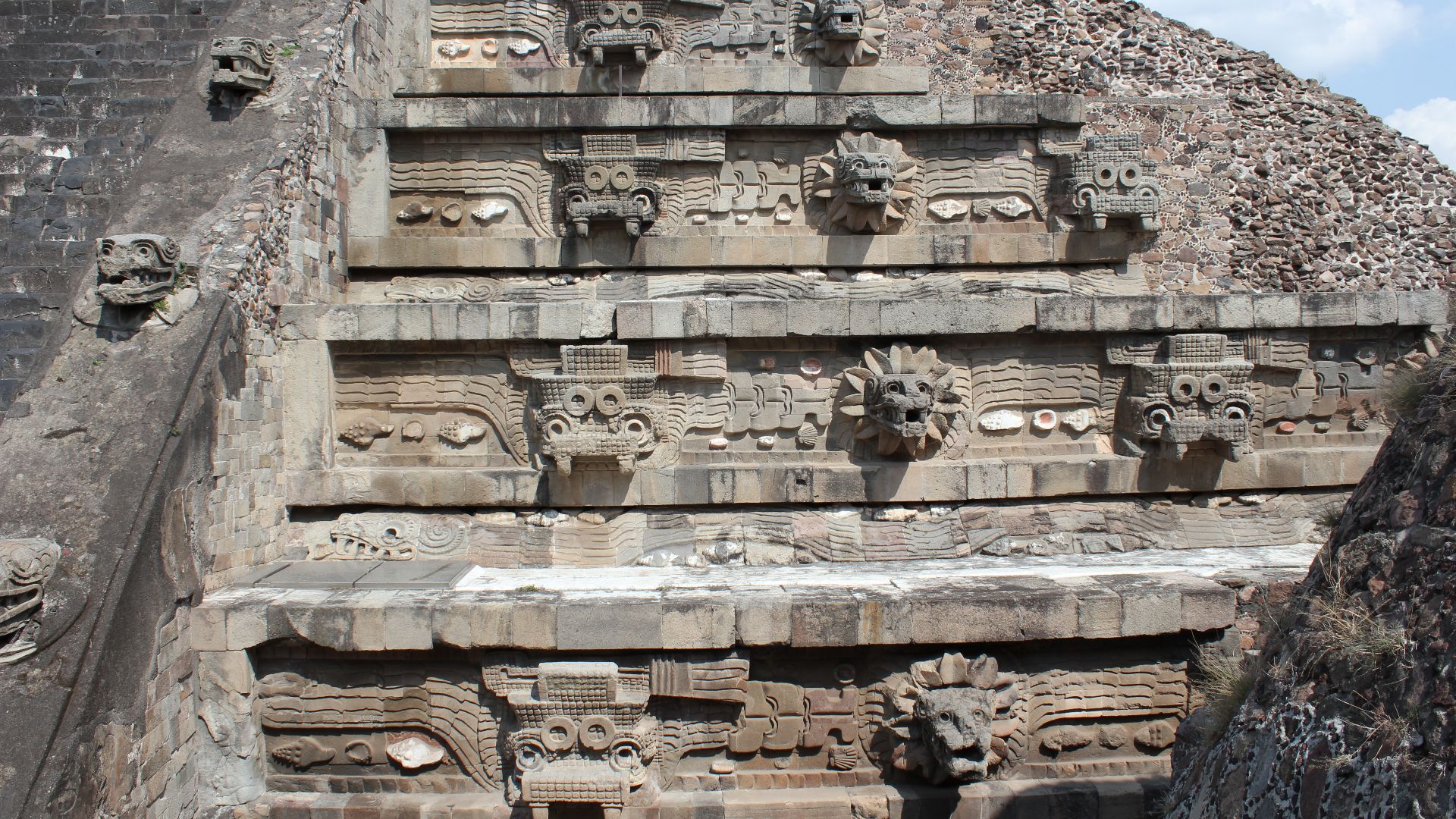
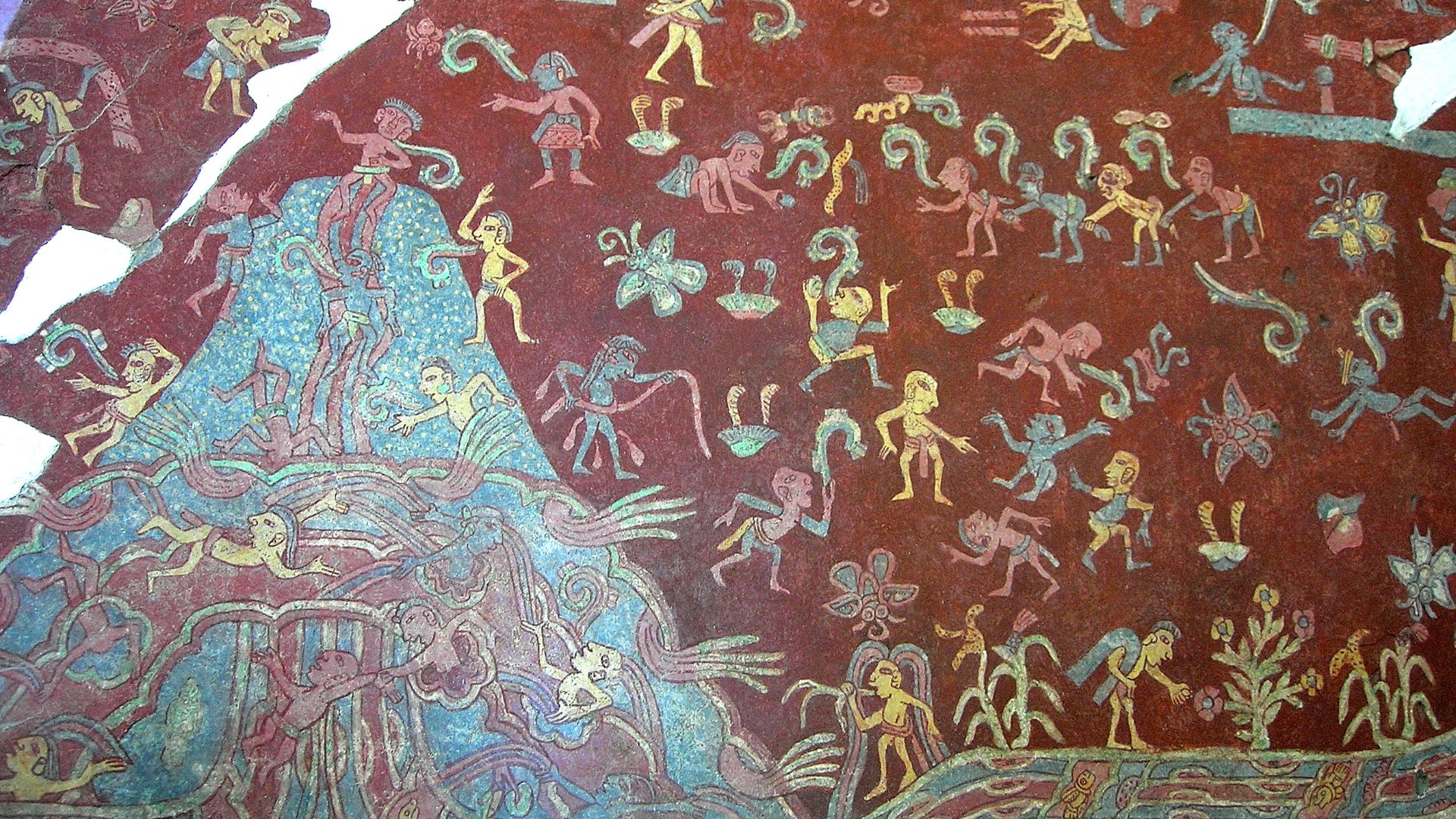
Water at Teotihuacan was not merely a practical resource. It appeared in religious imagery and was associated with rain, fertility, flowing water, and agricultural renewal. The city’s hydraulic landscape therefore carried symbolic importance, joining everyday survival with ceremonies intended to maintain balance between people, nature, and supernatural forces.
The Feathered Serpent Connection
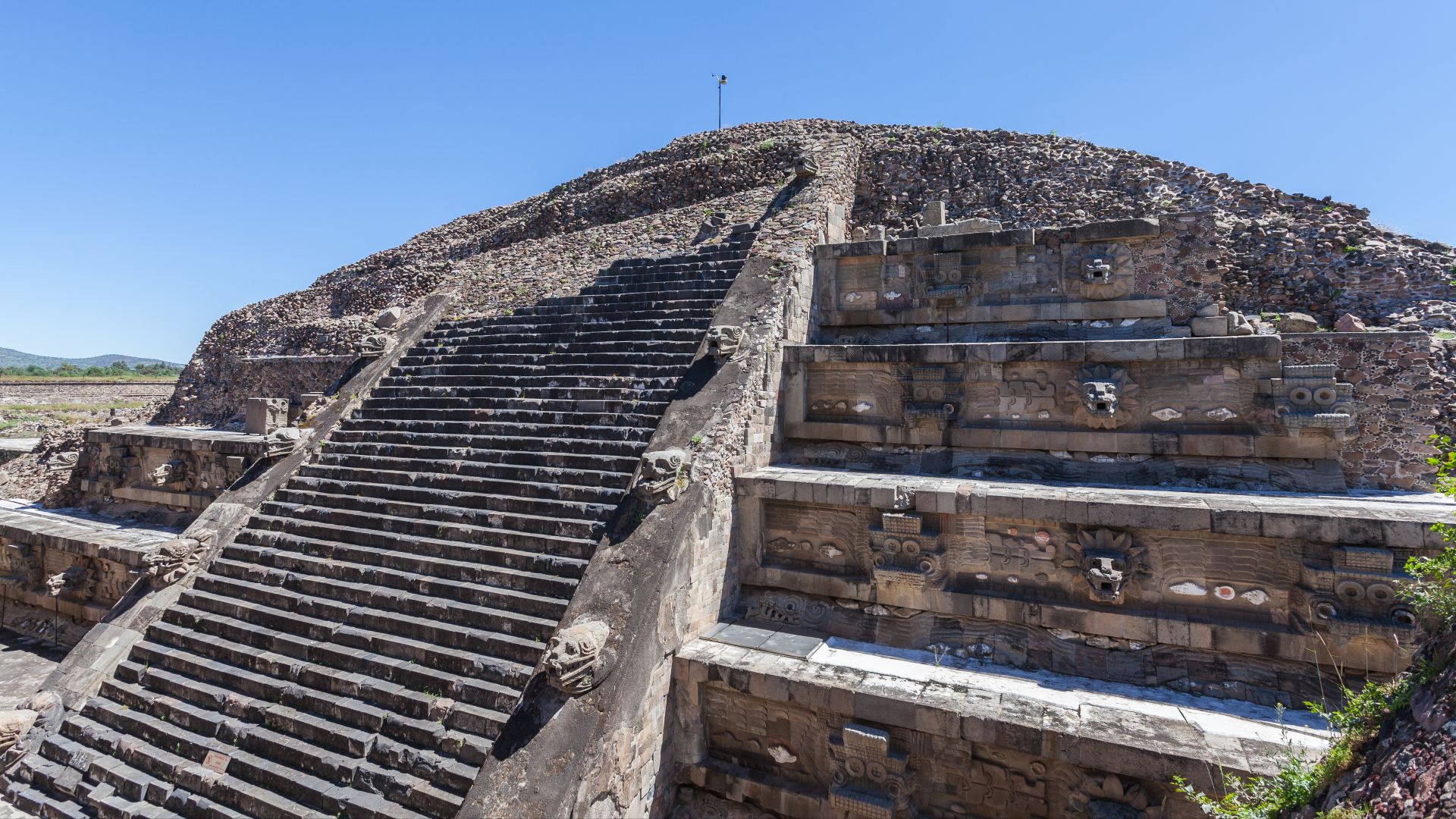
The straightened San Juan River visually approached the Temple of the Feathered Serpent, a monument covered with watery imagery. Researchers argue that this relationship was intentional. Visitors moving along the canalized river would have seen engineering, ritual, and political authority brought together in one powerful urban display.
 Diego Delso, Wikimedia Commons
Water And Civic Authority
Large hydraulic projects require cooperation. Someone had to organize workers, mark routes, settle access, clear channels, and decide where water should travel. Archaeologists continue debating exactly how Teotihuacan was governed, but its canals show that residents could coordinate major projects affecting entire neighborhoods and agricultural zones.
 ProtoplasmaKid, Wikimedia Commons
Maintenance Never Ended
Constructing a canal was only the beginning. Mud, plants, rubbish, and collapsed masonry could block the flow. Channels had to be inspected and cleaned, while damaged linings needed repairs. Teotihuacan’s water system survived because generations of workers performed the less glamorous tasks that kept it functioning.
Not A Modern Water Network
It is tempting to imagine an ancient version of household plumbing, but the evidence is more complicated. Teotihuacan probably relied on several overlapping systems rather than one unified network delivering water everywhere. Archaeologists also caution that some proposed reconstructions of its water supply remain unverified.
 Daniel Case, Wikimedia Commons
Reading Clues In The Dirt
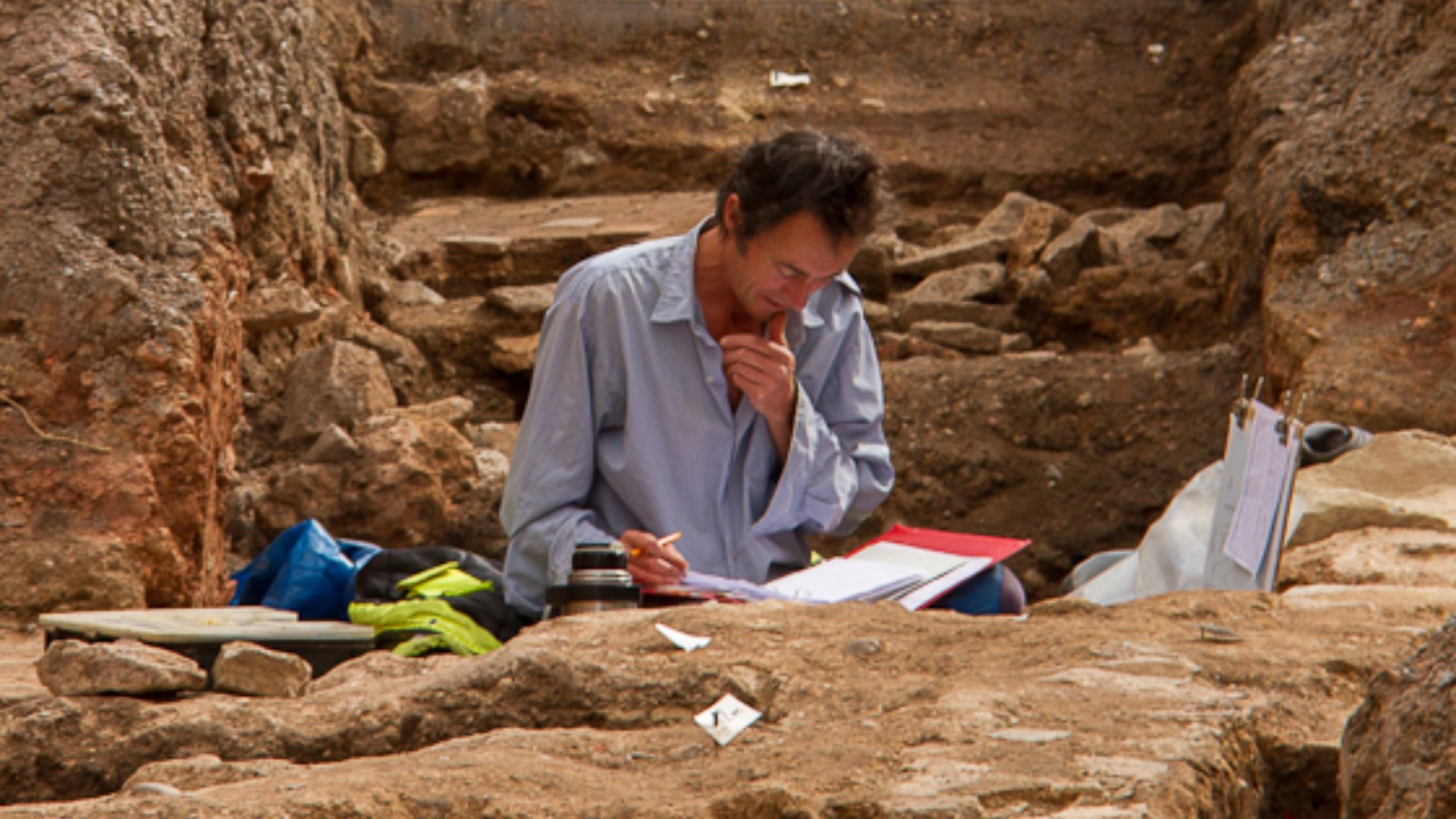
Archaeologists study channel walls, sediments, pottery, pollen, soil chemistry, and changes in construction to understand how waterworks functioned. A thin layer of silt may reveal flooding, while a repaired lining can show repeated use. Even abandoned canals preserve evidence of the people who designed and maintained them.
Why The System Mattered
The canals did more than keep water moving. They supported food production, protected buildings, shaped ceremonial spaces, and helped neighborhoods function. Teotihuacan’s success came partly from its ability to turn a difficult environment into an organized urban landscape capable of supporting people for centuries.
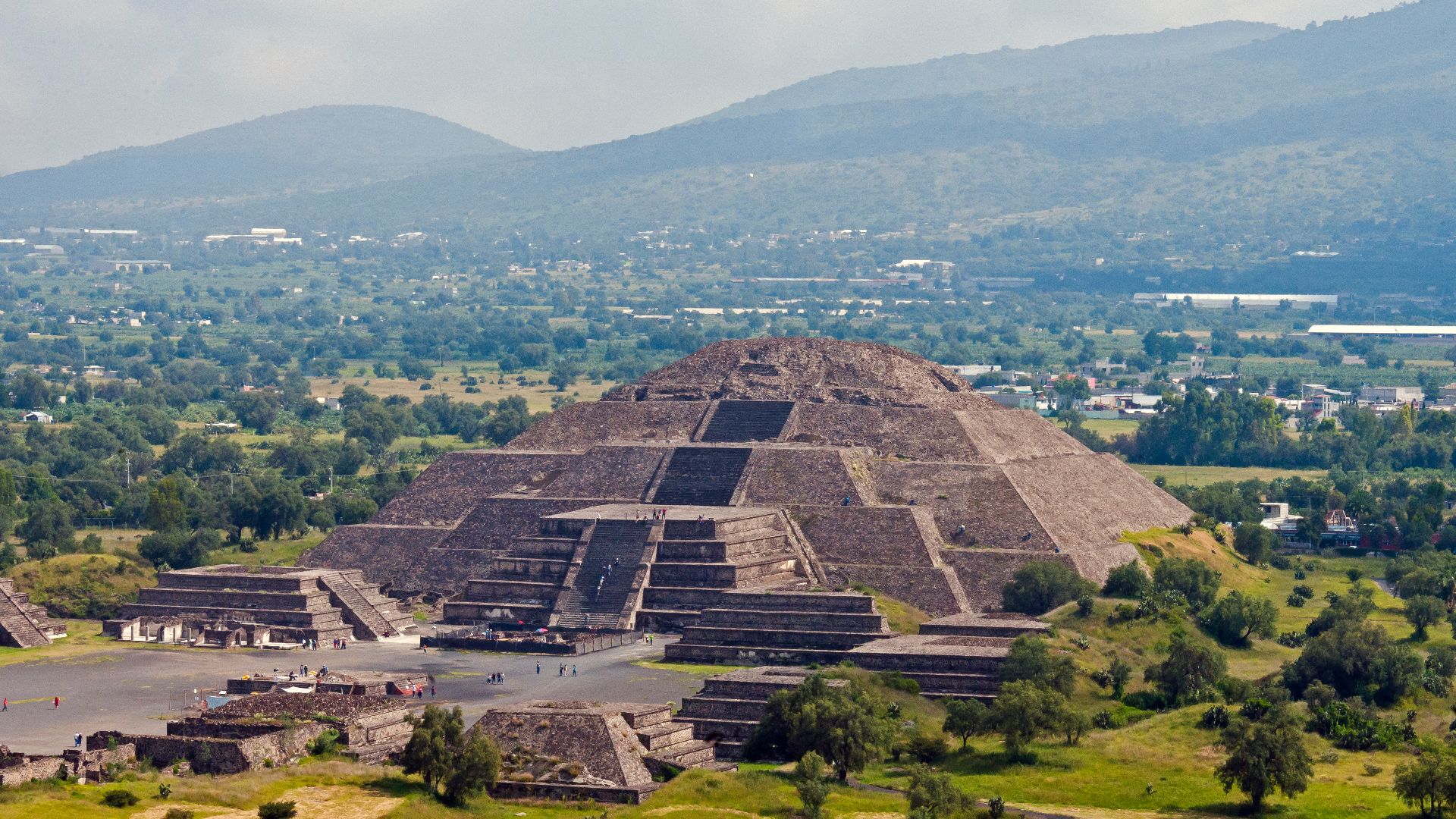 Daniel Case, Wikimedia Commons
The Brilliance Beneath The Stones
The Pyramid of the Sun remains Teotihuacan’s most unforgettable sight, but the drains, canals, wells, and redirected waterways reveal another kind of monument. They celebrate planning rather than height. Beneath the spectacle of the ancient city lies a quieter achievement: the engineering that helped keep it alive.
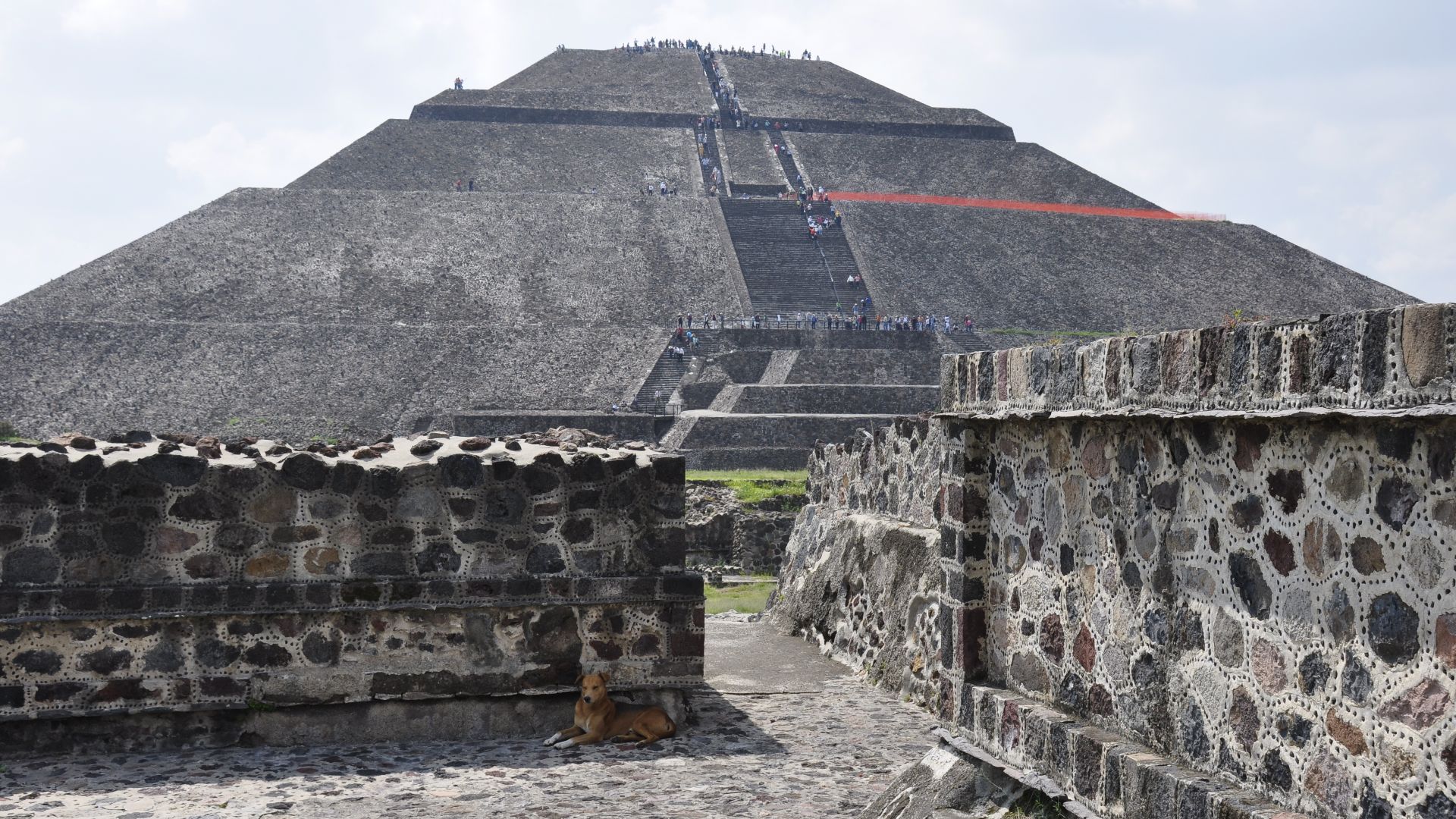 Jarek Tuszyński, Wikimedia Commons
You May Also Like: