

Unearthing Sacred Space Beneath Church Walls
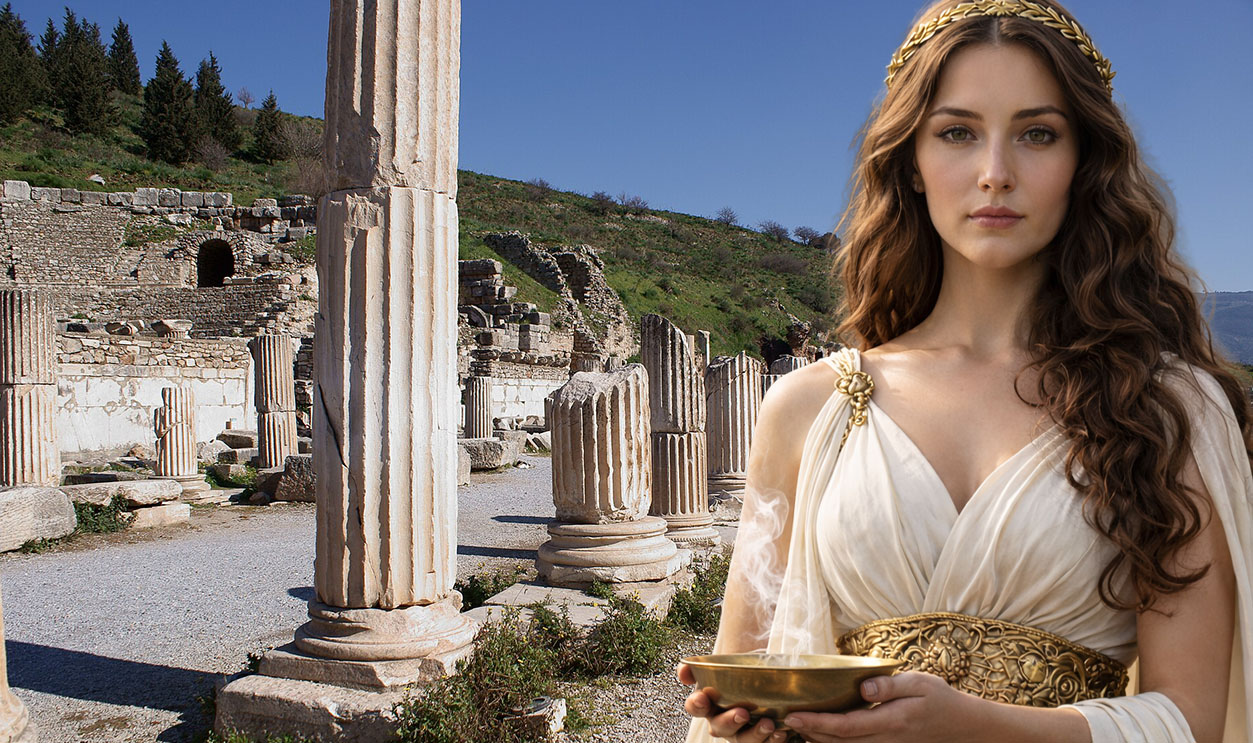
Archaeology sometimes feels like lifting trapdoors through time. You peel back one era, only to discover something older hiding underneath. That’s exactly what happened in Amphipolis, in northern Greece, where researchers working around a Byzantine basilica uncovered something unexpected beneath it: the remains of a 4th-century BC cult building. And this wasn’t just any structure. The finds inside suggest it was once a sacred space tied to pagan worship, offering a rare glimpse into a religious world that later Christianity quite literally built over.
 Yağmur Aydın, Wikimedia Commons
A Surprise Under The Basilica
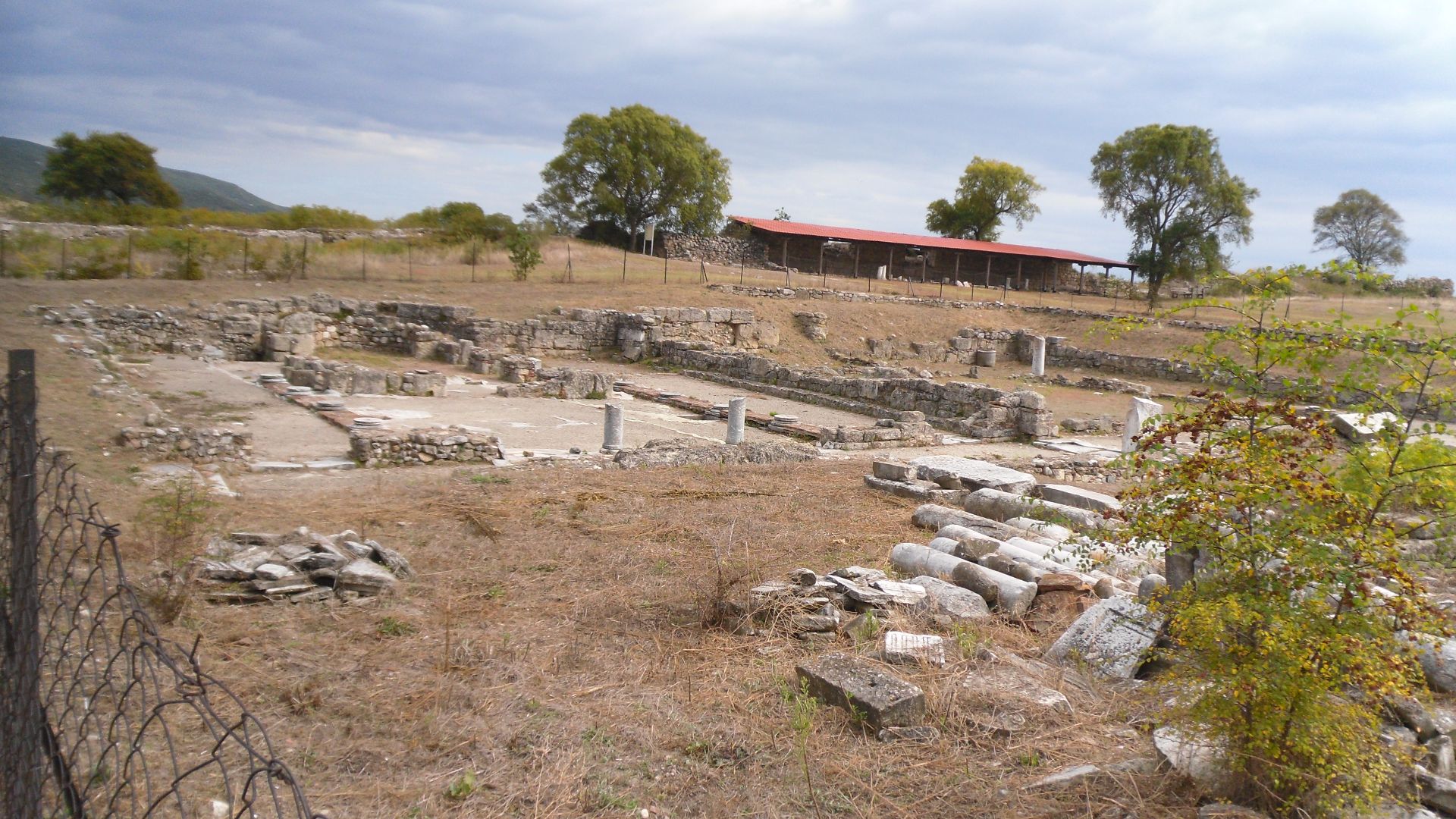
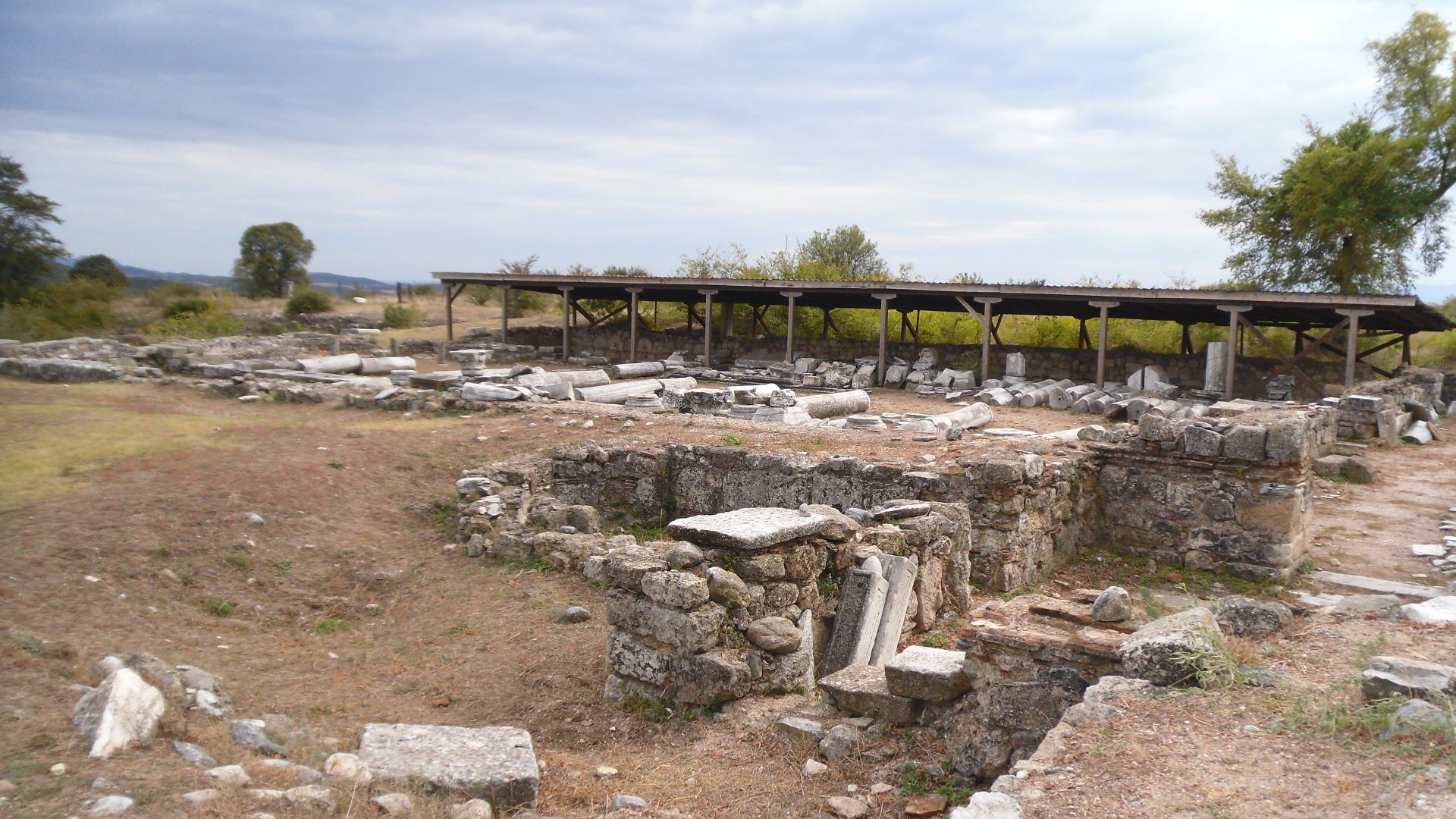
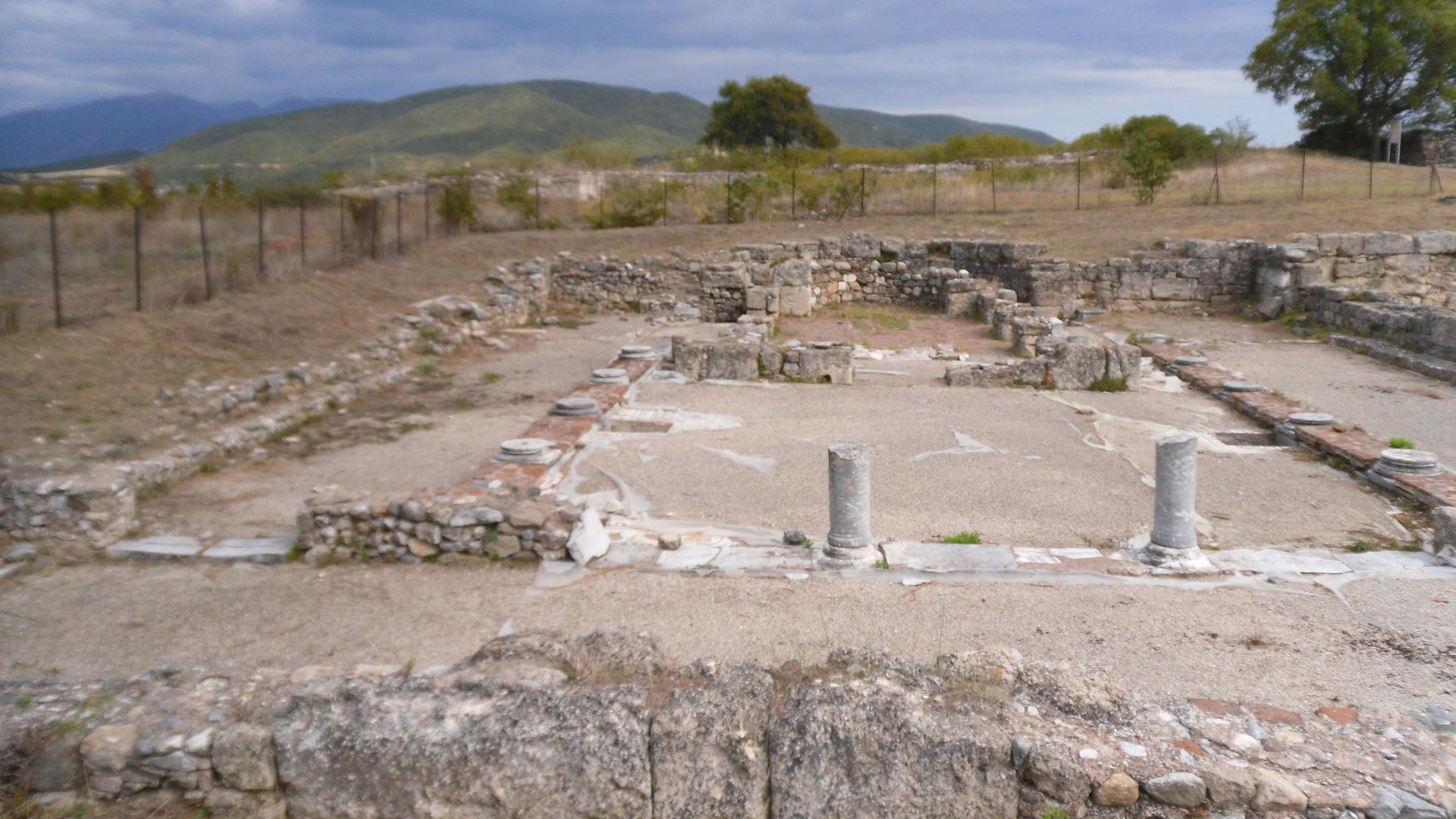
The discovery came during excavations around what’s known as Basilica III on the acropolis of Amphipolis. As archaeologists dug deeper, they realized that below the church’s foundations lay an earlier rectangular structure built with sturdy mudbrick walls and solid masonry. Only part of it survived, because the later church destroyed much of the original building, but what remained was enough to spark serious excitement.
A 4th-Century Structure Comes Into View
The building dates back to the 4th century BC, placing it firmly in the classical Greek period. That alone makes it significant. Amphipolis was already an important city at the time, and the fact that this structure required substantial construction effort suggests it wasn’t just a house or workshop. It had a purpose, and that purpose appears to have been religious.
 Alexander Popkov (engineerontour.com), Wikimedia Commons
The Clues Hidden In The Soil
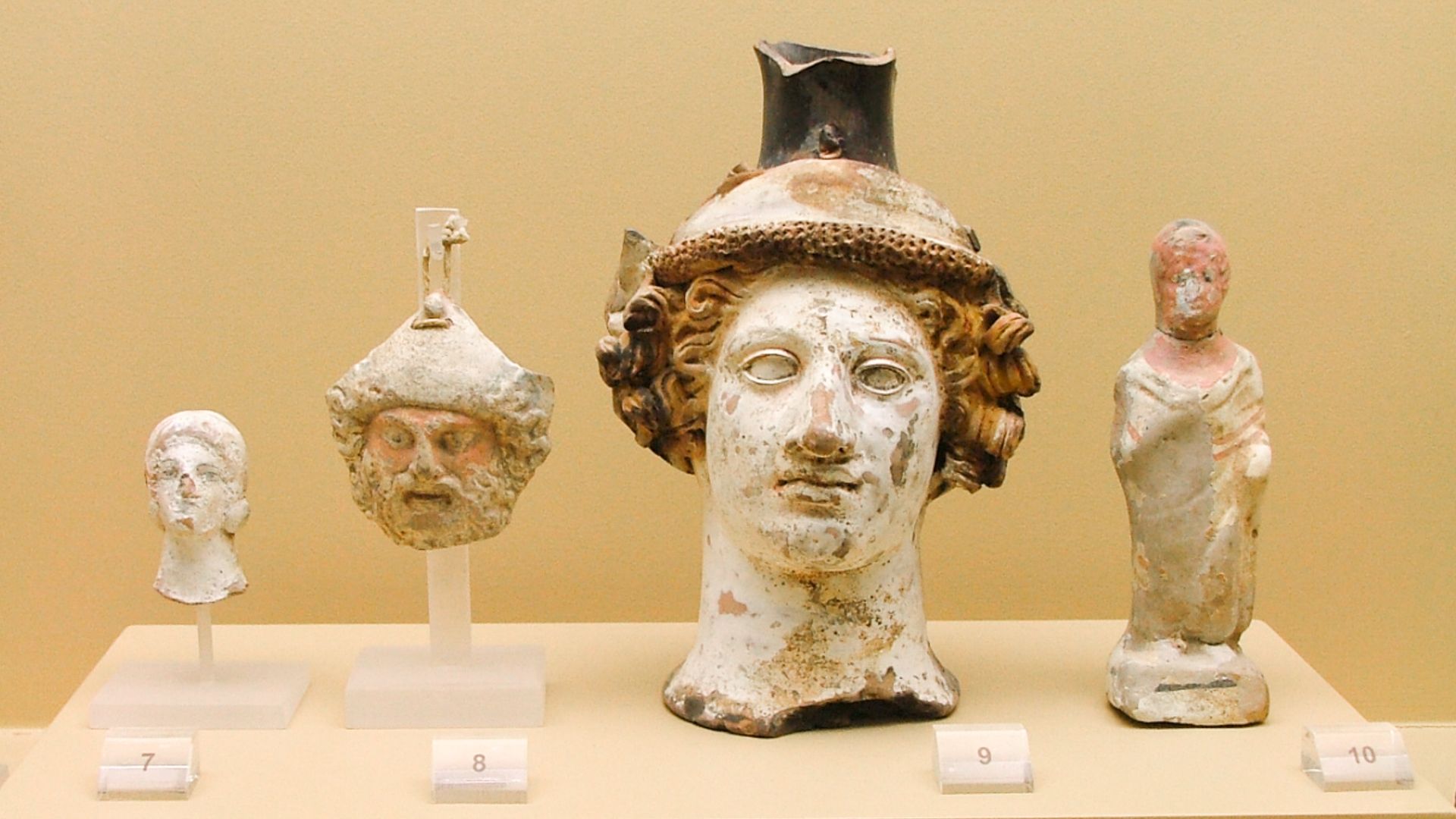
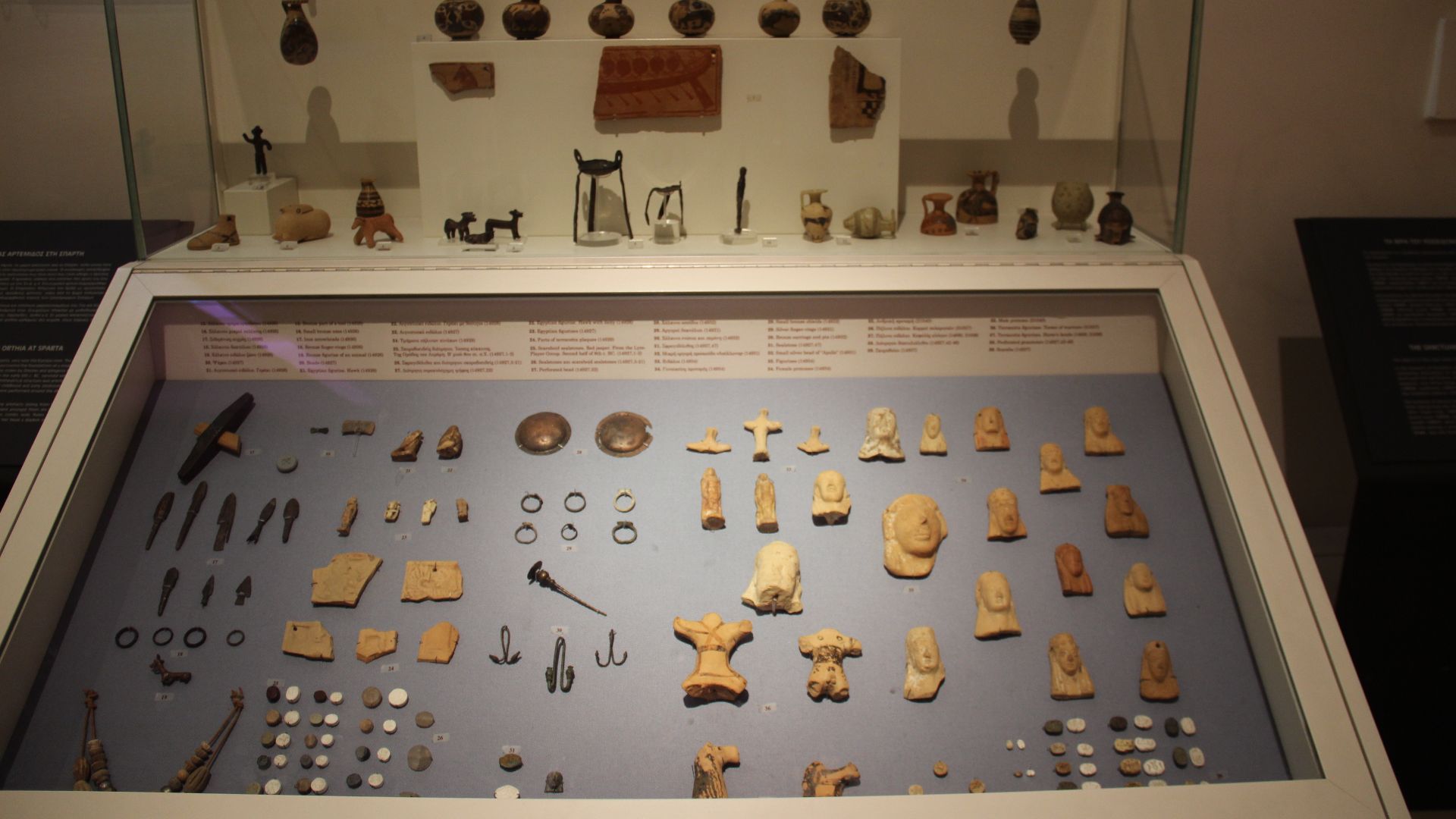
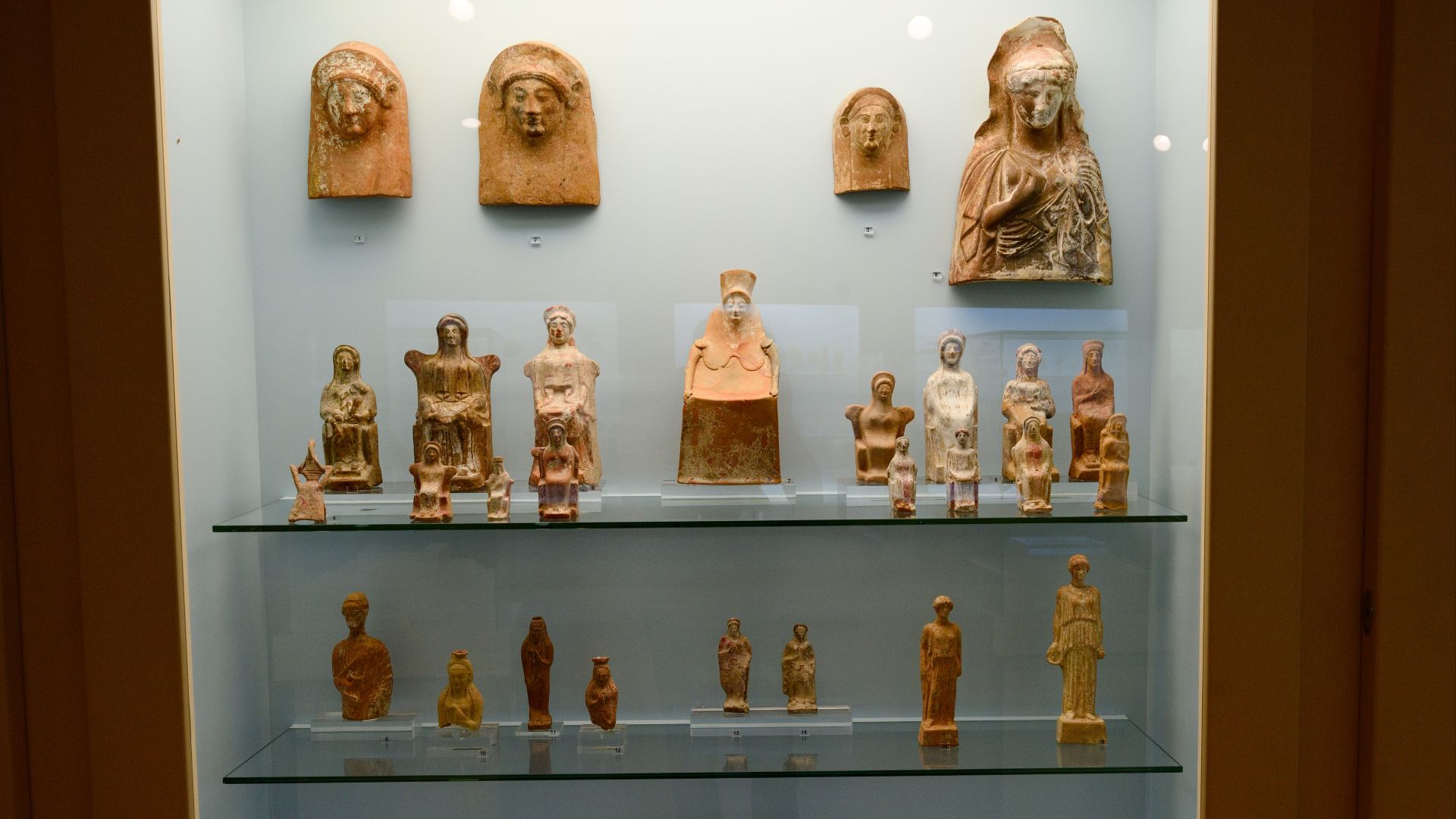
What really changed the interpretation of the building was what archaeologists found in the layers around it. The soil was packed with charcoal, fragments of clay female figurines, molds used to produce those figurines, seashells, fish remains, animal bones, and other materials more commonly associated with ritual than everyday life. These are the kinds of deposits often left behind in sacred spaces where offerings, feasting, and ceremonial acts took place.
The Tooth That Raised Eyebrows
One of the most surprising finds was an ancient human tooth belonging to an adolescent. Teeth rarely turn up outside burial contexts, so this was immediately intriguing. Archaeologists believe it may have been left as a votive offering, something used as part of a rite of passage or healing ritual. That single tooth adds a deeply human dimension to the story, hinting at personal acts of devotion that took place here.
 Gary Todd from Xinzheng, China, Wikimedia Commons
A Clay Head Of Asclepius
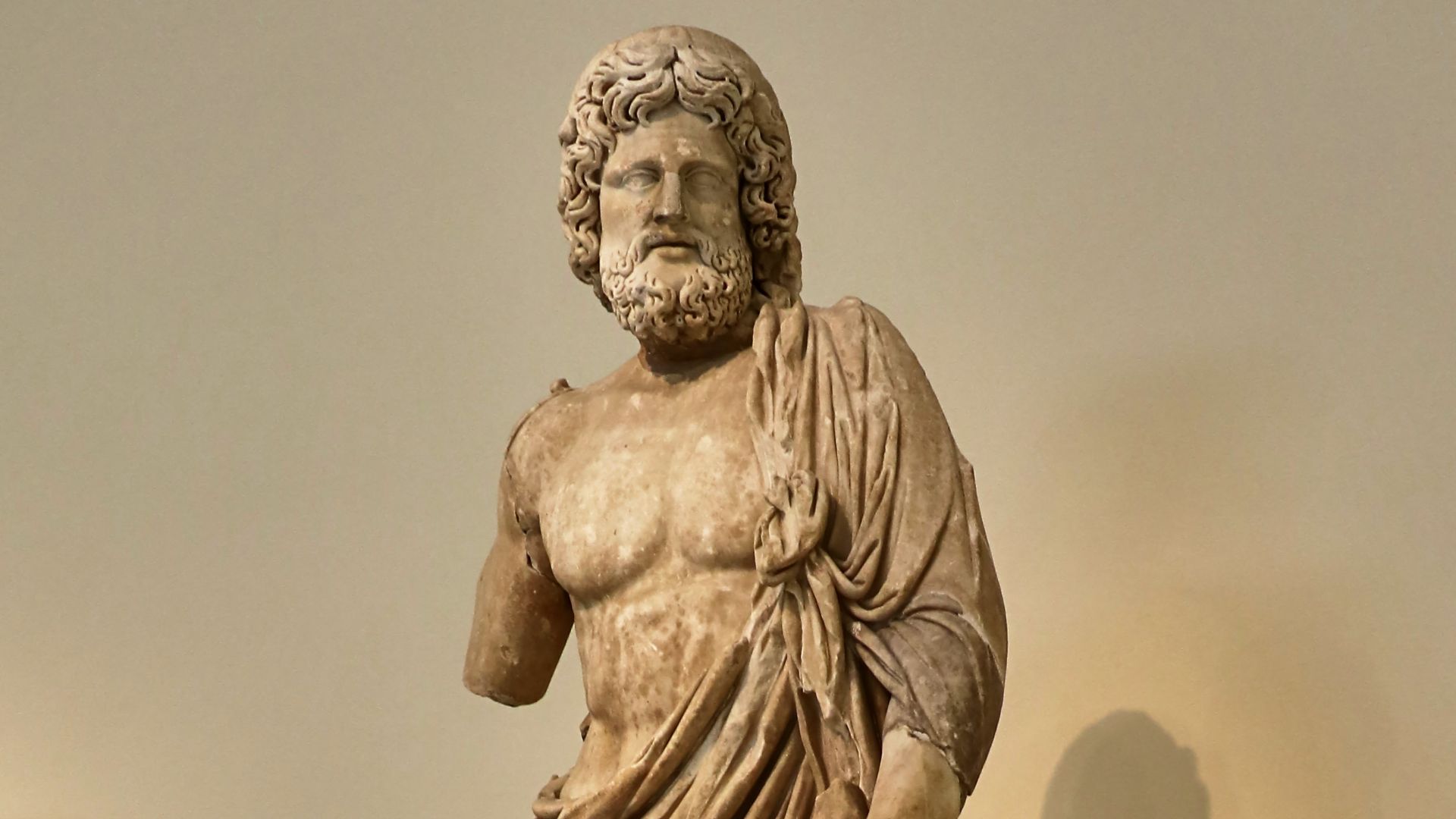
Among the artifacts was a small terracotta head of Asclepius, the Greek god of healing. At first glance, that might suggest the site was connected to a healing cult. But Greek religion wasn’t always that straightforward. Deities often appeared together in local forms of worship, and the presence of Asclepius doesn’t necessarily mean the sanctuary was dedicated solely to him.
 George E. Koronaios, Wikimedia Commons
Female Figurines Everywhere
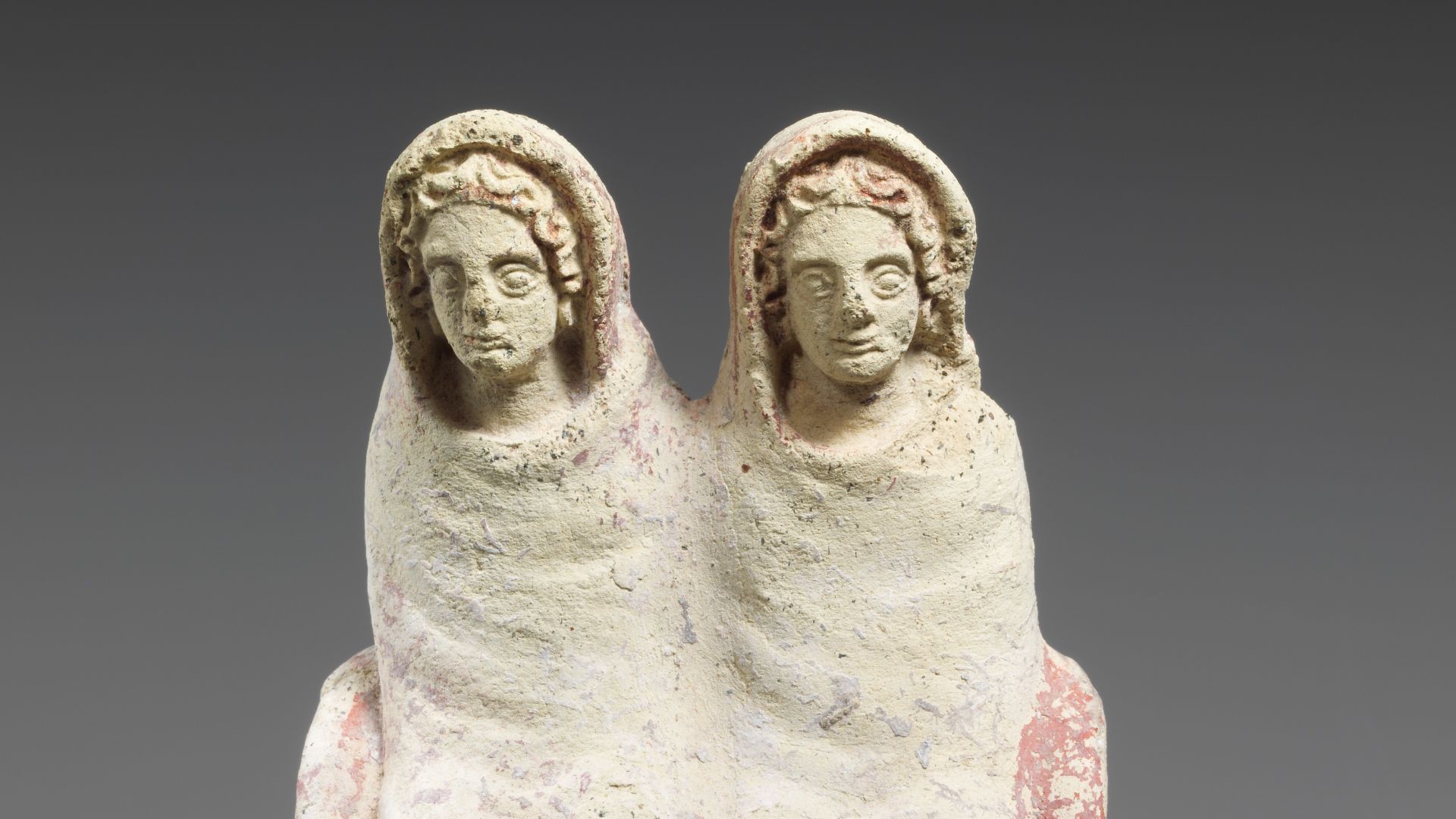
The sheer number of female figurines found at the site stands out. These kinds of terracotta figures were commonly used as votive offerings. They often represent worshippers, goddesses, or symbolic figures connected to fertility and transition. Their concentration here strongly suggests that the cult had a female focus.
Artemis Tauropolos: The Leading Theory
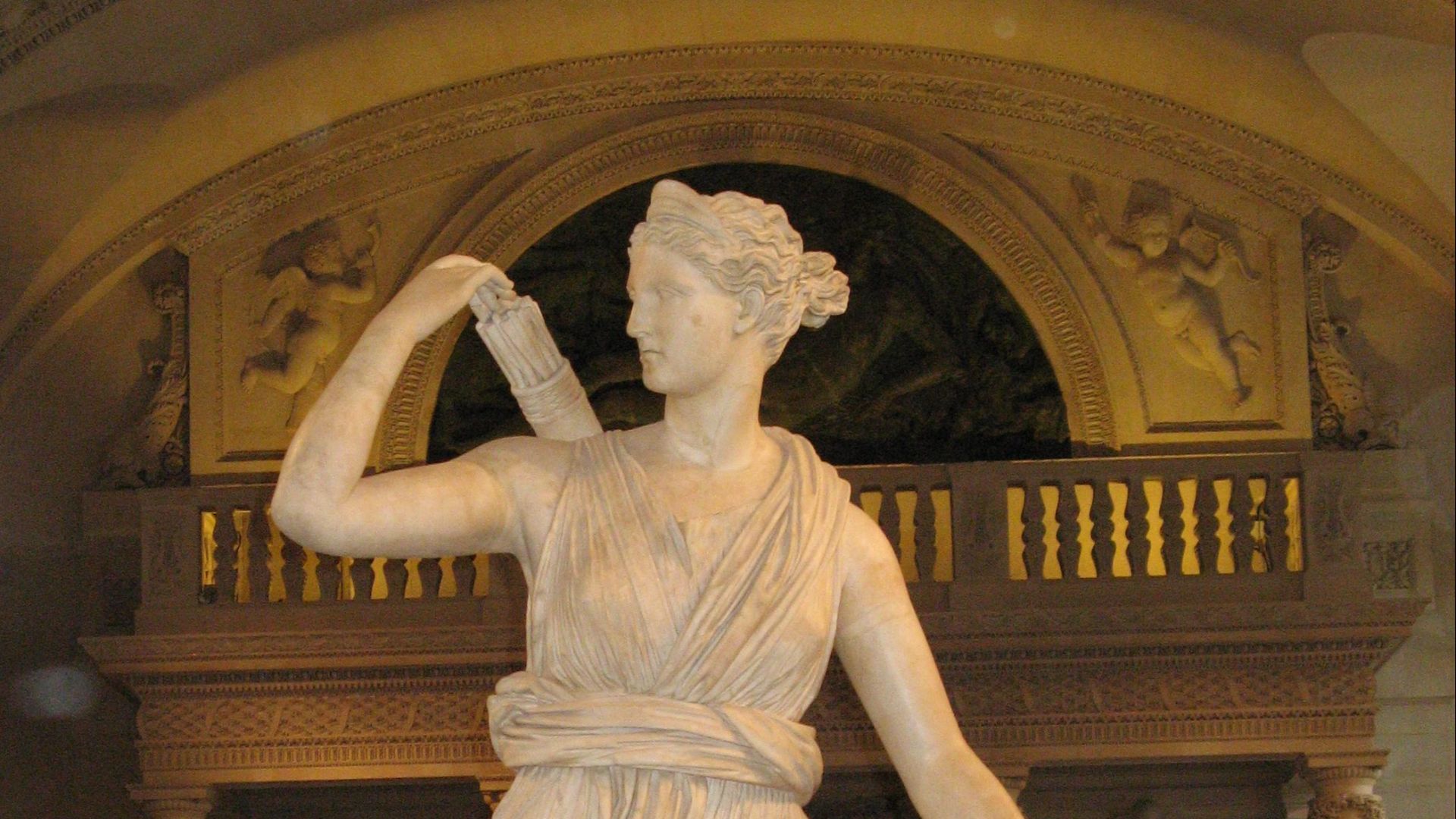
Archaeologists led by Professor Dimitris Damaskos of the University of Patras think the building may have been dedicated to Artemis Tauropolos, a localized form of Artemis. Artemis was the goddess of the hunt, wilderness, and protection of young women. In her Tauropolos aspect, she was often connected to rites of passage and powerful initiation rituals.
Who Was Artemis Tauropolos?
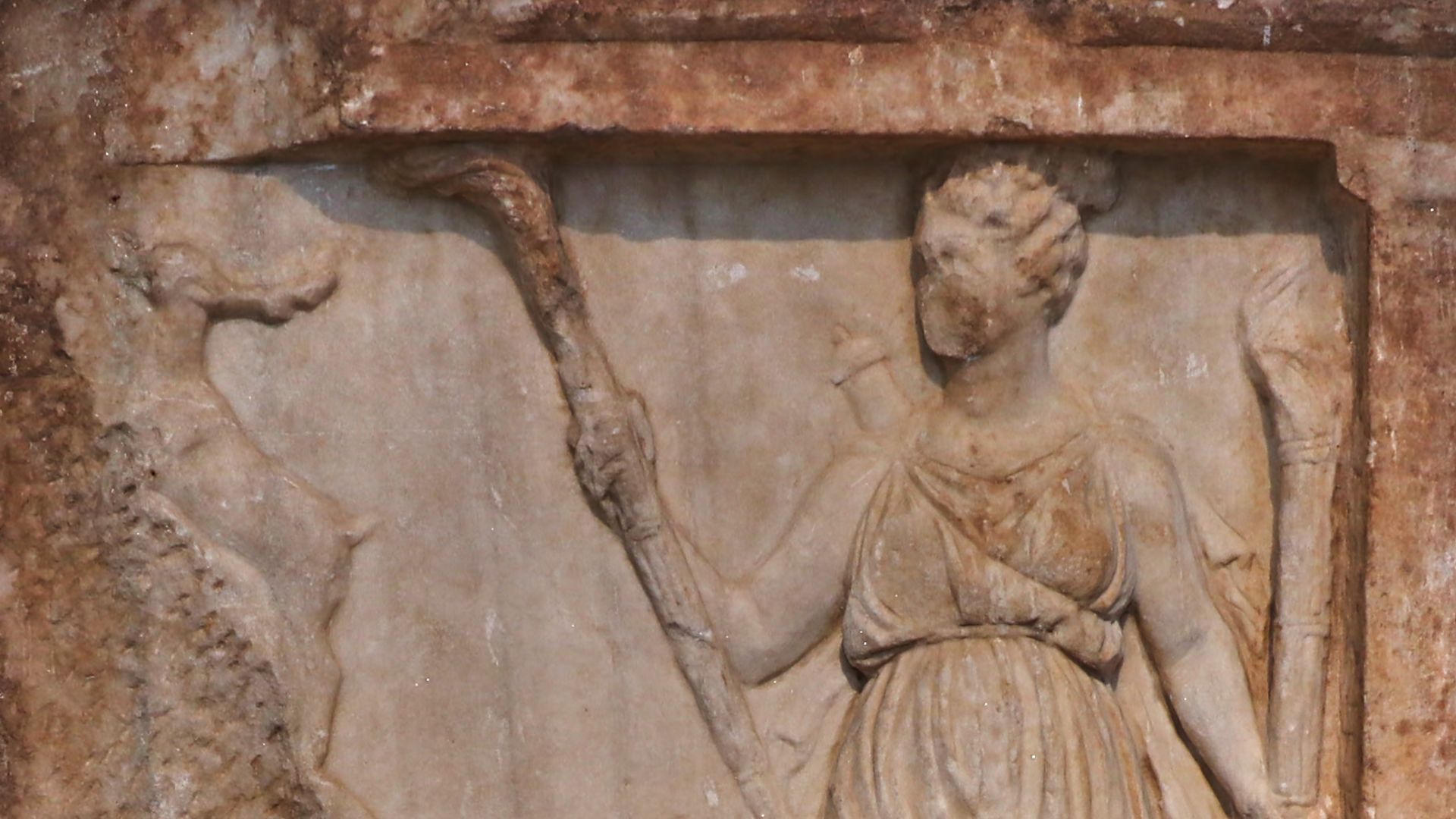
Artemis Tauropolos was associated with strong, sometimes dramatic rituals tied to life transitions, especially those involving girls reaching maturity. The “Tauropolos” title connects her with bulls and vigorous rites symbolizing life transitions. In some regions, her worship included offerings tied to fertility and protection—a horse bust and oyster shells found near the building are items that have been linked in some contexts to Artemis Tauropolos’s cult.
 George E. Koronaios, Wikimedia Commons
The Oyster Shell Connection
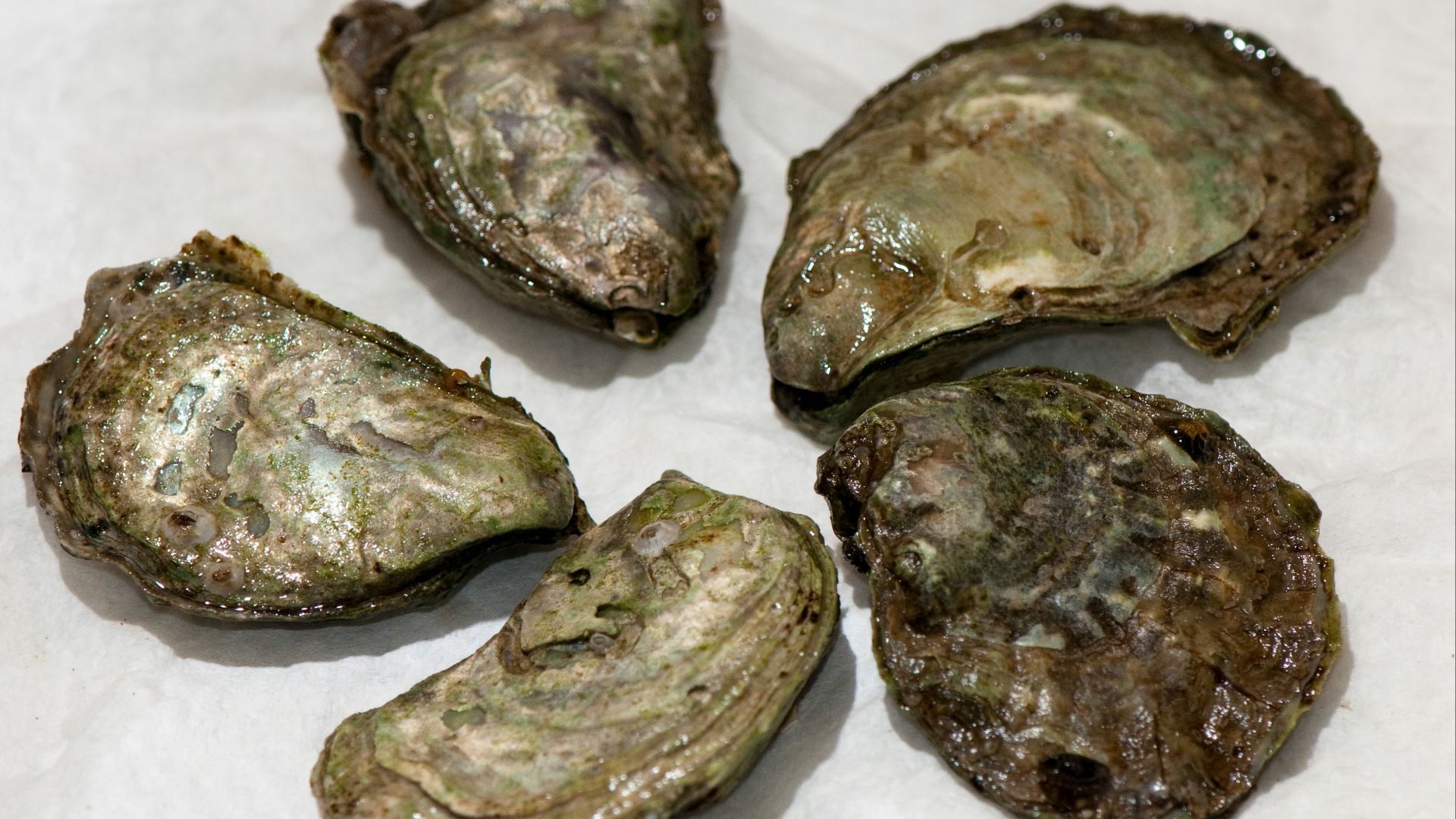
Large numbers of oyster shells were discovered near the building. While they might seem like food waste at first glance, archaeologists think they could be ritual leftovers, perhaps from ceremonial meals marking important life stages. Shellfish often appear in ritual contexts associated with fertility and transformation.
Not The Only Possible Deity
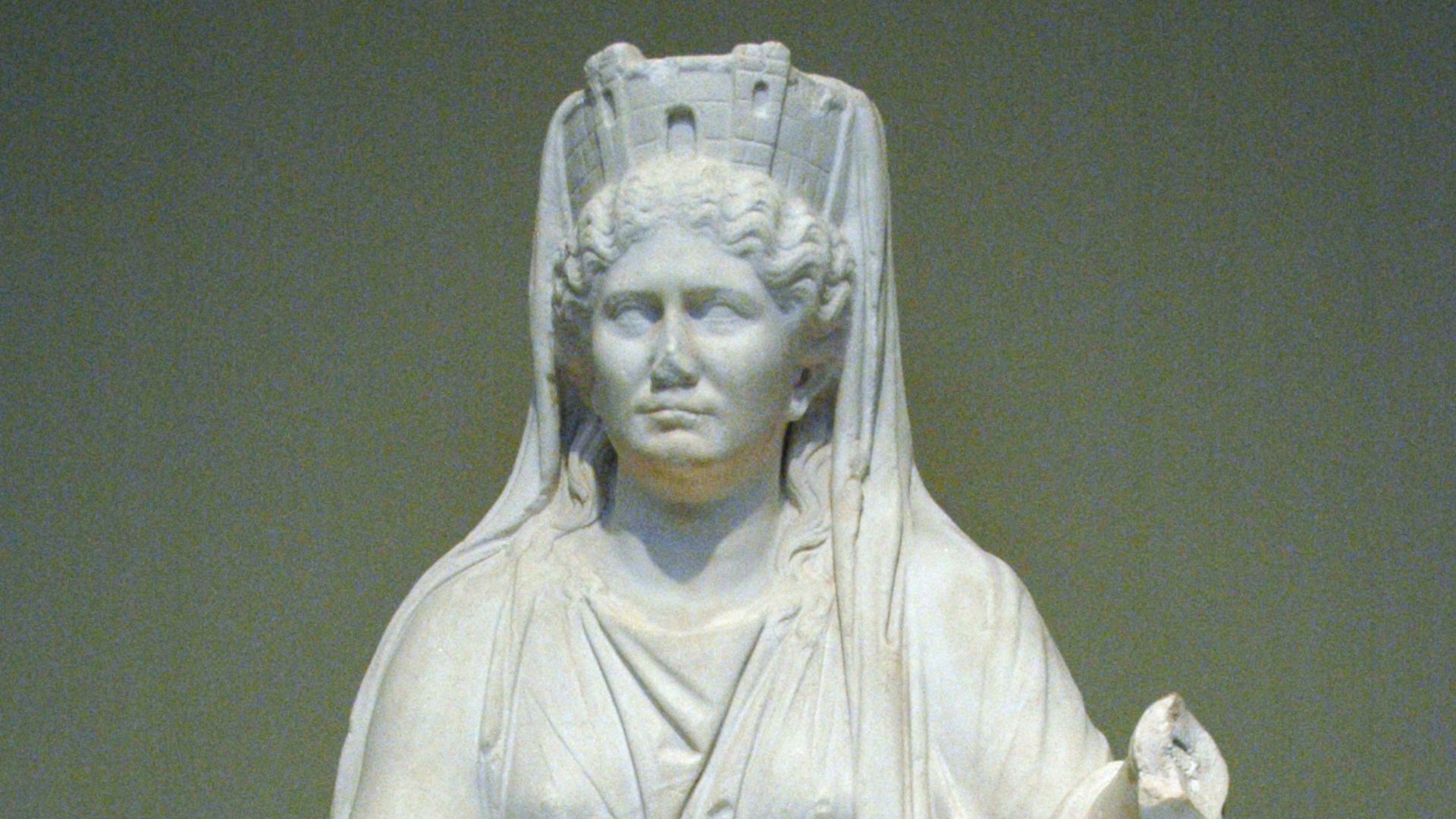
Earlier theories had suggested that the site might be linked to Cybele, the mother goddess, because of the abundance of female figurines. But as more evidence came to light, the Artemis Tauropolos connection gained more traction. Nothing is confirmed yet, since there are no inscriptions naming the deity, but the pattern of finds makes Artemis the strongest candidate.
 Marshall Astor, Wikimedia Commons
Asclepius And Shared Worship
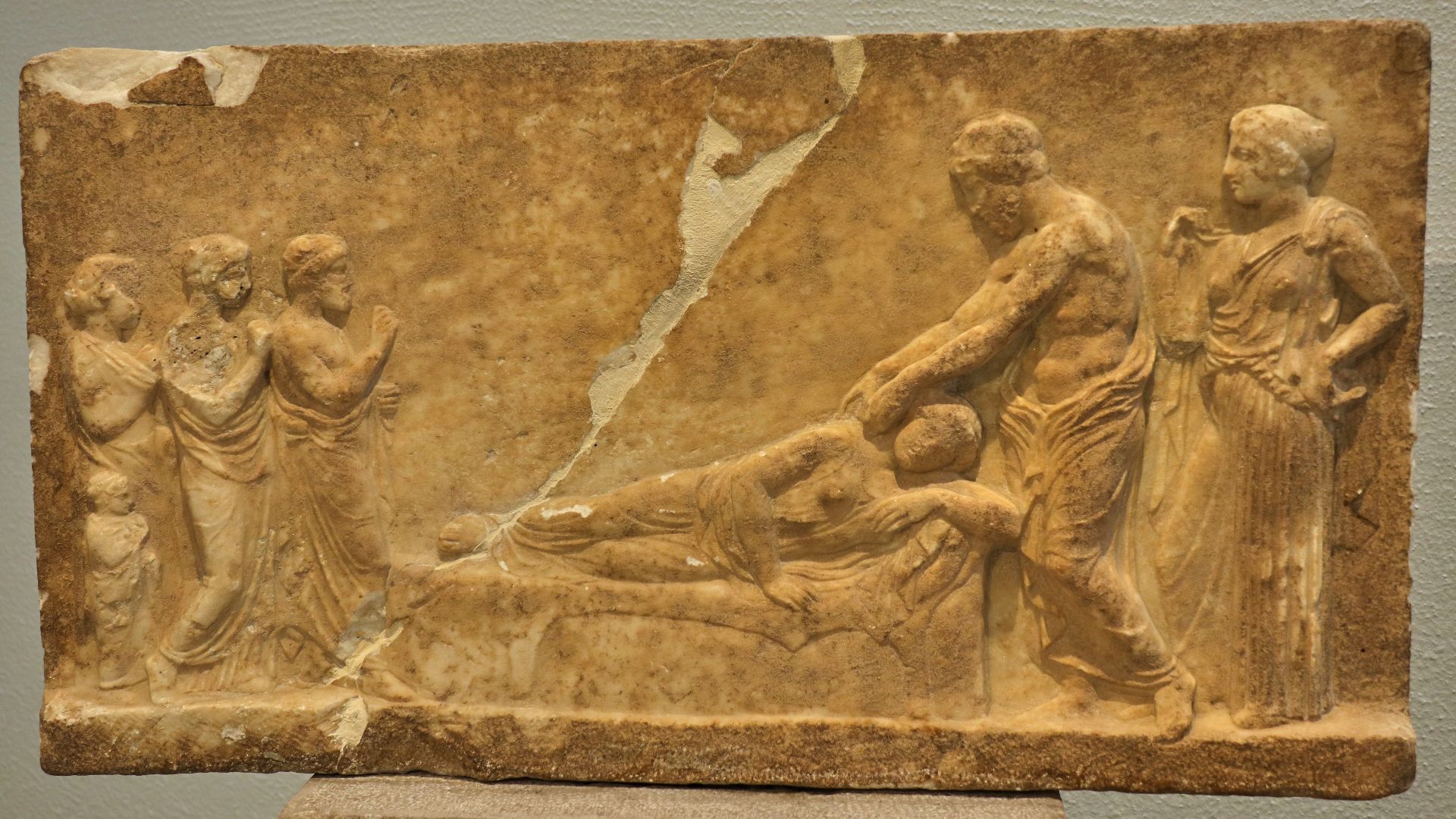
The presence of Asclepius does not contradict the Artemis theory. In Greek mythology, Asclepius is the son of Apollo, who is Artemis’s twin brother. It wouldn’t be unusual for their worship to overlap in local contexts, especially if health and protection were important themes in the sanctuary.
 George E. Koronaios, Wikimedia Commons
Amphipolis: A City With Layers
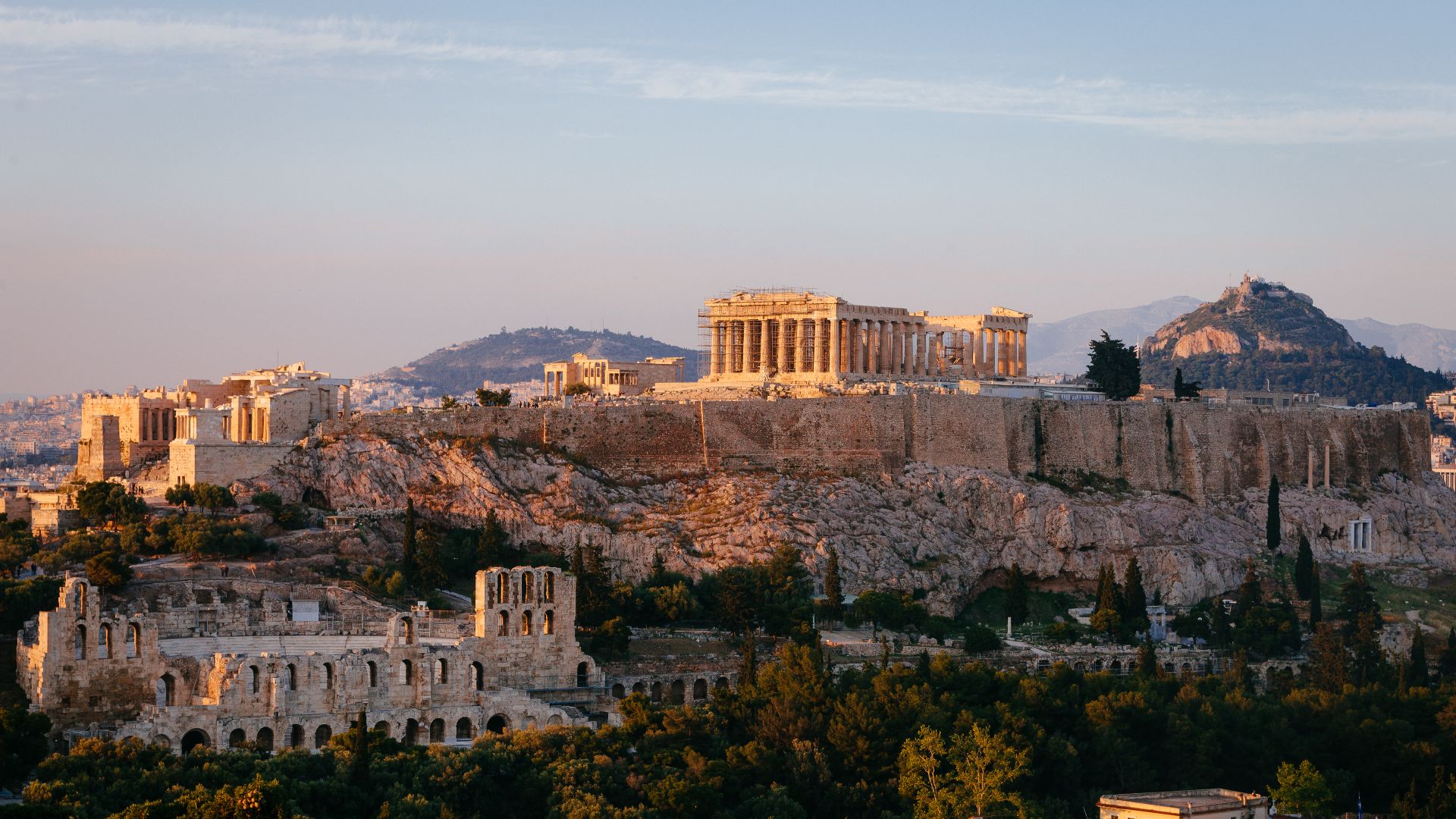
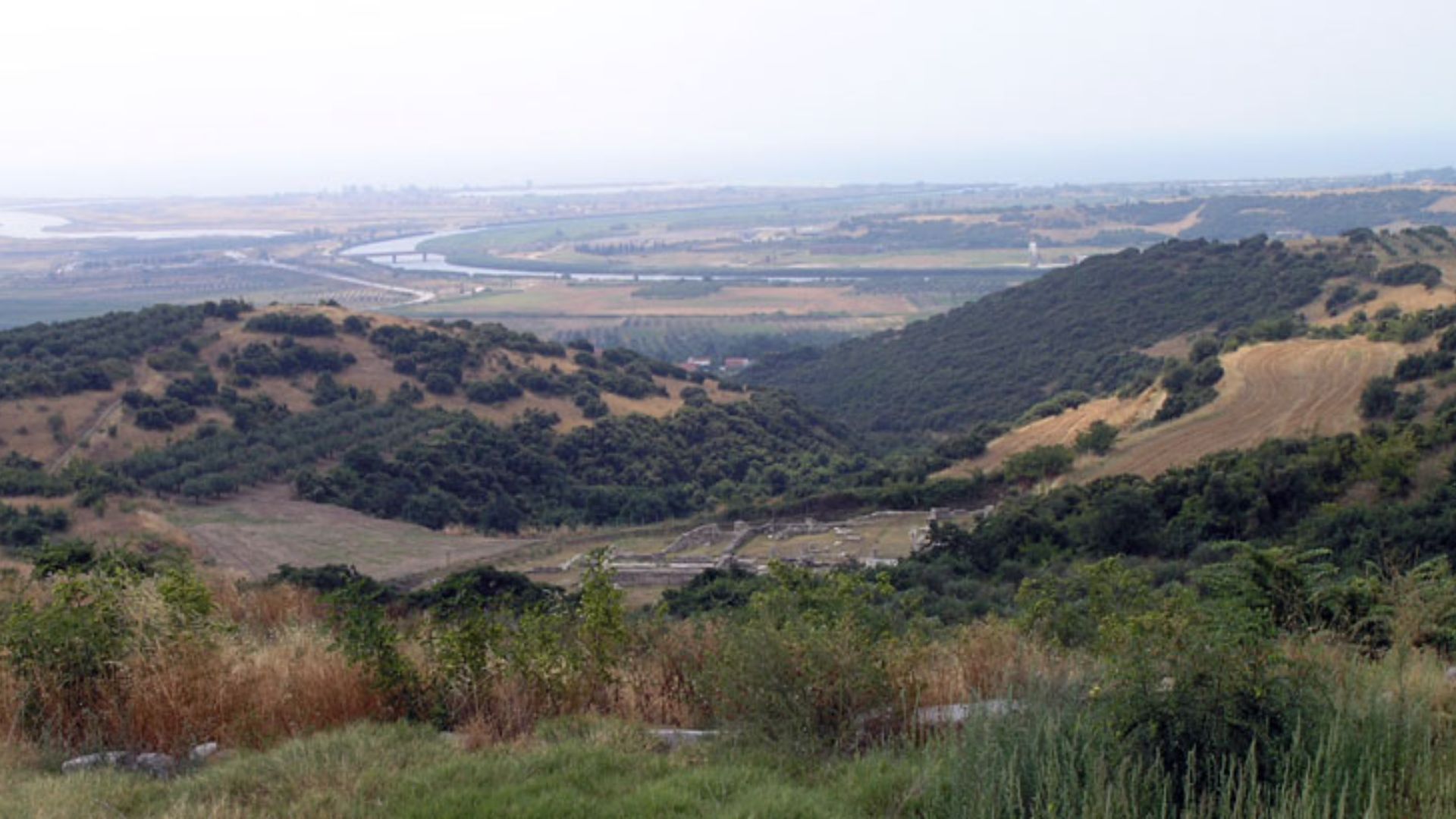
To really appreciate this discovery, you have to understand Amphipolis itself. Founded by Athenians in 437 BC, it later came under Spartan and then Macedonian control before eventually becoming part of the Roman world. It sat along the River Strymon, making it strategically and economically important.
 No machine-readable author provided. Marsyas assumed (based on copyright claims)., Wikimedia Commons
A City Of Power And Symbolism
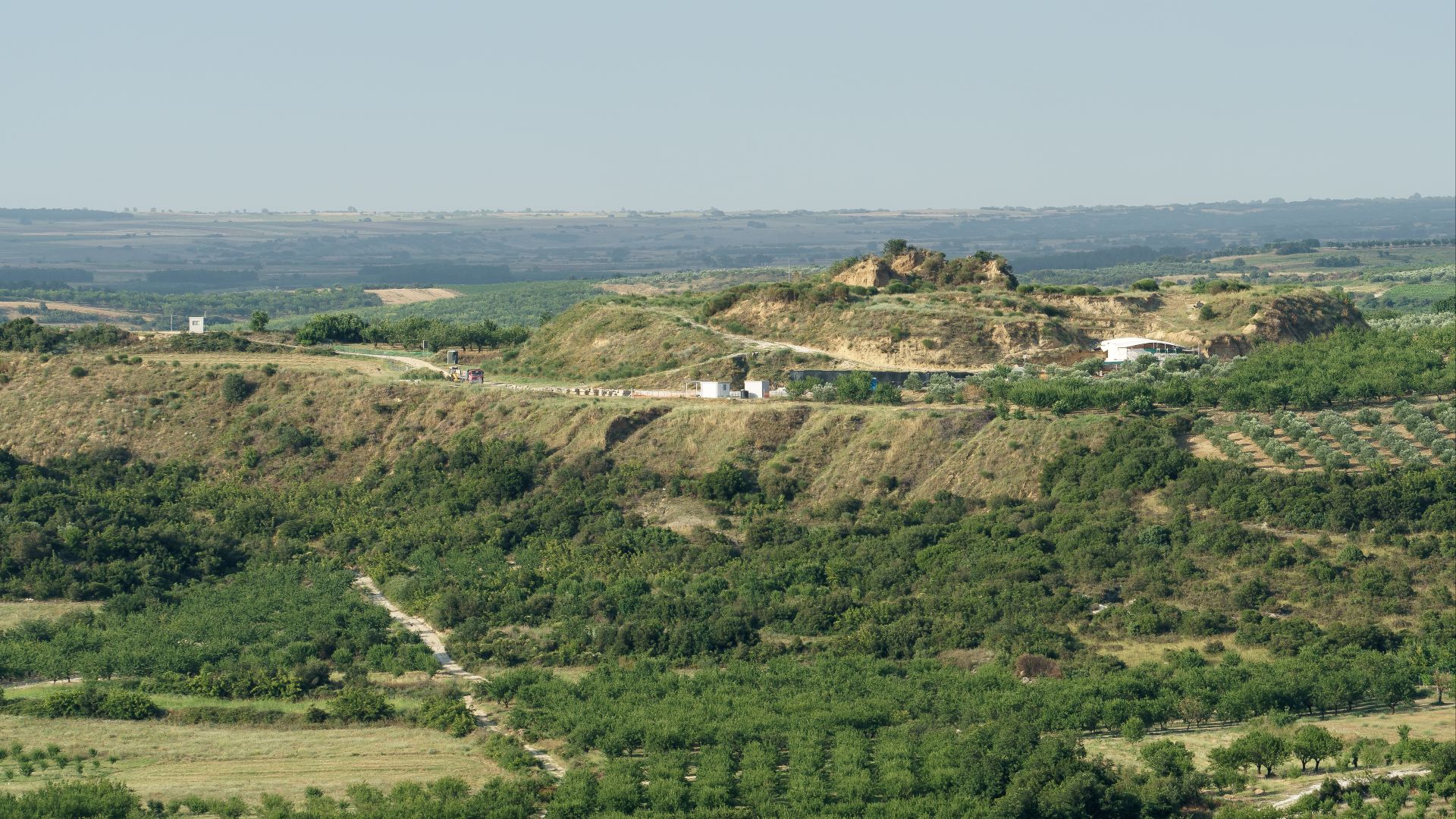
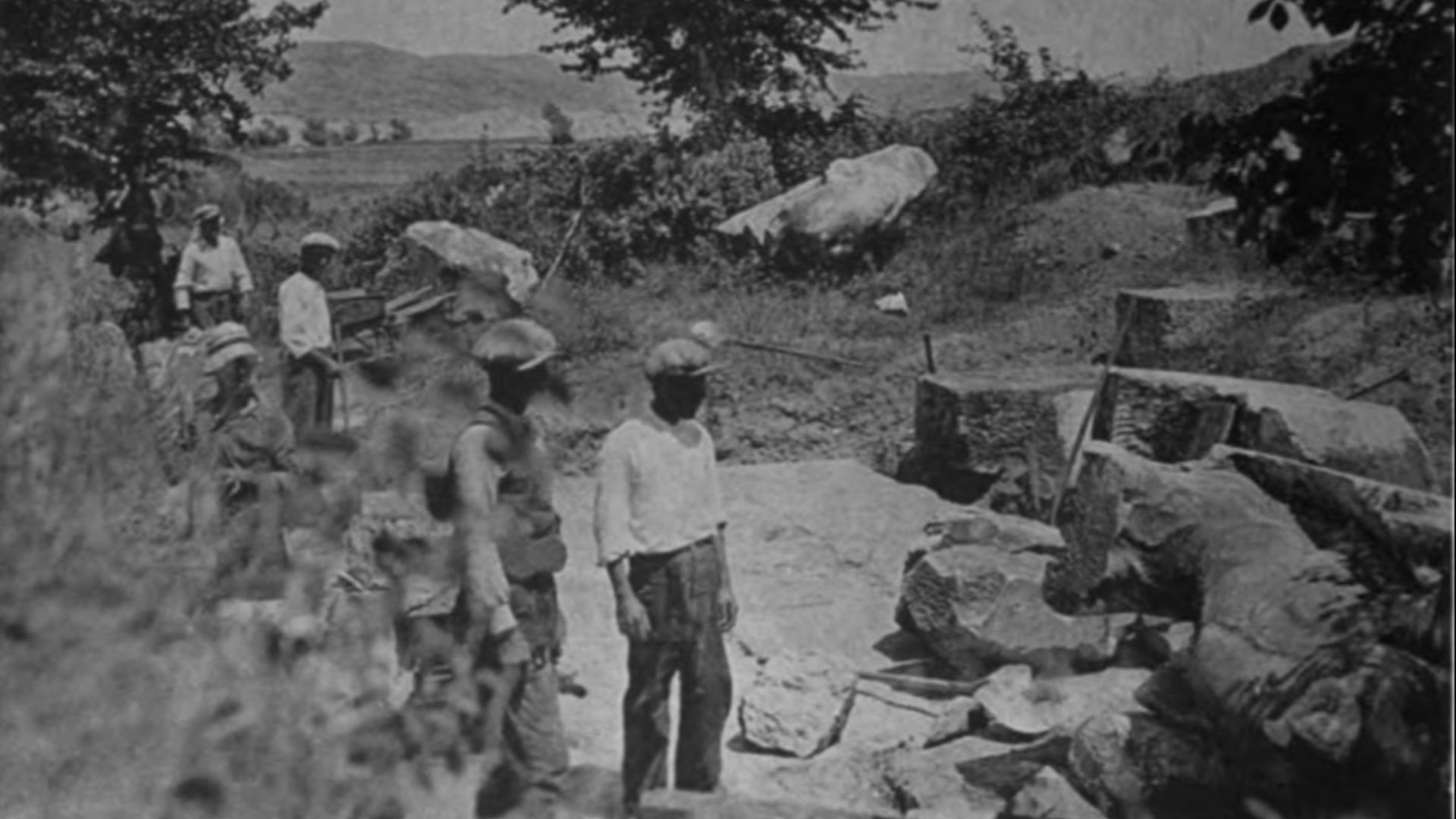
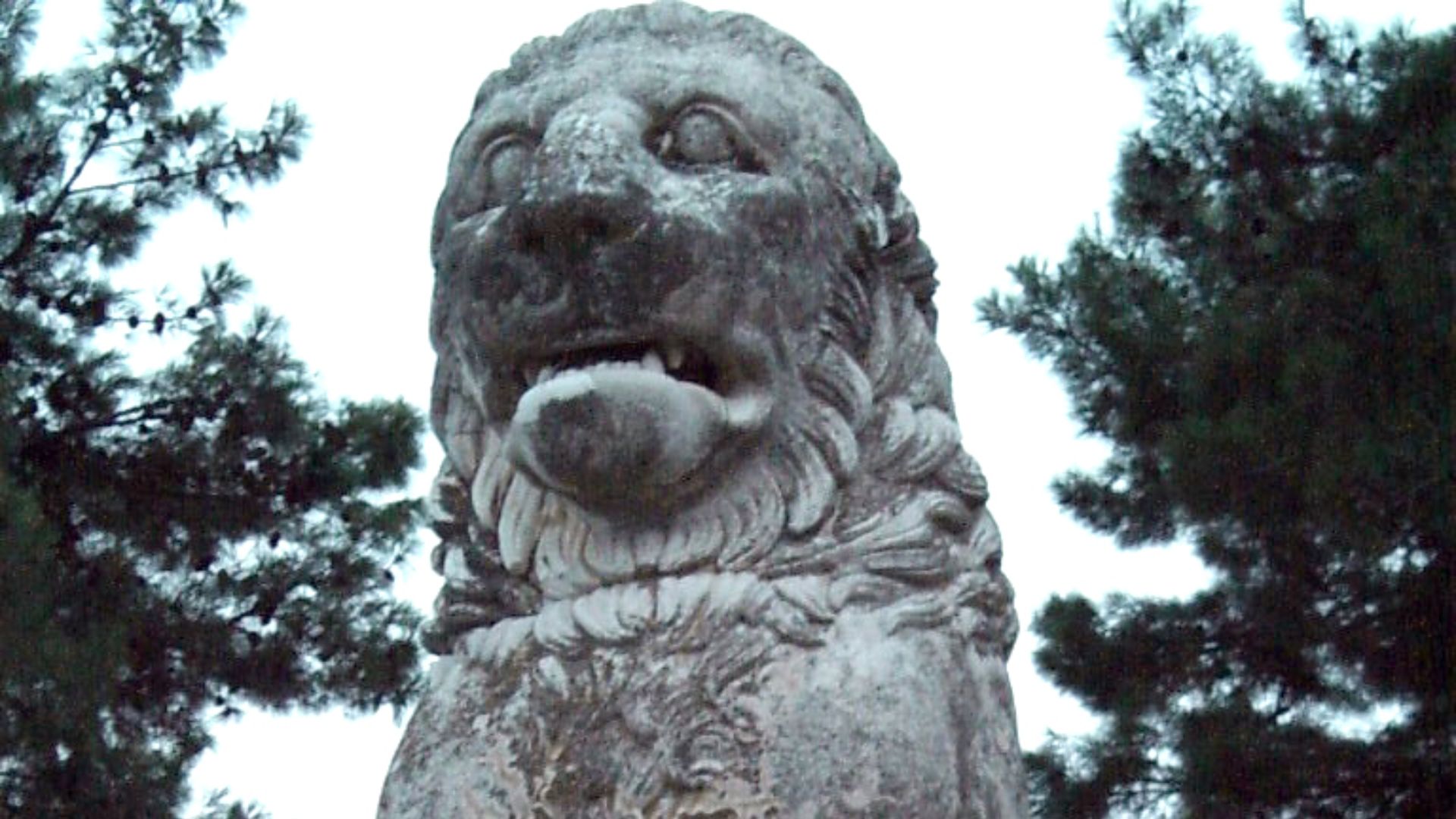
Amphipolis is already famous for major discoveries like the Lion of Amphipolis and the massive Kasta Tomb. These finds show the city’s importance during the classical and Hellenistic periods. Adding a cult building to that list deepens our understanding of its religious life.
Pagan Past Beneath Christian Present
The Byzantine basilica built on top of the cult building tells its own story. As Christianity spread across the region, older pagan sites were often repurposed or built over. Sometimes that was symbolic, replacing old beliefs with new ones. In this case, the church literally sits on top of a forgotten sacred space.
Why This Discovery Matters
The cult building adds a new dimension to our understanding of Amphipolis. It hints at a previously hidden religious landscape, where ritual life flourished long before and perhaps alongside the later Christian occupation. Pagan cult sites were often destroyed, reused, or forgotten as religious practices changed. Finding one preserved under a later structure gives archaeologists a rare opportunity to study it in context.
What It Tells Us About Greek Religion
Greek religion was not monolithic. Local forms of worship could vary widely, and deities like Artemis Tauropolos often had highly localized cults with specialized rituals. Finds like female figurines, votive teeth, and ritual shells show that religious practice was deeply embedded in social life and rites of passage—not just in grand temples, but in community sacred spaces like this one.
Excavations Are Ongoing
Researchers are still working through the layers of the site. Further discoveries, especially inscriptions, could confirm which deity was worshipped there. For now, the evidence strongly points toward Artemis Tauropolos, but the story is still unfolding.
 w:Oscar Broneer, Wikimedia Commons
Final Thoughts
The cult building beneath the basilica in Amphipolis reminds us that sacred spaces don’t simply disappear. They get covered, transformed, and sometimes forgotten. Beneath Christian stonework lay the remains of a pagan sanctuary filled with offerings, figurines, shells, and even a child’s tooth. It’s a powerful reminder that history isn’t a straight line. It’s layers, and sometimes the most fascinating stories are the ones buried underneath.
You May Also Like:
It's Time To Correct The Record About Easter Island's Ruin, Which Everyone Got Completely Wrong



_-_panoramio_-_Ya%C4%9Fmur_Ayd%C4%B1n_(7).jpg)