

Statues and Second Thoughts
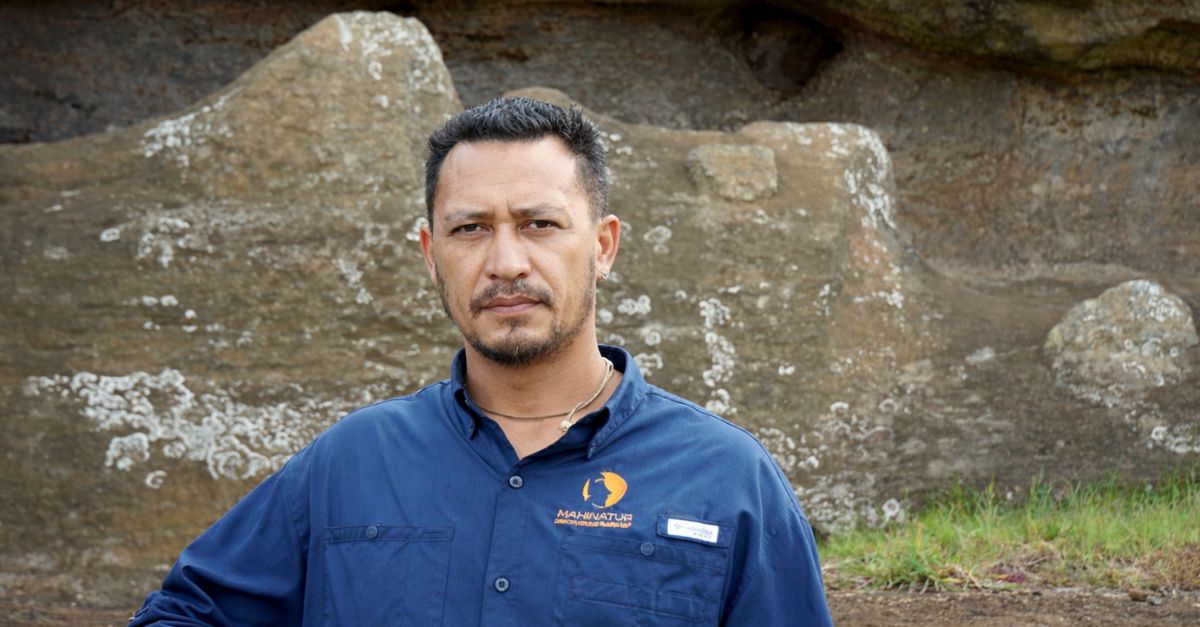
For centuries, we've heard how Easter Island is a story of hubris and failure. The residents of Easter Island sucked the island dry of resources and their civilization crumbled. The eerie giant statues, vanished trees, and isolated setting seemed to confirm it.
But that simple story is wrong. It's time everyone heard the truth about Easter Island, the people who lived there, and the real reason for their fall.
 Dennis G. Jarvis, Wikimedia Commons, Modified
Why the Story Was Framed as a Collapse
For decades, textbooks described Easter Island as a warning about environmental self-destruction. Nineteenth-century observers, after significant external disruptions, claimed that its society exhausted its resources and imploded. However, later archaeological research challenged that narrative. Evidence suggests adaptation and continuity rather than dramatic societal suicide.
The Name Rapa Nui Matters
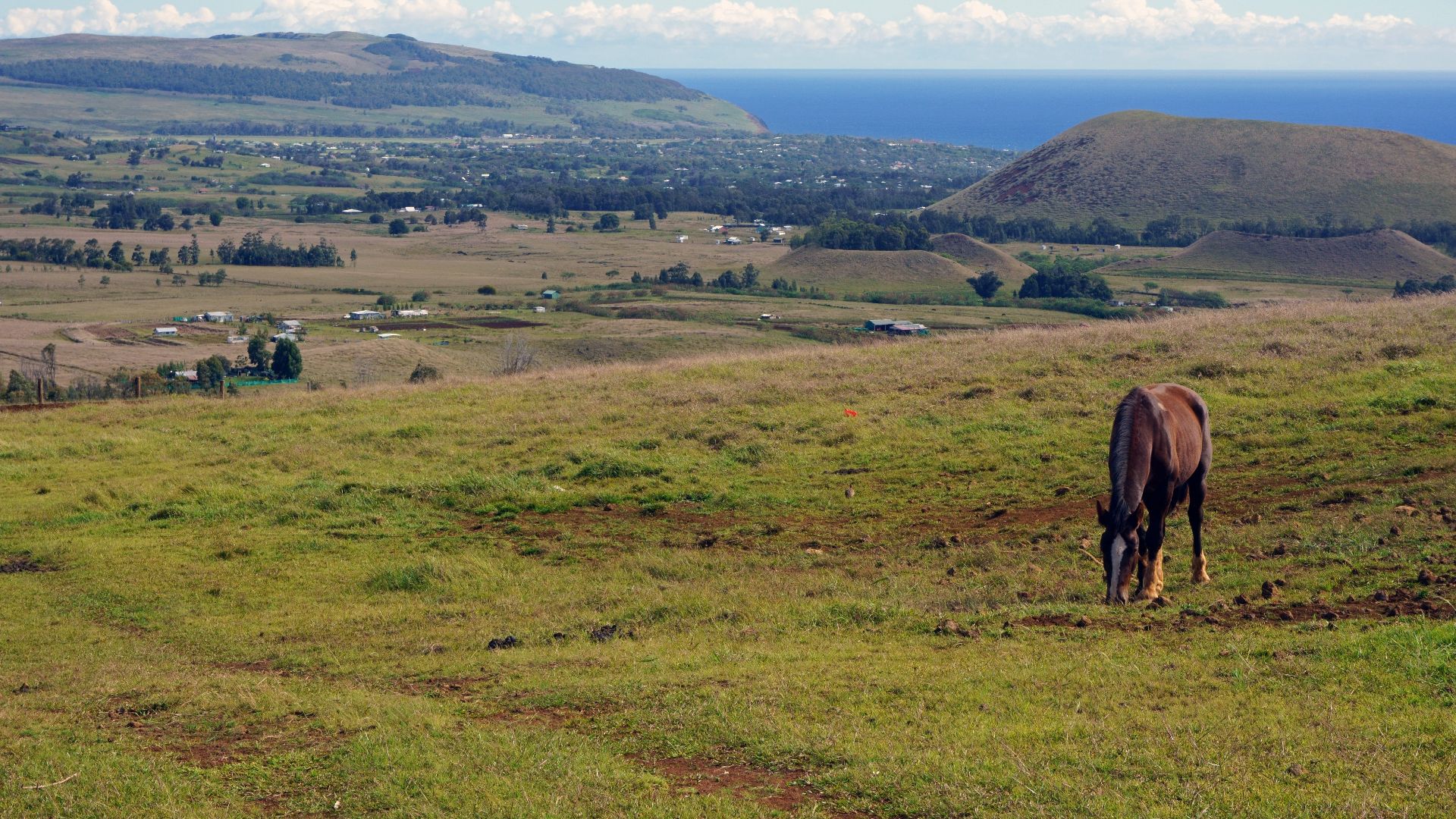
Scholars recognize that the island’s Indigenous name is Rapa Nui. Linguistic analysis connects it to broader Polynesian language traditions. Naming carries cultural authority, and terminology shapes interpretation. Because of that, historians now prioritize local identifiers over colonial labels in academic work.
 Bjorn Christian Torrissen, Wikimedia Commons
Master Navigators Reached a Remote Shore
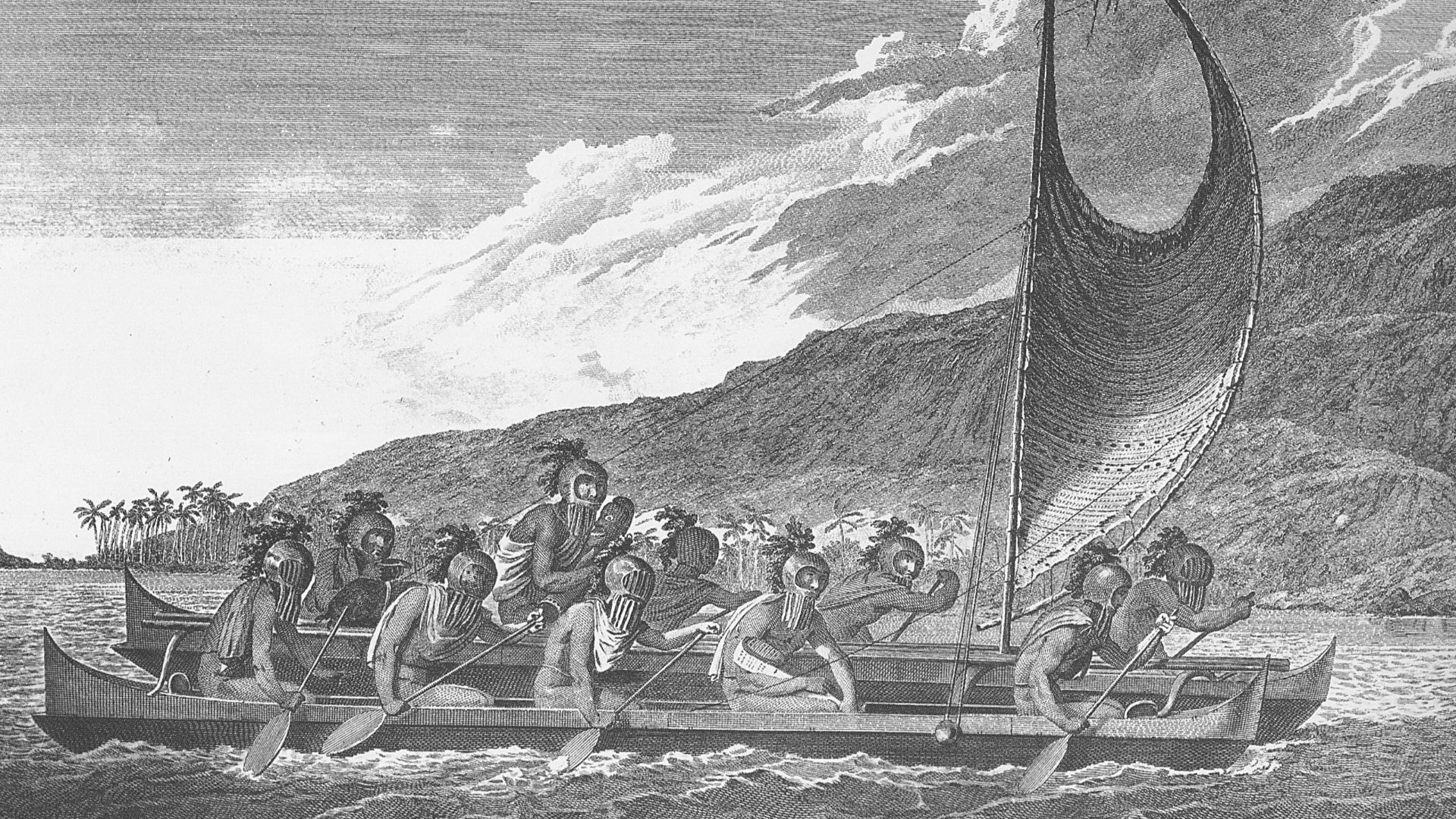
Picture an open ocean stretching endlessly in every direction. Around 1200 CE, Polynesian voyagers crossed vast distances using stars, currents, and wind patterns. Their arrival was deliberate. Settlement followed established exploration routes across the Pacific rather than accidental drift.
 User:Makthorpe, Wikimedia Commons
Dating the First Settlement
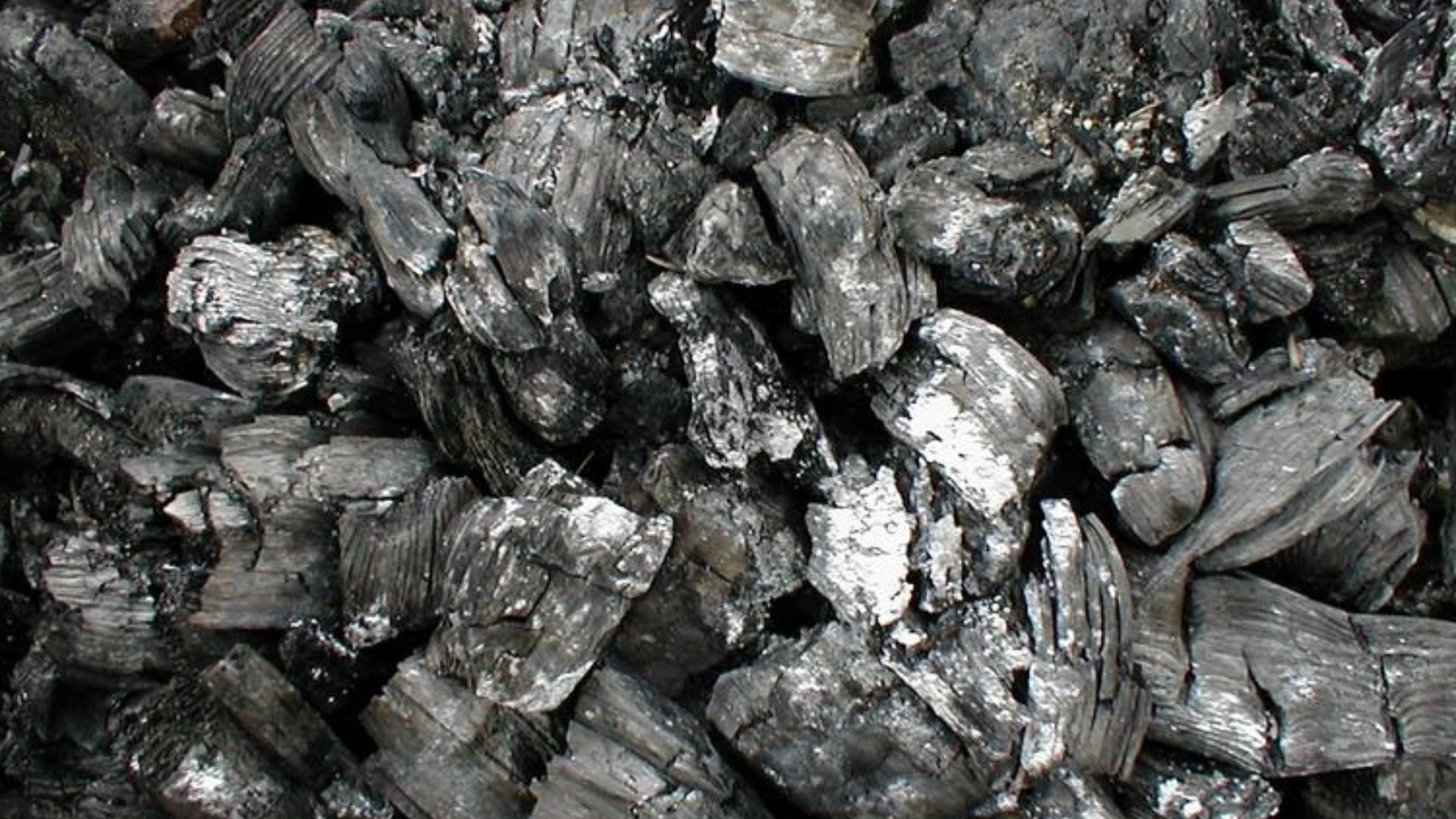
Radiocarbon testing of charcoal and habitation sites narrowed arrival estimates to the late twelfth century. Earlier theories placed the settlement much earlier, yet improved calibration techniques corrected those assumptions. Archaeological layers now align with a shorter timeline of occupation before European contact.
What the Moai Represented
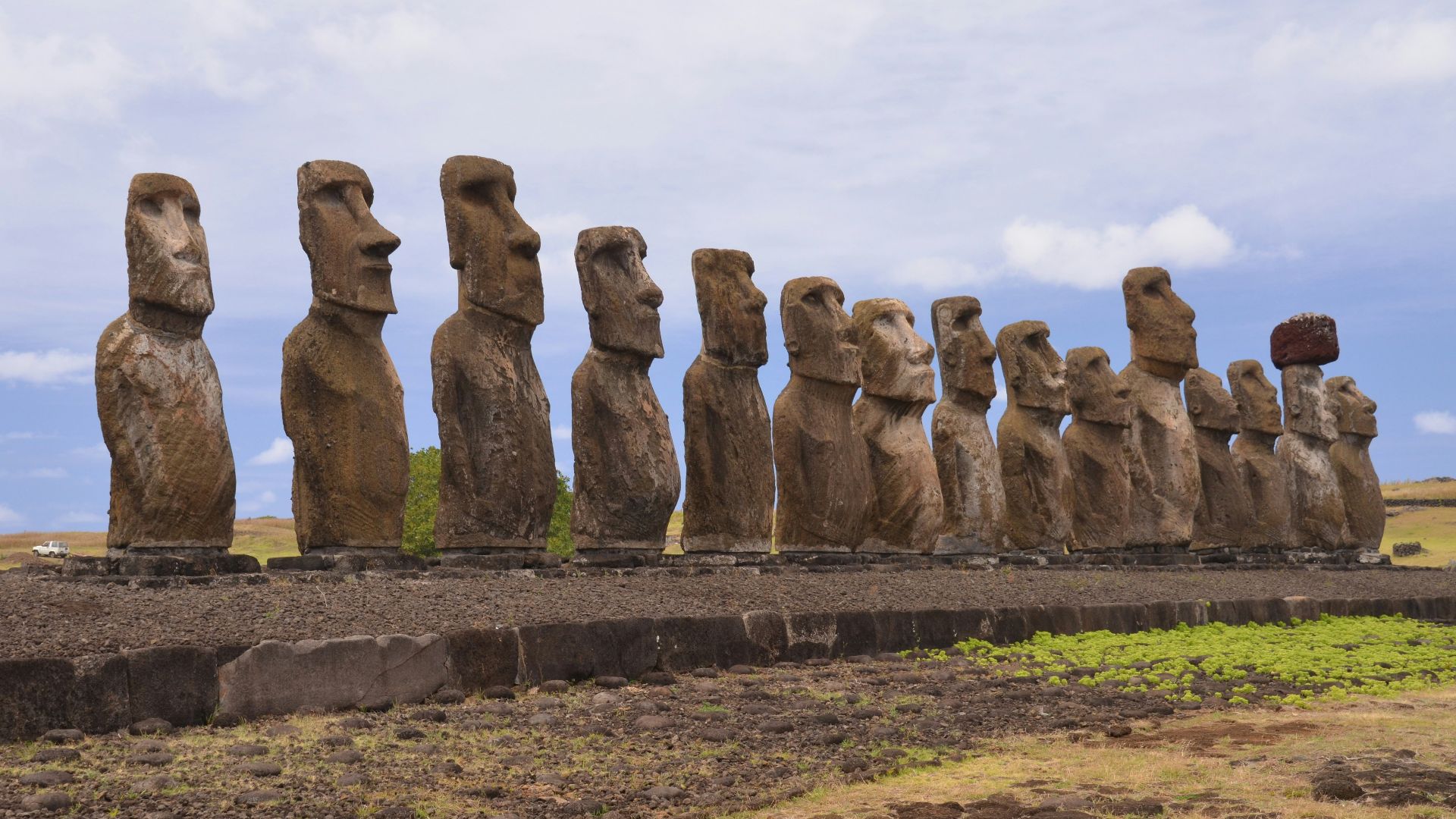
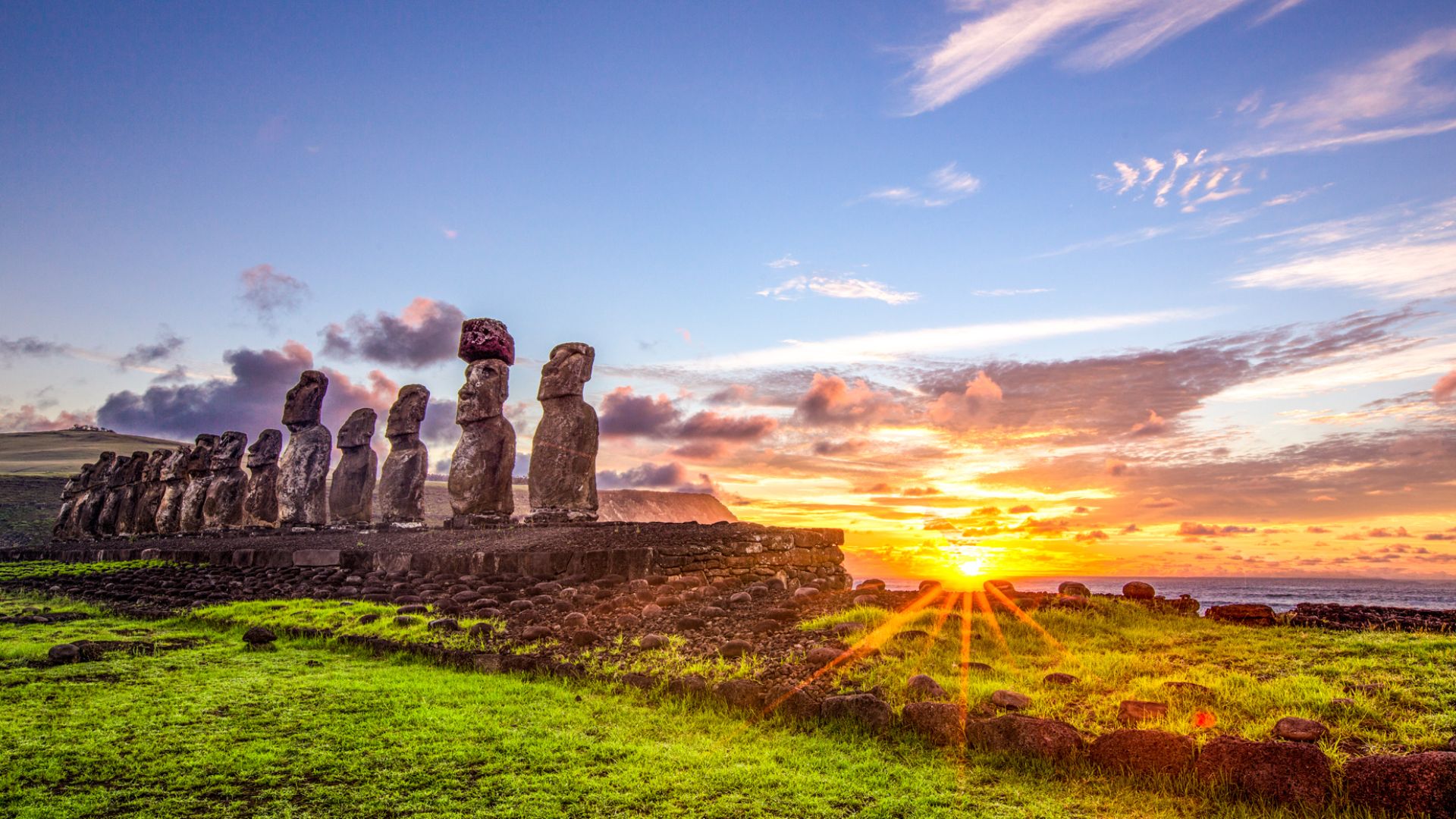
Alien myths refuse to fade, apparently. Yet carved figures known as moai portrayed revered ancestors tied to specific lineages. Communities positioned them inland, facing villages, not the sea. Spiritual authority and kinship identity also shaped their purpose, not extraterrestrial speculation.
Carving at Rano Raraku
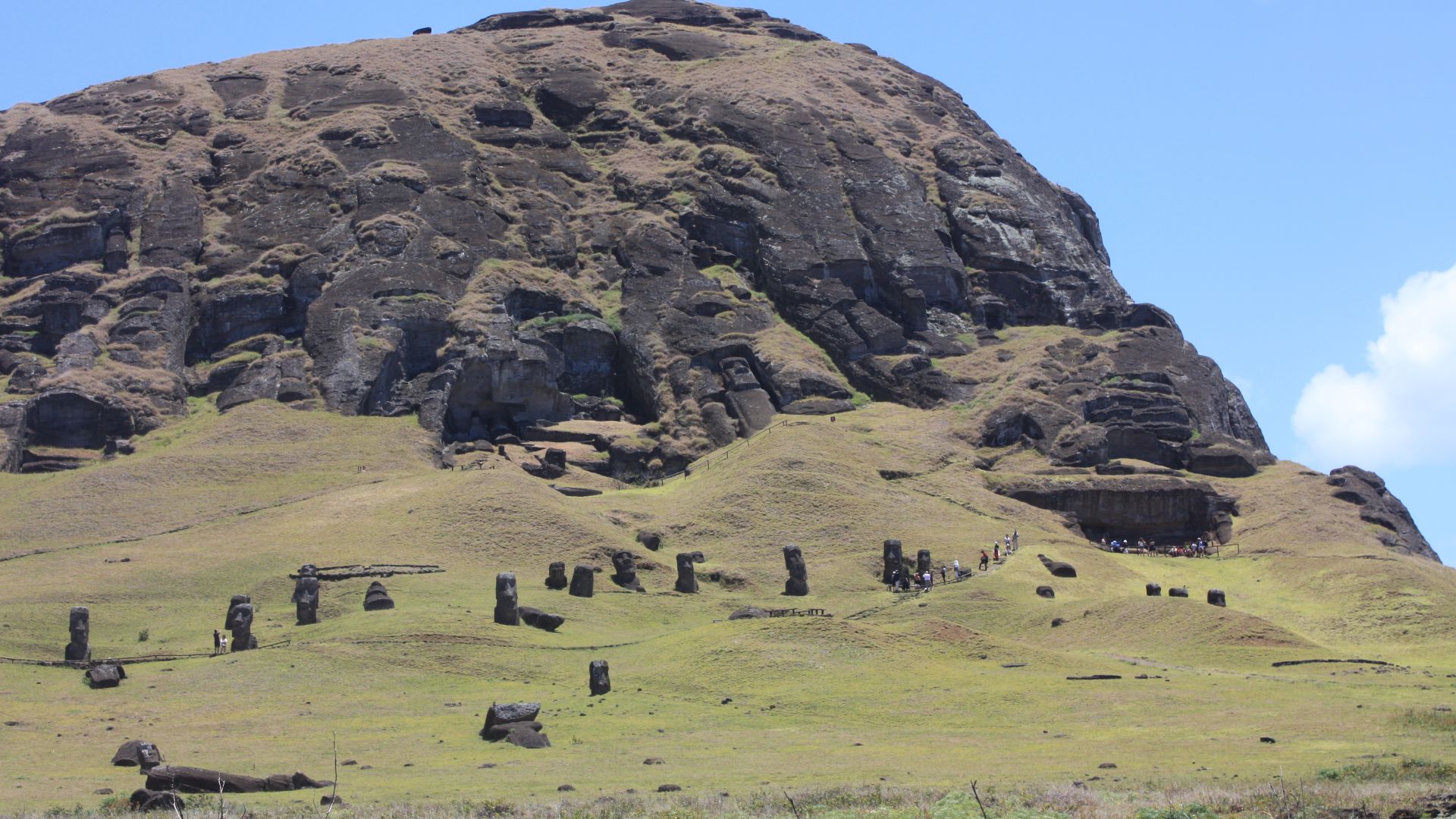
Most statues originated from volcanic tuff at the Rano Raraku quarry. Stone tools called toki shaped the figures directly from bedrock. Dozens remain partially carved, revealing process and sequence. Quarry evidence demonstrates organized labor rather than chaotic construction.
 Arian Zwegers, Wikimedia Commons
Moving Giants Across the Island
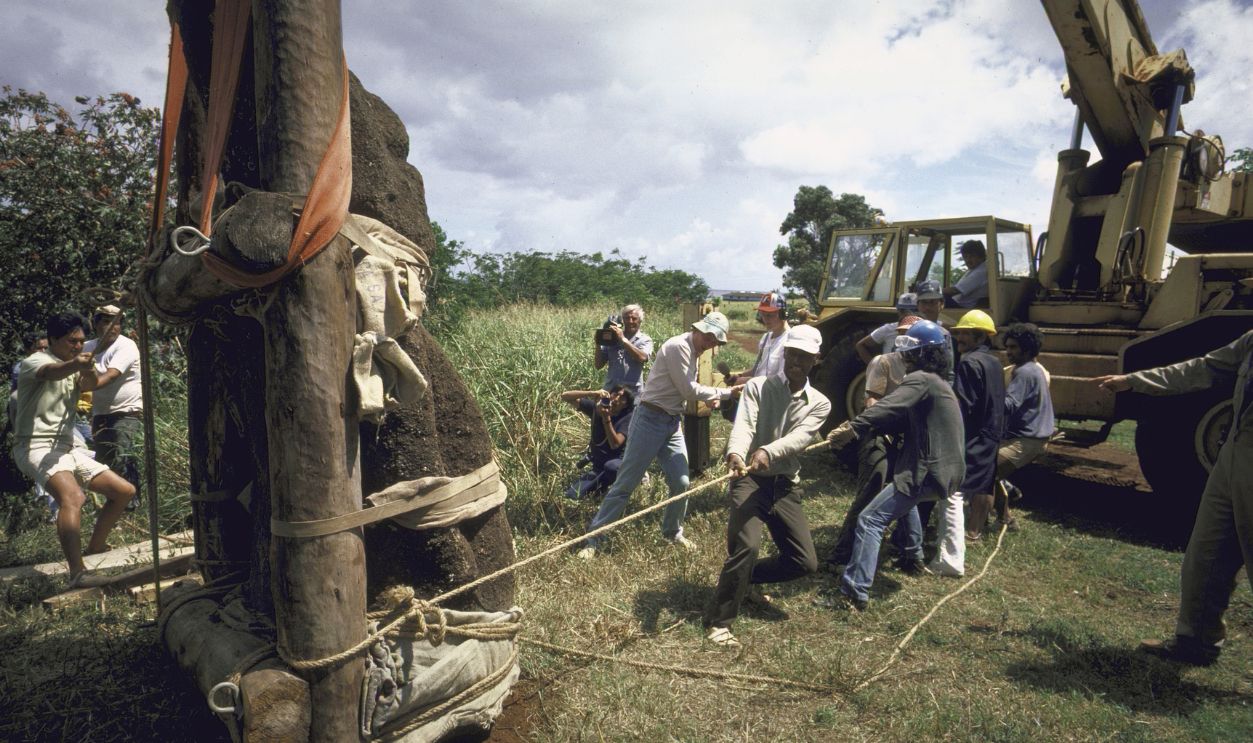
How did massive statues travel miles without wheels? Experimental archaeology suggests upright movement using ropes and coordinated teams. Researchers demonstrated that controlled rocking could shift moai forward. Oral traditions describing walking statues align closely with this practical model.
 Robert Nickelsberg, Getty Images
The Meaning of Red Pukao
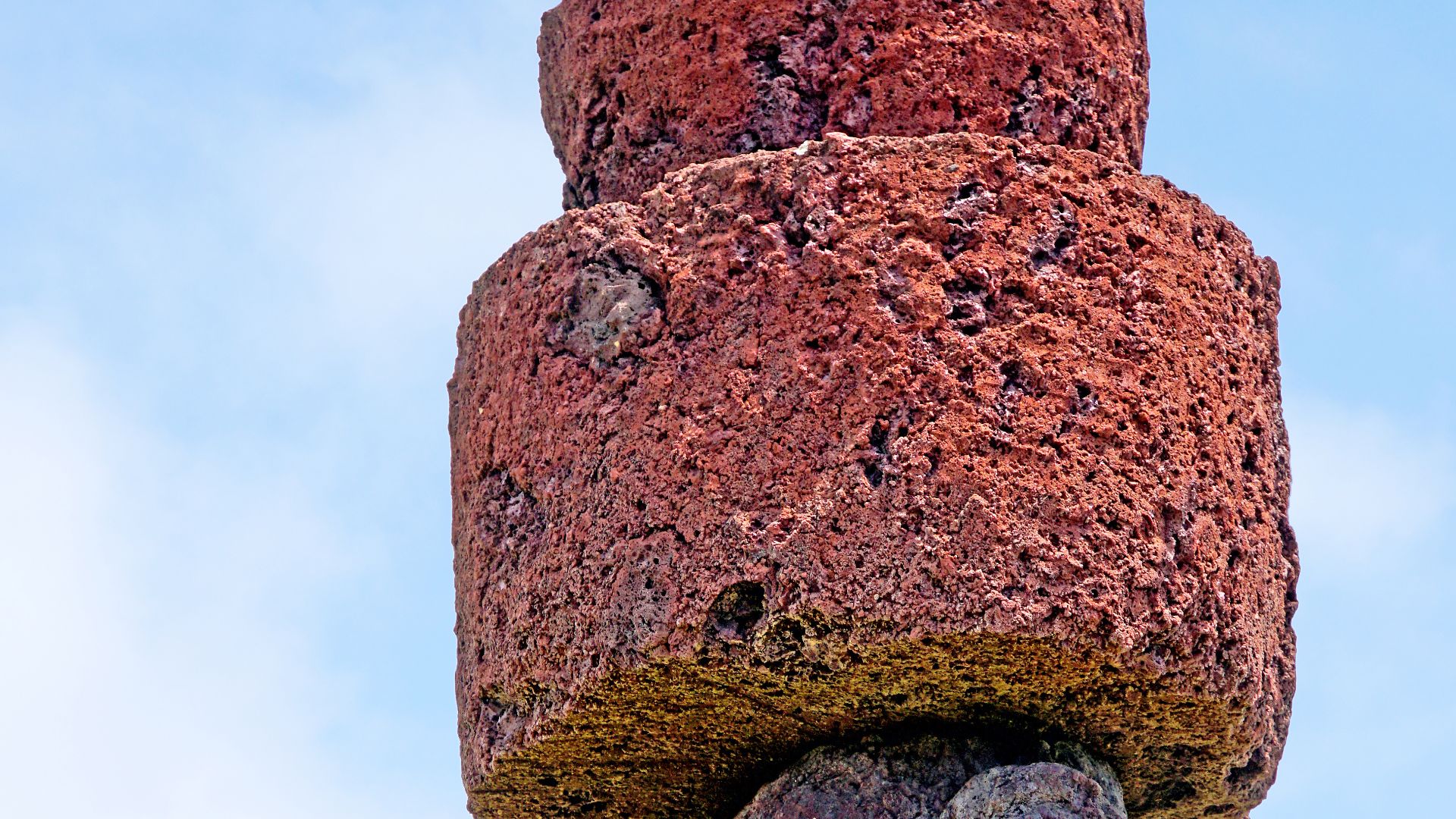
Red scoria cylinders came from a separate quarry at Puna Pau. These pieces likely represented stylized hair or topknots associated with high status. Transporting them required additional effort, which implies symbolic importance beyond decoration.
 Dennis G. Jarvis, Wikimedia Commons
Ahu Platforms and Social Order
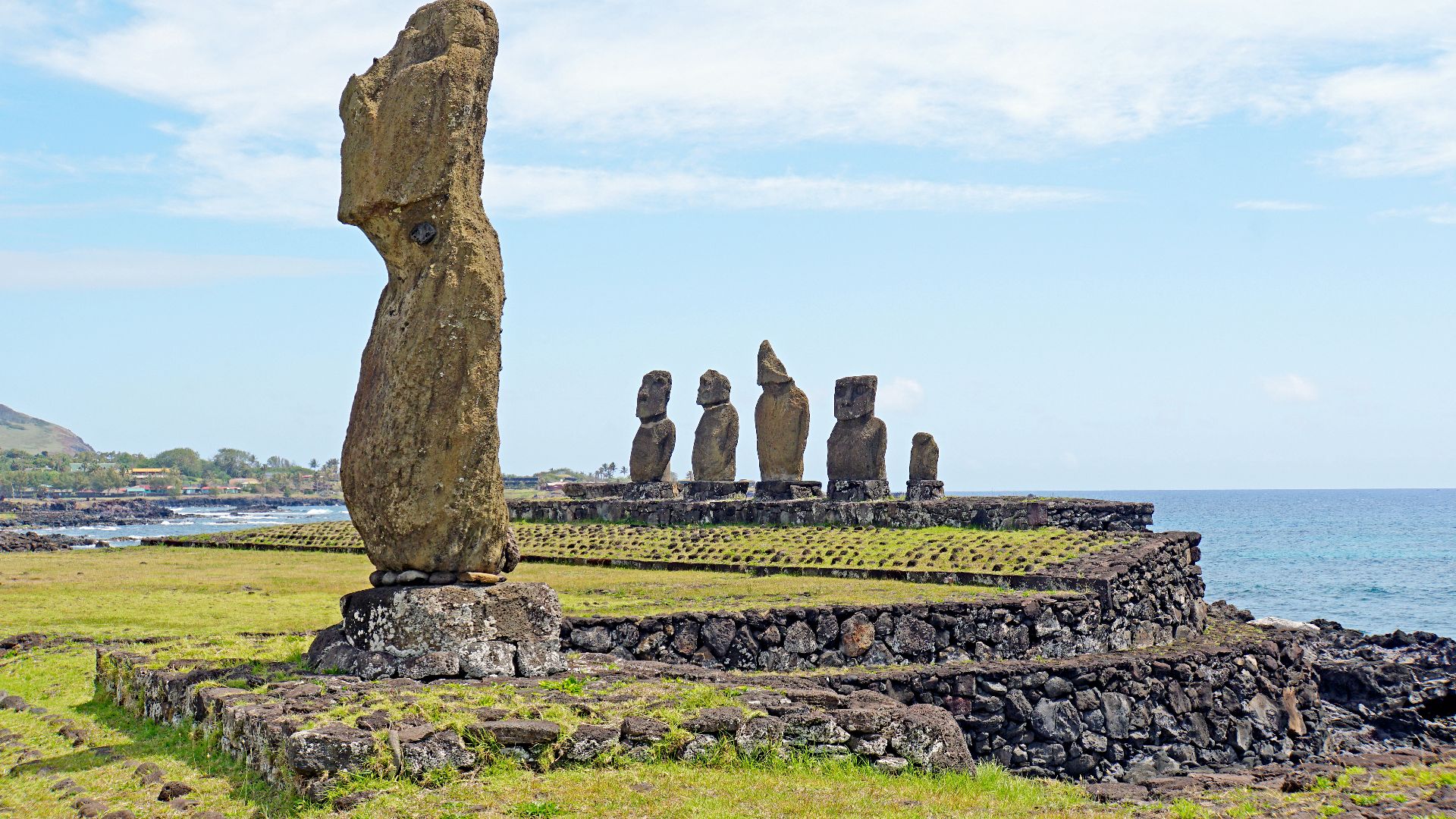
Ceremonial platforms anchored community life along the coast. Carefully fitted stonework formed foundations for ancestral figures. Placement corresponded with clan territories and political authority. Spatial organization across the island reflects structured governance rather than disorder.
 Dennis G. Jarvis, Wikimedia Commons
The Birdman Tradition at Orongo
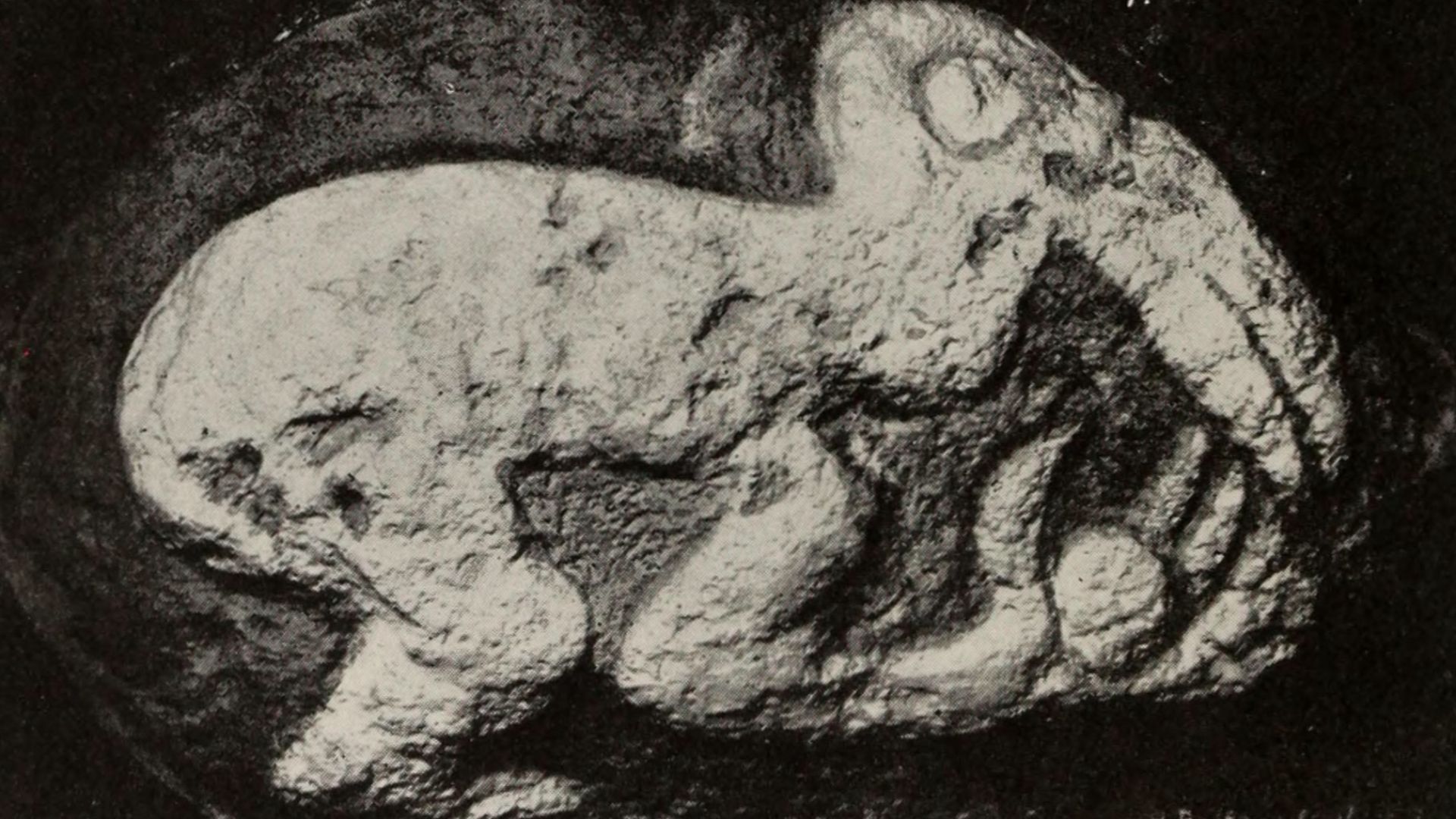
After major statue construction declined, ritual focus shifted toward the Birdman competition at Orongo. Annual contests determined leadership through daring retrieval of a seabird egg. Religious authority evolved in response to social change, demonstrating cultural flexibility.
 Unknown authorUnknown author, Wikimedia Commons
Rethinking the Deforestation Claim
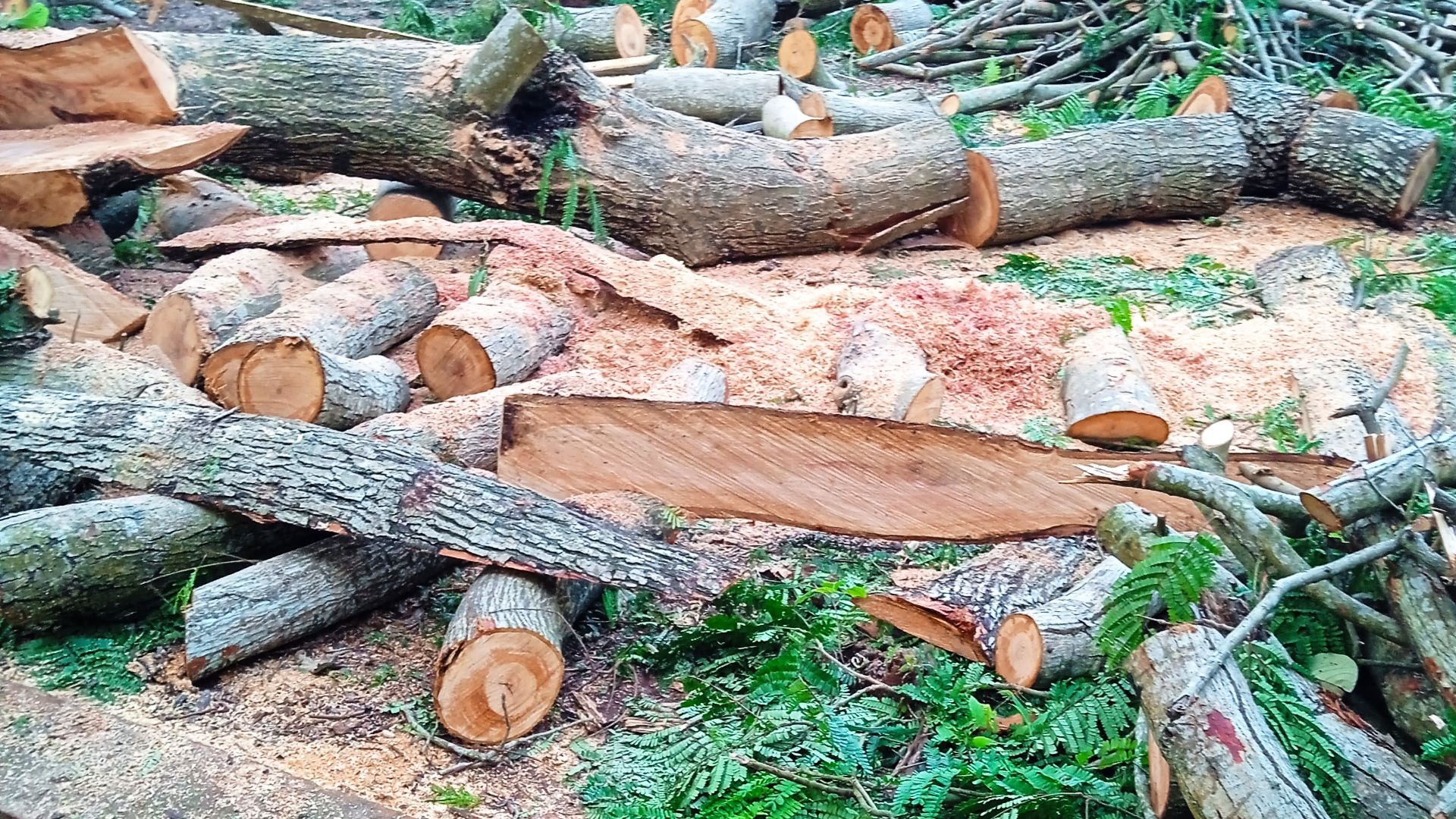
Many early scholars argued that residents destroyed their own forests through reckless use. Later pollen studies complicated that view. Environmental shifts appear gradual rather than sudden. Human activity played a role, yet collapse narratives oversimplified ecological dynamics.
The Polynesian Rat Factor
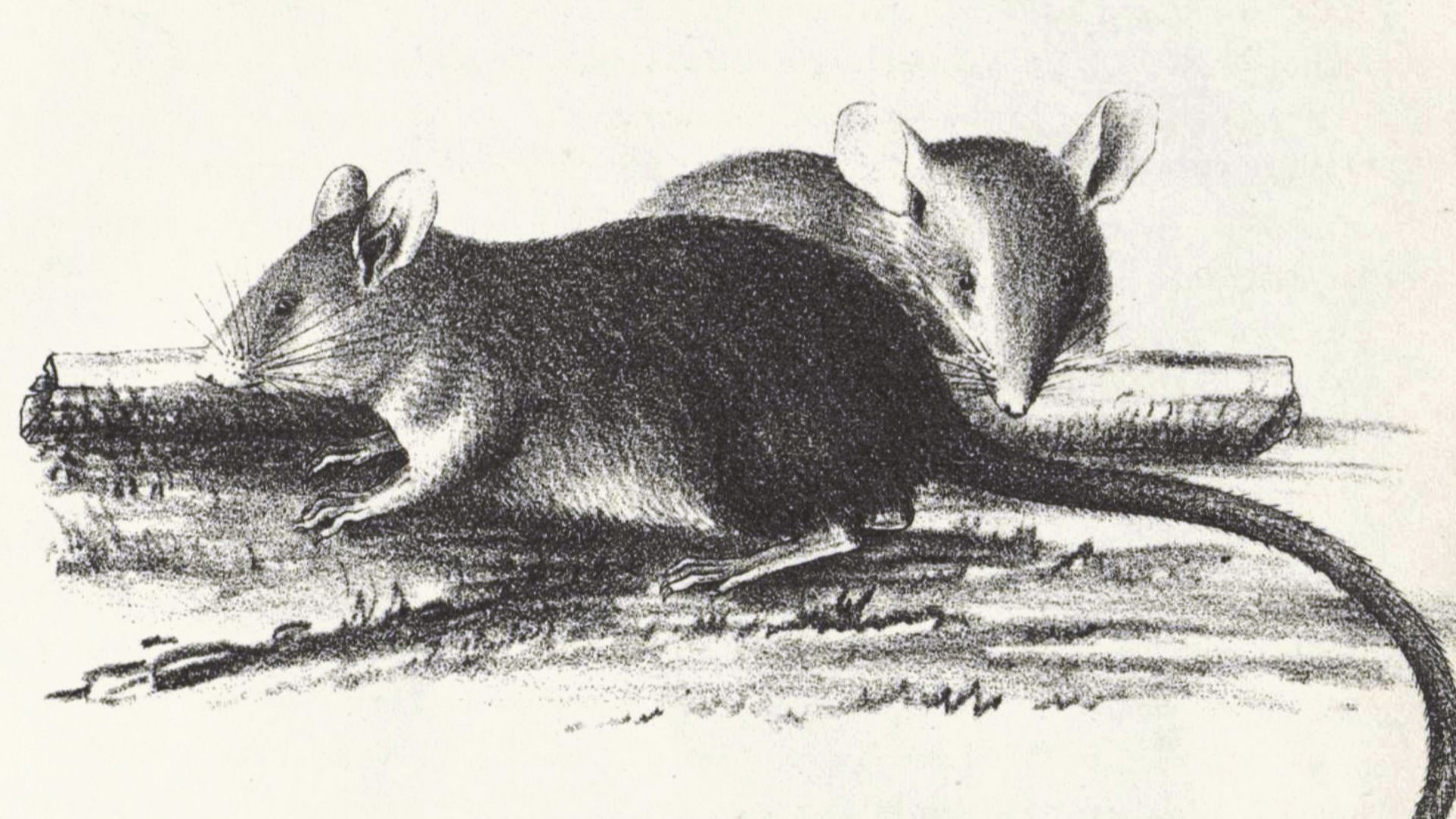
Archaeological layers reveal extensive rat gnaw marks on ancient palm seeds. Introduced accidentally by early settlers, rats limited tree regeneration. Because palm forests struggled to recover, ecological pressure increased. Animal impact, therefore, reshapes earlier blame directed solely at people.
 Walter Buller, Wikimedia Commons
Farming on Difficult Soil
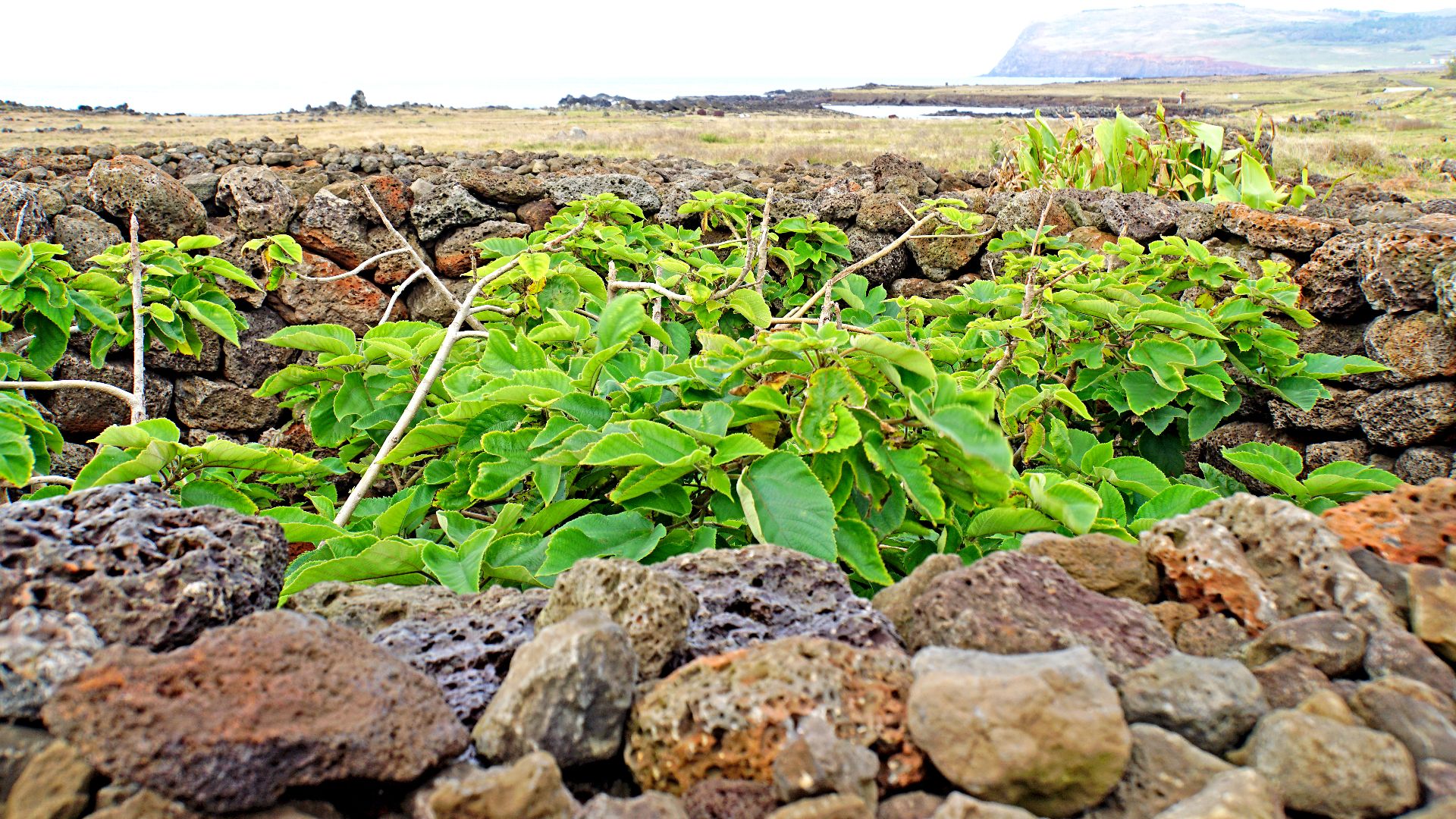
Agriculture thrived despite the thin volcanic ground. Farmers created rock mulch gardens that retained moisture and stabilized temperature. Stone enclosures reduced wind stress on crops. These strategies demonstrate ingenuity in food production rather than environmental ignorance.
 Dennis G. Jarvis, Wikimedia Commons
Social Structure Endured
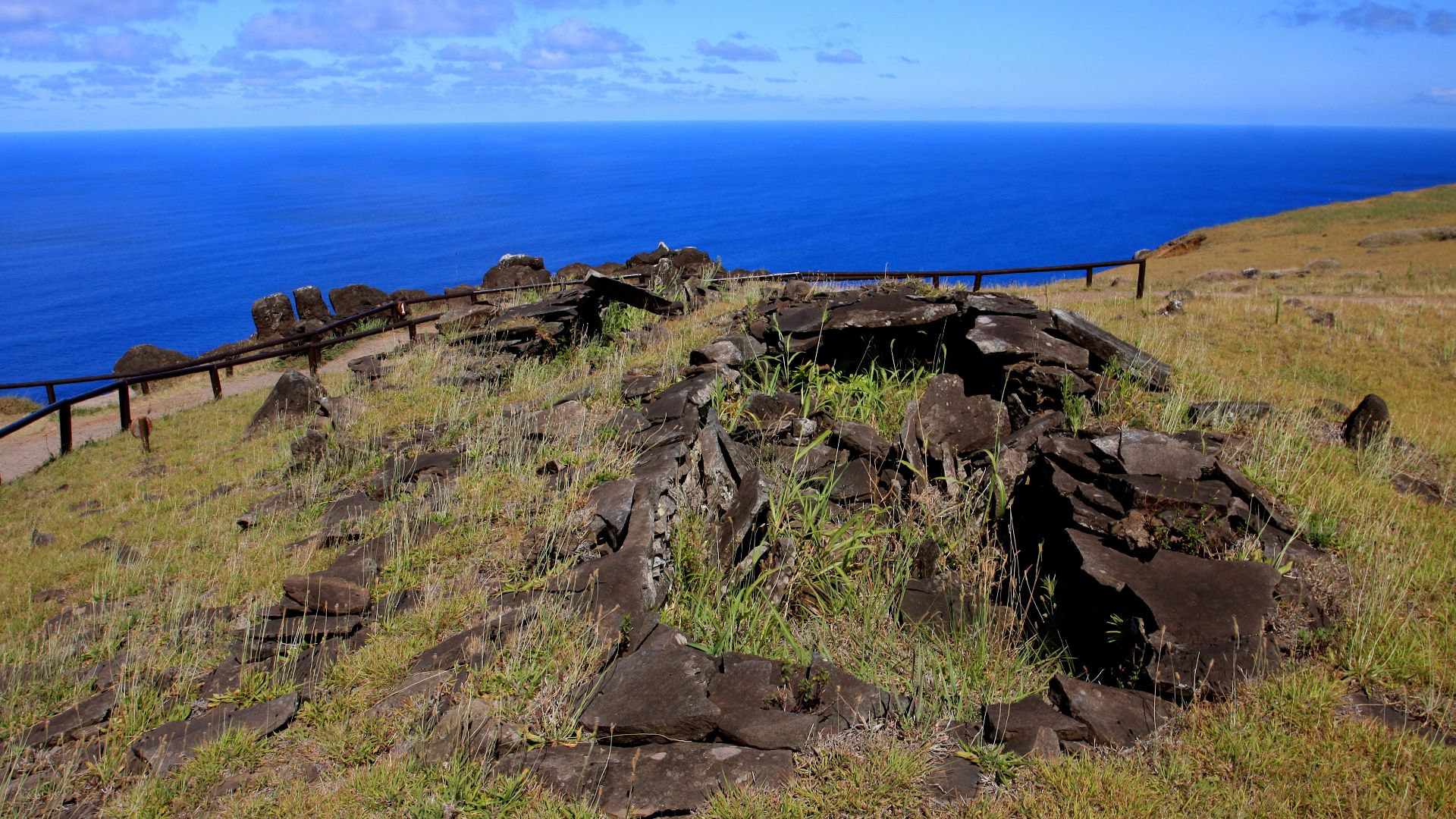
Fortified sites and settlement patterns indicate that organized communities persisted over time. Defensive architecture appears strategic rather than chaotic. Leadership systems adapted to changing conditions. Archaeology, therefore, contradicts the idea of total political breakdown before European arrival.
 TravelingOtter, Wikimedia Commons
Interpreting Evidence of Conflict
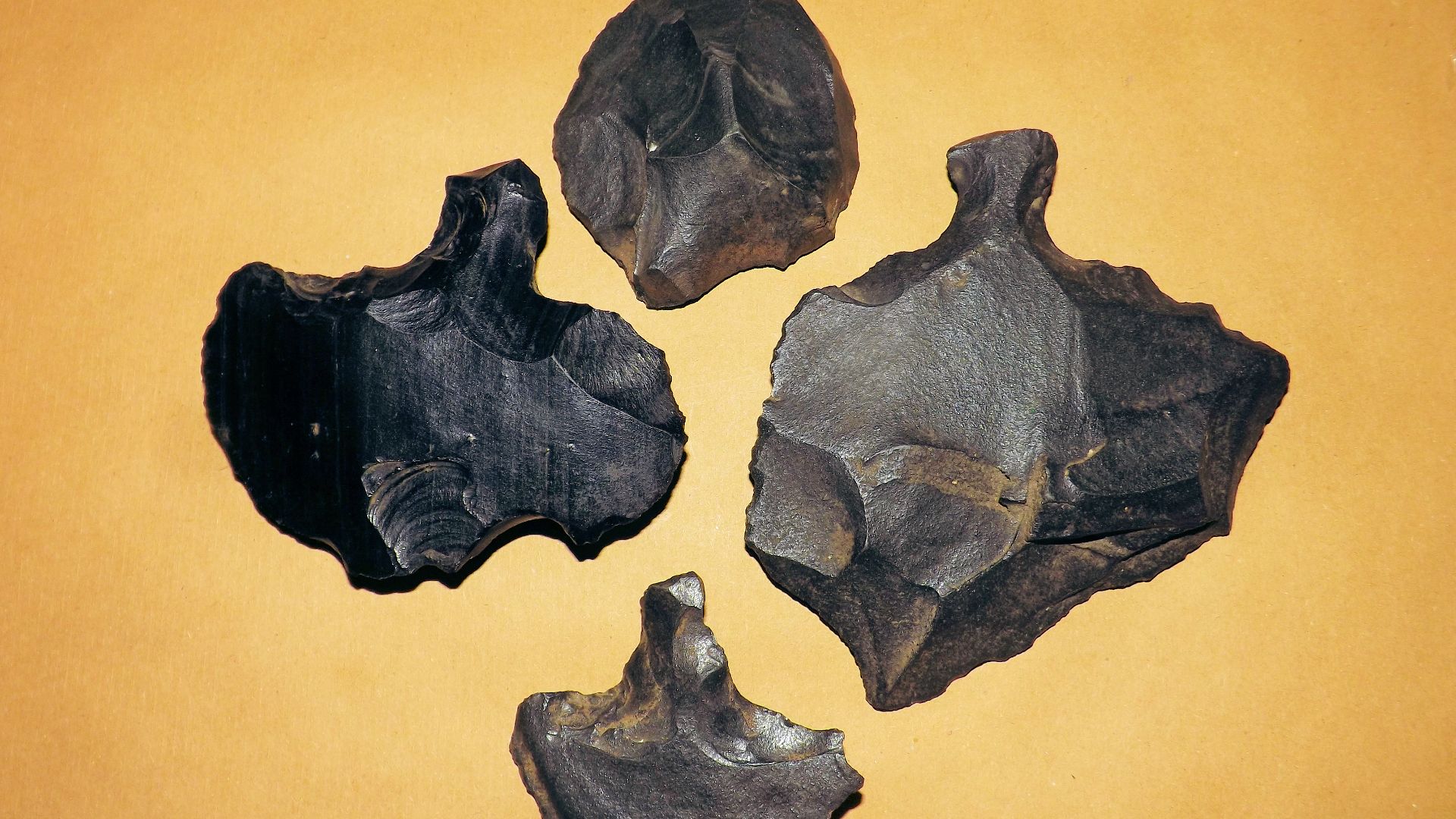
Skeletal remains show some trauma, yet widespread massacre evidence remains limited. Obsidian spear points, once labeled weapons, may have served multiple purposes. Scholars now interpret conflict as localized rather than catastrophic across the island.
 Simon Evans - [email protected], Wikimedia Commons
First European Contact in 1722
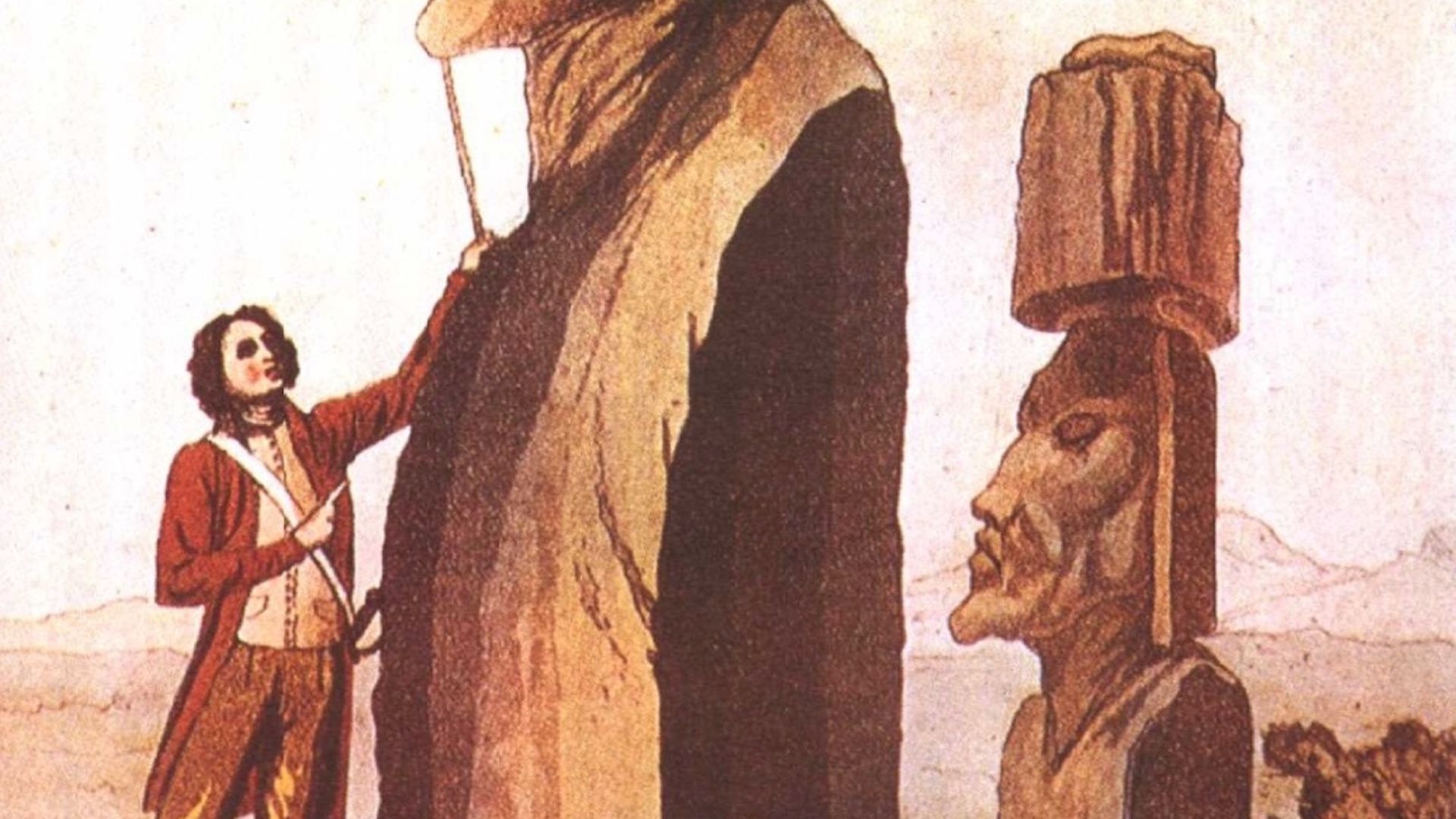
Dutch navigator Jacob Roggeveen reached the island on Easter Sunday in 1722. Accounts described monumental statues and structured settlements. However, cultural misunderstandings marked the encounter. Written records reflected European expectations more than Indigenous perspectives.
 Unknown authorUnknown author, Wikimedia Commons
The Devastation of Slave Raids
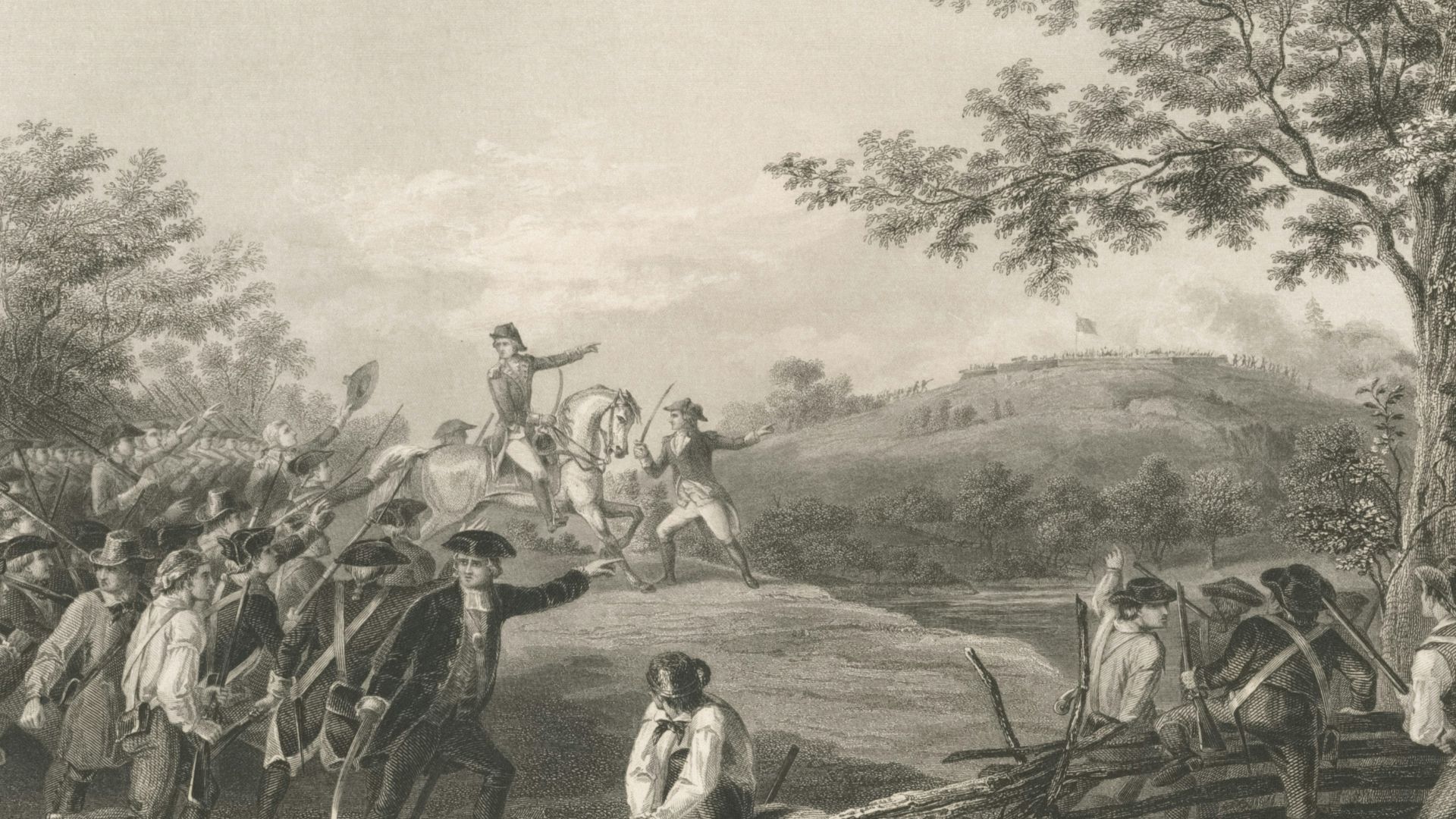
During the 1860s, Peruvian raiders captured hundreds of islanders for forced labor. Community leaders and knowledge holders were among those taken. Population decline accelerated sharply after these events. Social systems weakened due to external violence rather than internal collapse.
 The New York Public Library, Unsplash
Disease After Outside Arrival
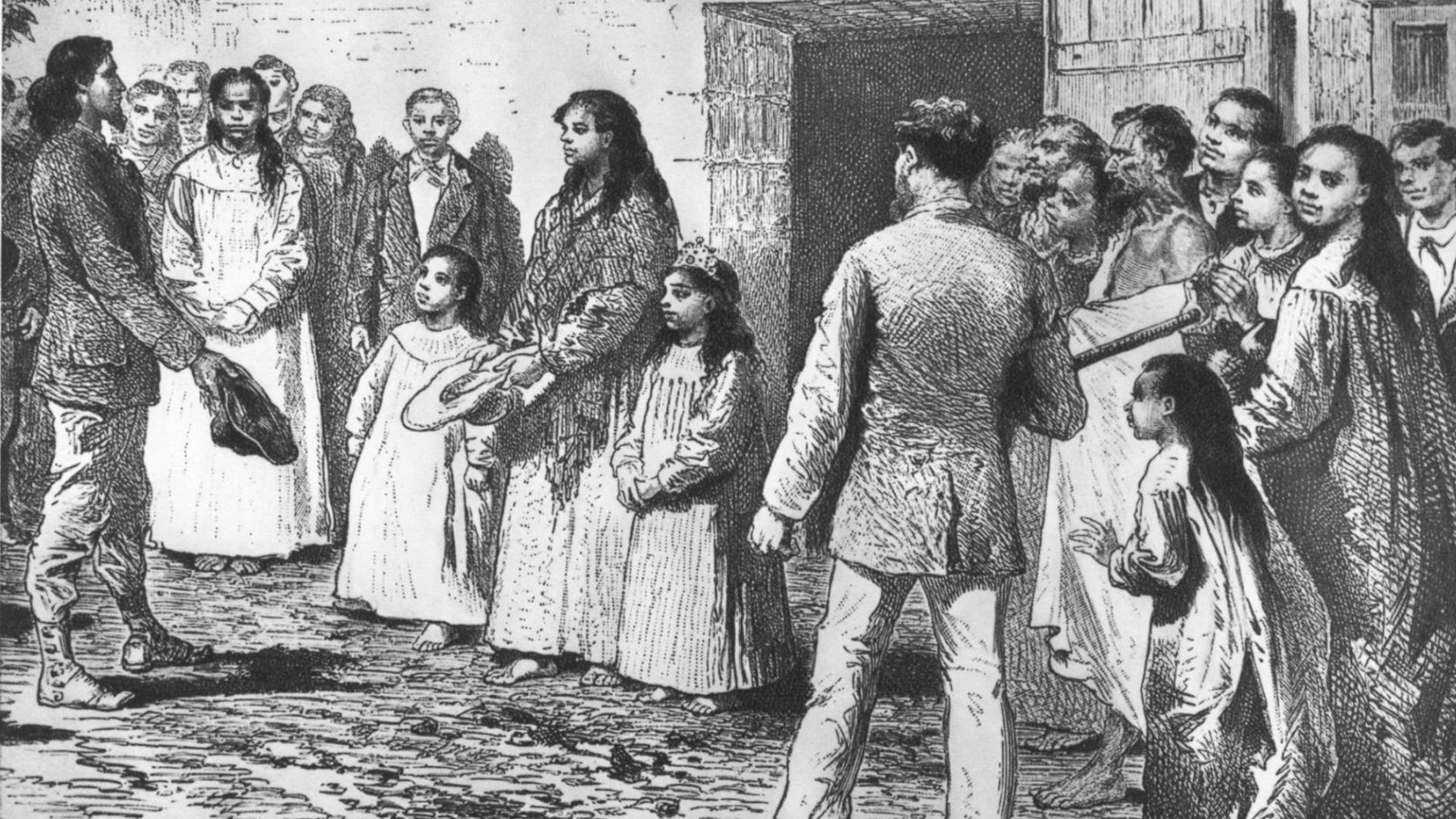
Introduced illnesses spread rapidly among isolated communities. Smallpox and tuberculosis reduced numbers dramatically in the nineteenth century. Without prior exposure, resistance remained limited. Demographic collapse followed contact, altering long-established social patterns.
 Emile Bayard, Wikimedia Commons
Missionary Influence on Culture
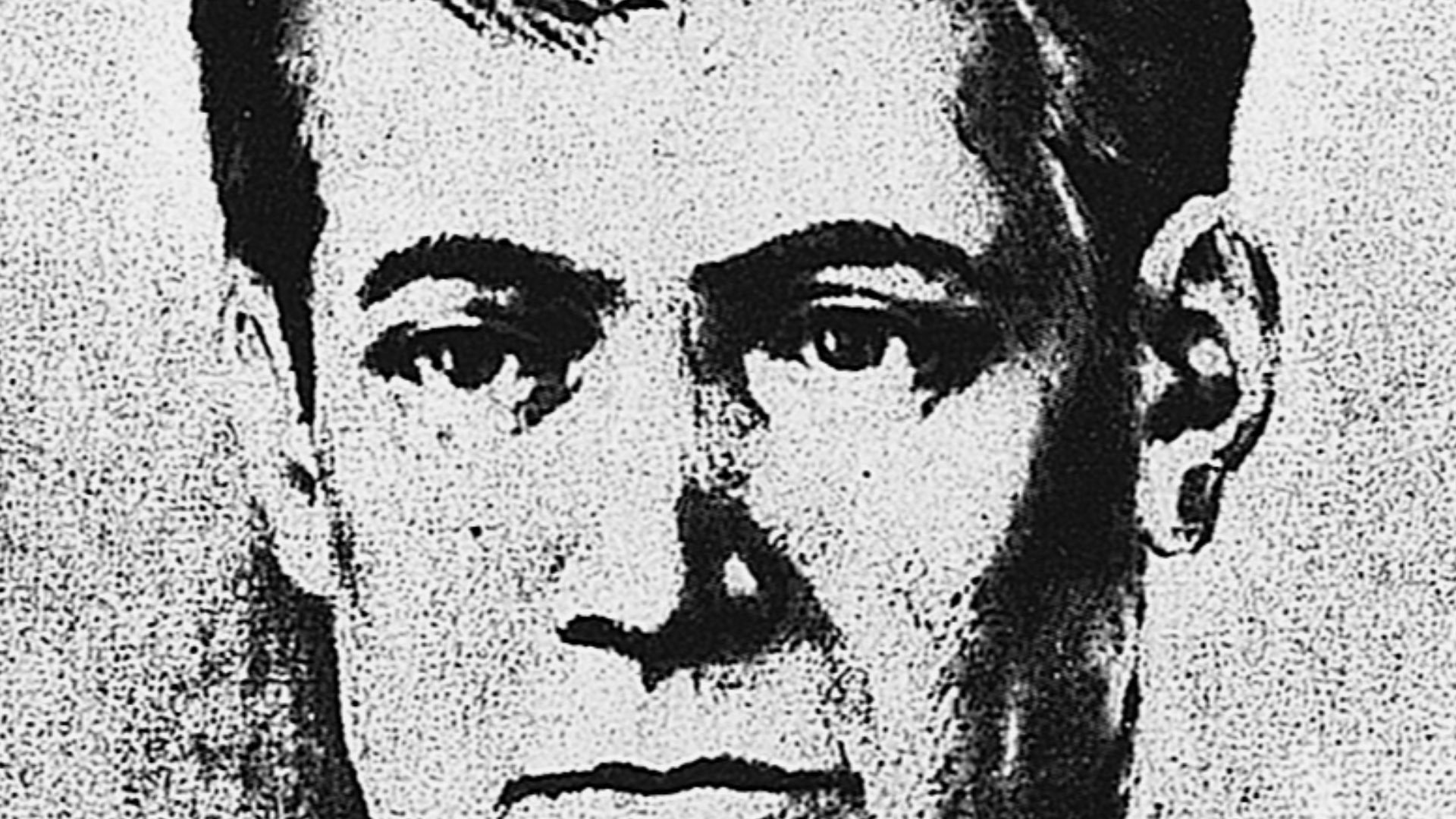
Catholic missionaries arrived during the mid-nineteenth century. Conversion efforts reshaped spiritual practices and daily routines. Written records preserved some traditions while discouraging others. Cultural transformation accelerated under sustained foreign presence.
 Unknown authorUnknown author, Wikimedia Commons
Annexation by Chile in 1888
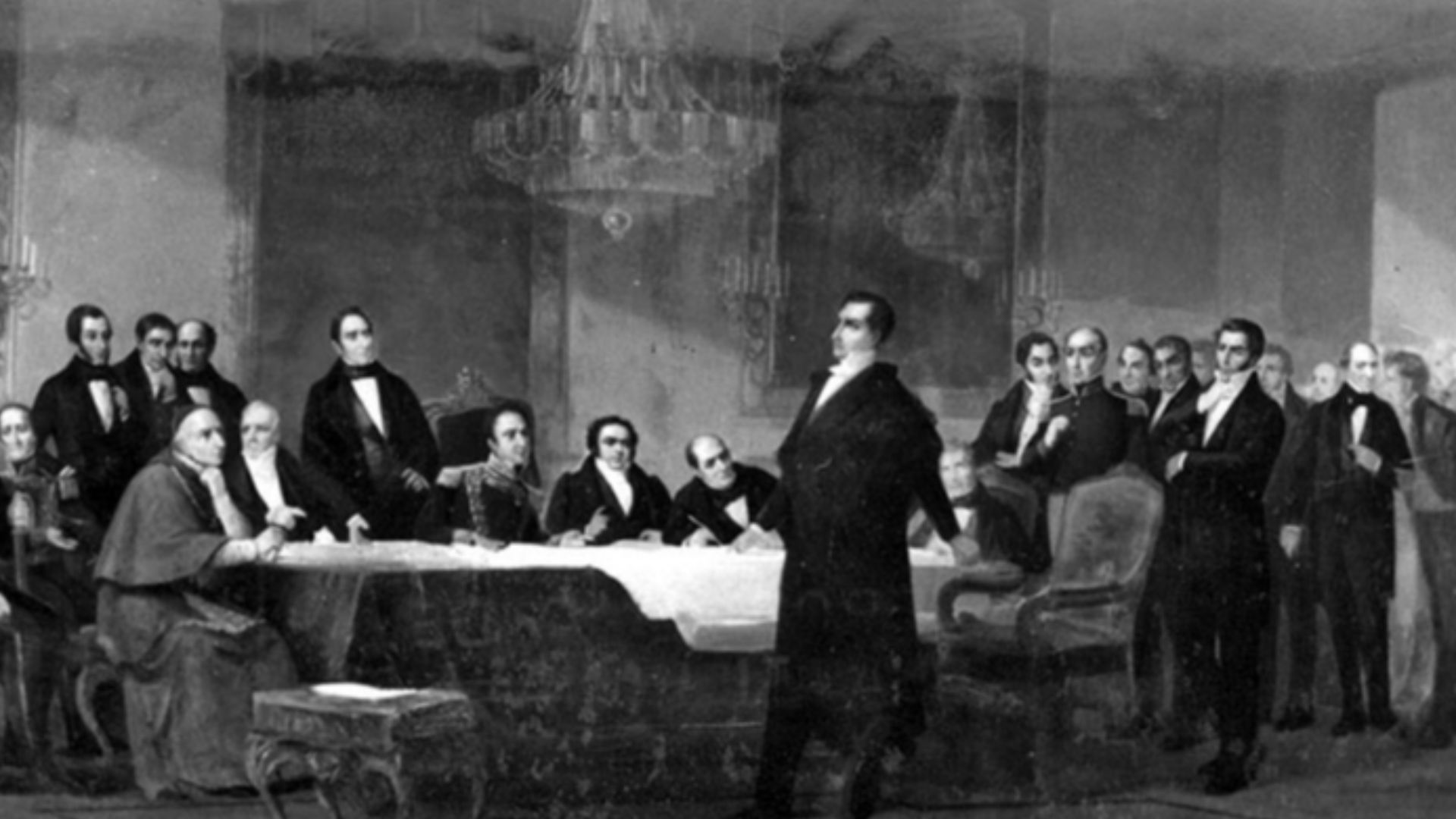
Chile formally annexed the island in 1888 through a contested agreement. Land ownership shifted significantly afterward. Ranching operations restricted Indigenous access to territory. Political authority, therefore, moved beyond local control during the late nineteenth century.
 Pedro Leon Carmona (1854-1899), Wikimedia Commons
The Mystery of Rongorongo
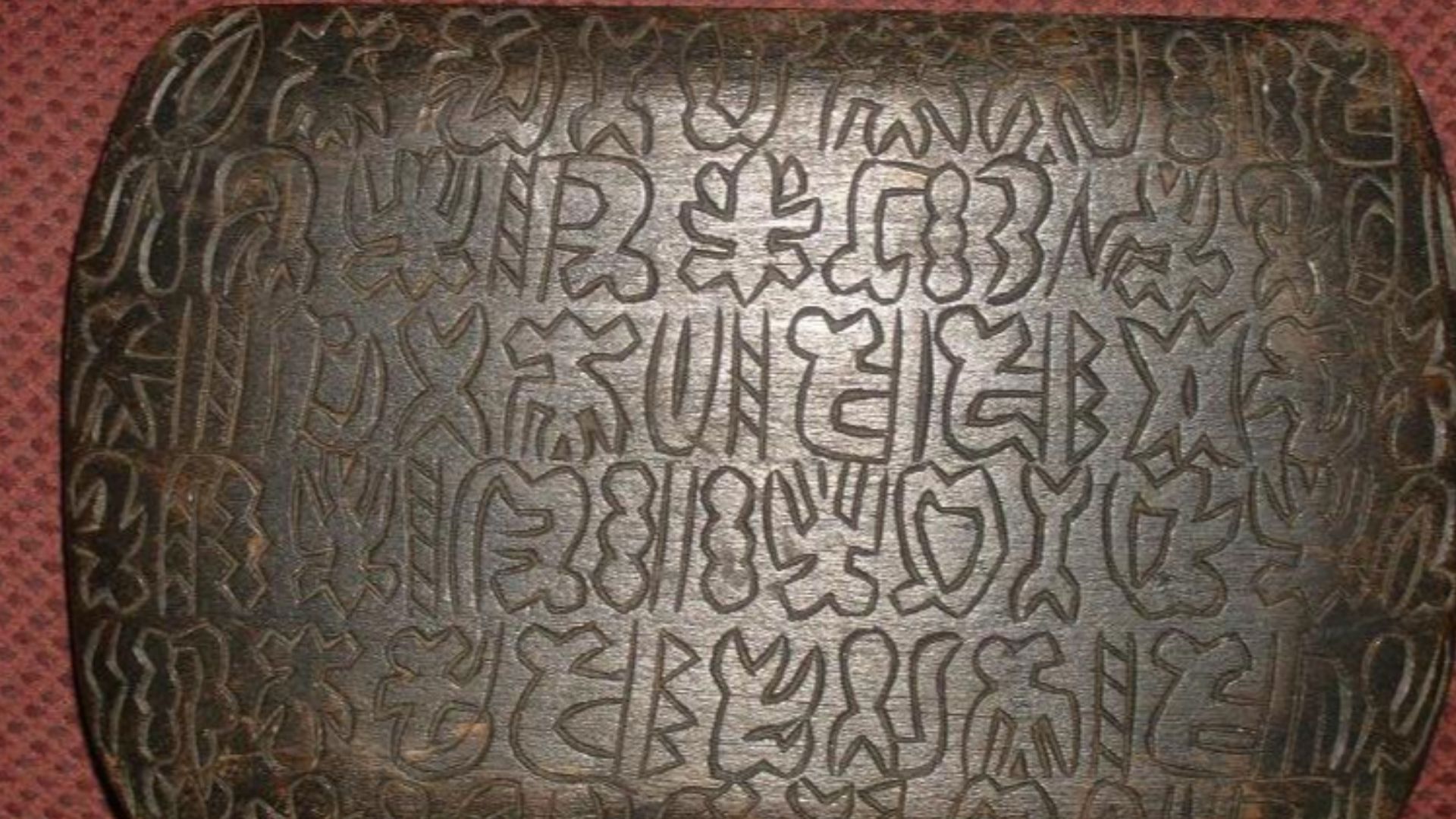
Wooden tablets carved with intricate glyphs continue to challenge researchers. Known as rongorongo, the script remains undeciphered despite decades of study. Only a small number of tablets survive because many were destroyed after the cultural upheaval. Scholars still debate whether it represents full writing or symbolic record-keeping.
Population Numbers Reconsidered
Early researchers once proposed extremely high population estimates. Modern demographic studies suggest a much smaller peak, likely a few thousand residents. Settlement distribution and agricultural capacity support sustainable community size relative to environmental conditions.
 National Cancer Institute, Unsplash
Early Accounts Under Scrutiny
Nineteenth-century visitors often interpreted visible hardship as evidence of ancient collapse. However, those impressions followed slave raids and introduced disease. Context changes conclusions. Contemporary historians reassess those descriptions through a more critical lens.

Rapa Nui Voices Today
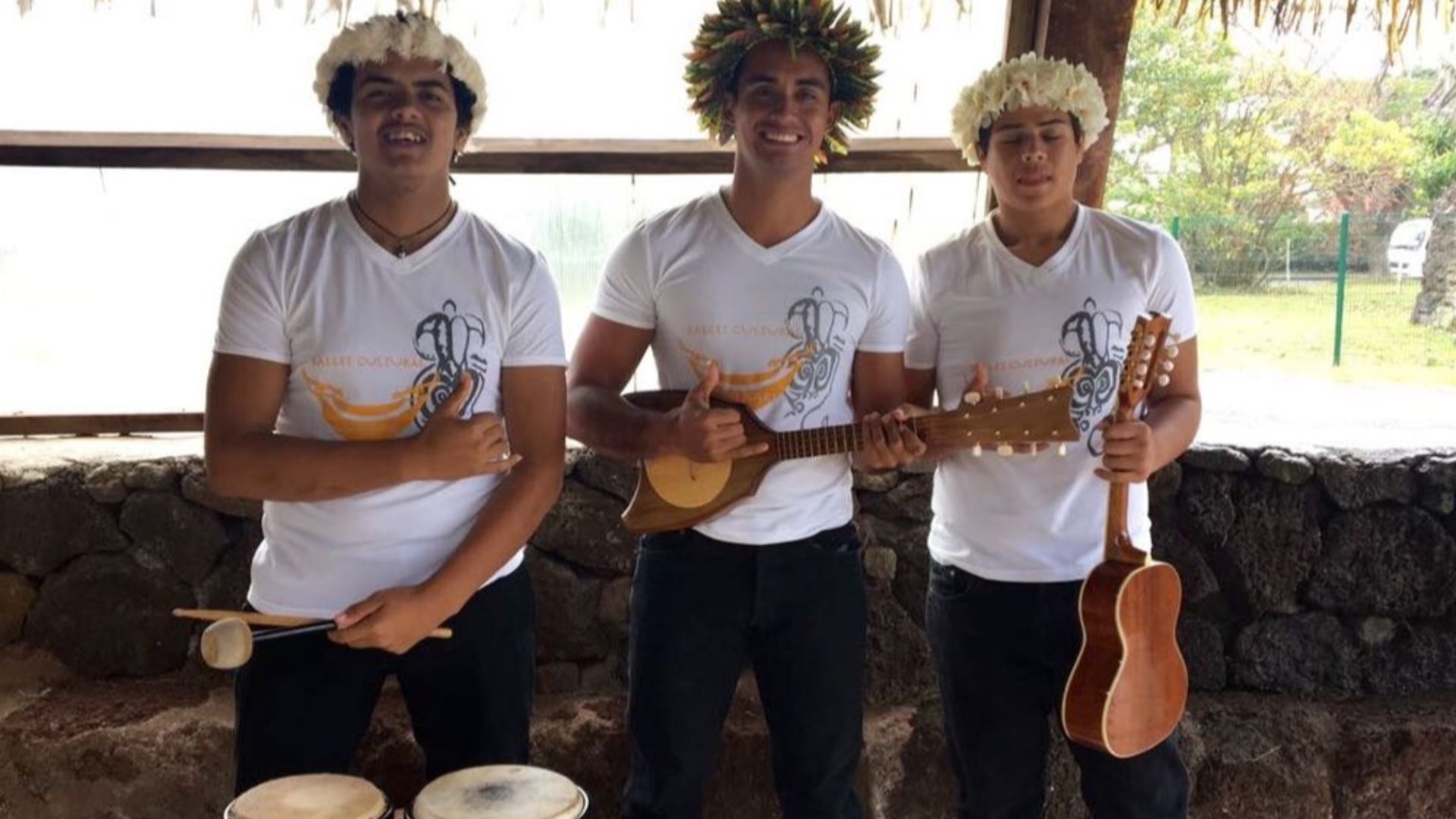
Present-day community leaders advocate for cultural revival and land recognition. Language programs restore traditional speech among younger generations. Archaeological research now includes Indigenous collaboration. Interpretation increasingly reflects local knowledge rather than outside assumptions.
 Alberto Castel, Wikimedia Commons
What the Evidence Really Shows
Material findings reveal endurance rather than reckless destruction. Innovation in farming, construction, and governance shaped centuries of life. External disruption explains dramatic population loss. Oversimplified collapse stories weaken under sustained archaeological review.
 Anne Dirkse (www.annedirkse.com), Wikimedia Commons






.jpg)