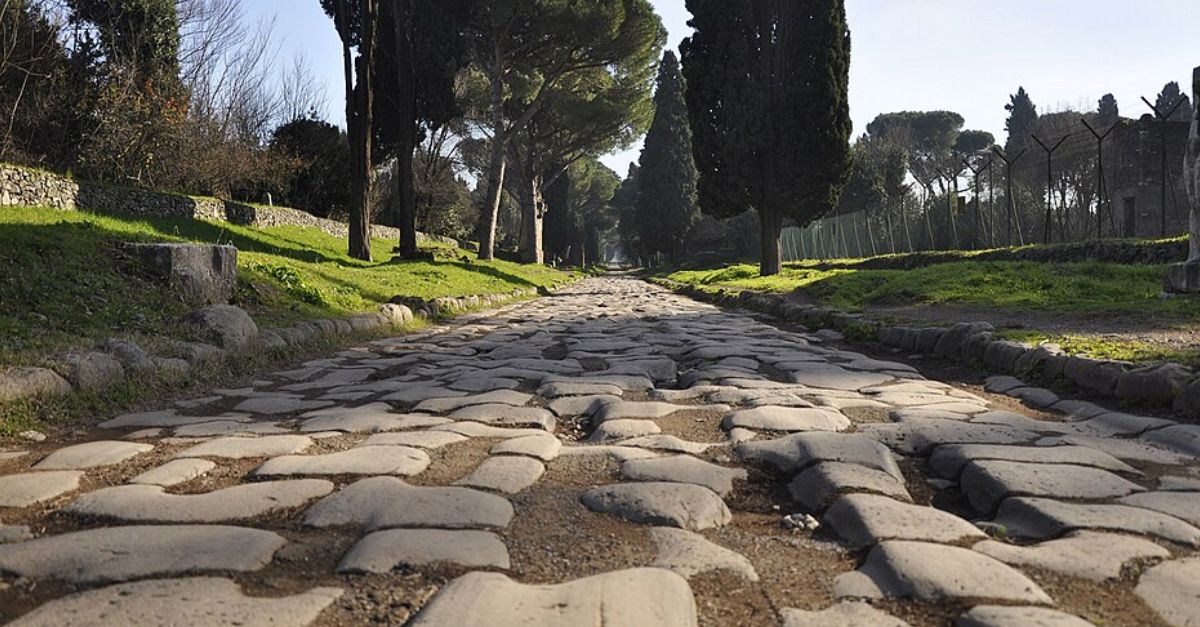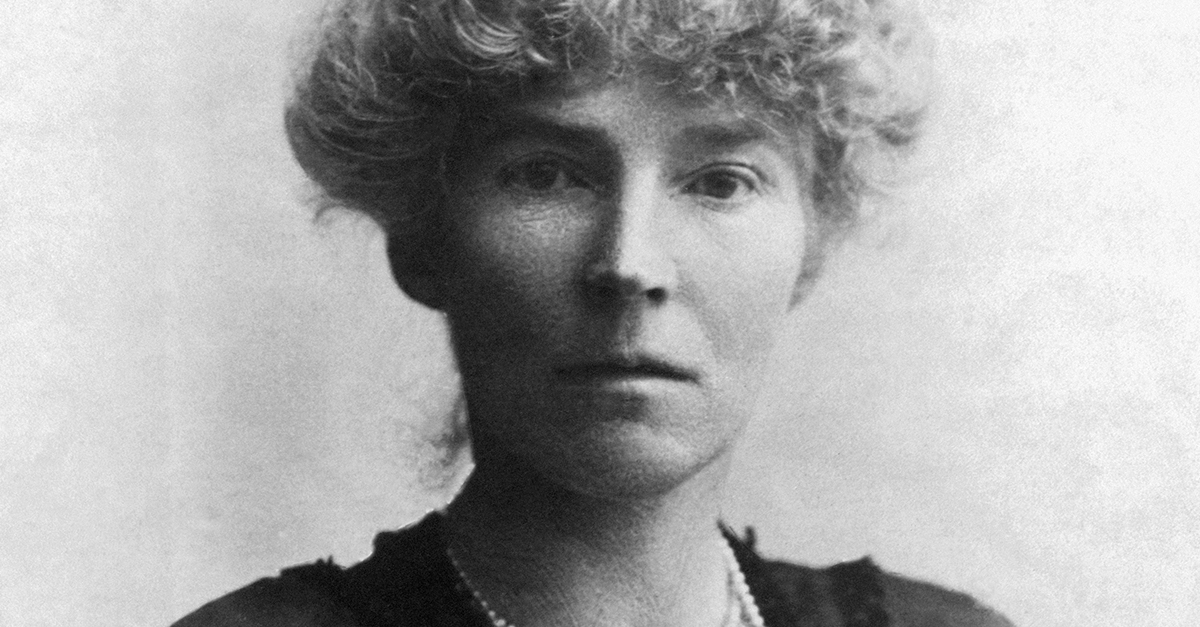
When A Rumor In The River Turned Out To Be Real
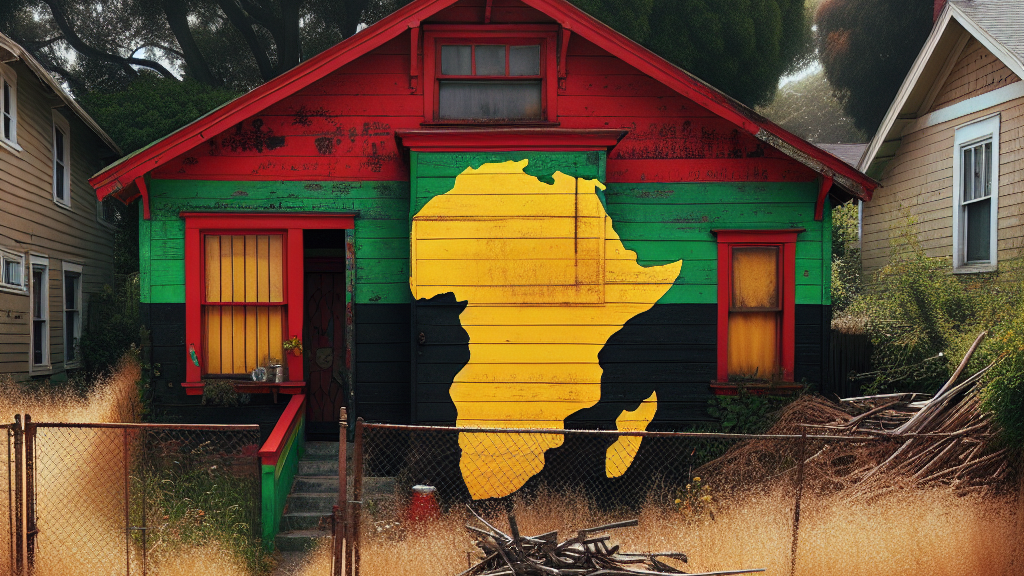
For more than a century, people in Africatown insisted that the last slave ship ever to reach the United States hadn’t vanished—it was just hiding. The river knew where it was, the elders knew where it had been, and the rest of the country mostly shrugged. Then, in 2019, archaeologists finally caught up with the story that locals had been telling all along.
 The Ship That Lived In A Whisper
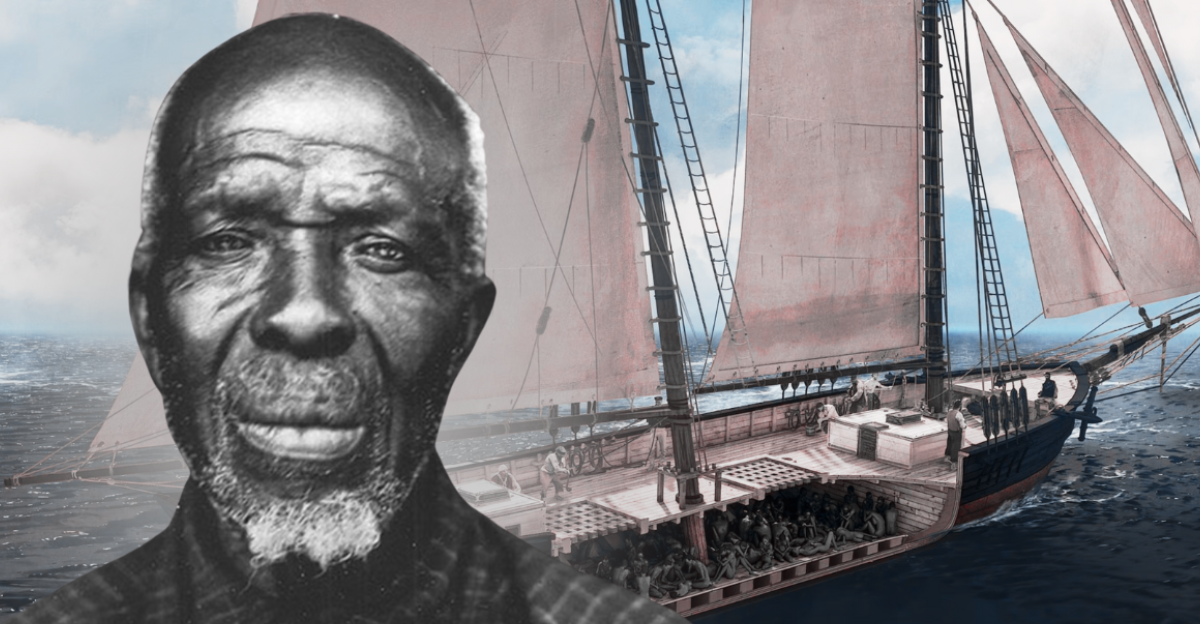
For generations, people talked about a secret schooner that slipped into Alabama long after such voyages were outlawed. It was the kind of story that sounded too bold, too cruel, and too quietly orchestrated to be true. But as it turns out, sometimes the wildest history is the real kind.
 J. M. W. Turner, Wikimedia Commons
A Crime Wrapped In Secrecy
The voyage began in 1860, fueled not by necessity but by ambition. Longstanding local lore says the wealthy man behind the journey bragged that he could smuggle enslaved Africans into the country without getting caught. Whether that boast ever made it into writing is another story, but the journey absolutely did.
 Anonymous, 18th century, Wikimedia Commons
Across The Ocean Under Duress
The people taken aboard weren’t just captives — they were victims of a system that uprooted them from what is now Benin and forced them across the Atlantic. The crossing was cramped, dangerous, and deliberately hidden from authorities. Yet even through fear and uncertainty, these individuals carried their identity and resilience with them.
 Unknown authorUnknown author , Wikimedia Commons
A Midnight Landing
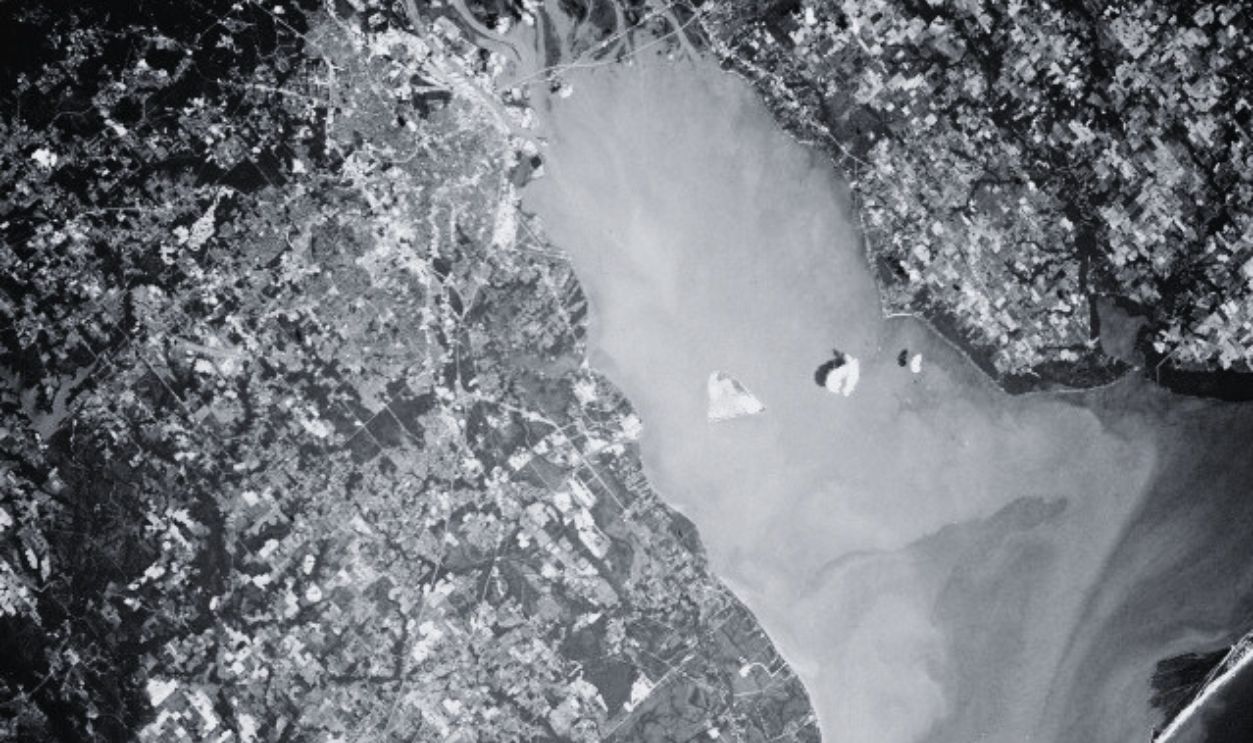
By the time the schooner approached Mobile Bay, everyone involved knew they were doing an unlawful activity. So the arrival happened quietly, under the cover of darkness, with no fanfare beyond whispered instructions and hurried movements. The priority was simple: unload the captives and keep the ship’s existence a secret.
A Fire To Hide
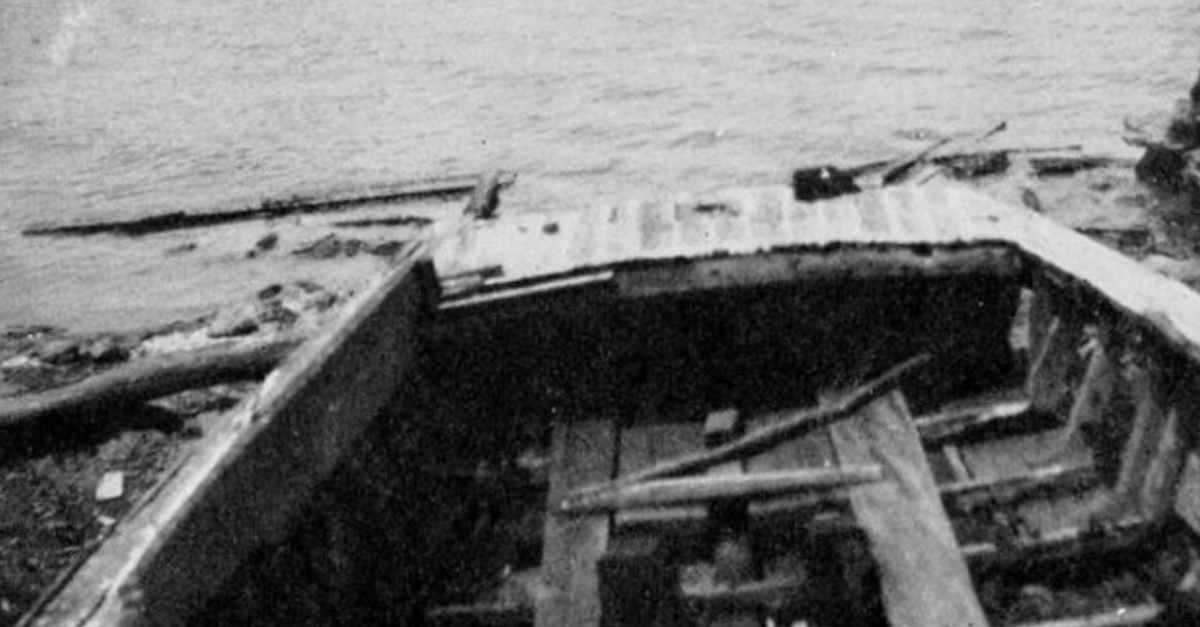
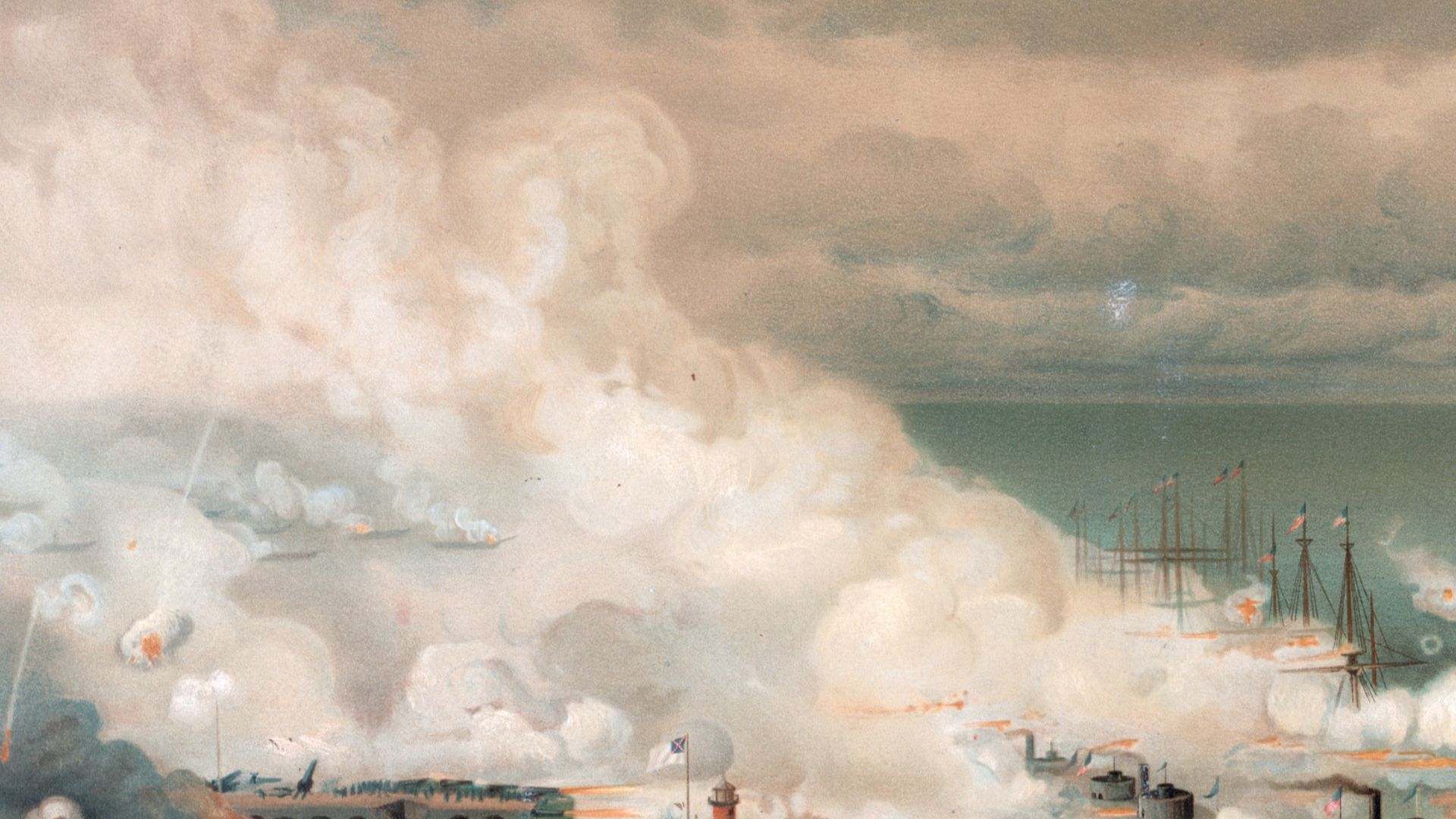
Once the traffickers moved the captives, they sailed the schooner up the Mobile River and set it on fire. The charred skeleton sank into the mud, taking with it the evidence of an act that authorities were already trying to prosecute. If the goal was to make the ship disappear, it worked—at least for a while.
 Julian O. Davidson, Wikimedia Commons
A Community Built From Courage
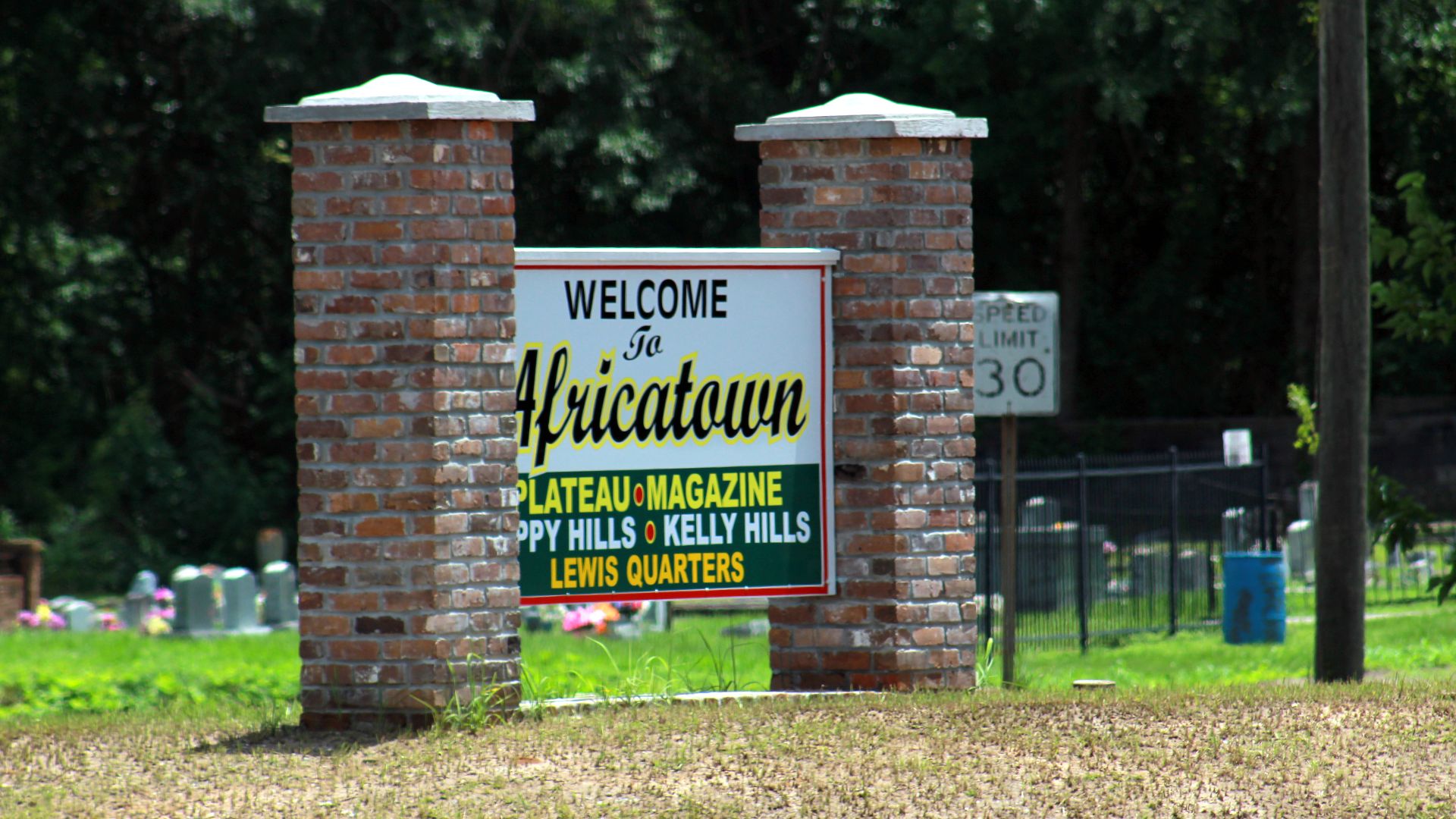
The people who survived that journey didn’t disappear with the ship. They formed Africatown, a community created by those who had endured one of the last voyages of the transatlantic slave trade. They bought land, preserved their customs, built schools and churches, and shaped a legacy that outlasted the people who trafficked them.
 Graveyardwalker (Amy Walker), Wikimedia Commons
When Memory Refuses To Fade
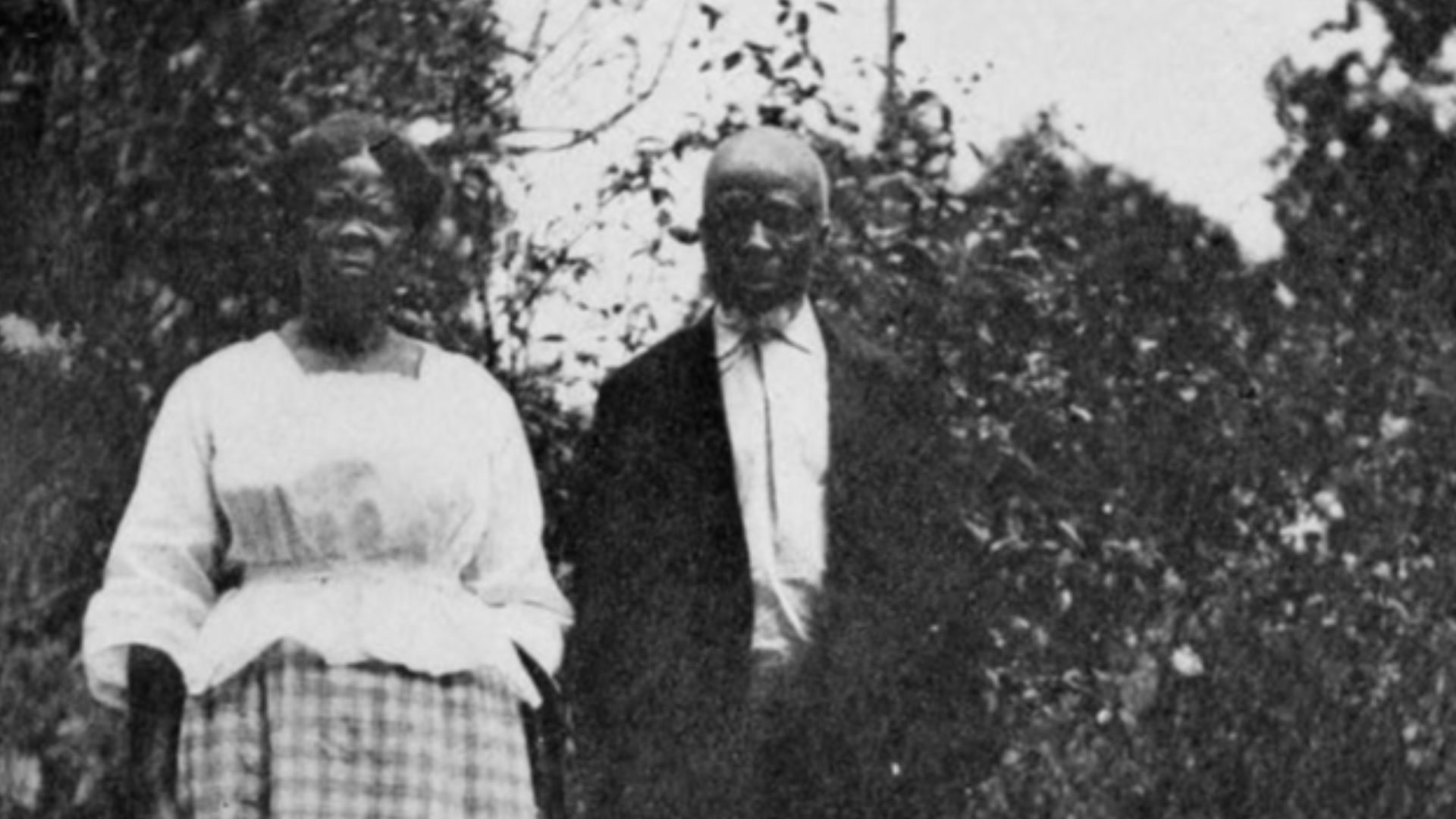
Africatown families passed the Clotilda story down like a family heirloom. Even as outsiders questioned the tale, descendants insisted the ship was real, the voyage was real, and the stories were not exaggerations. Their memories turned out to be the most accurate historical record of all.
 Emma Langdon Roche, Wikimedia Commons
A Hard River To Search
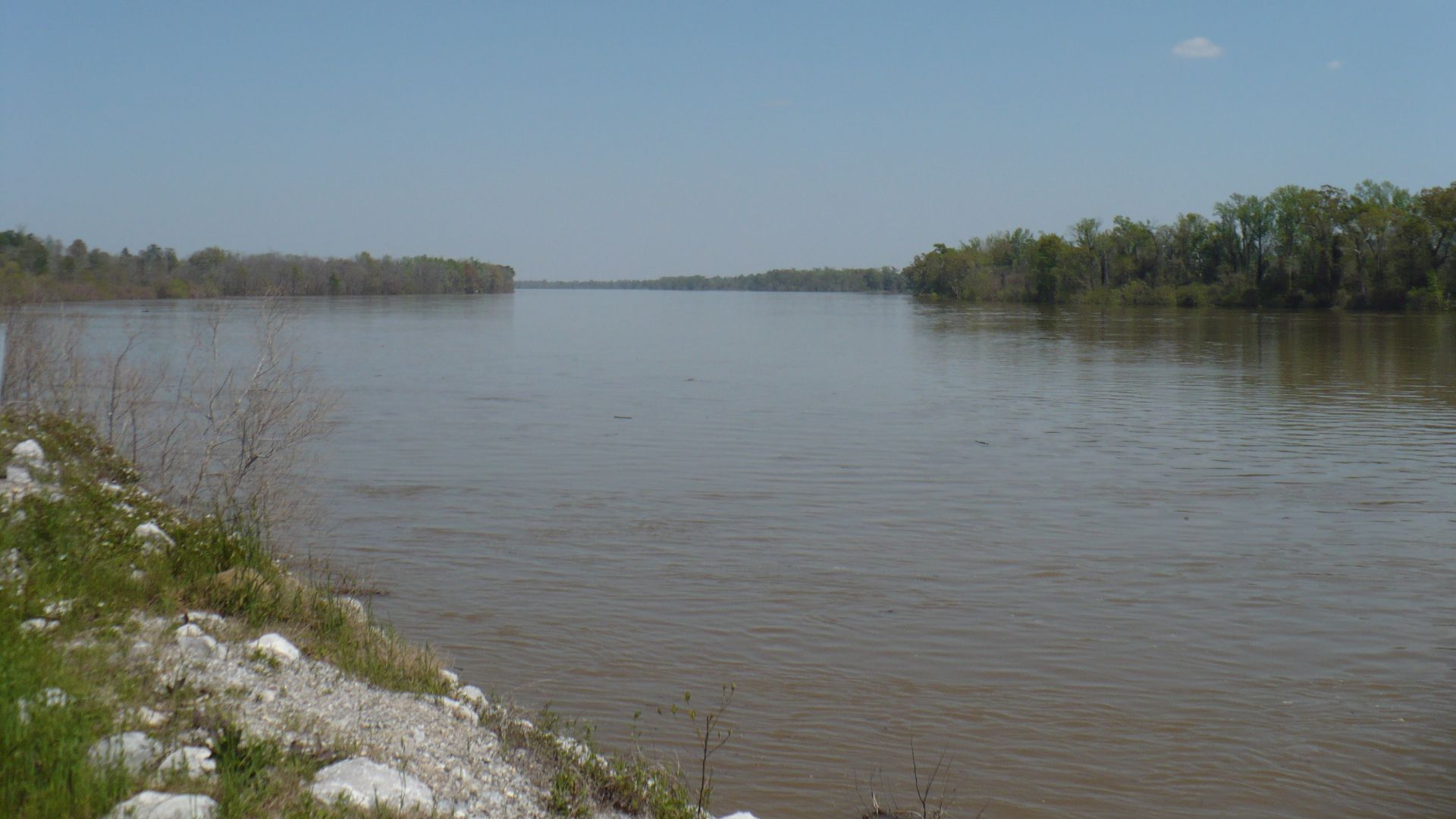
If you’re picturing archaeologists diving into a crystal-clear river, think again. The Mobile River is dark, muddy, and moves fast enough to make visibility almost nonexistent. Searching it is basically a test of patience, courage, and very good equipment.
 Altairisfar, Wikimedia Commons
That One Wreck That Fooled Everyone
At one point, a different riverboat wreck caused a media frenzy. It looked promising, it was near the right spot, and for a brief moment the world thought the mystery was solved. But experts quickly realized the ship was too big and too different to be the one they were hunting.
The Day Everything Changed
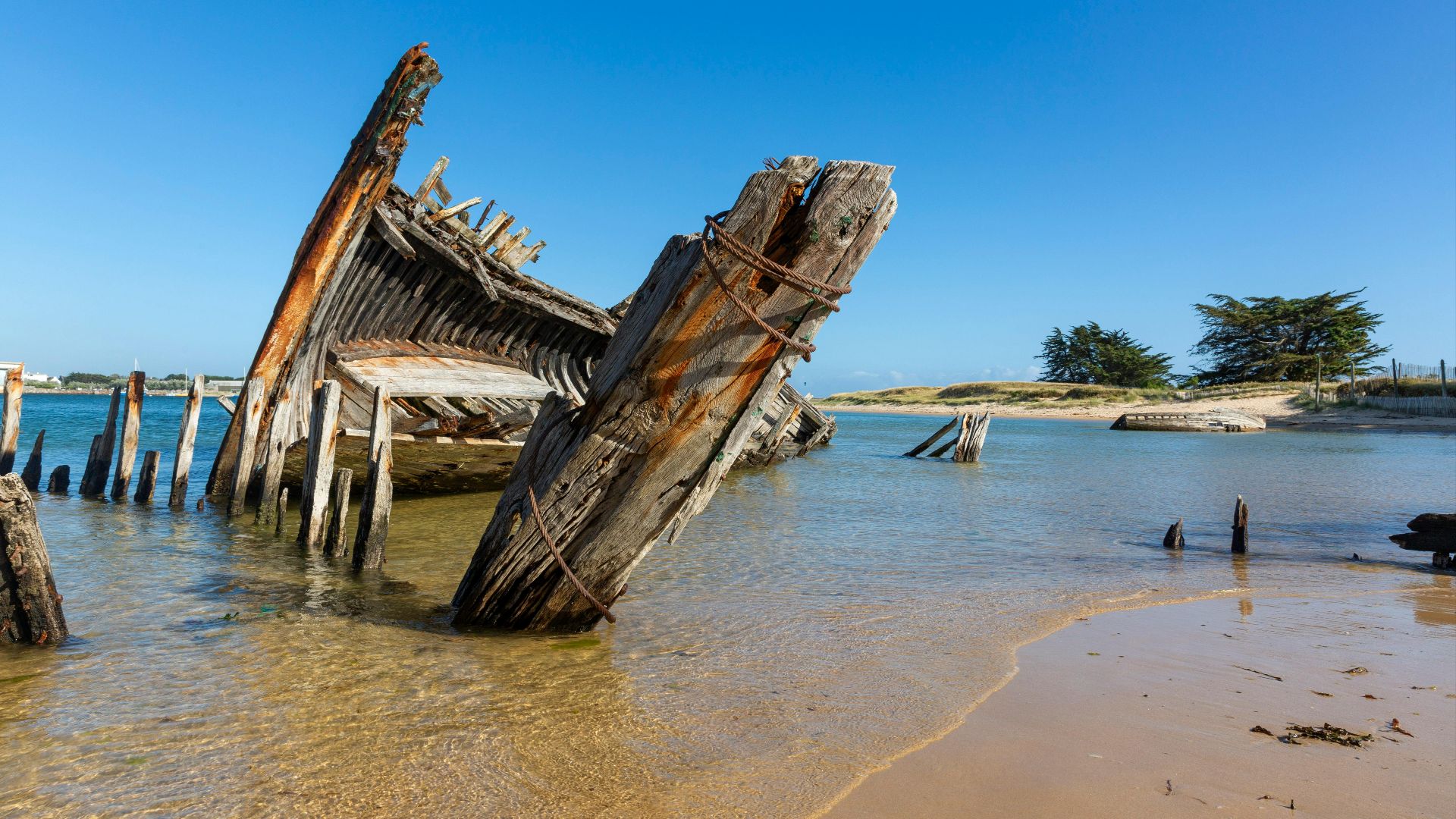
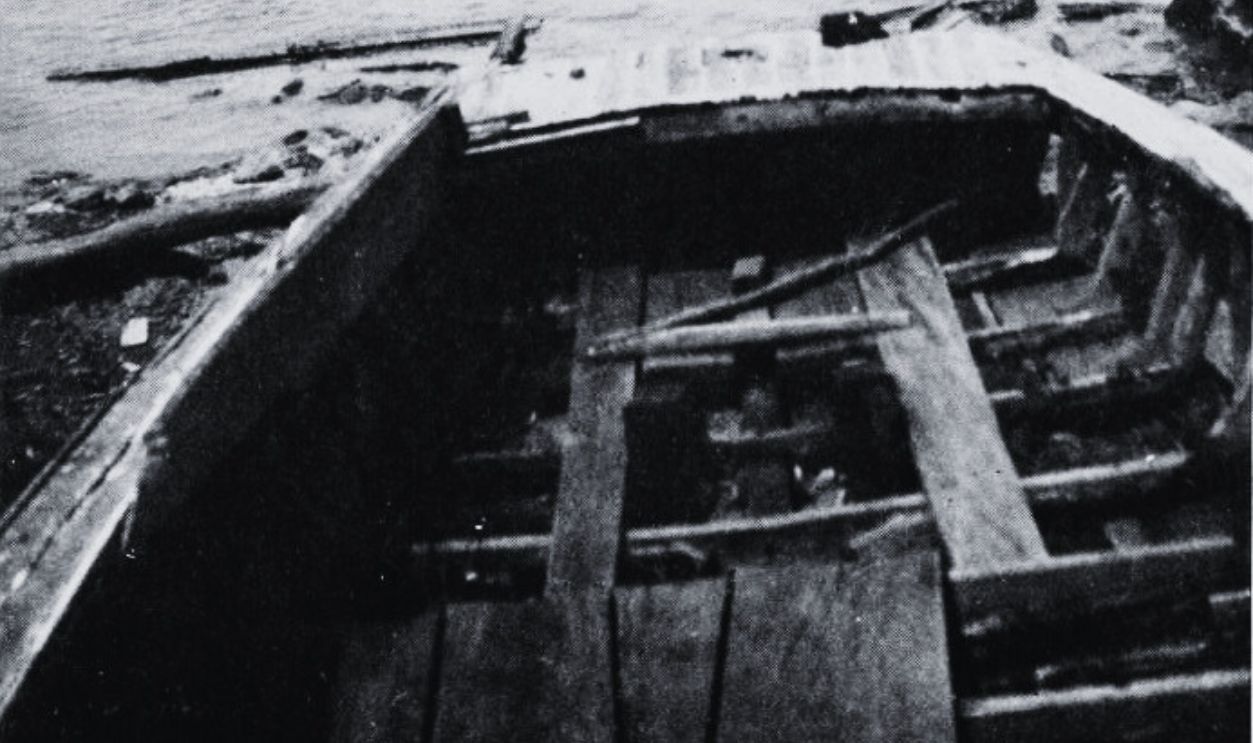
Then came the day when researchers found a wreck whose size, structure, burn patterns, and location matched every existing detail of the missing schooner. After deeper analysis, the confirmation landed: this was the long-lost ship. The hope, memory, and persistence of descendants had finally been vindicated.
 Unknown photographer, Wikimedia Commons
A Find That Hit Home
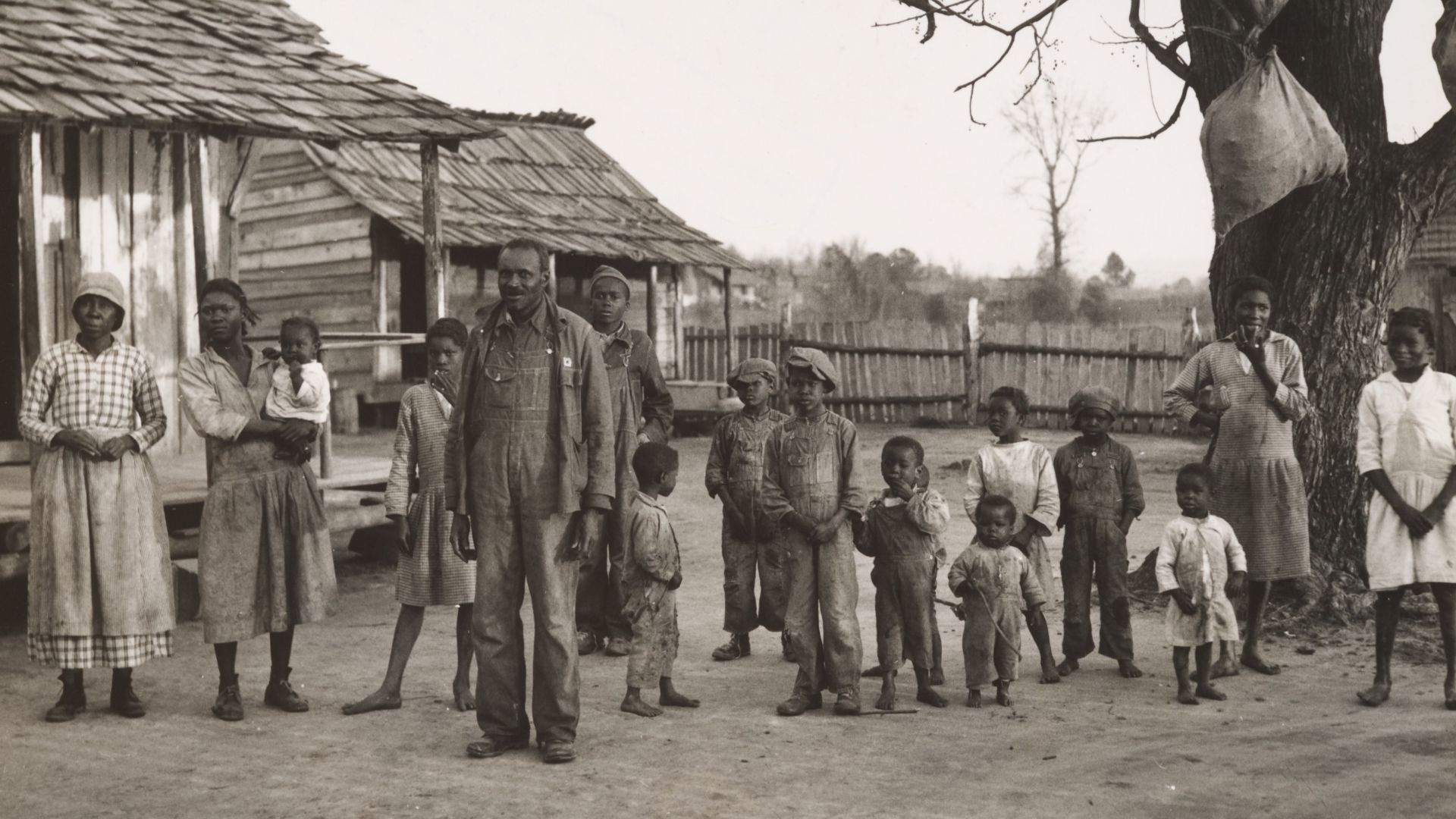
For many descendants, the discovery wasn’t just archaeological—it was deeply personal. It connected them directly to ancestors who had endured something unimaginable. The ship’s remains told a story their families had been telling all along.
 Arthur Rothstein, Wikimedia Commons
Why This Ship Matters
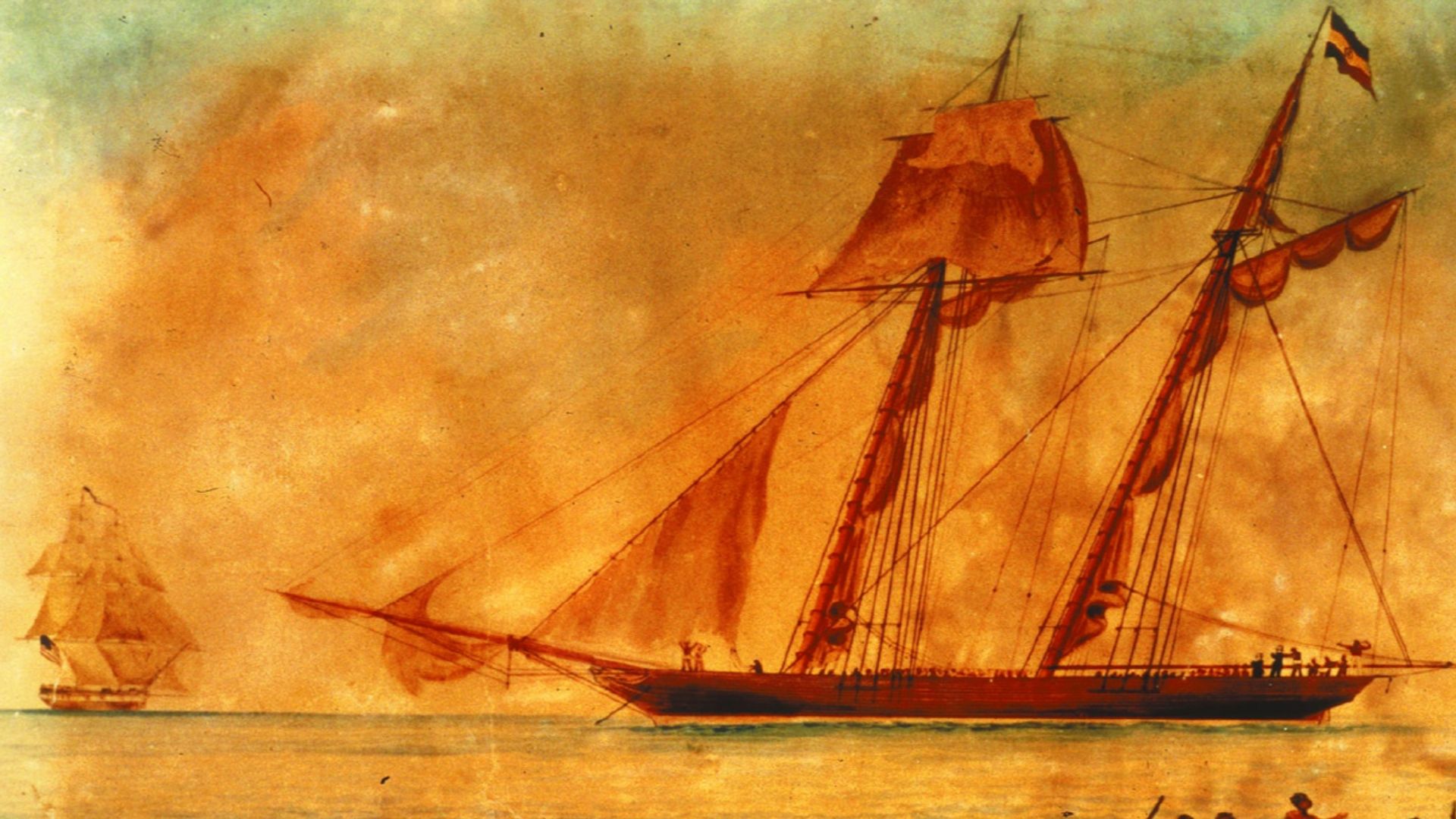
The significance of the Clotilda goes far beyond wood and nails. It provides physical evidence that human trafficking continued even after it was outlawed. And it proves that history often survives in the stories people carry, even when the official record goes silent.
 Unknown authorUnknown author, Wikimedia Commons
Working With The Community
Researchers didn’t just drop into Africatown and collect information. They held meetings, visited churches, listened to residents, and worked to ensure that any research or interpretation respected the people whose history they were handling. It wasn’t just archaeology—it was collaboration.
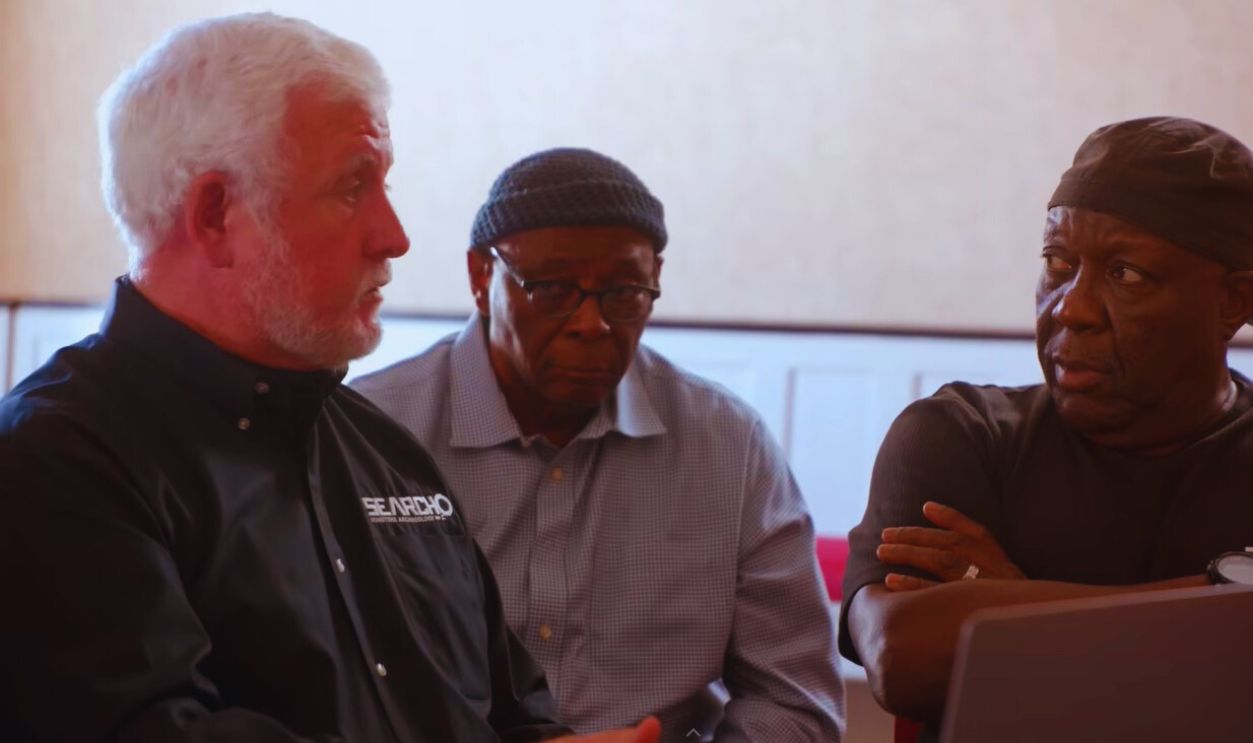 Screenshot from Clotilda: Last American Slave Ship, National Geographic Studios (2022)
A Fragile Survivor Underwater
Even though the ship is astonishingly well preserved, time hasn’t been gentle. Buried in mud, soaked in river water, and weakened by fire, the remains need careful consideration. Recovering it, if that ever happens, would be a much bigger operation than simply lifting a wreck out of the water.
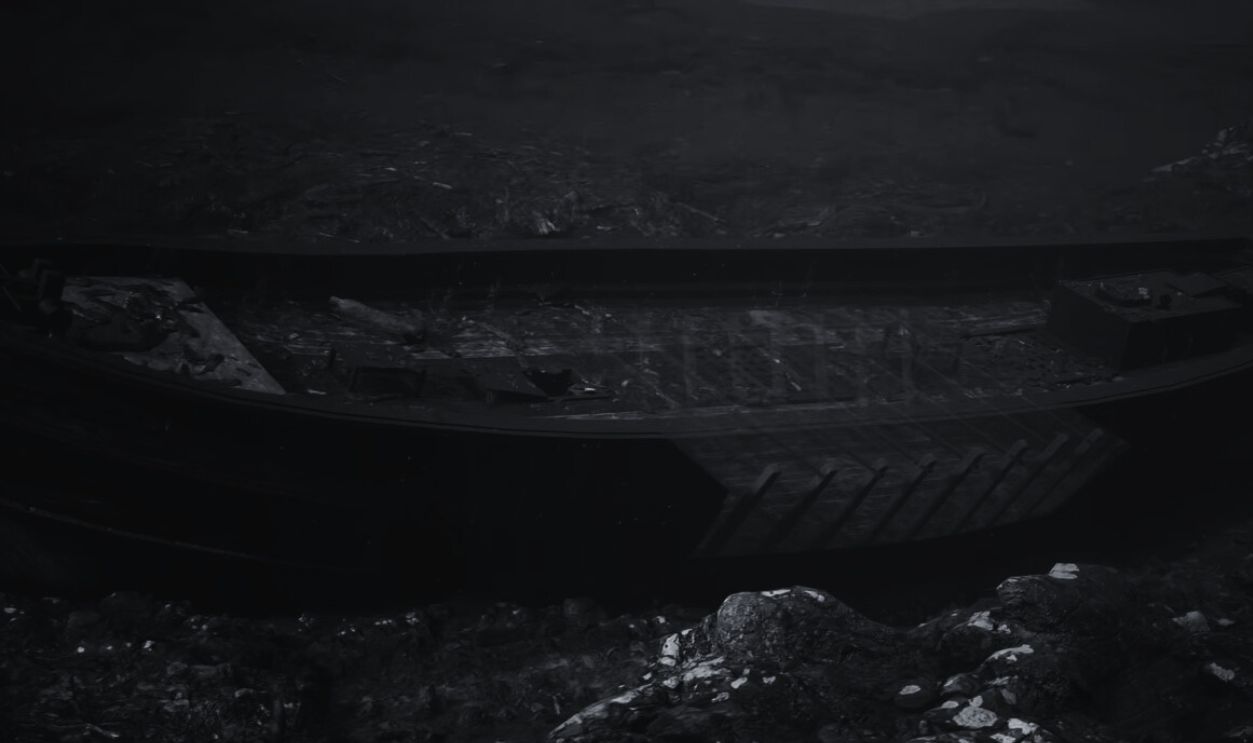 Screenshot from Clotilda: Last American Slave Ship, National Geographic Studios (2022)
A Legacy That Refuses To Be Defined By Pain
What happened on that ship was horrific, but the legacy that followed is defined by triumph. The survivors built new lives, new traditions, and a new community. Their strength became the foundation of a place unlike any other in the country.
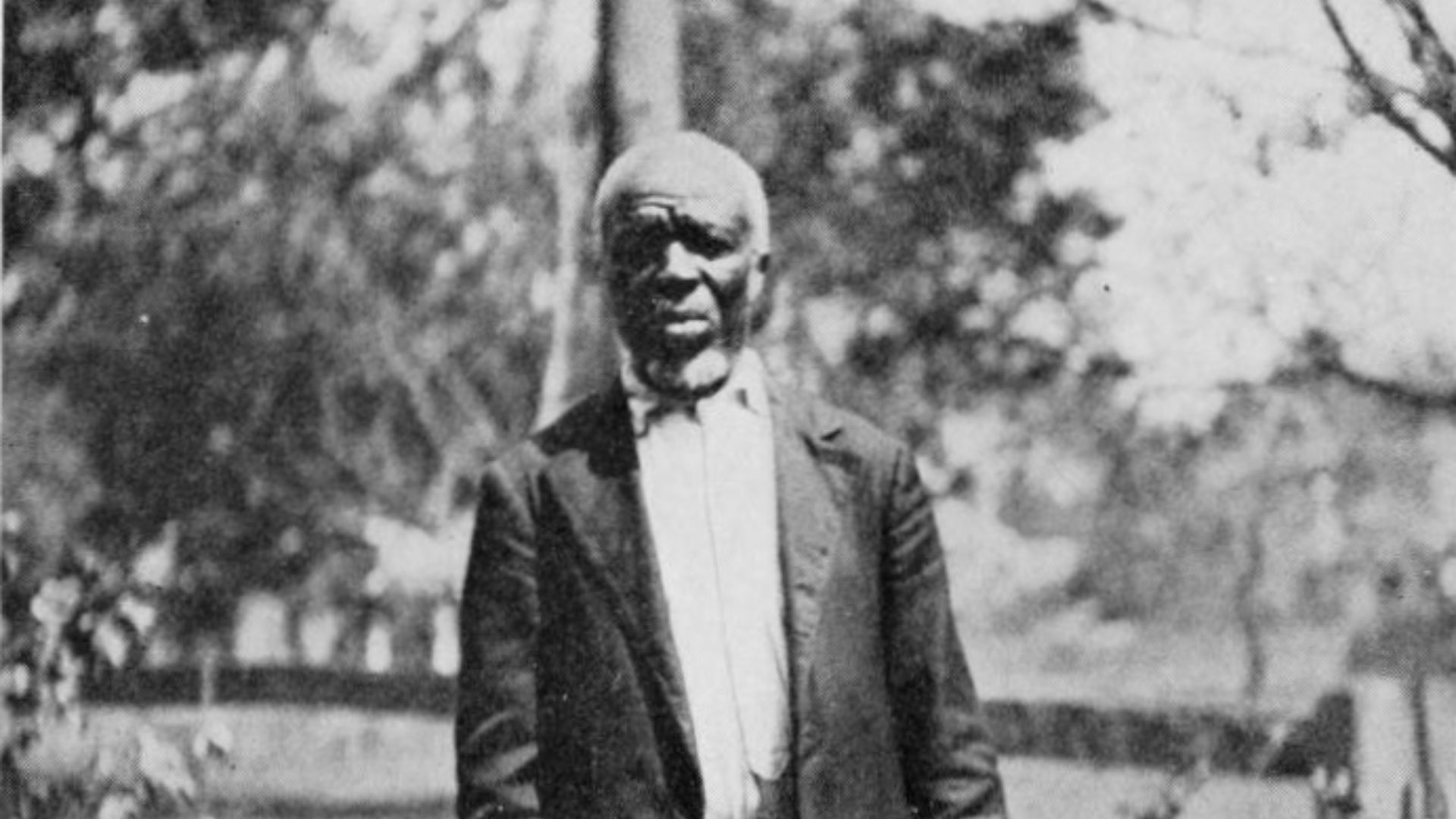 Emma Langdon Roche, Wikimedia Commons
Questions Still Swirling
Now that the wreck has been found, everyone wants to know what comes next. Do you leave it where it is? Do you build a memorial? Do you tell its story through exhibits, trails, or museums? The answers will take time—and community voices will lead the way.
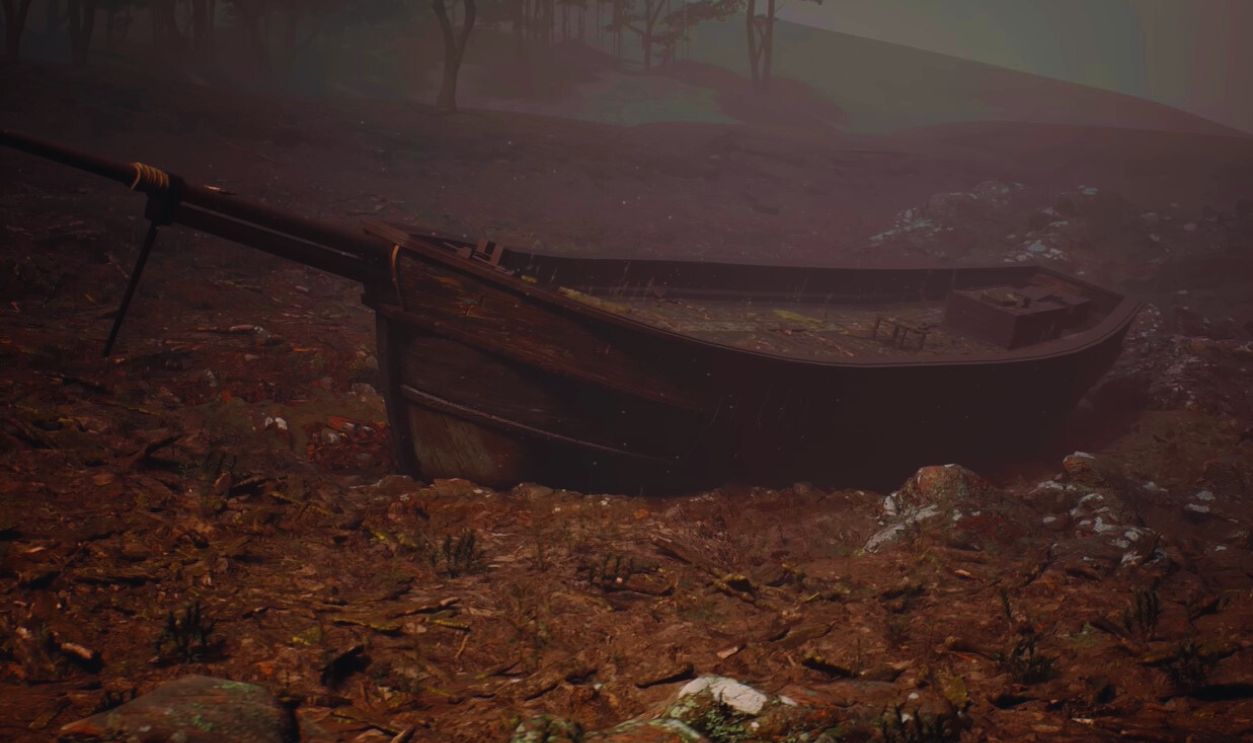 Screenshot from Clotilda: Last American Slave Ship, National Geographic Studios (2022)
Africatown Steps Back Into The Spotlight
The discovery turned global attention back toward Africatown, a community that has weathered industrial encroachment and decades of environmental challenges. But the renewed interest has also sparked restoration projects, cultural programs, and a sense that the community’s story is finally being heard.
When Science And Memory Shake Hands
For years, oral history was the only evidence of the Clotilda. Now, archaeology has caught up and confirmed it. The partnership between memory and science turned the unbelievable into the undeniable.
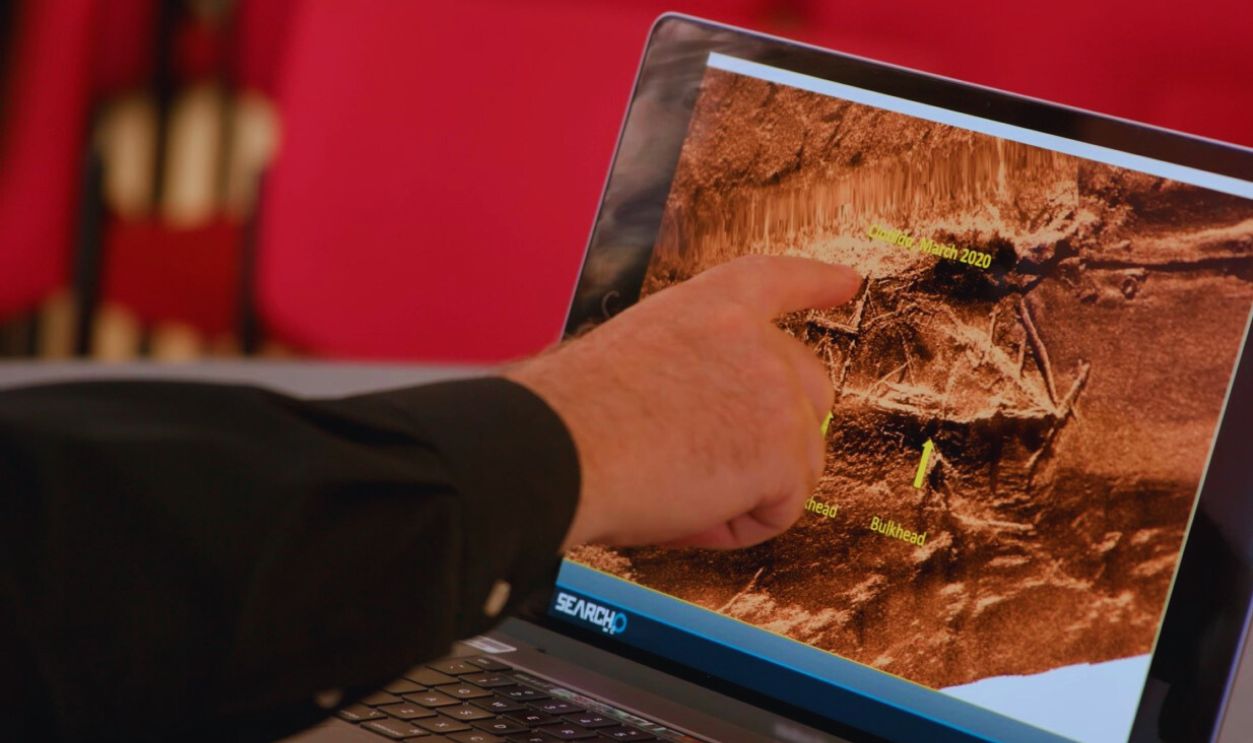 Screenshot from Clotilda: Last American Slave Ship, National Geographic Studios (2022)
A Wake-Up Call To The Nation
The discovery invites everyone to reassess what they think they know about slavery, its timelines, and its lasting footprints. It reminds us that history doesn’t always disappear when the pages close. Sometimes it lingers underwater, waiting to be found.
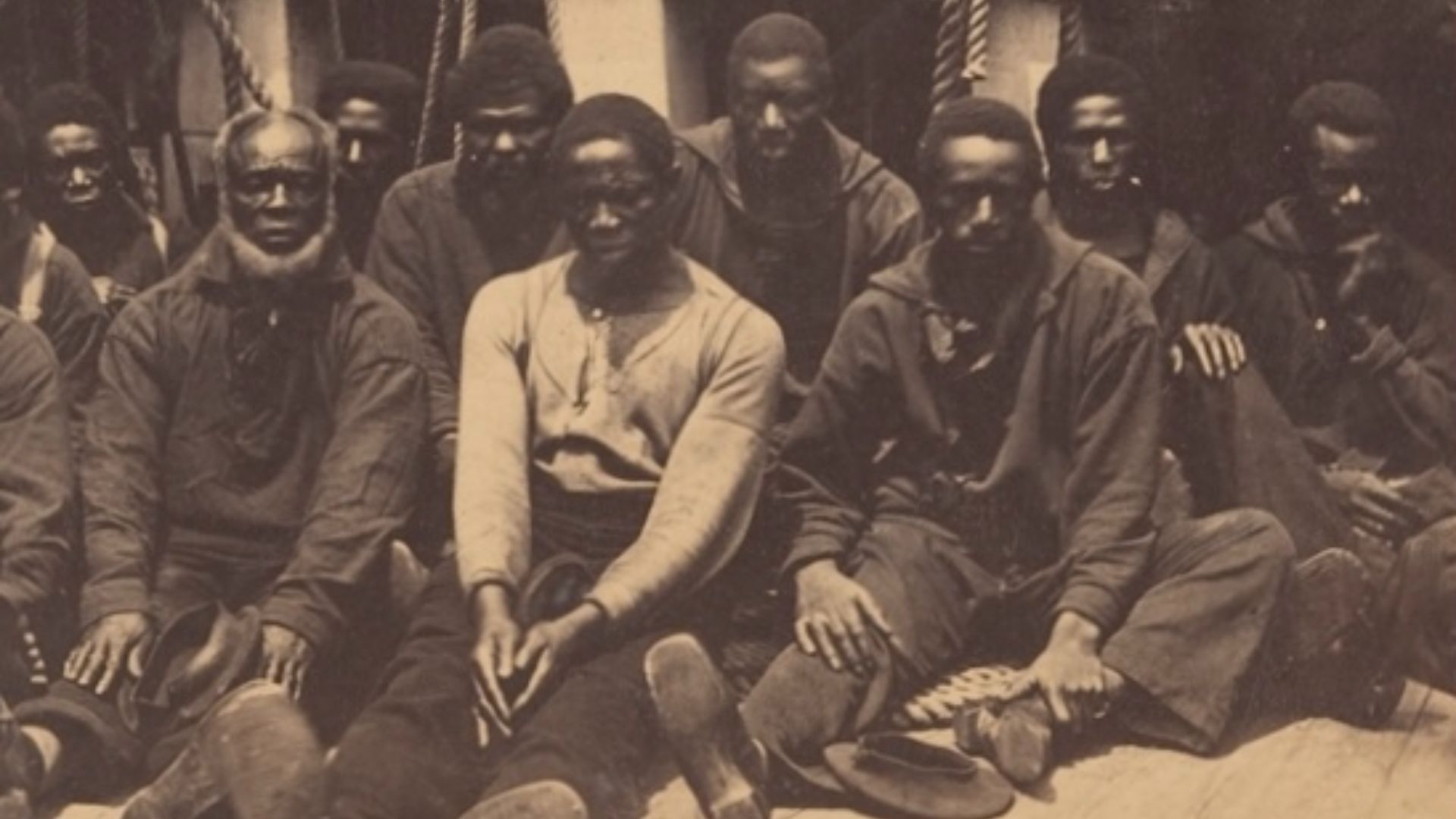
Looking Ahead With Purpose
Whether through museums, heritage trails, or community-led projects, the next chapter of the Clotilda story is only beginning. The goal is not just to remember but to understand—not just to acknowledge but to honor.
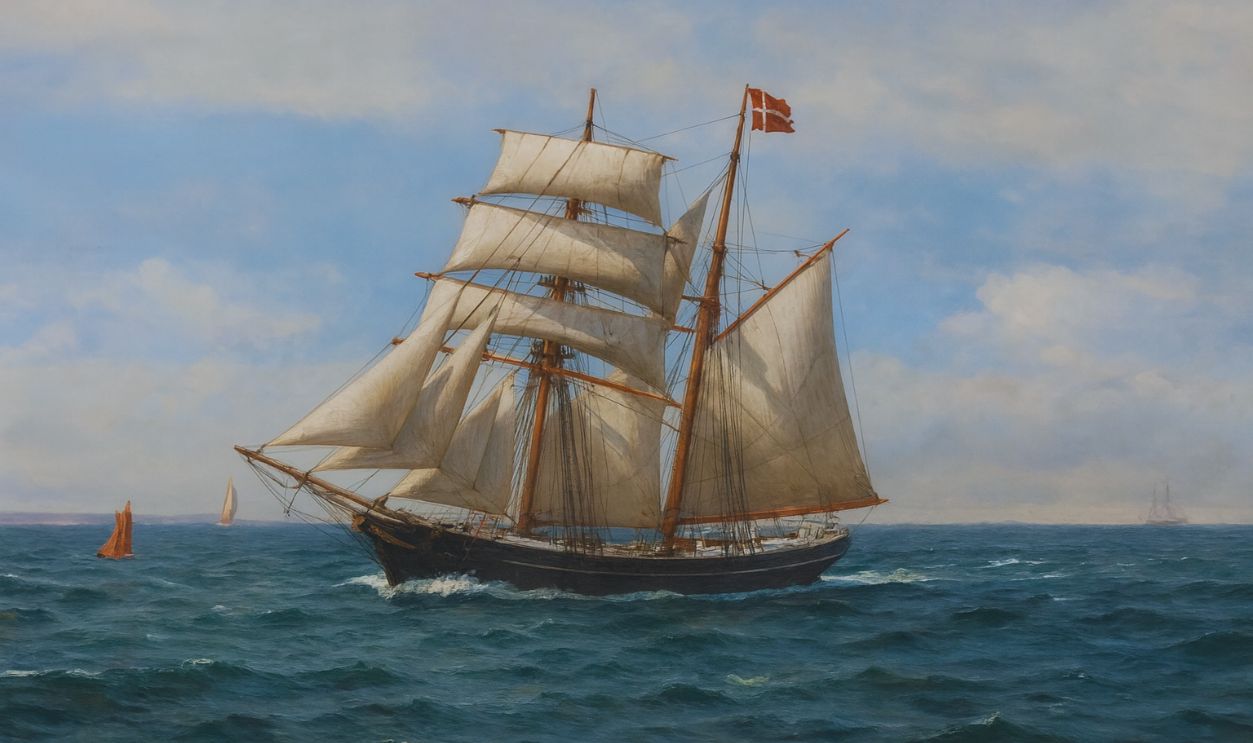
A Truth That Finally Rose To The Surface
The river kept the secret for 160 years, but the persistence of a community ensured it wouldn’t stay hidden forever. The discovery of the Clotilda is more than a historical moment; it’s a restoration of memory and dignity. And now that the truth has surfaced, it won’t sink again.
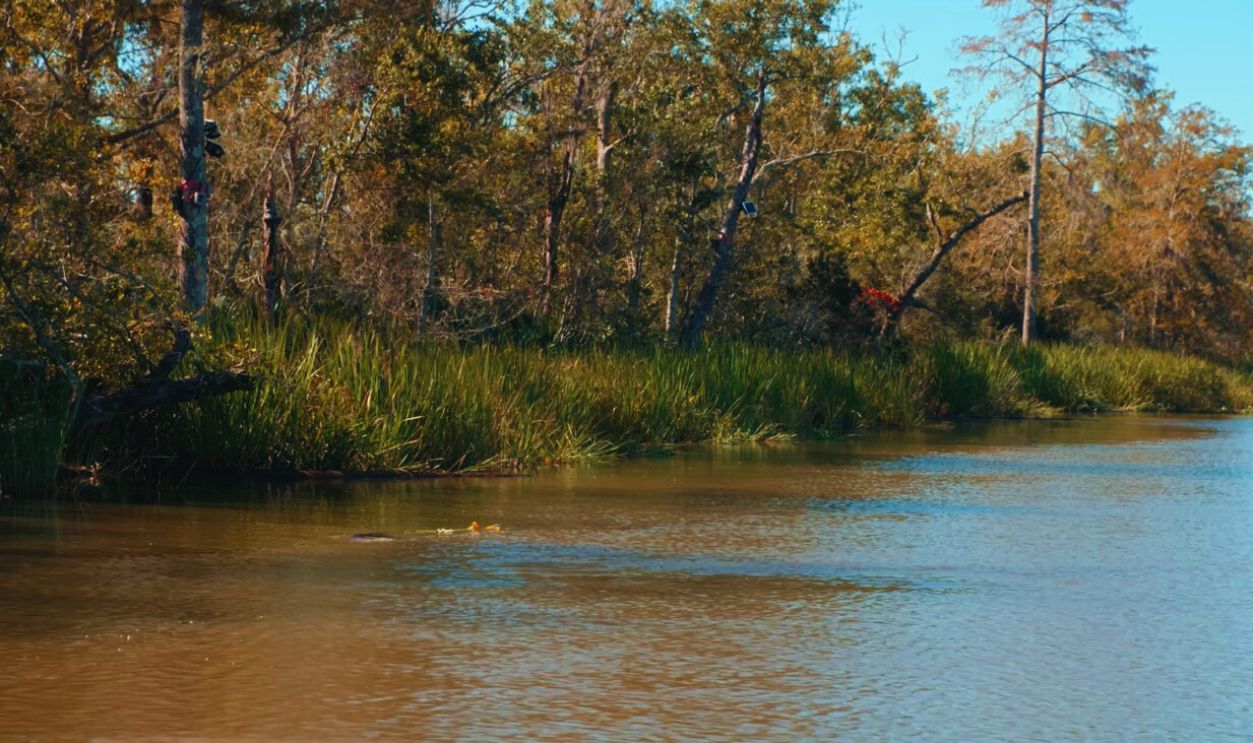 Screenshot from Clotilda: Last American Slave Ship, National Geographic Studios (2022)
You May Also Like:
Source: 1