
The Famous King Archaeology Cannot Quite Reach
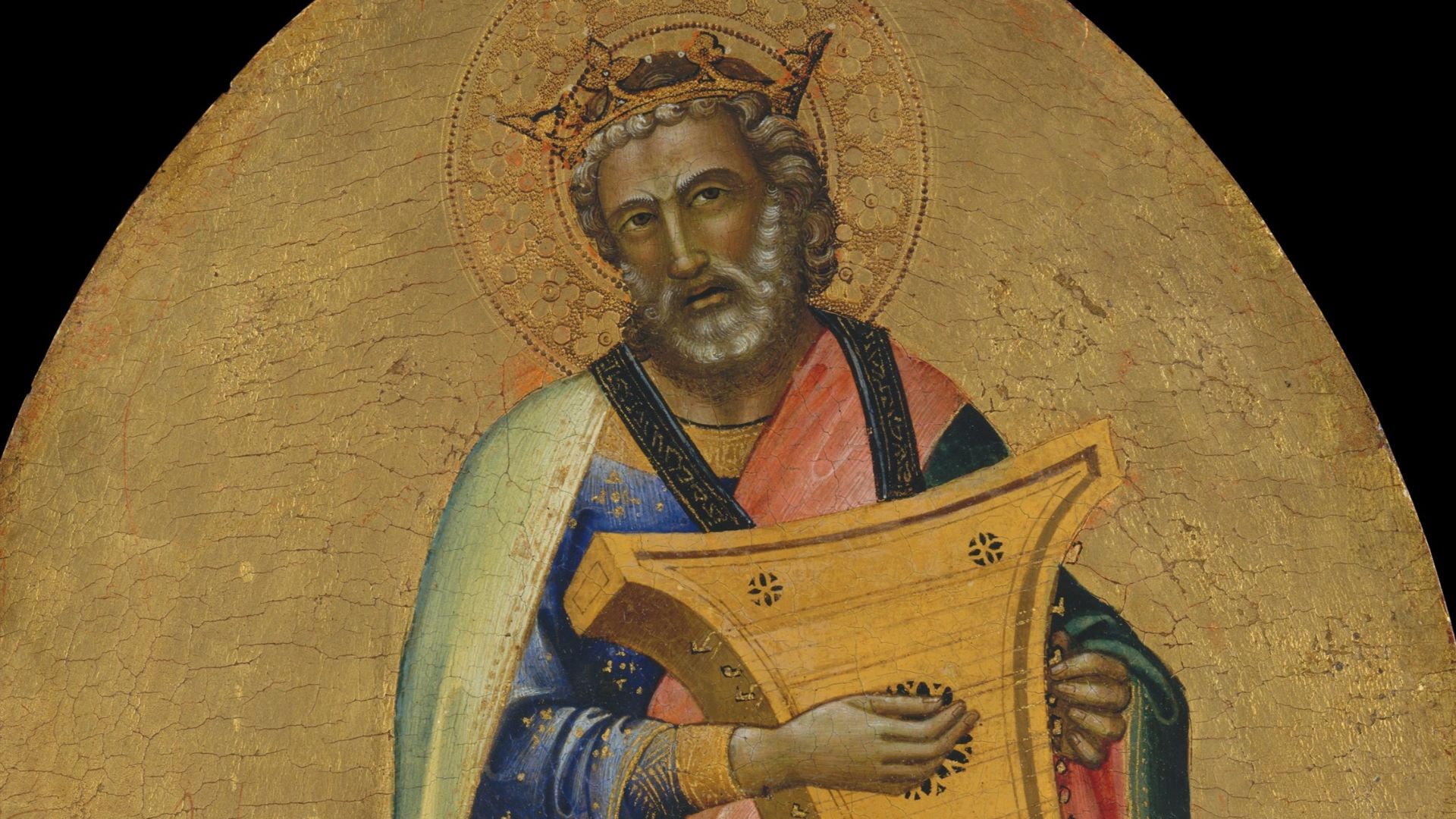
David is one of the best-known rulers described in ancient Near Eastern literature, yet archaeology has produced no object that can confidently be identified as his personal possession. No contemporary statue, seal, tomb inscription, or royal monument names him. Instead, the historical discussion depends on later inscriptions and archaeological evidence for the societies that existed in Judah and Jerusalem around the 10th century BCE.

Archaeology Is Asking A Different Question
The biblical books portray David as a ruler whose dynasty was based in Jerusalem, but those texts cannot simply be treated as archaeological evidence. Researchers instead ask whether independent material evidence points to a Davidic dynasty and what southern Levantine society looked like during the period traditionally associated with him. That separates the historical questions from any attempt to prove individual stories.
 Lorenzo Monaco, Wikimedia Commons
Jerusalem Is A Difficult Place To Investigate
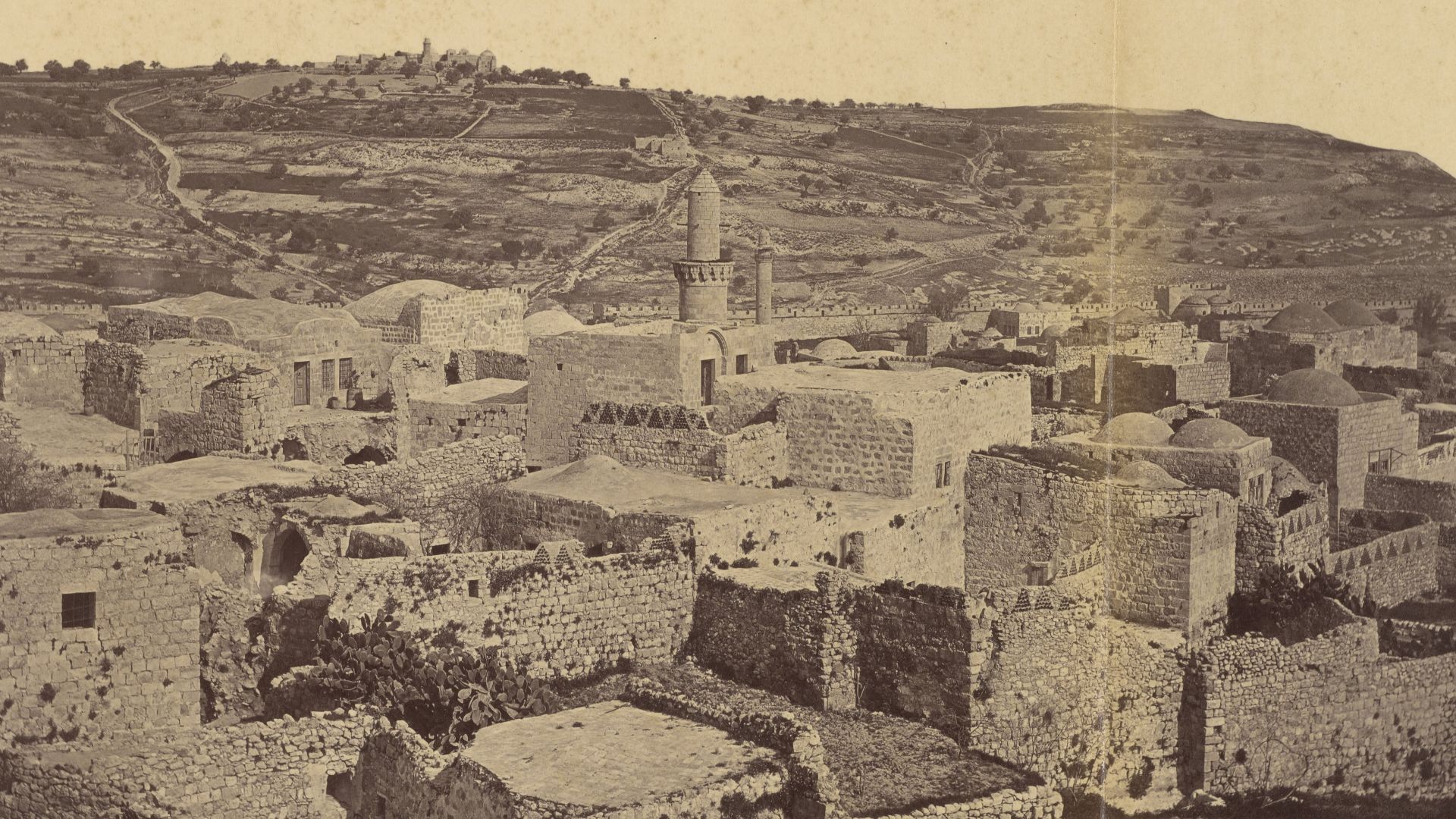
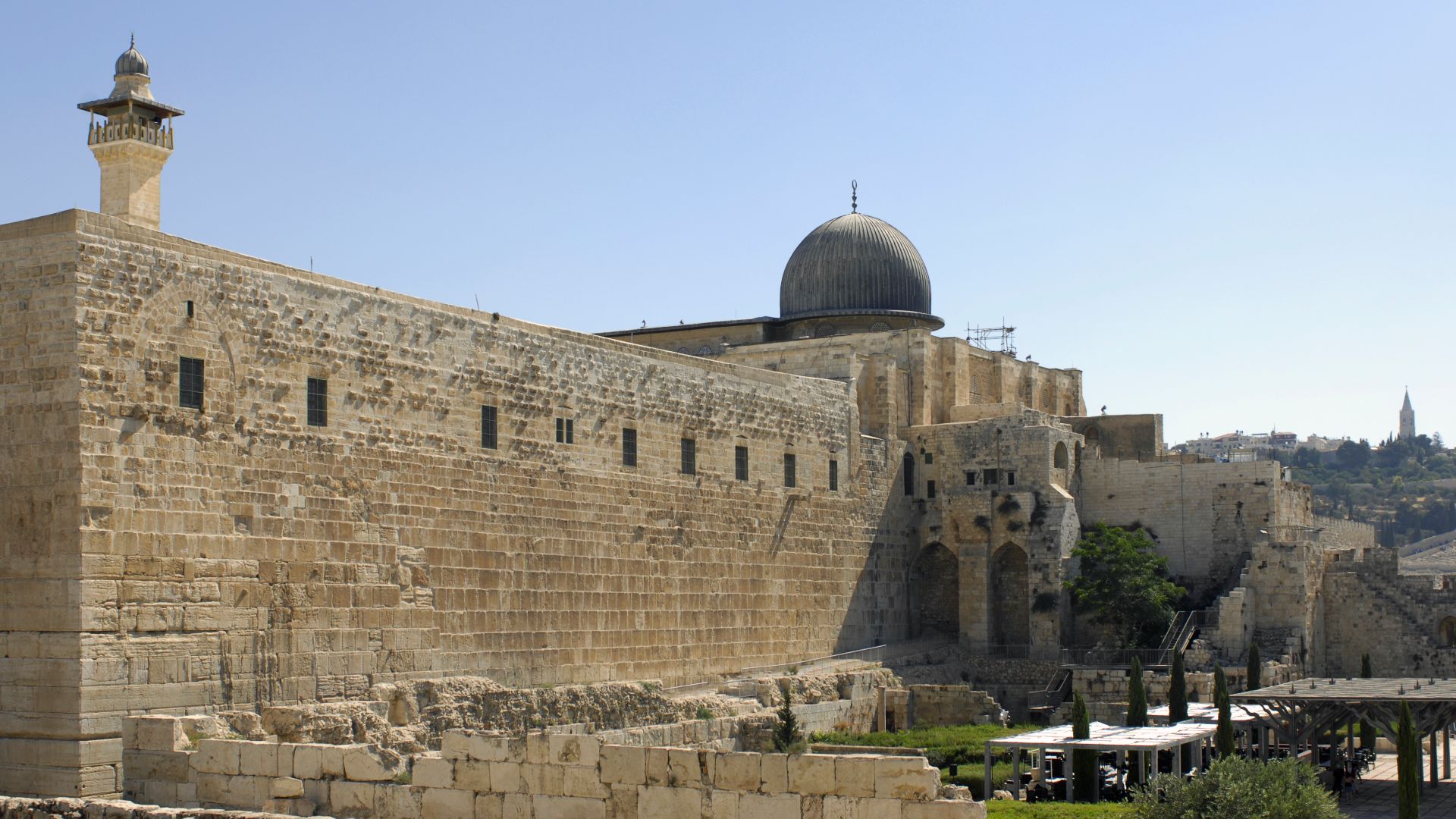
Jerusalem is central to the discussion, but it presents unusual archaeological problems. The city has been continuously occupied and repeatedly rebuilt for thousands of years, disturbing or destroying earlier layers. Researchers therefore have to reconstruct Iron Age Jerusalem from surviving pockets of material rather than one complete ancient cityscape.
 Radosław Botev, Wikimedia Commons
Early Jerusalem Once Looked Surprisingly Modest
One major debate concerns how developed Jerusalem was during the 10th century BCE. Earlier interpretations often emphasized the limited monumental evidence from this period and questioned whether the city could have supported a large centralized state. More recent work has complicated that picture, but the scale and political importance of early Jerusalem remain disputed.
Monumental Buildings Are Not The Only Measure
Archaeologists have also questioned the assumption that political complexity must leave behind enormous palaces, temples, or other monumental structures. Archaeologists Erez Ben-Yosef and Zachary Thomas argue that complex societies can operate without the kind of monumental architecture archaeologists once expected. That makes the absence of grand 10th-century buildings less decisive than it might initially appear.
Then Tel Dan Changed The Discussion
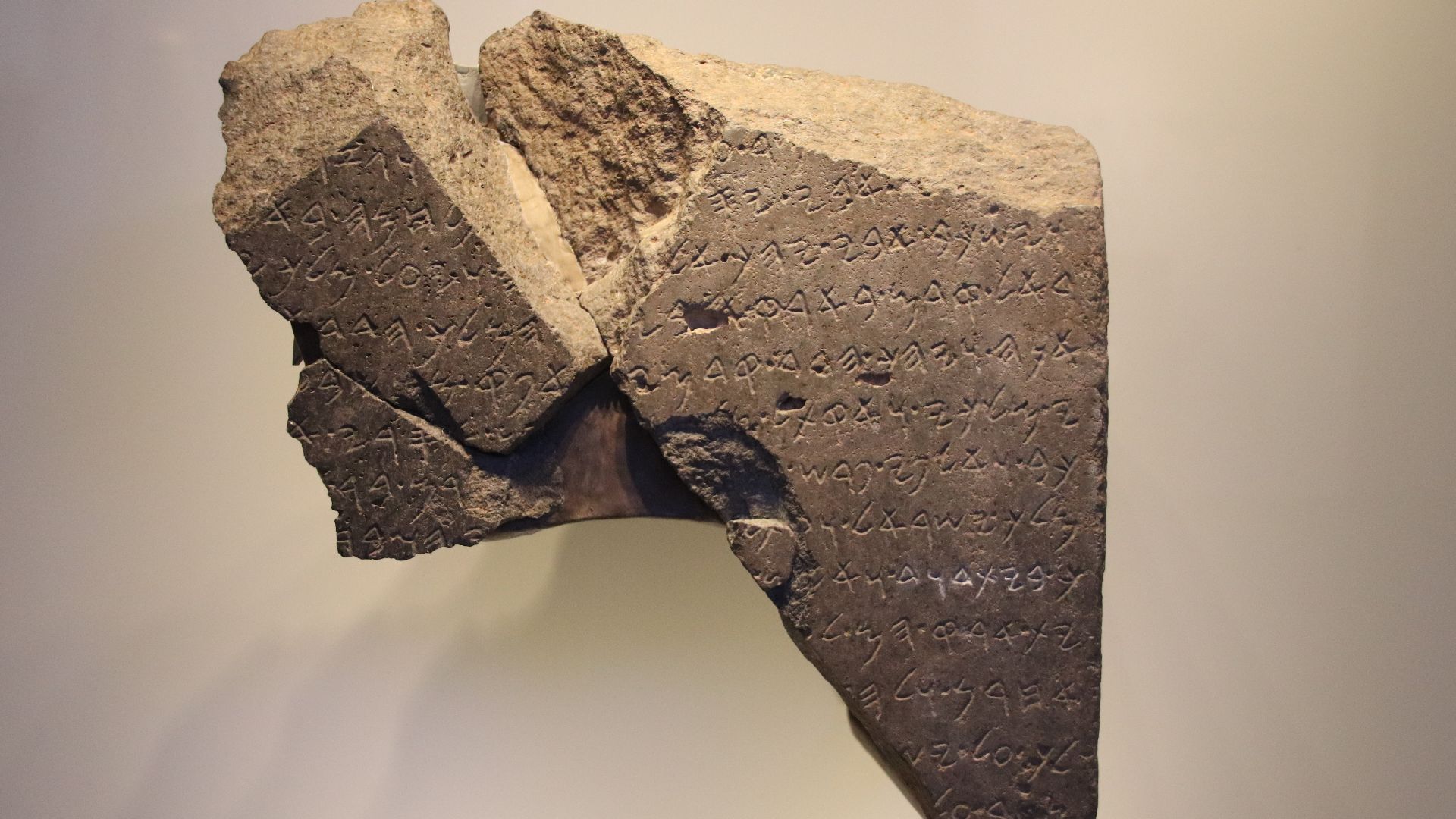
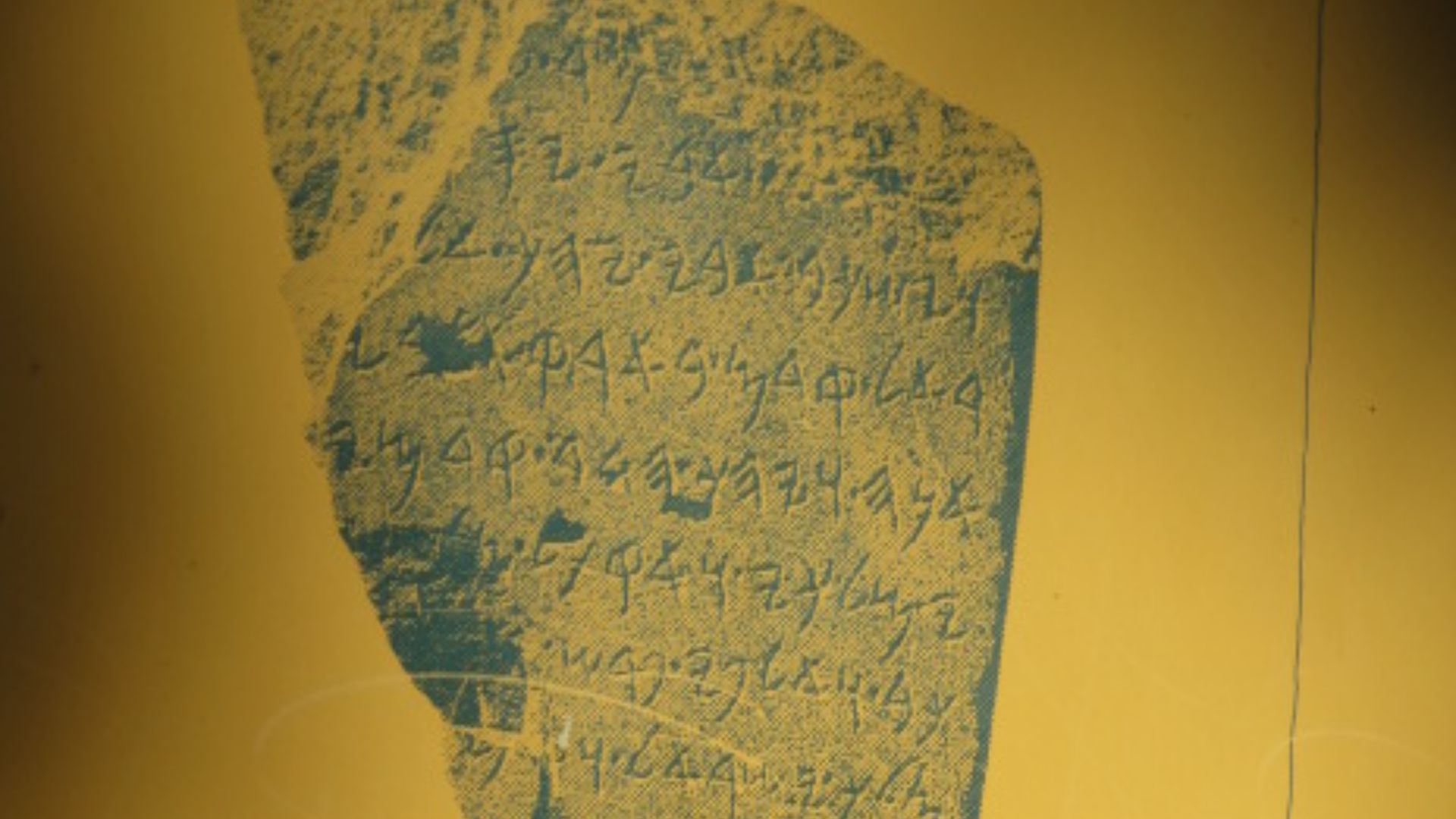
In 1993, excavators at Tel Dan in northern Israel discovered part of an Aramaic victory inscription. Additional fragments followed in 1994. Archaeologist Avraham Biran and epigrapher Joseph Naveh later published their analysis of the inscription, which quickly became central to discussions about the historical dynasty associated with David.
 Benno Rothenberg, Wikimedia Commons
The Inscription Came From Outside Judah
The Tel Dan inscription was produced by an Aramean ruler commemorating military victories over neighboring kingdoms. That makes it especially valuable because it was not created by scribes in Judah preserving their own political traditions. It refers to Israel and also contains the sequence bytdwd, traditionally rendered "House of David."
 Gary Todd from Xinzheng, China, Wikimedia Commons
“House Of David” Is A Dynastic Reading
In ancient Near Eastern political terminology, a royal "house" could mean a ruling dynasty. On the standard reading, bytdwd therefore identifies a political dynasty associated with a founder or ancestor named David. The inscription does not provide a biography of that figure, but it places the dynastic name in an independent ninth-century BCE context.
 Gerard van Honthorst, Wikimedia Commons
Scholars Have Debated The Reading
The interpretation of bytdwd generated scholarly debate after the inscription appeared. Biblical scholar and historian Ehud Ben Zvi argued in 1994 that alternative readings were possible and urged caution. Nevertheless, "House of David" became the dominant interpretation among many epigraphers and historians working on the inscription.
Tel Dan Still Has Clear Limits
The stele dates to the ninth century BCE rather than David's traditionally assigned lifetime in the 10th century BCE. It therefore provides evidence for a dynasty bearing his name, not direct archaeological evidence for events in his life. It tells historians considerably more about how a dynasty was identified than about the individual who may have founded it.
Another Inscription May Contain The Same Name
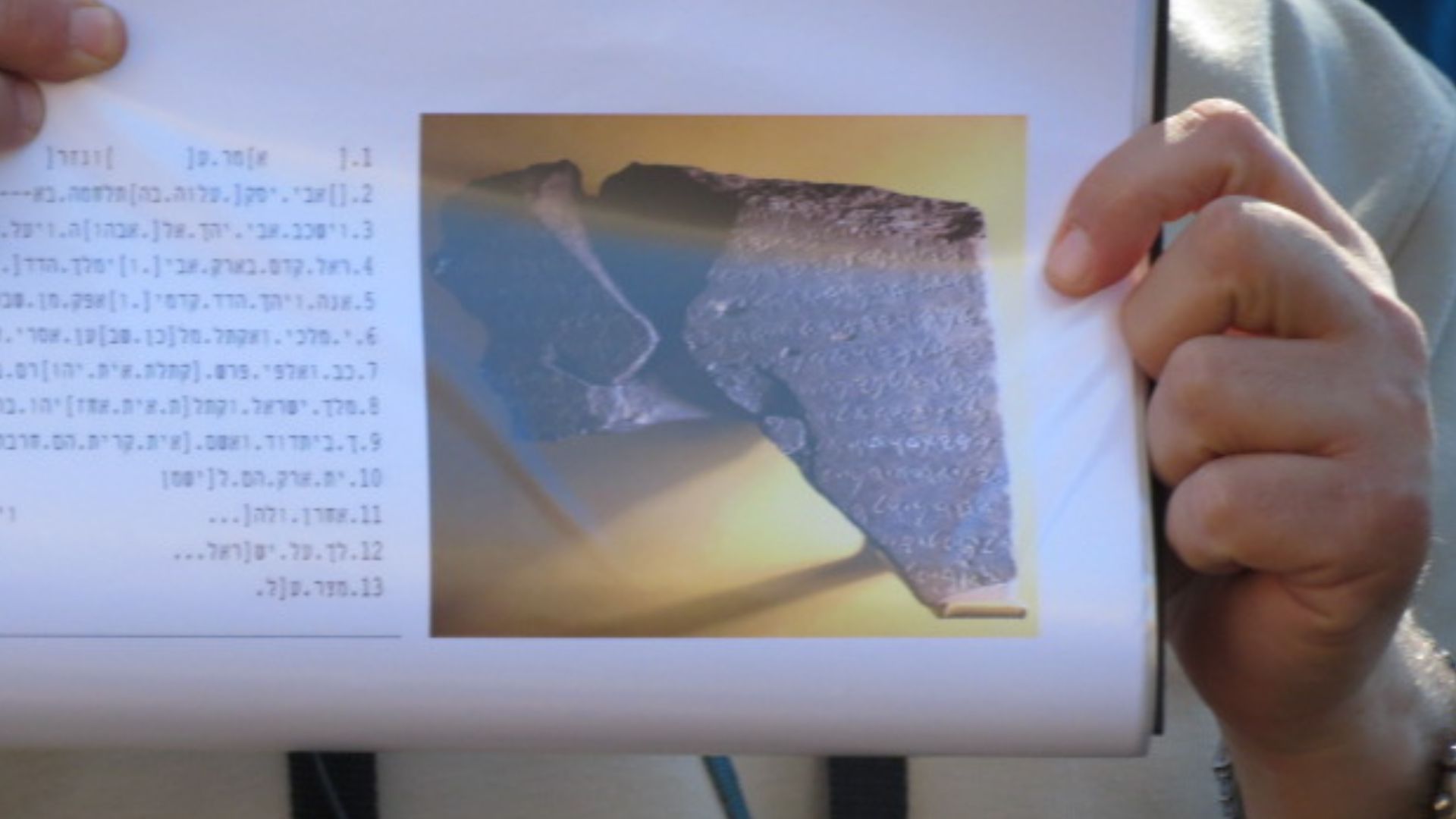
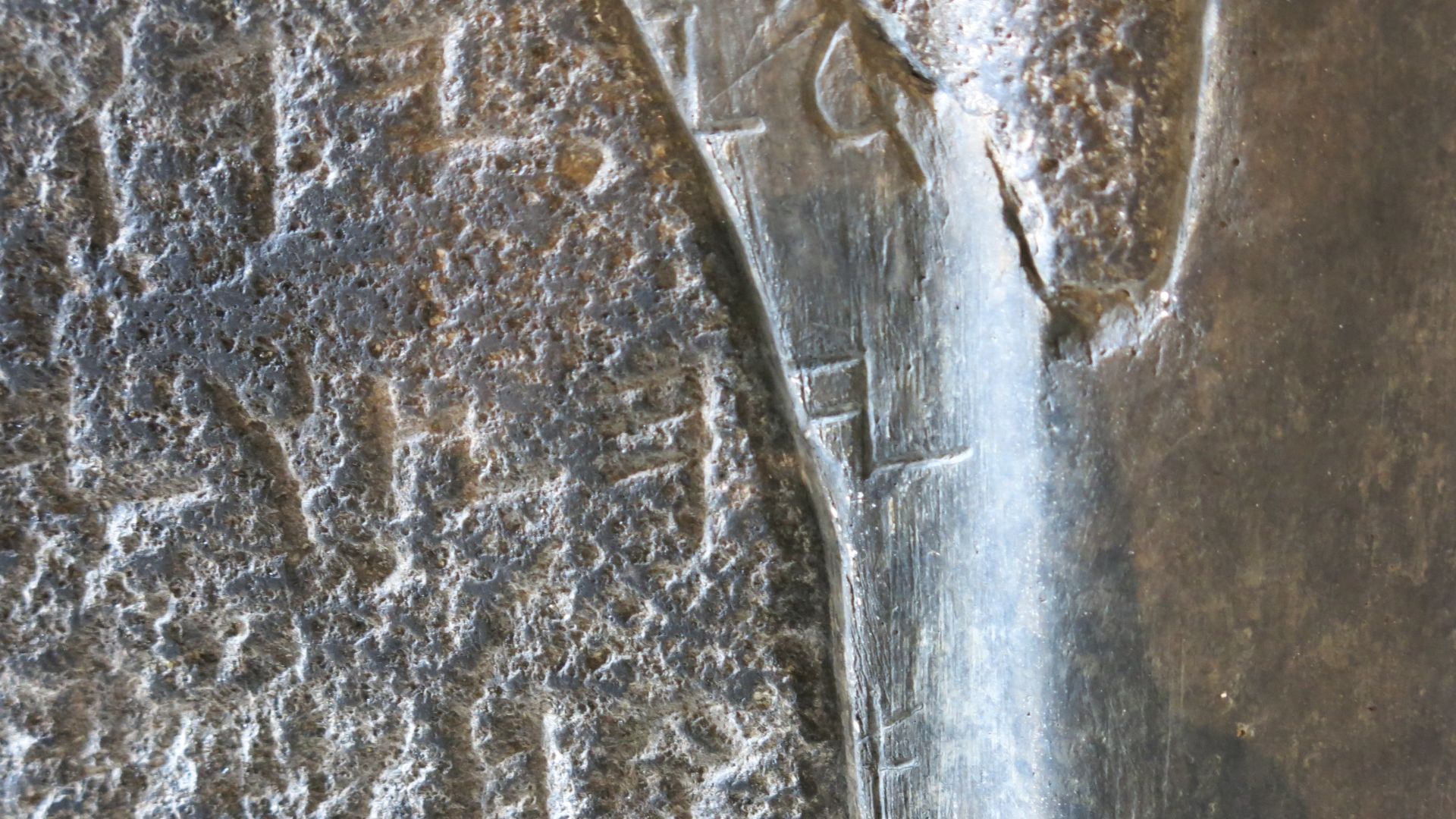
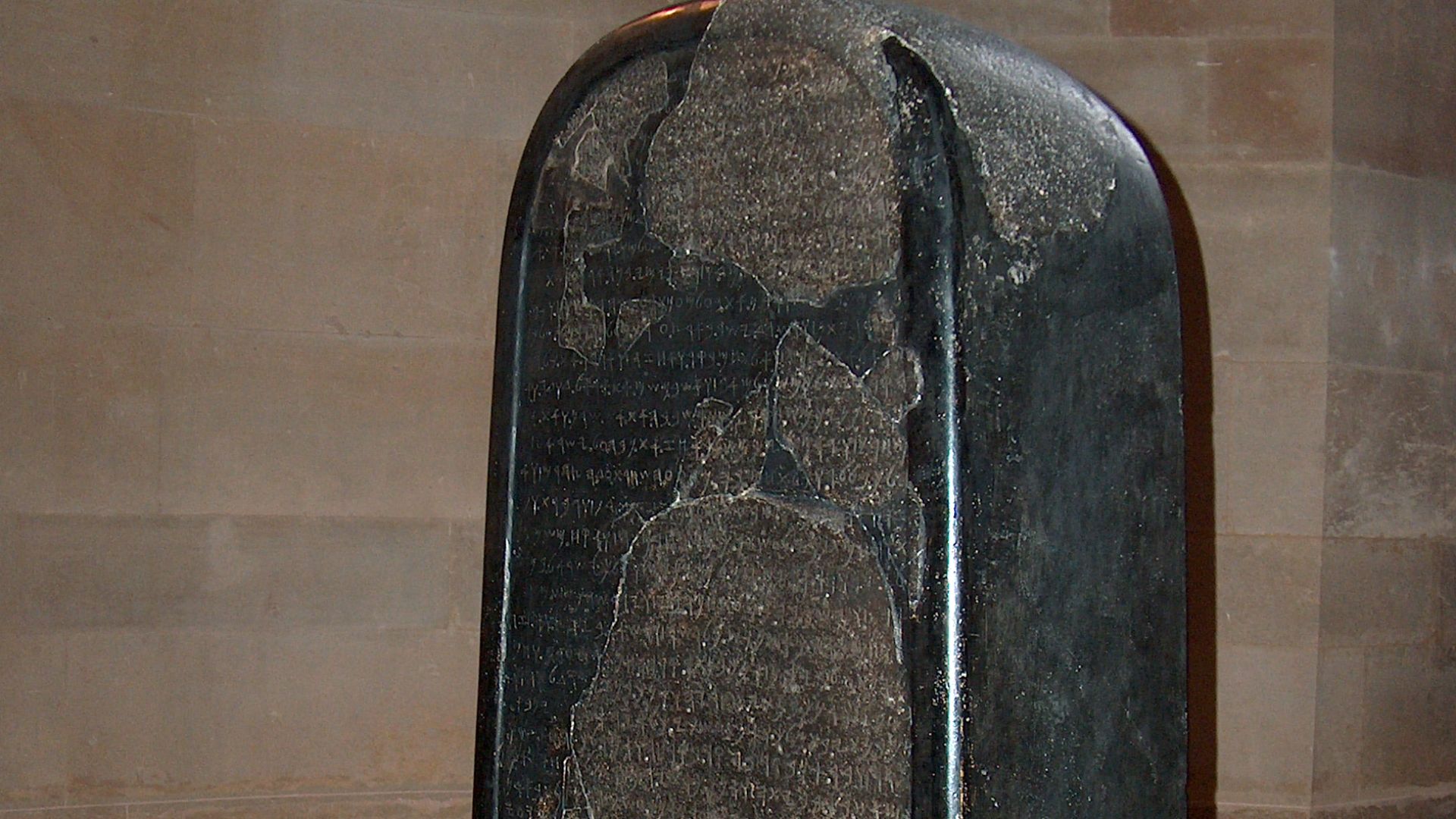
The ninth-century BCE Mesha Stele from ancient Moab has produced another possible reference to the "House of David." The problem is that the relevant section of the inscription is badly damaged. Scholars agree on the importance of the monument but continue to disagree over what can actually be reconstructed in line 31.
Damage Made The Problem Much Harder
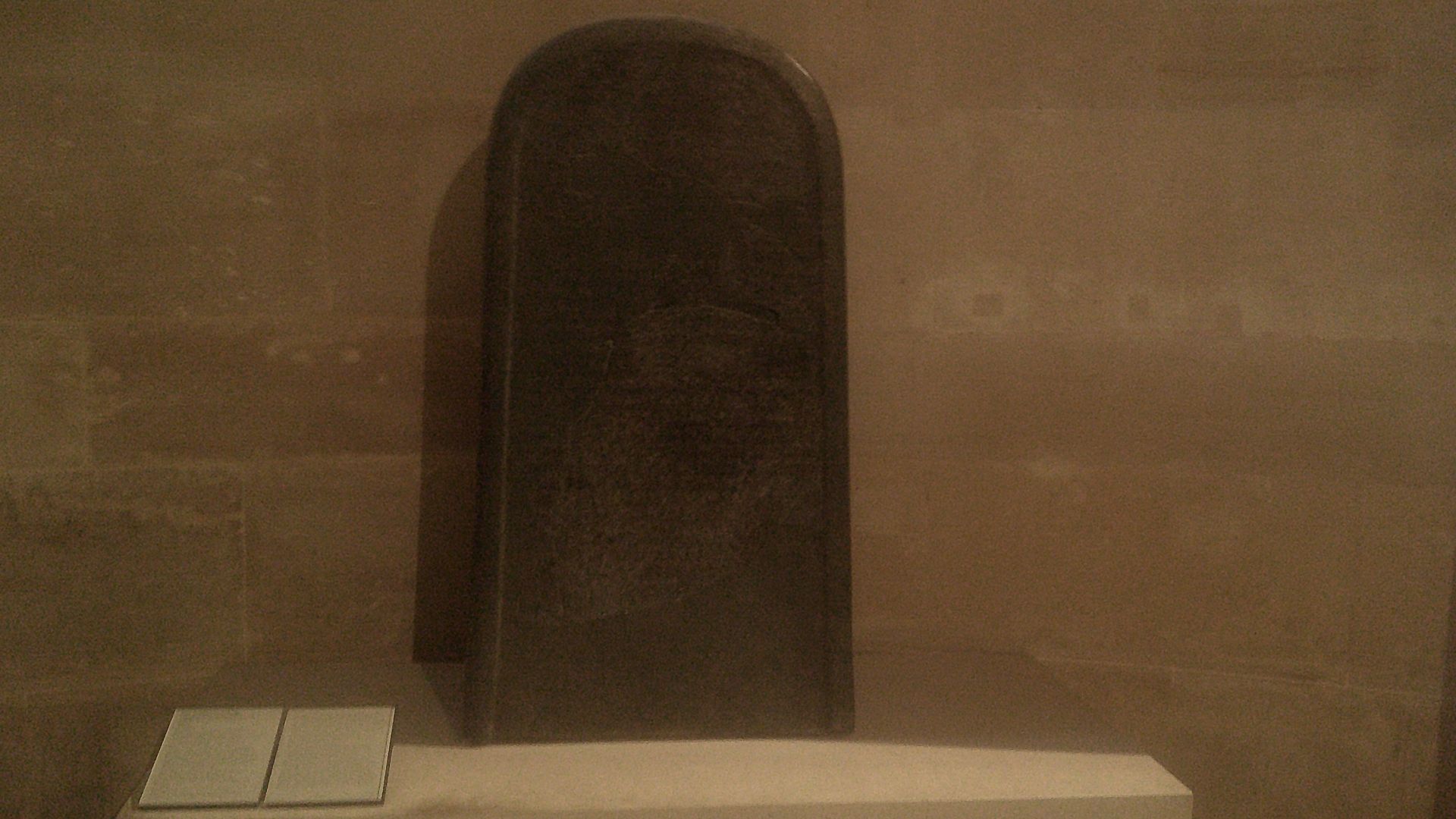
The Mesha Stele was broken into pieces not long after its discovery in the 19th century. Fortunately, an impression of the inscription had already been made, allowing researchers to compare the surviving stone with the earlier record. Even with that evidence, portions of the crucial line remain difficult to read.
 Bashar Tabbah, Wikimedia Commons
New Imaging Brought The Debate Back
Improved photography and Reflectance Transformation Imaging have allowed epigraphers to examine damaged portions of the Mesha Stele in much greater detail. Epigraphers André Lemaire and Jean-Philippe Delorme argue that the new imagery supports reading btdwd, "House of David." Their interpretation would provide another independent ninth-century occurrence of the dynastic name.
Other Epigraphers Remain Cautious
Matthieu Richelle and Andrew Burlingame argue that several crucial traces are too uncertain to establish the reading confidently. They do not consider "House of David" impossible, but they regard it as hypothetical rather than demonstrated. The disagreement is therefore about damaged letters and reconstruction, not about whether the Mesha Stele itself is genuine.
Khirbet Qeiyafa Shifted Attention Elsewhere
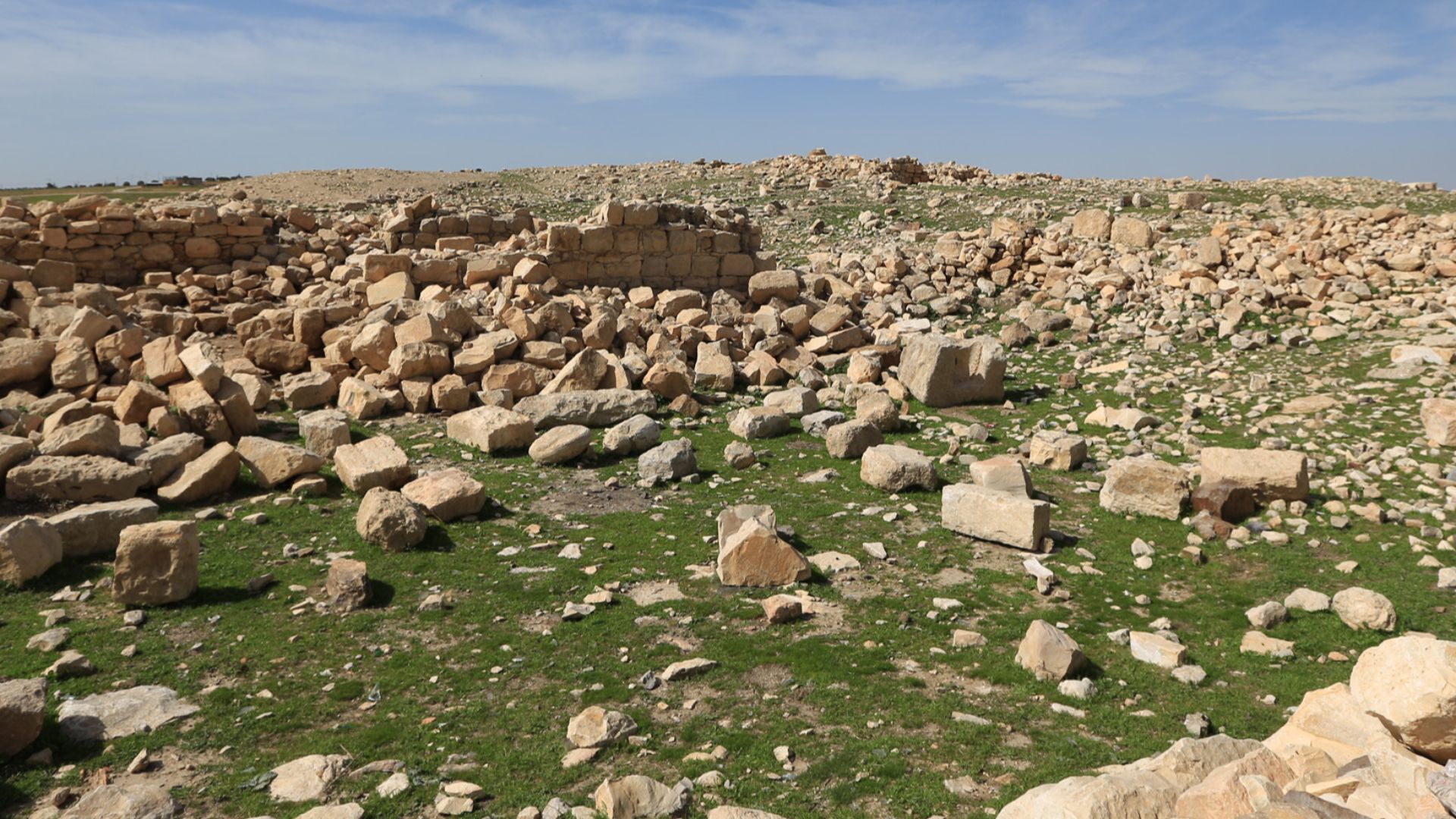
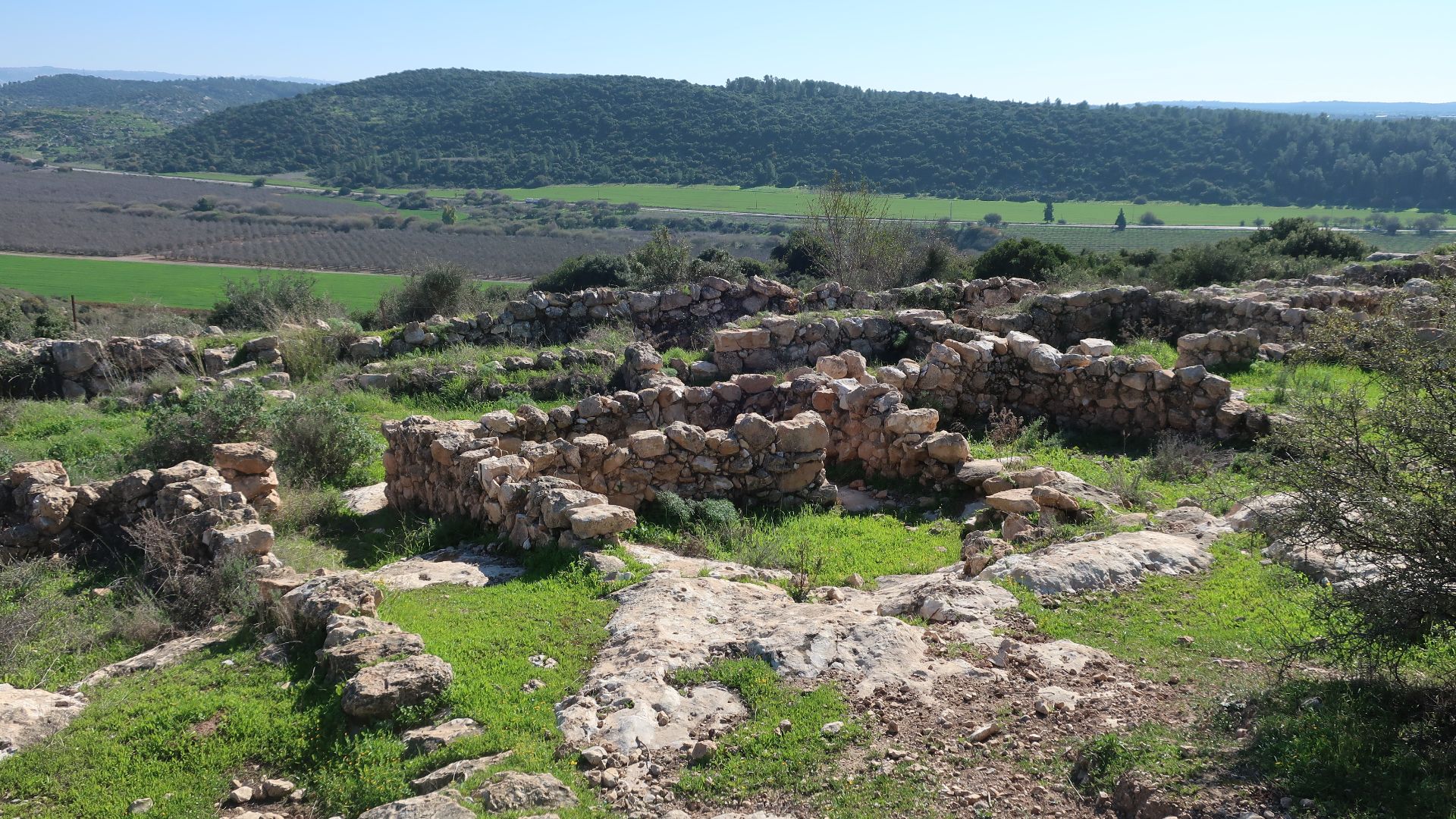
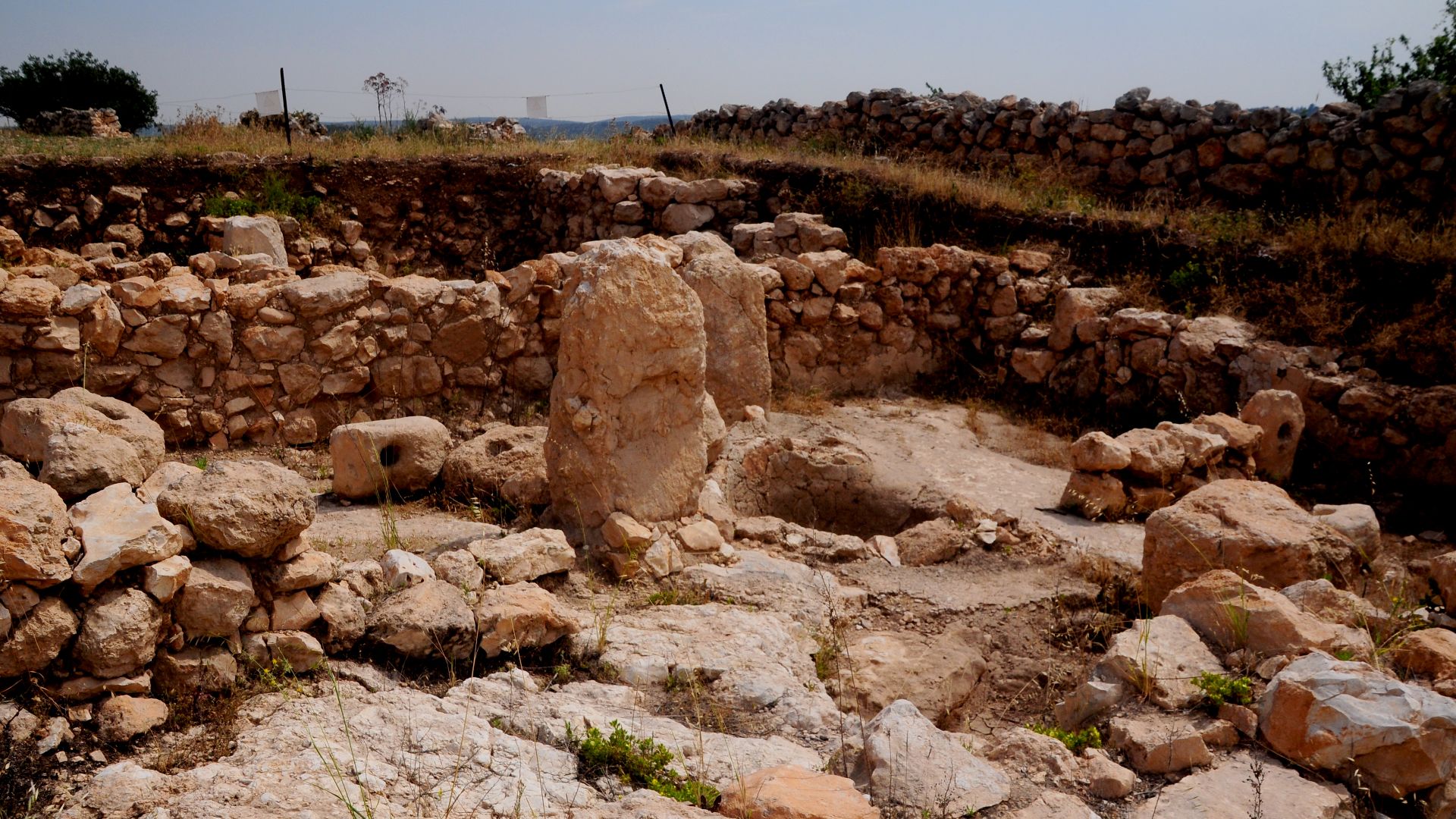
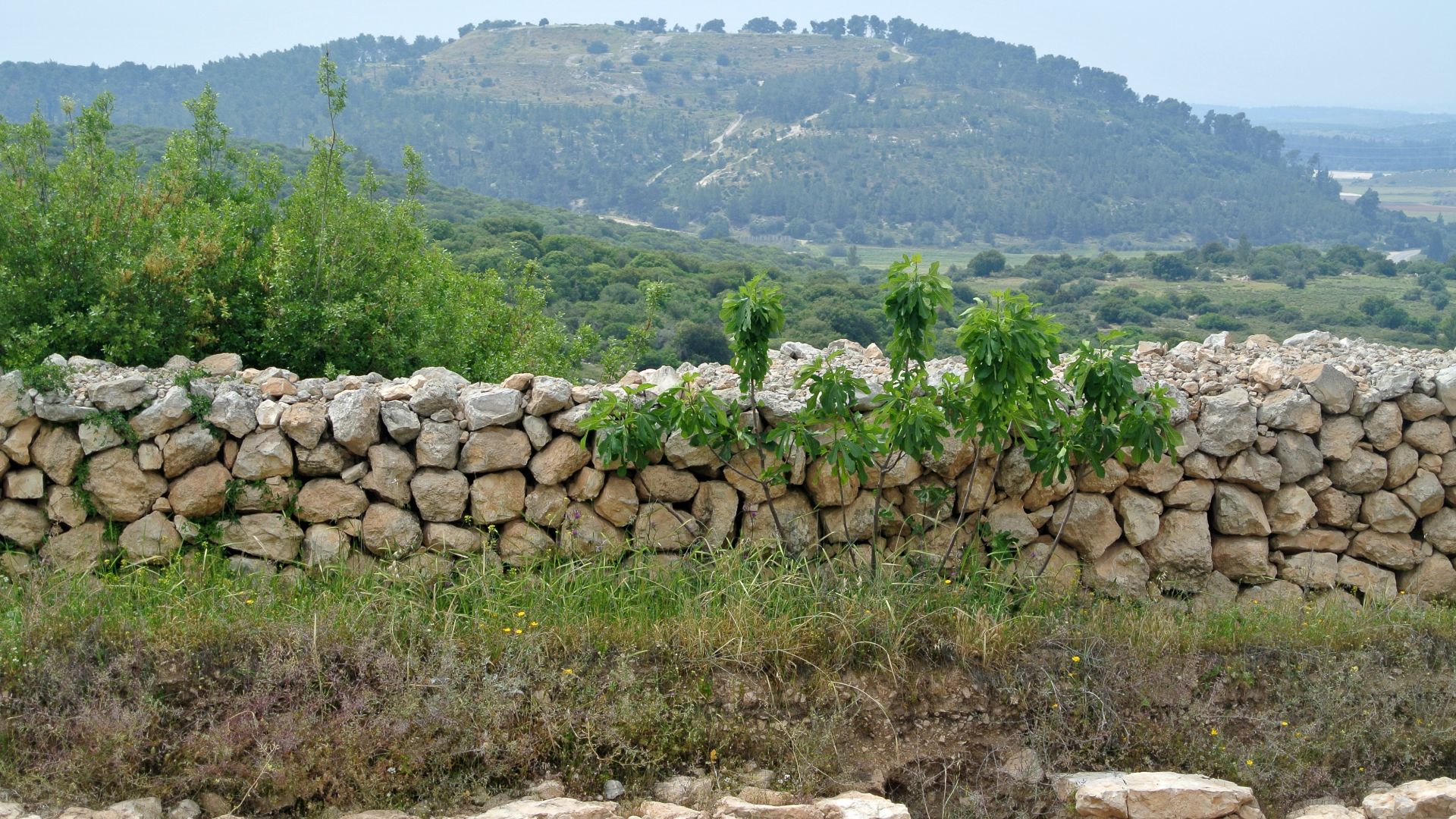
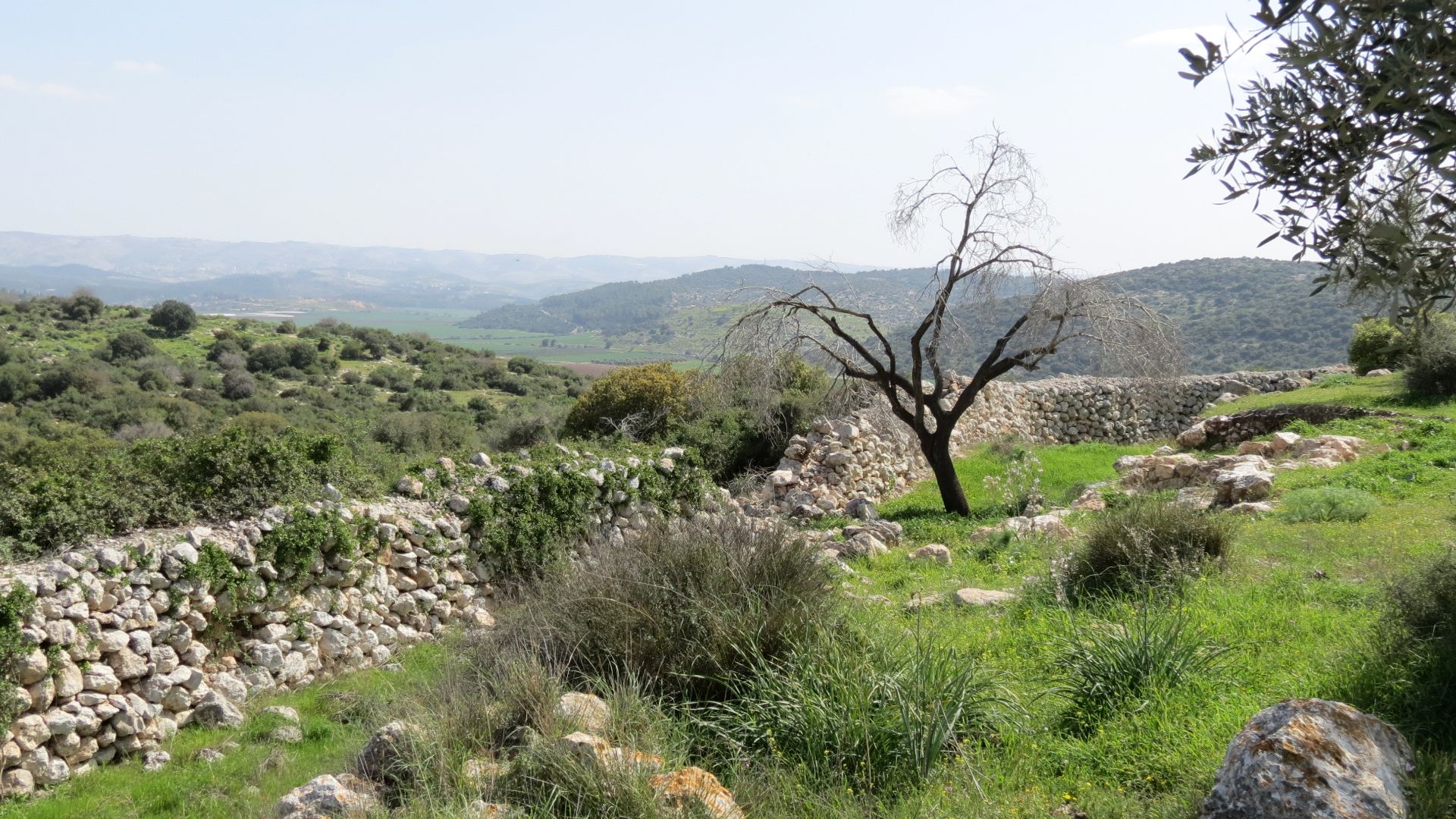
Archaeologists have also turned to Khirbet Qeiyafa, a fortified settlement overlooking the Elah Valley southwest of Jerusalem. Its main occupation belongs around the transition from Iron Age I to Iron Age IIA. That places the site close to the period when scholars are trying to understand the emergence of organized political structures in the region.
Radiocarbon Dating Made The Site Important
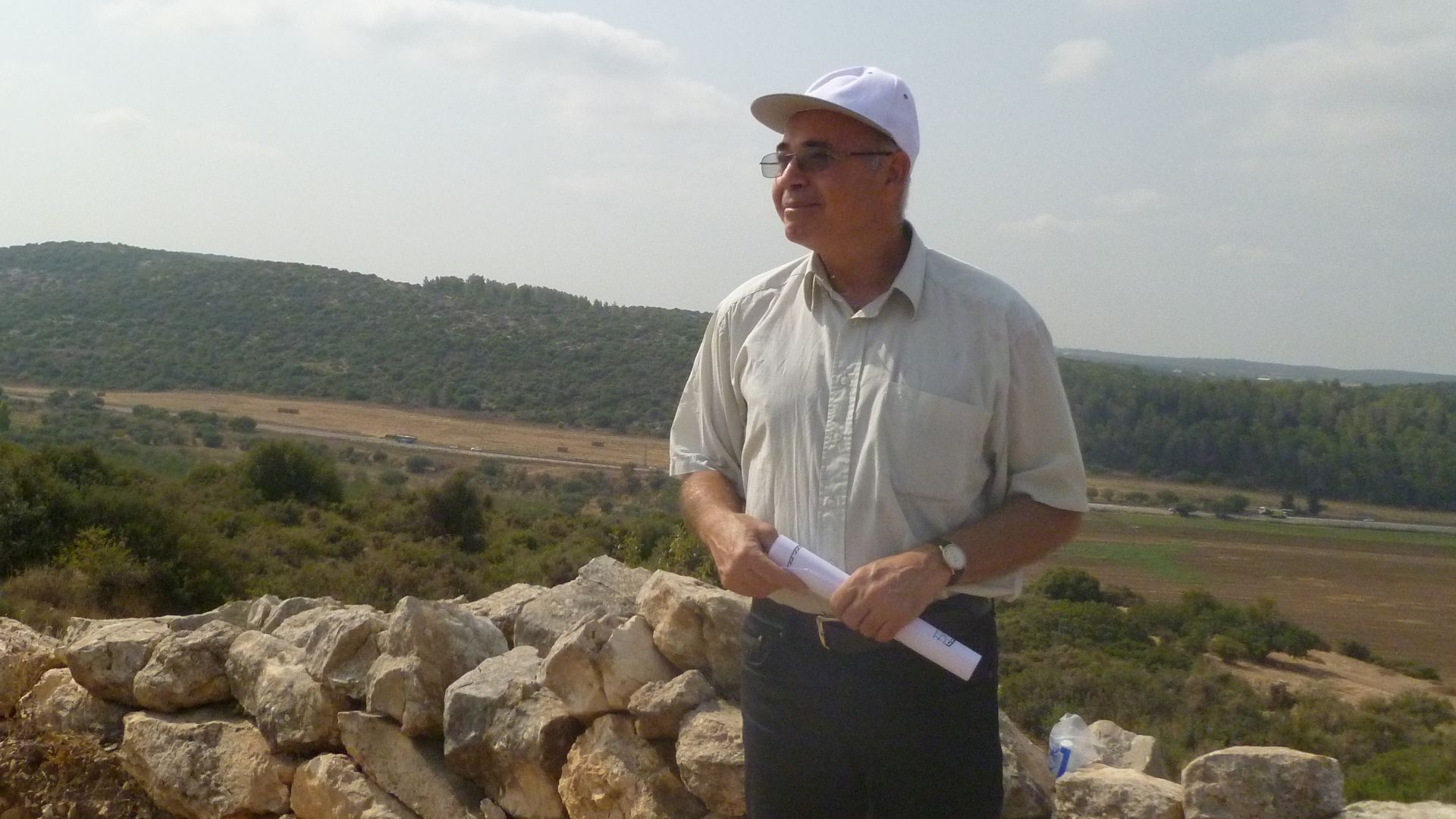
Radiocarbon measurements helped place Qeiyafa in the late 11th and early 10th centuries BCE. Excavators Yosef Garfinkel and colleagues argue that its planned layout and fortifications show that an organized urban center existed in the region at that early date. The dating itself is important even where scholars disagree about who controlled the settlement.
A Fortified Settlement Suggests Organization
Constructing substantial fortifications and a planned settlement required coordinated labor and resources. Garfinkel and his colleagues interpret Qeiyafa as evidence for an early Judahite state capable of organizing such work. That interpretation has major implications for reconstructions of political development during the 10th century BCE.
But The Site's Identity Is Disputed
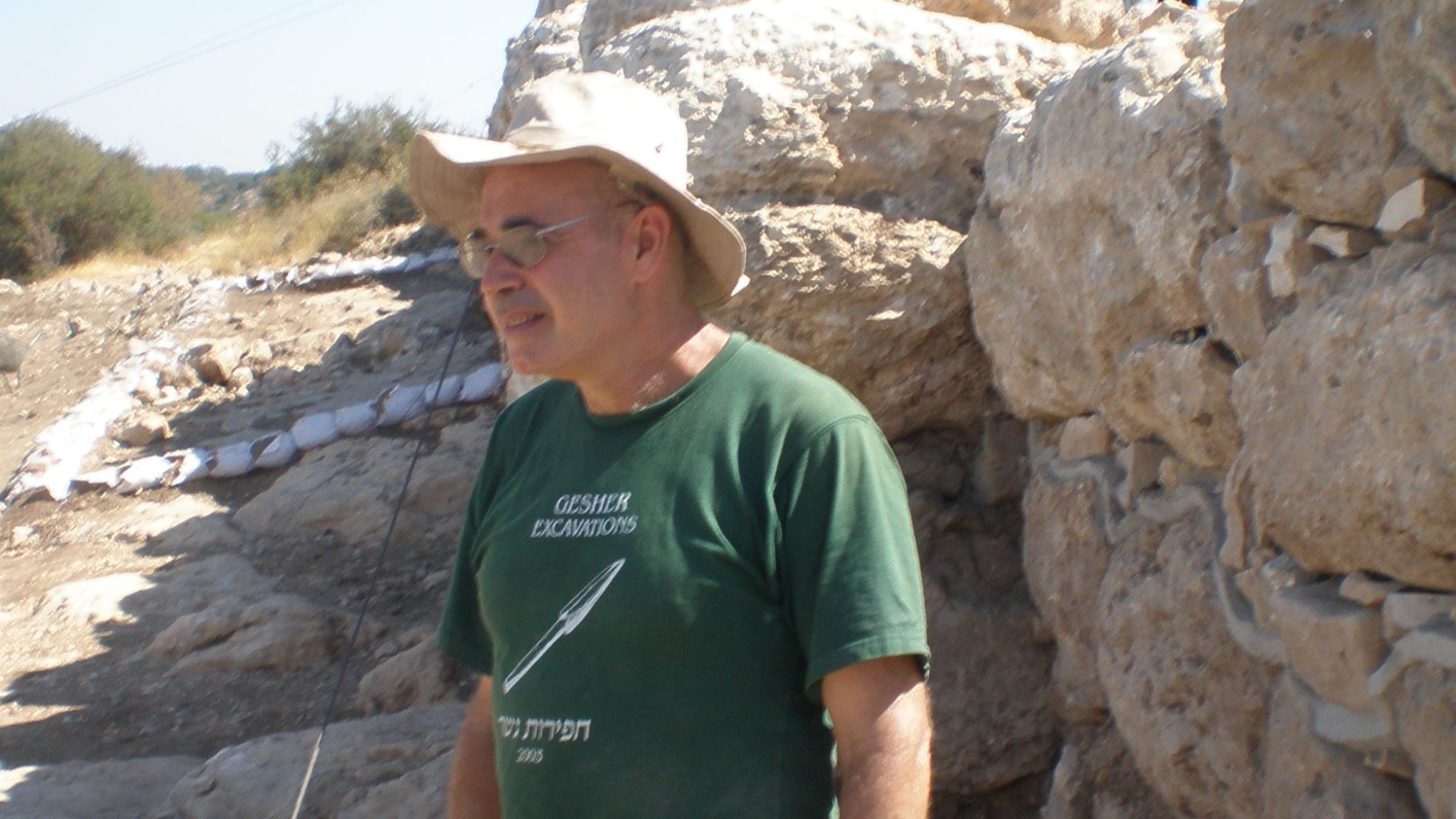
Not everyone accepts Qeiyafa as a Judahite center. Archaeologists Israel Finkelstein and Alexander Fantalkin challenged attempts to connect its inhabitants too closely with Judah or specific biblical narratives, while historian Nadav Na'aman has argued directly against identifying it as an early Judahite stronghold. The site's date is much less controversial than its political affiliation.
 Sarah Murray from South Bend, IN, USA, Wikimedia Commons
Its Location May Be More Important Than Its Name
Qeiyafa stood near a frontier zone between the Judahite highlands and Philistine territory. Hisotrian Yigal Levin has argued that its archaeological importance does not depend on identifying it with a place mentioned in ancient literature. Its geography and short occupation make it valuable for understanding the transition between Iron Age societies regardless of what the settlement was originally called.
 Wilson44691, Wikimedia Commons
An Ostracon Shows Writing Was Present
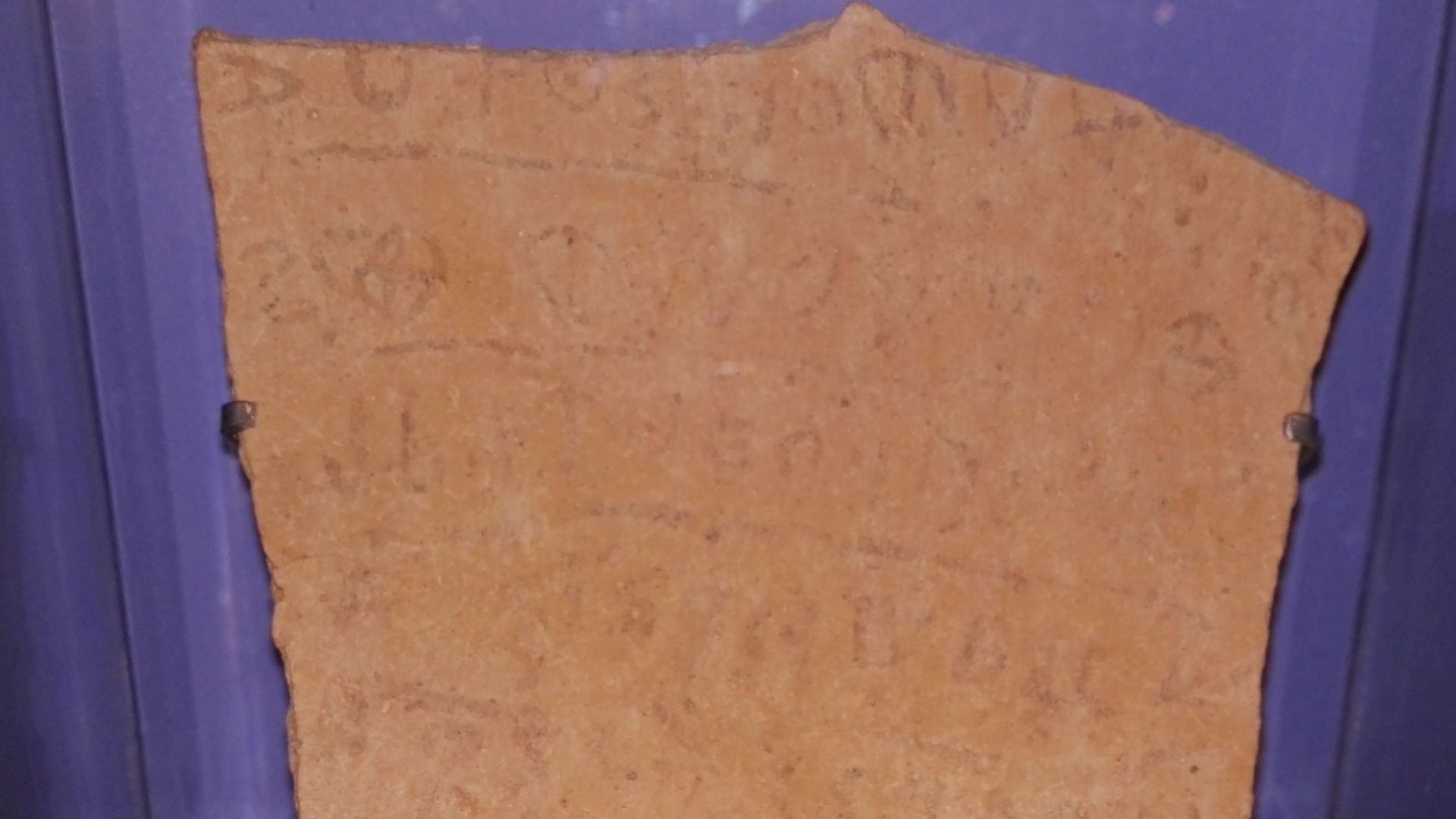
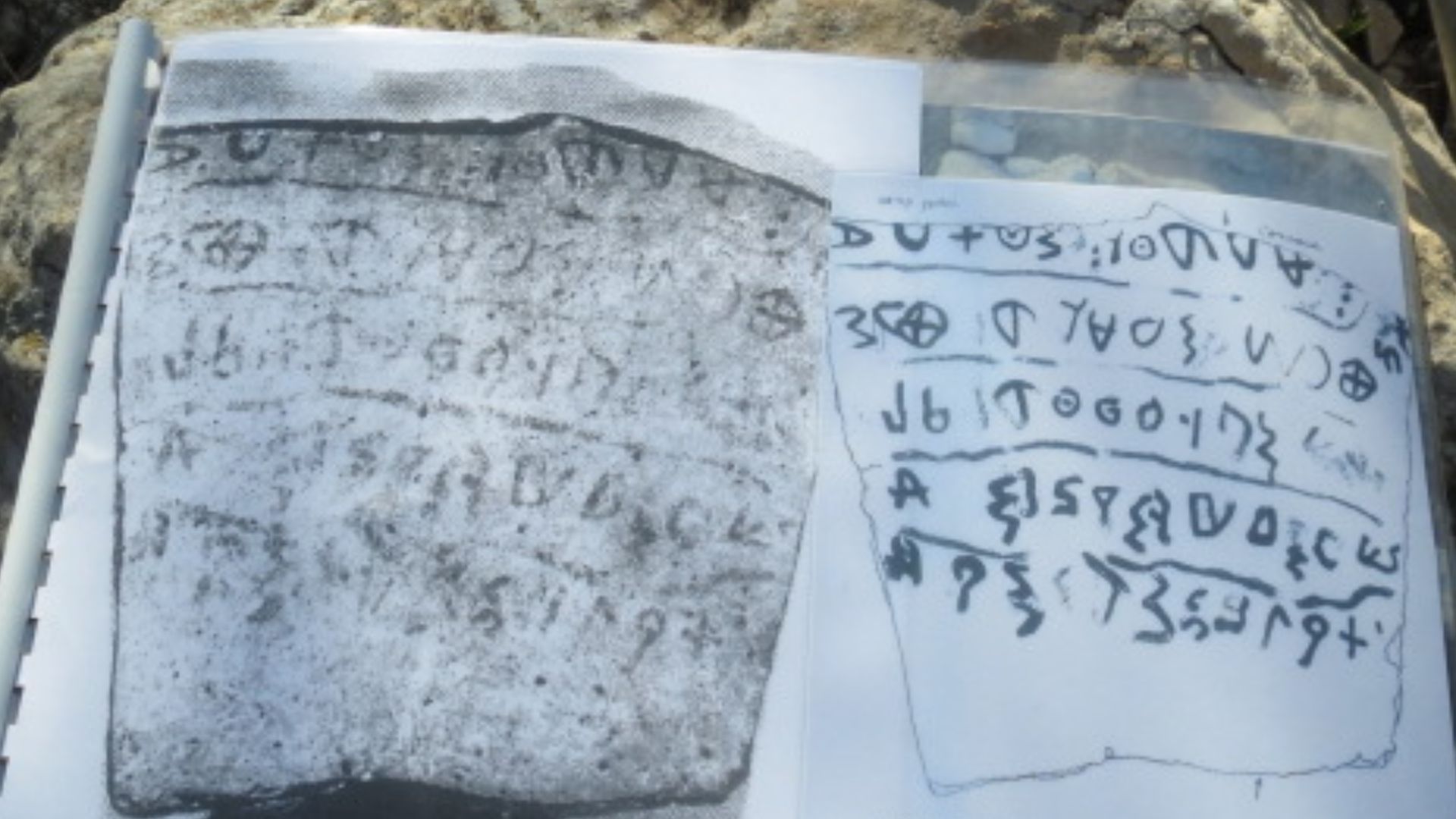
Excavators also discovered an inscribed pottery fragment known as the Qeiyafa ostracon. Its damaged text has produced several competing readings, and scholars have debated both its language and meaning. A 2022 study using multispectral images argued that the language may represent an archaic form of Hebrew, although the interpretation remains dependent on the proposed decipherment.
Writing Does Not Identify A King
Even if the ostracon is accepted as Hebrew, it does not mention David or identify the political authority controlling Qeiyafa. Its importance lies instead in demonstrating literacy and administrative or legal writing in this region at an early date. That makes it useful evidence for social development without attaching it to a specific ruler.
Jerusalem Produced A Major Structure Of Its Own
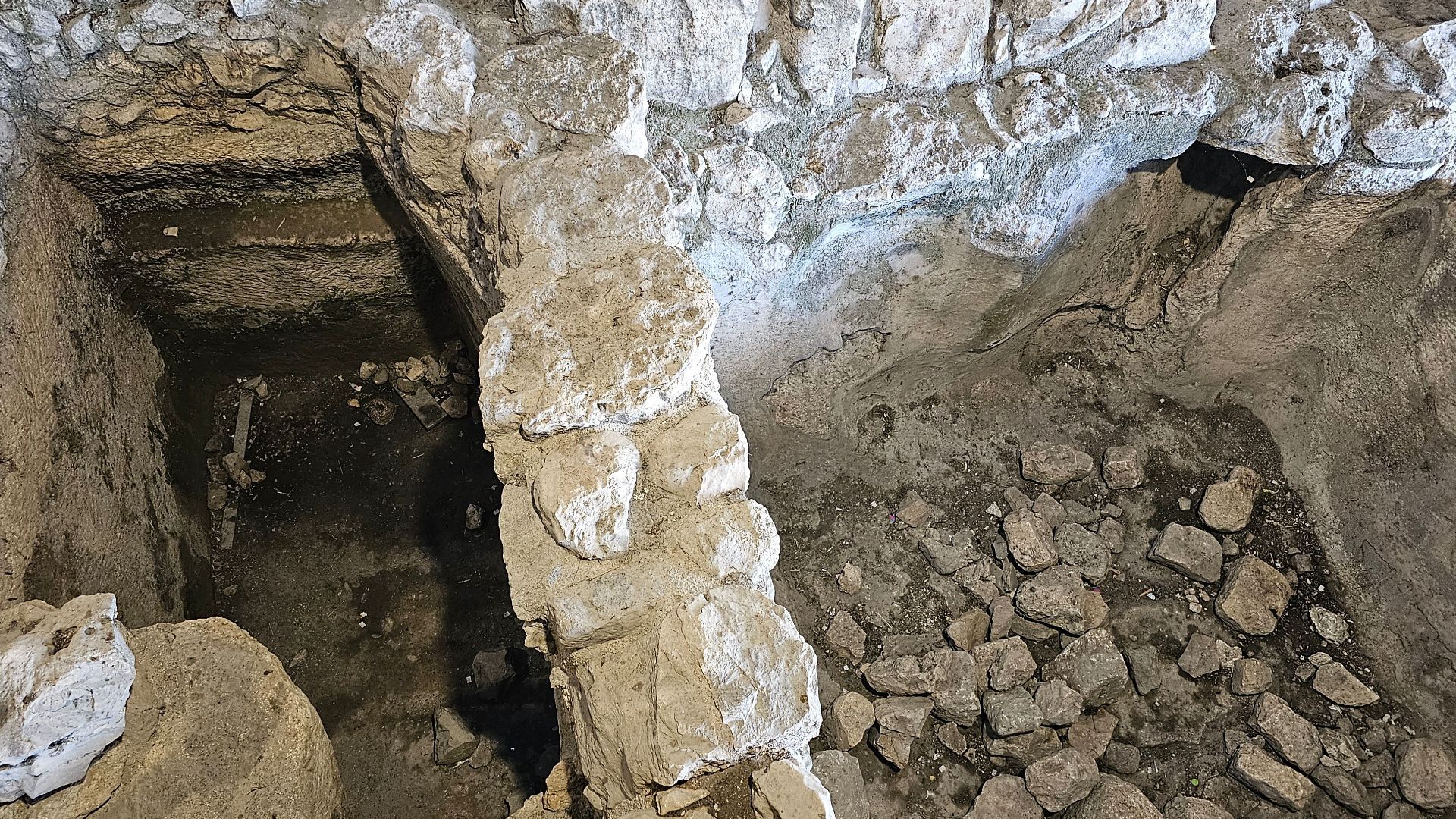
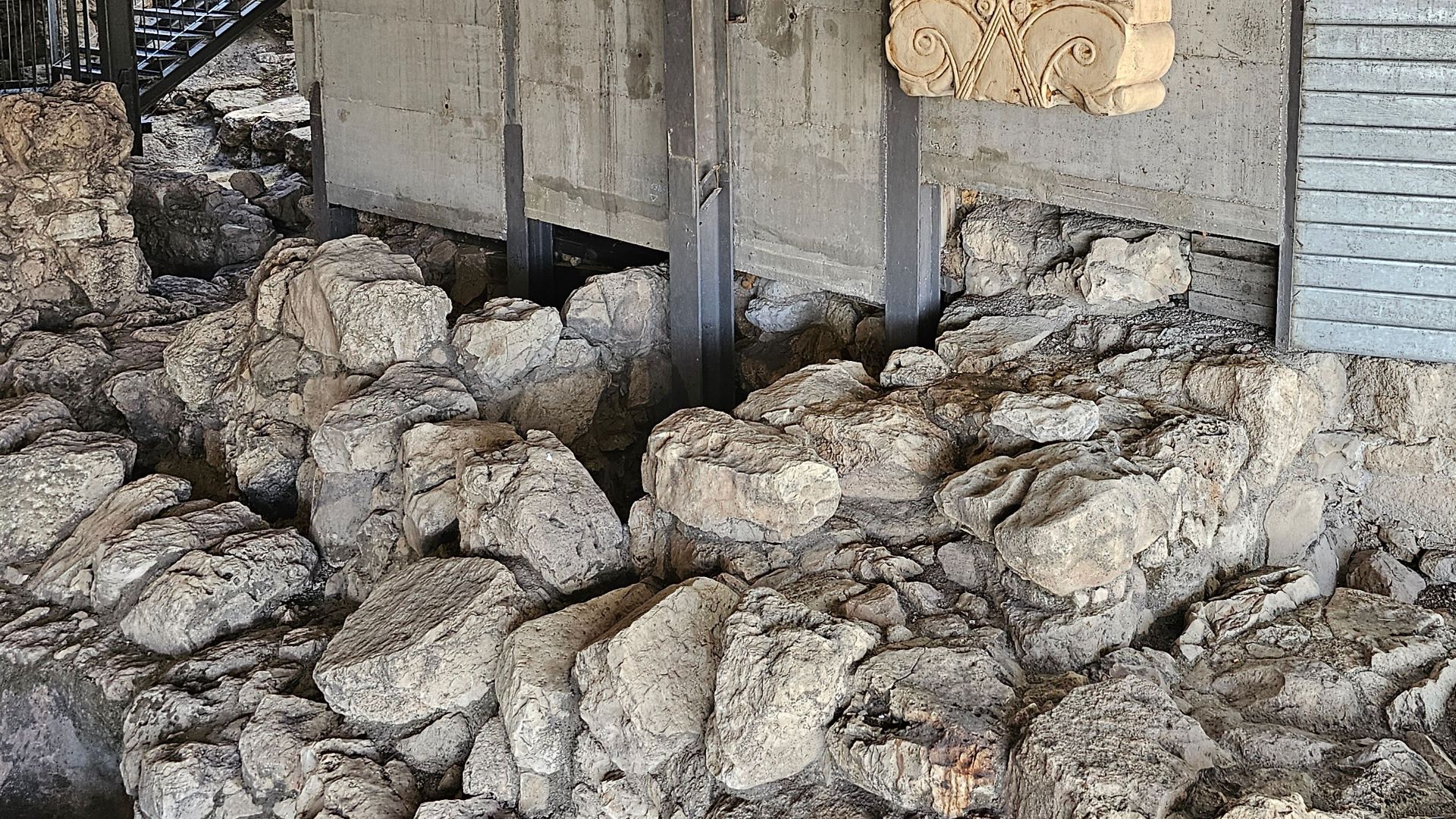
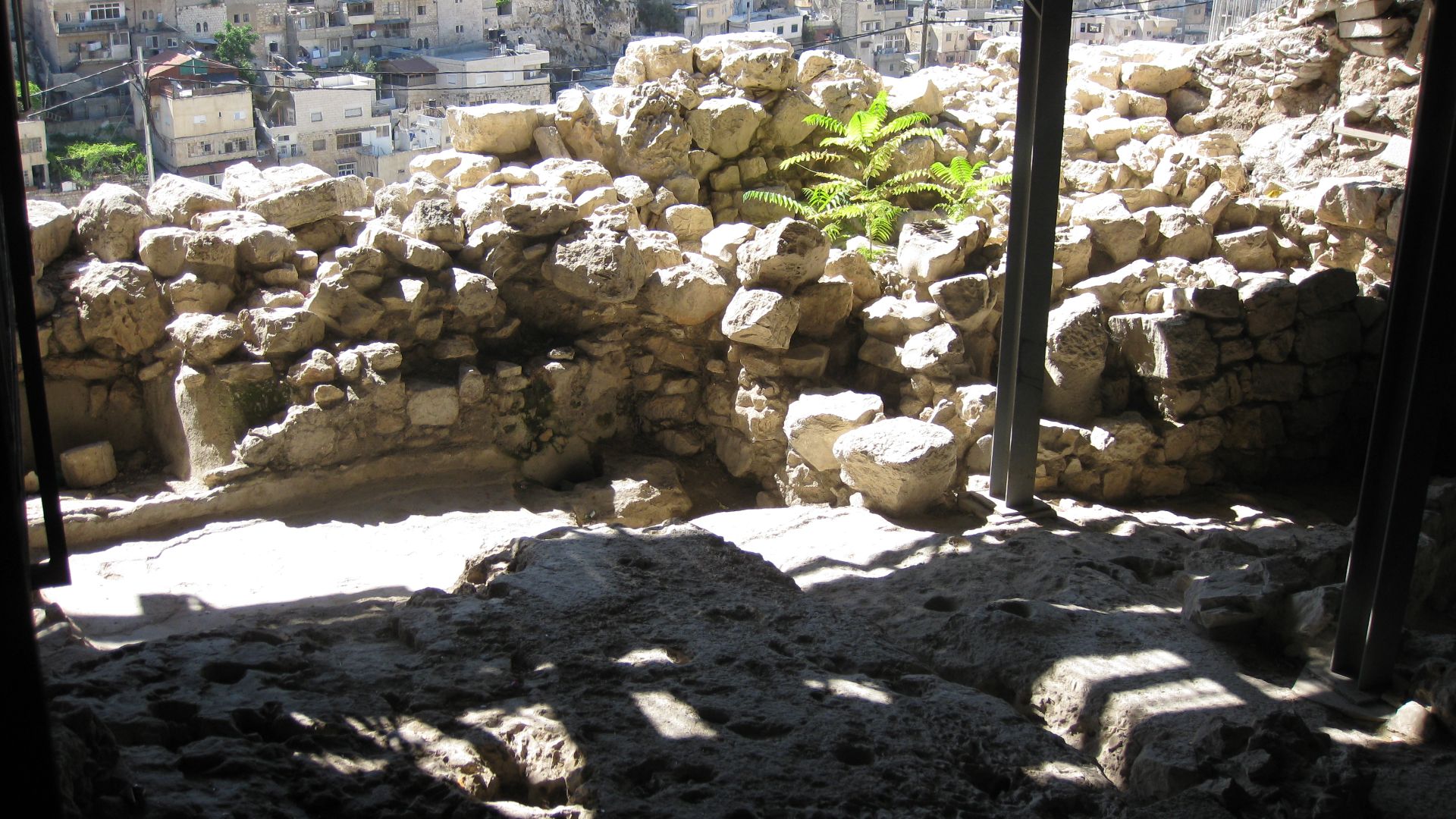
Excavations led by Eilat Mazar in Jerusalem uncovered substantial masonry that she called the Large Stone Structure. Mazar proposed that it dated to around 1000 BCE and identified it with David's palace. That interpretation quickly became one of the most debated archaeological claims connected with the early monarchy.
The Palace Identification Drew Strong Objections
Archaeologists Israel Finkelstein, Lily Singer-Avitz, Ze'ev Herzog, and David Ussishkin argued that the remains did not form the single 10th-century building Mazar proposed. Their analysis suggested that some elements could belong to much later periods. Without using the literary identification as a starting point, they found the connection with David unconvincing.
Another Archaeologist Reached A Different Conclusion
Avraham Faust later reexamined the Large Stone Structure and concluded that important parts of the complex were actually earlier than David's traditional period. He argued that the structure continued in use during Iron Age IIA but specifically rejected identifying it as the palace supposedly constructed for David. Even scholars who disagree on its date therefore do not have to accept the royal identification.
Radiocarbon Dating Is Reshaping Jerusalem
A major 2024 study used 103 radiocarbon measurements from five excavation areas to reconstruct Jerusalem's Iron Age chronology. Researchers identified human activity during the 12th through 10th centuries BCE and produced unusually precise dates for several archaeological sequences. The study provides a much firmer chronological framework than historians previously had.

But A Date Cannot Identify David
Radiocarbon dating can establish when people occupied or constructed parts of Jerusalem, but it cannot reveal the name of a ruler. The 2024 results therefore strengthen the chronology of the city without solving the David question directly. They are most useful for determining when Jerusalem expanded and how its urban landscape changed.

The Bigger Question Is Political Scale
The archaeological debate increasingly centers on how complex the southern highlands and nearby lowlands were during the 10th century BCE. Qeiyafa can be read as evidence for significant organization, while disputes over its political identity make it difficult to assign that organization confidently to Judah. Jerusalem's evidence likewise supports occupation without automatically demonstrating a large centralized kingdom.
 Horace Vernet, Wikimedia Commons
Archaeology Gives A More Complicated Answer
The Tel Dan inscription offers the strongest external evidence for a ninth-century dynasty called the "House of David." Archaeology at Qeiyafa and Jerusalem provides evidence about settlement, literacy, fortification, chronology, and political organization around the preceding century. What remains uncertain is exactly how those different bodies of evidence should be connected historically.
David Remains An Indirect Historical Figure
Before the Tel Dan fragments were discovered in 1993, there was virtually no external inscription that could be connected with David's name. Researchers can now discuss a ninth-century dynastic reference alongside increasingly detailed archaeological evidence for 10th-century Judah and Jerusalem. None of that evidence identifies David personally, leaving the historical individual less visible than the dynasty and society that later sources associated with him.
 Renée Kools, Wikimedia Commons
You May Also Like:
Did Jesus Really Exist? The Ancient Evidence Will Surprise You
The First Historical Evidence For King David Was Found On A Broken Stone Slab
Archaeologists Discover 140,000-Year-Old Underwater Ecosystem Linked To The Lost World Of Sundaland