A Human Family That History Forgot
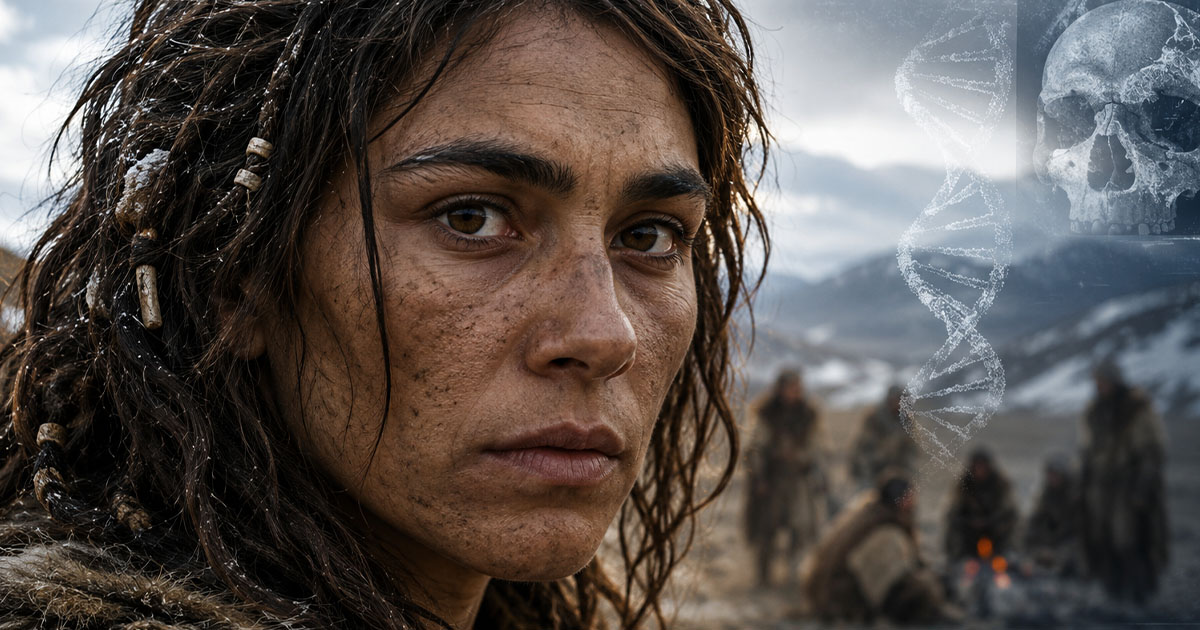
Around 45,000 years ago, a small group of Homo sapiens was living in the bitterly cold landscapes of central Europe. They hunted, raised children, made tools, and even mixed genetically with Neanderthals. Then their branch of humanity simply disappeared. Now, ancient DNA has allowed scientists to find them again—and discover just how isolated their world really was.
Scientists Found Them In Two Different Countries
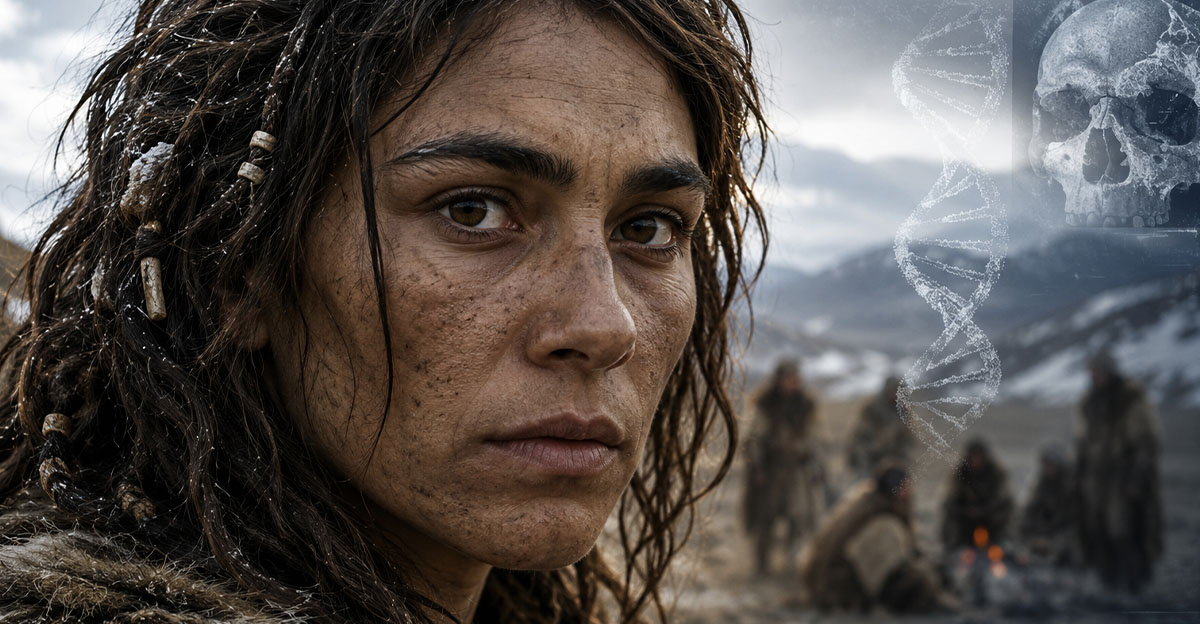
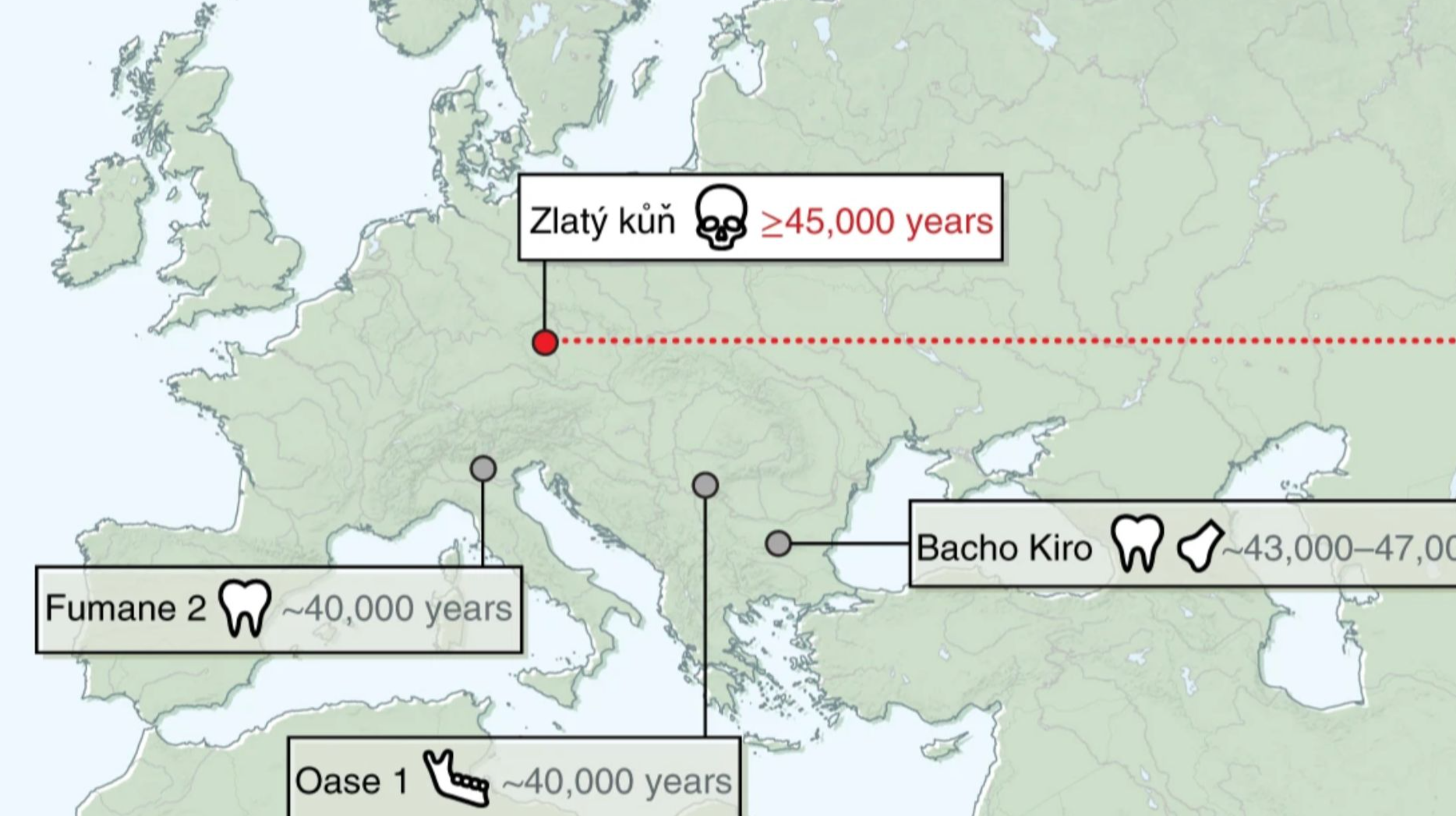
The story begins with ancient human remains from Ranis, Germany, and Zlatý kůň in Czechia, roughly 230 kilometers apart. When researchers compared their DNA, they discovered something unexpected: these people weren't simply members of similar early European populations. They belonged to the same extended genetic group.
The Study Was Published In 2024
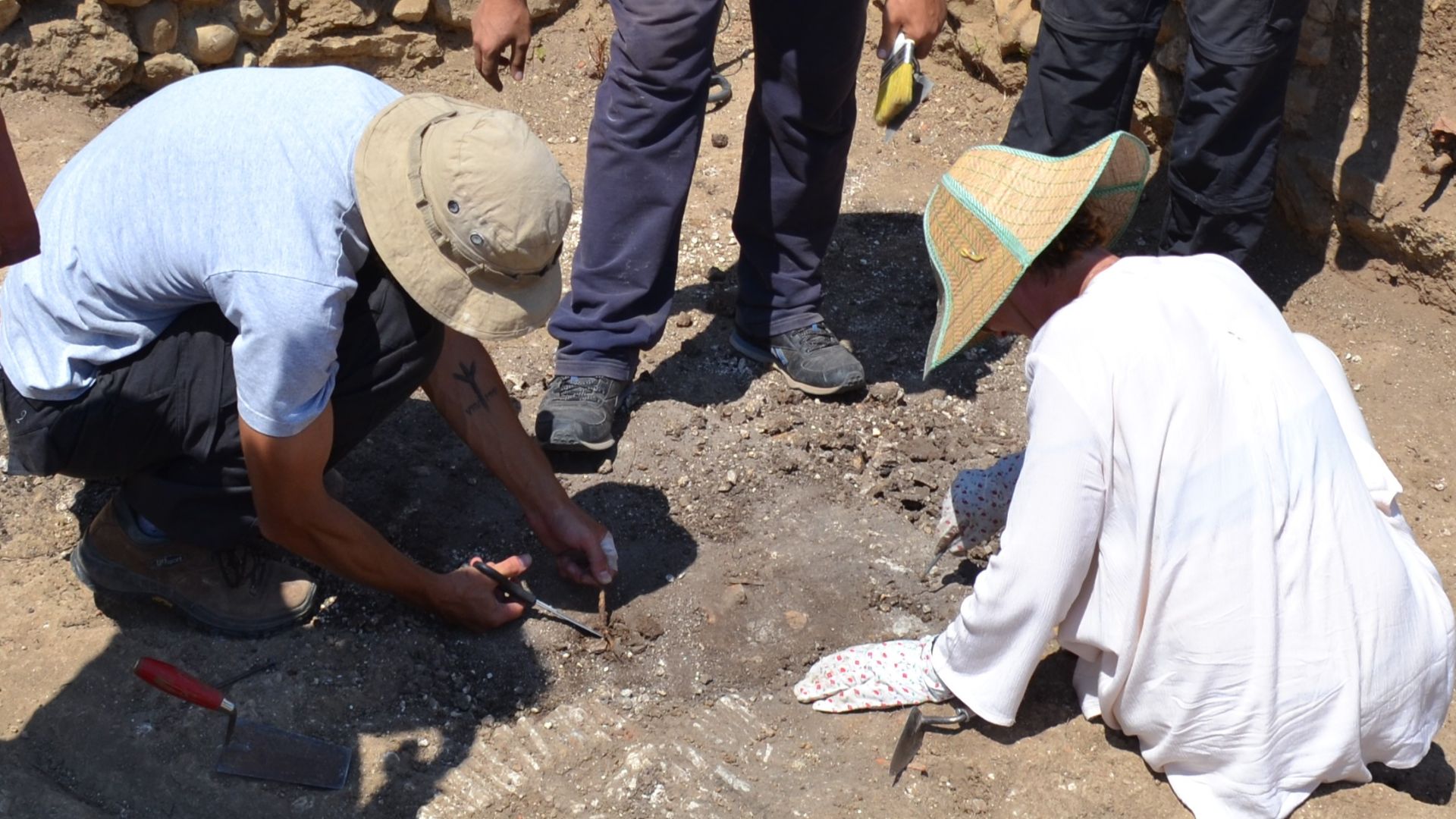
The discovery was reported in Nature on December 12, 2024, by an international research team led by scientists at the Max Planck Institute for Evolutionary Anthropology. The study analyzed genomes from six individuals represented at Ranis and produced an improved genome from the Zlatý kůň woman.

These Were Some Of Europe's Earliest Homo Sapiens
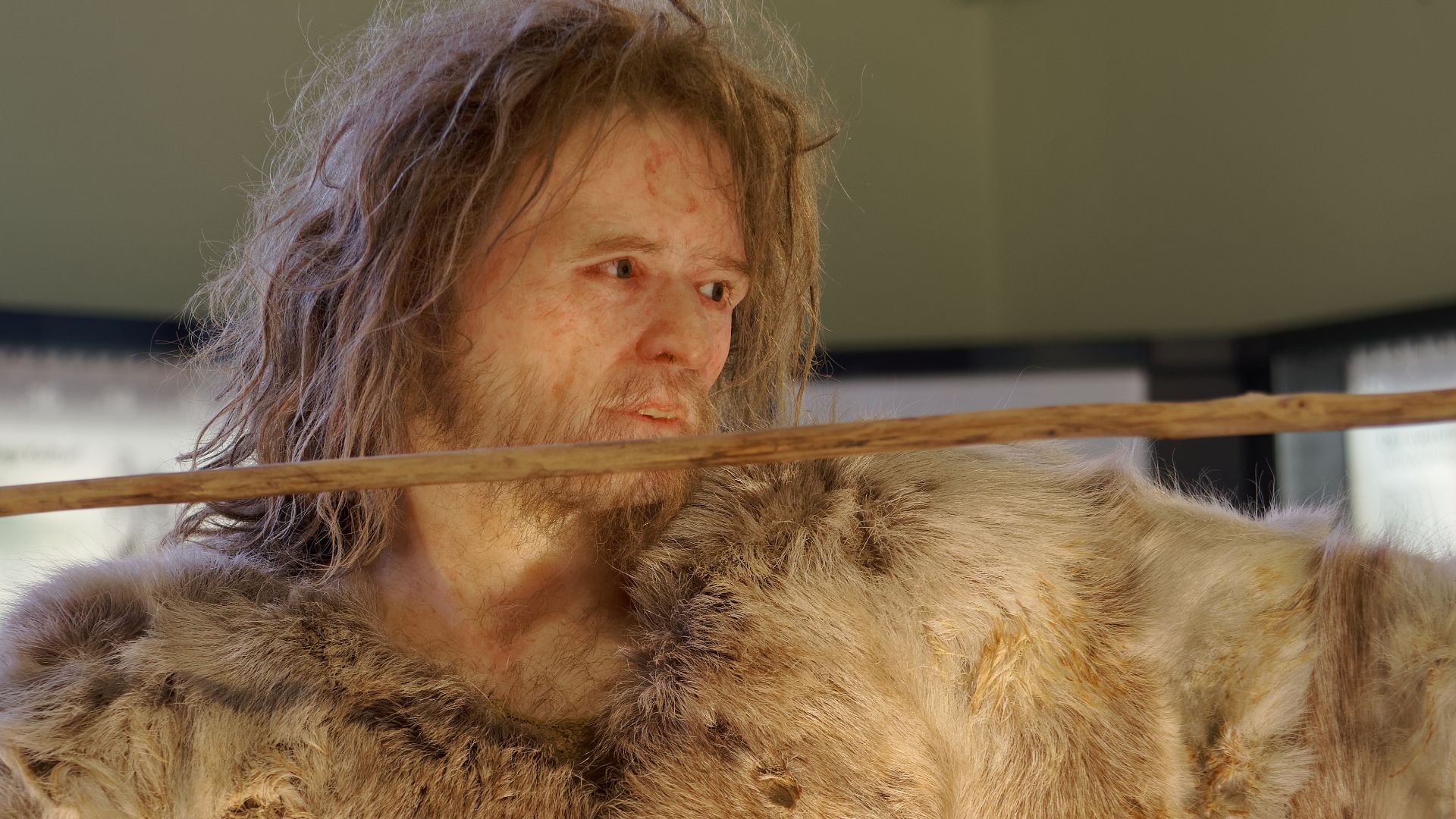
The individuals lived approximately 42,000 to 49,000 years ago, during a remarkable period when modern humans were entering a Europe still inhabited by Neanderthals. They belonged to one of the earliest known branches of Homo sapiens to establish itself this far north.
 Jakub Hałun, Wikimedia Commons
One Genome Was Exceptionally Well Preserved
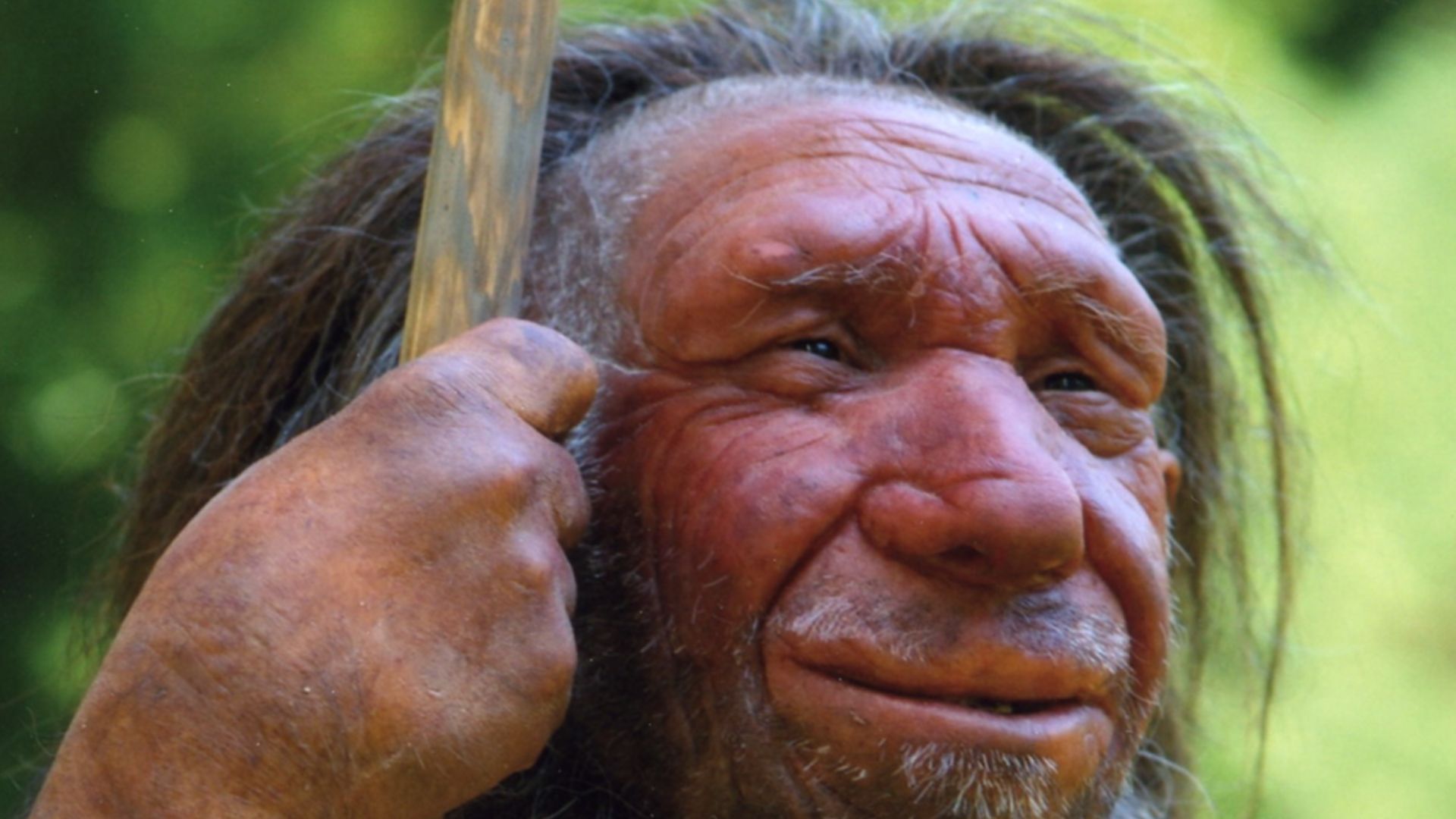
A male individual designated Ranis13 provided researchers with unusually good DNA. His bone was described by the Max Planck team as the best-preserved modern human bone from the Pleistocene yet recovered for ancient-DNA analysis, allowing scientists to reconstruct a particularly high-quality genome.
 Neanderthal-Museum, Mettmann, Wikimedia Commons
Then There Was The Zlatý Kůň Woman
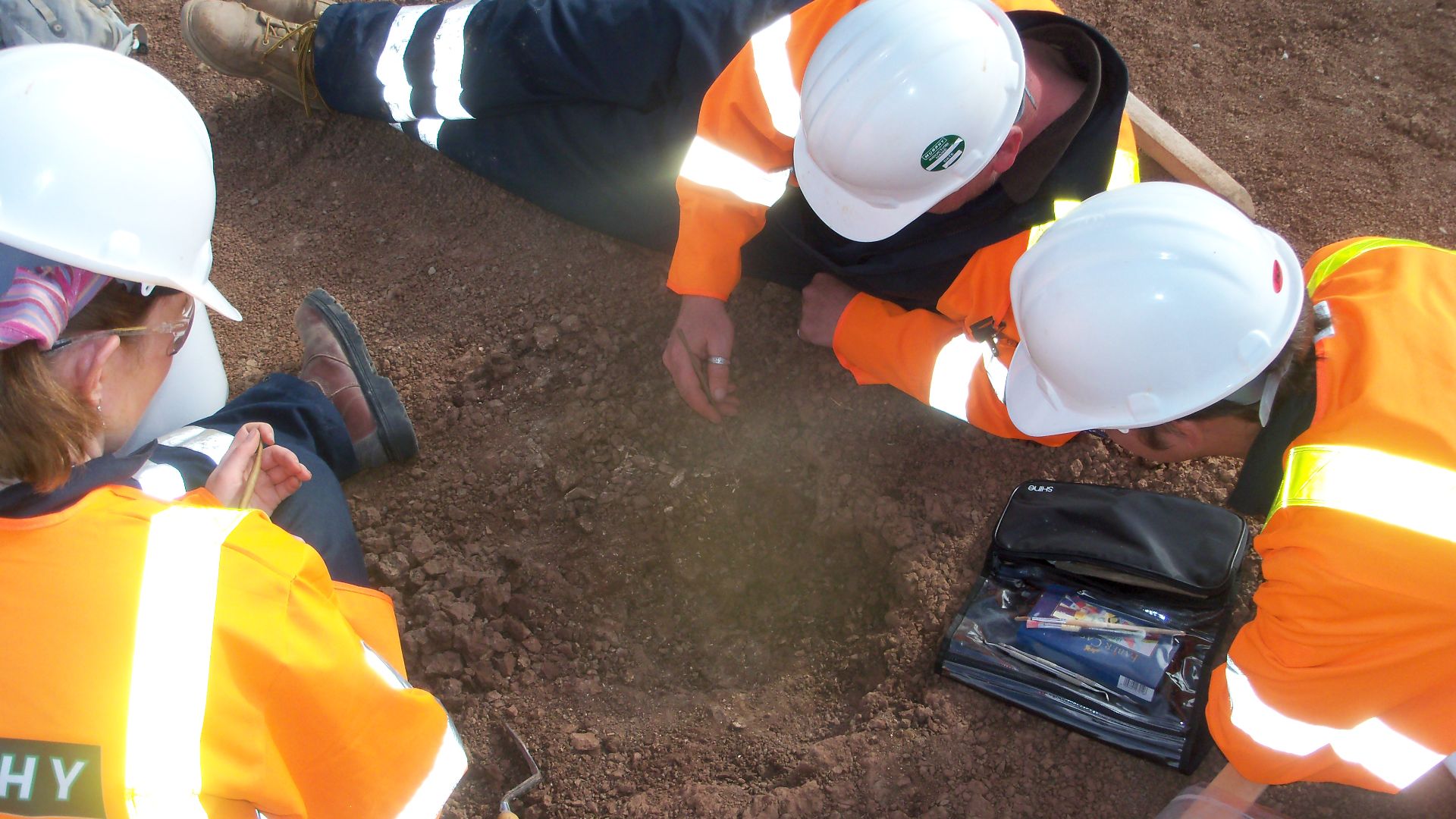
The famous Zlatý kůň skull was discovered in Czechia and had already become important to studies of early modern humans. Obtaining an exact radiocarbon date proved difficult because the skull had previously been treated with animal-derived adhesives, contaminating material needed for reliable dating.
 Network Archaeology Ltd, Wikimedia Commons
DNA Provided Another Clock
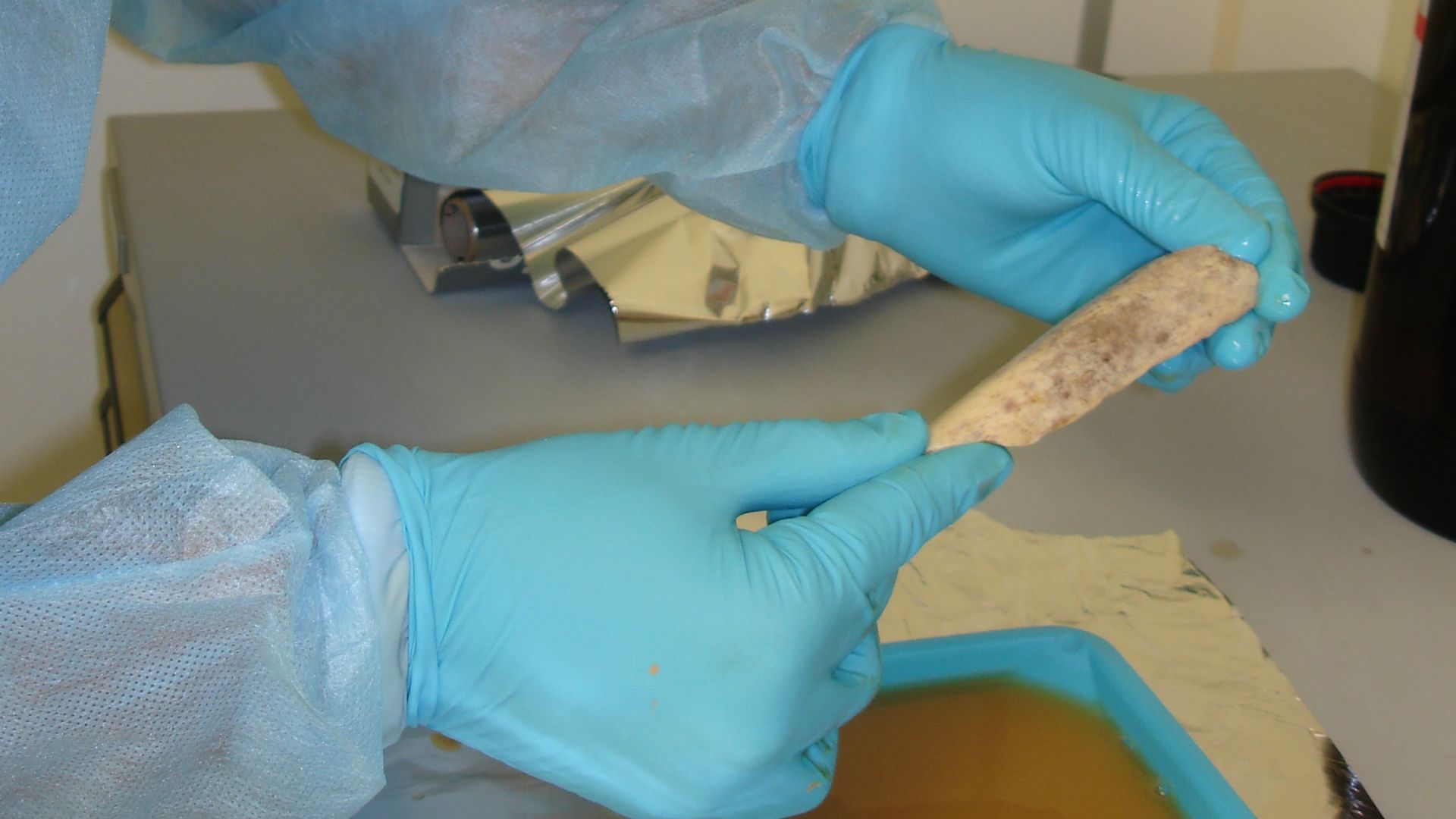
Fortunately, genetics offered another way to estimate when she lived. By comparing stretches of DNA shared by Zlatý kůň and Ranis13, researchers concluded that the two probably lived only about three generations apart, and confidently within no more than 15 generations of one another. That places Zlatý kůň at roughly 45,000 years ago as well.
 Max Planck Institute for Evolutionary Anthropology, Wikimedia Commons
Then The Family Tree Became Surprisingly Personal
The Ranis bones did not represent a random collection of unrelated people. Genetic analysis revealed a mother and her daughter, with the child younger than about five years old. Another woman was a more distant second- or third-degree relative of the mother.
 Neanderthal-Museum, Wikimedia Commons
The Men Told A Different Story
Researchers identified three of the Ranis individuals as male, but unlike the women, they found no close biological relationship among the three men. That small detail offers a tantalizing glimpse into how this community may have been structured, although the sample is far too small to establish social rules.
 What Did Cavemen Actually Do All Day?, Before Fire, YouTube
The Biggest Surprise Was 230 Kilometers Away
Scientists then compared the Ranis DNA with Zlatý kůň. Lead author Arev Sümer and colleagues discovered that the woman from Czechia was approximately a fifth- or sixth-degree relative of two of the Ranis individuals. These weren't just genetically similar people—they belonged to an extended family network spanning a considerable distance.
 Son of Groucho from Scotland, Wikimedia Commons
That Distance Matters
Ranis and Zlatý kůň are around 230 kilometers, or 140 miles, apart. Forty-five thousand years ago there were no roads, horses, or wagons carrying people between them. Yet their genetic connection shows that this population ranged across a surprisingly large territory.
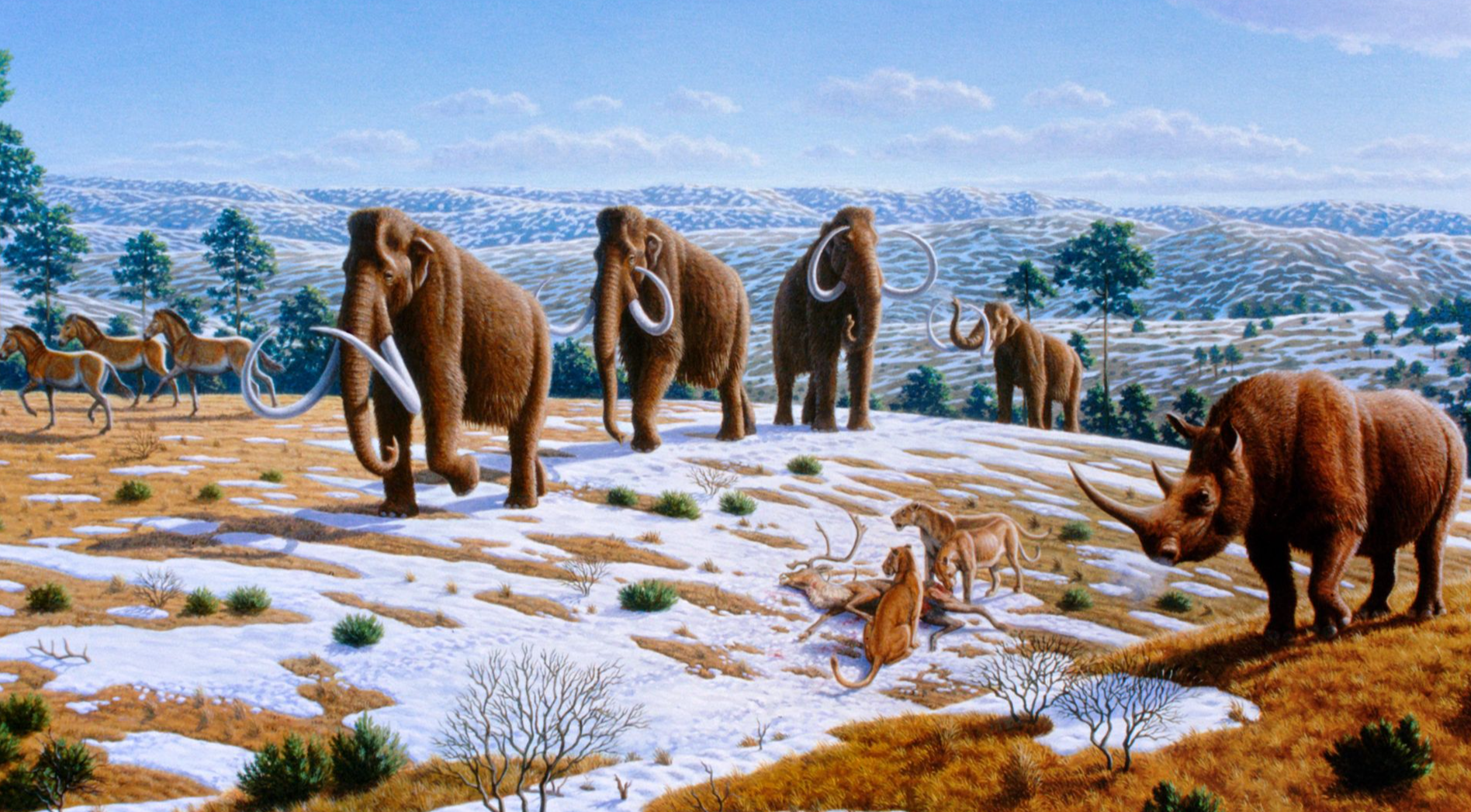
Europe Looked Very Different Then
These people were moving through open, cold steppe landscapes during the late Pleistocene. Temperatures were considerably colder than today, and the animals sharing their environment included large Ice Age mammals. Living successfully there required mobility, cooperation, and detailed knowledge of a difficult landscape.
 Mauricio Antón, Wikimedia Commons
They Were Not Europe's First Humans
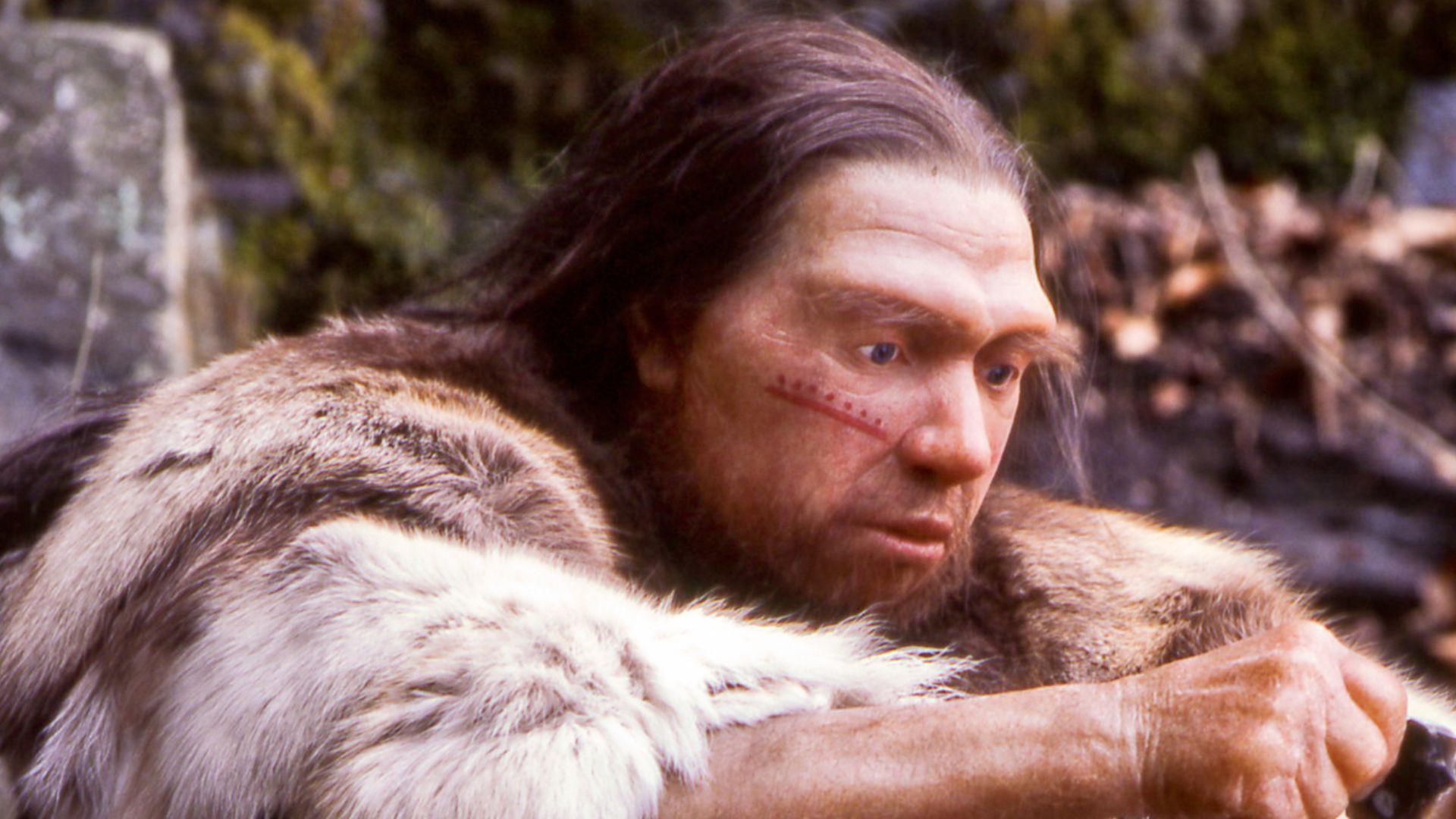
Neanderthals had occupied Europe and western Asia for hundreds of thousands of years before these Homo sapiens arrived. By about 45,000 years ago, however, the two human populations were overlapping—and the DNA preserved inside the Ranis and Zlatý kůň genomes records what happened when their worlds met.
 Neanderthal-Museum, Mettmann, Wikimedia Commons
Their Ancestors Had Mixed With Neanderthals
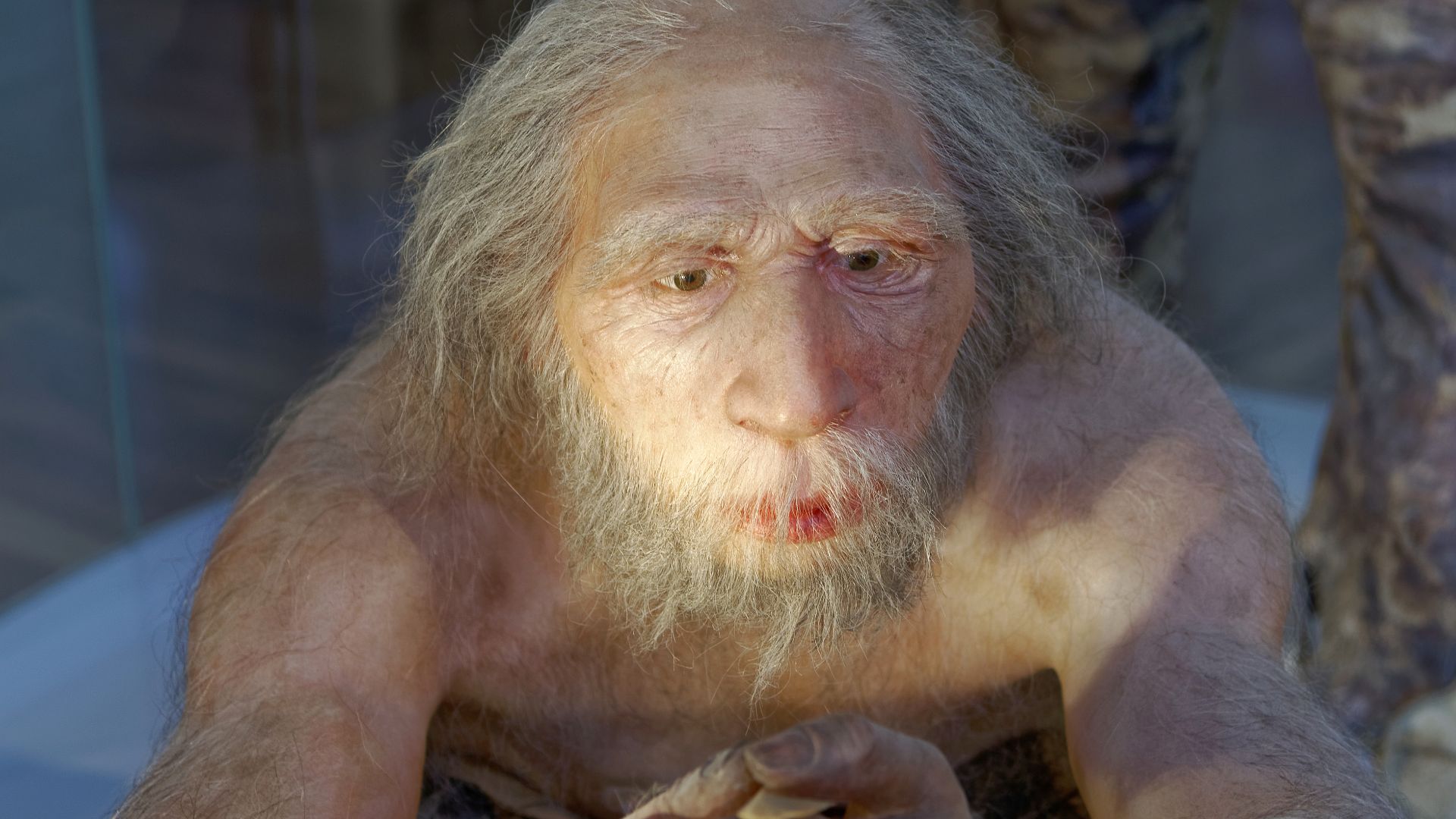
The high-quality genomes contained approximately 2.9% Neanderthal ancestry, within an estimated range of about 2.8–3.0%. Those Neanderthal segments were still relatively long, indicating that interbreeding had happened only a limited number of generations earlier.
 Jakub Hałun, Wikimedia Commons
Scientists Could Actually Date That Encounter
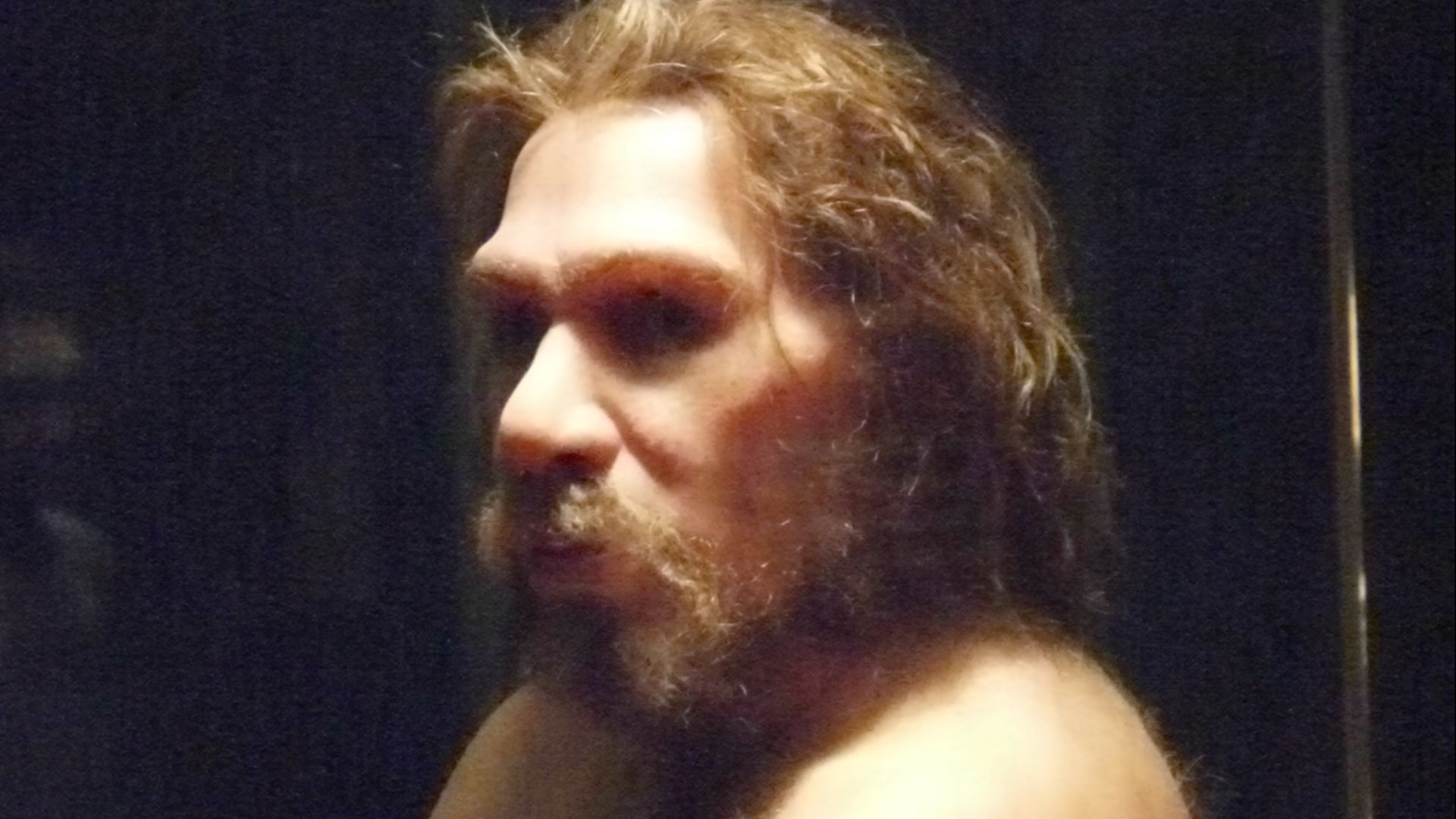
By measuring those inherited Neanderthal DNA segments, researchers estimated that the ancestors of the Ranis and Zlatý kůň population mixed with Neanderthals roughly 80 generations earlier. Combined with radiocarbon dates, this helped narrow the major shared admixture event to approximately 45,000–49,000 years ago.
 Eden, Janine and Jim from New York City, Wikimedia Commons
That's Important For Almost Everyone Outside Africa
Most people with ancestry outside sub-Saharan Africa today carry roughly 2–3% Neanderthal-derived ancestry. The new genetic timeline therefore helped researchers place one of the most consequential encounters in human evolutionary history into a much narrower window.
 West Midlands Police from West Midlands, United Kingdom, Wikimedia Commons
But Here's Where The Story Gets Strange
The Ranis and Zlatý kůň people carried Neanderthal ancestry from the same broader admixture event associated with living non-African populations. Yet genetically, their own population sat on an early branch of the human family tree—one that separated before the branches that produced later Eurasian populations.
 Fährtenleser, Wikimedia Commons
Scientists Looked For Their Descendants
Researchers compared the ancient genomes with those of later prehistoric hunter-gatherers and other populations. If the Ranis–Zlatý kůň group had contributed substantially to later Europeans, scientists should have found a recognizable pattern of shared ancestry. They didn't.
 Linda Bartlett (Photographer), Public domain, via Wikimedia Commons
Their Genetic Trail Simply Stops
The study concluded that the Zlatý kůň/Ranis population made no detectable genetic contribution to later non-African populations. Similar dead-end lineages are known from other very early modern humans, including Ust'-Ishim and Oase 1.
That Doesn't Mean Every Person Died At Once
There was no mysterious single event in which the entire population suddenly vanished. Genetics cannot tell us exactly how their disappearance happened. Their numbers may have declined, surviving individuals may have joined other groups, or the population may simply have dwindled over generations.
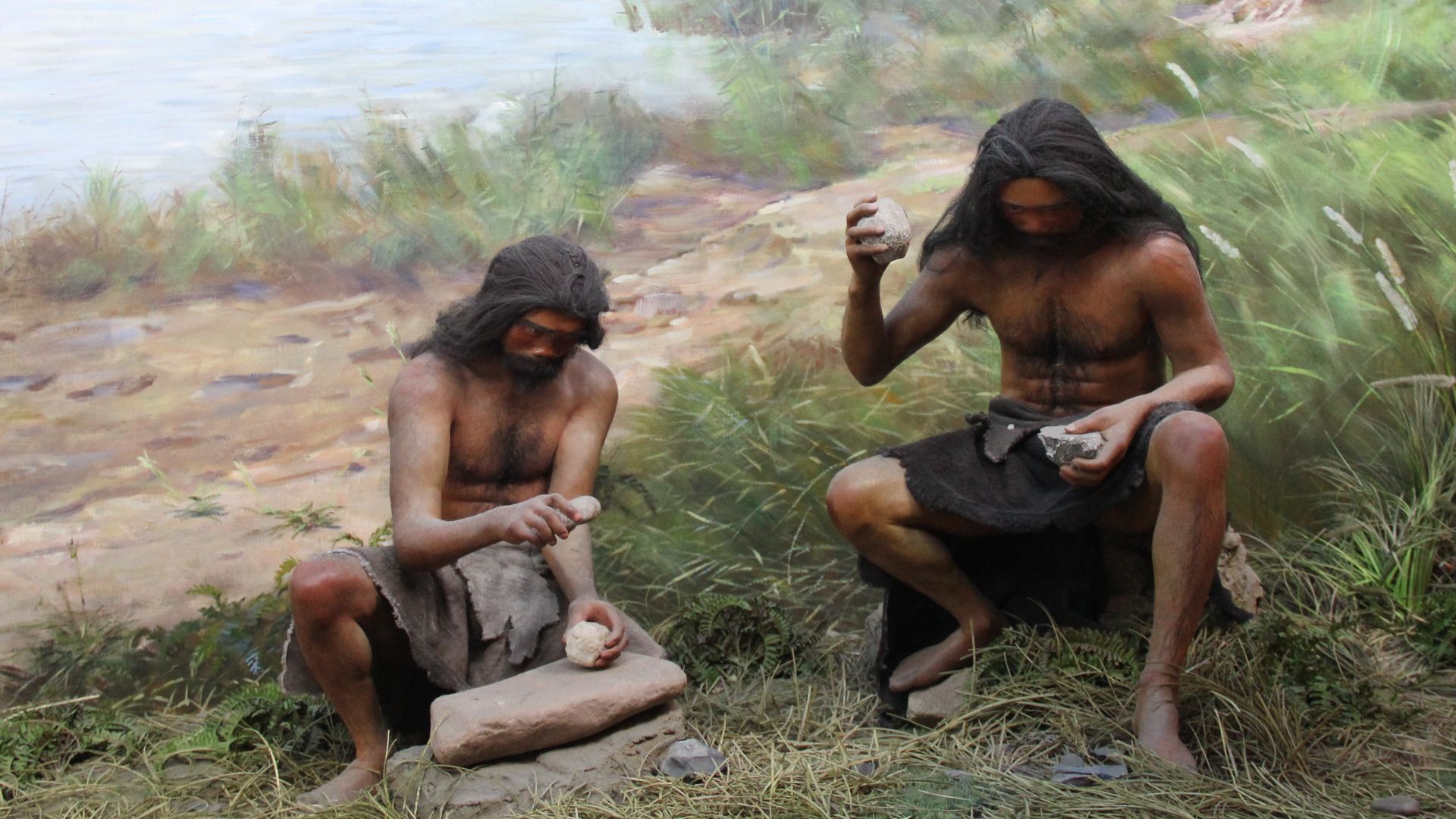 Gary Todd from Xinzheng, China, Wikimedia Commons
“No Descendants” Needs One Important Qualification
Researchers can say that this population left no detectable ancestry in the later populations examined. That is slightly different from proving that not one genealogical descendant ever existed. Ancient DNA becomes patchier the farther back scientists look, so absolute statements should be avoided.

What We Do Know Is That The Group Was Tiny
Their genomes revealed extremely low recent population sizes. By studying DNA segments inherited from common ancestors, researchers estimated an effective population size of approximately 160 individuals during the preceding 15 generations. The 95% probability interval ranged from about 100 to 240.
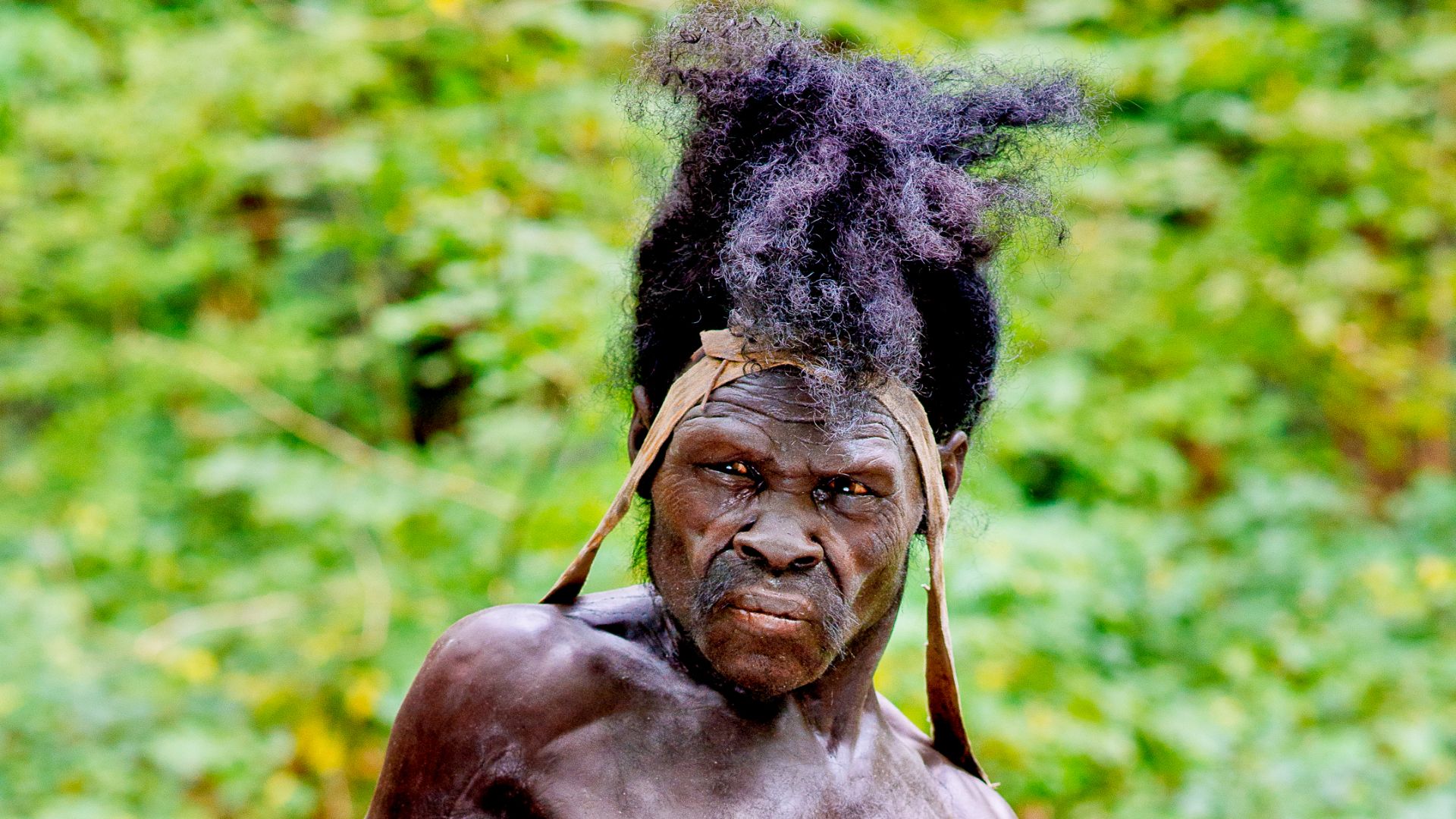 Neanderthal-Museum, Mettmann, Wikimedia Commons
That Number Doesn't Mean Exactly 160 People Existed
“Effective population size” is a genetic concept, not a literal head count. It roughly represents the number of breeding individuals needed to produce the genetic patterns scientists observe. The actual number of living people in the population could have been higher.
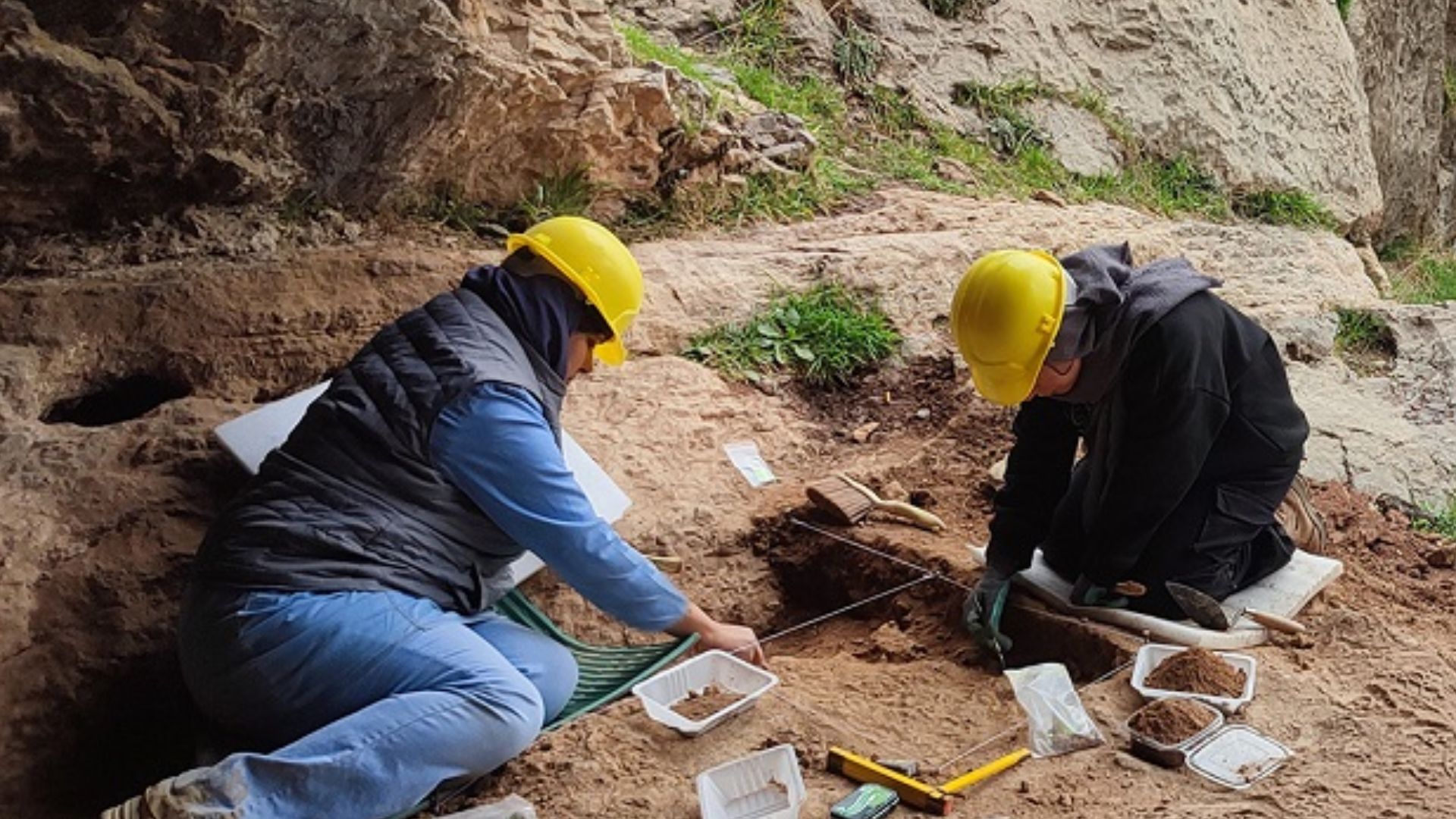 Kermanshahi1398, Wikimedia Commons
Another Method Produced A Slightly Larger Estimate
Using patterns of homozygosity across both high- and lower-coverage genomes, researchers obtained an estimate closer to 300 individuals, with a 95% confidence interval of approximately 242–374. That estimate reflects a somewhat longer period—roughly the preceding 50 generations.
 Emmanuel Benner, Wikimedia Commons
Either Way, This Was A Very Small Population
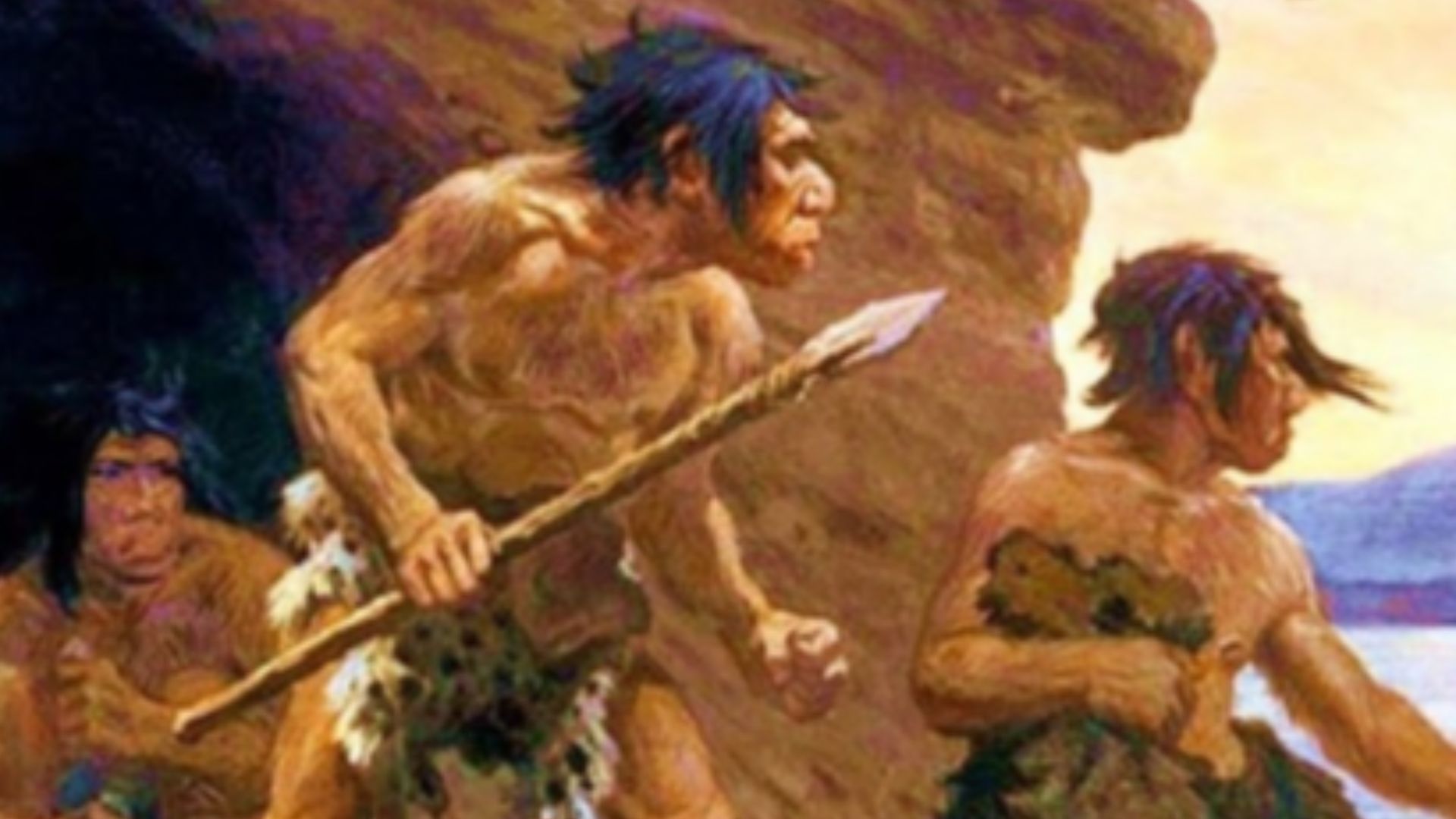
Whether the most appropriate estimate is around 160 or several hundred, the message is the same: the Ranis–Zlatý kůň group was small and genetically isolated. Close relatives repeatedly appear in the genomic record, something expected when populations have relatively few potential partners.
 Charles Robert Knight, Wikimedia Commons
Their DNA Even Shows Signs Of Related Parents
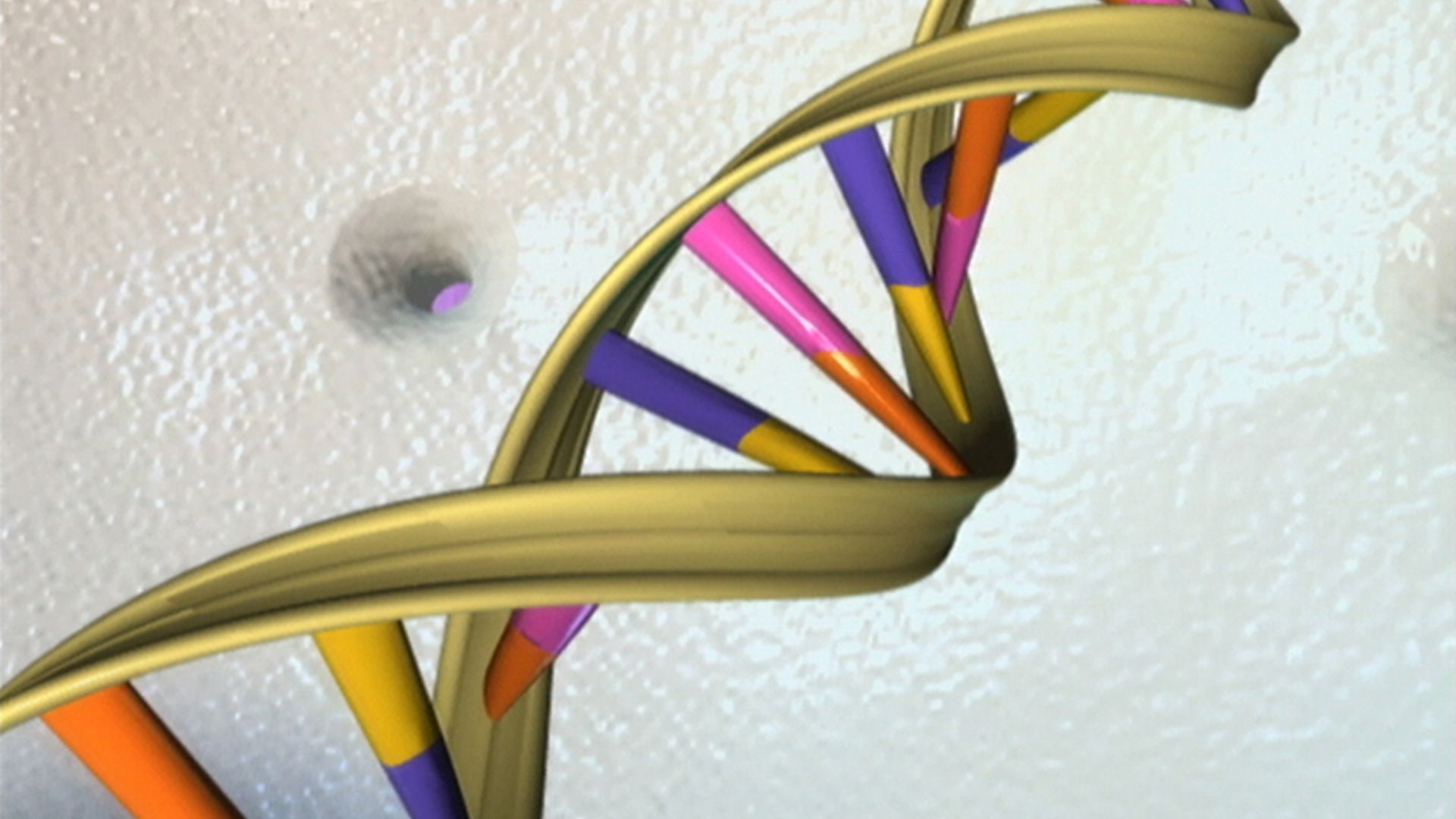
Ranis13 and Zlatý kůň carried relatively long stretches of homozygous DNA, indicating that some of their recent ancestors had children with relatives. Researchers interpreted the broader pattern as another sign that relatively few people were available within this population.
 National Human Genome Research Institute, Wikimedia Commons
Small Populations Can Be Vulnerable
A tiny population faces risks that a large one does not. Disease, poor hunting seasons, harsh climate swings, accidents, or simply having too few surviving children can push numbers lower very quickly. Genetic diversity can also decline, potentially making adaptation to new threats more difficult.
 MUSE, CC BY-SA 3.0, Wikimedia Commons
Researchers Even Examined Their Immune-System Genes
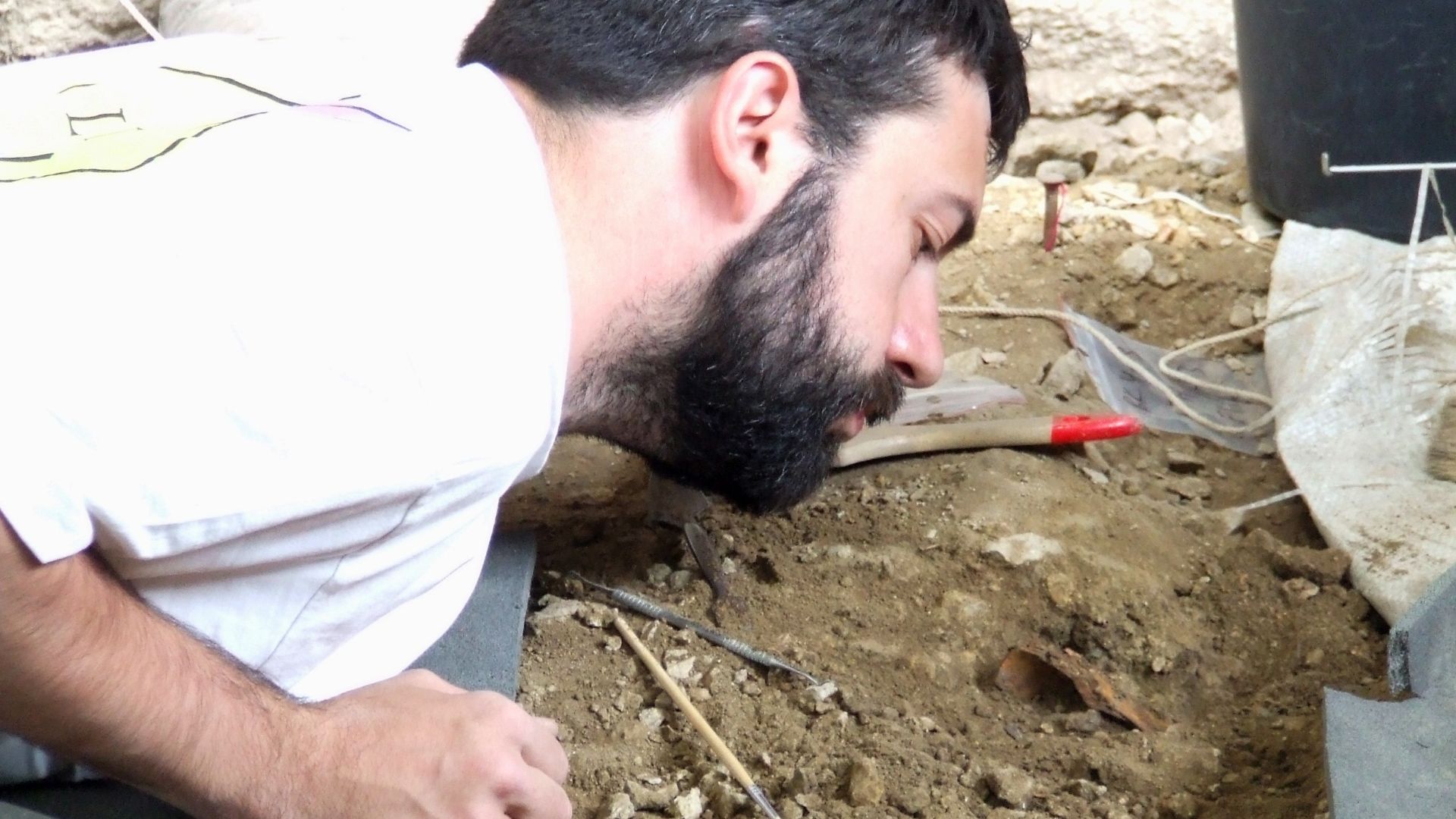
The team studied highly variable HLA genes, which play an important role in immune responses. Some HLA regions showed limited variation in the ancient genomes, consistent with the broader picture of a small population. Researchers cautioned that low effective population size can reduce a group's ability to respond genetically to pathogens.
 Nataliya Shestakova, Wikimedia Commons
We Can Even Infer What They May Have Looked Like
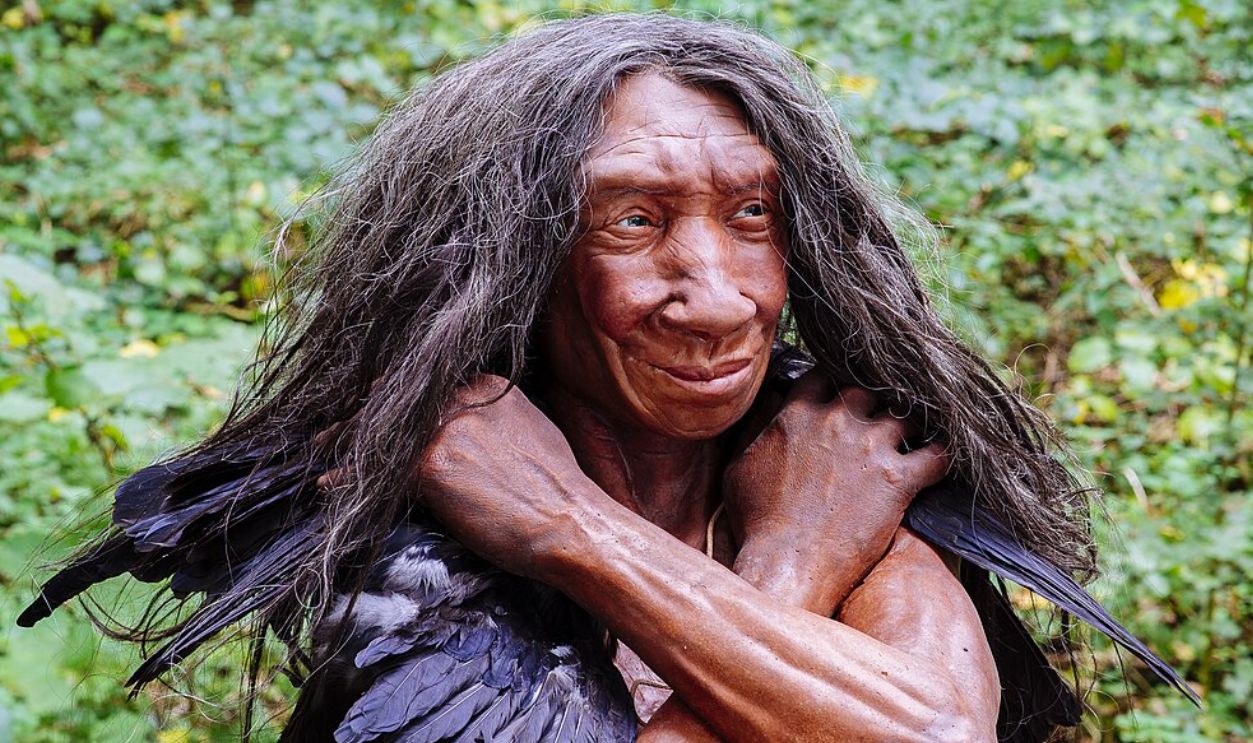
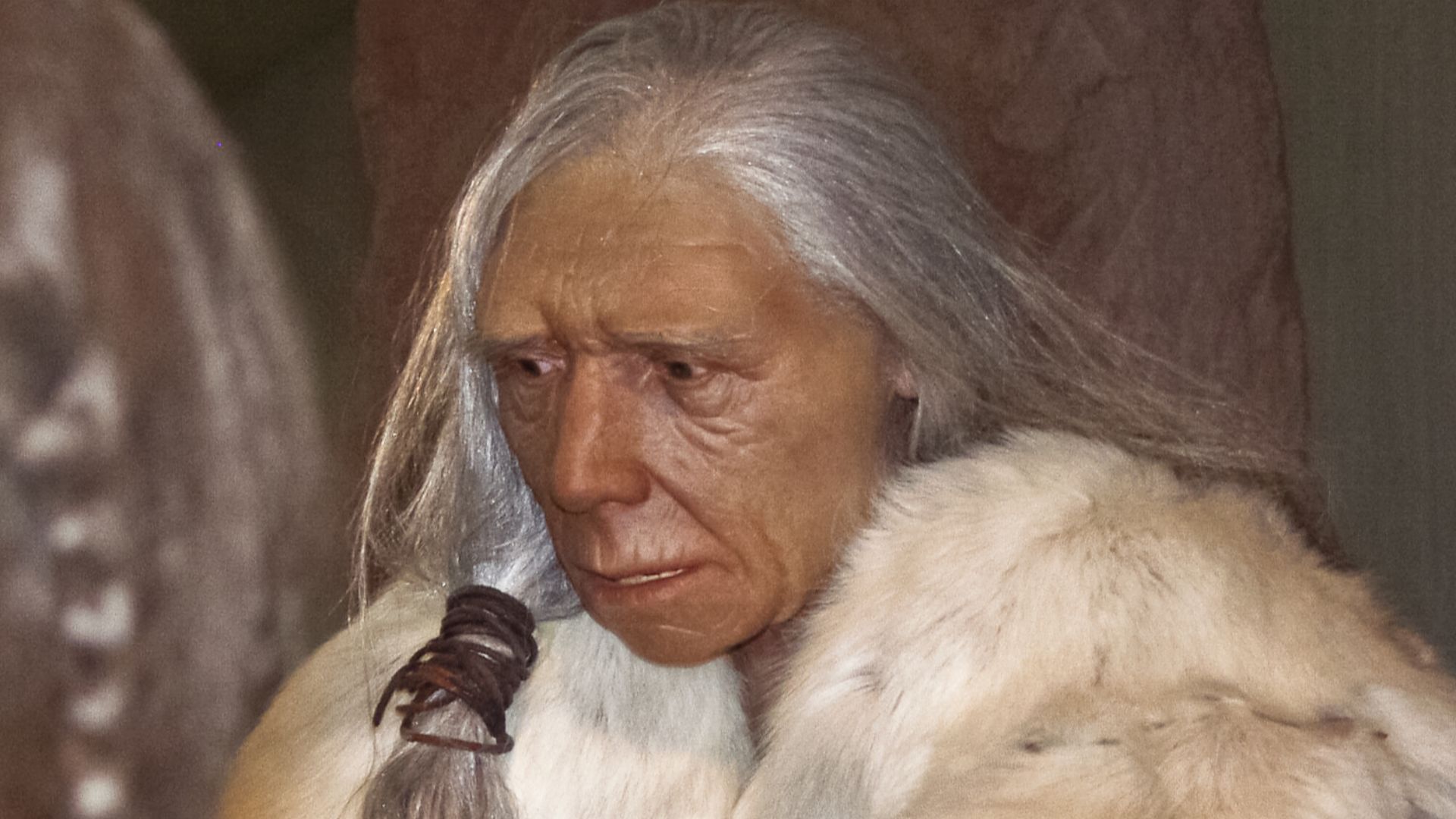
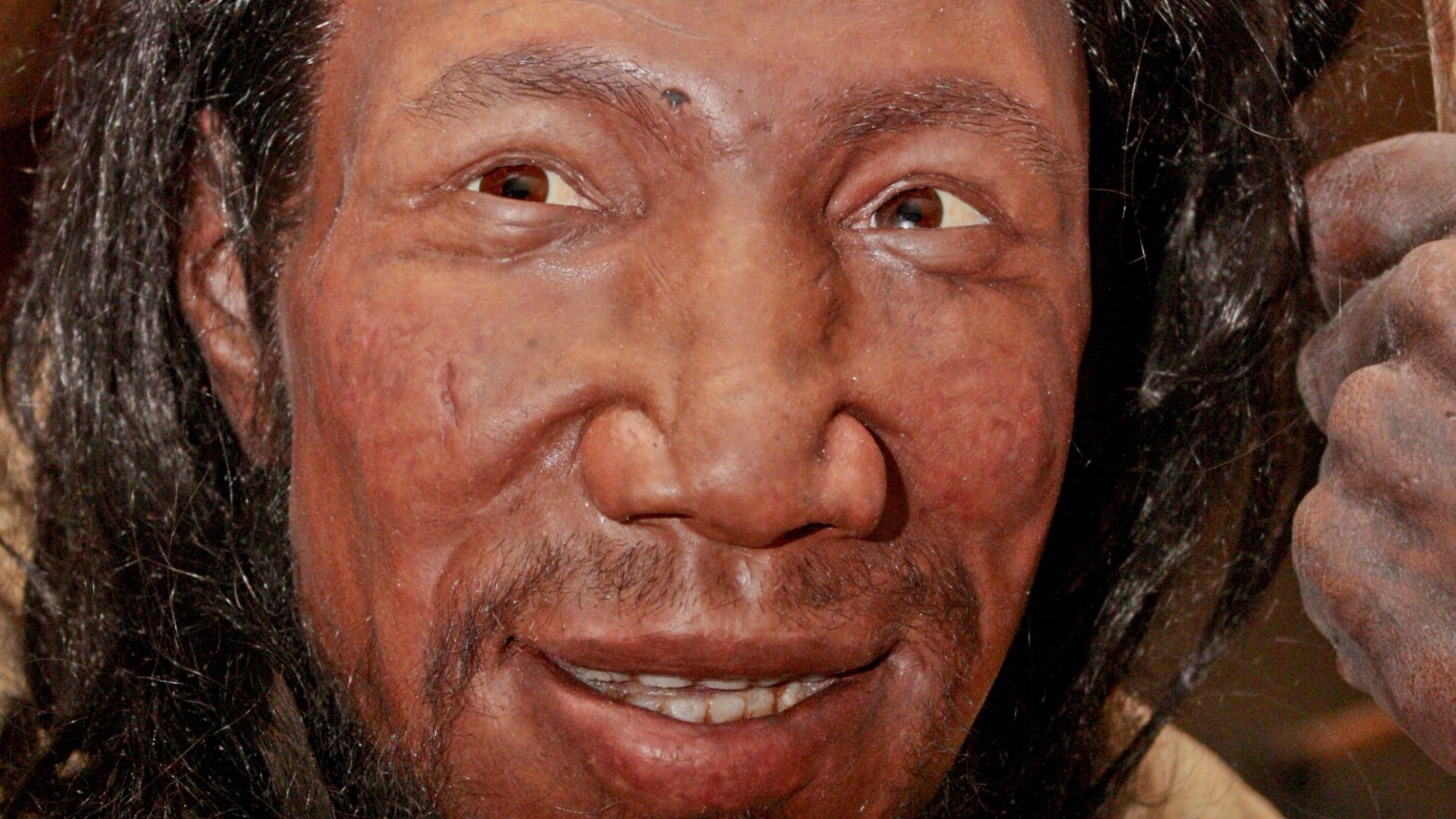
Genetic variants in the Ranis and Zlatý kůň genomes were associated with dark skin, dark hair, and brown eyes. Variants associated with traits that later became common in Europe—including lighter pigmentation and lactose tolerance—were absent from the two highest-quality genomes.
 Daniela Hitzemann (photograph), Wikimedia Commons
They Were Early Europeans, But Not Ancestral Europeans
That distinction is important. It is tempting to imagine the earliest Homo sapiens in Europe as the founders of today's European populations. Ancient DNA has repeatedly shown that human history wasn't so simple. Europe experienced numerous migrations, replacements, and populations that came and went.
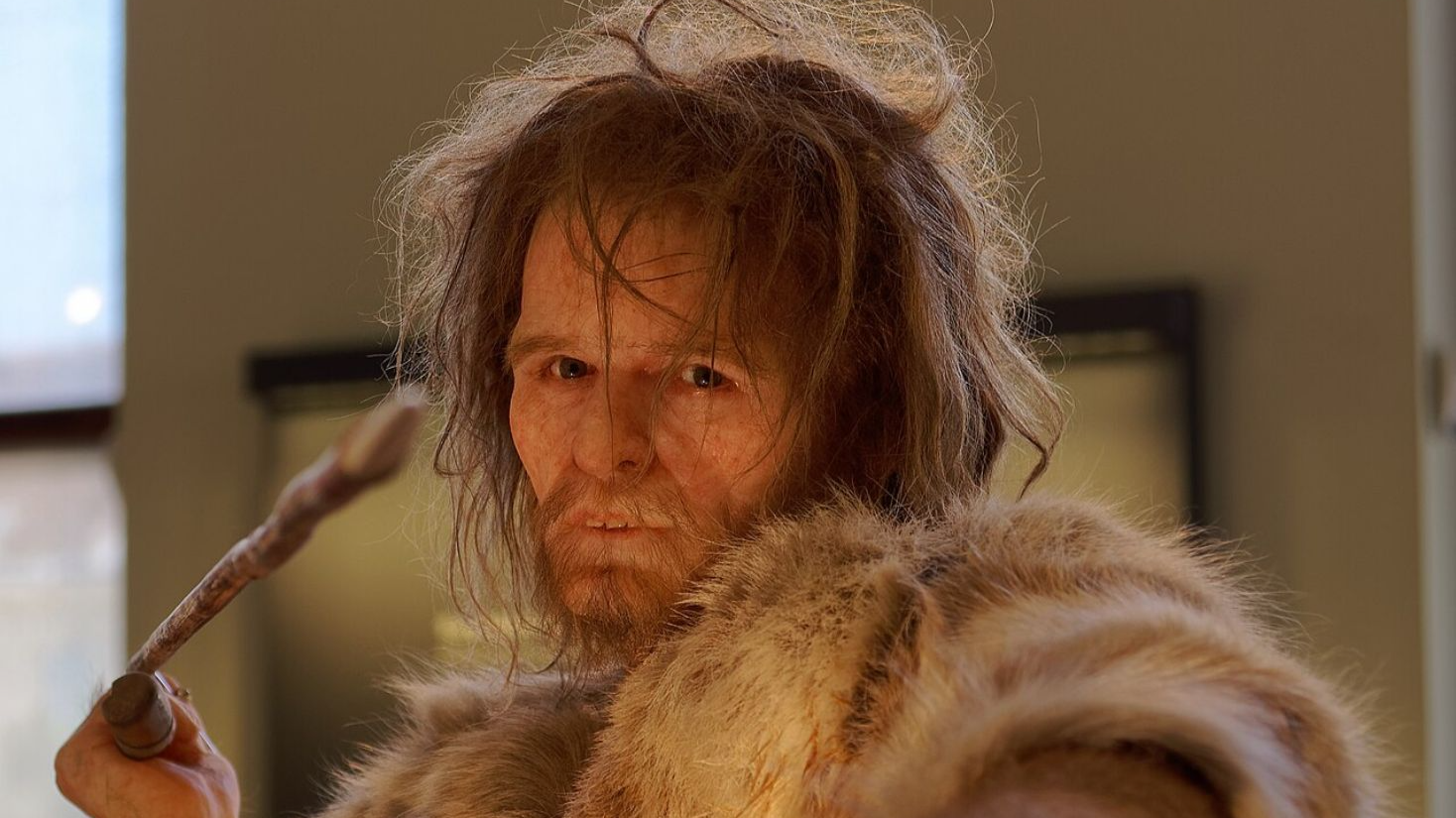 Jakub Hałun, CC BY-SA 4.0, Wikimedia Commons
Their Tools May Help Identify Them
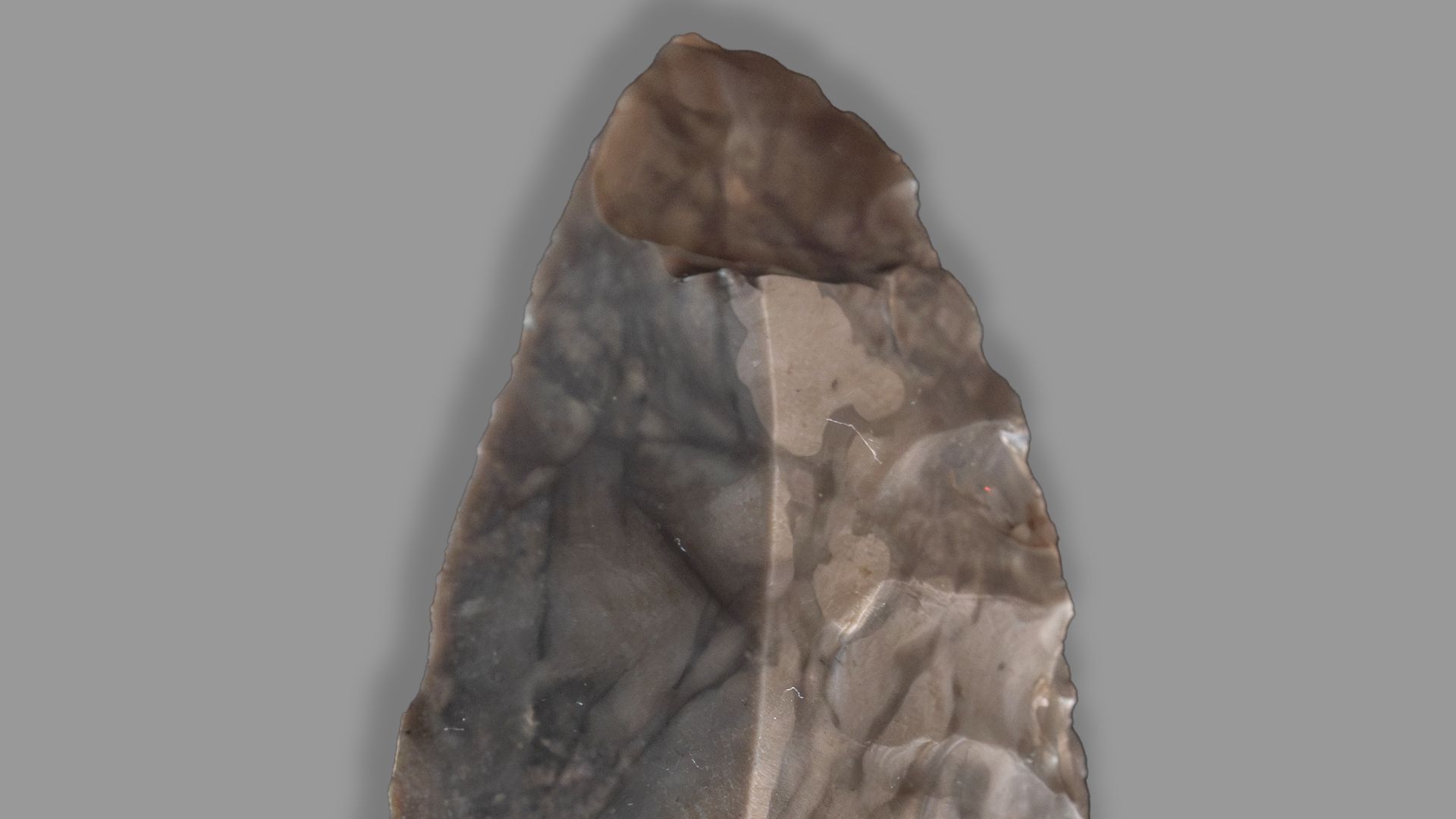
The Ranis remains were associated with an archaeological industry called the Lincombian-Ranisian-Jerzmanowician, often shortened to LRJ. Because Zlatý kůň was genetically related to the Ranis people, researchers suggested she may have belonged to populations making the same general type of stone tools.
This Population Wasn't The Only Failed Expansion
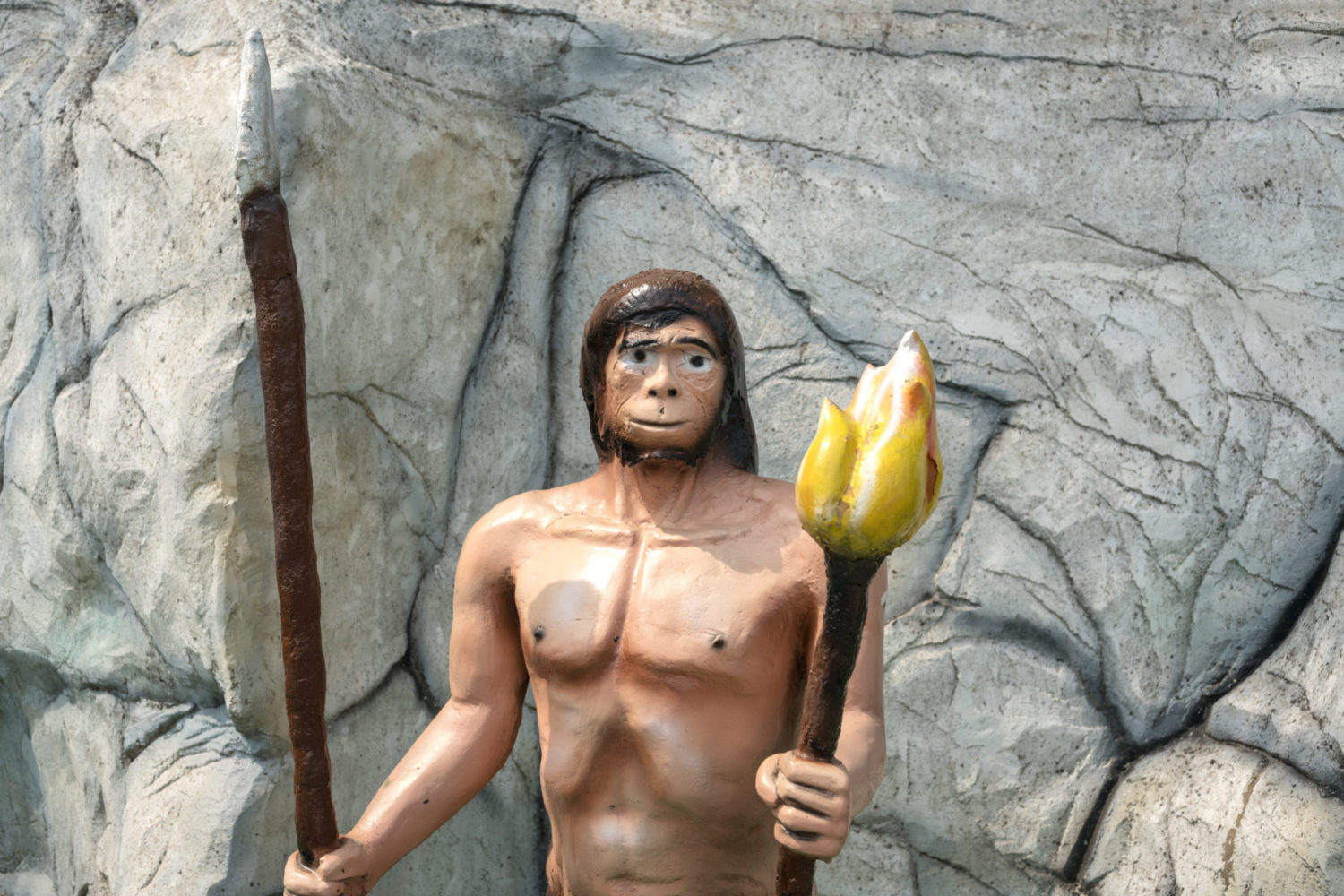
Other very early Homo sapiens populations reached Eurasia but apparently made little or no genetic contribution to people alive today. Remains from places including Romania, Siberia, and Bulgaria reveal that humans moved through Eurasia in multiple waves rather than one simple victorious march out of Africa.
Oase 1 Tells A Particularly Strange Story
The roughly 40,000-year-old Oase 1 individual from Romania carried unusually recent Neanderthal ancestry, indicating a Neanderthal ancestor only a handful of generations back. Yet Oase 1 also appears to represent a lineage that contributed little or nothing detectable to later populations.
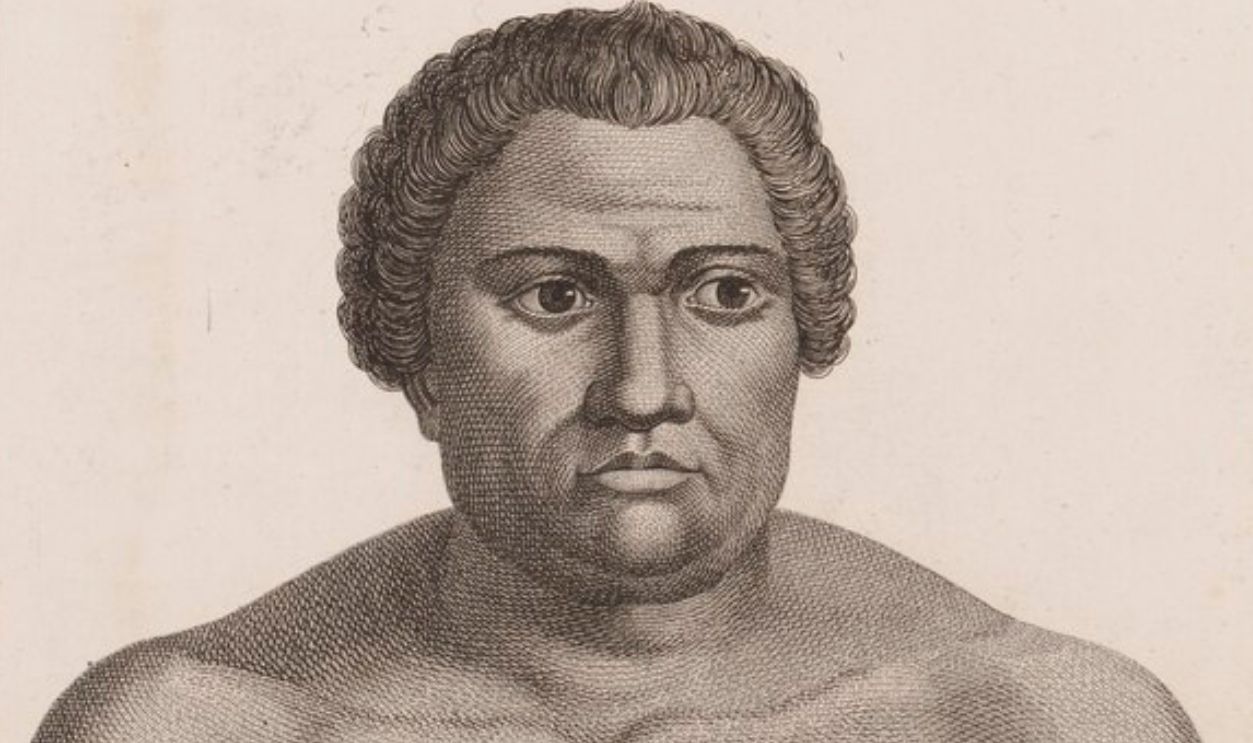 Special Collections of the University, Wikimedia Commons
Ust'-Ishim Was Another Genetic Dead End
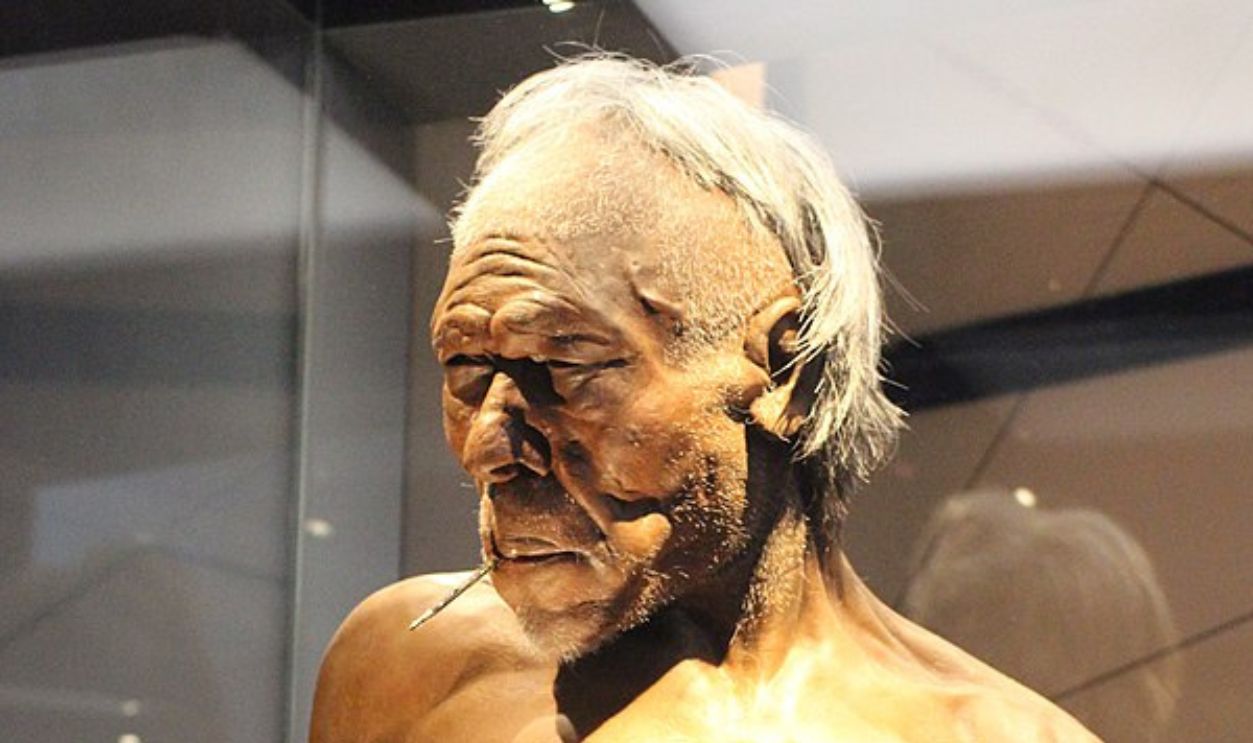
A roughly 45,000-year-old modern human from Siberia known as Ust'-Ishim also represents an early Eurasian lineage without detectable direct continuity into later populations. Together, these discoveries make early human expansion look much messier than older textbook diagrams suggested.
 Emőke Dénes, CC BY-SA 4.0, Wikimedia Commons
Survival Was Apparently Far From Guaranteed
We often tell human evolution backward because we already know the ending. Homo sapiens eventually occupied almost every habitable region of Earth, so expansion can seem inevitable. Ancient DNA is revealing something very different: many pioneering groups may simply have disappeared.
The Ranis Family Makes That Reality Personal
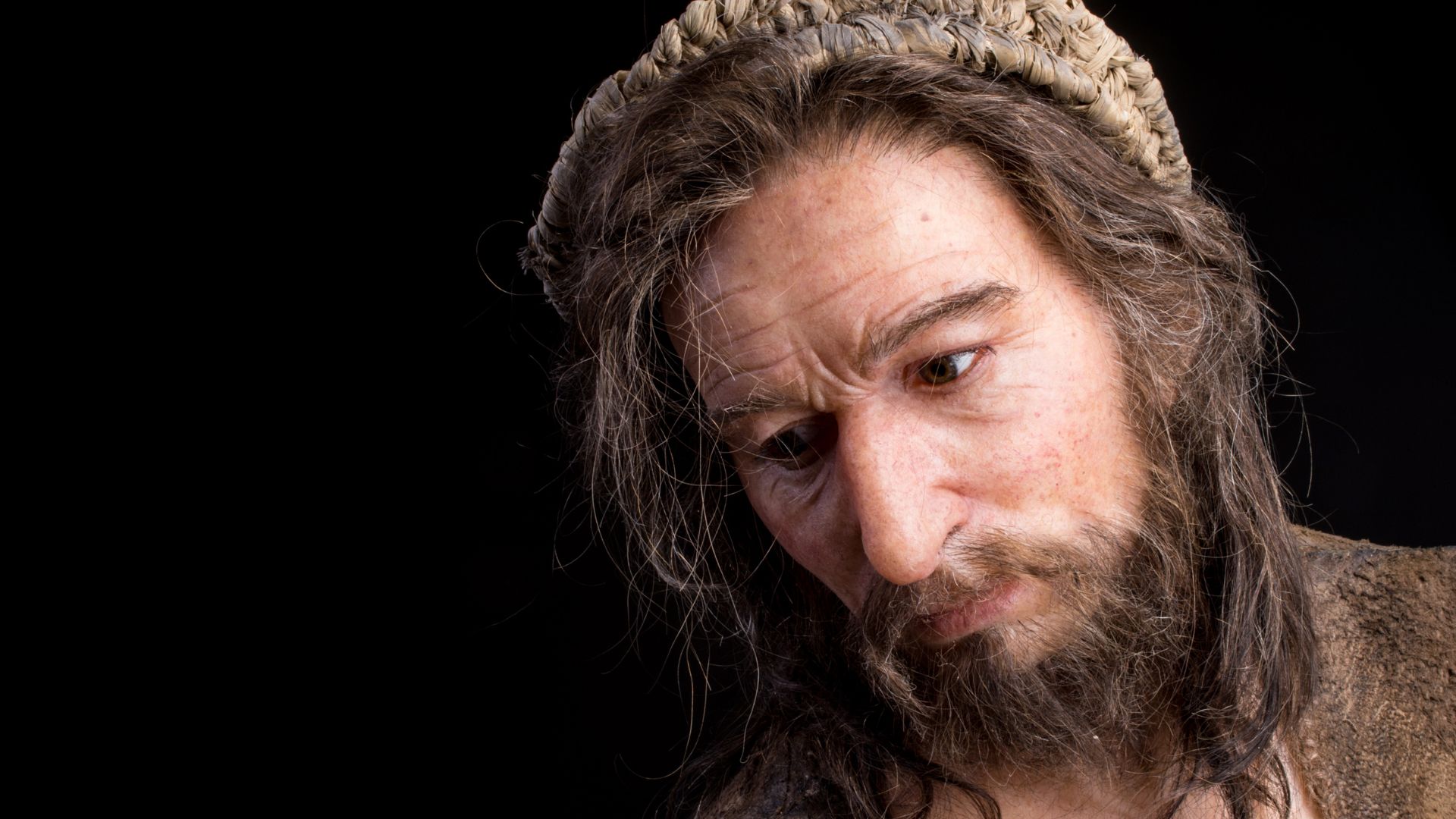
This wasn't an abstract population represented by a few genetic percentages. Among the bones was a mother and her young daughter. Somewhere 230 kilometers away lived a woman who was their distant relative. Their family existed, moved across Europe, and survived in conditions most people today would find brutal.
And Yet Their Branch Ended
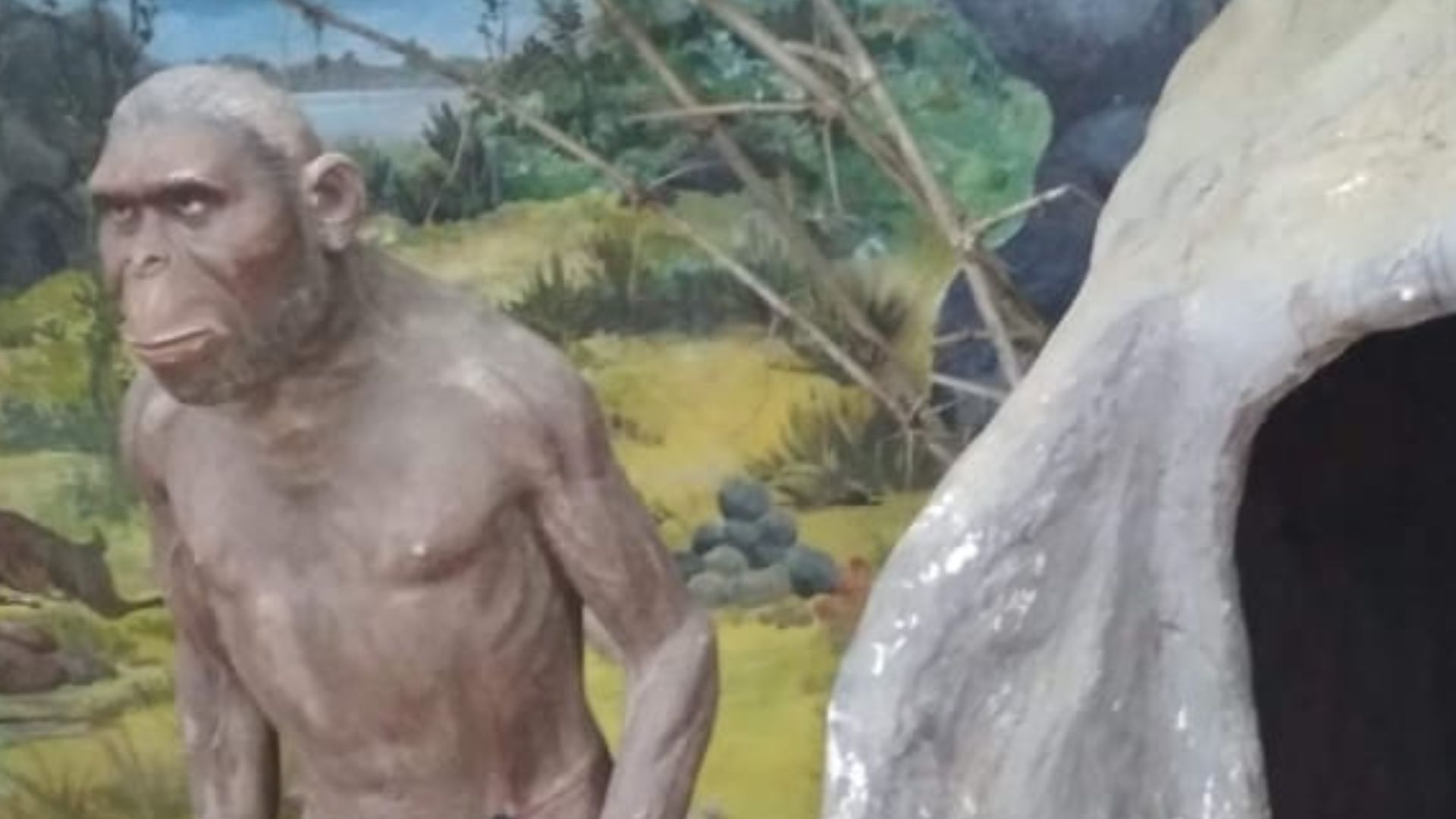
Despite traveling considerable distances, surviving Ice Age Europe, and carrying genes inherited from Neanderthals, this population apparently failed to establish a lasting genetic legacy. Whatever ultimately happened to them remains unknown.
Ancient DNA Has Changed The Story Of Human Expansion
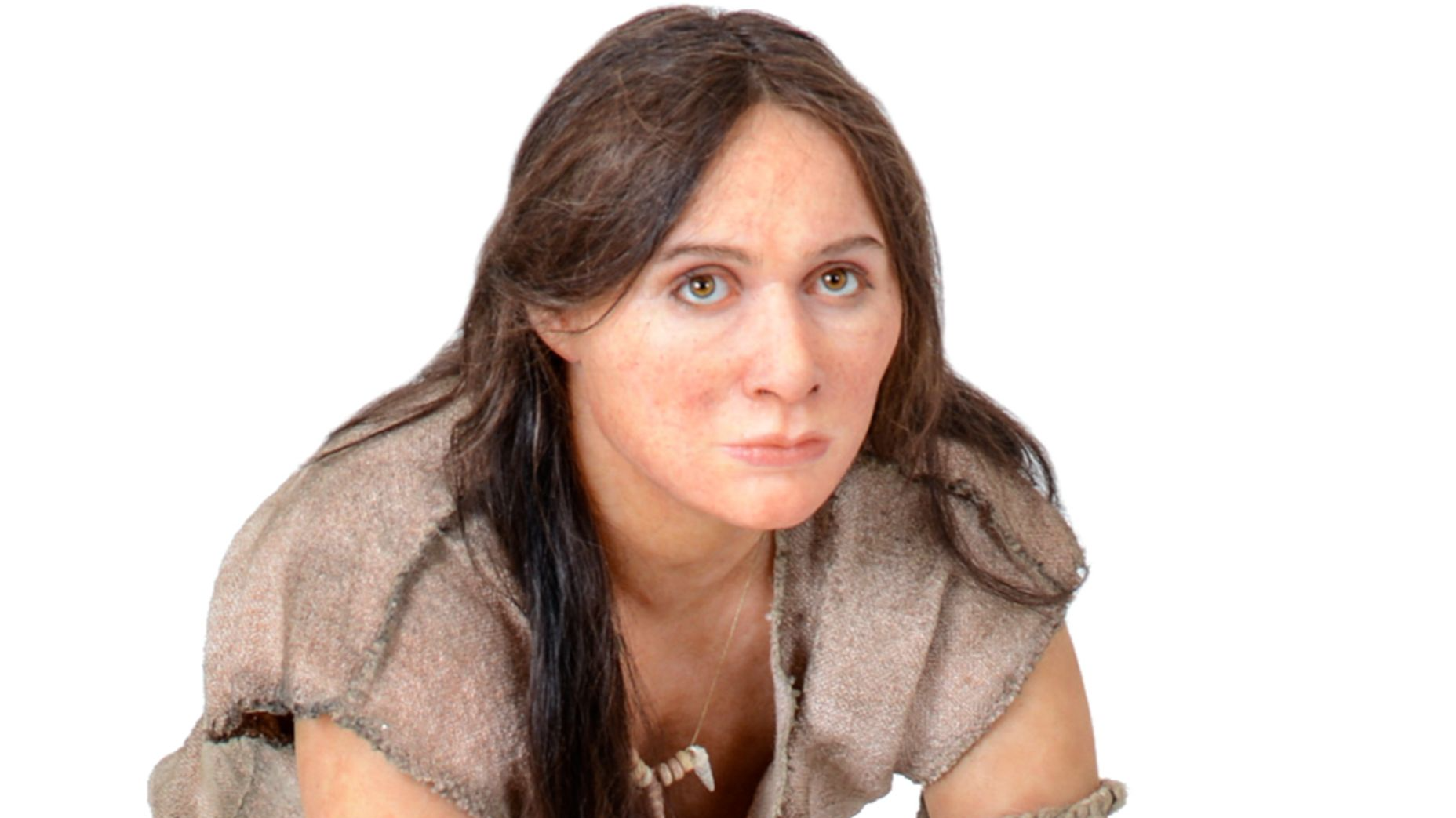
A generation ago, archaeologists largely had bones, tools, and dates. Ancient DNA can now reveal biological relationships between individual people, reconstruct population size, estimate when their ancestors interbred with another human species, and determine whether their lineage survived.
 Crossrail/MOLA, Wikimedia Commons
These Seven People Opened An Enormous Window
The genomes from six Ranis individuals and the Zlatý kůň woman provided scientists with some of the oldest high-quality modern human genomes yet sequenced. From only a handful of people, researchers reconstructed an entire population that had effectively vanished from the later genetic record.
 Quarternary Science Reviews, Wikimedia Commons
The Human Family Tree Is Full Of Missing Branches
The discovery is a reminder that the people alive today represent only the surviving branches of an enormous prehistoric family tree. Many populations undoubtedly existed whose DNA has never been recovered—and some may have disappeared so completely that we don't yet know they were ever there.
 Bioanthropologist1, Wikimedia Commons
They Didn't Leave Us Their DNA—But They Left A Story
The Ranis–Zlatý kůň population appears to have left no detectable descendants in later populations, but 45,000 years later, their DNA still survived inside a few ancient bones. That was enough to bring an otherwise forgotten human population back into history—and reveal that humanity's journey across Eurasia included far more dead ends than anyone once imagined.
 Air Force Staff Sgt. Nicole Leidholm, photographer, Wikimedia Commons
You May Also Like: