Europe's Population Changed
Around 5,000 years ago, people carrying ancestry associated with pastoralists (people who herd livestock) from the Eurasian steppe began spreading rapidly into Europe. Ancient DNA reveals that the demographic impact was enormous. Within roughly 1,000 years, steppe-related ancestry had reached most of Europe, substantially reshaping populations already living there.
DNA Revealed The Migration
The clearest evidence for the change comes from ancient human remains. Researchers compare DNA extracted from people buried before and after the transformation. In Germany, individuals associated with the Corded Ware culture derived roughly 75% of their ancestry from populations related to Yamnaya steppe pastoralists, demonstrating migration on a massive scale.
Europe Had Changed Before
This wasn't Europe's first enormous demographic transformation. Thousands of years earlier, farmers originating ultimately from Anatolia expanded across the continent, bringing agriculture into regions occupied by hunter-gatherers. Ancient DNA shows that present-day Europeans consequently inherited ancestry from several dramatically different ancient populations.
 Neanderthal-Museum, Mettmann, Wikimedia Commons
Farmers Spread Across Europe
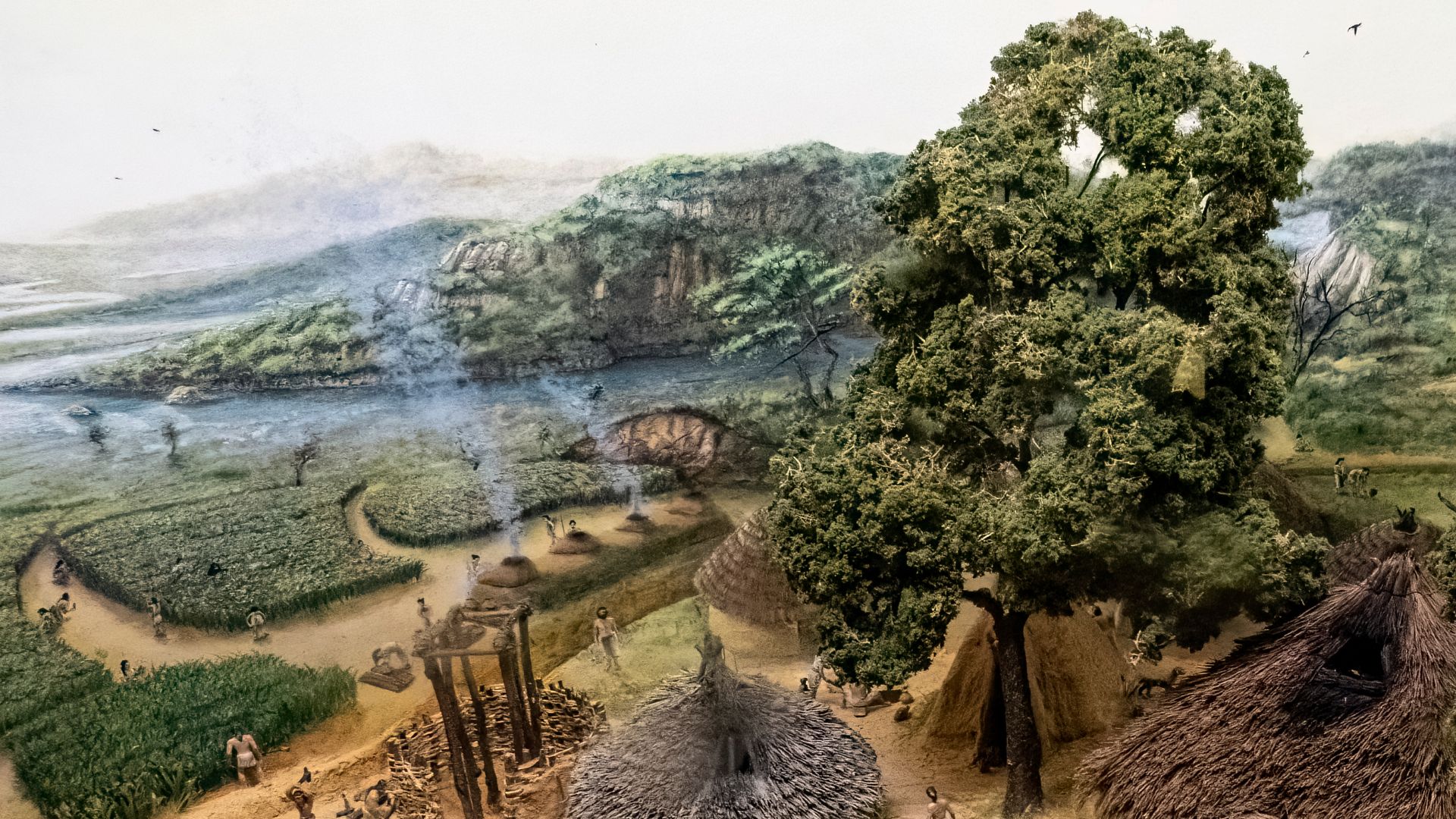
Beginning roughly 9,000 years ago, agriculture expanded from Anatolia and southeastern Europe toward central and western Europe. Farming communities established permanent settlements, cultivated crops and raised livestock. Their genetic ancestry initially differed substantially from that of Europe's indigenous hunter-gatherers, demonstrating that farming spread partly through migrating people.
 Mary Harrsch, Wikimedia Commons
Hunter-Gatherers Didn't Disappear
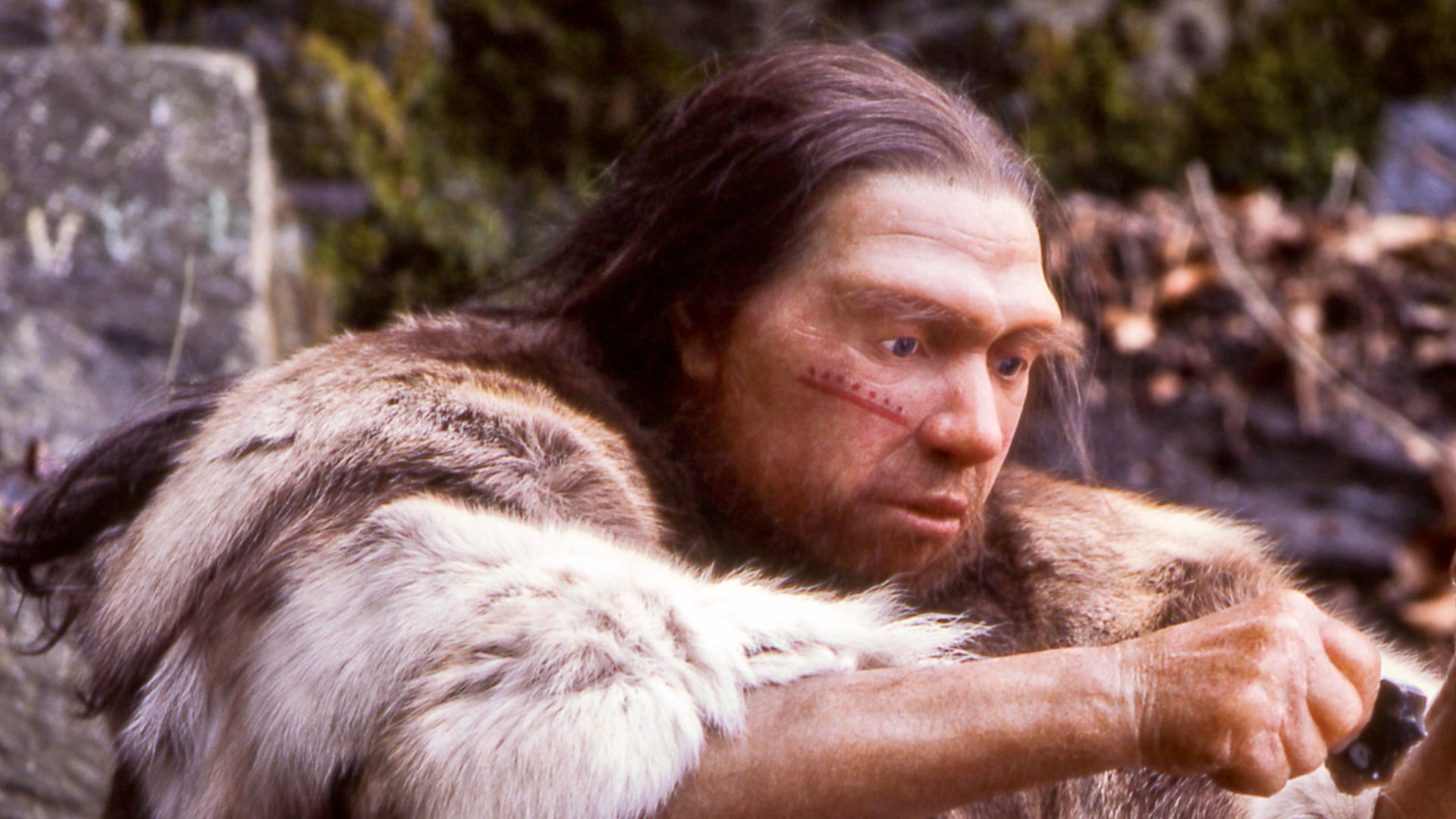
Europe's earlier inhabitants weren't simply eliminated. Over succeeding millennia, farmers increasingly mixed with local hunter-gatherers. By approximately 6,000 to 5,000 years ago, many European farming populations carried considerably more hunter-gatherer ancestry than the first farmers who had entered their regions generations earlier.
 Neanderthal-Museum, Mettmann, Wikimedia Commons
Trouble Was Coming
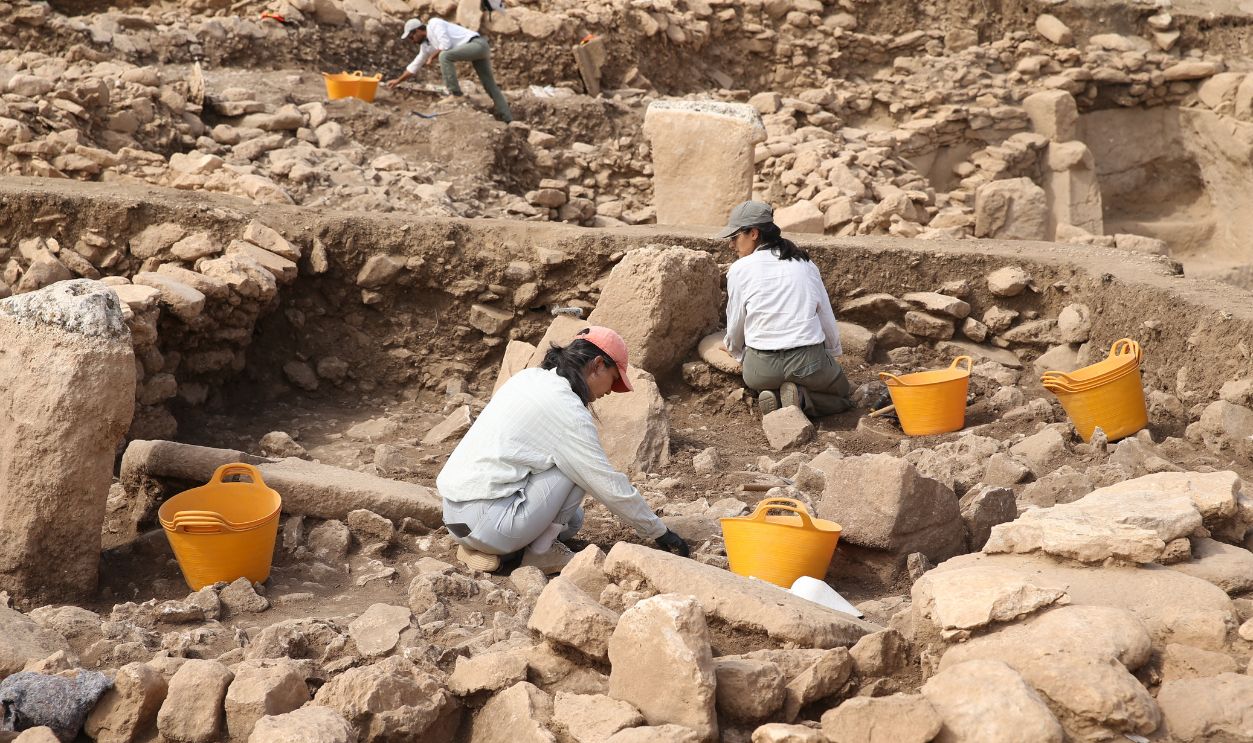
Then something destabilized parts of Neolithic Europe. Between approximately 5,300 and 4,900 years ago, populations across substantial areas experienced what researchers call the Neolithic decline. Settlements diminished in some regions and populations apparently contracted, although scientists continue debating exactly why this happened and how geographically uniform it was.
An Ancient Killer Appeared
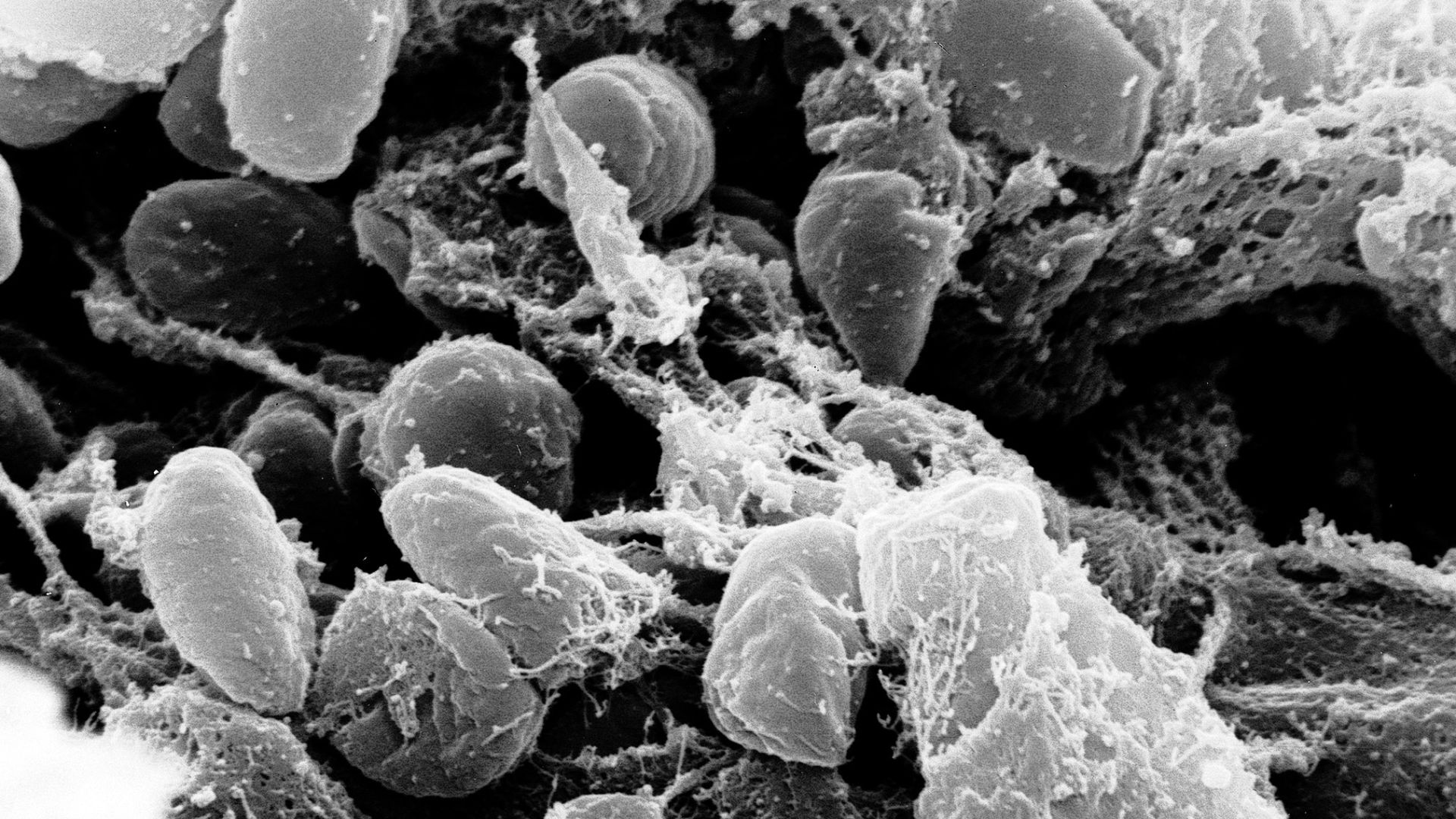
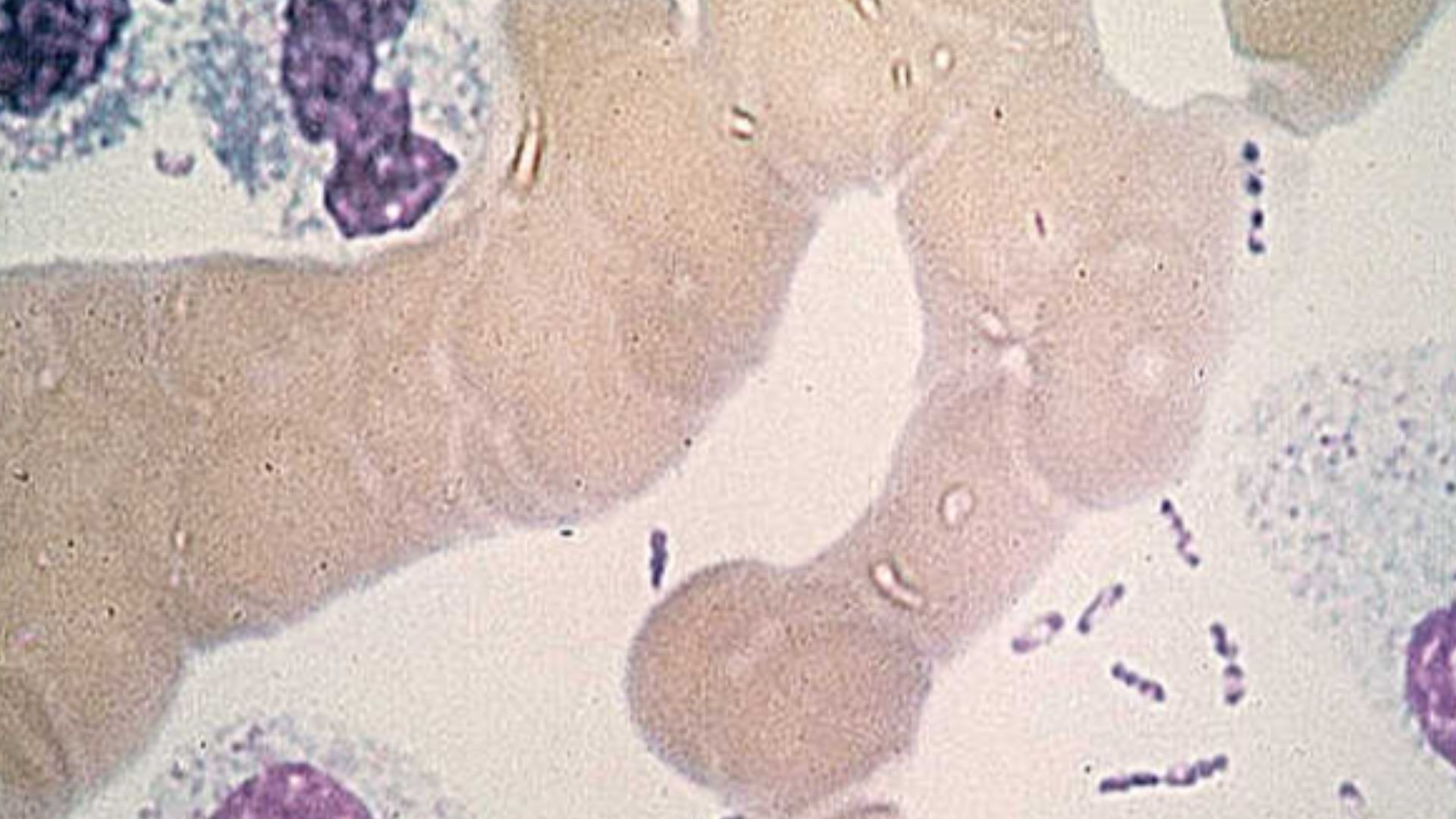
One increasingly intriguing suspect is plague. Scientists analyzing 108 individuals from Neolithic Scandinavia discovered repeated infections with Yersinia pestis, the bacterium responsible for plague. Genetic evidence from several generations indicates that the pathogen wasn't merely an isolated occurrence. It repeatedly circulated through these ancient communities.
Plague May Have Contributed
Researchers caution against claiming that plague single-handedly destroyed Neolithic Europe. Agricultural problems, conflict, environmental change and other pressures remain possible contributors. Nevertheless, repeated plague infections provide compelling evidence that infectious disease could have participated in the demographic instability preceding the enormous population changes that followed.
 U.S. Center for Disease Control, Wikimedia Commons
Look Toward The Steppe
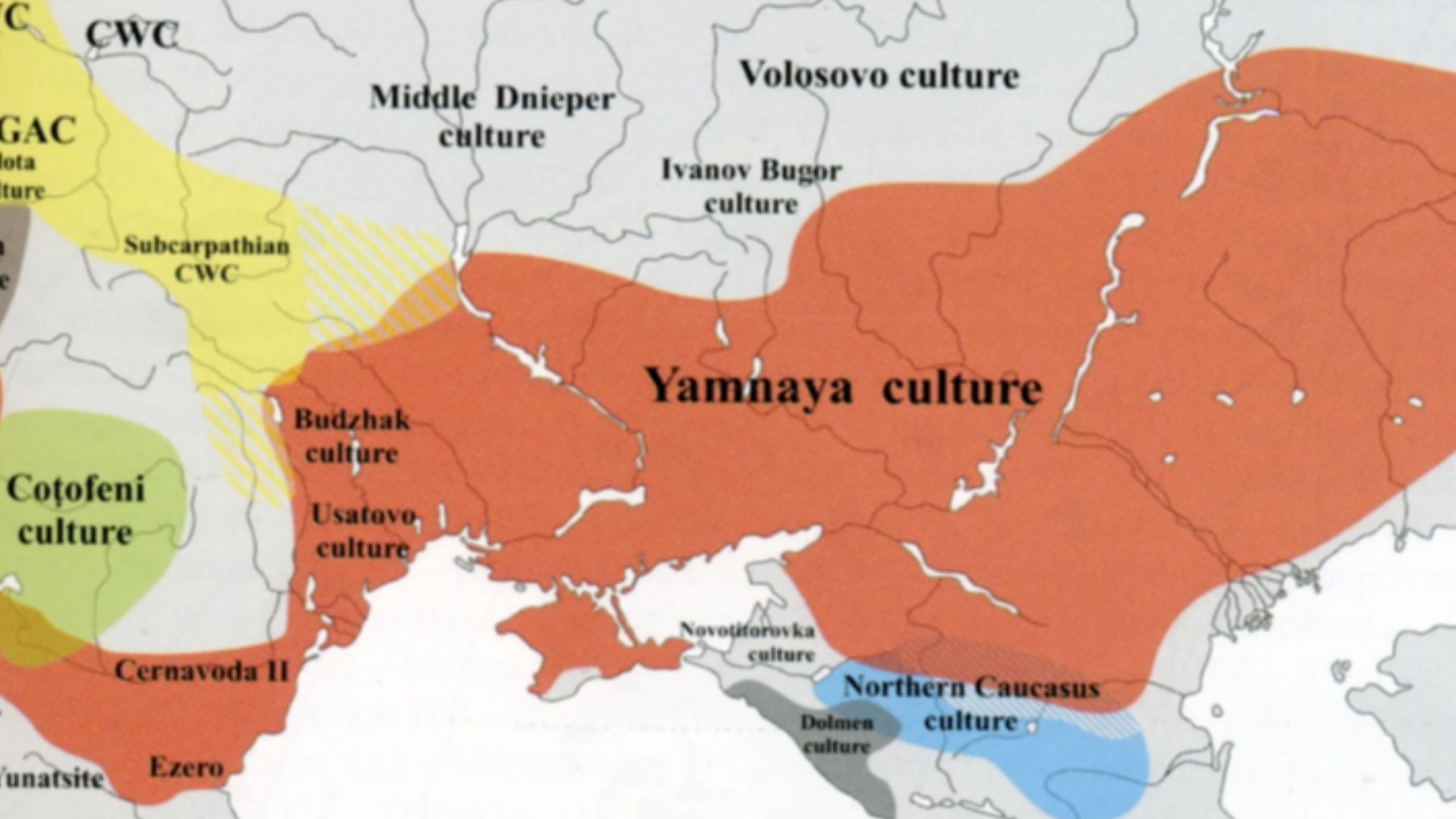
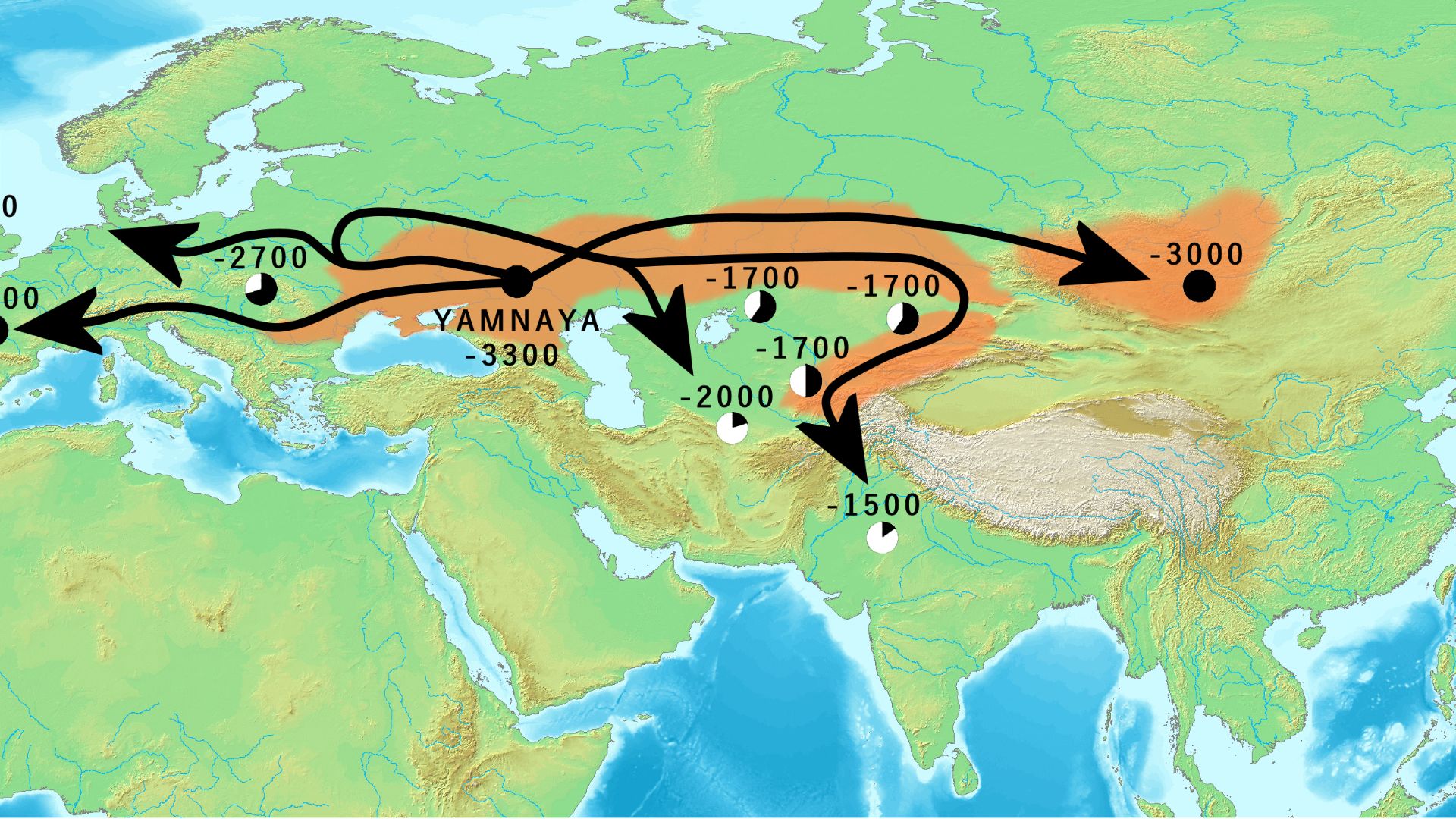
Far to the east stretched the enormous grasslands north of the Black and Caspian Seas. Around 3300 BC, the archaeological phenomenon known as Yamnaya emerged across these Pontic-Caspian steppes. These mobile pastoralist communities would soon become participants in one of prehistoric Eurasia's most consequential human expansions.
 Wojciech Pędzich, Robert Molyneaux, Wikimedia Commons
The Yamnaya Had Origins
The Yamnaya weren't a timeless population that had always occupied the steppe. Recent ancient-DNA research has reconstructed their formation from earlier groups. A major 2025 study traced important Yamnaya ancestry through populations associated with the Caucasus-lower Volga region and hunter-gatherer groups farther west along the Dnipro and Don.
 Dmitry Butyvsky, Wikimedia Commons
Mobility Changed Everything
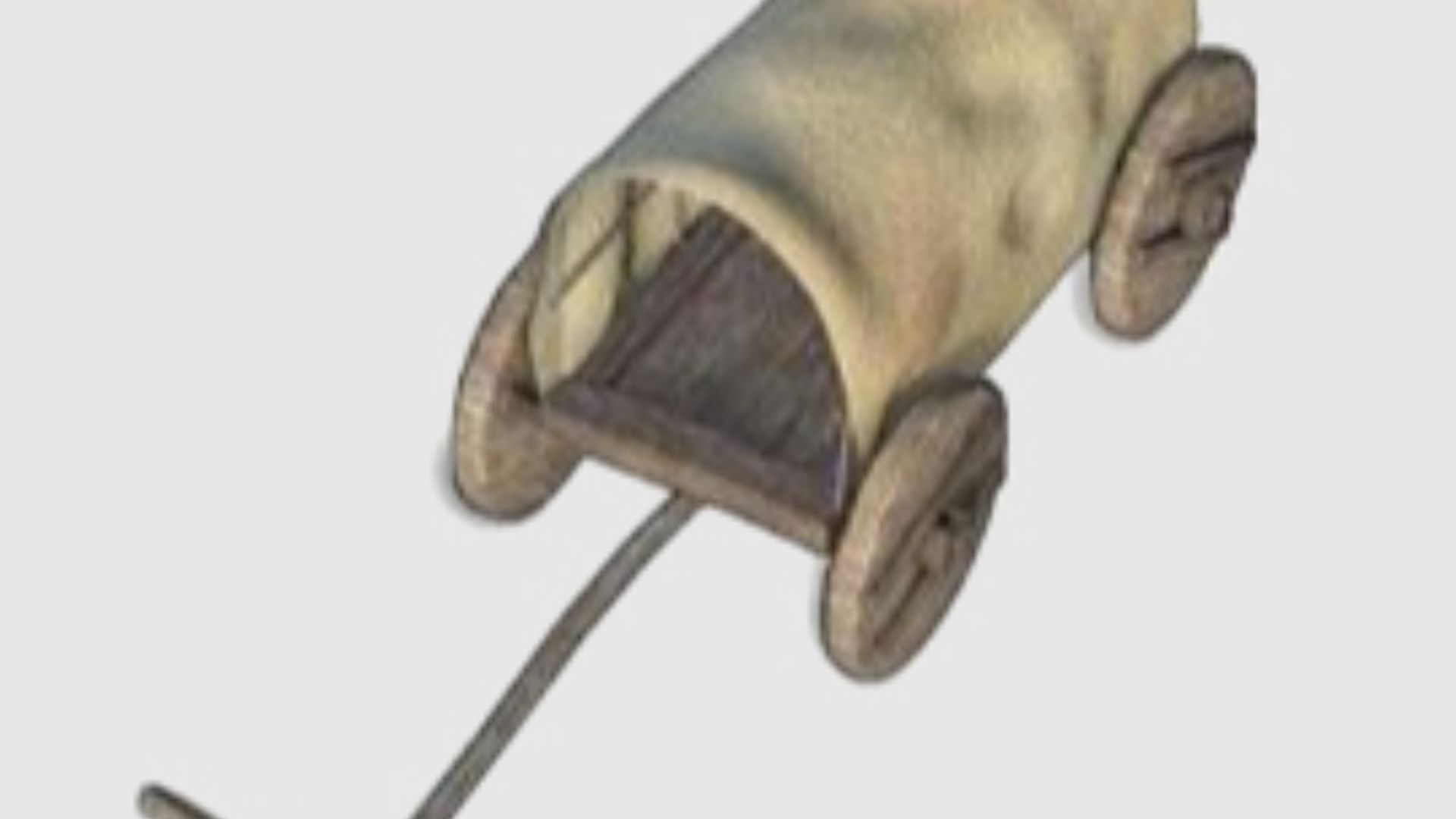
Pastoralism allowed communities to exploit enormous landscapes unsuitable for intensive crop agriculture. Herding economies and wheeled transportation helped make movement across the open steppe increasingly practical. The Yamnaya ultimately occupied territory stretching from Hungary toward Kazakhstan, creating extraordinary connections across Eurasia.
 Susan Stratton, Archaeology Wales, Wikimedia Commons
Not Quite Horseback Conquerors
The familiar image of mounted Yamnaya warriors sweeping across Europe needs qualification. Recent horse-genome research indicates widespread horse-based mobility arose later, around 2200 BC. The earlier steppe migration that transformed Europe therefore cannot simply be explained as an invasion made possible by armies of mounted horsemen.
 HistoryMaker18, Wikimedia Commons
They Began Moving West
Around 5,000 years ago, steppe-related ancestry started appearing farther west. Ancient genomes reveal movement and mixture rather than merely European communities copying fashionable pottery or burial customs. People themselves were traveling, intermarrying and establishing new populations across enormous distances.
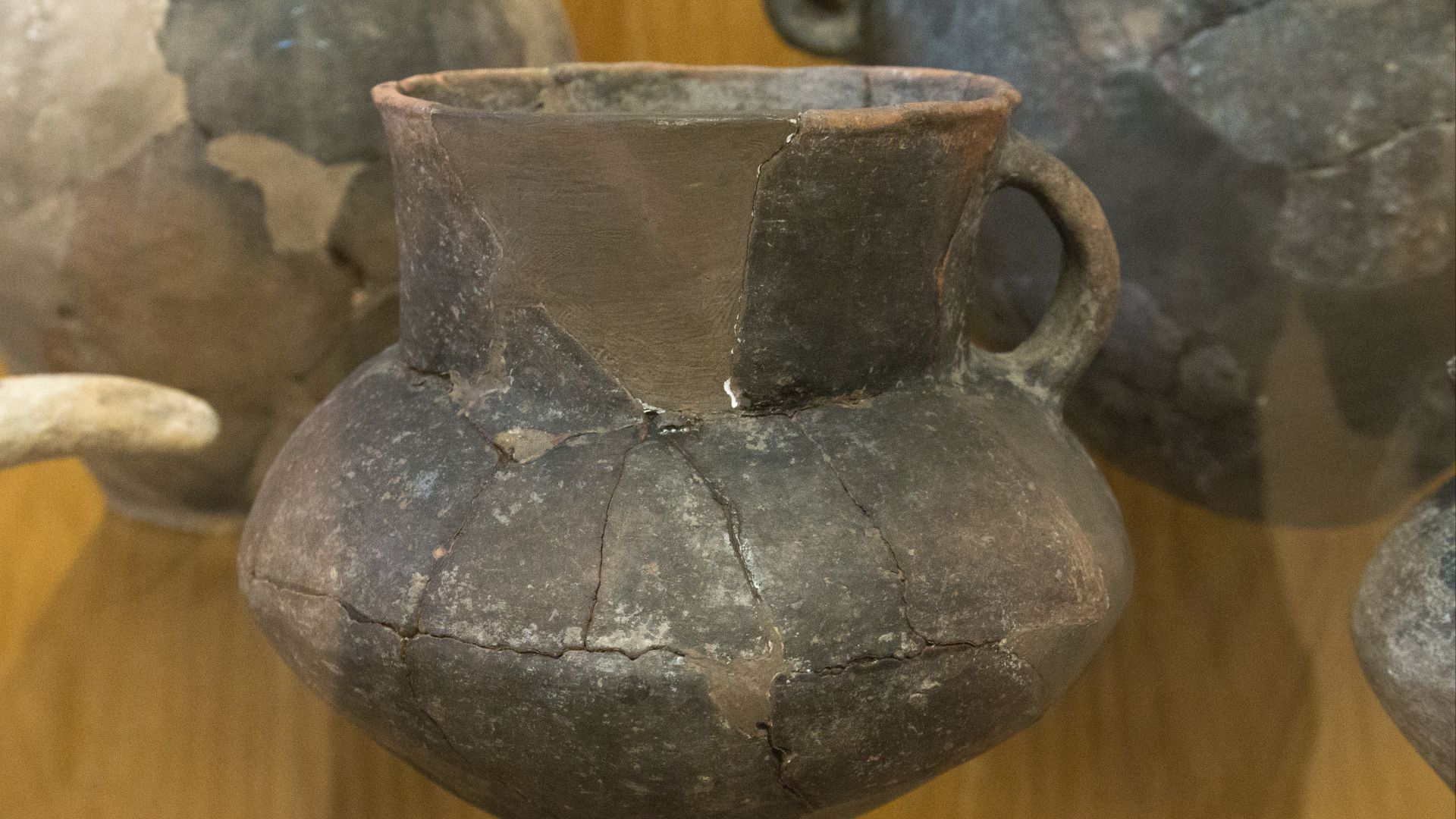
Corded Ware Appeared
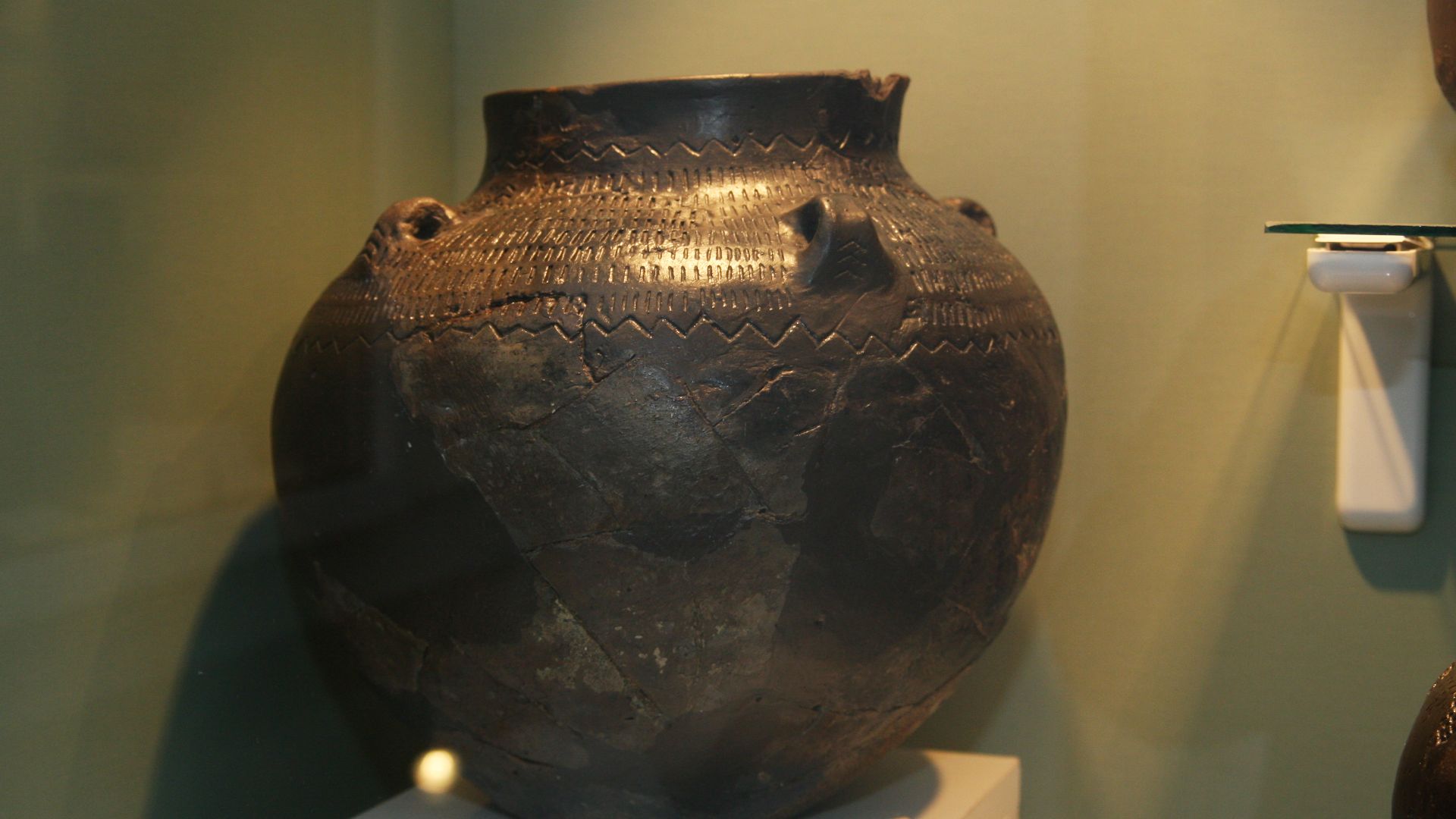
One of the transformation's most important archaeological manifestations was the Corded Ware complex, named for characteristic pottery decorated by impressions of cord. It spread across broad areas of northern and central Europe beginning around 3000 BCE, at approximately the same time that steppe-related ancestry expanded dramatically westward.
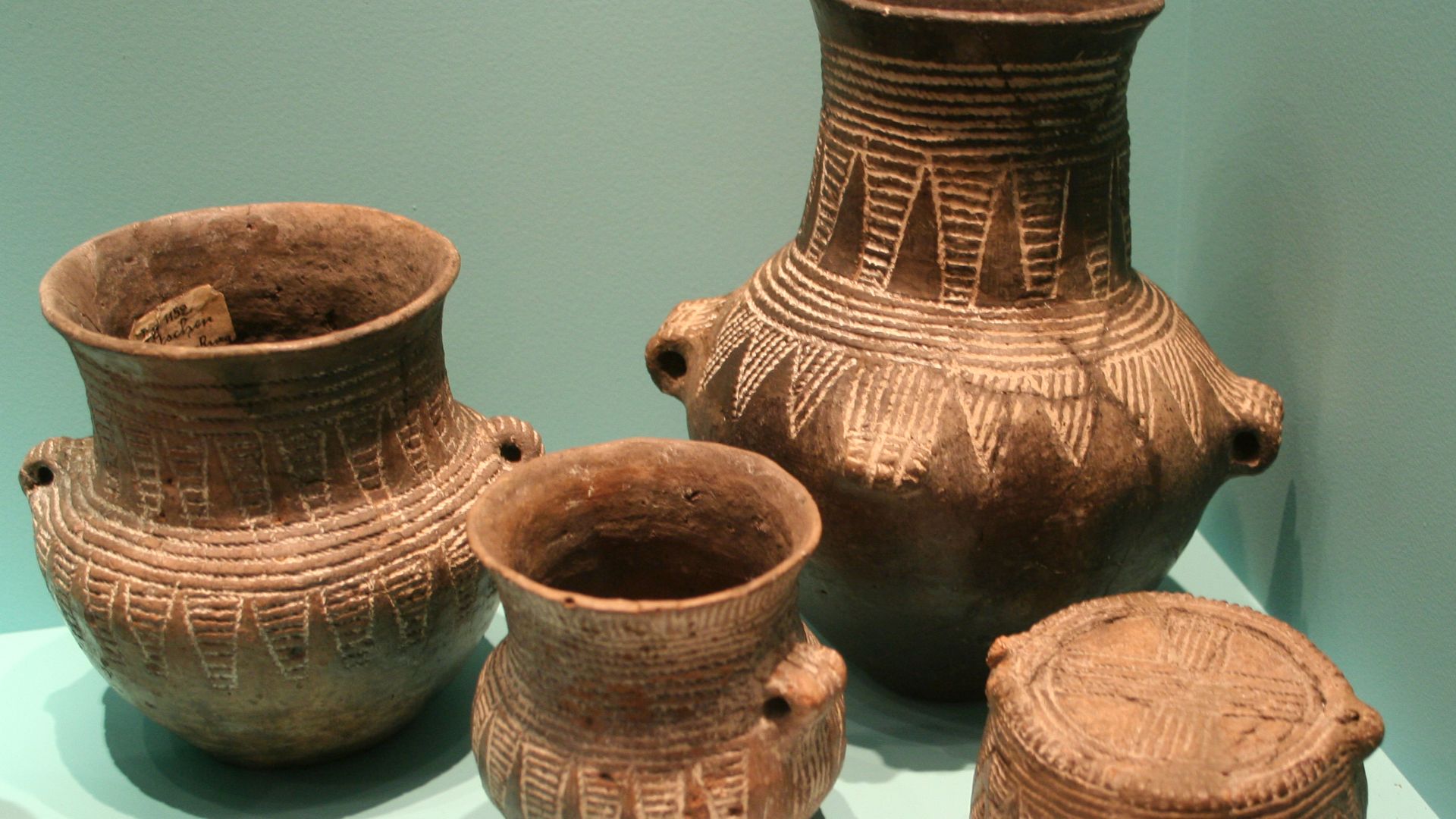 Einsamer Schütze, Wikimedia Commons
Germany Provided The Shock
Ancient DNA made the scale impossible to dismiss. A landmark 2015 study found that Corded Ware individuals from Germany traced approximately three-quarters of their ancestry to Yamnaya-related populations. Archaeological change that might once have been explained primarily through cultural transmission suddenly looked like evidence of extraordinary human migration.
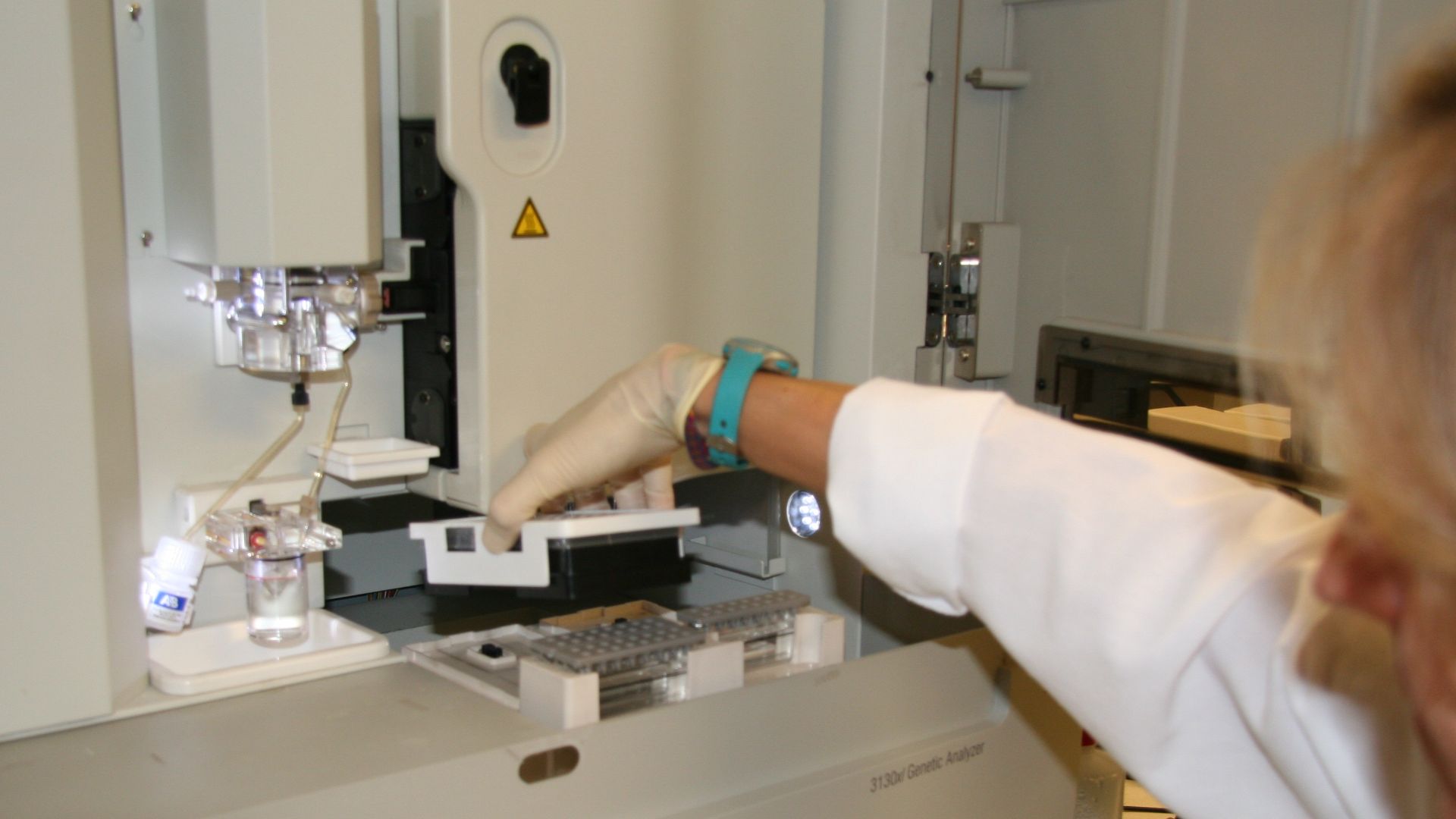 California Department of Fish and Wildlife from Sacramento, CA, USA, Wikimedia Commons
Denmark Changed Even More
Denmark provides an especially dramatic case. Analysis of 100 ancient genomes revealed a near-complete population turnover following the arrival of steppe-related ancestry. Later individuals carried approximately 60% to 85% steppe-related ancestry, with much smaller contributions from earlier Scandinavian Neolithic farmers.
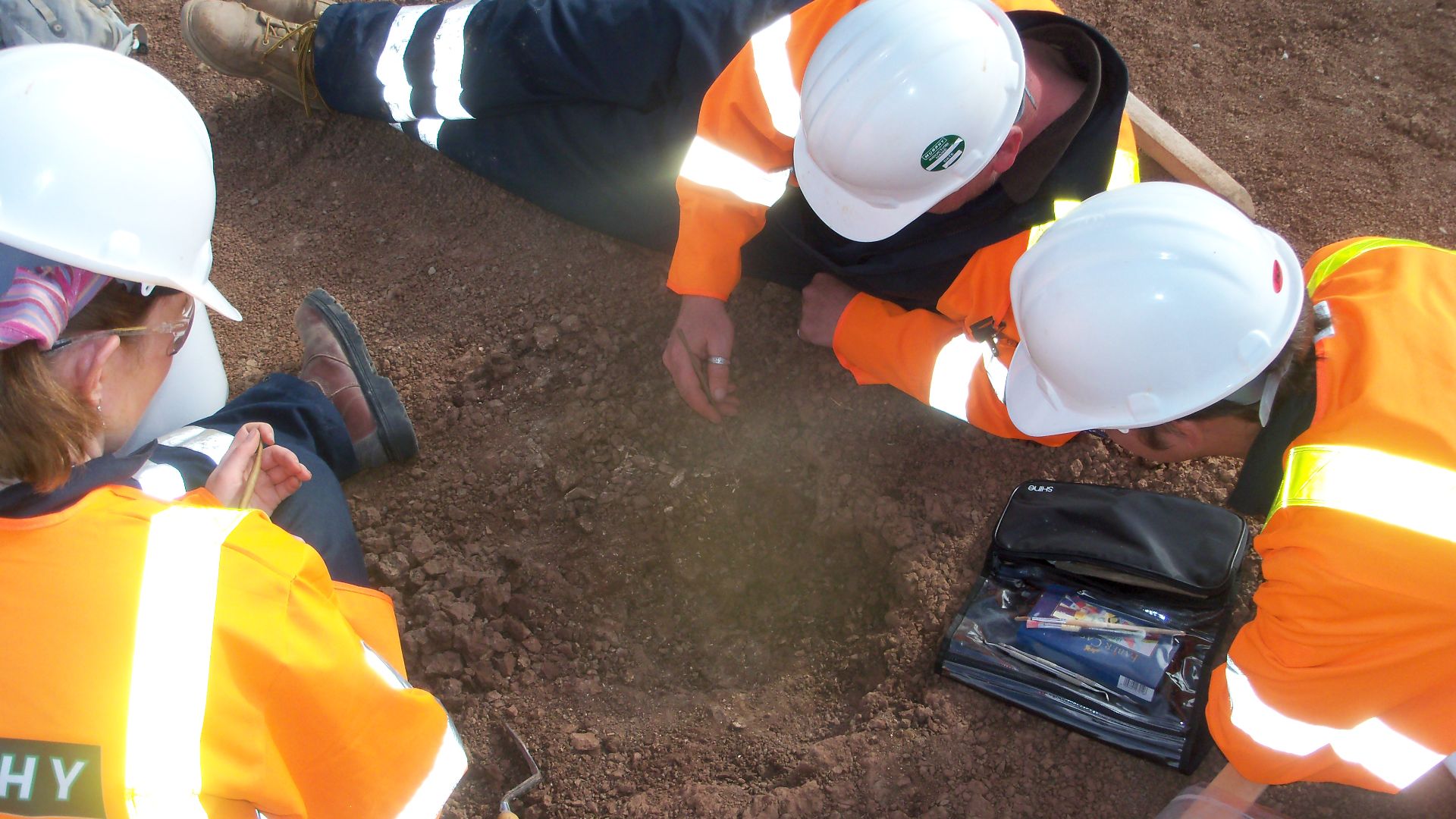 Network Archaeology Ltd, Wikimedia Commons
It Happened Astonishingly Fast
This wasn't a transformation unfolding gradually over ten thousand years. Researchers estimate that steppe-related ancestry reached most parts of Europe within approximately 1,000 years. By around 4,200 years ago, it was already dominant among sampled individuals from places as widely separated as Britain, France and the Iberian Peninsula.
Britain Was Transformed Too
The transformation eventually reached Europe's Atlantic edge. Ancient-DNA research places Britain among the regions where steppe-related ancestry became dominant. Europe wasn't experiencing a small migration confined to its eastern frontier. The demographic consequences stretched thousands of miles from the steppe into western Europe.
 West Midlands Police from West Midlands, United Kingdom, Wikimedia Commons
It Wasn't Simple Replacement
Calling this a single population “replacement” can hide considerable complexity. Migrants mixed with existing populations, and the balance differed between regions. Research indicates that Yamnaya-related groups interacted with people associated with the Globular Amphora culture before the Corded Ware expansion carried mixed ancestry farther across Europe.
 CristianChirita, Wikimedia Commons
Men Left A Strong Signature
Genetic research has also revealed striking changes in paternal lineages during this broad period, suggesting that the demographic transformation could be strongly male-biased in some regions. Researchers continue investigating whether warfare, social hierarchy, marriage practices, reproductive advantages or other cultural mechanisms explain these patterns.
 Karolina Fok, Wikimedia Commons
Languages May Have Traveled
The migration could also help explain why languages related to one another eventually stretched from Ireland to India. The steppe hypothesis proposes an important homeland for Indo-European languages among populations associated with these eastern grasslands. Ancient DNA supplied powerful new support for steppe migrations spreading at least some Indo-European branches into Europe.
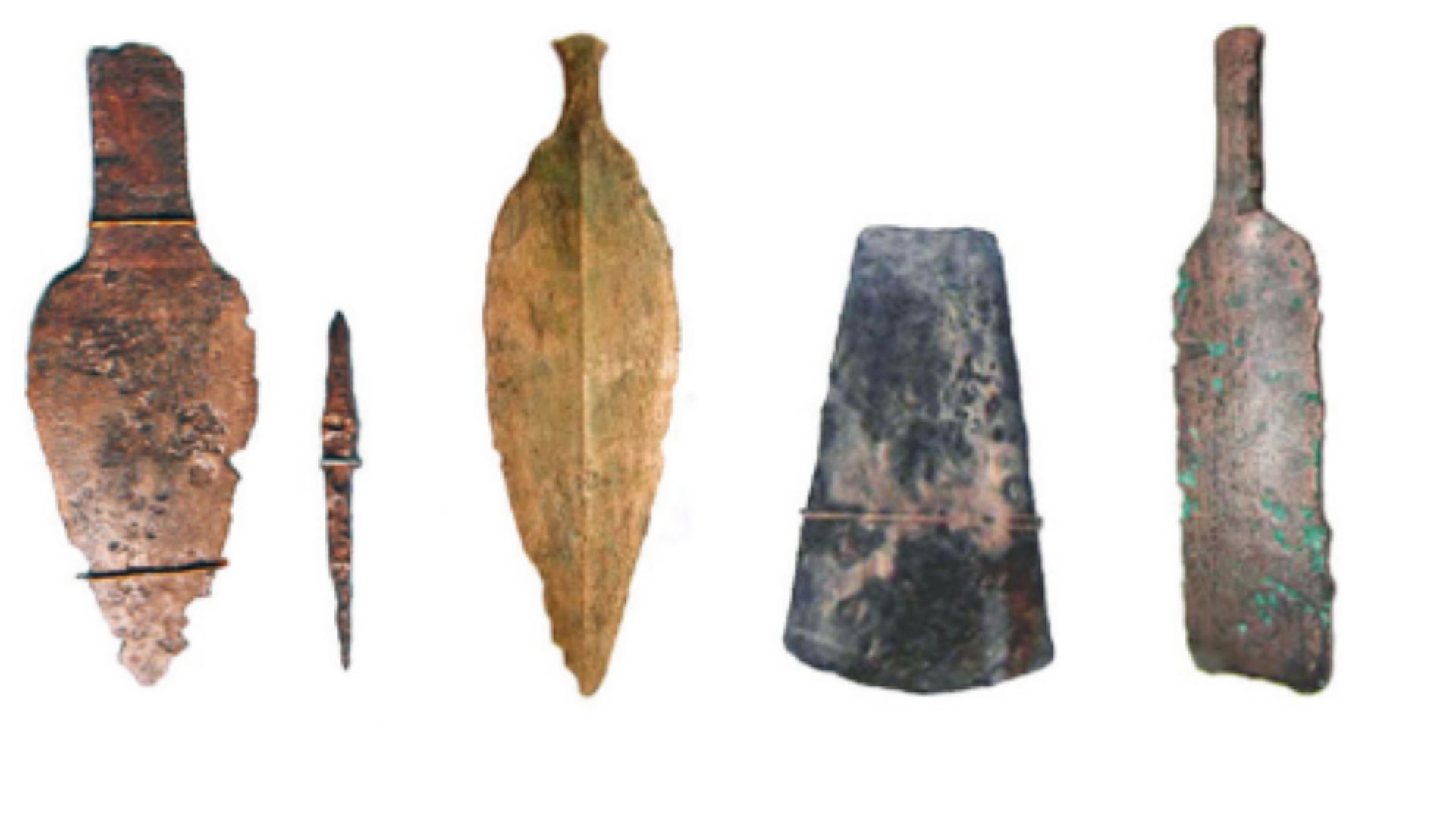 Photo by S. Ivanov, Wikimedia Commons
Their Genes Remain
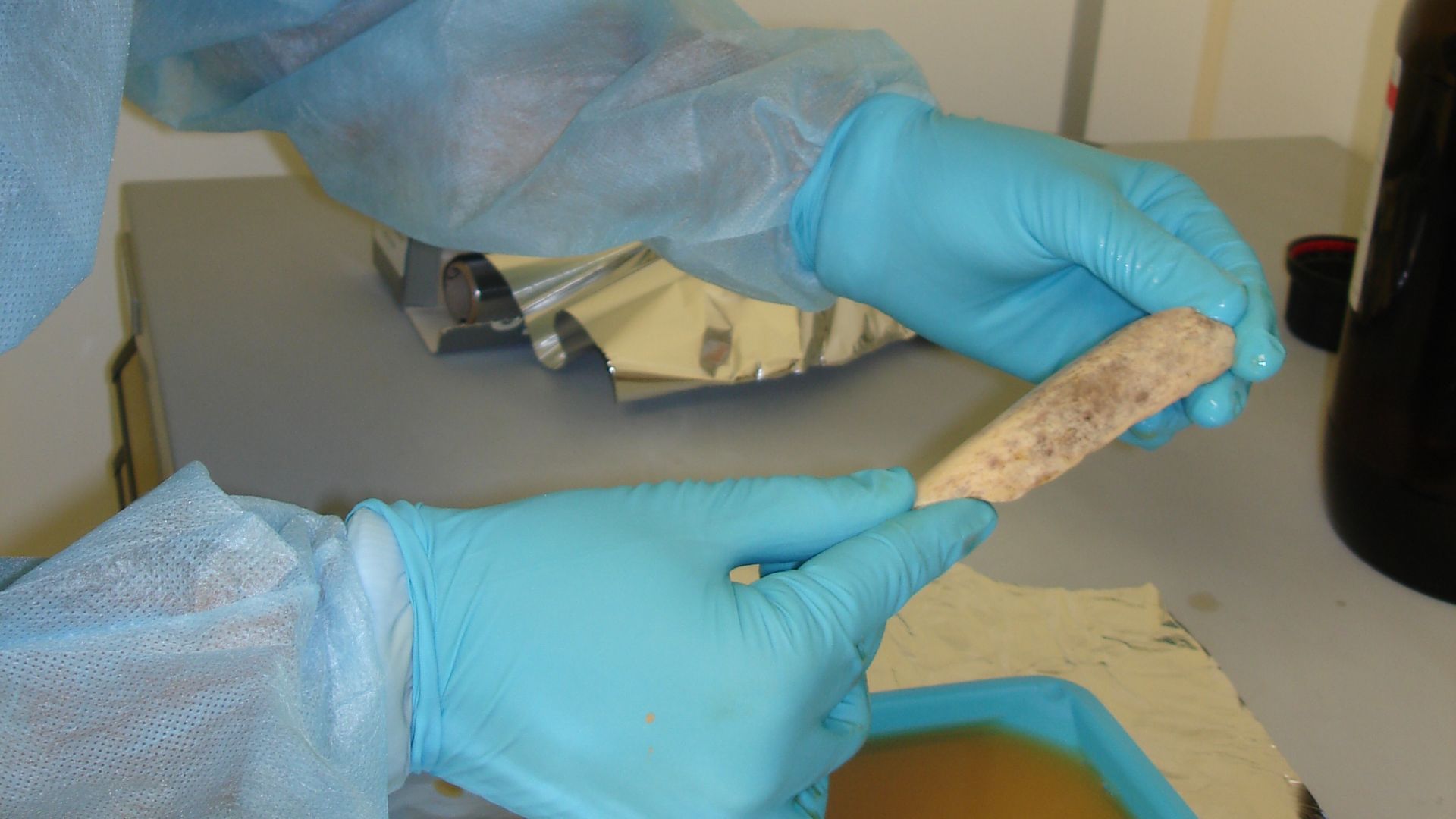
The newcomers didn't disappear after transforming Bronze Age Europe. Steppe-related ancestry persisted and remains widespread among present-day Europeans. Modern Europeans therefore preserve genetic traces of hunter-gatherers, early farmers and later steppe populations whose migrations and interactions occurred thousands of years before anyone recorded their names.
 Max Planck Institute for Evolutionary Anthropology, Wikimedia Commons
They Left Medical Legacies
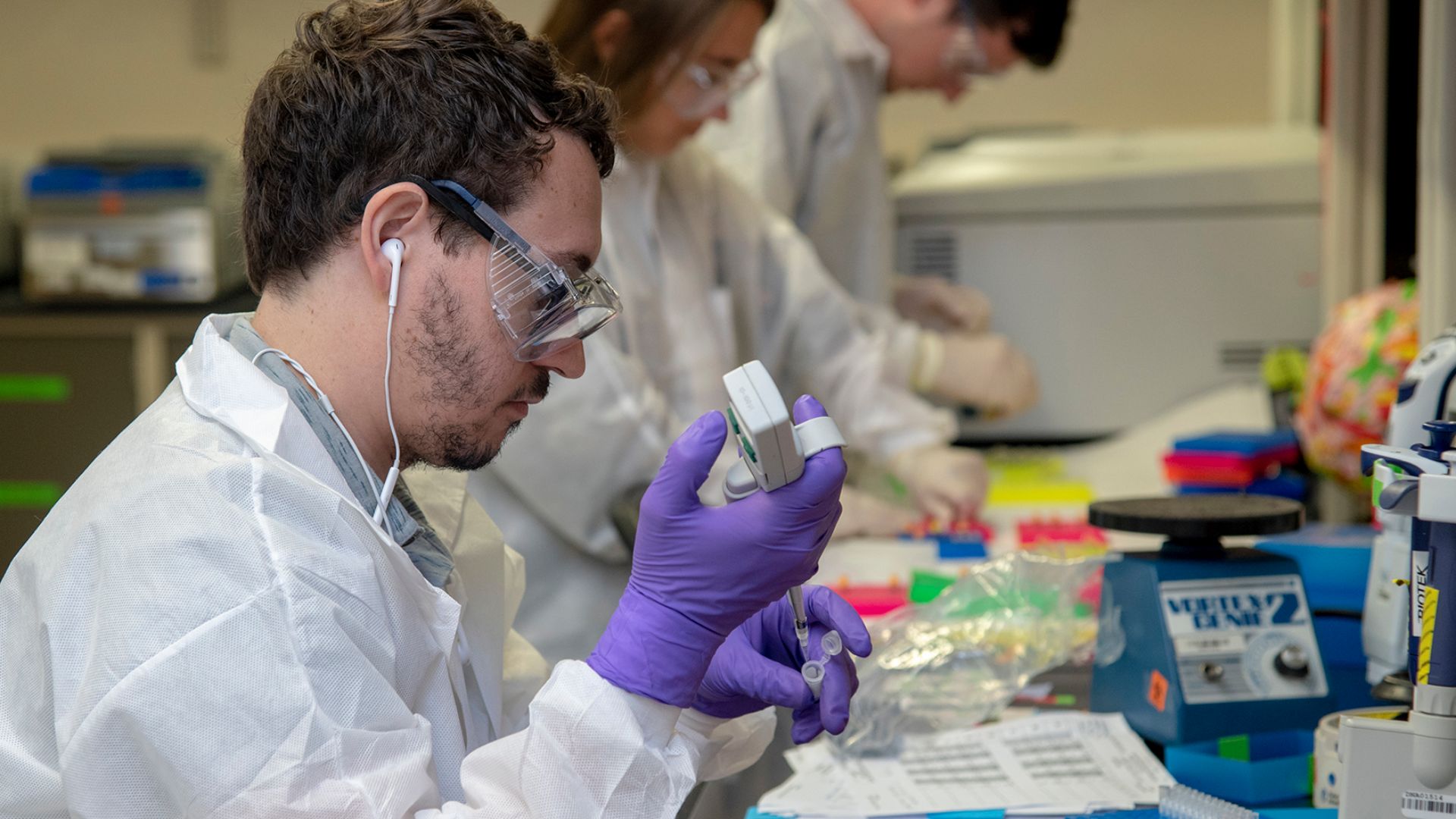
Those ancient migrations may even influence health today. Research using enormous ancient-genome datasets found that genetic variants associated with increased multiple-sclerosis risk entered northern Europe with steppe pastoralists. Some variants may once have provided immune advantages against infections despite creating harmful consequences under modern conditions.
 Air Force Staff Sgt. Nicole Leidholm, photographer, Wikimedia Commons
DNA Changed Archaeology
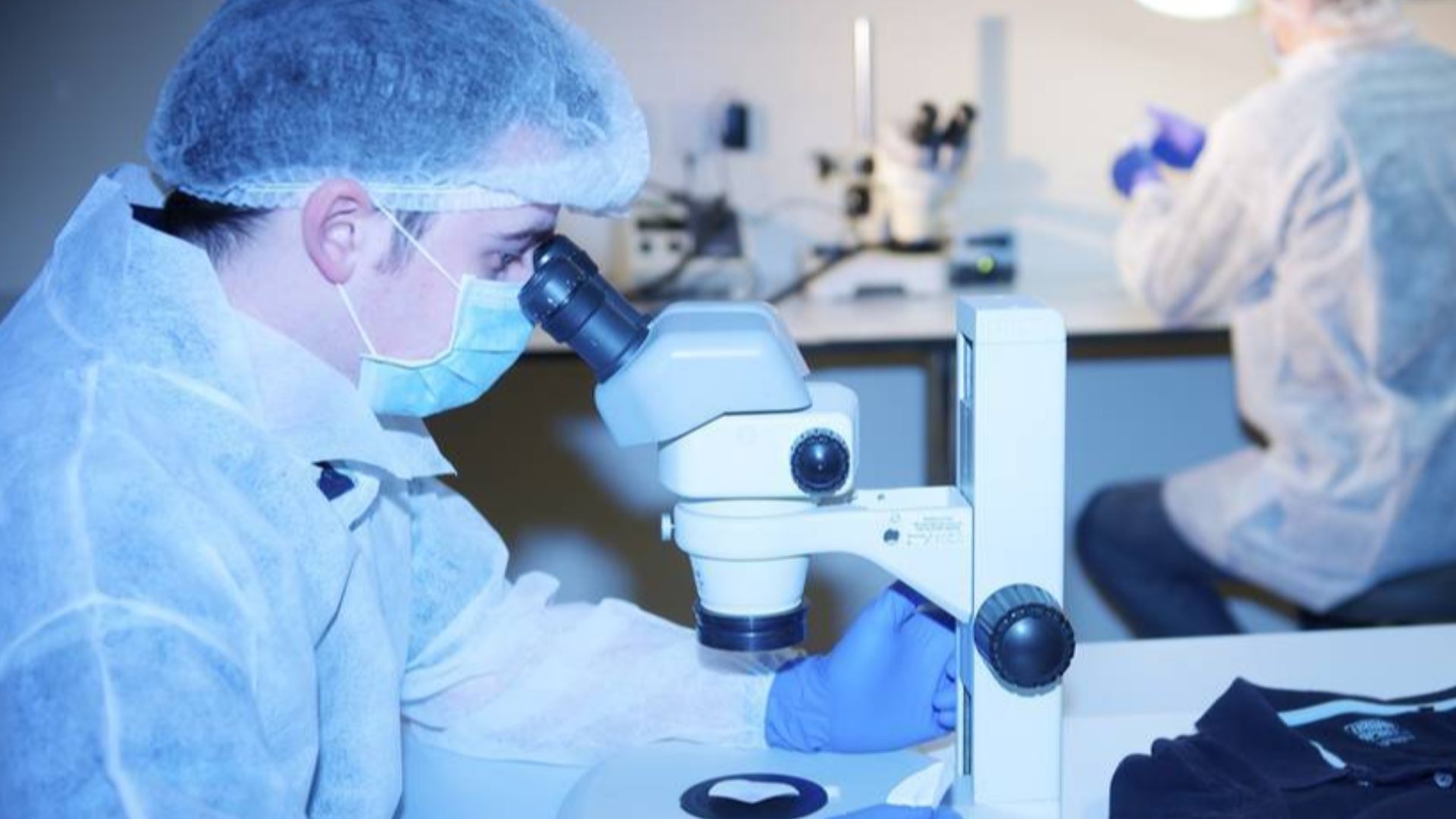
Before ancient DNA, archaeologists could identify sudden changes in pottery, graves and settlement patterns but often struggled to determine whether people migrated or ideas simply spread between existing communities. Genomes transformed that debate by allowing scientists to follow ancestry itself through time, revealing migrations invisible in written history.

Europe Never Stood Still
The biggest revelation may be that prehistoric Europe wasn't populated by one stable people slowly developing into modern Europeans. Hunter-gatherers, Anatolian-derived farmers and steppe pastoralists arrived, mixed and sometimes dramatically changed earlier populations. Around 5,000 years ago, that process accelerated spectacularly, leaving a genetic legacy Europeans still carry today.
You May Also Like:
Researchers carried out the first DNA study of the people of ancient Machu Picchu.
Scientists uncover a toxic legacy of Ancient Rome that may have lowered intelligence across Europe