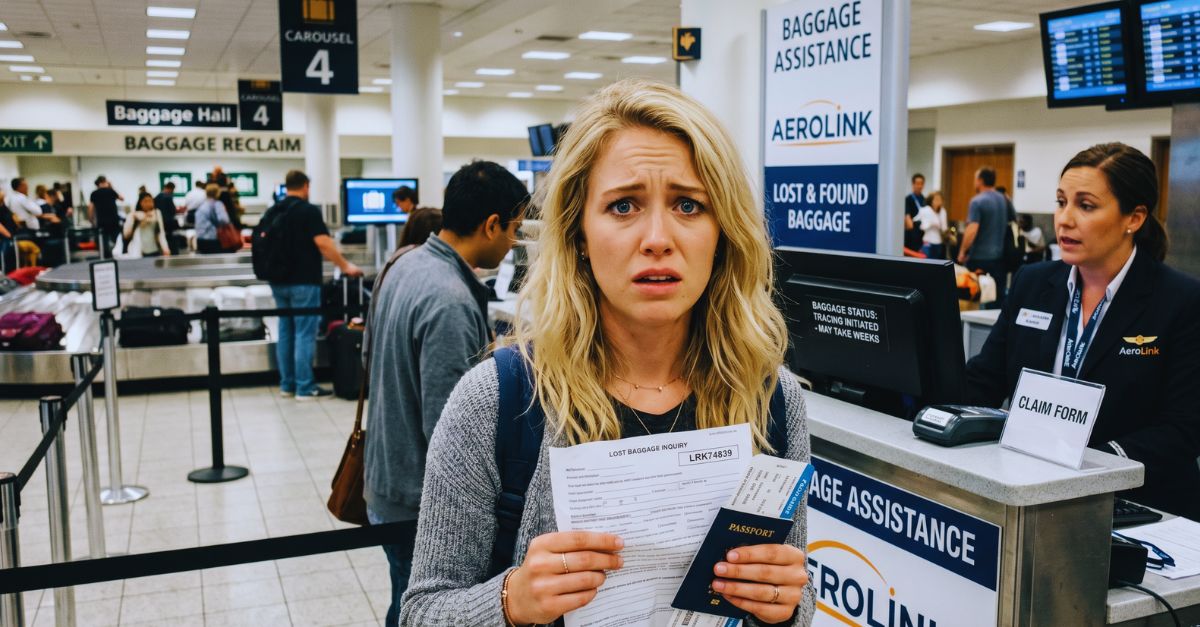
Your Bag Vanished. Start Here.
Few travel moments are more frustrating than standing at baggage claim, watching the carousel stop, and realizing your suitcase is nowhere in sight. If the airline is telling you it may take weeks to find it, this is the moment to stop waiting and start documenting. The good news is that U.S. and international rules give passengers real rights, and acting quickly can make a big difference.
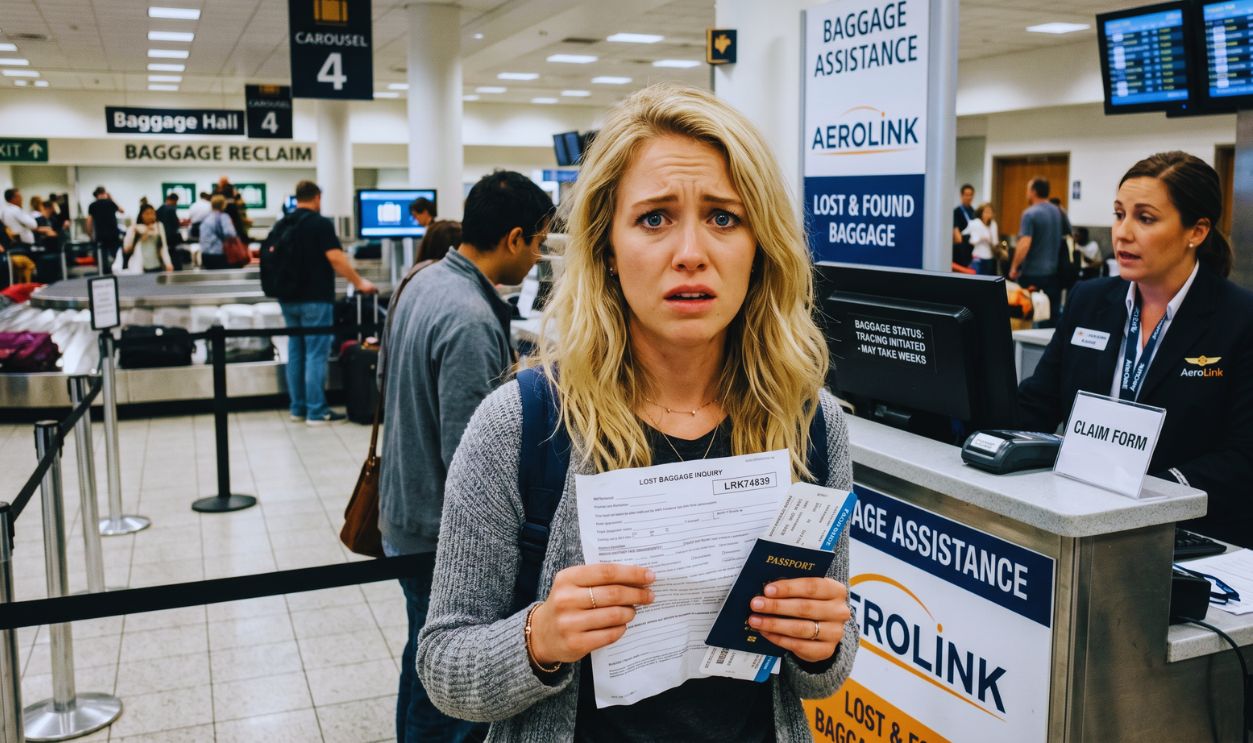
Report The Problem Before You Leave The Airport
Your first stop should be the airline’s baggage service office, usually near baggage claim. Ask the agent to file a missing baggage report and give you a file reference number, often called a PIR, or Property Irregularity Report, on international trips. Try not to leave the airport without that record unless there is no staffed desk at all.

That Paper Trail Matters
The report you file on day one becomes the backbone of any claim that comes later. It shows when the bag went missing, which flight was involved, and what the airline did about it. If you end up asking for compensation for delayed, lost, or damaged luggage, that paperwork can make the process much smoother.

Save Your Baggage Tags And Boarding Passes
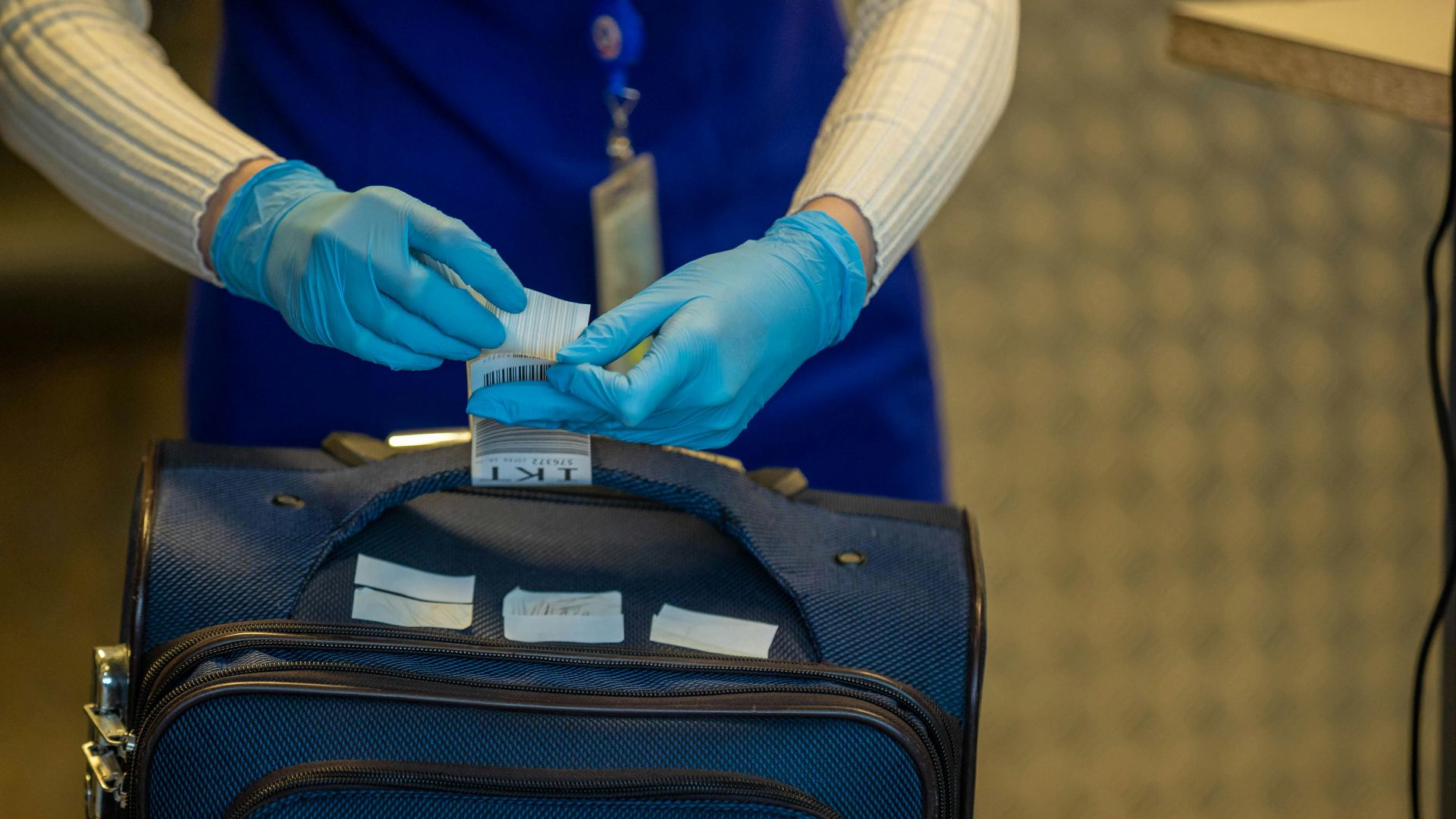
Keep the baggage claim tag the airline gave you when you checked the bag. Save your boarding pass, itinerary, and any baggage fee receipts too. These scraps of paper, or screenshots in your app, may be the proof the airline asks for later.
Ask One Question Right Away
Before you leave the baggage desk, ask whether the airline is calling your bag delayed, missing, or officially lost. Those labels matter because airlines often handle each one differently. A delayed bag may mean reimbursement for basic purchases, while a lost bag can lead to a larger compensation claim.

Weeks Sounds Bad, But The Clock Matters
If the airline says it may take weeks to find your luggage, that does not mean you are out of options. Under the Montreal Convention, which covers most international air travel, checked baggage is considered lost if it has not arrived within 21 days, unless it shows up sooner. That 21-day mark is one of the most important deadlines travelers should know.

Domestic Flights Follow Different Rules
For flights within the United States, the U.S. Department of Transportation says airlines must compensate passengers for reasonable, verifiable, and actual incidental expenses caused by delayed bags, up to the maximum liability limit. DOT also says airlines cannot set an arbitrary daily cap on those expenses. What matters is what you actually had to buy because your bag did not arrive on time.
There Is A Limit, But It Is Not Small
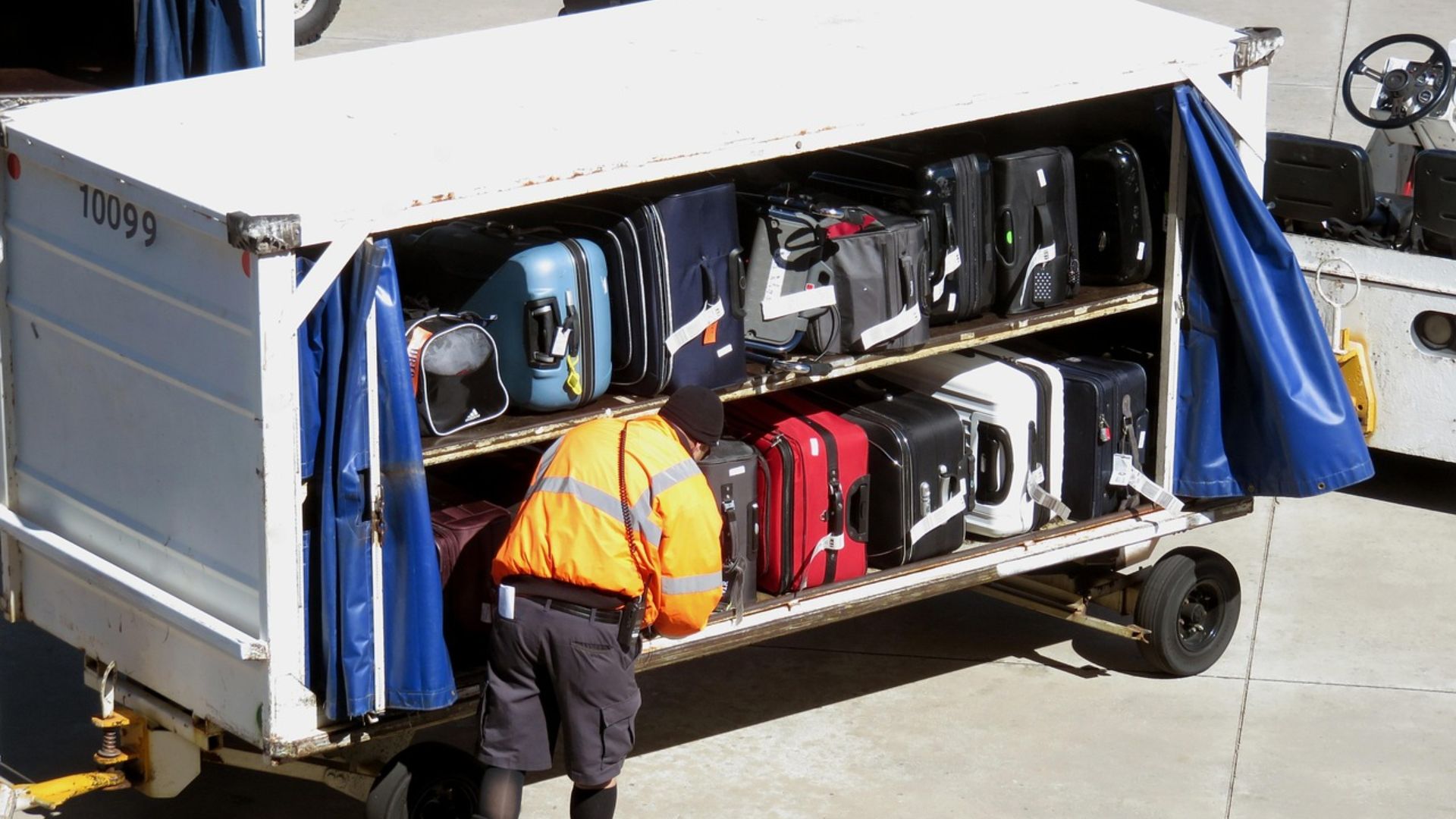
For domestic U.S. flights, the current maximum liability for lost, delayed, or damaged baggage is $4,700 per passenger, according to the Department of Transportation. On most international trips covered by the Montreal Convention, the limit is 1,519 Special Drawing Rights per passenger. Because SDR values change with exchange rates, check the current conversion when you file your claim.
Buy What You Need, Not A Whole New Wardrobe
If your bag is delayed, stick to essentials first: toiletries, basic clothing, underwear, and anything you need for work or a formal event. Airlines usually reimburse reasonable purchases, not a full luxury replacement of everything in your suitcase. Keep it practical, because you may have to explain every item later.

Receipts Matter More Than Good Intentions
Keep every receipt for anything you buy because of the missing bag, whether that is a toothbrush, a charger, or a clean shirt for the next day. If you buy online, save the confirmation email and delivery record too. Without receipts, getting paid back becomes much harder.

Do Not Assume The Airline Will Keep You Updated
A lot of travelers file a report and then wait for updates that never come. Check your bag status online if the airline has tracking, and follow up regularly using your file reference number. Keep a log of every call, email, chat, and promise made along the way.

Take Notes Like It Could Become A Dispute
Write down the date, time, and name of every airline employee you speak with, along with a short summary of what they said. If someone tells you your bag was scanned at another airport or is expected on a certain flight, note that too. Small details can become important if the story changes later.

If You Packed Medicine, Move Fast
The Department of Transportation specifically notes that airlines are not responsible for delivering medications packed in delayed or lost bags. If you need a prescription urgently, contact your doctor, pharmacy, or travel insurer right away to arrange a replacement. This is one of the clearest reasons experts say medication should stay in your carry-on.

Know The Deadline For Damage Claims
If your suitcase finally arrives but it is damaged, or items inside are broken, do not wait to report it. On trips covered by the Montreal Convention, passengers must report damaged baggage in writing within seven days of receiving it. Delayed baggage complaints under that treaty must be made within 21 days from the date the bag is delivered.
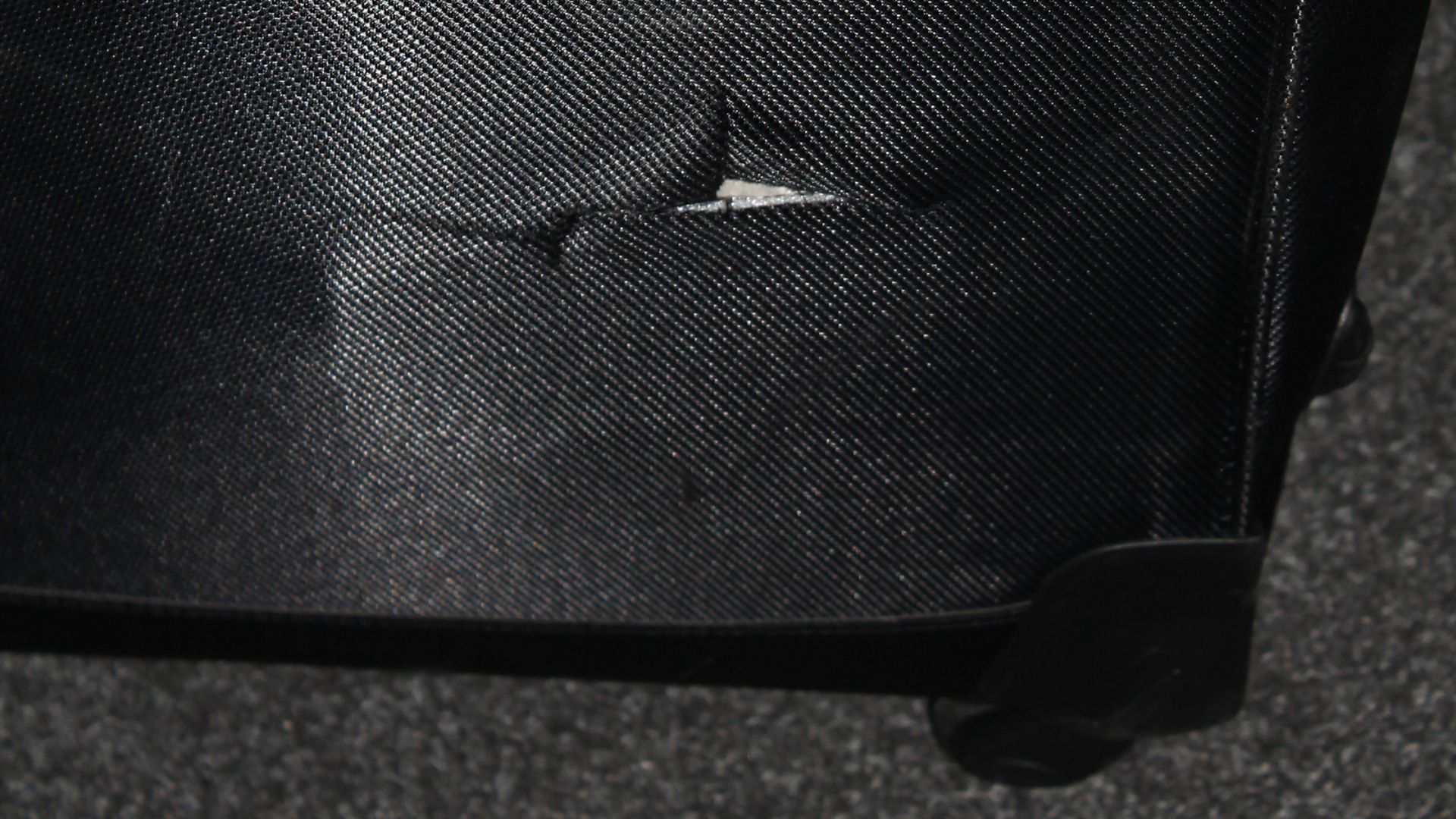 formulanone from Huntsville, United States, Wikimedia Commons
Lost Versus Delayed Changes The Claim
Once a bag moves from delayed to lost, the claim often shifts from basic short-term purchases to the value of the suitcase and what was inside it. That is when your packing list becomes important. Make one as soon as you can, while the contents are still fresh in your mind.
 Karolina Grabowska www.kaboompics.com, Pexels
Build A Detailed Inventory Now
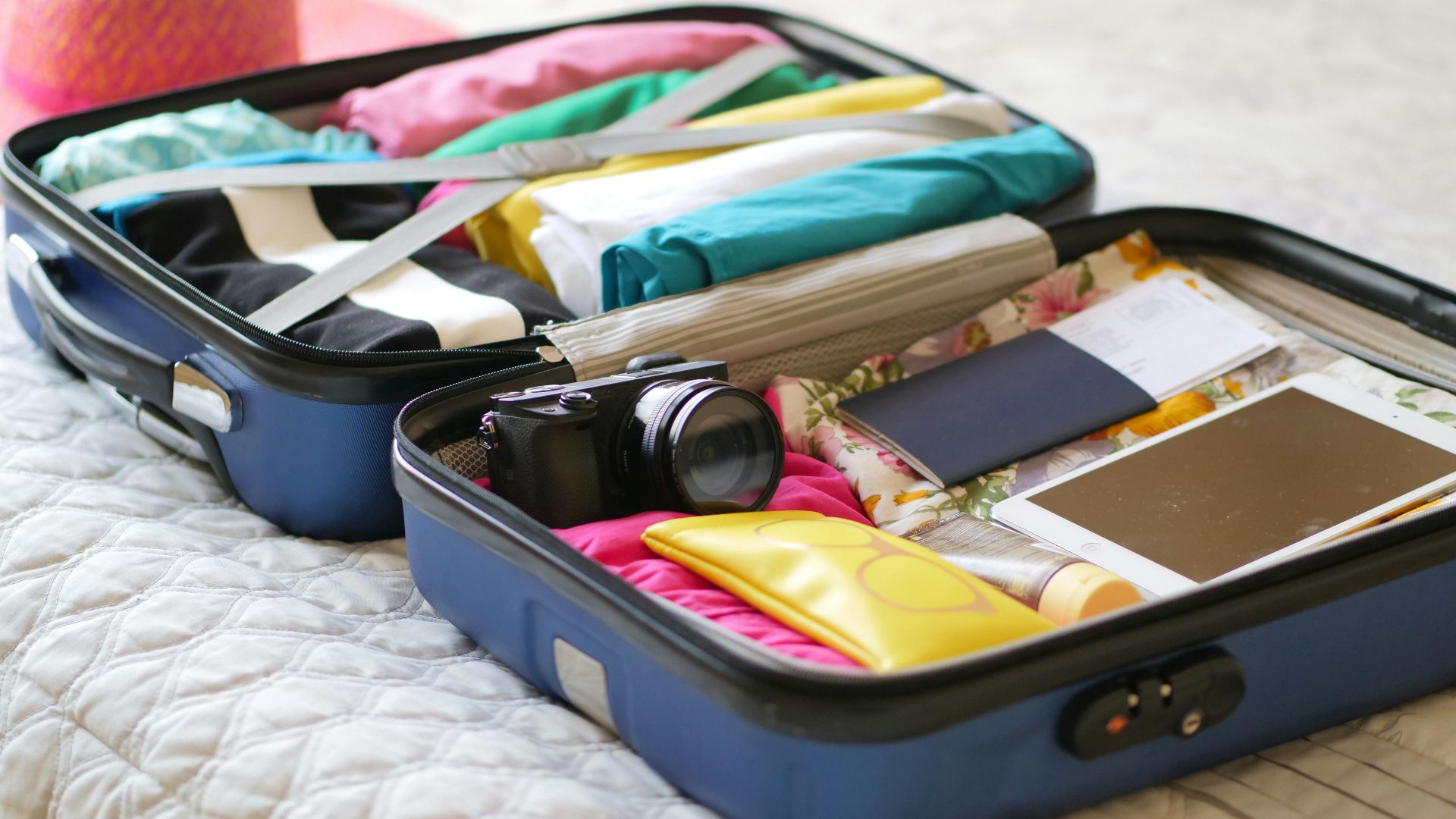
List everything that was in the suitcase, including brand names, rough purchase dates, and estimated values. Be honest and specific, because inflated claims can slow the process or hurt your credibility. If you have photos from your trip or old purchase records that show the items, save those too.

Proof Of Value Beats Guesswork
If you still have receipts for expensive items, include them with your claim. Credit card statements, order confirmations, and product photos can also help if the original receipt is gone. Airlines may reduce payment for older items, so reimbursement may reflect used value instead of the full cost of buying new replacements.

Some Items May Be Excluded Or Limited
Airlines often limit or exclude liability for fragile, high-value, or perishable items, especially if those things should not have been packed in checked baggage. The Department of Transportation says airlines must clearly disclose exclusions from liability for missing or damaged bags. Read the airline’s contract of carriage so you know exactly what rules it may rely on.
Check Whether You Declared Extra Value
Some airlines let passengers buy excess valuation coverage when checking a bag, though not every carrier offers it and exclusions may still apply. If you bought that extra protection, find the paperwork now. It could increase how much you are able to recover beyond the standard liability limit.

Your Credit Card Might Help Behind The Scenes
Some travel credit cards include baggage delay or lost luggage coverage if you paid for the trip with the card. Benefits vary a lot, and many require you to file with the airline first before the card’s coverage applies. Check your card’s guide to benefits and pay close attention to claim deadlines.

Travel Insurance Can Cover Some Gaps
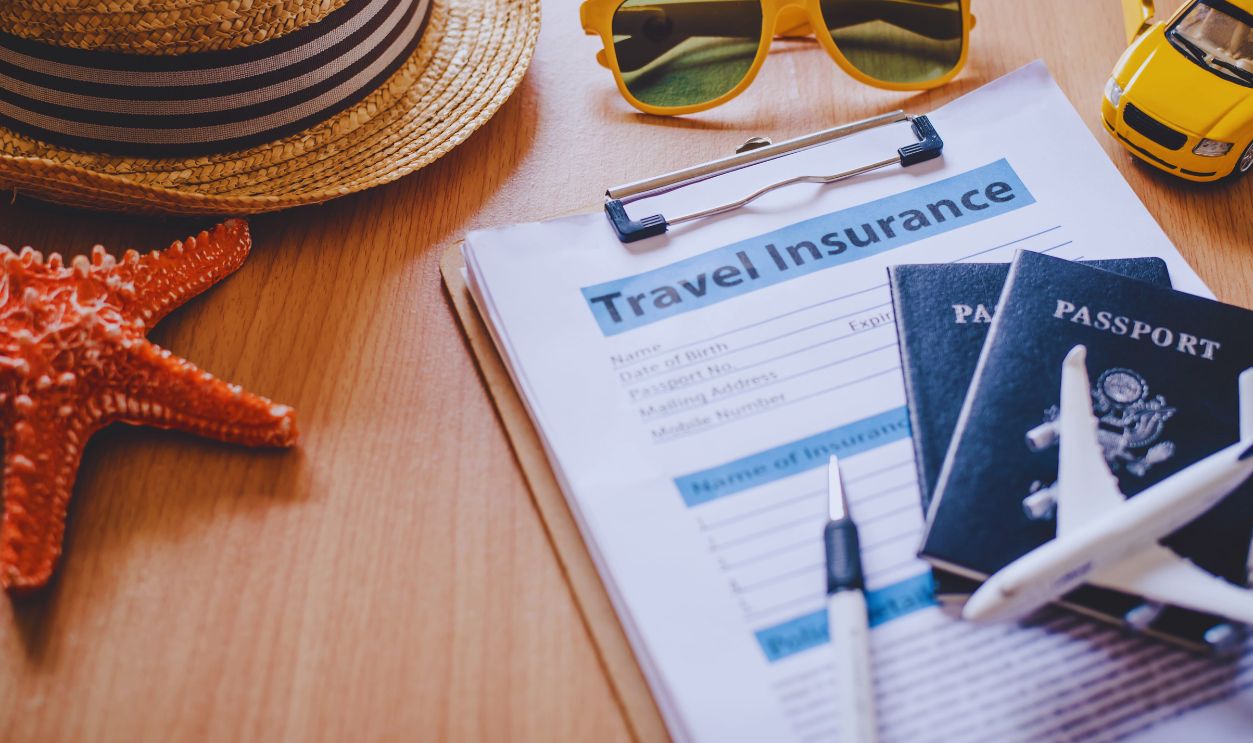
If you bought travel insurance, review the baggage delay and baggage loss sections right away. Insurance may cover costs the airline will not, though most insurers want proof that you first tried to recover from the airline. Filing both claims can be tedious, but it can also save you a lot of money.
Do Not Rely On A Vague Promise
If an airline employee says, “We’ll take care of it,” ask what that means in writing. Request the reimbursement policy, claim instructions, and any deadlines. A friendly promise at the airport may sound reassuring, but what really matters later is the official process and the records you can show.

Escalate If The Airline Goes Quiet
If days pass without real progress, ask for a supervisor or customer relations representative. For U.S. flights, or flights involving a U.S. airline, you can also file a complaint with the U.S. Department of Transportation if you believe the airline is not meeting its obligations. DOT will not solve every baggage dispute overnight, but a formal complaint can add pressure and create a record.

If The Bag Finally Shows Up, Inspect It Immediately
When your suitcase is delivered, open it as soon as you can and check for missing items, damage, or signs that it was searched. Photograph the outside and the contents if anything looks wrong. If there is a problem, notify the airline in writing right away and keep the delivery confirmation.
Be Careful Before Signing Anything
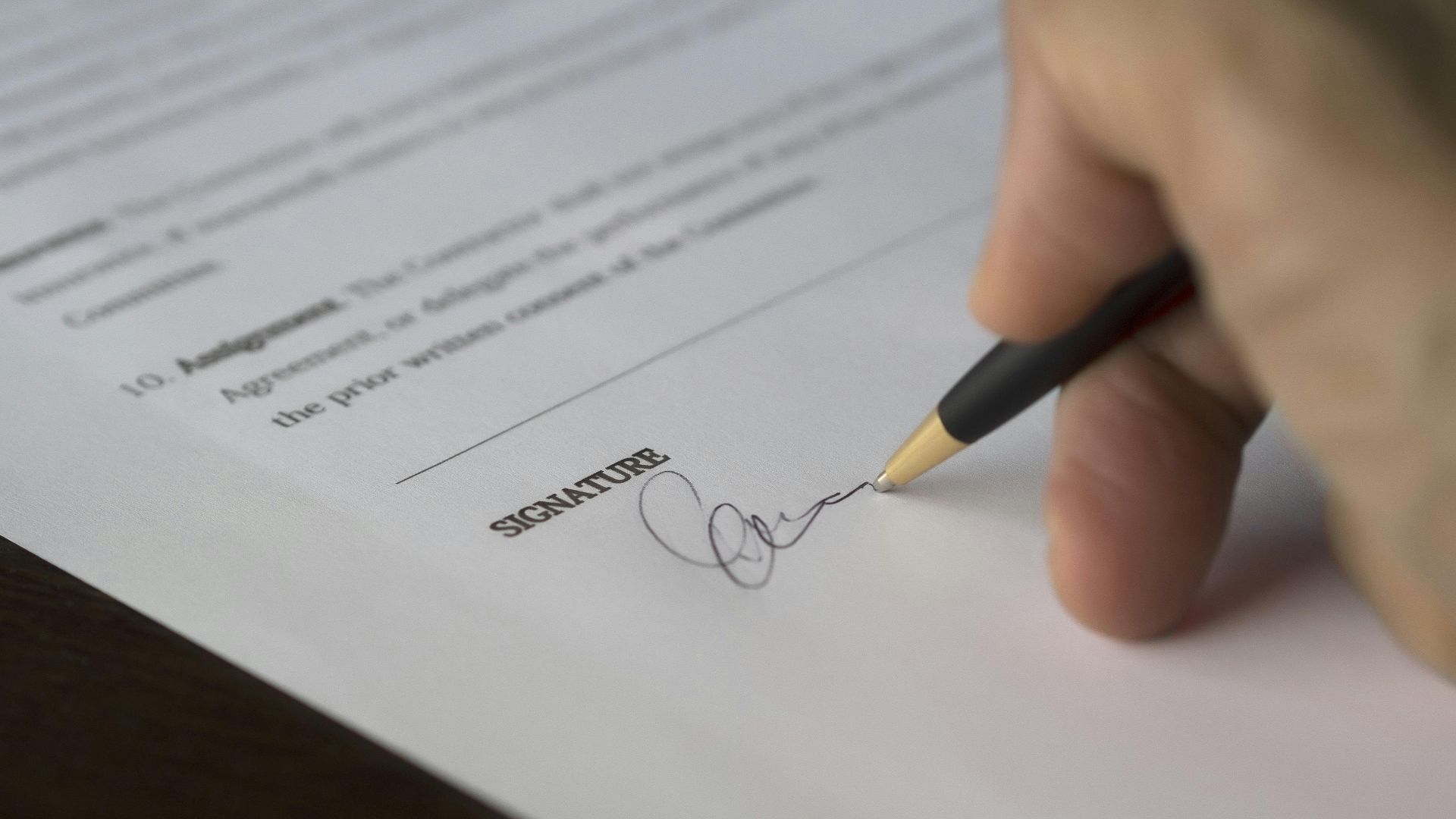
Sometimes an airline may offer a quick settlement, a voucher, or a partial payment. Read the fine print before accepting. Some offers may require you to give up the right to make further claims. If your losses are greater than the first offer, it may be better to keep documenting and push for full reimbursement.
What If The Airline Tells You To Wait Longer
Airlines sometimes keep searching beyond 21 days, especially if they think the bag was misrouted on an international trip. You can still ask how they are classifying the bag and whether they will treat it as lost for compensation purposes. Waiting for a possible recovery should not stop you from protecting your rights and meeting claim deadlines.

The Best Approach Is Calm Persistence
This is one of those travel messes where organized, steady follow-up works better than panic. File the report, save every document, buy only what you truly need, and submit claims with receipts and deadlines in mind. A missing bag can throw off an entire trip, but knowing the rules gives you some leverage.

The Bottom Line For Stranded Travelers
If the airline says your luggage may take weeks to find, do not just hope it magically appears. Report it immediately, document everything, ask for the reimbursement rules, and track the claim closely. The process is not glamorous, but the rules give you a better shot if you move quickly and keep good records.