The Bag Search You Didn’t See Coming
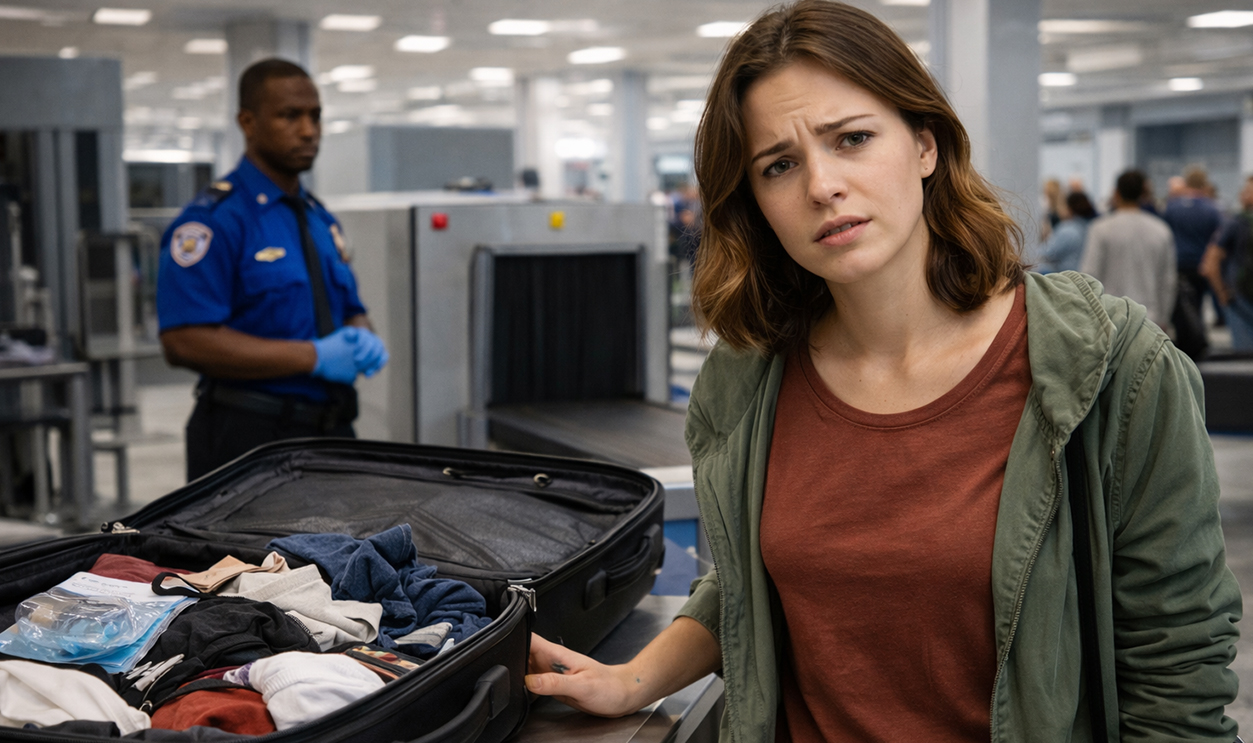
You clear airport security, grab your bag, and notice something’s off. Items have shifted, maybe even been opened. If you weren’t there, can TSA agents really go through your belongings like that? The short answer is yes, but there are some important rules they have to follow.
TSA Has Broad Authority To Screen Bags
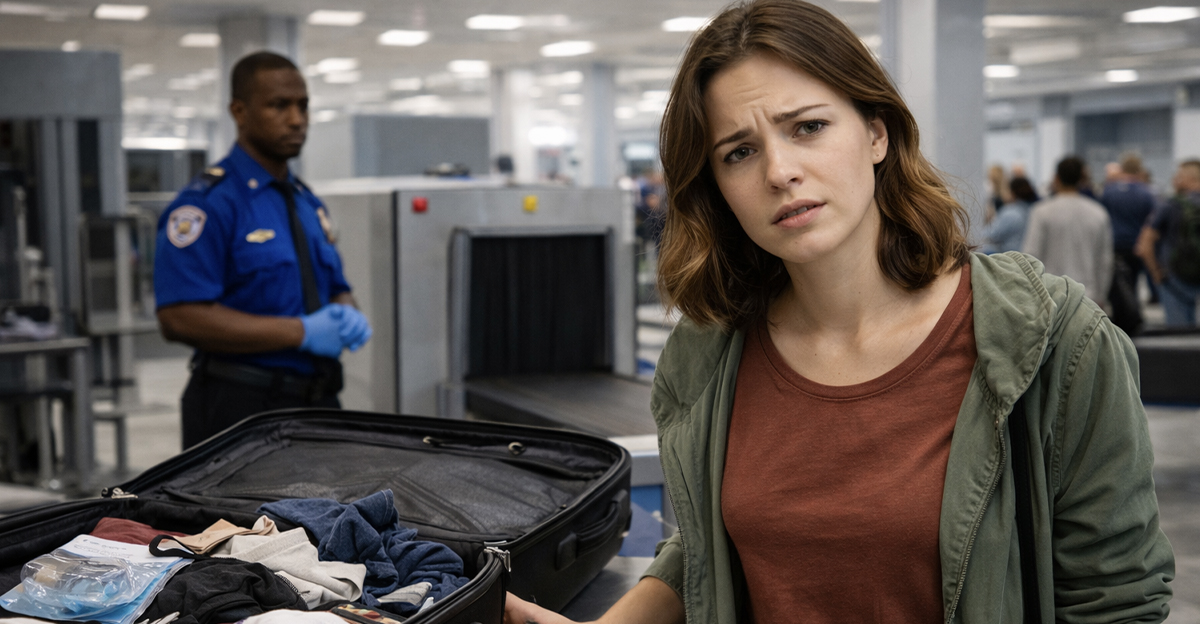
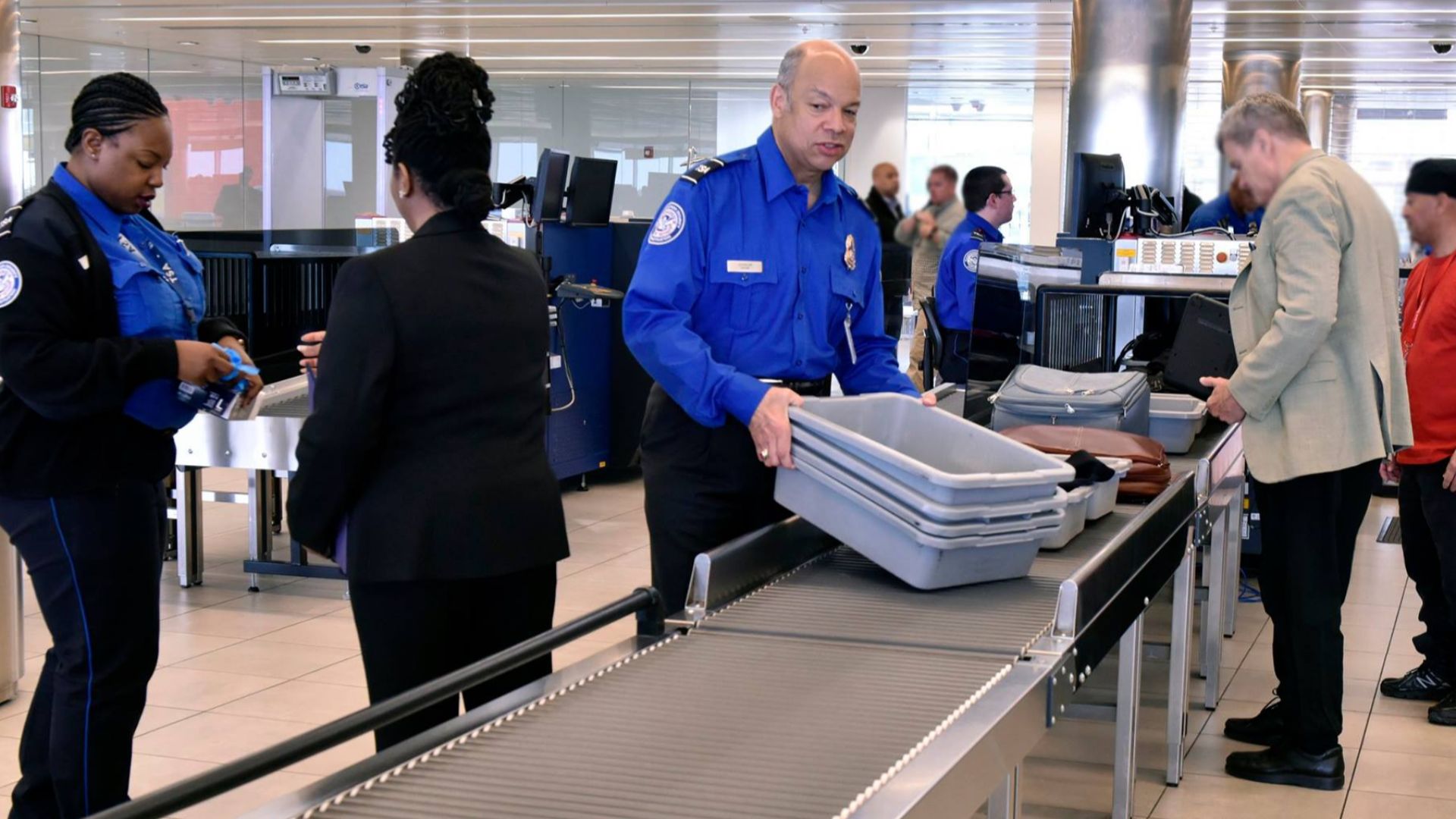
The Transportation Security Administration is responsible for screening passengers and their belongings before they board a plane. Every carry-on bag must go through some form of inspection, whether that is an X-ray scan or a physical search if something looks suspicious. This authority exists to prevent dangerous items from getting onto aircraft and is a core part of airport security procedures.
 U.S. Department of Homeland Security (DHS), Wikimedia Commons
Your Bag Can Be Opened If It Triggers A Flag
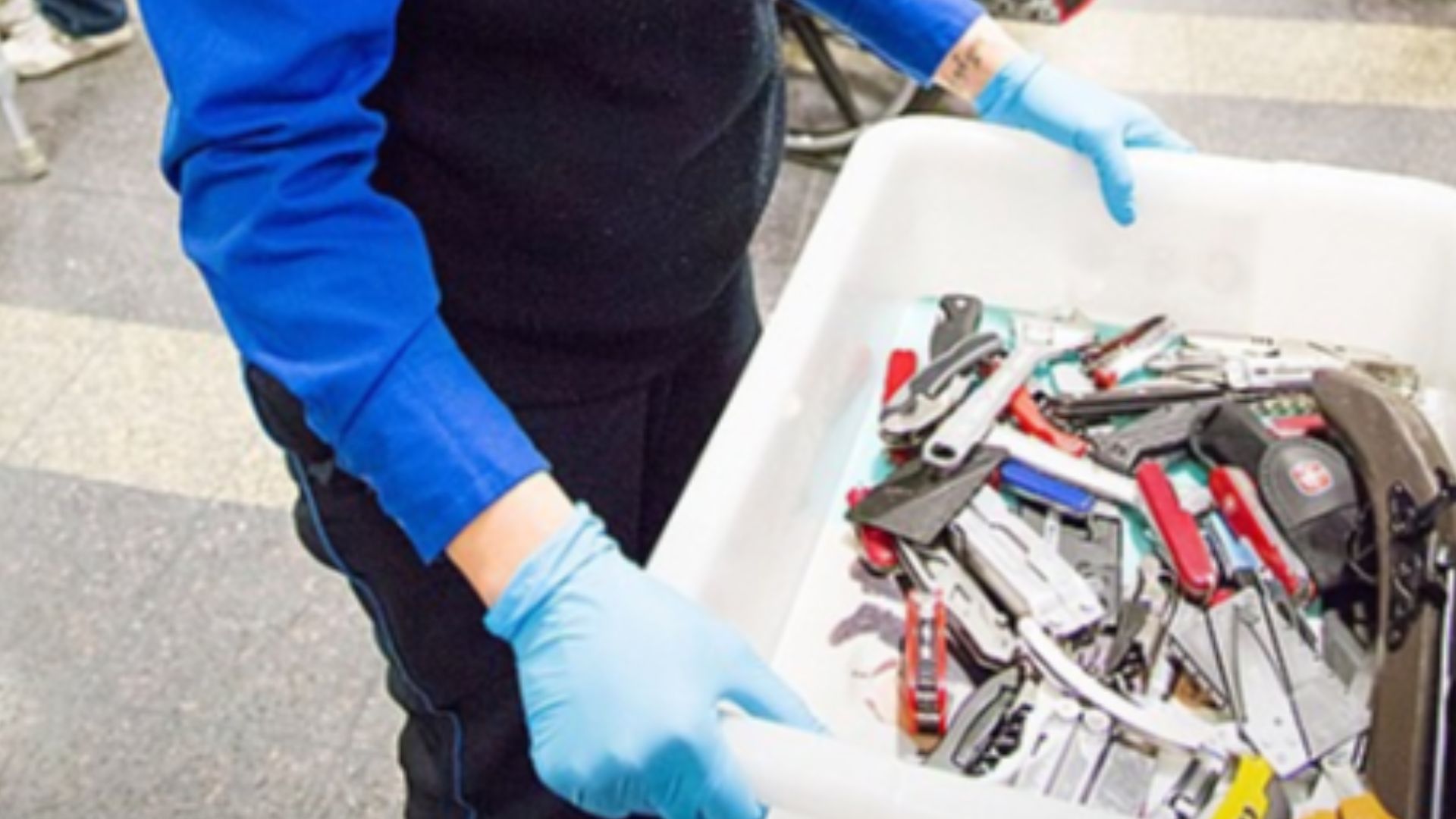
Most carry-on bags pass through screening without any issues. However, if something in your bag appears unclear or suspicious on the X-ray, TSA officers are allowed to open it for a closer look. That decision is based on what they see on the screen, not on your presence.
 Transportation Security Administration, Wikimedia Commons
You Do Not Always Have To Be Present
Ideally, TSA officers will open your bag while you are nearby so you can observe what they are doing. In reality, that does not always happen because of how quickly security lines move. If you have already been directed to another area or are in the middle of your own screening, they may inspect the bag without you standing there. There is no strict rule requiring them to wait for you in every situation.
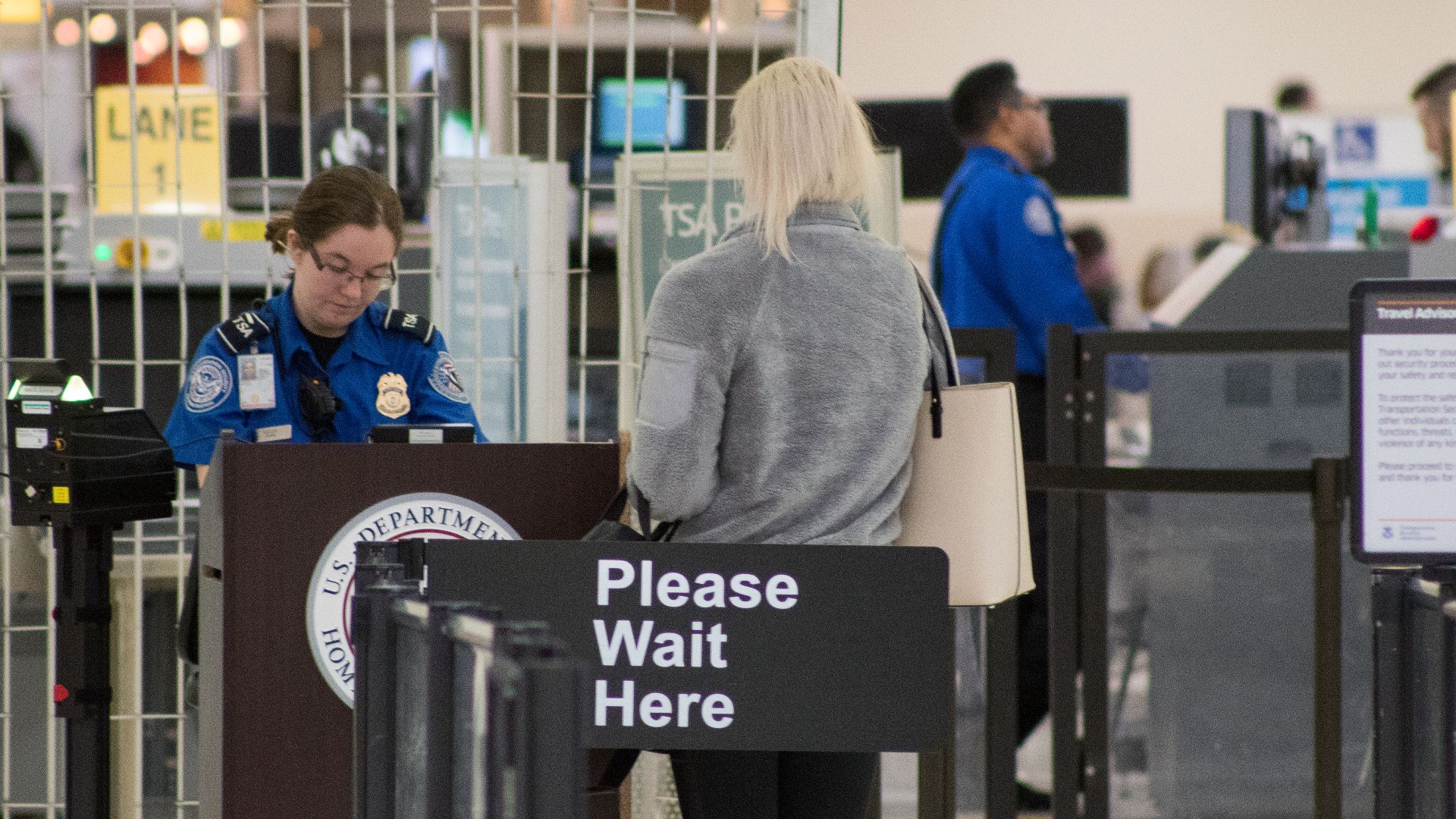 Michael Ball, Wikimedia Commons
TSA Officers Make The Final Call
TSA guidelines give officers the authority to decide whether a bag needs additional screening. If they believe something needs to be checked more closely, they can open the bag and complete the inspection. This decision is based on safety concerns and is not something passengers can override at the checkpoint.
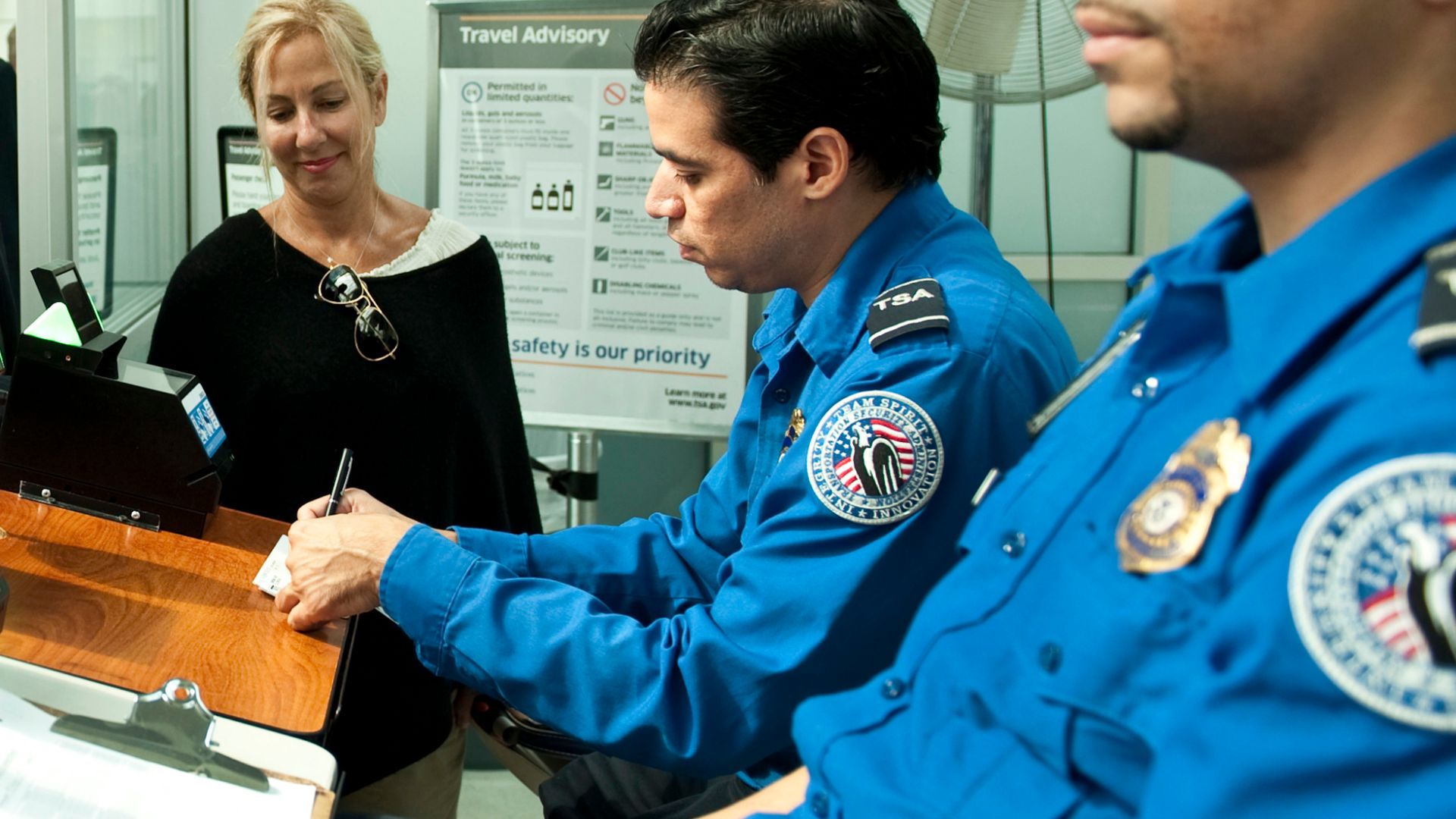 U.S. Department of Homeland Security (DHS), Wikimedia Commons
Screening Is Not The Same As A Criminal Search
It helps to understand that TSA inspections are considered administrative searches, not criminal investigations. The goal is to identify potential threats to aviation safety, not to gather evidence of wrongdoing. Because of this, the rules governing these searches are broader than what you might expect in other situations. This is why TSA has more flexibility during screening.
The Goal Is Safety, Not Privacy
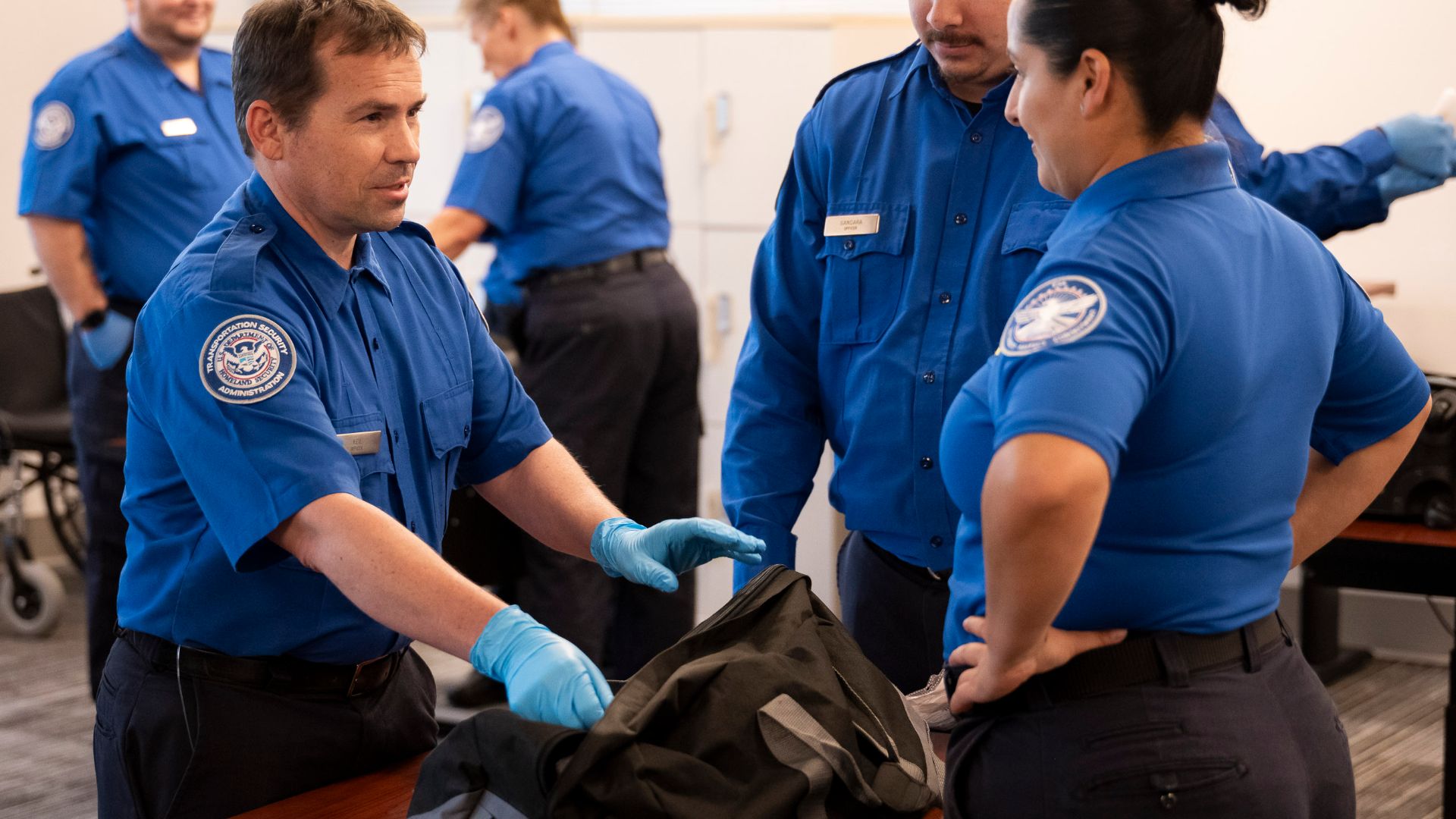
TSA’s primary objective is to prevent dangerous items from getting onto planes. If something can’t be clearly identified through scanning technology, officers are trained to physically inspect it. While this can feel intrusive, the focus is entirely on safety rather than personal privacy or curiosity about your belongings.
Technology Is Used First, But Not Always Enough
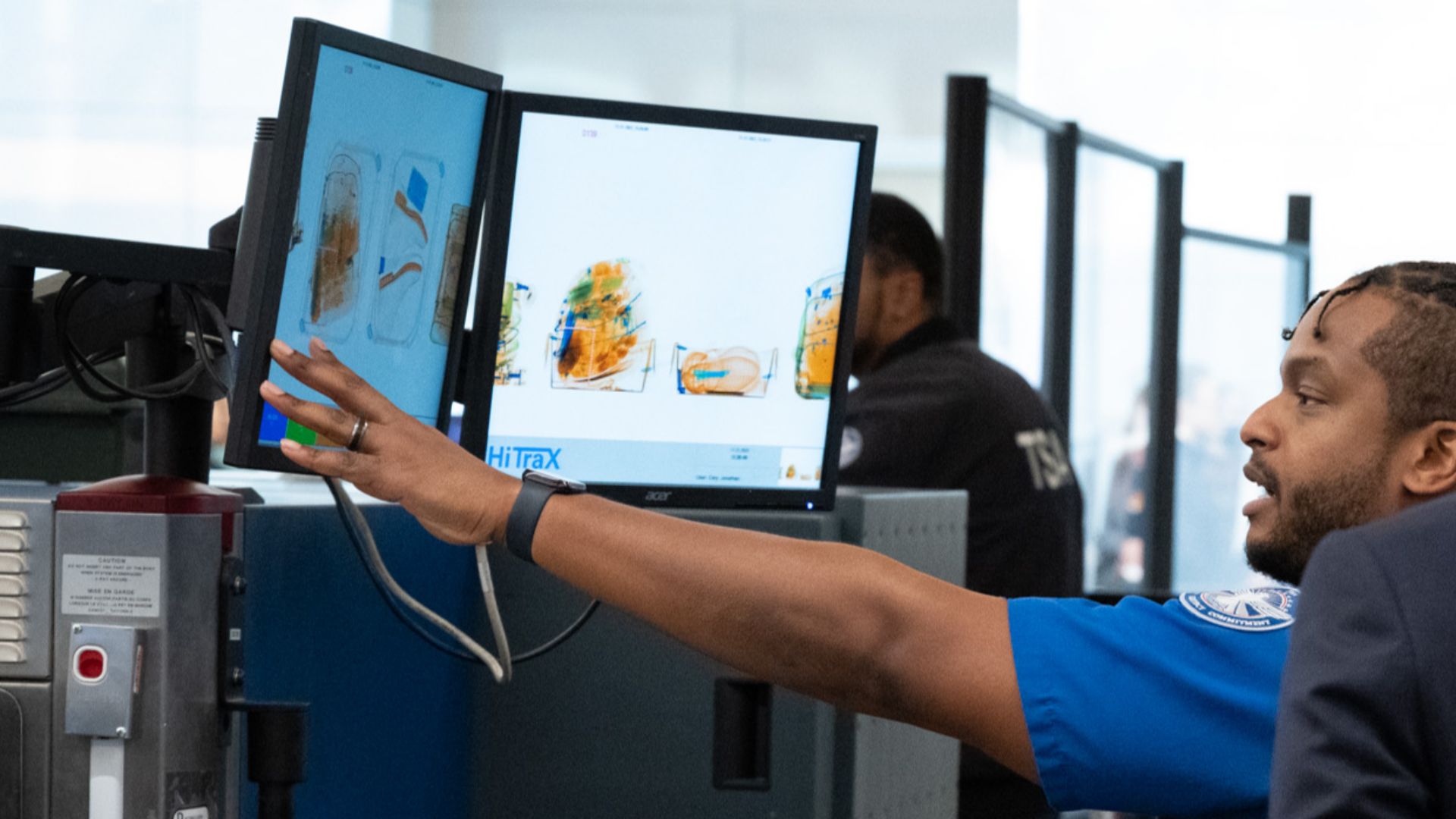
Most bags are screened using X-ray machines that allow officers to see inside without opening them. These machines show the shape and density of items, which helps identify potential threats quickly. However, if the image is unclear or something looks unusual, a manual inspection becomes necessary. That’s when your bag may be opened.
You May Be Called Back To Observe
In many cases, TSA will call you over if they need to search your bag. This allows you to watch the inspection and answer questions about specific items. However, if you have already moved ahead or the checkpoint is particularly busy, they may proceed without you to keep things moving efficiently.
You Should Still Be Notified
Even if you are not present during the search, there are usually signs that your bag was inspected. You might see it opened when you retrieve it, or an officer may mention it briefly. For checked bags, TSA typically leaves a notice inside, but for carry-ons, the notification process is less formal and can be easy to miss.

Items May Be Removed Or Rearranged
During a manual inspection, officers may remove items from your bag to examine them more closely. When everything is put back, it may not be arranged the same way you packed it. This can be frustrating, but it is a normal part of the inspection process and does not necessarily mean anything improper happened.
TSA Does Not Read Personal Data
One common concern is whether TSA looks through personal information on devices or documents. According to TSA guidance, officers are not supposed to access or read personal data during standard screening. Their role is limited to identifying physical threats, not reviewing private content.
There Are Limits To What They Can Do
Even though TSA has broad authority, their actions must still be related to security. They are not supposed to conduct searches that go beyond what is necessary to clear a bag for travel. If a search seems unrelated to safety concerns, that may be grounds for a complaint.
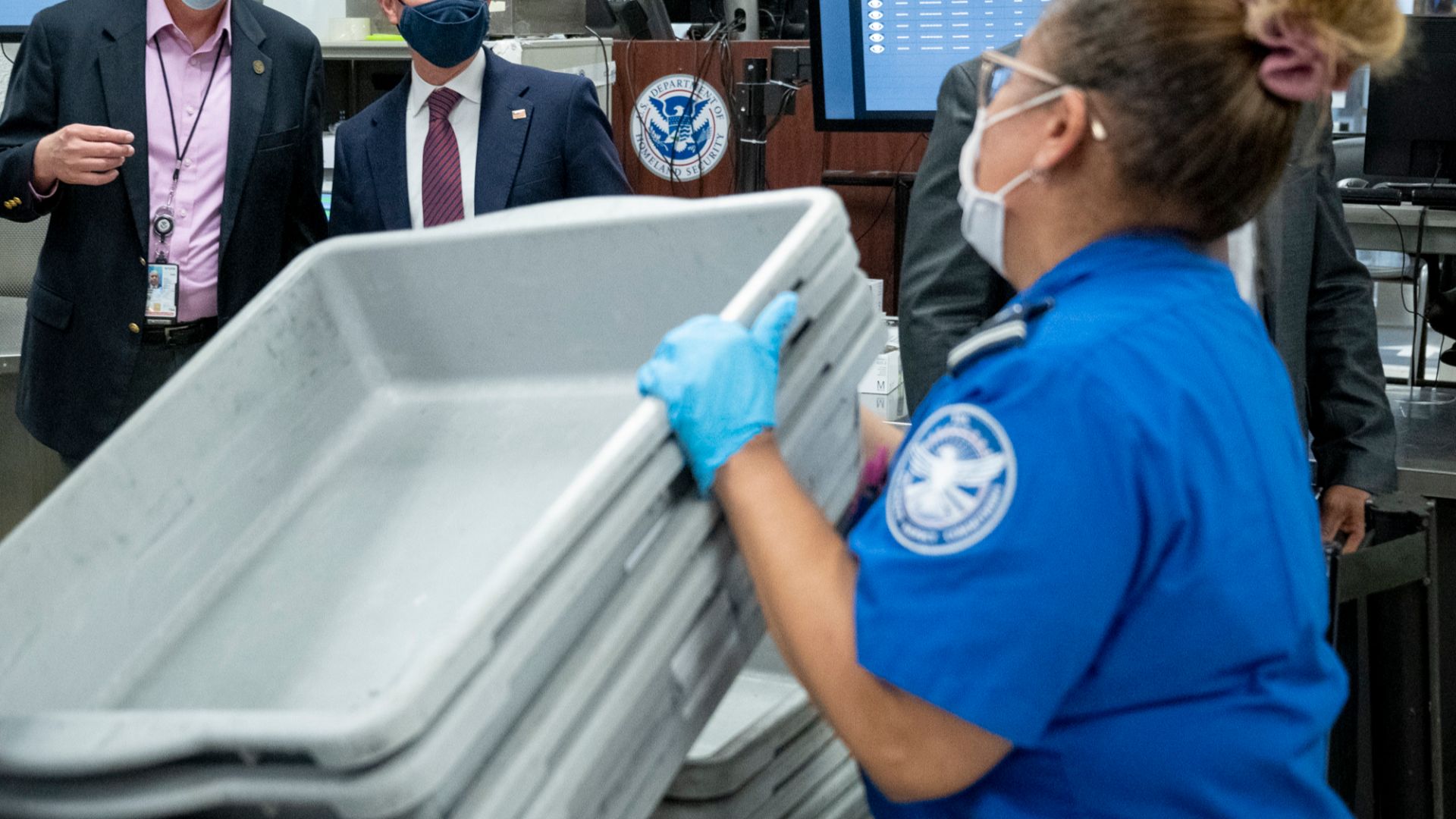
You Can Ask Questions At The Checkpoint
If you notice your bag has been opened, you can ask TSA officers what triggered the inspection. While they may not provide detailed explanations, they can often give a general reason. This can help you understand what caused the issue and avoid similar situations in the future.
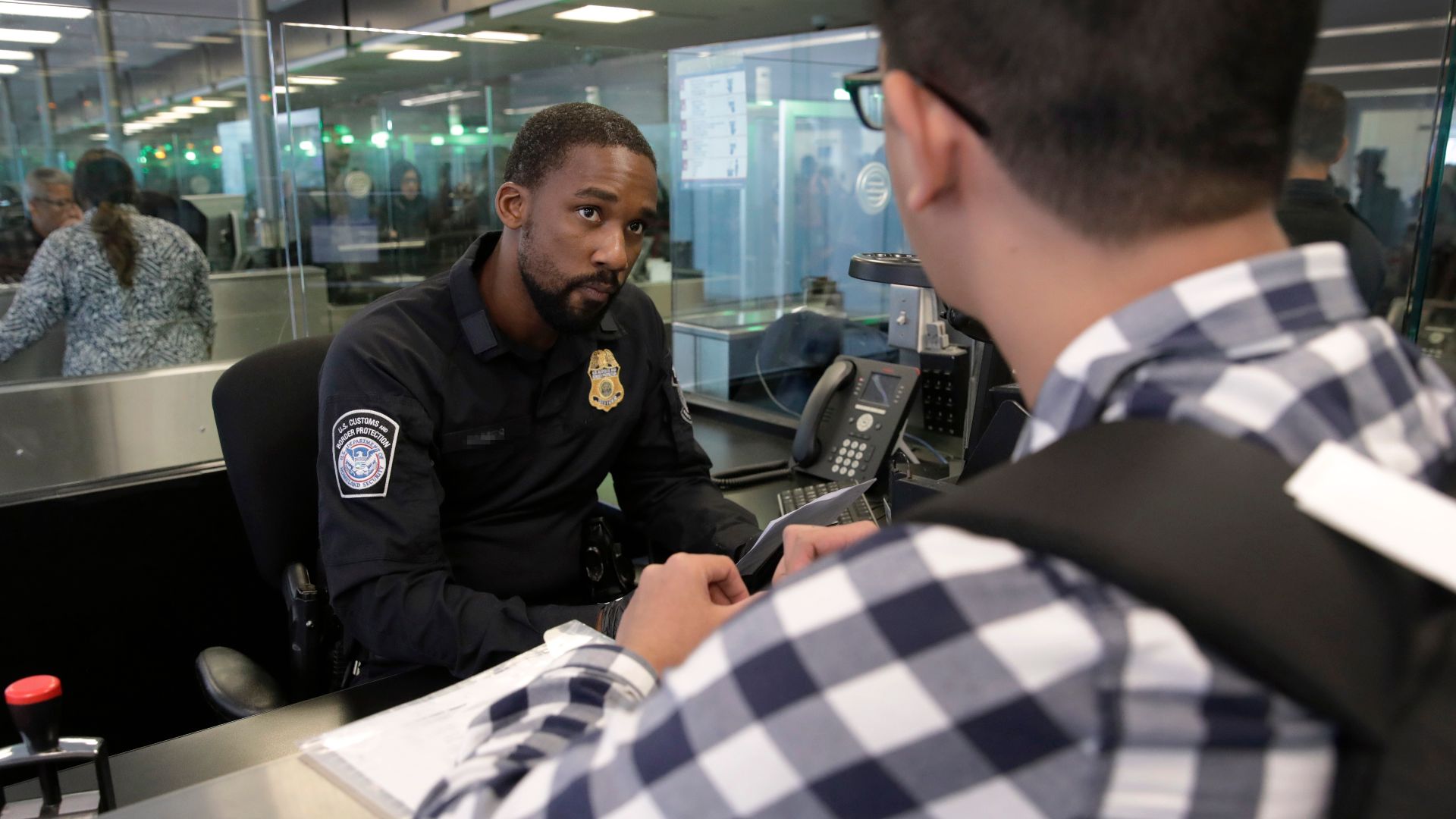 CBP Photography, Wikimedia Commons
Filing A Complaint Is An Option
If you believe your bag was handled improperly or your belongings were treated carelessly, you can file a complaint with TSA. They have an official process for reviewing traveler concerns. Providing specific details about the time, location, and situation will help your complaint be taken seriously.
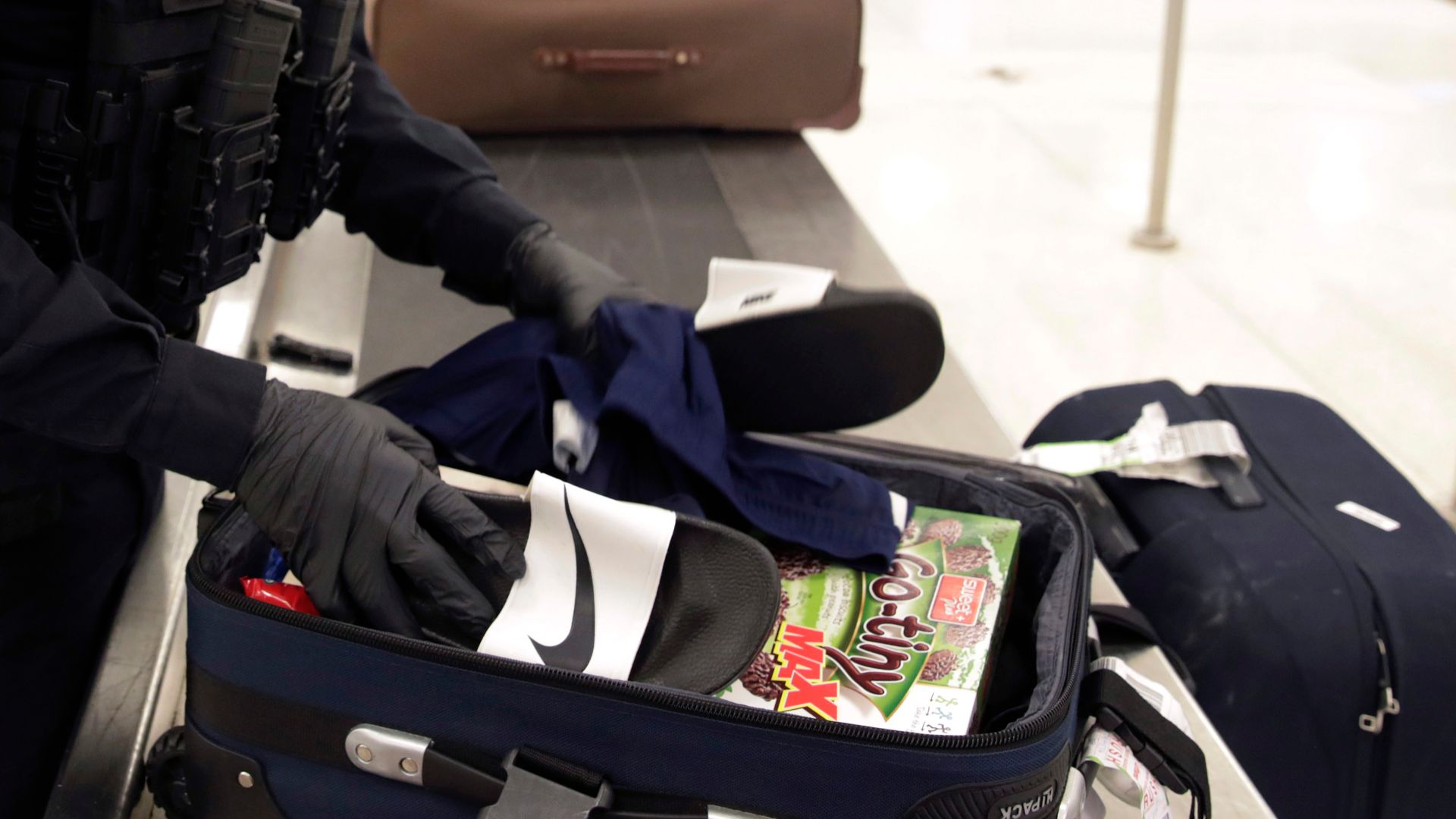 CBP Photography, Wikimedia Commons
Missing Items Should Be Reported Immediately
If you notice something missing after your bag was searched, report it right away. TSA has procedures for handling claims involving lost or damaged property. Acting quickly improves the chances of investigating what happened and possibly recovering your item.
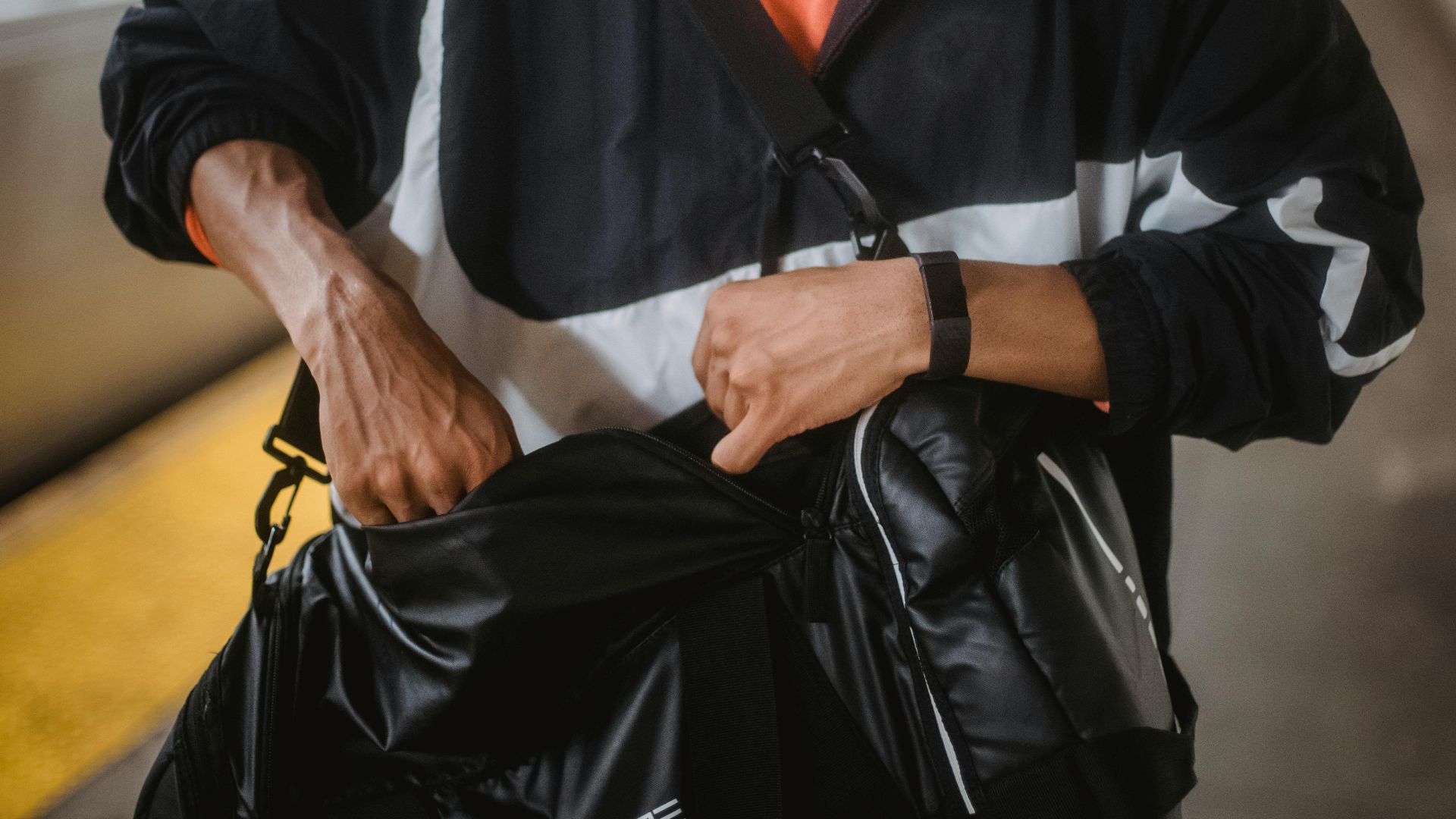
Packing Strategically Can Reduce Searches
How you pack your bag can affect whether it gets flagged. Bags that are cluttered or contain dense, overlapping items can be harder to read on an X-ray. Keeping things organized and separating electronics or liquids can make the screening process smoother and reduce the likelihood of a manual search.
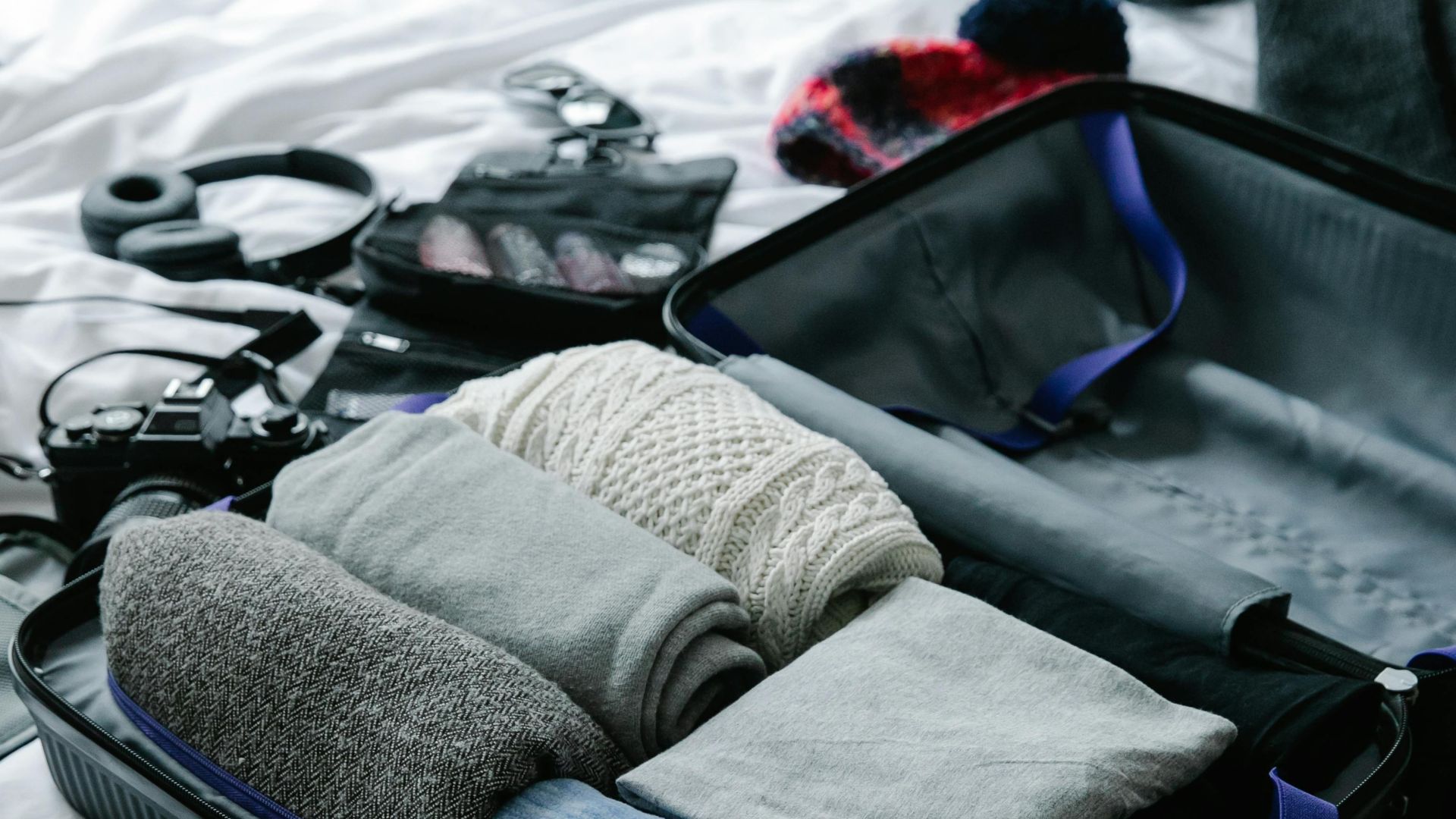
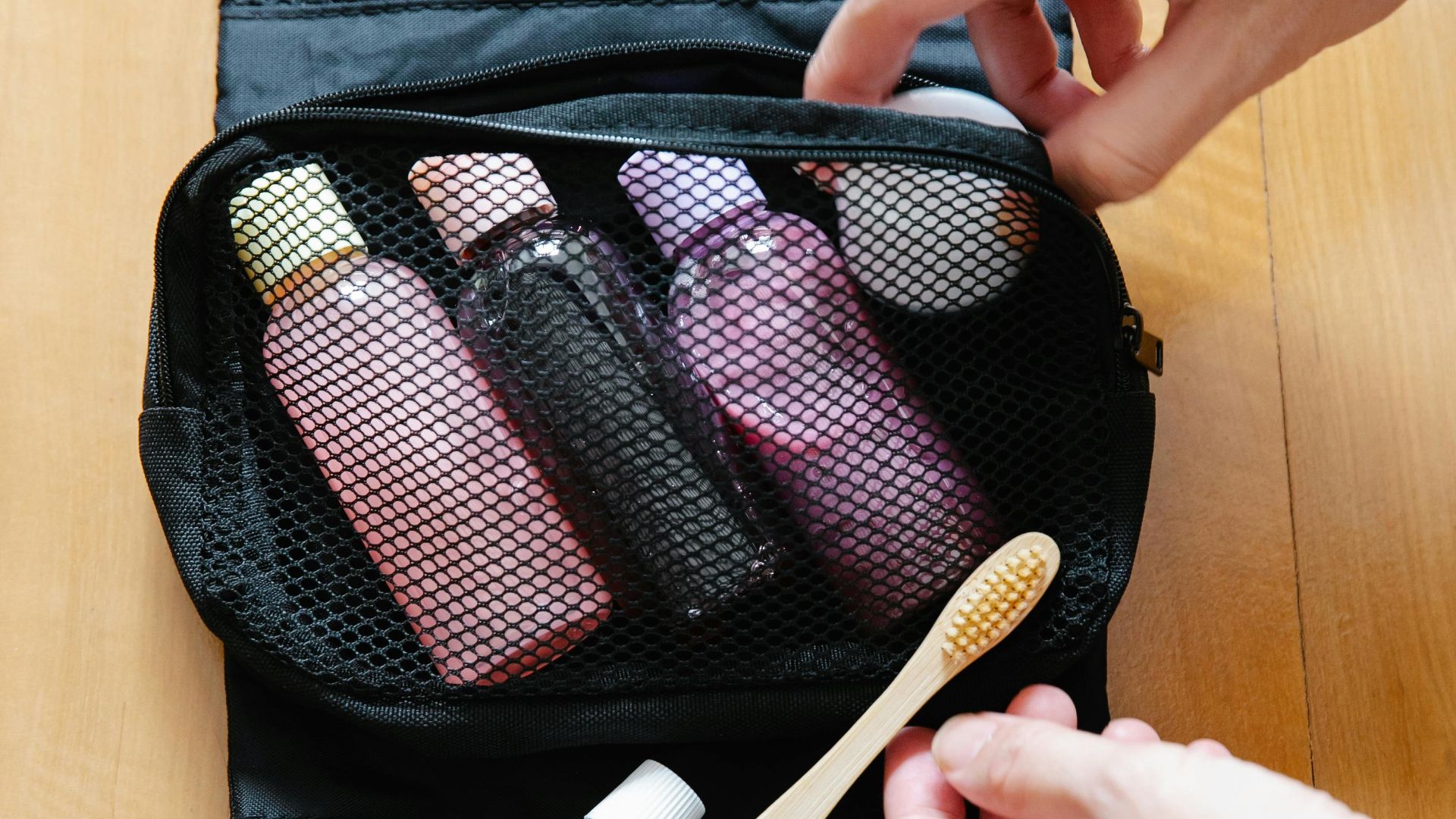
Liquids And Electronics Are Common Triggers
Items like liquids, gels, and large electronics are frequent reasons for additional screening. TSA rules around liquids are strict, and anything that does not comply with those rules can lead to your bag being opened. Electronics can also create unclear images, prompting further inspection.
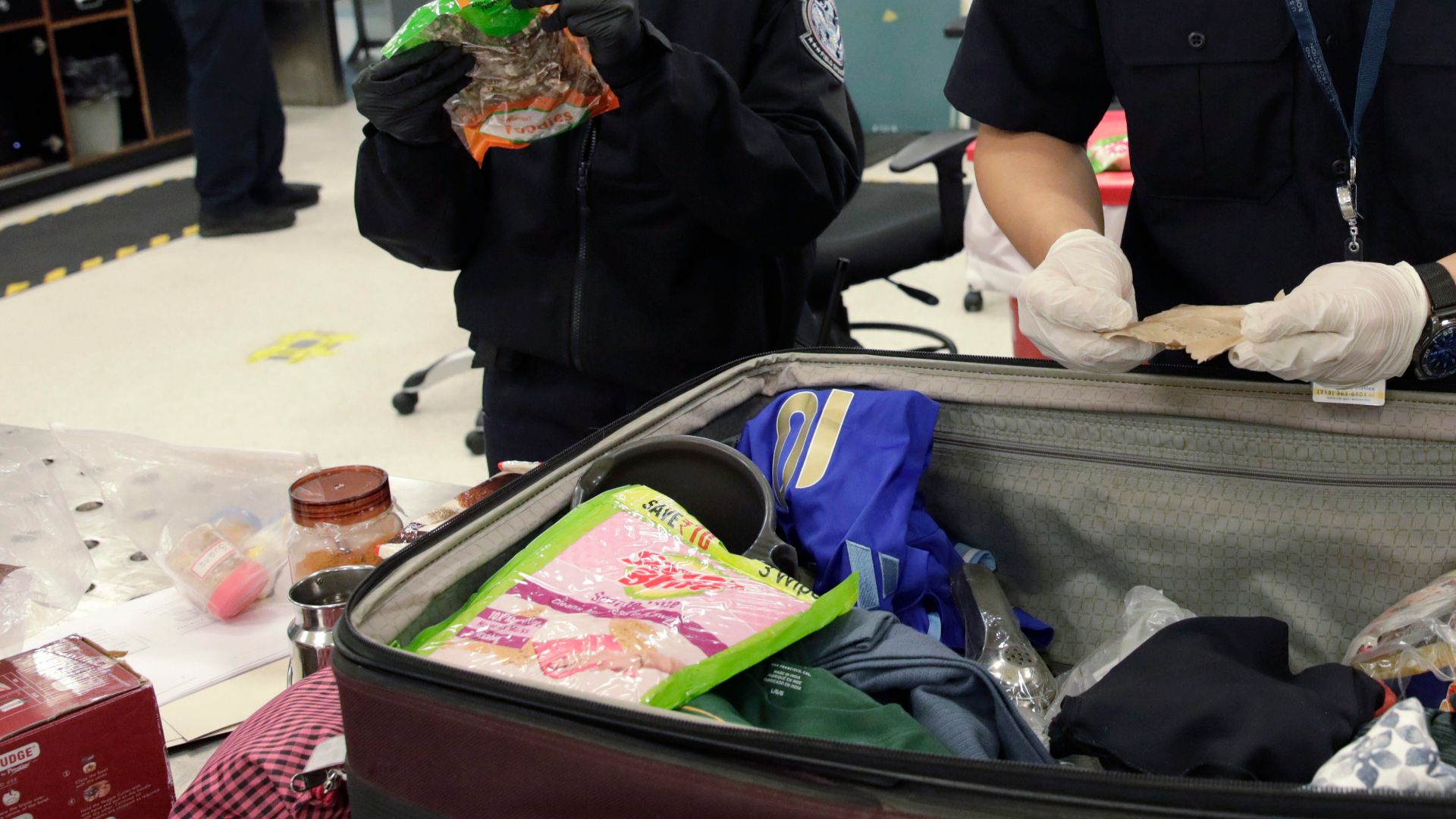
TSA Searches Are Routine, Not Personal
Even though it can feel uncomfortable, most TSA searches are routine and based on standard procedures. Officers screen thousands of bags every day and follow consistent protocols. The search is not about you personally, but about ensuring that every bag meets safety requirements.
 CBP Photography, Wikimedia Commons
Final Thoughts
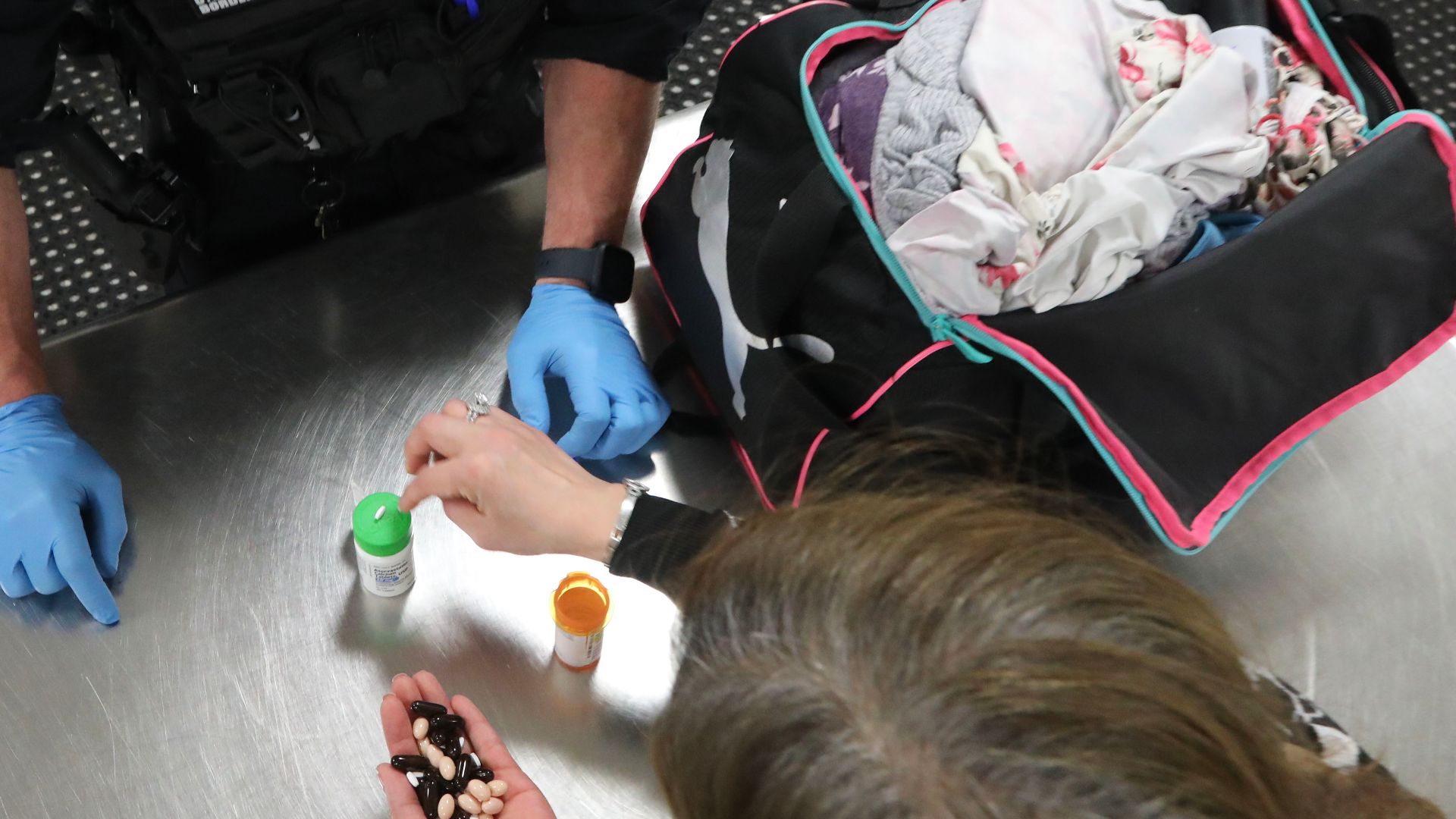
TSA is allowed to open and inspect your carry-on bag if it triggers additional screening, even if you are not standing there at the time. Their authority comes from their responsibility to maintain aviation safety. While they often try to involve you, it is not always required. If something about the process seems off, you can ask questions or file a complaint, but in most cases, these inspections are a normal part of air travel.
 CBP Photography, Wikimedia Commons
You May Also Like: