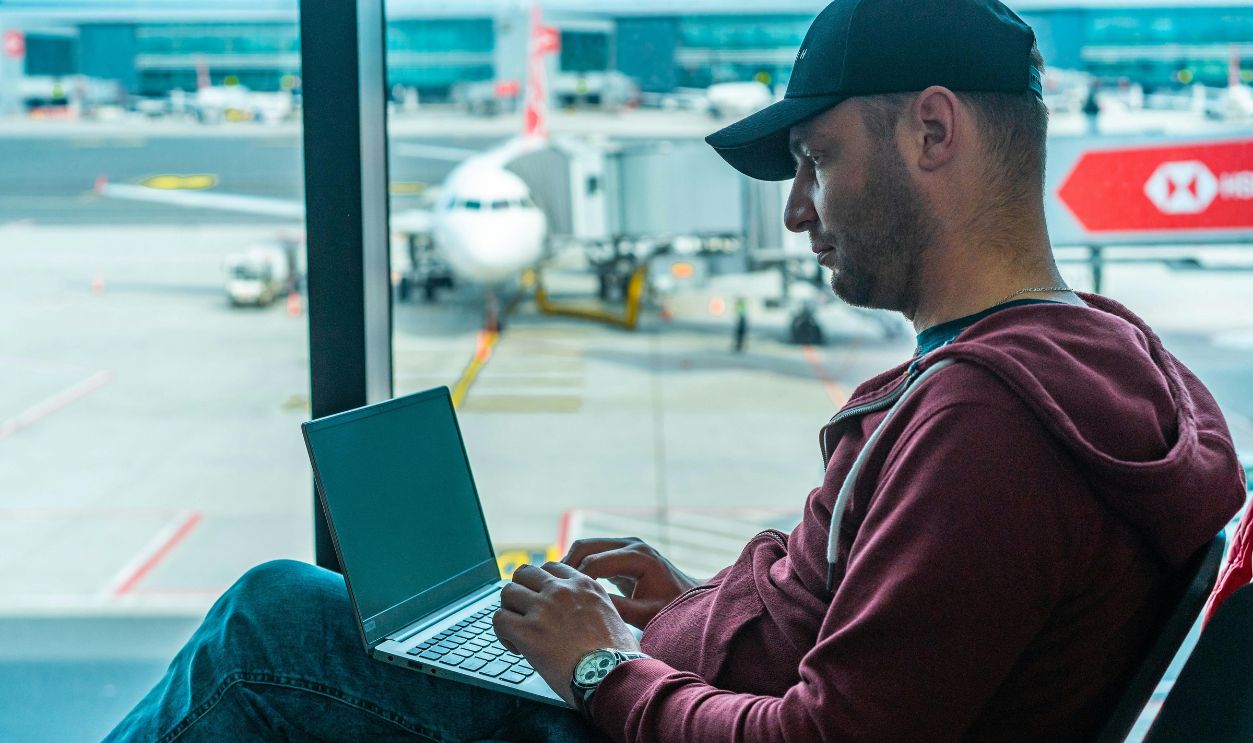
 Gustavo Fring, Pexels, Modified
Flying already comes with enough stress, and unexpected charges only add to the frustration. You pack carefully, make it through the long security line, and you're almost at your gate when someone stops you and demands money because your carry-on bag suddenly "weighs too much." We've been there, and it always sounds unusual, and honestly, a bit suspicious. Airport experiences can be confusing enough without wondering whether you're being scammed or if there's actually a legitimate rule you've somehow missed. Understanding what's really happening in these situations can save both money and a whole lot of frustration on future trips.
Airport Security Versus Airline Staff: Who's Actually In Charge?
Airport security personnel—the TSA agents in the US or their equivalents in other countries—aren't typically the ones checking bag weight or collecting fees for overweight luggage. Their primary job involves screening for prohibited items and ensuring passenger safety. They're looking for weapons, liquids over the allowed limit, and other security threats. Weight restrictions on carry-on bags fall under airline policies, not security regulations. This is an important distinction that many travelers don't realize until they're caught in a confusing situation at the airport.
So who would actually charge someone for an overweight carry-on? That responsibility belongs to airline staff at the gate or sometimes at the initial check-in counter. Gate agents have the authority to enforce their airline's baggage policies, which include both size and weight restrictions for carry-on items. Different airlines have different rules, and some are stricter than others about enforcing them. Budget carriers especially tend to be vigilant about baggage limits since they rely heavily on ancillary fees as part of their business model. However, even full-service airlines have started cracking down on carry-on weight in recent years, particularly on international flights where overhead bin space is at a premium.
 Transport Security Administration, Wikimedia Commons
What Happens When Your Bag Is Actually Too Heavy
When an airline determines that a carry‑on exceeds their weight limit, they have a few options. The limit varies by airline and route, with many US domestic carriers having no strict limit or allowing up to 35–40 pounds, while international and budget routes often cap at 15–22 pounds. The most common solution is requiring passengers to check the bag instead, which usually comes with a checked baggage fee. These fees can range anywhere from 25 dollars to over 100 dollars for international flights, depending on the airline and whether it's a first bag or an additional one. Sometimes, gate agents will ask passengers to remove items and either wear them, carry them separately, or redistribute weight into another bag if they're traveling with someone else.
Paying a fee on the spot is definitely possible, but it should be handled through official airline channels with proper documentation. Legitimate charges will appear on a receipt, get processed through a payment system, and show up on credit card statements with the airline's name attached. Any airport or airline employee asking for cash directly without providing official paperwork should raise immediate red flags. Airlines and airports are businesses with established billing procedures, and random cash transactions aren't part of normal operations. If something feels off about how payment is being requested, it probably is worth questioning.
Protecting Yourself From Confusion And Potential Scams
The best defense is knowledge about the specific airline's policies before arriving at the airport. Checking the airline's website for carry-on weight limits and dimensions ensures there won't be surprises. Many airlines now include this information prominently on booking confirmations and pre-flight emails. Investing in a small luggage scale for home use takes the guesswork out of packing and costs less than a single overweight bag fee. At the airport, always ask to see the official policy in writing if there's any dispute, and insist on proper receipts for any charges paid. Legitimate employees will understand the request and won't be offended by reasonable verification. Taking these simple steps transforms a potentially stressful encounter into a manageable situation where travelers stay in control of both their luggage and their money.