Some Snacks Just Taste Better At Home
Walk through snack aisles around the world and familiar categories suddenly become very different. Global food companies routinely adapt flavors to local tastes, while other treats remain closely connected to the countries where they became famous. That makes traveling a perfect excuse to skip the familiar package and try the version a country does especially well.
Reese's Peanut Butter Cups Are An American Original
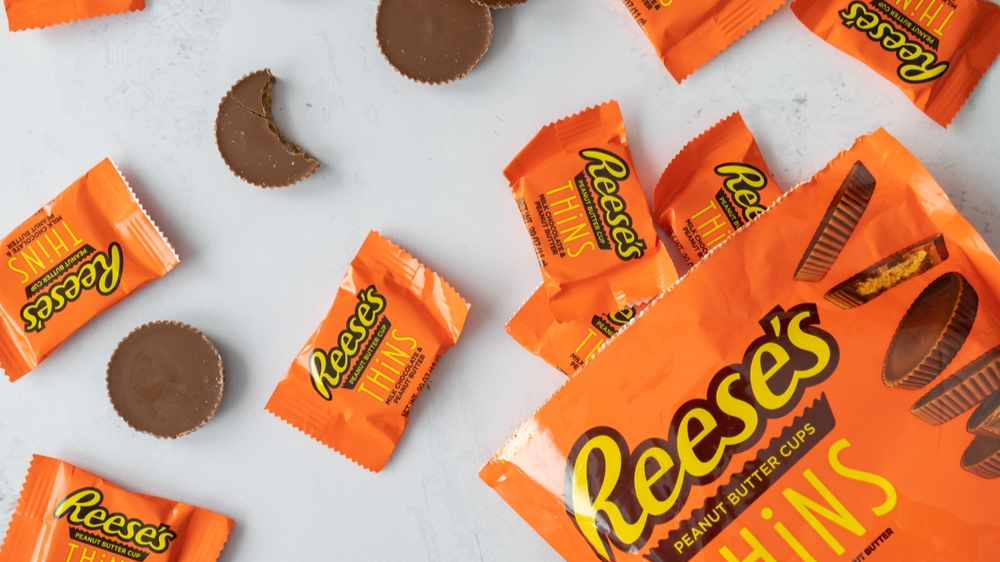
Few combinations feel more American than chocolate and peanut butter, and Reese's is the obvious place to start. H.B. Reese created Reese's Peanut Butter Cups in Hershey, Pennsylvania, in 1928 after previously working for the Hershey Chocolate Company. The combination has since grown into a huge product family, but the classic cup remains a particularly American candy experience.
Cheez-It Crackers Have Had A Century To Get It Right
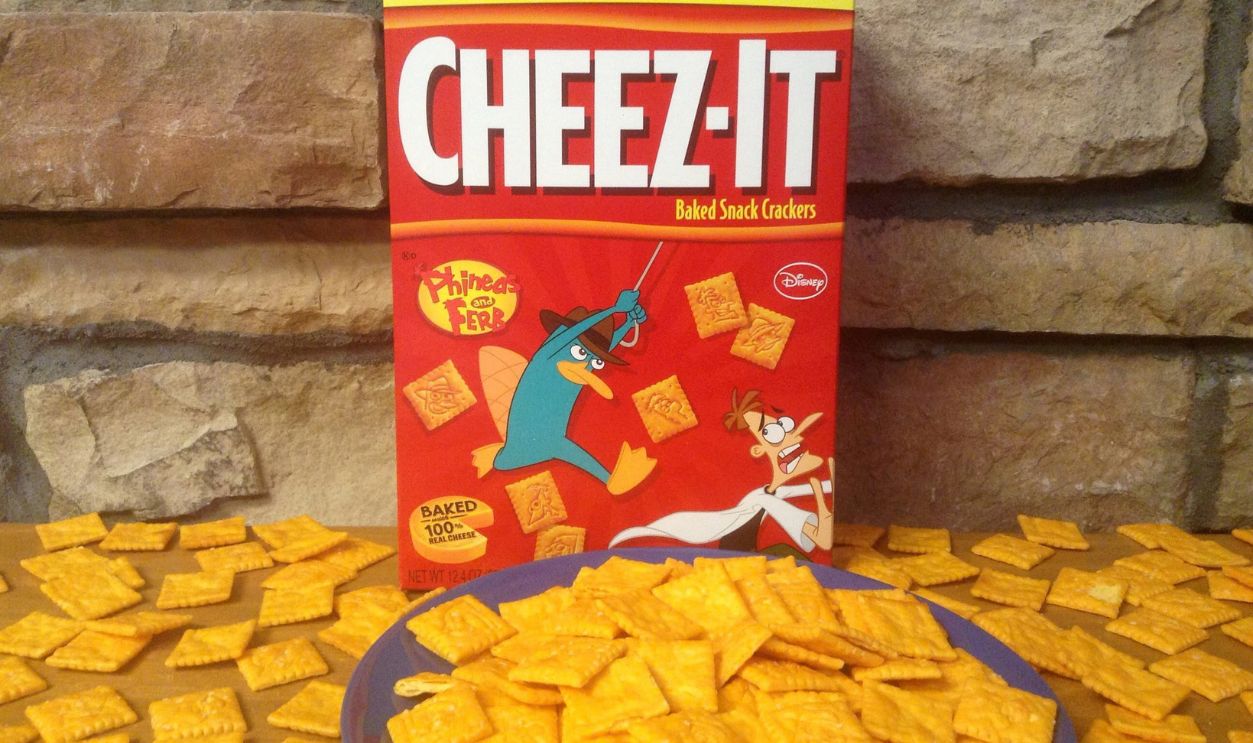
Cheez-It has been around since 1921, giving those tiny orange squares more than a century of snack history. The familiar Original version is only the beginning of what shoppers can find on American shelves. White Cheddar, Pepper Jack, Hot & Spicy, Buffalo Wing, and other varieties make the domestic selection especially fun to explore.
Little Debbie Oatmeal Creme Pies Bring The Nostalgia
Oatmeal Creme Pies have roots that stretch back to the early days of the McKee family's snack business. The treat later became the first family-pack product sold under the Little Debbie name in 1960. Soft oatmeal cookies surrounding a creme filling still make them one of those unmistakably old-school American convenience-store treats.
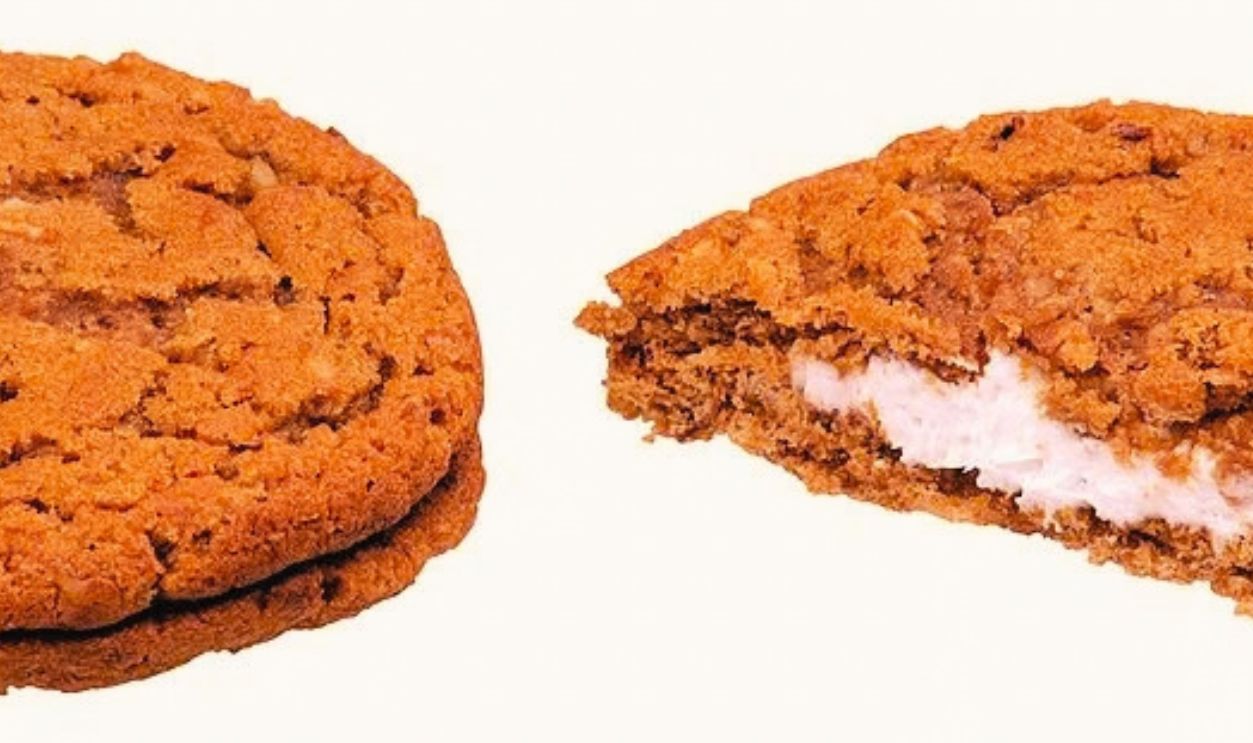 Evan-Amos, CC0, Wikimedia Commons
Goldfish Became An American Road-Trip Staple
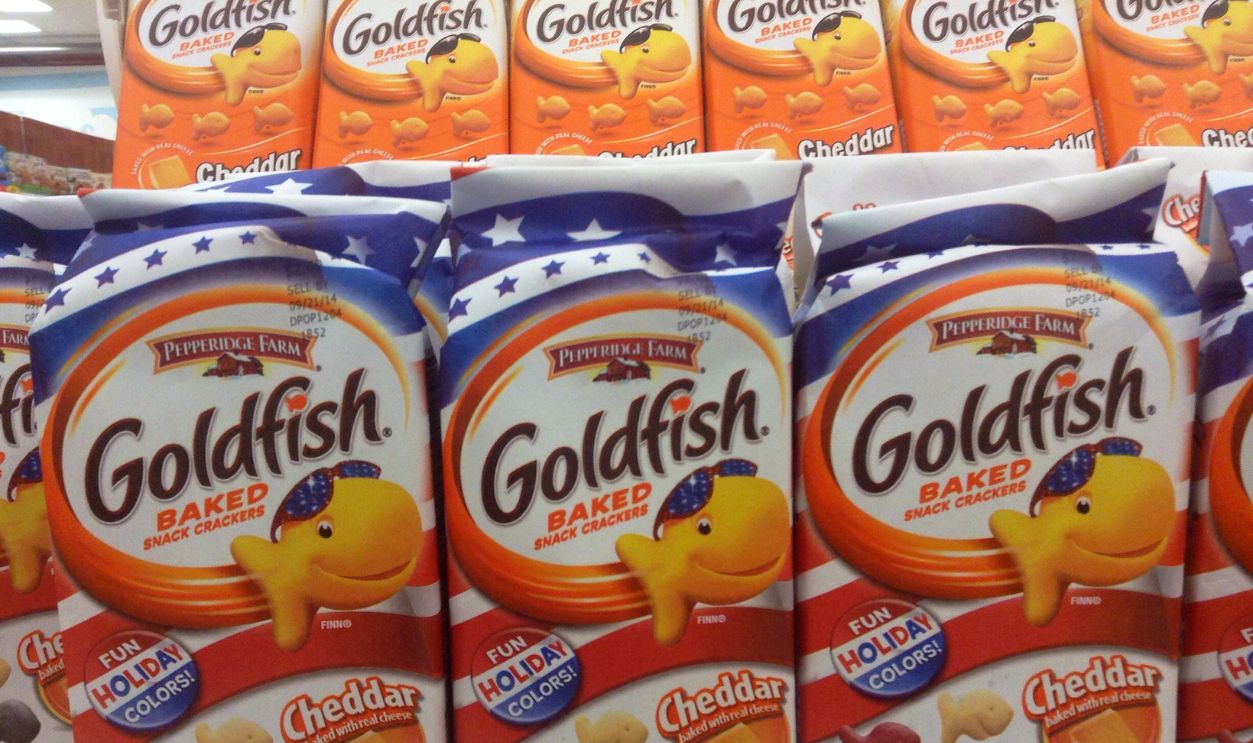
Goldfish crackers actually originated in Switzerland, but Pepperidge Farm brought them to the United States in 1962. They subsequently became deeply embedded in American lunchboxes, family kitchens, and road-trip snack bags. The American market now offers numerous flavors and variations beyond the familiar cheddar fish.
Flamin' Hot Cheetos Turn Up The Heat
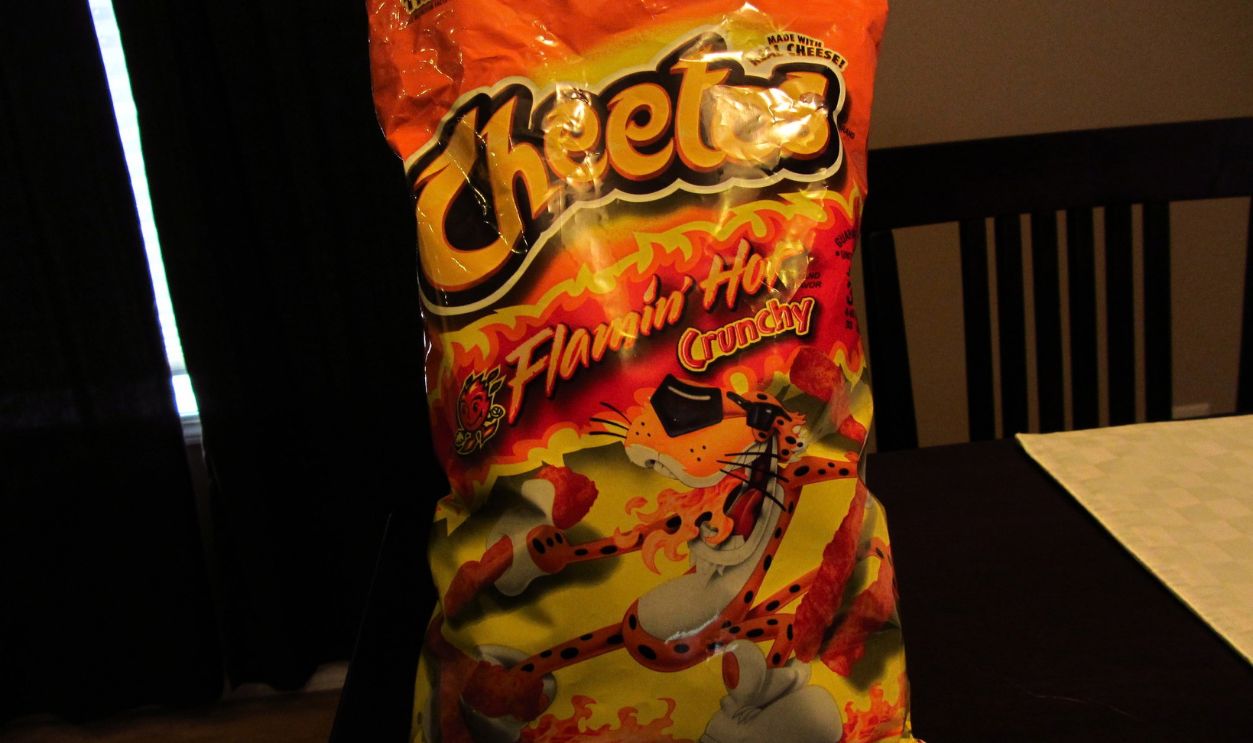
Cheetos are already an American snack-aisle heavyweight, but the Flamin' Hot varieties take the experience in a much spicier direction. The brand now sells multiple products under the Flamin' Hot name alongside its traditional Crunchy and Puffs lines. For visitors who want something loud, crunchy, and unapologetically intense, the bright red bag is difficult to overlook.
Classic Oreos Are Still Worth Getting In America
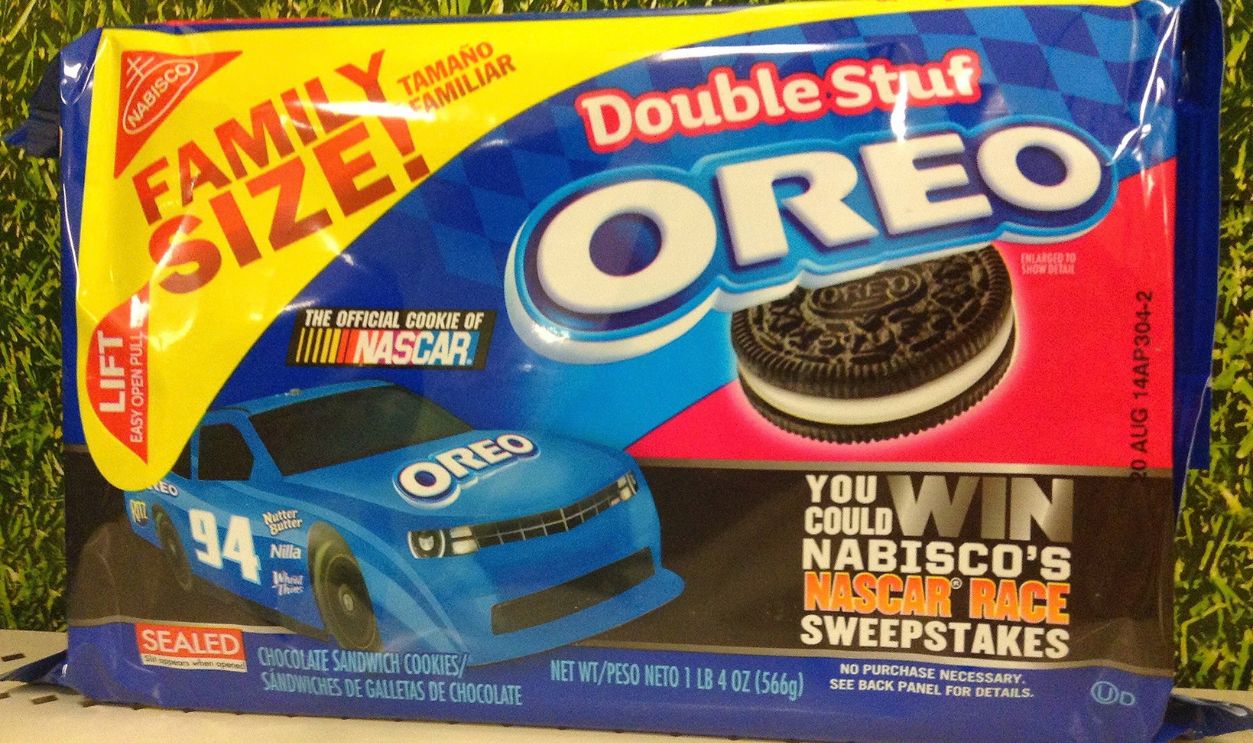
Oreo has become a global brand, so finding the cookie outside the United States is hardly difficult. Still, its long American history and enormous domestic presence make the classic chocolate-wafer-and-creme combination worth revisiting here. Double Stuf, which debuted in the United States in 1974, is another familiar variation to put beside the original.
The Reese's Aisle Goes Way Beyond Peanut Butter Cups
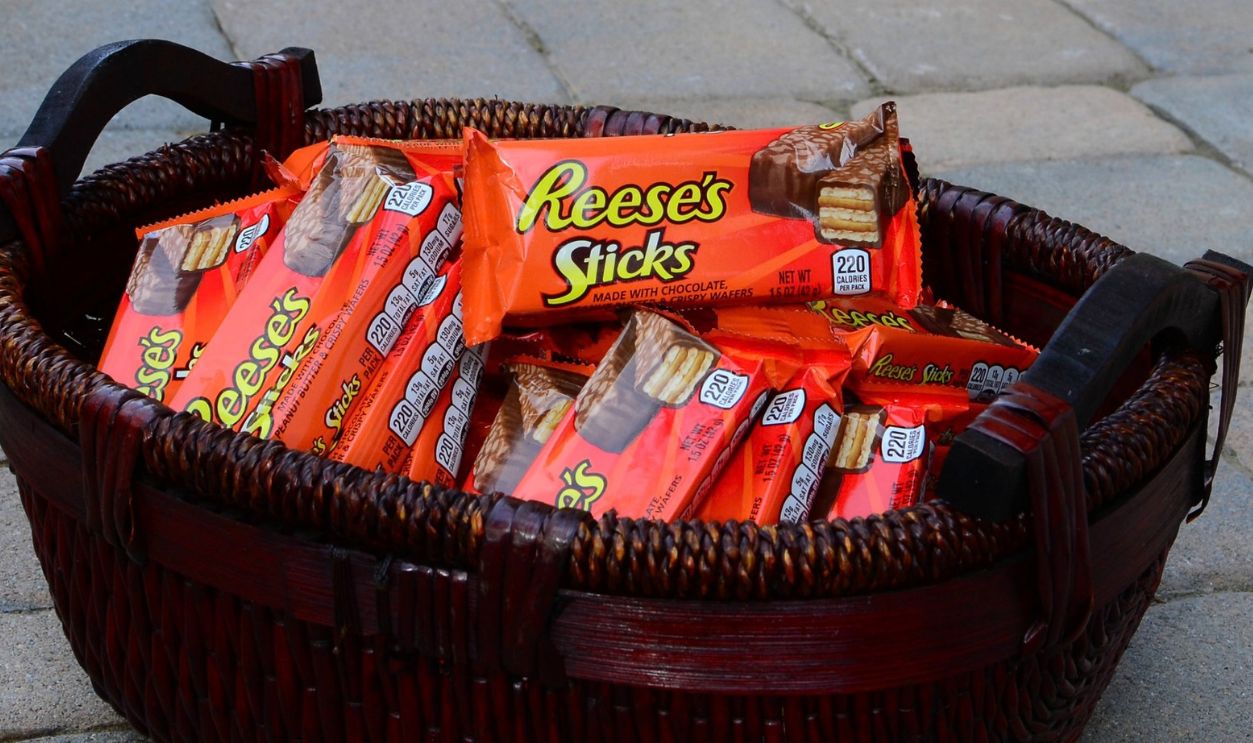
Stopping at ordinary peanut butter cups means missing how enormous the Reese's lineup has become. Hershey says the product family includes more than 100 candies, cookies, spreads, and cereals. Reese's Pieces, Sticks, Minis, Big Cups, Take 5, and numerous specialty cups can turn a quick candy purchase into a much harder decision.
Cheez-It Flavors Get Surprisingly Wild
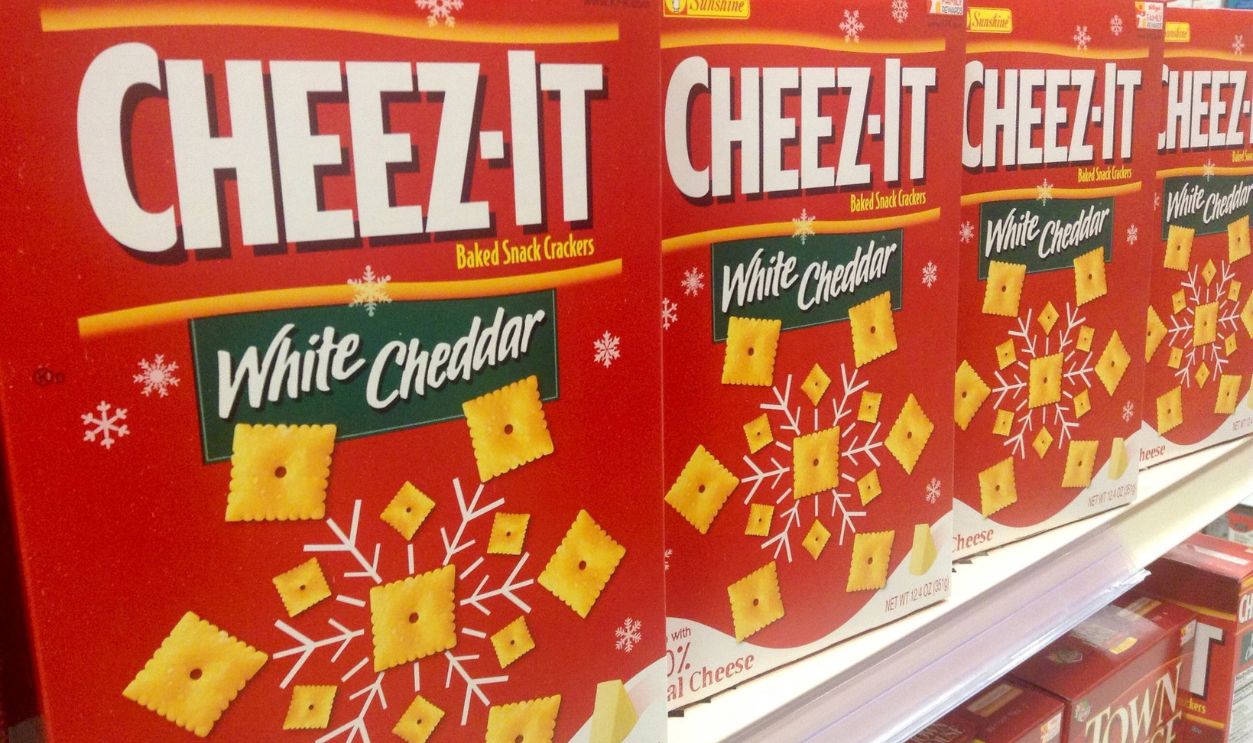
The American Cheez-It aisle can get considerably more adventurous than the familiar red box suggests. Current varieties have included White Cheddar, Cheddar Jack, Pepper Jack, Hot & Spicy, Buffalo Wing, Smoked Cheddar, and Smoked Gouda. It is exactly the kind of snack where choosing the unfamiliar box can be more entertaining than sticking with Original.
Little Debbie Has Plenty More Classics
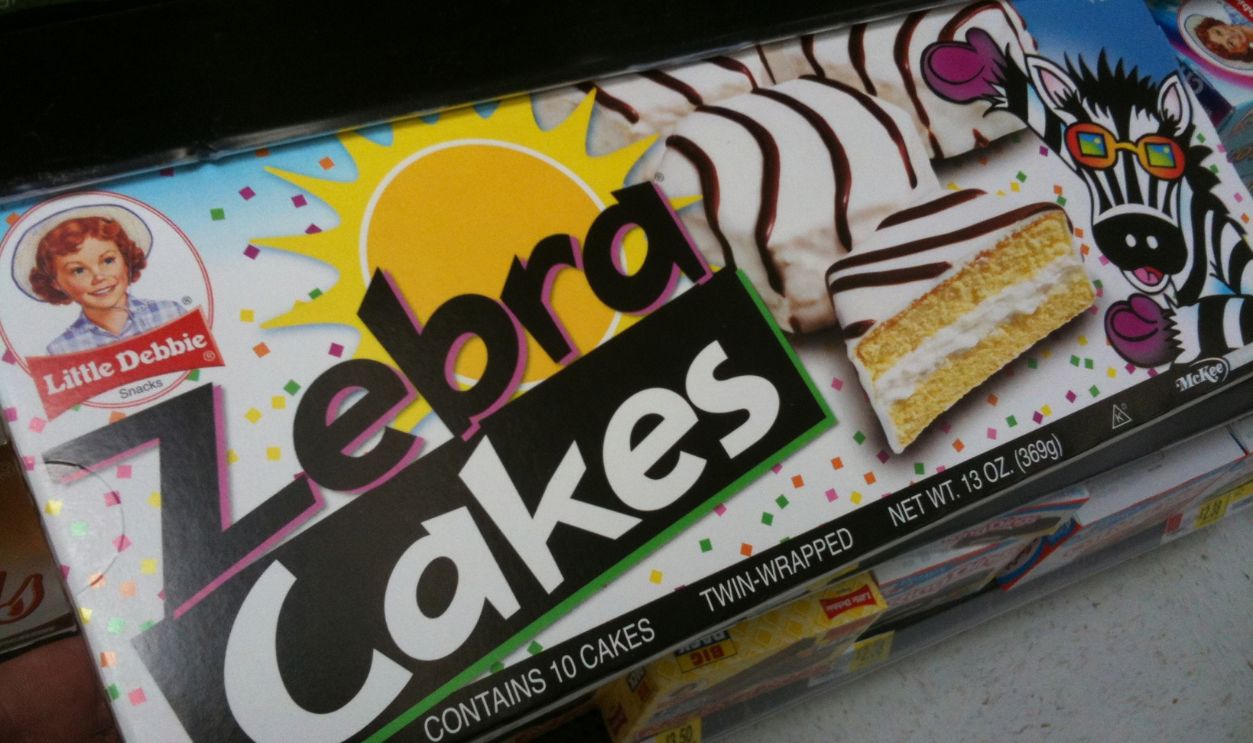
Oatmeal Creme Pies are only one part of the Little Debbie experience. Swiss Rolls, Zebra Cakes, and Nutty Buddy Wafer Bars have all become recognizable parts of the company's lineup. None is pretending to be fancy, but together they deliver a concentrated dose of American lunchbox nostalgia.
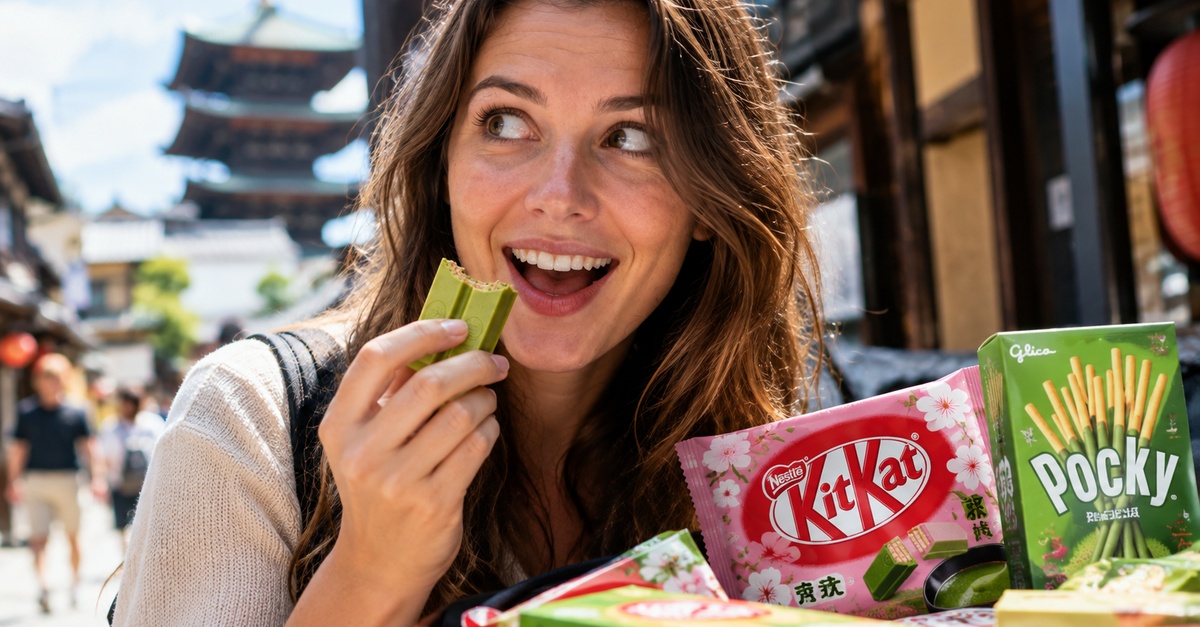
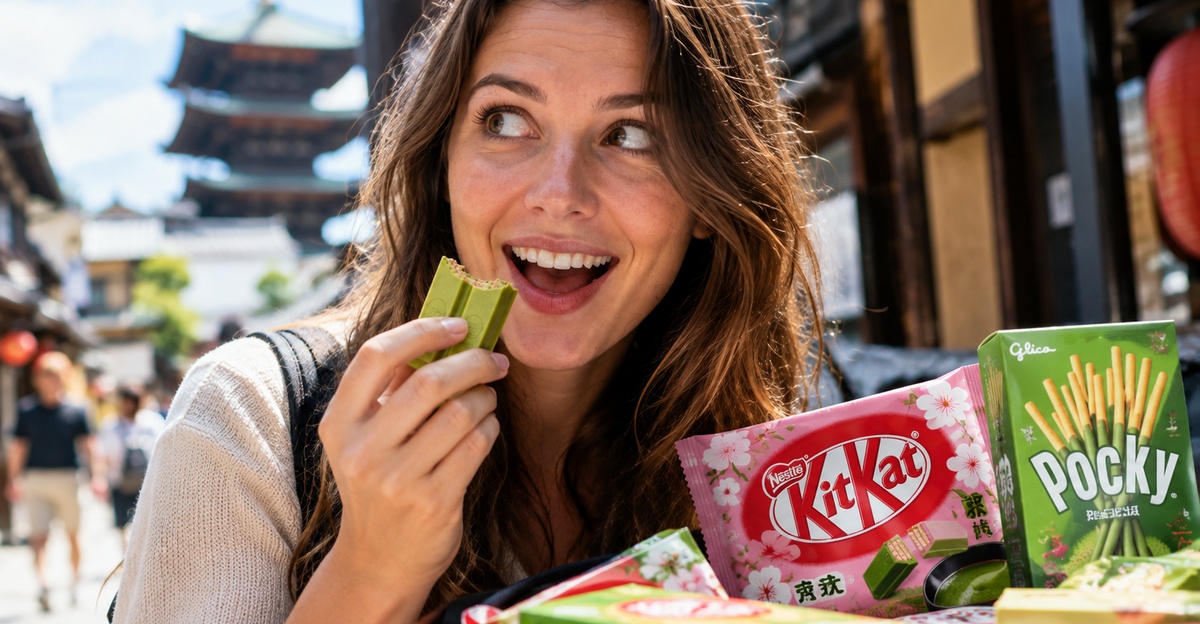
KitKats Become Souvenirs In Japan
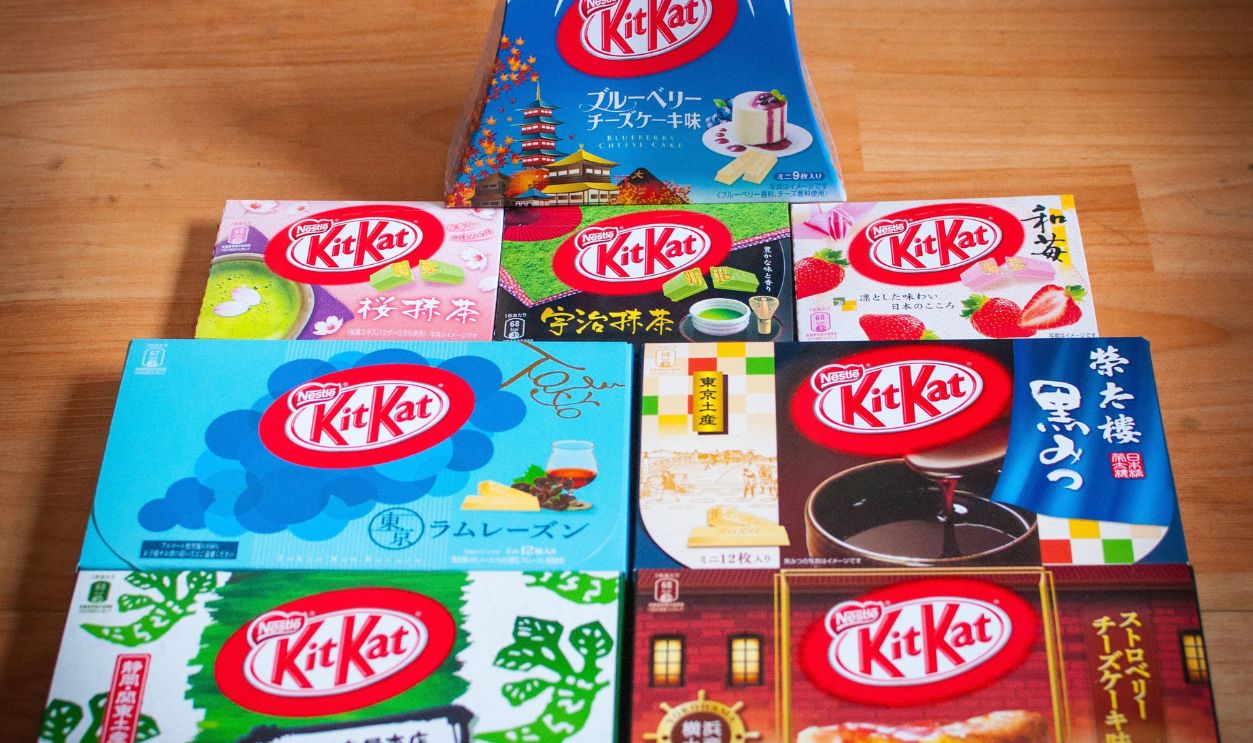
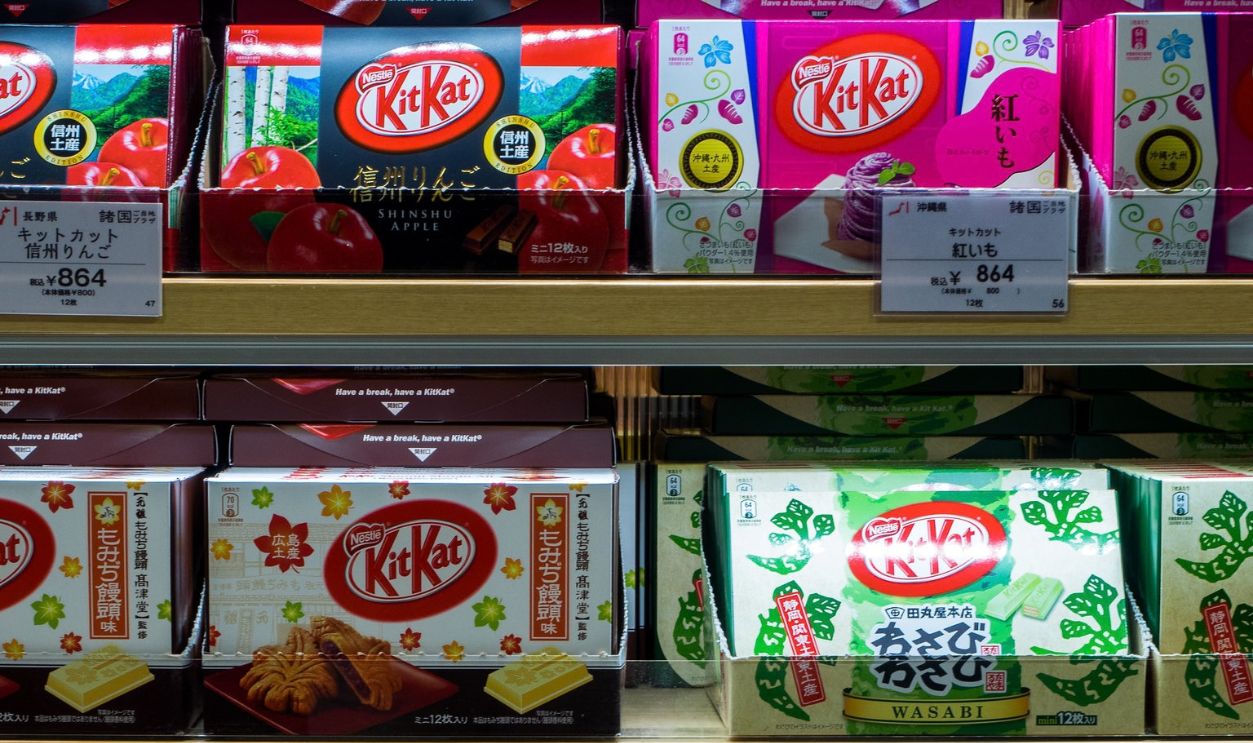
The familiar KitKat becomes something considerably more interesting once you reach Japan. Nestlé's Japanese range includes products inspired by regional ingredients and specialties, with the company specifically promoting them as souvenirs connected to different parts of the country. Suddenly, buying a KitKat can feel more like souvenir shopping than grabbing a standard candy bar.
KitKat Flavors Get Seriously Local
Japan's regional KitKat selection shows just how far the concept can go. Nestlé currently highlights flavors such as Hokkaido Azuki and Strawberry, Tokyo Shima Lemon, Shinshu Apple, Uji Matcha, Tamaruya Wasabi, and Okinawan Purple Sweet Potato. There are even varieties inspired by Japanese sake and umeshu, giving adventurous shoppers options that look nothing like the standard chocolate bar.
Pocky Has A Much Bigger Personality In Japan
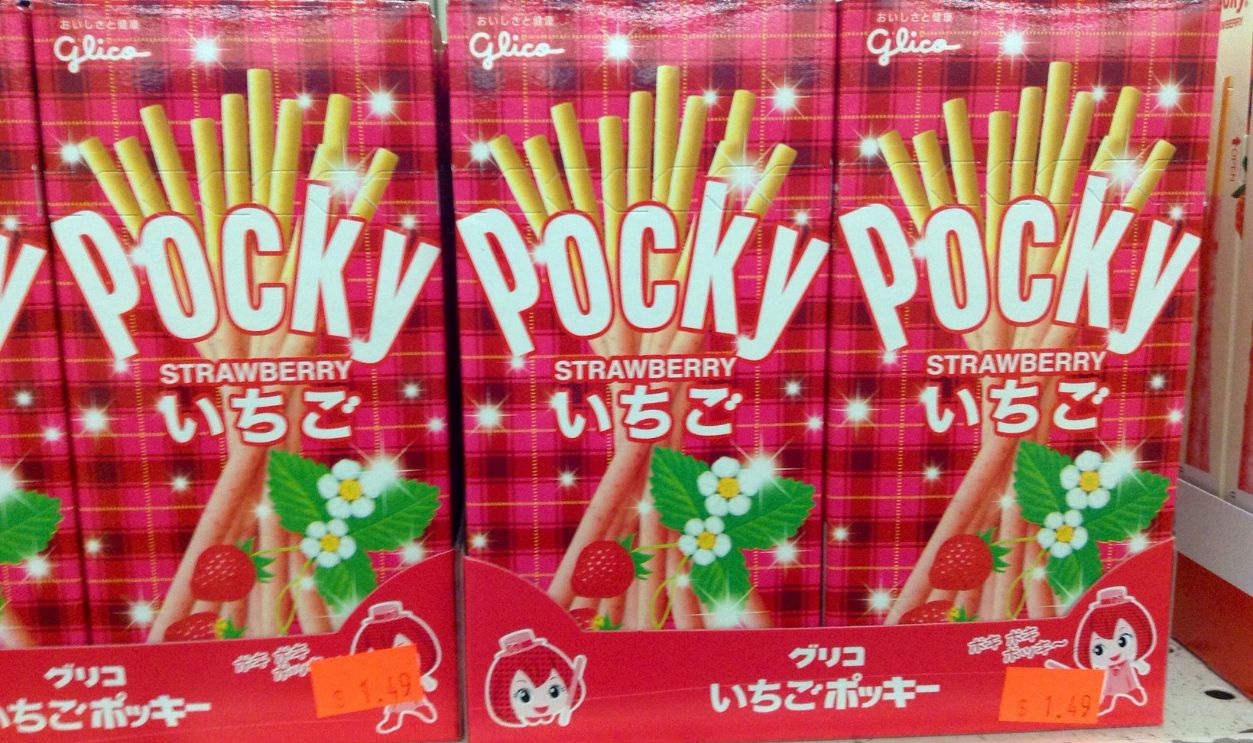
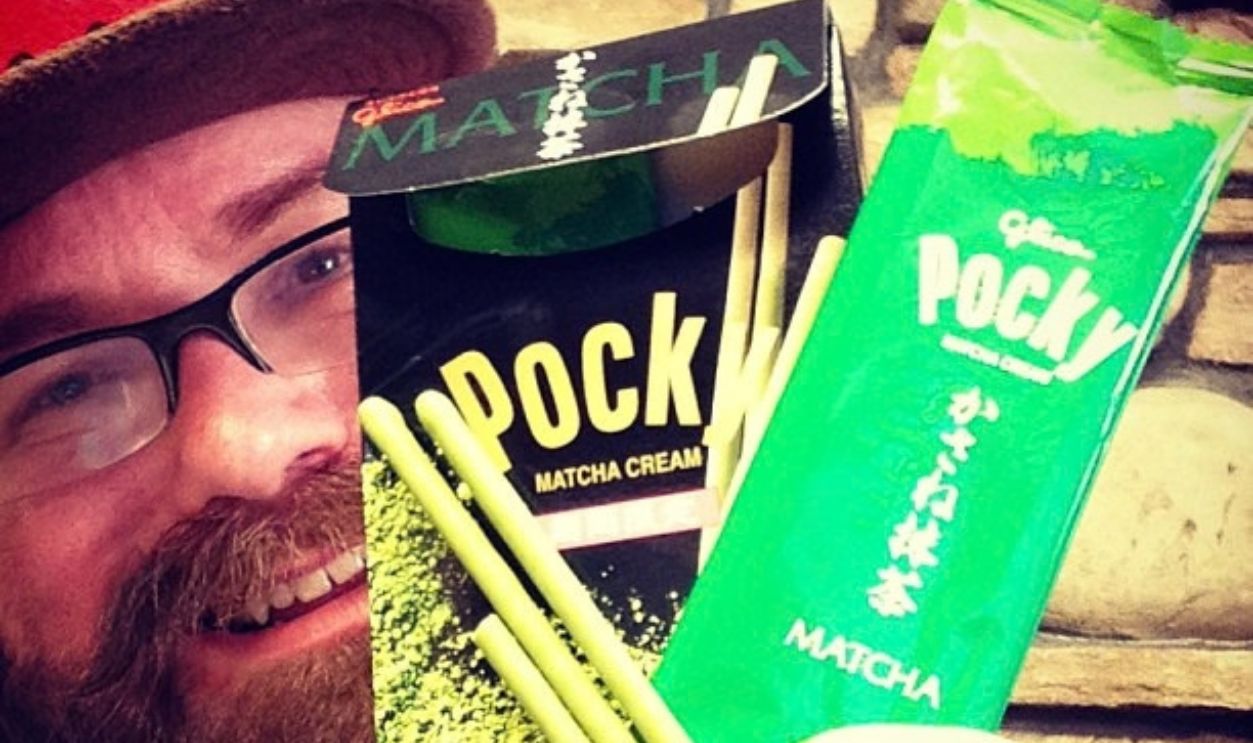
Pocky debuted in Japan in 1966 and has developed into far more than chocolate-covered biscuit sticks. Glico has produced Japanese varieties featuring matcha, strawberry, melon, citrus, and other flavors. Pocky is readily available internationally today, but browsing the selection in Japan reveals how much bigger the idea can become.
Regional Pocky Is The Real Prize
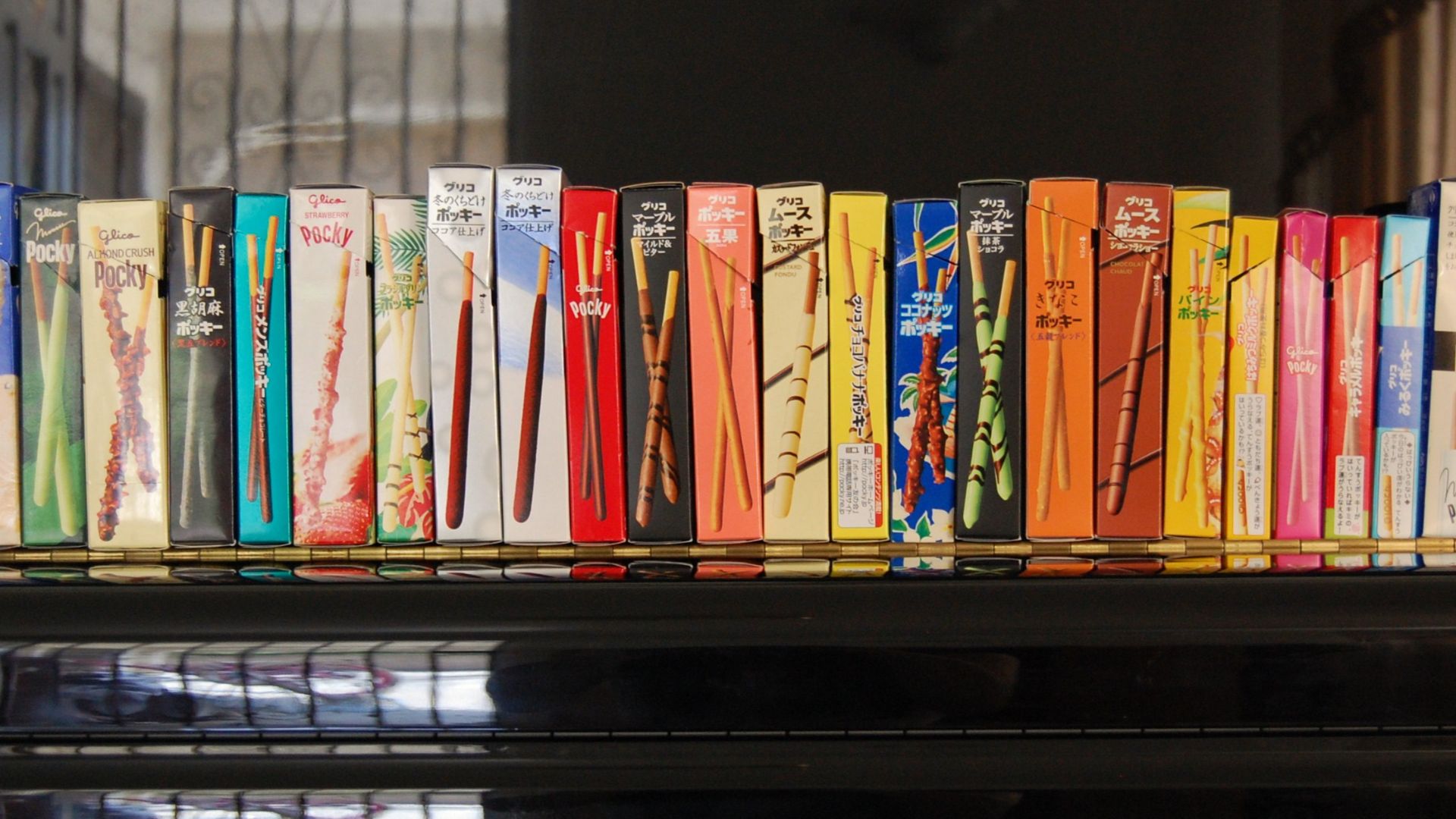
Some Japanese Pocky varieties lean directly into regional ingredients. Glico has offered products associated with places such as Hokkaido, Kyushu, and the Kyoto region. That turns an inexpensive box of biscuit sticks into the kind of edible souvenir that actually reflects where you bought it.
Lay's Magic Masala Changes The Potato Chip Game
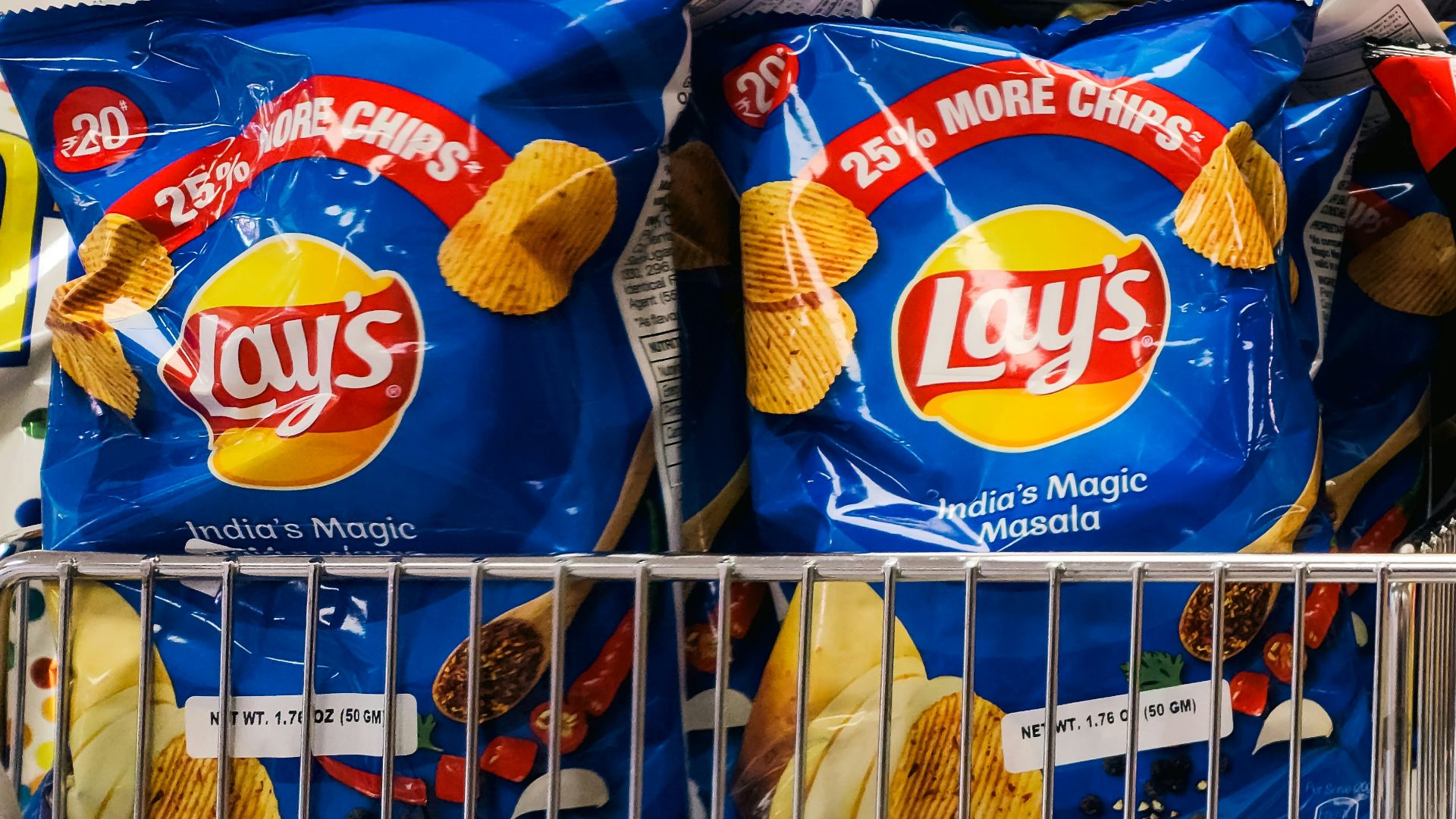
Plain Lay's are available almost everywhere, so India is a good place to ignore the familiar yellow bag. Lay's India's Magic Masala uses a seasoning blend inspired by Indian spices and has become closely associated with the brand's Indian lineup. It is an easy example of how a multinational snack company can create something that feels dramatically different when it responds to local tastes.
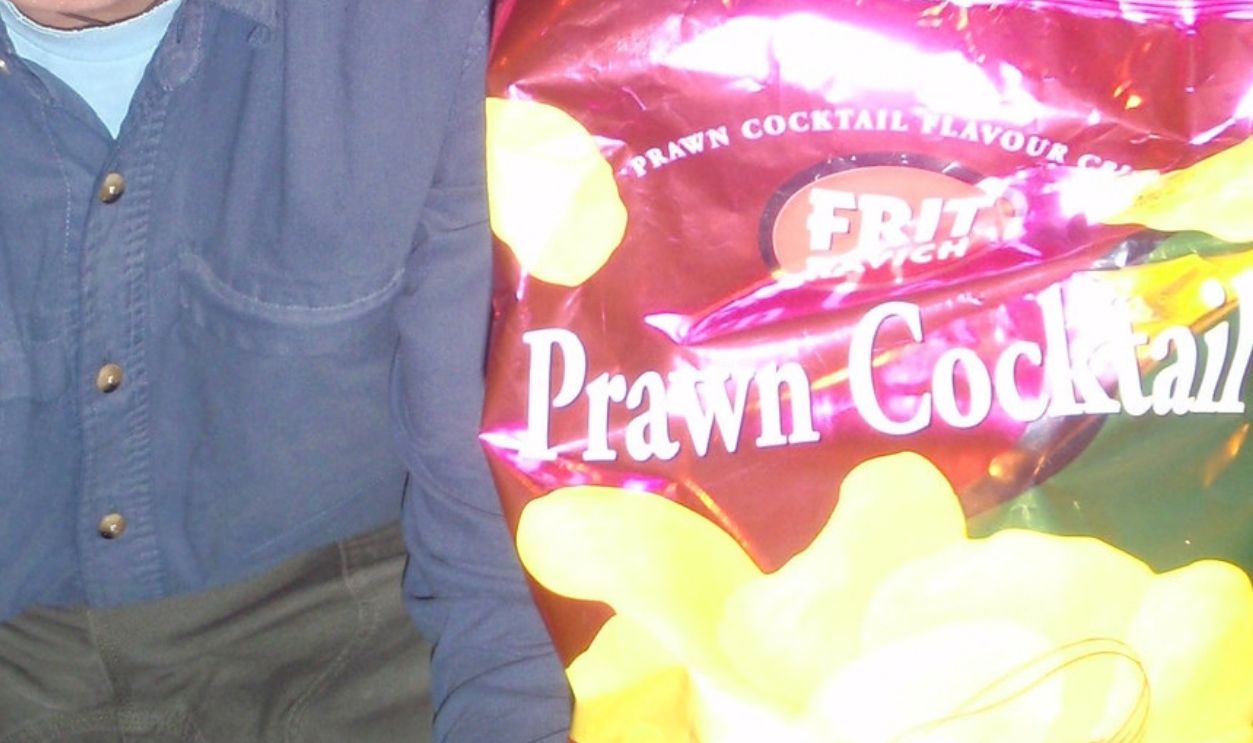
Prawn Cocktail Crisps Are Worth The Leap
"Prawn Cocktail" may not be the first flavor some Americans expect to see written across a potato-chip bag. In Britain, however, the flavor is a familiar part of the crisp aisle, with Walkers selling its own version. Its sweet, tangy, tomato-heavy seasoning makes it considerably less intimidating than the name might initially suggest.
The British Crisp Aisle Plays By Different Rules
Britain's crisp aisle is a good reminder that potato-chip flavors are anything but universal. Cheese & Onion is a major British staple, while Prawn Cocktail occupies shelf space that American shoppers are more accustomed to seeing filled by ranch or barbecue. When traveling, those differences make the local chip aisle surprisingly useful for discovering everyday food culture.
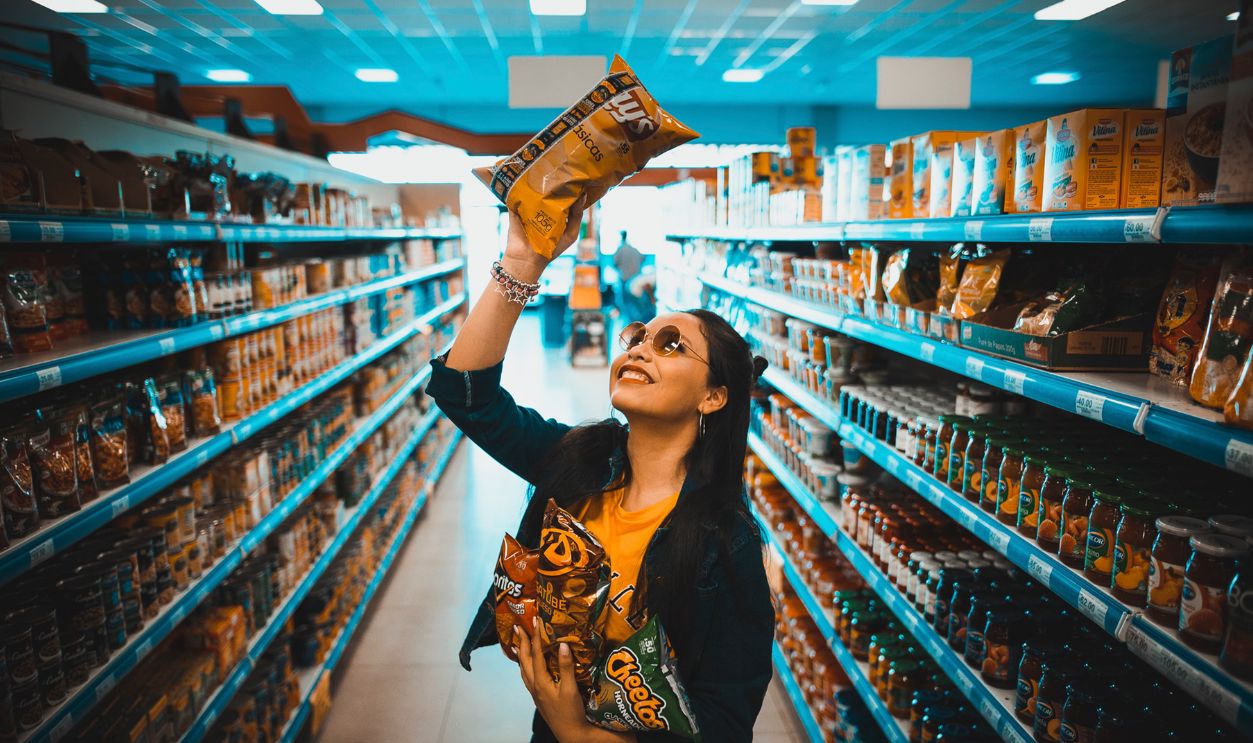
All Dressed Chips Deserve The Border Crossing
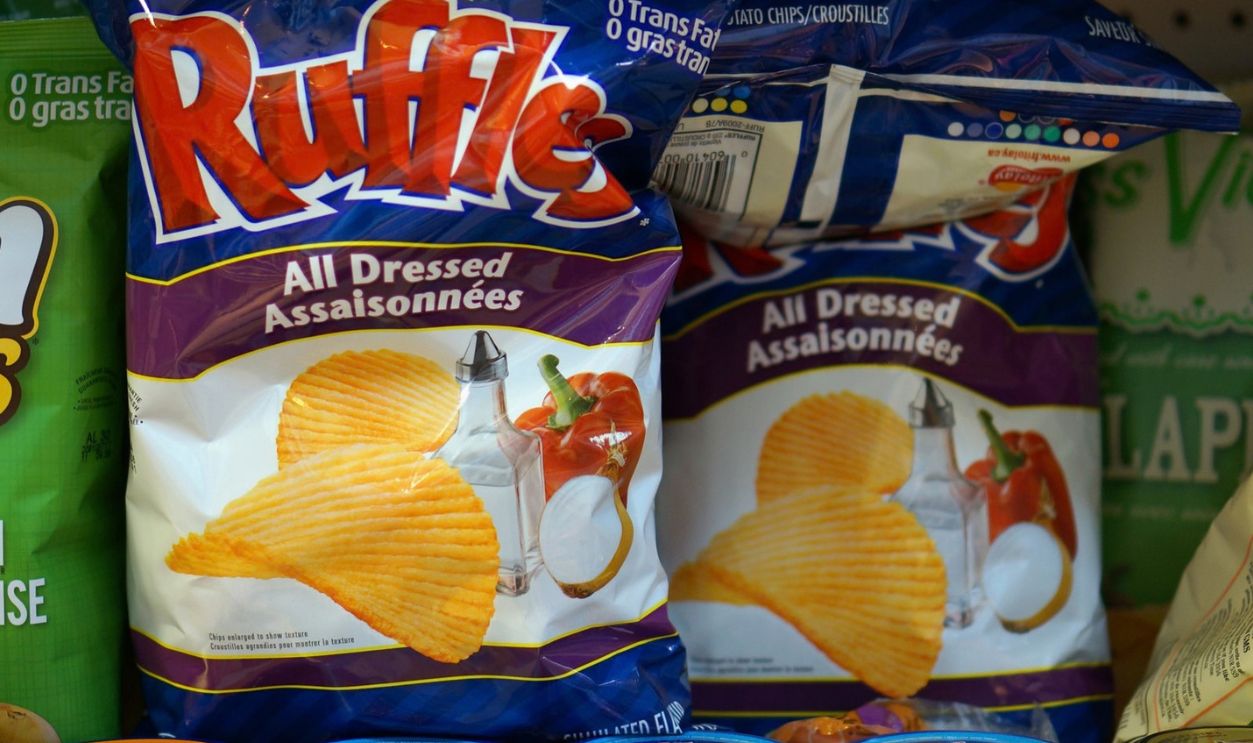
Canada's All Dressed chips refuse to settle on one familiar flavor profile. Ruffles describes the seasoning as combining sweet, salty, savory, and tangy elements, and All Dressed has become strongly associated with Canadian snack culture. Anyone who likes barbecue, salt-and-vinegar, or ketchup chips will probably understand why the combination developed such a following.
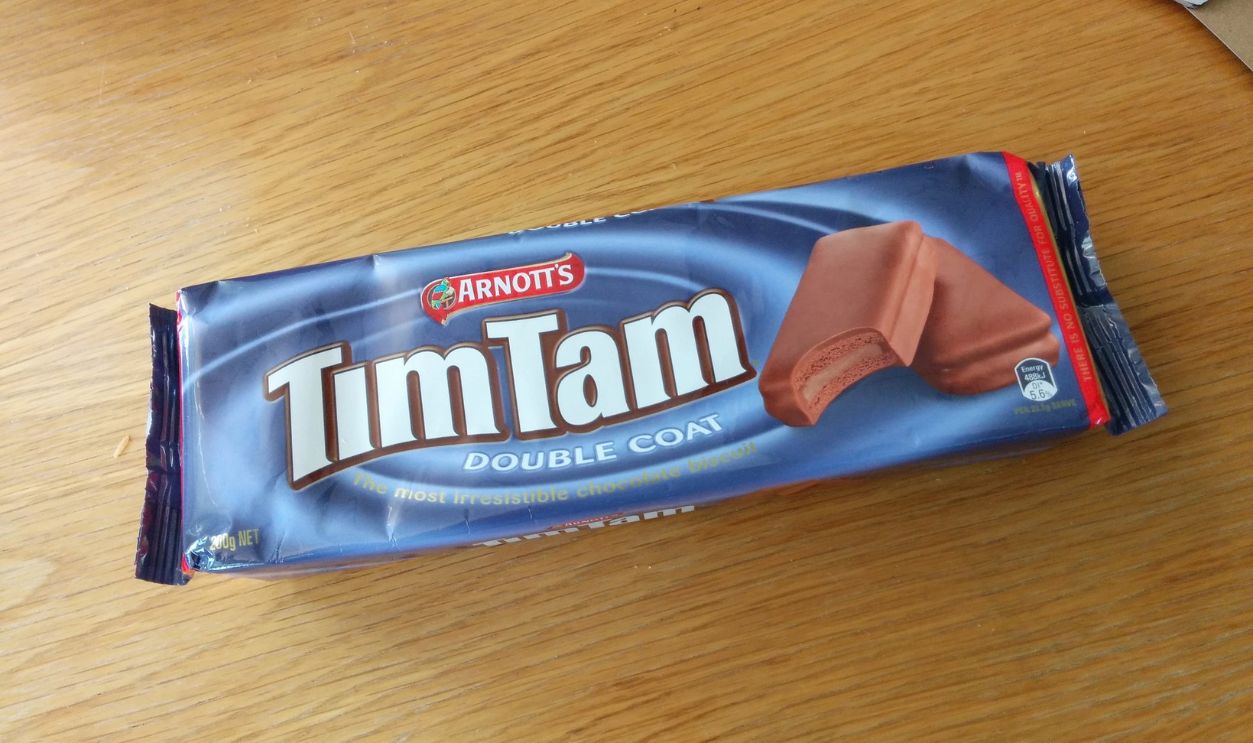
Tim Tams Belong On The Shopping List
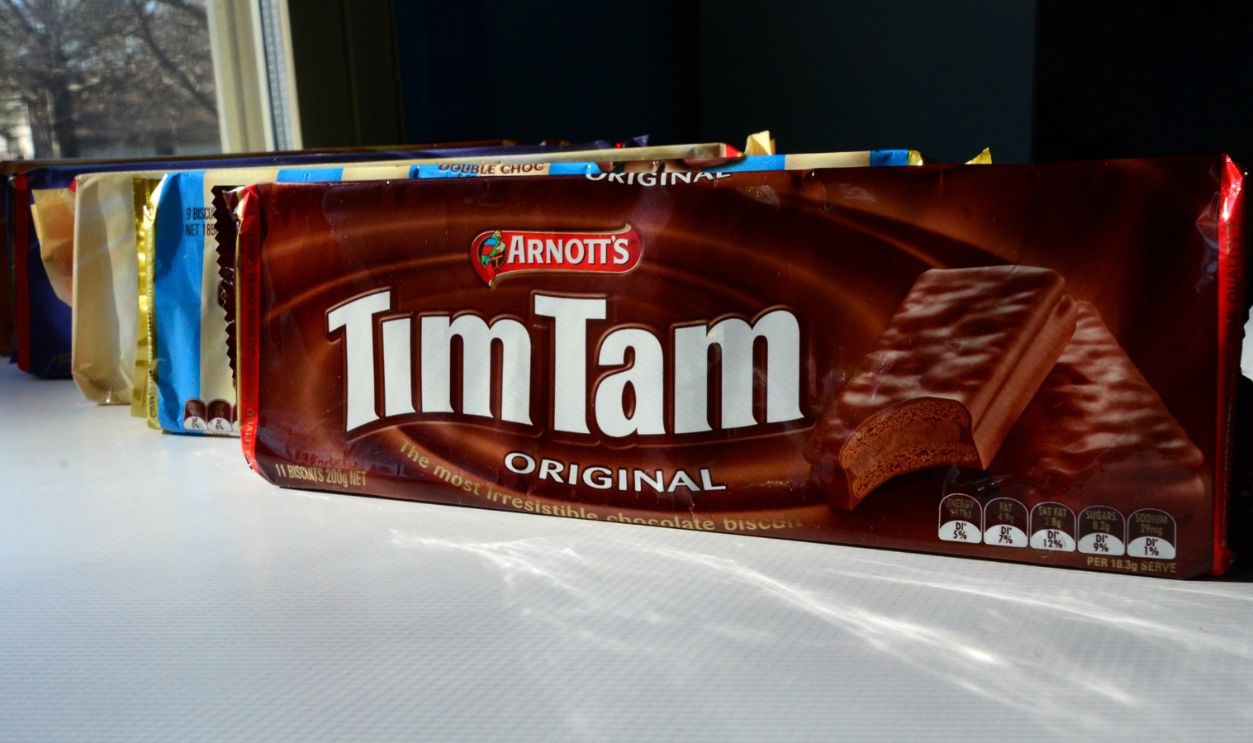
Tim Tams first appeared in Australia in 1964 and became one of Arnott's most recognizable products. The classic version sandwiches a creamy filling between crunchy biscuits before coating the whole thing in chocolate. They are exported today, but buying them in Australia still feels like getting the snack on its home turf.
Tim Tam Choices Go Beyond Original
Original Tim Tam may be the classic, but Australian shoppers have plenty of reasons to keep browsing. Arnott's has produced variations such as Double Coat, Dark, and Chewy Caramel alongside changing specialty flavors. A larger selection means the hardest part may be deciding how many packages can reasonably fit into a suitcase.
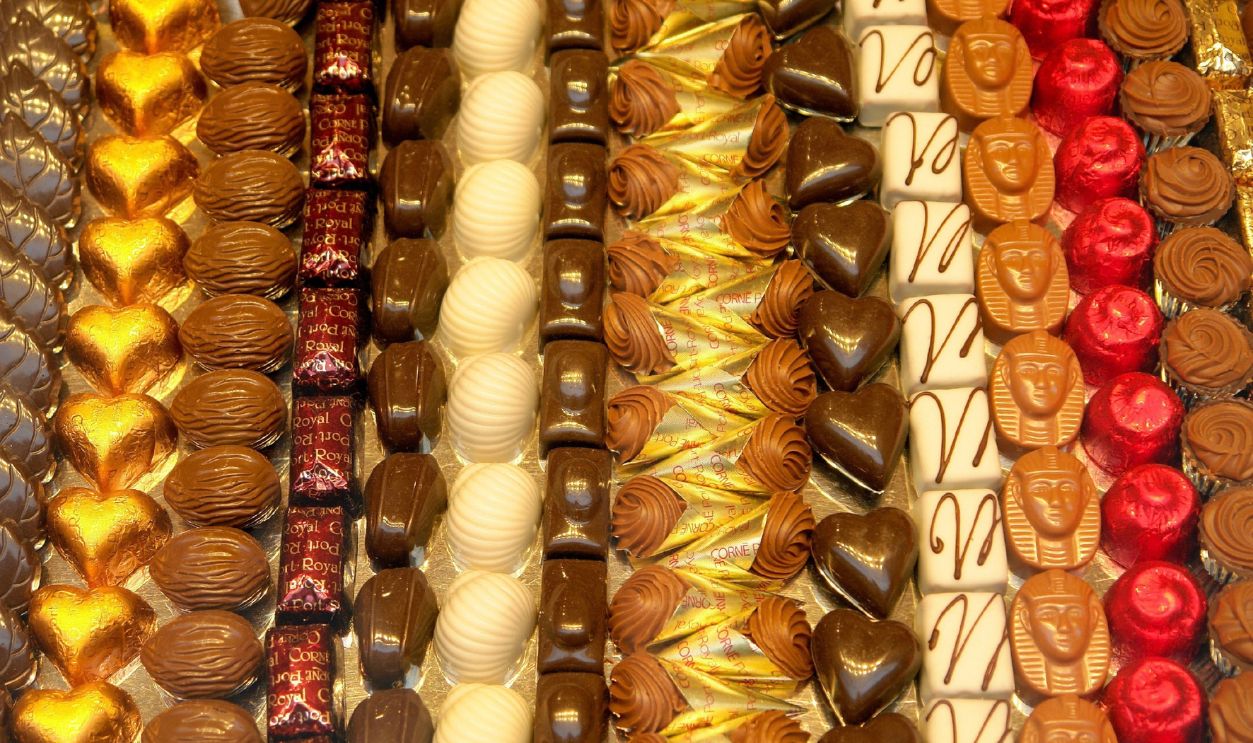
Belgian Pralines Have Home-Field Advantage
Belgium's chocolate reputation becomes much easier to appreciate once you move beyond ordinary candy bars. Neuhaus traces the invention of the Belgian praline to Jean Neuhaus Jr., who developed a filled chocolate in Brussels in 1912. The company says its pralines and truffles continue to be made in Belgium, giving travelers an excellent excuse to buy them close to their historical source.
Even The Chocolate Box Has Belgian History
Belgium's contribution was not limited to the filled chocolate itself. In 1915, Louise Agostini, the wife of Jean Neuhaus Jr., developed the ballotin, a box designed to protect delicate pralines. The presentation became closely associated with Belgian chocolate, making a carefully packed box much more than fancy packaging.
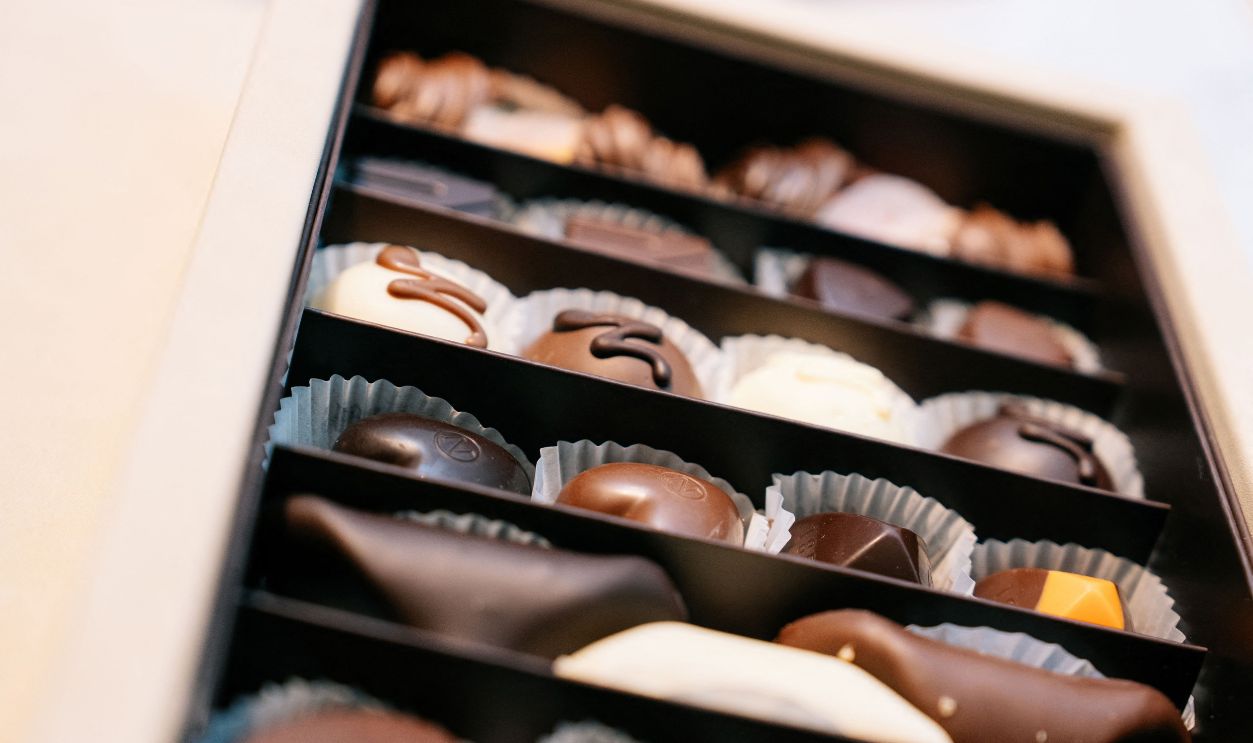 MARIUS BURGELMAN, Getty Images
Haribo Goldbears Make Sense At The Source
Haribo began in Bonn, Germany, in 1920, with its name formed from founder Hans Riegel and his hometown. The company later introduced Goldbears in 1960, helping establish the gummy bear as a worldwide candy staple. Haribo products are easy to find internationally, but Germany remains the natural destination for anyone who wants to explore the brand's home market.
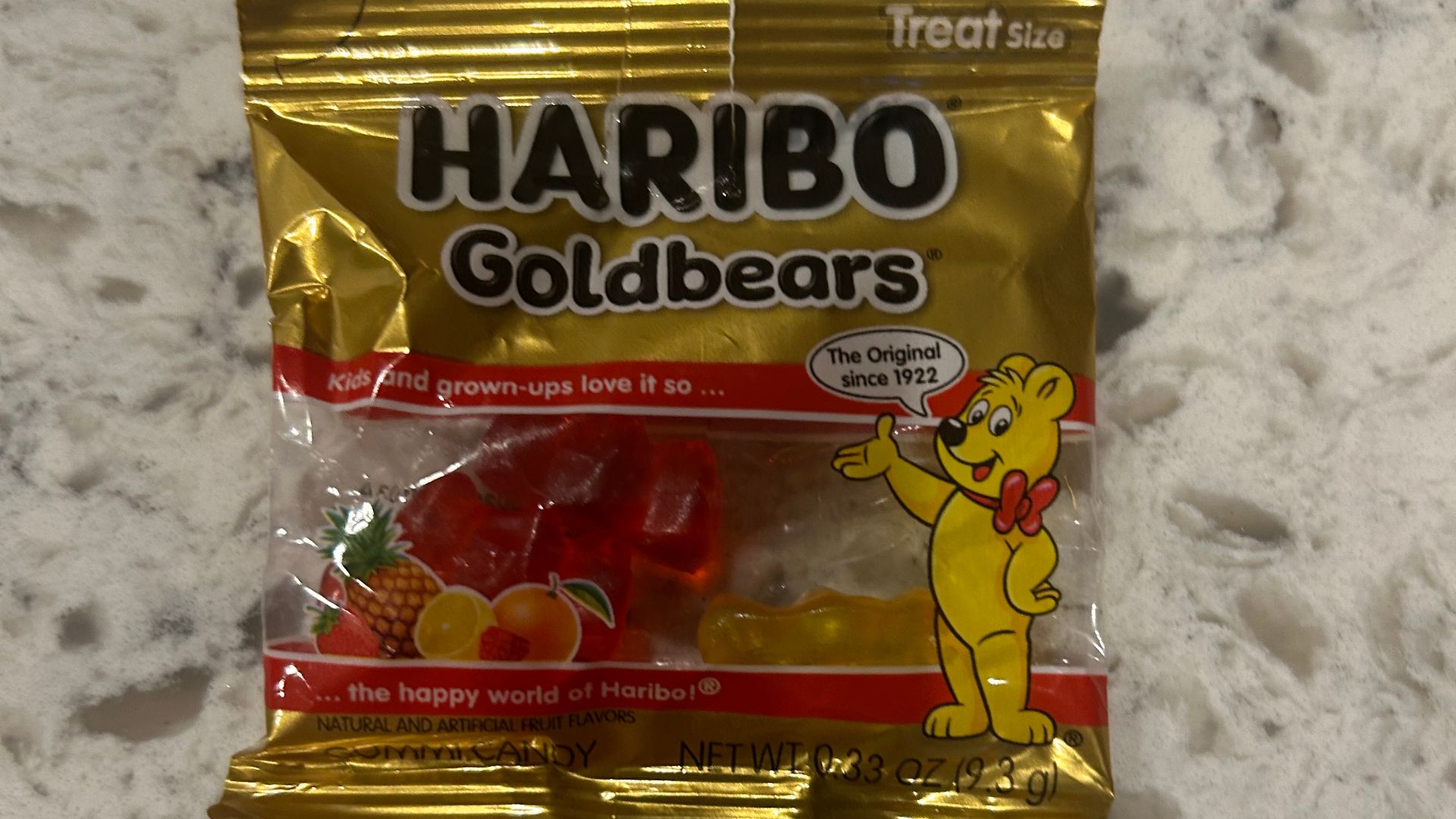 Brycenrichter, Wikimedia Commons
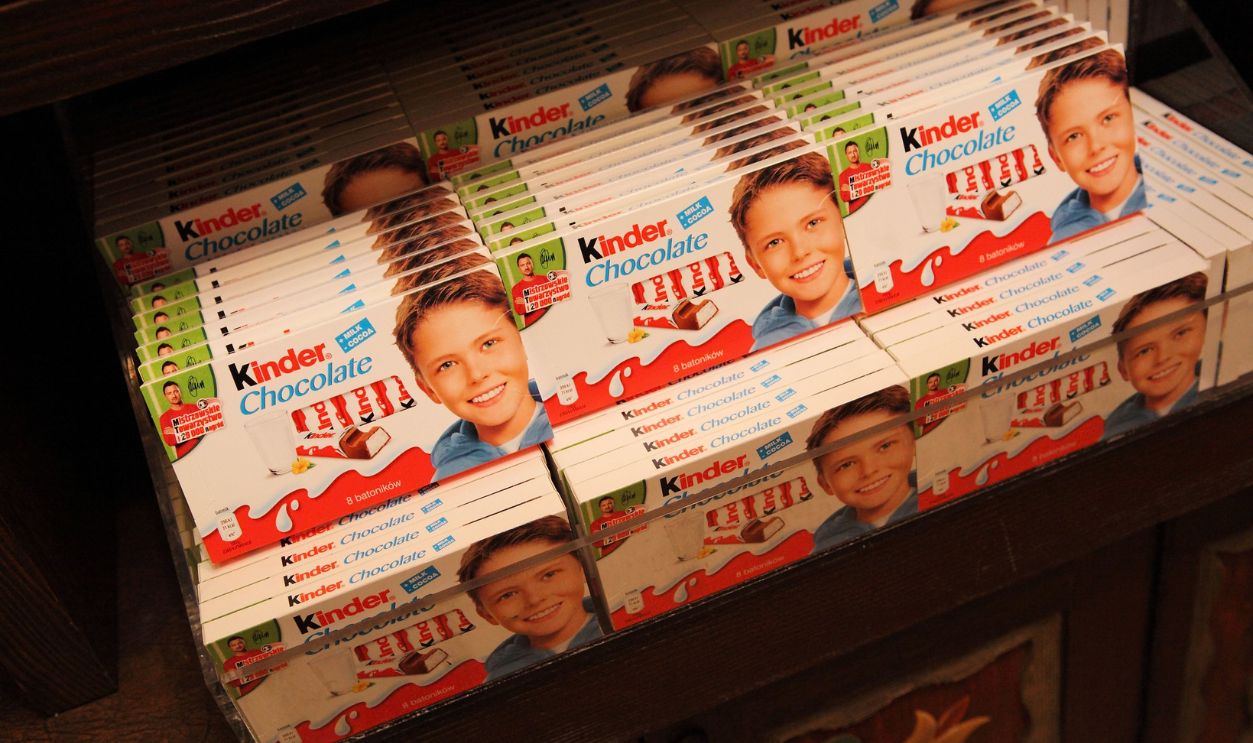
Kinder Has Deep Italian Roots
Kinder may be sold around the world, but the brand began in Alba, Italy, in 1968. Michele Ferrero developed Kinder Chocolate with the idea of creating a chocolate product intended for children and families. The brand subsequently expanded into a huge international product family, but Italy remains where the story started.
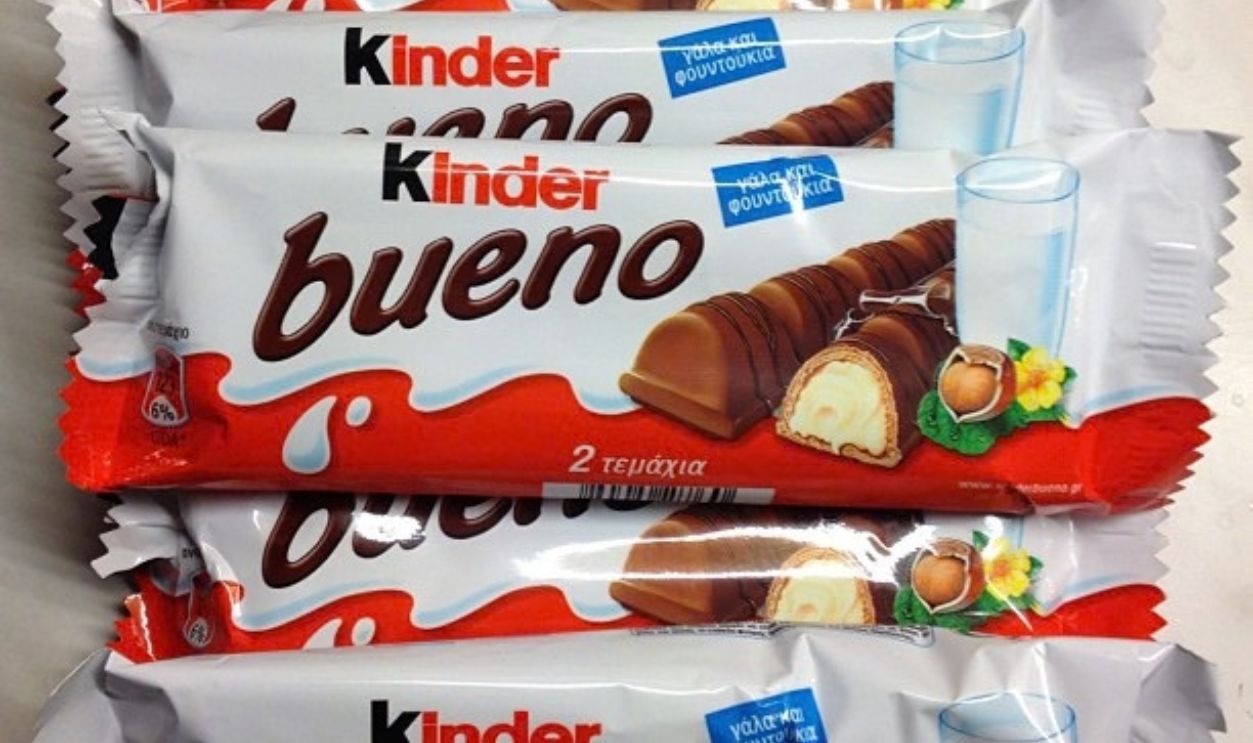
Kinder Bueno Had A Head Start In Europe
Kinder Bueno arrived in 1990 and combined crisp wafer with creamy hazelnut filling and chocolate. The product developed a European following long before becoming as familiar to many North American shoppers as it is today. Browsing a European Kinder selection can therefore feel considerably more extensive than simply grabbing one familiar Bueno bar at home.
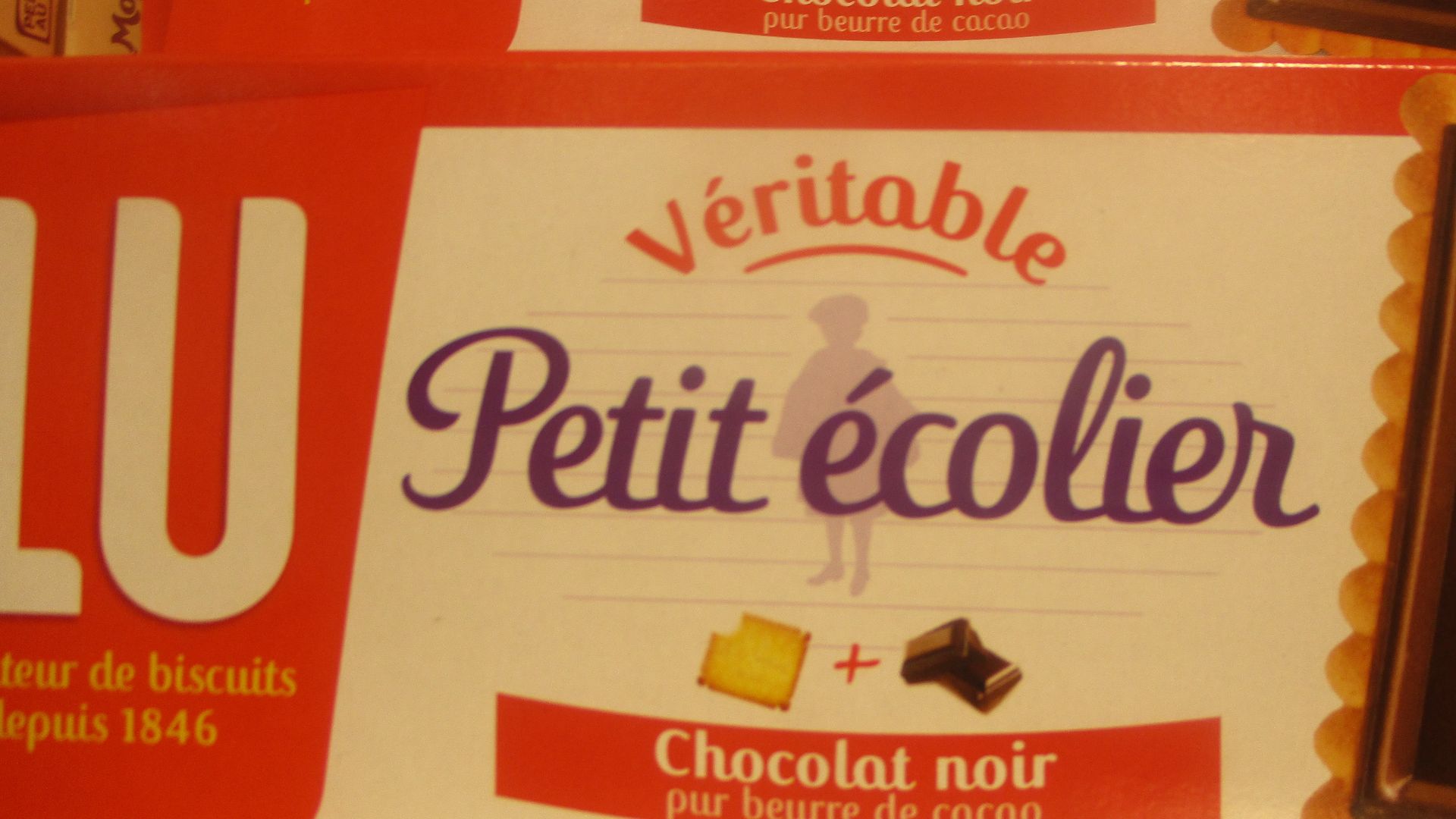
LU Biscuits Have Generations Of French History
The story of LU began in France in 1850 with the Lefèvre and Utile family business. The brand went on to become associated with French biscuit staples including Petit Beurre and Le Petit Écolier. Although LU products are now exported internationally, a French supermarket offers the appropriate setting for exploring a brand with more than a century and a half of local history.
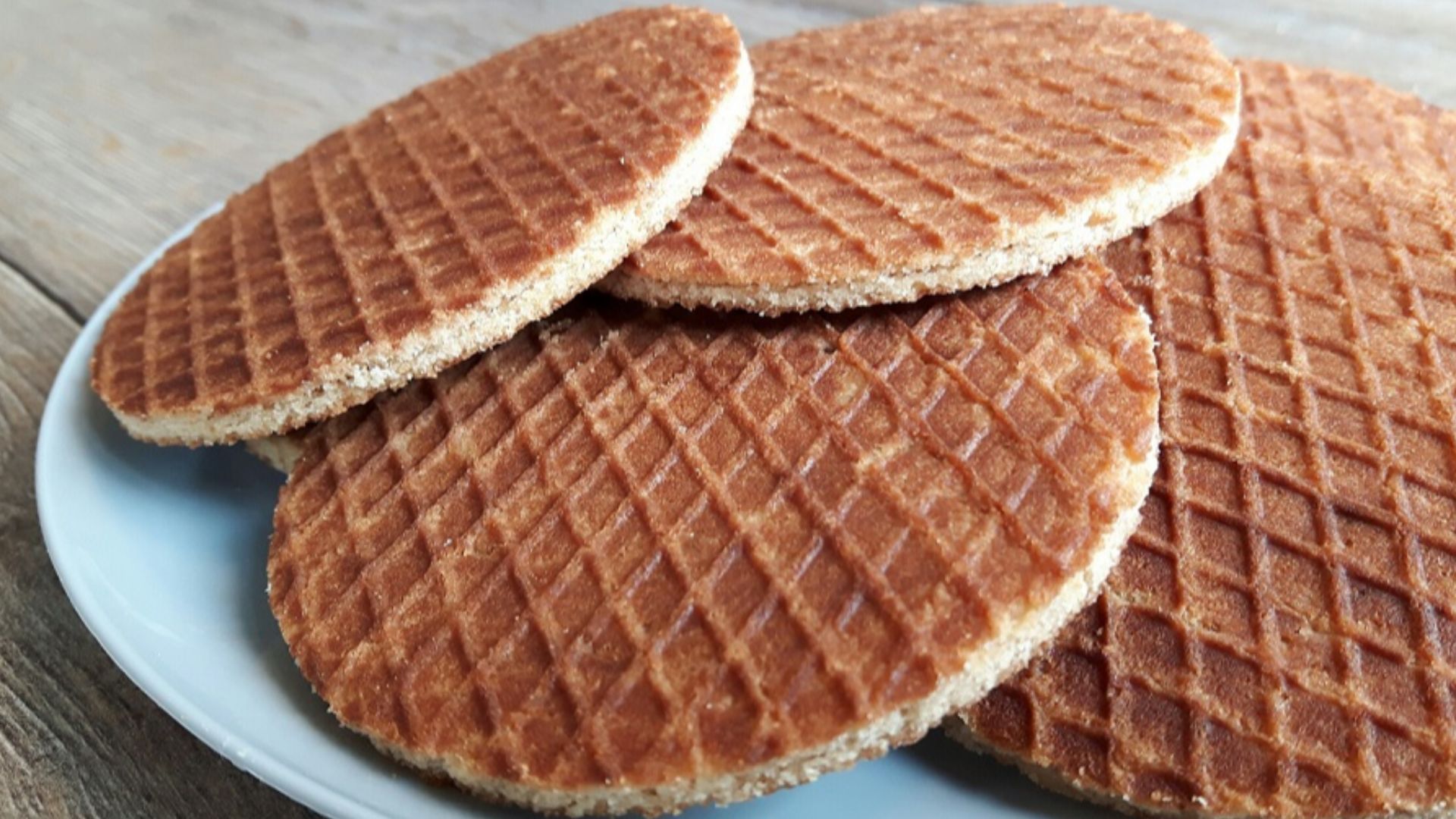
Stroopwafels Are Better Warm
Packaged stroopwafels travel extremely well, but eating one in the Netherlands offers something an imported package cannot quite duplicate. The treat consists of two thin waffle layers surrounding a syrup filling and has deep associations with the Dutch city of Gouda. Fresh versions can be served warm, when the syrup inside is especially soft and gooey.
 Markus Stroopwafels, Wikimedia Commons
Put A Stroopwafel Over Your Coffee
There is also a simple way to improve a packaged stroopwafel. Place the round waffle over a hot cup of coffee or tea and allow the steam to gently warm the syrup filling. It is a tiny ritual, but it helps explain why experiencing a familiar snack in its home country can be more memorable than simply buying an imported version.
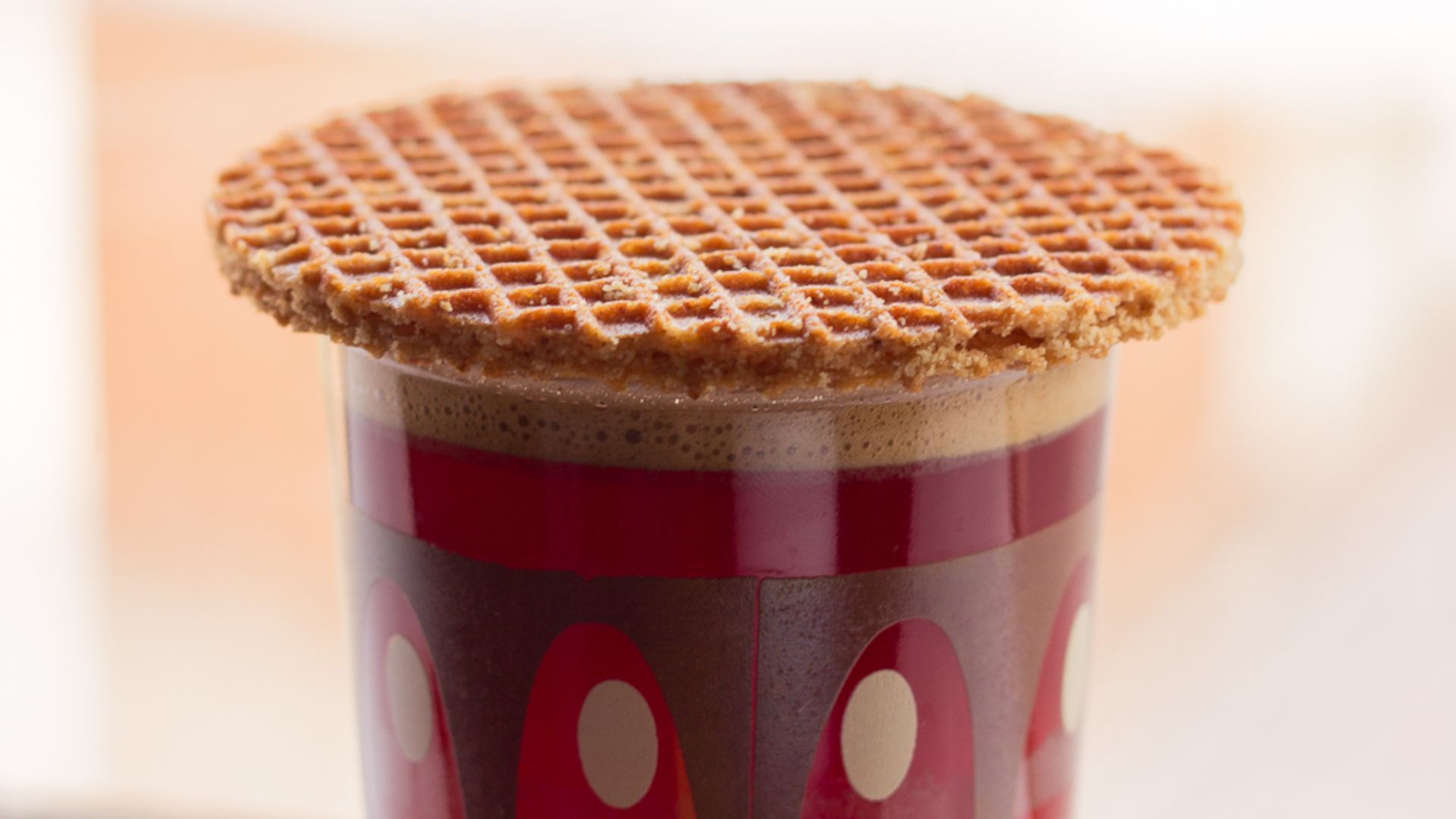 Saaleha Bamjee from Johannesburg, South africa, Wikimedia Commons
The Best Snack Strategy Is To Shop Local
There is no objective winner of the world's snack aisles, which is exactly what makes comparing them fun. America excels at deeply established favorites such as Reese's, Cheez-It, and Little Debbie, while countries such as Japan offer regional versions of global brands that American shelves rarely match. The safest strategy when traveling is simple: skip whatever looks exactly like something you could buy at home and reach for the package you have never seen before.
You May Also Like:
Hotel Chains From The 1980s That Became American Road Trip Staples—And Are Now Long Gone
The Countries Americans Say They Would Move To If Money Were No Object