
The Rental Was Supposed To Be A Getaway, Not A Family Headquarters
You booked enough space for the people actually traveling with you, and somehow cousins, siblings, and family friends started dropping by as though the house came with an open-door policy. Maybe nobody meant any harm, but suddenly there were extra meals, extra noise, extra cleanup, and very little privacy. The easiest time to stop that from happening again is before anyone has a chance to assume they’re invited.
Start With The Guest List
Before booking, decide exactly who’s staying at the rental and who isn’t. Put the names in writing in the family chat so there’s no ambiguity later. A clear guest list makes it much harder for someone to say they thought another relative was “basically included.”

Don’t Use Vague Language
Phrases like “We’ll all be around” or “Come by whenever” can create confusion fast. If you mean only the booked guests are staying there, say that directly. Clear wording is kinder than letting people build expectations that you’ll have to shut down later.

Separate Staying Over From Visiting
Some families are comfortable with daytime visitors but not overnight guests. Others don’t want either. Decide where the line is and communicate it before the trip, because those are two very different levels of disruption.

Check The Rental’s Occupancy Rules
Vacation rentals often have strict maximum-occupancy limits. Exceeding them can violate the booking terms, create safety issues, or put the reservation at risk. If relatives assume they can sleep on couches or air mattresses, the platform or host may see things very differently.

Visitor Rules Matter Too
Even if nobody stays overnight, some properties restrict unregistered visitors, parties, or gatherings. Condo buildings and resort communities may also have security rules that apply to anyone entering the property. The safest approach is to check the listing and ask the host if the rules aren’t clear.

Make The Rules About The Rental, Not The Family
It can be easier to say, “The property only allows registered guests,” than, “I don’t want you there.” Even when the real issue is privacy, the rental rules provide a neutral starting point. That helps prevent the conversation from becoming a referendum on who’s liked and who isn’t.

Be Honest About Privacy Too
Rules aren’t the only reason to set limits. You may simply want a quiet vacation with the people you planned to travel with. That’s a valid reason, and you don’t need to invent a policy to justify wanting downtime.

Send The Boundary Before Anyone Books Nearby
If relatives are likely to travel to the same destination, tell them the plan before they reserve hotels or flights expecting to use your rental as a base. Once money has been spent, the pressure to accommodate them becomes much harder to resist.

Use One Clear Message For Everyone
Send the same information to the whole group instead of explaining it separately to each person. That reduces mixed messages and prevents one relative from hearing a softer version than another. It also makes the boundary feel like a trip rule rather than a personal rejection.
 Kristin Hardwick, Wikimedia Commons
Say What Is Welcome
A boundary lands better when it includes an alternative. You can say the rental is for registered guests only, but you’d love to meet everyone for lunch, a beach day, or dinner elsewhere. That keeps the relationship warm without surrendering the space.

Don’t Host Every Family Meal
A vacation rental kitchen can quickly become the unofficial gathering point. If people come over for breakfast, lunch, and dinner, the booked guests end up cooking, cleaning, and buying groceries for a much larger group. Meet at restaurants, parks, or public spaces instead.

Decide How Shared Costs Work
Extra visitors often mean extra food, drinks, parking, utilities, and cleaning. If you do agree to host a planned gathering, decide in advance who’s paying for what. “Everyone bring something” is better than one household quietly absorbing the whole bill.

Protect Bedrooms From Becoming Overflow Space
Once someone says, “It’s just one night,” an extra guest can easily become a recurring arrangement. If the rental wasn’t booked for them, don’t offer bedrooms, sofas, or children’s rooms as overflow accommodations. That’s where a small exception can become the new expectation.

Don’t Let Kids Become The Loophole
Relatives may assume children “don’t really count” toward occupancy or that cousins can just sleep anywhere. Rental limits usually apply to total guests, not only adults. More importantly, extra children still mean more noise, mess, supervision, and pressure on the people staying there.

Set Visiting Hours If You Allow Visitors
If daytime guests are permitted, establish a start and end time. “Come by from 2 to 5” is very different from “Stop in whenever.” Defined hours help preserve mornings, evenings, and bedtime routines for the people actually on vacation.

Keep The Key Code Private
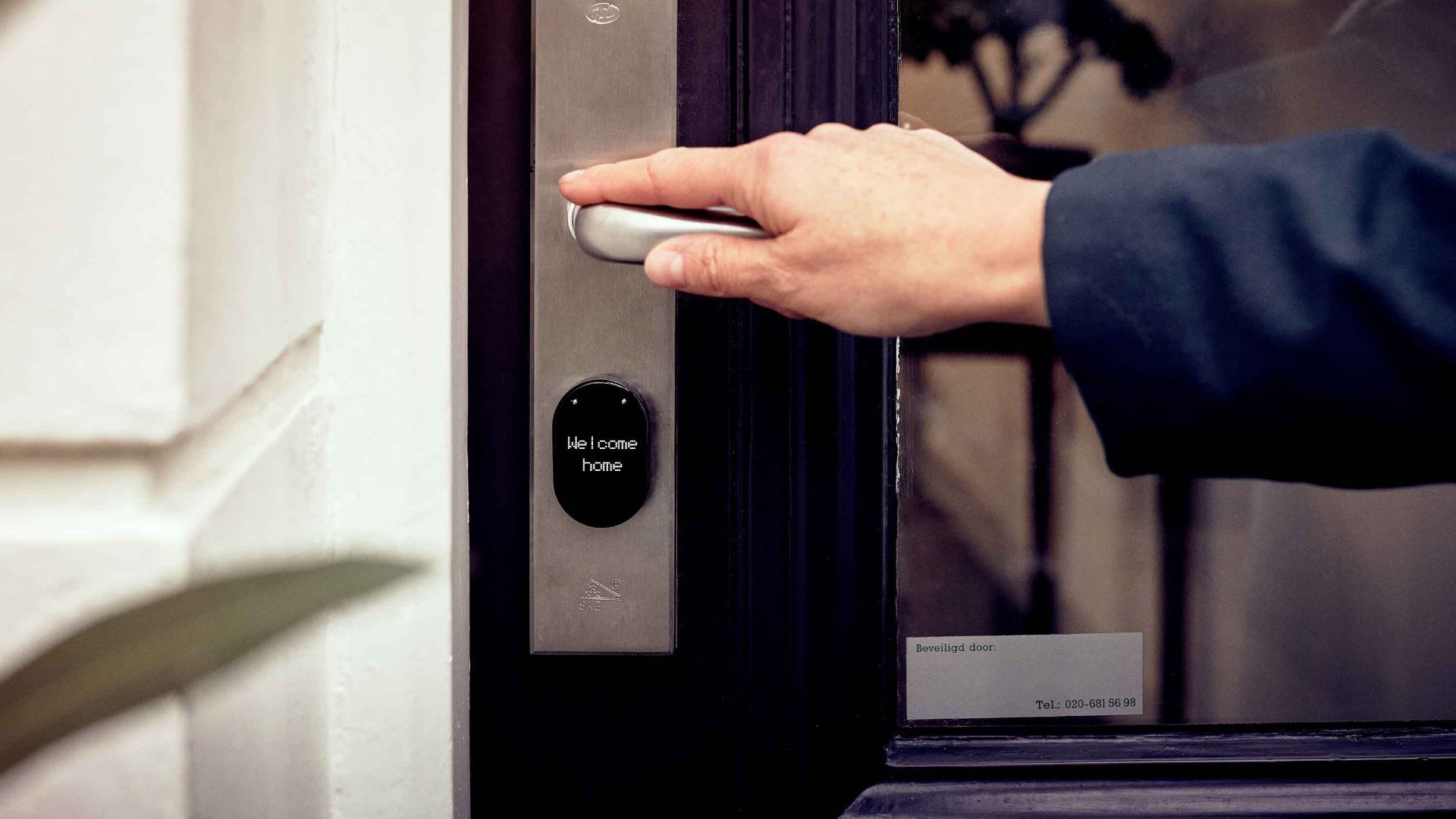
Don’t circulate the door code to relatives who aren’t staying there. If visitors are allowed, have someone let them in. Once too many people have access, it becomes much harder to control who arrives and when.
Don’t Share The Exact Address Too Early
If you know certain relatives tend to appear unannounced, wait until plans are settled before sharing the full address. Give them the meeting location for group activities instead. That removes the temptation to treat the rental like a drop-in lounge.

Have A Script For Surprise Visitors
If someone arrives anyway, keep it short: “We can’t have extra guests at the rental, but we’d be happy to meet you nearby.” Don’t overexplain. The more reasons you give, the more opportunities someone has to argue with each one.

Don’t Reward Boundary Pushing
If a relative shows up despite being told not to and you let them stay for hours, the message becomes that the rule is negotiable. Be polite, but follow through. Consistency matters more than how perfectly you phrase it.

Let The Person Who Invited Them Handle It
Sometimes another traveler tells relatives they can come over without asking the rest of the group. Make that person responsible for correcting the situation. You shouldn’t have to play bad cop because someone else made a promise they didn’t have authority to make.

Agree On Rules With Your Travel Group First
Before talking to extended family, make sure everyone staying at the rental is on the same page. If one sibling wants an open house and another wants privacy, resolve that disagreement before booking. Otherwise the boundary will collapse as soon as the trip starts.

Consider Separate Rentals For Large Families
If the extended family genuinely wants to spend lots of time together, one crowded house may be the wrong setup. Separate rentals nearby can give each household privacy while still making shared meals and outings easy. Sometimes the best boundary is built into the accommodation plan.

Don’t Feel Obligated To Host Because You Found The Rental
Being the person who booked the house doesn’t make you the event planner, caterer, or family concierge. You’re allowed to use the space for the people who paid for it. A vacation rental is still temporary private accommodation, not a community clubhouse.

A Clear Boundary Before The Trip Is Kinder Than Resentment During It
The goal isn’t to keep relatives at arm’s length. It’s to stop assumptions before they turn into conflict. Define who’s staying, check the rental rules, decide whether visitors are allowed, protect the address and access code, and offer other ways to spend time together. The next trip will feel a lot more relaxing when everyone knows the rental isn’t an open invitation.

You May Also Like: