
Who Should Pay When Someone Bails
Group trips are supposed to create great memories, but money problems can turn a fun vacation into a lasting argument. When one traveler repeatedly skips activities that were booked and paid for on his behalf, everyone else may wonder whether friendship requires them to absorb the cost. The fairest answer usually depends on what he agreed to, why he skipped, and whether anyone could recover the money. Factinate Ltd
The Empty Seat Still Cost Real Money
A prepaid activity does not become free simply because someone chooses not to attend. Tour operators may reserve transportation, tickets, guides, meals, or limited-capacity spaces based on the confirmed number of guests. When the booking is nonrefundable, the financial loss remains even if one person’s seat stays empty.
 SalvadorNavarroMaldonad, Pixabay
Start With The Original Agreement
The most important question is whether your friend clearly agreed to participate and pay before the reservation was made. An agreement can be demonstrated through written messages, spoken promises, or conduct, although the legal significance depends on the circumstances and local law. Cornell Law School’s Legal Information Institute explains that agreements generally involve mutual assent between the people involved.

A Clear Yes Creates Responsibility
Suppose the organizer shared the price, cancellation terms, and itinerary before booking, and your friend replied that he was in. In that situation, he accepted a known expense that the group incurred on his behalf. Deciding later that he would rather sleep in or explore alone does not normally transfer his share to everyone else.

Skipping Is Different From Canceling
Cancellation usually happens before an activity begins and may give the operator time to resell the space or adjust the reservation. Skipping means the activity remained available, but the traveler did not use it. That distinction matters because the group should not automatically bear a loss caused by one person’s last-minute personal choice.

His Reason Still Deserves Consideration
There is a major difference between missing a tour because of a medical emergency and skipping because brunch seemed more appealing. A sudden illness, injury, family emergency, or serious safety concern may justify a more compassionate solution. A casual change of mood is much less persuasive when other people have already paid.

Ask Whether Anything Was Refundable
Before arguing about who owes what, contact the tour company or activity provider. The FTC recommends reviewing the seller’s policies, gathering documentation, contacting the business promptly, and clearly explaining the resolution being requested. Even a supposedly nonrefundable reservation may sometimes qualify for a credit, partial refund, date change, or transfer to another traveler.

Read The Terms Instead Of Guessing
The booking confirmation may explain missed departures, no-shows, participant substitutions, and cancellation deadlines. Those written terms can settle questions that friends might otherwise debate for hours. The U.S. Department of State also advises travelers to review insurance policies carefully because coverage and exclusions vary between plans.

Find Out Who Actually Paid
The organizer may have placed the entire tour on one credit card while expecting everyone to reimburse their individual share. That person should not become the group’s accidental lender simply because the others were slow to send money. Establishing exactly who advanced each payment makes the conversation more concrete and less emotional.

Separate Shared Costs From Personal Costs
Some expenses truly belong to the entire group, such as a private vehicle that cost the same whether seven or eight people boarded. Other expenses are clearly individual, including a museum ticket or meal purchased specifically for one traveler. The skipped cost should be categorized before anyone decides how to divide it.

Fixed Costs May Require A Different Formula
Imagine that the group booked a private guide for $800, regardless of how many friends attended. If everyone agreed beforehand to divide that fixed price equally, one absence would not reduce the total or change the original arrangement. The missing traveler would still owe the share he accepted unless the group voluntarily renegotiated it.

Per-Person Charges Are Even Clearer
A prepaid ticket bearing your friend’s name is easier to assign than a shared vehicle or guide. If the provider charged $75 for each participant and his ticket went unused, the $75 loss is directly connected to his reservation. Asking the other travelers to divide it would make them pay extra for a decision they did not make.

Repeated Skipping Changes The Situation
Missing one activity after becoming unexpectedly ill may be understandable. Repeatedly abandoning reservations because he prefers spontaneous plans suggests that the problem is not bad luck but incompatible travel habits. Once that pattern becomes clear, the group should address it before booking anything else.

Do Not Keep Quiet Until Checkout
Resentment grows when everyone complains privately but says nothing to the person involved. Conversations can help people align expectations, while avoided discussions often allow conflict to deepen. Psychological research discussed by the American Psychological Association emphasizes the importance of productive conversations in resolving disagreements and strengthening relationships.

Have One Person Start The Conversation
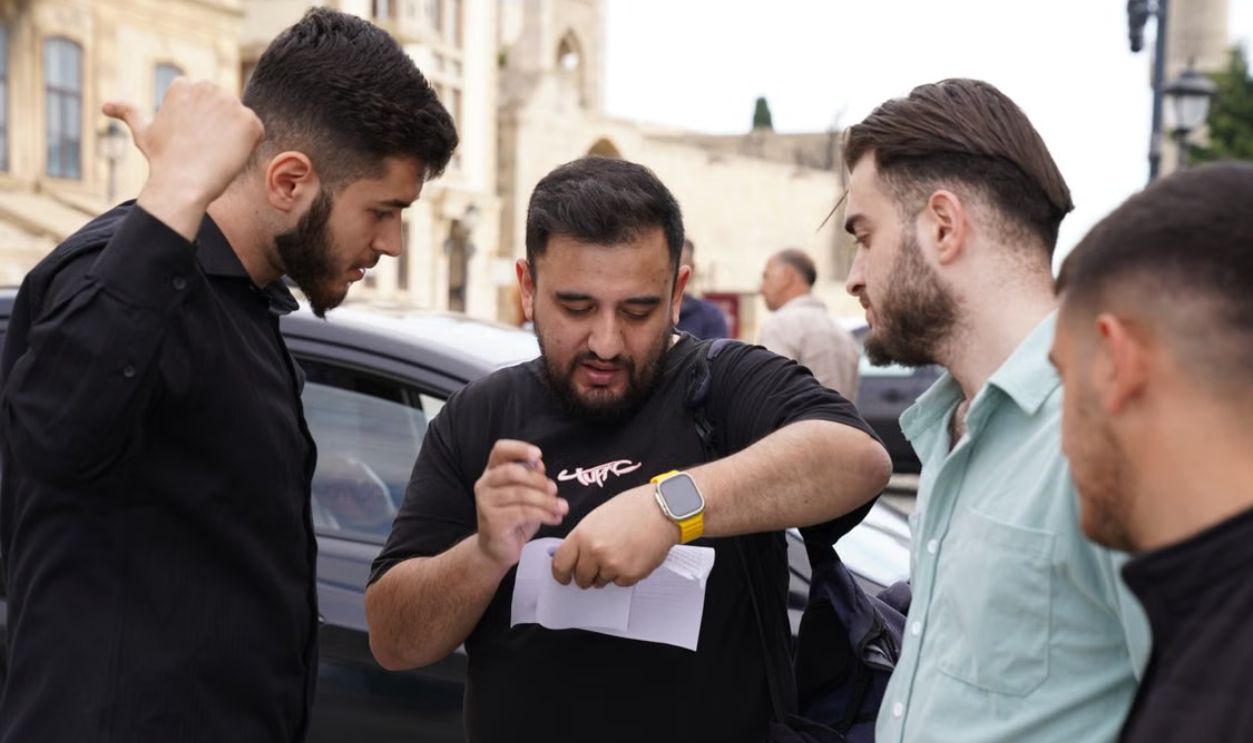
A five-person confrontation can make your friend feel attacked and encourage him to become defensive. The organizer or the person who advanced the money should speak with him privately first. That conversation can establish the facts without turning the hotel lobby into a courtroom.

Use Numbers Instead Of Accusations
Saying, “You ruined the trip,” invites an argument about feelings and intentions. Saying, “We reserved three activities for you, and the unrecoverable total was $210,” identifies a specific problem. Clear figures, receipts, and booking confirmations make it harder for the discussion to drift into unrelated grievances.

Explain The Impact On The Group
Your friend may assume that the tour company simply kept an unused seat and nobody personally lost anything. Show him that another traveler placed the charge on a card or that everyone’s contribution would rise if he did not pay. People are more likely to understand a request when they can see exactly how their decision affected others.
Give Him A Chance To Explain
There may be information the group does not know. He could have been unwell, overwhelmed, frightened by an activity, or confused about what was included. Listening does not require the group to forgive the debt, but it can help everyone choose a response that fits the real circumstances.

Do Not Turn Payment Into Punishment
The goal should be reimbursement, not humiliation. Asking him to cover his agreed share is different from adding invented penalties or forcing him to pay for everyone’s inconvenience. Keeping the request proportional makes the group’s position easier to defend.

Consider A Compassionate Exception
When someone misses an activity because of a genuine emergency, friends may decide to share part of the loss as an act of support. That choice should be presented as a voluntary gesture rather than proof that the traveler never owed the money. Compassion works best when it is freely offered and not demanded.

Travel Insurance Might Help In Limited Cases
Trip cancellation or interruption insurance can reimburse certain prepaid, nonrefundable costs when a traveler misses plans for a reason covered by the policy. Standard coverage generally does not pay because someone changed his mind, wanted extra sleep, or found another activity more interesting. Policyholders must check the precise covered reasons, documentation requirements, and exclusions before assuming a claim will succeed.
 Michael Rivera, Wikimedia Commons
Cancel For Any Reason Is Not Automatic
“Cancel for any reason” coverage is broader than ordinary trip cancellation insurance, but it usually has strict purchase deadlines and cancellation requirements. It also commonly reimburses only part of the insured, nonrefundable expense rather than the entire loss. It should not be treated as an easy solution after someone has simply failed to attend a scheduled excursion.

Ask For Payment Promptly
Do not wait several months and then surprise him with a vague total. Send an itemized request while the bookings, conversations, and cancellation attempts are still easy to document. A prompt request also signals that the expense was always his responsibility rather than an optional contribution.

Offer A Reasonable Payment Plan
Your friend might agree that he owes the money but be unable to repay the entire amount immediately. A short payment schedule can solve the practical problem without shifting the bill permanently to everyone else. The terms should be written down so nobody later remembers the arrangement differently.

Keep A Simple Written Record
Save the itinerary, participant confirmations, receipts, refund correspondence, and reimbursement messages. Written records are useful even when nobody intends to pursue formal legal action. They help distinguish what was actually agreed from what each person now believes happened.

Do Not Threaten Legal Action Too Quickly
An informal agreement between friends can sometimes create obligations, but whether it is legally enforceable depends on evidence, jurisdiction, and the elements of a valid contract. Cornell’s Legal Information Institute identifies mutual assent, consideration, capacity, and legality among the basic requirements generally associated with enforceable contracts. For most modest vacation disputes, a calm reimbursement request is more practical than immediately threatening a lawsuit.

Protect Future Group Bookings
On the next trip, require each person to pay before any nonrefundable reservation is confirmed. Share the price, deadline, cancellation policy, and refund rules in one written message. Anyone who does not send payment can book independently or join only the flexible activities.

Build Free Time Into The Itinerary
Repeated absences may reveal that the group scheduled too many activities rather than that one traveler is uniquely inconsiderate. Future itineraries can include optional blocks when people may rest, shop, or explore separately. The group should clearly label which events are optional and which prepaid commitments require advance payment.

The Fairest Answer Is Usually Personal Responsibility
When your friend knowingly approved a nonrefundable activity and skipped it for personal convenience, he should normally pay his own share. The rest of the group should cover the loss only when they voluntarily choose to help, when the cost was genuinely shared under the original agreement, or when unclear planning caused the misunderstanding. Friendship may justify patience and flexibility, but it does not automatically require everyone else to finance one person’s repeated changes of heart.
 LightField Studios, Shutterstock
You May Also Like: