The Beach Had Vanished.
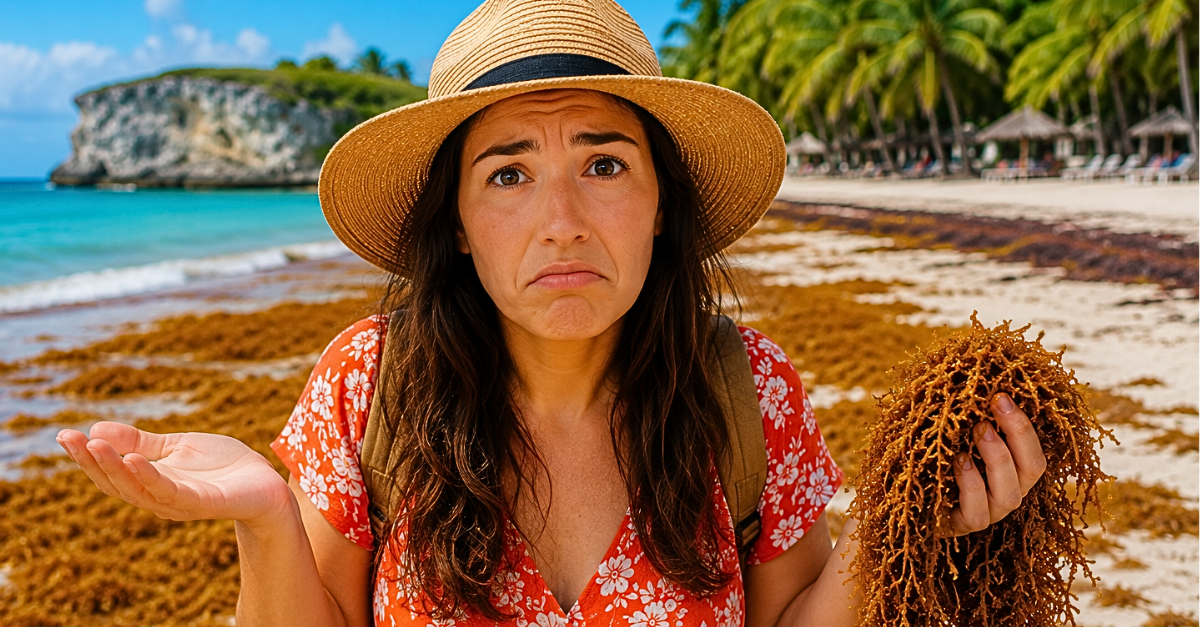
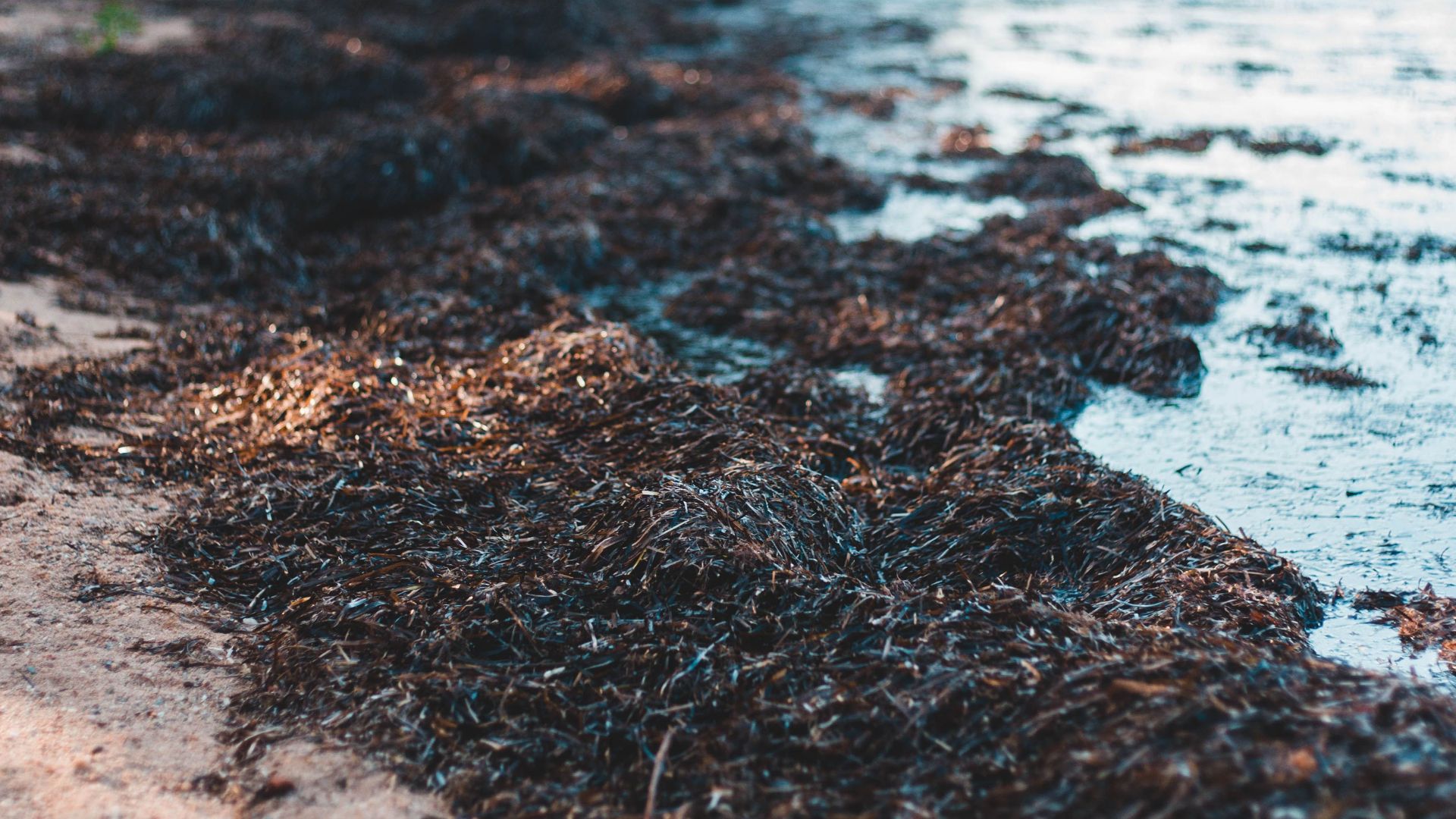
I had pictured clear water and clean sand, but thick brown seaweed covered the shoreline for nearly the entire vacation. Forecasting tools are improving, yet travelers still cannot know with complete certainty what one specific beach will look like months after they book.
The Seaweed Was Everywhere
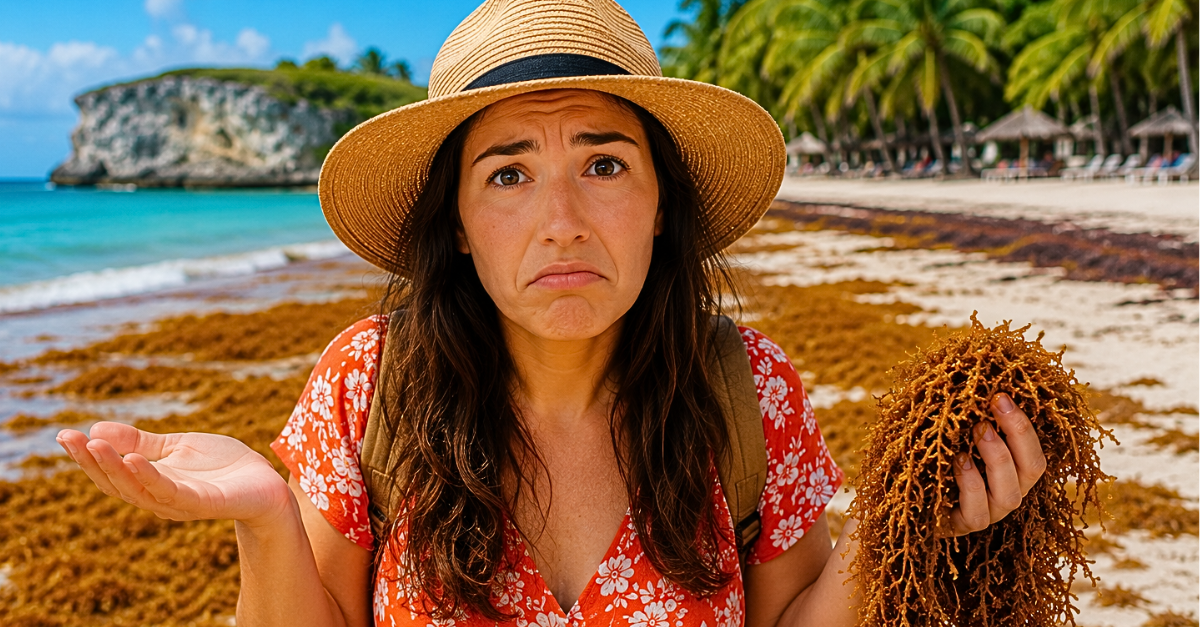
A little seaweed along the tide line is normal on many beaches. A major inundation is different because dense mats can cover the sand, fill shallow water, produce a strong smell, and interfere with swimming. When that happens for several days, the experience may bear little resemblance to the photographs used to sell the destination.
This Is Usually Sargassum
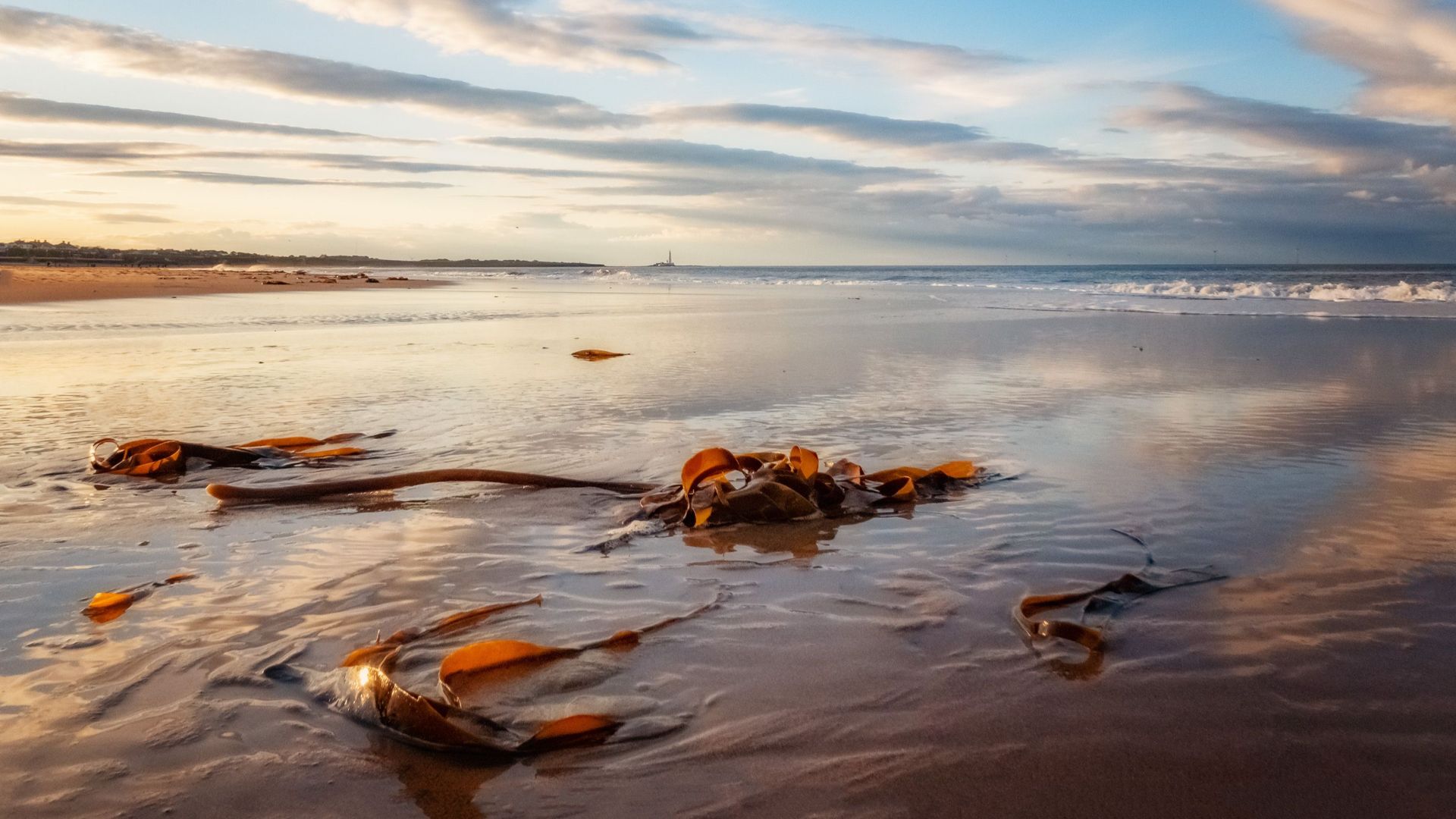
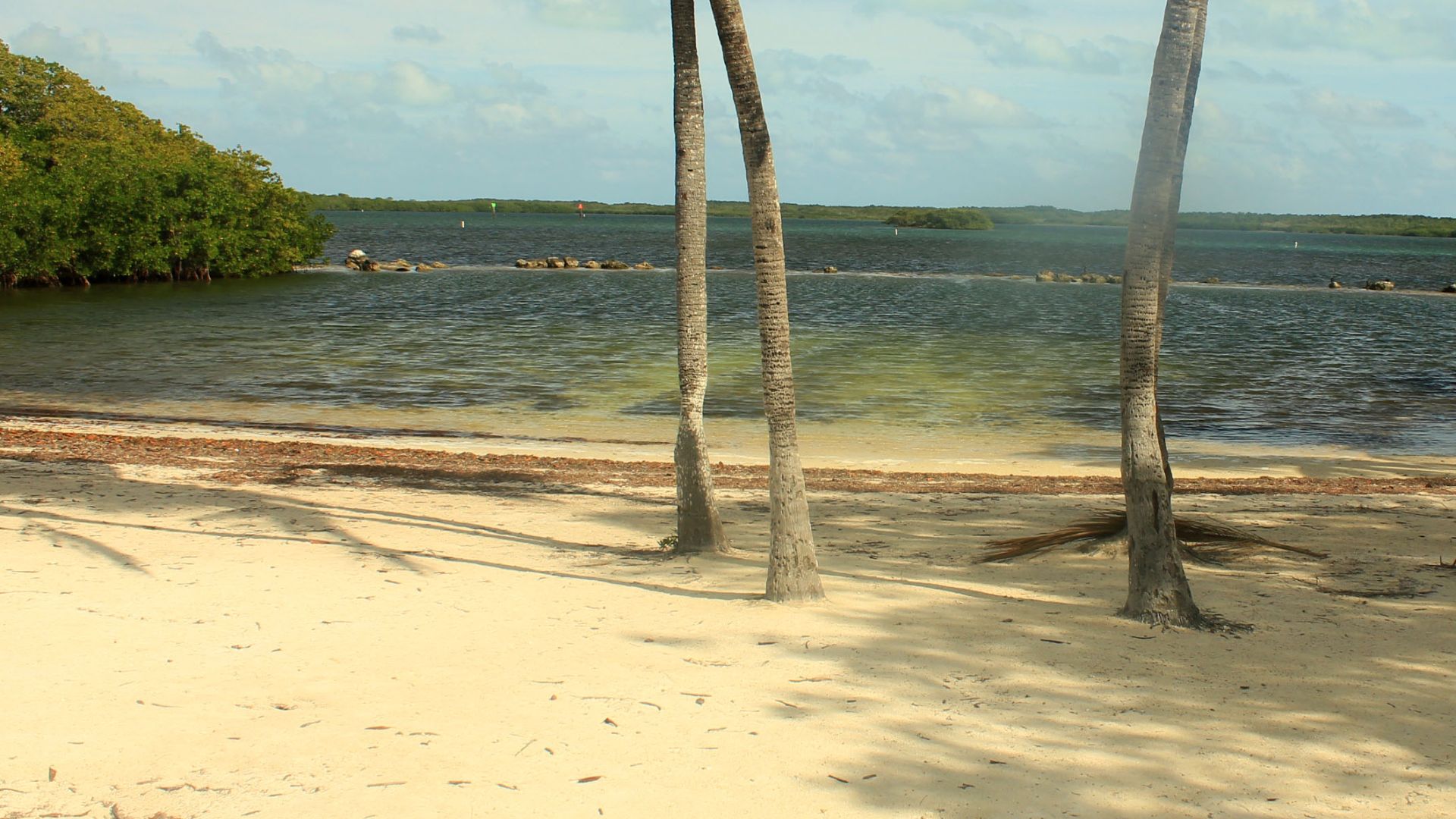
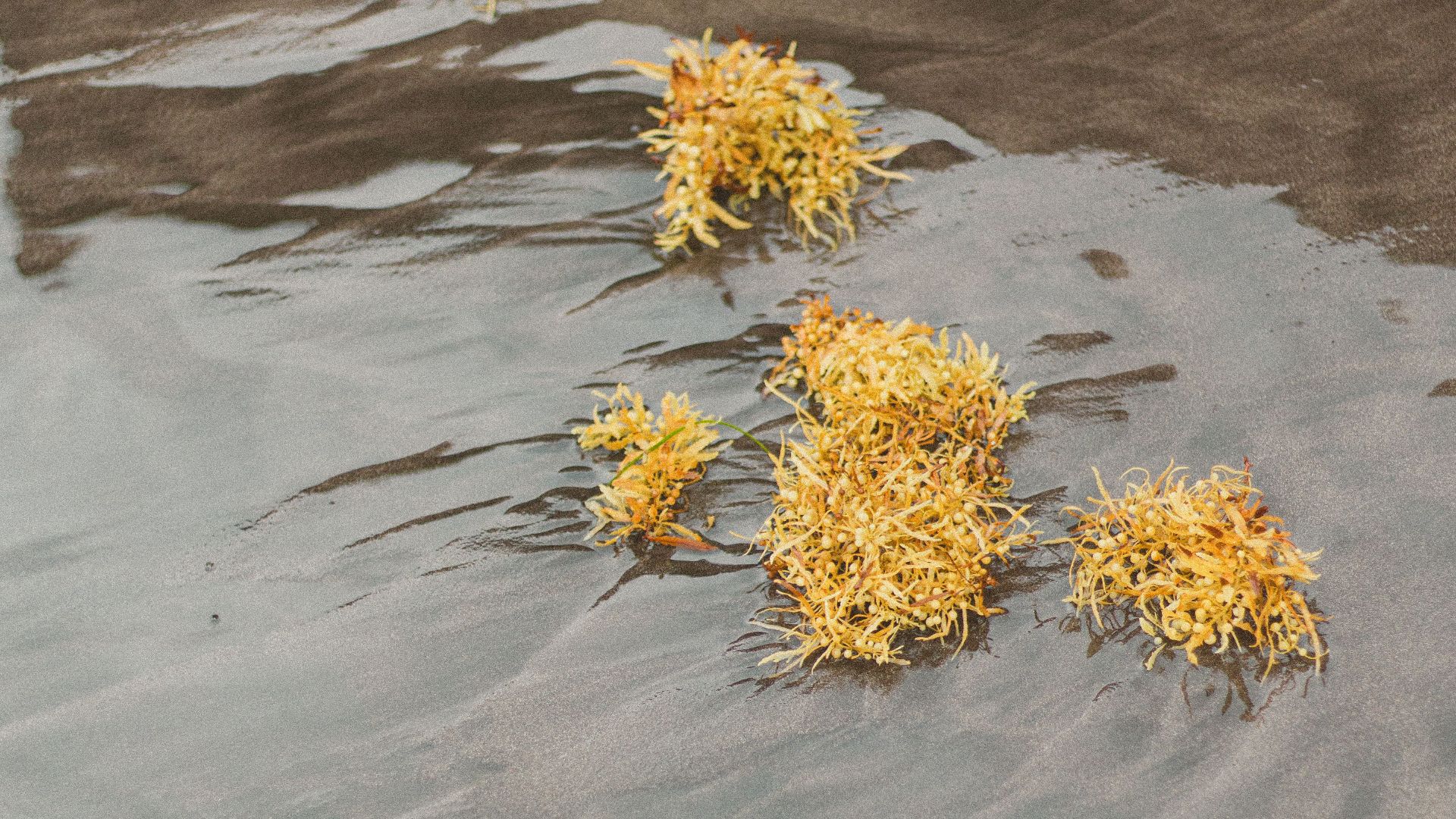
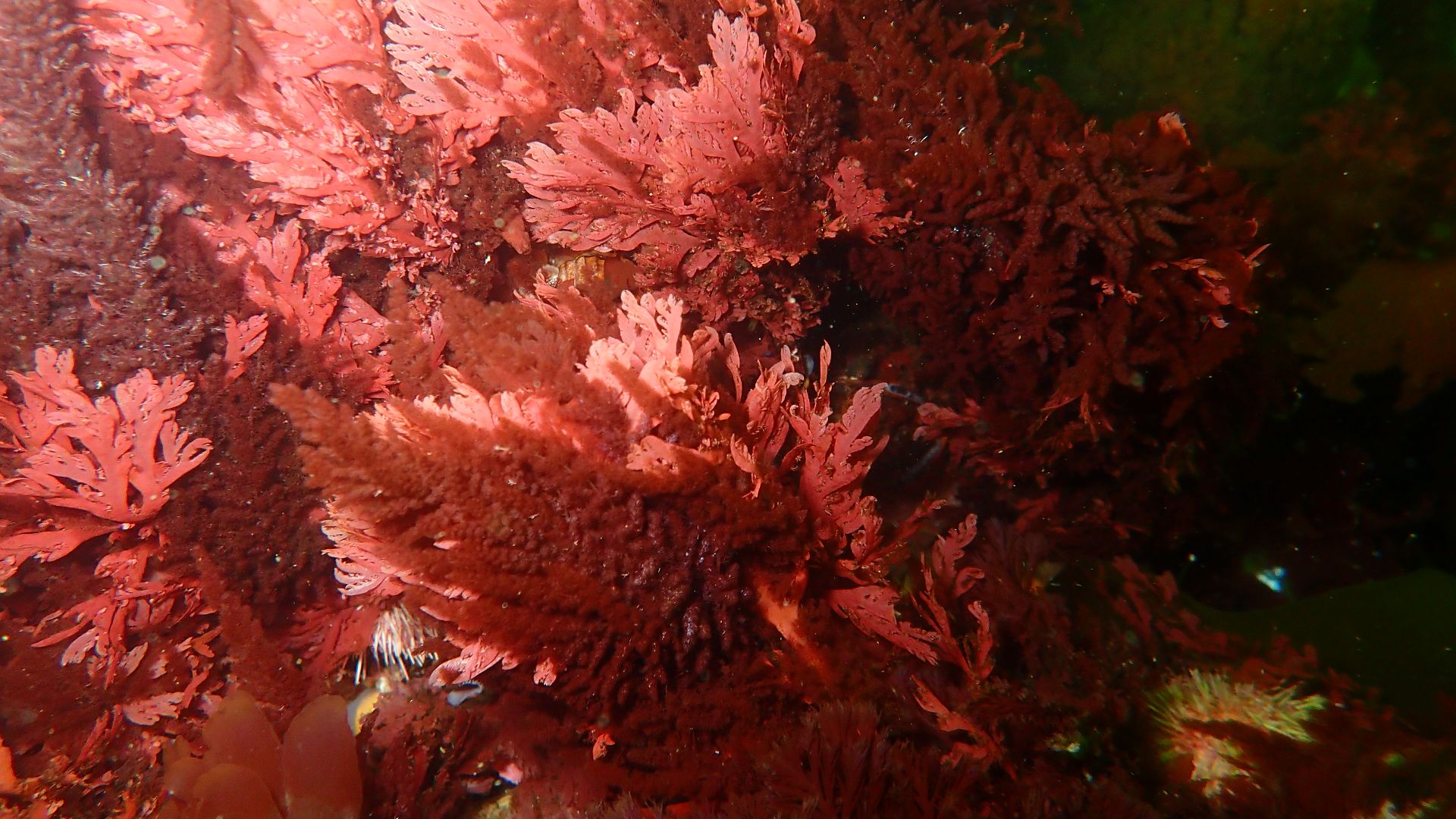
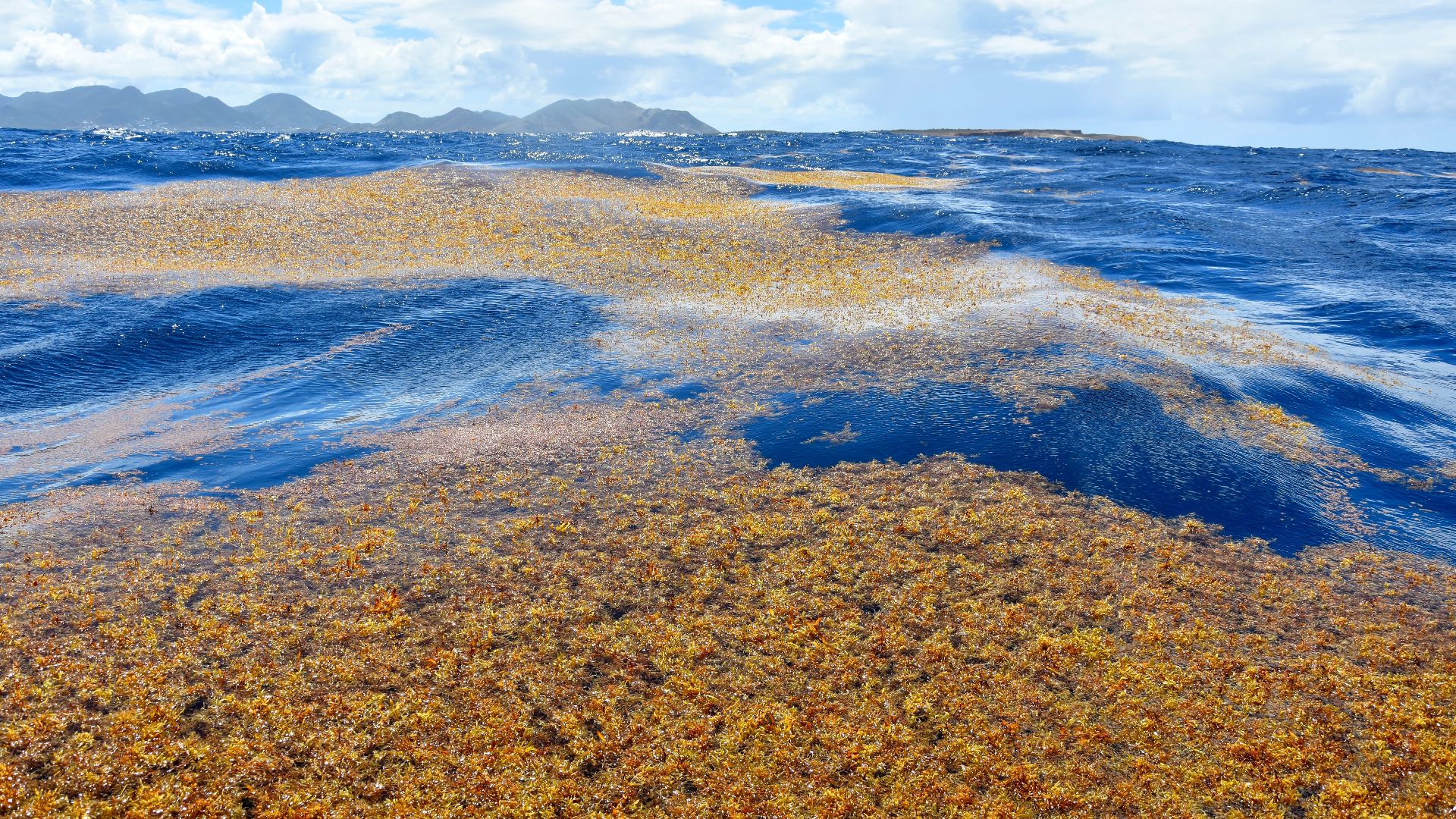
Many recent complaints from Caribbean, Mexican, and Florida beach destinations involve sargassum. It is a naturally occurring brown algae that floats freely at sea and provides habitat for fish, turtles, crabs, shrimp, and seabirds. Problems begin when unusually large amounts gather near the coast and wash onto beaches.
Floating Seaweed Is Not Automatically Pollution
The sight of brown mats does not necessarily mean sewage or industrial contamination entered the water. Sargassum is a natural part of the Atlantic Ocean ecosystem. Its presence becomes a serious local problem when enormous quantities accumulate, decompose, and overwhelm the shoreline.
The Problem Grew After 2011
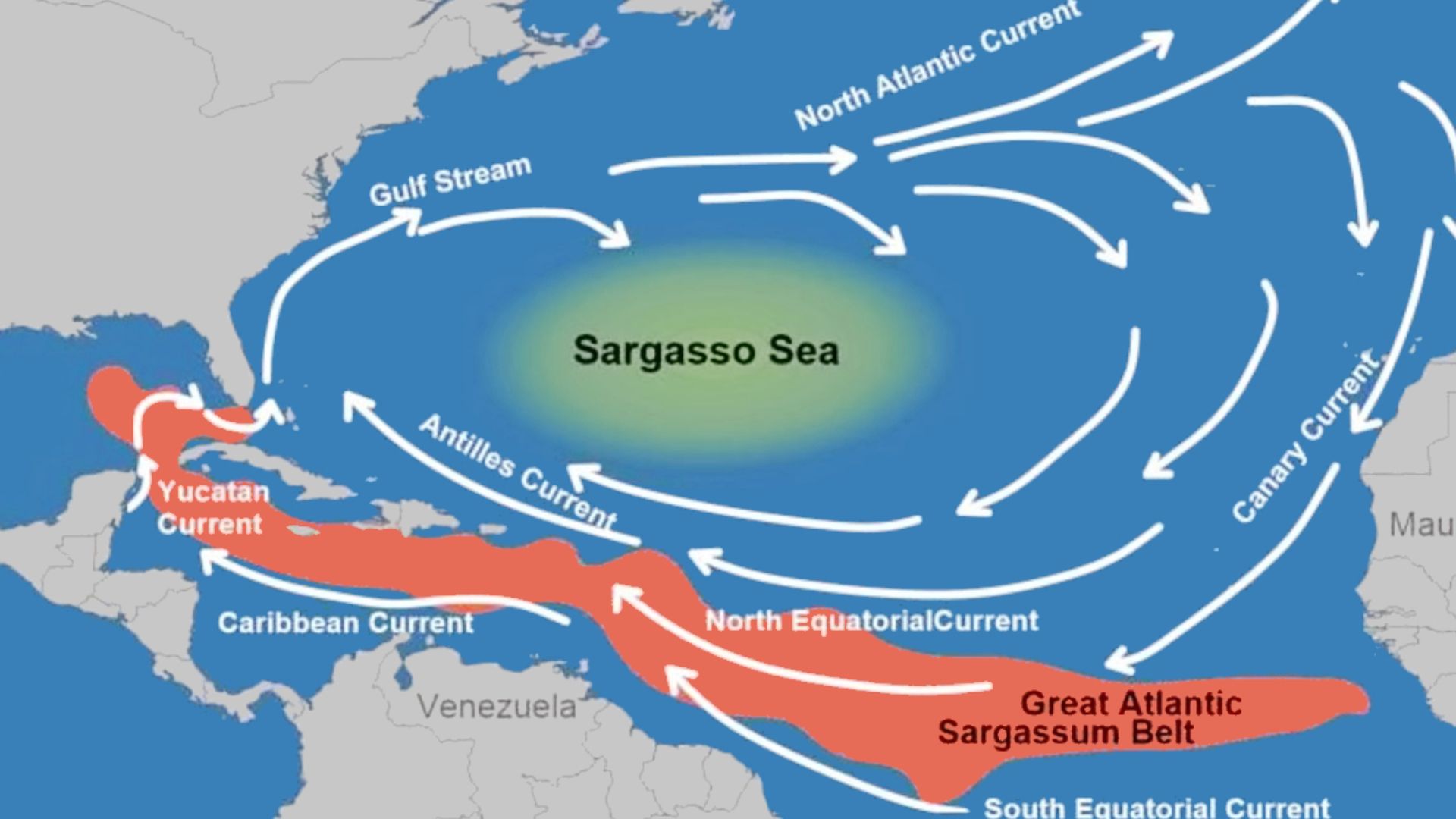
Researchers identified a major new accumulation of sargassum across the tropical Atlantic beginning in 2011. This recurring feature is now commonly called the Great Atlantic Sargassum Belt. It has repeatedly affected coastlines around the Caribbean, tropical Atlantic, and Gulf region.
There Is A Seasonal Pattern
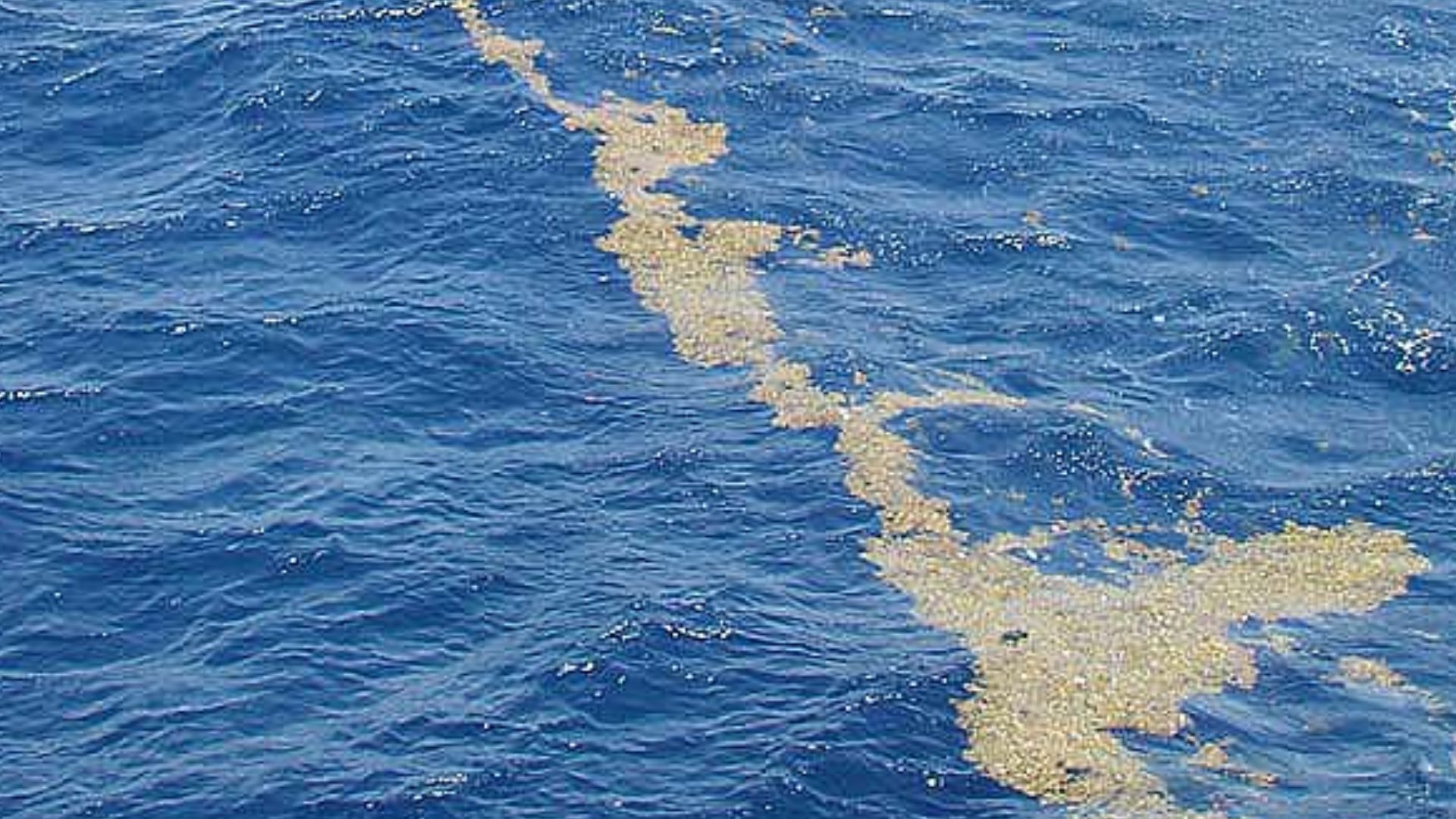
Sargassum levels generally rise and fall through the year rather than remaining constant. University of South Florida researchers publish monthly outlooks that compare current satellite observations with previous years. Those regional patterns can help travelers identify months associated with greater risk, but they cannot guarantee conditions at an individual resort.
 Unknown authorUnknown author, Wikimedia Commons
Every Year Is Different
A month that was nearly clear one year can experience heavy arrivals the next. The amount of algae offshore changes with ocean conditions, while currents and winds influence where it travels. Historical averages are useful context, but they should never be treated as a precise calendar.
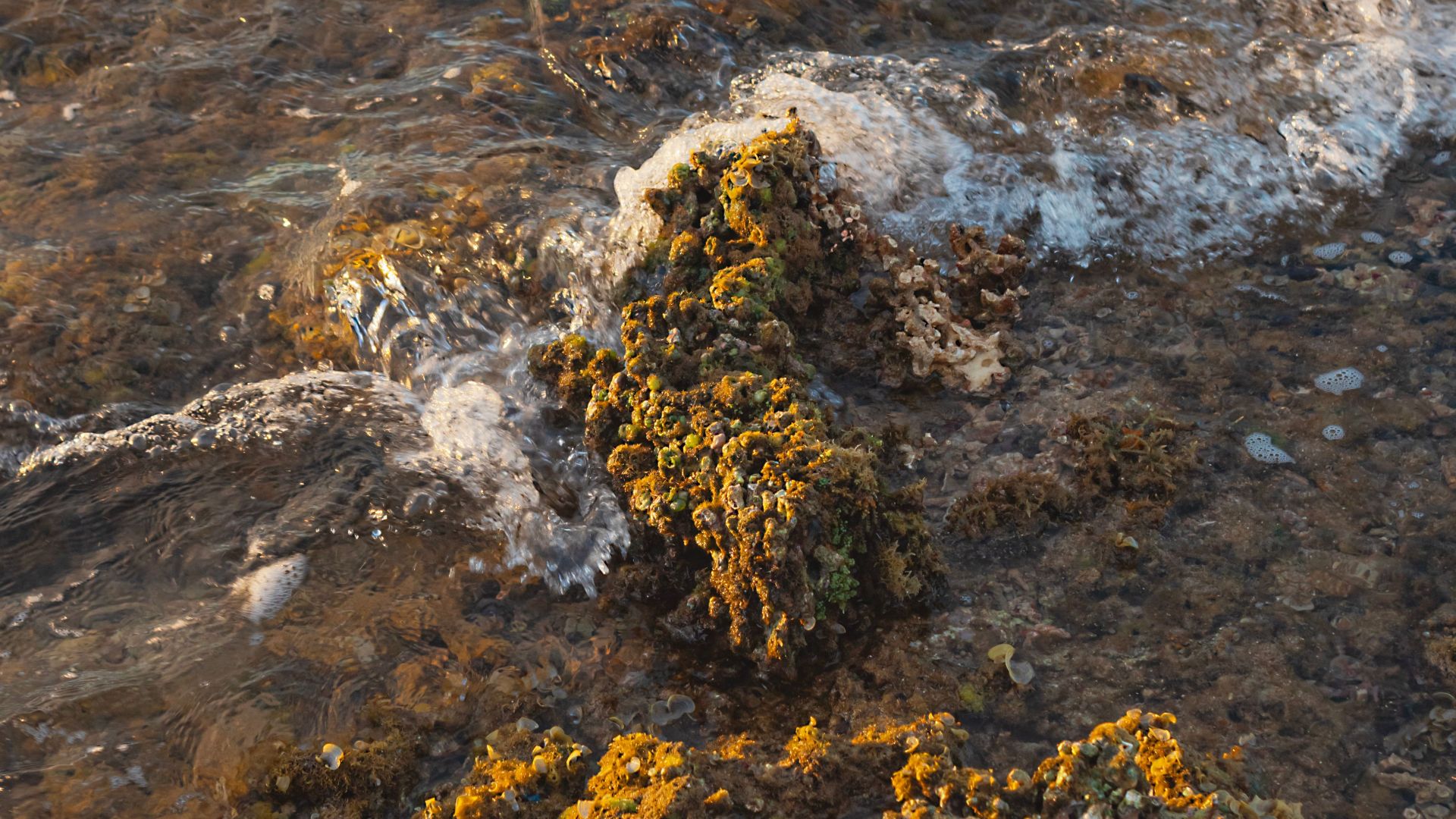
Regional Forecasts Are The Starting Point
The University of South Florida’s Sargassum Watch System uses satellite observations to monitor floating algae over large areas. Its monthly bulletins show abundance across regions such as the tropical Atlantic, Caribbean Sea, and Gulf. These maps are excellent for understanding the wider season, although they are not photographs of conditions in front of one hotel.
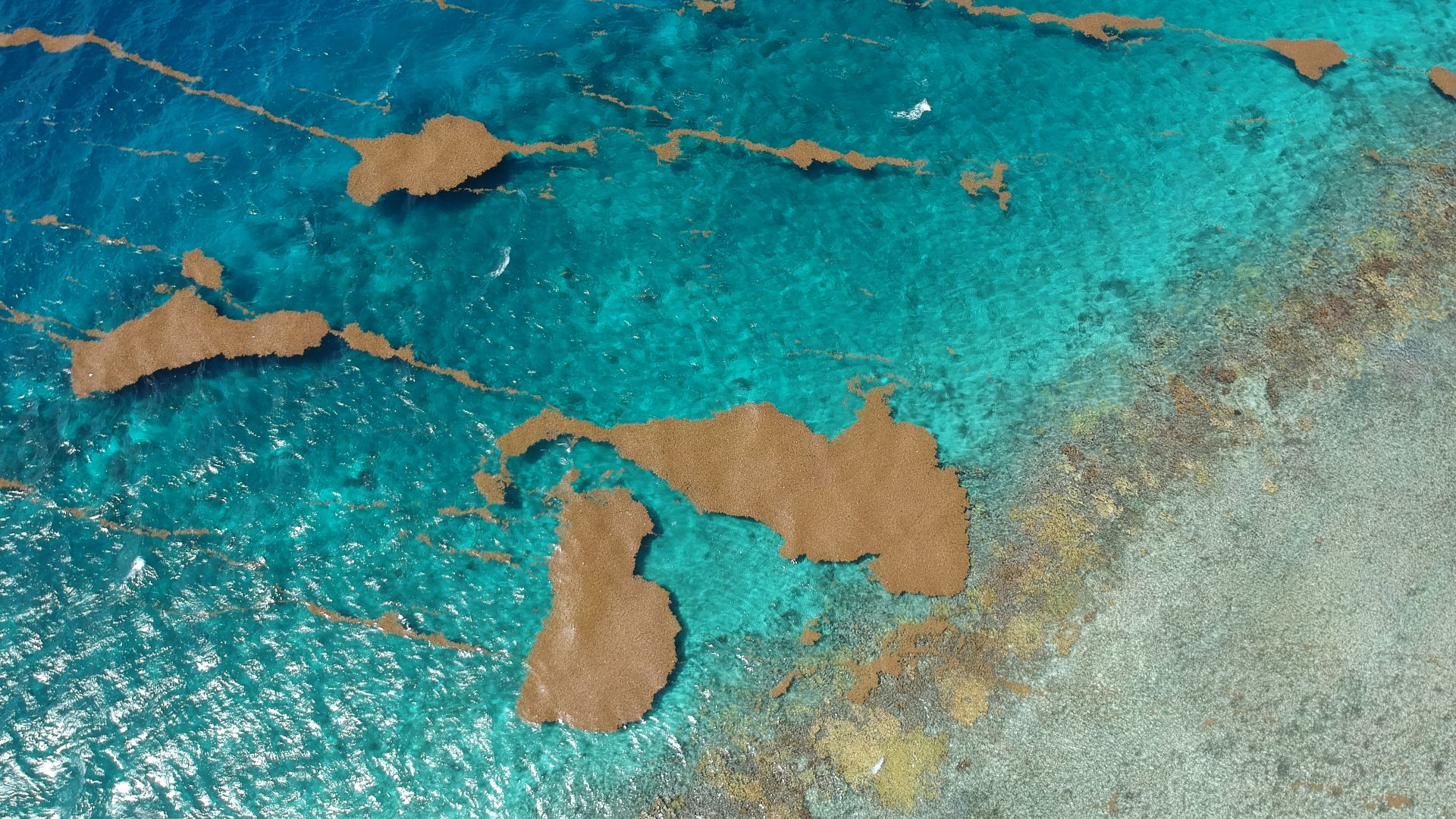 Elviajedejen, Wikimedia Commons
NOAA Now Offers Daily Risk Maps
NOAA and the University of South Florida also operate a daily Sargassum Inundation Risk tool. It combines satellite detections with ocean current models to estimate which coastal regions face a greater risk of incoming seaweed. This provides more timely guidance than a seasonal article written several months earlier.

Short-Term Forecasts Are More Useful
Some regional observing systems provide forecasts designed for the days immediately ahead. CARICOOS, which covers Puerto Rico and the US Virgin Islands, offers a seven-day near-coastal sargassum forecast. Tools like this become more relevant as the trip approaches because they incorporate recent conditions.
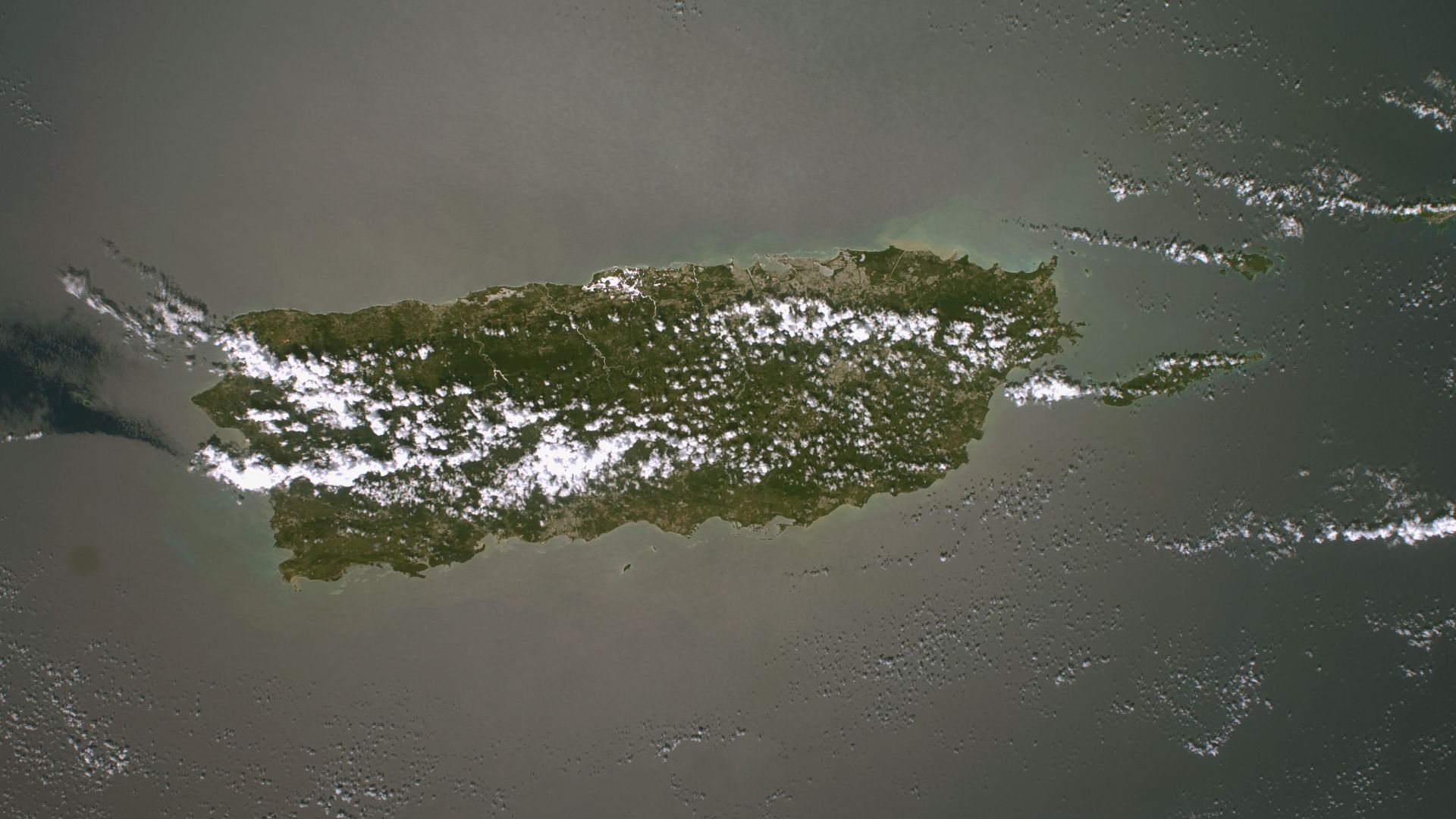 Earth Science and Remote Sensing Unit, Lyndon B. Johnson Space Center, Wikimedia Commons
Exact Beaches Remain Difficult To Predict
A huge offshore belt does not mean every nearby beach will be covered. Wind direction, currents, waves, coastal shape, reefs, and the beach’s orientation can send seaweed toward one shoreline while leaving another comparatively clear. NOAA guidance acknowledges that the final beaching of sargassum has historically been difficult to forecast.
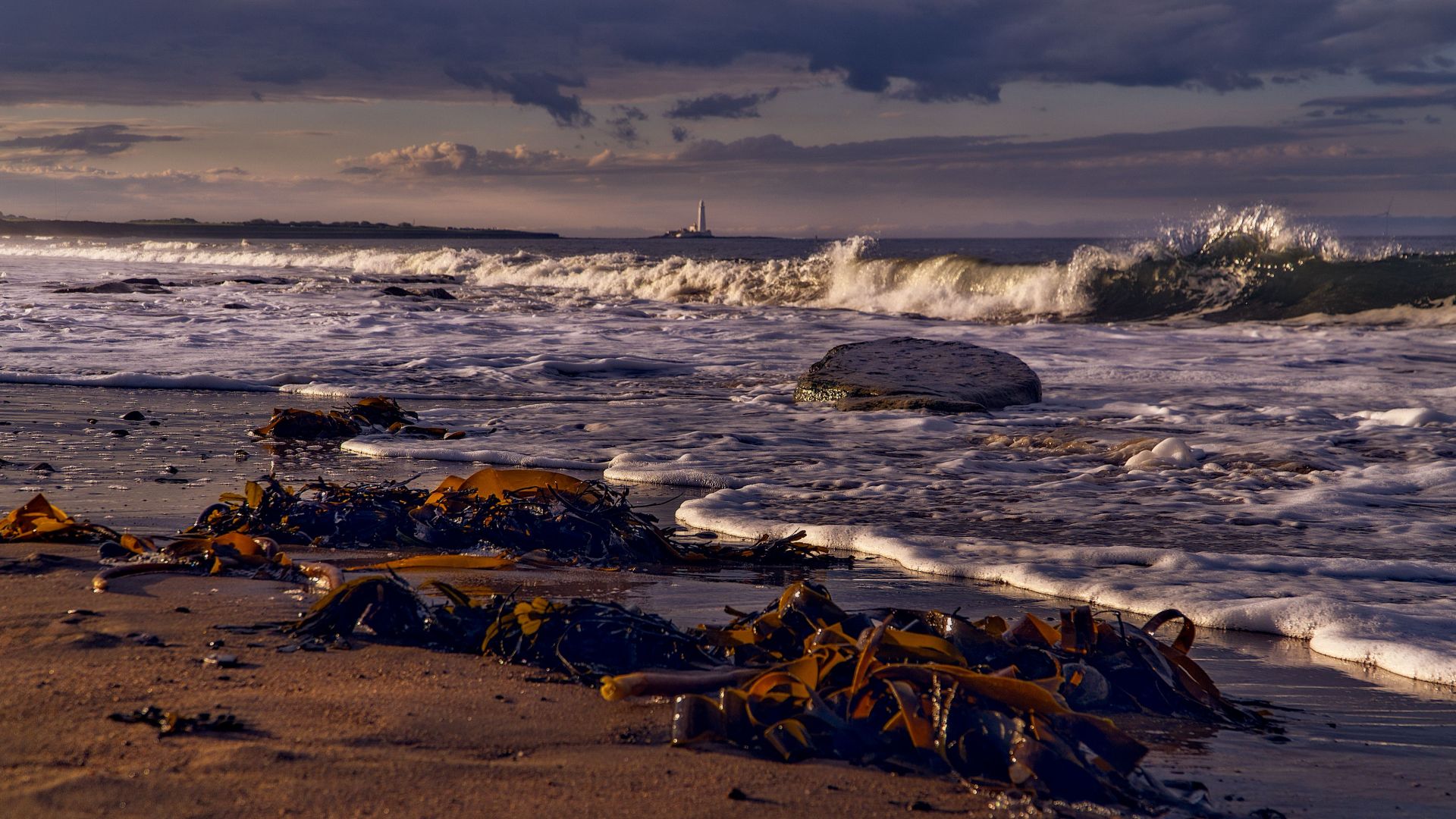
Two Nearby Resorts Can Look Opposite
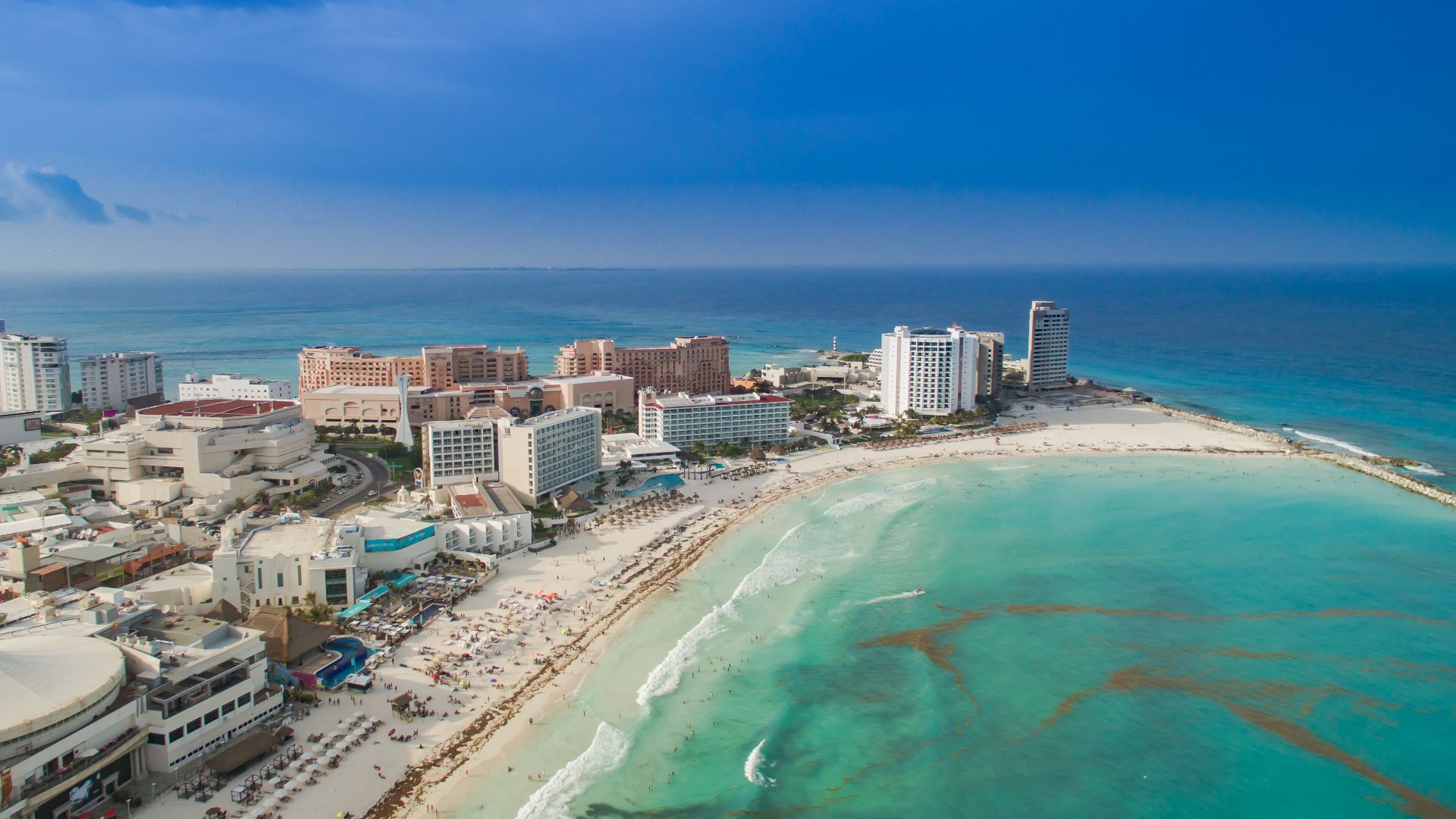
One side of an island may receive heavy accumulations while a sheltered or differently oriented coast remains attractive. The difference can sometimes occur over only a few miles. That is why a broad label such as “Cancún has seaweed” or “Barbados is clear” is rarely detailed enough for booking decisions.
Beach Orientation Matters
An exposed east-facing shoreline may experience different conditions from a protected western beach, depending on the destination and current weather pattern. Bays, headlands, reefs, and islands can also alter how floating material reaches the sand. Ask about the exact beach rather than relying on information for the entire municipality or island.
 Peter Southwood, Wikimedia Commons
Wind Can Change Things Quickly
Onshore winds can push floating mats toward land, while a shift in wind may move them along the coast or back offshore. Waves and currents can change the arrival rate within a short period. A beach that looked clean in an older social media post may therefore look very different when a traveler arrives.

Satellite Maps Have Blind Spots
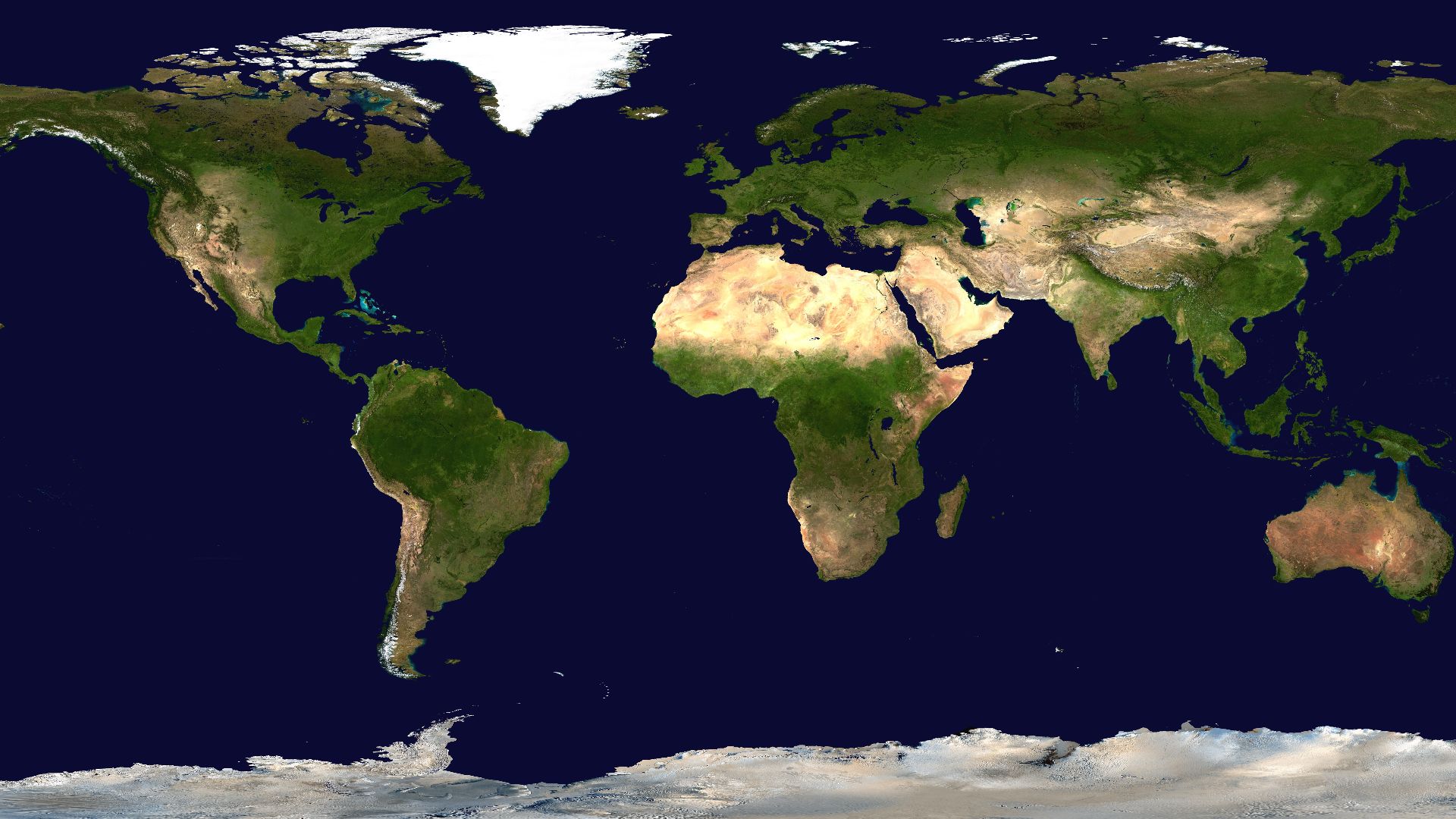
Satellite instruments are powerful, but they do not provide a perfect view every day. Clouds, atmospheric conditions, sun glint, and the resolution of the sensor can limit what researchers detect. Satellite imagery is most useful when combined with forecasts and direct observations from the shoreline.
 NASA Earth Observatory (NASA Goddard Space Flight Center), Wikimedia Commons
Webcams Show What Is Happening Now
A live resort or public beach webcam can reveal more about immediate conditions than a glossy hotel gallery. Look for the color of the water, piles along the tide line, cleanup equipment, and whether people are swimming. Confirm the webcam’s location and timestamp because an attractive camera view from another beach may not represent the hotel’s shoreline.

Recent Guest Photos Can Help
Current traveler photographs may expose conditions that promotional images do not show. Search by the hotel name, beach name, and recent dates instead of looking only at destination-wide posts. Remember that one carefully framed photograph can hide a larger accumulation just outside the image.
Call The Hotel Directly
Ask the property how the beach looked that morning, not whether the destination occasionally receives sargassum. Request details about water access, odor, cleanup frequency, barriers, and alternative beaches. A specific question is more likely to produce useful information than asking whether the beach is “good.”

Ask How Cleanup Works
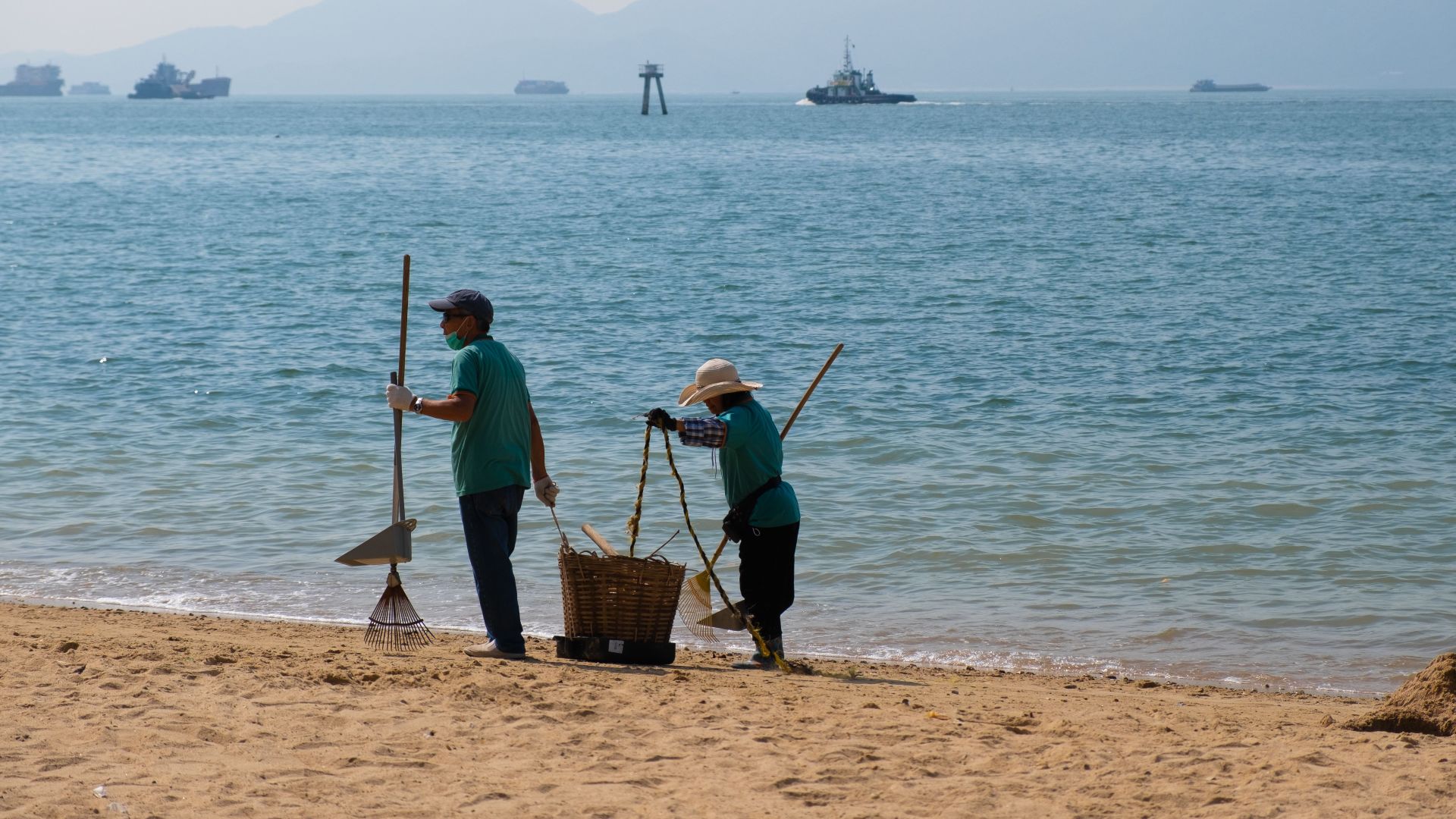
Some resorts remove stranded seaweed daily with workers and equipment. Others clean less frequently, face environmental restrictions, or cannot keep up during a major arrival. Cleanup can improve the sand, but it may not remove floating mats from the water or prevent more seaweed from landing later that day.
Removal Is More Complicated Than It Looks
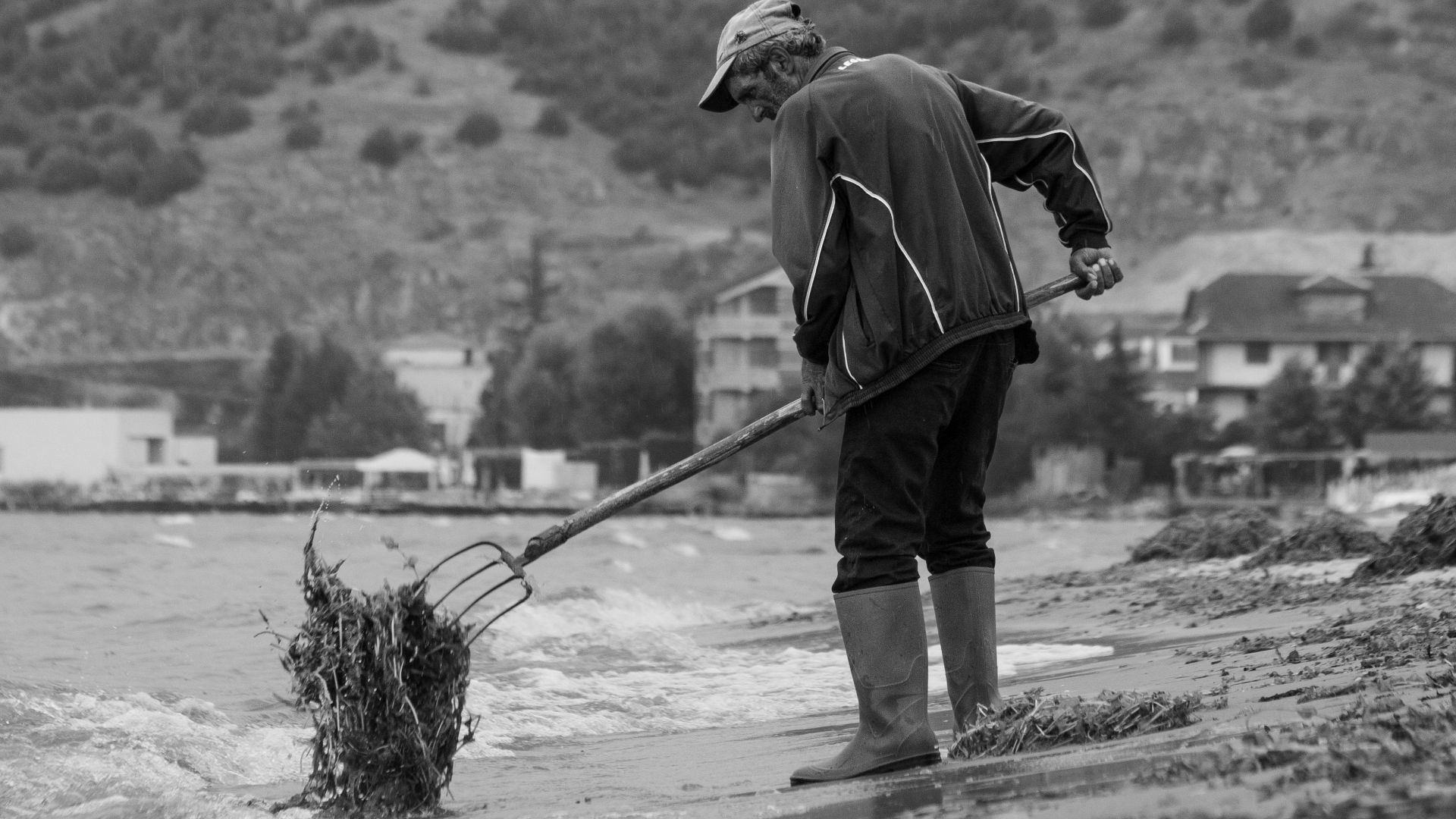
Large inundations can be difficult and expensive for coastal communities to manage. Removal decisions may require coordination among environmental, local, territorial, and federal authorities. Heavy machinery can also affect beaches and wildlife if cleanup is not carefully planned.
The Smell Comes From Decomposition
Fresh floating sargassum does not always produce the odor travelers associate with a severe event. The familiar rotten-egg smell can develop when stranded algae decomposes and releases hydrogen sulfide and other gases. The severity depends on the amount present, how long it has remained, weather, ventilation, and the effectiveness of cleanup.
 VELY Michel, Wikimedia Commons
It Can Become A Health Concern
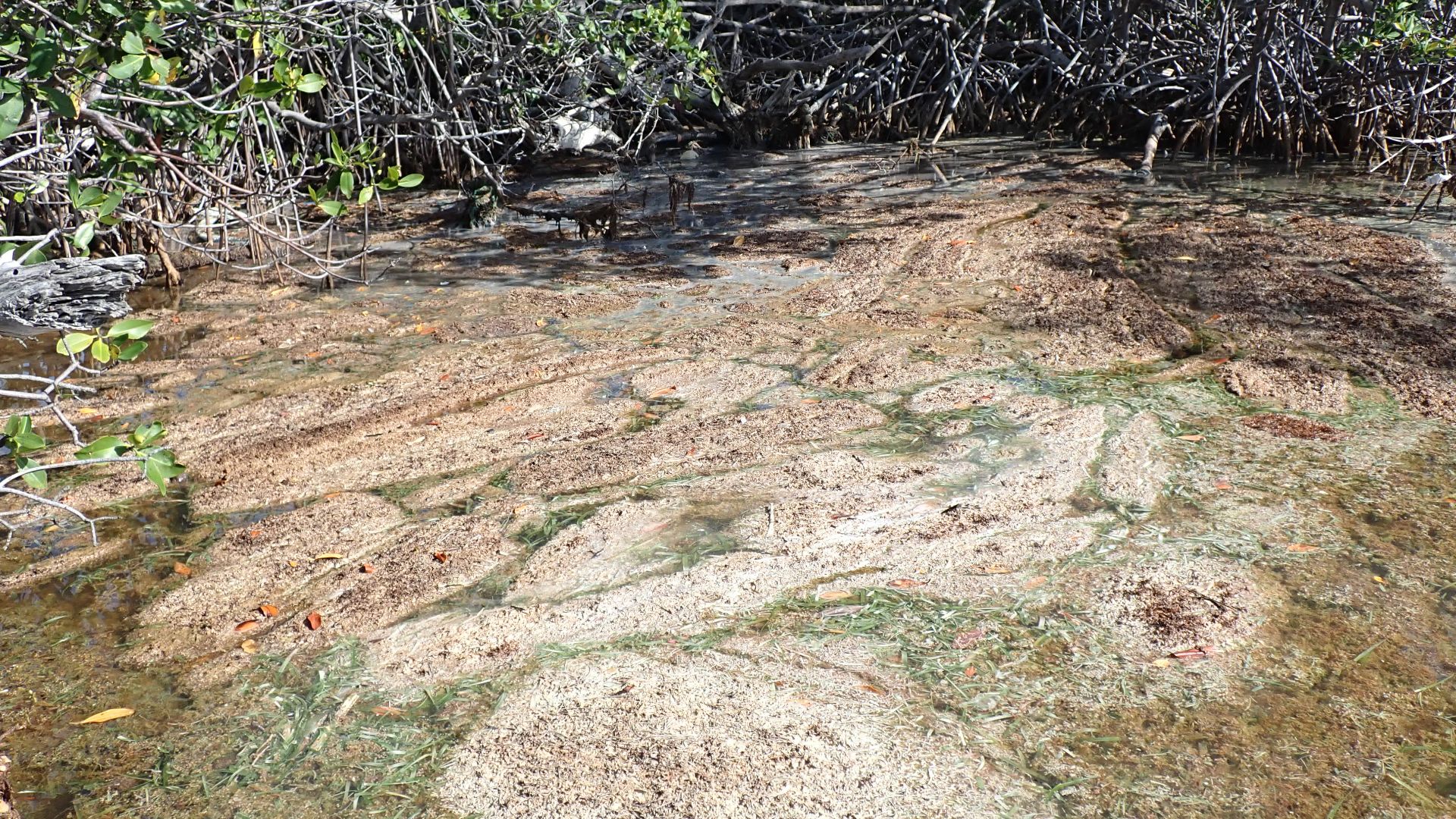
Decomposing sargassum can release hydrogen sulfide and ammonia, which may affect people exposed to high concentrations. Sargassum mats can also harbor small organisms capable of irritating the skin. People with respiratory or cardiovascular conditions, children, older adults, and pregnant travelers may need to exercise additional caution around heavy decomposing piles.
 Elviajedejen, Wikimedia Commons
Do Not Let Children Play In It
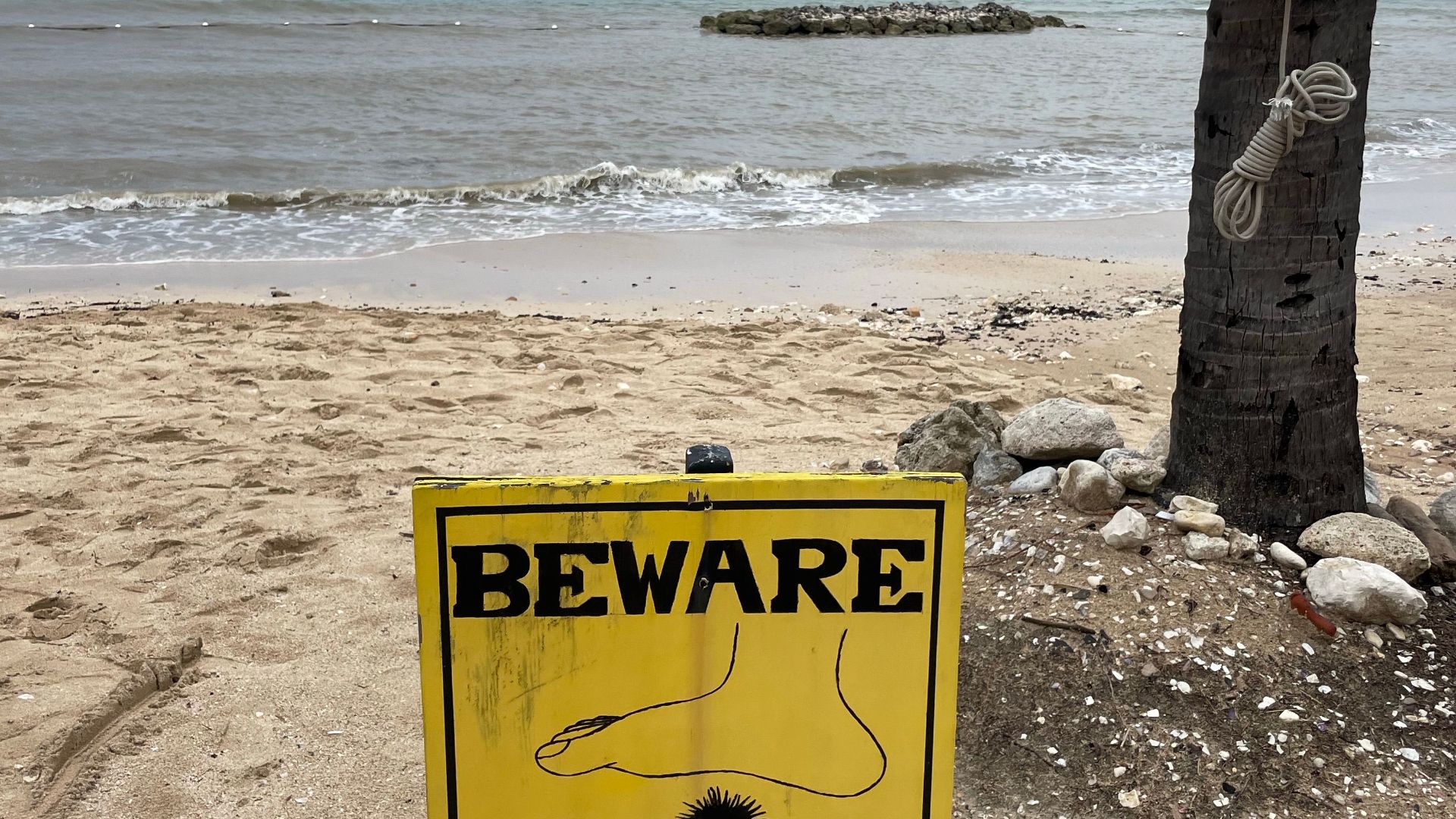
A dense pile of stranded algae should not be treated like harmless leaves. It can contain jellyfish larvae, sharp debris, pollutants, and decomposing organic material. Follow local health warnings and keep children and pets away when the beach smells strongly or authorities advise avoiding contact.
A Bad Smell Is A Warning
The CDC advises avoiding water that looks discolored, contains scum, or smells bad when harmful algae may be present. Travelers experiencing breathing trouble, dizziness, nausea, eye irritation, or other symptoms should move away from the affected area. Serious or persistent symptoms require medical attention.
Standard Insurance May Not Cover Disappointment
Ordinary travel insurance pays only for events specifically covered by the policy. Seaweed making a beach unattractive is unlikely to create an automatic claim if the hotel remains open and the trip can continue. Cancel-for-any-reason coverage is broader, but it usually reimburses only part of the prepaid cost and has strict purchase and cancellation deadlines.

Flexible Bookings Create Options
A refundable hotel rate can be valuable in a destination with unpredictable beach conditions. Check forecasts and recent images while the free-cancellation window remains open. Travelers who reserve flexible lodging may be able to switch coasts, islands, or properties when one area faces a particularly heavy arrival.

Build In A Backup Beach
Choose a destination with beaches facing different directions or with easy access to another part of the coast. A rental car, ferry, or reputable local tour can create alternatives when the hotel beach is affected. The backup should be researched before departure rather than improvised after the shoreline disappears.

Book The Destination, Not Just The Sand
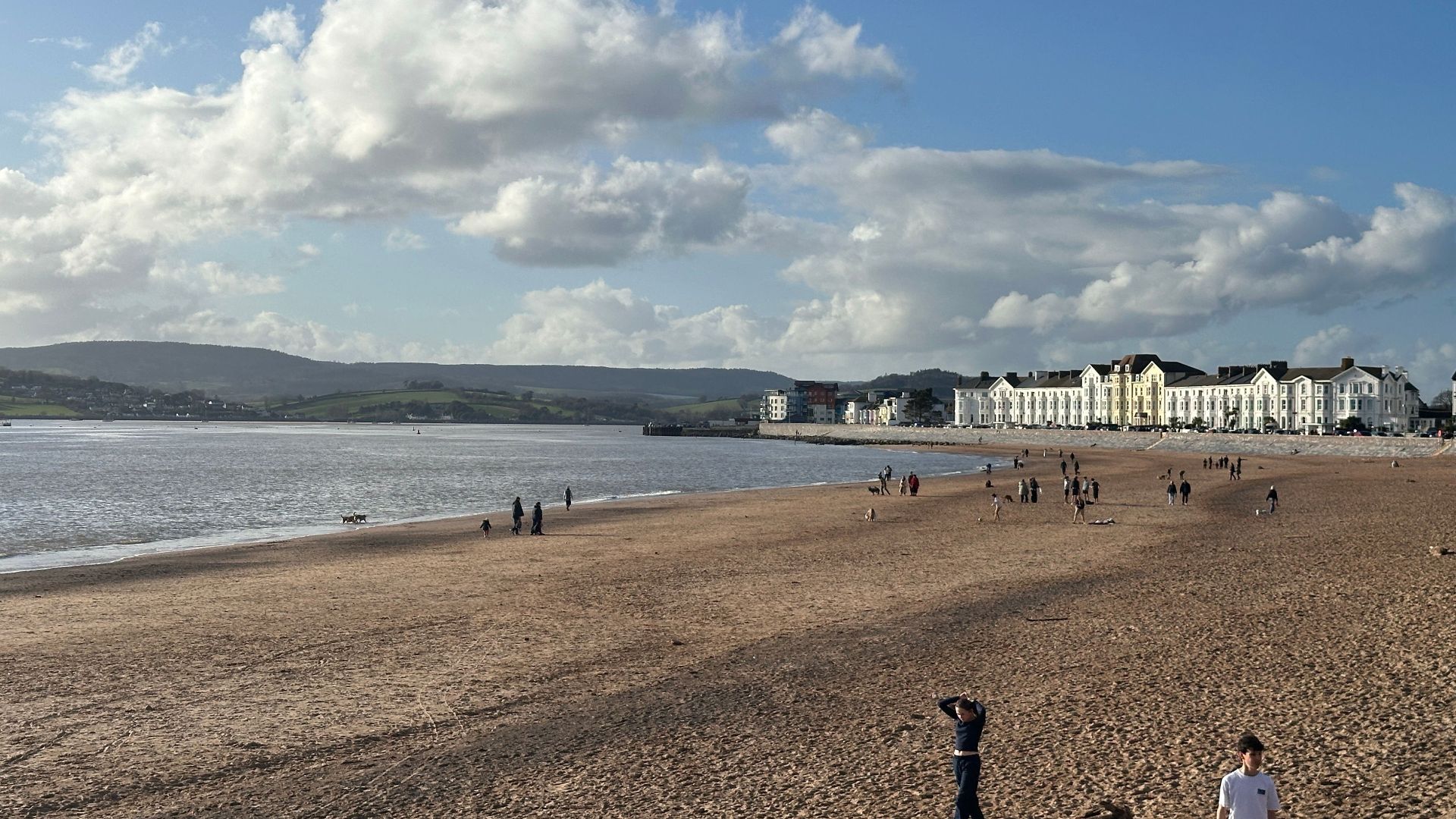
A beach vacation becomes less fragile when the area also offers food, history, nature, museums, pools, excursions, and towns worth exploring. Seaweed can still be disappointing, but it does not have to erase the entire value of the trip. Destinations with several strong attractions are safer choices than isolated resorts built around one strip of shoreline.
The Most Reliable Booking Strategy
Begin with historical monthly patterns, then review regional satellite outlooks before paying nonrefundable rates. As departure approaches, add daily risk maps, short-term forecasts, webcams, recent guest photographs, and a direct call to the hotel. No single source can promise a clear beach, but using them together gives travelers a much better chance of avoiding a week beside decomposing seaweed.

You May Also Like:
Unexpected Things Boomers And Millennials Actually Agree On
Five Incredible Destinations For Nature Lovers
Destination Of The Day: Vienna
Sources: 1, 2, 3, 4, 5, 6, 7, 8, 9, 10, 11, 12, 13, 14, 15, 16, 17, 18