The Dream Road Trip Can Get Overhyped Fast
Americans love the idea of the open road: playlists, roadside diners, national parks, ocean views, and strange little towns along the way. But not every famous route lives up to the fantasy. Some trips become expensive, crowded, repetitive, stressful, or simply less magical than the photos suggest.

Route 66 Can Feel More Like Homework Than Adventure
Route 66 is legendary for a reason, but many travelers are surprised by how much work it takes to enjoy. The historic route is fragmented, slow, and heavy on nostalgia. If you love diners, neon signs, and Americana, it can be wonderful. If not, 2,400 miles can feel like a very long museum exhibit.
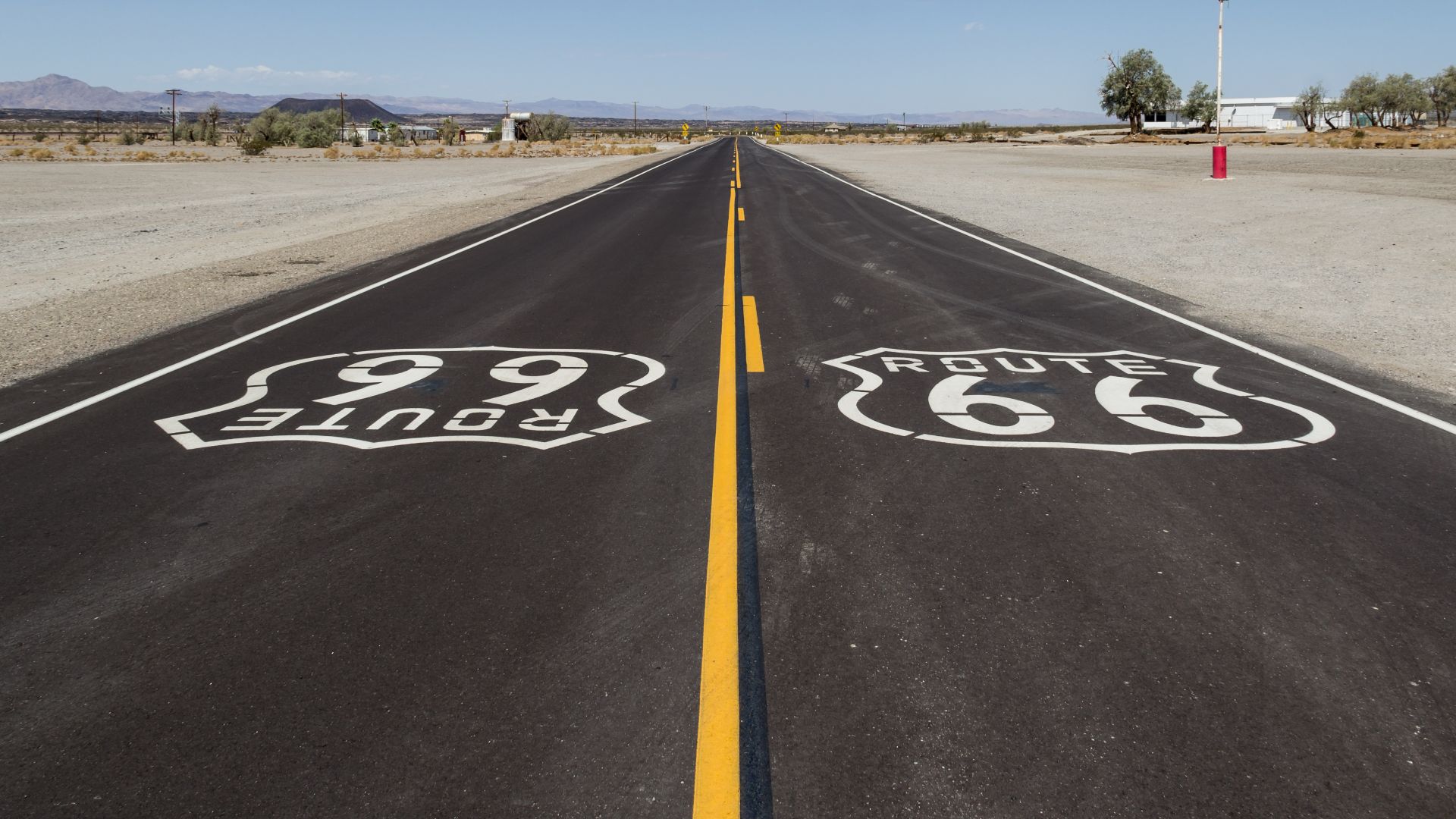 Dietmar Rabich, Wikimedia Commons
The Pacific Coast Highway Is Not Always Peaceful
California’s Pacific Coast Highway sounds like pure romance: cliffs, waves, convertibles, and perfect sunsets. In reality, it can involve traffic, road closures, fog, expensive hotels, crowded overlooks, and stretches that are more stressful than scenic. The best parts are stunning, but the full drive is not effortless.
![500px provided description: Pacific Coast Highway, California [#landscape ,#water ,#coast ,#highway ,#road ,#california ,#pacific ,#overcast]](https://www.factinate.com/storage/app/media/splashtravels/2026/8/31/1788163767e1498ea94e0bcdace6f2be10b21aa40178b75e3b.jpeg) John Delacy, Wikimedia Commons
John Delacy, Wikimedia Commons
Driving To Yosemite In Peak Summer Can Be Brutal
Yosemite is spectacular, but the road trip there can turn sour during peak season. Visitors may face traffic, parking battles, crowded trails, and long waits. National park groups have warned that crowded parks can mean traffic jams, full parking lots, strained staff, and damaged resources.
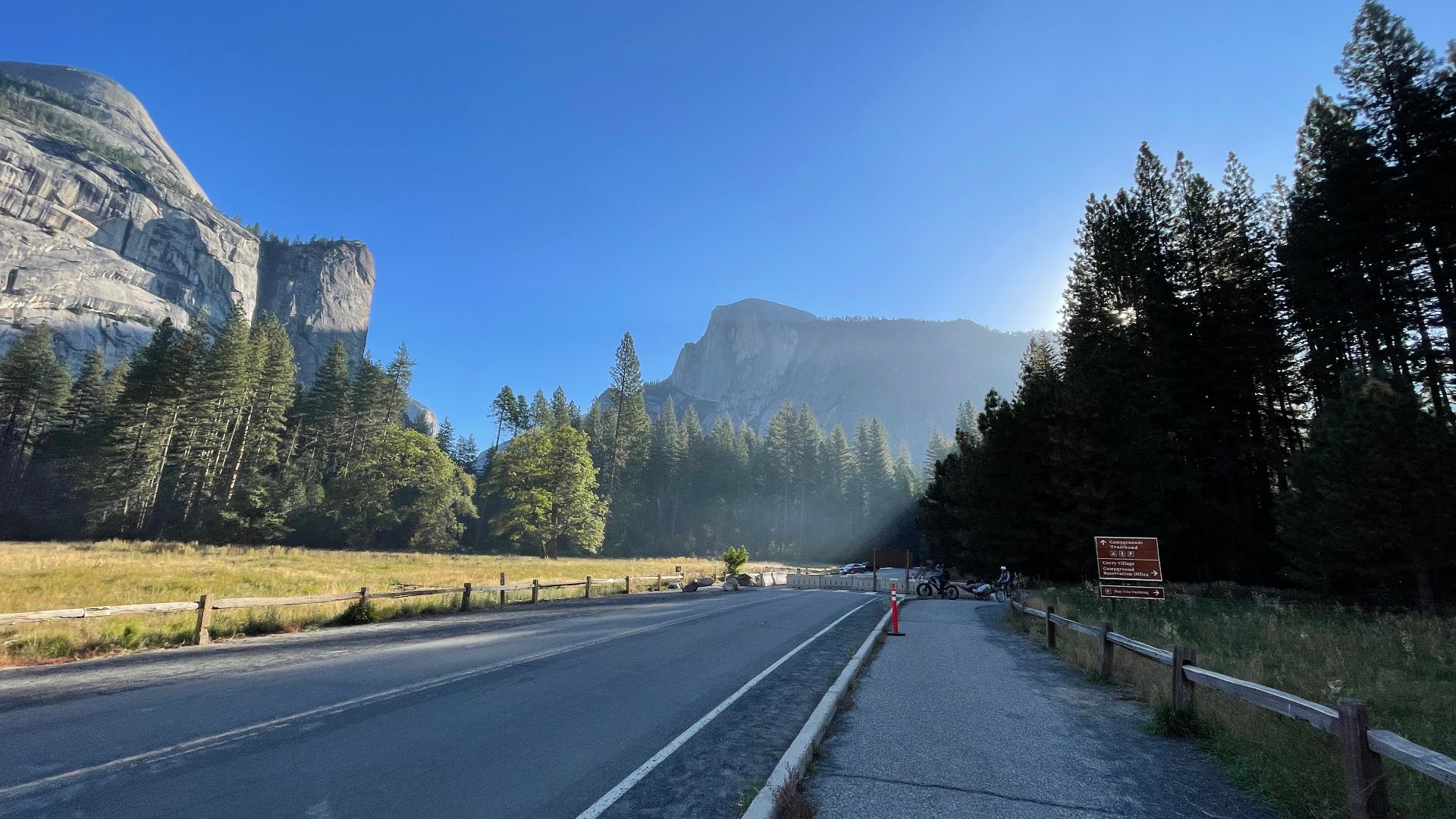 Vulturesong, Wikimedia Commons
The Las Vegas To Grand Canyon Sprint Is Often Too Rushed
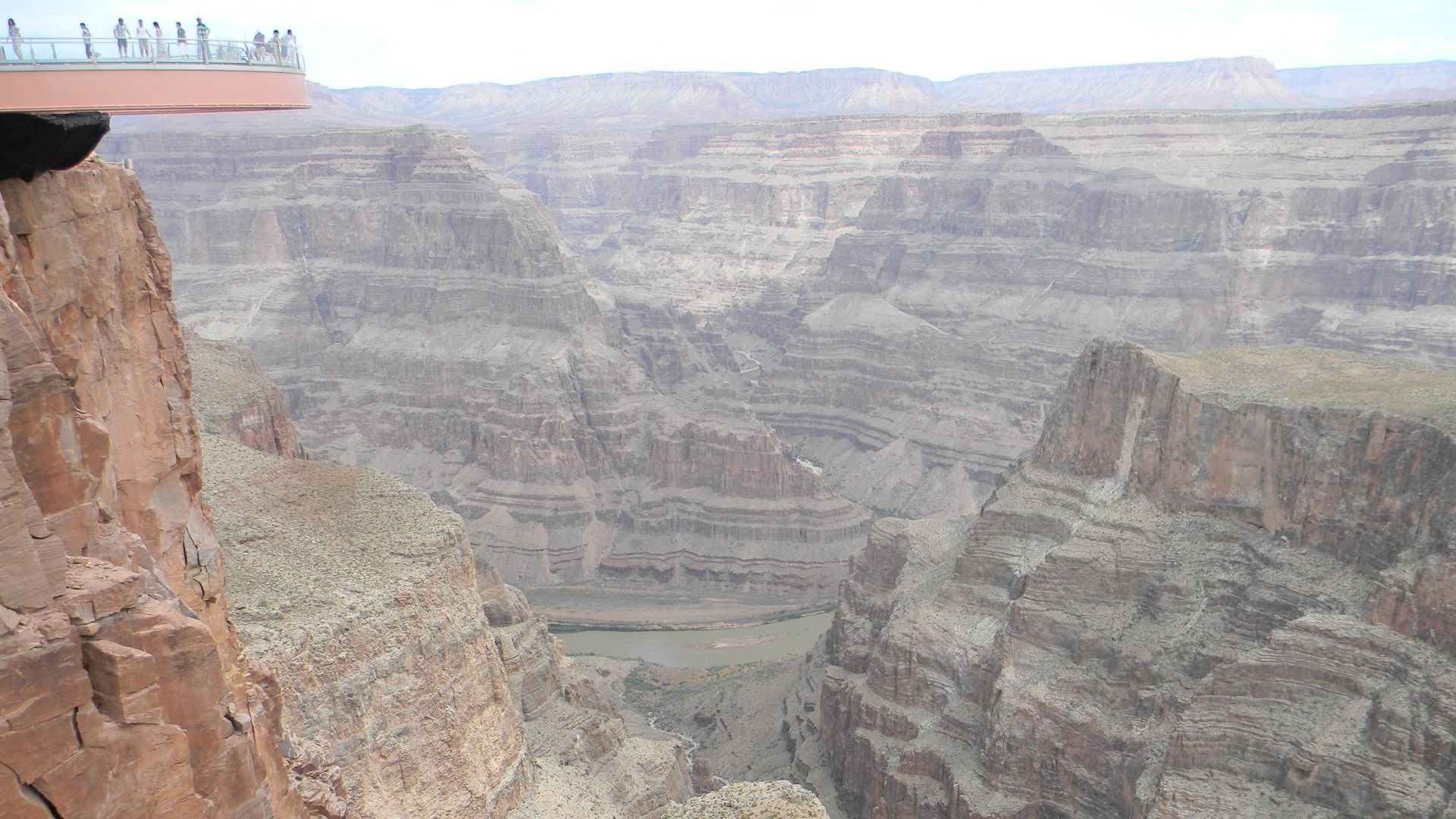
Many Americans imagine a quick Vegas-to-Grand-Canyon adventure. Then they realize the drive is long, the most famous viewpoints are crowded, and one rushed day leaves little time to actually absorb the canyon. The destination is worth seeing, but the compressed road trip can feel more exhausting than epic.
The Florida Keys Drive Can Disappoint Impatient Travelers
The Overseas Highway has gorgeous water views, but it is also a slow, narrow, traffic-prone route with limited passing, expensive lodging, and long stretches that feel less tropical than expected. If you are picturing constant beaches and easy stops, the reality may test your patience.
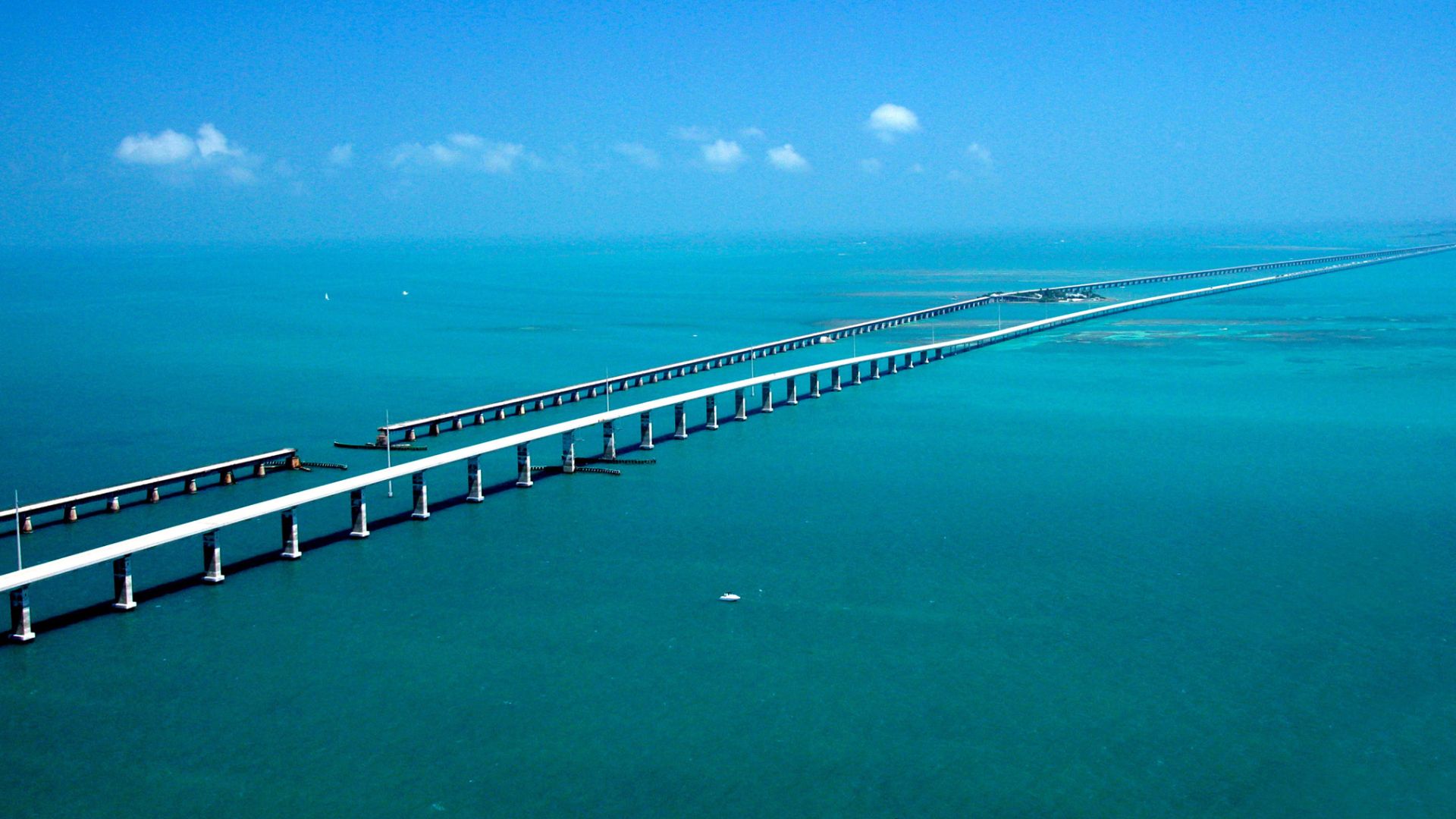 United States Department of Transportation, Wikimedia Commons
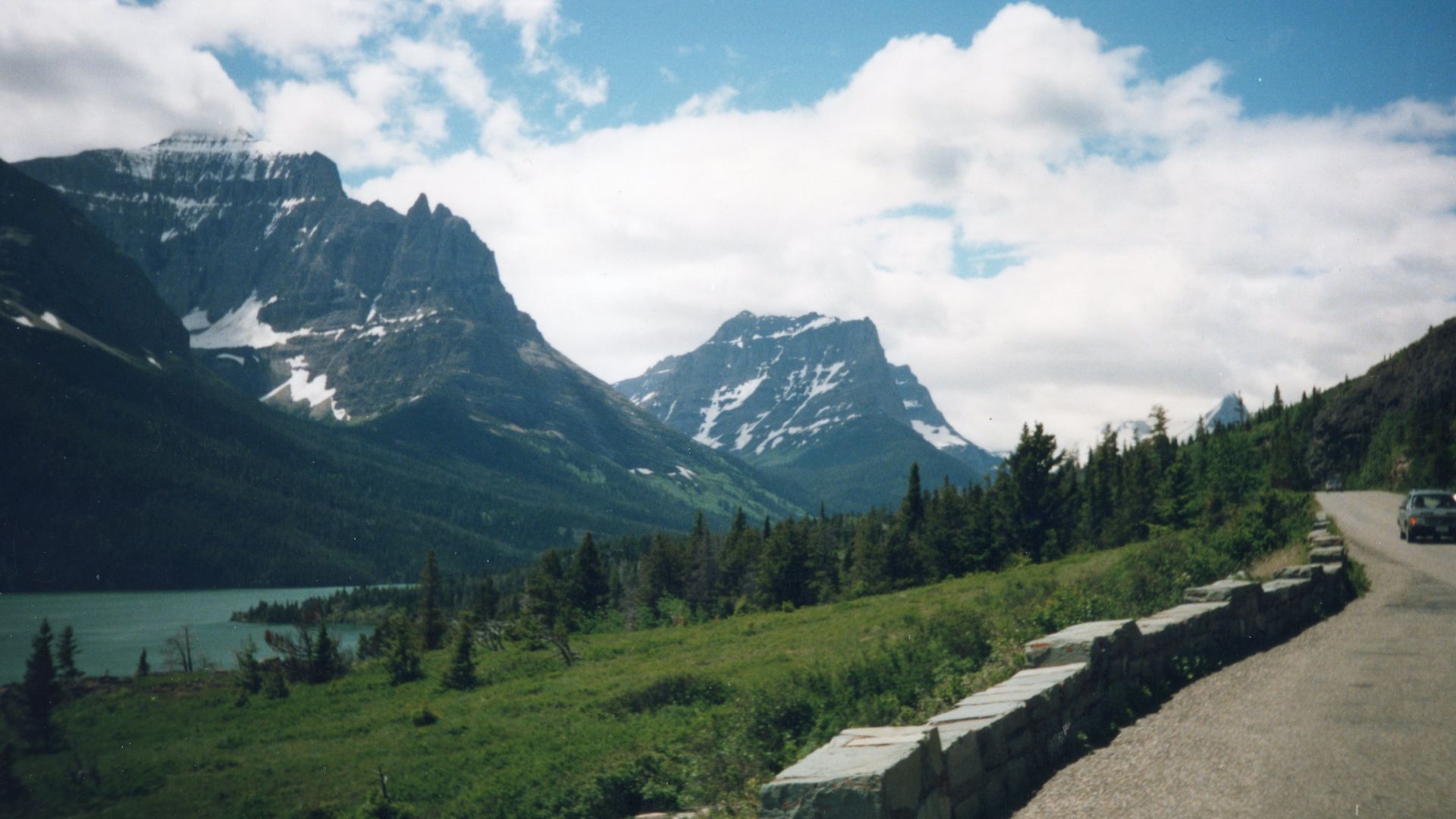
Going-To-The-Sun Road Can Become A Parking Battle
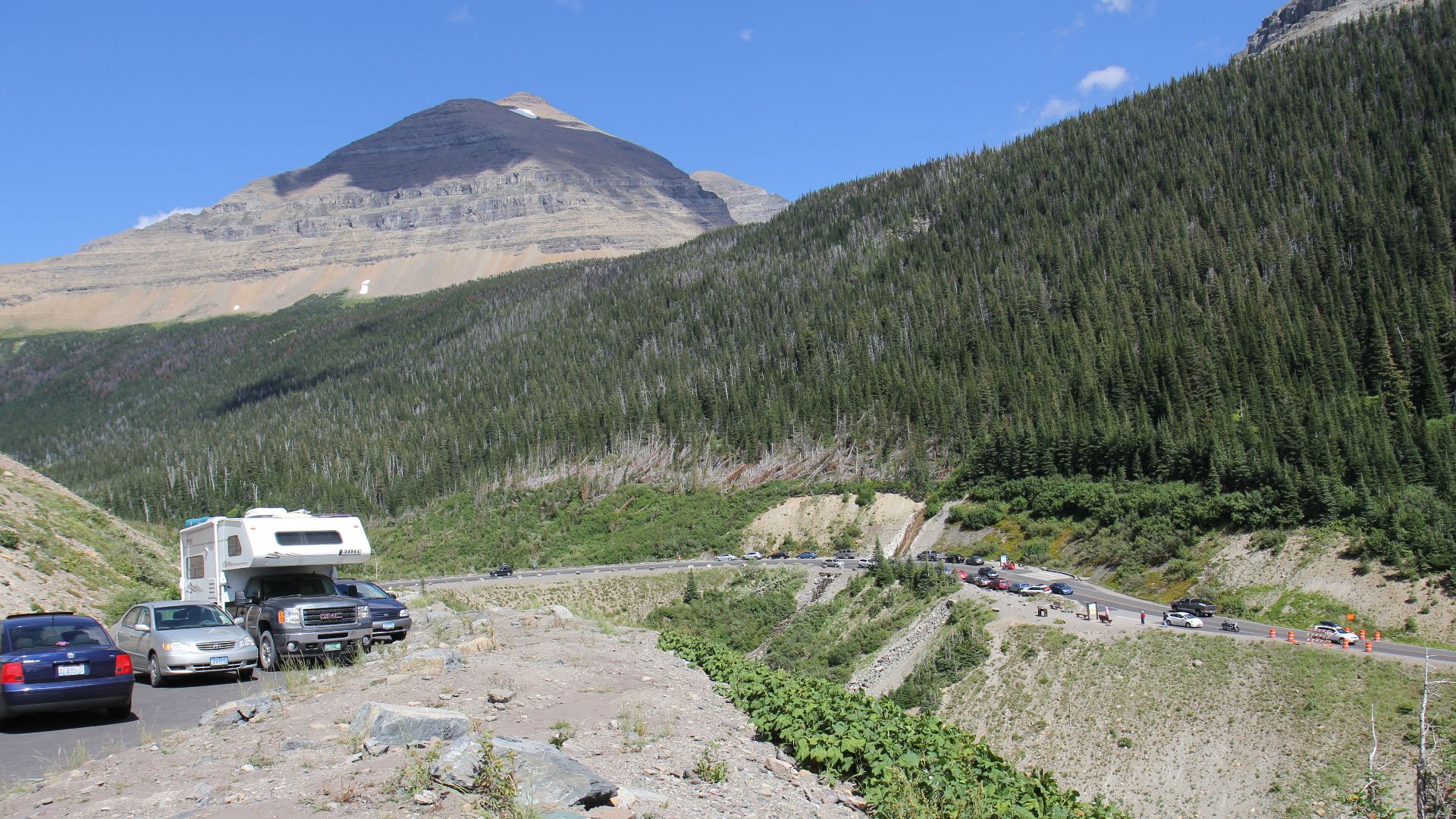
Glacier National Park’s Going-to-the-Sun Road is one of America’s most famous drives, but popularity creates pressure. The park warns that during extreme congestion, access to some areas may be temporarily restricted so traffic can clear and emergency vehicles can move.
A Yellowstone Road Trip Can Feel Like A Traffic Jam With Bison
Yellowstone is extraordinary, but summer road trippers can spend a surprising amount of time in slow traffic, parking lots, and wildlife jams. The park’s size also tricks people. Driving from one famous sight to another can take much longer than expected, especially when everyone else has the same plan.
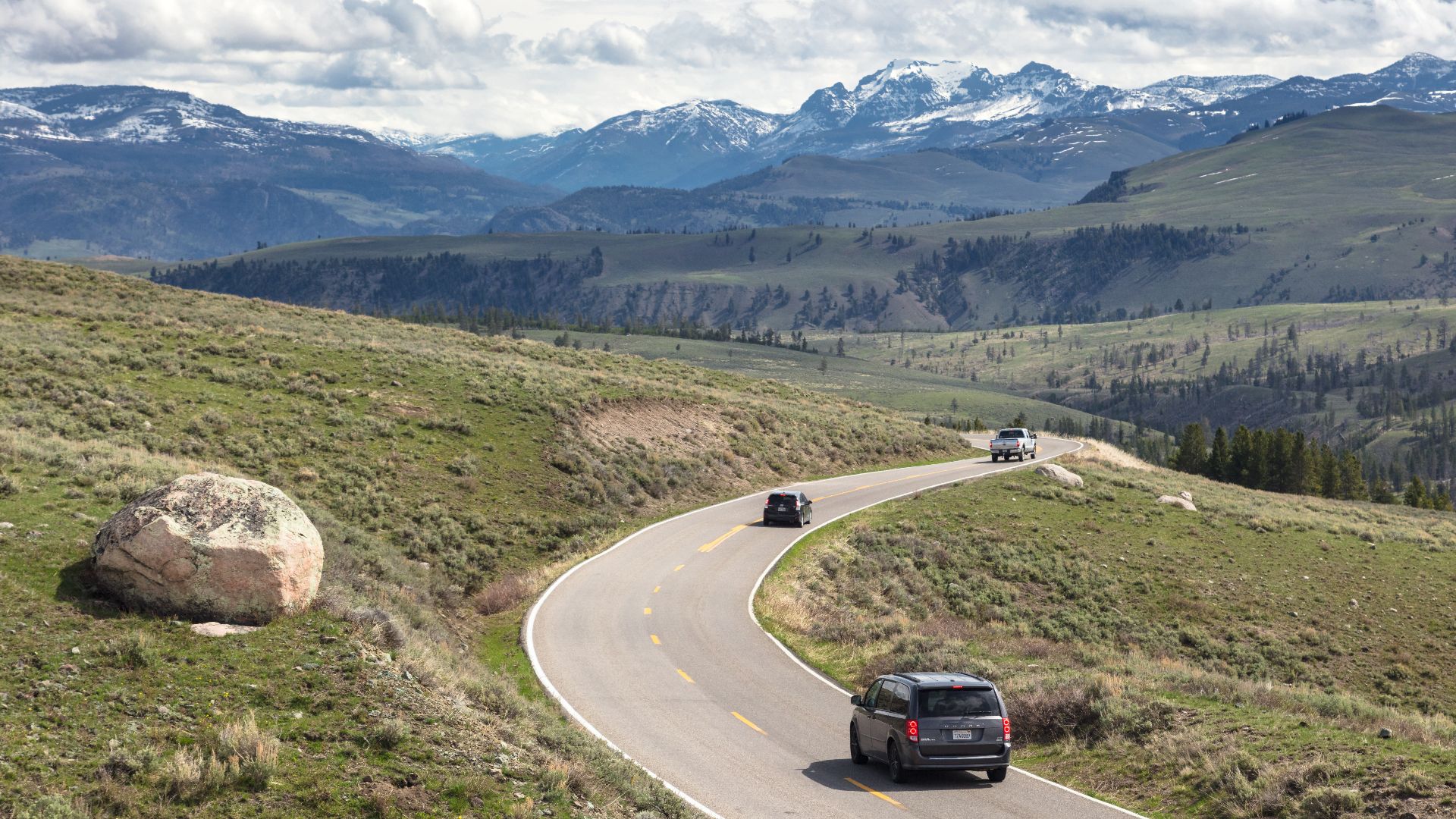 Yellowstone National Park, Wikimedia Commons
The Great Smoky Mountains Can Feel Too Popular For Their Own Good
The Smokies are beautiful and accessible, which is exactly the problem. Crowds, traffic in gateway towns, packed trailheads, and slow scenic drives can make the trip feel less peaceful than expected. Americans looking for quiet mountain solitude may find themselves stuck behind brake lights instead.
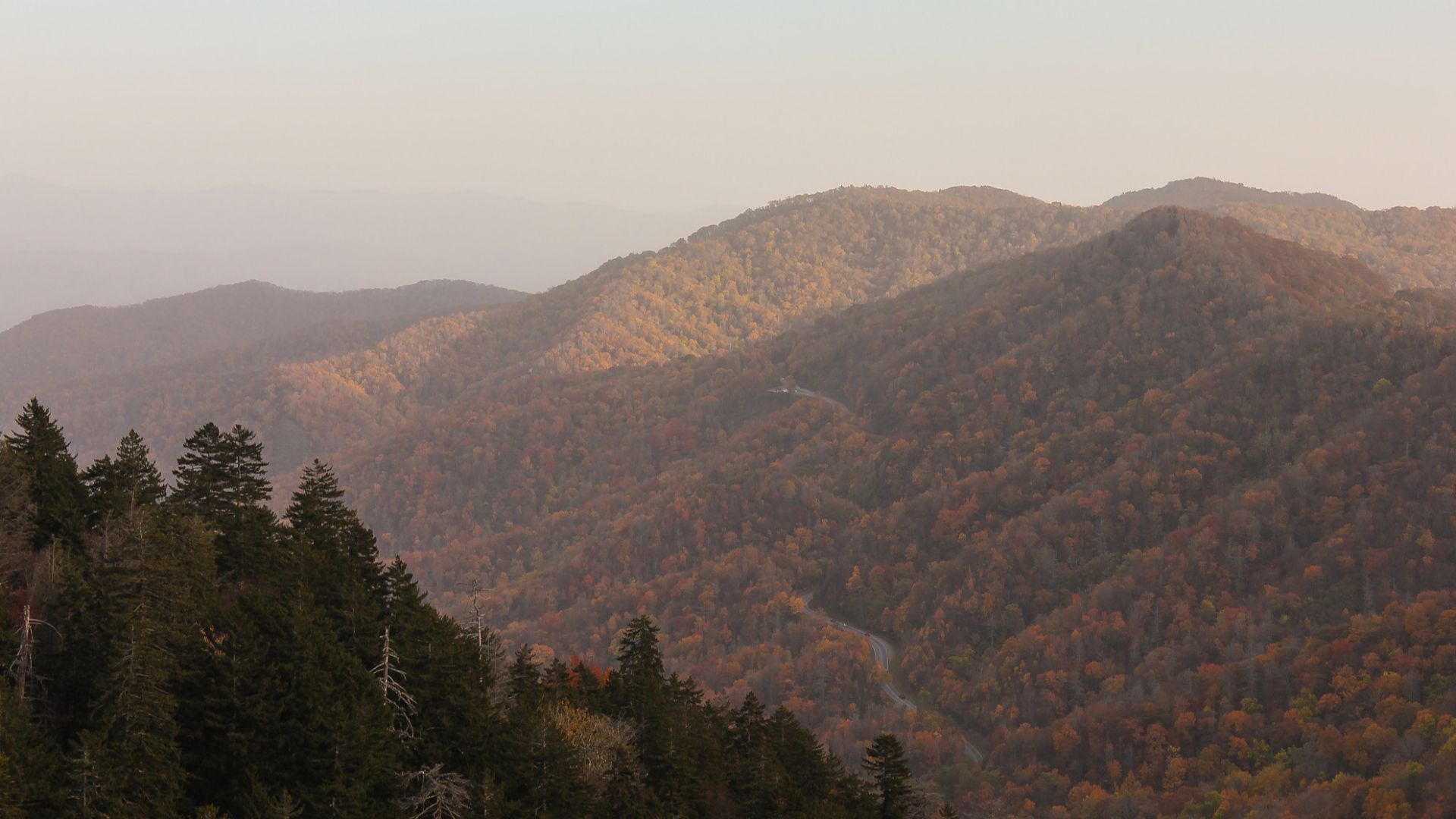 Joseph Teeter, Wikimedia Commons
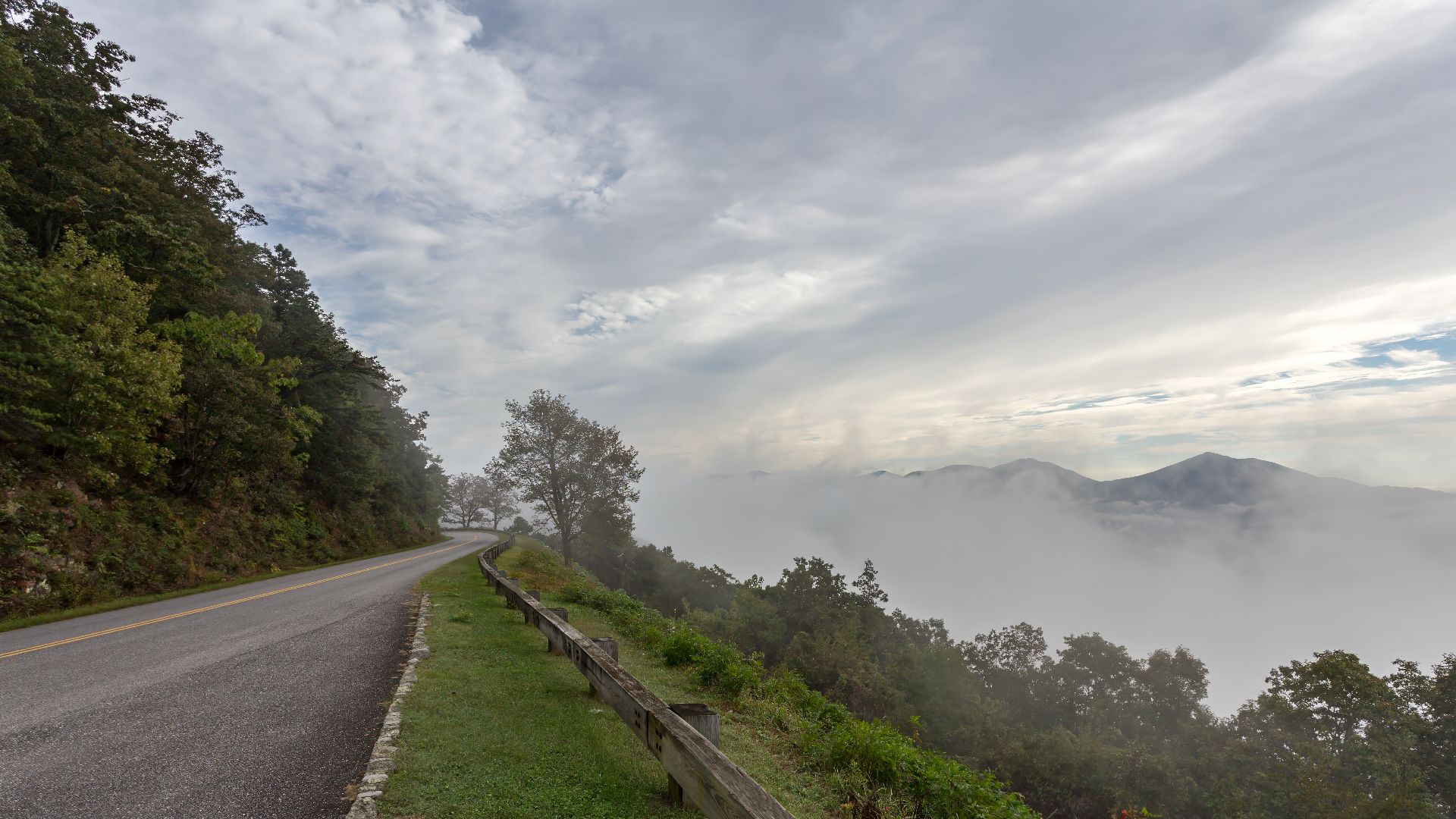
The Blue Ridge Parkway Is Gorgeous, But Slow
The Blue Ridge Parkway rewards patient travelers with overlooks, forests, and mountain curves. But some Americans find the pace frustrating. It is not a fast route between destinations. If the weather is foggy, overlooks disappear. If you are prone to motion sickness, the winding drive can become tiring.
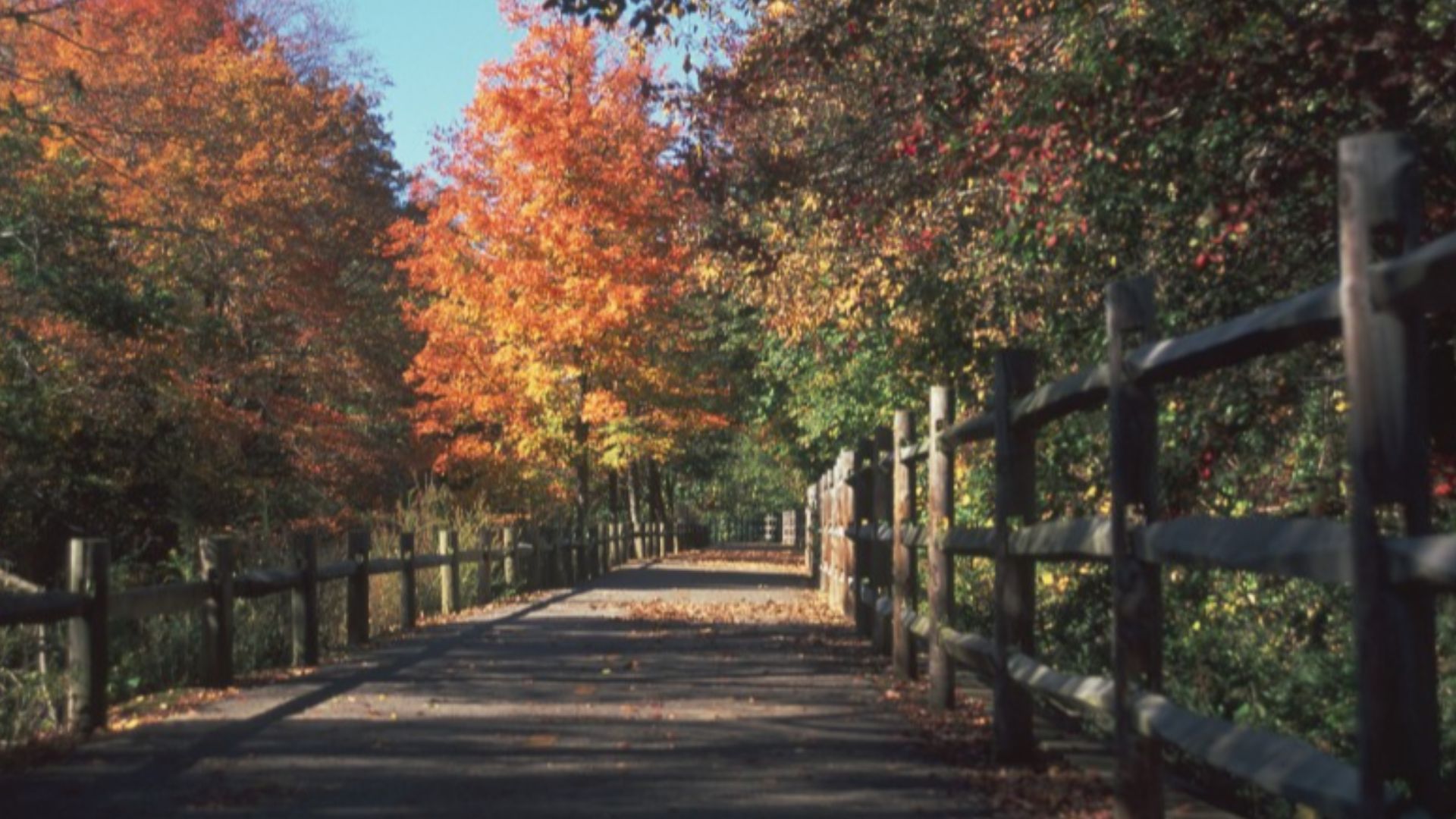
The New England Fall Foliage Loop Can Become A Crowd Chase
Leaf-peeping sounds calm until every hotel is expensive, every small town is packed, and every scenic overlook has a line of cars. The colors can be breathtaking, but timing is tricky. Miss peak colors or hit peak crowds, and the trip may feel more stressful than cozy.
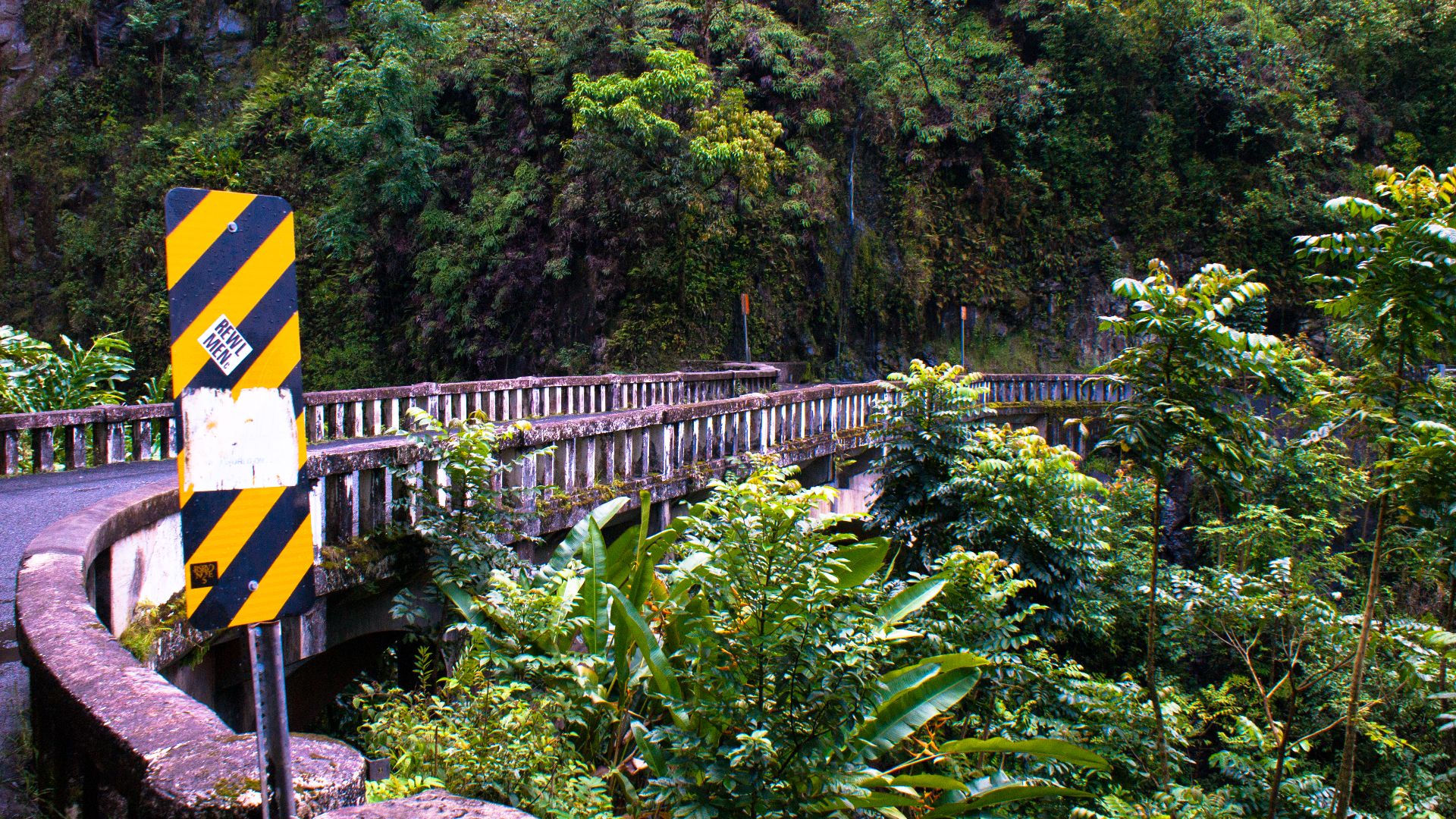
The Road To Hana Is Beautiful And Nerve-Wracking
Maui’s Road to Hana is famous for waterfalls, jungle views, and coastal curves. It is also narrow, slow, winding, and crowded with drivers stopping unpredictably. For some travelers, the stress of the drive outweighs the beauty, especially if they expected a relaxing beach-road cruise.
 Jonathanking, Wikimedia Commons
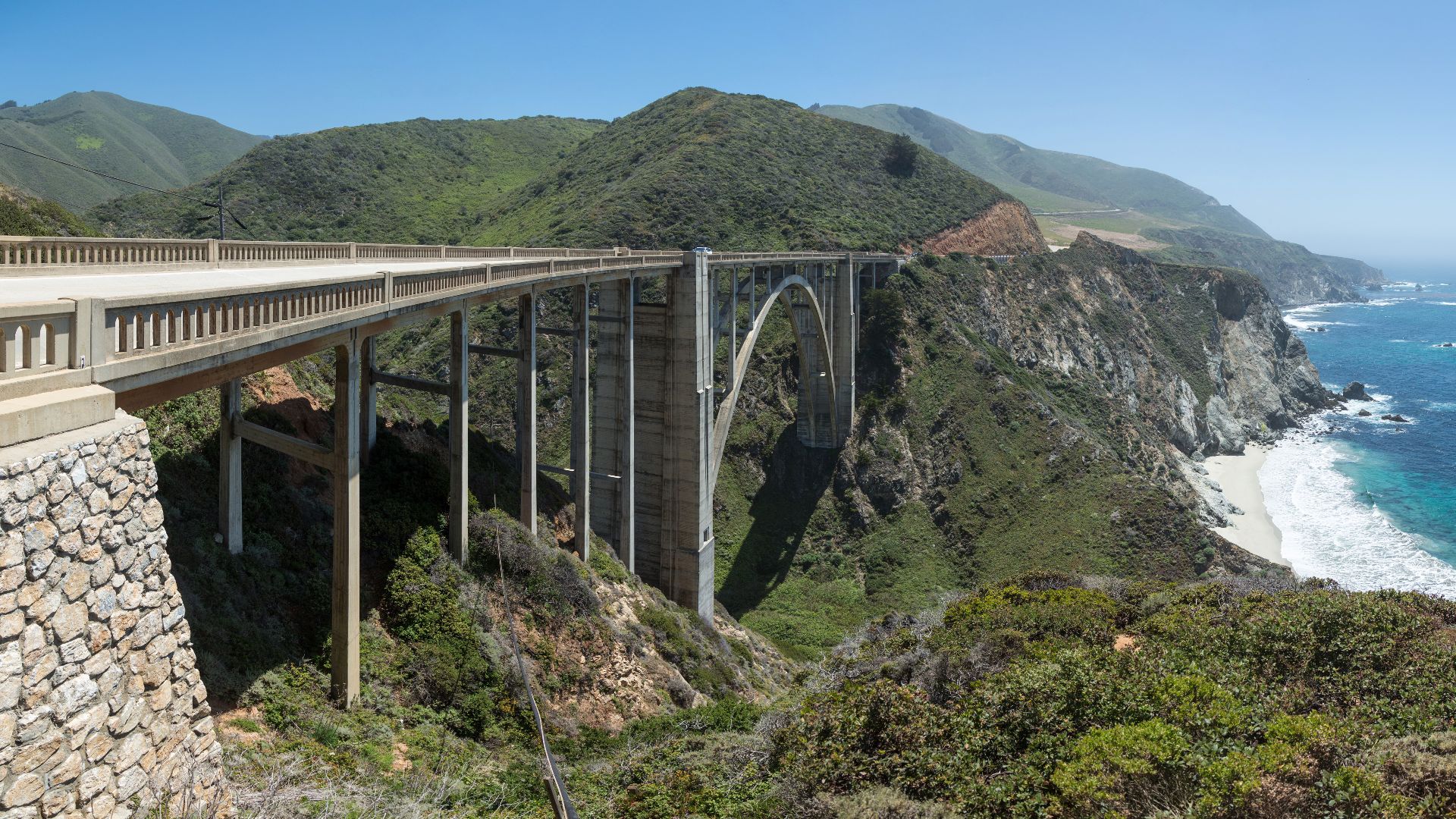
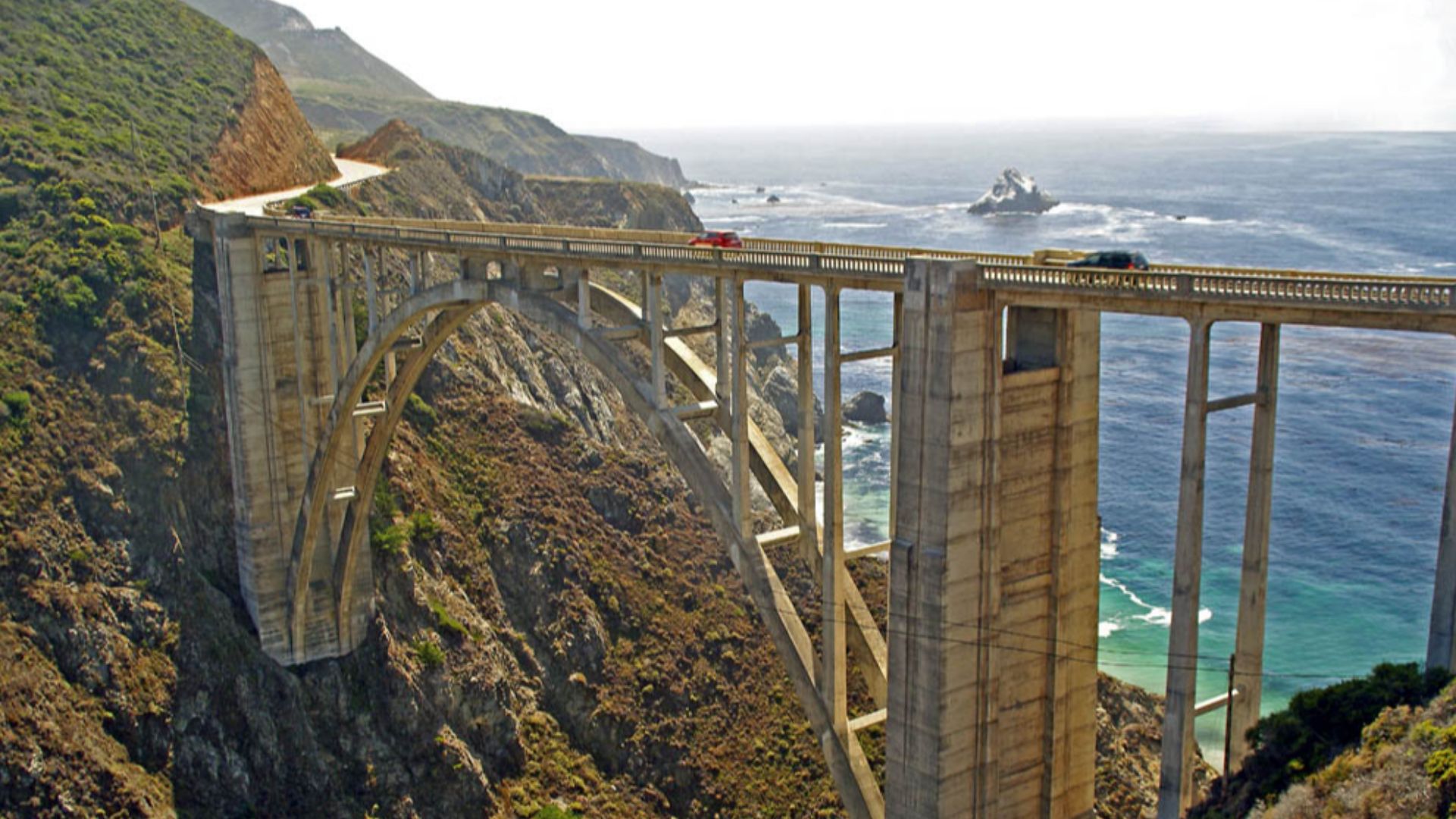
Big Sur Can Be Incredible, But Fragile
Big Sur’s coastline is world-class, but road conditions, closures, landslides, limited services, and high prices can complicate the experience. A trip built entirely around that stretch can fall apart if weather or road repairs interfere. The beauty is real, but the planning needs backup options.
The “All The Utah Parks” Road Trip Can Be Too Much
Zion, Bryce Canyon, Capitol Reef, Arches, and Canyonlands sound like a dream loop. But packing them into one fast trip can turn into constant driving, early alarms, reservation stress, heat, and canyon fatigue. The parks deserve time. Rushing all five can make them blur together.
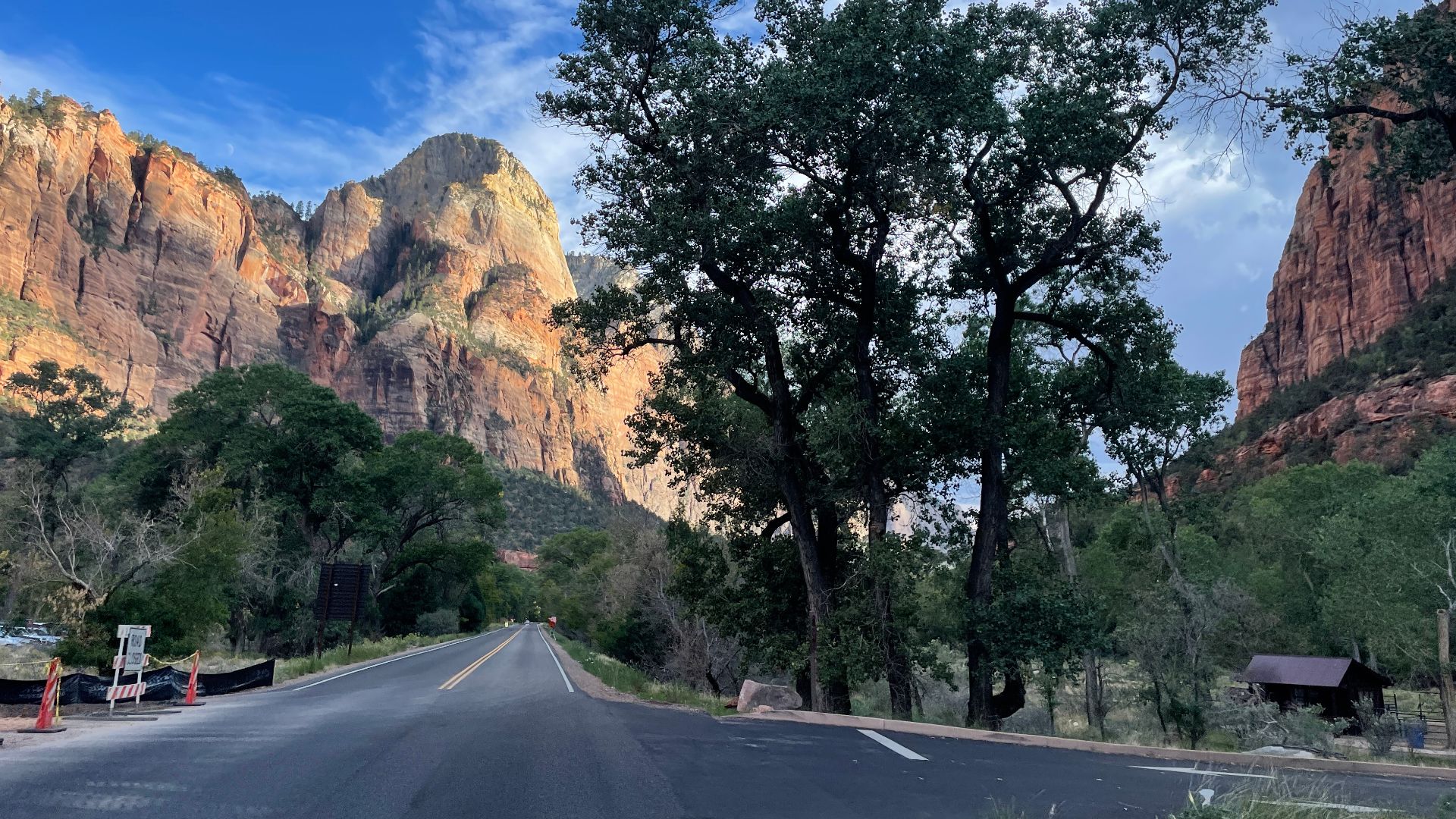 Vulturesong, Wikimedia Commons
Arches Can Feel More Managed Than Wild
Arches National Park is unforgettable, but crowds have changed the experience. Travel reporting and park guidance have repeatedly warned about waits, packed trailheads, and timed-entry systems at popular parks. A spontaneous desert road trip may now require more planning than many travelers expect.
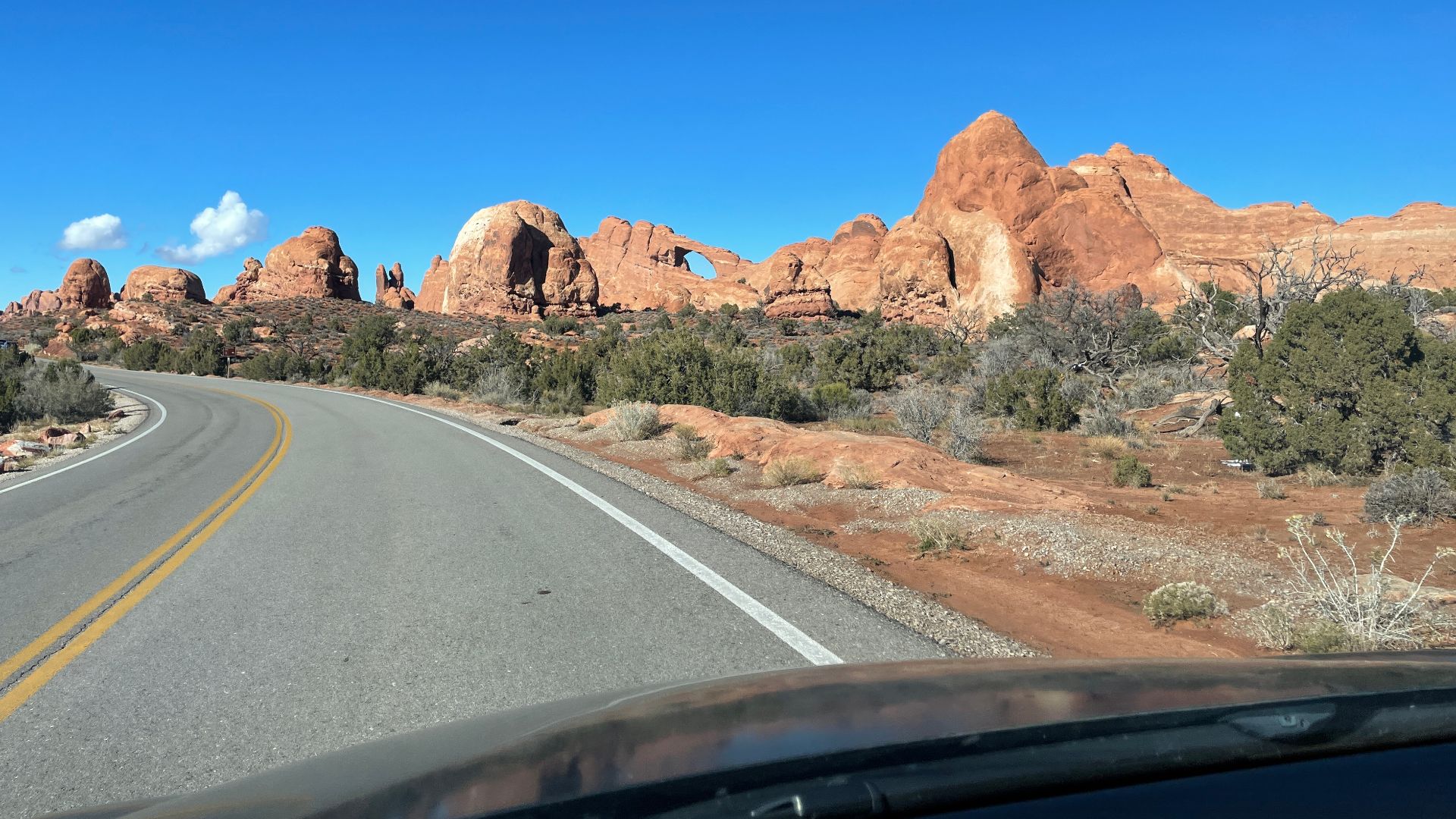 Vulturesong, Wikimedia Commons
The Cross-Country Interstate Trip Can Become A Grind
Driving coast to coast sounds iconic, but many Americans discover that interstates can be repetitive. Long stretches of truck stops, chain hotels, fast food, construction, and fatigue can make the “great American road trip” feel more like endurance driving than discovery.
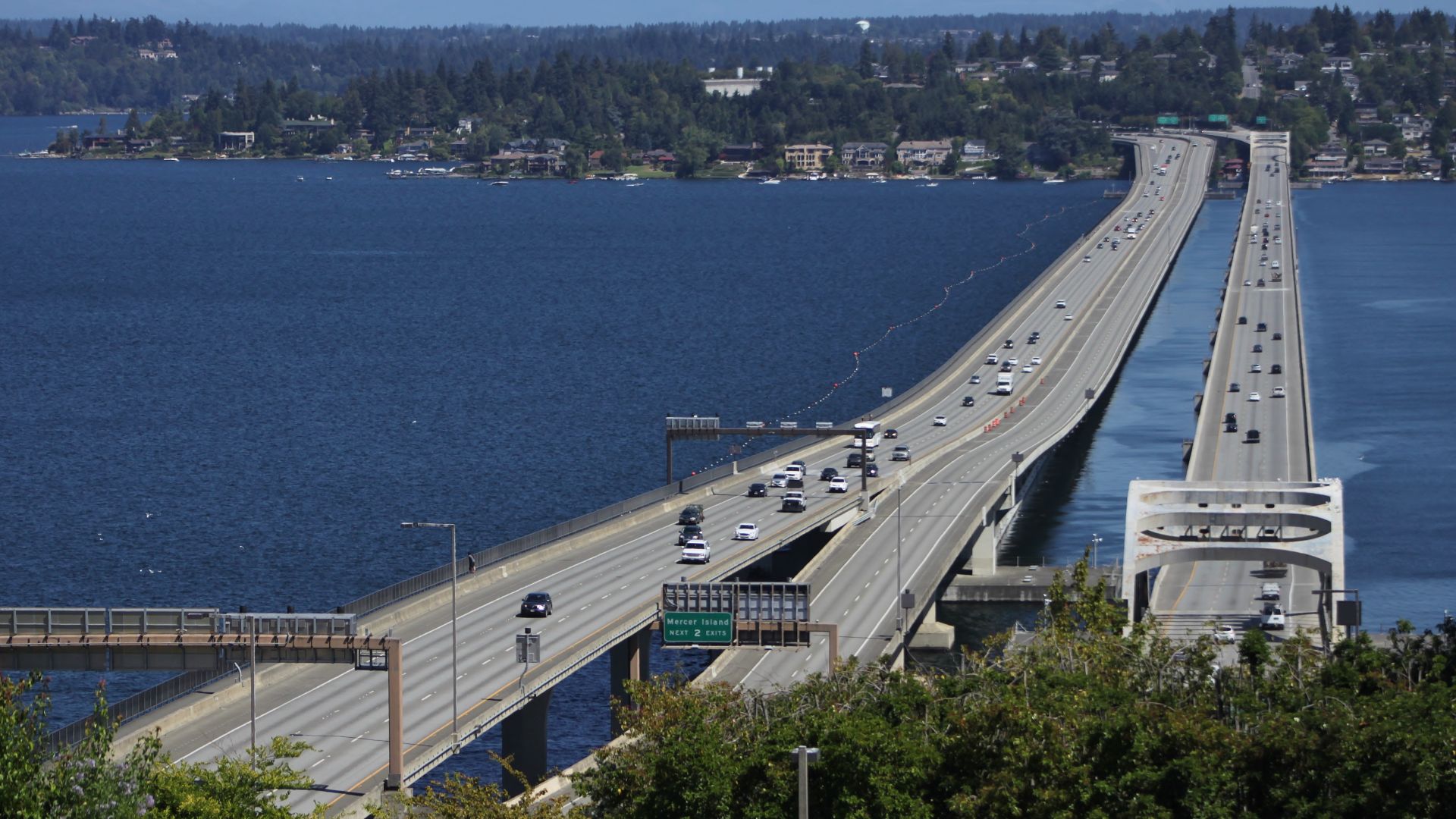 SounderBruce, Wikimedia Commons
The Texas Road Trip Can Shock People With Distance
Everything is bigger in Texas, including the time between places. A traveler may think Austin, San Antonio, Big Bend, Dallas, Houston, and the Gulf Coast can fit neatly into one itinerary. Then the map becomes real. The distances are huge, and the heat can make detours feel punishing.
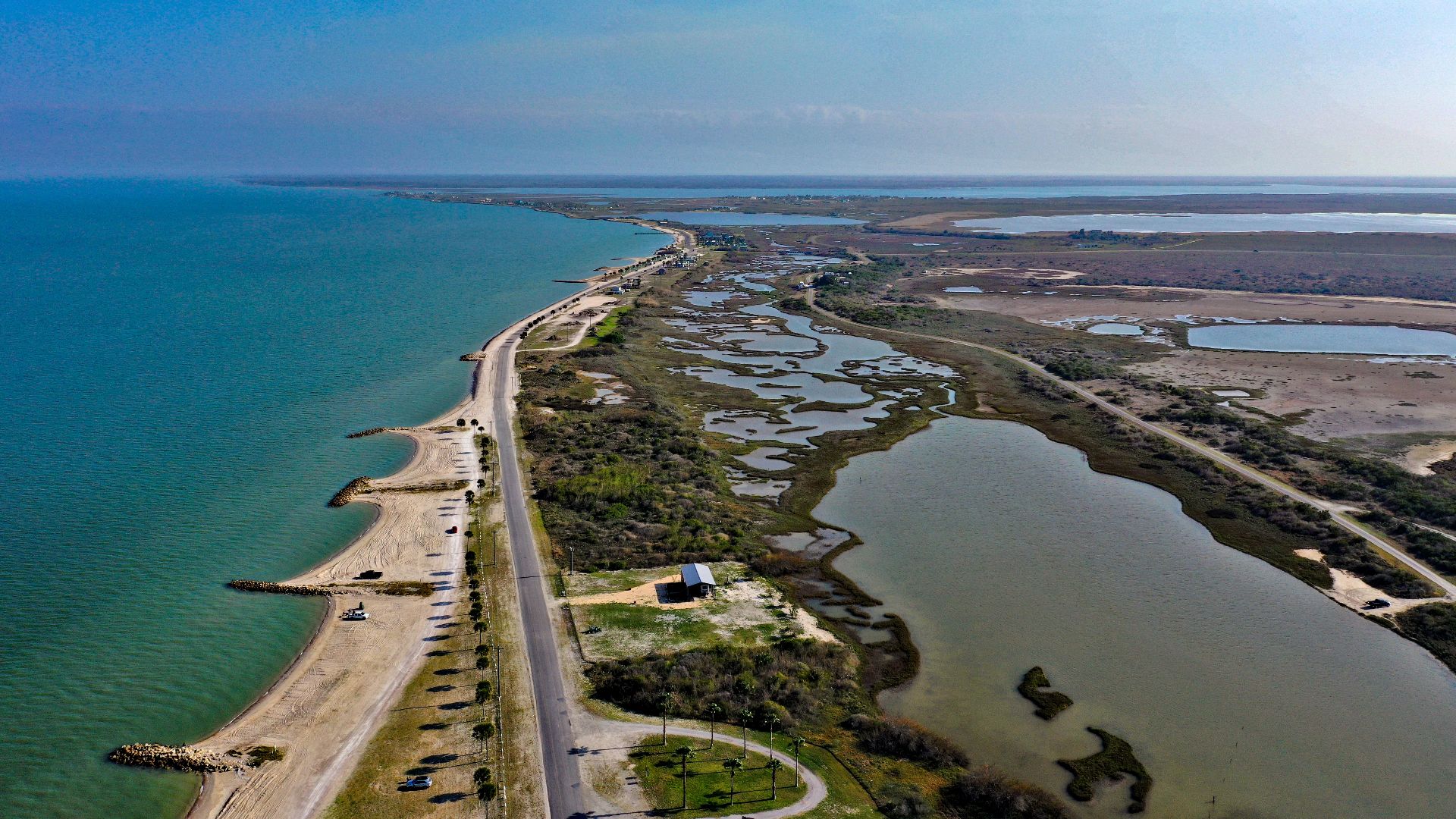 BrianGrunberger, Wikimedia Commons
Monument Valley Can Be A Long Drive For One View
Monument Valley is visually iconic, but some visitors build a whole road trip around a few famous angles. If you are not prepared for remote distances, limited services, heat, and slower travel, the payoff may feel brief compared with the effort it took to get there.
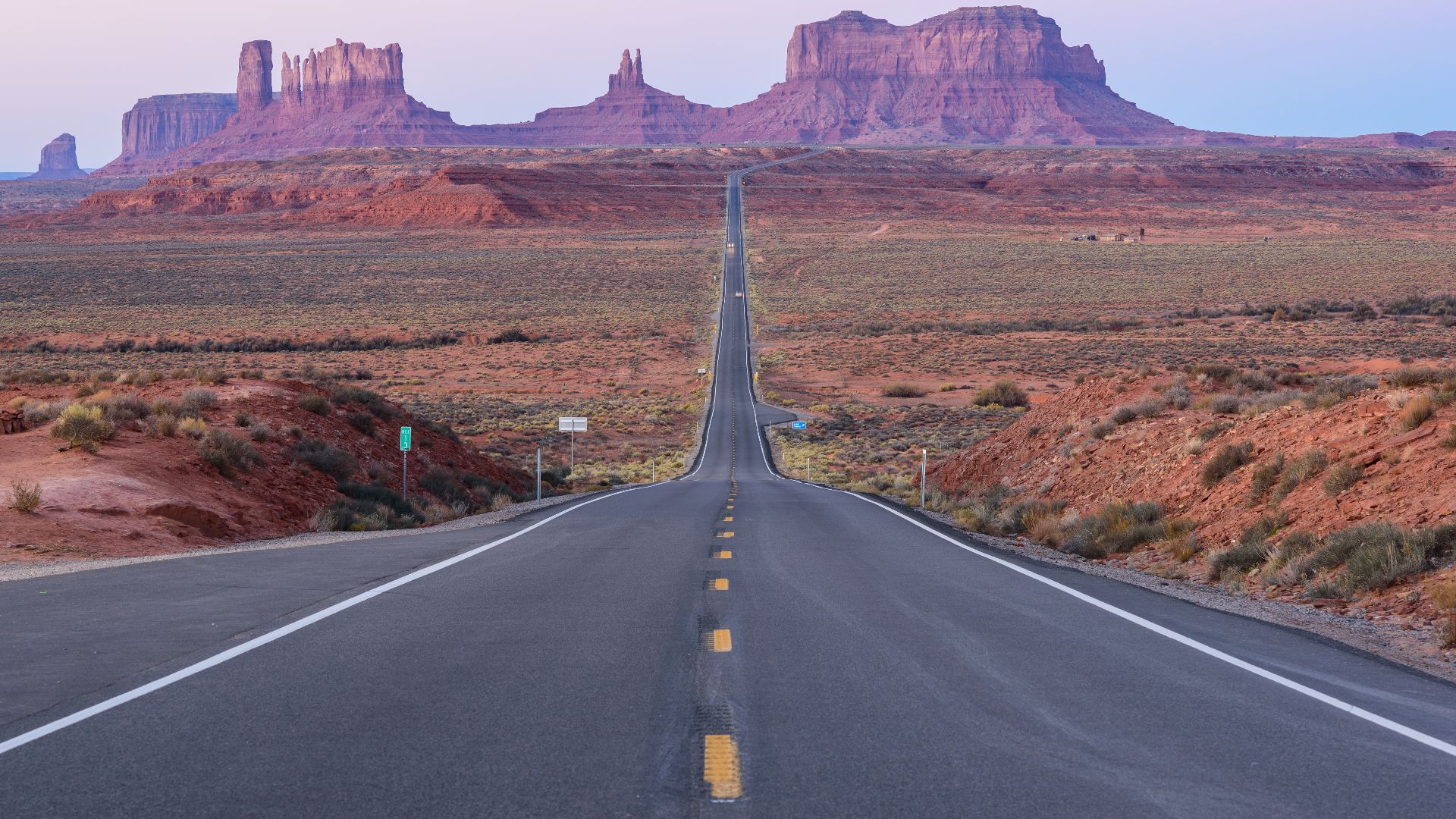 King of Hearts, Wikimedia Commons
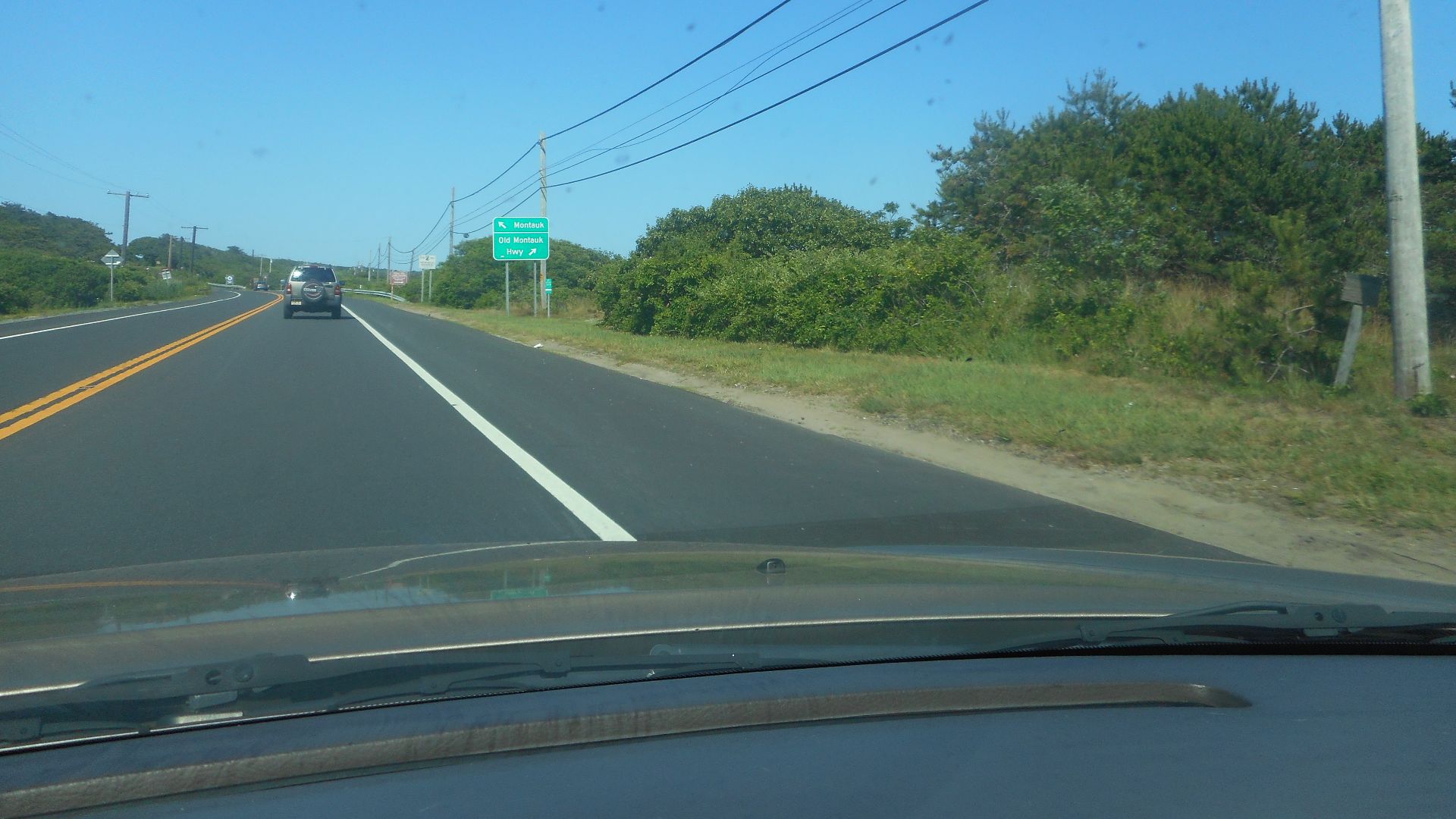
The Hamptons Drive Can Ruin The Hamptons Mood
The Hamptons promise beaches, restaurants, and glamorous summer energy. The drive often delivers traffic, expensive parking, crowded villages, and a reminder that everyone else had the same weekend idea. For some Americans, the journey drains the relaxation before the trip begins.
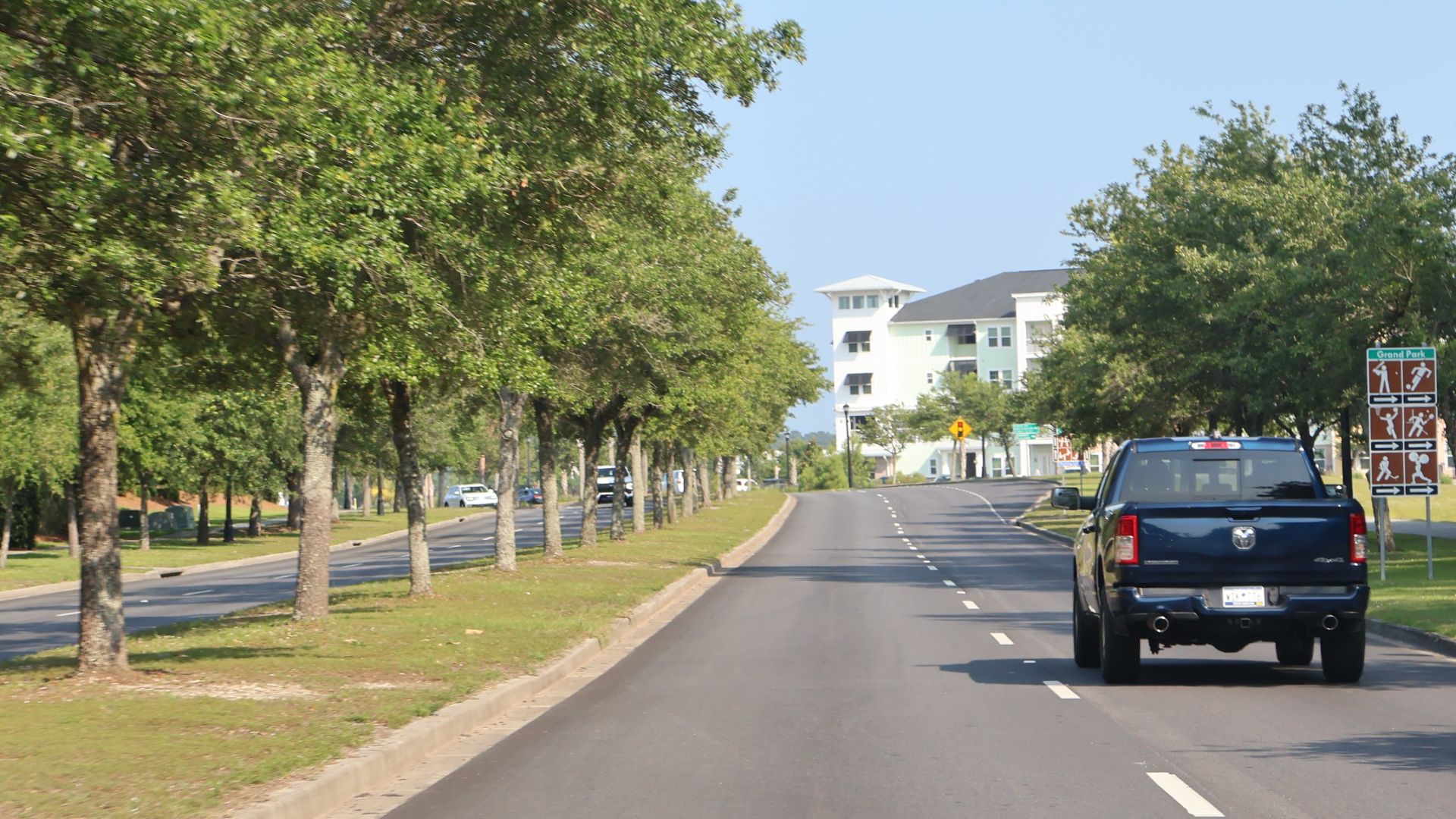
A Myrtle Beach Road Trip Can Feel Overbuilt
Myrtle Beach has loyal fans, but travelers expecting quiet coastline may be surprised by traffic, crowds, souvenir shops, mini-golf strips, and high-season congestion. It can be fun if you want classic beach chaos. It disappoints people hoping for untouched seaside calm.
The Bourbon Trail Can Be Less Spontaneous Than Expected
Kentucky’s Bourbon Trail sounds like an easy, relaxed drive between distilleries. In reality, popular tours may require reservations, designated drivers matter, and the route can involve more logistics than people expect. The experience is better planned carefully than treated like a casual bar crawl.
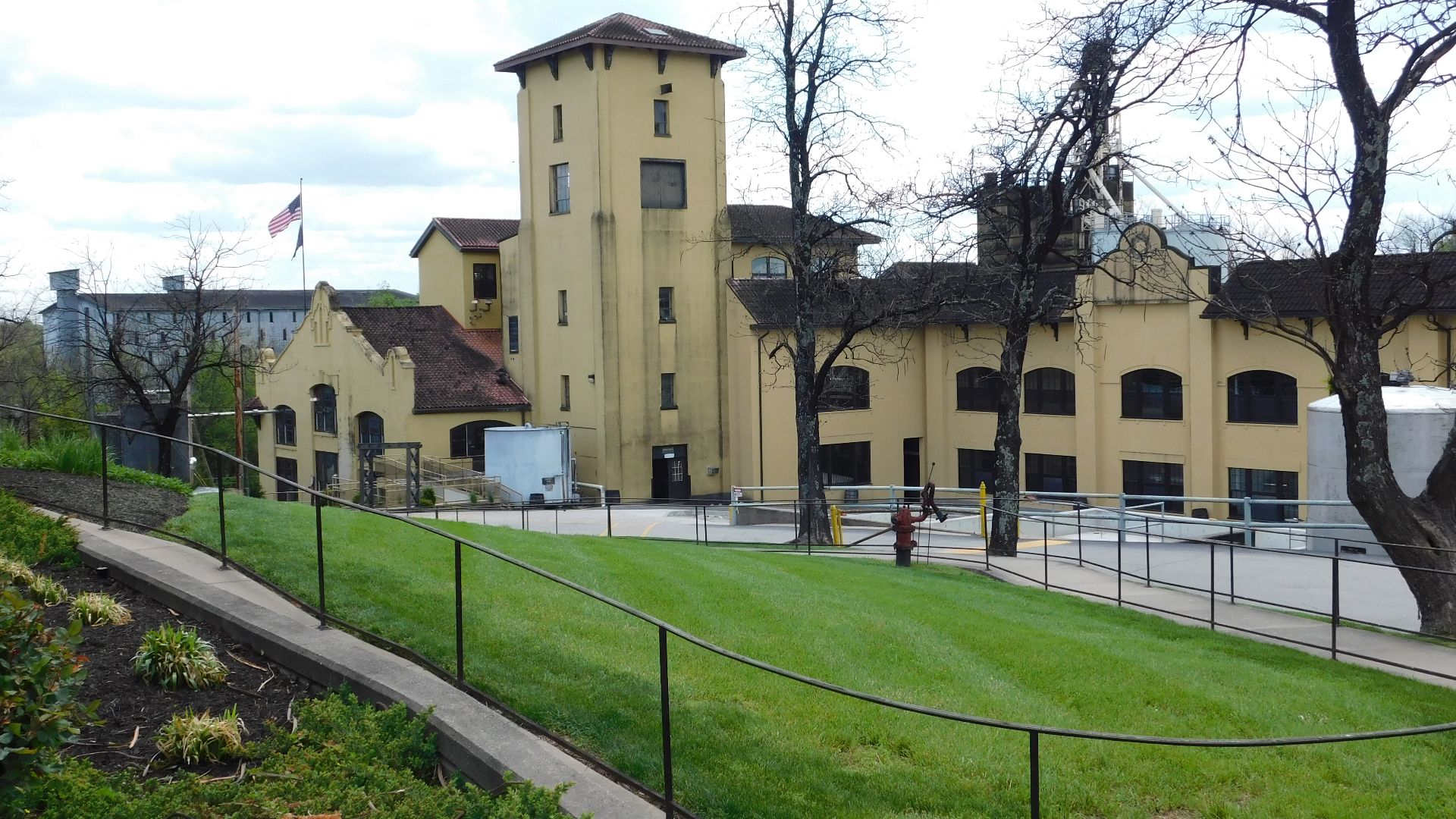 CityEditor2, Wikimedia Commons
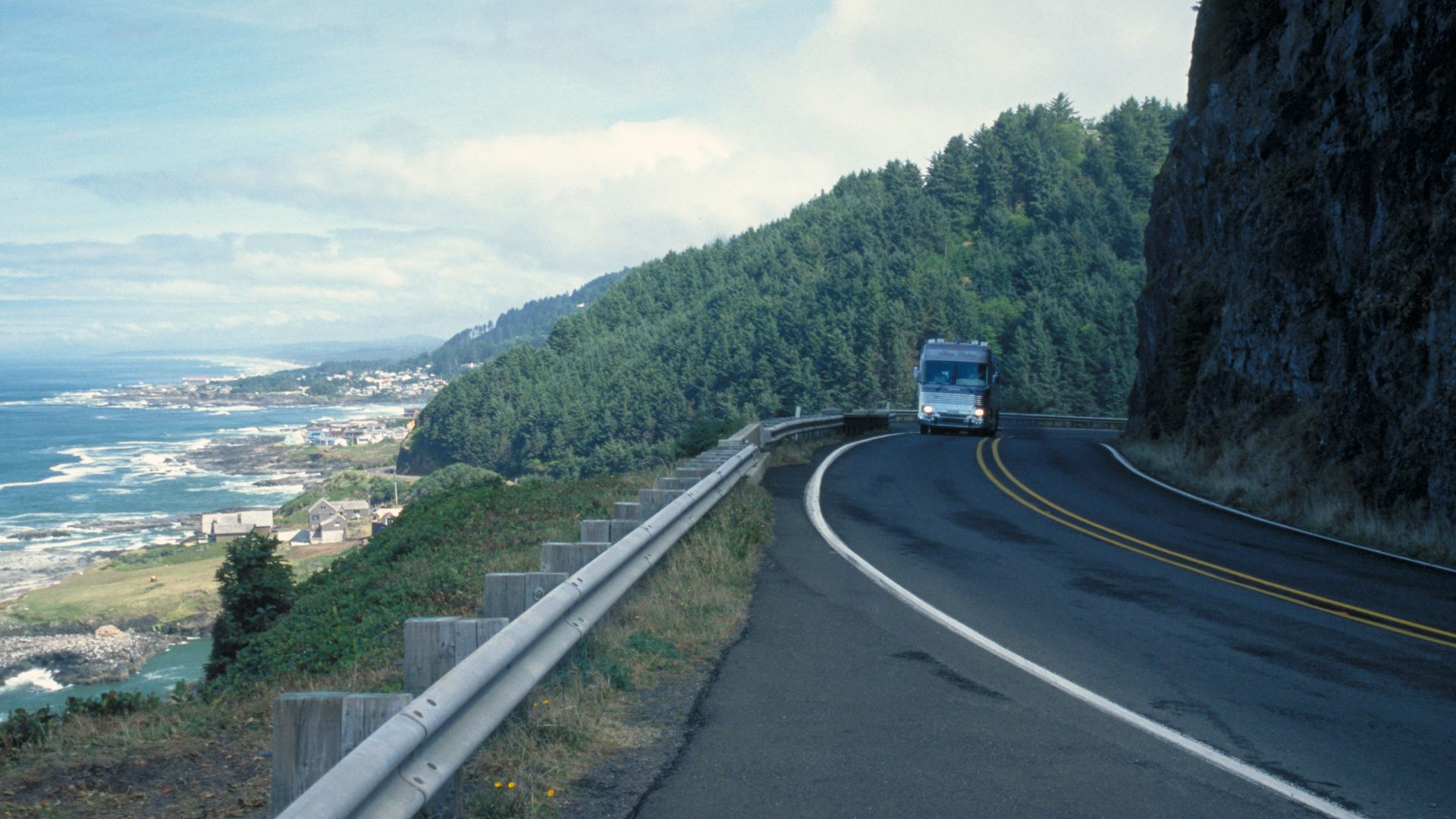
The Oregon Coast Can Be Moody In The Wrong Way
The Oregon Coast is stunning, but travelers expecting warm beach weather may be surprised by fog, wind, rain, and chilly conditions even in summer. The scenery is dramatic, but it is not always the sunny coastal escape some Americans imagine when they hear “beach road trip.”
 Unknown authorUnknown author or not provided, Wikimedia Commons
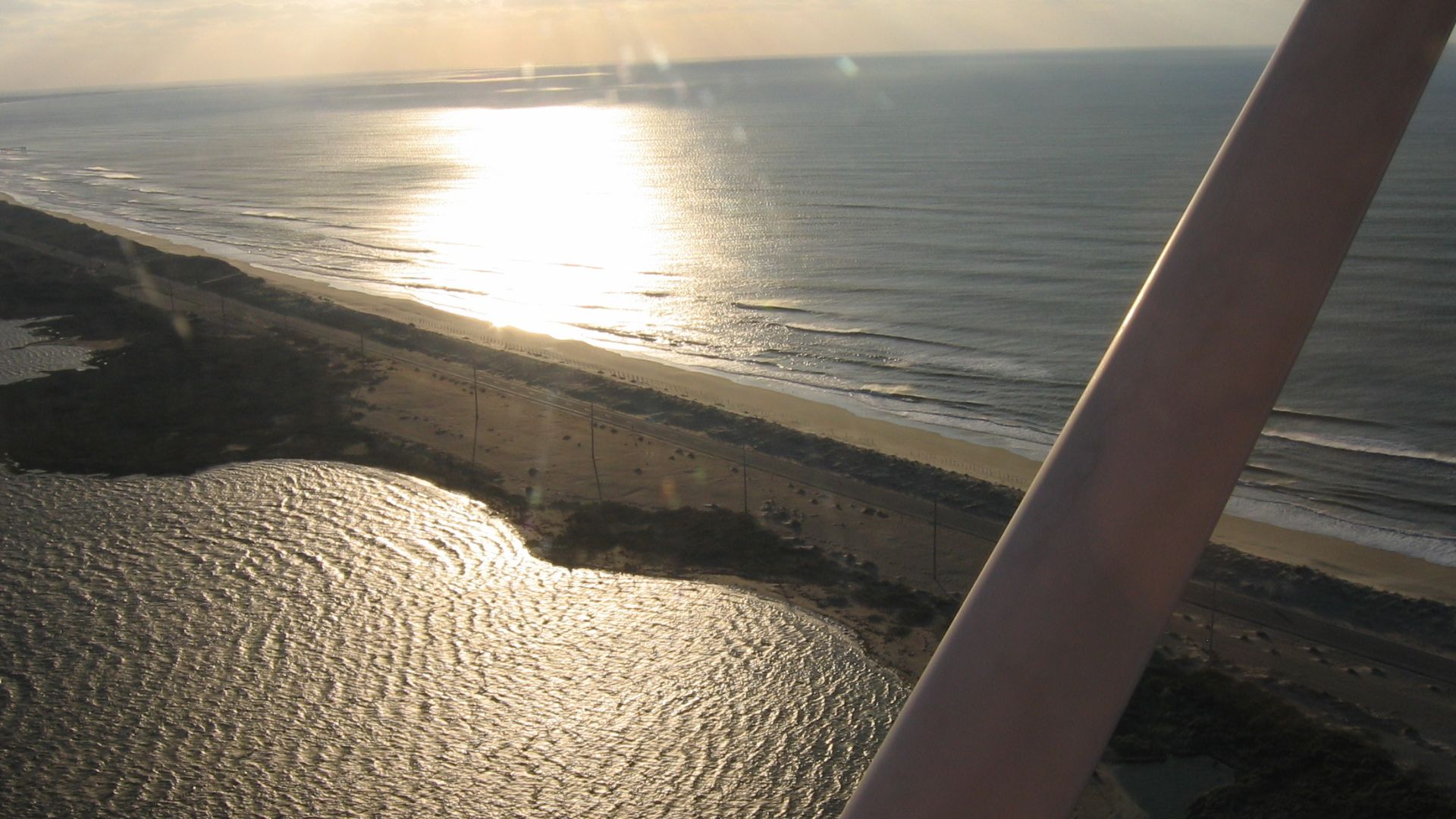
The Outer Banks Drive Can Feel Like A Sandbar Marathon
North Carolina’s Outer Banks can be beautiful, but the drive is long, narrow, and vulnerable to weather, traffic, and seasonal congestion. Getting there may take much longer than expected, and once you arrive, moving between islands can still require patience.
 Unknown authorUnknown author or not provided, Wikimedia Commons
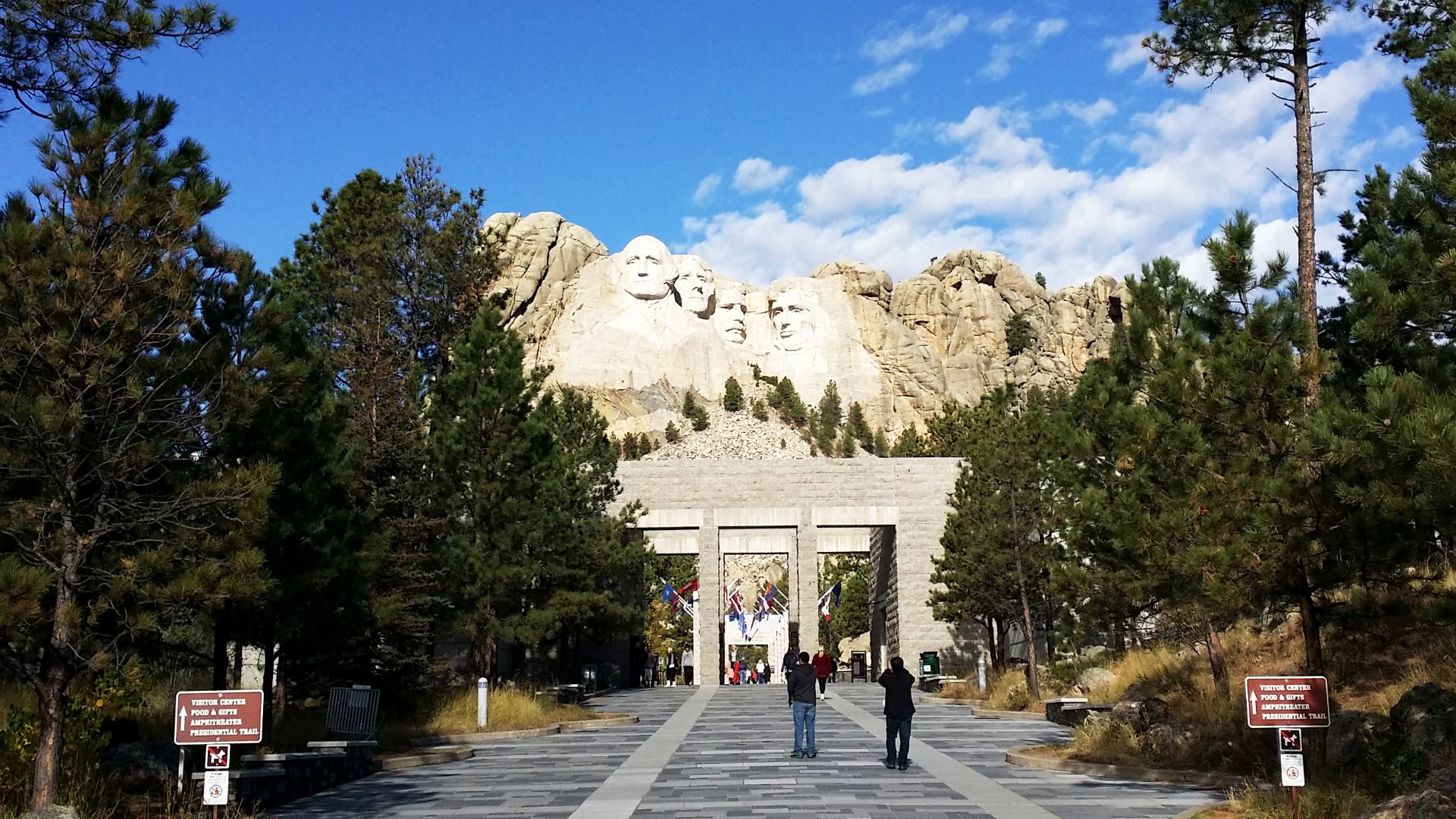
Mount Rushmore Can Feel Like A Short Payoff
A road trip to Mount Rushmore is meaningful for some travelers, but others are surprised by how quickly the main viewing experience is over. The better trip usually includes the Black Hills, Custer State Park, Badlands, and nearby drives rather than treating the monument as the whole point.
 Eric Friedebach, Wikimedia Commons
The National Park Checklist Trip Can Backfire
Some Americans try to visit as many famous parks as possible in one road trip. That can turn into a schedule of parking lots, visitor centers, rushed photos, and exhaustion. Overcrowding has become a major issue at many popular parks, especially during summer.
The Problem Is Usually Expectations
Many of these road trips are not truly bad. They become disappointing when the marketing promises freedom and the reality delivers reservations, traffic, heat, crowds, parking fees, and long hours behind the wheel. A trip can be famous and still be wrong for your travel style.

Some Routes Are Better As Shorter Trips
A famous drive does not always need to be completed end to end. Sometimes the best version is one carefully chosen stretch, one great town, or one national park instead of the whole route. Shorter trips can preserve the magic and remove the grind.
Timing Can Change The Whole Experience
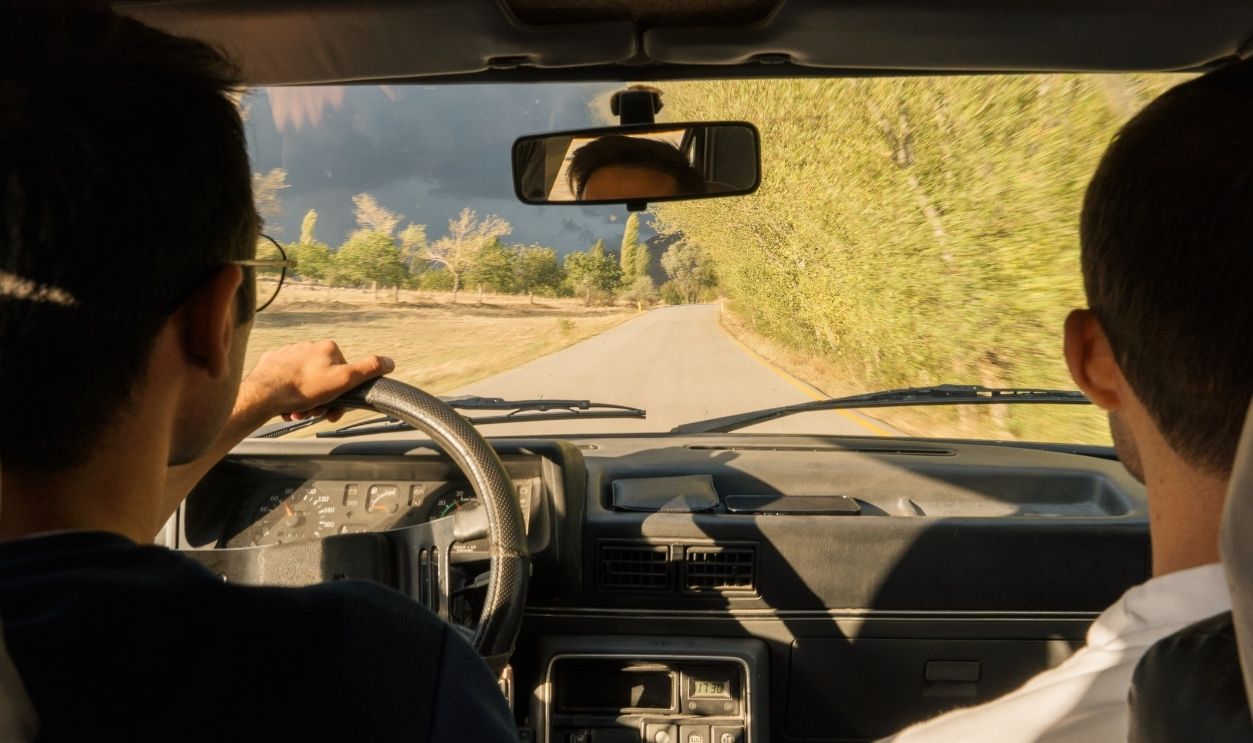
A road trip that feels miserable in July may be wonderful in October. A route ruined by weekend traffic may be peaceful midweek. Before writing off a famous trip entirely, consider whether the problem is the destination, the season, or the way everyone tries to do it.
Americans Should Stop Treating Road Trips Like Checklists
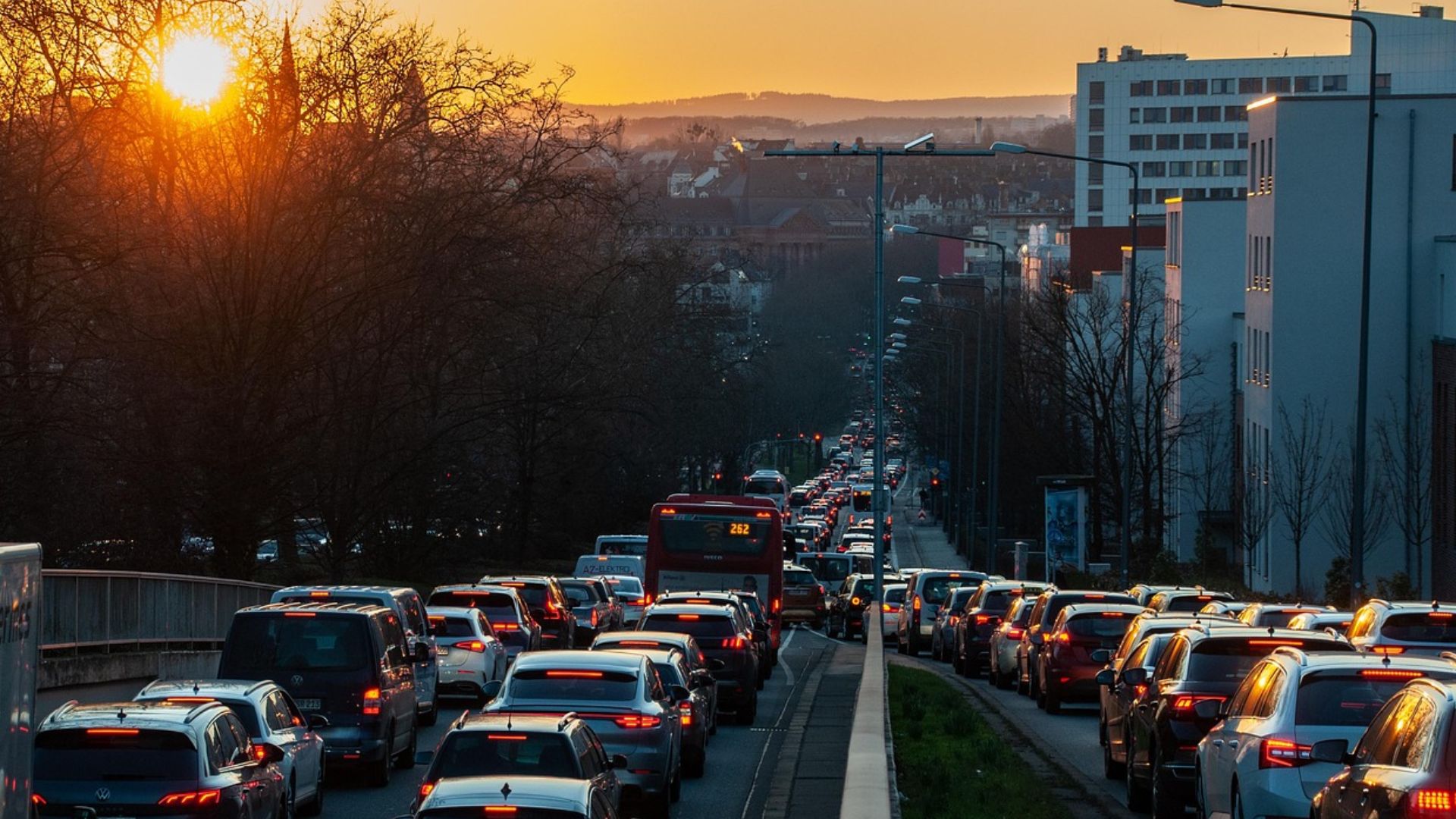
The best road trips leave room for wandering, resting, eating well, and changing course. The worst ones turn into a race from landmark to landmark. If the trip is so packed that you barely enjoy the road, it may not matter how famous the route is.
Worth It Depends On The Traveler
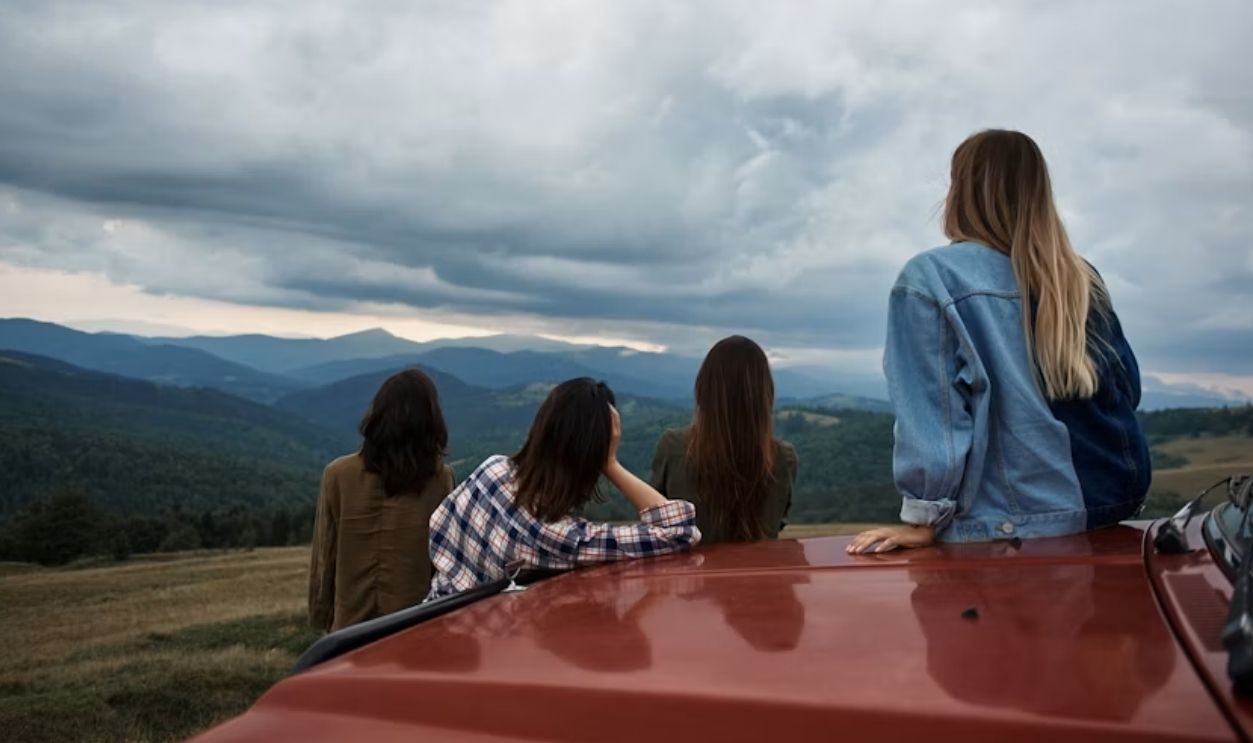
A history lover may adore Route 66. A patient photographer may love Big Sur fog. A family may treasure Myrtle Beach. A hiker may accept Glacier crowds because the trails are extraordinary. The real question is not whether a road trip is objectively worth it, but whether it is worth it for you.
 Astronautilus, Wikimedia Commons
The Better Road Trip Is Usually More Honest
Before committing to a famous route, ask what you actually want: scenery, rest, food, hiking, nostalgia, beaches, solitude, roadside kitsch, or bragging rights. The most overrated road trip is the one you take because everyone says you should, not because it matches how you like to travel.
You May Also Like:
Travel Hacks That Can Actually Make Your Trip Worse
Tips For Surviving Long Flights