Why These Hidden Gems Are Worth Seeking Out
When people think about American museums, famous institutions like the Smithsonian or the Metropolitan Museum of Art usually come to mind. But scattered across the country are dozens of smaller museums that tell remarkable stories through unique collections, passionate curators, and local history. These museums may not attract millions of visitors every year, but they often deliver a far more personal and memorable experience.
The Neon Museum (Las Vegas, Nevada)
Las Vegas constantly reinvents itself, but the Neon Museum preserves the city's colorful past. Its outdoor "Neon Boneyard" features more than 250 retired signs from casinos, hotels, and businesses that helped define Las Vegas across several decades. Restoration projects have returned many iconic signs to their original glow, giving visitors a fascinating look at the city's evolving identity.
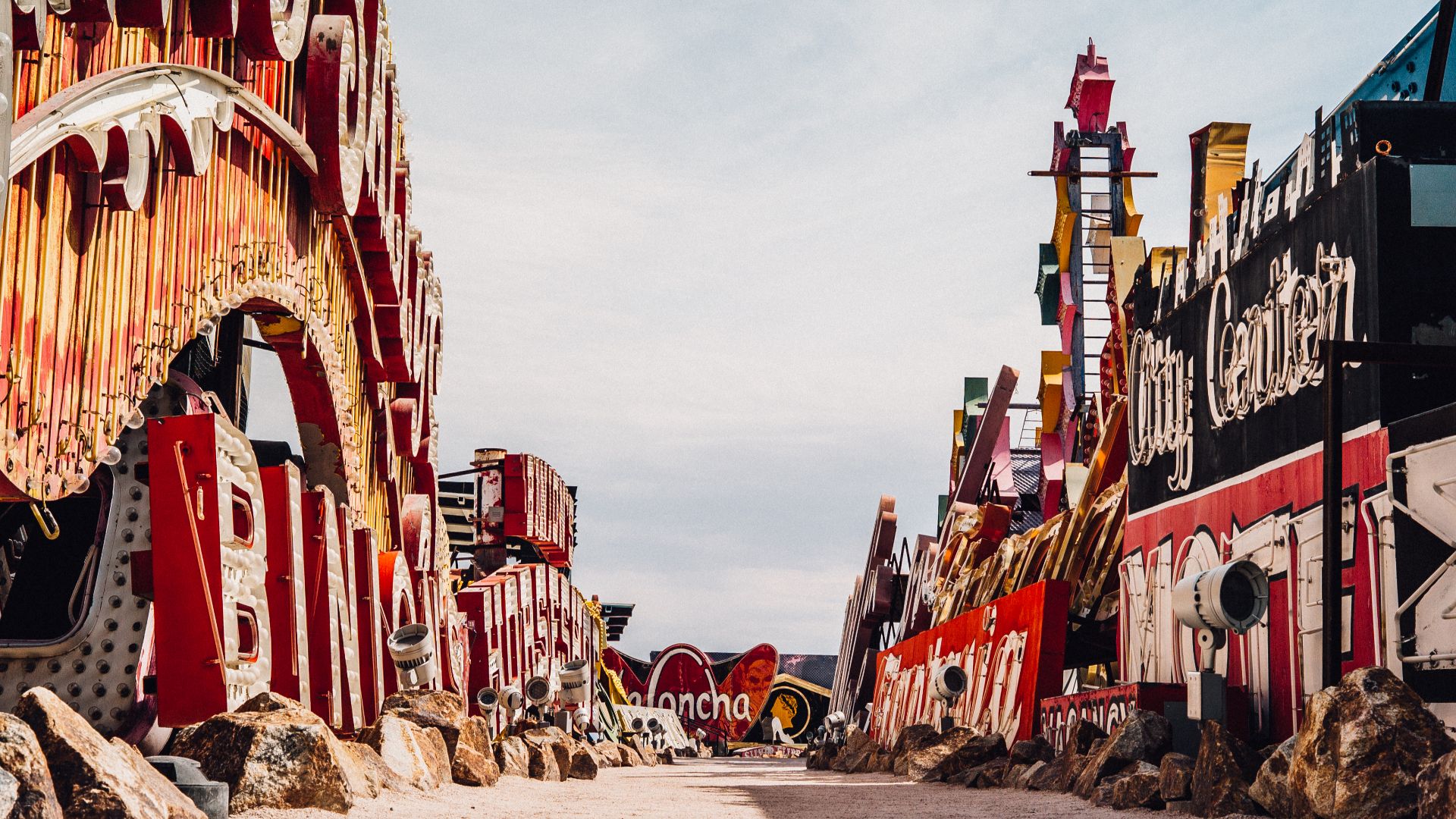 Kory Westerhold from Palo Alto, CA, US, Wikimedia Commons
American Sign Museum (Cincinnati, Ohio)
Advertising history comes alive at Cincinnati's American Sign Museum. The museum houses more than 100 years of American commercial signage, from hand-painted storefronts to enormous neon displays that once lined highways across the country. Many exhibits are fully illuminated, creating the feeling of walking through an old downtown business district.
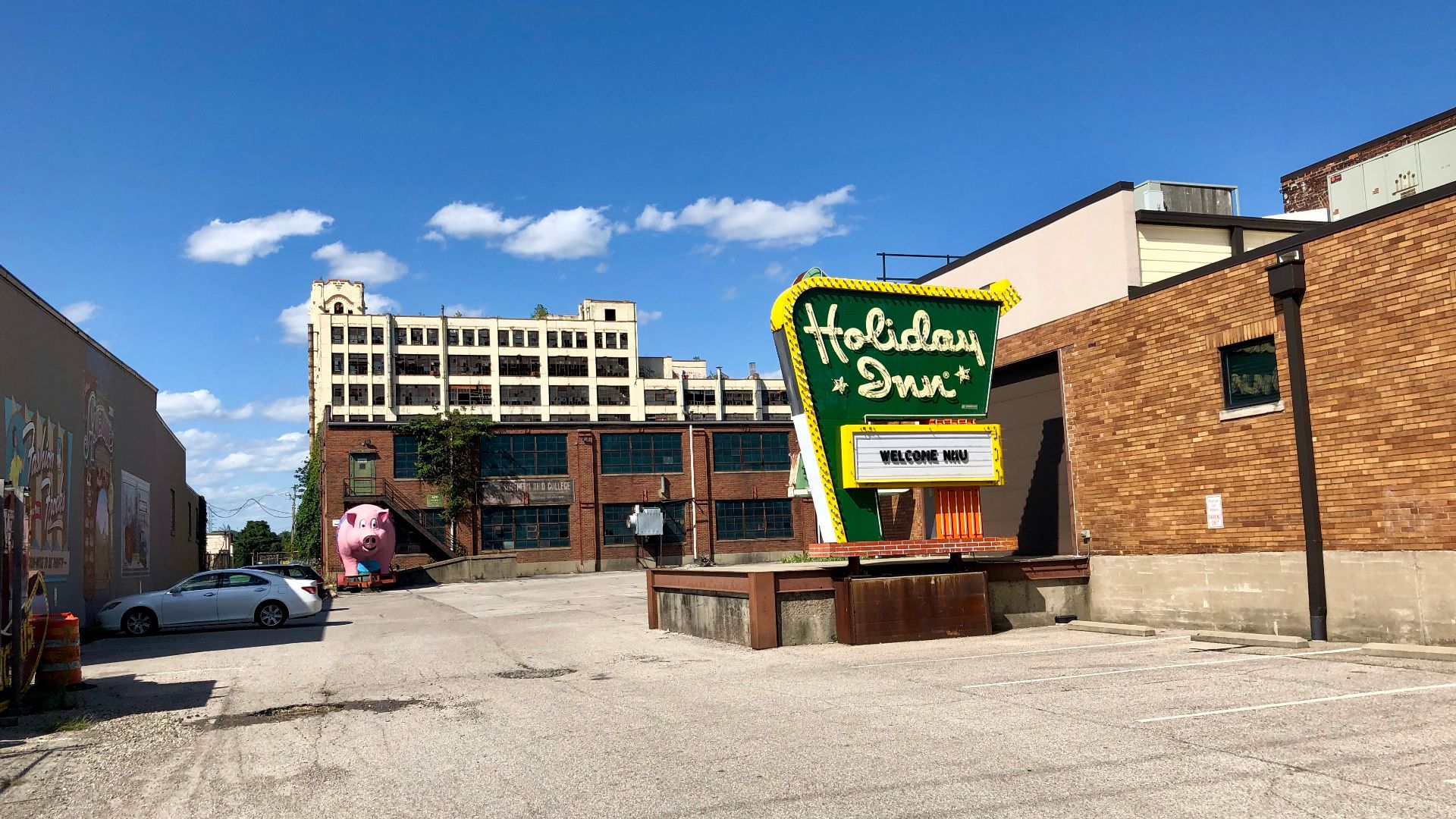 Warren LeMay from Cullowhee, NC, United States, Wikimedia Commons
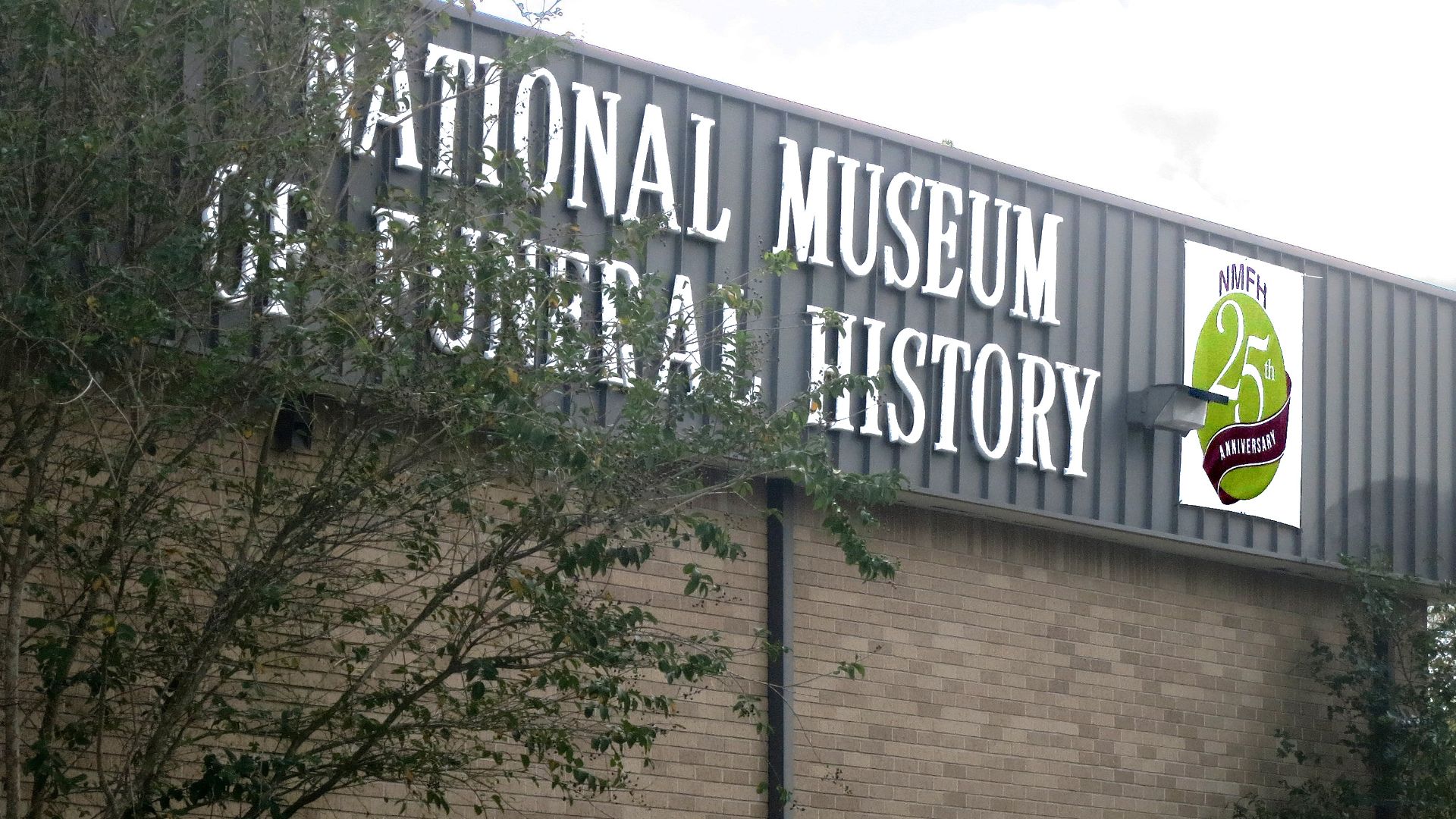
National Museum of Funeral History (Houston, Texas)
Despite its unusual subject matter, this museum is surprisingly educational and respectful. Exhibits explore funeral customs from around the world, presidential funerals, historical hearses, embalming techniques, and military remembrance. Visitors leave with a broader understanding of how different cultures honor the passed and preserve family traditions.
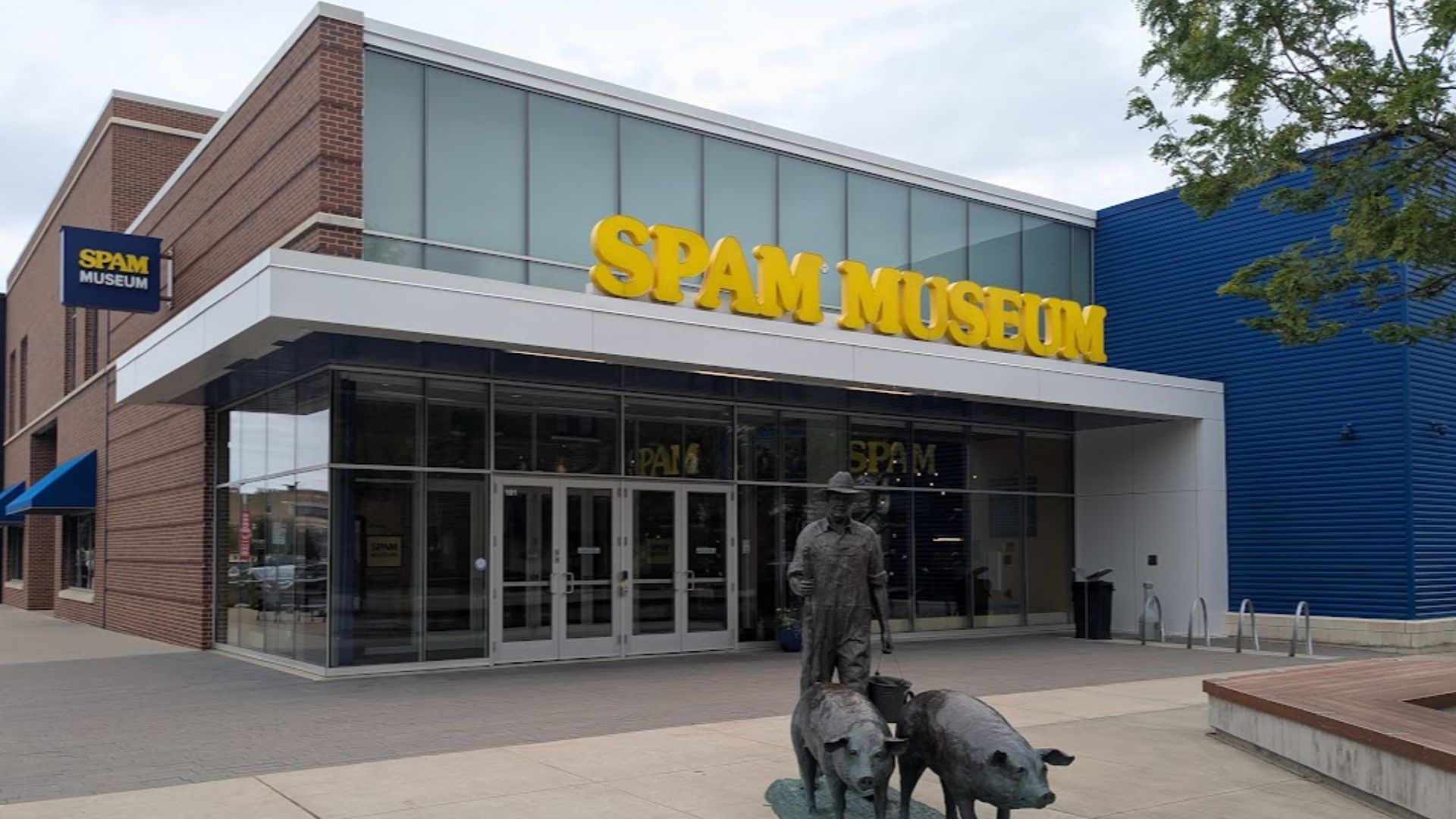
SPAM Museum (Austin, Minnesota)
Dedicated to the famous canned meat introduced in 1937, the SPAM Museum goes well beyond food nostalgia. Interactive exhibits explain how the product became an important ration during WWII and how it eventually became a staple in places like Hawaii, Guam, and South Korea. It's an entertaining stop that also explores American manufacturing and food history.
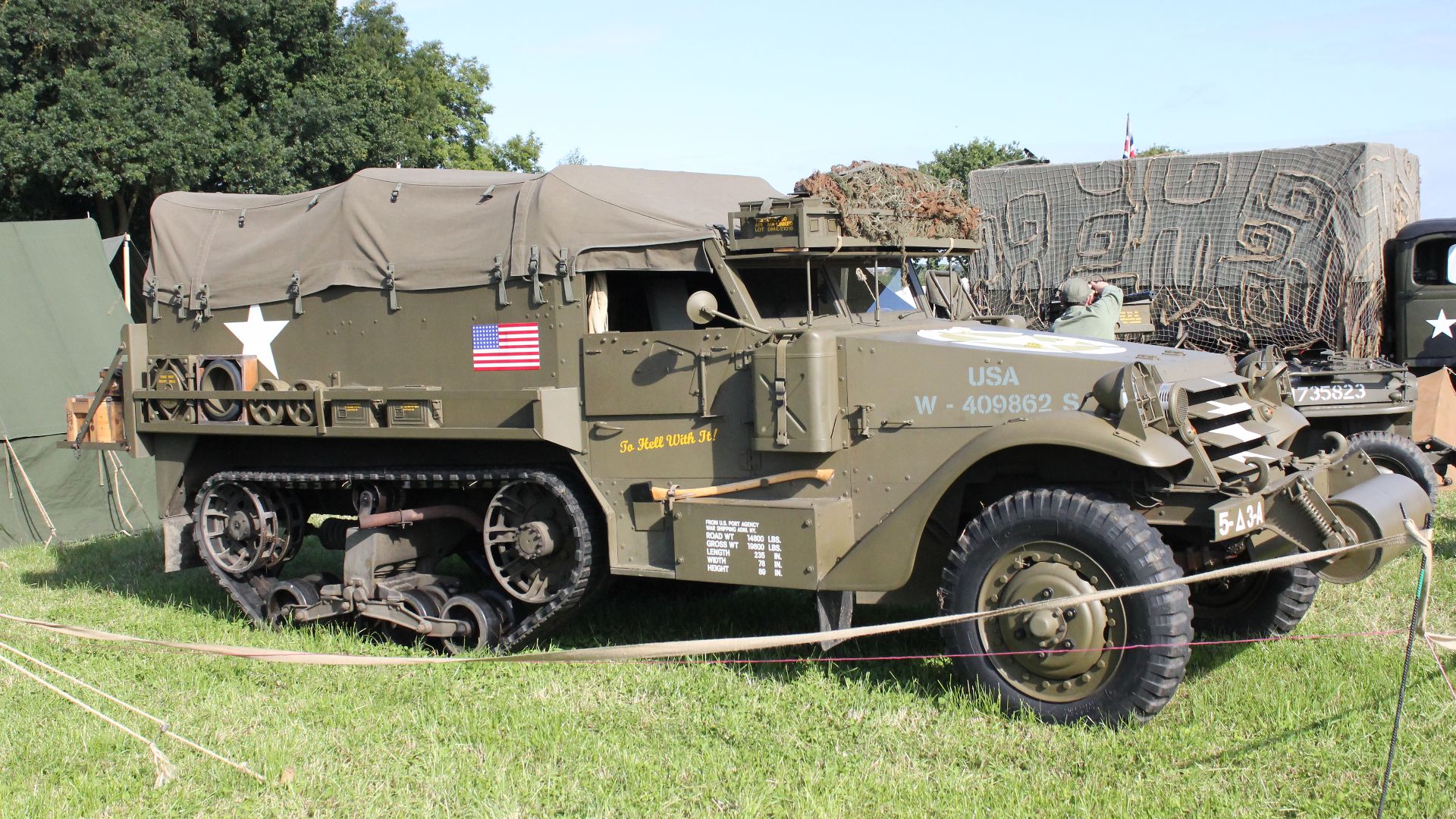
Museum of the American G.I. (College Station, Texas)
This history museum combines restored armored vehicles, uniforms, weapons, and personal stories from American service members. Many of its tanks and vehicles remain operational and are demonstrated during special events. The museum focuses on preserving the experiences of ordinary soldiers rather than simply displaying equipment.
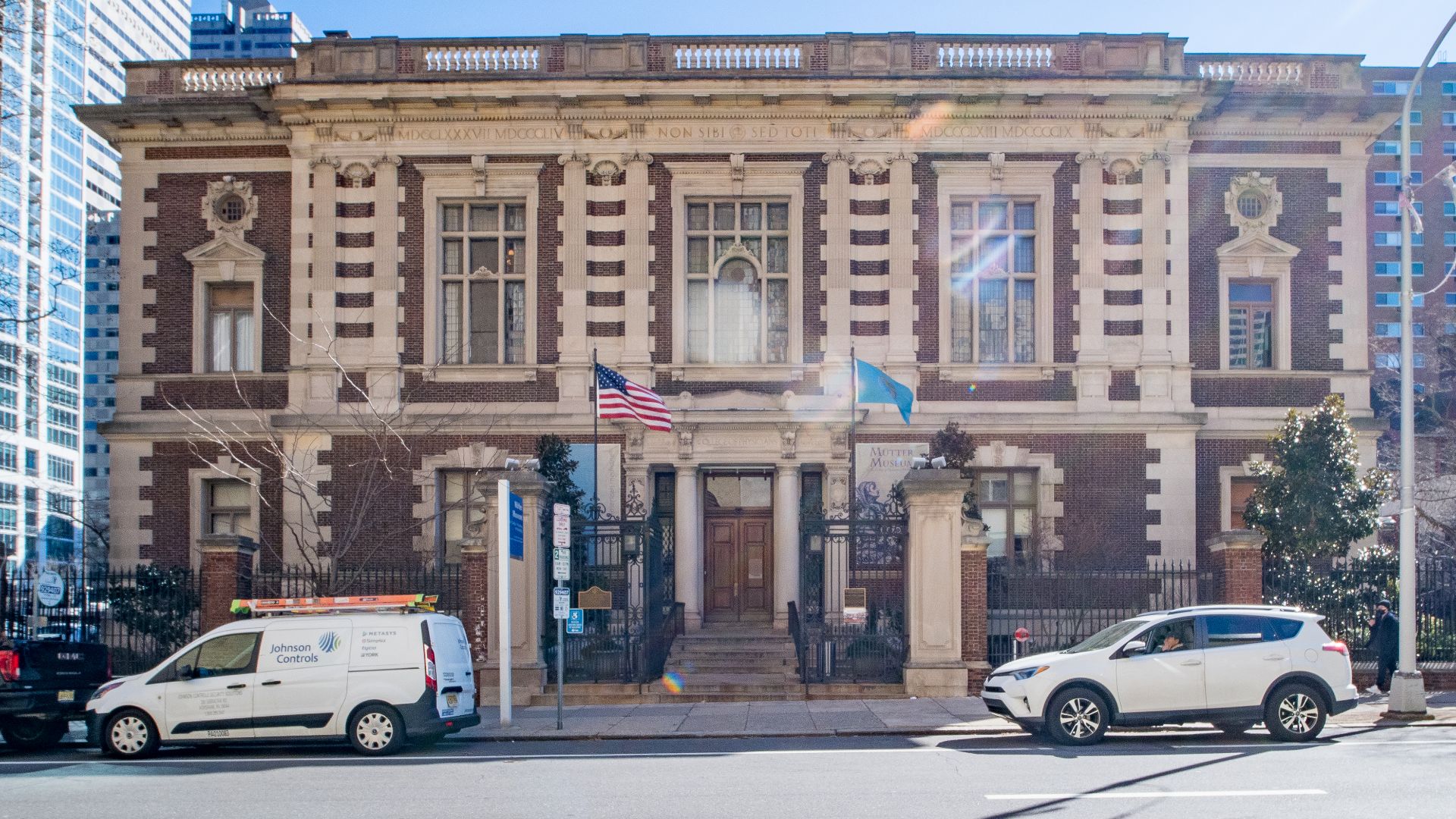
The Mütter Museum (Philadelphia, Pennsylvania)
Part of The College of Physicians of Philadelphia, the Mütter Museum showcases the history of medicine through preserved specimens, medical instruments, anatomical models, and historical artifacts. While some displays are hard to look at, the museum emphasizes scientific education and illustrates how medicine has advanced over the past two centuries.
 ajay_suresh, Wikimedia Commons
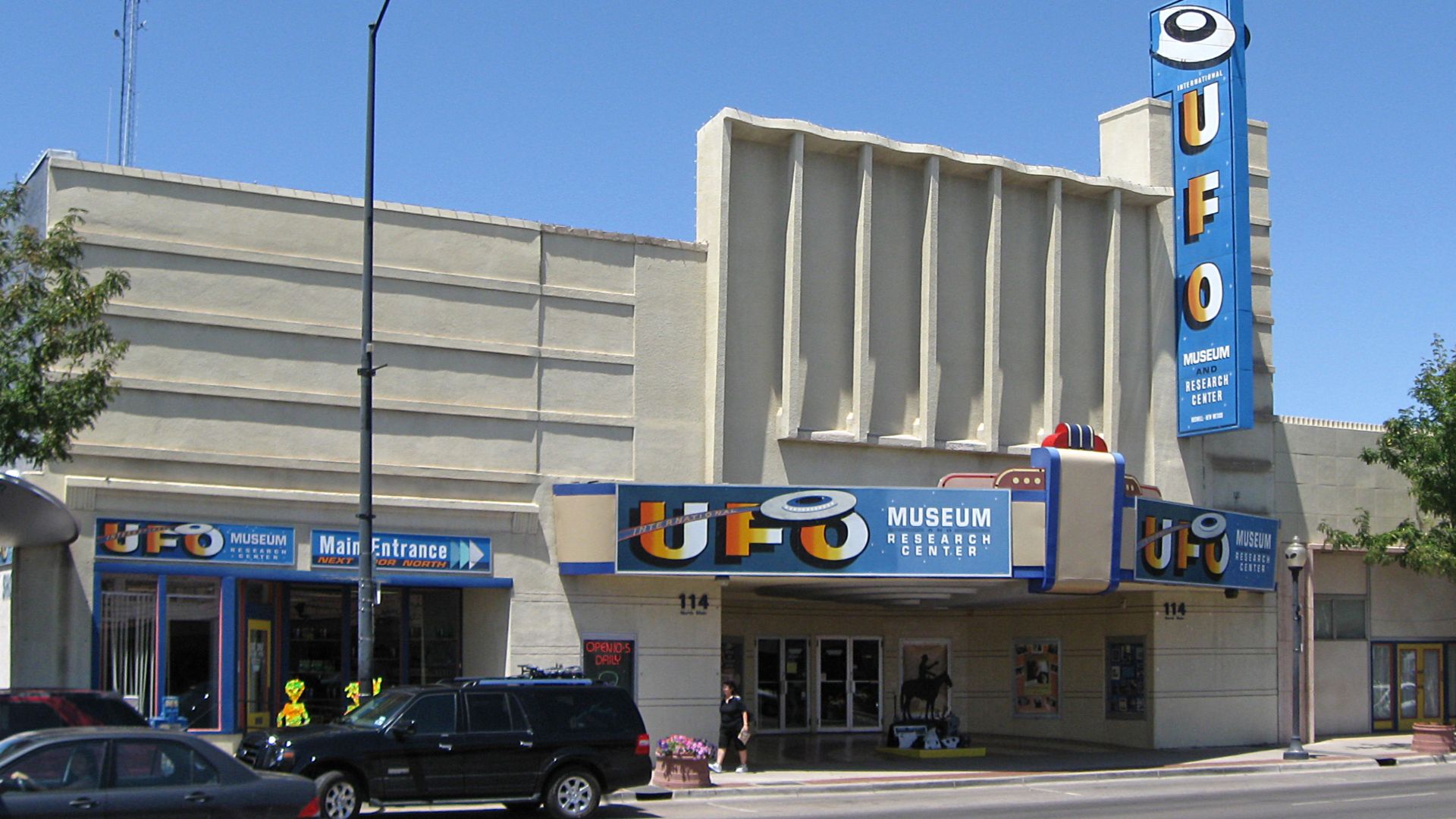
International UFO Museum and Research Center (Roswell, New Mexico)
Whether visitors believe in extraterrestrial life or not, Roswell's museum offers a balanced look at one of America's most famous mysteries. Exhibits document the 1947 Roswell incident using newspaper articles, government documents, witness testimony, and historical timelines. It also explores how the event became part of popular culture.
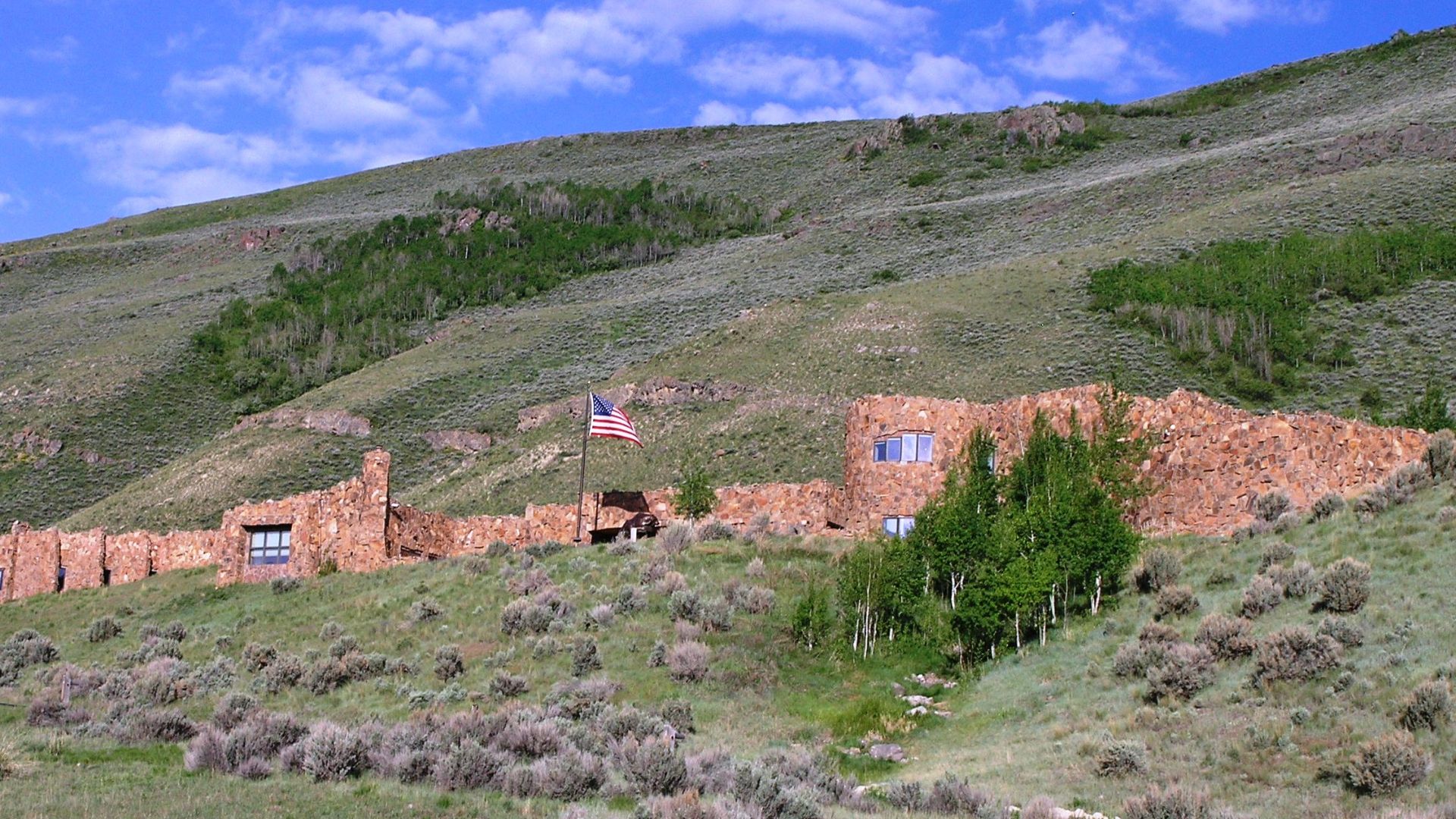
National Museum of Wildlife Art (Jackson, Wyoming)
Located near Grand Teton National Park, this museum houses more than 5,000 works inspired by wildlife from around the world. Paintings, sculptures, and photography highlight the relationship between art and conservation. Its hillside location overlooking the National Elk Refuge makes the setting almost as impressive as the collection.
 Daniel Mayer, Wikimedia Commons
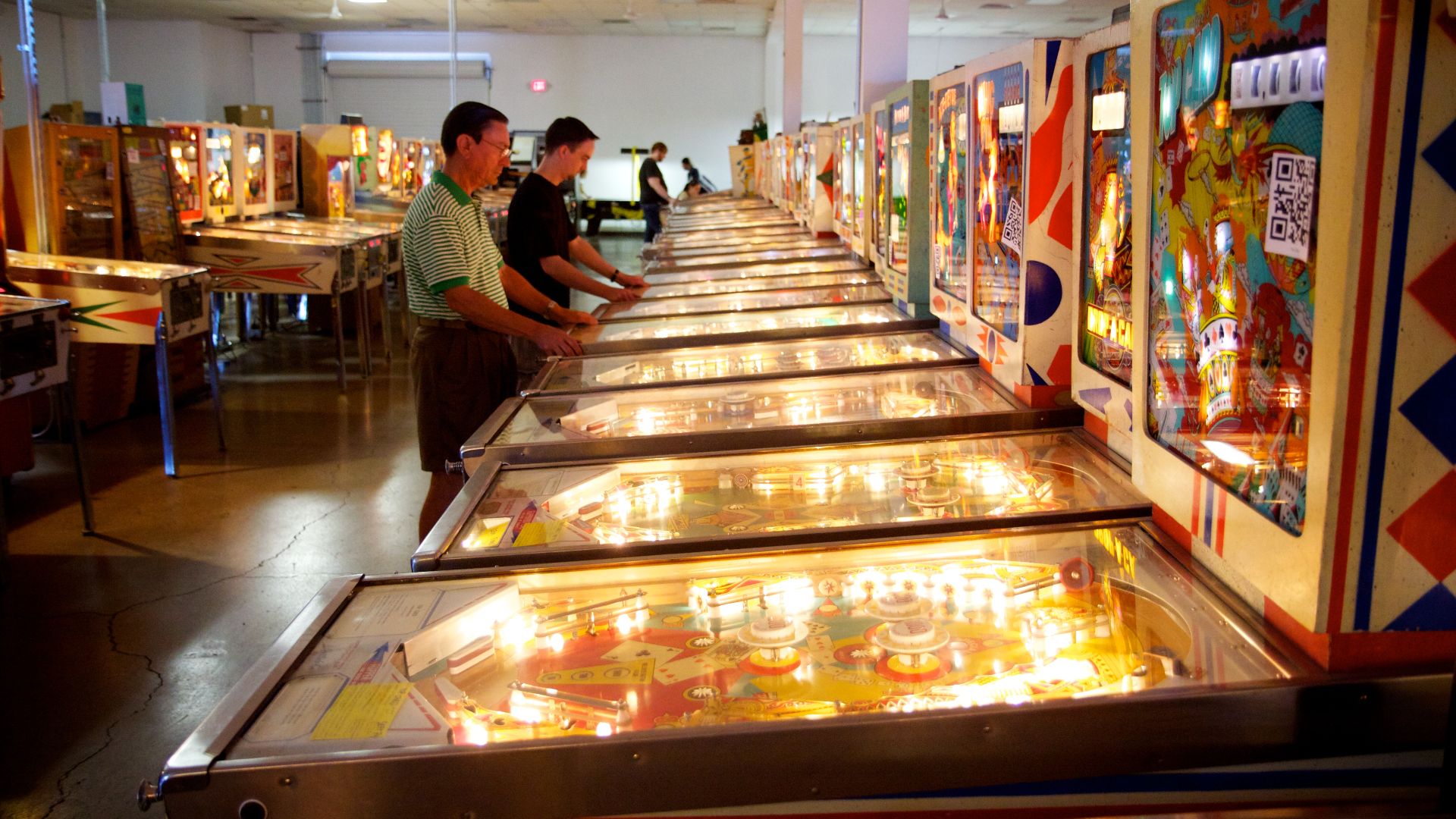
The Neon Boneyard's Neighbor: The Pinball Hall of Fame (Las Vegas, Nevada)
Run as a nonprofit organization, the Pinball Hall of Fame features hundreds of playable pinball machines dating back to the 1950s. Rather than sitting behind glass, many machines are fully operational, allowing visitors to experience decades of arcade history firsthand. It's part museum and part interactive time capsule.
 Marcin Wichary, Wikimedia Commons
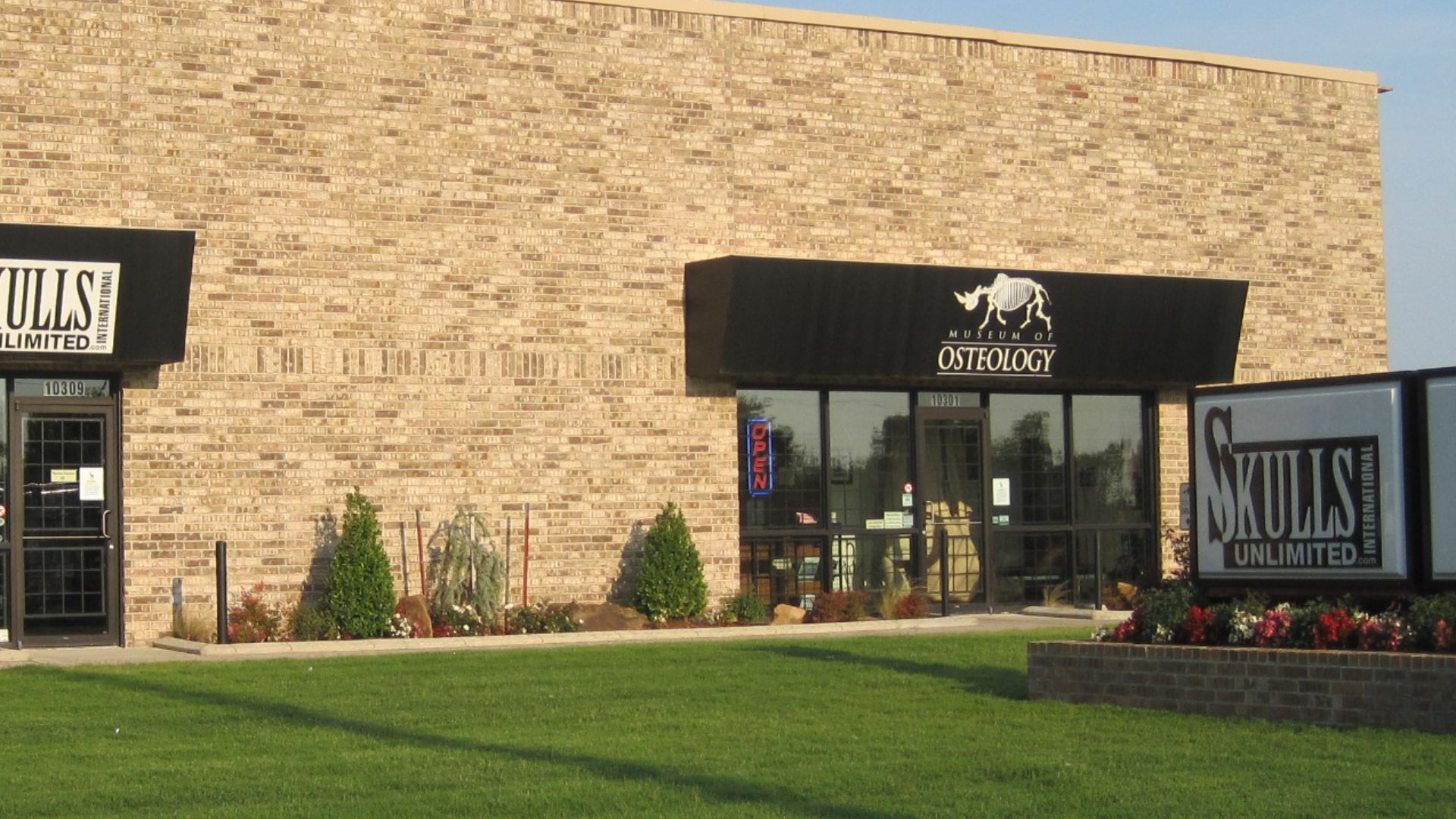
Museum of Osteology (Oklahoma City, Oklahoma)
America's largest privately owned collection of skeletons contains more than 500 complete skeletons and thousands of skulls representing mammals, birds, reptiles, fish, and other species. Exhibits explain anatomy, evolution, and adaptation through direct comparison of skeletons, making complex biology easy to understand.
 JimJones1971, Wikimedia Commons
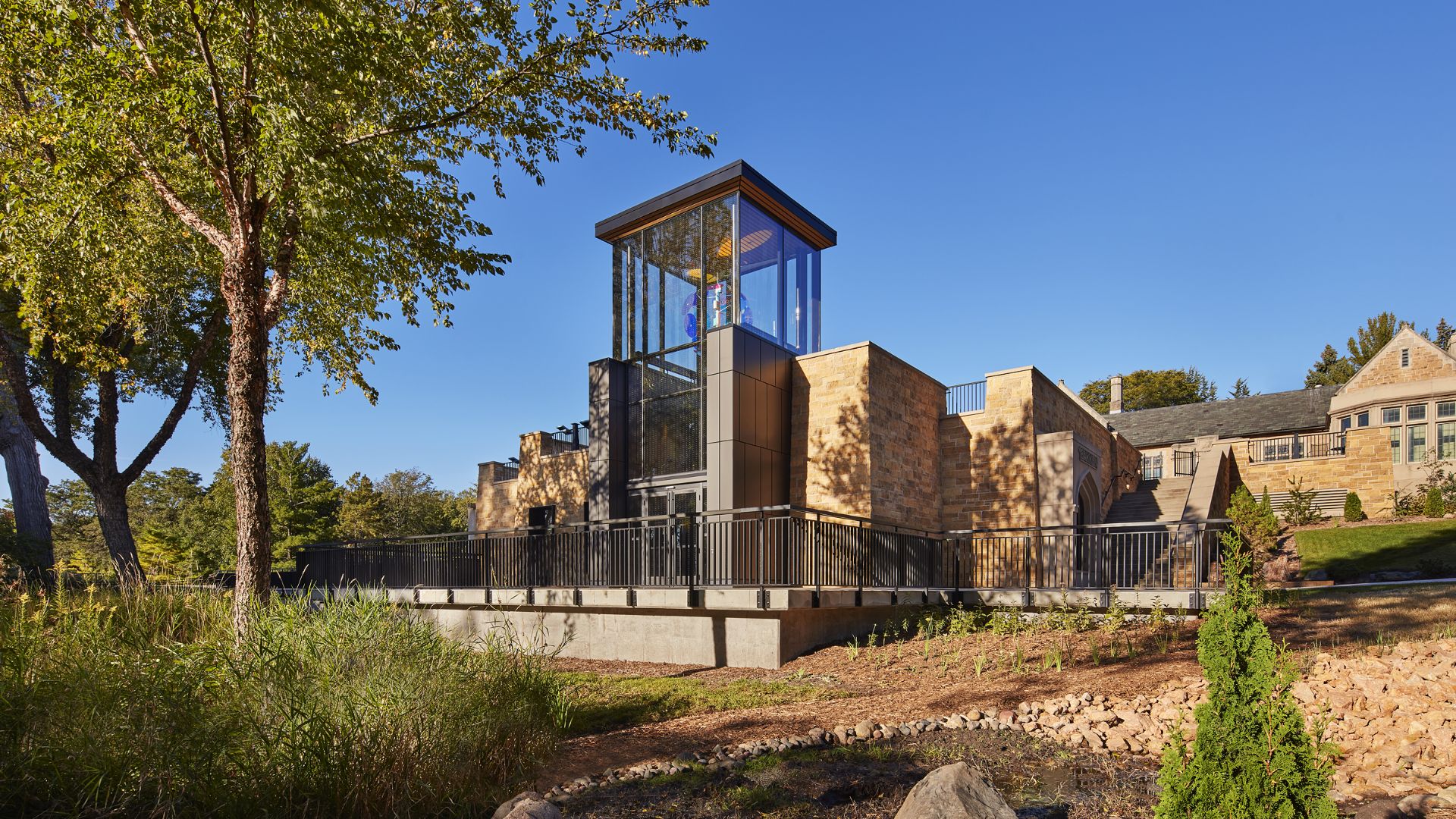
The Bakken Museum (Minneapolis, Minnesota)
The Bakken Museum explores the intersection of electricity, medicine, and scientific discovery. Named after Medtronic co-founder Earl Bakken, the museum includes exhibits on electrical experimentation, medical technology, and the history of inventions that transformed healthcare. Hands-on displays encourage visitors to experiment with scientific principles.
 Unknown authorUnknown author, Wikimedia Commons
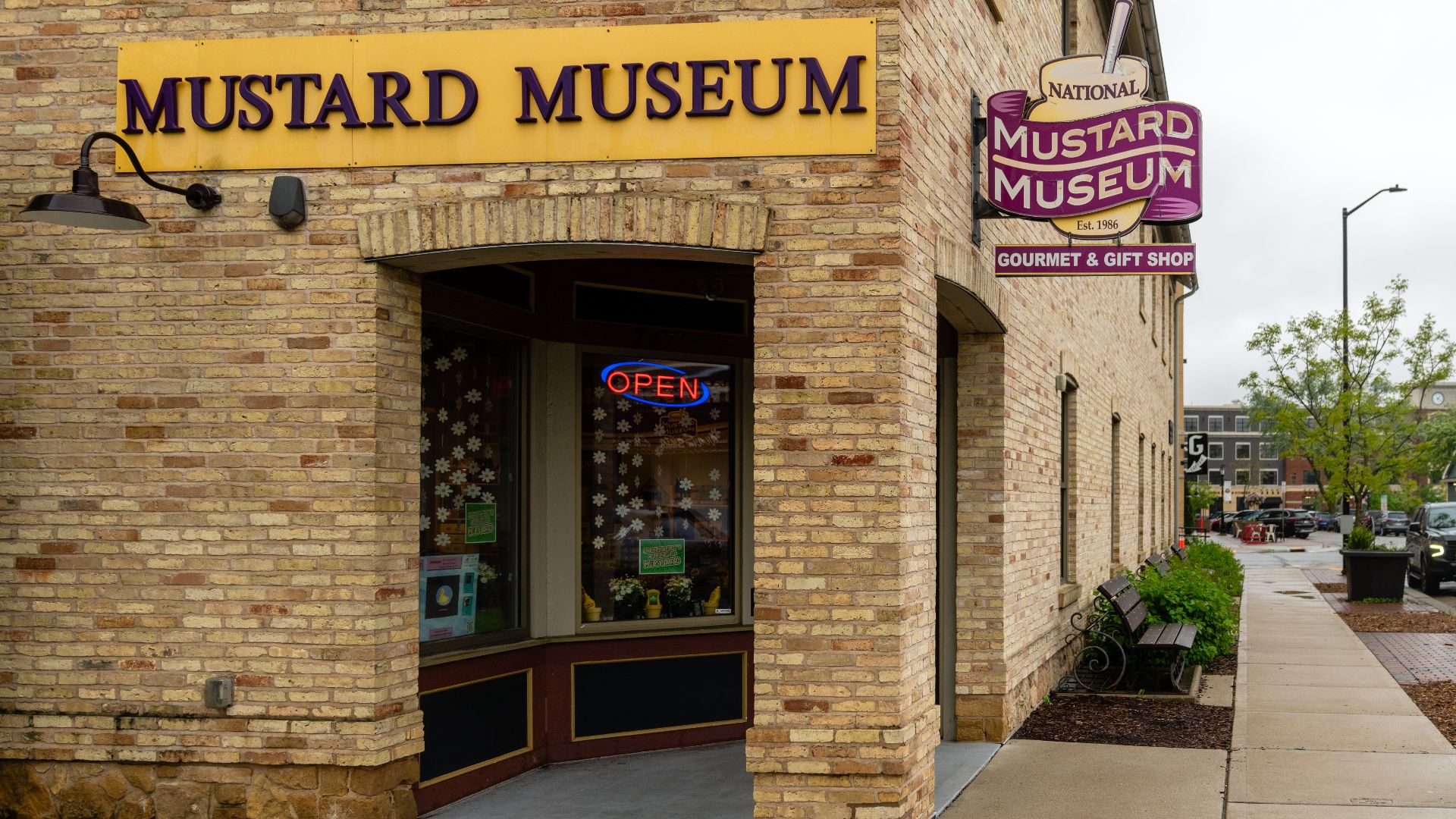
National Mustard Museum (Middleton, Wisconsin)
What sounds like a joke quickly becomes an unexpectedly enjoyable visit. The National Mustard Museum houses thousands of mustard varieties from around the world, antique mustard pots, vintage advertising, and food history exhibits. Visitors can even sample numerous mustards during their visit.
 Lorie Shaull, Wikimedia Commons
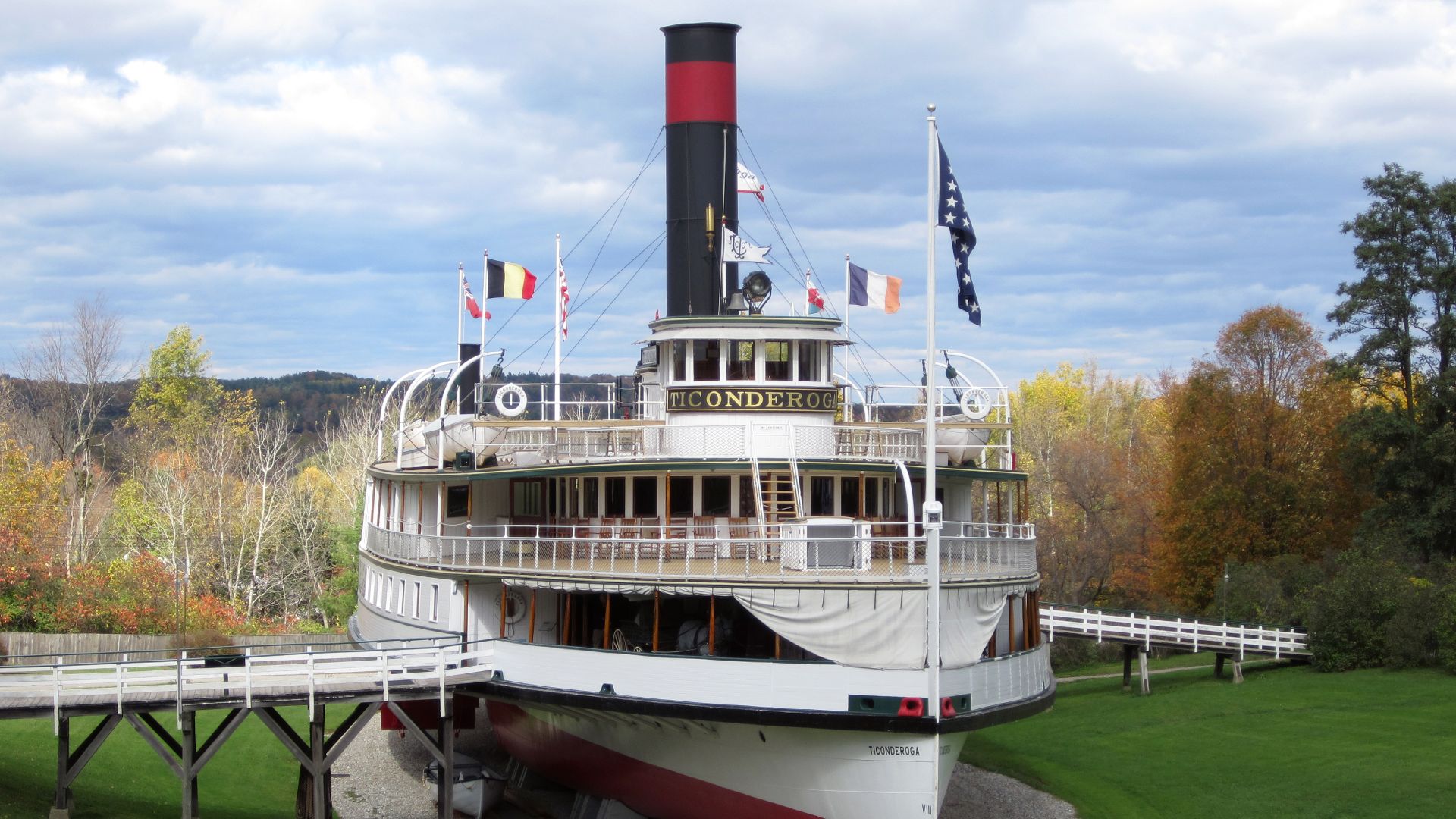
Shelburne Museum (Shelburne, Vermont)
Rather than occupying a single building, the Shelburne Museum spreads its collections across dozens of historic structures relocated to its campus. Visitors can explore folk art, Americana, decorative arts, quilts, historic homes, and even the preserved steamboat Ticonderoga. The result feels more like wandering through a historic village than visiting a traditional museum.
 Storylanding, Wikimedia Commons
New Bedford Whaling Museum (New Bedford, Massachusetts)
New Bedford was once the world's leading whaling port, and this museum preserves that remarkable maritime history. Massive whale skeletons hang overhead while exhibits explain global whaling, navigation, shipbuilding, and the economic importance of the industry during the nineteenth century. Modern exhibits also address whale conservation and marine science.
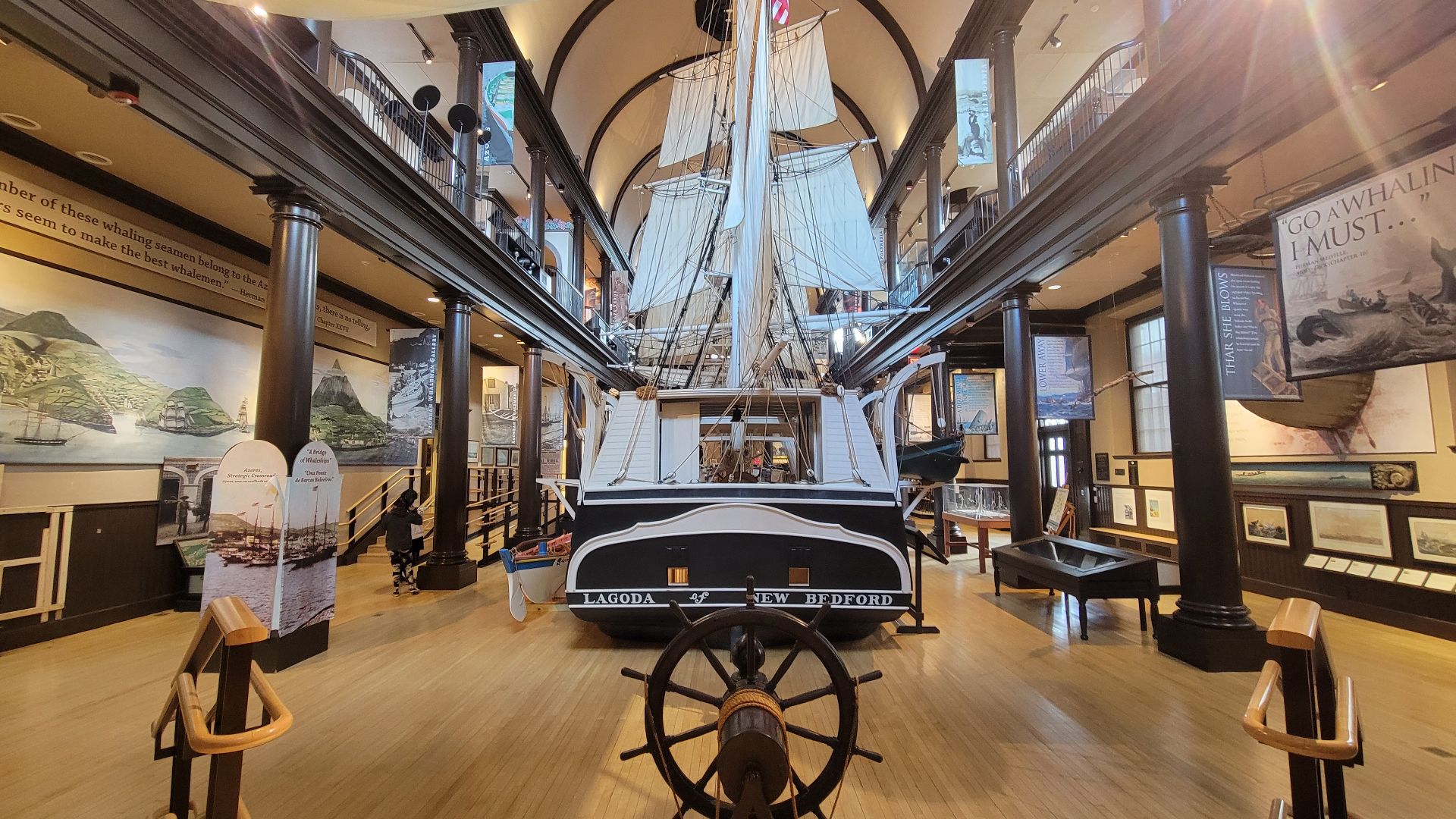 Found5dollar, Wikimedia Commons
National Corvette Museum (Bowling Green, Kentucky)
Even visitors who aren't automotive enthusiasts often enjoy this museum's combination of engineering, design, and American manufacturing history. Hundreds of Corvettes trace the sports car's evolution since 1953, while exhibits explain how technology, racing, and consumer tastes shaped one of America's most recognizable vehicles.
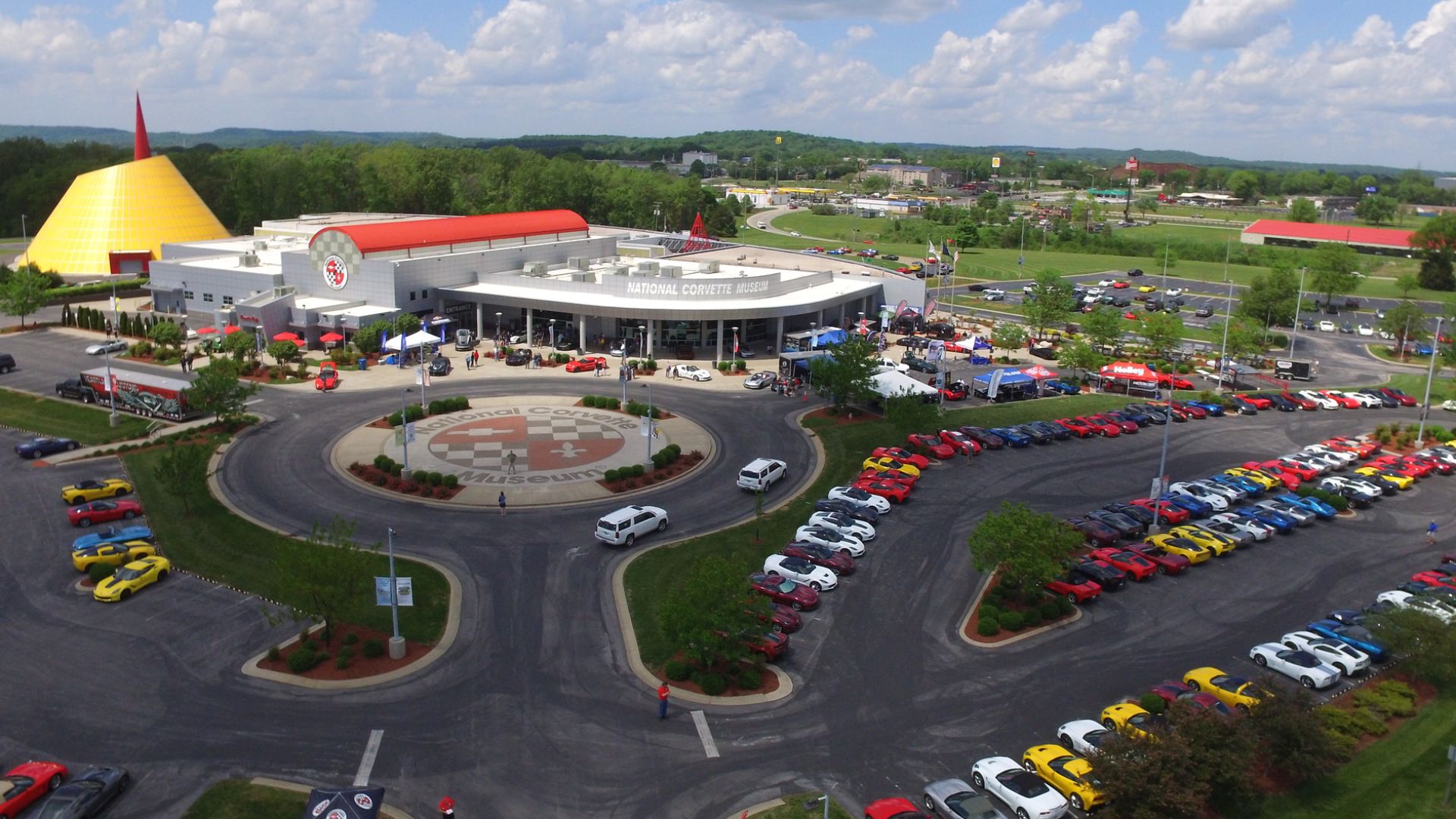 RyanEichlerNCM, Wikimedia Commons
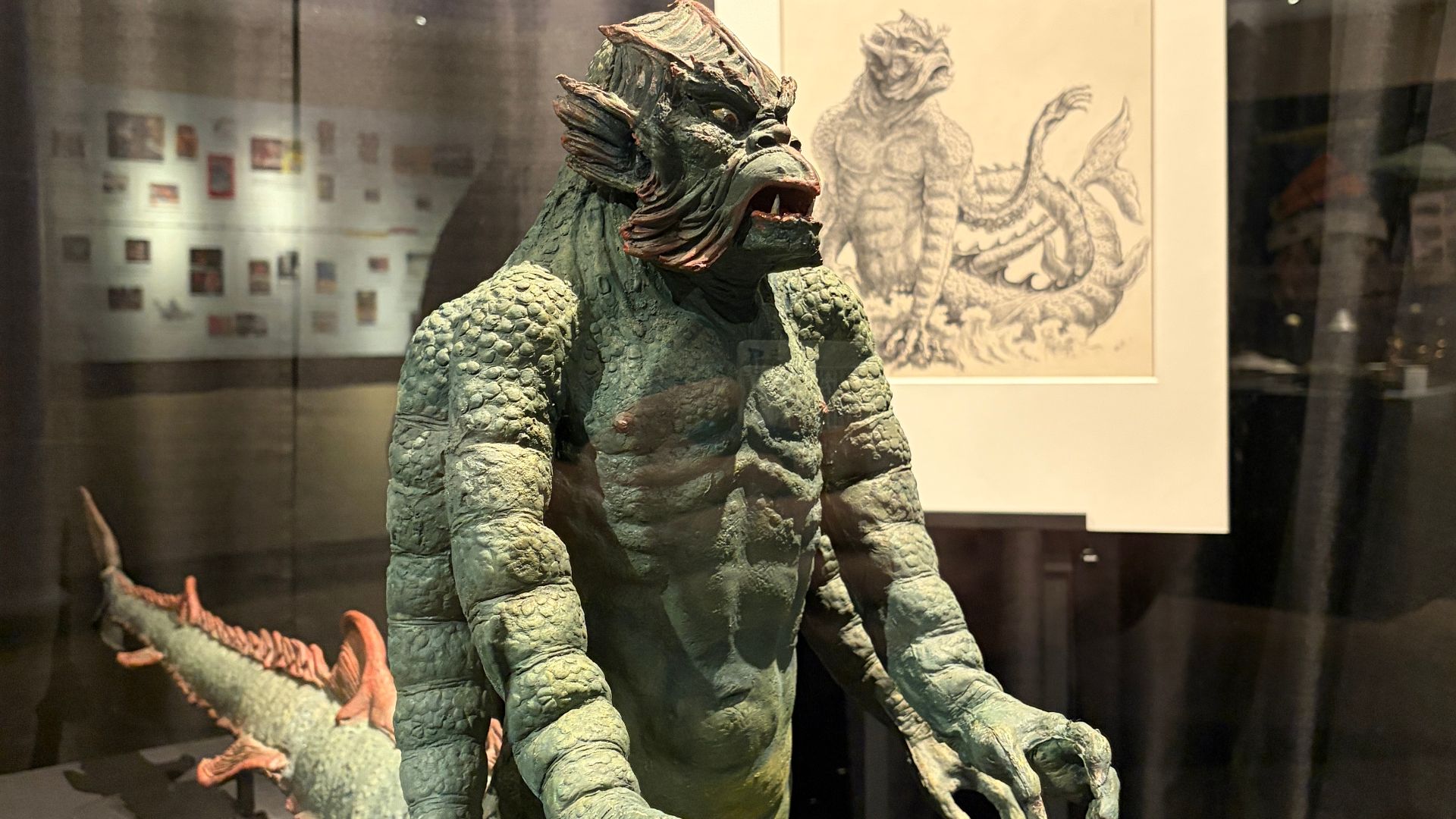
The Mini Time Machine Museum of Miniatures (Tucson, Arizona)
Tiny handcrafted worlds become surprisingly captivating inside this specialized museum. Its collection includes antique dollhouses, intricate room boxes, fantasy scenes, and finely detailed miniature architecture created by artists from around the world. The craftsmanship often rewards long, careful observation.
Mercer Museum (Doylestown, Pennsylvania)
Built in a striking concrete castle by archaeologist Henry Chapman Mercer, this museum preserves thousands of pre-industrial American tools and everyday objects. Items ranging from blacksmith equipment to household utensils are displayed dramatically throughout the multi-story atrium, illustrating how Americans lived and worked before widespread industrialization.
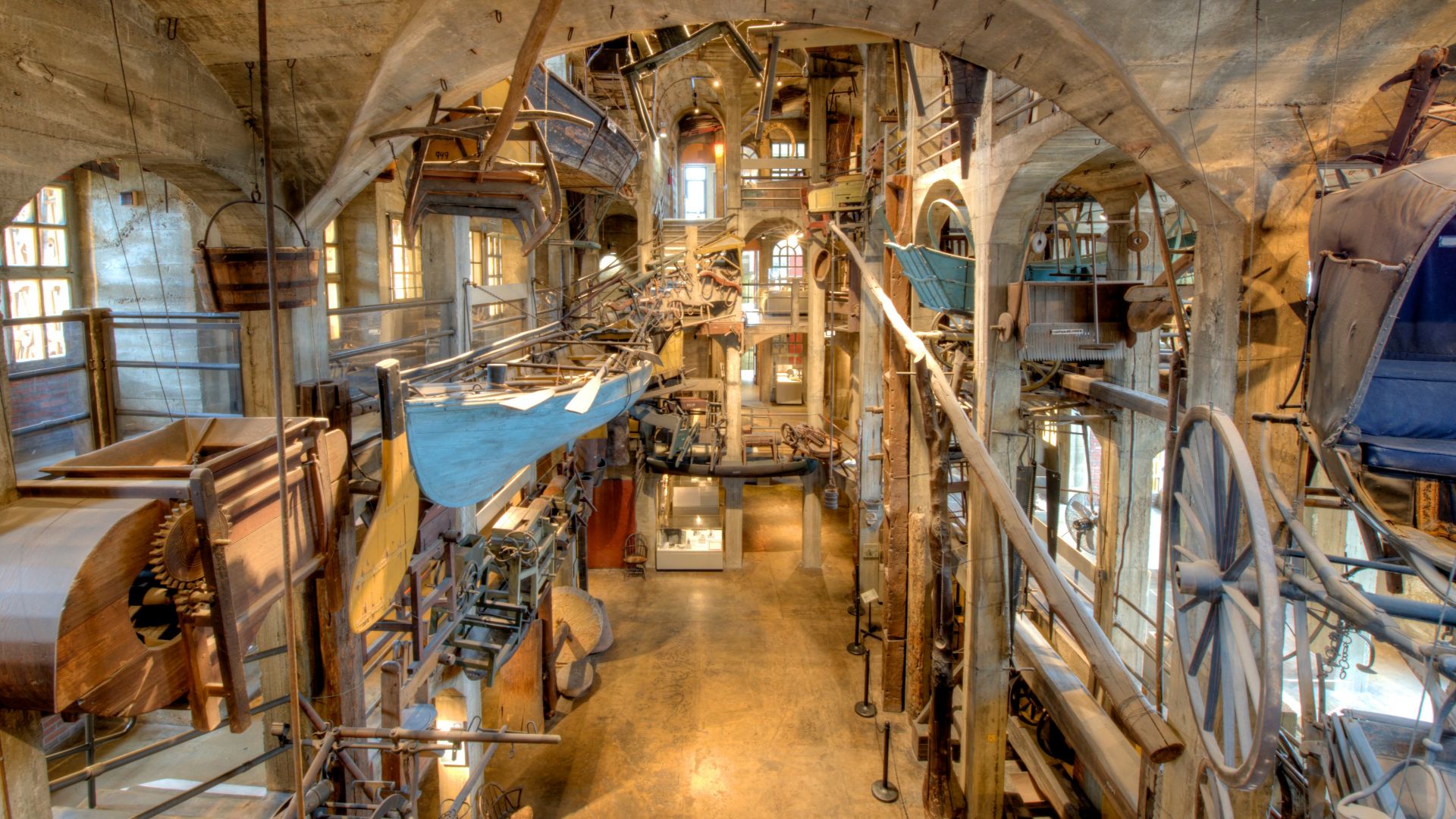 Bestbudbrian, Wikimedia Commons
American Computer & Robotics Museum (Bozeman, Montana)
Recognized by Guinness World Records as the world's oldest continuously operating museum devoted to computers, this institution traces humanity's long history of information technology. Exhibits begin with ancient calculating devices before progressing through early computers, robotics, space exploration, and modern artificial intelligence.
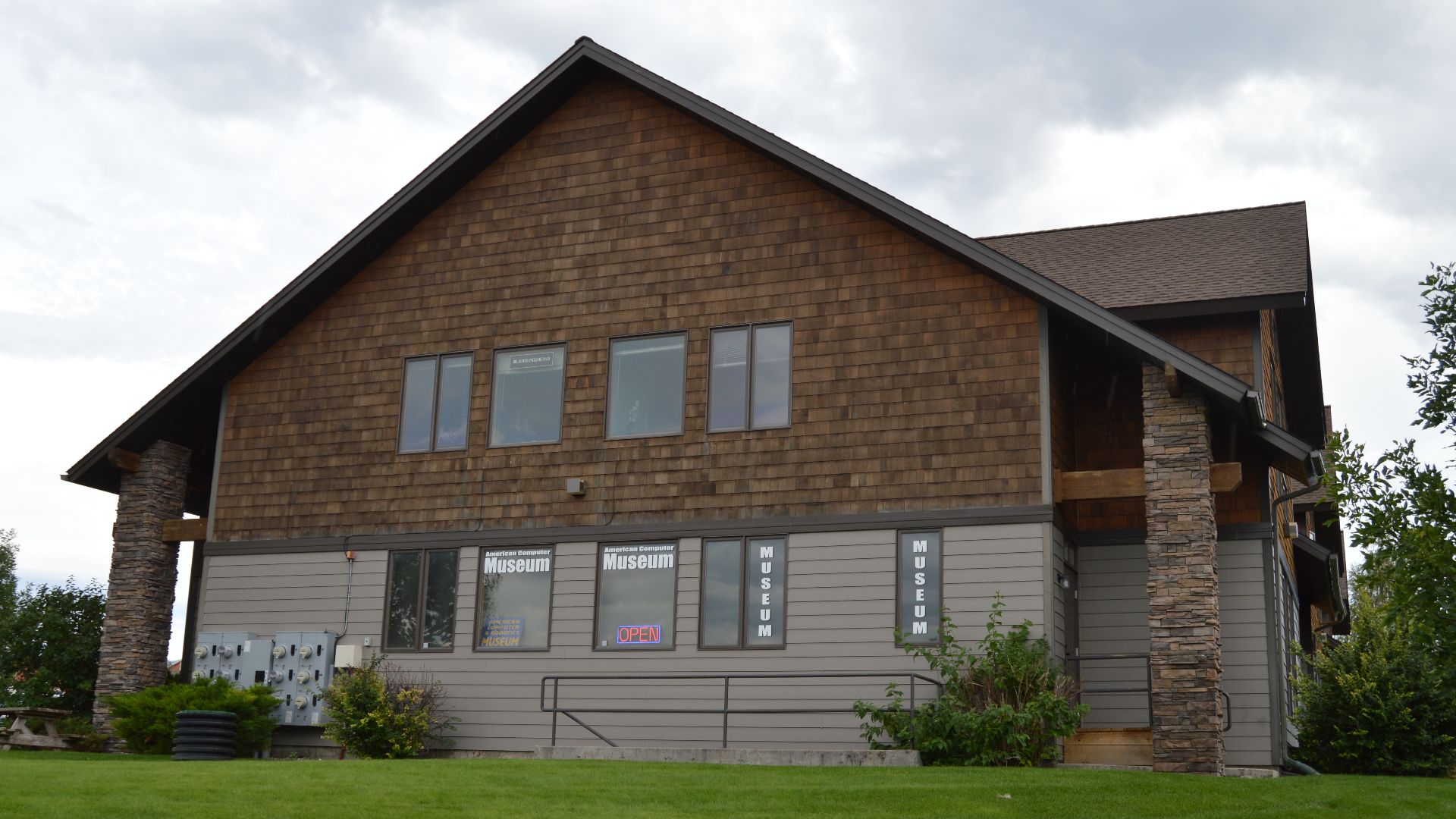 Sesamehoneytart, Wikimedia Commons
National Museum of Toys and Miniatures (Kansas City, Missouri)
This museum successfully combines two collections under one roof: one of the nation's largest collections of antique toys and an internationally respected fine-scale miniature art collection. Visitors can appreciate everything from nineteenth-century dolls and toy trains to astonishingly detailed miniature furniture and interiors.
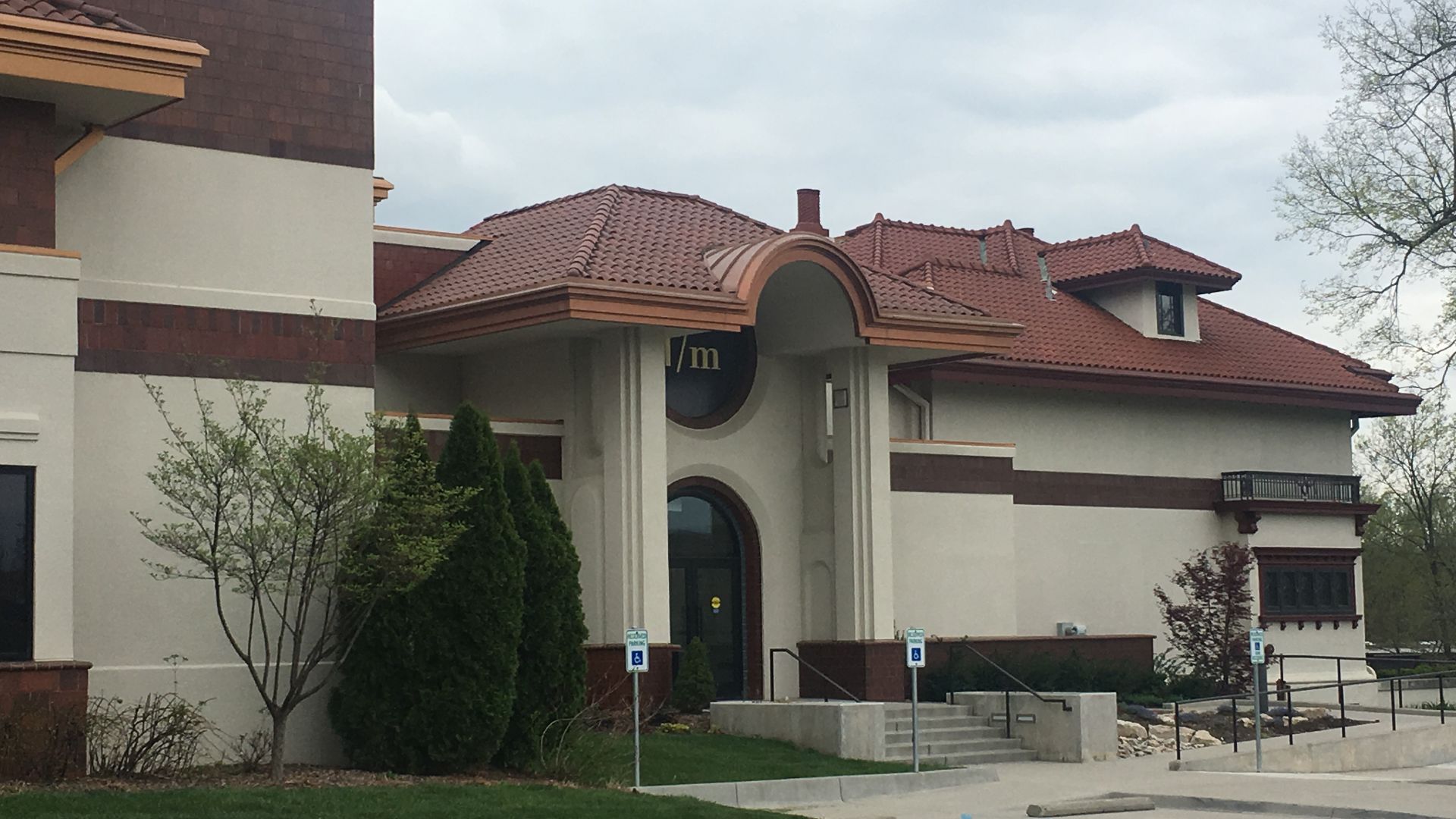 Nightryder84, Wikimedia Commons
Vent Haven Museum (Fort Mitchell, Kentucky)
Dedicated entirely to ventriloquism, Vent Haven Museum houses more than 1,000 ventriloquist figures, along with scripts, photographs, memorabilia, and performance equipment. The collection documents the history of an entertainment tradition that once dominated vaudeville, radio, and early television. It's delightfully unusual and unlike any other museum in America.
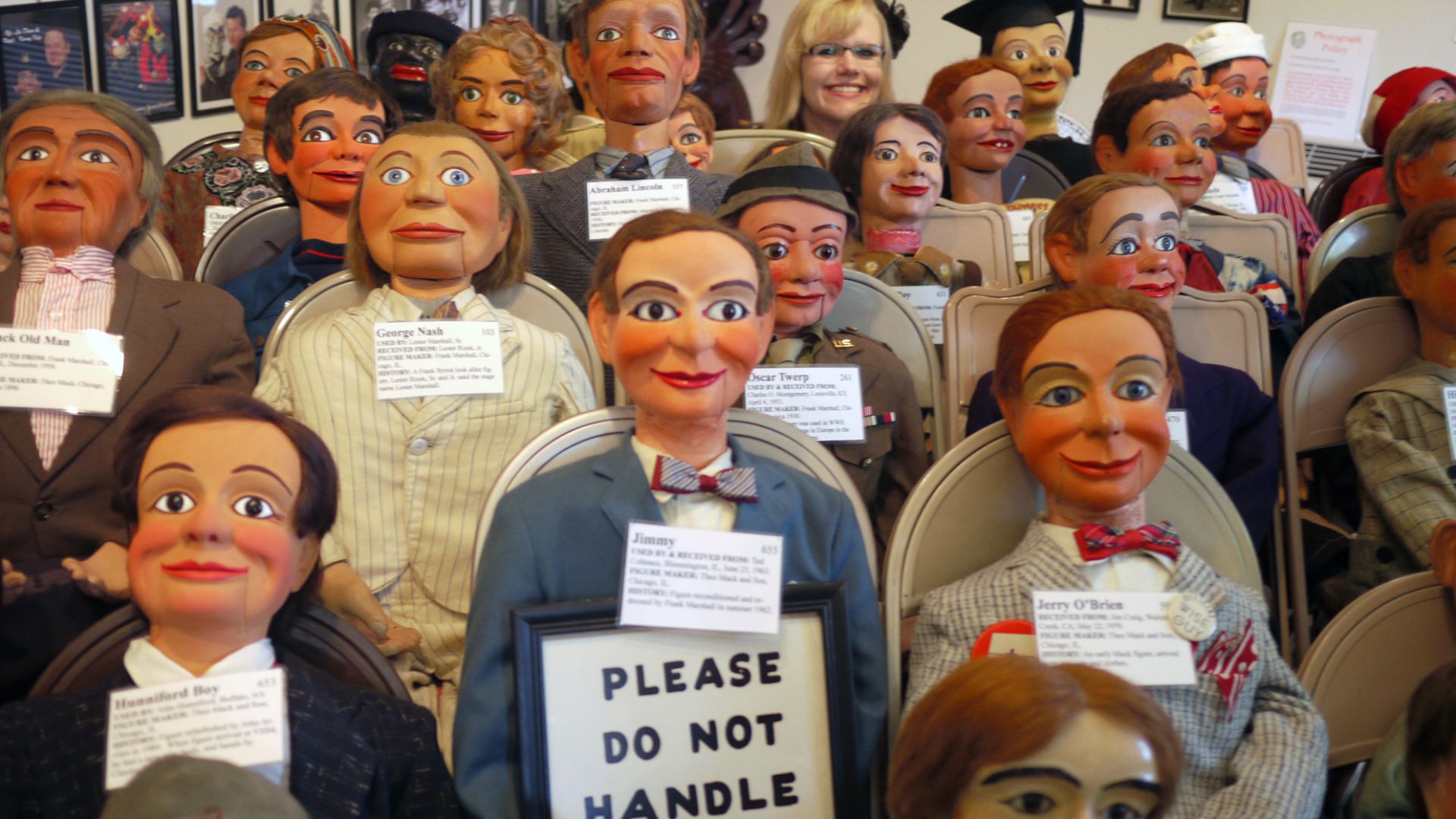 5chw4r7z from Cincinnati, Wikimedia Commons
You May Also Like:
Historic Train Stations That Are Worth Visiting Even If You Never Take The Train