The Perfect Bloom Trip Can Fall Apart Fast
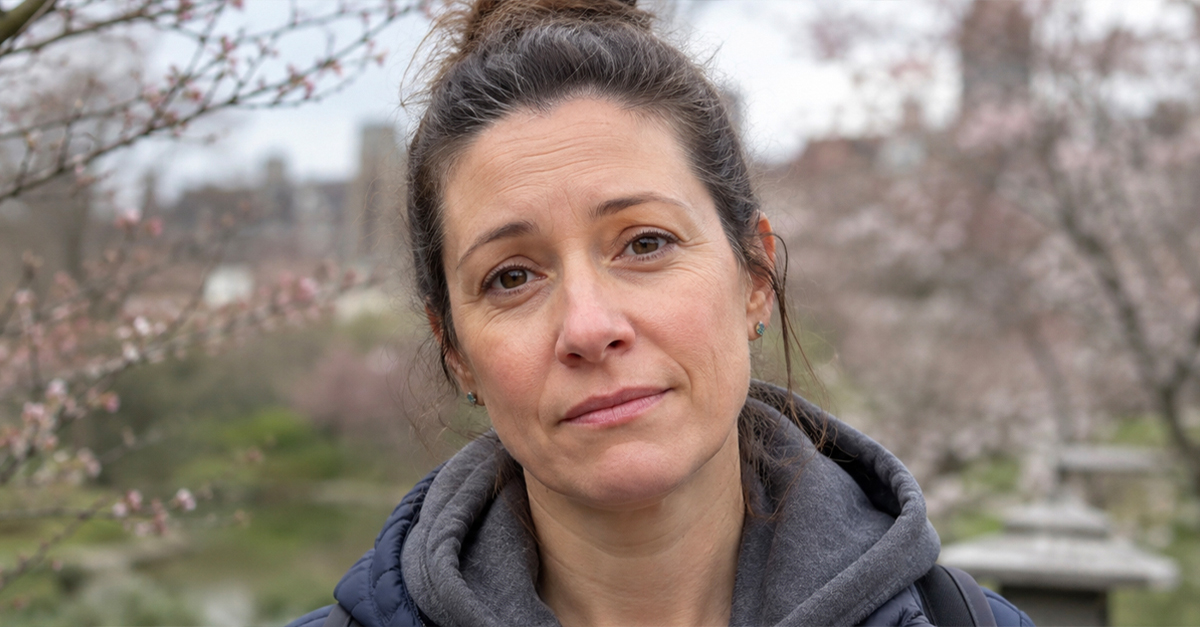
Planning a vacation around flowers sounds simple until nature reminds you who is really in charge. You book the hotel, watch the photos, imagine the cherry blossoms, bluebonnets, tulips, poppies, or desert wildflowers at their peak, and then arrive one week too early, one week too late, or after a storm ruined everything.
Understandably, you're frustrated. But was there anything you could have done differently?
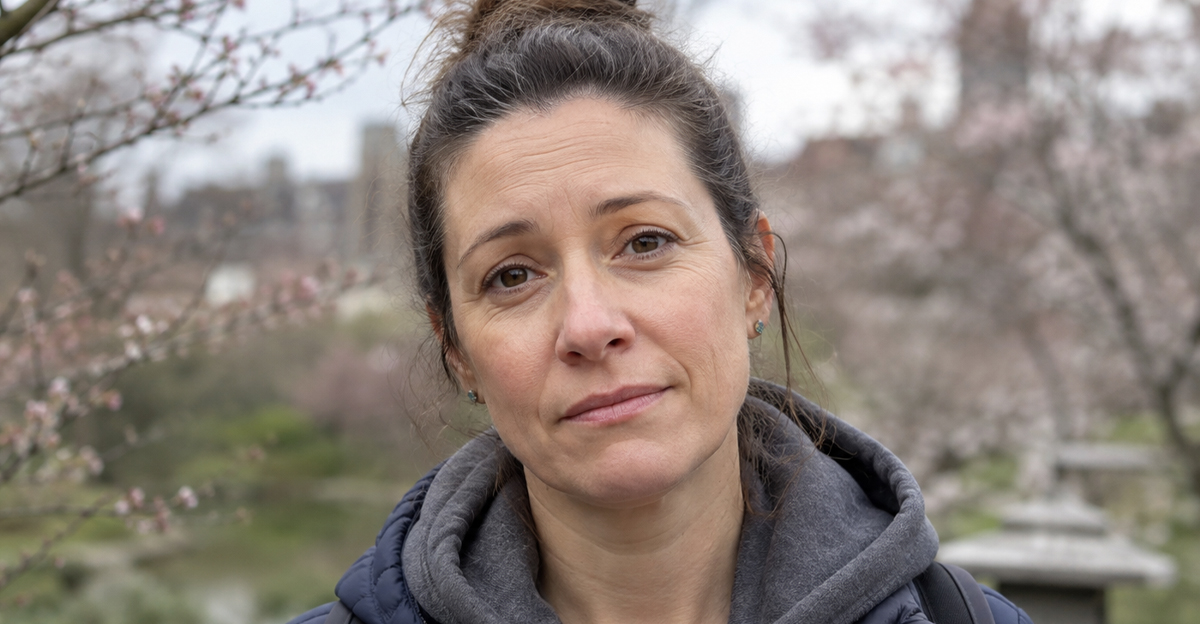
You Are Not The First Traveler This Has Happened To
Famous blooms attract travelers because they feel rare, seasonal, and almost magical. But flowers are not scheduled attractions. They respond to temperature, rain, sunlight, wind, soil conditions, elevation, and sudden weather swings. That makes bloom travel beautiful, but also deeply unpredictable.
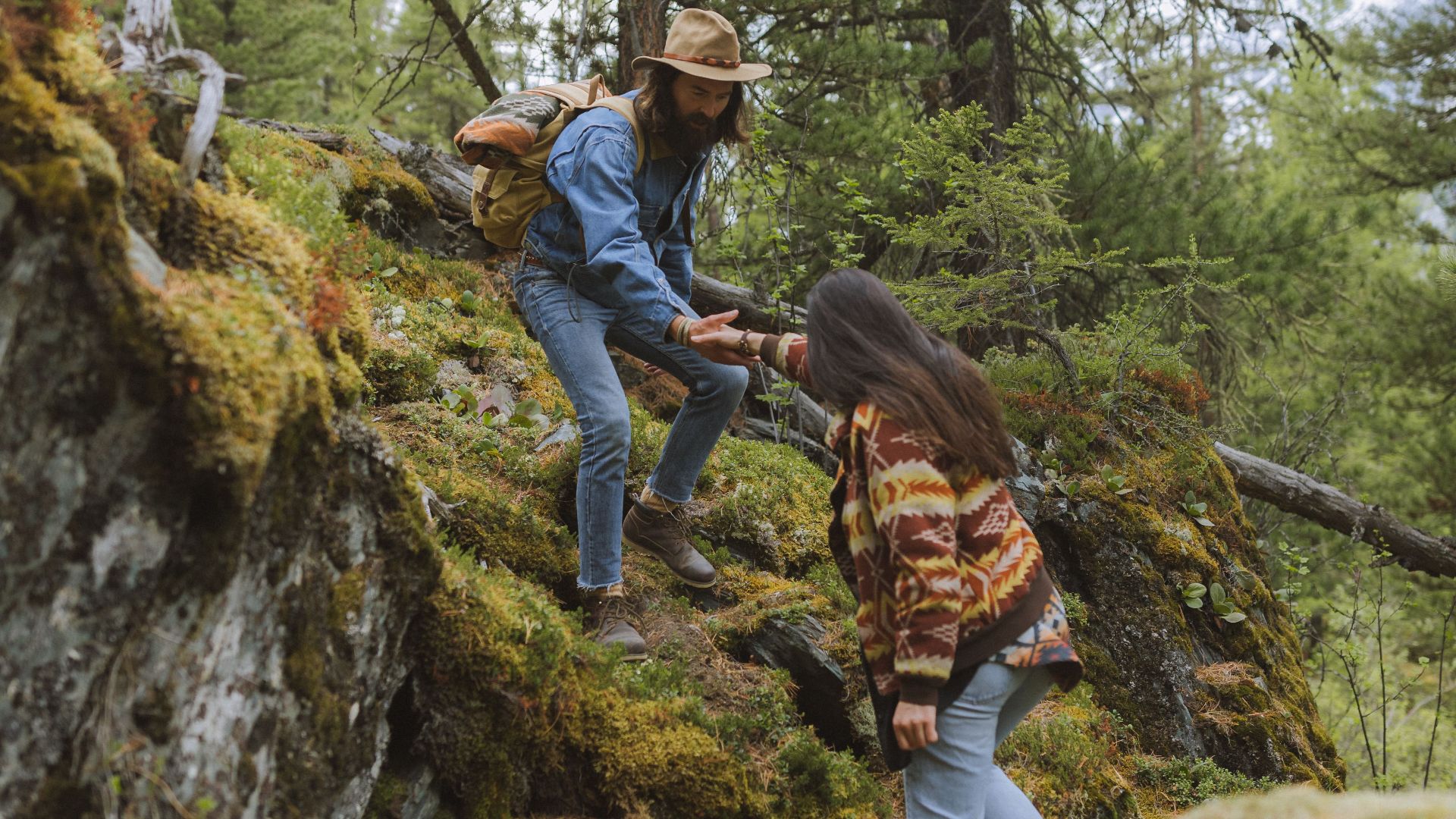
Bloom Forecasting Is A Real Science
The science behind predicting bloom timing is called phenology, which studies seasonal life-cycle events in plants and animals. The USA National Phenology Network describes phenology as “nature’s calendar,” including events like flowers blooming, birds nesting, and leaves changing color.
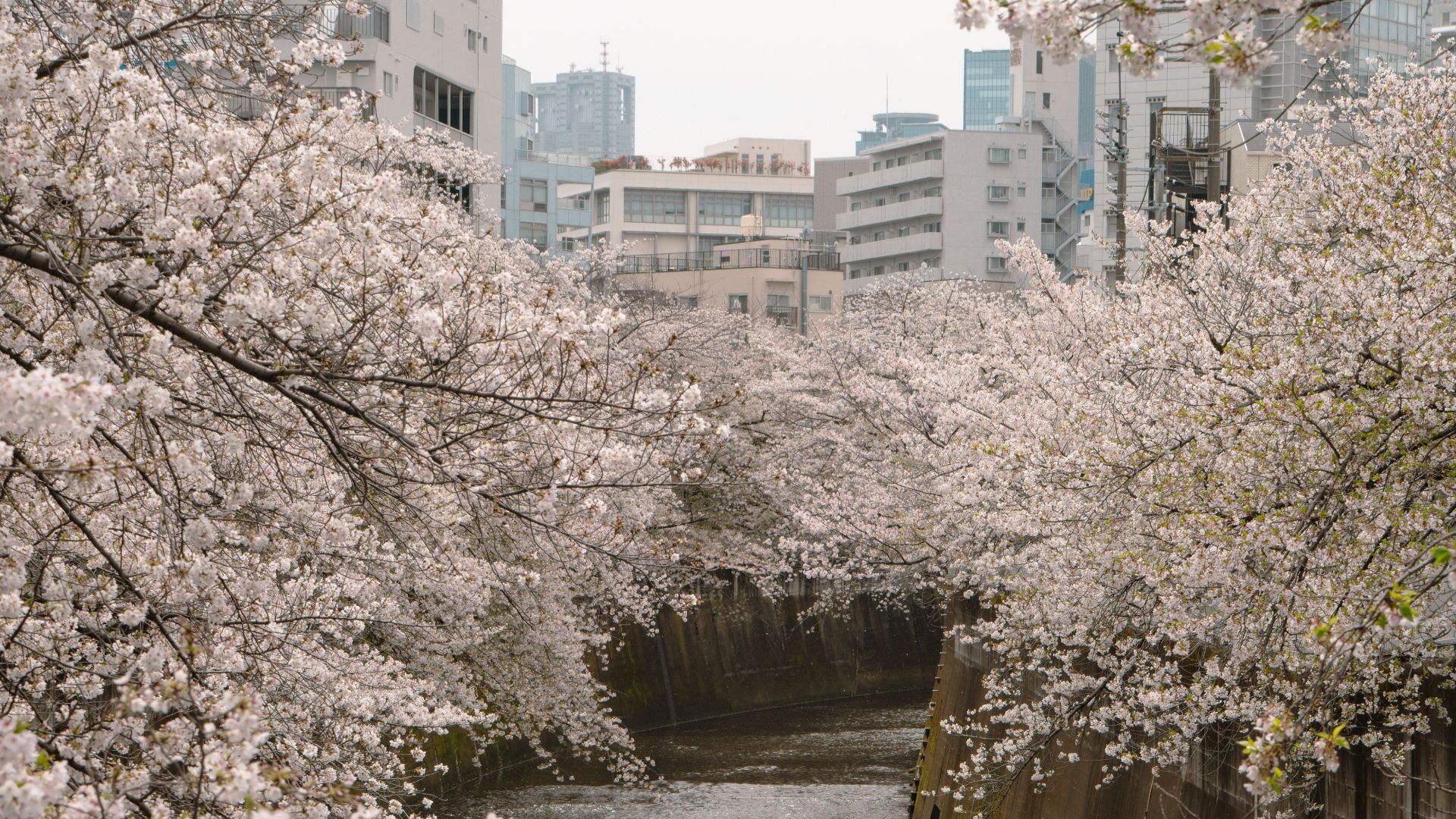
Experts Watch The Plants Closely
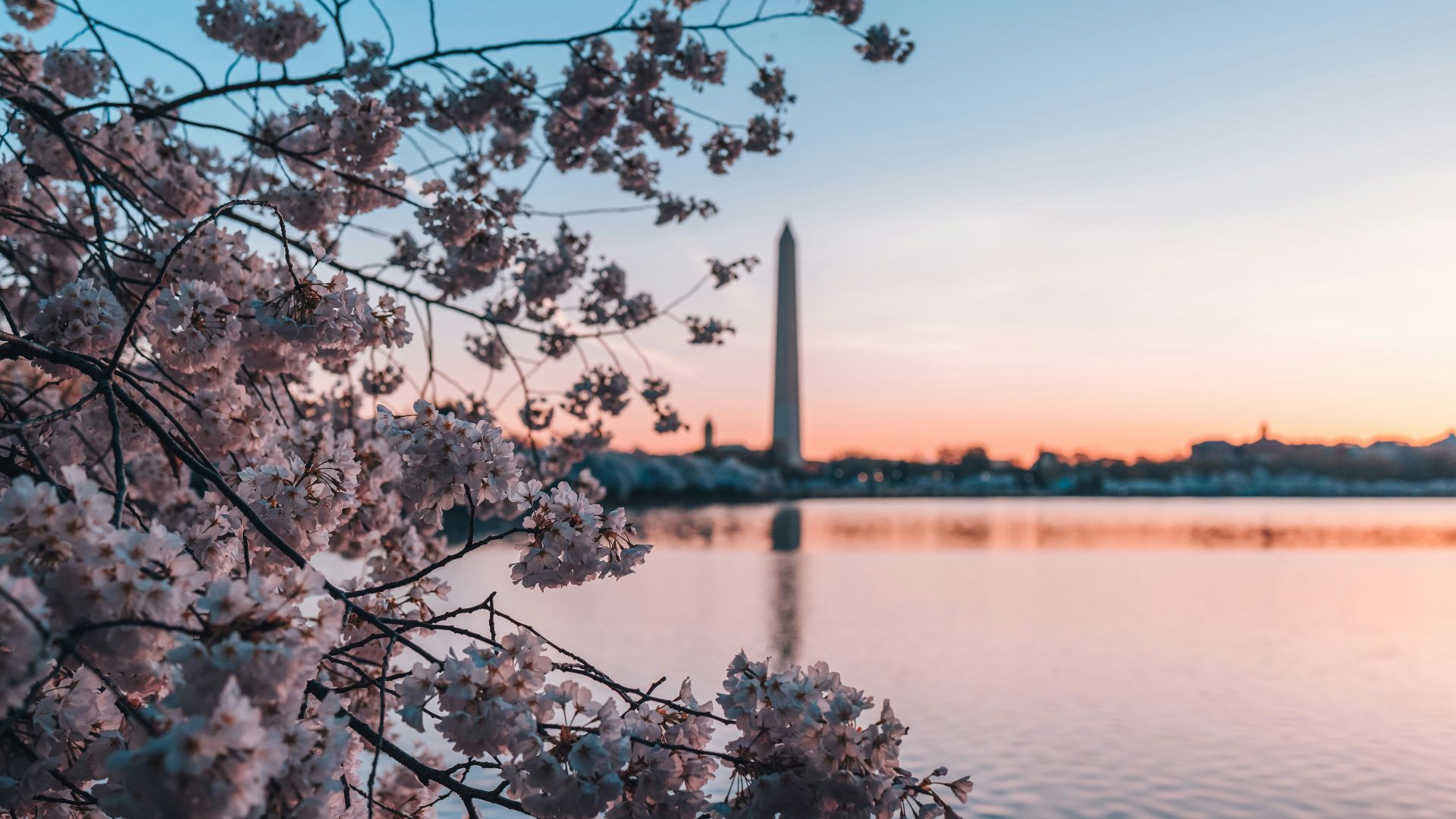
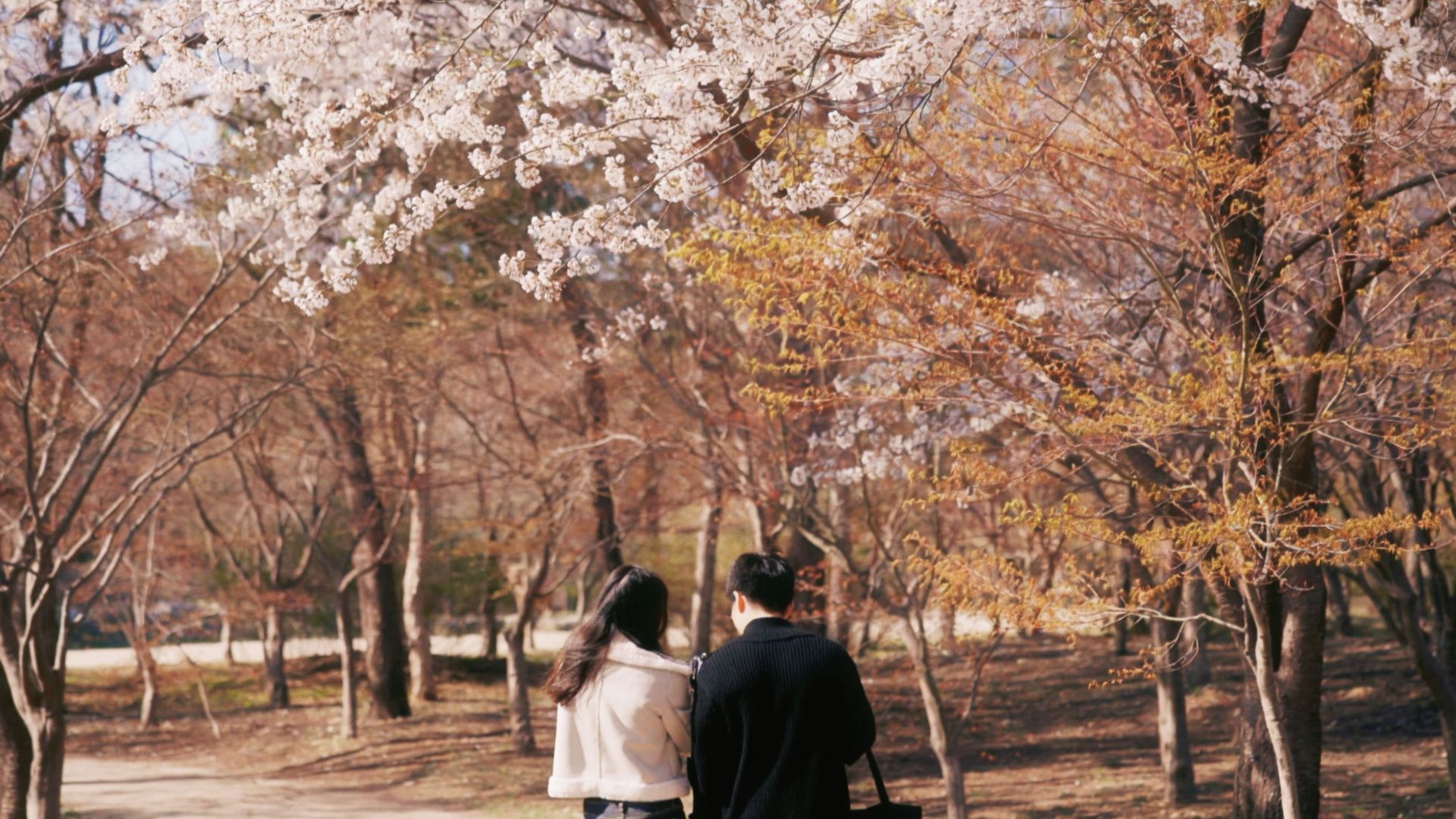
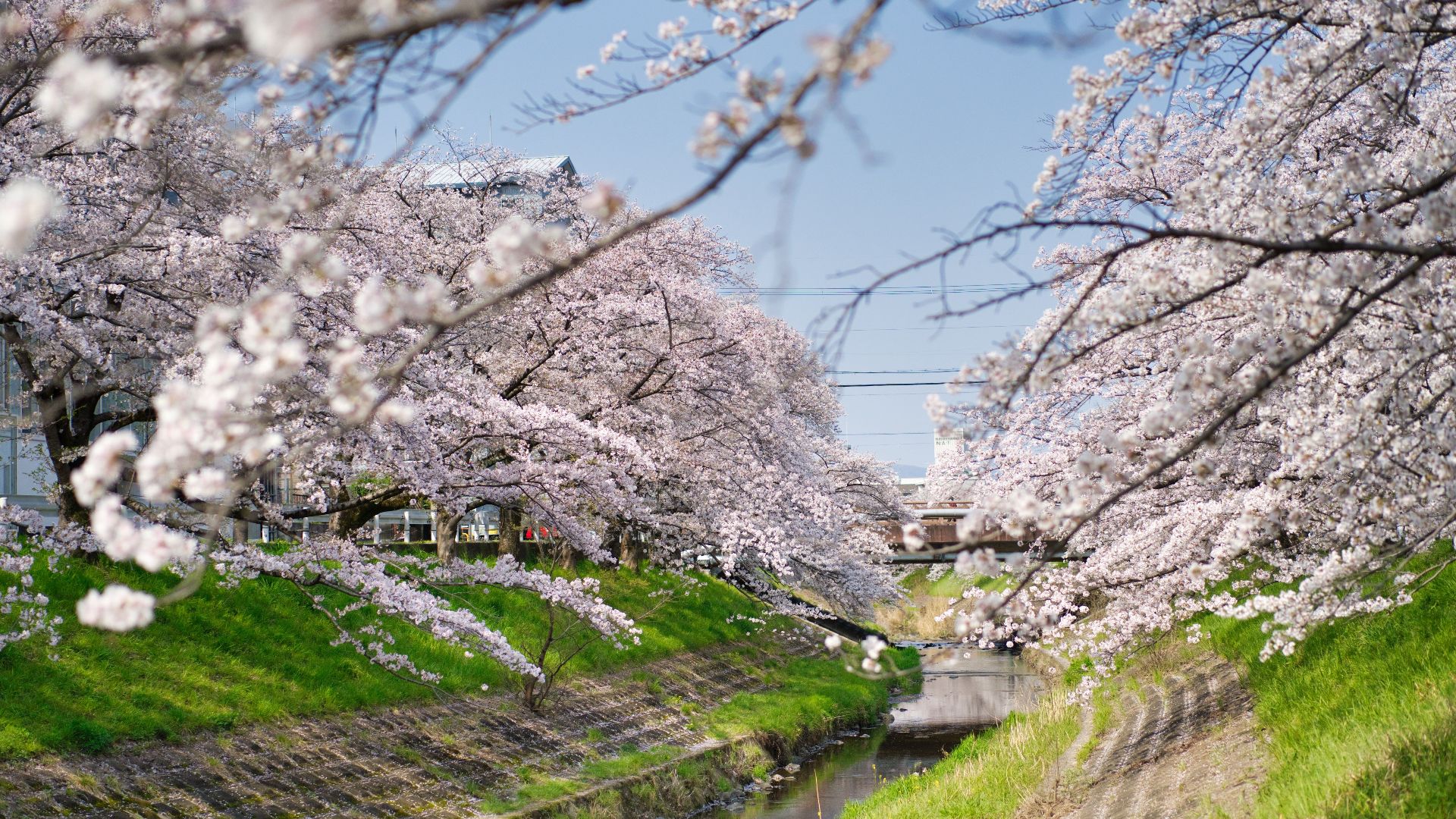
For famous blooms, predictions often combine scientific models with old-fashioned observation. At Washington, DC’s cherry blossoms, National Park Service horticulturists monitor bud development and update the bloom status as the trees move through visible stages.
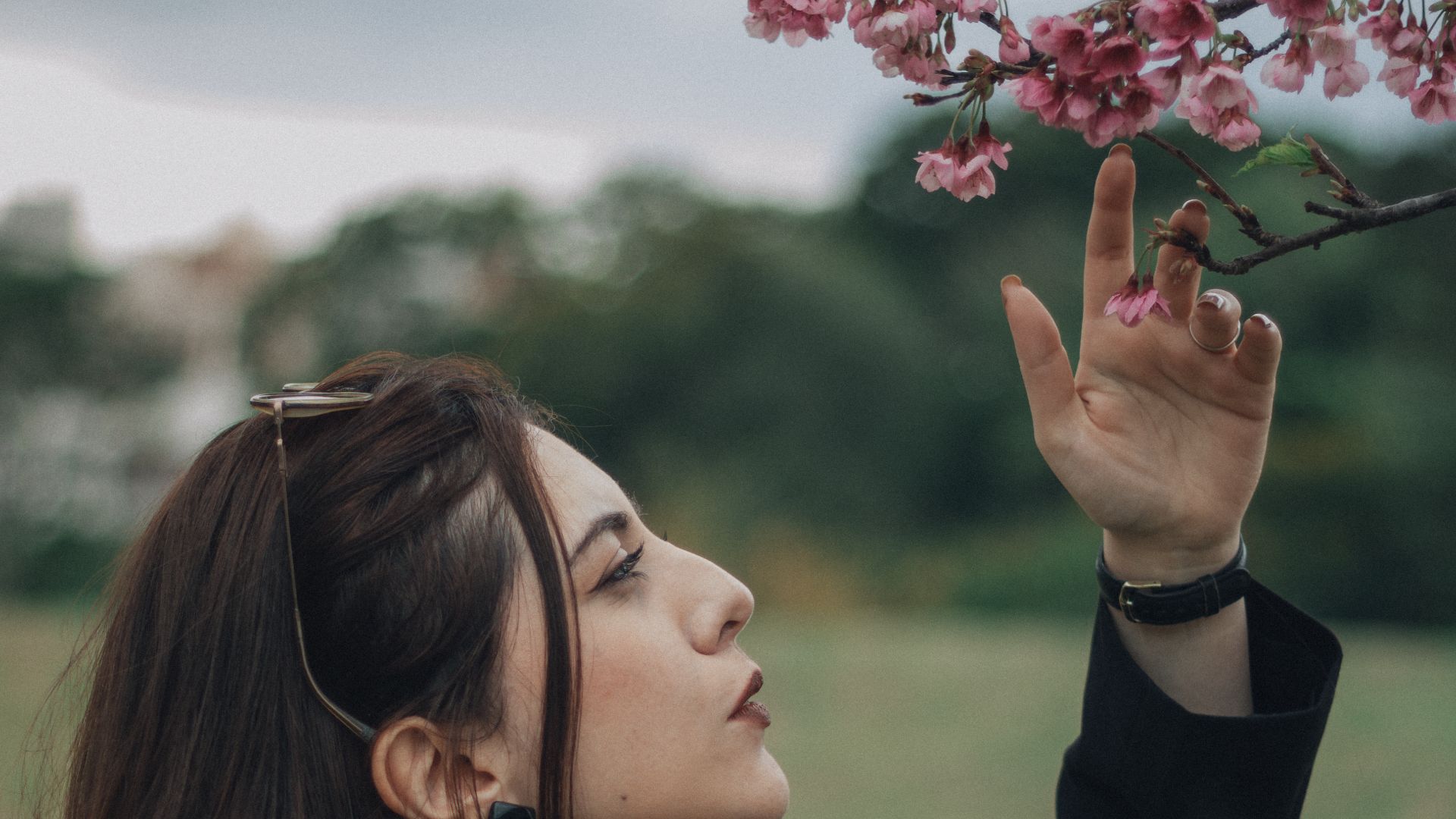 Mayara Caroline Mombelli, Pexels
Peak Bloom Has A Specific Meaning
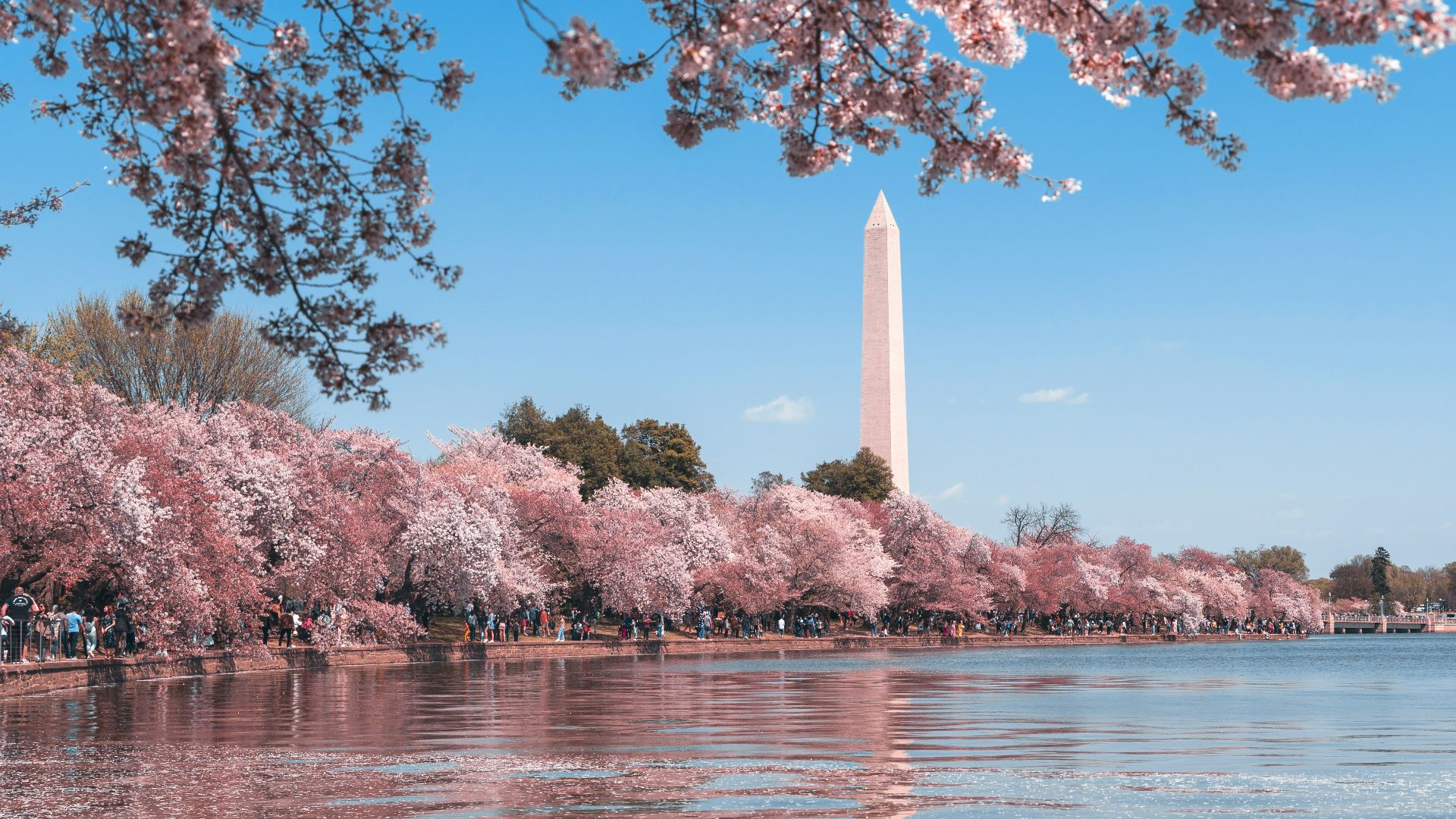
For a trip to the Tidal Basin cherry trees, peak bloom does not mean every flower is perfect or every tree looks identical. The National Park Service defines peak bloom as the day when 70% of the Yoshino cherry blossoms are open. That definition gives forecasters a target, but weather still controls the pace.
Weather Can Move The Date Quickly
Warm days can speed a bloom along, while cold snaps can slow it down. Wind, heavy rain, or storms can also shorten the display once flowers open. That is why a forecast that looked reasonable when you booked can feel completely wrong by the time your trip begins.
Temperature Is One Of The Biggest Clues
Many flowering plants need accumulated warmth before they bloom. Scientists often track heat over time rather than looking at one warm afternoon. If a region has an unusually warm February or March, plants may reach their bloom trigger earlier than visitors expect.
Rainfall Matters Too
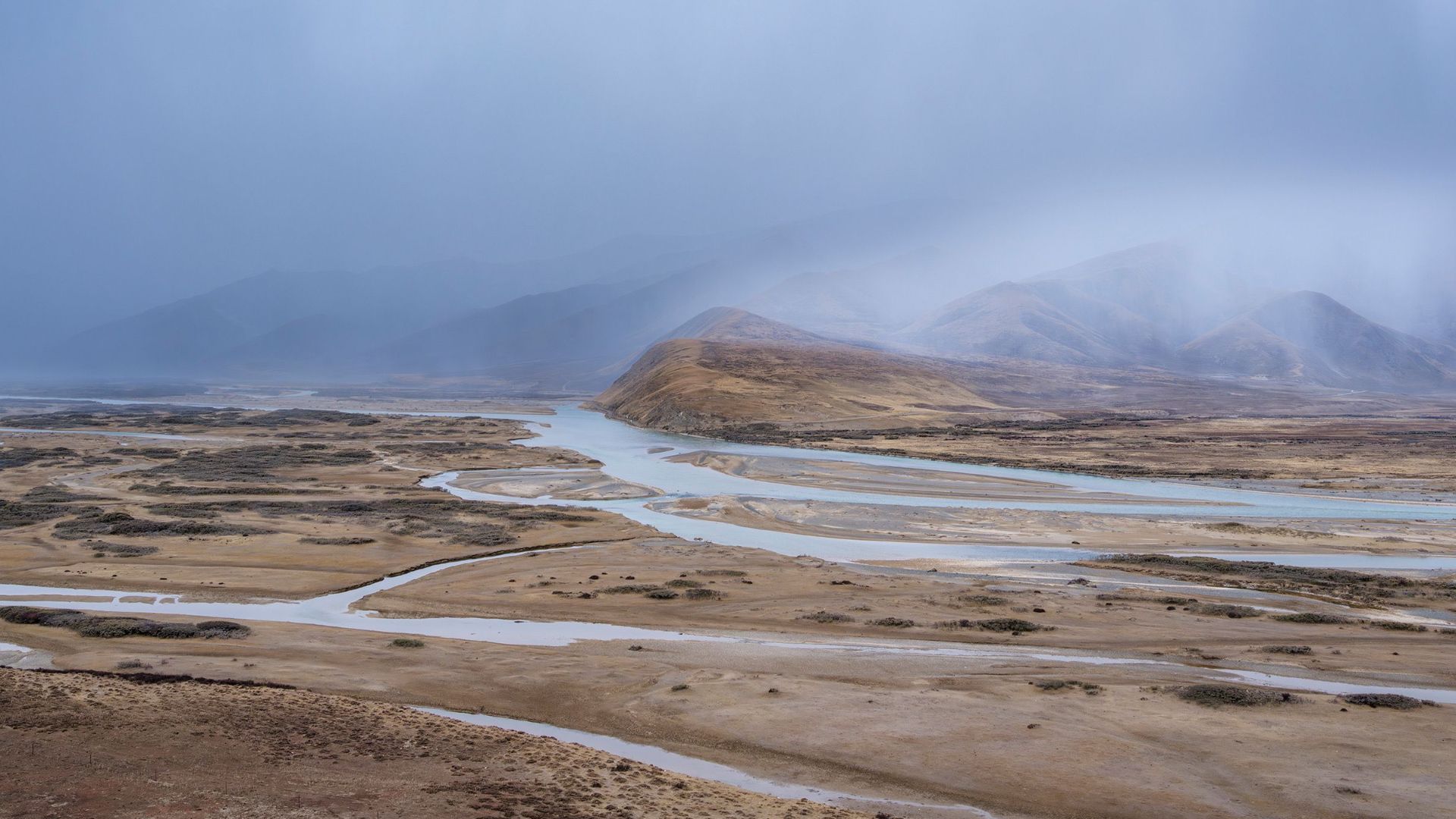
For desert wildflowers especially, rain can make or break the season. A famous “superbloom” may depend on well-timed fall and winter precipitation, followed by the right temperatures. Too little rain, too much heat, or the wrong storm pattern can leave travelers staring at dry ground instead of fields of color.
Desert Blooms Are Especially Tricky
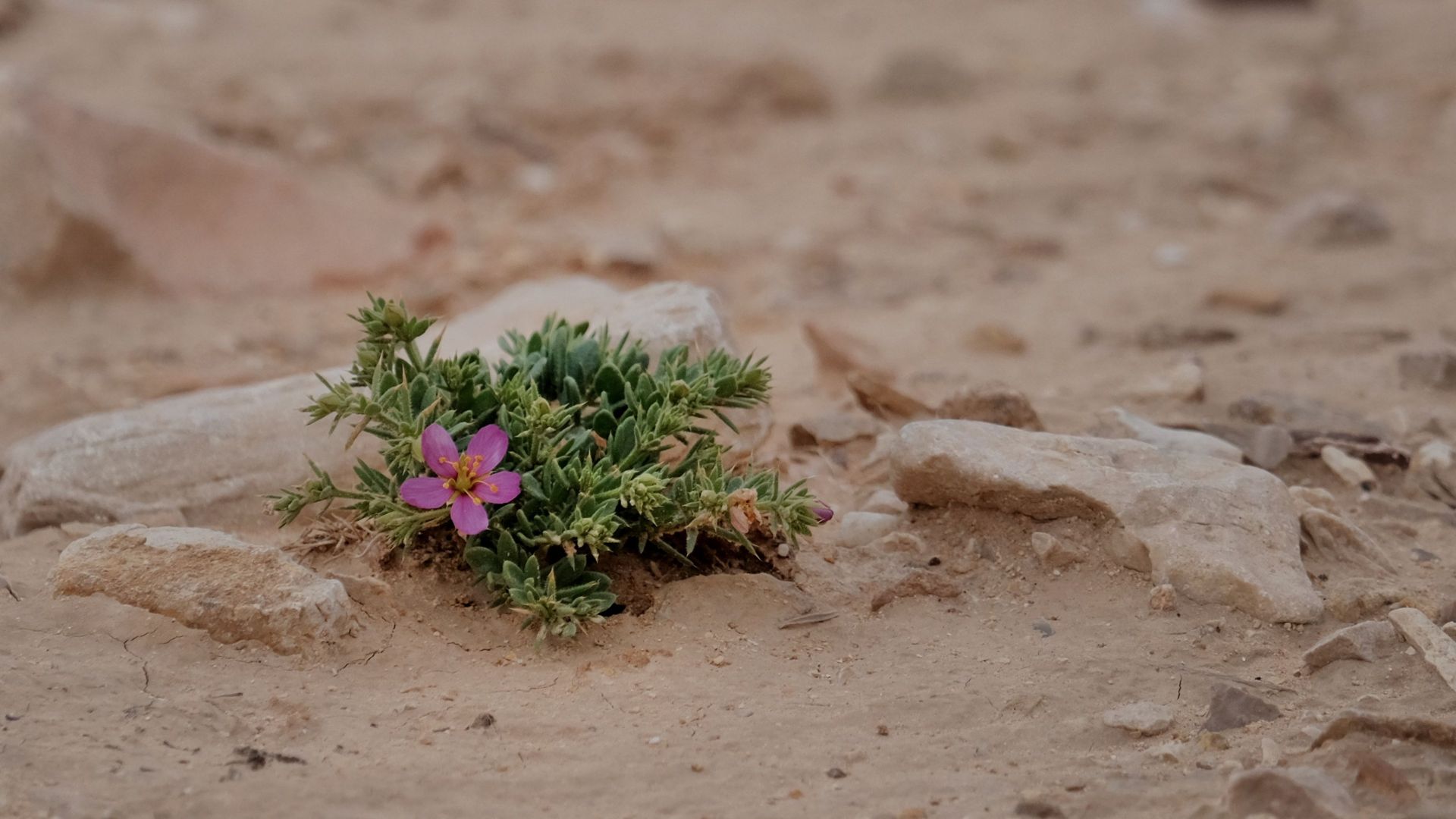
Joshua Tree National Park explains that some wildflowers bloom each year, but awe-inspiring desert displays are increasingly infrequent and depend heavily on conditions such as fall and winter precipitation. That makes desert bloom trips thrilling when they work, but risky when booked too early.
Elevation Can Change Everything
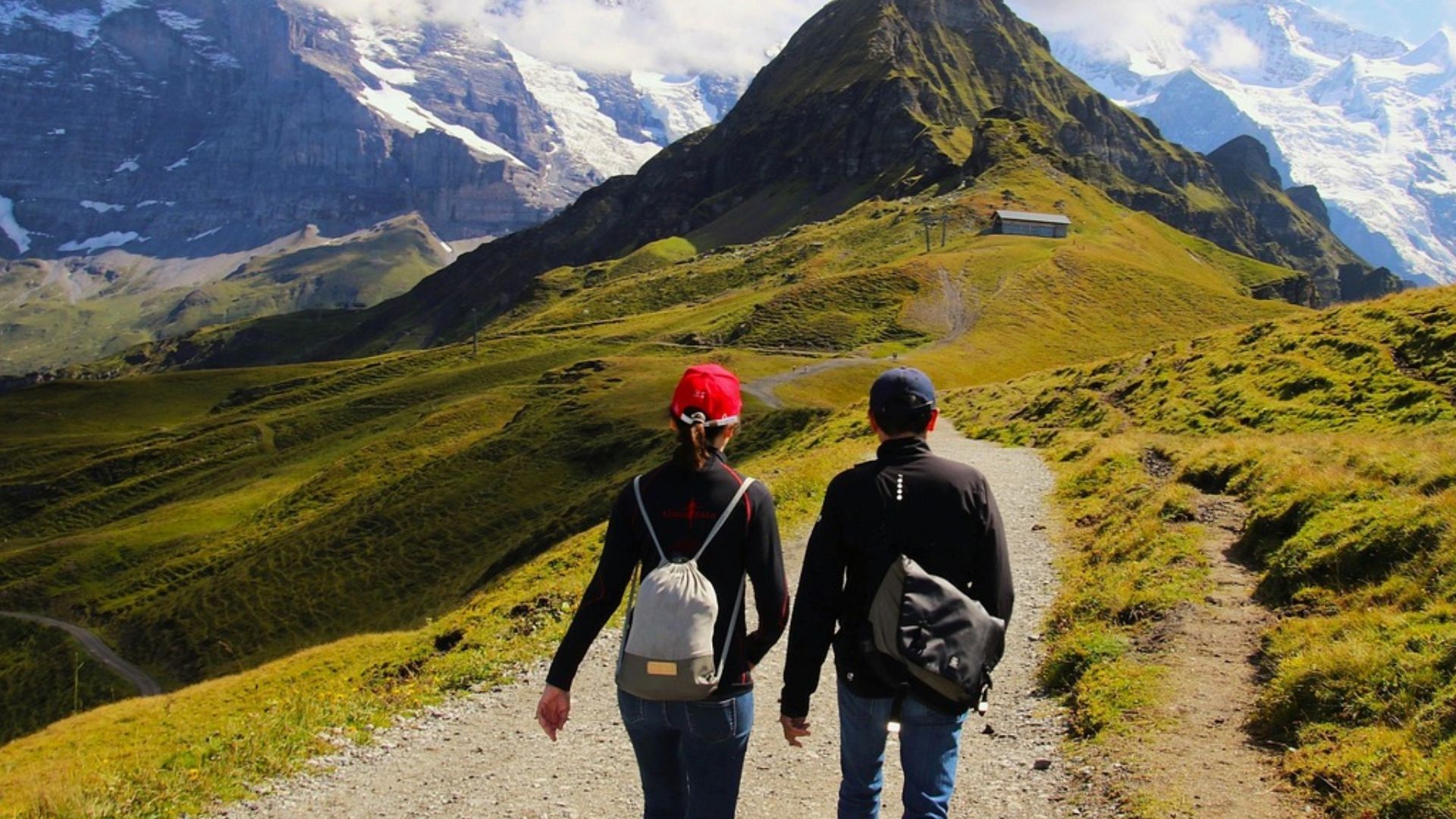
A bloom may be finished in a valley while still building on a hillside. In mountain or desert regions, elevation creates staggered seasons. Travelers may be disappointed at one viewpoint but find flowers higher up, lower down, or in another part of the park.
Different Species Follow Different Calendars
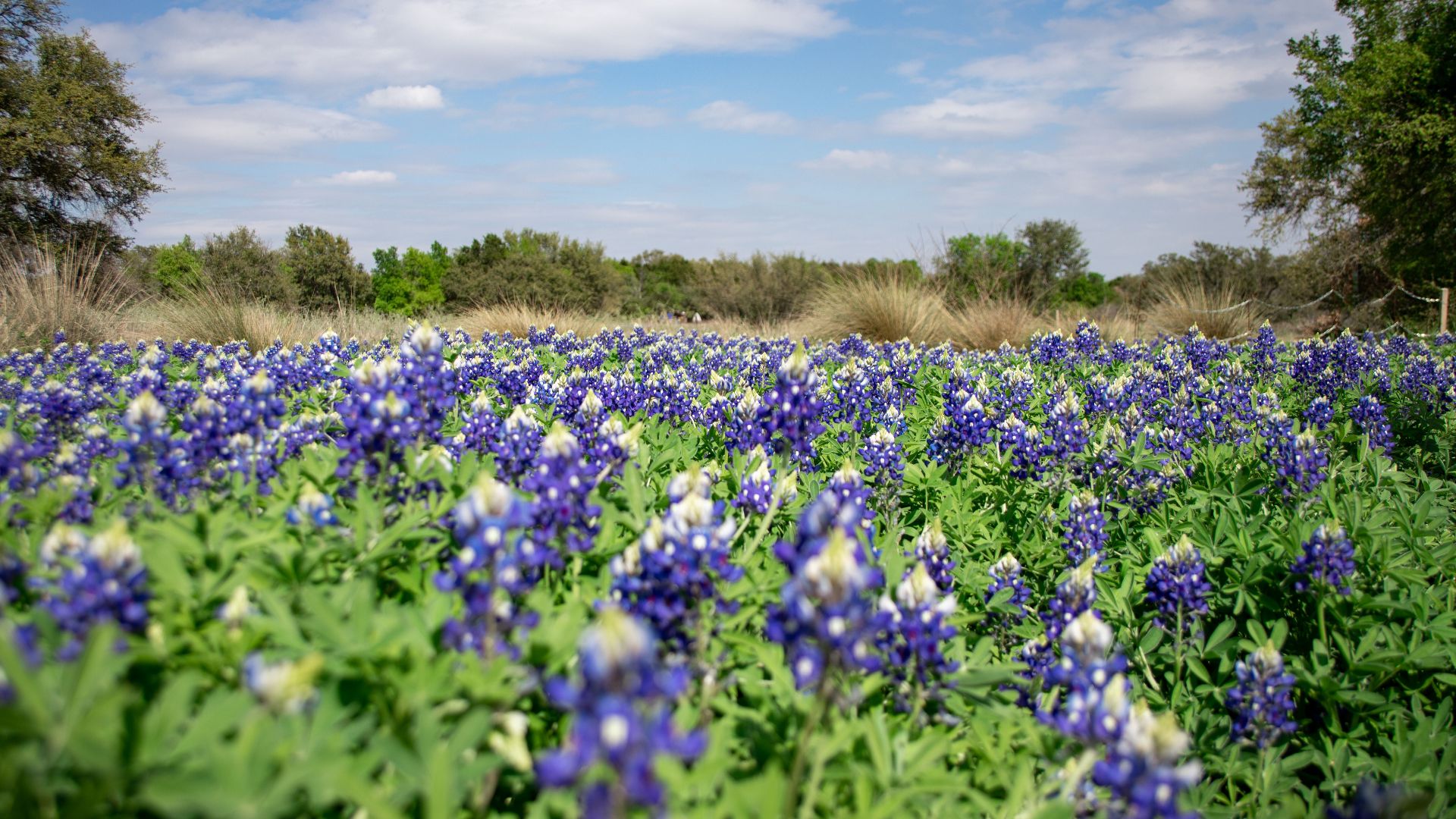
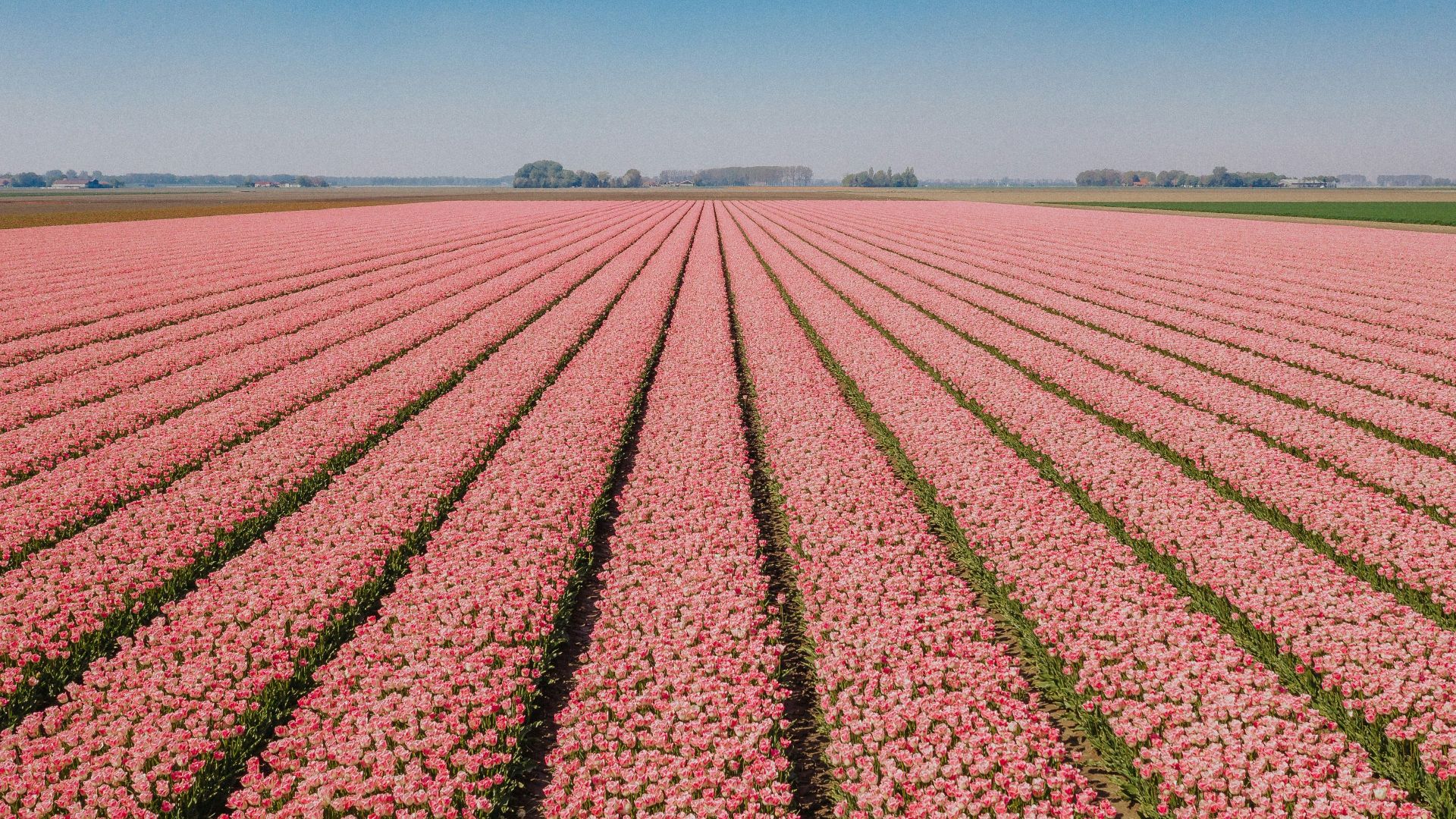
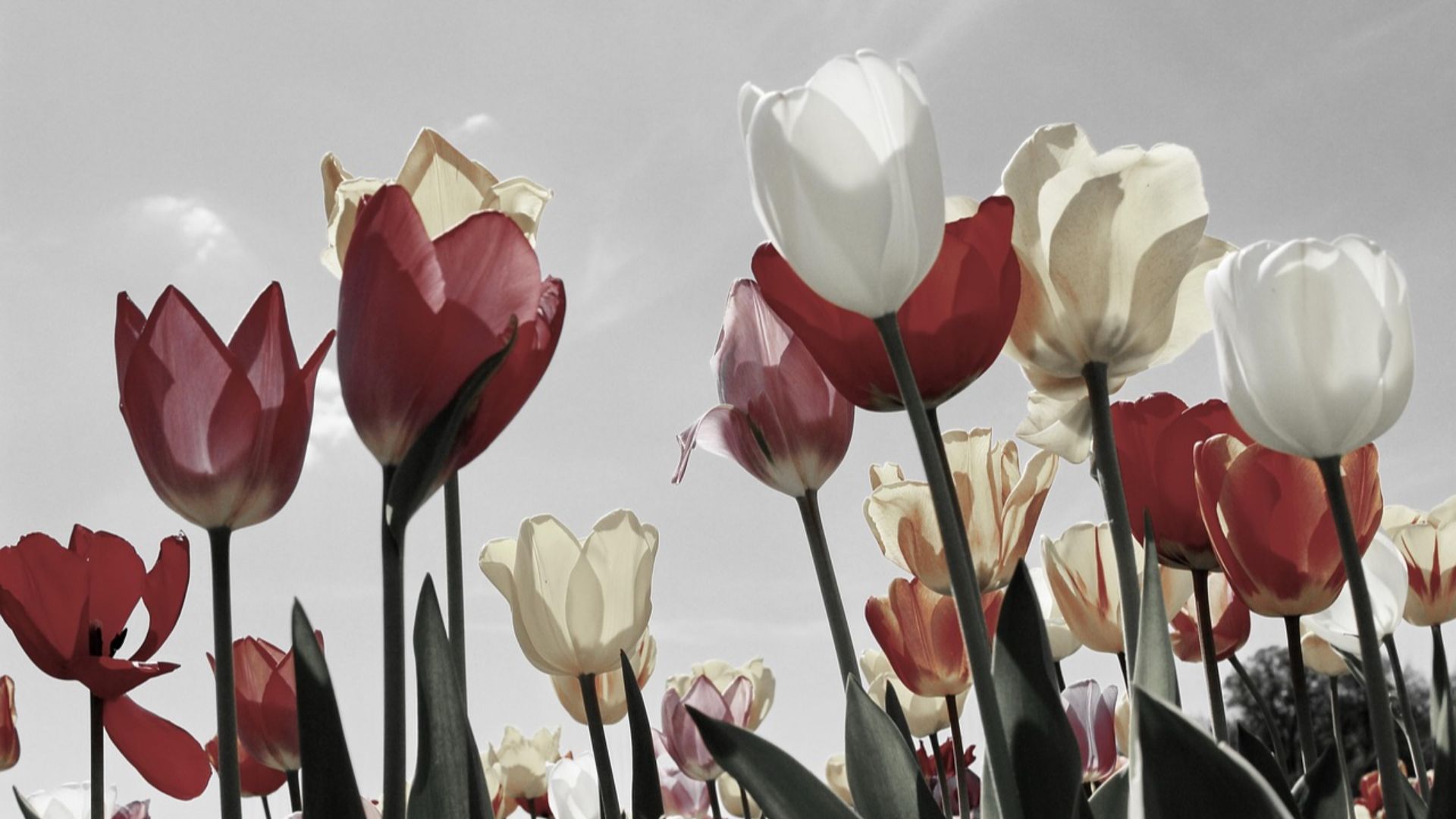
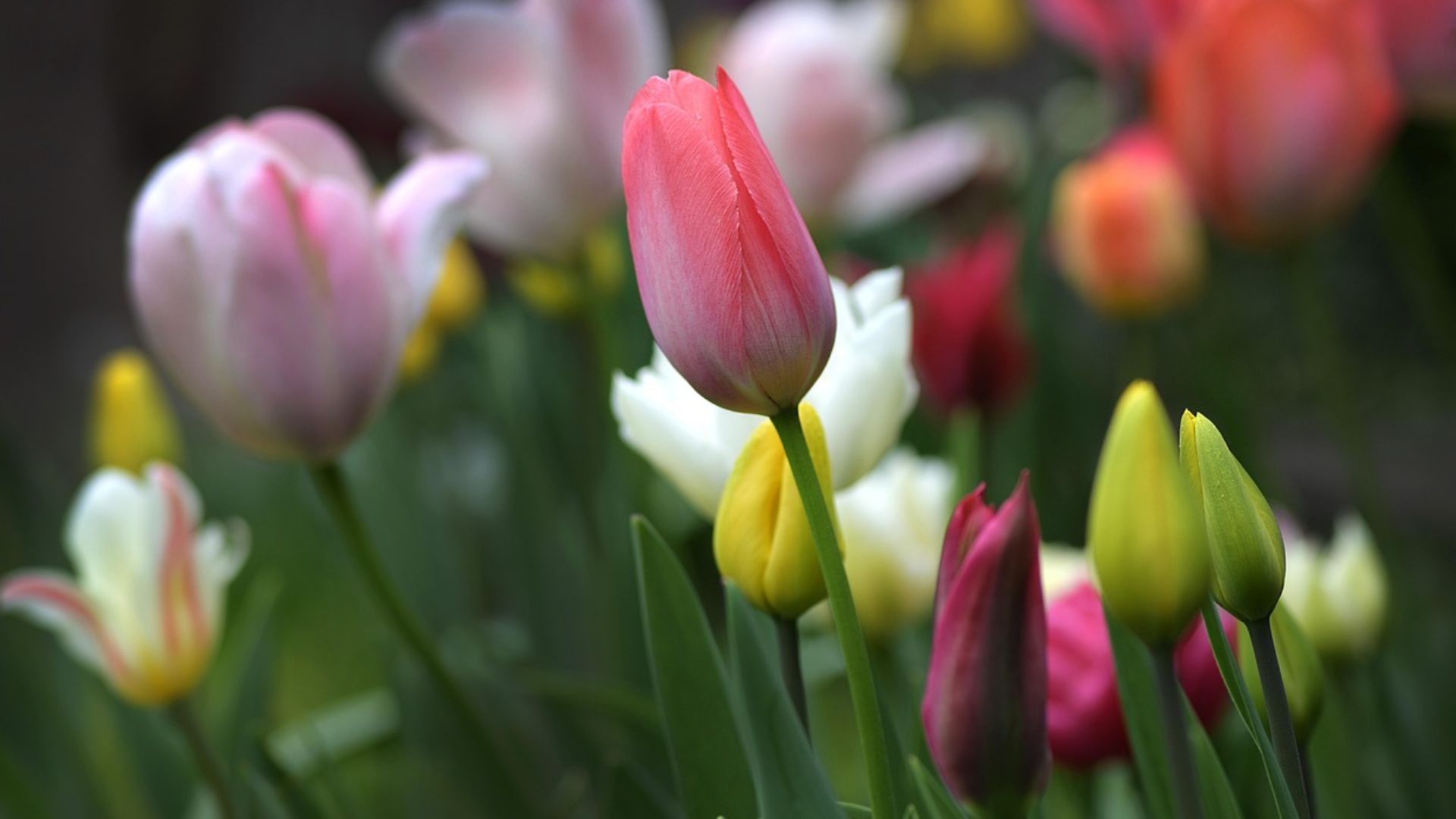
Not all flowers bloom together. Cherry blossoms, tulips, lupines, poppies, magnolias, rhododendrons, bluebonnets, and desert lilies each respond to conditions differently. A destination can miss its most famous bloom but still have other seasonal flowers worth seeing.
Forecasts Improve As The Date Gets Closer
A bloom forecast months ahead is more like an educated guess. A forecast days ahead is stronger because experts can see bud development, recent temperatures, and short-term weather. If you booked far in advance, you were always accepting some uncertainty.

Models Use Weather And Plant History
Phenology models often use temperature data, historical timing, and species-specific patterns to estimate when plants will leaf out or bloom. For example, the USA National Phenology Network produces historical, real-time, and forecasted phenology maps using temperature data and predictive models.
Climate Change Is Making Timing Feel Less Familiar
Climate change does not eliminate year-to-year weather swings, but it can shift the odds. Sources say plant milestones like leaf-out and first bloom are influenced by seasonal weather and climate, and that spring indicators are useful for tracking how plant life cycles are changing.
Earlier Springs Can Surprise Travelers
In some areas, first blooms in some recent seasons have been earlier than average across much of the United States. For travelers, that means old rules of thumb may not work as well as they once did. A destination that used to peak in mid-April might arrive earlier in a warm year.
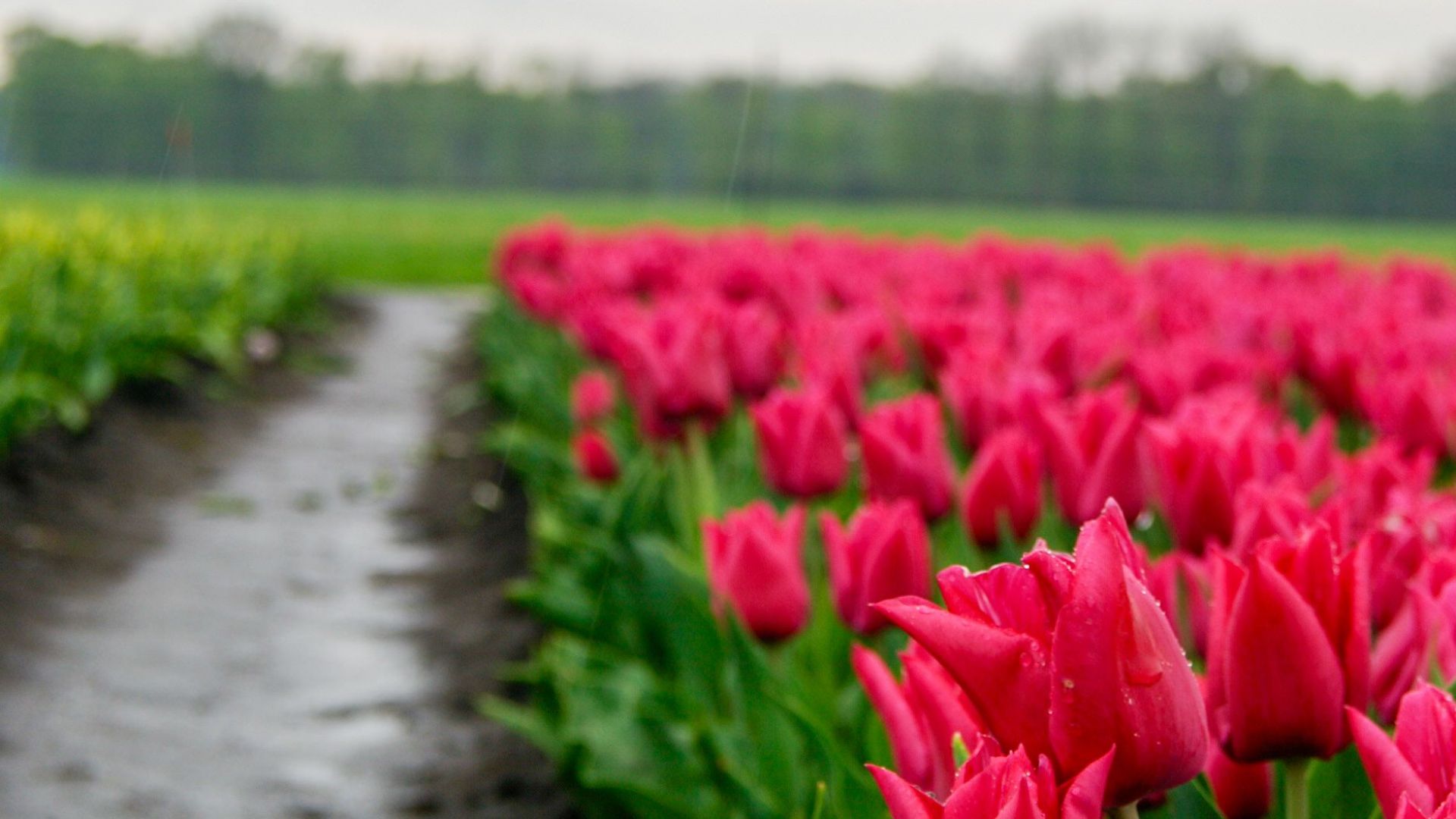
Local Experts Usually Know More Than Viral Posts
Social media can make a bloom look perfect after conditions have already changed. A viral photo may be from last year, last week, or a different elevation. Local park updates, botanical gardens, extension offices, tourism boards, and official bloom watches are usually more useful than random posts.
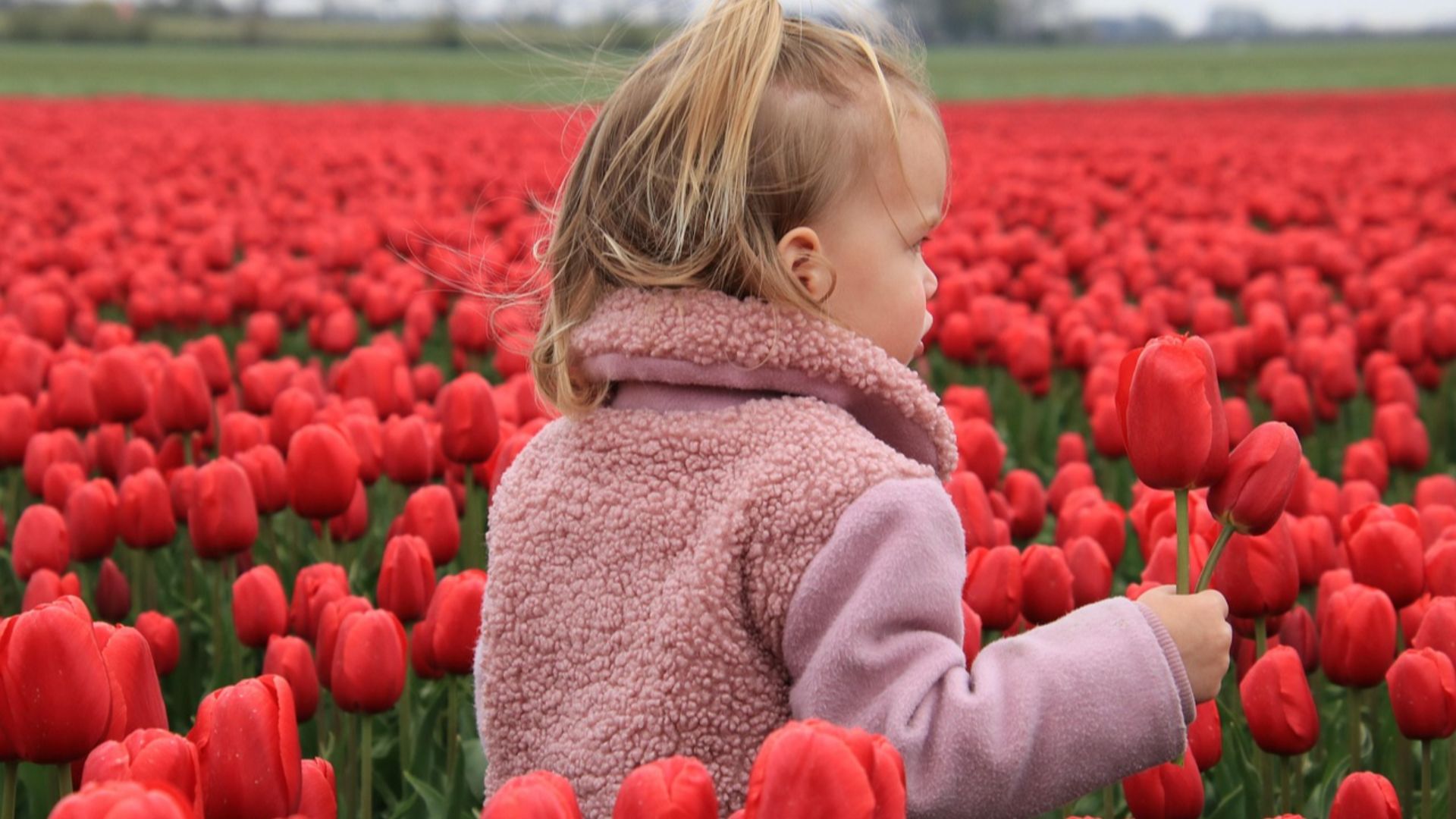
Photos Can Be Misleading
A single close-up of a tree in bloom can make an entire city look ready. A field photographed from the right angle can hide bare patches. Bloom travel is especially vulnerable to misleading visuals because the camera can make a partial bloom look like a full event.
Weekends Are Often The Hardest Bet
When a bloom becomes famous, visitors try to hit the peak on a weekend. But flowers do not care about hotel availability or PTO calendars. The best day may fall on a Tuesday after a warm spell, or a storm may knock petals down right before Saturday.

Book Flexibility Whenever Possible
If the bloom is the main reason for the trip, flexible hotels and changeable flights are worth considering. Paying slightly more for flexibility may feel annoying upfront, but it can save the vacation if the bloom shifts earlier or later than expected.

Build A Wider Travel Window
Instead of planning for one perfect day, aim for a broader window. Many blooms are beautiful before and after peak, even if they are not at postcard perfection. A flexible mindset can turn a near miss into a still-worthwhile trip.
Have A Backup Plan Before You Leave
A flower trip should include other reasons to enjoy the destination. Museums, food neighborhoods, scenic drives, hikes, historic sites, gardens, markets, and nearby towns can keep the vacation from feeling ruined if nature refuses to cooperate.

Ask What “Blooming” Actually Means
Before booking, check whether the destination is reporting first bloom, partial bloom, peak bloom, or post-peak conditions. Those terms are not interchangeable. A place can truthfully say flowers are blooming while still being far from the dramatic display you imagined.

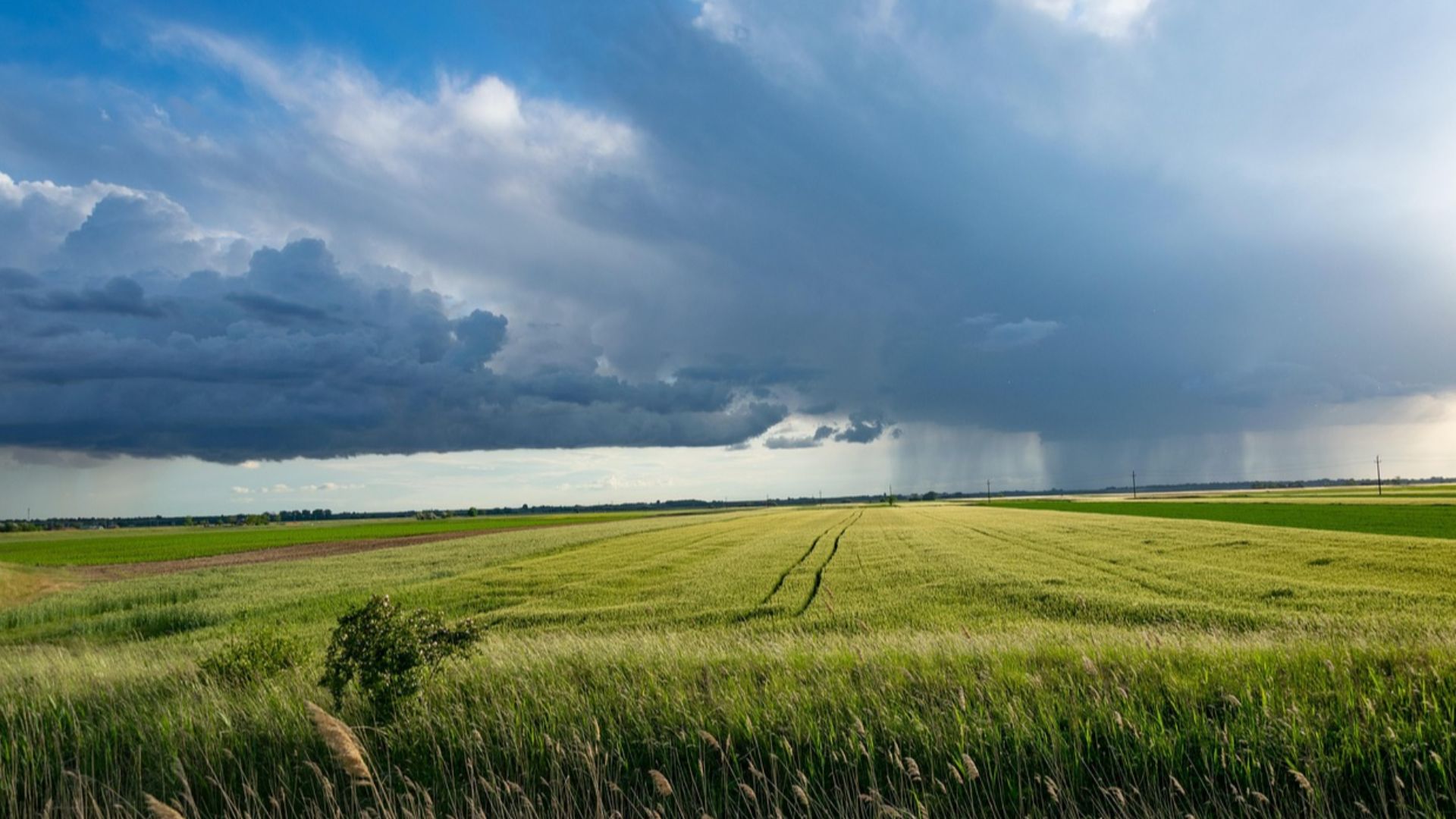
Storms Can Ruin A Perfect Forecast
Even a well-predicted bloom can be damaged by wind, hail, heat, or heavy rain. Forecasting when flowers open is one challenge. Forecasting whether they will remain photogenic for your exact travel dates is even harder.
Crowds May Be Worse Than The Bloom Timing
Sometimes the flowers are perfect, but the experience is not. Famous blooms can bring traffic, parking problems, packed trails, trampled fields, and long lines. A slightly less-than-peak day with fewer people may actually feel better than peak bloom chaos.

Responsible Viewing Matters
Popular blooms can suffer when visitors step off paths, crush flowers, block roads, or crowd fragile habitats. The best bloom travelers respect barriers, stay on marked routes, and remember that the plants are living ecosystems, not photo props.

A Missed Bloom Is Disappointing, Not Foolish
It is easy to feel silly after planning a trip around something nature changed at the last minute. But that is part of seasonal travel. The same uncertainty that makes blooms hard to predict is also what makes them feel special when you catch them.

The Best Prediction Is Still A Probability
Experts can study patterns, monitor buds, track rainfall, and model temperature. They can narrow the window, but they cannot command spring to arrive on schedule. A bloom forecast is not a promise. It is the best available reading of a living, changing system.
Nature Travel Requires A Different Kind Of Planning
A beach resort, museum, or theme park usually works on human time. A flower bloom works on plant time. That means the smartest plan is not just picking a date. It is watching updates, staying flexible, preparing alternatives, and accepting that beauty often comes with uncertainty.
The Lesson Is To Chase The Season, Not One Perfect Day
A famous bloom can still be worth planning around, but the safest approach is to build a trip that celebrates the whole season. If the flowers cooperate, wonderful. If they do not, you still have a destination, a story, and maybe a better appreciation for why people try to predict nature in the first place.

You May Also Like:
The Strange History Of The Bermuda Triangle
Top 10 Places in America to Travel Solo
Canadian Hidden Gem Destinations That Would Be Way Bigger If Winter Didn't Exist