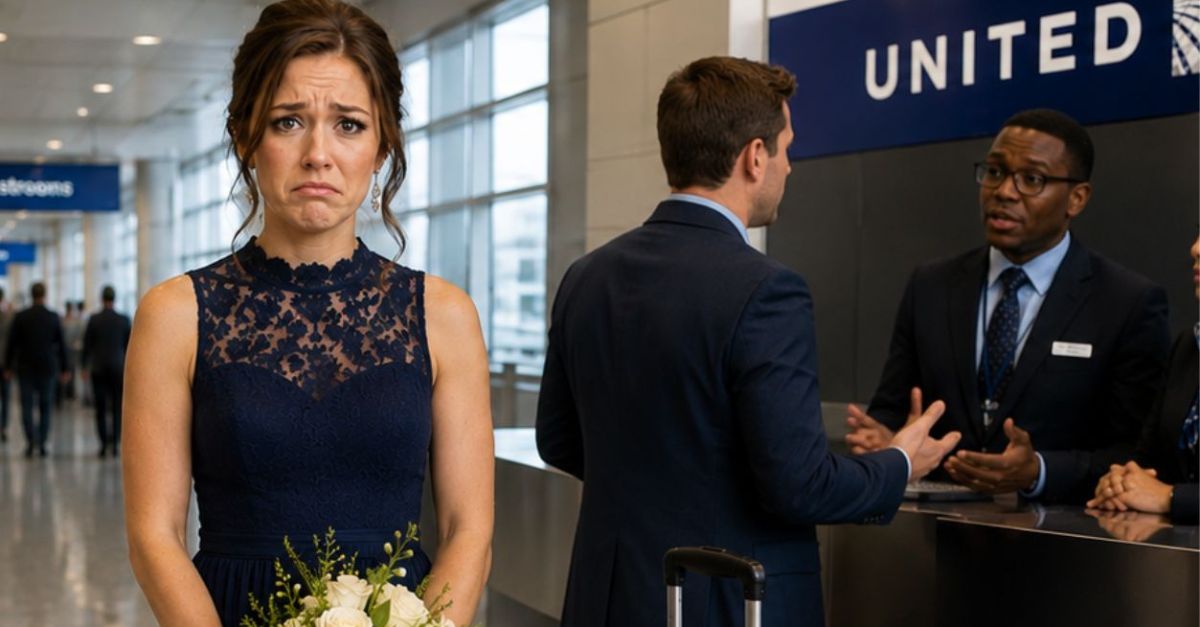
The Parking Lot Is Full
You specifically chose a hotel advertising free parking, only to arrive and discover every space occupied. The front desk suggests a paid garage several blocks away. Now you're wondering whether “free parking” means anything if the hotel can't actually provide you with a place to park.
Advertising Still Matters
A hotel advertisement is not automatically a guarantee that every amenity will always be available. Still, the Federal Trade Commission (FTC) says advertising must be truthful and non-deceptive. A claim can be deceptive when it misleads reasonable consumers about something material to their purchasing decision.
Parking Can Be Material
Whether parking is material depends partly on the circumstances. Someone arriving by train probably cares little about it. A traveler specifically choosing between hotels because one offers complimentary parking could reasonably view the amenity as financially significant, particularly where nearby garages charge substantial nightly rates.
Read The Exact Promise
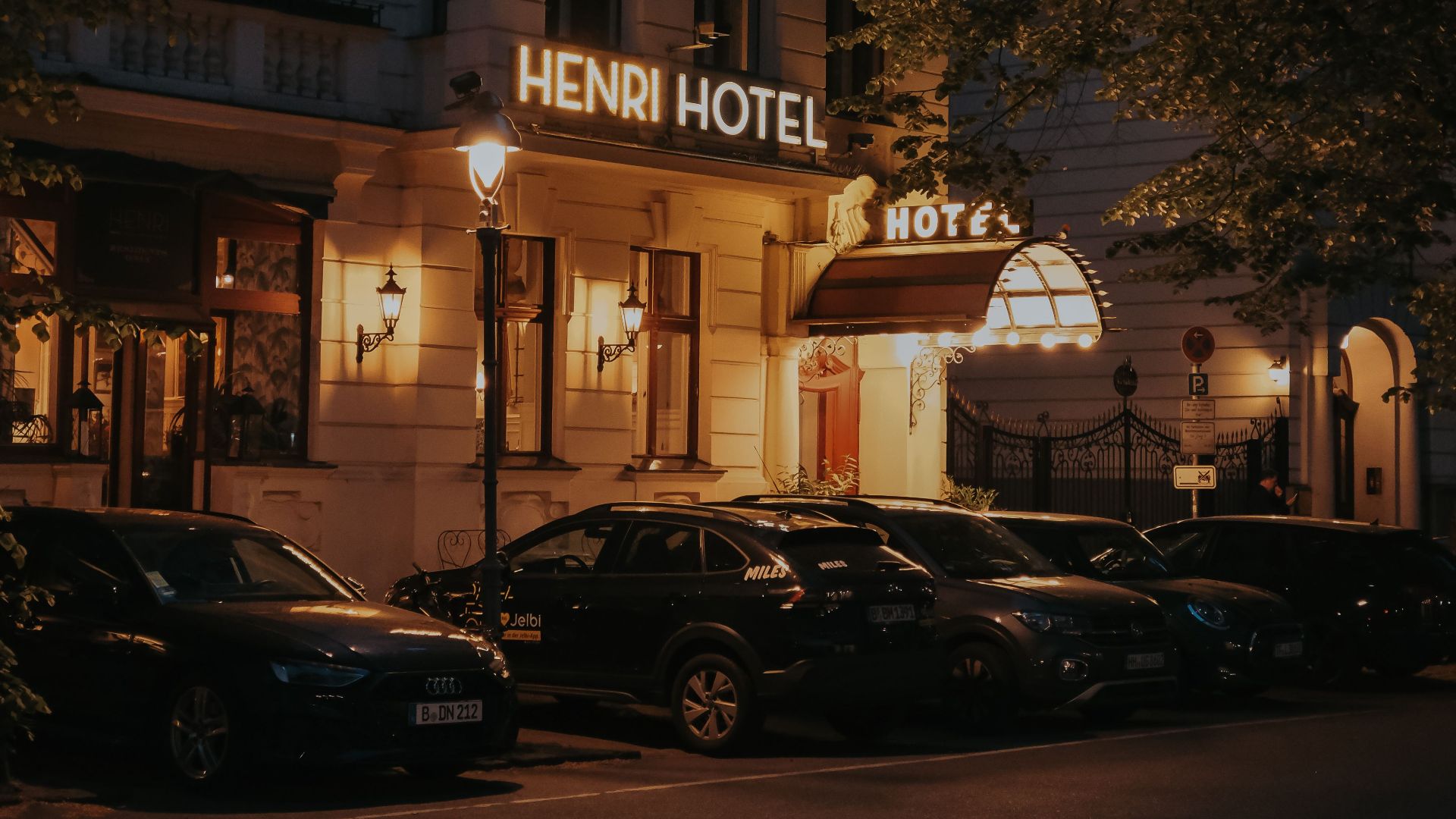
Start with the hotel's actual wording. “Free on-site parking” sounds different from “complimentary parking subject to availability.” Restrictions might also appear elsewhere in the booking conditions. The precise language matters when determining what a reasonable traveler should have expected from the reservation.

Availability Changes Things
A clearly disclosed “subject to availability” condition gives the hotel a much stronger argument when its lot fills up. The FTC evaluates the overall impression created by advertising, however, and disclosures needed to prevent deception should be clear and prominent rather than effectively hidden from customers.

Free Does Not Mean Reserved
Even without qualifying language, advertising free parking does not necessarily mean the hotel promised you a specific reserved space. Unless your confirmation guarantees parking, the dispute may center on whether complimentary parking was merely available at the property or effectively promised as part of your particular stay.

Capacity Raises Questions
Suppose a 200-room hotel advertises free parking but maintains only 40 spaces and routinely fills them. That creates a more troubling situation than an unusually busy evening overwhelming an ordinarily adequate lot. Repeated inability to provide an advertised amenity could make the advertising's overall impression increasingly important.
Unexpected Events Happen
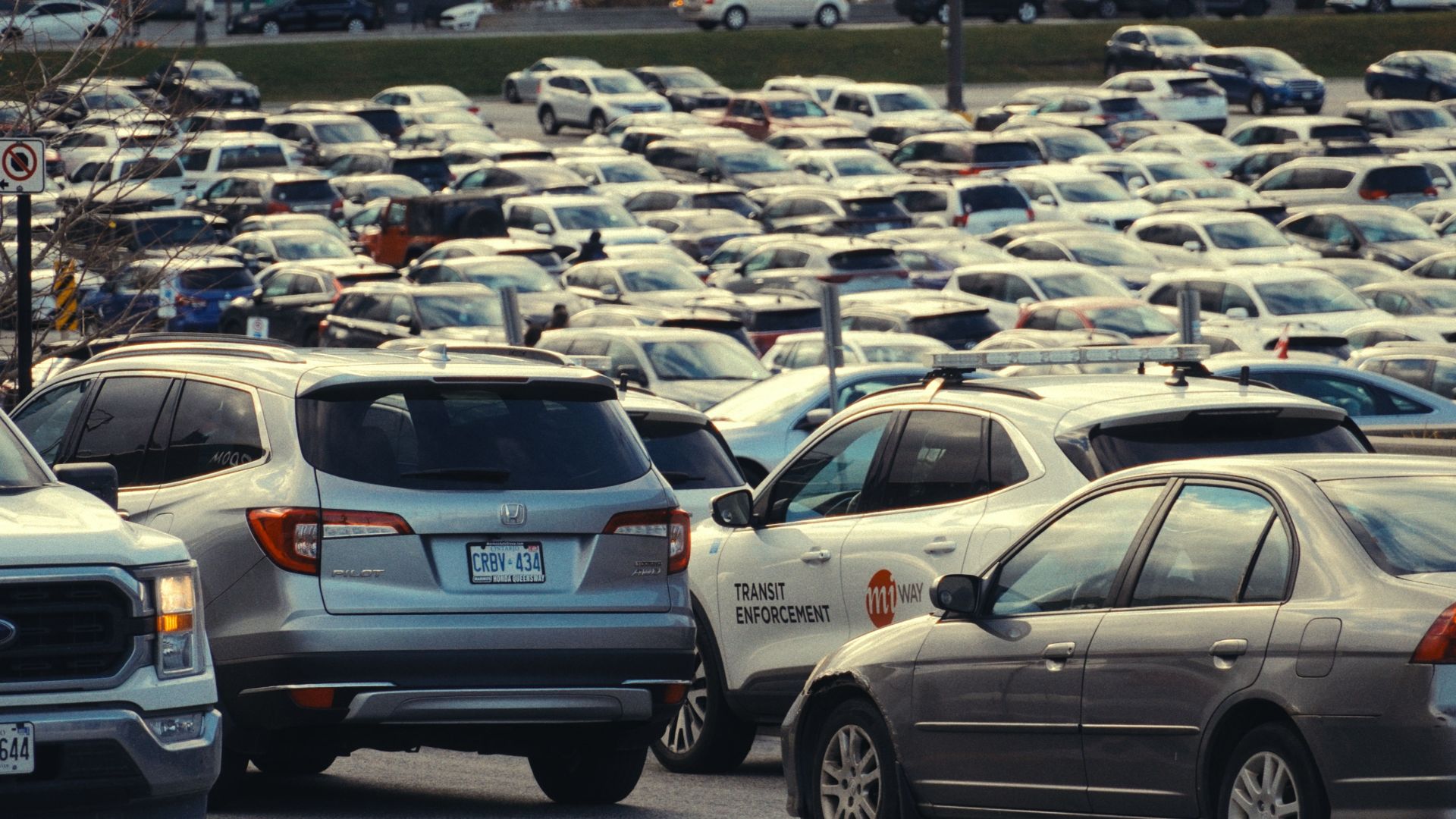
A hotel might ordinarily have adequate parking but temporarily lose spaces to construction, snow removal, an equipment failure, or another unusual event. That does not automatically erase your inconvenience, but an unexpected shortage differs significantly from knowingly advertising parking that routinely cannot accommodate guests.

Your Reservation Matters
Your confirmation email, booking page, and rate description may help establish what you actually purchased. Contract law generally concerns enforceable promises between parties, while specific rules vary by state. Save anything showing that complimentary parking was represented as part of your stay.

Third Parties Complicate Things
If you booked through an online travel agency, determine who made the parking representation. The FTC has previously acted against hotel-room resellers over misleading booking representations, and third-party policies can differ from those offered when booking directly with a hotel.

Take Screenshots Immediately
Hotel webpages and booking listings can change. Screenshot the parking description, reservation confirmation, rate terms, and any relevant restrictions when the problem occurs. Also photograph signage at the hotel if it contradicts the online listing. Documentation makes a later reimbursement request considerably easier to explain.

Talk To The Desk
Before driving off to an expensive garage, explain that complimentary parking influenced your booking decision. Ask whether another hotel lot, overflow area, valet arrangement, partner garage, or nearby property is available. Giving the hotel an opportunity to solve the problem may produce the easiest resolution.

Must They Find Parking?
There is no blanket federal rule requiring every hotel with a full parking lot to locate another free space for every guest. Whether the hotel owes a remedy can depend on the reservation terms, state contract and consumer-protection law, and exactly how the parking amenity was represented.

A Substitute Seems Reasonable
Even where the law does not explicitly require alternative parking, arranging it can be a sensible customer-service solution. If complimentary parking formed part of the booking and the hotel's own lot is unavailable, validating a nearby garage may provide roughly the benefit the traveler reasonably expected.

Ask Before Paying
If the desk directs you to another garage, ask who pays before leaving. Get the arrangement in writing if possible. “Use the garage around the corner” does not necessarily mean the hotel has agreed to reimburse its $45 charge when you return with the receipt.

Keep Every Receipt
If you must pay elsewhere, retain the parking receipt along with your hotel folio. A documented $40 expense is much easier to pursue than a vague complaint that parking cost you extra. Contract remedies generally focus on compensating actual losses rather than punishing the breaching party.
 https://kaboompics.com/, Pexels
Reasonable Costs Matter
Contract law can sometimes permit recovery of reasonably foreseeable losses resulting from a breach, depending on applicable law and circumstances. Paying for nearby parking because promised hotel parking was unavailable presents a much more straightforward argument than demanding compensation for remote consequences of the inconvenience.

You Must Limit Losses
Contract law also recognizes mitigation of damages. If a reasonable garage costs $25, deliberately choosing a $100 valet solely because you expect the hotel to reimburse you could weaken your position. An injured party generally must make reasonable efforts to prevent avoidable additional losses.

Ask For Reimbursement
Present the receipt to management and explain the discrepancy calmly. Request reimbursement for the alternative parking rather than immediately demanding an entire free hotel stay. A targeted request matching the actual financial loss is easier for management to evaluate and may resolve the dispute quickly.

Mandatory Fees Are Different
A separate problem arises if the hotel advertises free parking and then requires you to pay its own mandatory parking charge. The FTC's rule governing short-term lodging requires businesses displaying prices to include mandatory fees in the total price upfront, subject to specified exceptions.
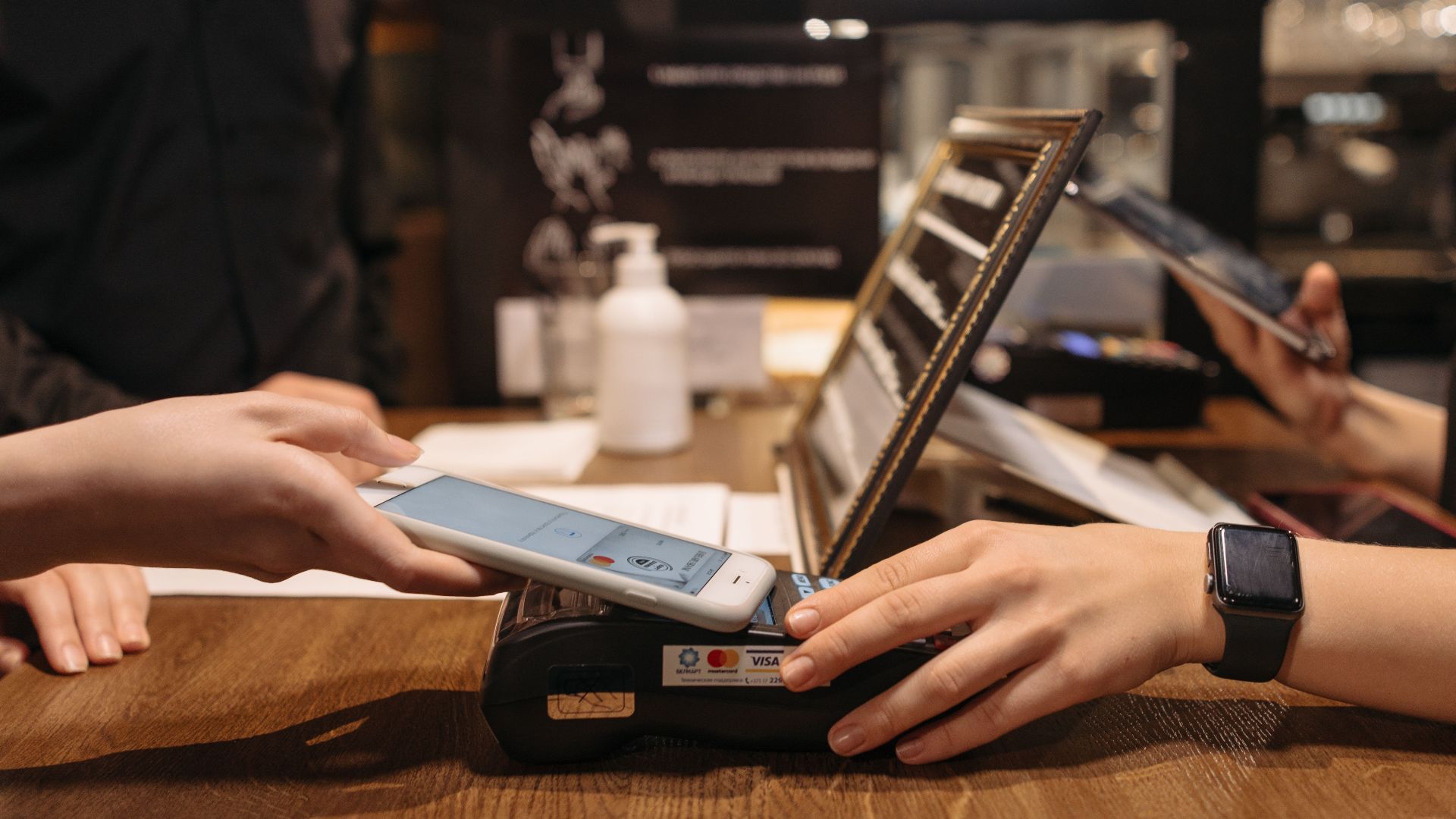
Surprise Charges Draw Scrutiny
Hotels have faced federal scrutiny over mandatory charges for years. The FTC previously warned hotel operators that excluding unavoidable resort fees from advertised room prices could mislead consumers about what they would actually pay. That history illustrates why seemingly secondary hotel charges can matter to purchasing decisions.

Credit Cards Offer Options
If you paid by credit card and believe services were not delivered as agreed, federal billing-error rules may sometimes provide a dispute process. That does not guarantee a chargeback over unavailable parking, and you should generally attempt to resolve the disagreement with the hotel first.

Europe Could Be Different—By A Lot
Travelers should not assume American legal rules follow them overseas. European countries have their own contract, advertising, and consumer-protection systems. The practical approach remains useful, however: preserve the advertisement, document the shortage, ask the hotel for a solution, and retain receipts for necessary alternative parking.

Check Before You Drive
When parking is essential, call shortly before arrival and ask whether spaces are guaranteed, reserved, or first-come-first-served. For downtown hotels especially, investigate nearby garages and their prices beforehand. A five-minute check can prevent an unpleasant late-night search through unfamiliar streets.

Included Should Mean Something
A full lot on one exceptional night does not necessarily make a hotel's “free parking” claim deceptive. But hotels should describe meaningful limitations clearly. If complimentary parking materially influenced your booking and none was available, document the promise and ask management to cover a reasonable alternative.

You May Also Like: