When Vacations Looked Completely Different
Before smartphones, online reservations, and personalized travel apps, vacations involved experiences that many younger travelers might barely recognize today. Families planned road trips with paper maps, spent evenings watching hotel entertainment, and mailed postcards that sometimes arrived after they returned home. Some of these traditions have disappeared, while others survive as nostalgic attractions or niche experiences. Looking back reveals how much the simple pleasures of traveling have changed. Factinate Ltd
Sending Postcards From Every Destination
Buying postcards was once practically a vacation ritual, especially when visiting famous landmarks or seaside resorts. Travelers would choose a scenic photograph, write a few sentences, and hunt down stamps before mailing their greetings home. Digital messaging and social media have made sharing vacation pictures almost instantaneous, removing much of the practical need for postcards. They are still sold in tourist shops, but sending one feels more like a deliberate nostalgic gesture than an essential part of traveling.

Taking Vacation Photos On Film
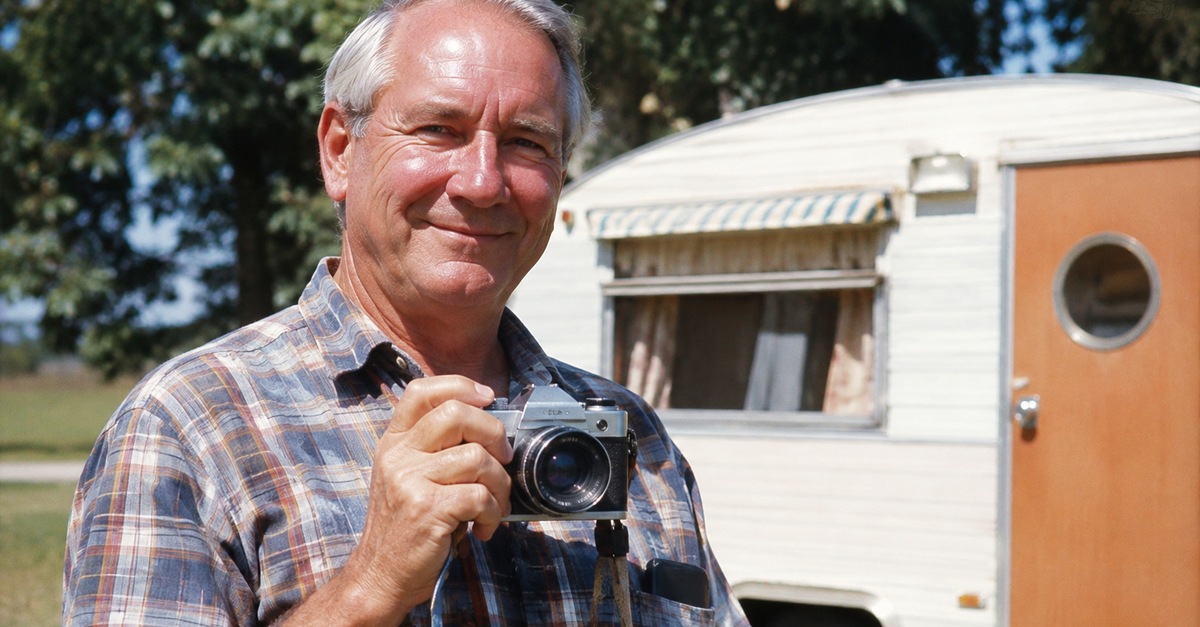
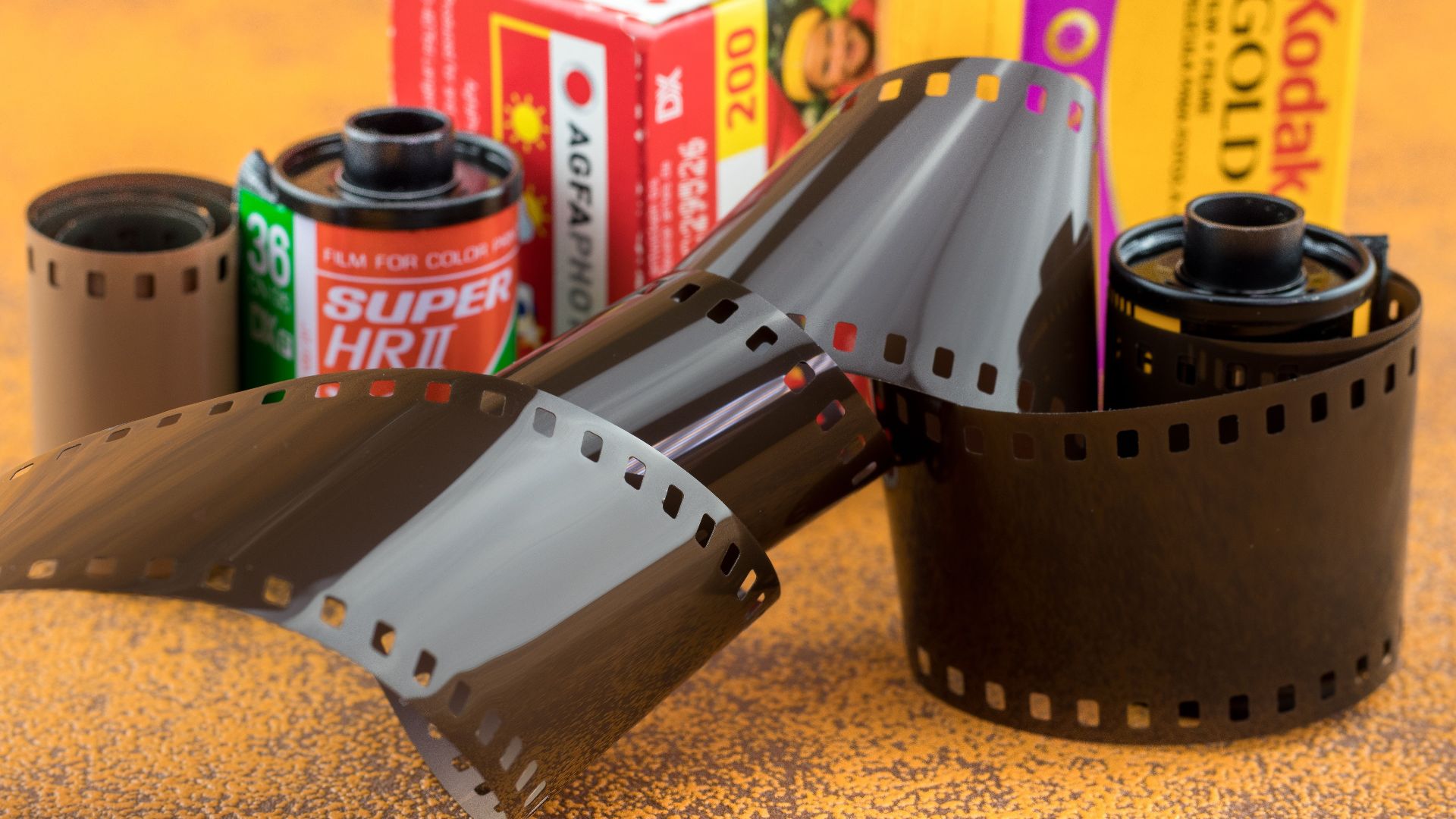
Travelers once had to think carefully before pressing the camera shutter because every roll of film contained a limited number of exposures. A family might return from a two-week vacation with only a handful of rolls, never knowing whether the photographs turned out until they were developed. Digital photography eliminated those restrictions by allowing travelers to take hundreds of pictures and review them immediately. Film photography still attracts enthusiasts, but the suspense of waiting to see vacation pictures is unfamiliar to many younger travelers.
Watching Vacation Slideshows After Returning Home
For decades, returning from vacation often meant inviting relatives or neighbors over to watch projected photographs. Slide projectors displayed images one at a time, usually accompanied by stories about hotels, sightseeing adventures, and memorable meals. Kodak's Carousel projector became particularly associated with this kind of home entertainment. Today, travelers can share entire albums online before their trips even end, making the traditional living-room slideshow a rarity.
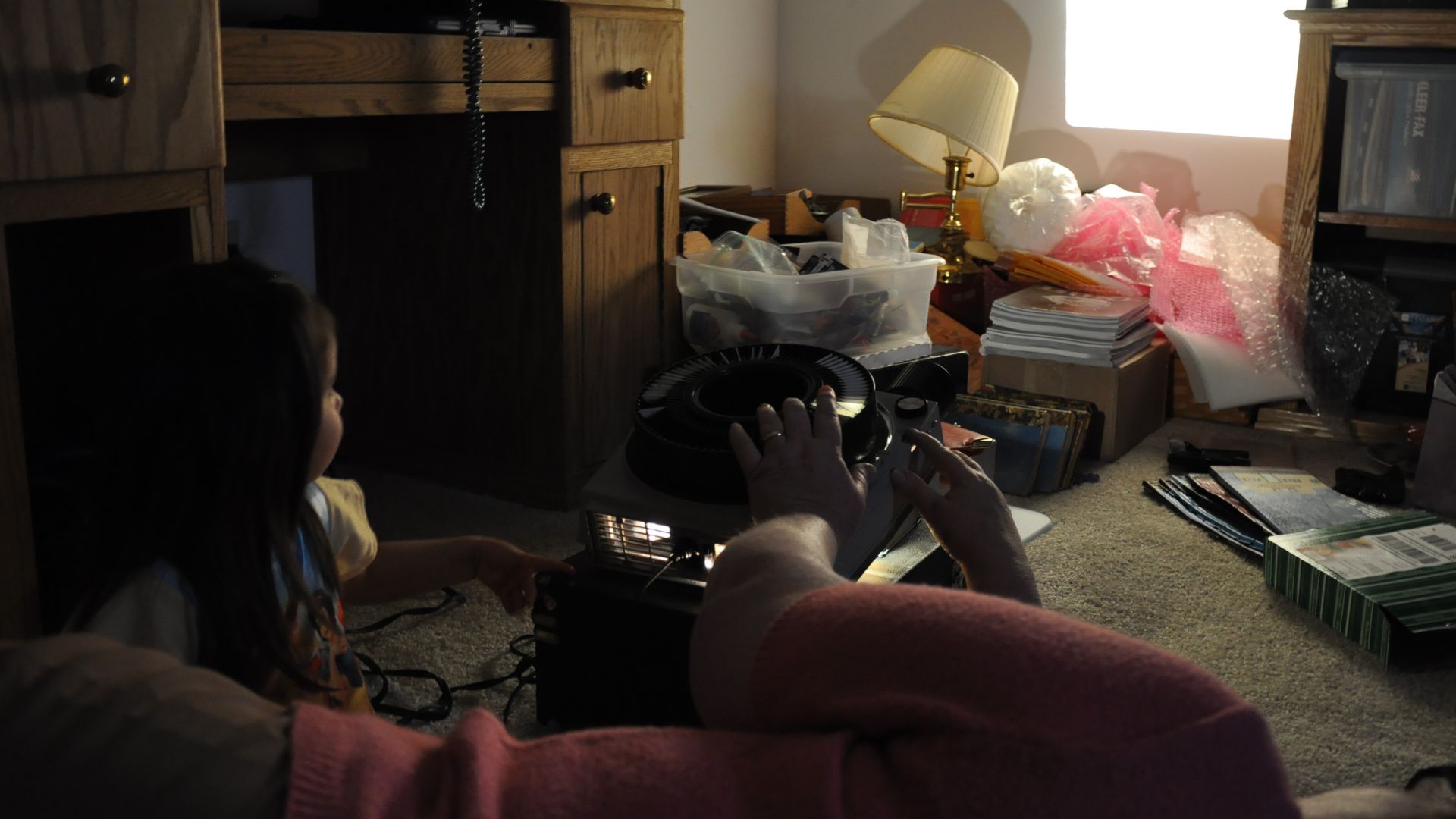 amboo who? from New Braunfels, TX, United States of America, Wikimedia Commons
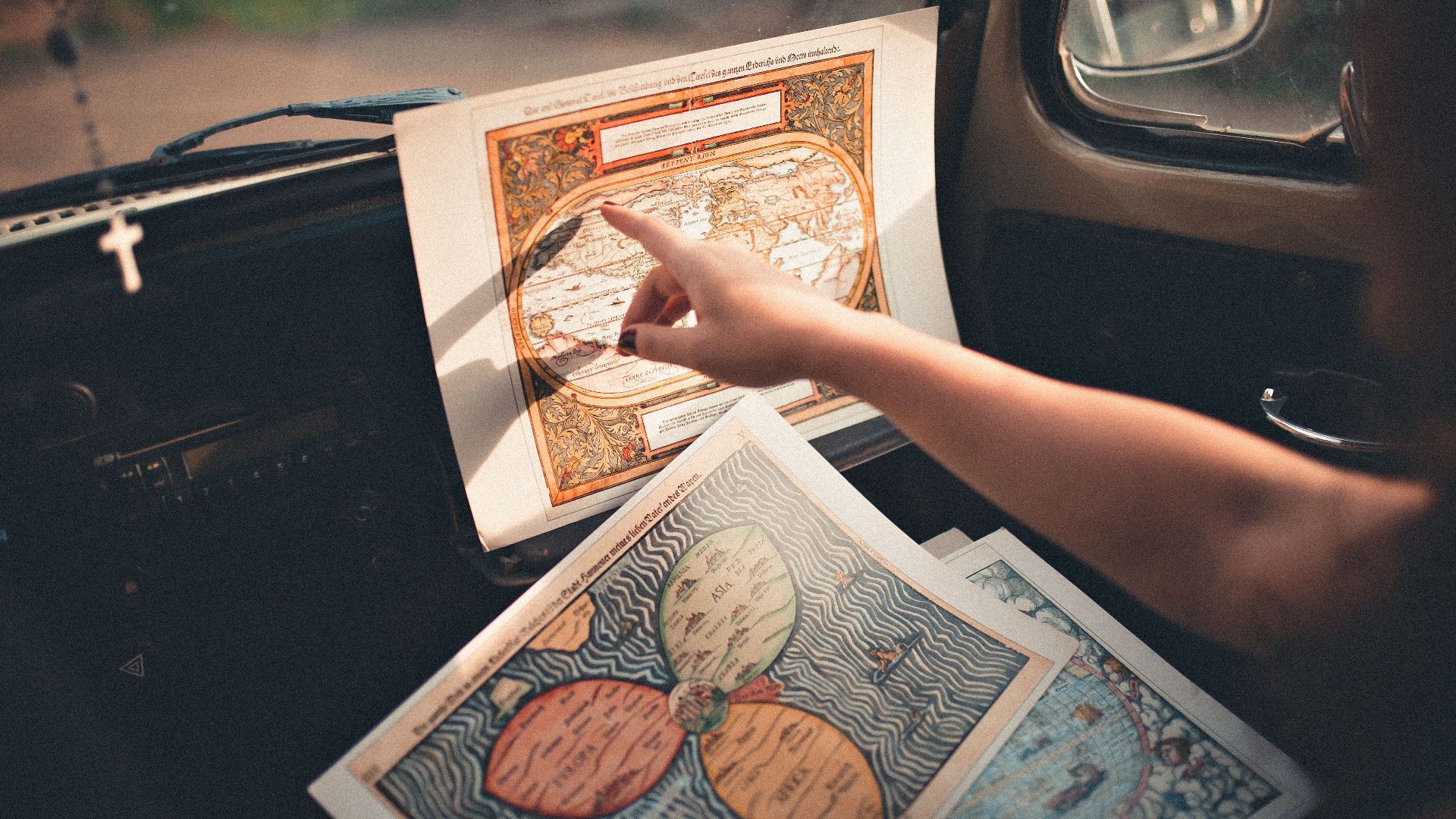
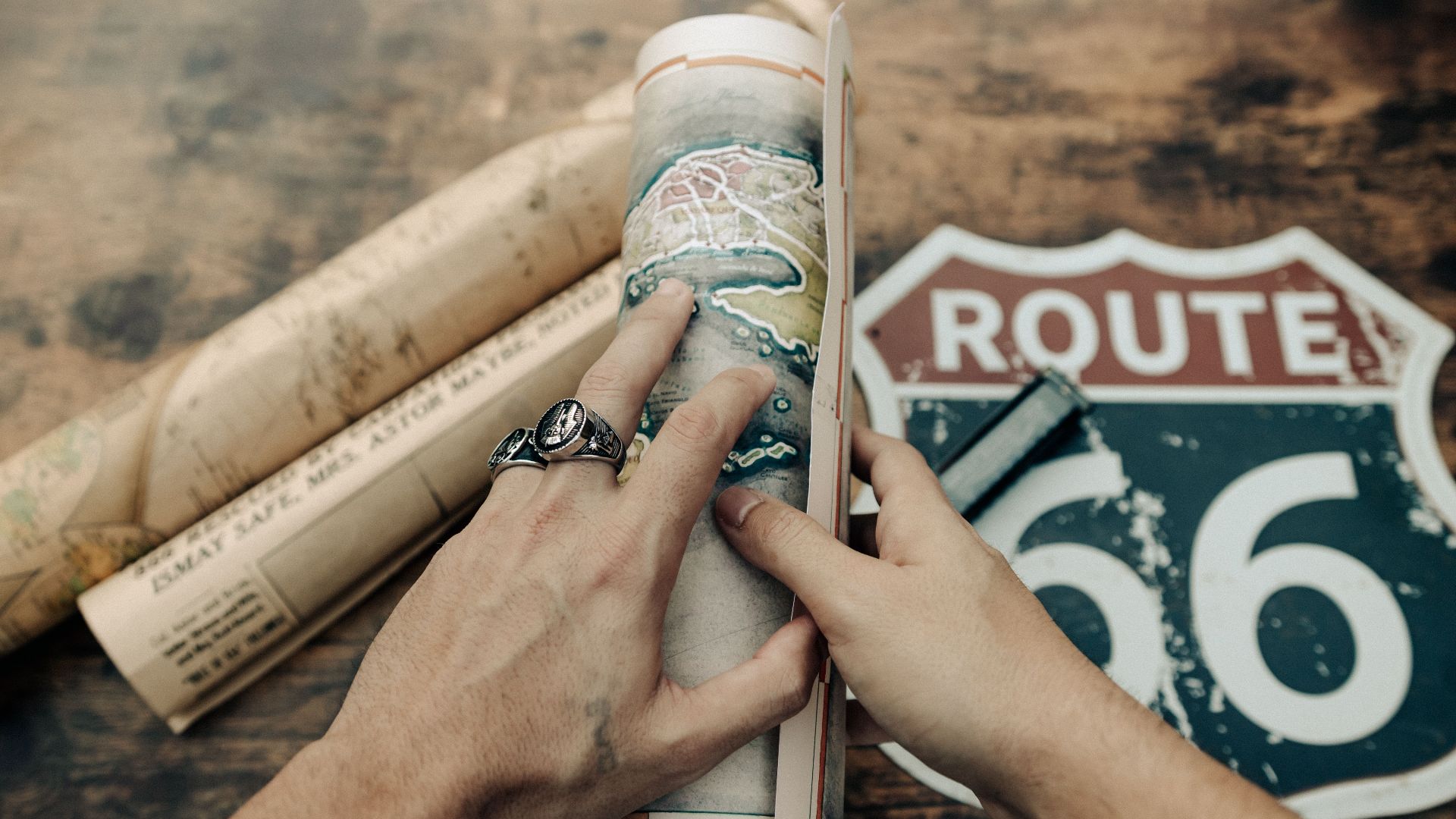
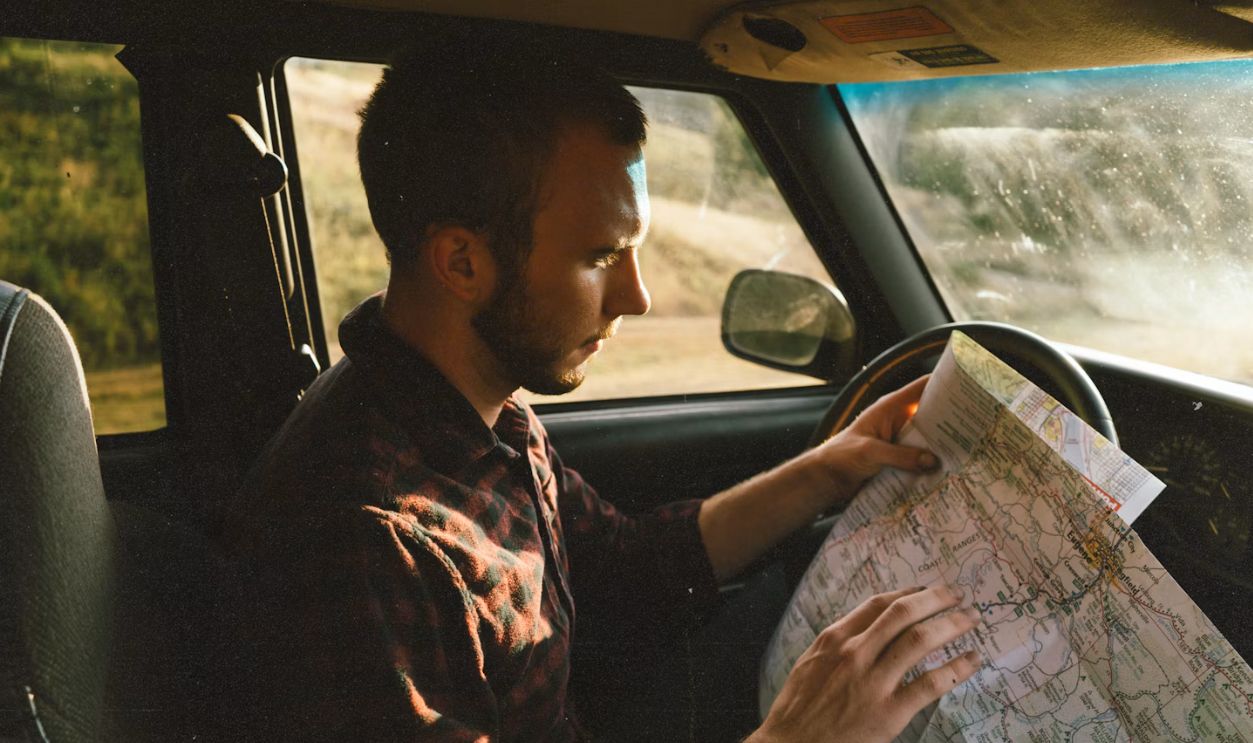
Planning Road Trips With Paper Maps
Before GPS navigation became widespread, a successful road trip often depended on a road atlas spread across the passenger's lap. Travelers traced routes with their fingers, identified highway exits, and occasionally pulled into gas stations to ask for directions. Companies such as Rand McNally became familiar names through their printed road atlases. Paper maps remain useful when technology fails, but navigating an entire vacation without digital assistance has become an unusual experience.
Collecting Free Road Maps At Gas Stations
Gas stations and automobile clubs once served as important sources of travel information. Drivers could pick up regional maps, identify nearby attractions, and ask attendants about the best routes through unfamiliar towns. AAA's TripTik route-planning service became a recognizable part of American road-trip culture, originally using printed maps and customized driving directions. Although printed travel materials still exist, most drivers now expect navigation information to appear automatically on their phones.
 xx The Provisions xx M, Pexels
Reading Thick Travel Guidebooks Before Departure
A major vacation once meant visiting a bookstore or library to research destinations through printed guidebooks. Publishers such as Fodor's, Frommer's, and Lonely Planet provided information about hotels, restaurants, transportation, and attractions. Travelers often carried these books throughout their journeys, folding pages or marking places they wanted to visit. Digital travel platforms have transformed that process, although printed guidebooks continue to appeal to travelers who prefer carefully edited recommendations.

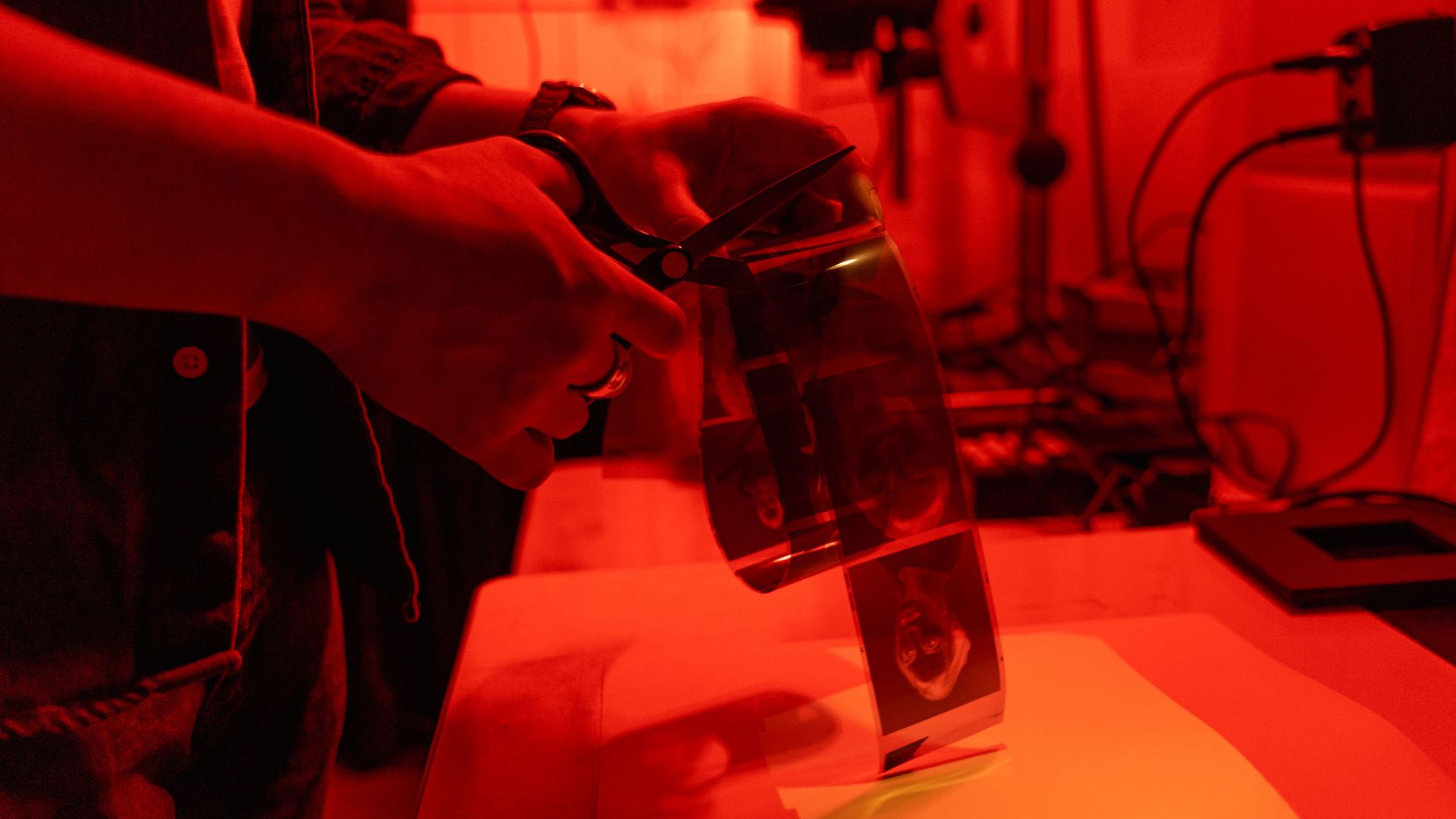
Waiting For Vacation Pictures To Be Developed
Getting home from vacation did not mean immediately showing everyone your favorite photographs. Travelers often dropped their film at a photo-processing counter and waited for envelopes filled with prints. Sometimes a favorite moment turned out blurry, badly exposed, or missing because the camera had malfunctioned. Digital cameras and smartphones have largely eliminated that uncertainty, making the old ritual of collecting developed photographs feel surprisingly distant.
Recording Vacations With Home Movie Cameras
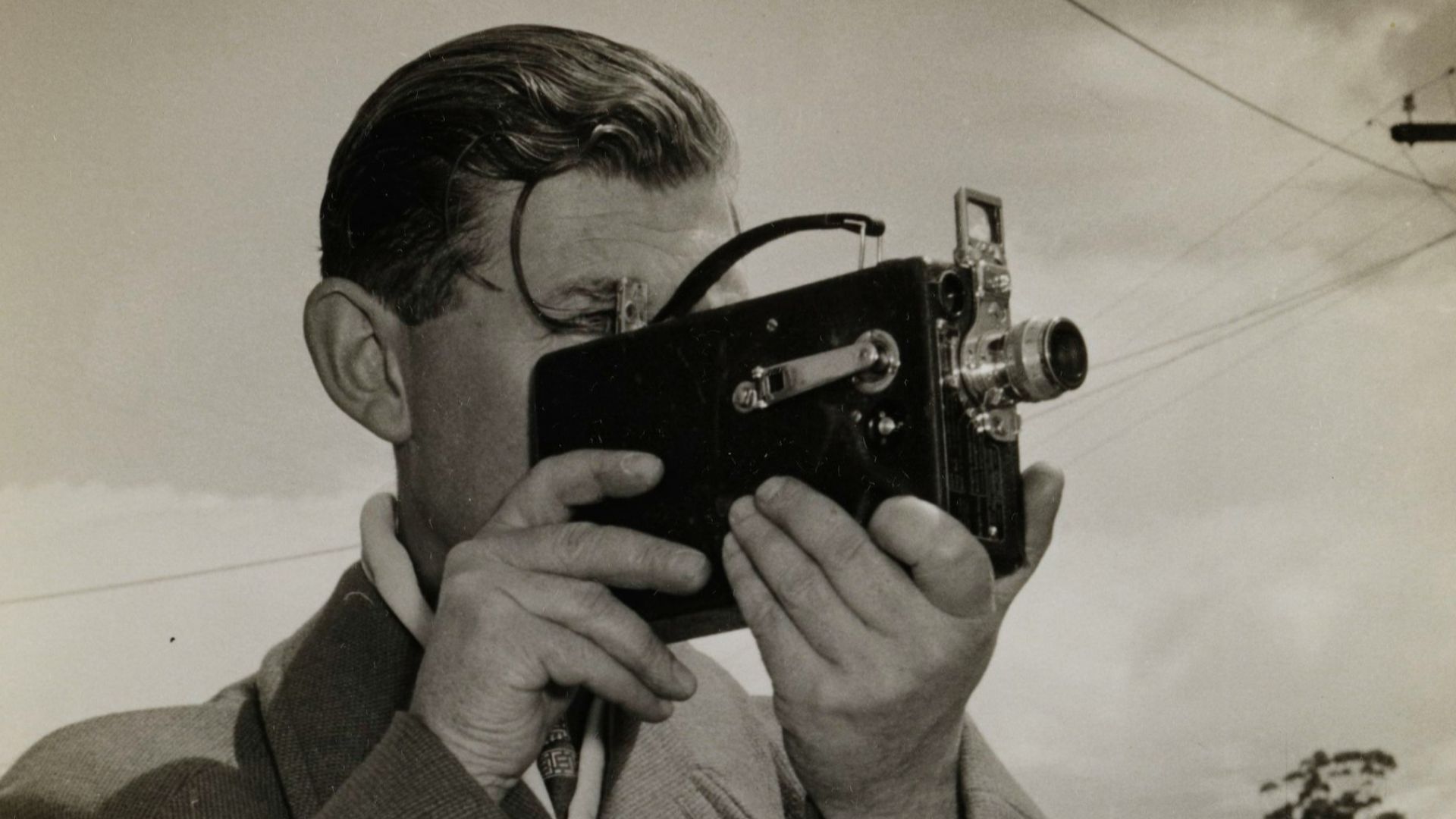
Long before smartphone videos, enthusiastic travelers brought bulky home movie cameras on vacation. Kodak introduced amateur 8mm motion-picture equipment in 1932, helping make personal filmmaking more accessible. Families recorded beach outings, birthday celebrations, and sightseeing adventures before projecting the footage at home. Today's travelers can record and share high-definition video instantly, without purchasing film or setting up a projector.
Staying At Old-Fashioned Motor Courts
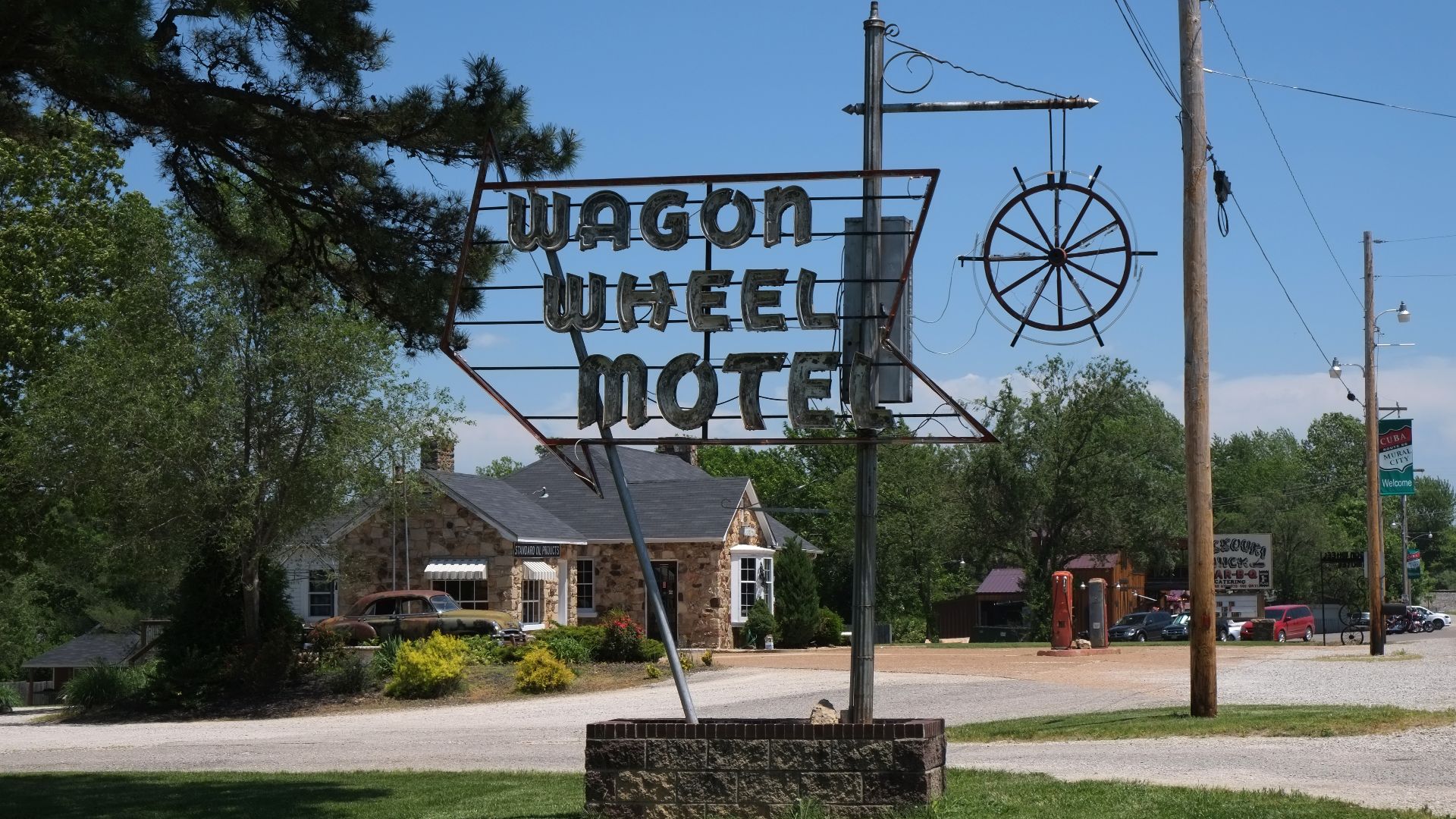
Before standardized highway hotel chains dominated American road trips, travelers frequently stayed at independently operated motor courts. These roadside properties often featured small cabins, parking spaces near the rooms, and colorful neon signs. Historic Route 66 was especially associated with these distinctive accommodations, including Missouri's Wagon Wheel Motel, which originally opened in 1936. Some survive today, but staying in a traditional motor court is now more of a heritage travel experience than an ordinary overnight stop.
 Gorup de Besanez, Wikimedia Commons
Stopping At Every Strange Roadside Attraction
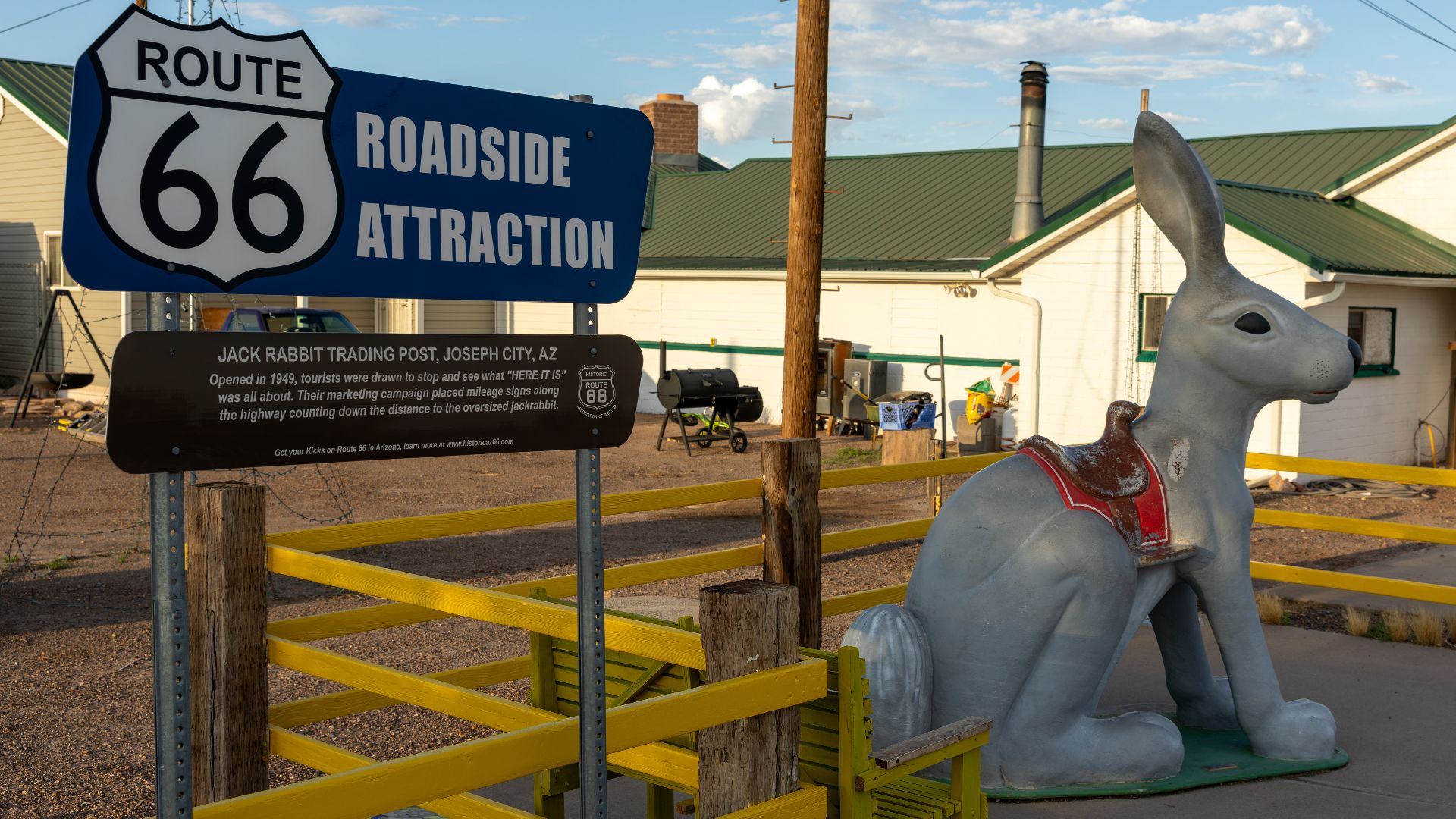
Road trips once featured frequent stops at attractions advertised by enormous billboards along the highway. Families visited unusual museums, giant sculptures, caverns, reptile exhibits, and other roadside curiosities simply because something caught their attention. The Federal Highway Administration documents how these businesses flourished alongside America's growing automobile tourism industry. Many attractions remain, but modern interstate travel and tightly scheduled itineraries make spontaneous roadside detours less central to the vacation experience.
 Daniel G Rego, Wikimedia Commons
Choosing A Motel By Its Neon Sign
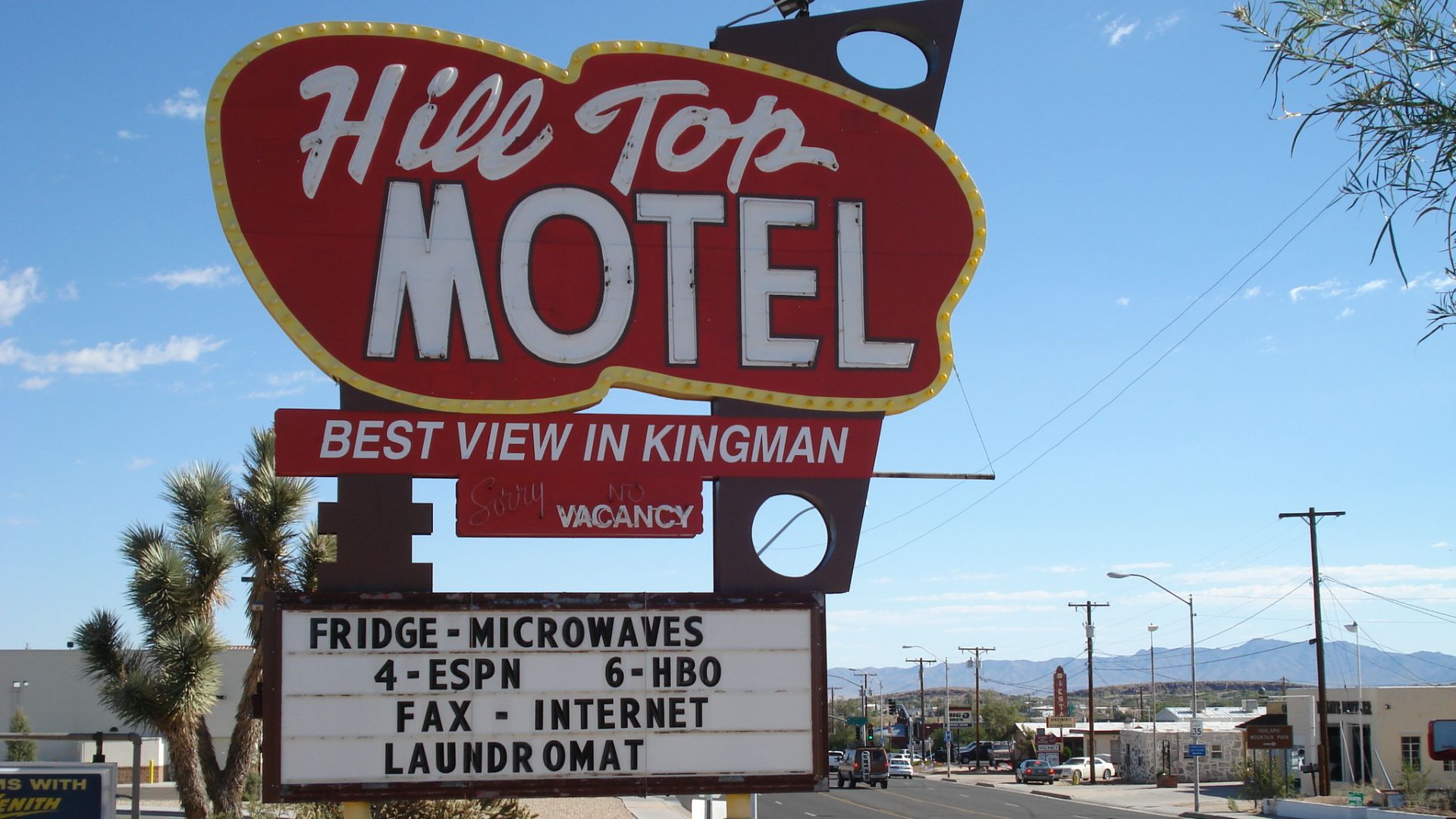
Before travelers could compare hundreds of hotels online, roadside signs played a major role in attracting overnight guests. Bright neon advertisements announced vacancies, swimming pools, air conditioning, and other desirable amenities. Along Route 66, these colorful signs became such an important part of the landscape that preservation programs now work to protect surviving examples. Booking a room simply because its glowing sign looked inviting is an experience that online reservations have made far less necessary.
 Mathieu BROSSAIS, Wikimedia Commons
Spending Vacations At Dude Ranches
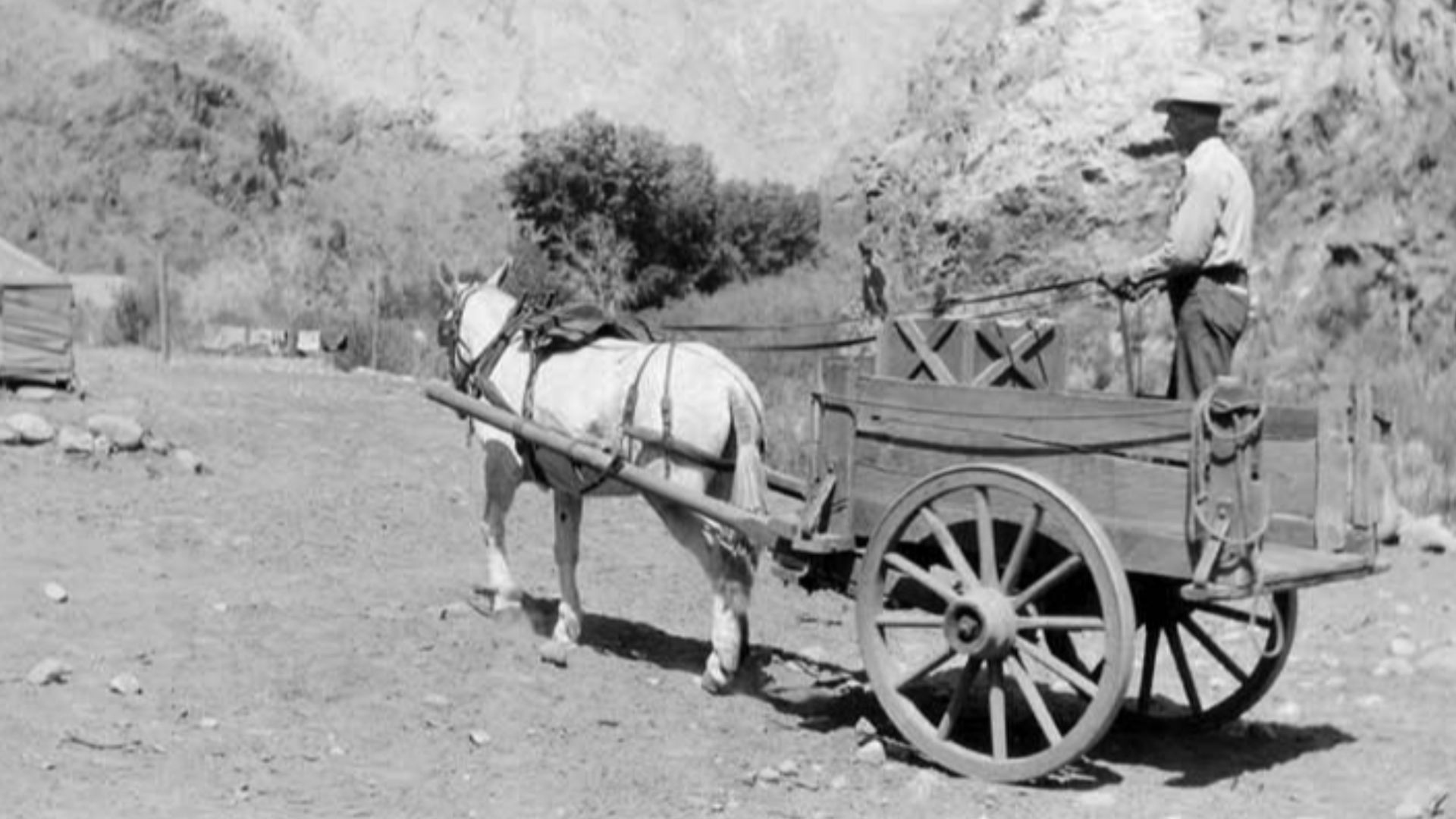
Dude ranch vacations offered city residents an opportunity to experience a romanticized version of Western ranch life. Guests could ride horses, explore mountain trails, go fishing, and spend evenings in rustic accommodations. The National Park Service traces dude ranch tourism in Jackson Hole to the late nineteenth century, with purpose-built guest ranches appearing by the early twentieth century. These vacations remain available, but they represent a specialized alternative to the beach resorts and city breaks familiar to many contemporary travelers.
 Grand Canyon National Park, Wikimedia Commons
Buying Travelers Checks Before Going Abroad
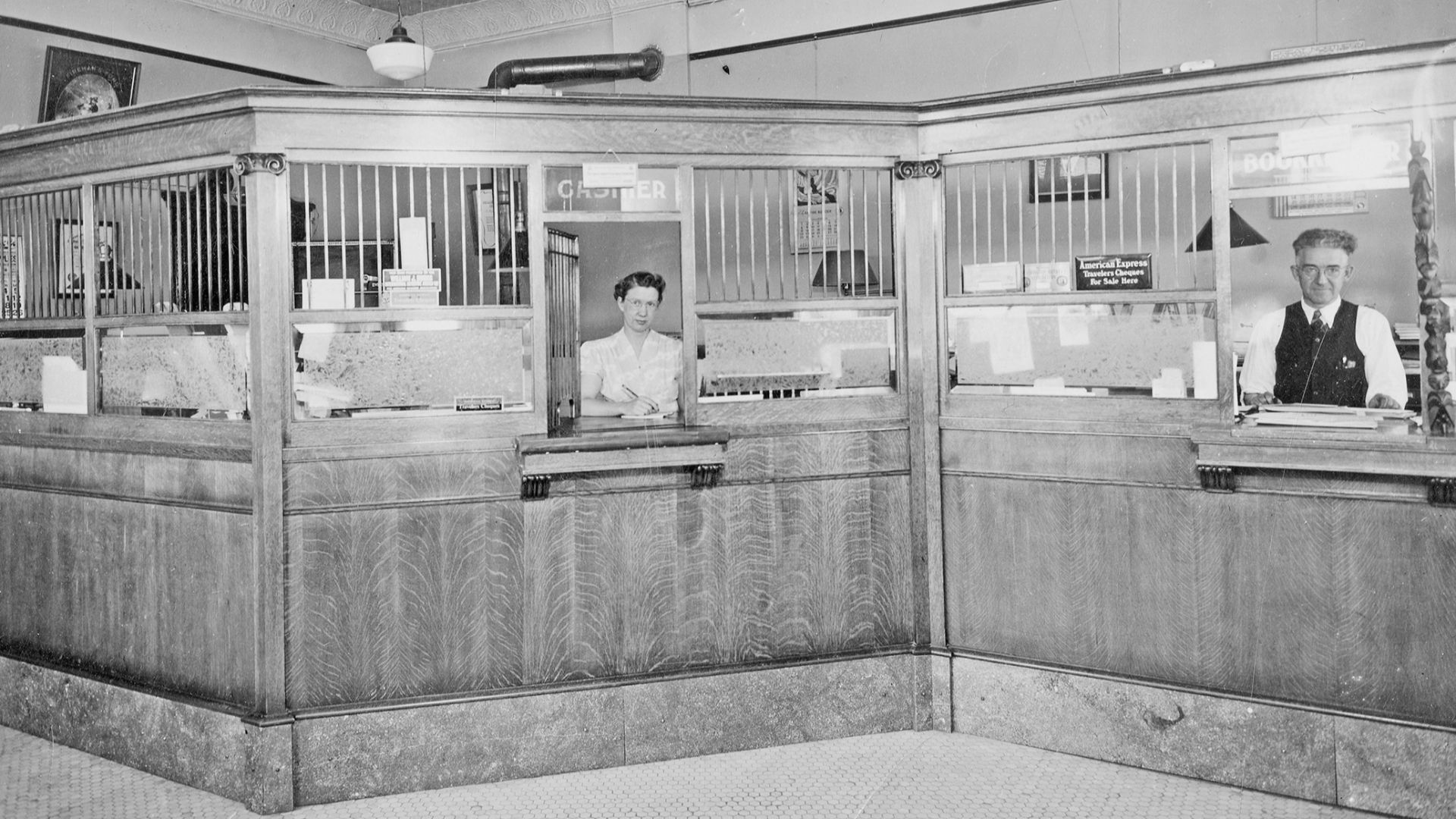
International travelers once visited banks to purchase travelers checks before leaving home. These prepaid documents offered an alternative to carrying large amounts of cash and could be replaced under certain conditions if lost or stolen. American Express introduced its Travelers Cheque in 1891, and the product became closely associated with international vacations. The company no longer issues new travelers checks, making this once-familiar predeparture errand largely a thing of the past.
Visiting A Travel Agency To Book Everything
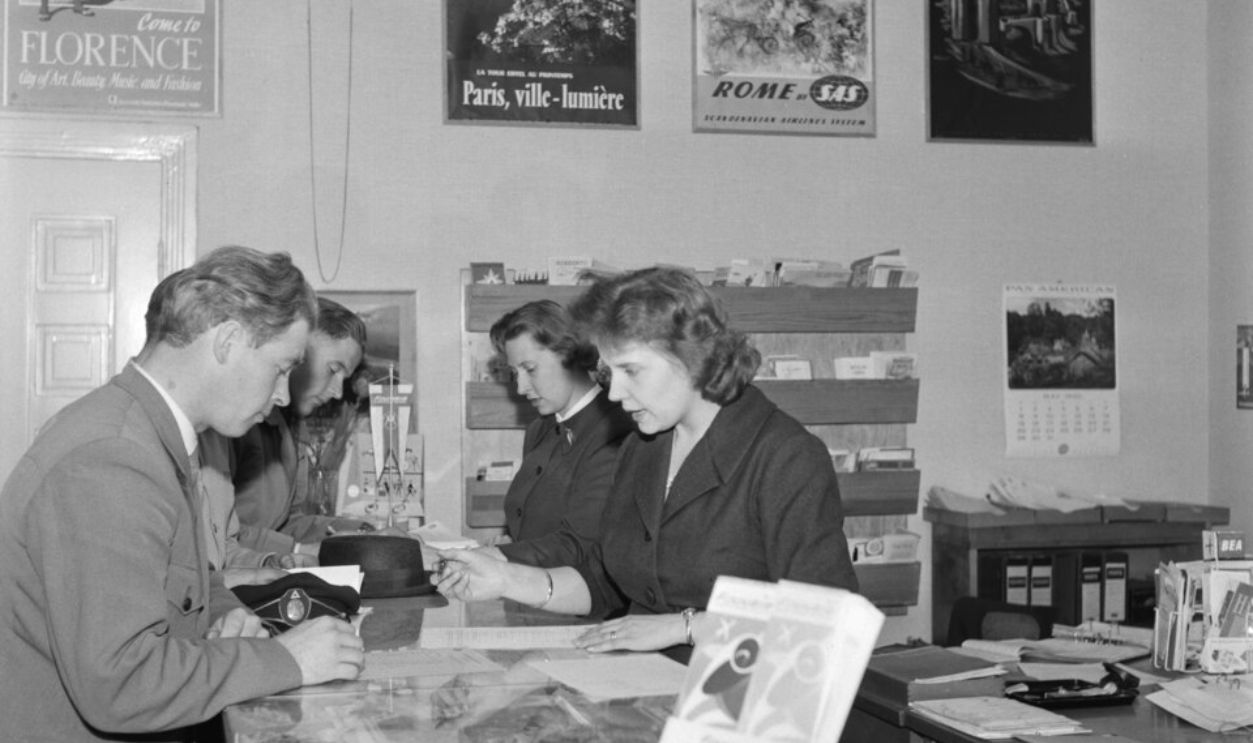
Planning a major vacation once involved sitting across a desk from a travel agent surrounded by brochures and destination posters. Agents arranged transportation, hotels, sightseeing tours, and other travel services, often providing printed itineraries and tickets. American Express was offering rail and steamship tickets, organized tours, and travel planning services long before online booking existed. Travel agents still serve customers today, particularly for complicated journeys, but booking an ordinary vacation no longer requires an in-person appointment.
 U. A. Saarinen, Wikimedia Commons
Collecting Colorful Vacation Brochures
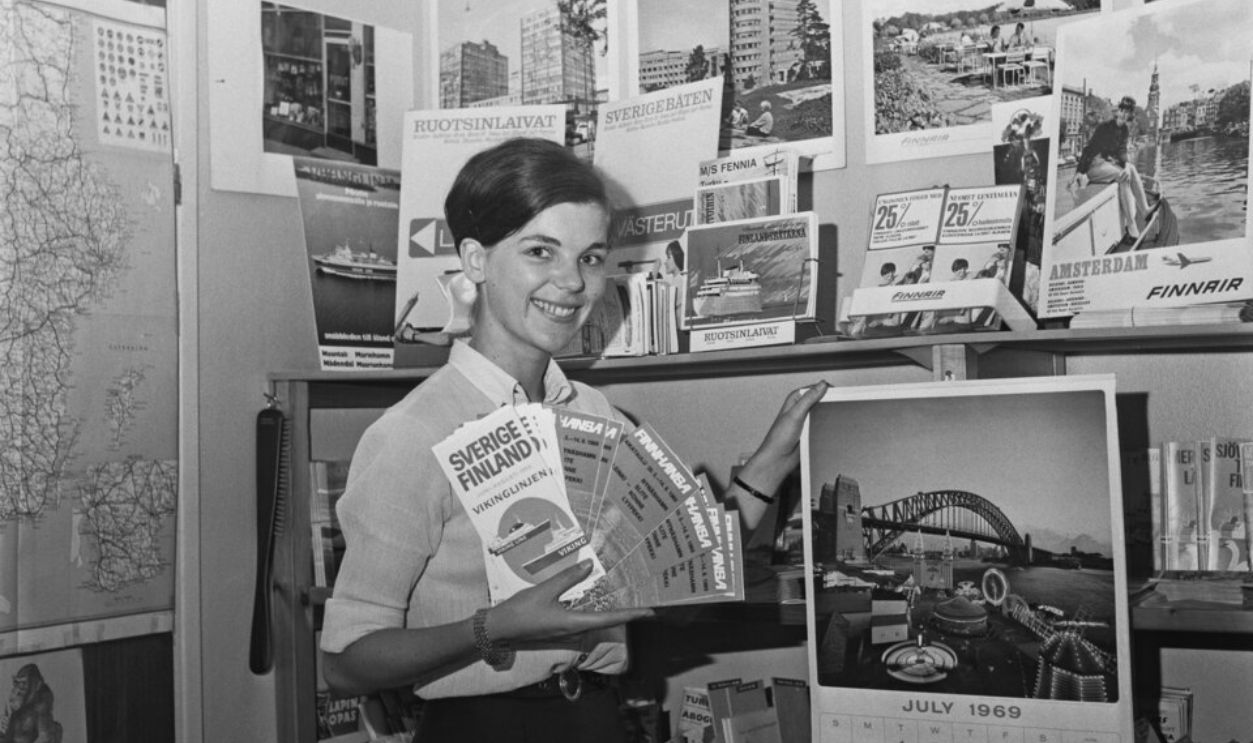
Before destination websites and online travel videos, glossy brochures helped travelers imagine places they had never visited. Tourist offices, travel agencies, and transportation companies distributed promotional materials filled with photographs, illustrations, and descriptions of attractions. The Library of Congress preserves thousands of historic travel posters that document how destinations were marketed during the twentieth century. Printed promotional materials still exist, but browsing piles of brochures is no longer the standard starting point for vacation planning.
 Finnish Heritage Agency, Wikimedia Commons
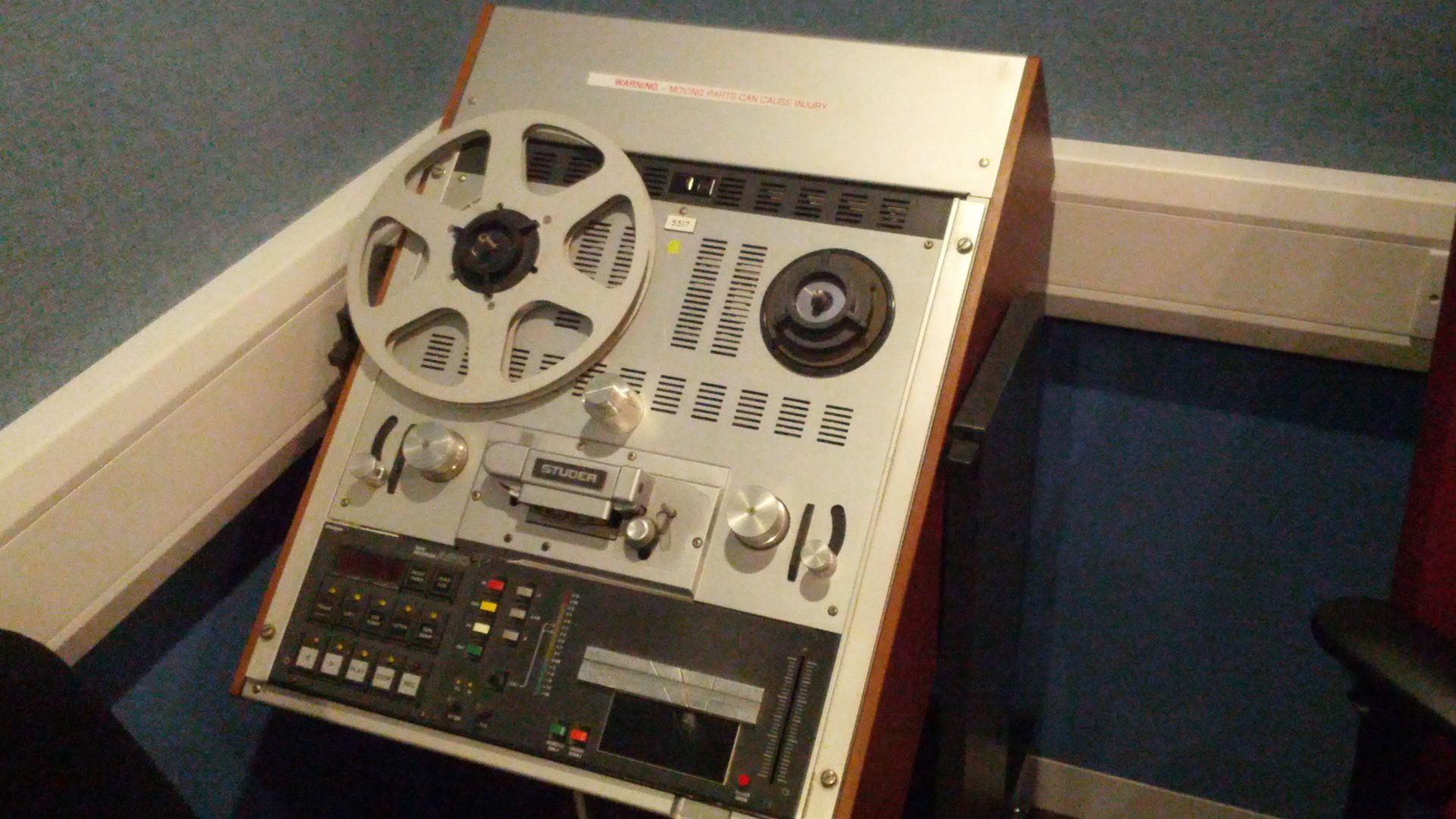
Bringing Home View-Master Souvenir Reels
Some vacationers once purchased View-Master reels featuring three-dimensional photographs of famous destinations. The handheld viewers allowed people to revisit scenic landscapes and tourist attractions through specially prepared photographic images. The Smithsonian preserves View-Master collections featuring American national parks, cities, and international travel destinations. Digital photography and immersive online imagery have largely replaced the novelty, although vintage reels remain collectible souvenirs.
 James Cridland from London, UK, Wikimedia Commons
Following A Customized Paper TripTik
AAA's TripTik was once a treasured companion for American families taking long road trips. An automobile club representative could prepare a customized route using a series of maps with the recommended roads highlighted. The system began in the 1930s and helped travelers navigate unfamiliar highways decades before GPS became commonplace. AAA continues to offer travel-planning resources, but the experience of visiting an office for a personally assembled paper route is far less familiar today.
 Cristofer Maximilian, Unsplash
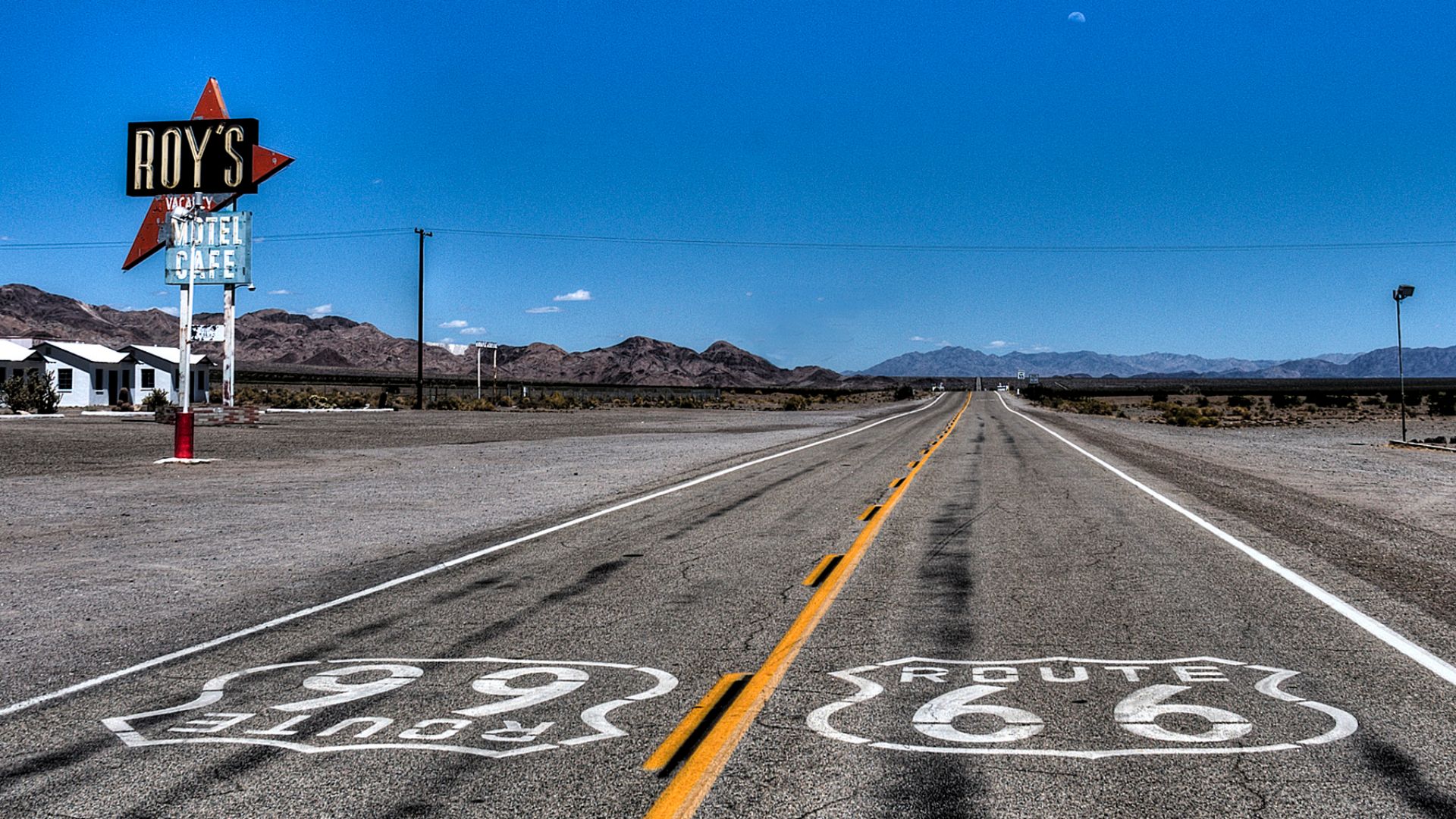
Driving Route 66 As The Main Vacation
For generations of American motorists, the journey along Route 66 was an attraction in itself. Travelers encountered independent diners, neon-lit motels, souvenir shops, and unusual roadside businesses while crossing the country. Established in 1926, the highway became especially famous during the postwar automobile travel boom. Much of its original route was eventually bypassed by interstate highways, so traveling historic Route 66 today is generally a deliberate nostalgic adventure rather than a practical cross-country necessity.
 Dave Johnson from Arroyo Grande, Ca., U.S., Wikimedia Commons
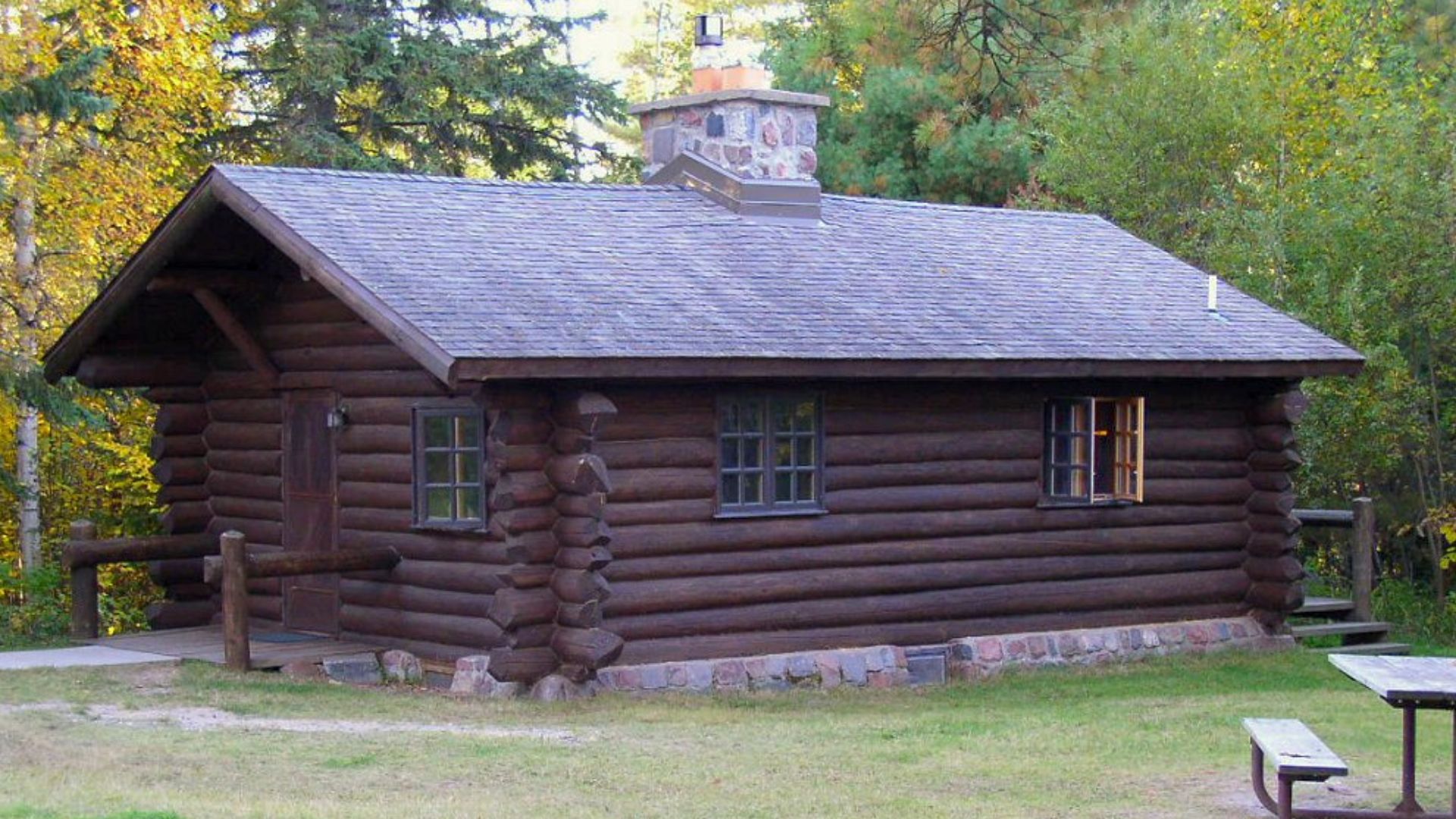
Staying In Rustic Vacation Cabins
Long before modern vacation rentals became searchable online, roadside cabin camps offered motorists simple places to spend the night. These properties often featured individual cottages with modest furnishings and limited amenities. The National Park Service documents how early cabin camps gradually evolved into motor courts and eventually the more familiar highway motel. Rustic cabins remain popular in certain destinations, but the old-fashioned roadside cabin camp belongs to an earlier chapter of American vacation history.
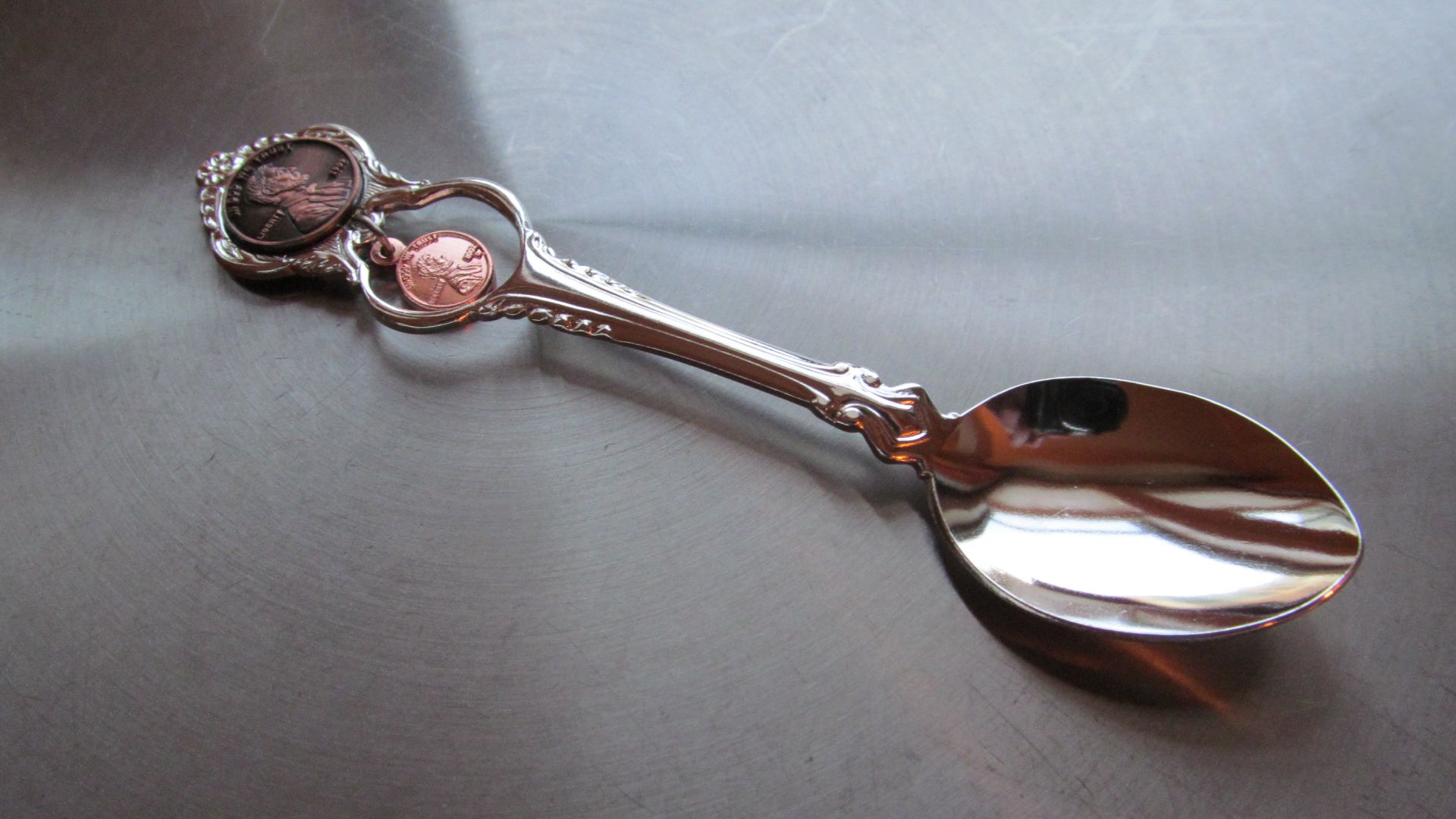
Collecting Souvenir Spoons From Tourist Towns
Souvenir spoons were once fashionable keepsakes that travelers brought home from famous destinations. Their handles and bowls often featured landmarks, city names, historic buildings, or decorative symbols associated with a particular place. The Smithsonian preserves examples commemorating destinations such as Atlantic City, Salt Lake City, and Niagara Falls. Although collectible spoons still exist, younger vacationers are more likely to encounter them in antique shops than to make them the centerpiece of a souvenir collection.
 John Phelan, Wikimedia Commons
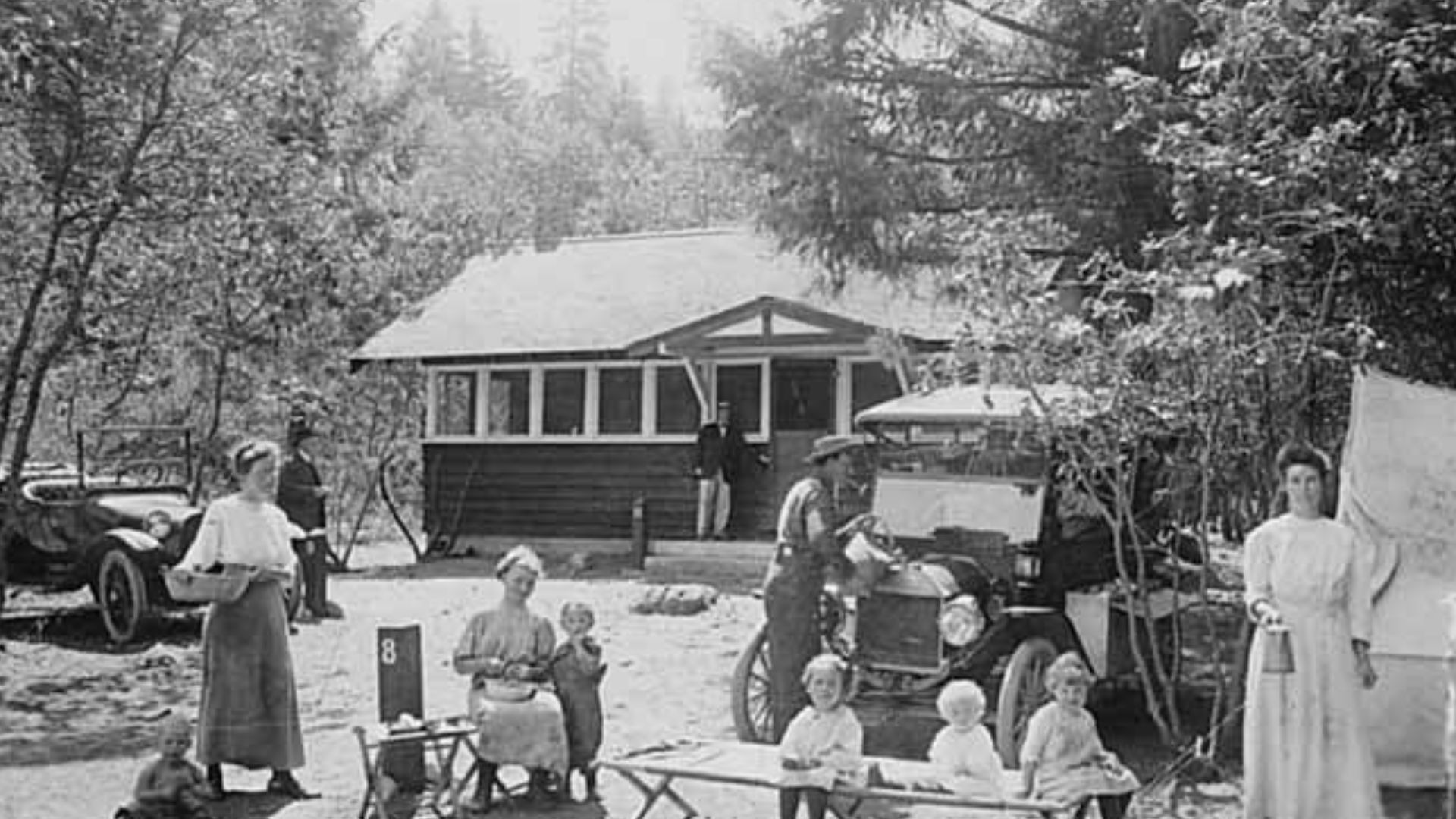
Camping At Old Municipal Auto Camps
In the early automobile era, travelers sometimes spent their vacations at municipal camping grounds established specifically for motorists. These facilities provided an affordable alternative to hotels and helped make long-distance driving accessible to more families. National Park Service research shows that hundreds of American cities had roadside camping facilities by 1920. Modern campgrounds are generally more formally organized, making the original municipal auto-camp experience an increasingly distant memory.
 Unknown authorUnknown author, Wikimedia Commons
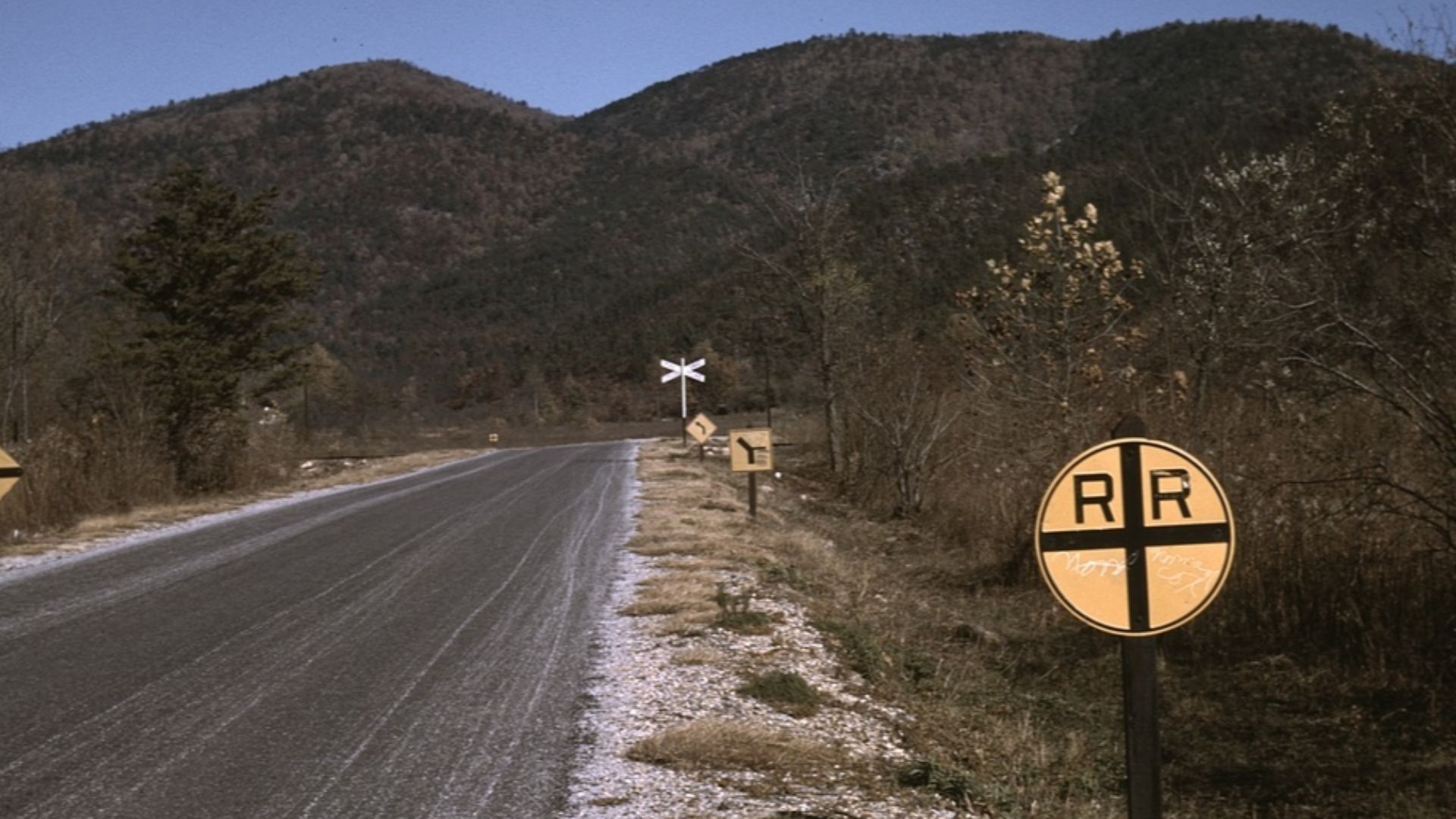
Taking Scenic Drives Just For The Experience
Before navigation apps emphasized efficient routes, a leisurely drive through beautiful countryside could be a vacation's main attraction. The National Park Service helped popularize automobile sightseeing by developing roads that showcased spectacular landscapes rather than simply connecting destinations. Scenic routes such as Skyline Drive and Going-to-the-Sun Road reflect that tradition. These drives remain popular, but spending an entire day following a scenic road without a packed sightseeing schedule can feel refreshingly old-fashioned.
 Jack Delano, Wikimedia Commons
Visiting Tourist Information Offices For Local Advice
Travelers once relied heavily on visitor centers, automobile clubs, and tourist information offices to learn what was worth seeing. Staff members provided maps, accommodation suggestions, printed guides, and advice about nearby attractions. AAA's historic TourBooks offered similar assistance, helping motorists find lodging and services before online reviews existed. Visitor centers still provide valuable local knowledge, but many younger travelers now research their destinations digitally before speaking to anyone in person.

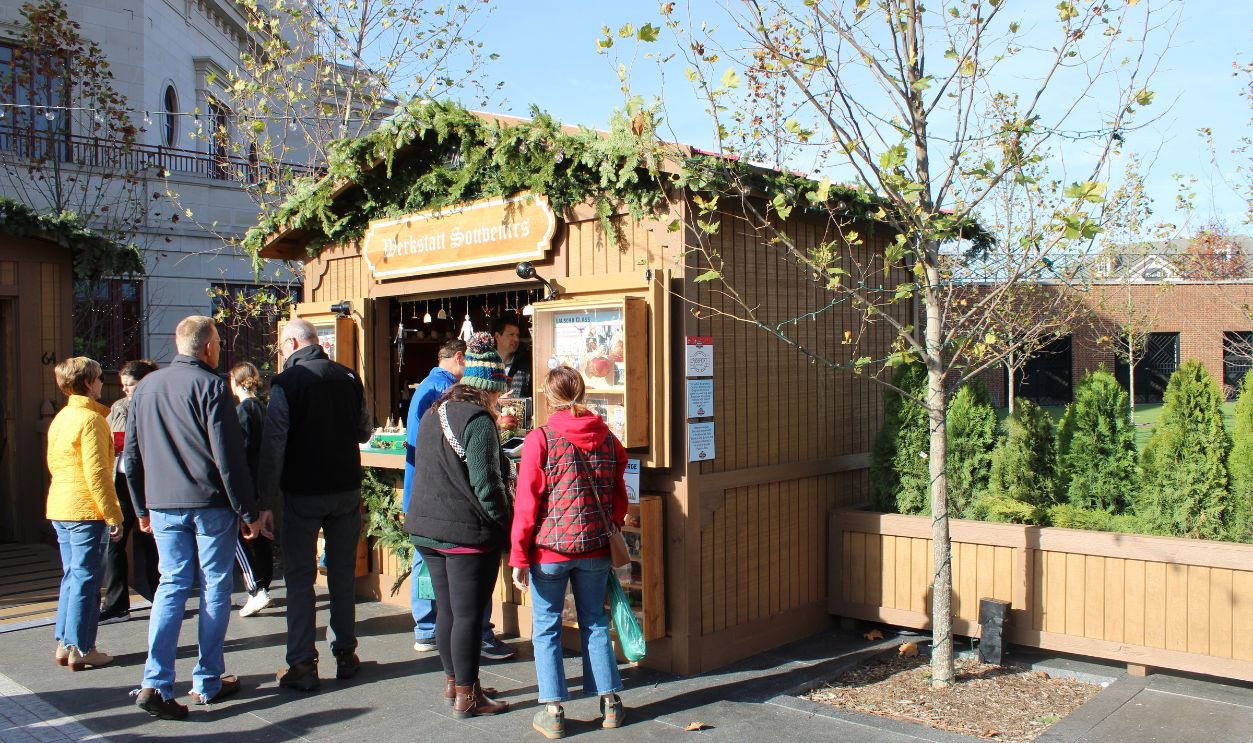
Buying Roadside Souvenirs At Every Stop
The classic American road trip was once closely associated with collecting inexpensive souvenirs from roadside attractions. Bumper stickers, novelty ornaments, postcards, and other keepsakes helped travelers remember the places they had visited. The Federal Highway Administration documents how roadside businesses used these products to attract motorists and generate additional sales. Souvenir shopping remains part of tourism, but collecting small mementos from every highway stop belongs to a more leisurely style of road travel.
Spending The Day At A Classic Seaside Motel
Midcentury beach vacations often revolved around modest motels with swimming pools, colorful decorations, and easy access to the shore. New Jersey's Wildwood resort area became particularly famous for its distinctive collection of postwar motels, many featuring playful architectural themes and elaborate neon signage. The National Park Service documents how more than 200 motels were constructed on the island between 1956 and 1964. Some historic properties remain, offering visitors a glimpse of the family beach vacations that helped define an earlier generation.
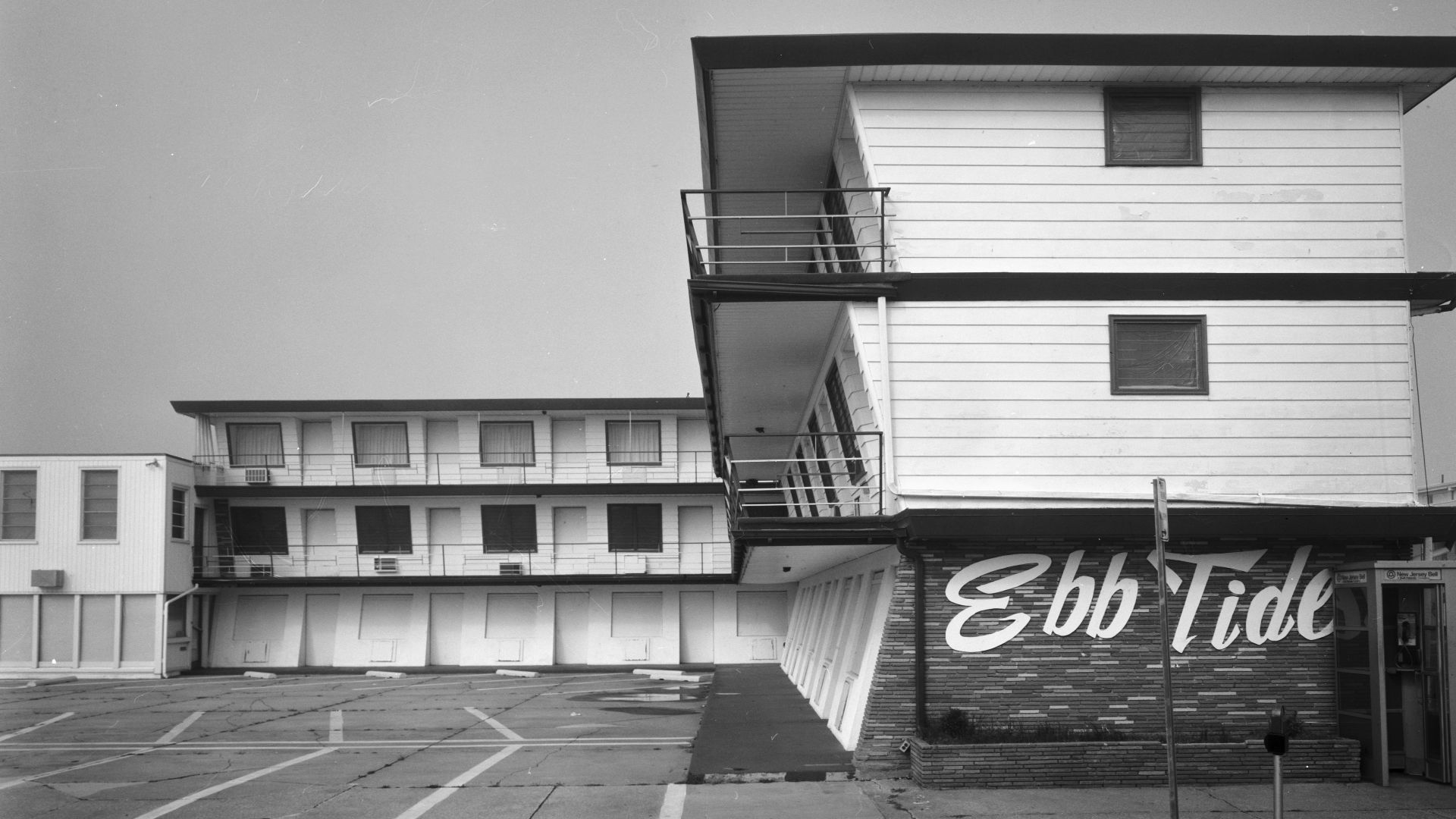 David Ames, HABS photographer, Wikimedia Commons
Traveling Without A Minute-By-Minute Itinerary
Older vacation traditions often left room for discovering attractions along the way rather than reserving every experience in advance. Historic Route 66 encouraged this kind of exploration, with independent businesses and unexpected sights turning the journey into an adventure. Today, digital maps, booking platforms, and online recommendations make it easier to organize trips before departure. Those tools offer genuine advantages, but an unscheduled day of wandering can still produce the kind of spontaneous memories that made old-fashioned vacations special.
Rediscovering The Joy Of Slower Travel
Not every forgotten vacation tradition deserves to disappear, and many remain available to anyone willing to seek them out. Historic motor courts, dude ranches, scenic highways, paper maps, and postcards offer opportunities to experience travel without relying entirely on digital convenience. Younger travelers do not have to abandon modern technology to appreciate these older pleasures. Sometimes the most memorable part of a vacation is simply allowing the journey itself to become the entertainment.
 ShenandoahNPS, Wikimedia Commons
You May Also Like:
The Countries Americans Say They Would Move To If Money Were No Object