
A Budget Switch That Changes The Whole Trip
You booked a trip expecting two hotel rooms, then found out your sister quietly changed the reservation to one suite to save money. That kind of move can turn a fun getaway into a headache fast. If you're wondering whether refusing to share makes you unreasonable, the short answer is no, and standard travel rules back that up more than some might think.

Why This Is About More Than Money
This is not just about space or the nightly rate. It is about consent, privacy, and whether everyone agreed to the sleeping setup before the plans were locked in. When one traveler changes the hotel arrangement without checking with the others, the problem starts long before check-in.

What The Law Usually Focuses On
Hotels usually care about what was booked, who is listed on the reservation, and whether the room meets occupancy rules. They do not usually step into family arguments about what is fair. Even so, the original issue still matters because a private room and a shared suite are not the same thing from a traveler’s point of view.

Hotels Treat Room Type As A Key Part Of The Deal
Major booking terms make clear that room type, bedding setup, occupancy, and included features are core parts of a reservation. Expedia’s lodging terms say room types and details are part of what the traveler selects and what the property confirms. Booking.com also explains that room descriptions, occupancy limits, and special requests can affect what you actually get at the hotel.

Privacy Is Not Some Small Extra
A private hotel room gives you a door you control, your own bathroom routine, and usually less noise and fewer interruptions. A suite may sound nicer, but that does not mean it gives every adult the same privacy. If the suite means shared sleeping space or one bathroom for several people, your sister changed more than the price.

Occupancy Rules Matter Too
Hotels often set maximum occupancy by room type for safety and day-to-day operations. Marriott says occupancy limits may apply and can vary by hotel and room category. So even if a suite is allowed to hold everyone, that only answers whether it is permitted, not whether it is fair or workable for every guest.
Why Adults Draw A Hard Line On Sharing
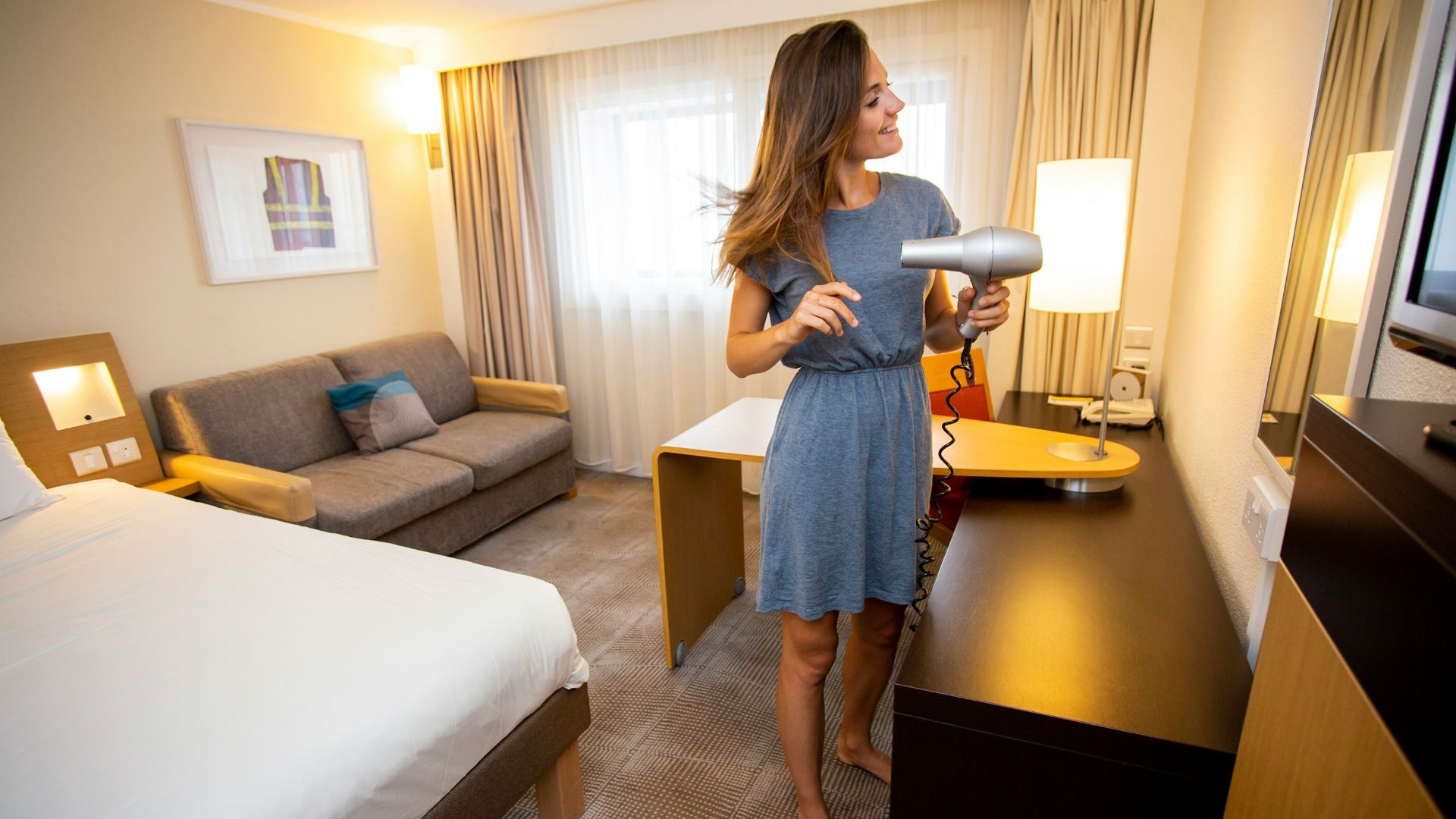
For many adults, sharing a room is not a small compromise. Sleep quality, medical routines, snoring, work calls, changing clothes, and basic personal boundaries all matter. Those are real concerns, not overreactions.

Travel Advice Usually Says To Set Expectations Early
Consumer travel advice often stresses confirming room arrangements before payment deadlines and before arrival. The Federal Trade Commission advises travelers to get the full price and details in writing when booking trips. That advice fits this kind of situation exactly, where a surprise downgrade or change can cause problems later.

A Secret Change Is The Biggest Warning Sign
If your sister had asked first, you could have said yes, no, or suggested a different way to split costs. By doing it quietly, she took away your chance to make an informed choice. That is often why the emotional fallout hits harder than the money issue.

Refusing To Share Is Not Automatically Unreasonable
You are allowed to say the new setup does not work for you. That is especially true if you agreed to the trip because you thought you would have your own room. A last-minute change does not mean you have to accept less privacy and comfort.

What A Fair Standard Looks Like
The fair standard is simple. Everyone who is paying or staying should agree to the sleeping arrangement before the reservation is changed. If there was no agreement, the person who made the switch should not expect everyone else to go along with it.

Check The Cancellation Window Right Away
If this happened before the trip, move quickly. Booking platforms and hotels often allow changes or cancellations up to a certain deadline, though the rules vary a lot. Look at the confirmation and check the cancellation policy, modification terms, and whether the new suite was booked as refundable or nonrefundable.

Call The Hotel Before This Turns Into A Bigger Fight
Contact the hotel directly and ask what is actually on the reservation right now. Confirm the room type, bed setup, bathroom count, and whether a second room can be added back. The front desk can also tell you whether the hotel is sold out, which matters if you want to fix this before arrival.

Find Out Who Controls The Booking
If the reservation is in your sister’s name and charged to her card, the hotel may only share limited details or accept changes from her. If your name is also on the booking, ask to be listed as an authorized guest if you are not already. That small step can make it much easier to sort things out.
 Anastasia Ilina-Makarova, Pexels
Not Every Suite Is Really An Upgrade
Do not let the word suite do all the work here. Some suites have a separate bedroom and living room with a sofa bed. Others are just bigger studio-style rooms with one open layout. If your sister is calling it an upgrade, ask for the exact floor plan or photos from the hotel website.

The Money Question Needs A Straight Answer
Ask how much money was actually saved and who benefits from that savings. If the suite cuts the price but makes the stay less comfortable for you, the benefit is not being shared evenly. In plain terms, one person should not get the savings while someone else gives up privacy.

There Are Better Fixes Than Forced Sharing
If cost is the real problem, ask the hotel about connecting rooms, a smaller second room, or a discount for adding another night. You can also compare whether one private room plus one shared room works better than putting everyone in one suite. A good compromise gives people a real choice instead of springing discomfort on them.

When Paying More Yourself Makes Sense
If the rest of the group is fine with the suite and you are the only one who wants a separate room, paying the difference yourself may be the fastest way to keep the peace. That does not mean you were wrong. It just means your comfort may be worth the extra cost.
When It Makes Sense To Push Back
If you already paid for a private room, or if your sister changed the booking using shared trip money without permission, push back. Ask for the original setup to be restored or for your share of the money to be returned so you can book separately. At that point, the issue is not just sleeping arrangements. It is also about money and trust.

Hotels May Be Able To Split The Reservation
Some hotels can break a modified booking into different room types if they still have the inventory. Others may require canceling and booking again, which can change the price. That is why it helps to act fast and talk to the hotel directly instead of relying only on app messages.

Group Trips Often Go Sideways Over Stuff Like This
Travel advisors have long pointed out that rooming problems can ruin a trip faster than sightseeing plans or restaurant choices. Sleep and privacy affect your mood right away. When people feel stuck in the wrong hotel setup, that frustration tends to spill into the rest of the vacation.
 https://kaboompics.com/, Pexels
How To Say No Without Making It Worse
Keep it simple and calm. Try saying, “I agreed to this trip based on having my own room, and I am not comfortable sharing a suite, so I need us to restore the original booking or I will book separately.” That keeps the focus on the agreement and your boundary instead of turning it into a personal attack.

What Not To Do
Do not wait until check-in to say you will not accept the arrangement. Do not assume a suite automatically means separate sleeping space. And do not rely on family promises if the hotel confirmation says something different.
 LightField Studios, Shutterstock
If The Trip Is Coming Up Fast
Move in this order. Verify the reservation, confirm the cancellation terms, ask the hotel about other options, and then decide whether to pay for your own room. Speed matters because hotel inventory can disappear quickly as the trip gets closer.

There Is An Etiquette Answer Too
Changing shared travel plans in secret is bad travel etiquette, even if the reason is saving money. Good group travel depends on clear communication and agreement. Dropping a new sleeping arrangement on another adult at the last minute is exactly how resentment starts before the trip even begins.

The Bottom Line On Whether You Are Unreasonable
No, you are not unreasonable for refusing to share. Going from two rooms to one suite changes privacy, comfort, and the basic terms you agreed to in the first place. The smartest move is to deal with it early, confirm the details with the hotel, and choose the option that protects both your budget and your peace of mind.