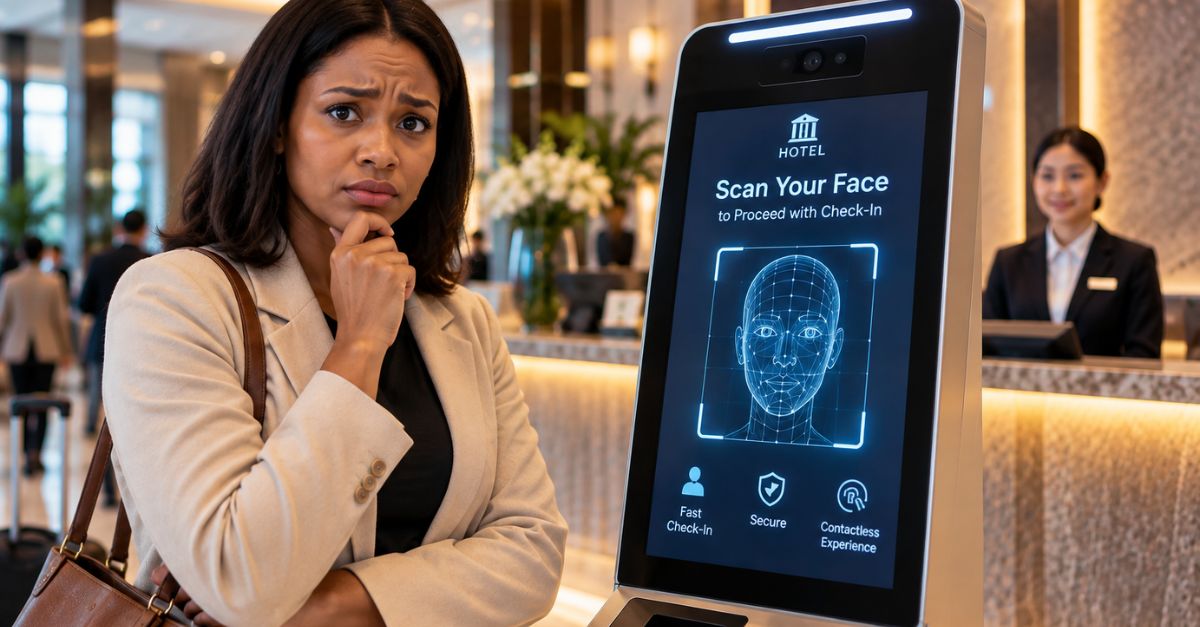
Your Poolside Escape Now Has Cameras
More hotels and resorts are using facial recognition and other biometric tools for check-in, access, payments, and security. That means a lot of travellers are experiencing a new kind of a rude surprise: A camera pointed at their face every 10 minutes on their relaxing beach vacation.
The upside is that in many cases, if you aren't comfortable with this modern intrusion, you can ask questions, limit what you share, or say no to optional features without completely missing out on your trip.
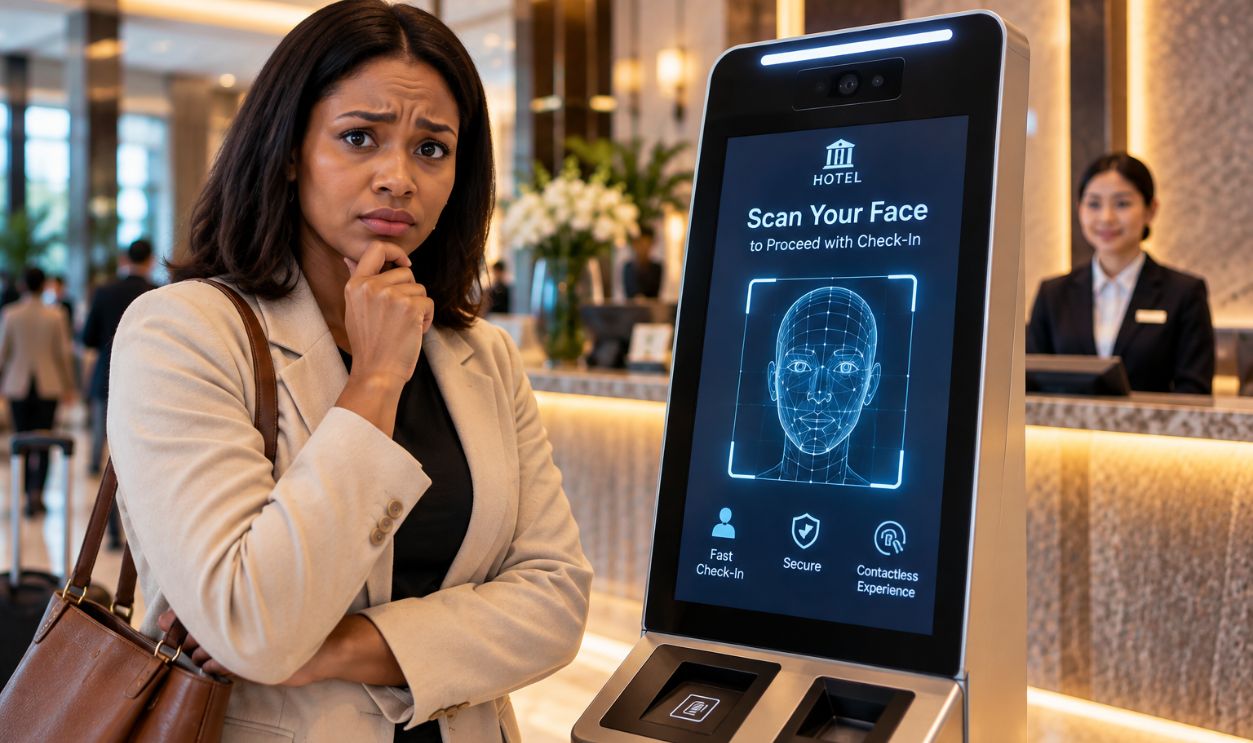
Why This Feels So Personal
A room key can be replaced. Your face cannot. Privacy regulators and digital rights groups have long warned that biometric data is especially sensitive because it can identify you across places and over time. That is why it matters whether a resort is just taking a basic check-in photo or using facial recognition around the property.
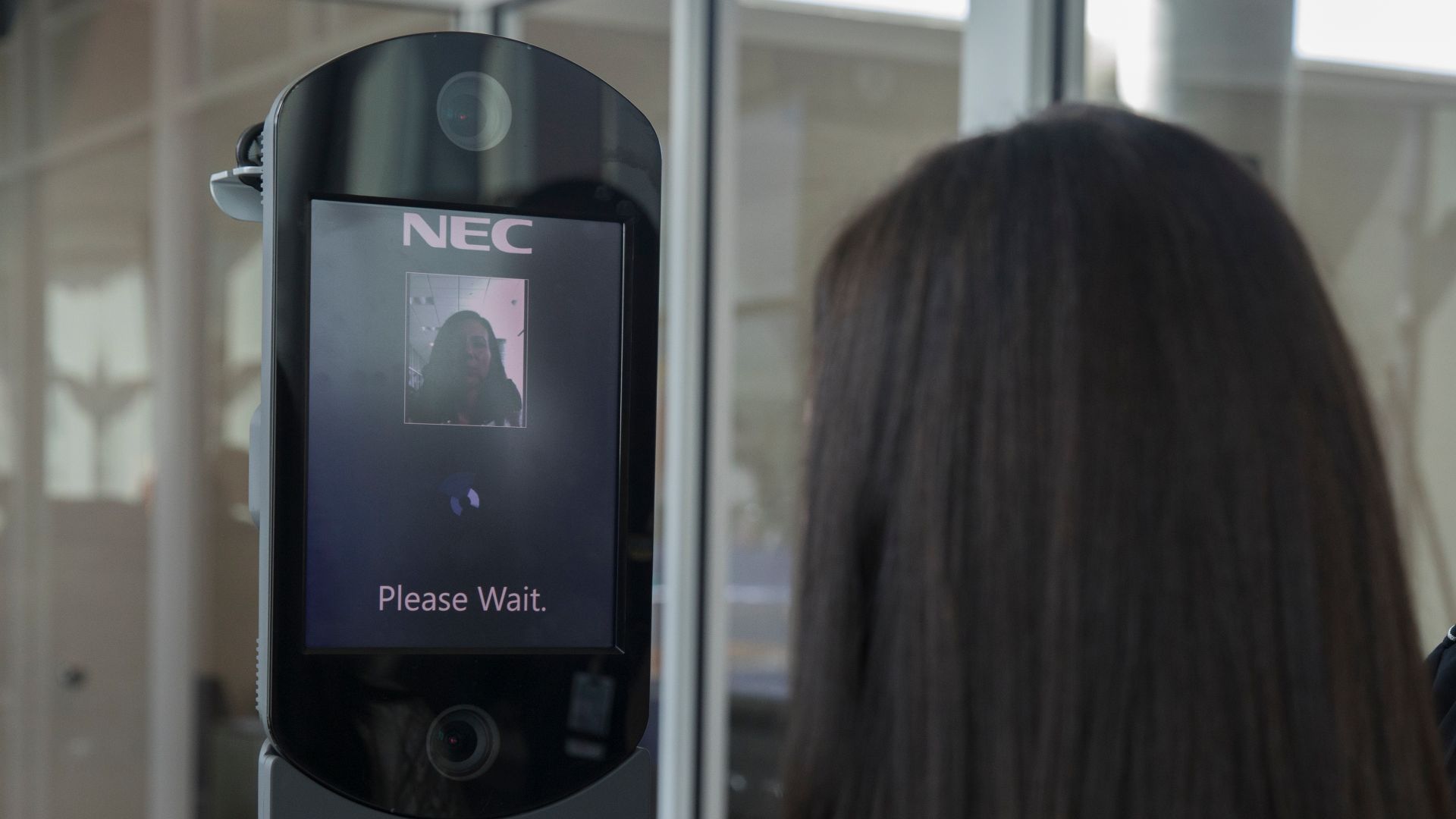 CBP Photography, Wikimedia Commons
What Facial Recognition Actually Means
A normal check-in photo is not always the same as facial recognition. Facial recognition usually means software scans facial features and compares them with stored images or templates to verify identity or track movement. The U.S. Federal Trade Commission says biometric information, including faceprints, is sensitive data that can create serious risks if it is misused or exposed.
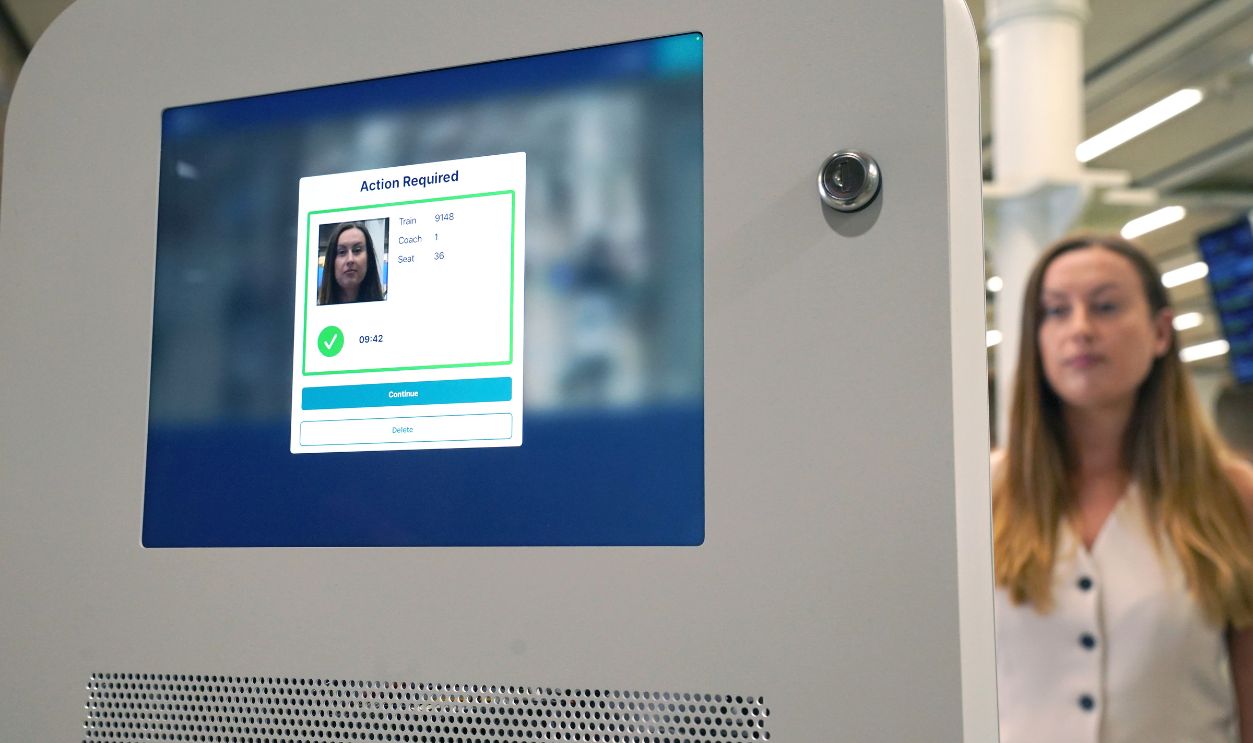 Lucy North - PA Images, Getty Images
Hotels Have Been Moving In This Direction For Years
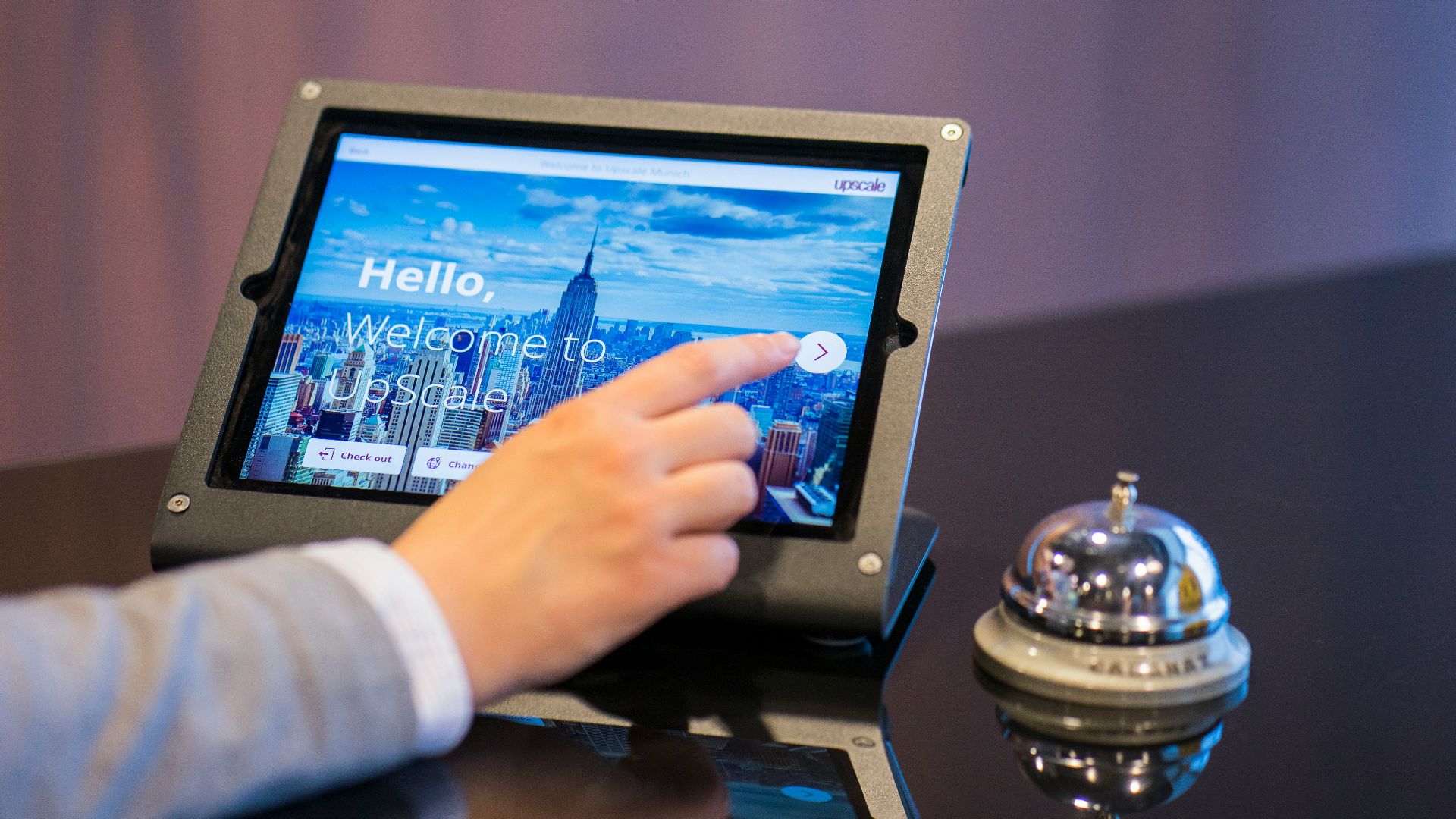
The travel industry has been testing smoother, faster check-in for a while. In 2018, Marriott announced a pilot in China that used facial recognition for faster arrivals at two properties, with kiosks able to verify identity in about one minute. It was an early sign that hotel operators saw biometrics as a way to cut front-desk lines.
 Proxyclick Visitor Management System, Unsplash
China Was An Early Testing Ground
In July 2018, Marriott said the pilot was running at the Marriott Hotel Hangzhou Qianjiang and the Sanya Marriott Hotel Dadonghai Bay. Guests could scan an ID document, take a photo, and get a room key card from a kiosk. Marriott pitched it as a convenience feature, but it also showed how quickly face-based check-in could become normal at resorts.

Big Hotel Brands Also Tested It In The United States
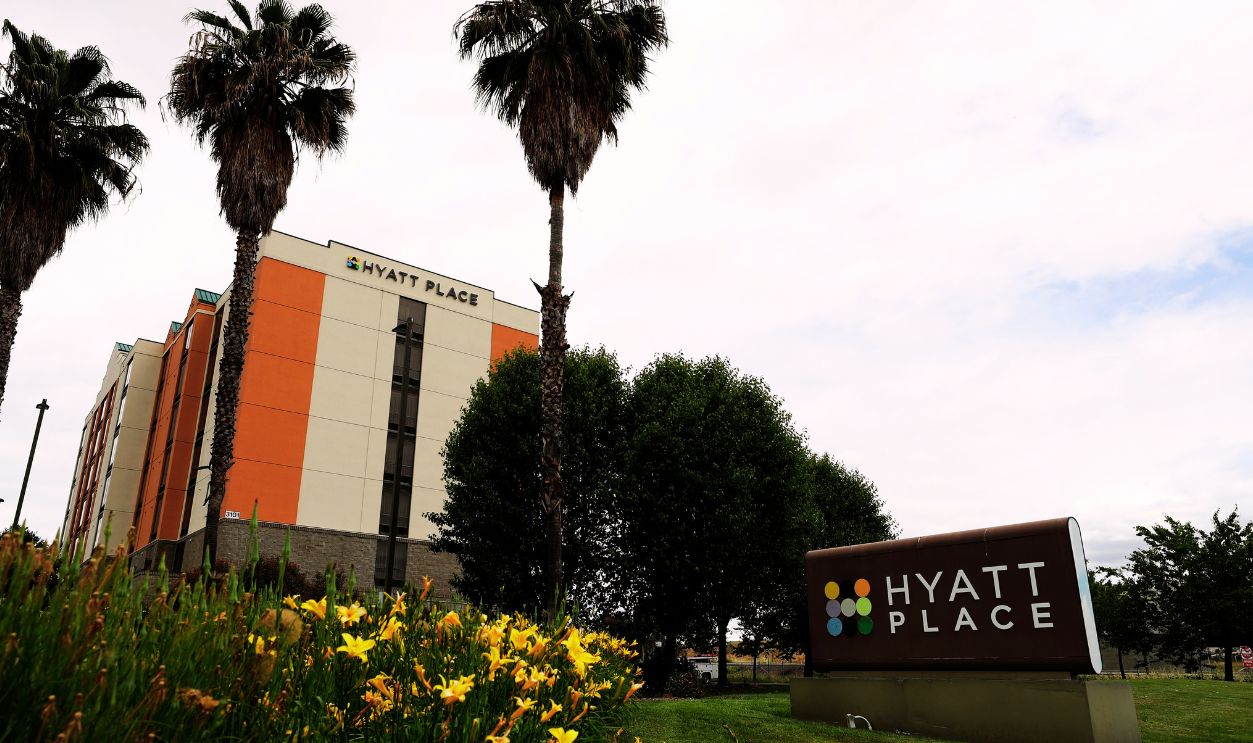
In 2020, Hyatt worked with NEC Corporation on a facial recognition check-in pilot at Hyatt Place Fremont Silicon Valley in California. NEC said enrolled World of Hyatt members could opt in, use a tablet-based check-in system, and verify themselves with their face. That matters because some hotel uses are voluntary pilots, not mandatory property-wide surveillance.
 Justin Sullivan, Getty Images, Modified
Airports And Theme Parks Helped Normalize Biometrics
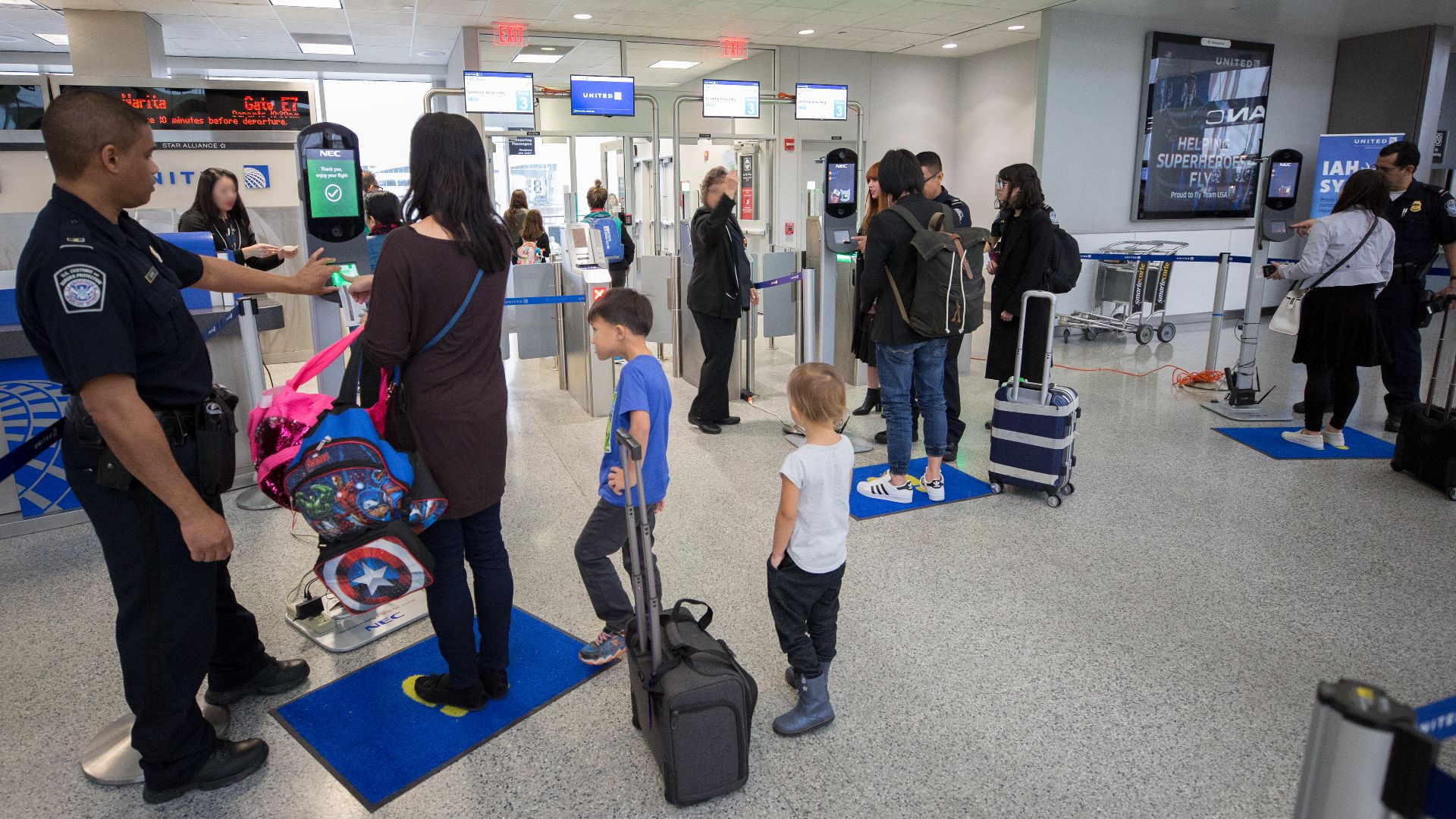
Travelers have already seen facial recognition spread through airports, border control, and major attractions. U.S. Customs and Border Protection has expanded facial comparison technology for international arrivals and departures, while some sports venues and theme parks have adopted biometric entry. Resorts are part of a bigger travel world where face scanning is often sold as the fast lane.
 CBP Photography, Wikimedia Commons
Luxury Properties Have Pitched It As Seamless
Vendors that sell hotel tech often promise an easier guest experience from check-in to checkout. They market face-based systems for room entry, VIP recognition, age checks, and cashless payments. For guests, that can mean shorter lines and less digging for cards. It can also mean more data collection than many people realize.

The Biggest Question Is Whether It Is Required
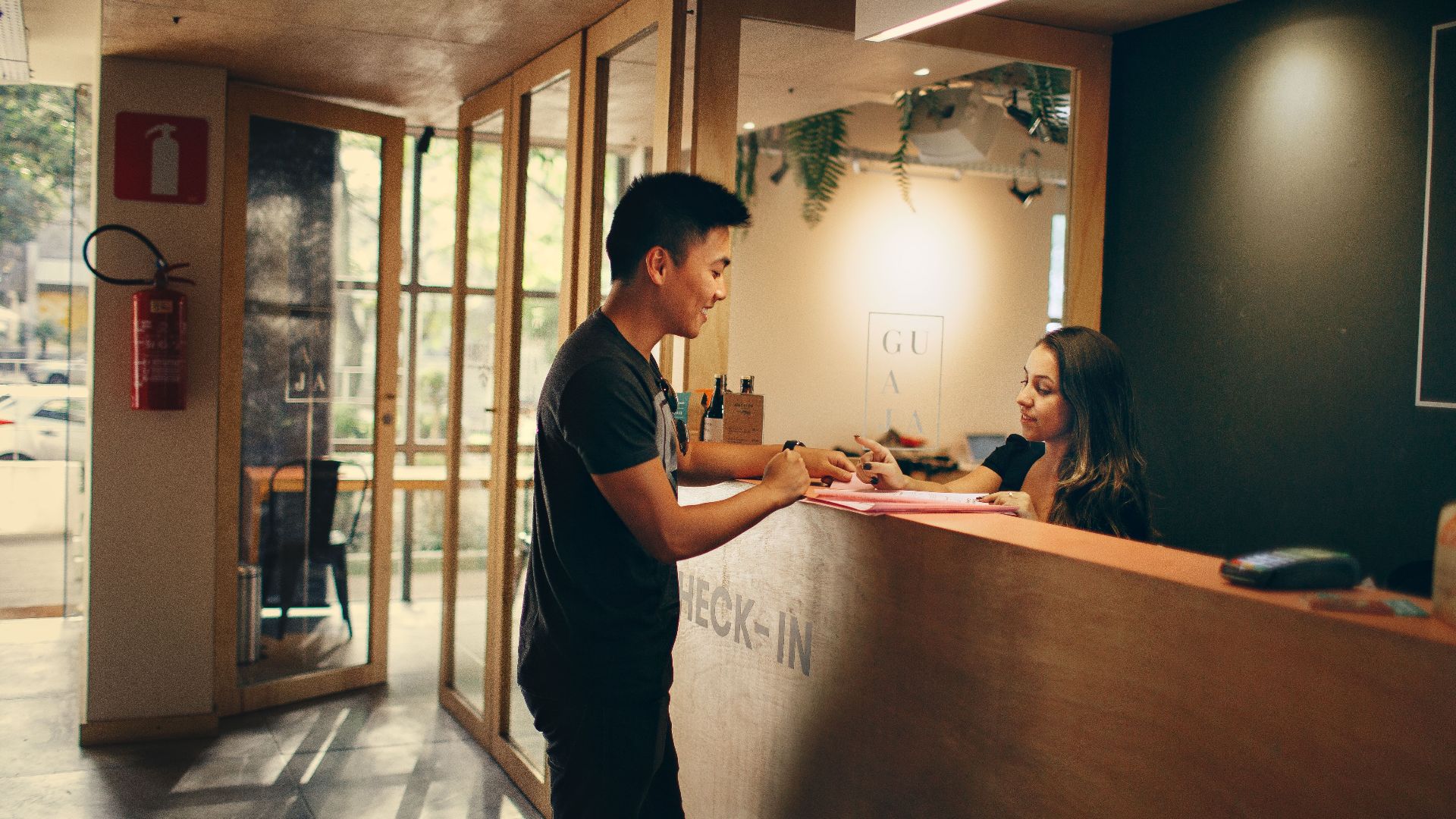
If a resort photographs every guest at check-in, start by asking whether the photo is required for basic registration or part of an optional biometric program. Some properties use simple profile photos so staff can match names to faces. Others create biometric templates for automated recognition. Those are not the same thing, and your options may be different depending on which one the property uses.
Ask These Questions Before You Panic
Ask what exactly is being collected, whether the image is turned into a biometric template, where it is stored, who can access it, and how long it is kept. Also ask whether the system is used only for check-in or across the property for entry, payments, security, or marketing. The answers will tell you whether this is a routine guest record or a much more invasive tracking system.

Consent Is Not Just A Buzzword
Whether a hotel needs your consent depends on where the property is and which laws apply. In Europe, biometric data used to uniquely identify a person is generally treated as a special category of personal data under the GDPR, with stricter rules. In the United States, the legal picture is patchier, and state laws often matter more than federal ones.

Illinois Is The State Hotels Really Need To Watch
Illinois has one of the toughest biometric privacy laws in the country: the Biometric Information Privacy Act, or BIPA. It requires private companies to inform people in writing, explain why the data is being collected and how long it will be kept, and get a written release before collecting or otherwise obtaining biometric identifiers like scans of face geometry. The law has led to many lawsuits because it gives individuals a private right of action.

Why BIPA Gets So Much Attention
The Illinois Supreme Court has strengthened the law in major decisions. In 2019, the court held in Rosenbach v. Six Flags that a person does not need to show actual injury beyond a violation of the statute to be considered aggrieved. In 2023, the court ruled in Cothron v. White Castle that a claim accrues with each scan or transmission, raising the stakes for businesses that repeatedly use biometric systems without proper compliance.
 Alanscottwalker, Wikimedia Commons
California Gives Guests More Questions To Ask
California does not have one facial recognition law for hotels that mirrors Illinois BIPA, but it does have broad consumer privacy protections. The California Privacy Rights Act treats biometric information as sensitive personal information, and consumers have rights to know about collection and use. If your resort is in California, asking for the property's privacy notice and data retention details is not overreacting. It is just smart.

If You Are In Europe The Rules Are Stricter
Under the GDPR, biometric data processed to uniquely identify someone is sensitive and generally requires a valid legal basis plus an added condition for processing. Regulators have repeatedly stressed that necessity and proportionality matter, especially when less intrusive options exist. If a resort in the EU offers no real alternative to face scanning, that is a red flag.
 LightField Studios, Shutterstock
Refusing May Be Easier For Convenience Features
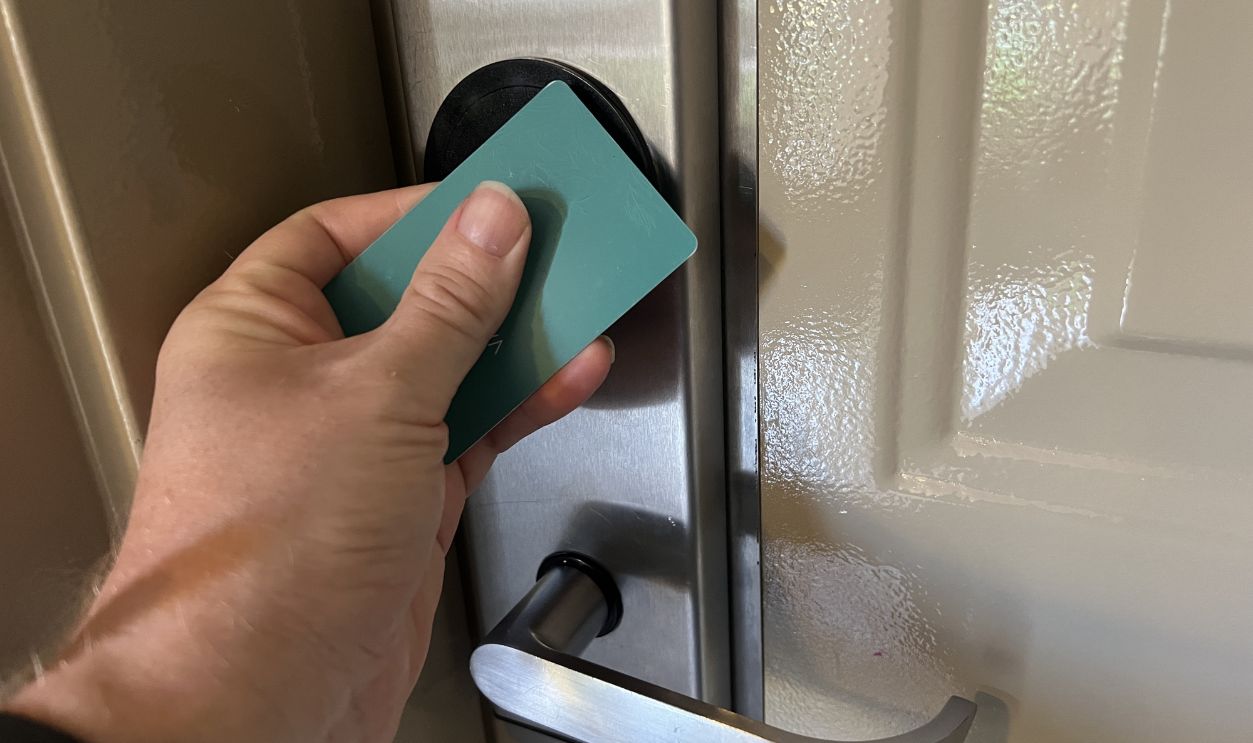
If facial recognition is being used for express check-in, lounge access, or cashless purchases, you may be able to opt out and use a room key, wristband, or ID instead. That is especially true when the feature is framed as a membership perk or pilot program. Ask staff whether there is a manual option before the line behind you gets impatient.
 Smith Collection/Gado, Getty Images
It Gets Trickier When Security Is The Stated Reason
Some resorts say guest photography is a safety measure to confirm who is on the property or entering restricted areas. That can make refusal harder, especially at all-inclusive resorts, casino hotels, or properties with private beach access and controlled entrances. Even then, you can still ask whether the security goal can be met with a standard guest photo instead of live facial recognition.
 Tongpool Piasupun, Shutterstock
There Is A Difference Between A Snapshot And Tracking
A profile photo attached to your reservation usually stays in your guest record and is viewed by staff when needed. Property-wide facial recognition can mean cameras in lobbies, gates, restaurants, or pool areas constantly comparing faces against a database. If the resort is doing that, the privacy stakes jump because it can reveal your movements and habits during the trip.
 WMboeOO PPYEE, Wikimedia Commons
Accuracy And Bias Are Not Abstract Concerns
The National Institute of Standards and Technology found in a major 2019 study that many face recognition algorithms showed demographic differences in false positive rates. That does not mean every system performs the same way, but it does mean mistakes are not just theoretical. A false match at a resort could turn a quiet vacation into an awkward security stop.
 Gail Porter, Wikimedia Commons
Data Breaches Change The Math
Biometric data is sensitive partly because you cannot reset your face the way you reset a password. The FTC has warned companies to protect biometric information and not overstate what their technology can do. When a resort or its vendor stores faceprints carelessly, the fallout can last long after the trip is over.
How To Push Back Without Starting A Lobby Showdown
Keep your tone calm and practical. Say you are uncomfortable with facial recognition and ask for a non-biometric option for check-in, room access, and payments. Front-desk staff may not control the policy, but they can often offer a workaround or call a manager who can.

Use The Magic Words
Ask whether the resort has a written biometric privacy policy or retention schedule. Request a copy of the general privacy notice and, if relevant, the consent form you are being asked to sign. Those documents often show whether the system is mandatory, how long the data is kept, and whether outside vendors are involved.

Get Specific About Deletion
If you agree under pressure because you are tired and just want your room, ask how you can revoke consent and request deletion later. In some places, deletion rights are stronger than in others, but it is still worth asking. The answer will tell you a lot about whether the property has really thought through guest privacy or just installed flashy new tech.

Book Smarter Next Time
If biometric surveillance is a dealbreaker, do some checking before you book. Read the resort's privacy policy, scan recent guest reviews, and call the property directly to ask whether face scanning is used for check-in or around the grounds. It is much easier to pick a different beach resort ahead of time than to argue about faceprints with your bags still in hand.

Watch For Vague Language
Policies often use broad phrases like identity verification, security technologies, or personalized guest services without clearly saying facial recognition. If you see references to biometrics, facial geometry, or third-party identity platforms, slow down and read closely. That kind of vague wording is exactly why travelers get blindsided at the front desk.

When Refusal Could Affect The Stay
Refusing can sometimes mean giving up some convenience. You may need a physical key, manual identity checks, or a staff escort for certain areas instead of smooth automated access. But that is very different from ruining your vacation, and many travelers will think the tradeoff is worth it.
If The Resort Refuses Alternatives
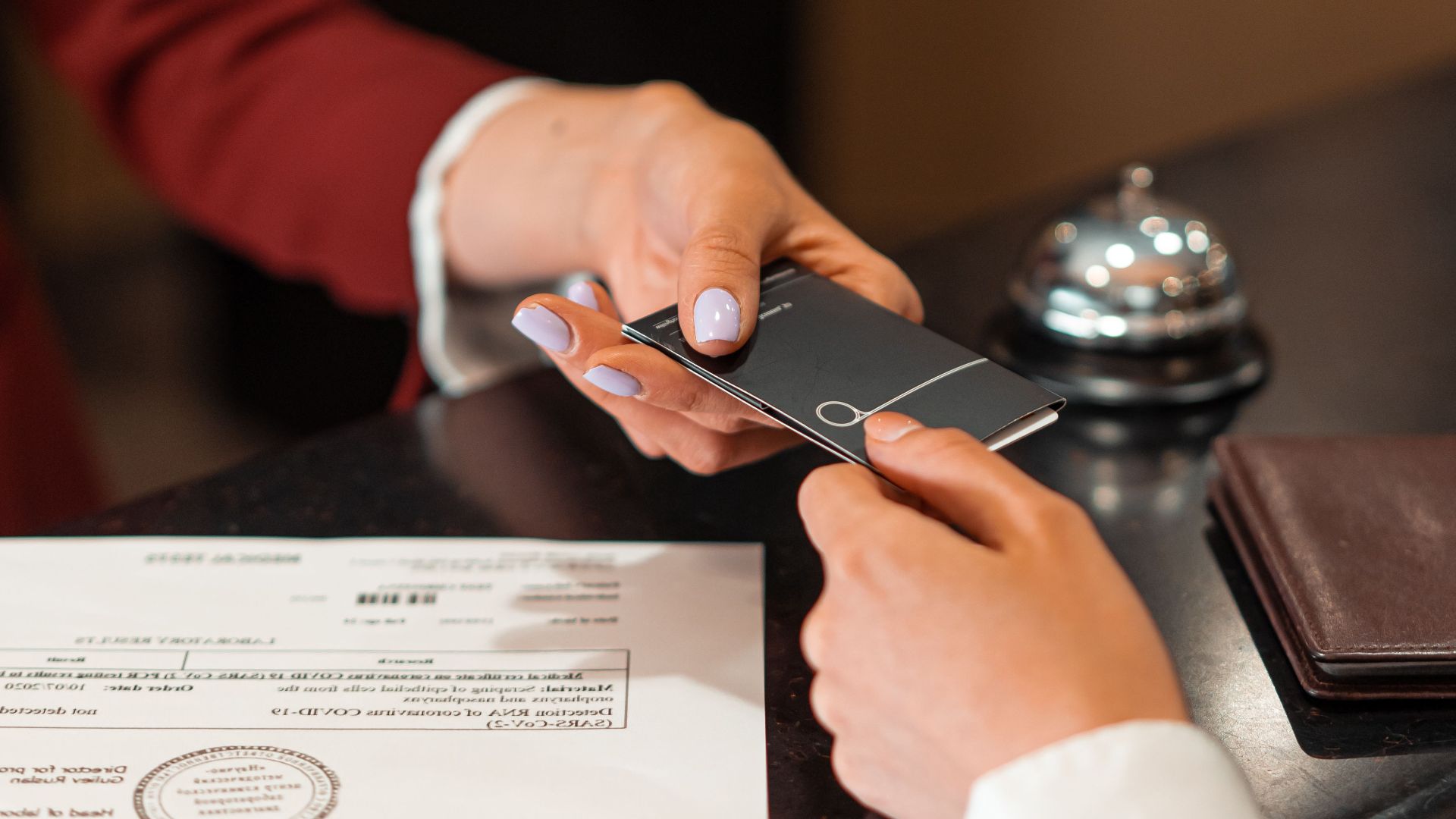
If a property says there is no alternative, ask whether that requirement was disclosed before booking and whether you can cancel without penalty. If you are in a place with strong privacy laws, you can also raise the point that biometric processing should be necessary and transparent. You may not win on the spot, but you could still get a compromise or at least create a paper trail.

The Bottom Line For Travelers
You can often refuse optional facial recognition features without blowing up your vacation, especially when they are tied to convenience rather than an unavoidable legal check-in rule. The key is to separate an ordinary guest photo from true biometric identification, ask direct questions, and request a manual alternative. A resort stay should feel relaxing, not like you wandered into a surveillance test run.