
American Assumptions
Americans love Europe—but let’s be honest, there are a few assumptions that don’t quite match reality. Spend enough time there, and locals will quickly (and sometimes politely) correct you. Here are the biggest myths Europeans say Americans still get wrong.
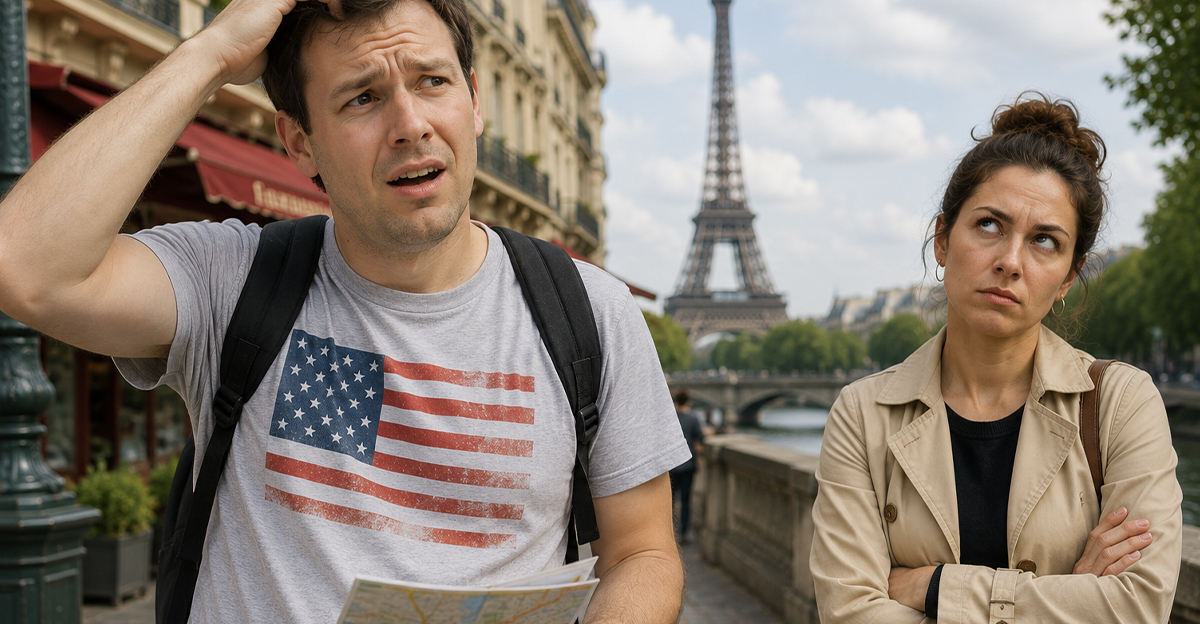
#20. “Europe Is Basically One Big Country”
A lot of Americans talk about “Europe” like it’s one place with one culture. Locals will quickly point out that countries can differ dramatically in language, food, and lifestyle, often more than Americans expect.
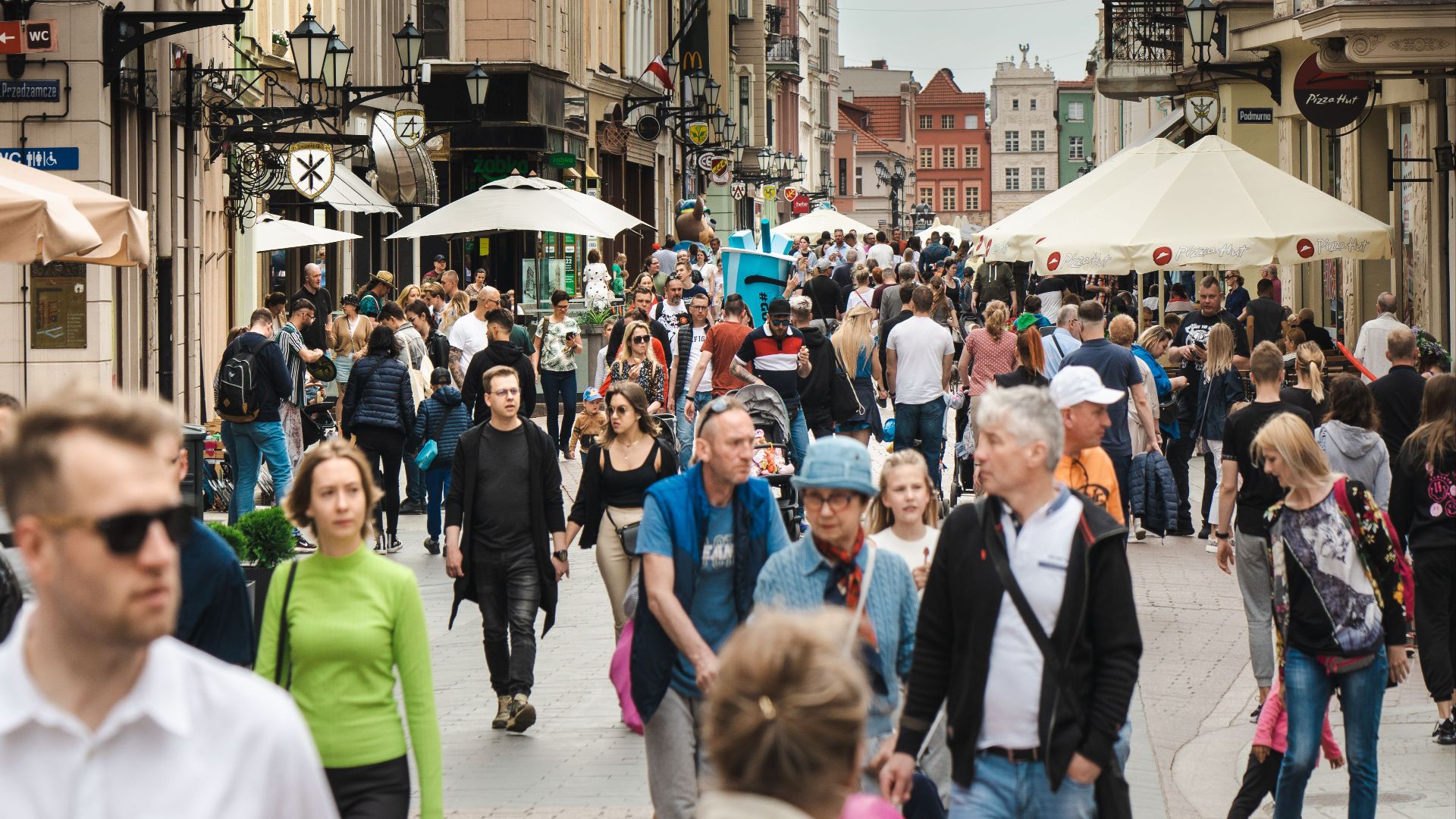
#19. “Everyone Speaks English Fluently”
While many Europeans learn English, it’s far from universal. Outside major cities or tourist areas, locals may only speak limited English or prefer not to use it at all.
 LIGHTFIELD STUDIOS, Adobe Stock
#18. “Europe Is Always Old and Historic”
Yes, there are castles and ancient streets, but there are also modern malls, highways, and suburbs. Europeans don’t live in museums, they live in cities that function like anywhere else.
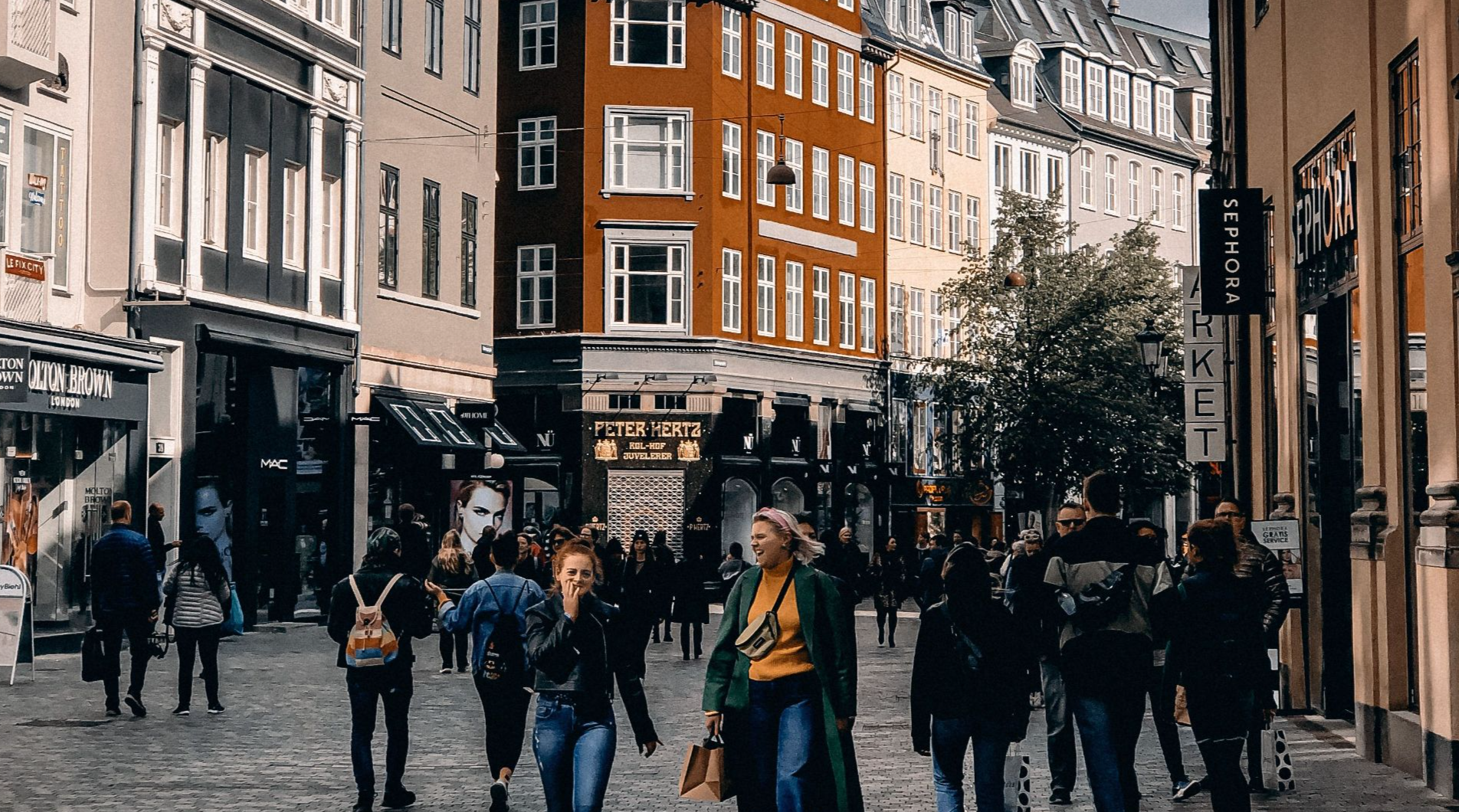
#17. “Everyone Drinks Wine All the Time”
Americans often picture Europeans casually sipping wine all day. In reality, habits vary widely, and many people treat it just like Americans do, as something occasional, not constant.

#16. “Everything Is Walkable”
Some cities are incredibly walkable, but not all of Europe is built that way. In many regions, especially rural areas, you still need a car to get around.

#15. “Europe Is Cheap”
Flights might be expensive, but many Americans assume everything else will be affordable. Then they arrive in places like Switzerland or Norway and realize that is definitely not the case.

#14. “Everyone Gets Tons of Vacation Time”
It’s true many countries offer more vacation days, but not everyone is constantly traveling. Jobs, schedules, and budgets still limit how often people can actually take time off.

#13. “Air Conditioning Doesn’t Exist”
Americans often hear that Europe doesn’t have AC and imagine the worst. It does exist, it’s just less common, especially in older buildings where it wasn’t originally needed.

#12. “Everyone Bikes Everywhere”
That might be true in Amsterdam, but not across the entire continent. Many Europeans rely on cars, trains, or buses just like Americans do.

#11. “People Eat Dinner Super Late Everywhere”
Spain might eat late, but many countries do not. Meal times vary a lot, so assuming everyone eats at 10 PM can lead to some confusing dining experiences.

#10. “Europeans Dress Perfectly All the Time”
Americans often expect effortless fashion everywhere they go. Locals will tell you people still wear hoodies, sneakers, and whatever is comfortable, just like back home.

#9. “Healthcare Is Completely Free”
Many Americans think healthcare costs nothing in Europe. In reality, it is usually funded through taxes or insurance systems, not simply free at the point of use.

#8. “You Can Easily Country-Hop All the Time”
Yes, borders are close, but people do not casually cross them every weekend. Travel still takes time, planning, and money, just like anywhere else.

#7. “Everyone Lives in Tiny Apartments”
While some cities have smaller spaces, many Europeans live in houses or larger homes. It depends heavily on the country and region.

#6. “Europe Is Always Cold and Rainy”
Southern Europe can be extremely hot, especially in summer. Countries like Spain, Italy, and Greece regularly experience temperatures similar to warm U.S. states.

#5. “Public Transportation Is Perfect Everywhere”
While many cities have great transit, it is not flawless. Trains get delayed, buses get crowded, and rural areas may have limited options.

#4. “Everyone Is Multilingual”
Many Europeans speak more than one language, but not all do. Fluency depends on education, region, and personal experience.

#3. “Europeans Don’t Use Cars”
Cars are still widely used, especially outside major cities. In many areas, driving is just as necessary as it is in parts of the United States.

#2. “People Spend All Day at Cafés”
Café culture is real, but it is not a full-time lifestyle. People still work, run errands, and go about their day like anyone else.

#1. “Europeans See Themselves as ‘European’ First”
Americans often group everyone together, but locals usually identify strongly with their country first. Someone is far more likely to say they are Italian or Swedish than simply European.
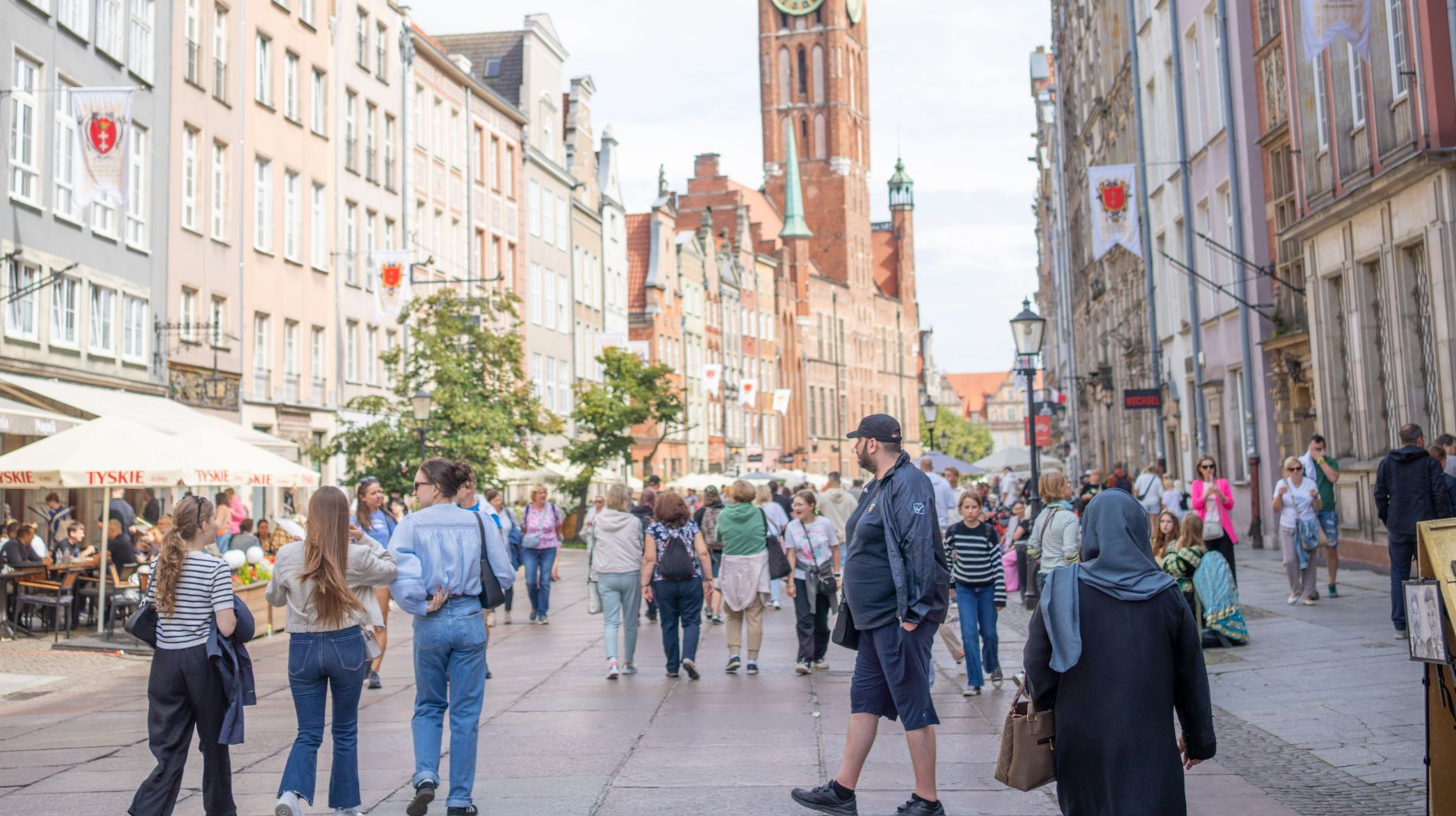
Why Americans Get This Wrong
A lot of these ideas come from movies, travel ads, and quick visits to major cities. Europe is not one experience, it is dozens of very different ones, and once you see that, everything makes more sense.

You May Also Like:
The Best Fishing States in America Ranked for 2026—According to New Data
Ranking The Most Historic Cities In America—According To Historians
Ranking America’s Most Impressive Christmas Tree Displays—Does Your State Make The List?