
The Resort Looked Very Different Online
You booked a resort boasting several restaurants, pictured yourself trying somewhere new every night, and paid accordingly. Then you arrived and discovered locked doors, dark dining rooms, and perhaps one buffet handling nearly everyone on the property. At that point, asking whether you actually received the vacation you purchased seems pretty reasonable. But what recourse do buyers have, if any? Is it worth pursuing a refund?
Yes, Resorts Do Close Restaurants
Restaurant closures at resorts are not especially unusual. Some properties rotate specialty restaurants instead of opening every venue every evening, particularly when occupancy is lower. Breezes Bahamas, for example, explicitly tells guests that its specialty restaurants operate on a rotating schedule and are not all open every night.

Low Occupancy Can Change Everything
Keeping a large restaurant fully staffed when only a fraction of the resort is occupied can make little operational sense. Some properties therefore consolidate guests into fewer restaurants during quieter periods. Some Expedia listings for certain resorts even warn that à la carte restaurants may close because of low occupancy or weather conditions.
Then There Is The Off-Season
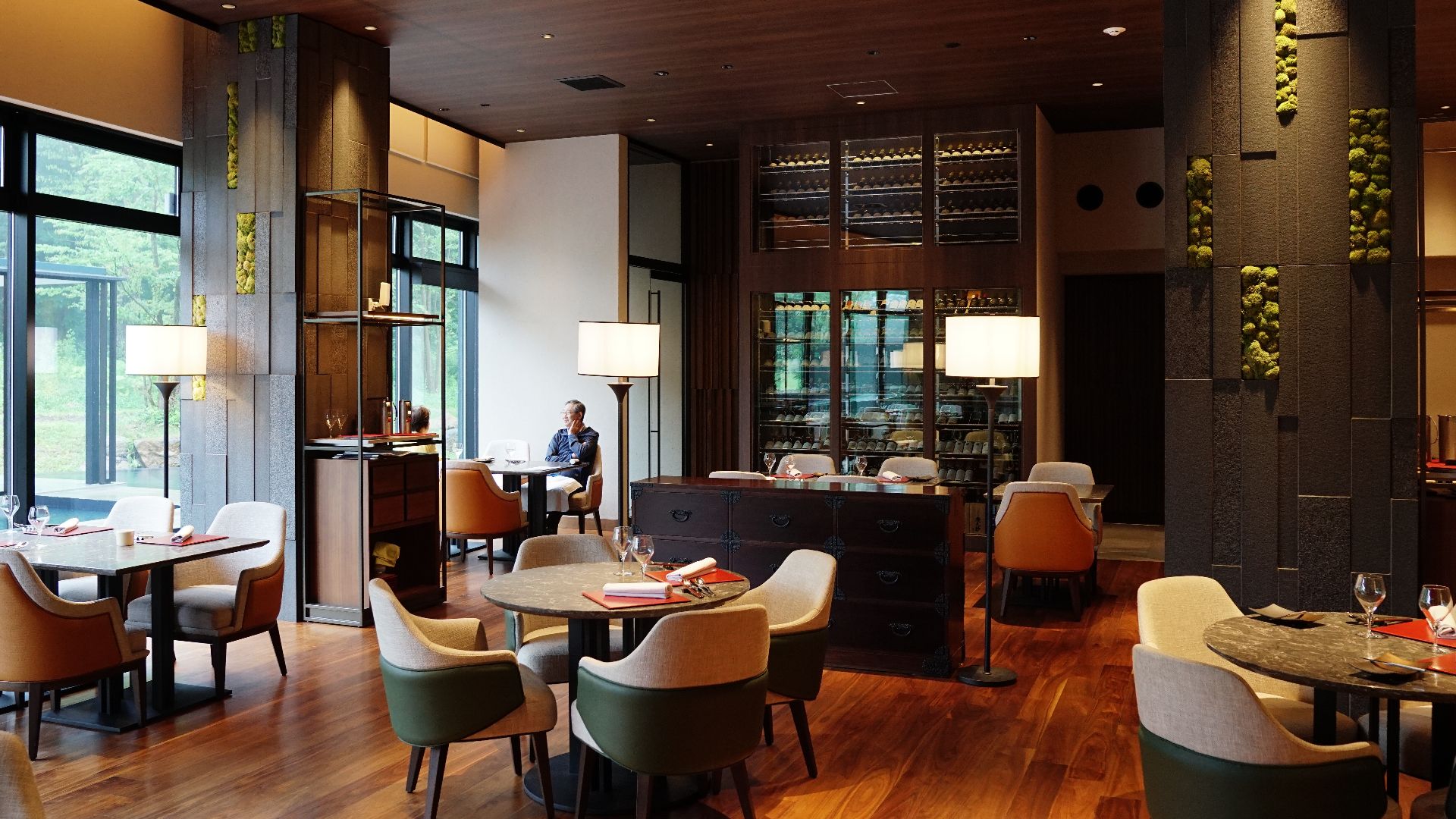
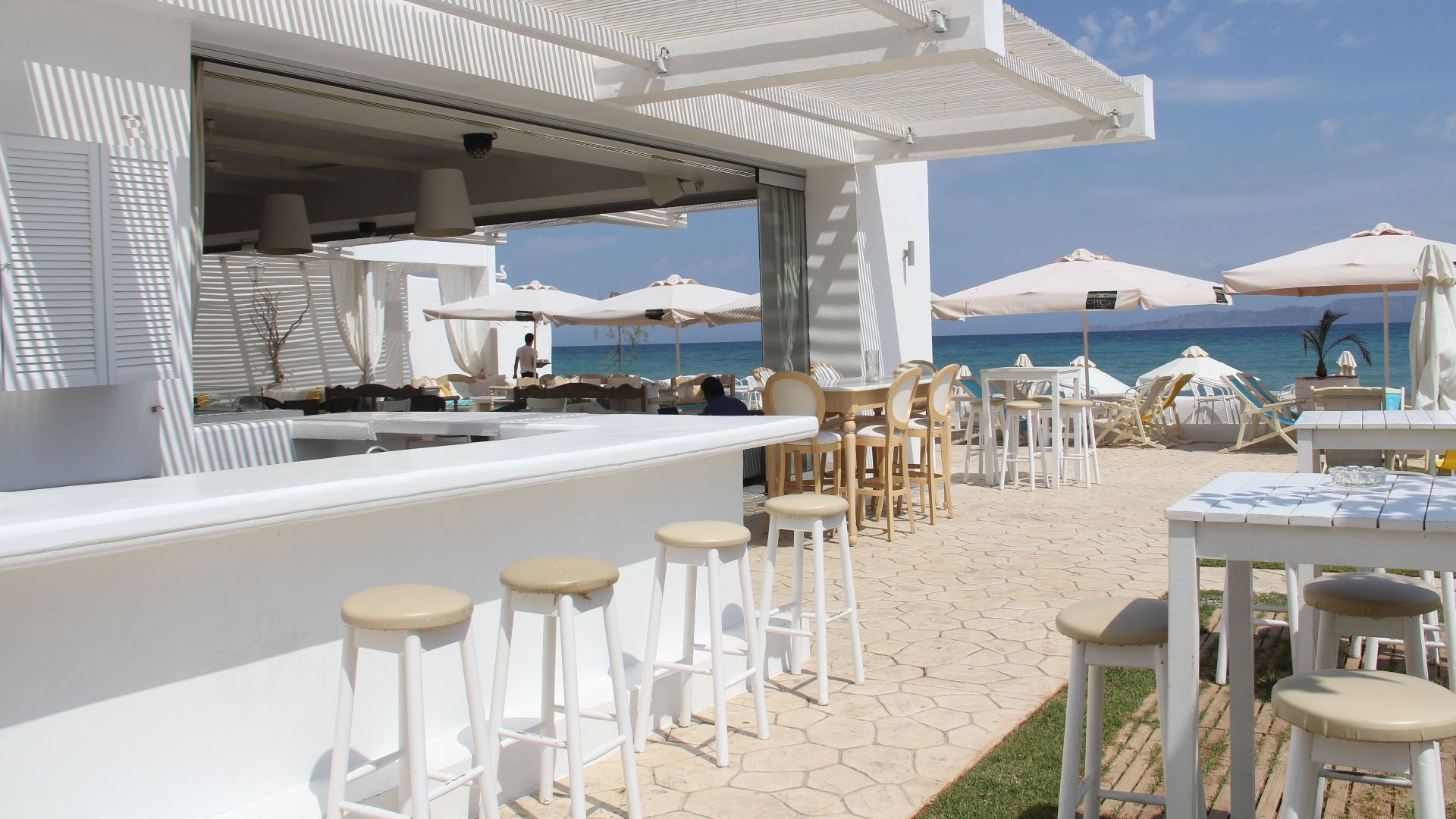
The gorgeous beach restaurant featured in the resort photographs may not operate year-round. Seasonal resorts sometimes reduce restaurants, pools, bars, and activities when demand drops. That is not necessarily a problem if guests are clearly told what will actually be operating during their dates.
Maintenance Can Shut Things Down Too
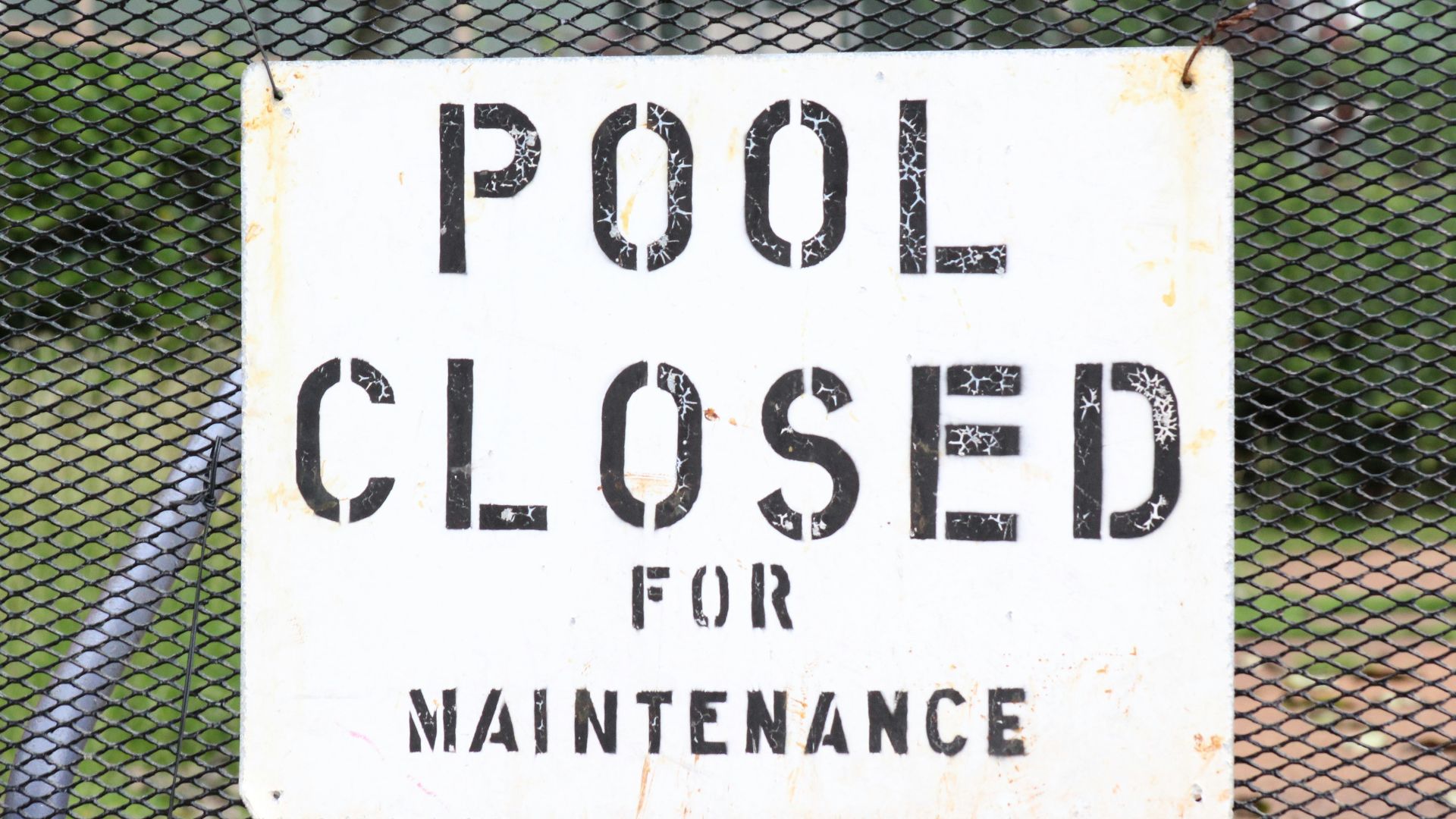
Restaurants also need kitchen repairs, renovations, painting, air-conditioning work, and other maintenance. Crown Paradise Club Cancun, for example, has publicly posted a 2026 maintenance schedule detailing temporary restaurant closures and alternative meal arrangements. That is a much better situation than guests discovering a planned closure after they have already checked in.

Resorts Sometimes Give Plenty Of Warning
Some major hotel companies put restaurant closures right on their dining pages. Marriott's Sanctuary Cap Cana, for example, published a notice identifying a restaurant closure and the specific maintenance dates involved. The issue is therefore less about whether resorts are allowed to close things and more about what guests were told beforehand.

That Disclosure Changes The Argument
Imagine one booking page says "six restaurants" with no qualification. Another says six restaurants are on the property, but some operate seasonally or on rotating schedules. Those two advertisements can create very different expectations for a reasonable traveler.

Fine Print Matters More Than You Think
Before demanding money back, find the exact page and terms you saw when booking. Look for phrases such as "seasonal," "subject to availability," "rotating schedule," or "operating hours may change." If those limitations were prominently disclosed, the resort has a much stronger response to your complaint.

Hidden Fine Print Is Another Matter
Fine print does not necessarily excuse misleading advertising. If a resort heavily promoted several restaurants while burying major closures somewhere guests were unlikely to see them, you may still have a legitimate complaint. The FTC requires advertising to be truthful and not misleading.
 Christian Velitchkov, Unsplash
Ask What You Were Actually Sold
This becomes especially important at all-inclusive resorts. You are not simply renting a bedroom when meals, drinks, entertainment, pools, and restaurants are marketed as parts of the experience. If dining variety strongly influenced your resort choice, losing most of that variety can feel much more significant than finding one temporarily closed café.

One Closure Is Different From Five
Proportion matters. If a property advertises eight restaurants and one closes for two evenings, most travelers probably still receive something close to the advertised experience. If six are unavailable throughout a week-long stay, your argument that the experience materially differed from what was promoted becomes considerably stronger.
Alternatives Matter Too
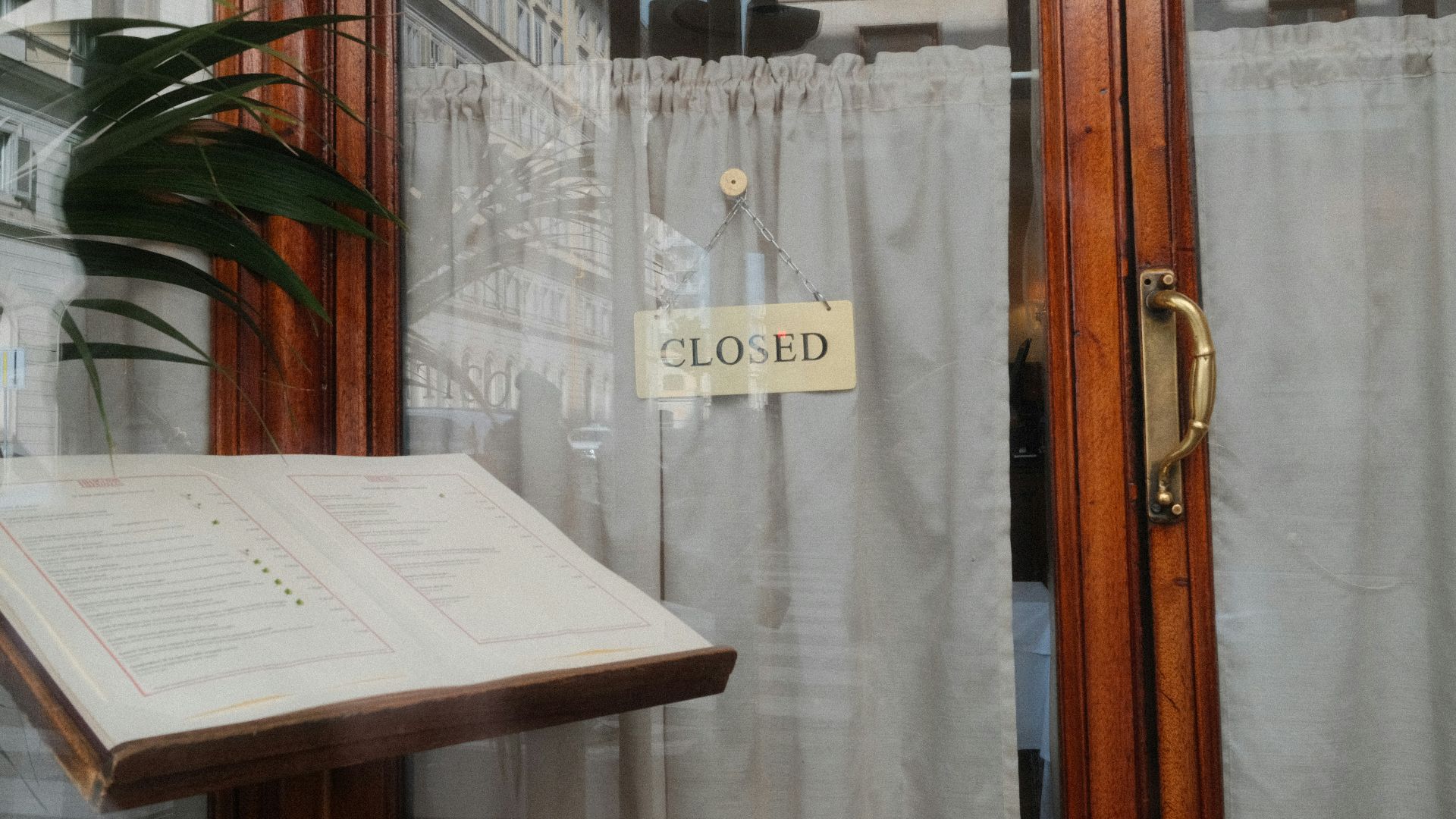
A resort may close its main buffet for renovations while providing comparable breakfast, lunch, and dinner elsewhere. Crown Paradise Club Cancun, for example, says meals will be offered in alternate restaurants and convention space during a scheduled buffet refurbishment. A meaningful replacement can reduce the practical impact of a closure.

A Single Overloaded Buffet Is Not The Same
The situation feels different when five advertised restaurants disappear and every guest is pushed toward one remaining option. Even if nobody goes hungry, the dining experience may no longer resemble what influenced the booking. Variety, atmosphere, convenience, cuisine, and reservation access can all be part of why someone chooses one resort over another.

Your Resort Fee May Add To The Frustration
Resort fees can be especially frustrating when parts of the resort are unavailable. New FTC rules require hotels advertising prices in the U.S. to show mandatory fees upfront rather than revealing them later. That does not make resort fees illegal, but it does give travelers a clearer picture of what they are actually paying.
 https://kaboompics.com/, Pexels
A Resort Fee Does Not Guarantee Every Amenity
Paying a resort fee does not automatically create a right to have every pool, restaurant, gym, and activity open every minute of your vacation. Hotels can experience repairs, weather disruptions, emergencies, and operational changes. Still, charging guests for a resort experience while substantial advertised facilities are unavailable can provide another reason to ask management for an adjustment.
 Coby Shimabukuro-Sanchez, Unsplash
Start Collecting Evidence Immediately
Take photographs of closed restaurants and any signs showing operating dates or hours. Save screenshots of the booking page, restaurant descriptions, confirmation email, and package inclusions. The FTC has specifically recommended that travelers keep confirmation details showing the rate and amenities they were promised.

Screenshots Can Be Extremely Valuable
Hotel websites change constantly. A closure notice added after you complain does not necessarily prove that the same notice appeared when you booked. A dated screenshot showing how the resort presented its dining options when you paid can make your complaint far clearer.

Ask The Resort While You Are Still There
Do not necessarily wait until you have flown home to say something. Speak with guest services or a manager and explain which facilities you expected and which are unavailable. Giving the resort an opportunity to fix the problem also makes your later complaint stronger because you can show that you tried to resolve it directly.

Ask For Something Specific
"I want compensation" is easy to brush aside because it leaves the resort guessing. Consider asking for removal or reduction of a resort fee, a dining credit, a room-rate adjustment, loyalty points, or another benefit appropriate to the disruption. A specific and proportionate request usually gives management something concrete to evaluate.

A Full Refund May Be A Stretch
If you stayed for seven nights, slept in the room, ate meals, used the beach, and otherwise completed the vacation, demanding every dollar back may be difficult to justify. The missing restaurants affected only part of the product you purchased. A partial refund or credit can therefore be a more realistic starting position when most of the stay was still delivered.

But Serious Misrepresentation Is Different
Suppose dining was central to the resort's marketing, most restaurants were already scheduled to close, and nobody disclosed that fact until arrival. That is much more troubling than an unexpected one-night maintenance problem. The FTC considers an advertisement deceptive when a material statement or omission is likely to mislead reasonable consumers.
Your Booking Method Also Matters
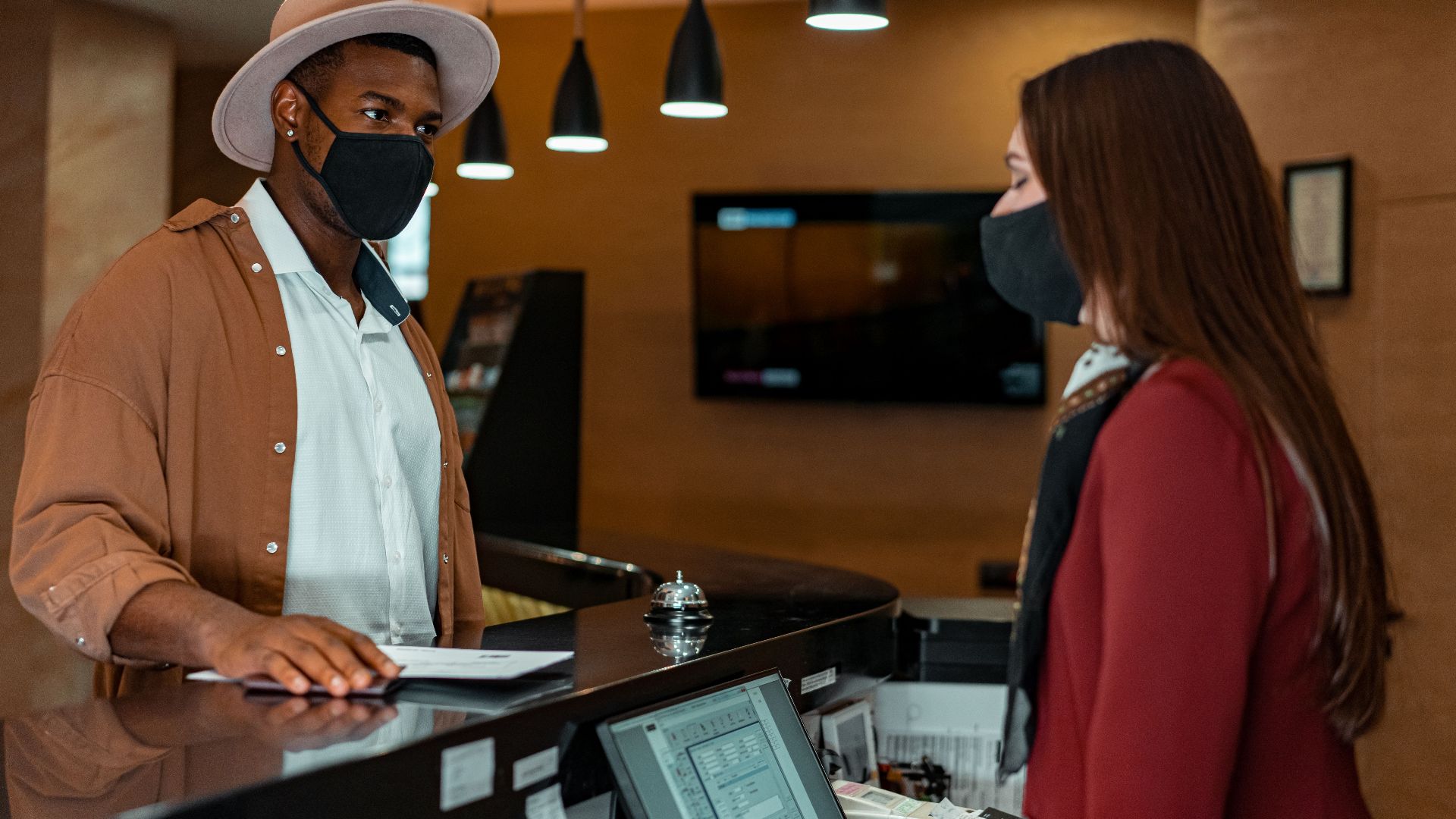
Did you reserve directly with the resort, through an online travel agency, or as part of a vacation package? The answer determines who took your money, who displayed the information you relied upon, and who may have the ability to issue a refund. Keep records of communications with both the seller and the property when more than one company is involved.

Give The Booking Company A Chance
If the resort refuses to help and you booked through an intermediary, contact that company next. Explain exactly what its listing showed when you booked and what was unavailable during the stay. Supporting screenshots, dates, and photographs will be much more persuasive than simply saying the vacation was disappointing.

Credit Cards Give You Another Route
If you paid by credit card and the resort will not resolve the problem, you can also ask your card issuer whether the charge qualifies for a dispute. That does not guarantee your money back, especially if most of the vacation was delivered. Think of a chargeback as another option to explore, not an automatic refund.

Do Not Miss The 60-Day Window
If you are considering a credit card dispute, do not wait too long. CFPB guidance generally gives consumers 60 days from when the statement showing the charge was sent to submit a written billing-error notice. Check with your card issuer promptly so you know what steps to follow.

Be Careful With The Chargeback Argument
There is a big difference between “I didn't like the resort” and “the resort didn't provide something it specifically advertised.” That distinction can matter when you ask your credit card company to step in. Focus on exactly what was promised and what was unavailable, rather than simply arguing that the resort was disappointing.

Compensation Is Not Automatic
There is no universal American rule saying that three closed restaurants equal a 30 percent refund. The outcome can depend on what was advertised, what your booking terms said, where the property is located, what alternatives were provided, and how significant the closures were. International resorts can also be governed by consumer laws outside the United States.

The Best Case Is Surprisingly Simple
Your position is strongest when the resort clearly advertised specific restaurants, those restaurants were a meaningful selling point, most were unavailable throughout your dates, and that limitation was not disclosed before payment. Add screenshots and evidence showing that the closures were planned, and you have a far more substantial complaint. It still does not guarantee a refund, but it gives you something stronger than ordinary vacation disappointment.

So, Should You Ask For Money Back?
Yes, if several prominently advertised restaurants were unavailable and you were not warned beforehand, asking for reasonable compensation is entirely justified. Start with the resort, explain exactly how the actual experience differed from what was sold, provide documentation, and request a proportionate adjustment. A resort may not owe you a full refund simply because some restaurants closed, but travelers should not be expected to quietly accept a substantially reduced vacation experience when the marketing suggested otherwise.

You May Also Like: