
What Did They Actually Pay Extra For?
An adults-only upgrade is usually sold as a shortcut to peace. Guests pay more for quieter pools, child-free lounges, and a calmer atmosphere than the main family resort. So when an adults-only section fills with wedding noise and children for an entire weekend, obviously you're left wondering what, exactly, the premium was for? And of course...can you get any of it back?

The Promise Behind Adults-Only Marketing
Major resorts market adults-only spaces as places for rest, romance, and escape. Hyatt’s Inclusive Collection says adults-only resorts are designed for guests 18 and older, while adults-only areas at some family resorts are presented as private zones inside a larger property. That distinction matters, because an adults-only wing inside a mixed-use resort may not offer the same level of separation guests think they are buying.

Not All Adults-Only Labels Mean The Same Thing
One big source of confusion is that “adults-only” can mean very different things. Sometimes it means the entire resort is restricted to adults. Other times it means a preferred club, tower, beach section, or pool area inside a larger all-ages resort, where weddings and shared event spaces can blur the lines fast.

Why Weddings Change The Equation Fast
Destination weddings can change the mood of a resort in a few hours. Large groups move between restaurants, pools, beaches, and bars, and even carefully divided properties can feel crowded and loud. Children may also be part of the guest list, especially if the wedding is family-friendly and the larger resort allows minors.

Resorts Usually Reserve Broad Rights In The Fine Print
This is where the contract language matters. Resort terms often let management host private events, close facilities, or swap out amenities without notice. That means the peaceful adults-only experience shown in the marketing may still depend on event schedules guests never saw before arrival.

Hyatt’s Terms Offer A Useful Example
Hyatt’s reservation terms say amenities and services can change and that hotels may make substitutions when needed. The company also notes that special events and local conditions can affect operations. That does not automatically make a disappointing stay acceptable, but it does help explain why getting compensation can be harder than many travelers expect.

Marriott Uses Similar Caveats
Marriott’s terms and conditions include broad disclaimers around the availability of services and amenities too. In plain English, that means a resort can often legally host a wedding, limit access, or change the guest experience without promising a refund first. Guests may feel misled, but the legal standard is not always the same as the marketing pitch.
The Real Issue Is Expectation Versus Delivery
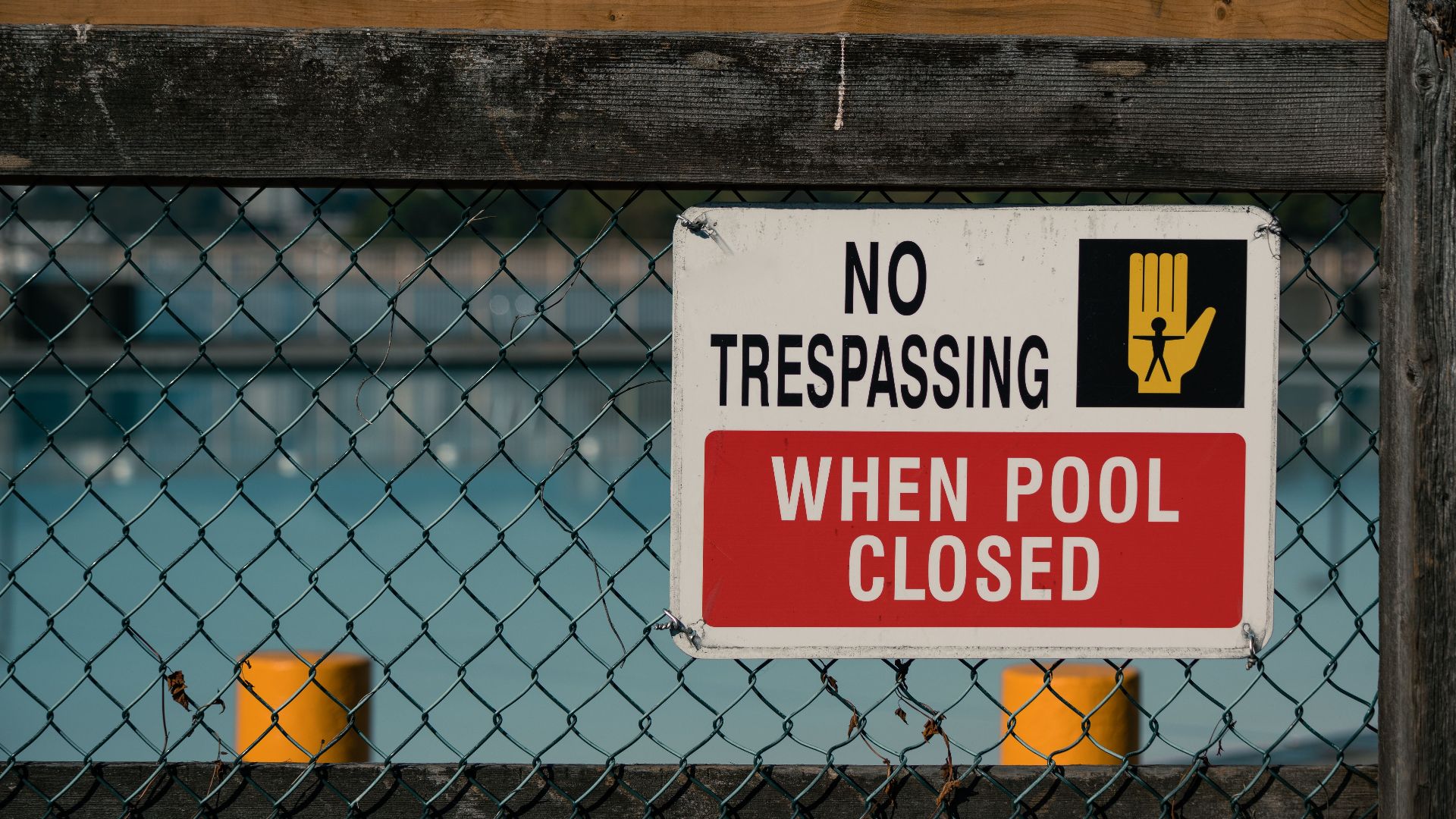
Most complaints in situations like this are not about the existence of weddings. They are about paying a premium for quiet and exclusivity, then getting a stay shaped by noise, crowding, and children in or near spaces that were marketed as adult-focused. That gap between promise and reality is where refund fights usually start.

When A Family Resort Contains An Adults-Only Section
Travel advisors often warn that an adults-only enclave inside a larger family resort is not the same as a fully adults-only property. Shared beaches, lobbies, restaurants, and event venues create overlap. If a wedding group is using those common spaces all weekend, the separation can start to feel more theoretical than real.

Noise Complaints Are Harder To Win Than Access Complaints
A loud celebration is frustrating, but compensation claims based on noise alone can be subjective. It is usually easier to make your case when you can show that a specific advertised adults-only facility was inaccessible, repurposed, or openly used by children despite the premium pricing. Clear facts beat vague annoyance every time.
 AI25.Studio AI GENERATIVE, Pexels
What Counts As Good Evidence
If this happens, start documenting details right away. Take time-stamped photos of event signage, children in restricted areas, or closed adults-only facilities. Save the booking page, confirmation email, and any resort language that described the section as tranquil, exclusive, or 18-plus.

Complain While You Are Still On Property
The best time to push for a remedy is during the stay, not after checkout. Ask to speak with a manager, explain what was advertised and what you found, and request a practical fix such as a room move, access to another quiet area, or a partial rate adjustment. If the resort offers something, get it in writing.

Why Front Desk Chats Are Not Enough
Verbal complaints are easy for a property to forget later. Follow up in the hotel app, by email, or with a written guest relations note so there is a record. A paper trail matters if you later dispute charges or escalate the issue to corporate customer service.

Ask The Right Question At The Start
Do not just ask whether the property is adults-only. Ask whether the adults-only section is part of a larger family resort, whether weddings are scheduled during your dates, and whether any adults-only facilities can be used for private events. Those specific questions are much more likely to uncover a problem before you book.

Check The Resort Map Before You Book
A map can tell you a lot before you hand over your card. If the adults-only area sits next to the main beach, event lawn, ballroom, or central pool, expect spillover during busy weekends. A stand-alone adults-only property usually offers a cleaner break from the rest of the resort.

Wedding Calendars Are Not Always Public, But Try Anyway
Some resorts do not publish wedding schedules, but it is still worth asking. A quick call or email to the property can reveal whether a large group or buyout is expected. Travel forums and recent reviews can also hint at regular weekend wedding traffic.

Recent Reviews Often Tell The Truth Marketing Won’t
Photos of candlelit loungers and empty pools sell the dream. Reviews from guests who stayed in the previous few weeks often show whether the adults-only zone is actually calm, or whether weddings, conferences, and family overflow regularly change the mood. Look for repeated patterns, not just one angry post.

Package Holidays May Offer Extra Protection
If you booked a package through a tour operator, you may have another path for complaints. In some markets, package travel rules give consumers stronger protections when a holiday is significantly different from what was sold. The exact rights depend on where you booked and under what terms.

Credit Card Disputes Can Work, But Only Sometimes
A chargeback is not a magic fix for disappointment. Card issuers usually want evidence that the service was materially different from what was advertised, not just less relaxing than expected. Strong documentation improves your odds, especially if children were allowed in clearly marketed 18-plus areas.

Travel Insurance Usually Will Not Cover This
Standard travel insurance is generally built for cancellations, medical issues, or baggage problems. It rarely pays out because a resort atmosphere was louder or less exclusive than expected. That is why documenting possible misrepresentation and working through the seller or your credit card company is often more realistic.

How To Word A Better Complaint
Skip the dramatic language and stick to facts. State that you paid extra for an adults-only section, list the exact dates of the wedding weekend, explain where children were present, and note any facilities that were unavailable or too disrupted to use as advertised. A clear timeline is harder to dismiss.

What Compensation Is Reasonable To Request
Ask for something proportionate. A partial refund of the premium paid for the adults-only category, loyalty points, or a future stay credit is more realistic than demanding the full trip cost back. If a key adults-only amenity was closed or repurposed, make that the center of your request.

When The Resort Might Have A Fair Defense
Sometimes the property did not actually promise a fully sealed child-free bubble. If the booking terms described an adults-only section inside a broader all-ages resort, management may argue that weddings and some cross-traffic were foreseeable. That may be frustrating, but it is why the exact wording matters so much.

When Guests Have The Stronger Argument
The guest case gets much stronger if the resort clearly marketed a space as adults-only, 18-plus, tranquil, or exclusive, and then allowed children into that same space all weekend. It also helps if the wedding repeatedly disrupted access rather than affecting the area for a short ceremony window. Specific promises create specific obligations.

The Safest Booking Strategy For Quiet Lovers
If uninterrupted calm is the whole point of your trip, book a fully adults-only resort rather than an adults-only subsection of a larger complex. Confirm in writing that no family areas, wedding lawns, or shared event spaces sit directly beside your room category. A little extra research can save you a very annoying weekend.

One More Smart Move Before You Confirm
Message the resort and ask them to answer three things in writing: whether children can enter any part of the adults-only zone, whether private events affect that area, and whether a large wedding is scheduled on your dates. If the answers are vague, treat that as useful information. A fuzzy promise often leads to a fuzzy experience.

The Bottom Line On That Extra Spend
What guests pay extra for is supposed to be peace, separation, and predictability. If a resort’s adults-only section turns into a loud wedding overflow zone with children around all weekend, the product delivered may not match the premium sold. The smartest travelers treat “adults-only” as a label to verify, not one to blindly trust.