
Going Back Every Year Makes The Sales Pitch Sound Tempting
If you already spend every winter in the same destination, buying a guaranteed piece of that vacation can sound perfectly logical. Why keep paying someone else's rental rate when you know you'll be back next year anyway? But a timeshare doesn't simply replace a hotel bill with ownership.
You're Actually A Better Timeshare Candidate Than Most Travelers
Someone who genuinely returns to the same destination every year has already eliminated one of the biggest arguments against timeshares: lack of flexibility. If you love the location, vacation consistently, and expect that habit to continue for many years, ownership deserves a closer look. The question is whether the financial commitment buys those future vacations for less than you could continue renting them.

Compare The Same Kind Of Vacation
Don't compare a two-bedroom resort timeshare with the cheapest motel room in town. Likewise, don't compare the timeshare with an unusually expensive oceanfront hotel if you'd normally rent a modest condo. Find out what it costs to rent a similar unit, in the same destination, during the same winter weeks. That's the price the timeshare actually has to beat.

The Upfront Cost Can Be Substantial
Timeshares aren't inexpensive simply because you're buying only part of a property. ARDA's 2026 industry report found that the average developer timeshare transaction in 2025 cost about $24,740. Individual purchases vary enormously, but that's a lot of future rental nights to pay for before the first annual maintenance bill even arrives.

Maintenance Fees Never Really Go Away
Paying off the purchase doesn't mean future vacations become free. ARDA reported an average billed maintenance fee of about $1,550 per weekly interval equivalent in 2025. Those fees support property operations, repairs, staffing, insurance, reserves, and other expenses, and owners generally owe them whether or not they actually take that year's vacation.

Those Fees Can Keep Rising
Maintenance charges aren't normally frozen at the amount quoted during the sales presentation. ARDA reported that average maintenance fees increased 4.7% in 2025, following increases in previous years. Ask for at least five to ten years of fee history for the specific resort. A timeshare that looks economical using today's dues may tell a different story after another decade of increases.
 https://kaboompics.com/, Pexels
Special Assessments Can Complicate The Budget
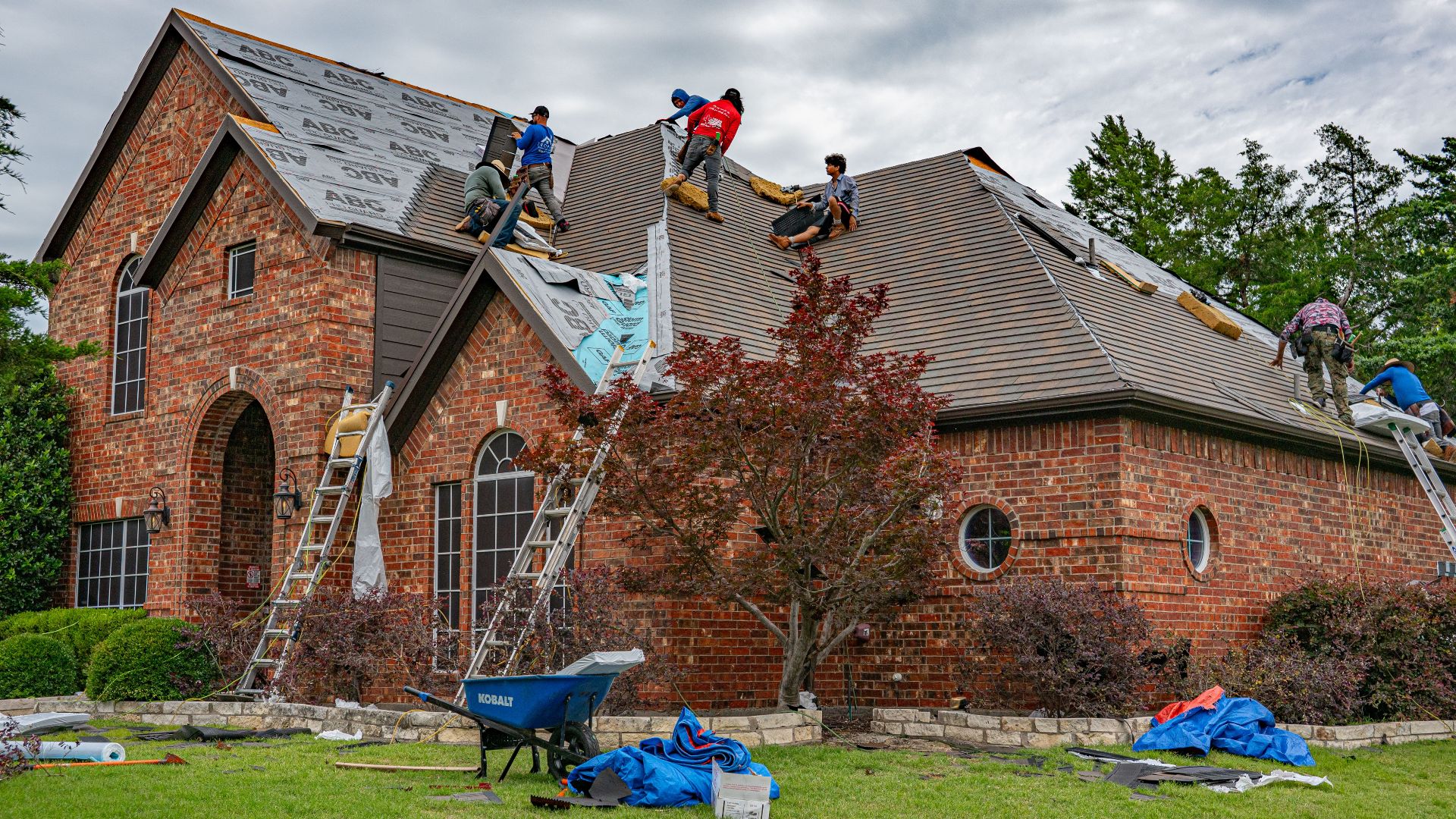
Annual dues aren't always the only potential charge. Resorts may levy special assessments when major work exceeds available reserves, depending on the ownership structure and governing documents. Roof replacement, major renovations, storm damage, or aging infrastructure can create costs that weren't part of your original vacation budget. Ask whether the resort has imposed assessments before and whether any major projects are planned.
Financing Can Make The Purchase Much More Expensive
If you can't comfortably pay the upfront purchase price, calculate the financing separately. Interest can dramatically increase the effective cost of ownership before annual maintenance fees are considered. Don't let a salesperson convert everything into an easy-looking monthly payment. Ask for the total amount you'll pay over the entire financing term and add that to the ownership comparison.

There's Also An Opportunity Cost To The Cash
Even a cash purchase isn't financially free. Putting $25,000 into a timeshare means that money can't remain in savings, investments, or another asset producing a return. You don't necessarily need an elaborate financial model, but someone comparing ownership with renting should acknowledge that the upfront capital has value outside the vacation program.

Renting Has Almost No Commitment Cost
The renter generally pays for the vacation and walks away. There are no annual maintenance dues during a year when health problems prevent travel, no long-term contract to unwind, and no property interest to sell. If your financial situation changes, you can book a cheaper place, shorten the trip, skip a year, or choose somewhere else entirely.

But Rent Isn't Guaranteed To Stay Cheap Either
Renters face their own uncertainty. A favorite resort can raise rates, an inexpensive condo can disappear from the market, or winter demand can push prices sharply higher. Timeshare ownership may provide more predictable access to a certain level of accommodation, particularly when the family regularly travels during a popular season. That's part of what owners are paying for.
Check What Owners Are Charging Renters
There's an interesting middle ground between buying a timeshare and booking directly through a resort. Existing owners sometimes rent out weeks or points they can't use through secondary marketplaces. Consumer Reports has previously found examples where renting directly from a timeshare owner cost considerably less than booking comparable resort accommodations. Before buying, see whether you can rent the exact product you're considering.

A Fixed Week Can Make Sense For A Very Predictable Family
Traditional fixed-week ownership can be surprisingly well matched to someone who always wants the same destination during the same week. You know when you're going, the vacation is essentially built into the calendar, and there may be less competition for reservations. But that advantage disappears quickly if family schedules, health, or preferred travel dates begin changing.

Points Systems Offer Flexibility With More Complexity
Many modern timeshares sell points rather than one specific week. Points may let owners choose different resorts, unit sizes, or trip lengths, but the number needed can vary according to destination and season. Ask exactly how many points your normal winter trip requires today and whether that requirement can change. Buying “flexibility” isn't particularly useful if your preferred trip consistently consumes more points than you own.

Peak Winter Weeks Deserve Special Attention
If you're traveling somewhere warm in January or February, you may be competing for some of the most desirable dates in the entire system. Don't accept a vague promise that you'll have “access” to the resort. Ask when reservations open, how quickly your preferred weeks usually fill, and whether your ownership level actually gives you enough booking priority to get them.
Exchange Programs Aren't Free Flexibility
Sales presentations often emphasize the ability to trade a week or points for stays somewhere else. That can be useful, but FTC guidance specifically tells prospective buyers to investigate exchange charges and other additional costs. If your main justification for buying is flexibility, calculate what those alternative vacations really cost after membership, exchange, reservation, or upgrade fees.
 Vodafone x Rankin everyone.connected, Pexels
Missing One Vacation Can Be Surprisingly Expensive
Renters who can't travel simply don't rent anything that year. Timeshare owners generally still owe maintenance fees. Some programs allow points to be banked, borrowed, transferred, or rented, but rules vary. Ask exactly what happens if illness, caregiving, finances, or another emergency prevents you from traveling for a year or two.

Don't Count On The Timeshare Appreciating
The FTC specifically cautions buyers to view a timeshare primarily for its usefulness as a vacation destination rather than as an investment. The resale market can be dramatically weaker than the developer-sales market, and some owners struggle to find buyers at all. Any comparison that assumes you'll eventually recover most of the purchase price is therefore starting with a risky assumption.
The Resale Market Can Also Help The Buyer
Weak resale values are bad news when you're trying to sell, but potentially excellent news before you buy. Consumer Reports and NerdWallet both note that second-hand timeshares can sometimes sell for a small fraction of their original developer prices. If you're convinced a particular resort works for your family, investigate resale inventory before paying developer pricing.

Make Sure A Resale Purchase Has The Same Benefits
A cheap secondary-market contract isn't automatically identical to buying directly from the developer. Some programs restrict certain exchange options, memberships, perks, or point uses for resale buyers. Before celebrating an enormous discount, get written confirmation of exactly which benefits transfer and which don't. You want the cheap version of the same vacation, not a different product you didn't intend to buy.

Think About How Long "Every Winter" Really Means
You may have visited this destination for the last eight years, but what about the next twenty? Retirement, grandchildren, mobility, health, work schedules, climate preferences, and family obligations can all change how you vacation. A timeshare becomes more financially attractive when it's used consistently for a long period, so the assumption that you'll keep traveling matters enormously.

Getting Out Can Be Much Harder Than Getting In
The FTC warns that selling a timeshare can be difficult and specifically cautions owners about companies promising quick resales or guaranteed exits in exchange for upfront fees. Before buying, ask the developer what legitimate surrender, deed-back, or exit programs exist. Understanding the exit route before signing is much easier than desperately searching for one ten years later.

Do Your Own Break-Even Calculation
Suppose a timeshare costs $25,000 upfront and currently requires $1,500 a year in maintenance. Spread only the purchase price over 20 years and you're already effectively allocating another $1,250 per year before considering financing, rising dues, exchange fees, assessments, or the return that $25,000 could have earned elsewhere. Compare that total with what you'd realistically pay to rent similar accommodations each year.

Rent The Exact Resort Before Buying It
If you've never actually stayed at the property being sold, rent there first. Better still, rent the type of timeshare unit you're considering from an existing owner if possible. Use the pools, kitchens, parking, elevators, restaurants, and other amenities as though you owned there. You'll learn far more from a week of ordinary use than from a polished 90-minute sales presentation.

Visiting The Same Place Every Year Helps The Timeshare Case, But It Doesn't Settle It
Returning to one destination every winter makes timeshare ownership more plausible than it would be for travelers who constantly want somewhere new. But renting still offers flexibility, no large upfront commitment, and an easy exit, while ownership brings annual fees and long-term obligations even after the purchase price is paid. Compare the true annualized ownership cost with several years of realistic rental prices for the same kind of unit. If ownership only wins when you assume decades of perfect vacations and strong resale value, renting may be doing more work for your money than the sales presentation suggests.

You May Also Like: