
The New Hotel Surprise
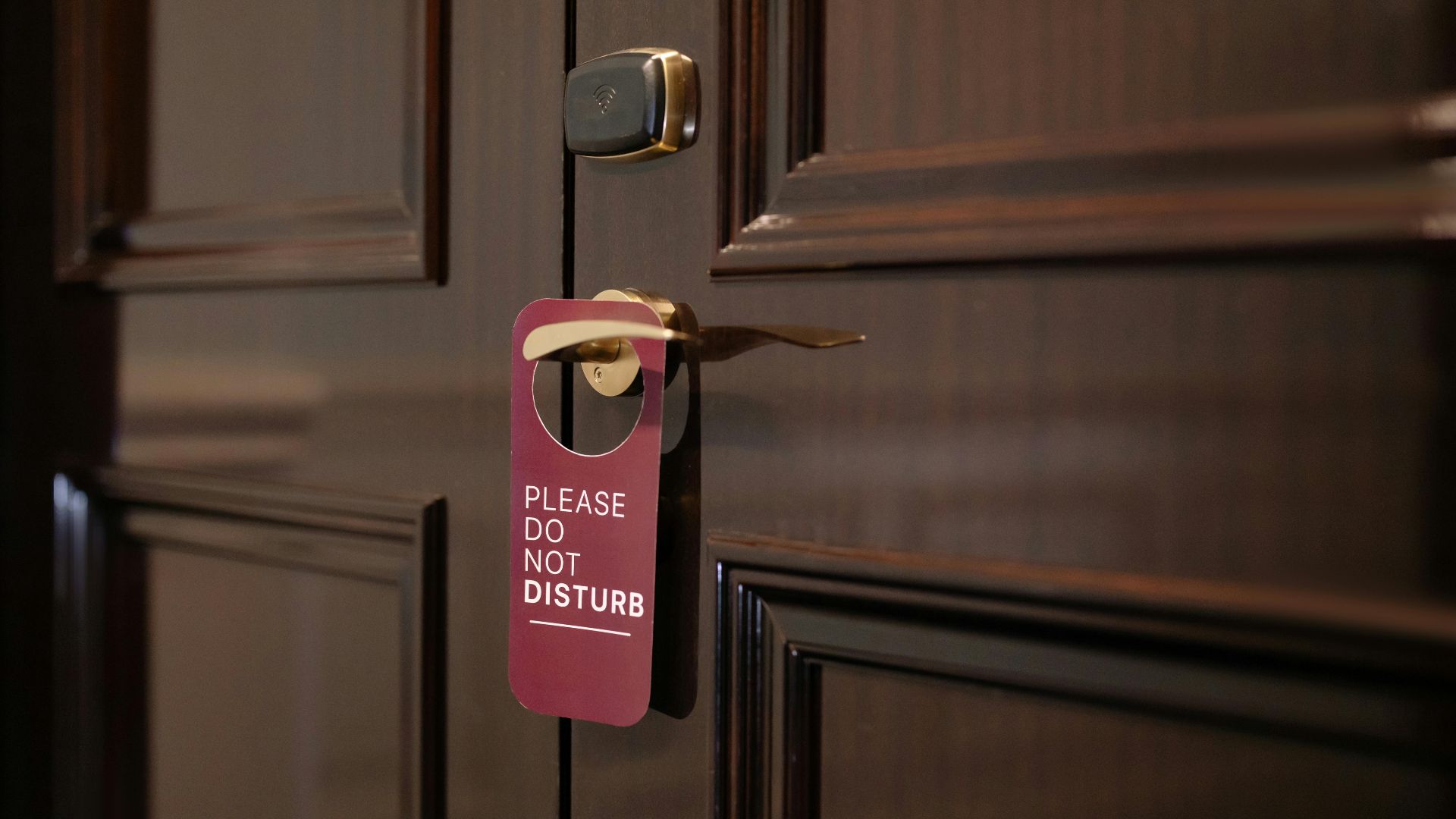
Coming back to a freshly cleaned hotel room after a long day never gets old—but it is getting less common. You're more and more likely to find housekeeping comes every fourth day or so, unless you pay extra for the service.This reflects real post-pandemic policy shift in the hotel industry, and it might be here to stay.
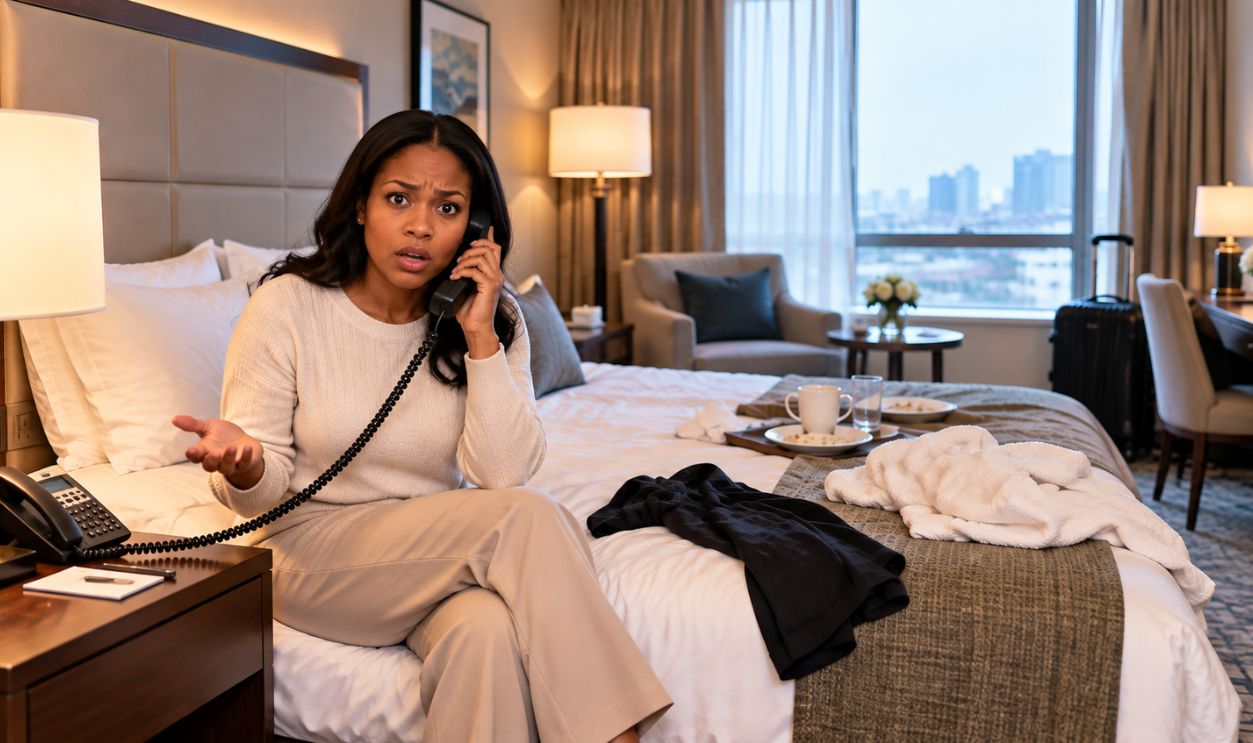
Why This Feels So Strange
For years, daily room cleaning was just part of the hotel deal. Most guests never had to think about when towels would be replaced or the trash emptied. Now, when some properties limit service to every few days, something that used to feel standard can suddenly seem like a bonus.
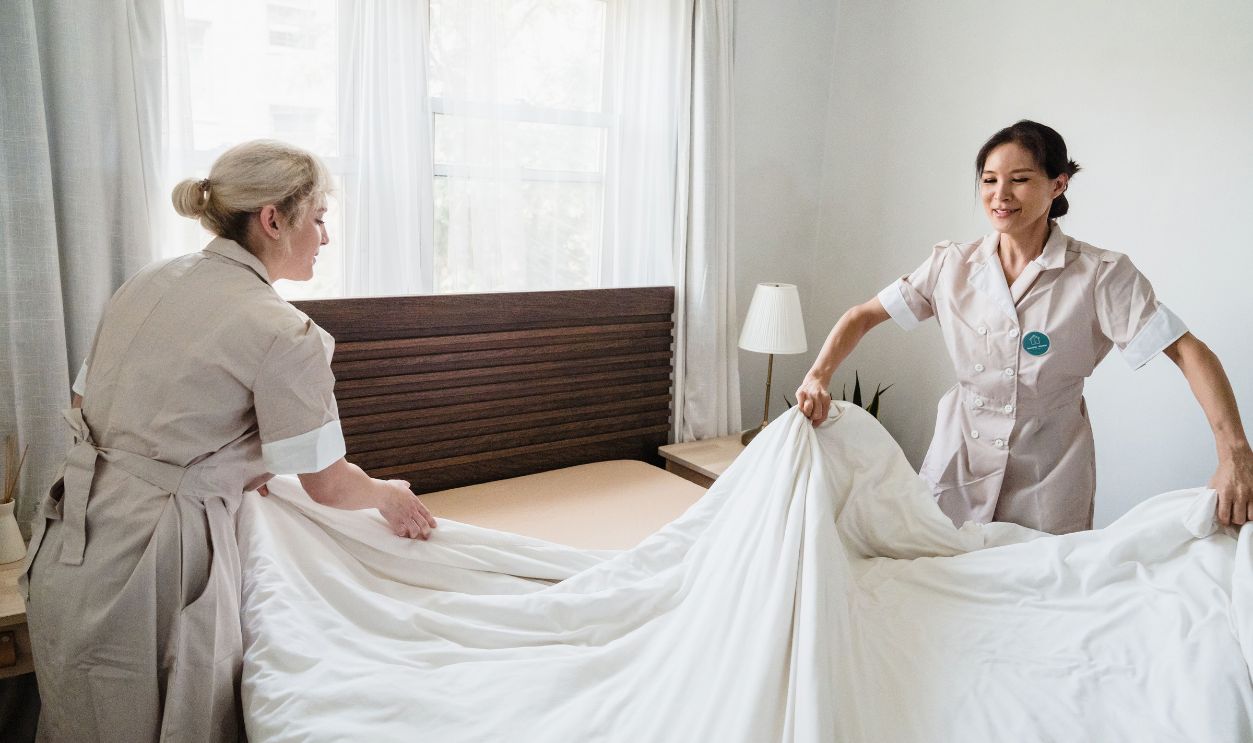
The Pandemic Changed Everything
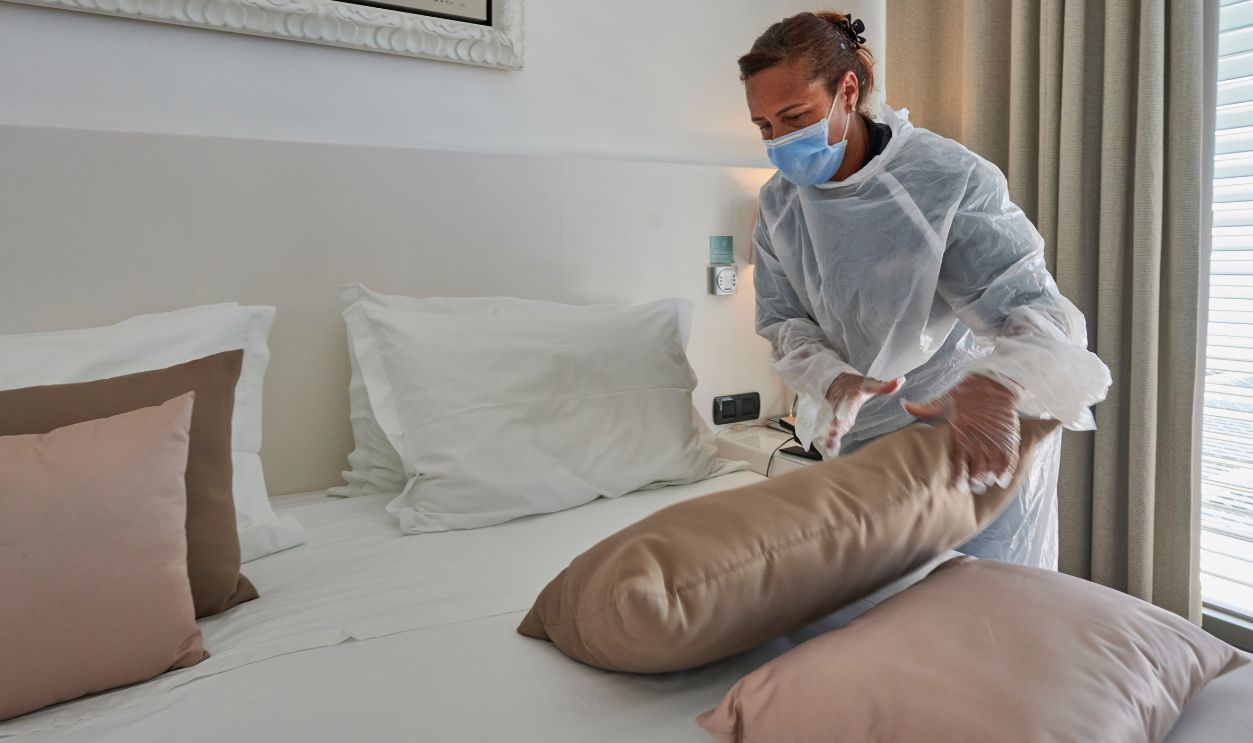
In 2020, hotels around the world sharply cut back in-room services as travel collapsed and health concerns reshaped operations. Housekeeping schedules changed to limit contact between staff and guests. What started as an emergency move has, in some cases, stuck around long after the strictest pandemic rules ended.
 Horacio Villalobos, Getty Images
Major Chains Said It Out Loud
Marriott said in 2020 that at many brands in the U.S. and Canada, housekeeping would be available on request rather than automatically every day, except for longer stays where service was scheduled more often. Hilton also rolled out reduced housekeeping during the pandemic, with room cleaning available by request at many properties. This was not just a small boutique-hotel experiment. Some of the biggest names in the business were openly making the change.
 Tony Webster, Wikimedia Commons
AHLA Saw The Shift Last
The American Hotel & Lodging Association has tracked how hotel operations changed after the pandemic shock. In 2023, the group reported that daily room cleaning had become less common as hotels adjusted to staffing and service realities. That matters because it shows the trend is not just a few travelers grumbling online.
Labor Shortages Are A Big Reason
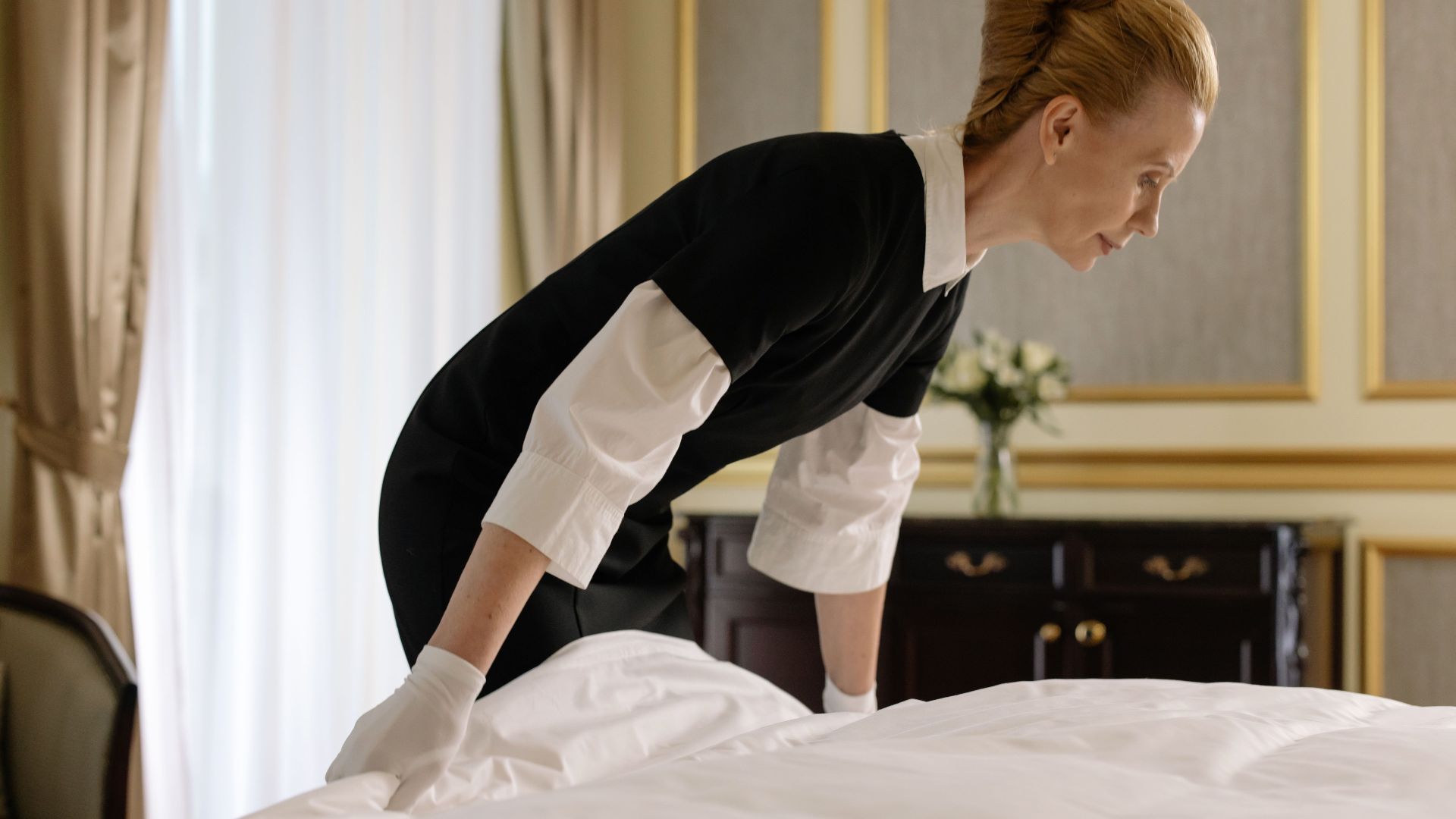
Hotels did not suddenly decide to make fewer beds for no reason. The industry has repeatedly said it has struggled to hire enough workers, especially housekeepers. AHLA said in 2024 that a large share of hotels still reported staffing shortages, with housekeeping among the toughest jobs to fill.

The Cost Issue Is Hard To Miss
Less frequent housekeeping can also save hotels money on labor, laundry, and supplies. Fewer cleanings mean fewer staff hours spent changing linens, vacuuming rooms, and restocking amenities. For guests, that leads to an obvious question: is this about convenience and sustainability, or is it mainly cost-cutting?
Some Hotels Call It Choice
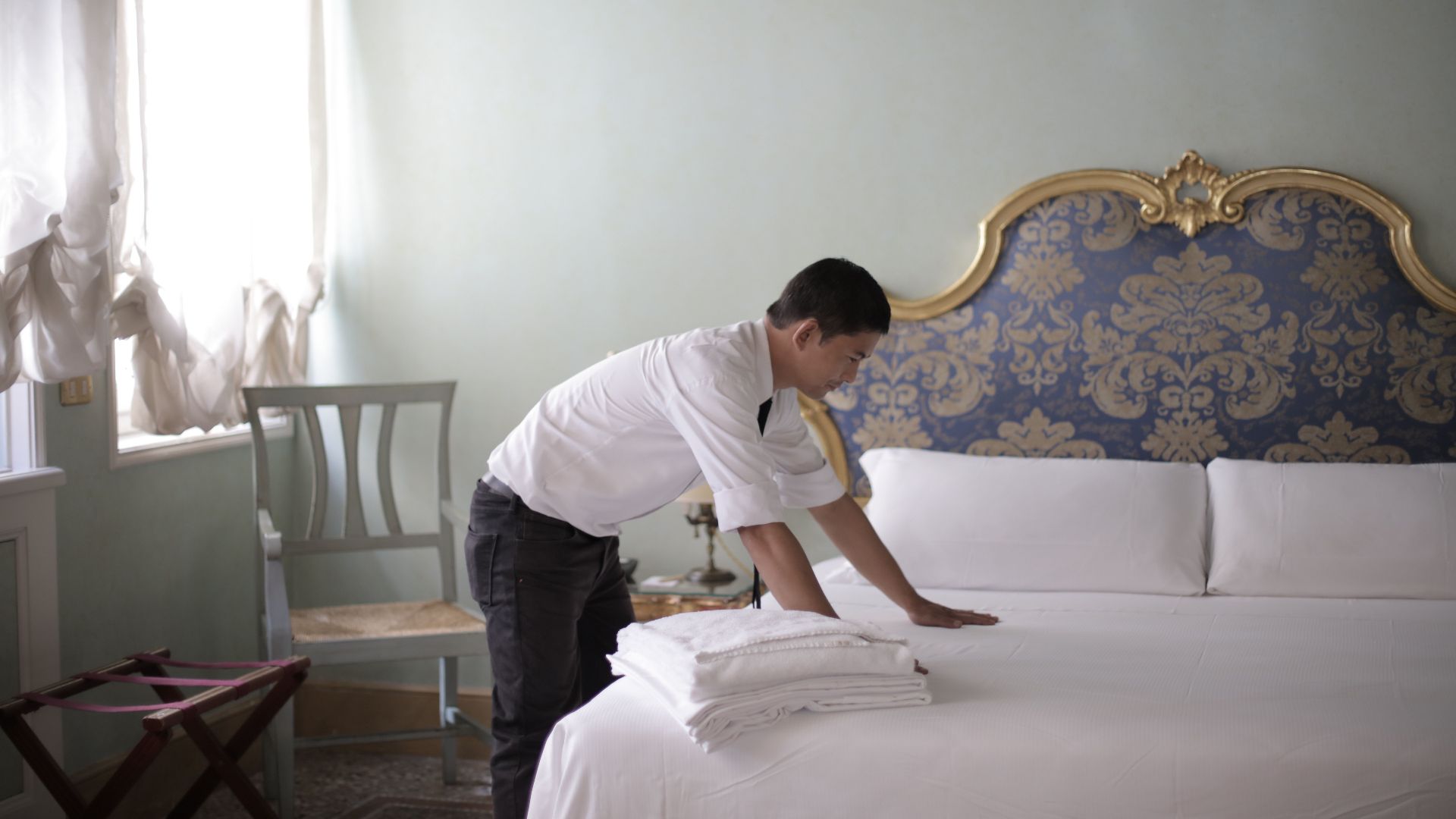
Many companies now describe reduced housekeeping as a flexible option for guests. They say some travelers want more privacy, less interruption, and fewer visits from staff during short stays. That may be true for some people, but a policy that defaults to no daily cleaning can feel very different from one that simply gives guests a choice.
Sustainability Is Part Of The Sales Pitch
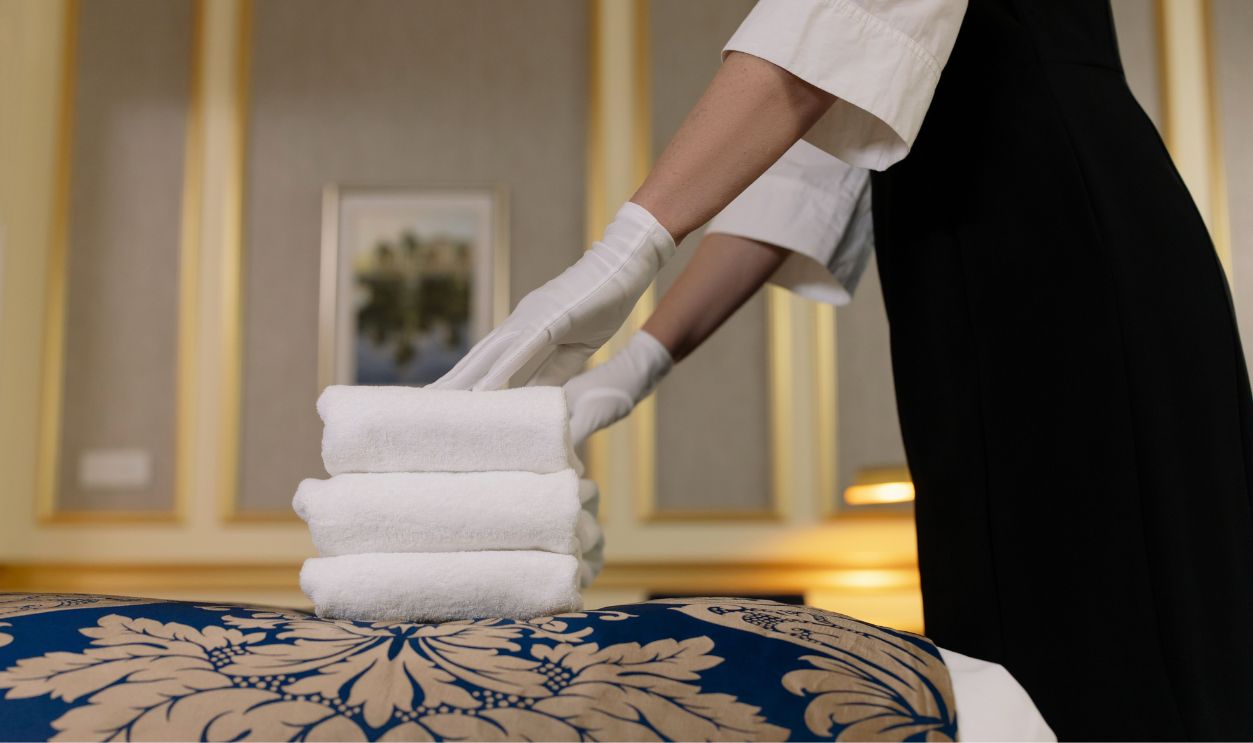
Hotels often tie reduced housekeeping to environmental goals. Washing fewer towels and sheets lowers water use, detergent use, and energy use. AHLA has long promoted towel and linen reuse programs as a way to cut waste, and some hotels now apply that same logic to broader housekeeping schedules.
Not Every Guest Buys The Green Argument
Travelers tend to get more skeptical when reduced service comes with the same room rate or extra housekeeping fees. If the room costs the same but the service is lighter, people naturally wonder who benefits most. The tension gets sharper when hotels also keep charging resort or destination fees on top of the nightly rate.

Unions Pushed Back Hard
Housekeeping cuts have not only frustrated guests. They have also turned into a labor issue, especially in major U.S. cities where hotel unions say reduced automatic cleaning can lower workloads, staffing levels, and earnings. Unite Here has been one of the loudest voices arguing that daily housekeeping should return as a standard service.
 Mx. Granger, Wikimedia Commons
Las Vegas Turned Into A Flashpoint
In Nevada, daily room cleaning even became part of state law during the pandemic. A 2020 measure required daily room cleaning in many hotel rooms as part of health-related rules in large properties. That requirement was later rolled back, but the fight showed how politically charged housekeeping had become.

California Saw The Same Fight Move Into Law
In 2024, California Governor Gavin Newsom signed Senate Bill 644, a law tied to hotel housekeeping standards and workload protections. The debate around the bill showed that room cleaning is no longer just a small operational detail. It now sits where worker conditions, guest expectations, and hotel economics all meet.

Luxury Hotels Still Sell The Old Standard
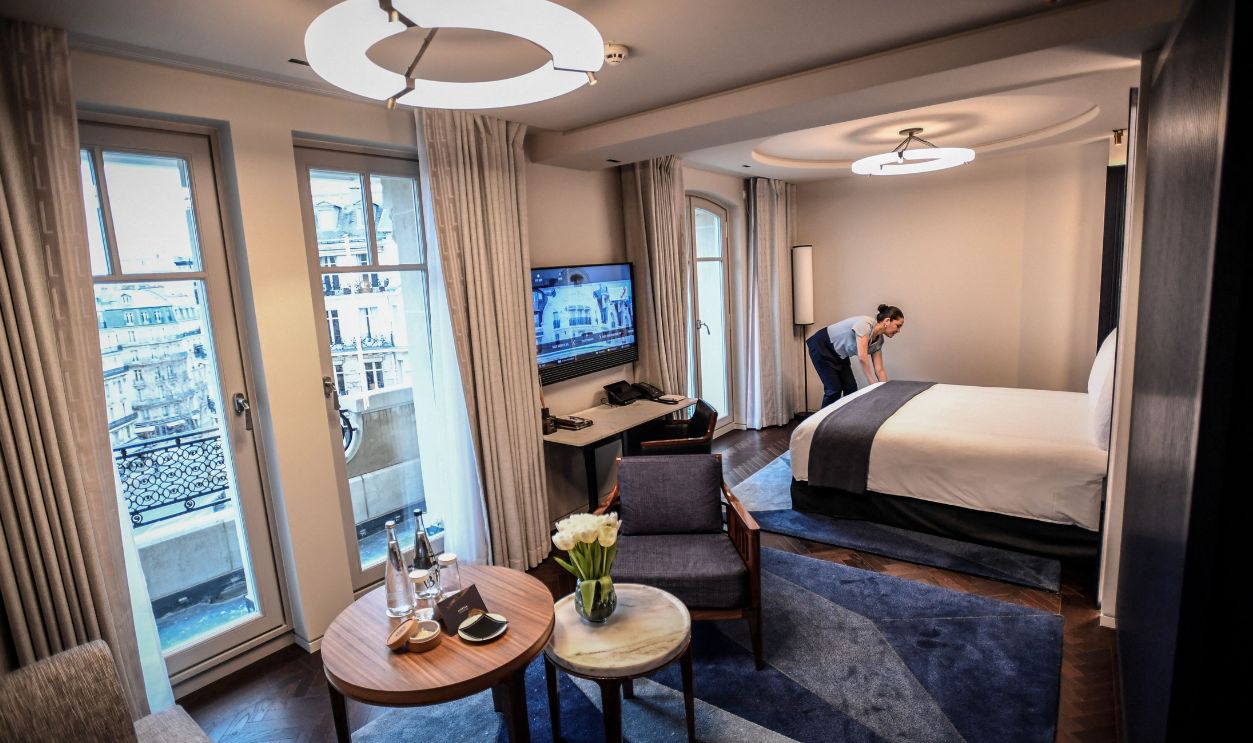
At the high end of the market, daily housekeeping and even twice-daily service still help justify premium prices. In other words, what used to be routine in many midrange hotels now survives most clearly in luxury properties. That helps explain why some travelers feel daily cleaning is slowly being recast as a luxury perk.
 STEPHANE DE SAKUTIN, Getty Images
Budget And Select-Service Hotels Led The Way
Limited housekeeping is especially common in budget, extended-stay, and select-service hotels. These brands often stress efficiency and fewer touchpoints, which makes less frequent cleaning easier to normalize. If your hotel says service comes every third or fourth day, there is a good chance it falls into one of those categories.

Extended-Stay Hotels Were Already Different
Not every reduced-cleaning policy is new. Extended-stay hotels have long scheduled housekeeping less often than traditional full-service properties, sometimes weekly instead of daily. What changed after 2020 is that leaner schedules spread much more widely into standard hotels where guests once expected daily service.
 Harrison Keely, Wikimedia Commons
Fees Make It Feel Personal
The real frustration often kicks in when a hotel offers extra cleaning only if you pay for it. That turns a service cut into an upsell. Travelers may be more willing to accept changed norms when they are clearly disclosed, but paying extra for something that used to be included is where irritation usually spikes.

Clear Disclosure Should Be The Minimum
If a hotel does not provide daily housekeeping, that policy should be easy to find before you book. Travelers deserve clear notice on booking pages, in confirmation emails, or at least on brand websites. The surprise is what makes an already frustrating policy feel worse.

Brands Have Updated Their Housekeeping Pages
Several major chains now explain housekeeping practices online, though the details often vary by brand and by property. Some say service is automatic every other day or every fourth day, while others offer it on request. The fine print matters, because two hotels under the same parent company may handle cleaning very differently.

What To Ask Before You Book
Ask one simple question before confirming your stay: “How often is housekeeping provided, and is there a charge for extra service?” That one line can save you from finding out on night one that fresh towels are not coming tomorrow.

When Daily Cleaning Really Matters
On some trips, reduced housekeeping is more than a small inconvenience. Families with young children, travelers with allergies, people sharing tight quarters, and anyone staying several nights may care a lot more about regular cleaning. For those guests, daily service is not pampering. It is practical.

There Is Also A Comfort And Health Issue
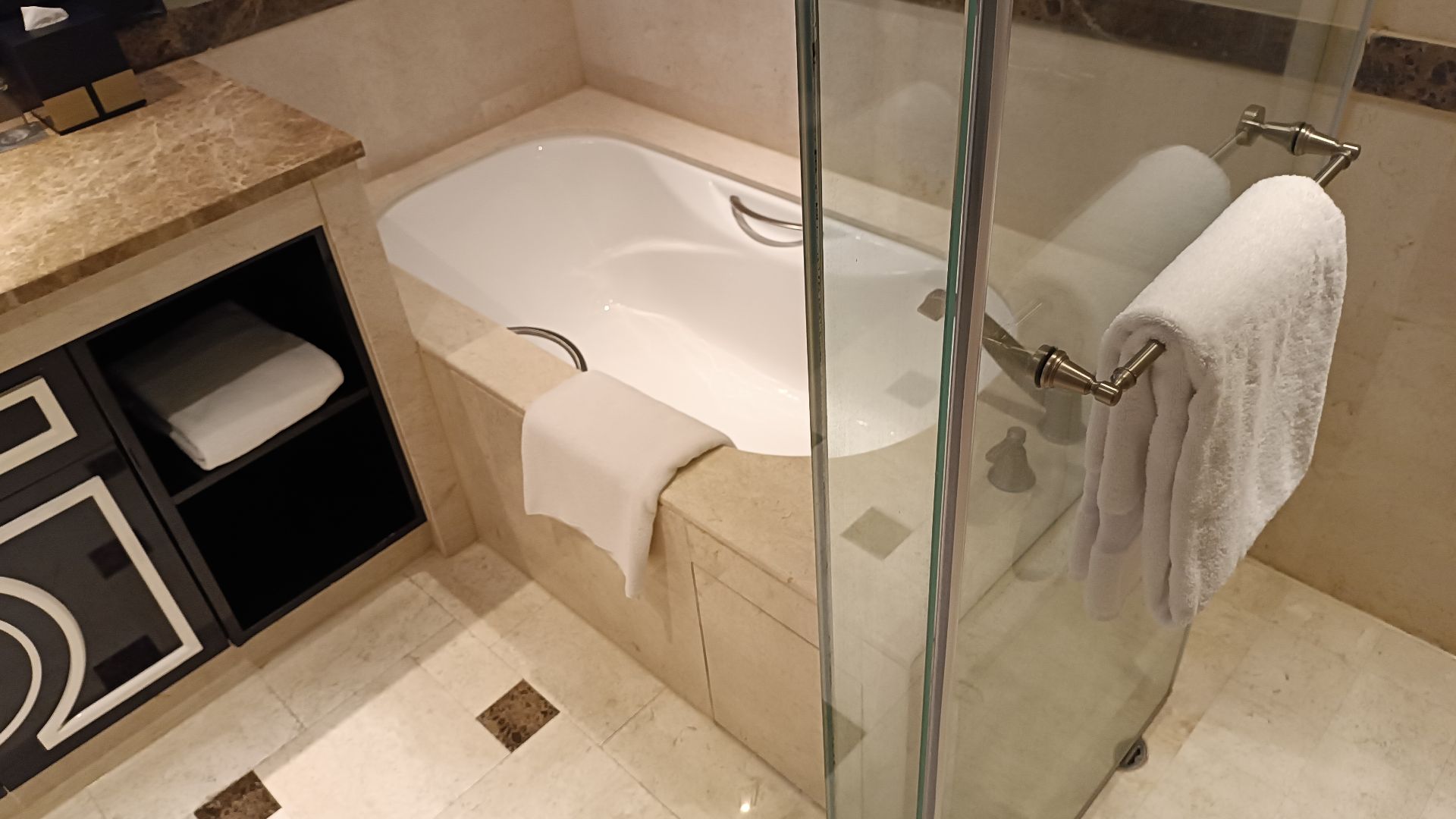
Overflowing trash, damp towels, food containers, and tracked-in dirt can pile up fast in a busy room. Even if a guest does not need fresh sheets every day, many still want basic tidying and trash removal. That is why the gap between “full housekeeping” and “no service for four days” can feel so big.
 Kamfutiam Georgez, Wikimedia Commons
Loyalty Status Can Sometimes Help
Frequent travelers may have better luck getting exceptions through elite status, direct booking channels, or a polite conversation at check-in. Some hotels are more flexible when demand is lower or when a guest explains a specific need. It never hurts to ask, but it is best to ask before you unpack.

How To Push Back Without Making A Scene
If the housekeeping policy was not clearly disclosed, bring it up calmly with the front desk or a manager. Ask whether the fee can be waived or whether a light refresh can be arranged, like towel replacement and trash removal. If the answer is no, save the listing and policy details in case you decide to complain to the booking platform later.
 LightField Studios, Shutterstock
What This Means For Hotel Value
Travelers are increasingly comparing more than room size and location. They are also looking at what is still included in the rate. Daily housekeeping now belongs in the same conversation as breakfast, parking, Wi-Fi, and late checkout. When prices stay high and service gets thinner, guests naturally start rethinking value.

So Is Daily Room Cleaning Becoming A Luxury
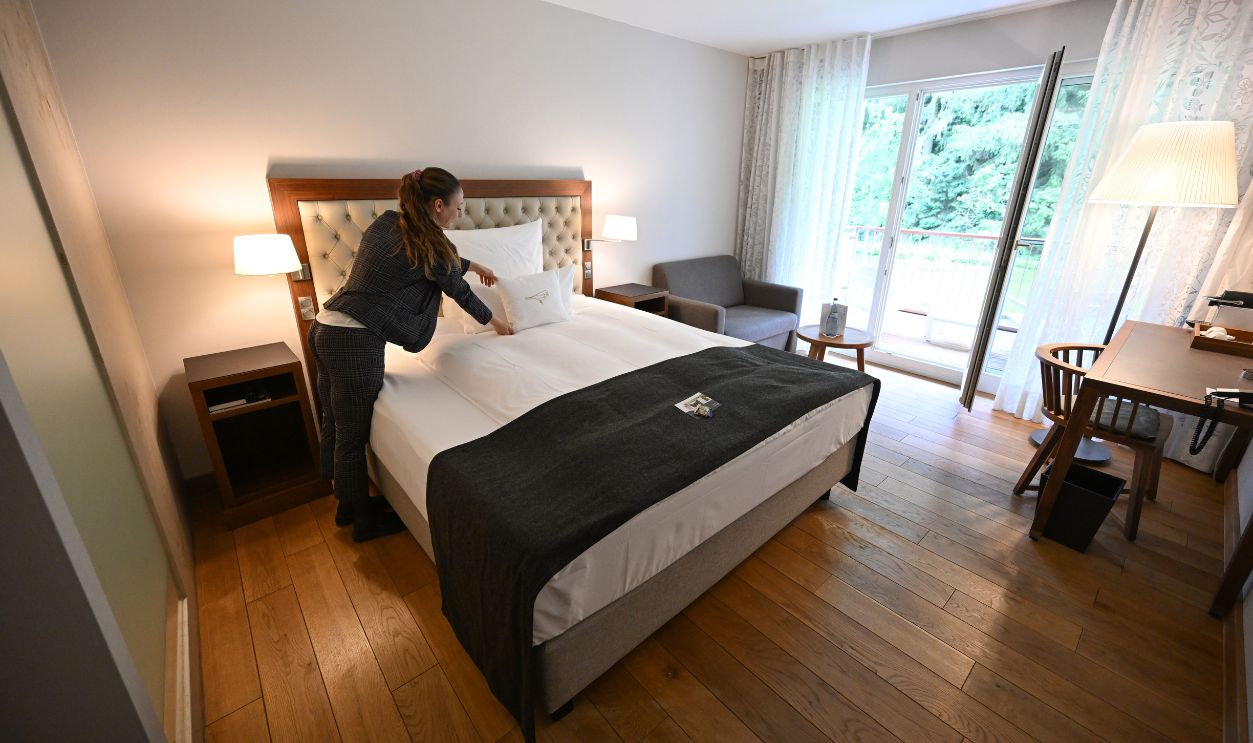
In many hotels, especially outside the luxury tier, daily cleaning is no longer the automatic standard it once was. The shift grew out of pandemic-era practices, labor shortages, and cost pressure, then settled into a new normal at many properties. Daily housekeeping has not disappeared, but it increasingly feels like something travelers need to look for rather than assume.
 picture alliance, Getty Images
The Bottom Line For Travelers
If daily housekeeping matters to you, do not leave it to chance. Check the hotel website, call the property, and get the policy in writing if possible before you book. In 2026, a clean room every day is still available in plenty of hotels, but it is no longer something every traveler can count on by default.