The Vacation Photo Standoff
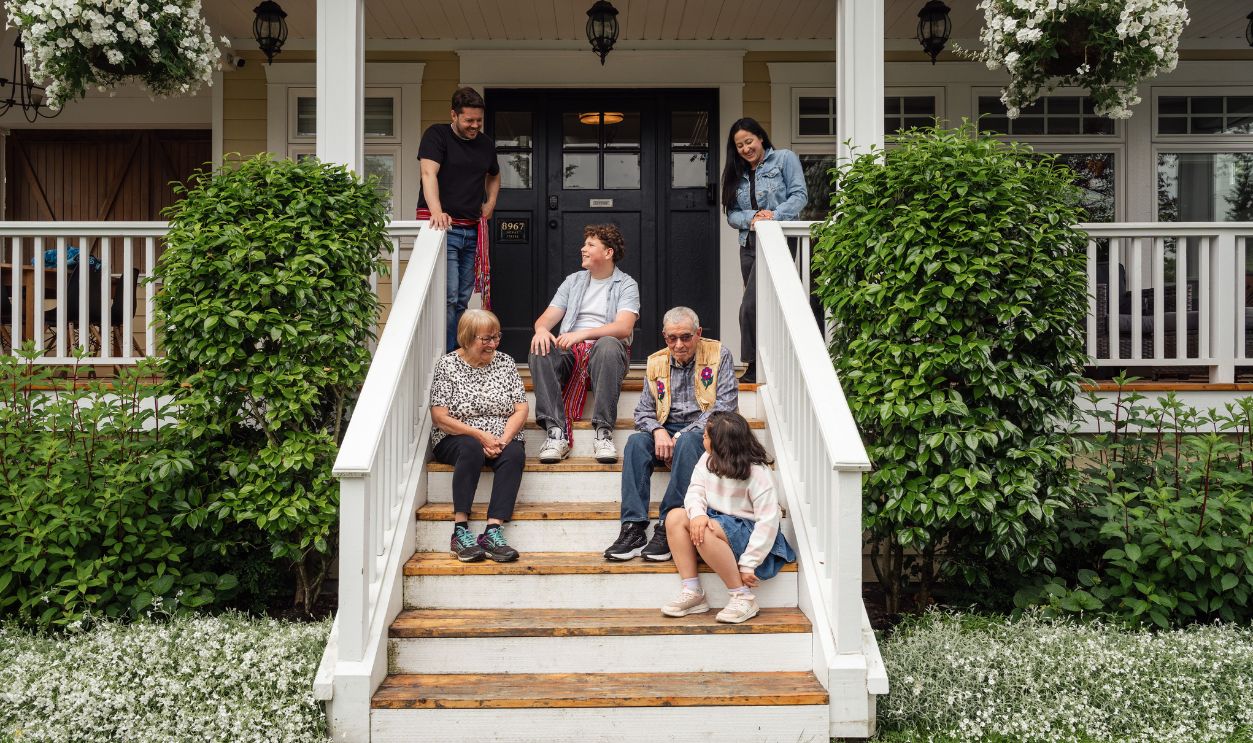
A family vacation is supposed to begin with coffee, sunscreen, and a loose plan for the day. For some families, it begins with a lineup on the balcony because mom demands a full photo session before anyone can leave. If you're an adult and you have plans, you are allowed to opt out—but to not be rude, you have to do it right.

Parents Don't Always Realize Their Children Have Grown Up
What sounds like a small request can create real family tension because it touches on time, freedom, and family roles. A quick pic may feel harmless to mom, but deeply controlling to her adult children. That disconnect is usually why little family disputes like this heat up so fast.

Etiquette Starts With Mutual Respect
Good manners are not the same as blind obedience. The Emily Post Institute says etiquette is built on consideration, respect, and honesty. That means your wish not to join in deserves respect too, especially if the routine is making the trip tense.

You Are Allowed To Have Boundaries
Boundaries are not punishment, and they are not rejection. Mental health experts often describe them as limits that protect your time, energy, and emotional well-being. If mandatory daily photo sessions wear you down, saying no can be a healthy boundary rather than a personal attack.

The Word Mandatory Changes Everything
There is a big difference between asking for a photo and requiring one before anyone can start the day. Once a vacation tradition becomes compulsory, it stops feeling sweet for a lot of people. That is usually when resentment starts to replace cooperation.

Family Vacations Already Carry Pressure
Travel tends to magnify little habits because everyone is sharing space, schedules, and expectations. Health experts note that disrupted routines can add stress. Add a daily demand with emotional weight, and a vacation can start to feel like a chore.
Why Parents Often Care So Much About Photos
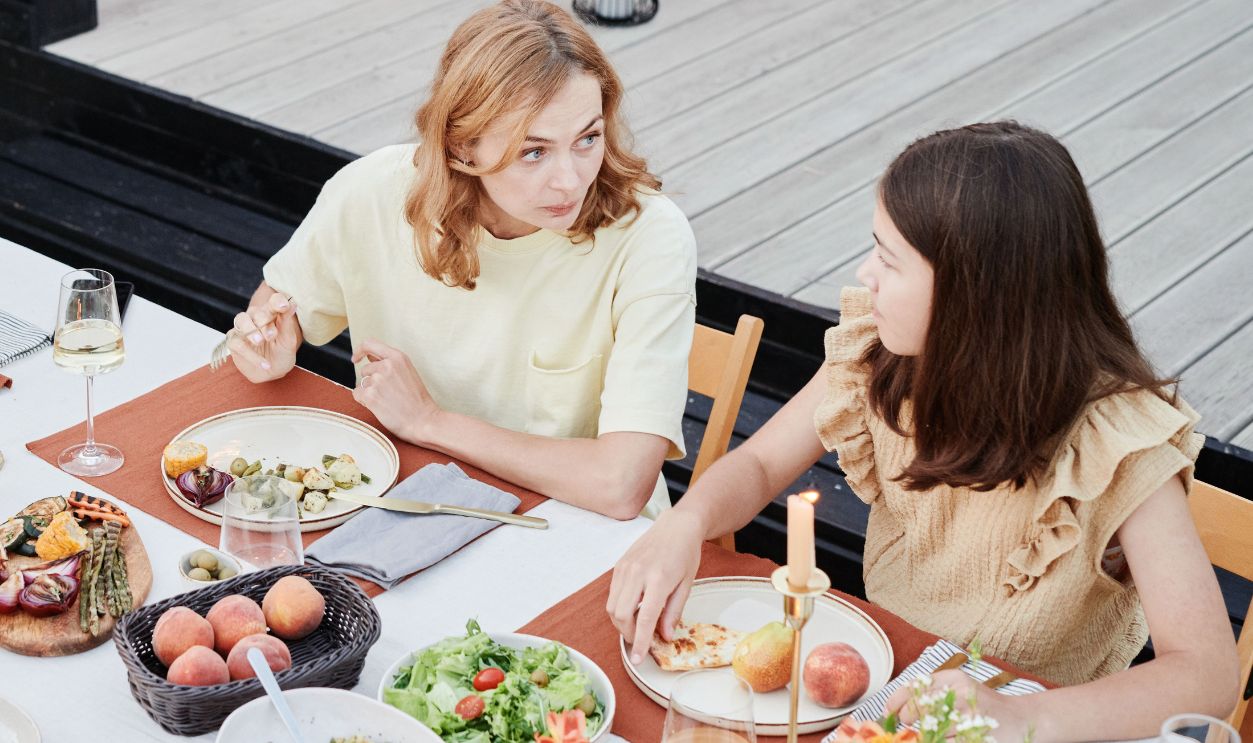
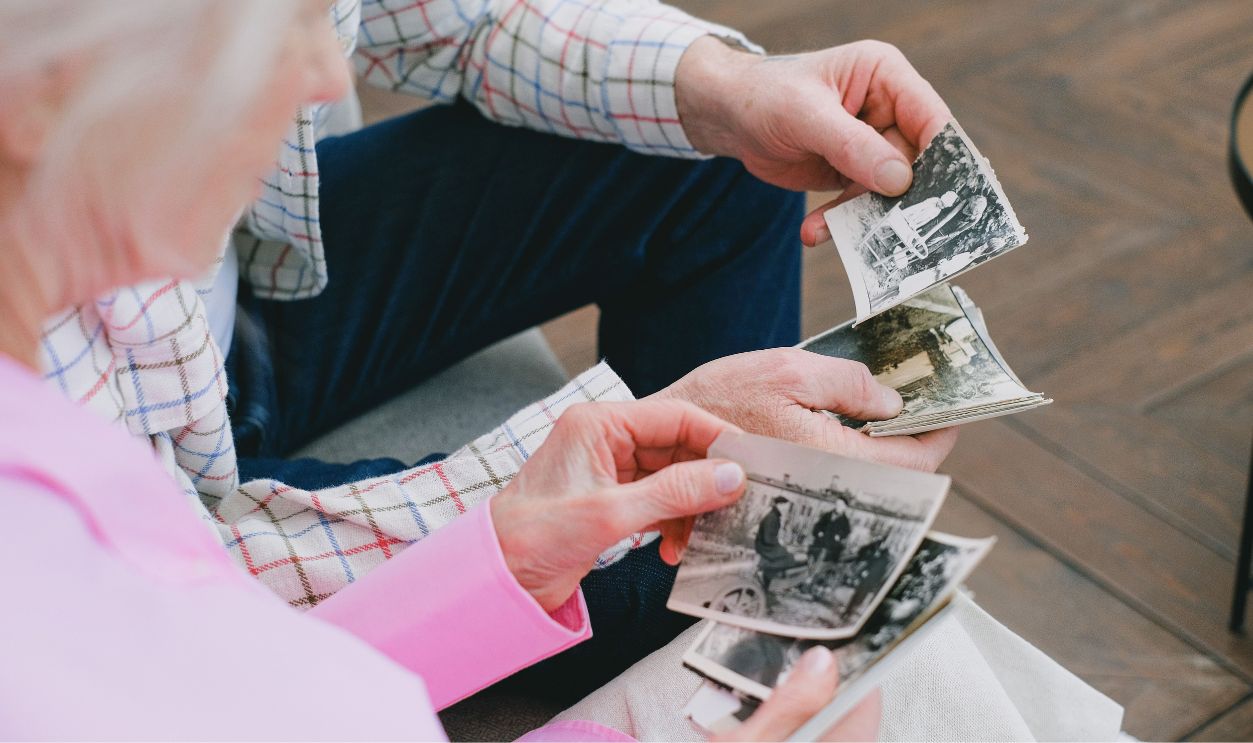
For many parents, vacation photos are proof that the family was together and happy, at least for a moment. They can also be tied to nostalgia, aging, and the urge to hold on to time that feels like it is moving too fast. Seeing that emotional layer can help you respond with empathy, even if you still want out.

Why Adult Children Push Back
Adult children often react badly when a parent slips back into managing everyone as if they are still teenagers. Being told to pose every morning can feel less like memory-making and more like control. That reaction is common, especially when the request is treated as nonnegotiable.

Rude Is Usually About Delivery
Declining is one thing. Rolling your eyes, mocking the routine, or storming off can easily read as rude, even if your frustration makes sense. A calm, direct refusal is more respectful and usually works better.

Timing Can Save The Conversation
The worst time to object is often when everyone is dressed and waiting by the door. Bringing it up later, when nobody is rushed, gives the conversation a much better shot. Experts on conflict often stress talking about expectations before they explode in the moment.

Try A Clear And Kind Script
You do not need a big speech to set a boundary. Something like, “I’m happy to do a couple of group photos on this trip, but I do not want to do them every morning,” is honest and respectful. It says what you mean without accusing anyone of bad motives.
 https://kaboompics.com/, Pexels
Offer A Compromise That Still Gets The Memory
If you want to keep the peace, offer a version that feels manageable. You could agree to one formal photo at dinner, one candid group shot each day, or one bigger photo session during a scenic outing. A compromise works best when it is specific.
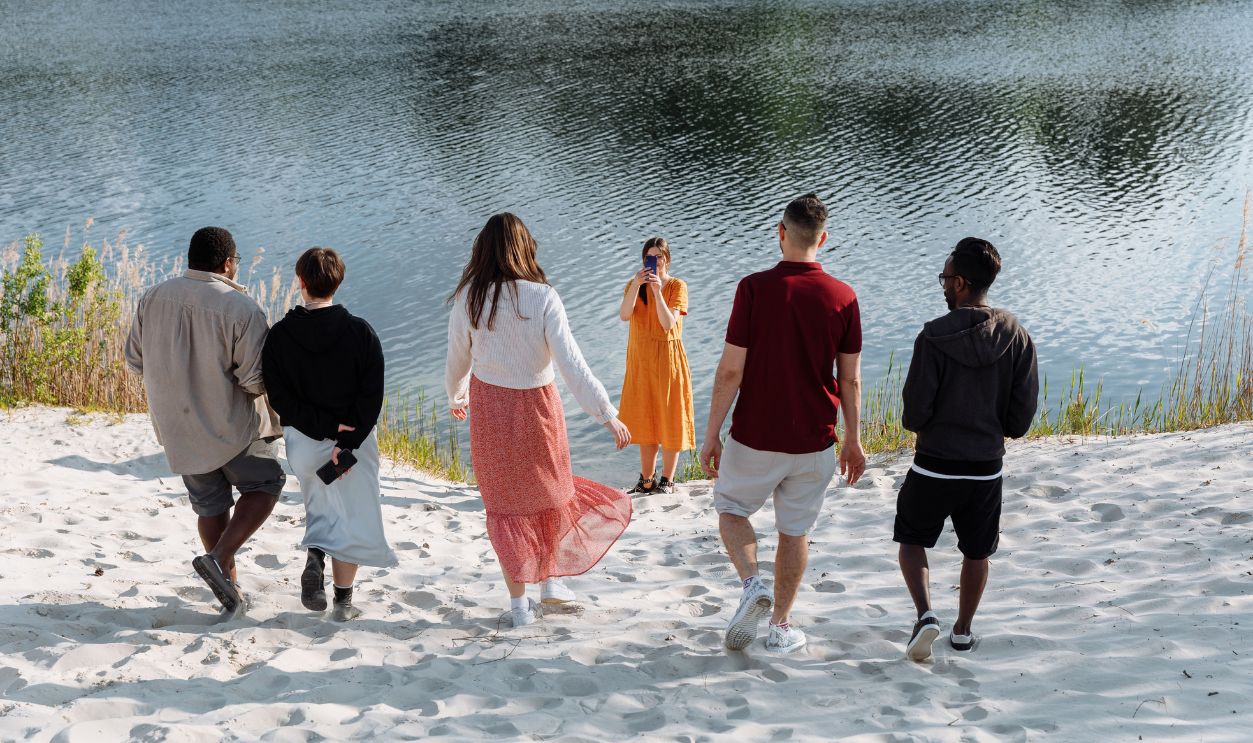
One Good Photo Beats Ten Resentful Ones
A forced daily shoot rarely creates the warm family memory people think they are preserving. Tension shows up in faces, posture, and tone long before anyone checks the camera roll. A smaller, more relaxed plan often leads to better pictures and a better trip.
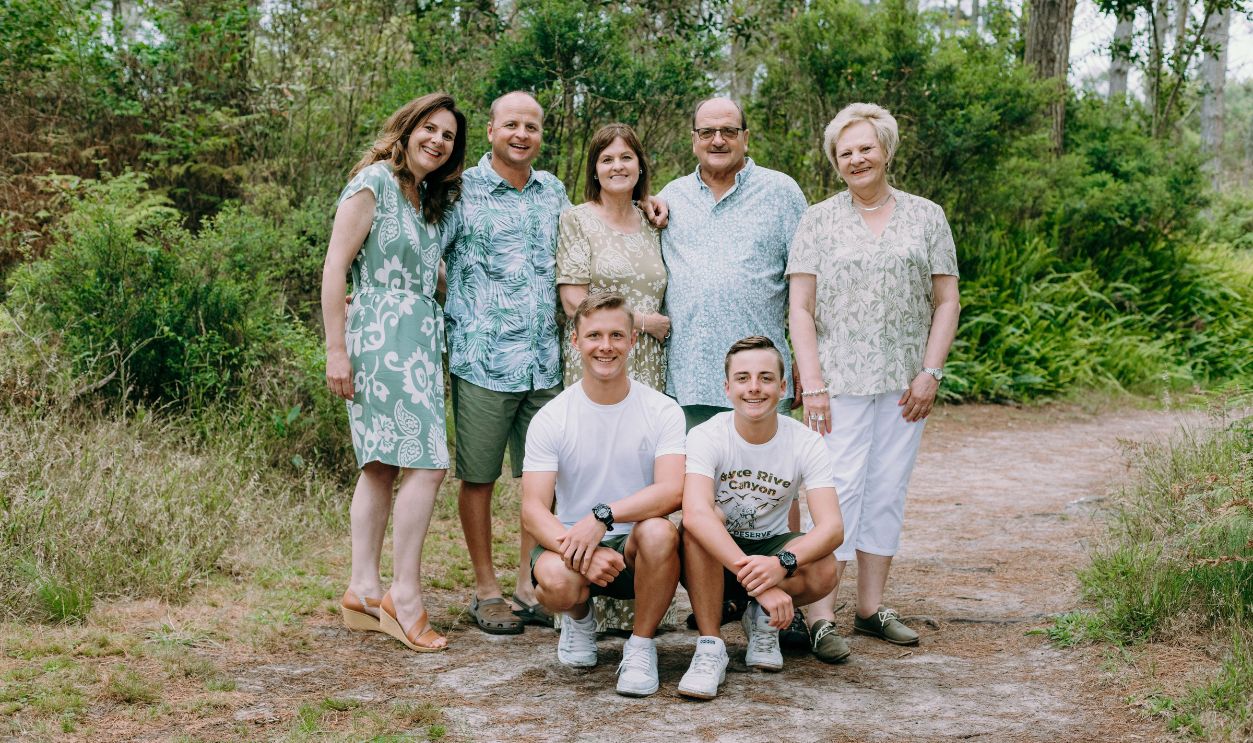
Vacations Are Not Content Factories
Social media has changed how some families document travel, and not always in a good way. The pressure to capture every outfit, breakfast, and sunrise can turn a real trip into a performance. If the photo ritual feels more like production than fun, that is worth saying gently.

There Is Nothing Wrong With Preferring Candid Moments
Not everyone likes posed photos, and that does not make them difficult. Some people are more comfortable being photographed naturally during the day instead of standing in formation before breakfast. That preference is valid and often makes for more real keepsakes anyway.

Watch For The Control Issue
If your mother truly means no one can leave until the photos happen, the issue may be less about cameras and more about power. Rules like that can create a parent-child dynamic that feels especially irritating among adults. It is fair to push back on the control part without turning it into a full character attack.
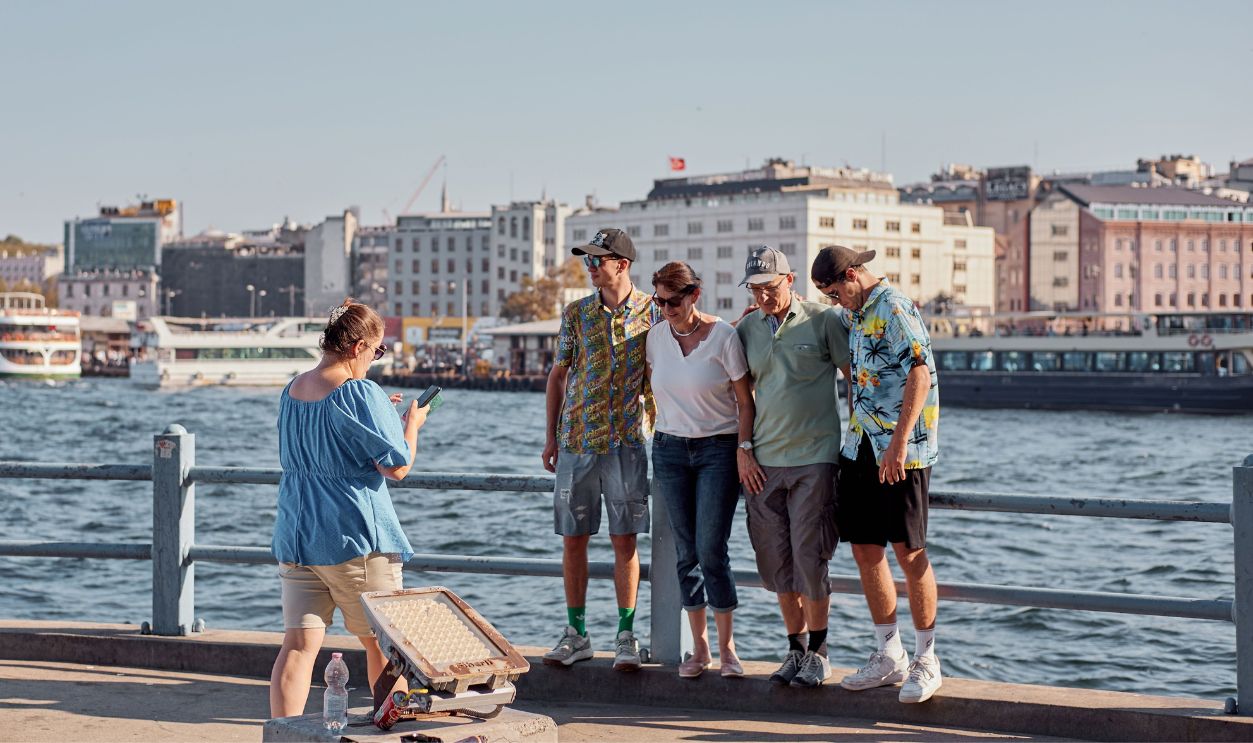
What If Everyone Else Is Fine With It
You can still opt out even if siblings or relatives are happy to join in. Group enthusiasm does not erase your right to make a different choice. At the same time, it helps to respect their preference and not act like they are wrong for enjoying the tradition.
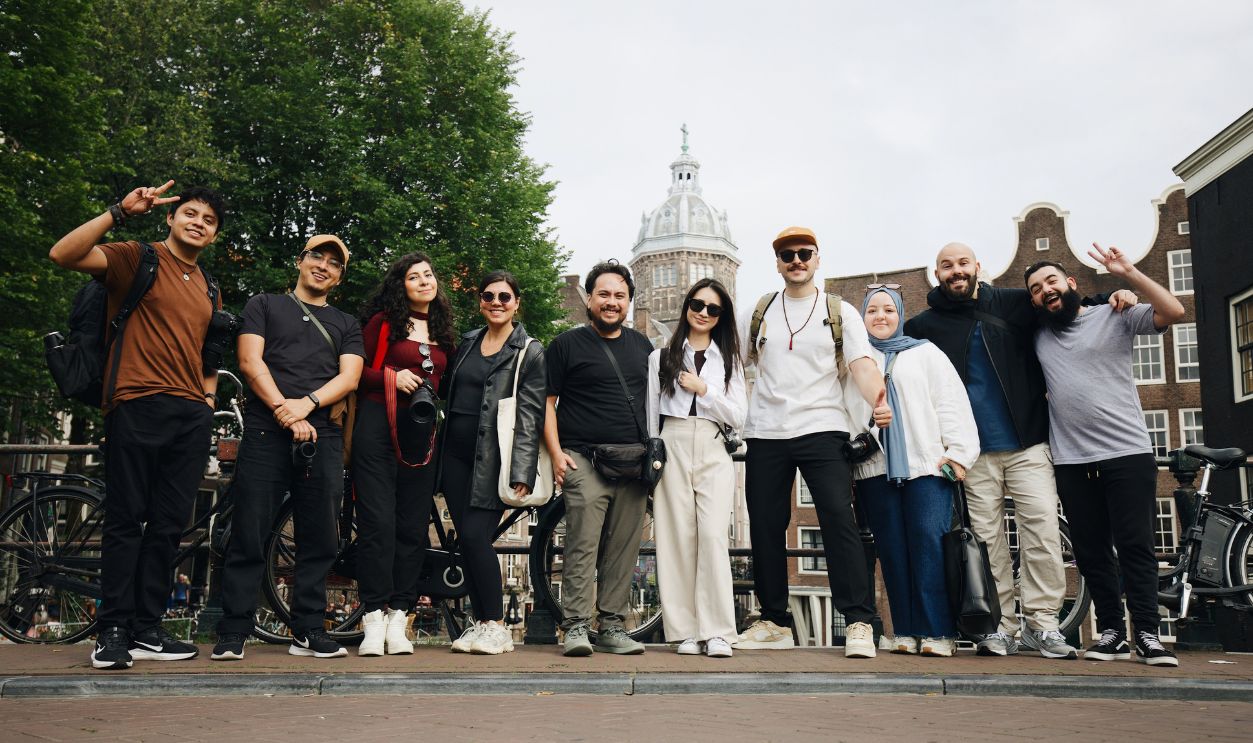
Do Not Turn Allies Into Casualties
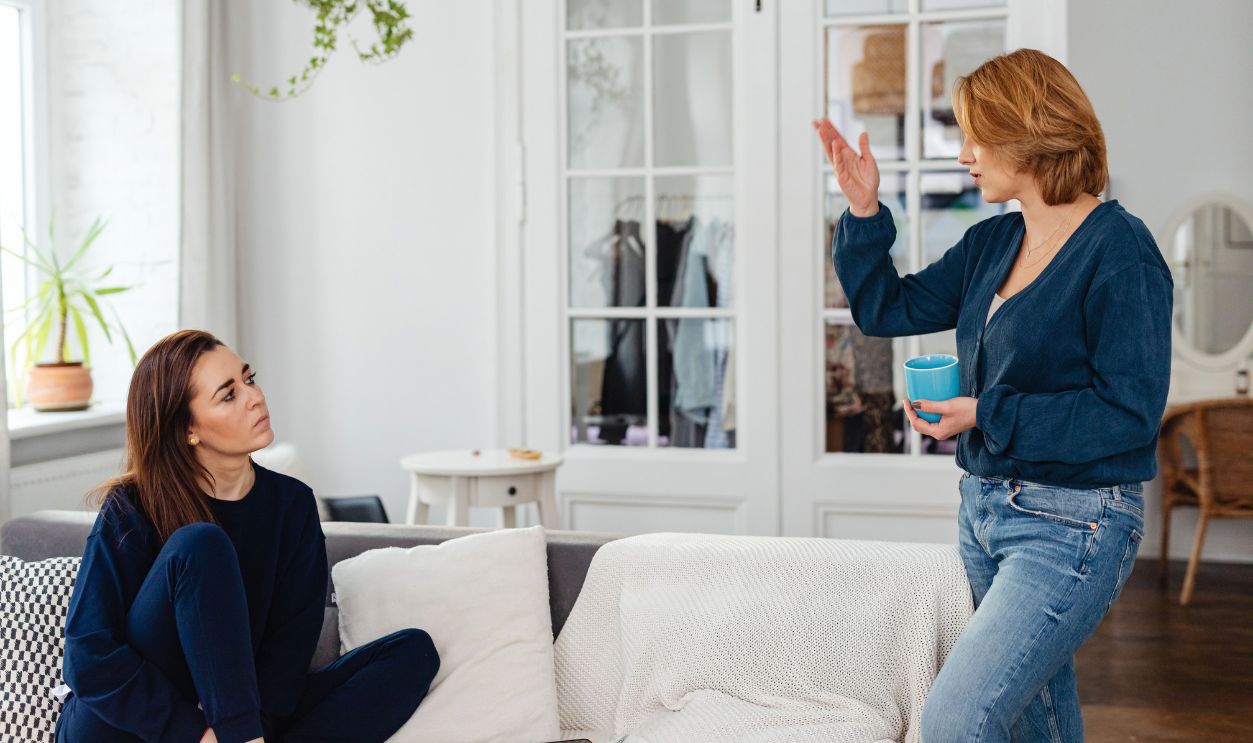
If you want the conflict to stay manageable, do not pull the whole family into it. A one-on-one talk with your mother is usually less explosive than challenging her in front of everyone. Public standoffs often bring embarrassment into the mix and make compromise harder.
 https://kaboompics.com/, Pexels
Use “I” Statements, Not Old Grievances
This argument can quickly turn into a rundown of every controlling vacation from the last 15 years. Try not to go there if your real goal is to fix the current problem. Sticking with phrases like “I feel rushed” or “I want more flexibility in the mornings” keeps things focused.
Set The Boundary Before The Next Trip
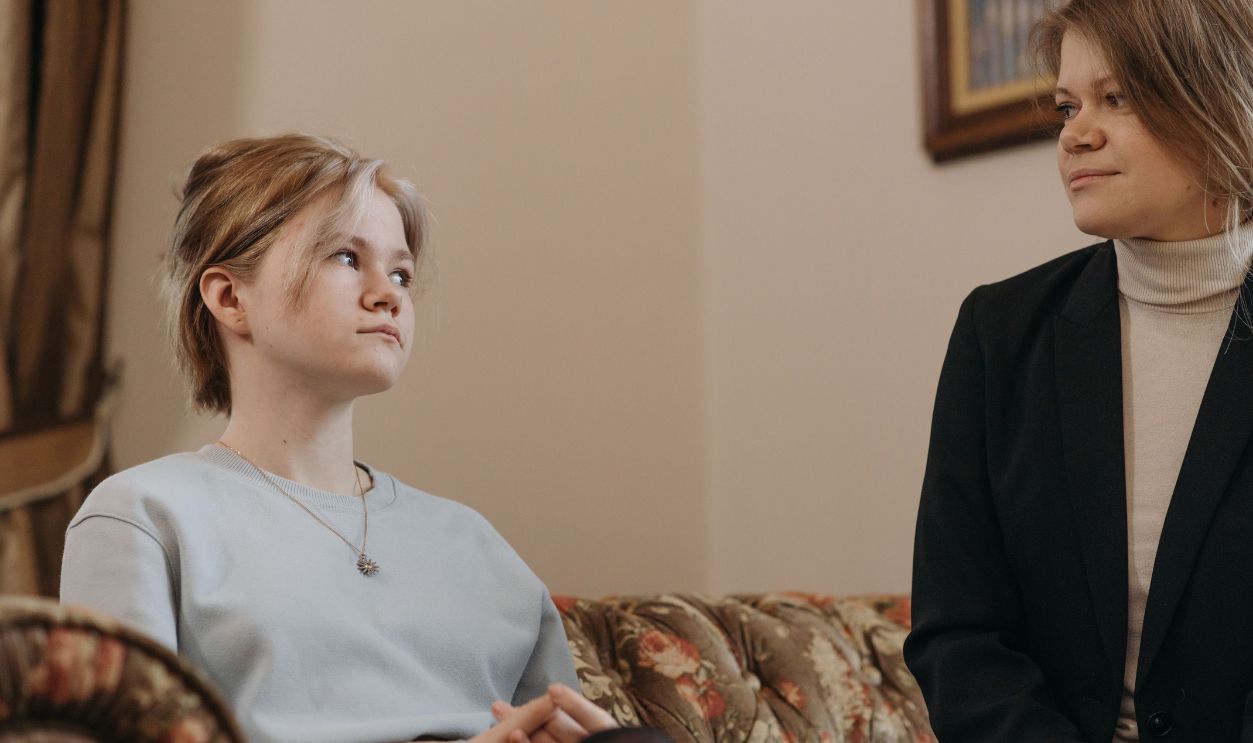
If this happens every vacation, talk about it before the suitcases come out. Early conversations give everyone time to adjust expectations and avoid surprise fights. They also make it easier to come up with a photo plan that feels fair from the start.
 https://kaboompics.com/, Pexels
A Practical Middle Ground
One useful compromise is having designated photo days instead of daily sessions. Another is setting a short time limit, like five minutes for one group shot before heading out. Clear limits can keep the tradition alive without letting it take over the morning.

Remember That Consent Matters In Photos Too
Family pictures are usually low-stakes, but participation still should not be forced. Adults generally get to decide how and when they are photographed. Treating consent casually inside a family can create more hurt than the photo album is worth.

If She Gets Emotional, Stay Steady
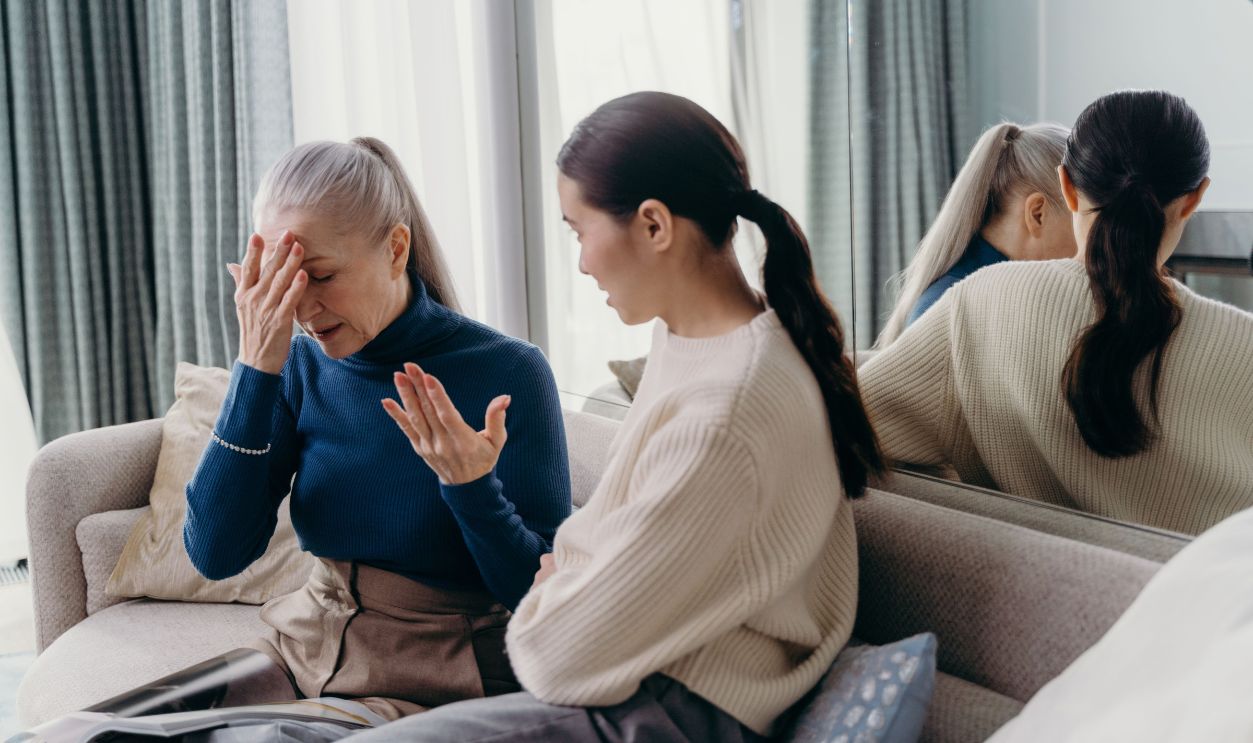
A parent who loves photos may hear your boundary as rejection at first. You do not have to answer that with defensiveness. Reassure her that you value the vacation and the family, while staying firm about not doing mandatory daily poses.
What Polite Opting Out Can Sound Like
You might say, “I love having some family photos from the trip, but I’m not up for a full photo session every morning.” You could add, “I’m happy to join for one tonight before dinner.” That kind of answer is considerate, clear, and hard to mistake for hostility.

When The Tradition Is Actually Meaningful To You Too
If part of you likes having the finished photos later, say that. Shared ground can cool things down and show that you are not rejecting the tradition altogether. The disagreement may be about timing and frequency, not whether photos should exist at all.
The Bottom Line On Rudeness
No, it is not rude to opt out of mandatory family photos every morning on vacation. It becomes rude only if the refusal is cruel, contemptuous, or meant to stir up trouble. A respectful boundary, clearly stated, is not bad manners. It is adulthood.

How To Protect The Trip And The Relationship
The best outcome is not winning the argument. It is protecting both your peace and the relationship while everyone is trying to enjoy time away. Handle it with honesty, a calm tone, and a realistic compromise, and you are much more likely to leave with good memories instead of just proof that you were there.