
The Upgrade You Didn’t Ask For
You show up tired and ready to drop your bags. Then the front desk says your standard room is not ready. Their fix is to move you to a more expensive room, then later charge you for it. That is where the problem starts. The switch solved the hotel’s issue, not yours.

Why This Rubs People The Wrong Way
Most travelers hear “upgrade” and think it means a free perk. It does not feel like a perk when you did not ask for it and did not agree to pay more. The fairness issue is pretty simple. If the hotel could not provide the room you booked on time, why should you cover the cost of its backup plan?

What The Hotel Is Supposed To Provide
When you book a standard room and the hotel accepts the reservation, the hotel is supposed to provide that room type or another way to honor the stay. If it cannot, that is usually the hotel’s problem to fix. Basic consumer protection rules are built around clear prices and informed consent, not surprise charges after the fact.

The Big Issue Is Consent
The most important question is whether you clearly agreed to pay more. A hotel can offer an upgraded room at a higher rate, but it should tell you the price first and get your okay before adding the charge. If that never happened, it becomes much harder for the hotel to defend the bill.

Federal Rules On Surprise Fees Matter
The Federal Trade Commission says businesses cannot use unfair or deceptive practices, and hidden mandatory fees have become a major consumer issue. In December 2024, the FTC announced a final rule aimed at unfair or deceptive fees, often called junk fees. The rule focuses on honest pricing and bans hidden fees in live-event ticketing and short-term lodging.

Why Hotels Are Part Of That Conversation
The FTC’s junk fee rule specifically covers short-term lodging, including hotels and vacation rentals. The agency says businesses must clearly disclose the total price upfront, excluding taxes and certain government charges. Not every room-rate dispute falls neatly under that rule, but the core idea still matters when a hotel adds a room charge you never knowingly accepted.

When It Starts Looking Like Bait And Switch
Another FTC principle in the background is the long-standing ban on bait advertising. If a business pulls you in with one offer, then pushes you into a pricier option because the original one is not available, that can raise red flags. A standard room that suddenly is not available at check-in can feel a little too close to that line if the hotel then tries to sell you a paid upgrade.

Many Hotels Fix This By Upgrading You For Free
In real life, a lot of hotels handle room-readiness problems by putting the guest in a better room at no extra charge. That is often the cleanest fix because the guest did nothing wrong. It also keeps a bad check-in from turning into a billing fight.

Check-In Is A Bad Time To Sort Out Fine Print
Check-in is exactly when travelers are least ready to argue over terms. You may be exhausted, with kids, carrying bags, or rushing to an event. That is why clear consent matters so much. A quick, messy exchange at the desk is where confusion turns into charges on the folio.

Get The Terms In Writing Right Away
If the hotel says your room is not ready and offers a different one, ask one direct question before you take the key: will this cost me anything extra? Then ask for the answer in writing, even if it is just a note on the reservation or a quick email. A printed registration form or updated confirmation can save you a long argument later.

Your Folio Is More Than A Receipt
At many hotels, the itemized folio is your best proof of what happened. Review it before checkout if you can. Look for any change in room rate, upgrade fee, or adjusted nightly charge. If you catch the problem while you are still there, you have a better shot at getting it fixed on the spot.

Card Network Rules Offer A Useful Guide
Credit card disputes often come down to whether the business clearly disclosed and documented the charge. Visa’s public guidance for merchants says they should provide clear terms and get the cardholder’s consent for added charges. That does not decide every hotel dispute, but it gives travelers a solid common-sense standard to point to.
American Express Makes The Same Basic Point
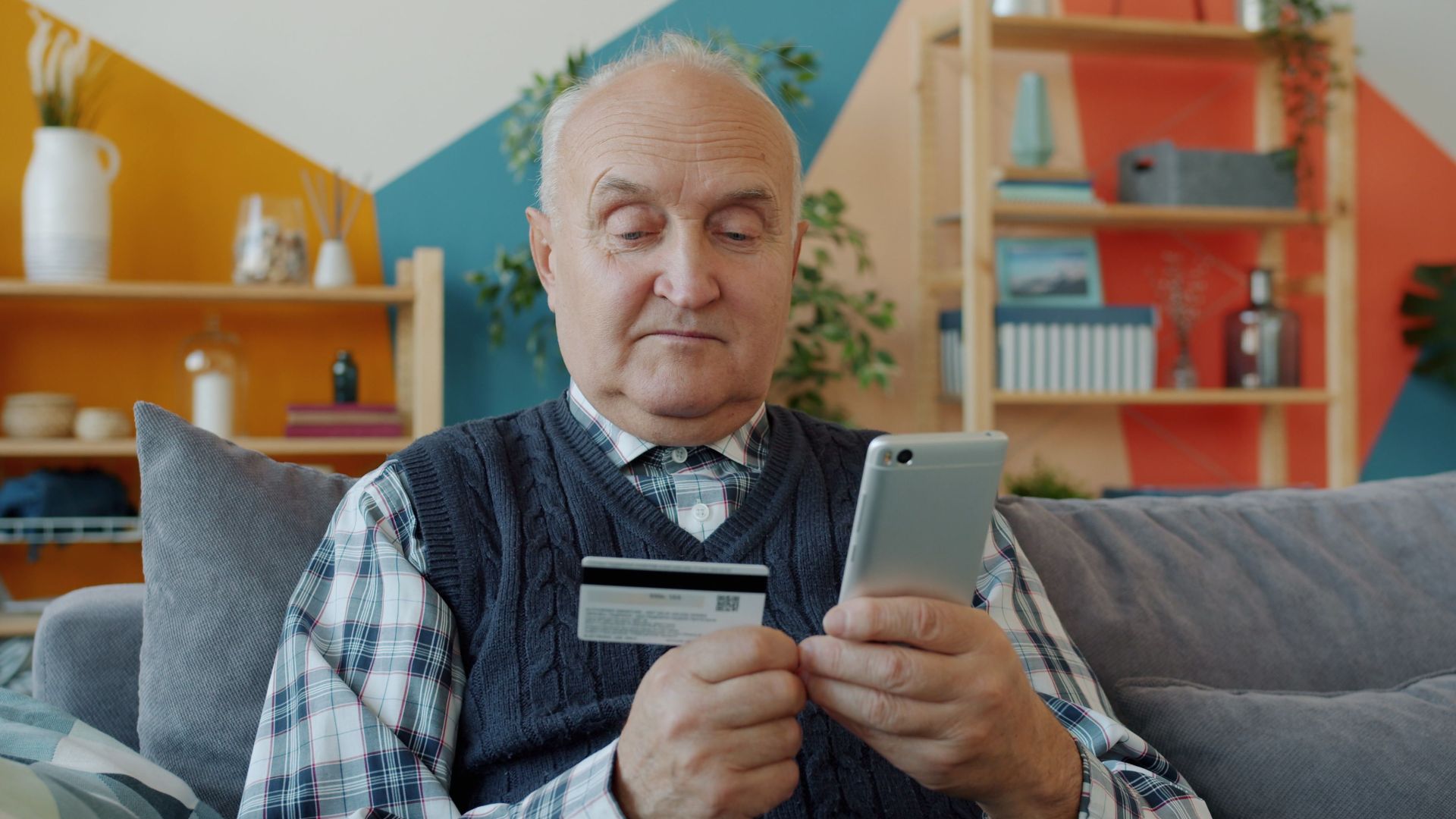
American Express also tells merchants that customers should understand what they are agreeing to, including certain delayed or recurring charges when those apply. Hotels do work under special card-industry rules because final charges can change after checkout for incidentals. But a room-rate increase is not the same as minibar snacks or parking, especially if the guest never agreed to pay more.

Incidentals Are Not The Same As A Higher Room Rate
Hotels often place an authorization hold on your card for incidentals, and that is normal. A higher room rate is different because it changes the main price of the stay. If the front desk moved you because your original room was unavailable, that should not quietly become your bill to pay.
What To Say At The Front Desk
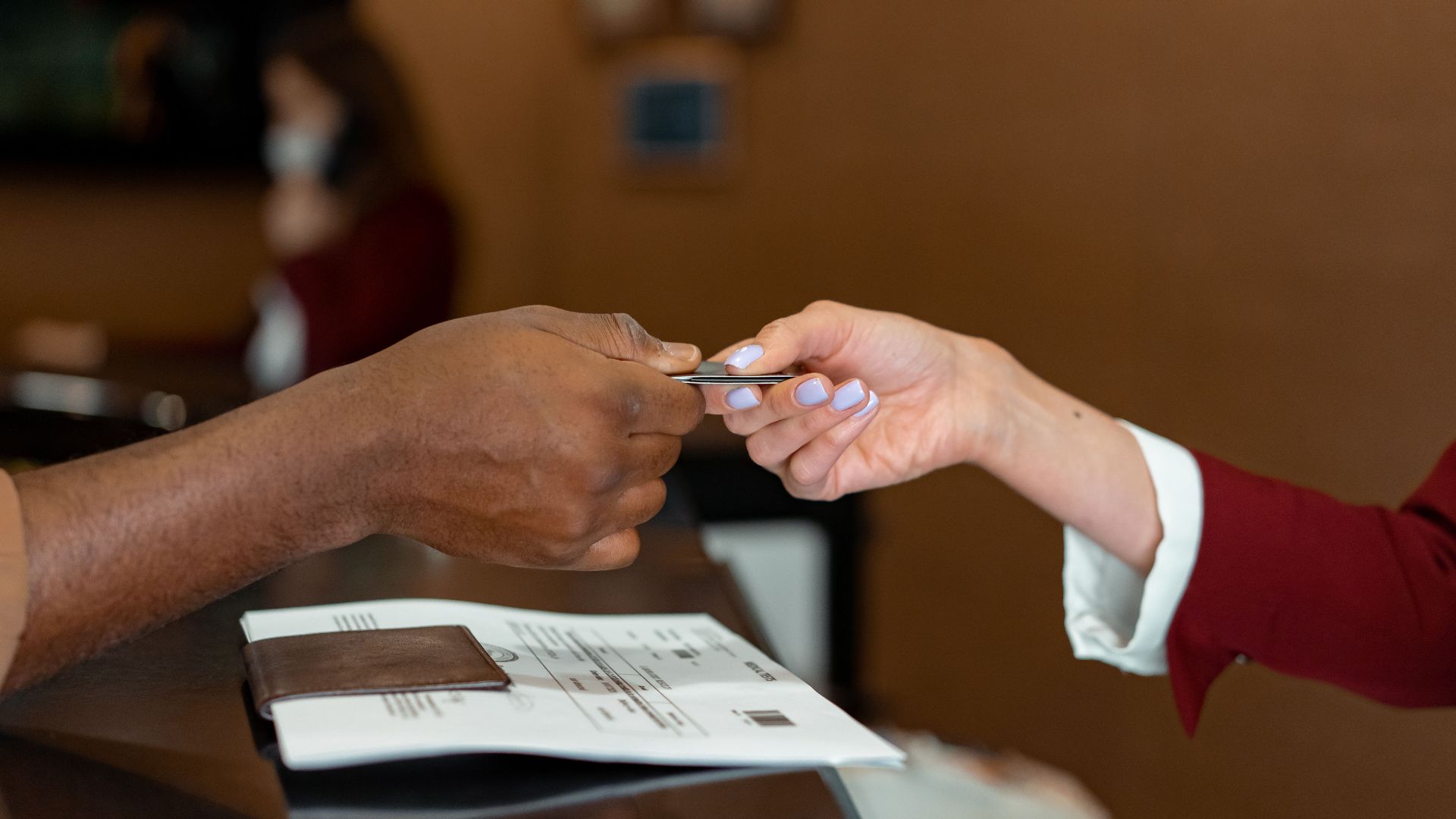
Keep it calm and specific. Say you booked a standard room, the hotel moved you because that room was not ready, and you did not authorize a paid upgrade. Then ask the desk to change the folio back to the original booked rate and note the reason in your file.

Escalate Before You Leave
If the front desk cannot or will not fix it, ask for the manager on duty. If the hotel is part of a major chain, ask that the issue also be documented with guest relations. The sooner you escalate, the easier it is to lock in the facts while staff notes and records are still fresh.

Brand Standards Can Matter Too
Large hotel brands often have service standards that go beyond the minimum required by law. They care about consistency, loyalty members, and complaint records. That means a guest relations team may reverse a charge simply because the situation was handled badly, even before anyone starts quoting consumer rules.

Email Is Better Than A Phone Call
After the stay, send a short email laying out the timeline. Include the booking confirmation, your original room type, when you checked in, what staff told you, and the exact charge you are disputing. A written complaint creates a paper trail you can use if you need to challenge the charge with your card issuer.

Photos And Screenshots Can Make The Difference
Take screenshots of your original reservation showing the room type and rate. Photograph any printed folio or registration slip that mentions the changed room. If the hotel contacted you through its app, save that conversation too. It may show that the hotel, not you, initiated the switch.

When A Chargeback Is The Next Move
If the hotel refuses to fix the bill, you can dispute the charge with your credit card issuer. The Consumer Financial Protection Bureau advises consumers to send billing error disputes promptly and keep copies of supporting documents. A surprise upgrade charge can fit the broader pattern of a charge that was not properly authorized or was billed incorrectly.

Timing Matters
The CFPB explains that you generally must write to your card issuer within 60 days after the first bill containing the error was sent. That deadline matters. Wait too long, and even a strong complaint can lose steam.

Be Specific In The Dispute
Do not just say the hotel overcharged you. Say you booked one room type at one rate, the hotel said that room was not ready, staff moved you to another room, and you never agreed to pay a higher rate. A clear timeline makes it easier for a card issuer or corporate office to sort out what happened.

If You Signed Something At Check-In
This is where things can get messy. Some hotels hand over a registration form that lists the room type or updated rate, and guests sign without noticing because they are in a rush. If you signed a form that clearly showed a higher price, the hotel may argue that you accepted the upgrade. That is why it is worth reading the slip before you sign.

A Signature Does Not End The Story
Even if there is a signature, the dispute is not always over. If the higher rate was buried, rushed past you, or never clearly explained while the hotel was fixing its own room-readiness problem, the fairness issue is still there. These cases often turn on whether the disclosure was meaningful, not just whether a signature appears on the page.

The Best Way To Prevent The Problem
Before accepting any substitute room, ask: “Is this complimentary because my booked room is unavailable?” That question is direct and hard to misunderstand. If the answer is yes, ask the hotel to note it on the reservation and send an updated confirmation if possible.

Check Again At Checkout And Afterward
Some travelers do not spot the issue until the final email receipt arrives after they leave. Review that message line by line. A quick reply the same day usually works better than waiting a week, because the hotel can still figure out who checked you in and why the room was changed.

Fairness And Common Sense Point The Same Way
Hotels are supposed to solve guest problems, not turn them into surprise charges. If the standard room was unavailable or not ready, the clean fix is to honor your original rate. Paying more only makes sense when you knowingly choose the upgrade, not when the hotel chooses it for you.

The Bottom Line
If you never asked for the better room and never agreed to pay more, challenge the charge calmly and fast. Start with the hotel, escalate to the brand, and then use your credit card dispute rights if needed. A hotel can change your room to solve a problem, but that does not automatically mean it can change the price.