
Traveling Alone Doesn't Have To Mean Traveling Recklessly
Family worries often come from a good place, especially when an older relative is traveling alone. But extra precautions only help if they make the trip safer rather than simply more restrictive. Thankfully, there are many ways to make a trip more secure without making it feel monitored.
Age Alone Doesn't Decide Whether Solo Travel Makes Sense
There isn't a birthday when an experienced traveler suddenly becomes incapable of going somewhere alone. What matters far more is whether you're comfortable navigating the destination, handling your luggage, managing medications or other personal needs, and changing plans when something goes wrong.
 Ashwini Chaudhary(Monty), Unsplash
Choose Your Destination With Independence In Mind
A solo trip becomes easier when the destination matches the way you like to travel. Good public transportation, walkable neighborhoods, reliable taxis, familiar infrastructure, and plenty of accommodations give you more options when plans change. You don't have to limit yourself to easy destinations forever, but there's no prize for making every vacation logistically difficult.

Start Smaller If Your Family Is Especially Nervous
If you haven't traveled alone recently, you don't have to begin with three weeks across six countries. Try a long weekend, a familiar city, a cruise, or one international destination with a straightforward itinerary. A successful shorter trip can show both you and your family where you feel completely comfortable and where a little more planning would help next time.

Stay Somewhere That Makes Daily Life Easier
The cheapest hotel isn't always the smartest solo-travel choice. A well-reviewed property near restaurants, transit, and the places you actually want to visit can eliminate late-night walks, complicated transfers, and long trips back after sightseeing. Smaller hotels and Bead & Breakfasts can also give solo travelers more day-to-day contact with staff and other guests.

Arrange Your Arrival Before You Leave Home
Arriving tired in an unfamiliar place is one of the worst times to improvise transportation. Know how you're getting from the airport or station to your hotel before departure, especially if you arrive after dark. AARP recommends arranging transfers in advance when practical so solo travelers aren't trying to identify legitimate transportation while exhausted and carrying luggage.

Give Someone Your Itinerary Without Giving Up Your Privacy
Your family doesn't need a minute-by-minute schedule. Give one trusted person your flight numbers, hotel information, major transportation bookings, and approximate travel dates. The State Department specifically recommends that older travelers leave itinerary and accommodation details with at least one family member or friend. That's useful emergency information without turning the trip into surveillance.

Agree On A Check-In Routine That Doesn't Feel Smothering
A simple “made it to the hotel” message or one check-in each evening may be enough. Decide in advance what counts as unusual silence and what your family should do if they genuinely can't reach you. That prevents a missed text while you're enjoying dinner from becoming an international family emergency.
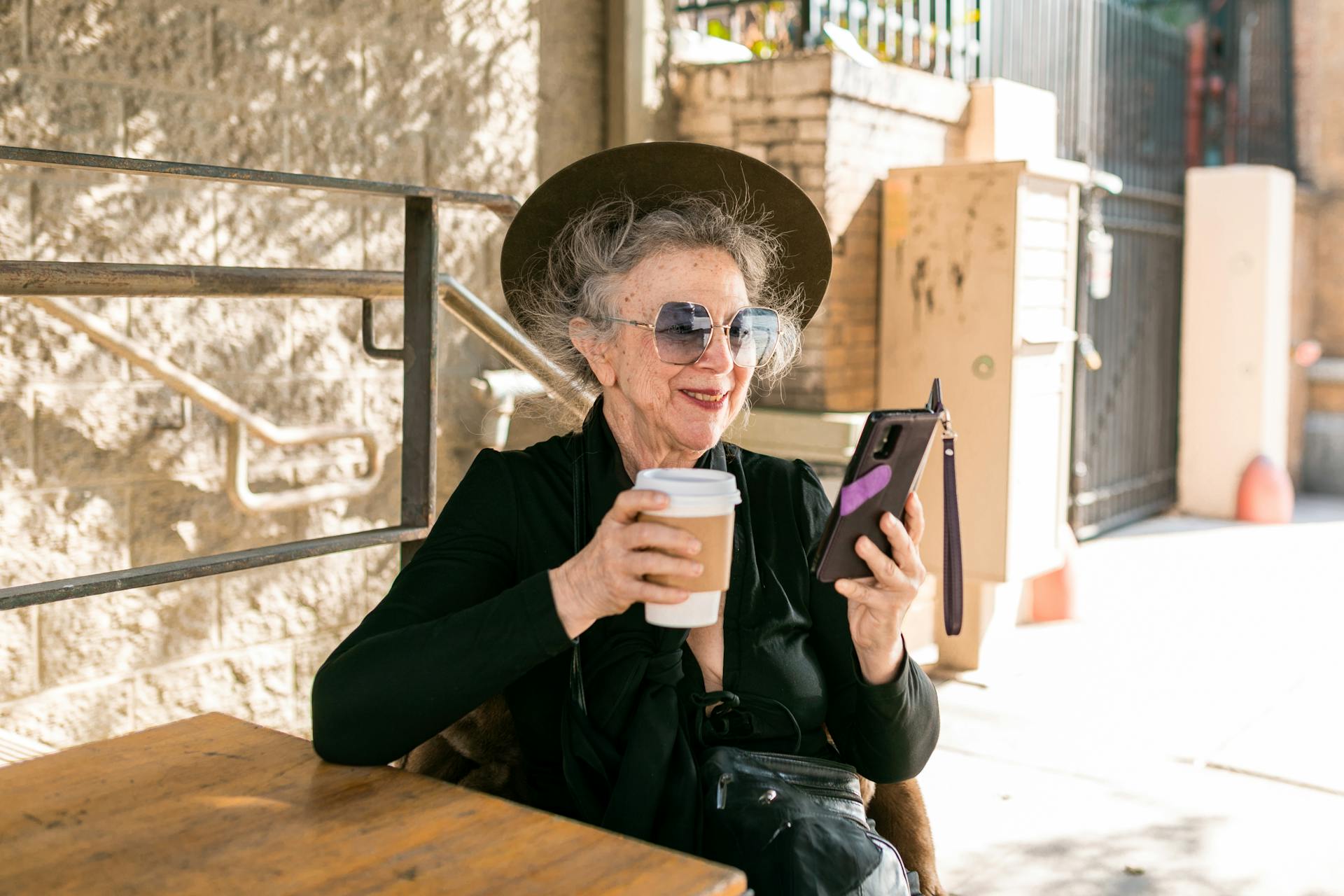
Location Sharing Can Be Optional, Not Mandatory
If you're comfortable with it, temporary location sharing can reassure relatives during long travel days or unfamiliar excursions. Apple and Google mapping tools and some rideshare apps offer location-sharing options. But you can choose when to use them. A good safety tool should give you more freedom, not make you feel as though someone is watching every coffee stop.
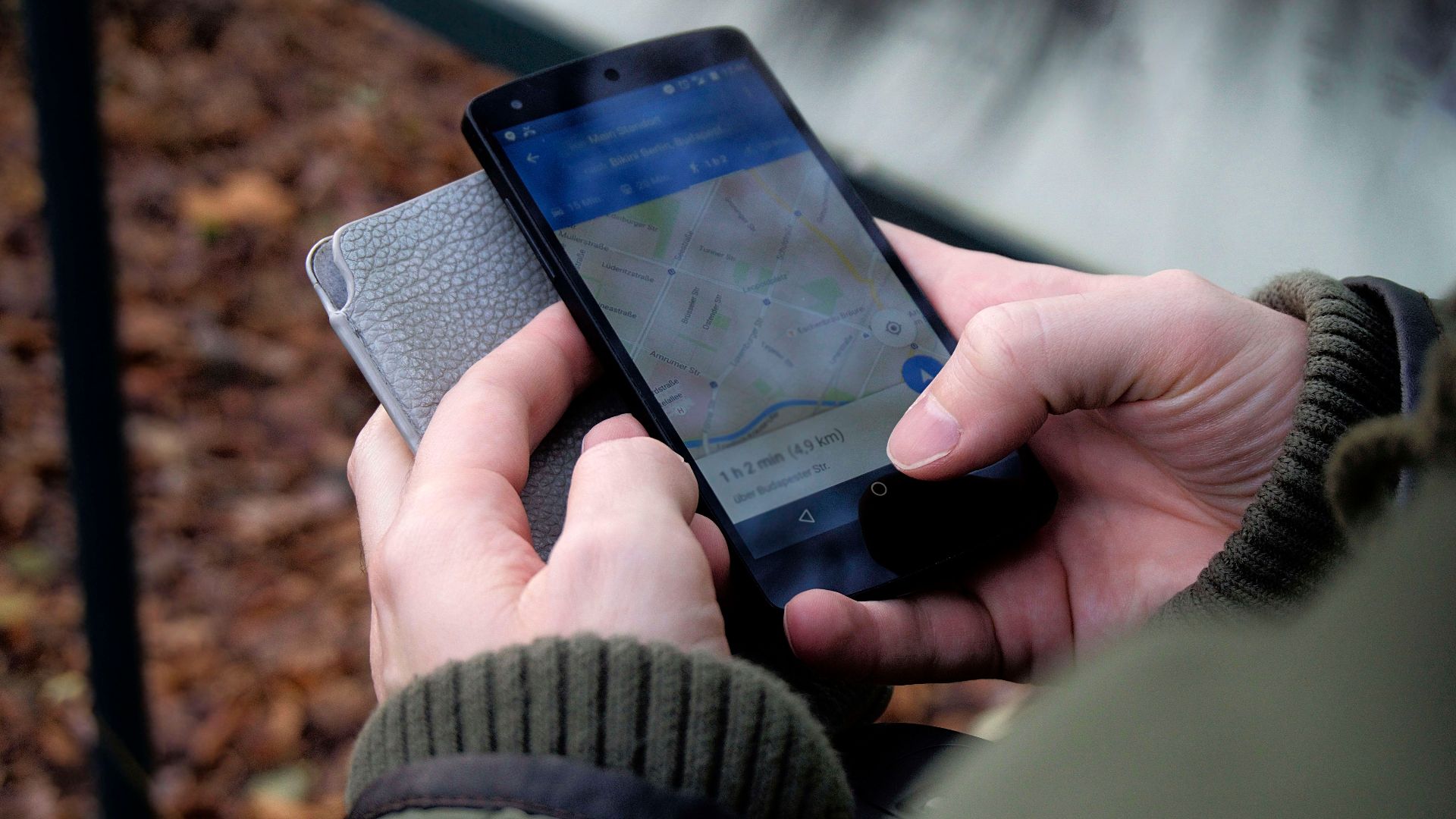
Make Sure Your Phone Actually Works Abroad
A smartphone can handle maps, translation, ride bookings, hotel reservations, emergency calls, and banking, but only if it has service. Check international roaming, eSIM, or local SIM options before leaving. The State Department specifically advises older travelers to confirm how they'll make calls and send messages overseas rather than discovering after arrival that their normal plan doesn't work.

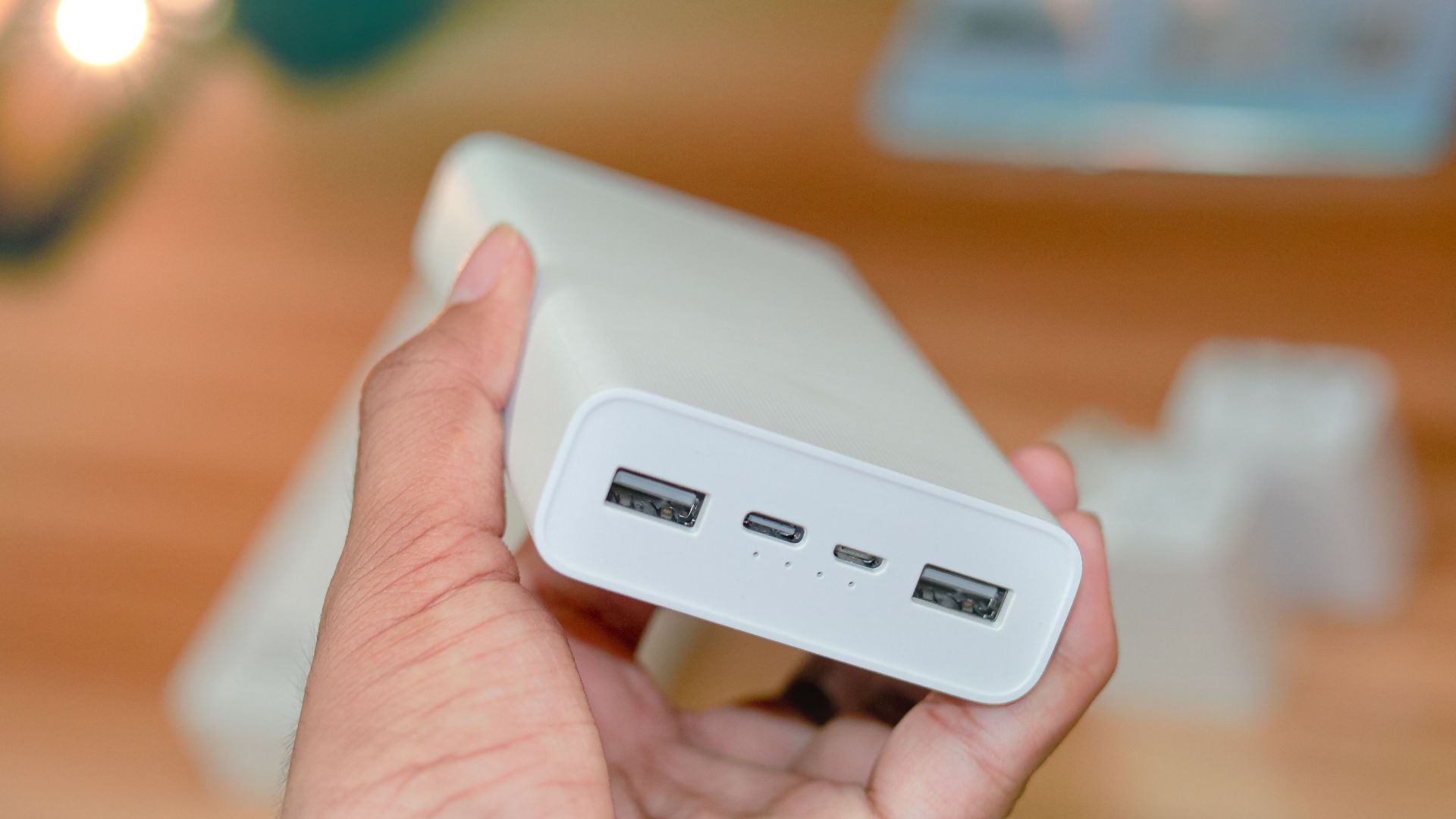
Carry A Backup Power Source
A dead phone is much more inconvenient when you're the only person carrying the hotel address and train ticket. Bring a charged power bank and keep important addresses somewhere offline as well. You don't need to become dependent on technology simply because you're traveling solo, but having redundant ways to navigate and communicate makes small problems easier to solve.
Keep Money And Cards In More Than One Place
Don't carry every credit card and dollar in the same wallet. Keep your normal spending money handy and store a backup card and some emergency cash separately. AARP recommends splitting financial resources so a single lost or stolen wallet doesn't leave a solo traveler without access to money.

Keep Copies Of Important Documents
Store secure copies of your passport, insurance information, prescriptions, reservations, and emergency contacts somewhere you can reach if the originals disappear. Leave another copy of key information with someone at home. The State Department specifically recommends giving trusted contacts copies of important travel information when traveling internationally.

Review Your Health Plans Before An International Trip
A medical problem is harder to manage alone when you don't know where your coverage works. If you're traveling from the U.S., Medicare generally provides very limited healthcare coverage outside the country, although some Medigap policies may provide foreign emergency benefits. Check your own coverage rather than assuming your regular insurance follows you everywhere.

Consider Medical And Evacuation Coverage
The State Department recommends that older travelers consider insurance covering healthcare abroad as well as emergency evacuation. That can matter because ordinary domestic coverage may not pay for treatment or transportation home. Read the policy carefully, especially exclusions involving pre-existing conditions, activities, and trip length.
 Summit Art Creations, Shutterstock
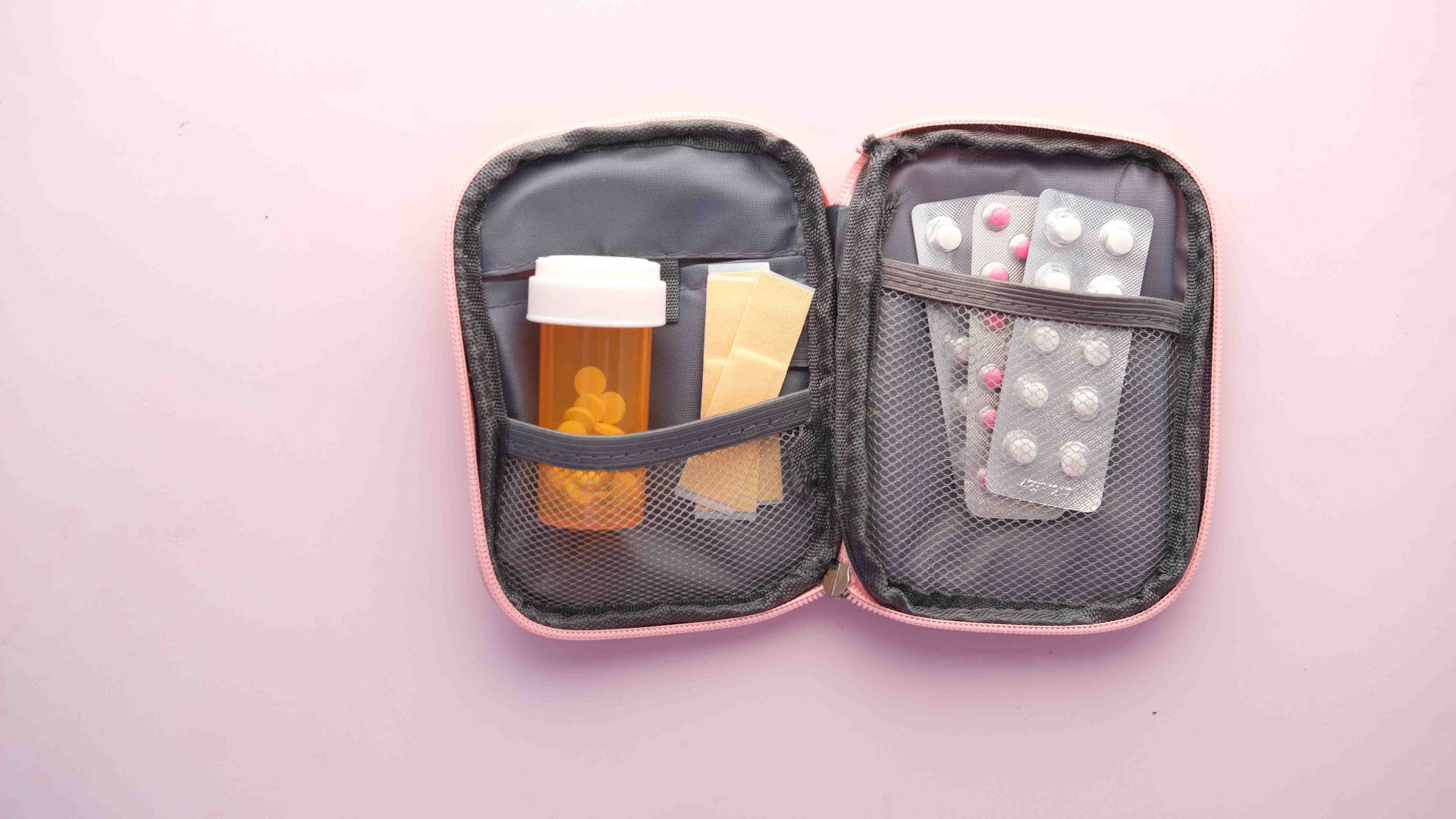
Sort Out Medications Before Departure
Bring enough prescription medication for the trip, keep it in properly labeled containers, and check whether your medication is legal at the destination. The CDC recommends discussing international travel with a healthcare professional several weeks before departure when destination-specific vaccines, medications, or health precautions may be relevant.

Don't Put Essential Medication In Checked Luggage
Your suitcase can spend two days in another airport while you arrive exactly where planned. Keep medications and other necessities in your carry-on where permitted. Bring basic information about prescriptions as well, particularly if replacing medication abroad could be difficult.
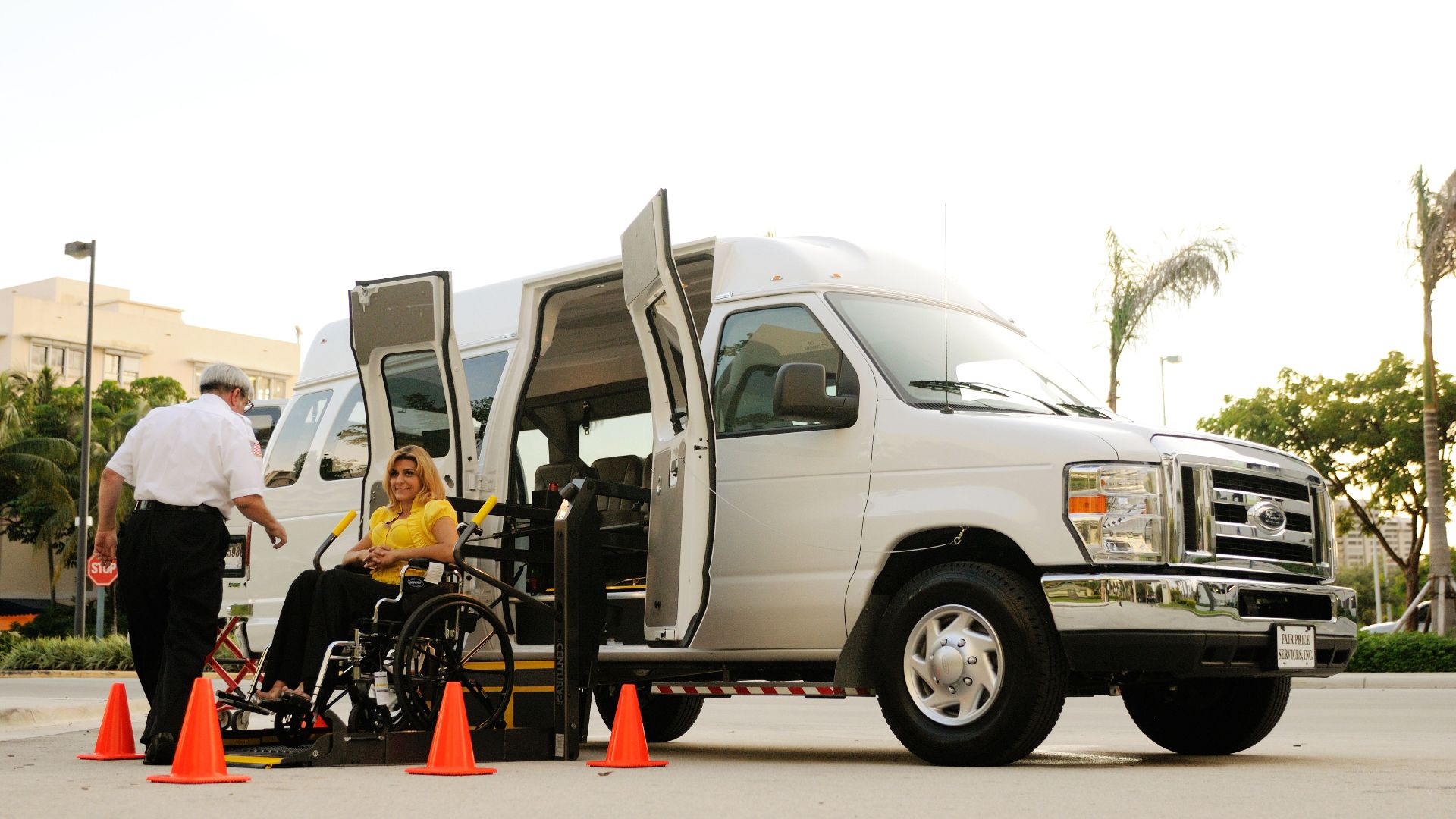
Use Airport Assistance If It Makes The Day Easier
Independence doesn't require walking a mile through a giant airport simply to prove you can. If long terminals, connections, or carrying luggage are becoming tiring, ask what assistance the airline or airport provides. Using help for the exhausting parts of a travel day can leave you with more energy for the destination itself.
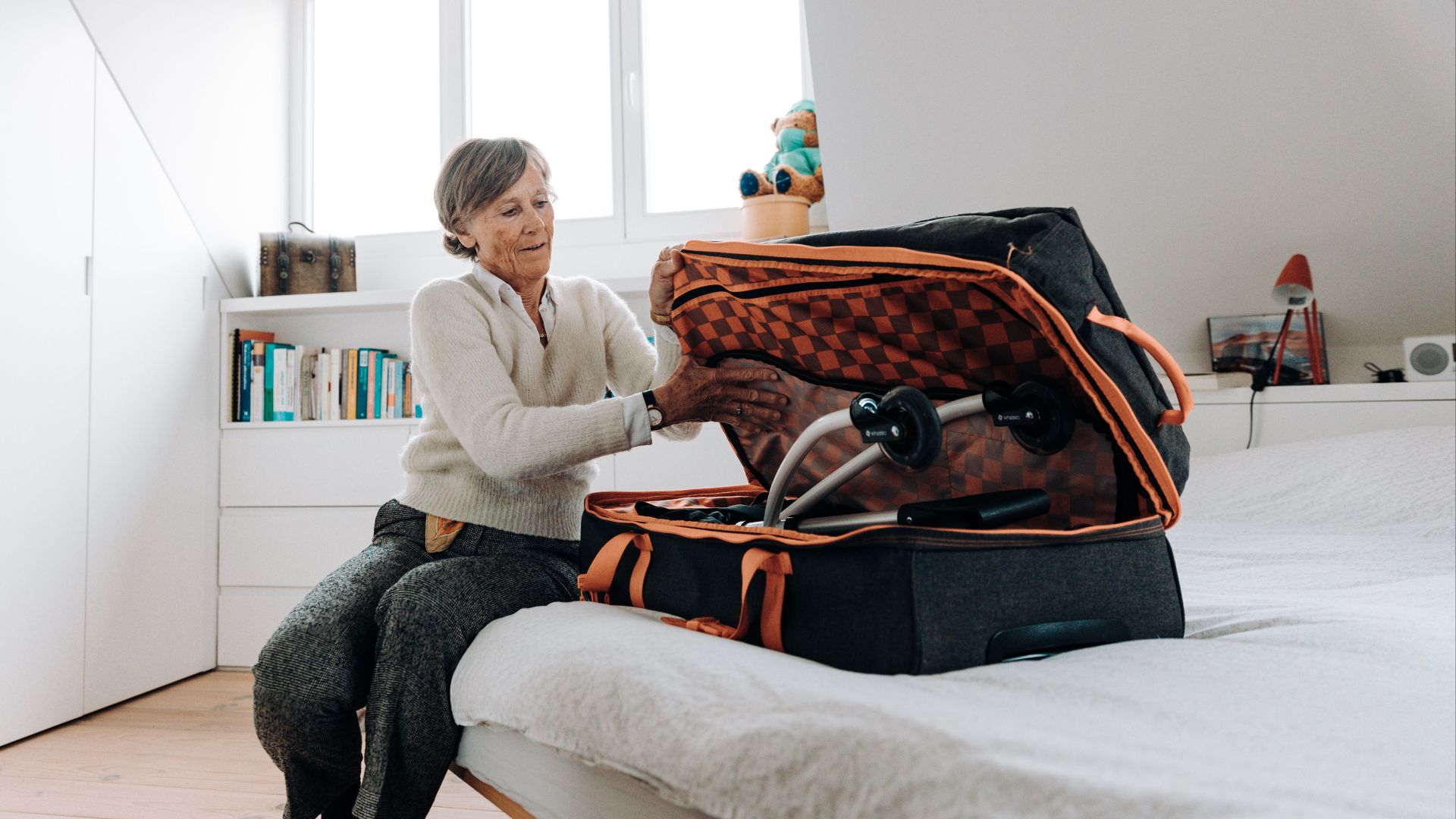
Pack So You Can Handle Everything Yourself
One useful solo-travel test is simple: can you comfortably manage the luggage you've packed? AARP recommends traveling light enough that you can move easily and keep a hand free when necessary. Smaller luggage also makes trains, stairs, taxis, and hotel changes considerably less stressful when nobody else is there to grab the other end.
Plan More Daytime Arrivals
A 10 p.m. train may save a little money, but a midday arrival usually makes an unfamiliar city easier to understand. Rick Steves recommends considering daytime arrivals and departures when traveling alone, particularly when transportation hubs or surrounding neighborhoods may be harder to navigate late at night.

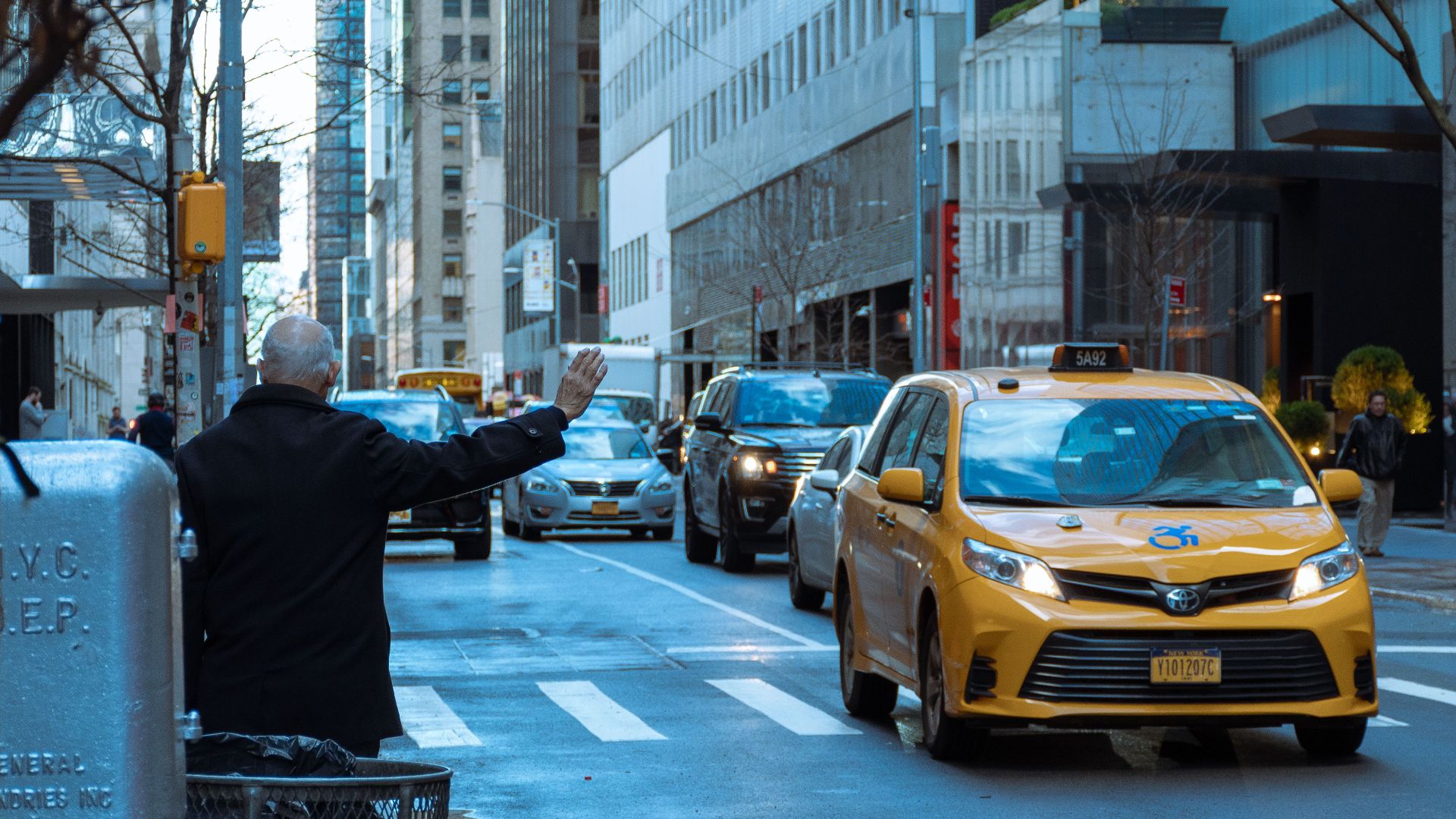
Spend Money On A Taxi When The Alternative Feels Wrong
There may be a perfectly good subway back to the hotel at midnight. That doesn't mean you have to take it. One advantage of planning a realistic solo-travel budget is giving yourself permission to pay for a taxi or rideshare when you're tired, lost, carrying valuables, or simply uncomfortable with the situation.
 Alexandros Chatzidimos, Pexels
Join A Tour When It Improves The Experience
Solo travel doesn't require being alone for every activity. A walking tour, food tour, museum group, guided excursion, or day trip can provide company and local knowledge while still leaving the rest of your vacation completely independent. It can be particularly useful for excursions where transportation or logistics would otherwise be complicated.
 Daniel Case, Wikimedia Commons
Know When To Walk Away
Being experienced doesn't mean ignoring your instincts. If a street, taxi, guide, bar, or situation starts feeling wrong, leave. Rick Steves' solo-travel guidance emphasizes awareness, preparation, and trusting your judgment. Paying for another cab or abandoning a reservation is usually cheaper than staying somewhere simply because you don't want to look overly cautious.
Give Your Family An Emergency Plan, Not Control Of The Trip
Tell them what you'd actually want them to do if they couldn't reach you. Give them your insurer's information, hotel details, passport copy, and emergency contacts. For U.S. travelers abroad, enrolling in the State Department's free STEP program can also provide destination alerts and help an embassy or consulate contact you or your emergency contact during a crisis.

Keep Your Plans Flexible Enough To Change Them
One of the best advantages of traveling alone is that nobody else needs convincing when you want to slow down. Take a taxi instead of walking, cancel tomorrow's excursion, sleep late, or spend an afternoon at the hotel. Solo travel can actually become easier with age because you're free to build the day around your own energy rather than trying to match somebody else's pace.
Safer Solo Travel Doesn't Have To Mean Less Independent Travel
Your family's concern may come from a good place, but safety doesn't require giving someone else control of your vacation. A manageable destination, well-chosen hotel, backup money, reliable phone service, medication planning, sensible transportation, travel insurance, and a simple check-in routine can remove many of the risks people worry about. You can accept help where it makes the trip easier without surrendering the freedom that made you want to travel alone in the first place.

You May Also Like: