The Trip Seemed Simple
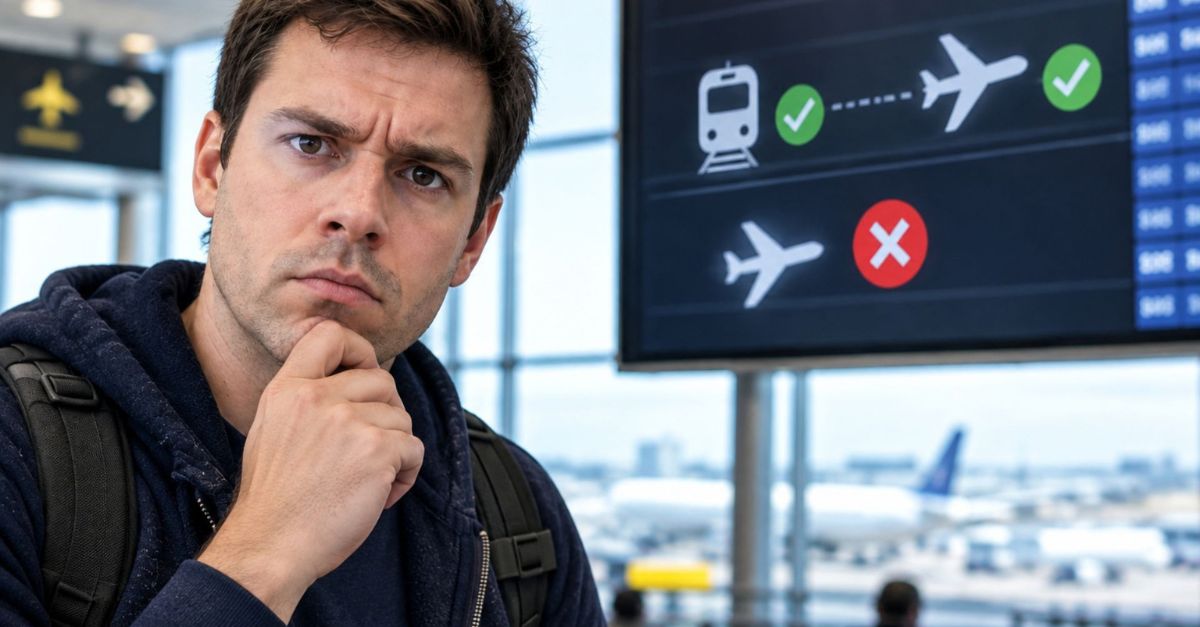
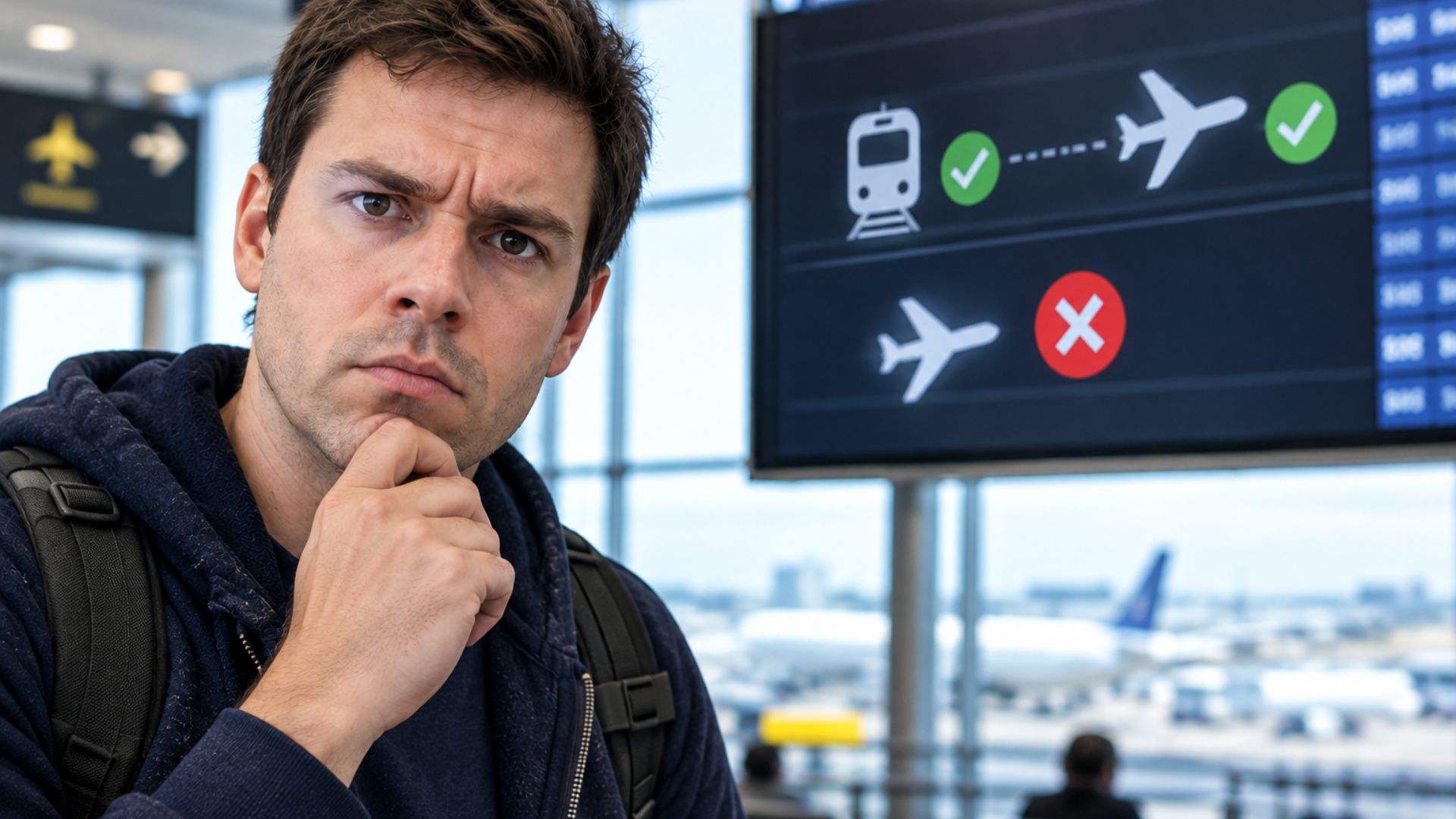
You book a multi-leg airline ticket and assume the later flights will still be there as long as you make it to the airport in time. Then a quick decision to give rail travel a try wrecks the plan. You skip one flight, take a train instead, and arrive in plenty of time—only to discover that you no longer have a ticket.
You Might Not Realize Until You Arrive
A lot of travelers do not find this out until check-in, at the gate, or after a panicked look at the airline app. To passengers, it definitely feels random and unfair. But to airlines, it's usually just an automatic result of a long-running ticket rule about flight coupons and the order they have to be used.

How One Missed Flight Can Wipe Out The Rest
Most airline tickets are built as a string of flight coupons that are supposed to be used in order. If one coupon is not flown, the rest of the trip can be canceled. That is why changing your route on your own, even if you still plan to take a later flight, can knock out the rest of the ticket.
Airlines Have A Name For The Rule
Airlines usually call it “coupon use in order” or say that flight coupons must be used sequentially. The rule shows up in many contracts of carriage. American Airlines, for example, says that if all segments are not used in sequence, the ticket will not be honored and may lose its remaining value.

American Says It Plainly
In American Airlines’ Conditions of Carriage, the airline says a ticket is valid only if the flight coupons are used in the order listed in the itinerary. It also warns that if the coupons are not used in order, the ticket may not be honored for travel. That is the basic reason a later segment can vanish after an earlier no-show.

United Uses The Same Basic Rule
United Airlines says in its Contract of Carriage that tickets are valid only for the transportation shown and that flight coupons must be flown in sequence from the place of departure. The airline also says that if a passenger does not use the coupons in sequence, United may cancel the reservation and the passenger may lose the value of the rest of the ticket. This is not some obscure policy at just one airline.
Delta Connects A Missed Segment To Losing The Rest
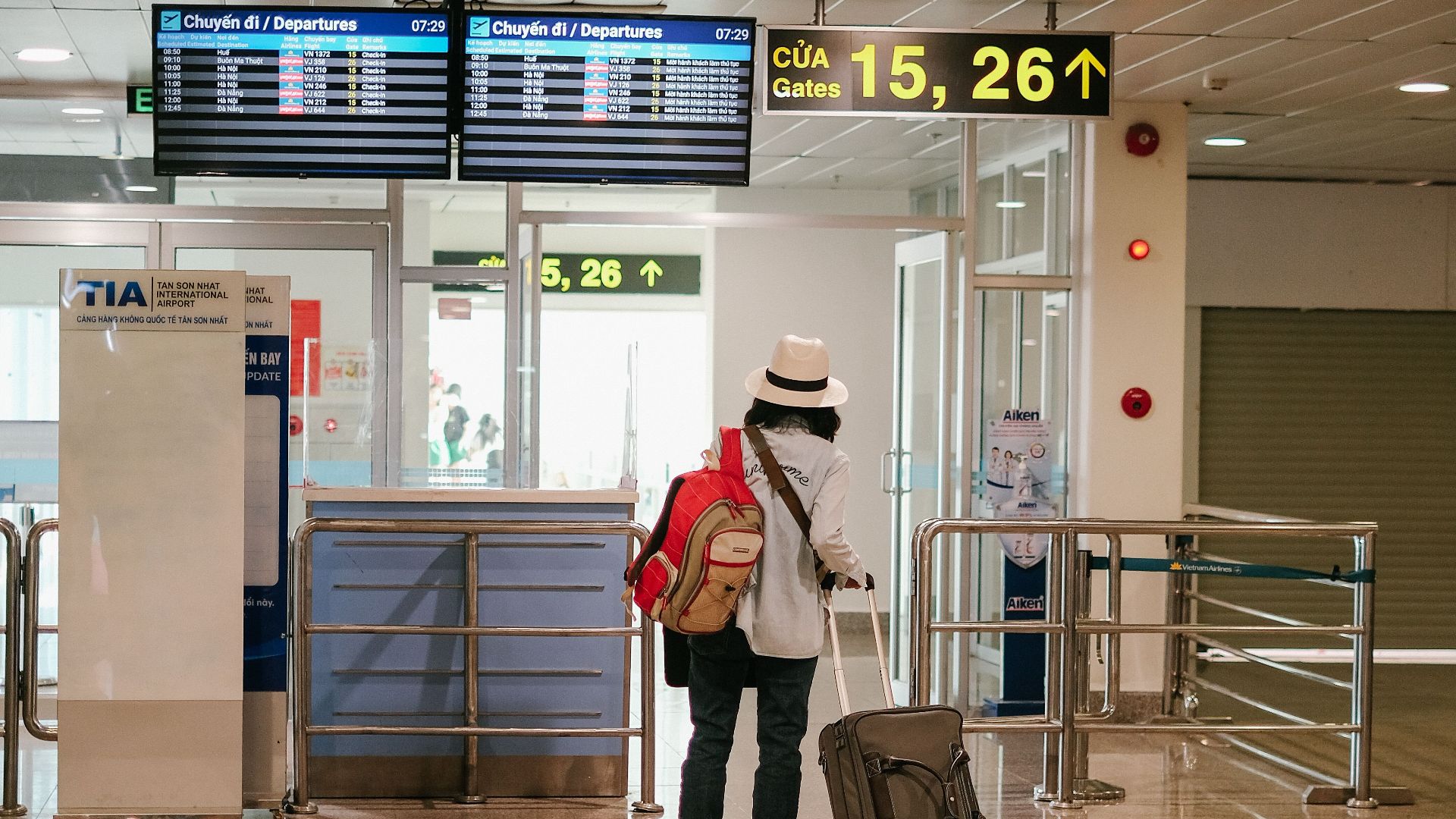
Delta’s Contract of Carriage says fares apply only when the itinerary is flown as ticketed and in sequence. It also says that if a passenger does not take a seat for any segment without notice, Delta may cancel the remaining reservations. So if you skip one flight, the system may automatically cancel the next one even if you planned to board it.
Why Airlines Care So Much
The main issue is pricing, not distance. Airlines do not price tickets by miles alone. They set fares based on demand, competition, timing, and route strategy, which is why a connecting trip can sometimes cost less than a shorter or more direct one.

The Pricing Can Seem Backward
Sometimes a ticket from City A to City C with a connection in City B costs less than a nonstop from City A to City B. That odd pricing is one reason airlines crack down on skipped segments. They do not want travelers buying a cheaper connecting fare and dropping part of the trip on purpose.

That Practice Has Its Own Name
Most people hear it called “hidden-city ticketing” or “throwaway ticketing.” The classic move is booking a flight beyond the city where you actually want to go, then getting off at the connection. Airlines have fought that for years because it undercuts how they price tickets.
Skiplagging Brought It Into The Open
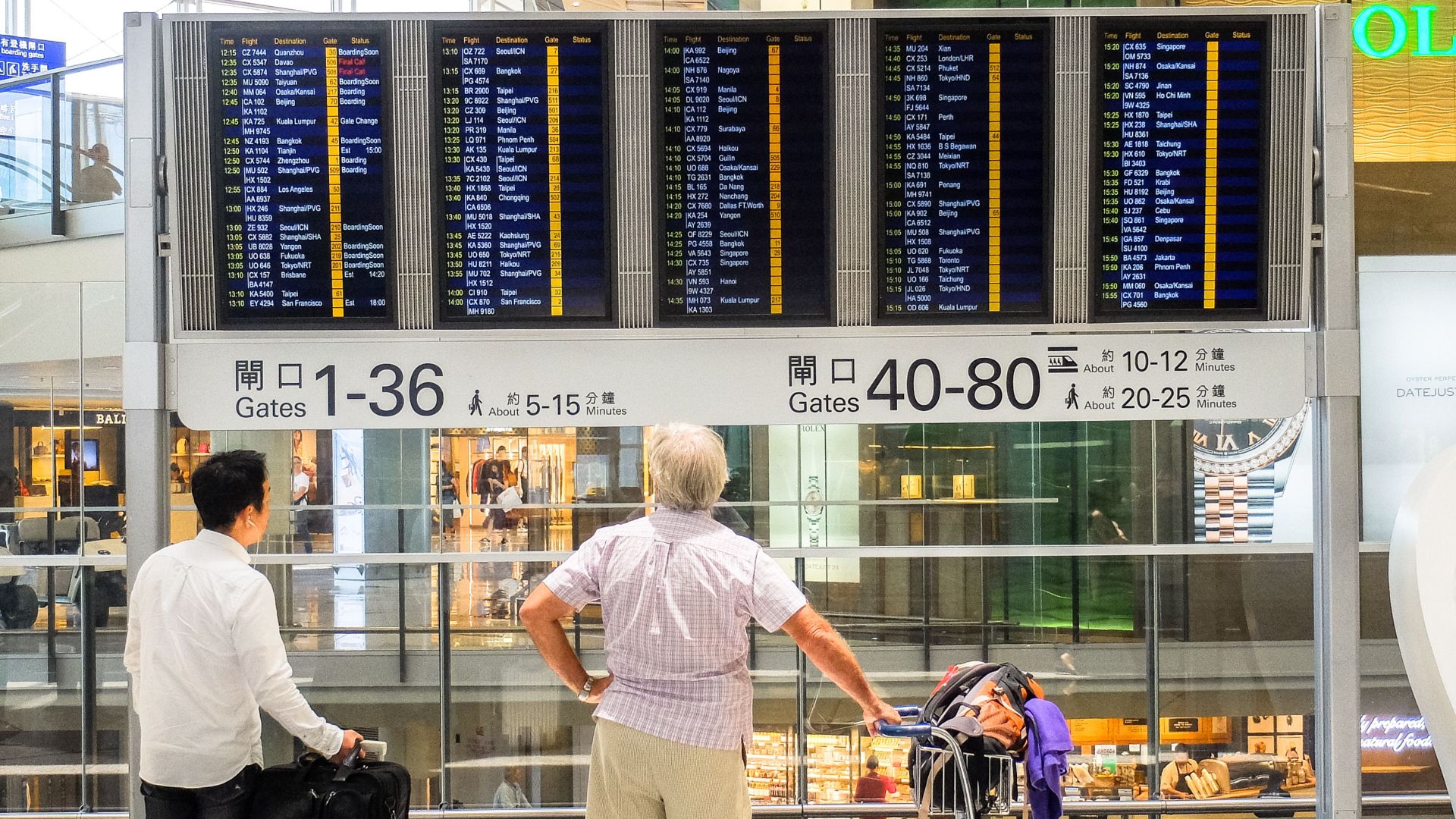
The fare-search site Skiplagged became well known for showing hidden-city itineraries. That turned an obscure airline pricing quirk into a mainstream travel topic. It also showed how strongly airlines object when passengers do not fly every segment on the ticket.

A Lawsuit Showed How Serious Airlines Were
In 2014, United Airlines and Orbitz sued Skiplagged founder Aktarer Zaman in federal court in Illinois. They accused the site of promoting prohibited ticketing practices. The case did not create the sequence rule, but it made clear how seriously airlines take changes that mess with an itinerary.
 https://kaboompics.com/, Pexels
American Took Action In 2023
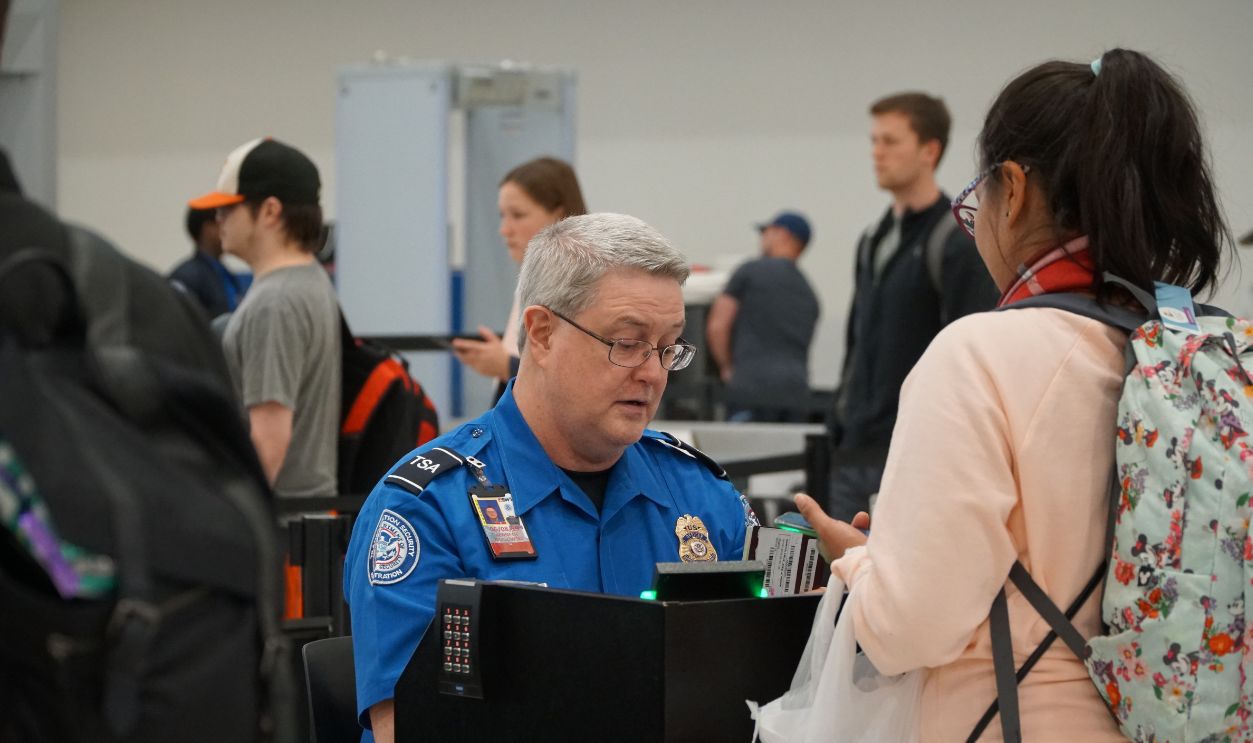
In a widely reported 2023 case, American Airlines detained a teenager after accusing him of hidden-city ticketing on a trip through Florida. Coverage from local station WPLG and other outlets put the issue back in the spotlight. It also showed that enforcement is not just theoretical.
 everythingforall, Shutterstock
But Taking A Train Is A Different Situation
Someone who swaps a flight for a train may not think they are gaming the fare system at all. They may just prefer rail, need more flexibility, or want to avoid delays. But once a segment turns into a no-show, airline reservation systems usually do not care much about the reason.

The System Usually Just Sees A No-Show
If you do not board a ticketed flight and do not officially change the trip with the airline, the system will often mark you as a no-show. Once that happens, the onward flights can be canceled automatically. In most cases, it is a rules-driven process, not a personal call by a gate agent.

Changing A Trip And Skipping A Flight Are Not The Same
Some passengers assume they can handle one part of the journey on their own and still keep the rest. That is the mistake. If the airline does not formally reissue or modify the ticket, then from the airline’s point of view you did not change the trip. You missed a required segment.

Checked Bags Can Make It Worse
Even if a later flight somehow stays active, checked baggage can create another mess. Bags are usually tagged to match the ticketed itinerary and security rules. A detour you create on your own can complicate bag retrieval or stop the bag from moving on at all.

International Trips Can Get Messier Fast
On international itineraries, a missed segment can cause even more problems with immigration timing, baggage transfers, and fare recalculation. Some tickets also have strict minimum or maximum stay rules, along with country-specific taxes tied to the route. That makes self-rerouting especially risky.

Airlines Call It Revenue Integrity
In plain language, revenue integrity means airlines want to protect the pricing and inventory logic behind each ticket. If passengers could freely skip cheaper segments and still keep later flights, the fare system would be easier to exploit. Sequence rules are one way airlines try to stop that.

Why Travelers Get So Frustrated
From the traveler’s side, the later seat may still be empty and they still want to use it. So the cancellation feels harsh. But the airline sees the ticket as one package sold under specific rules, not as a set of separate rides you can mix and match.

Passenger Rights Rules Usually Do Not Change This
Some travelers look to broad air-passenger protections for help, especially in Europe. European Union passenger-rights rules cover delays, cancellations, and denied boarding in many cases. But they do not generally give passengers the right to skip one coupon and still insist on flying the untouched later segments on the same ticket.

The Best Move Is To Call Before The Flight Leaves
If you know you want to take a train or skip a segment for some other reason, contact the airline before departure. Ask whether the ticket can be changed, repriced, or partly saved. Once the segment is missed and marked as a no-show, your choices usually shrink and get more expensive.

Same-Day Changes Are Different From DIY Changes
Many airlines allow same-day confirmed changes or standby under certain fare rules. Those options keep the trip inside the airline’s system. If you swap in a train on your own without changing the ticket, you step outside that system, and that is where the trouble usually starts.

Travel Insurance Usually Will Not Help
Standard travel insurance is not meant to save a passenger from breaking ticket rules by choice. If the missed segment was voluntary, coverage is unlikely. Insurance may help with some disruptions, but usually not with preserving a later flight after you changed the route on your own.

If It Already Happened, Act Fast
If the airline has already canceled your final leg, call right away and ask whether the reservation can be restored for a fee or fare difference. Stay polite and focus on possible fixes instead of arguing over fairness. Some agents may be able to offer same-day options or reissue the ticket, but nothing is guaranteed.

How To Avoid This Next Time
Book separate tickets only if you understand the tradeoffs. If you want the option to use rail for one part of the trip, think about booking that flight segment separately from the rest of your air travel. That way one change is less likely to wipe out the rest of the itinerary.

The Bottom Line
Changing your own route can affect a later flight because airline tickets are usually sold as a sequence of coupons that must be used in order. Skip one without an approved change, and the system may cancel everything after it. It feels backwards, but it is a standard rule at major airlines, and knowing that can save you from a bad airport surprise.