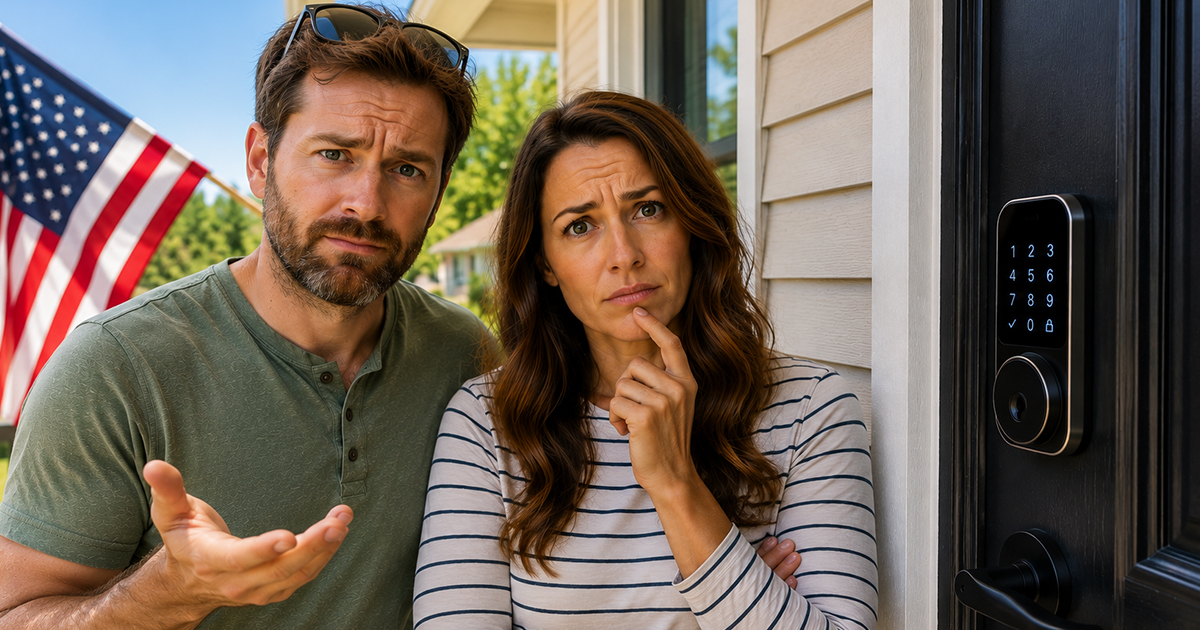
We Didn't Expect The Front Door To Be Keeping Tabs
We discovered our Airbnb's smart lock notifies the host every time someone enters or leaves the property. Is that just a normal feature of modern rentals—or should guests be concerned about their privacy?
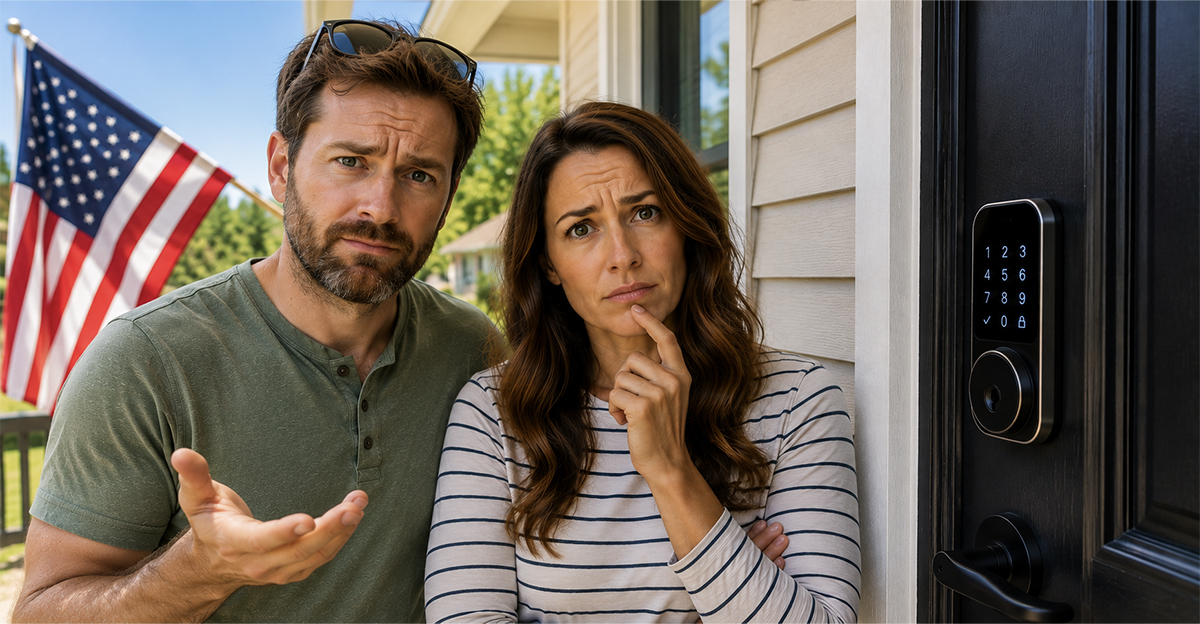
Smart Locks Have Become Extremely Common
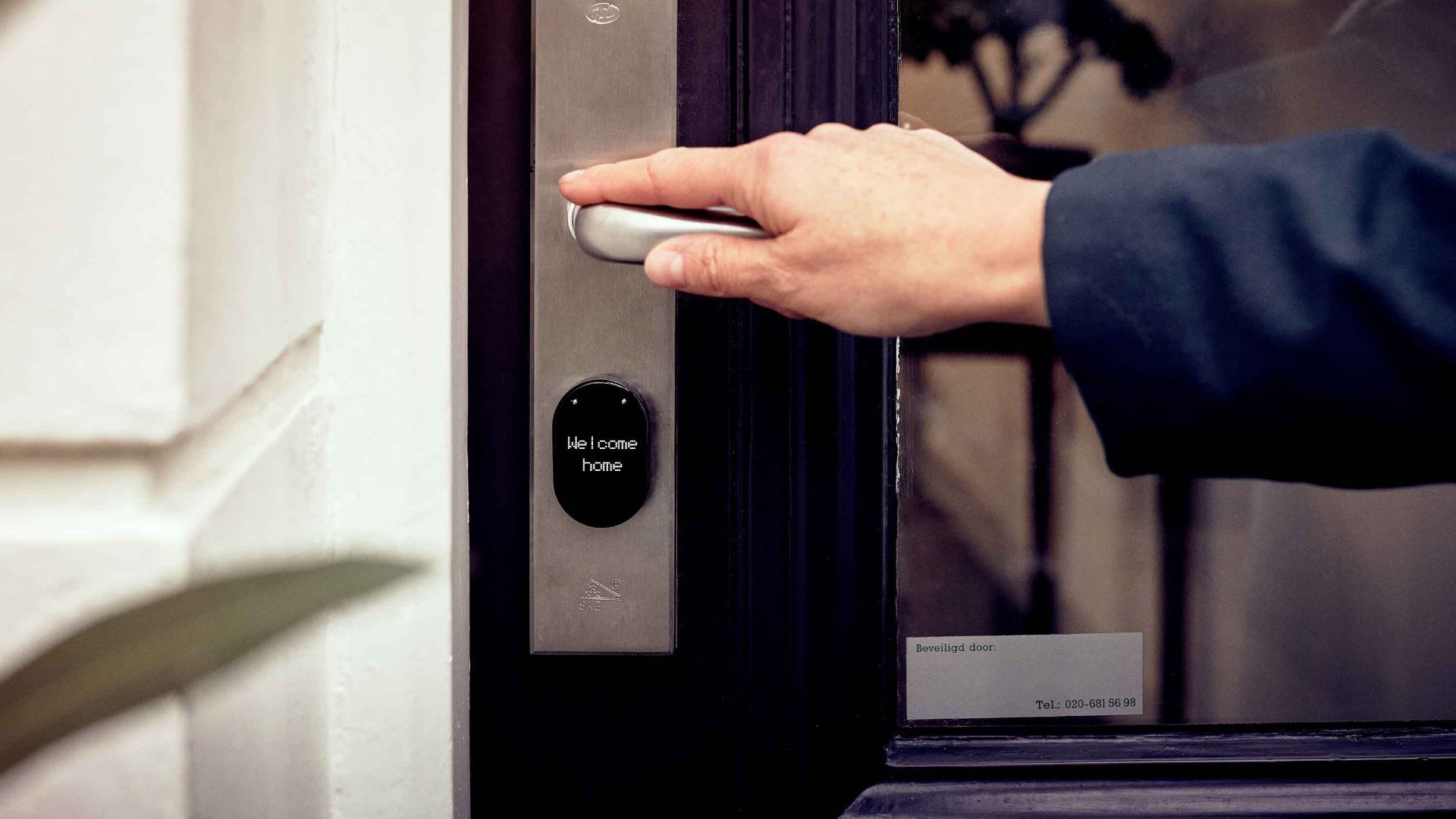
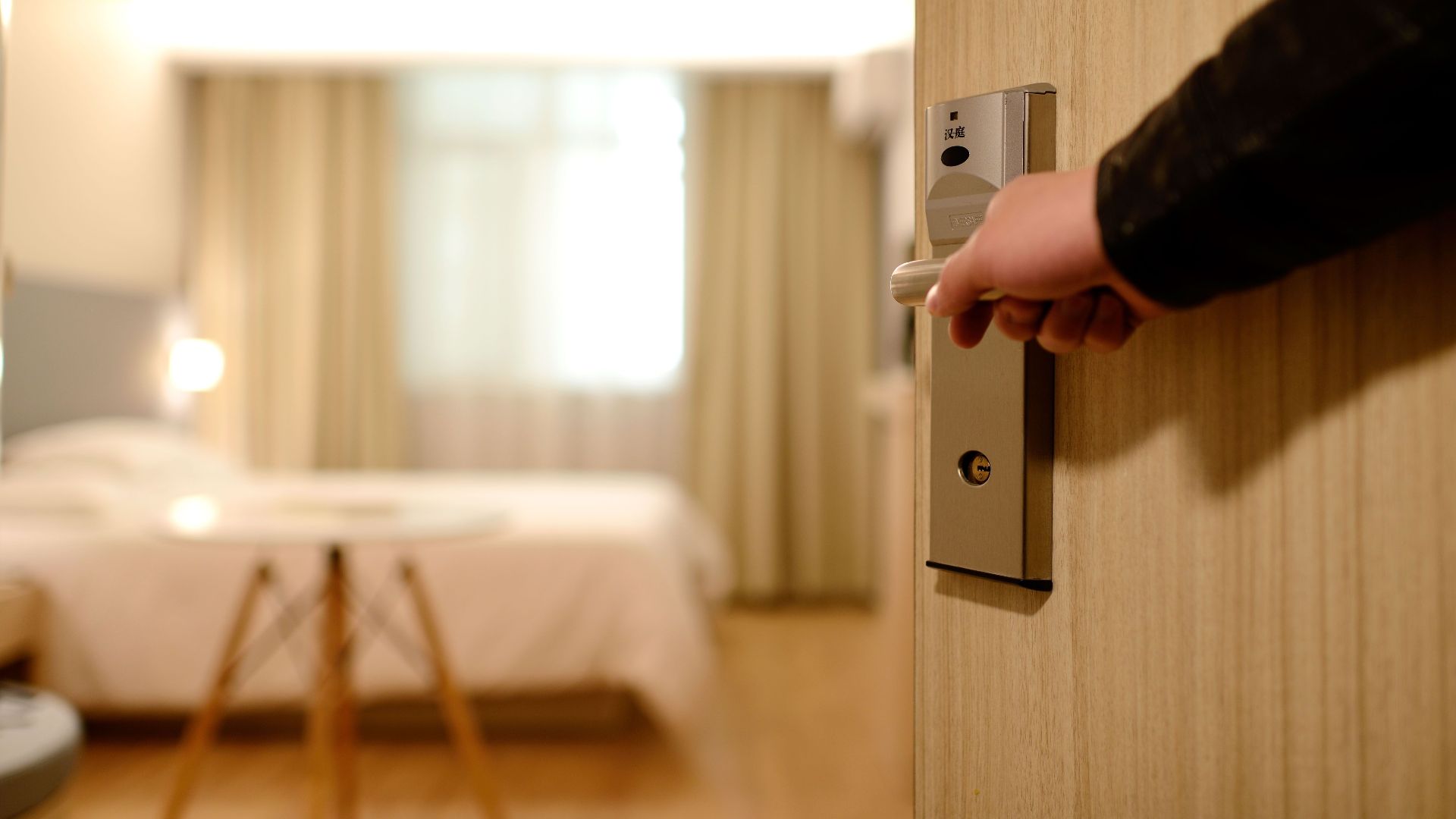
Many Airbnb hosts have replaced physical keys with smart locks. They eliminate lost keys, allow remote access, and make check-in much easier for both guests and hosts.
Why Hosts Like Them
Instead of meeting every guest in person, hosts can generate unique entry codes that automatically expire when a reservation ends. It's convenient for everyone involved.
But Smart Locks Do More Than Unlock Doors
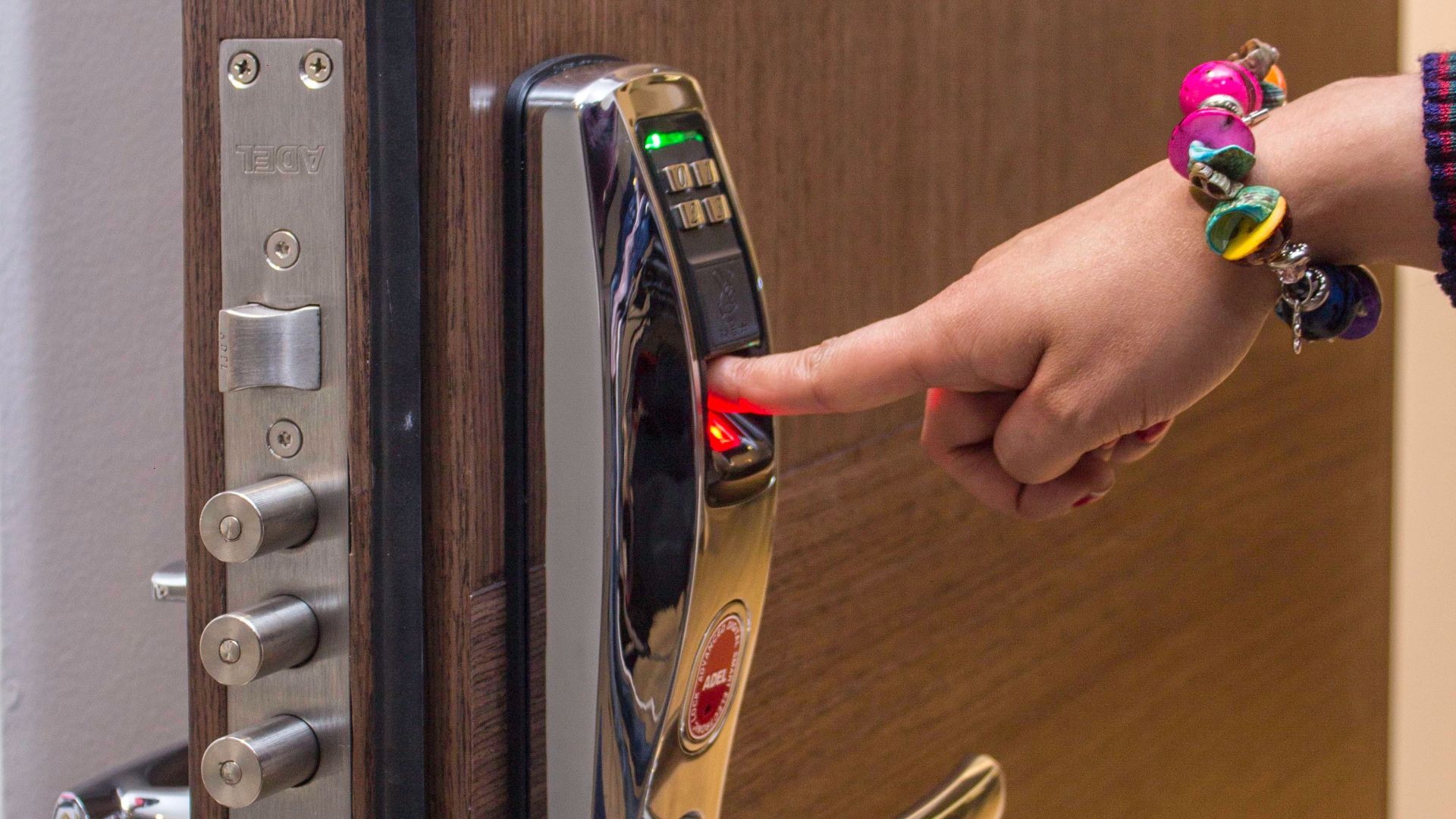
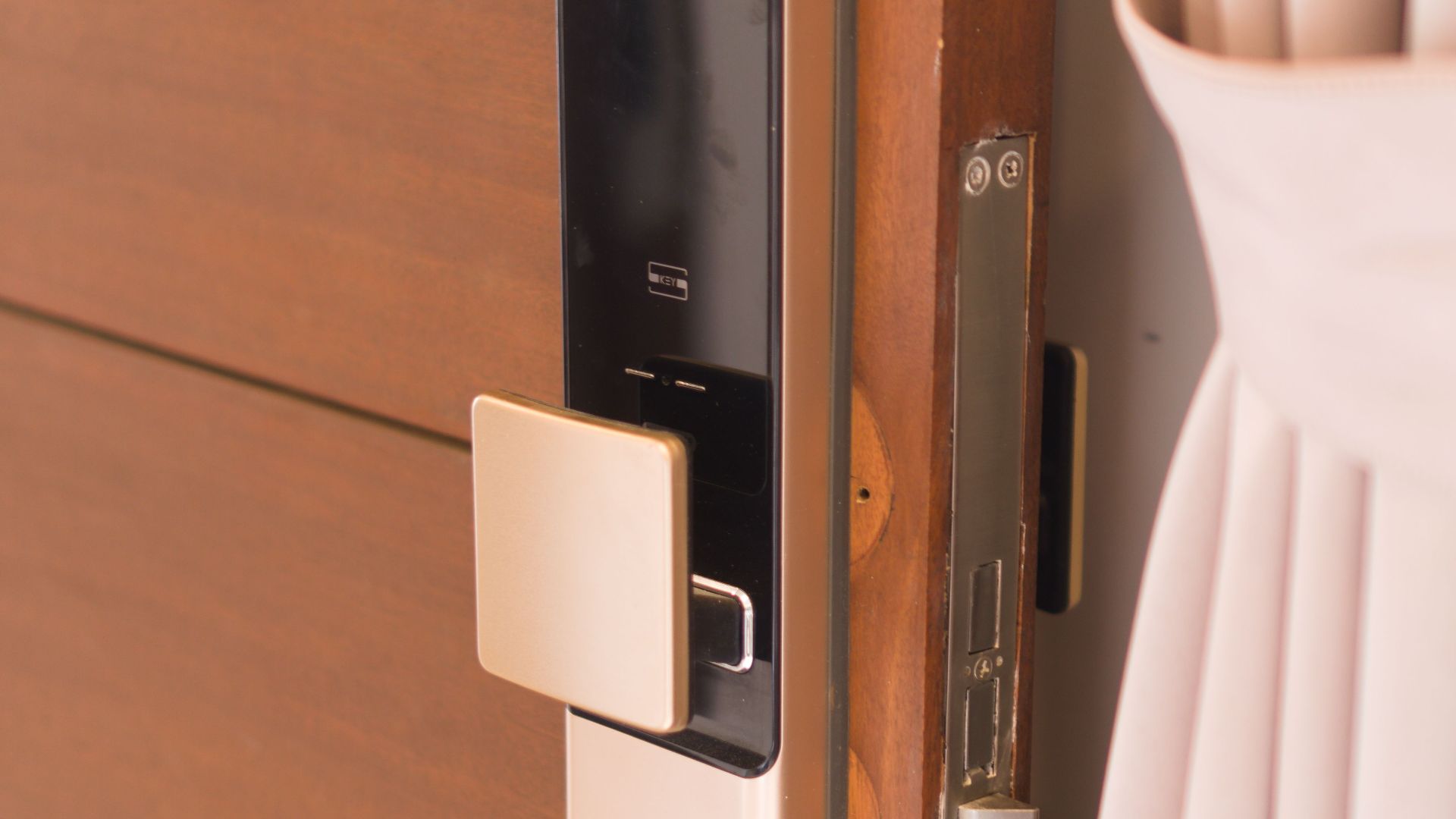
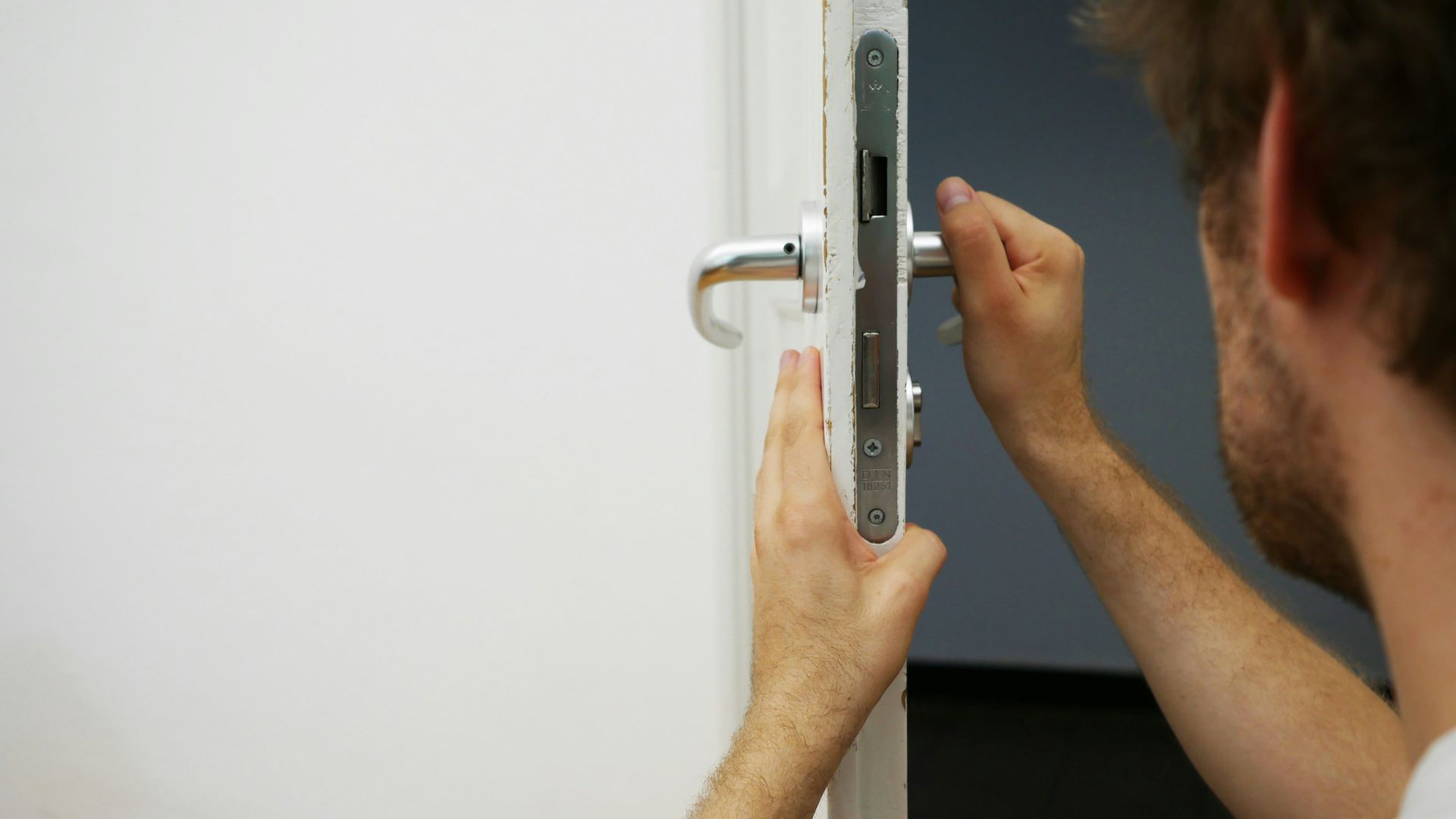
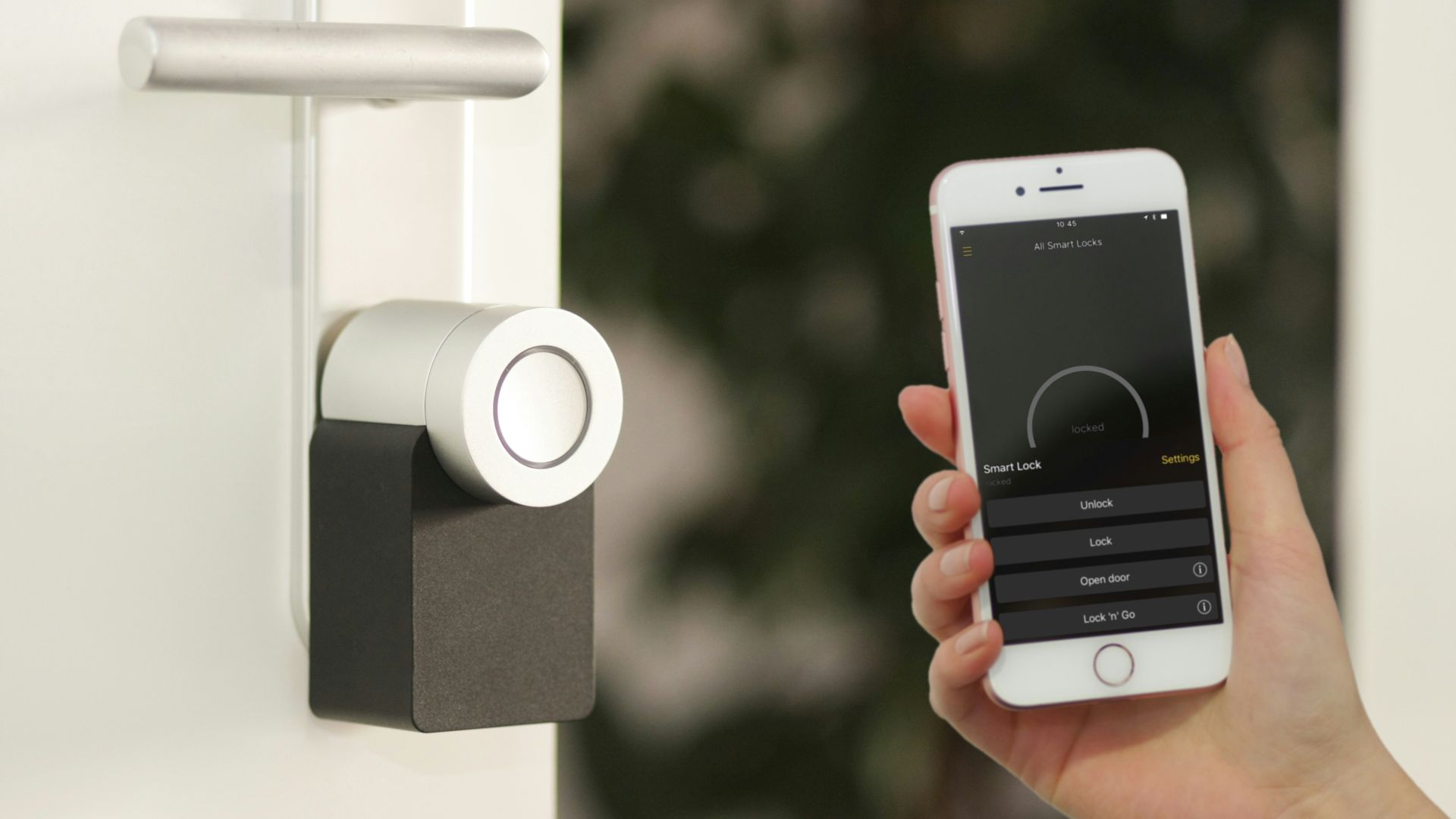
Many modern smart locks automatically create an activity log showing when the door was locked, unlocked, opened, or closed.
That Doesn't Mean Someone Is Watching Live
One of the biggest misconceptions is that hosts are sitting at their phones monitoring guests all day. In most cases, that's not what happens.

Notifications Can Be Automatic
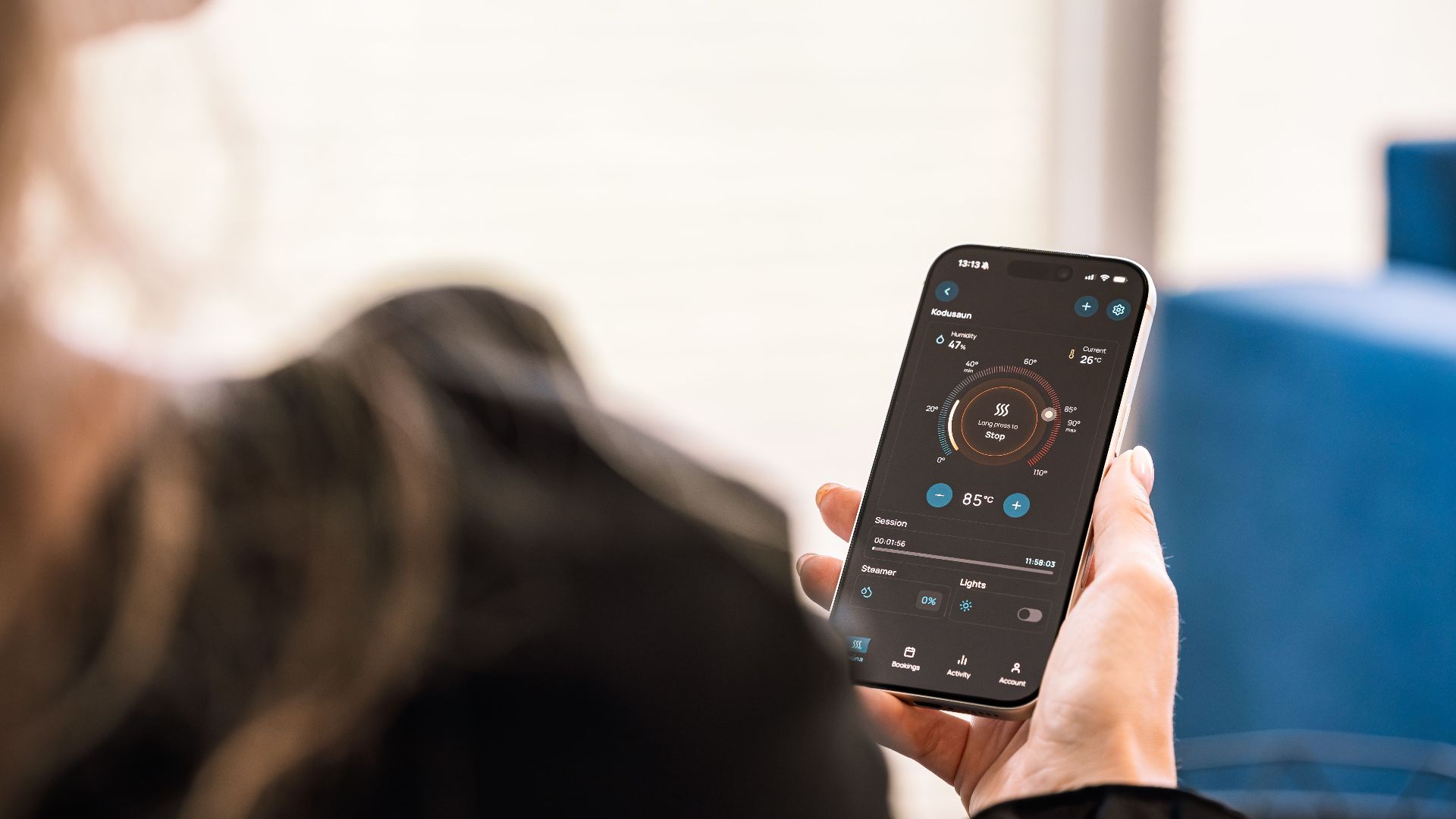
Many smart lock systems simply send automatic notifications whenever a code is used. The host may receive an alert without actively checking anything.
So... Is That Standard?
Surprisingly, yes. Many vacation rental hosts receive notifications when guests arrive, leave, or unlock the property. It's one of the features many smart lock systems are designed to provide.
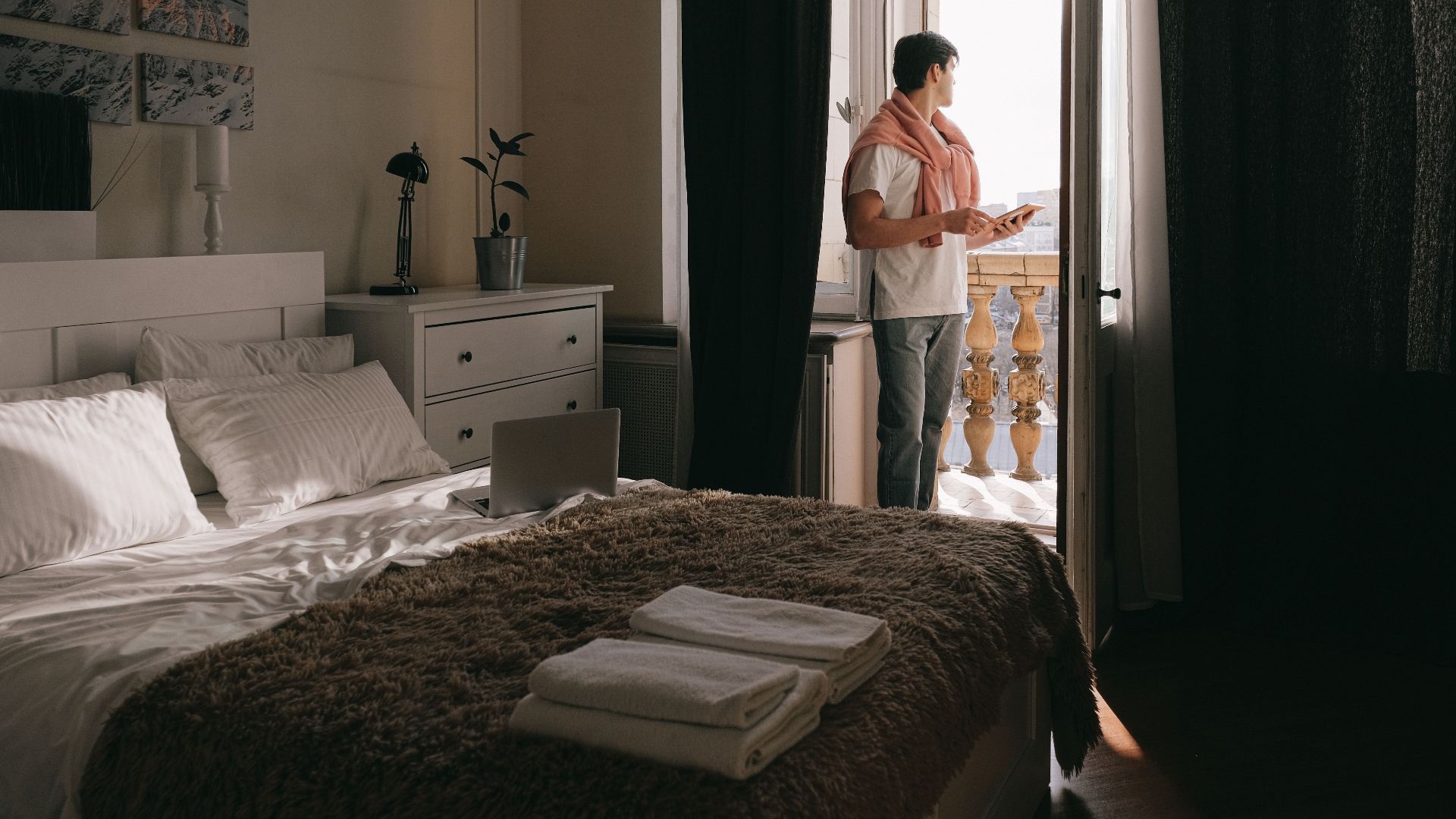
Why Would A Host Want That Information?
Sometimes it's for completely practical reasons. Hosts may want to confirm guests have successfully checked in or know when cleaners can safely enter after checkout.
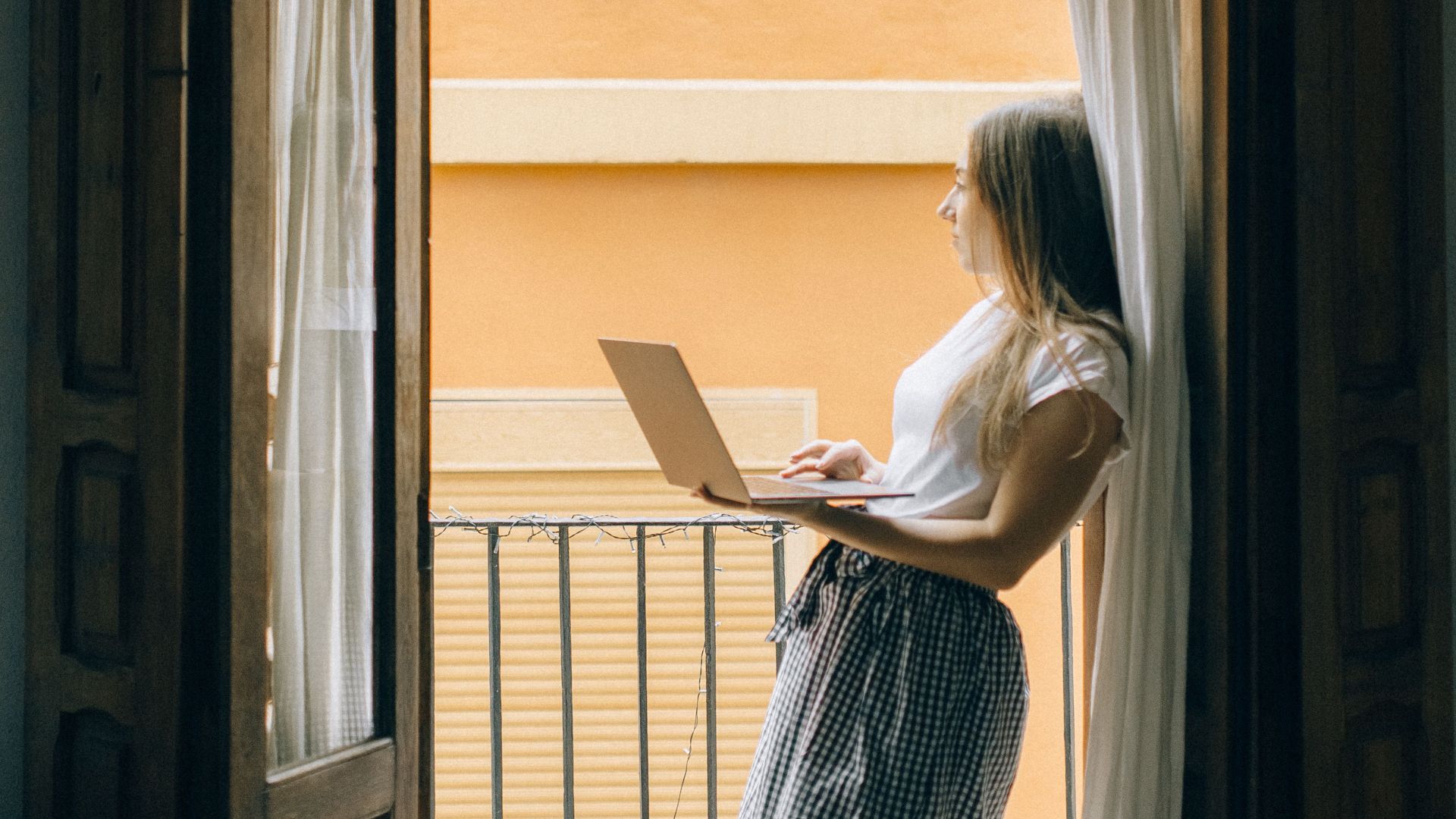
Security Is A Big Reason Too
Activity logs can help identify unauthorized entry attempts, malfunctioning locks, or situations where someone tries to use an expired access code.
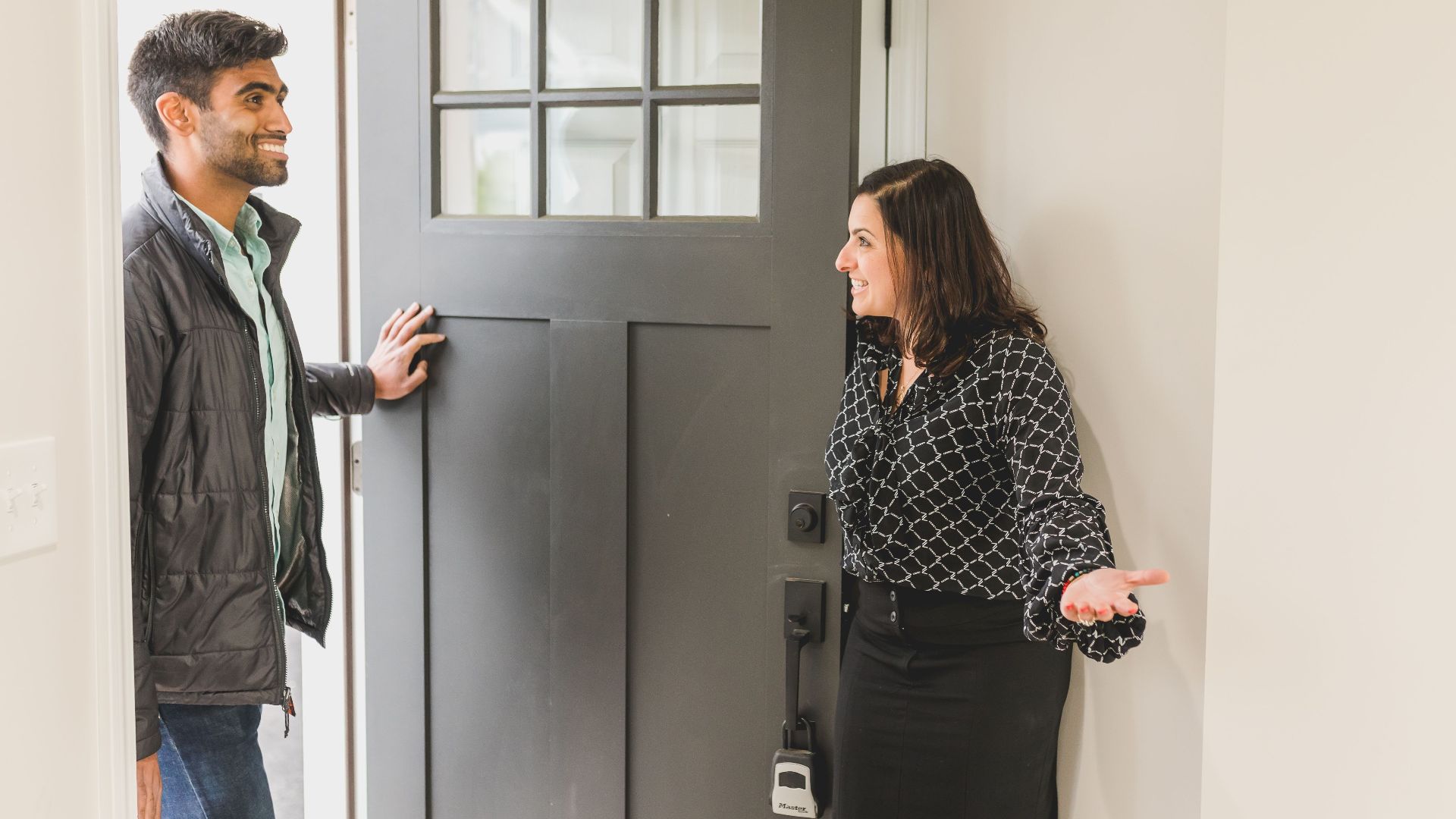
But Guests Often Feel Surprised
Many travelers don't realize a smart lock records activity until after they arrive. Learning that a host knows when they come and go can feel unsettling.
Airbnb Doesn't Ban Smart Locks
Airbnb generally allows hosts to use smart locks and other access-control systems. In fact, many listings advertise them as a convenience.
 Raysonho @ Open Grid Scheduler / Scalable Grid Engine, Wikimedia Commons
Privacy Rules Still Apply
Even though smart locks are generally permitted, hosts are still expected to respect guest privacy throughout the reservation.
There's A Big Difference Between A Lock And A Camera
A smart lock may record entry events. That's very different from using hidden cameras or other surveillance devices inside a rental, which Airbnb prohibits.
 Sebastian Scholz (Nuki), Unsplash
What Information Does The Lock Actually Collect?
Most systems simply record things like the access code used and the time the door was unlocked. They usually don't reveal what guests are doing inside the property.
Can Hosts Tell Which Guest Left?
Sometimes. If separate access codes are assigned to different people, certain systems can identify which code unlocked the door. Other hosts simply give one code to the entire reservation.
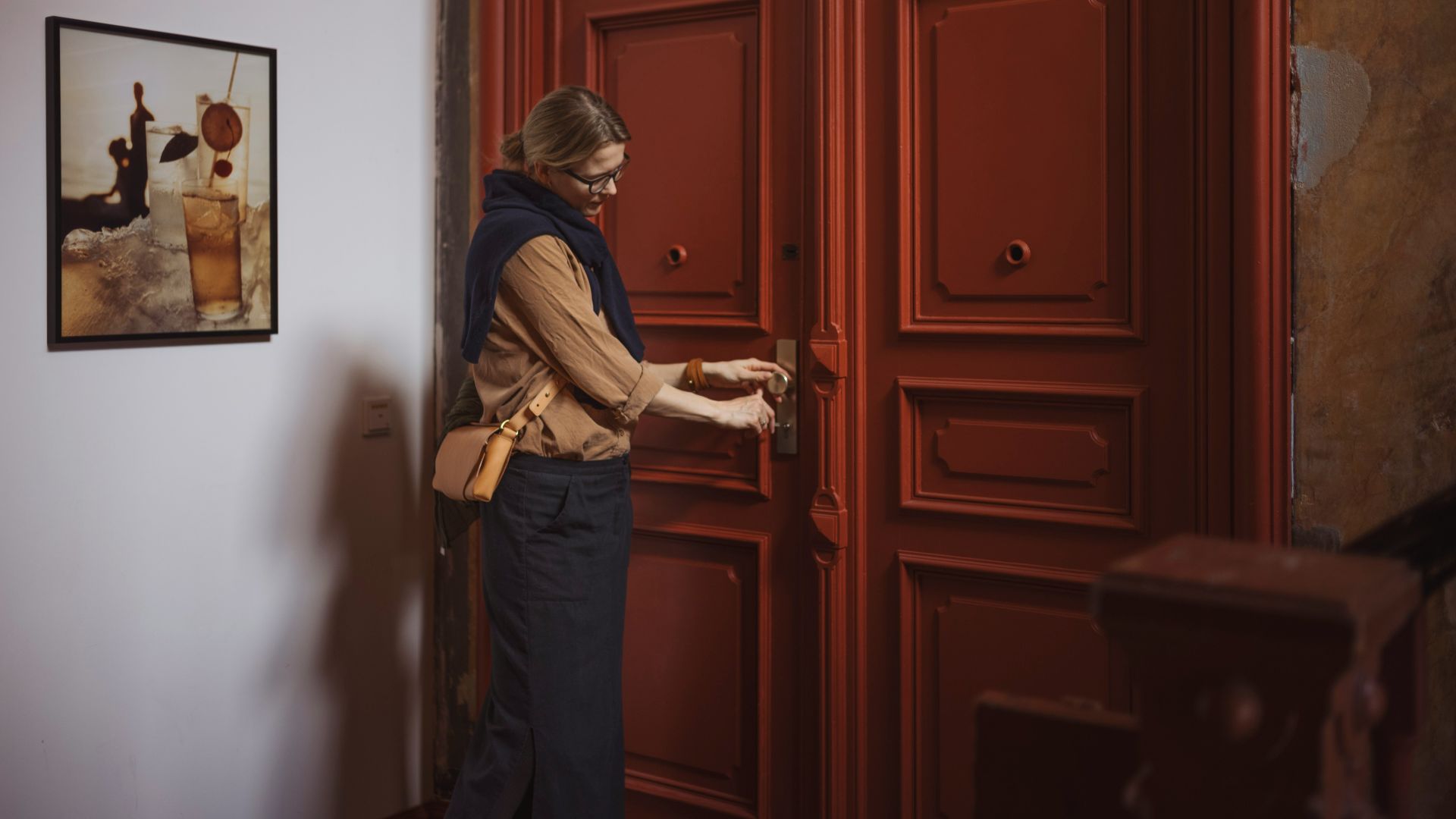
Should Hosts Tell You?
Many privacy experts recommend transparency. While activity logging isn't necessarily required to be highlighted, clearly explaining how smart home devices work often builds trust with guests.
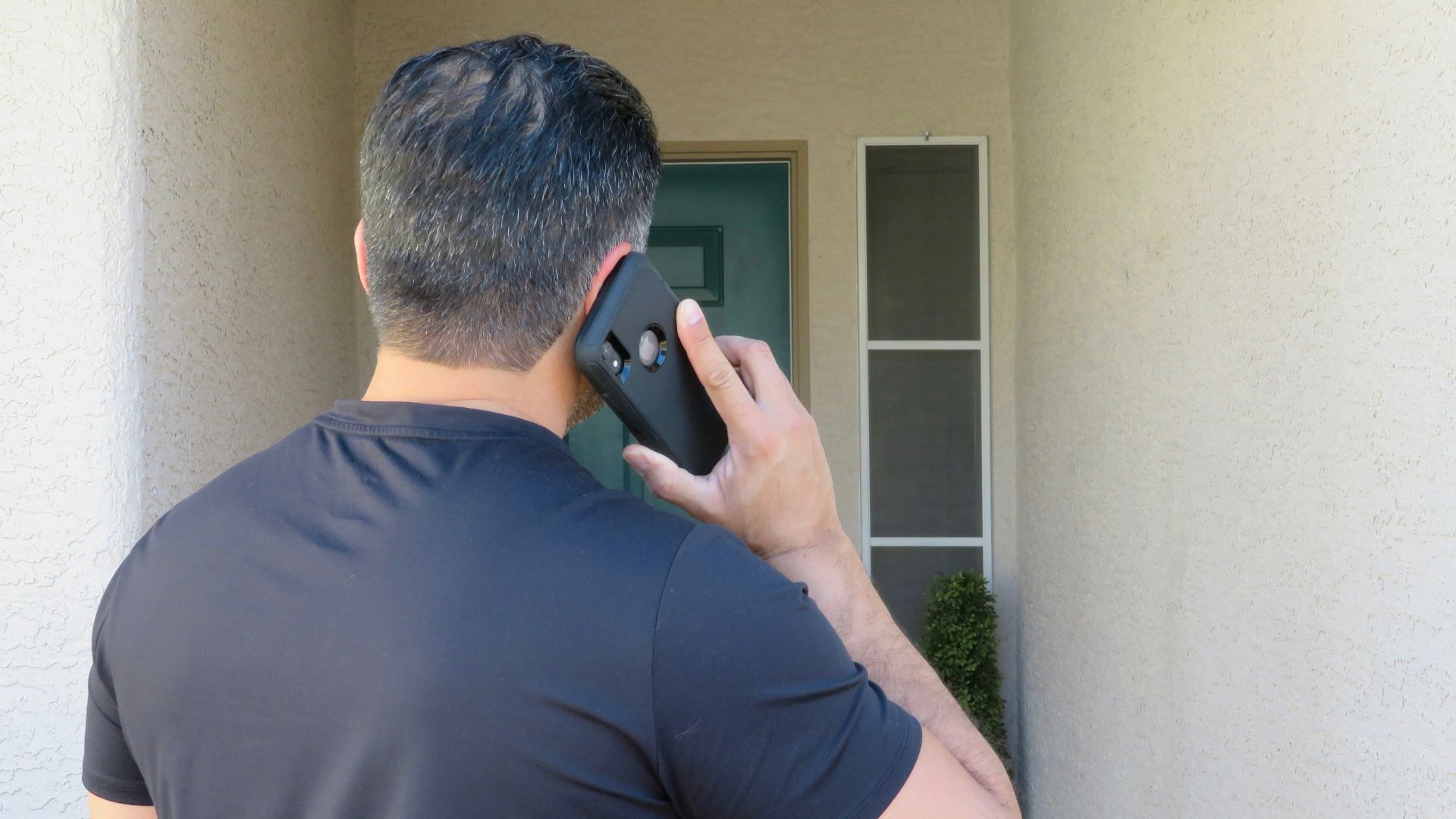
What If The Host Starts Commenting On Your Schedule?
That's where things become uncomfortable. If a host repeatedly references exactly when you leave, return, or how long you're gone, many guests would reasonably find that intrusive—even if the lock itself is allowed.
Smart Homes Often Include More Than Locks
Some rentals also use smart thermostats, leak detectors, noise monitors, or exterior security cameras. Each device may have different disclosure requirements under Airbnb's policies.
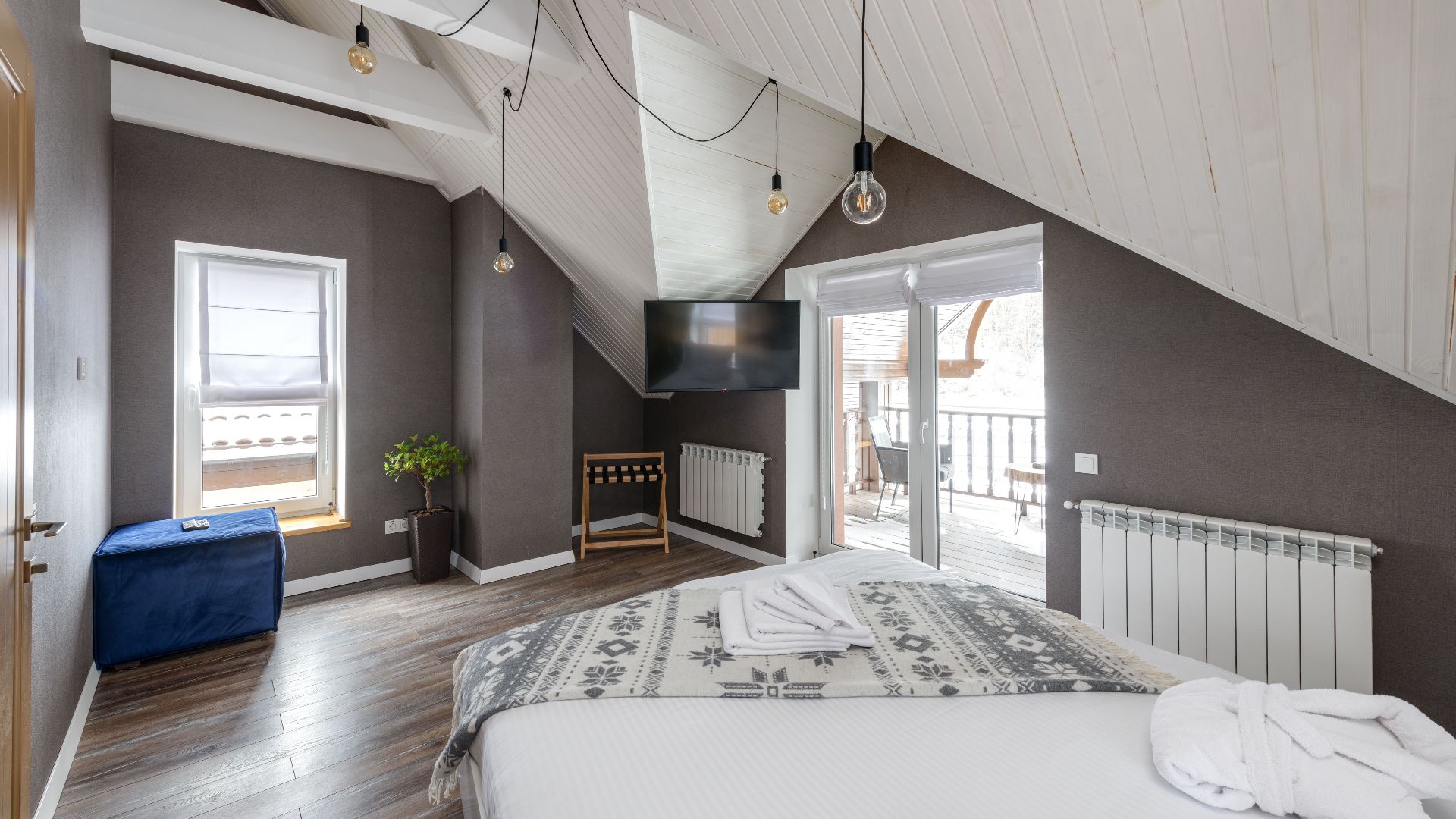
Reading The Listing Can Reveal A Lot
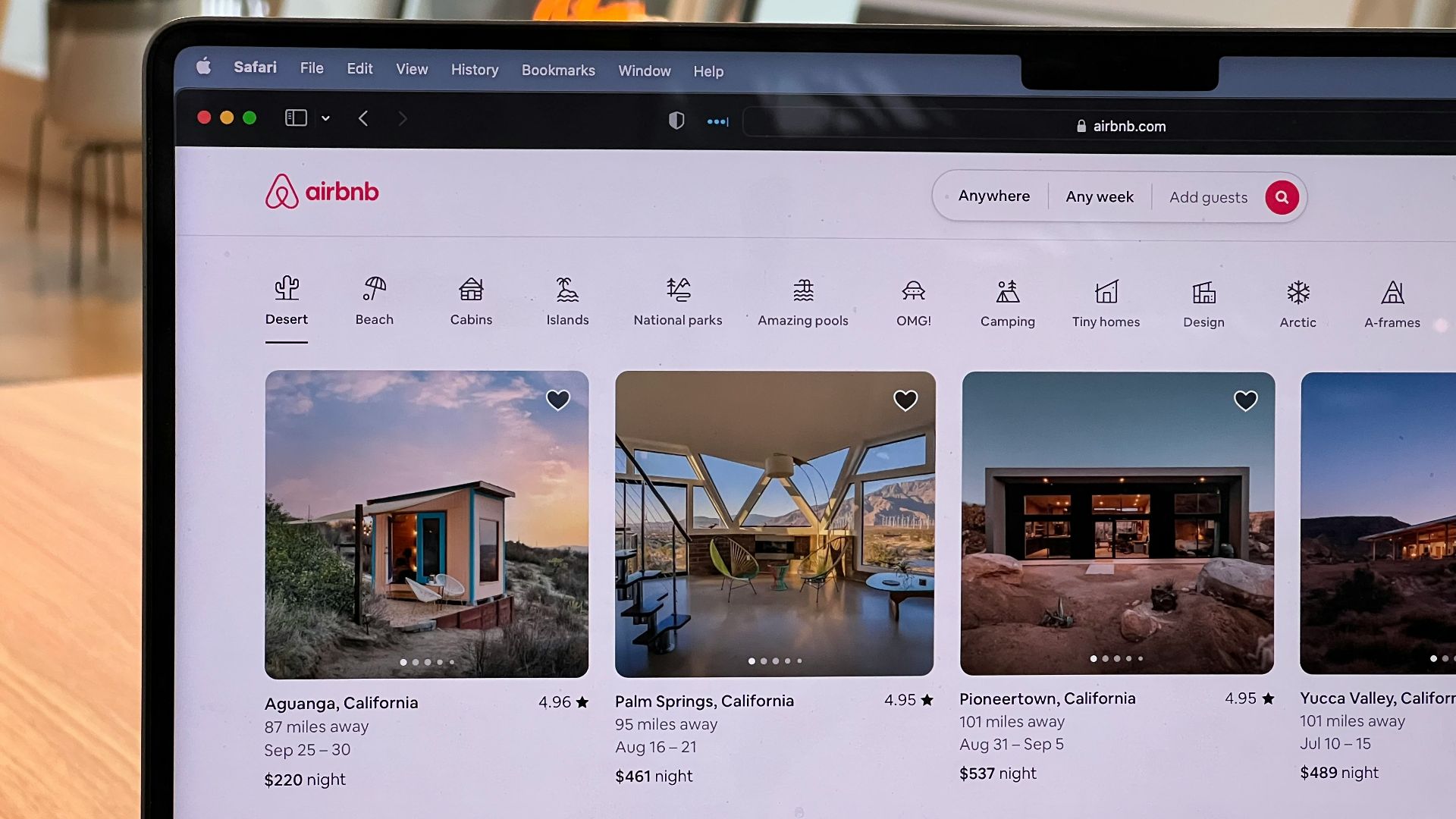
Some hosts mention their smart home technology in the listing description or house manual. Others explain it only after the reservation is confirmed.
 Oberon Copeland @veryinformed.com, Unsplash
Communication Usually Solves Most Concerns
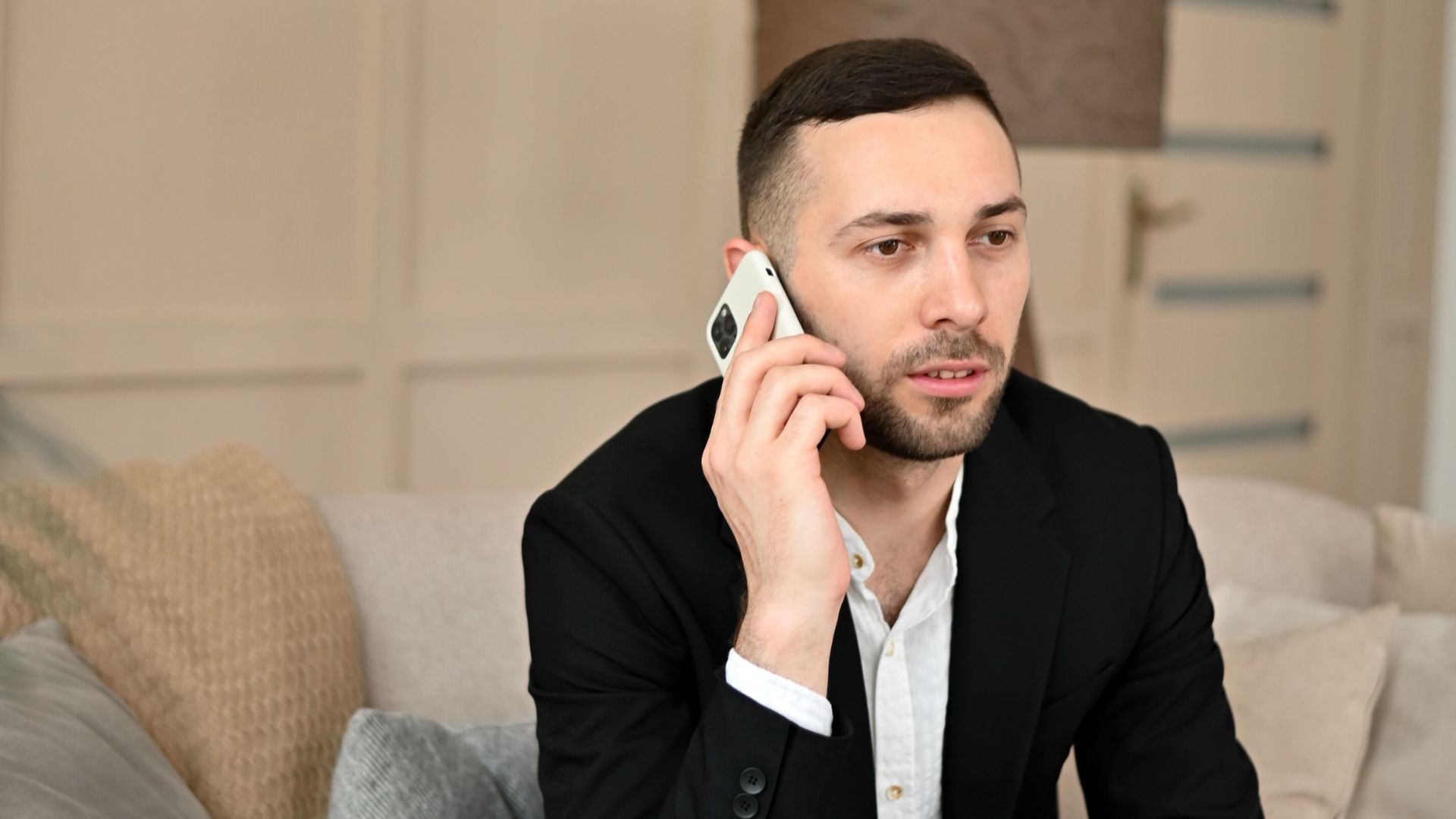
If you're uncomfortable with how a smart lock works, asking the host a few polite questions before or shortly after booking often clears up misunderstandings.
 Mykhailo Shevelyuk, PexelsMykhailo
Here's The Question That Really Matters
The issue usually isn't whether the host knows the front door opened. It's whether they're using that information appropriately—or making guests feel like they're being constantly monitored.

So... Is It Standard For Hosts To Know When You Leave?
Yes—it often is. Many Airbnb hosts use smart locks that automatically notify them whenever guests enter or exit the property. By itself, that's generally considered a normal feature of modern vacation rentals rather than a privacy violation. However, if a host uses those notifications to monitor, intimidate, or repeatedly comment on your movements, the situation may become inappropriate and could potentially violate Airbnb's policies or other applicable laws depending on the circumstances.
Peace Of Mind Starts Before You Book
If privacy is especially important to you, read listings carefully, review the disclosed smart-home devices, and don't hesitate to ask questions before confirming your reservation. A transparent host is usually a good sign you'll have a comfortable stay.
You May Also Like:
The resort fined me for moving a lounge chair into the sun. Can they actually control that?