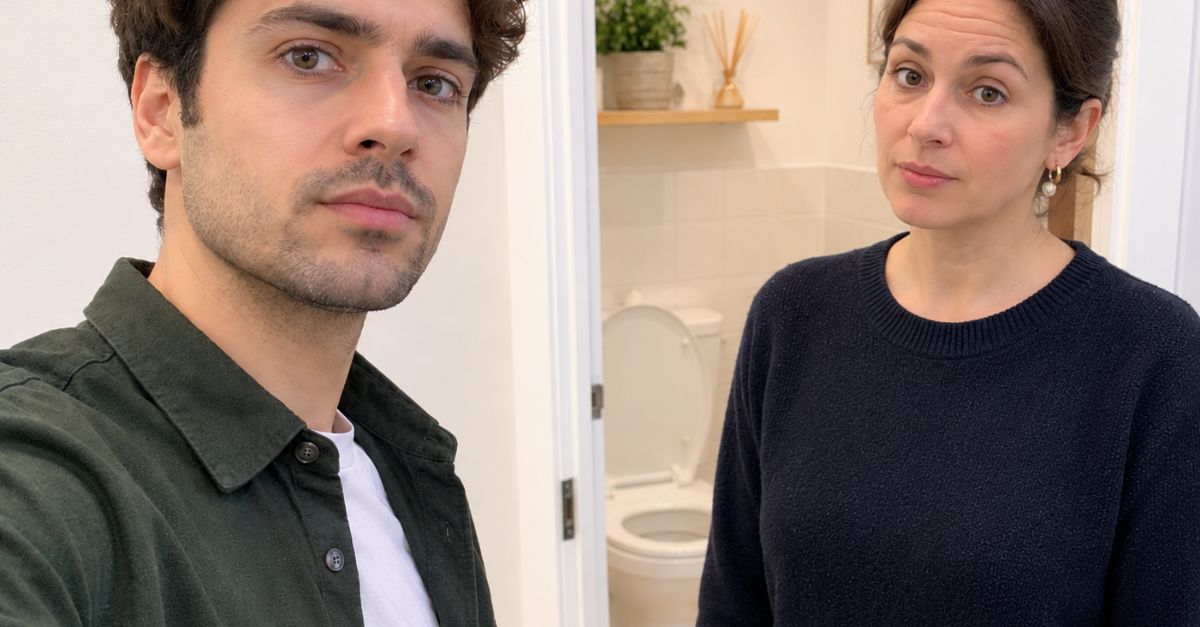
A Bathroom Rule That Can Catch Guests Off Guard
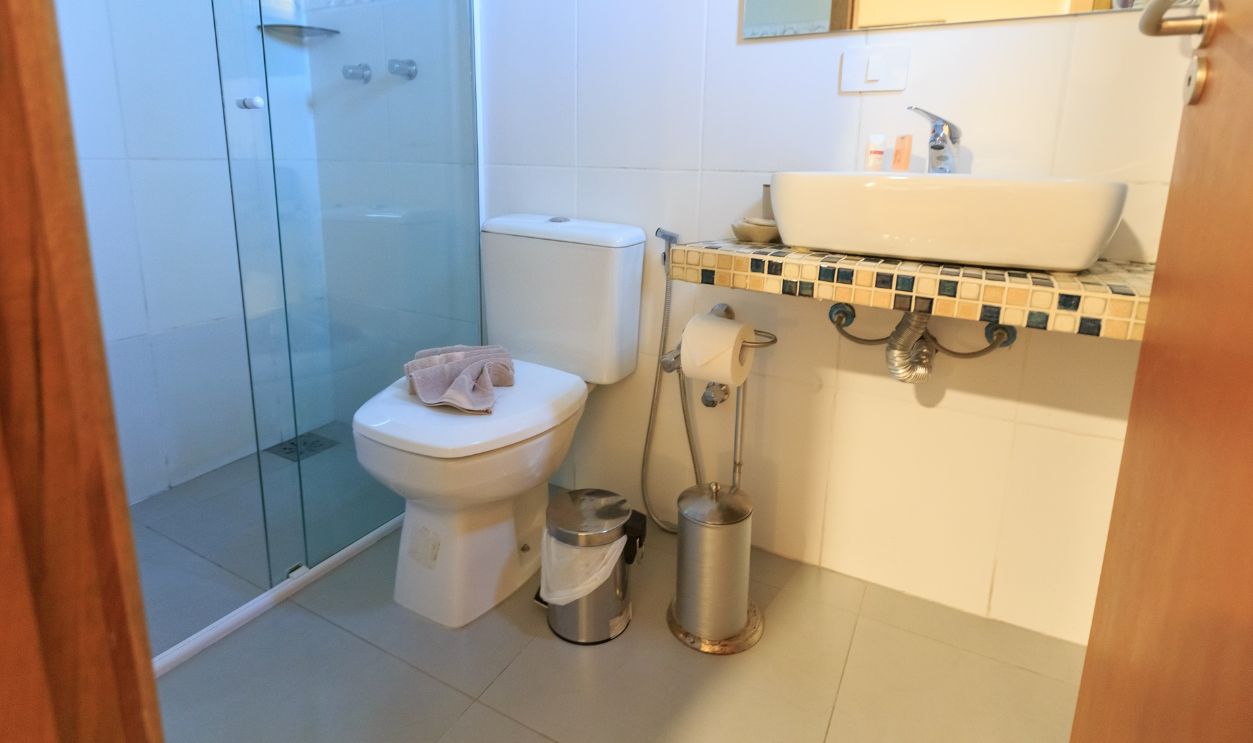
Few travel surprises are worse than finding a bathroom note that says not to flush toilet paper. In some places, that is normal, especially in older buildings or homes with delicate plumbing. The bigger problem is when you only find out after check-in, and the host also warns that guests will be charged for plumbing trouble.
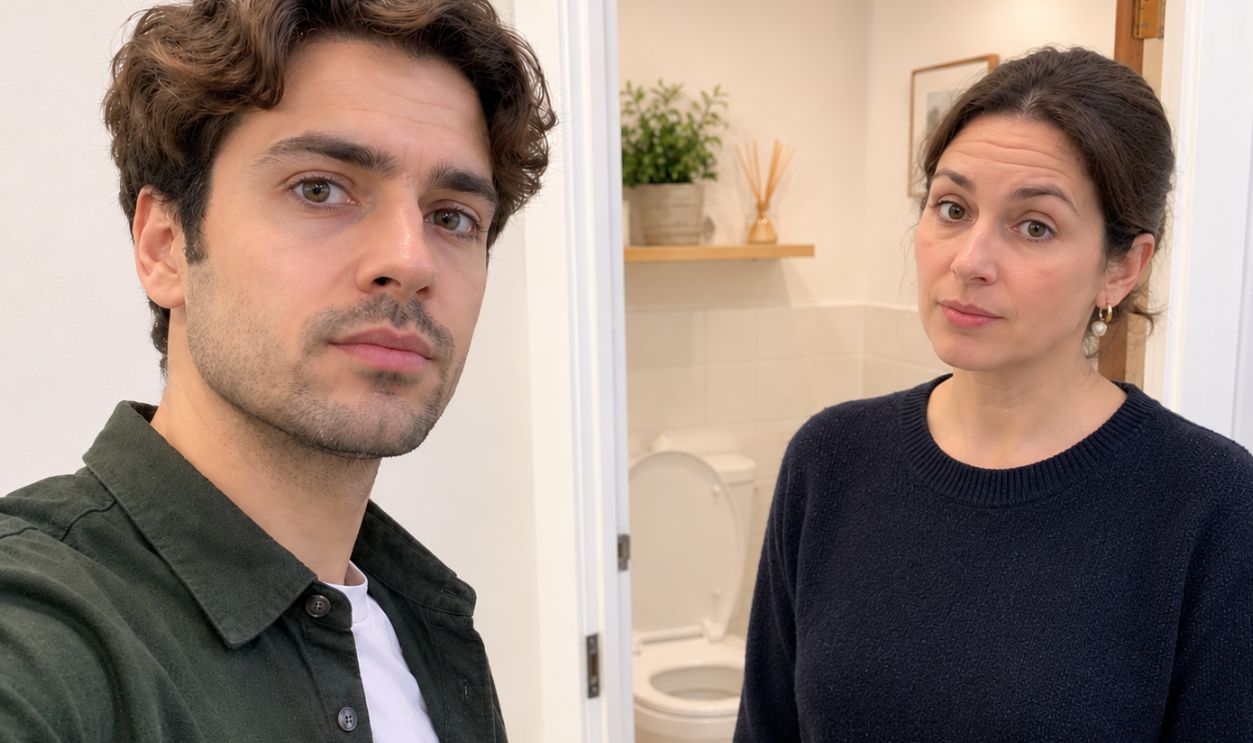
Why This Matters Before You Book
Bathroom rules are not some minor detail. They affect comfort, cleanliness, and whether a place works for kids, older travelers, or anyone with medical needs. If a host knows the plumbing comes with unusual limits, most guests would want to know that before paying.
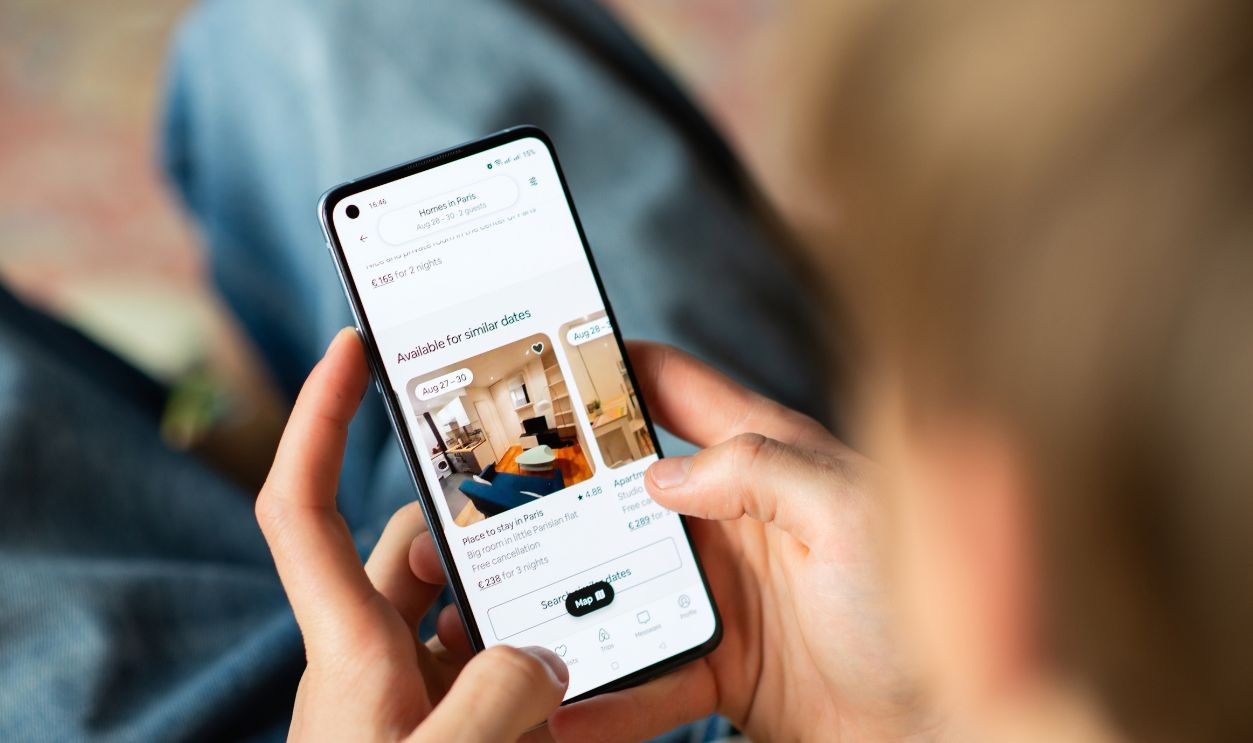
What Airbnb Says Hosts Need To Disclose
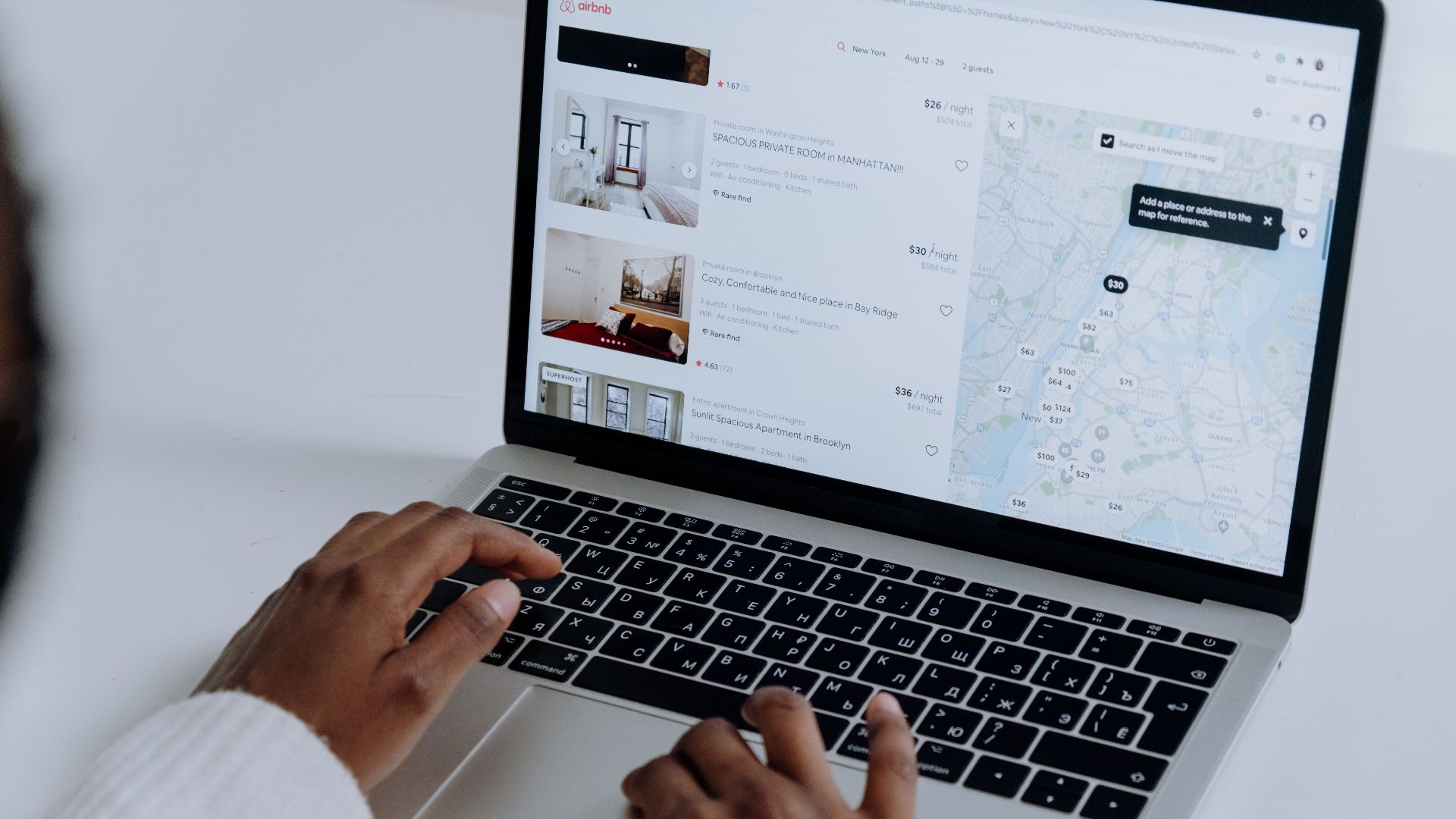
Airbnb’s ground rules say listings should be accurate and should not mislead guests about what is being offered. The company also says hosts should give complete and current information in the listing, including house rules and other conditions guests need to know. In other words, disclosure is not just a nice touch. It is part of how Airbnb says the system is supposed to work.

House Rules Should Be Visible Up Front
Airbnb’s help pages say house rules should be shown clearly on the listing page before a guest books. Those are the rules guests are agreeing to when they reserve a stay. If a no-flushing rule only shows up in a welcome note after arrival, a guest can reasonably say they never got a fair chance to consider it before booking.
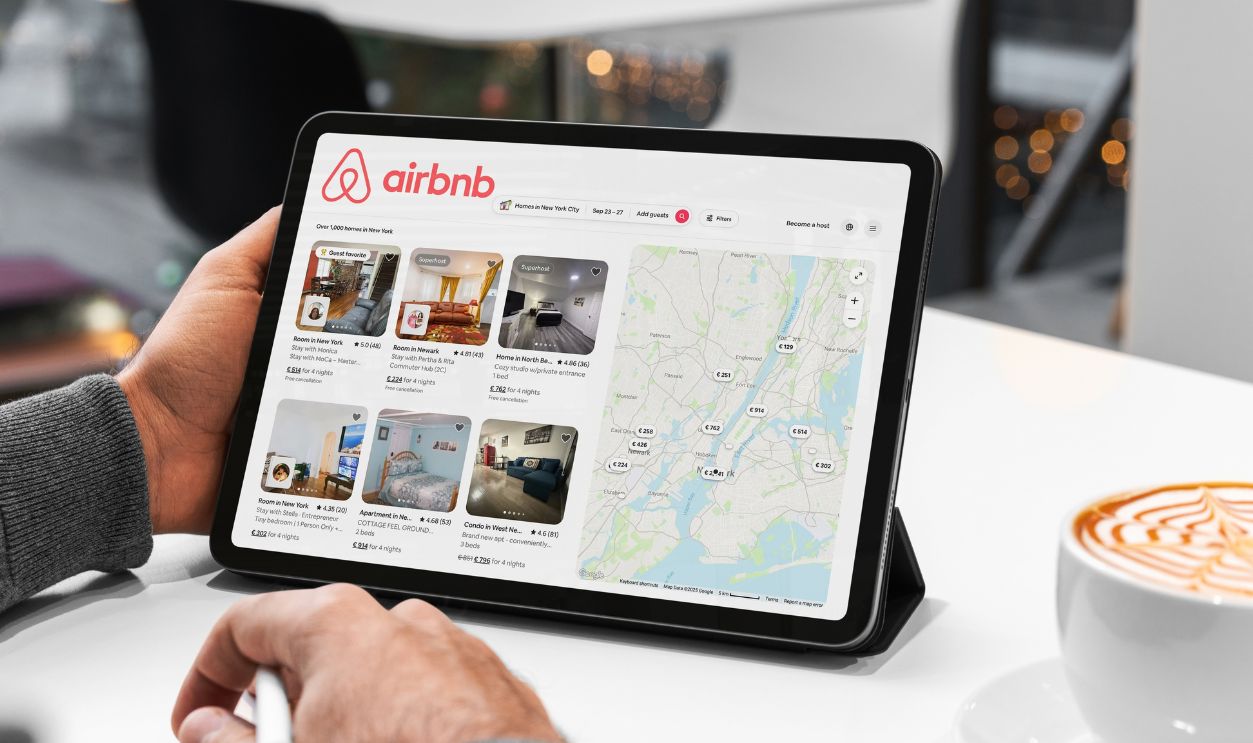
Airbnb Also Says No To Surprise Fees
Airbnb says hosts must clearly disclose fees in the listing and cannot collect certain undisclosed charges outside the platform. The company has pushed fee transparency more in recent years as regulators and consumers pressed for cleaner pricing. So if a host threatens plumbing charges that were never mentioned before, that is a separate warning sign.

When Plumbing Fees Could Be Legitimate
There is a real difference between a surprise fee and a damage claim. If a guest ignores a clearly disclosed rule and causes a proven clog or overflow, a host may try to get reimbursed through Airbnb’s resolution process. But that is not the same as a broad warning that any plumbing problem will automatically be billed to the guest with no proof.
What Airbnb’s AirCover Does And Does Not Mean
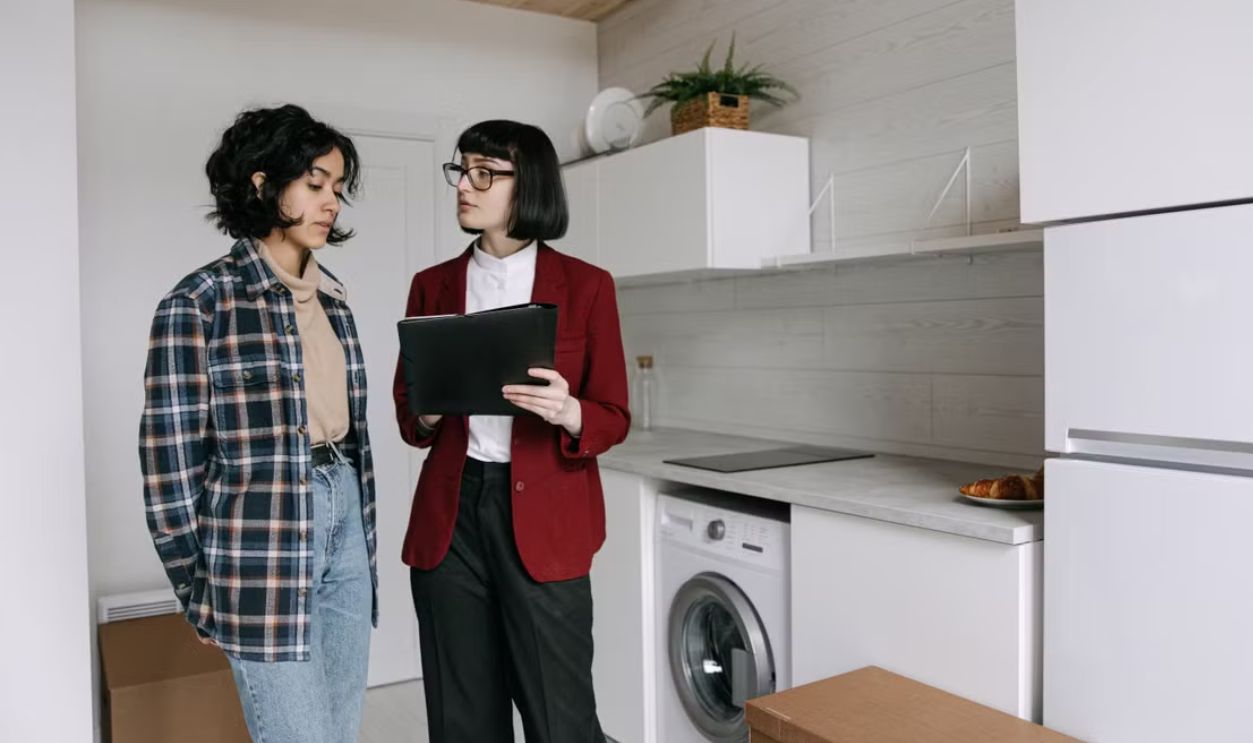
Airbnb promotes AirCover for Hosts as protection when guests damage a property, but claims still need documentation and review. It is not a blank check for hosts to charge whatever they want. If a host wants money for a plumbing issue, they generally need proof of damage and some basis for tying it to the guest.
In Some Places, This Rule Is Normal
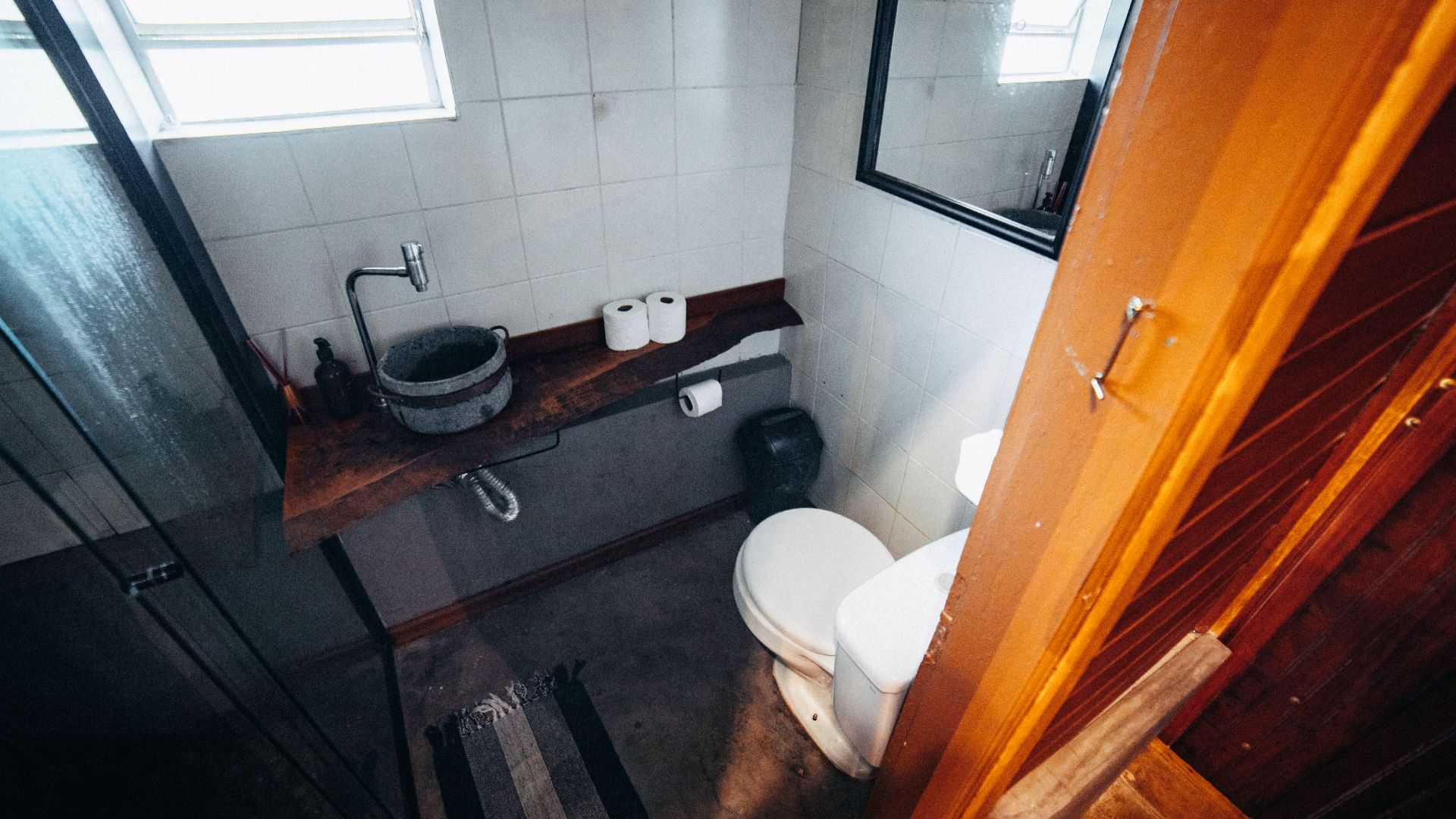
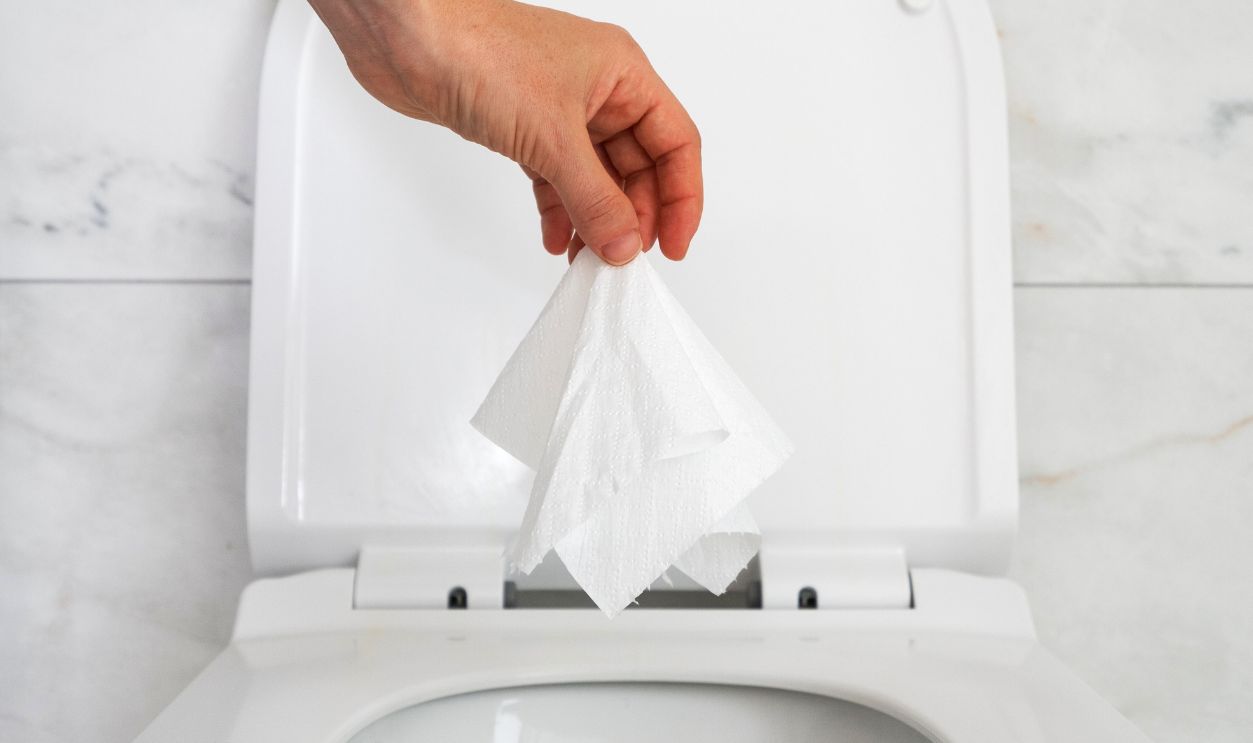
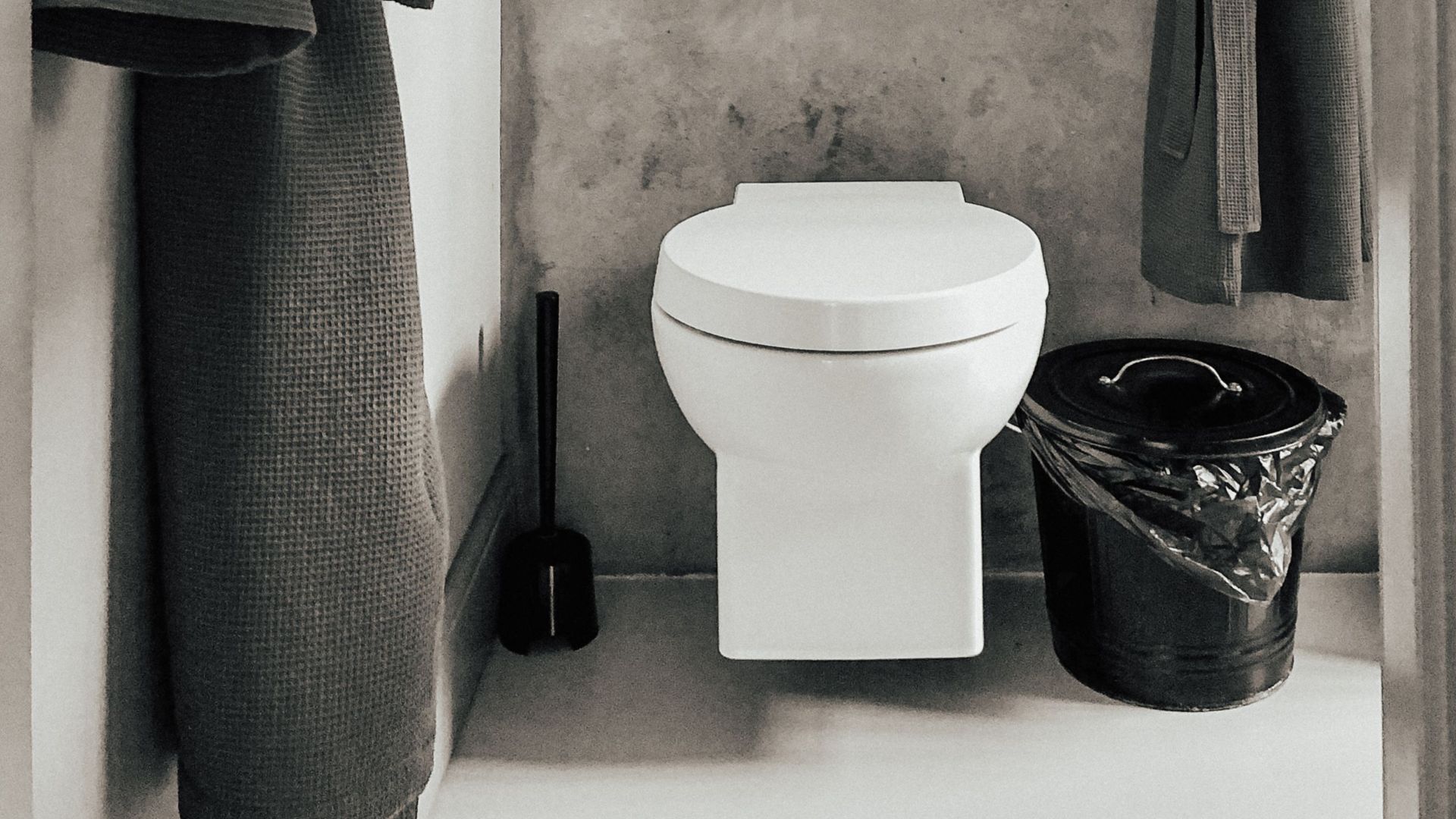
In some parts of the world, not flushing toilet paper is common because pipes are narrow, septic systems are sensitive, or public infrastructure is old. Travelers in parts of Greece, Mexico, and other destinations may find a waste bin next to the toilet for that reason. The rule may be normal locally, but it still needs to be disclosed before booking.
Older Buildings Come With Tradeoffs
Historic apartments and rural homes can look great in photos, with stone walls, courtyards, or sea views. Then the less charming part shows up: old pipes. That does not make them bad places to stay. It does mean hosts should be upfront, so guests can decide whether the tradeoff is worth it.
Why Advance Notice Matters So Much
A bathroom rule like this can affect hygiene, odor, and how often trash needs to be emptied. For some guests, that is just an annoyance. For others, it is a deal breaker. That is exactly why guests should know before they book.
What Regulators Have Been Pushing For
In the United States, the Federal Trade Commission finalized its Rule on Unfair or Deceptive Fees in 2024. The rule targets hidden fees and misleading pricing in live-event ticketing and short-term lodging. It does not talk about toilet rules, but it fits a bigger push for clear information up front in the same kind of booking people make on Airbnb.
The Pressure On Hidden Fees Has Been Growing
The Biden administration and federal regulators spent years criticizing so-called junk fees across travel and hospitality. Short-term rentals were part of that wider debate over transparency. By late 2024, the FTC’s final rule made the message even clearer: people should know important costs before they pay.

A Message After Check-In Can Change The Whole Stay
If the listing looked normal but the host later says toilet paper cannot be flushed and any plumbing issue will be charged to the guest, the stay may suddenly feel very different. That kind of after-the-fact disclosure can become the center of a dispute. Screenshots matter if the listing said nothing and the warning only appeared in messages or a printed manual.

First, Check The Listing Closely
Before you escalate, read the listing description, amenities, and house rules carefully. Look for any mention of septic systems, plumbing limits, older pipes, or instructions not to flush paper. Some hosts bury this kind of information in long paragraphs. That is frustrating, but it still matters whether the rule was technically disclosed before booking.

Messages On Airbnb Matter Most
Try to keep all communication on Airbnb. The platform can review listing text and message threads when disputes come up, and off-platform conversations are harder to prove. If a host makes a new demand by text or phone, ask them to repeat it in the Airbnb chat.
If The Rule Was Not Disclosed, Ask For A Fix Quickly
If you discover a major undisclosed issue after arrival, contact the host right away through the platform and keep it calm. Ask whether they will allow a penalty-free cancellation or offer another solution. If they refuse, the next step is Airbnb support.

Refund And Rebooking Rules May Apply
Airbnb’s help pages say guests may qualify for support if a place is materially different from what was advertised. The company’s Rebooking and Refund Policy covers certain travel problems, including undisclosed issues that affect a stay. Whether you qualify depends on the facts and timing, so reporting the issue quickly matters.

What “Materially Different” Could Mean Here
A no-flush rule will not always be serious enough on its own to trigger a refund. But if the listing presented the place as a normal private home with no warning, and the bathroom restriction changes how the space can be used, guests have a stronger argument. The added threat of undisclosed plumbing charges can make the mismatch seem even more serious.

Do Not Take The Blame For A Clog You Did Not Cause
If the host says there is a plumbing problem, ask for proof and a detailed invoice before agreeing to anything. Plumbing can fail for all kinds of reasons, especially in older properties. A guest should not casually accept blame for something that may have existed before check-in or happened because of long-term wear.
Document The Bathroom Right Away
Take time-stamped photos or video of the bathroom, the toilet area, the waste bin, and any signs or manuals that mention flushing restrictions. If the toilet already seems slow, loud, or close to backing up, record that too. Small details can matter a lot if the dispute turns into a damage claim.
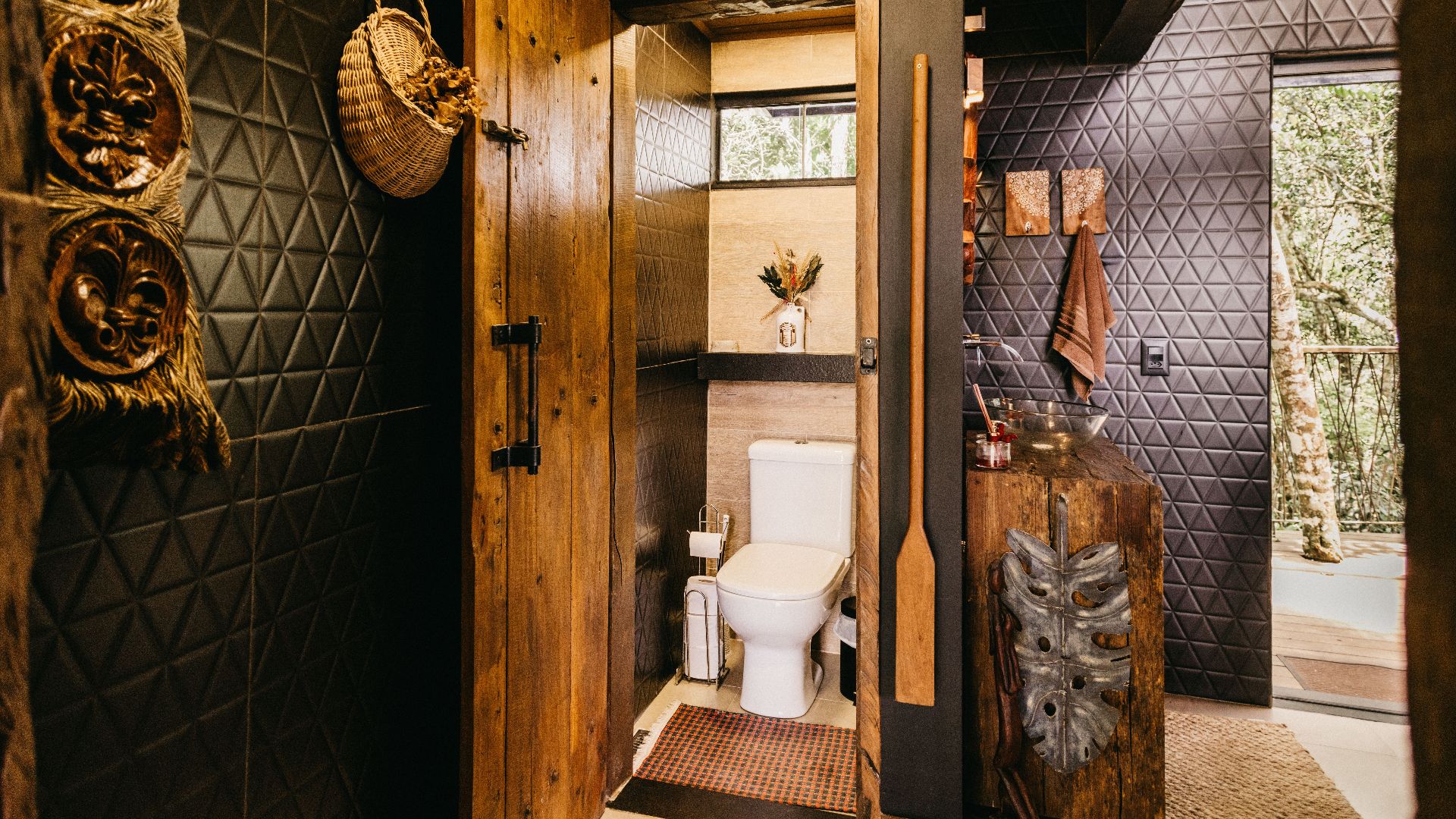
Be Fair About Local Norms, But Firm About Disclosure
Travelers should not assume plumbing works the same way everywhere. Local infrastructure can make different bathroom habits completely normal. But even if the rule is common in that destination, the host still needs to tell guests before they book, especially if money is on the line.
When A Charge May Clash With Platform Rules
If the listing did not disclose the rule, and the host later demands money for a plumbing issue without proof, the guest has a solid reason to challenge the charge through Airbnb. Airbnb’s own policies focus on accurate listings, visible house rules, and documented damage claims. Surprise bathroom rules mixed with surprise billing are exactly the kind of thing that leads to complaints.

How To Push Back Without Making It Worse
Stay polite and stick to facts you can prove. Say when you first learned about the no-flush rule, point out whether it appeared in the listing, and ask Airbnb to review the page and the message history. Angry language may feel good in the moment, but a clear paper trail usually works better.

What Future Guests Should Ask Before Booking
If you are booking an older home, an island property, or a place in a region known for fragile plumbing, ask directly whether toilet paper can be flushed. Also ask whether there are any special septic or water-use rules and whether any damage charges could apply. A quick question before you pay can save you a messy dispute later.
Hosts Have Every Reason To Be Upfront
Clear disclosure helps everyone. Guests know what to expect, and hosts lower the risk of misuse, complaints, refund requests, and bad reviews. Sometimes one simple line in the listing can prevent a whole lot of bathroom drama.
 Vodafone x Rankin everyone.connected, Pexels
The Bottom Line For Travelers
Yes, a host should disclose a no-flush toilet paper rule before booking, especially if the host plans to hold guests financially responsible for plumbing issues. Airbnb’s own policies point toward accurate listings, visible house rules, and documented damage claims, not surprise restrictions after arrival. If you only learned about the rule at check-in, save the evidence, contact the host through Airbnb, and escalate quickly if needed.