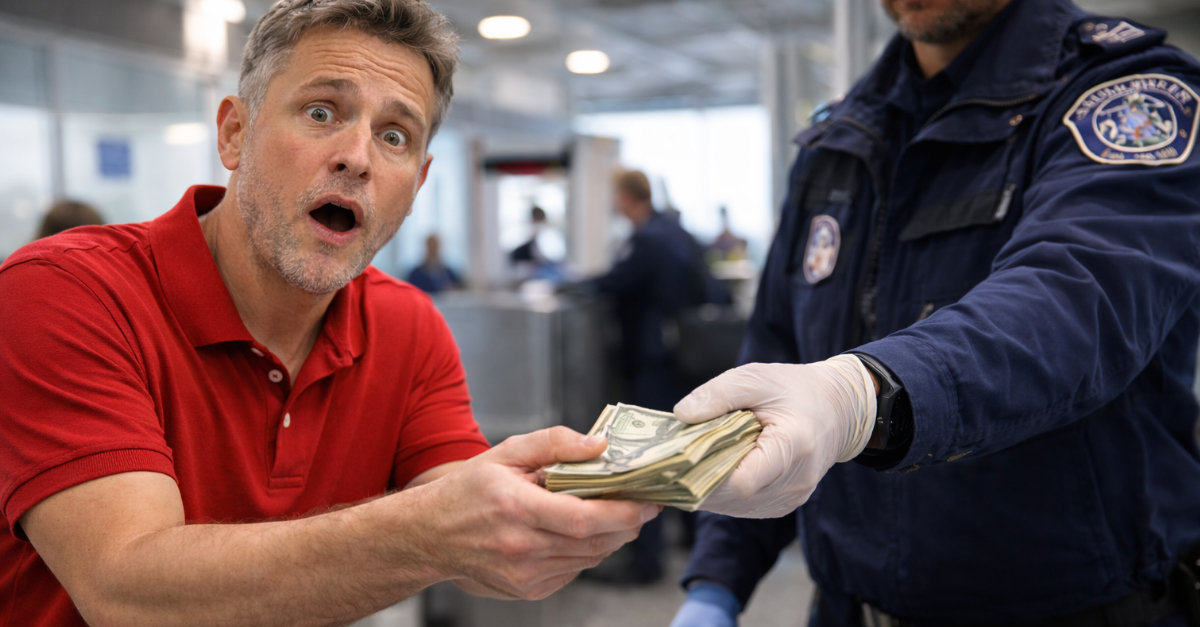
“I Declared It…So Why Did They Take It?”
You did what you were supposed to do. You answered honestly. You followed the rules. So when agents still take your money anyway, it feels like something’s seriously off. Here’s what’s actually going on—and why declaring cash doesn’t always guarantee you’ll walk away with it.
Declaring Cash Is Required—But Misunderstood
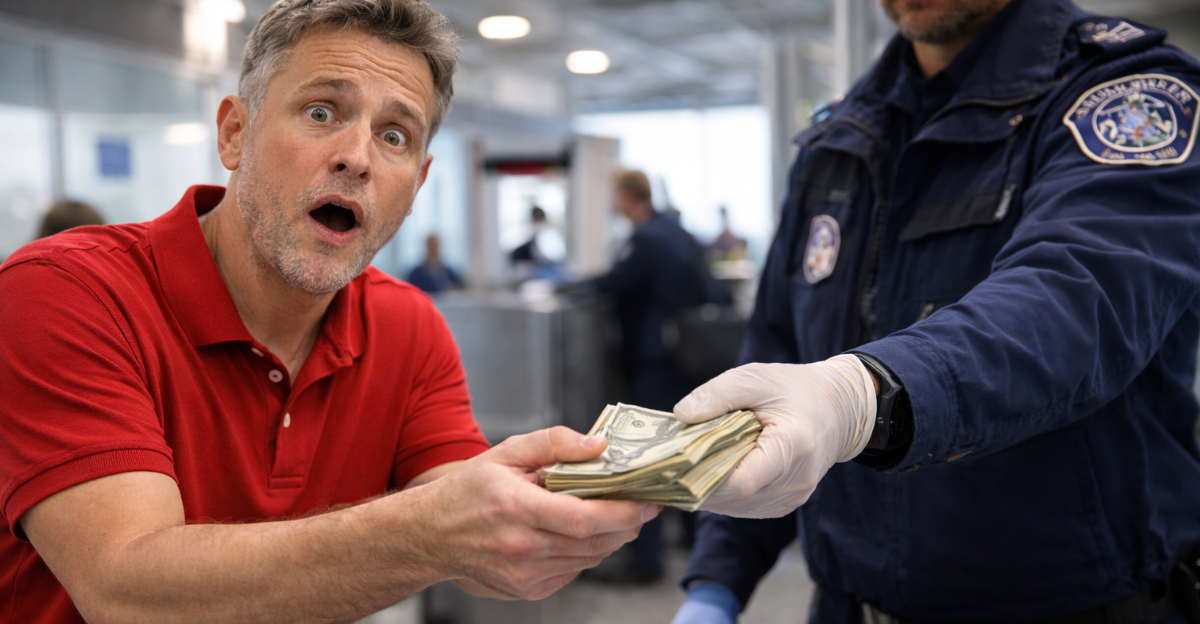
In the U.S., travelers bringing more than $10,000 into or out of the country must report it to CBP, usually on FinCEN Form 105. But declaring isn’t asking permission—it’s reporting. That distinction catches a lot of travelers off guard.
The $10,000 Rule Isn’t About Taxes
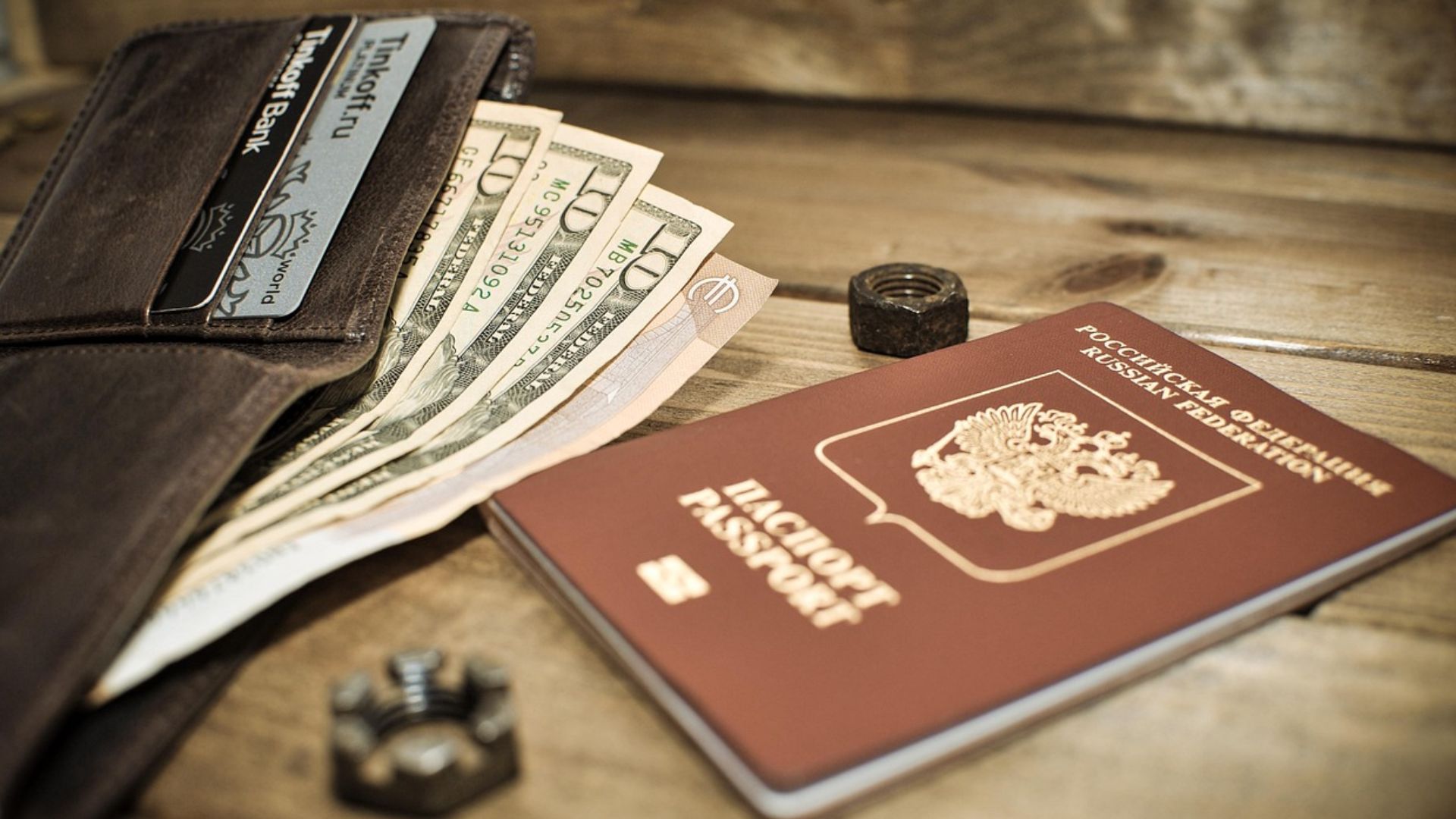
A lot of people assume this rule exists so the government can tax your cash. That’s not what it’s for. The reporting requirement sits inside federal anti-money-laundering law and is meant to track large cross-border movements of currency and monetary instruments.

It Applies Per Group—Not Just One Person
In the U.S., the $10,000 threshold applies to the total amount carried by an individual or by groups traveling together, including families. So if you’re carrying $6,000 and your partner has $5,000, that’s $11,000 total—and it must be reported.
Declaring Doesn’t “Approve” Your Money
This is the big misconception. Filing the report means you complied with the reporting rule. It does not automatically mean officers are satisfied with the circumstances, the source of the funds, or whether some other law might apply.
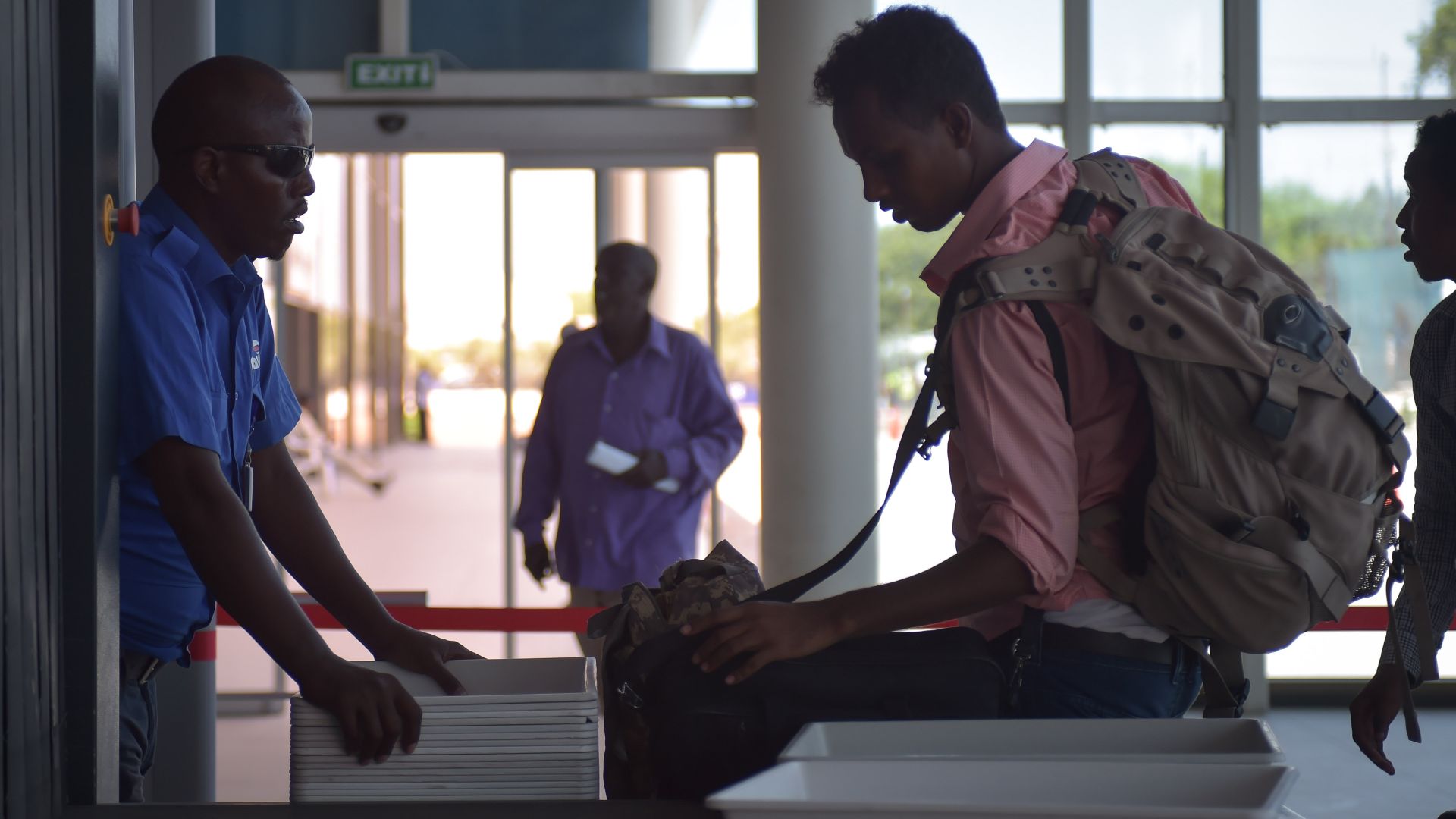 AMISOM Public Information, Wikimedia Commons
So Why Would They Still Take It?
If officers believe the cash is tied to another violation—such as false reporting, concealment, smuggling, or suspected criminal proceeds—they can move beyond the simple reporting rule. A truthful declaration helps, but it is not blanket immunity.
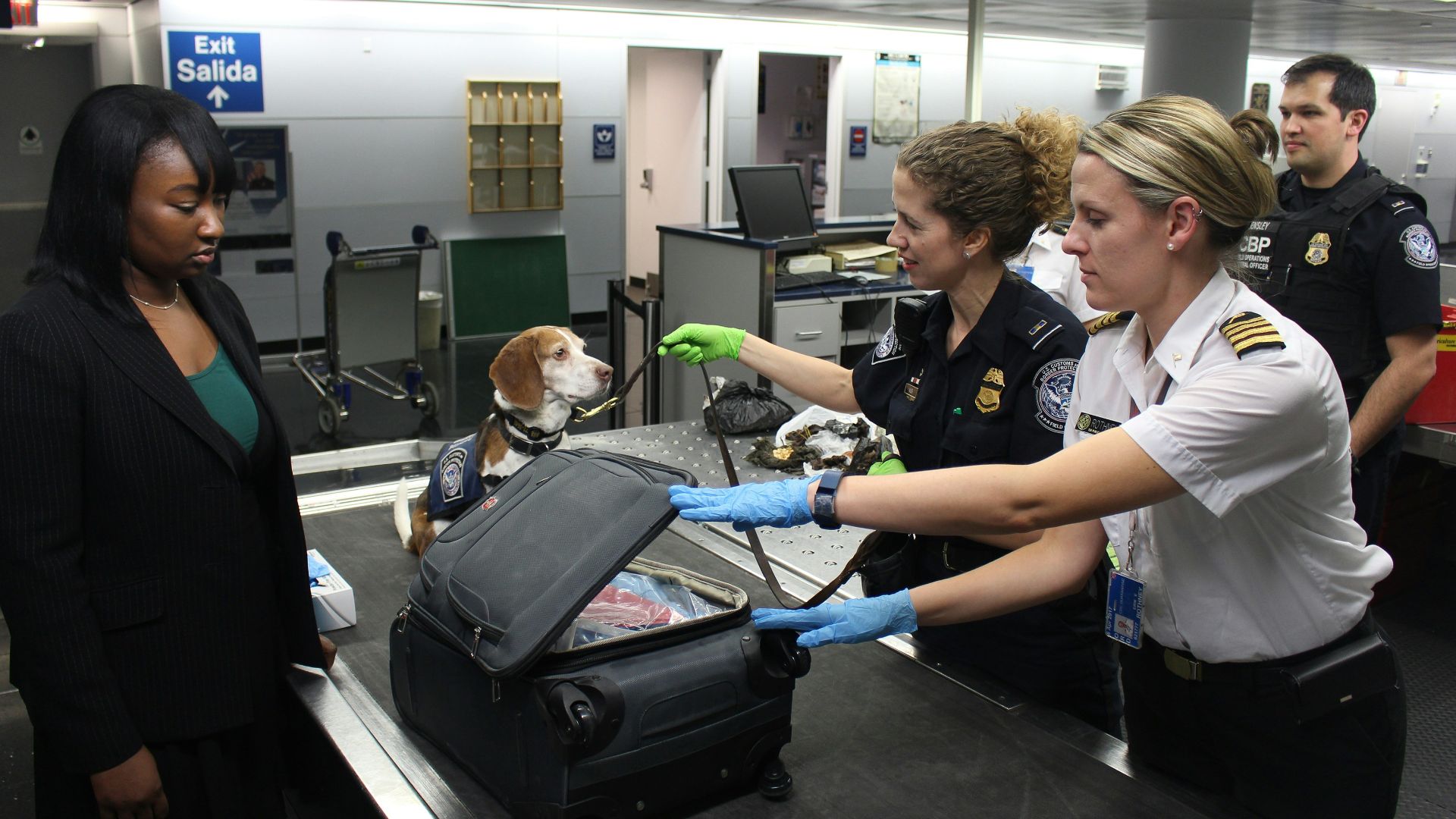
A Big Part Of This Is Civil Forfeiture
In the U.S., money can be seized through civil forfeiture. That means the case can be brought against the property itself, rather than requiring a criminal conviction against the traveler first. That’s one reason these cases feel so backwards to people caught up in them.

You Don’t Always Have To Be Charged
One of the most controversial parts of civil forfeiture is that property can be seized even when no criminal charge is filed against the owner. If the government wants to keep the money permanently, though, it still has to follow forfeiture procedures and deadlines.

Red Flags Still Matter A Lot
Officers often focus on things like inconsistent answers, misleading paperwork, concealment, or signs the money may be proceeds of crime. In the U.S., the clearest seizure authority in the reporting statute is tied to failures, omissions, or misstatements—but cash can also be seized under other authorities if it is believed to be illicit.
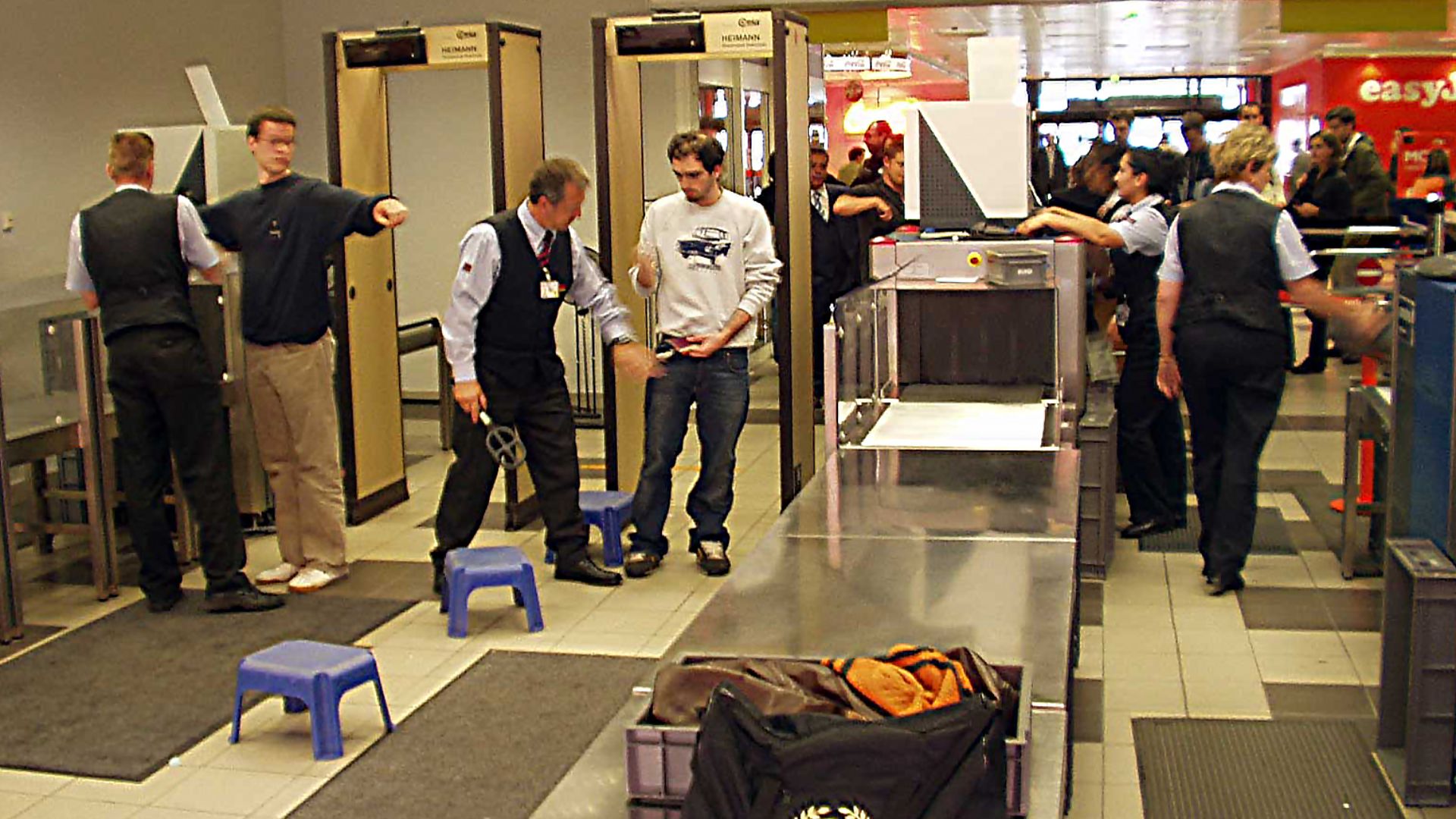 Ralf Roletschek, Wikimedia Commons
Carrying Cash Isn’t Illegal
This part is important: it is legal to carry more than $10,000. In fact, CBP says transporting currency is legal regardless of amount. The issue is whether you report it when required and whether officers think something else about the situation is suspicious or unlawful.

Where The Money Came From Can Become The Whole Story
If you’re carrying $11,000 or more, officers may want a clear explanation for where it came from and what it’s for. If your answer changes, or you cannot back it up, that can quickly turn a routine declaration into a much more serious encounter.

Documentation Can Help A Lot
Bank withdrawal records, sale receipts, invoices, or other proof can help show the money came from a lawful source. They are not a magic shield, but they can make your story easier to verify if questions start coming fast.

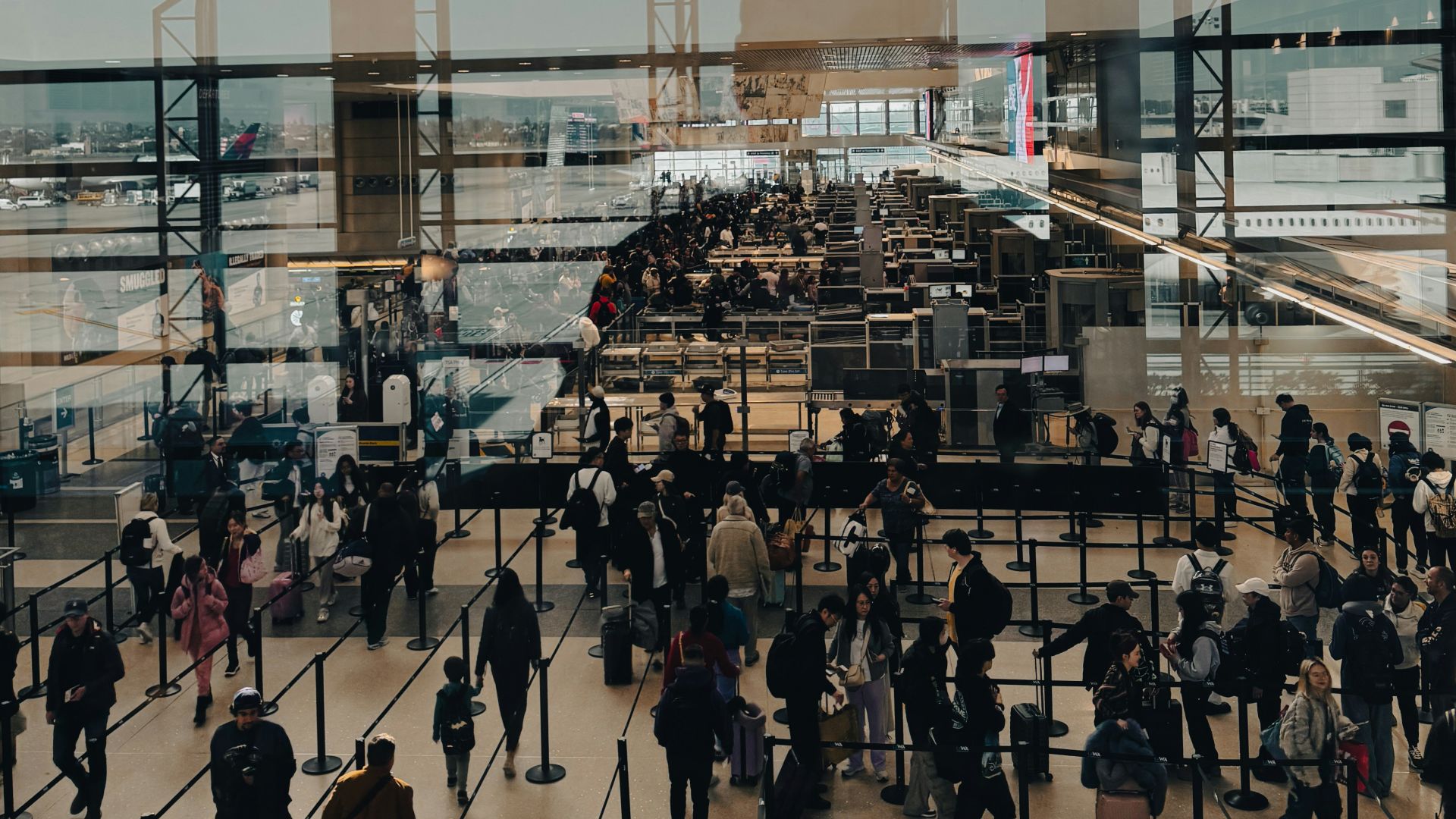
Airports And Border Crossings Are Different
International airports and border checkpoints are places where customs authorities have broader inspection powers than police usually do on an ordinary street stop. That is a big reason travelers are surprised by how aggressive the questioning can get.
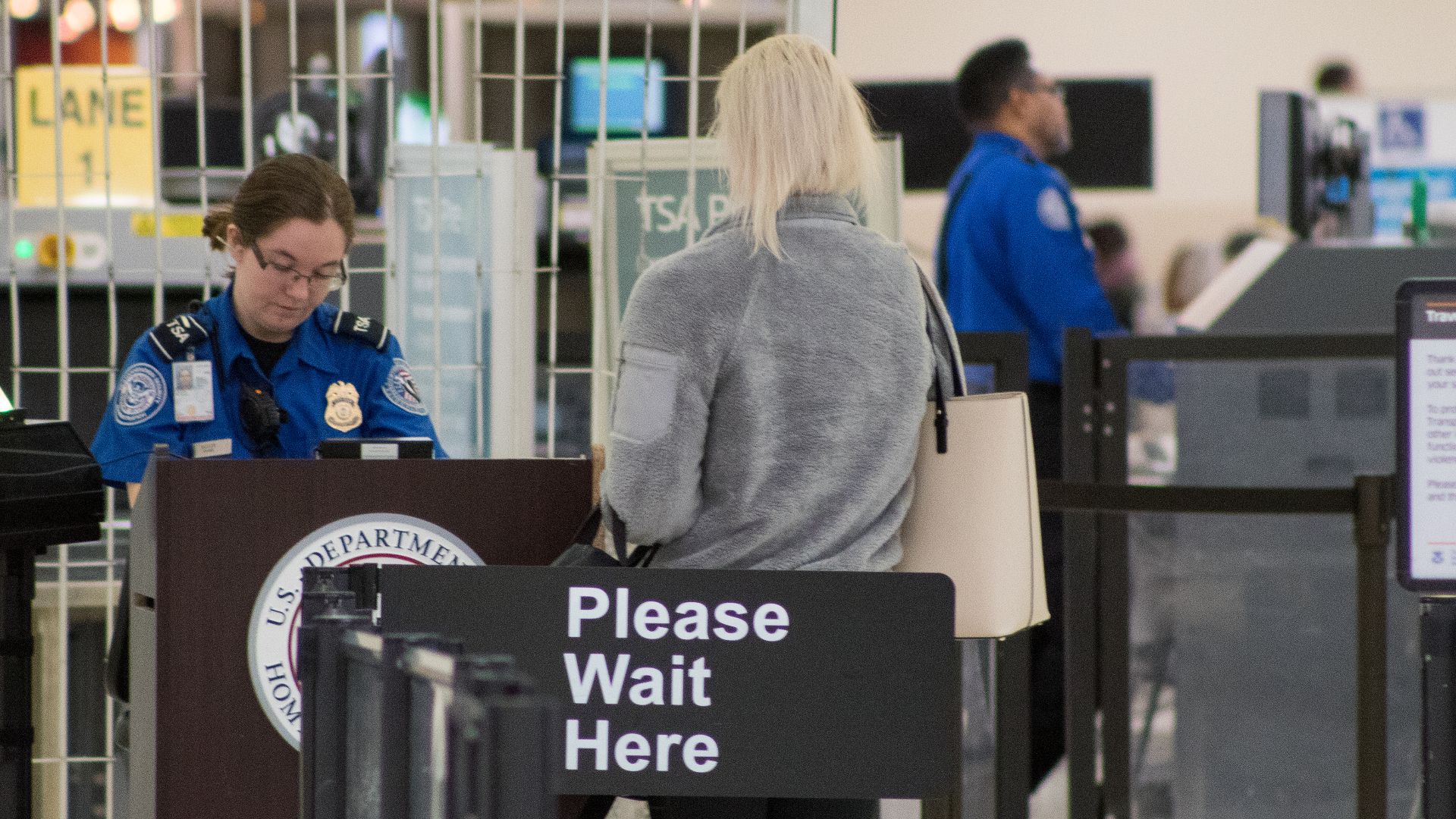 Michael Ball, Wikimedia Commons
This Happens More Than People Realize
CBP says officers and agents seized an average of $152,418 in illicit currency and other monetary instruments per day during fiscal year 2024. That works out to well over $55 million across the year, which helps explain why currency enforcement remains a major focus at the border.

Domestic Flights Are A Different Situation
For domestic U.S. flights, there is no federal cash-reporting rule like the one for crossing the border. TSA is a security agency, not a cash-reporting agency. But if screening turns up evidence of another possible violation, TSA can refer the matter to law enforcement.
Canada Has Similar Reporting Rules
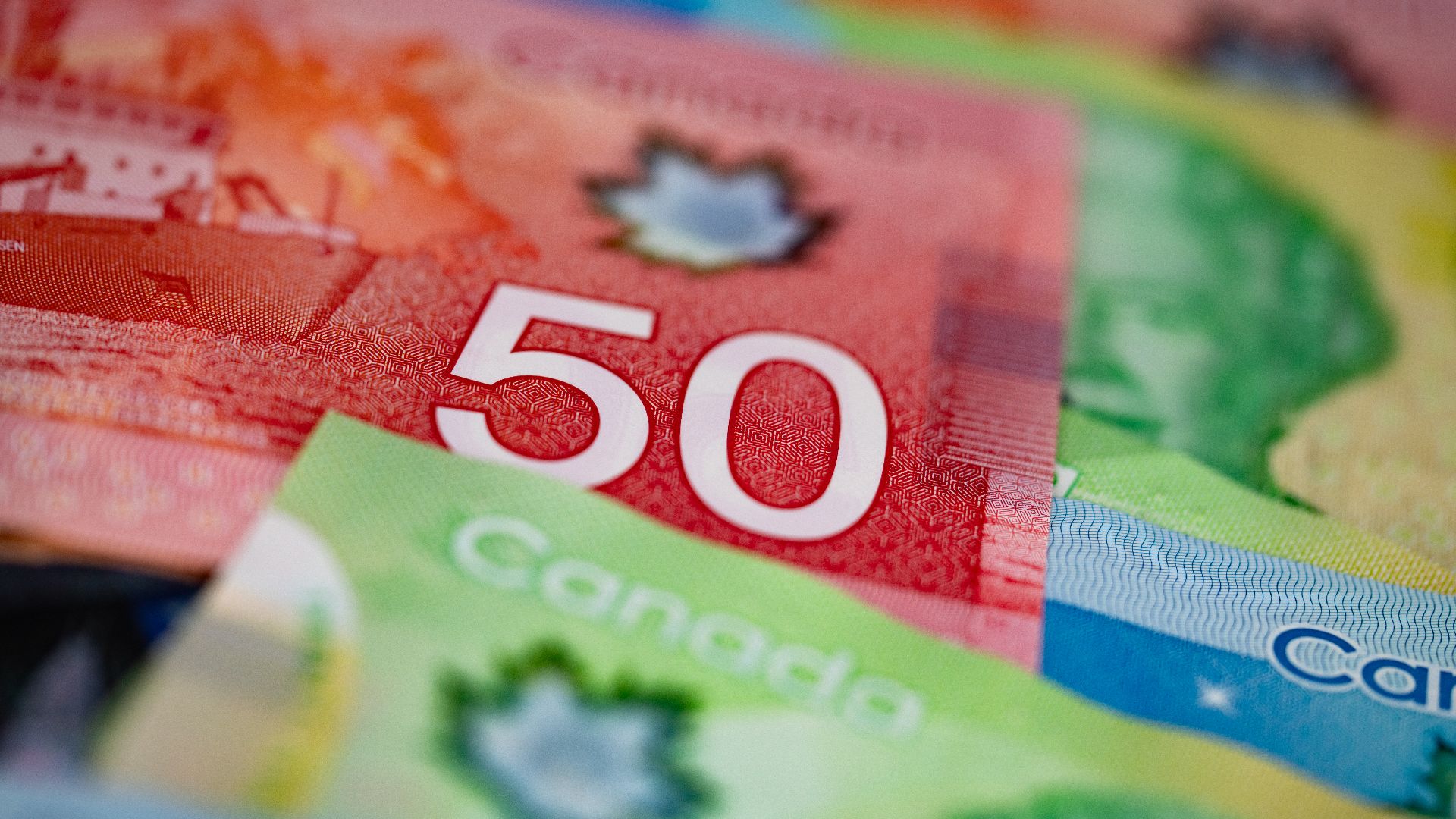
Canada also requires reporting when you bring CAN$10,000 or more, or the foreign-currency equivalent, into or out of the country. CBSA says there are no restrictions on carrying that amount as long as you declare it.
 Tony Webster, Wikimedia Commons
Canada Can Still Seize Money In Some Cases
In Canada, failure to report can lead to seizure and penalties. CBSA also says funds suspected of being proceeds of crime or related to terrorist financing can be seized and not returned. So there too, reporting helps—but it does not solve every possible problem.
 Tony Webster from Minneapolis, Minnesota, United States, Wikimedia Commons
“Confiscated” Usually Means Seized First
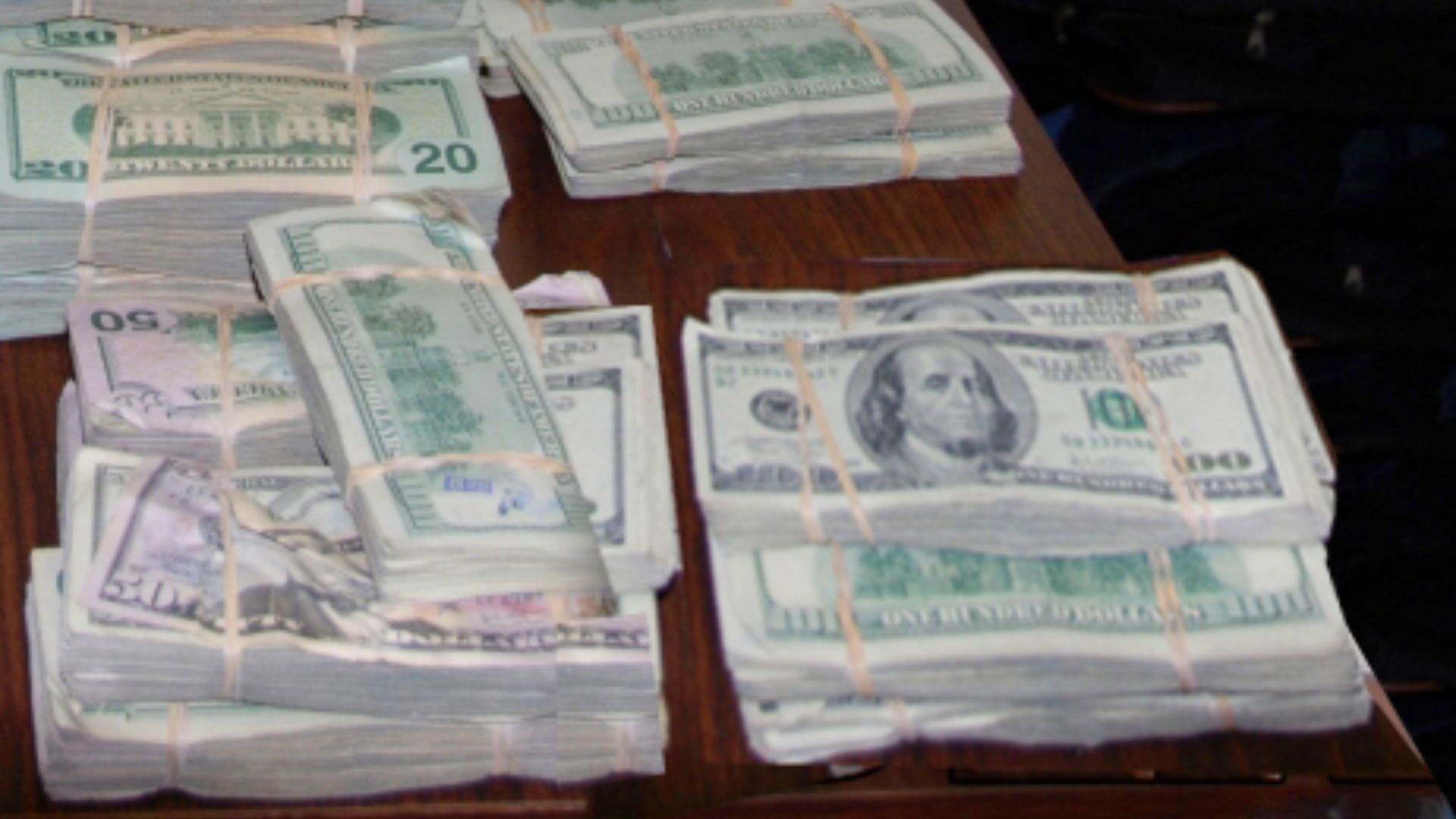
In many cases, the money is seized first and the permanent fight comes later. You should receive paperwork explaining the basis for the seizure and what deadlines apply if you want to challenge it.
 DEA Emploee, Wikimedia Commons
Getting It Back Can Be Slow
Even when owners fight back, forfeiture cases can take months. Institute for Justice notes that, on paper, the median process in the states it studied took more than six months just to reach a courtroom, and many owners never get that far.
 Brandonrush, Wikimedia Commons
The Cost Of Fighting Can Be The Real Problem
One reason forfeiture is so criticized is that contesting a seizure can be expensive. Institute for Justice estimates a straightforward state-court forfeiture case costs about $3,300, and very few owners who contest forfeiture have lawyers.
 Harrison Keely, Wikimedia Commons
The Best Practical Advice
If you’re traveling with $11,000 or more, report it, keep your story consistent, and carry records showing where the money came from and why you have it. Also, never split money between people just to avoid the rule—that can create its own legal problems.
The Bottom Line
Yes, it can be legal for officers to take cash even after a traveler says something about it at the airport—but the details matter. A correct declaration protects you from one problem, not every problem. If officers believe there was false reporting, concealment, or some other illegal issue with the money, the fight can start anyway.

You Might Also Like:
Things Baby Boomers Always Did When They Traveled—That No One Born After 2000 Has Ever Done