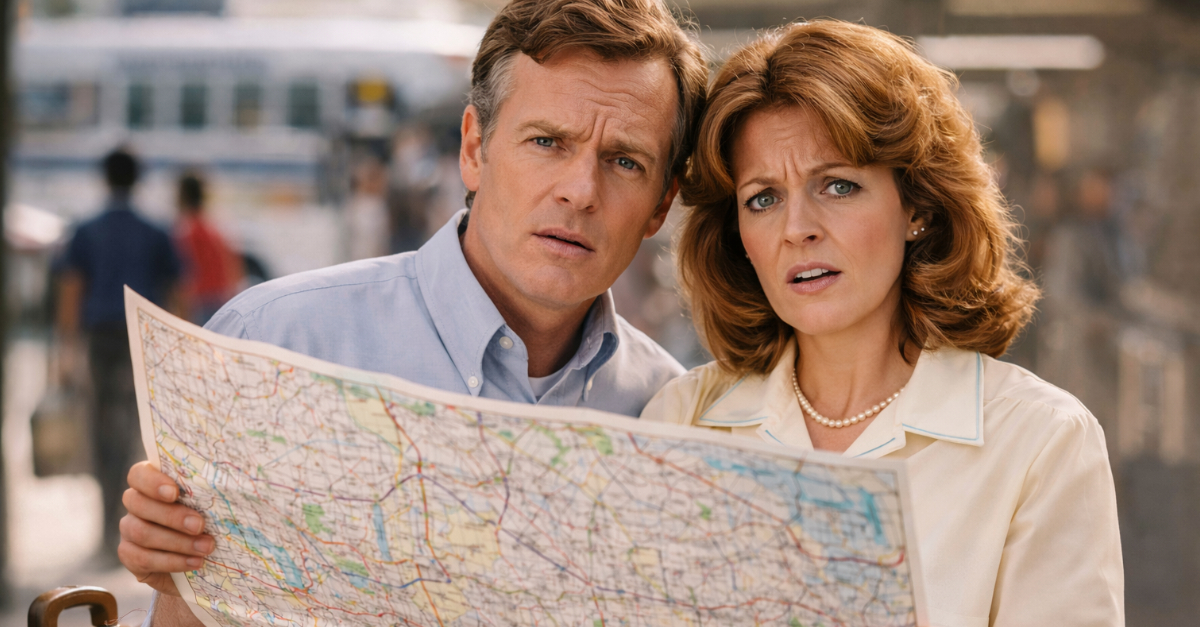
Before Wi-Fi, There Was Willpower
There was a time when traveling required actual effort. No instant confirmations. No live updates. No tiny blue dot showing exactly where you were standing. And yet Baby Boomers still managed to take vacations, travel the world, and—against all odds—make it home every single time.
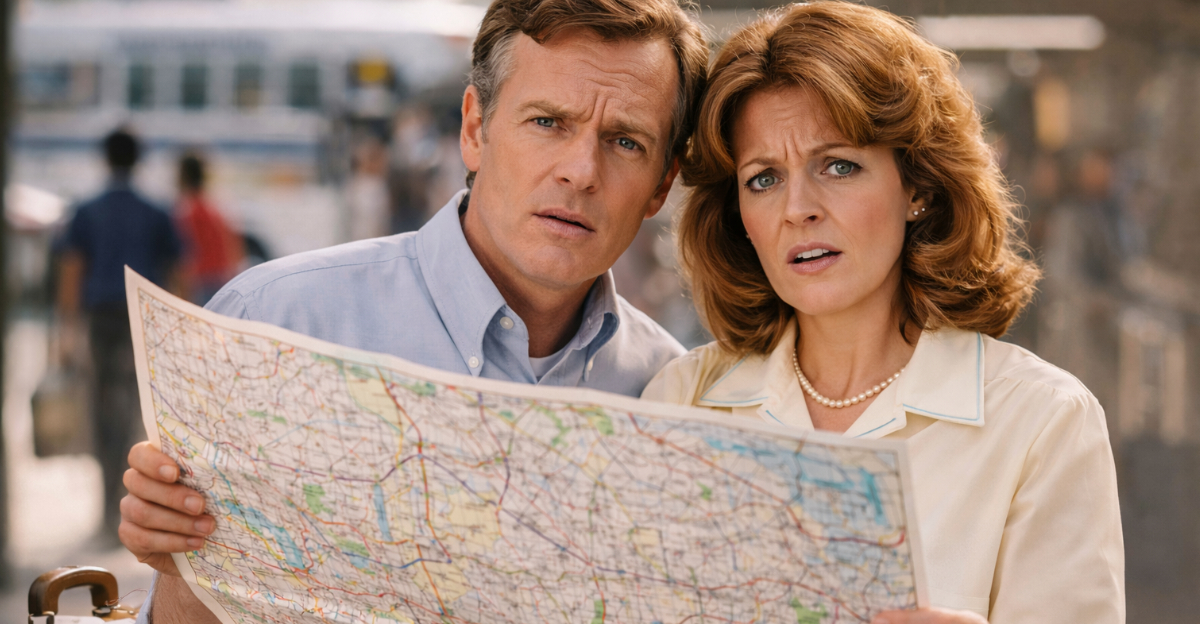
Vacation Planning Meant a Trip to the Library
Before Google existed, planning a vacation meant actual research. Boomers flipped through travel guides, brochures, and books—sometimes weeks in advance. You couldn’t just “check TikTok.” You had to physically find information. It was slow. It was manual. And somehow, people still made it to Disney World.
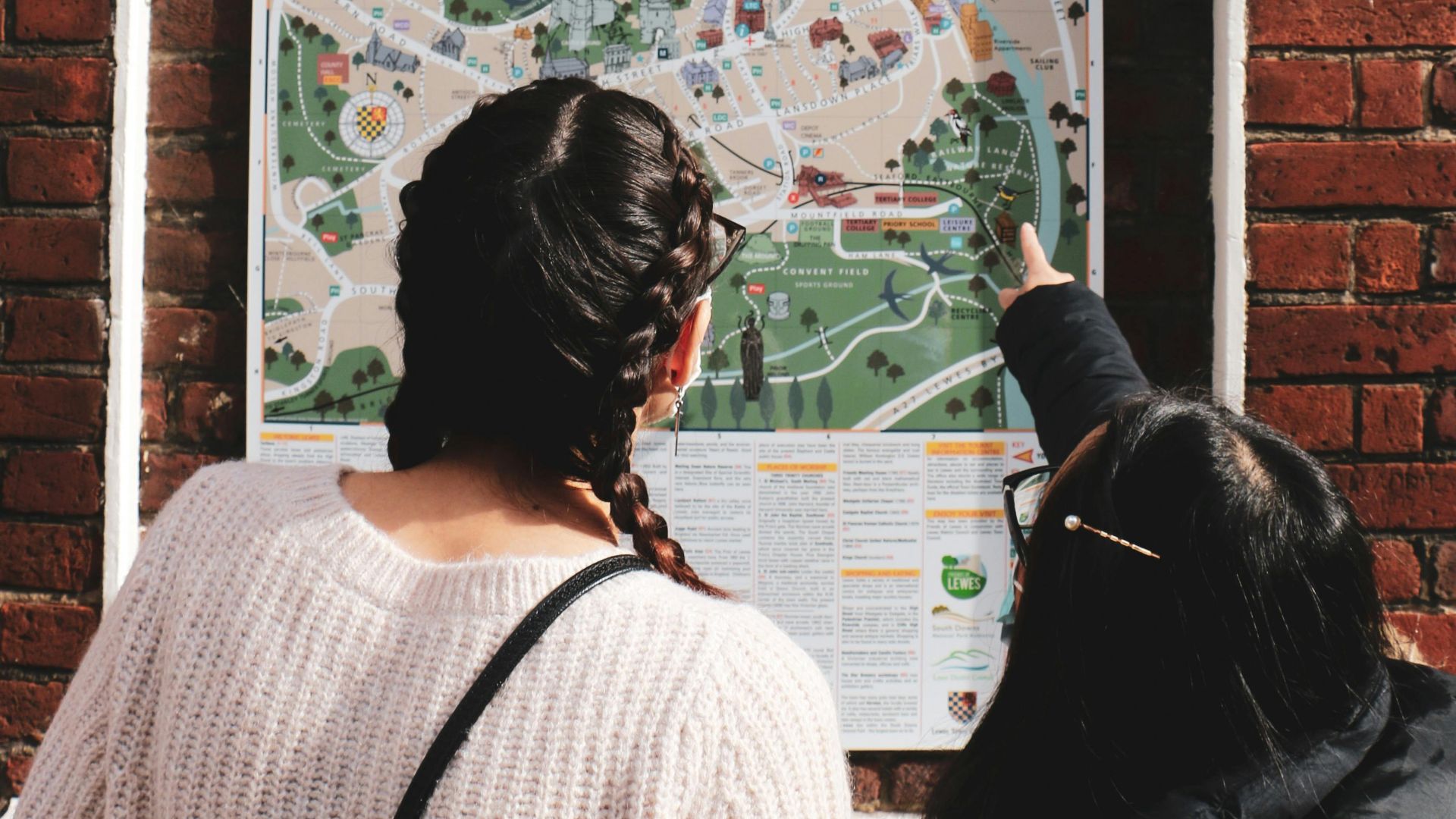
They Used Travel Agents for Almost Everything
Booking flights wasn’t done on a phone while lying in bed. Boomers often called or visited a travel agent who handled tickets, hotels, and rental cars. Agents printed real paper itineraries. And if something went wrong? You called Linda at the agency—not customer service chat.

They Ordered Free Brochures by Mail
Tourism boards would literally mail thick glossy brochures to your house. You filled out a request form, waited days or weeks, and then excitedly flipped through them at the kitchen table. No scrolling. No “skip ad.” Just glossy photos and hope.
They Used AAA TripTiks
AAA TripTiks were custom-printed route books highlighting your exact drive. Boomers walked into an office and left with a spiral-bound map showing every highway turn. It felt official. And if you missed an exit? There was no recalculating voice to save you.
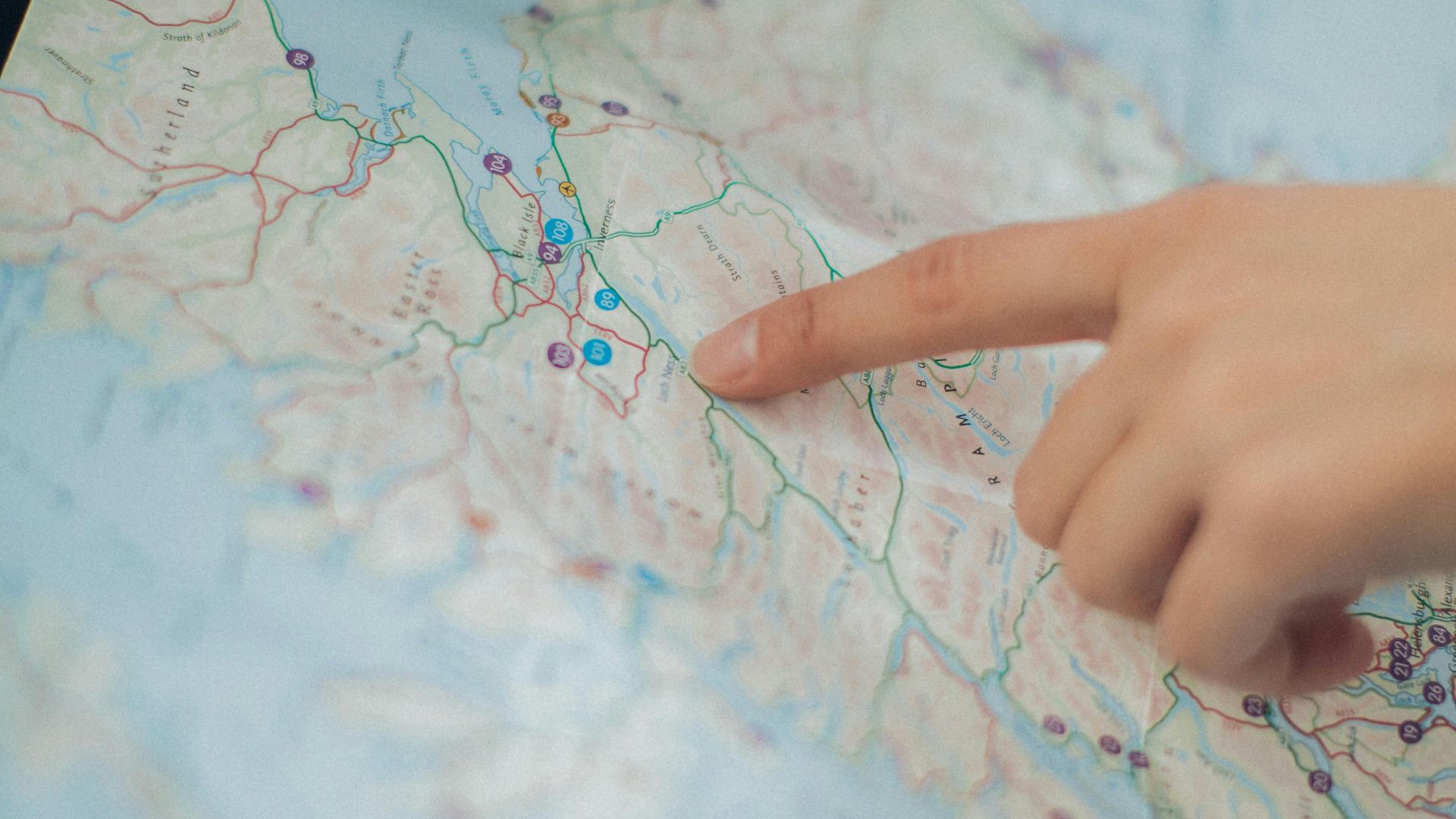
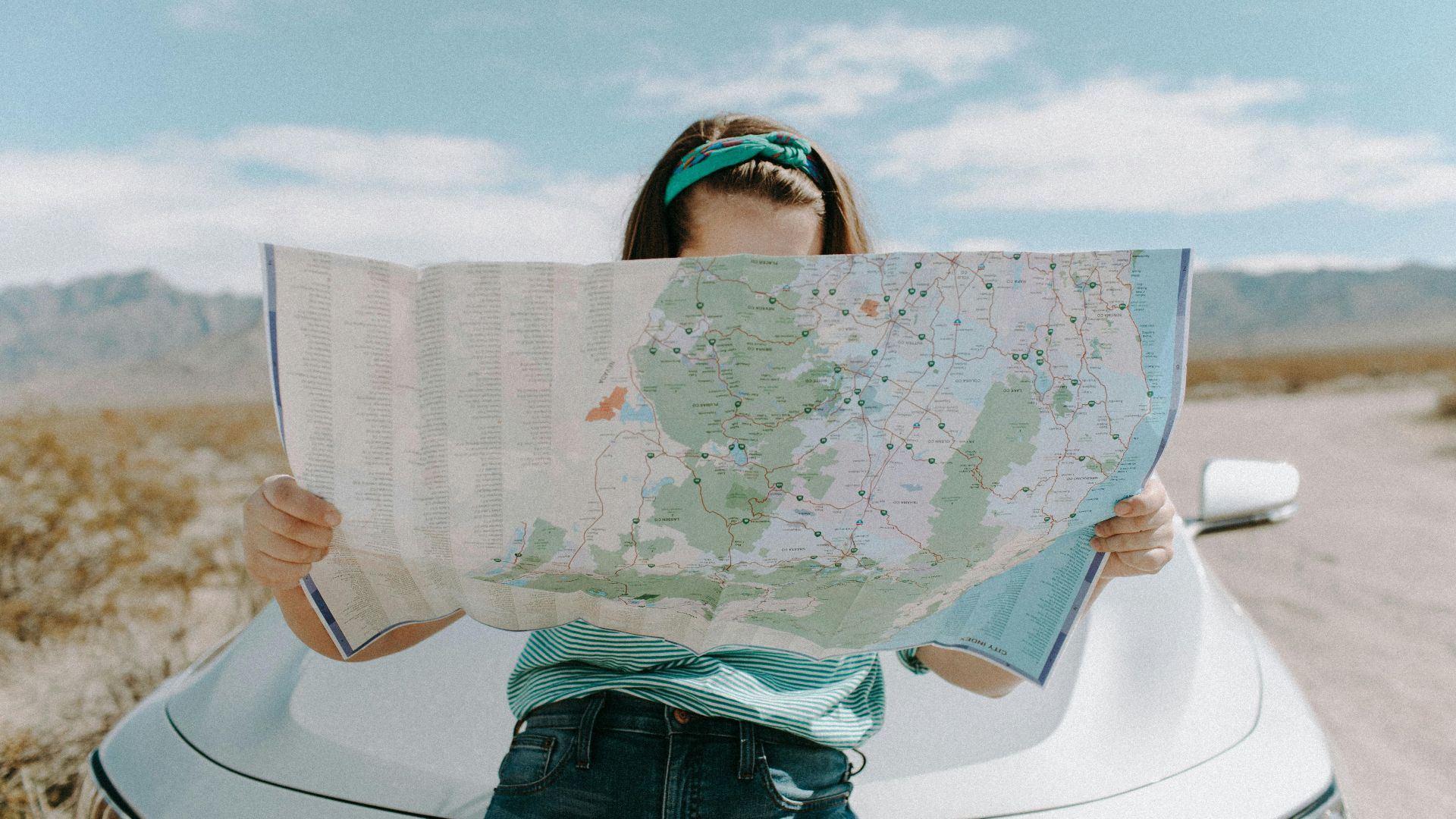
They Relied on Paper Road Atlases
Every car had a massive folded road atlas in the glove compartment. Someone in the passenger seat was the “navigator.” If you unfolded it wrong, you were doomed. And refolding it correctly? A lost art no one under 25 understands.
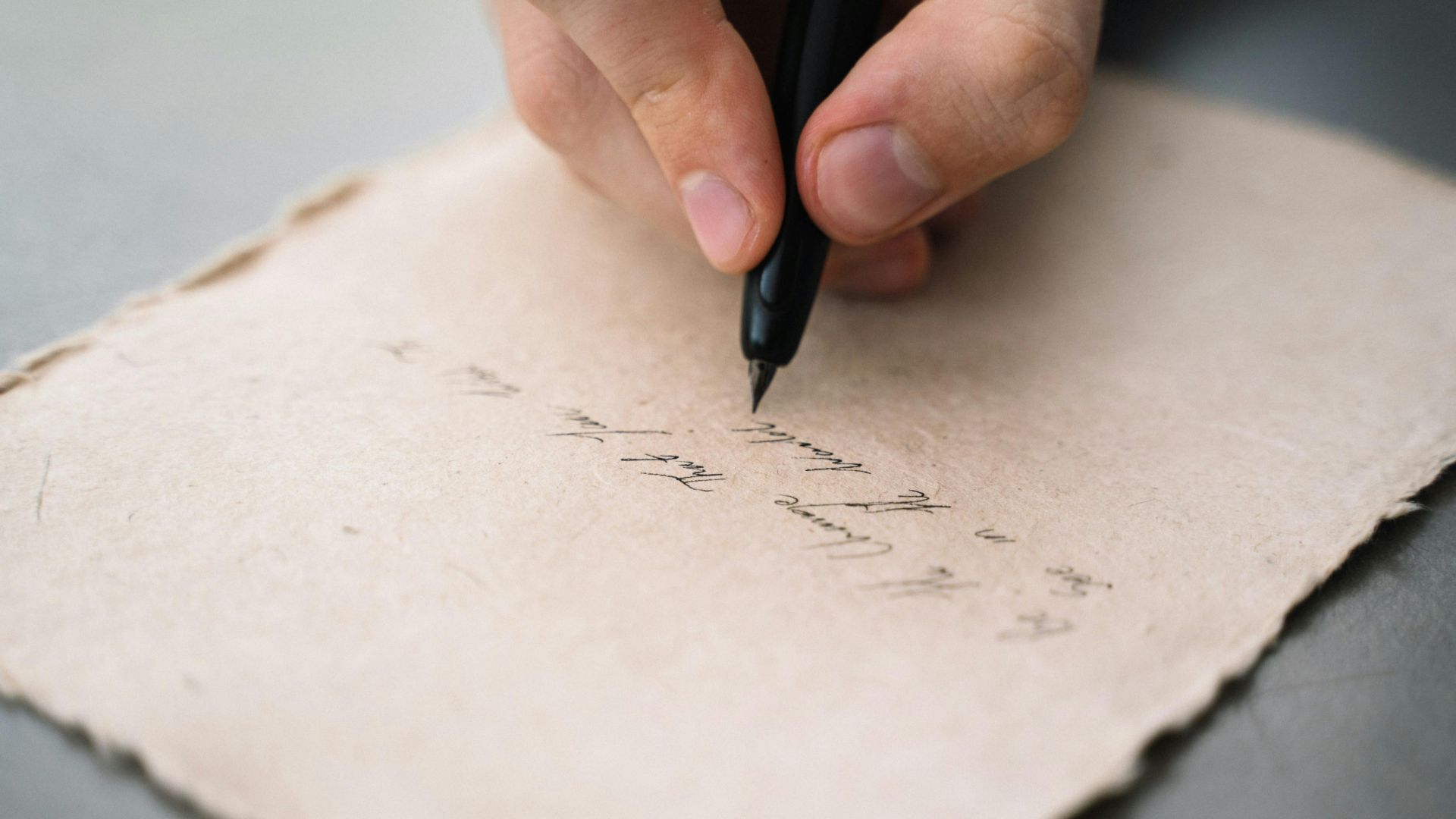
They Wrote Down Directions by Hand
Before GPS, you called the hotel and wrote directions on a scrap of paper. “Left at the gas station. Right after the big oak tree.” If you lost that note? Congratulations—you were on an unplanned scenic tour.
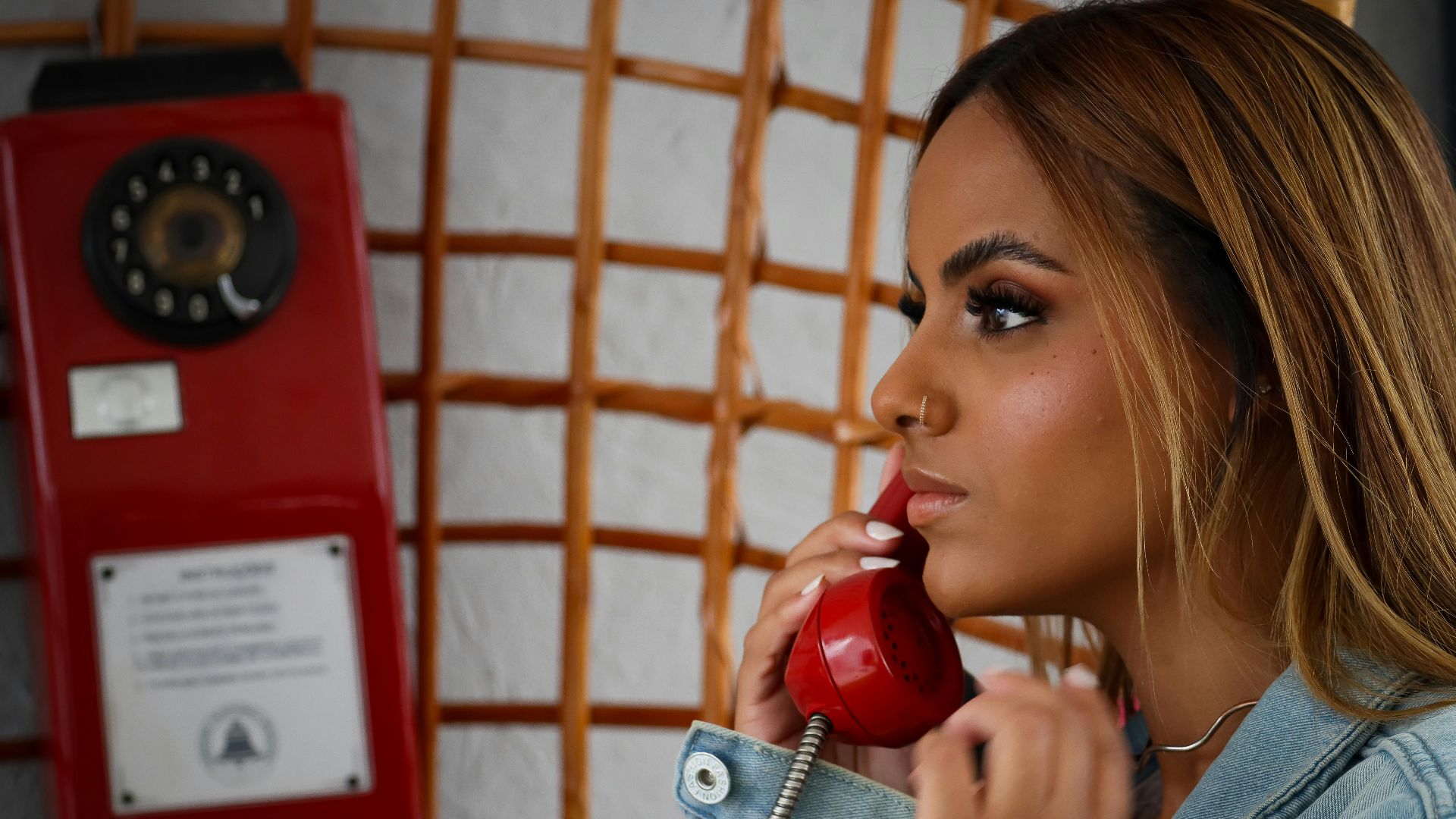
They Confirmed Reservations by Phone
Boomers called the hotel a day or two before arriving “just to confirm.” There was no app reassurance. You trusted a human voice saying, “Yes, we have your reservation.” And then you hoped that was true.
They Used Traveler’s Checks
Carrying large amounts of cash felt risky, so traveler’s checks were the solution. You signed them in front of a clerk to verify identity. It was secure—but slow. Most people born after 2000 have never even seen one. And even then, you still needed some actual cash on hand.
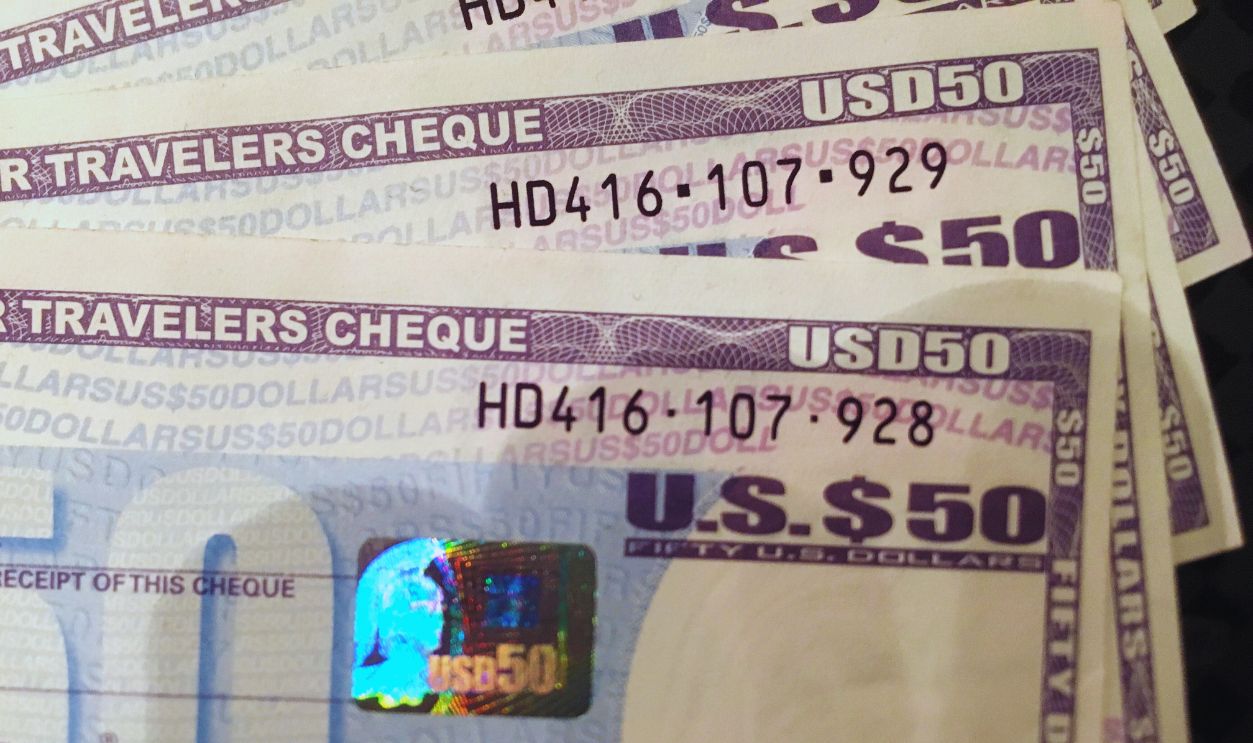 Pittigrilli, Wikimedia Commons
They Carried Huge Amounts of Cash
Credit cards weren’t accepted everywhere. Boomers often traveled with thick envelopes of cash for hotels, restaurants, and gas. Losing your wallet was a full-blown disaster. There was no freezing your card from an app.

They Dressed Up to Fly
Flying wasn’t “airport sweats and Crocs.” Boomers often wore slacks, dresses, or collared shirts. Airports felt glamorous. Boarding a plane was an event. Today? It’s closer to a pajama convention.

They Picked Up Paper Boarding Passes
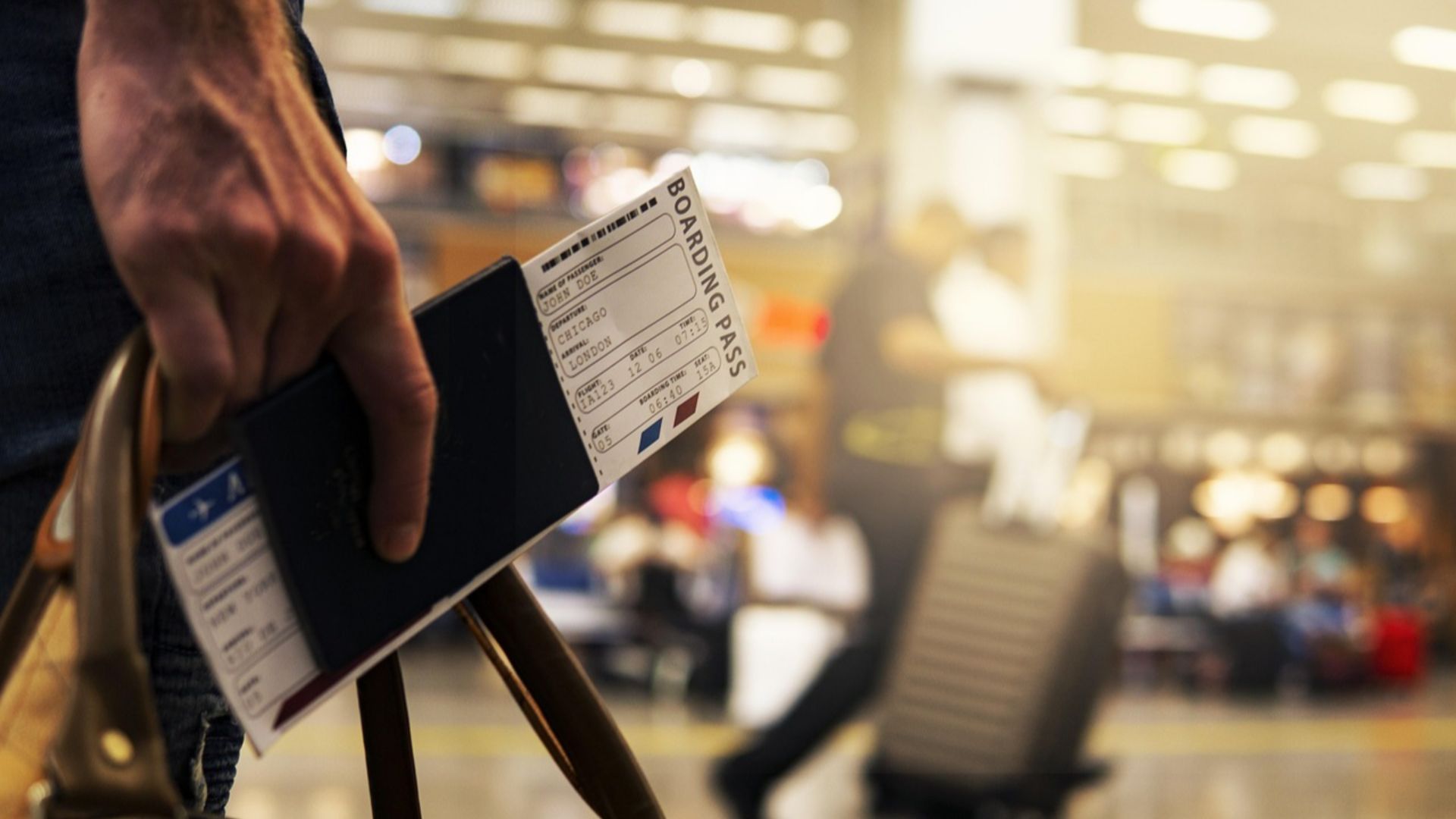
Boarding passes were printed at the counter—or even mailed ahead of time. You guarded that paper like it was treasure. Lose it, and you were headed back to the ticket desk with mild panic.
They Met People at the Gate
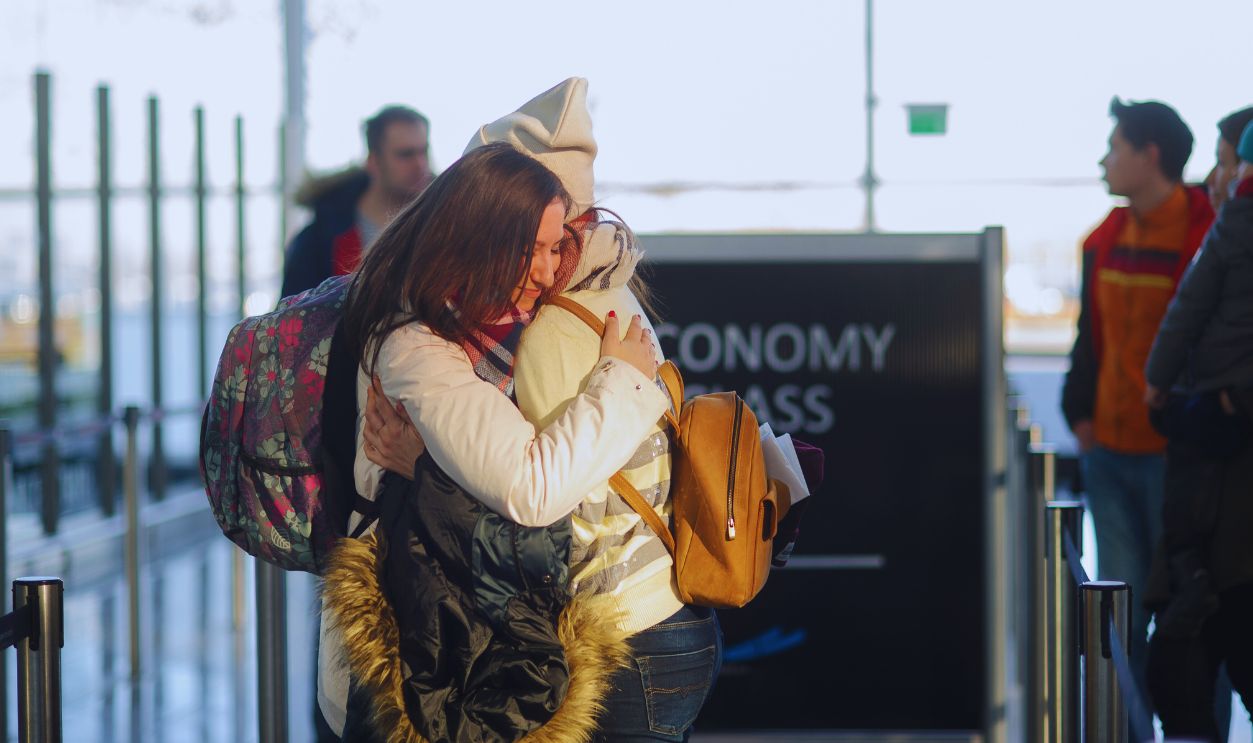
Before the increased security protocols of the early 2000s, friends and family could walk right to the gate without a ticket. Boomers remember full-on airport send-offs and emotional reunions at the jet bridge. Today, you’re lucky if someone parks the car.
They Made Collect Calls Just to Signal “I Landed”
Some travelers used a quick collect call where the person answering would refuse the charges—but hear the message in the name prompt. “HiMomImAtTheAirportPickMeUpAtFive.” It was basically a free coded communication system.

They Feared the Hotel Phone Bill
Hotel room phones were dangerous. Long-distance charges added up fast. Many Boomers remember returning home to a shocking phone bill after one too many “quick” calls from the room.

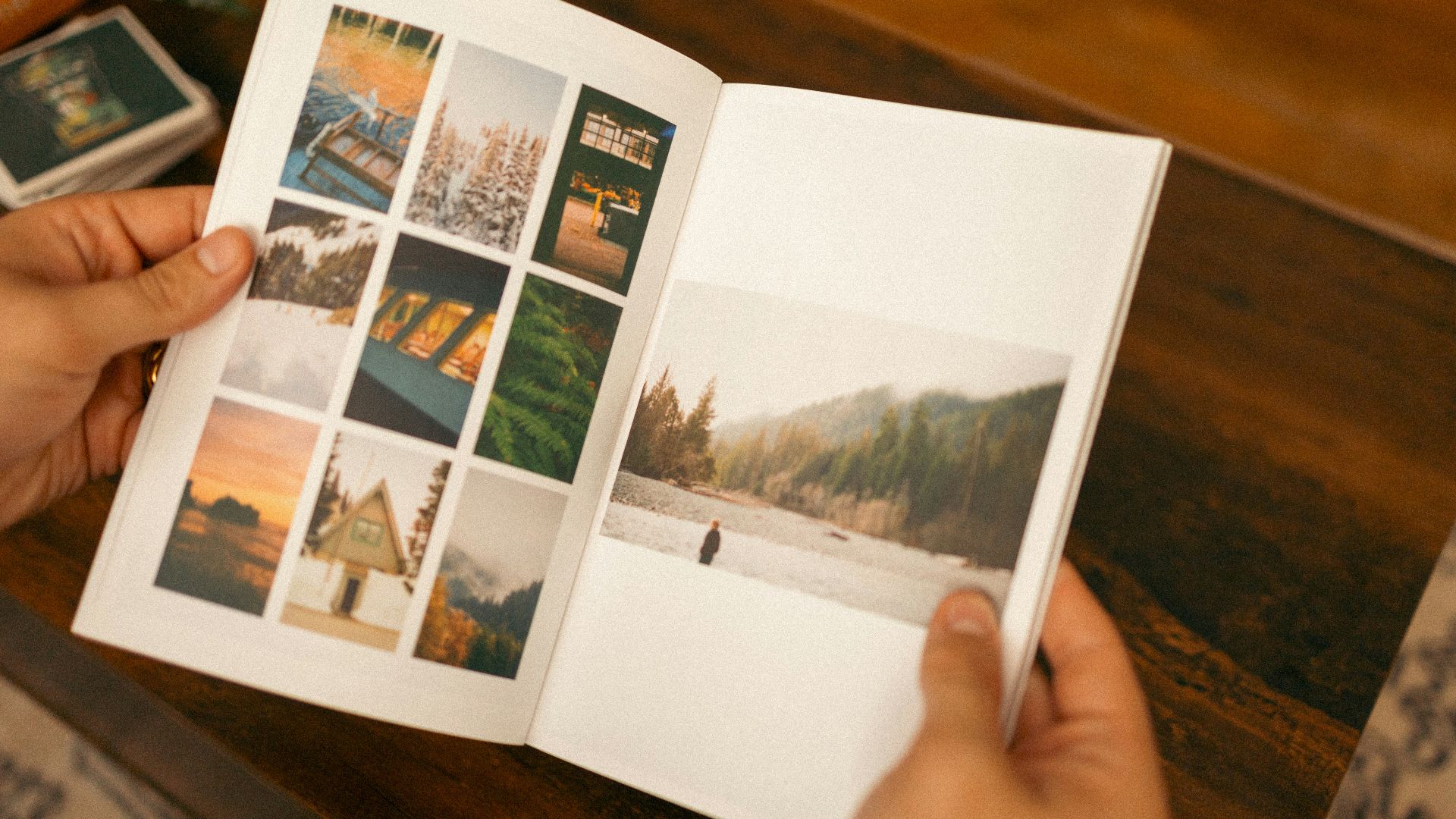
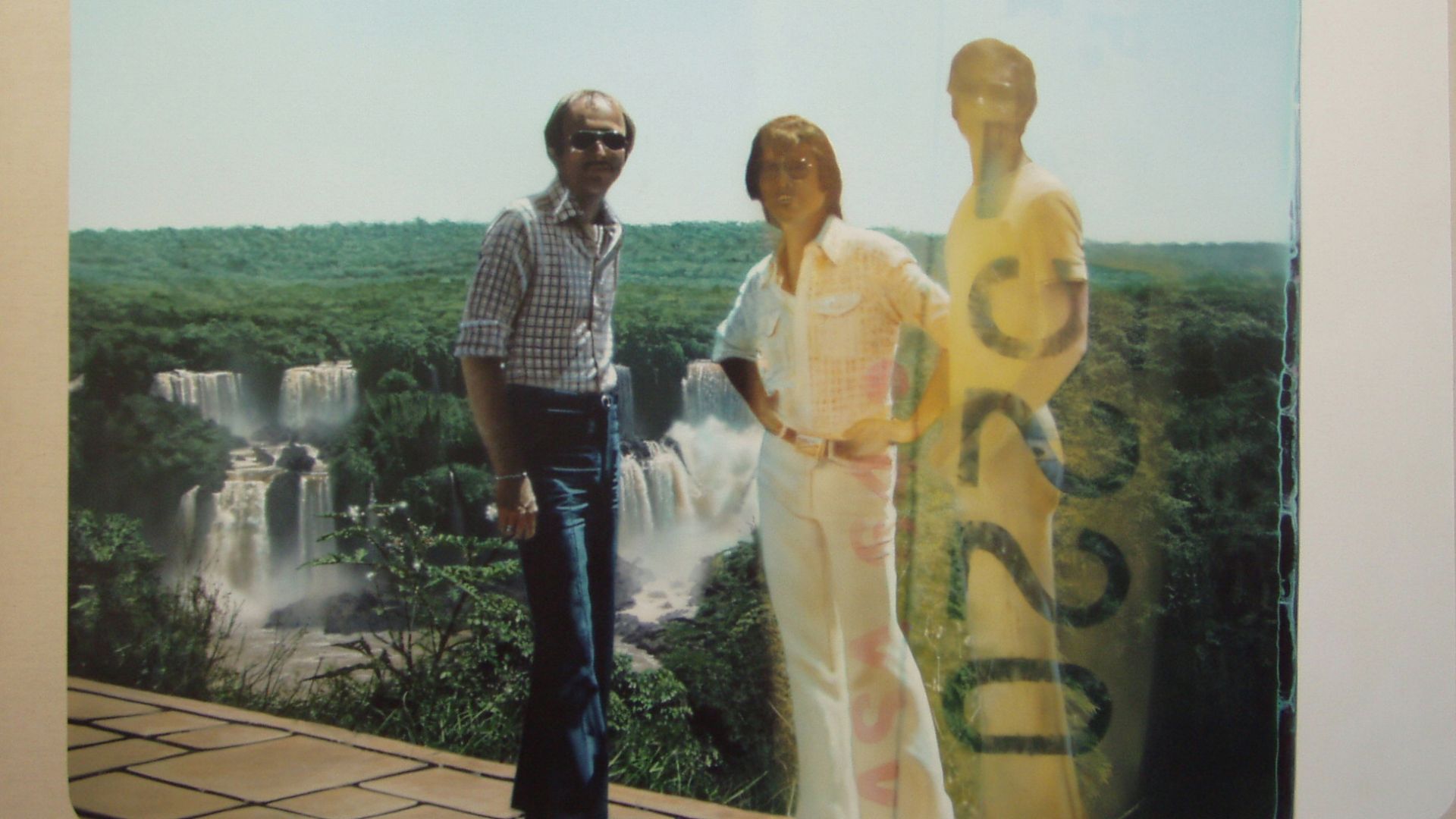
They Waited Weeks to See Their Photos
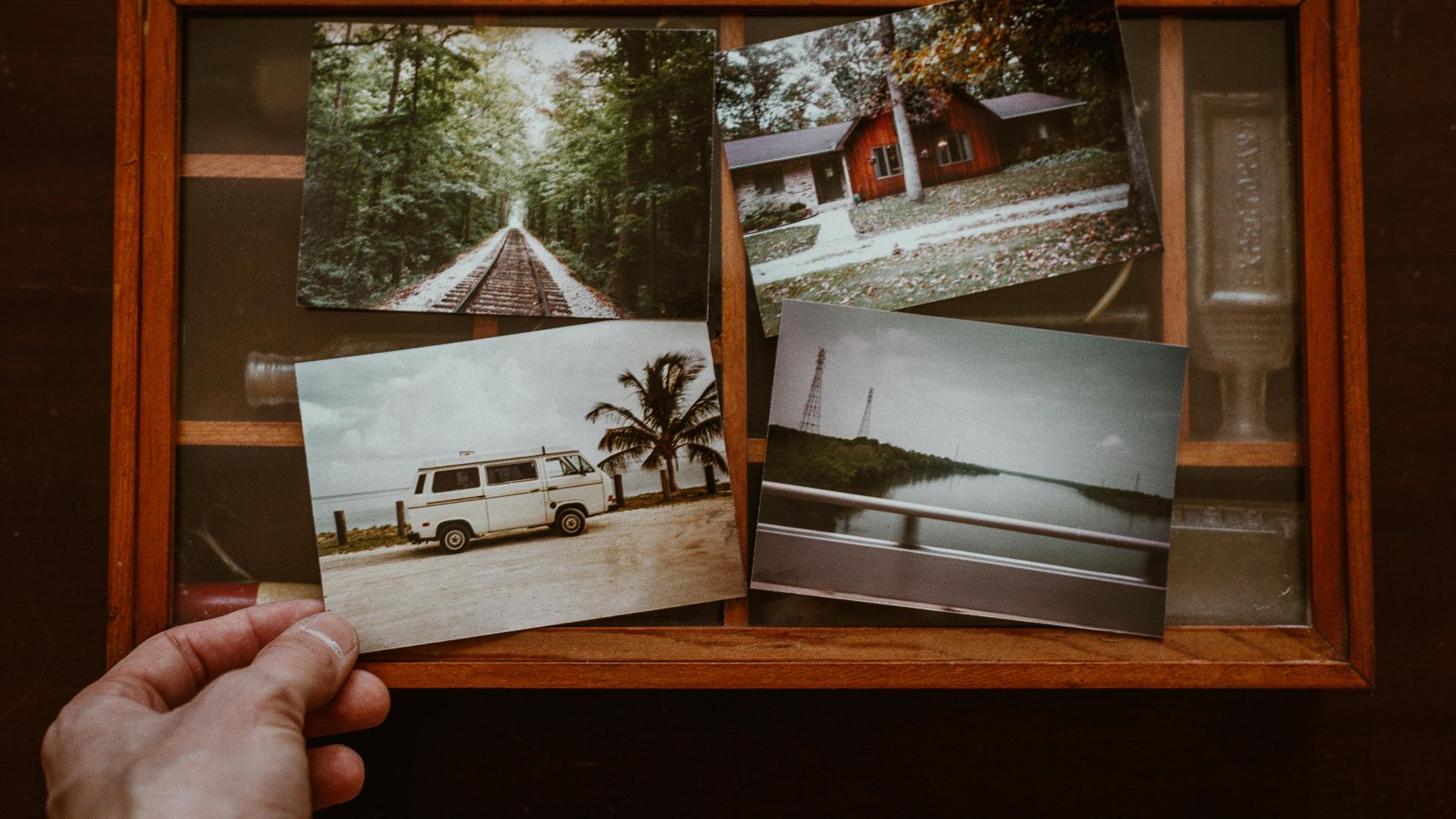
Boomers used film cameras. After vacation, you dropped the rolls off to be developed and waited days—or weeks—to see if anyone blinked. There was no deleting. No retakes. Just hope.
They Packed Extra Film Rolls
Running out of film mid-trip was a crisis. Boomers packed multiple rolls just in case. Each roll had a limited number of shots—so every photo required actual thought. And once you packed it all, you still had to get it through airport security safely.
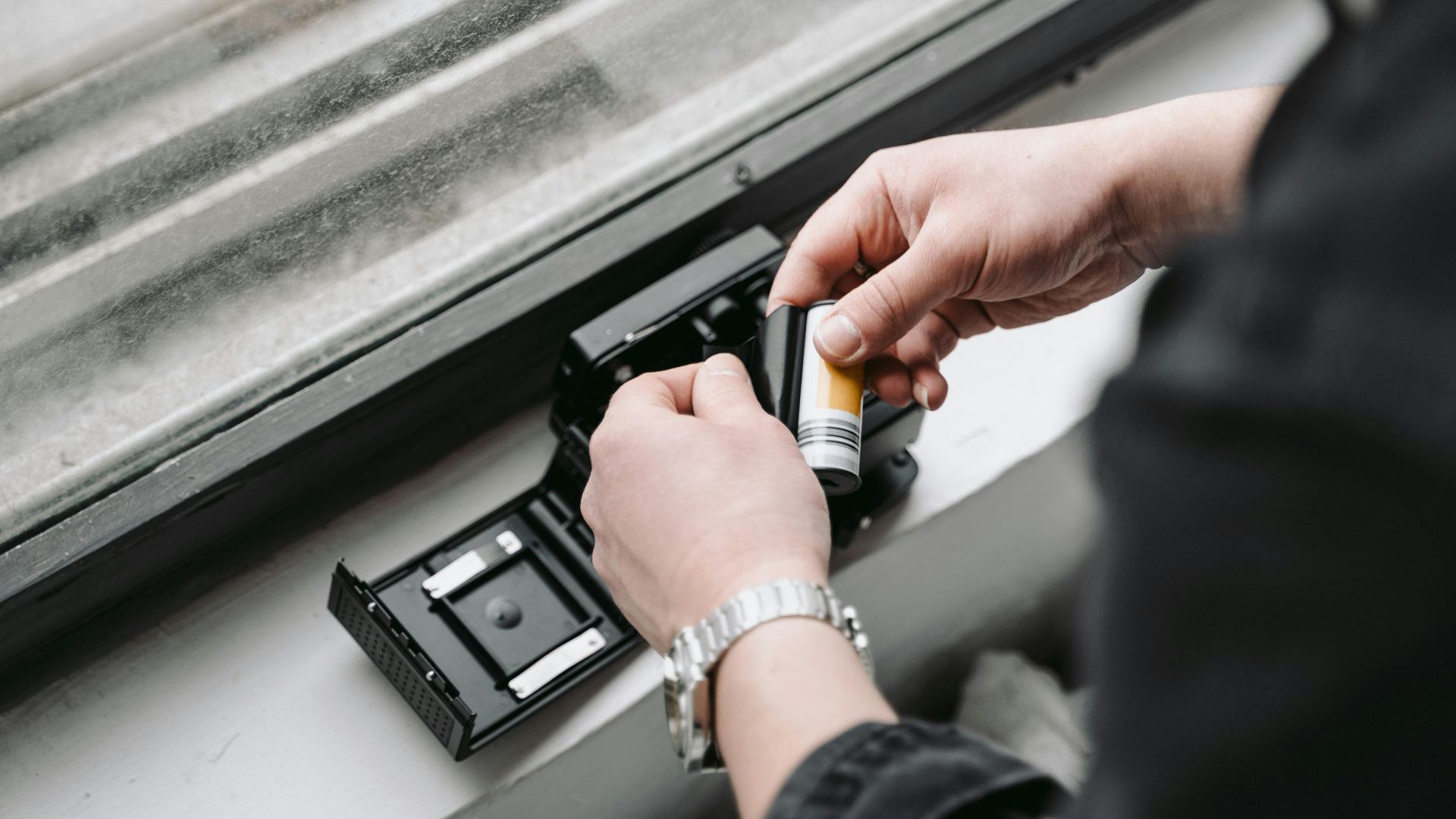
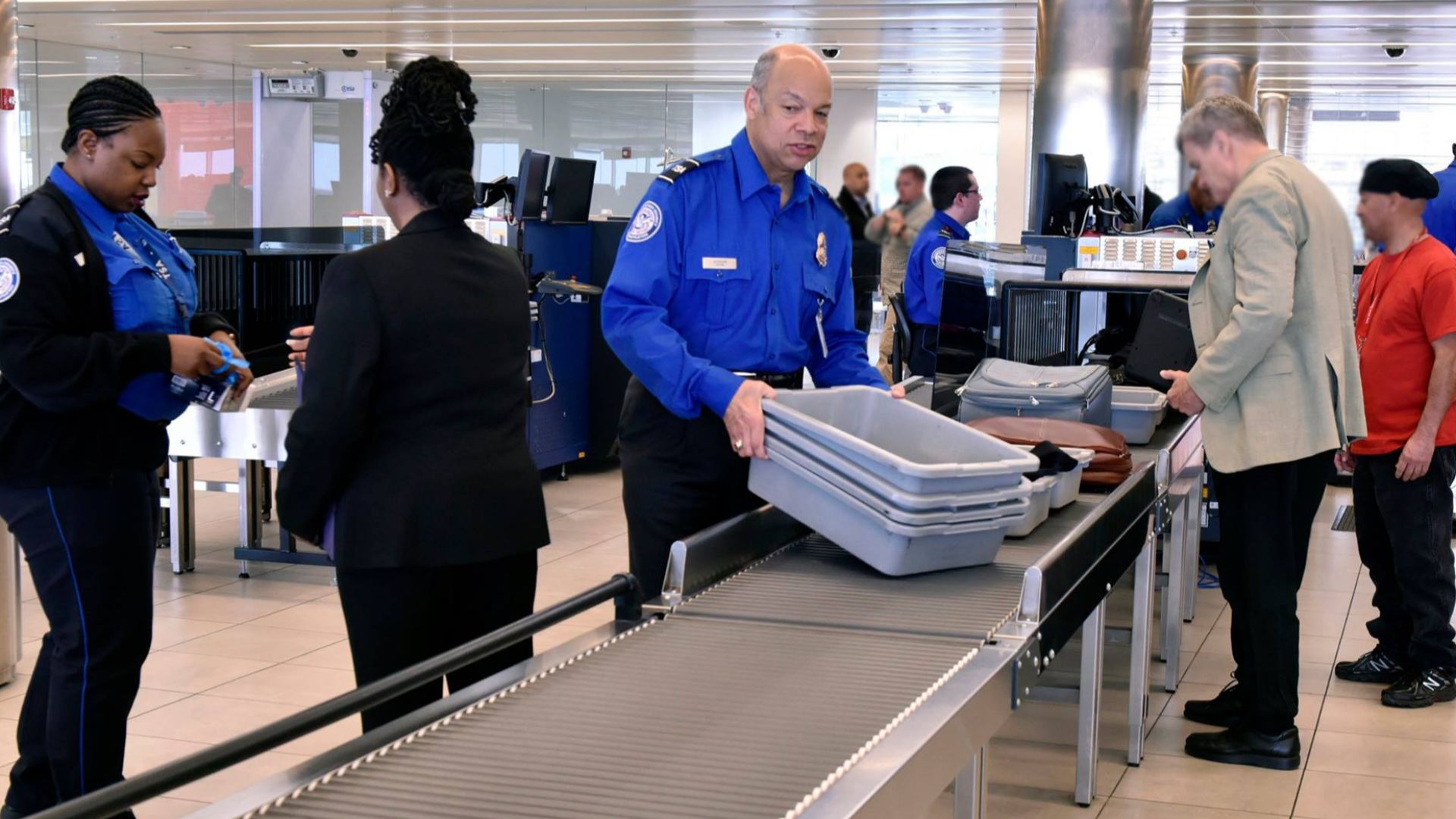
They Waited for Film to Clear Airport Security (Or Asked for Hand Checks)
Back when X-ray machines could damage high-ISO film, travelers sometimes requested hand inspections for their camera rolls. Yes—security manually checked the film so your vacation photos wouldn’t get ruined. Try explaining that to someone who’s only ever used cloud storage.
 U.S. Department of Homeland Security (DHS), Wikimedia Commons
They Watched Slideshows After the Trip
Once photos were developed, friends and family were invited over to watch vacation slides. In a dark living room. For an extended period of time. This was considered entertainment.
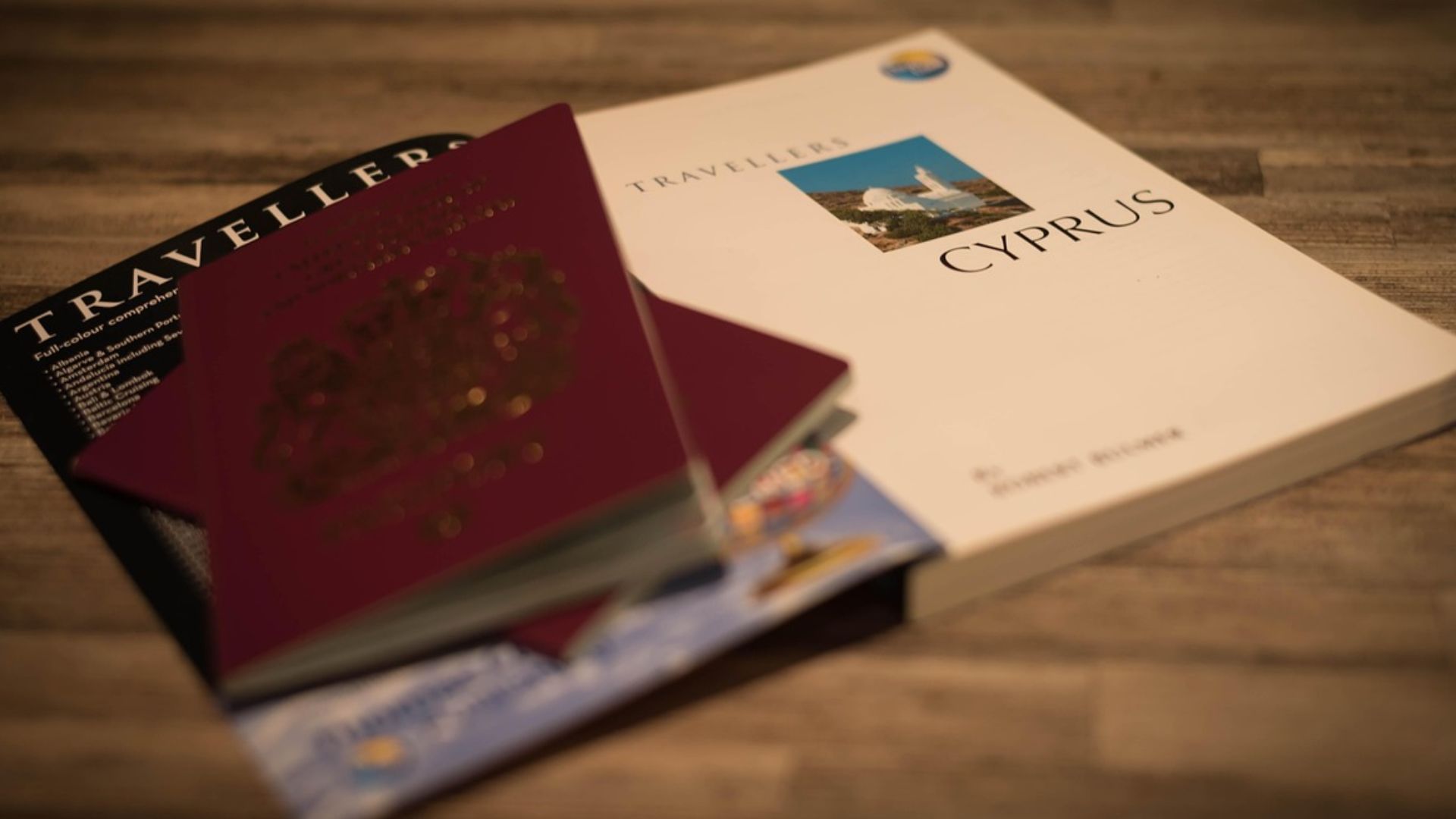
They Bought Physical Guidebooks
Guidebooks were thick, dog-eared companions throughout the trip. Margins were marked. Pages were folded. No search bar. Just flipping through chapters to find “Best Restaurants.”
They Used Cash-Only Toll Booths
Highway tolls required exact change. Boomers kept coins in the ashtray specifically for toll booths. Miss the basket? That coin was gone forever.
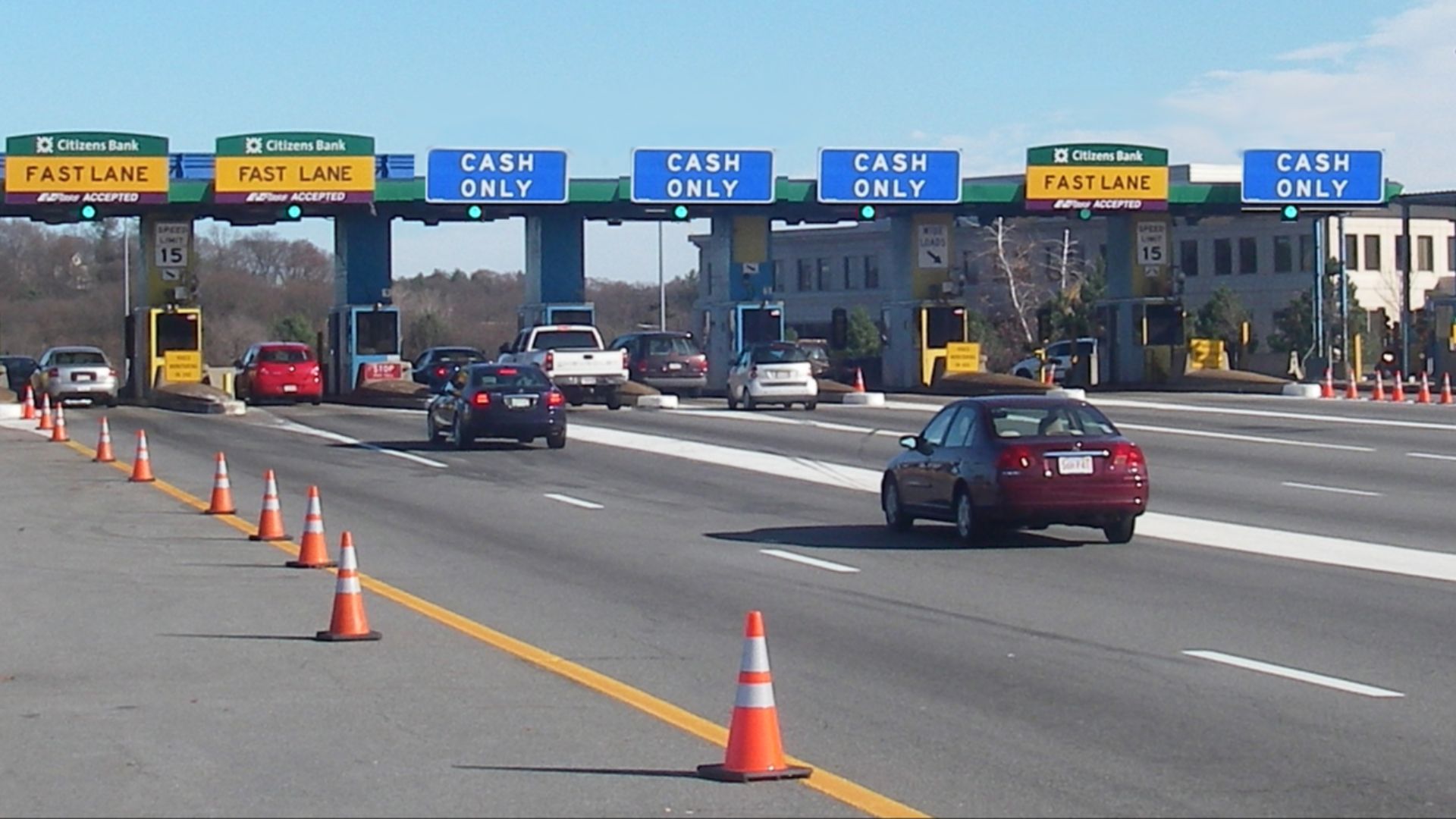
They Stopped to Ask for Directions
If you were lost, you pulled into a gas station and asked a stranger. Face-to-face. No reviews. No GPS. Just trust and vague hand gestures.

They Reserved Rental Cars by Phone
Car rentals were booked by calling an office directly. Confirmation numbers were written down on paper. Lose that number, and you were hoping someone could “look it up.”

They Relied on Word-of-Mouth Reviews
There were no online ratings. Boomers chose restaurants because a friend recommended them—or because they “looked nice.” It was risky. Sometimes it paid off. Sometimes… not so much.
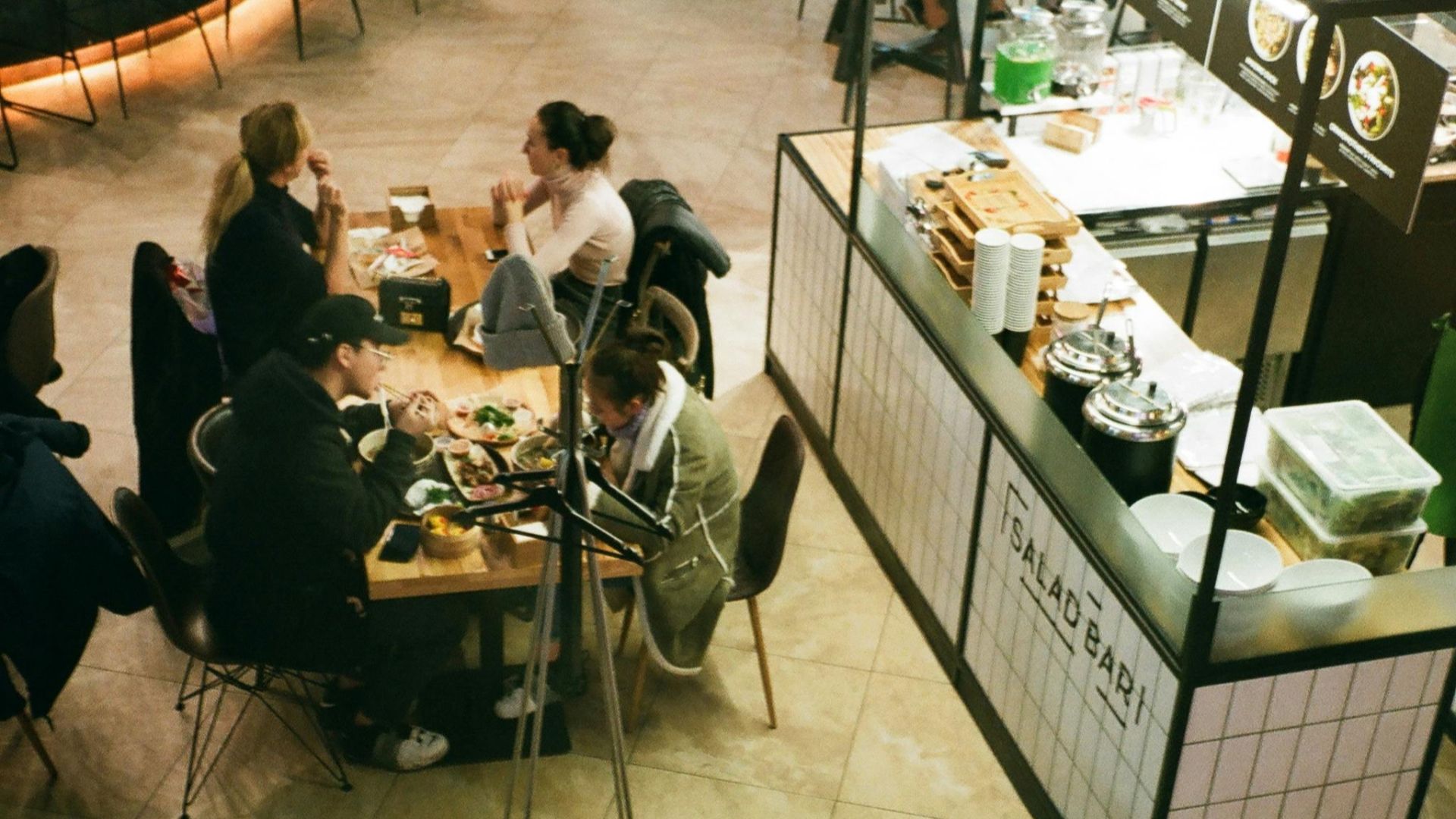
They Sent Postcards Mid-Trip
Boomers actually mailed postcards during vacation. They bought stamps, wrote notes, and dropped them in a mailbox. Sometimes the postcard arrived after they were already home.
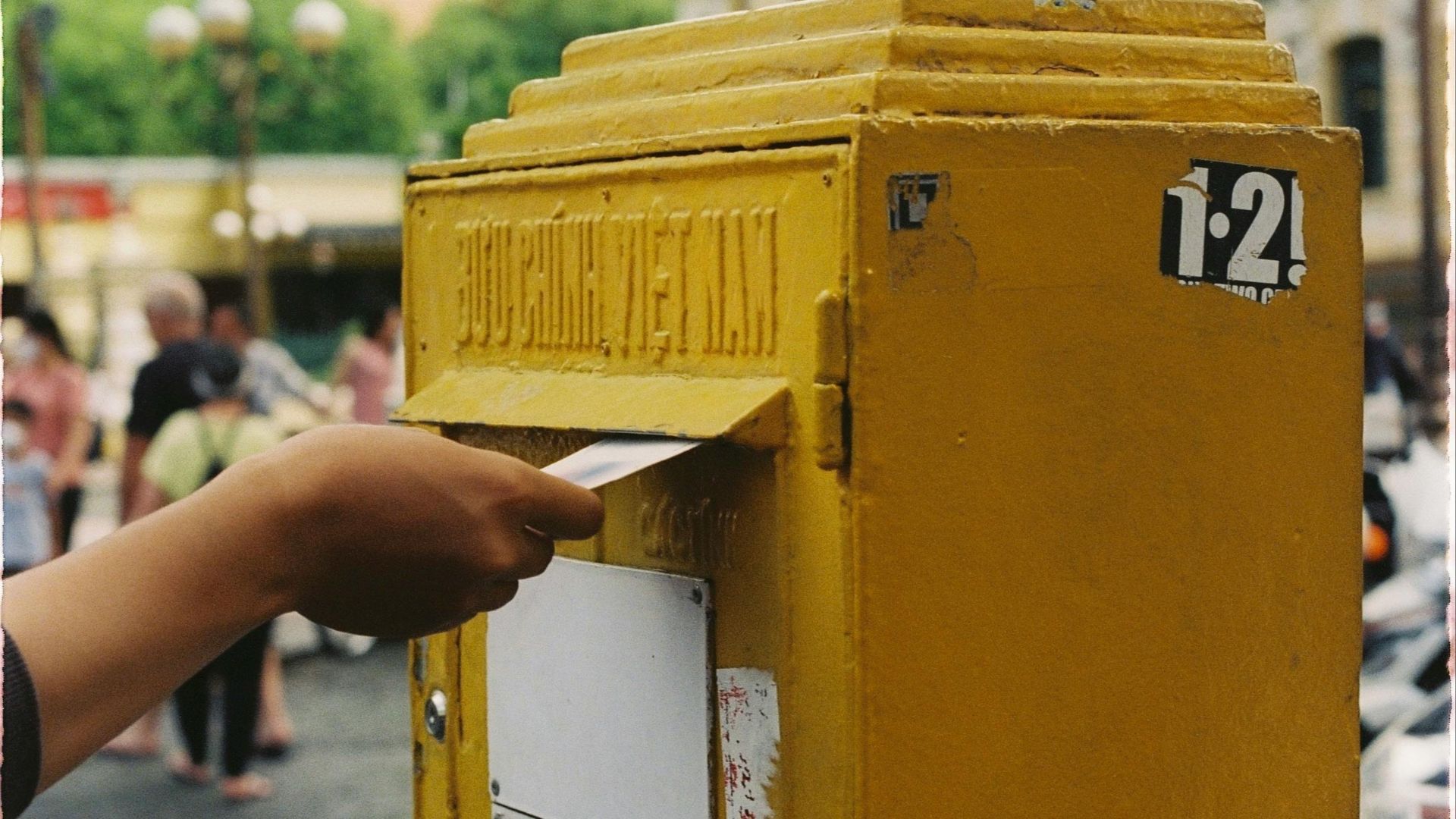
They Brought Physical Books for the Plane
No tablets. No downloaded playlists. Just one or two paperback books packed carefully in a carry-on. And if you finished it early? You re-read chapters.
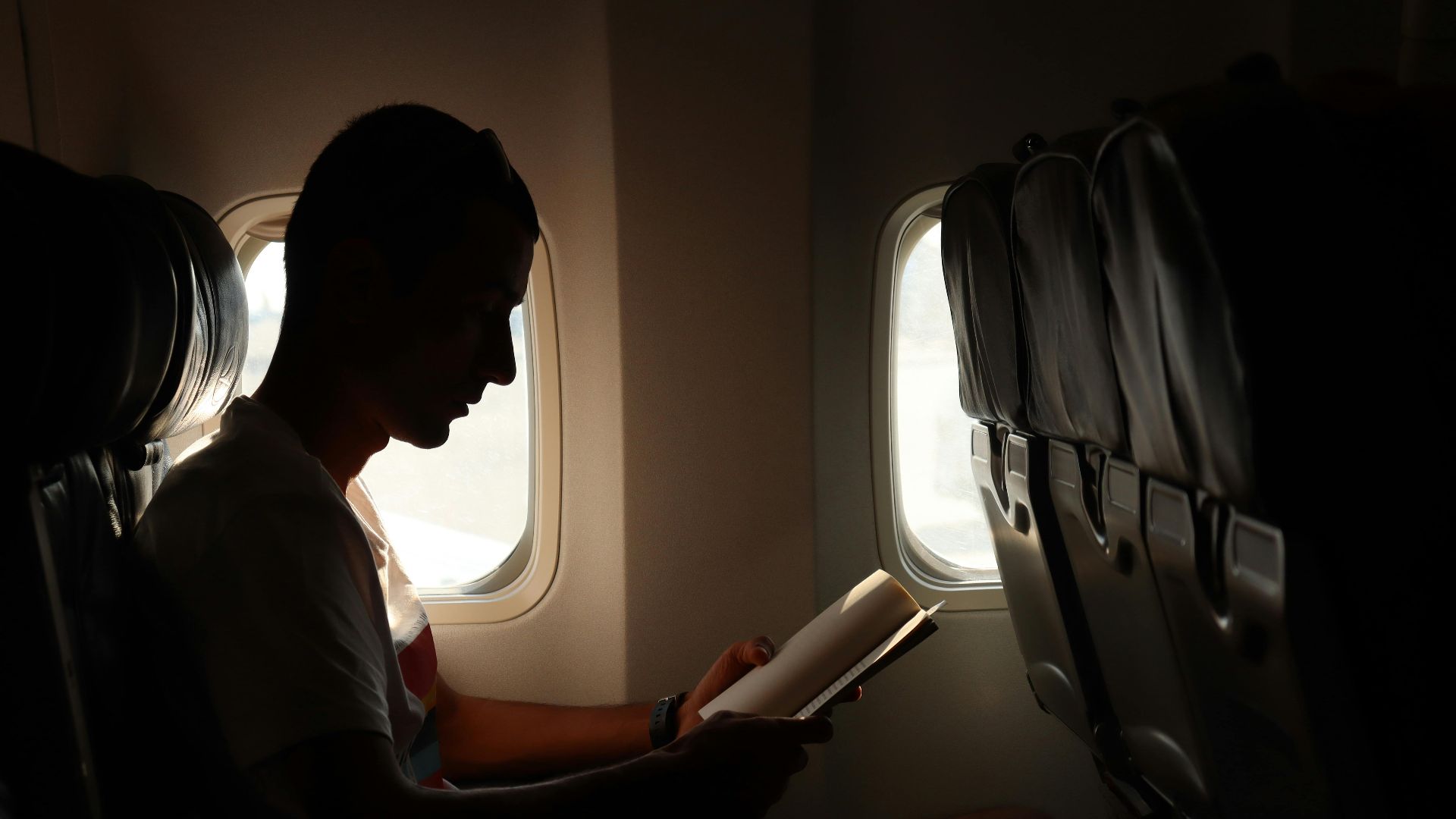
They Watched the In-Flight Movie on a Shared Screen
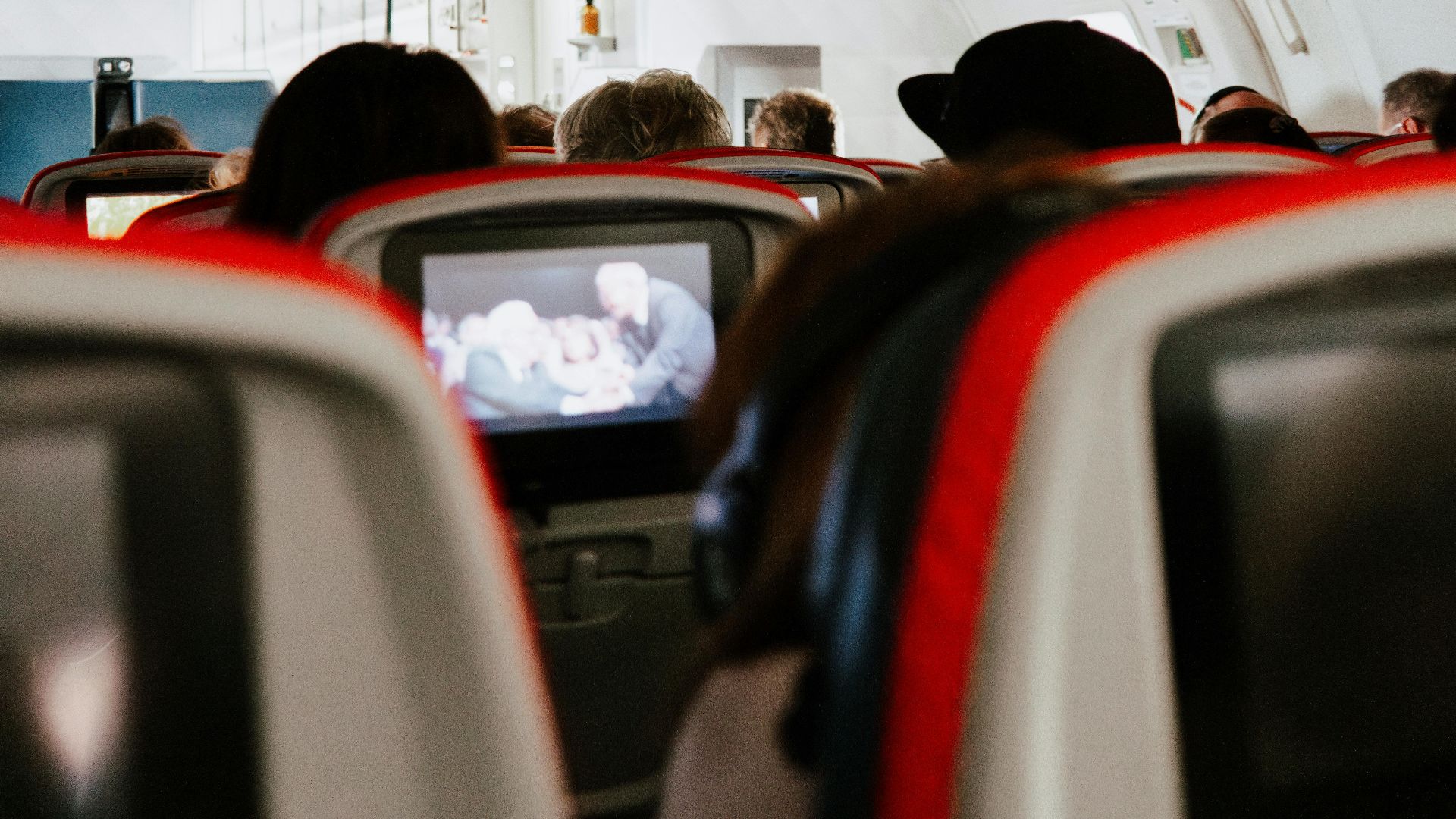
There weren’t seatback screens. A single movie played on overhead monitors for everyone. If you didn’t like it? Too bad. That was the entertainment.
They Traveled Without Instant Weather Updates
Weather forecasts were checked before leaving—and then you hoped for the best. No live radar apps. No hourly push alerts. Just vibes and optimism. And weather wasn’t the only thing you couldn’t track in real time.
They Navigated Without Real-Time Traffic
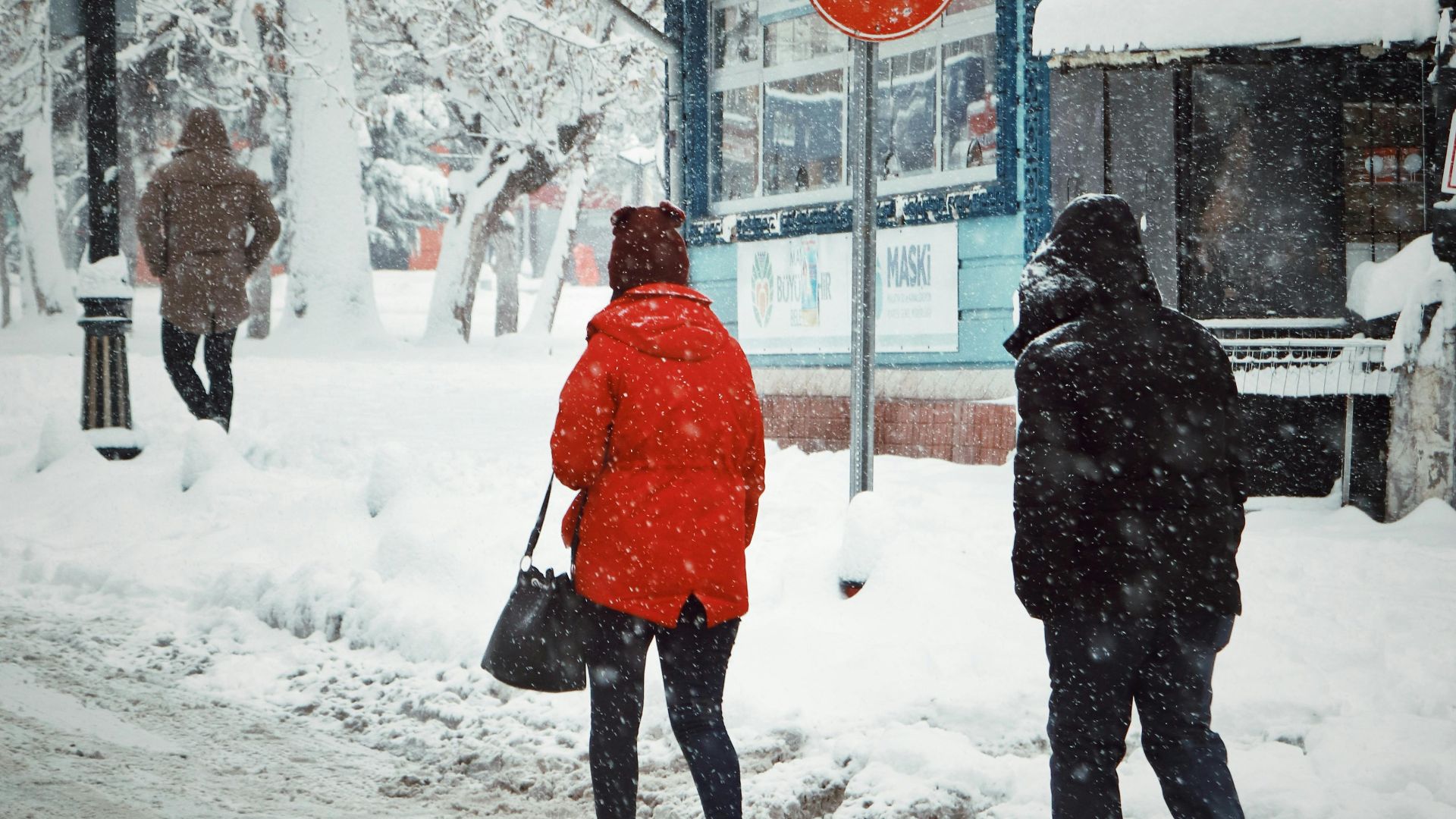
Traffic reports came from radio announcers every 10 or 20 minutes. If you missed the update, you stayed in traffic. There was no rerouting algorithm working in your favor.
They Used Luggage Tags With Their Home Address on Full Display
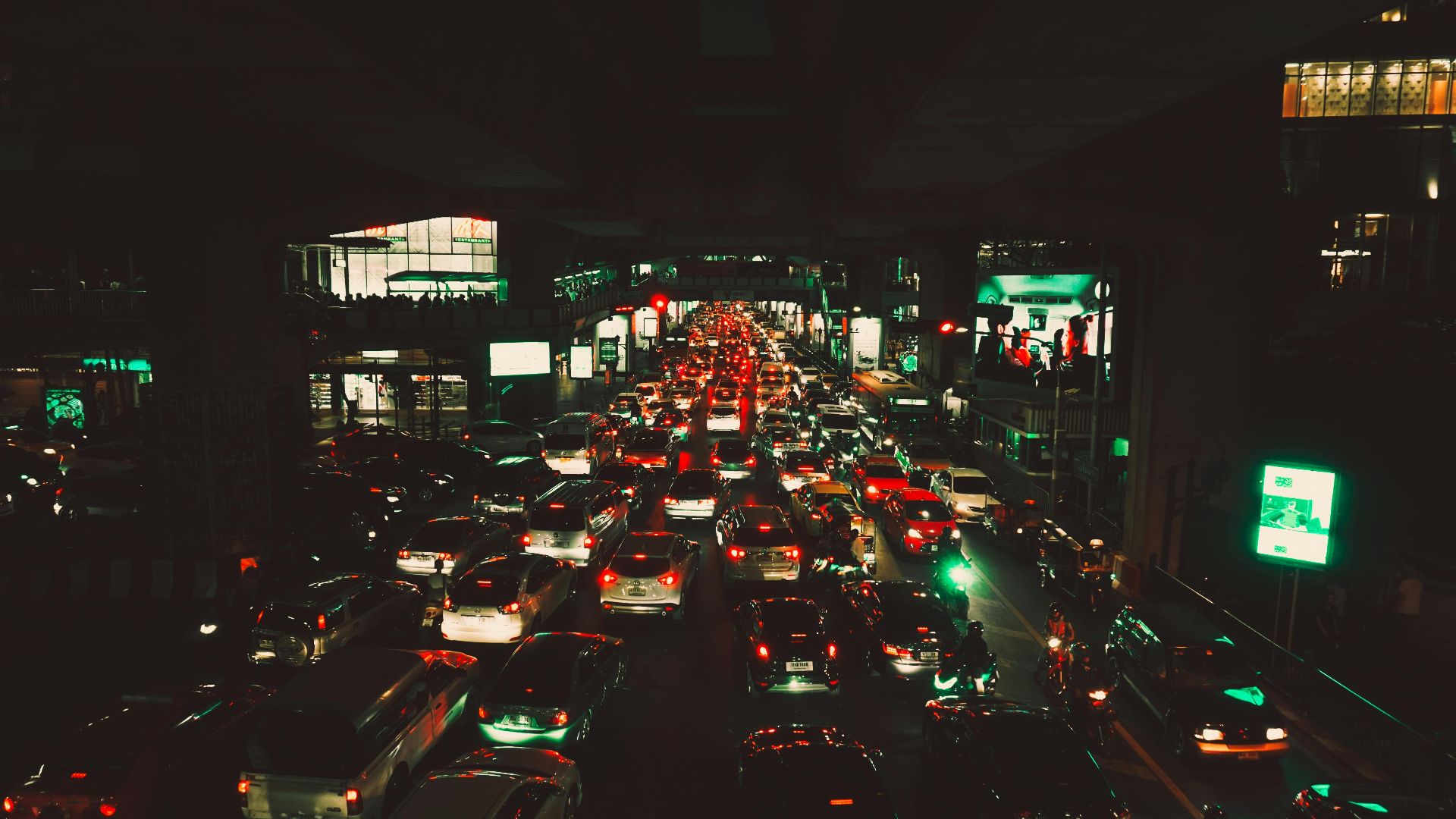
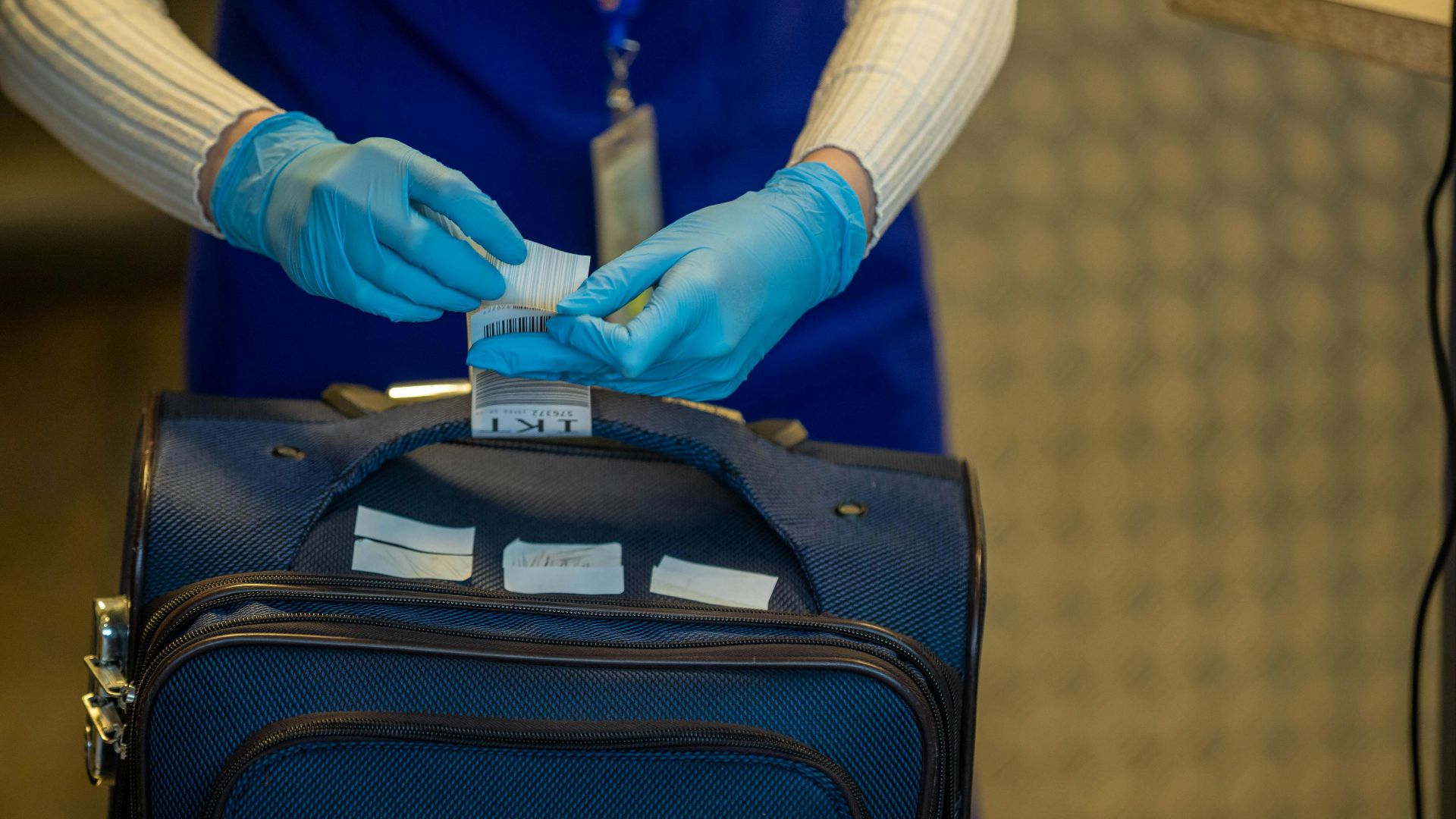
Boomers proudly attached paper luggage tags with their full name, home address, and phone number written in pen—completely visible. Today that feels like identity theft waiting to happen. Back then? It was just practical travel etiquette.
They Watched Airport Departure Boards That Flipped
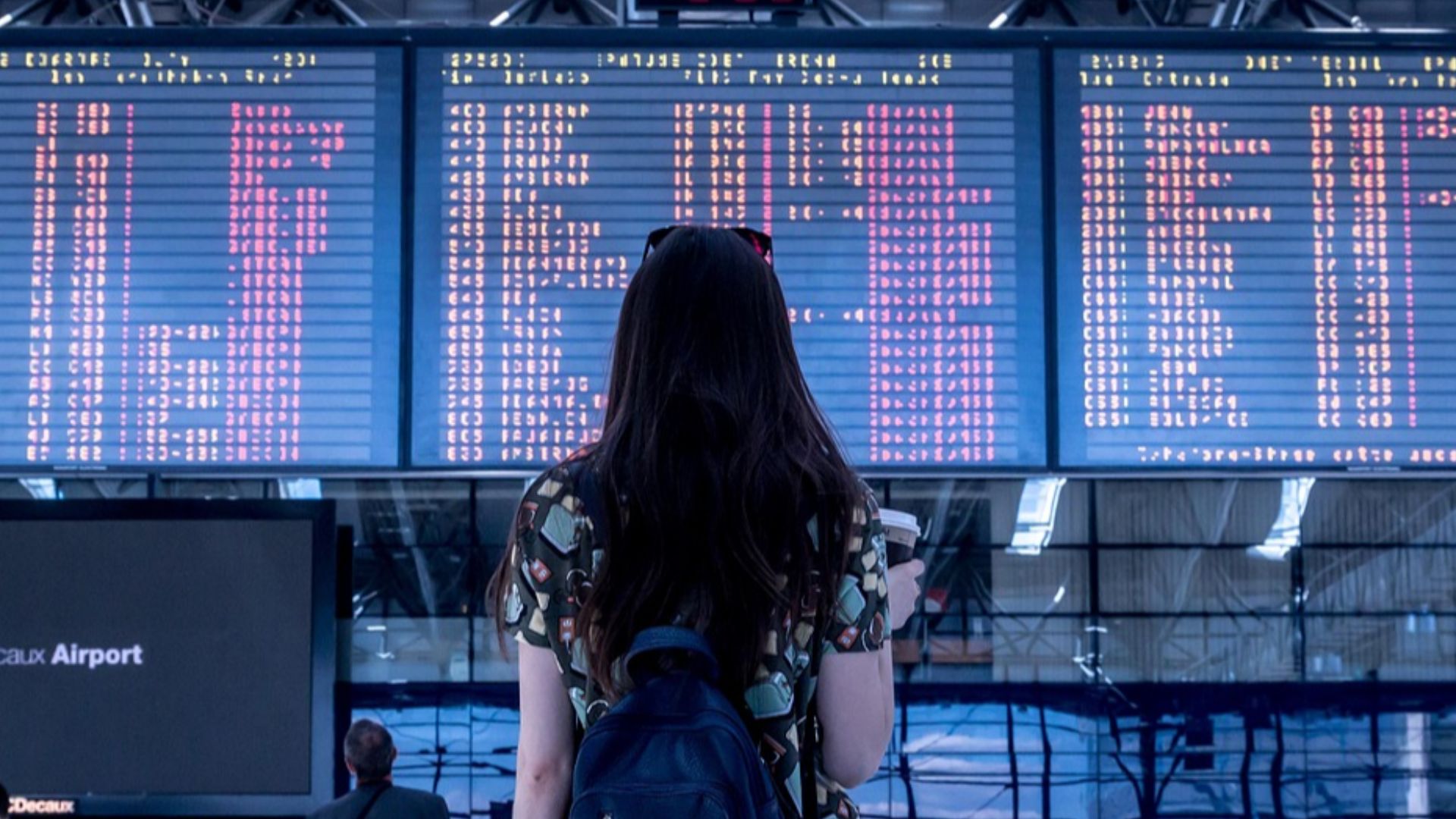
Old mechanical departure boards physically flipped letters and numbers into place with that unmistakable clicking sound. The board changing felt dramatic—important. It made travel feel big. Today’s silent digital screens just don’t hit the same.
They Packed Physical Alarm Clocks
Hotel wake-up calls weren’t always trusted. Many Boomers packed small travel alarm clocks to make sure they didn’t miss flights or tours. No phone backup. No smartwatch buzz. Just one ticking device doing all the heavy lifting in a quiet hotel room.
 Acharaporn Kamornboonyarush, Pexels
They Came Home Completely Offline
When Boomers traveled, they disappeared. No texts. No social media posts. No daily updates. You saw their vacation photos weeks later. The stories were told in person. And somehow, the trip felt bigger because it wasn’t broadcast in real time.

You Might Also Like:
Data Reveals The Best And Worst Airports In The World—Is Yours On The List?