The Walkable Dream Meets Reality
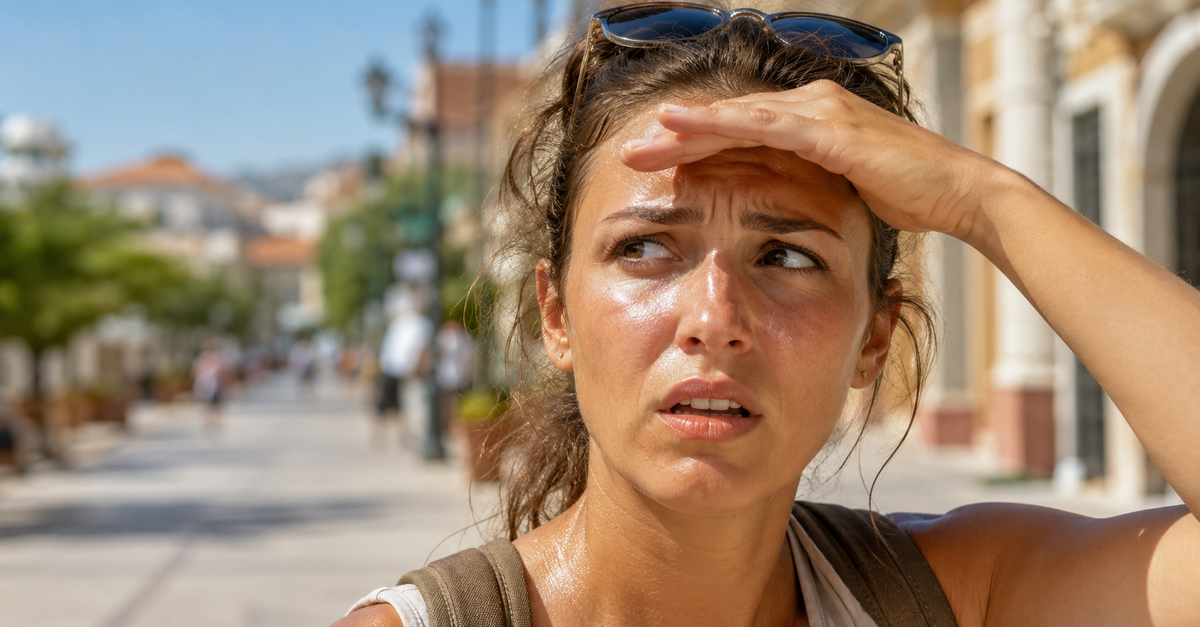
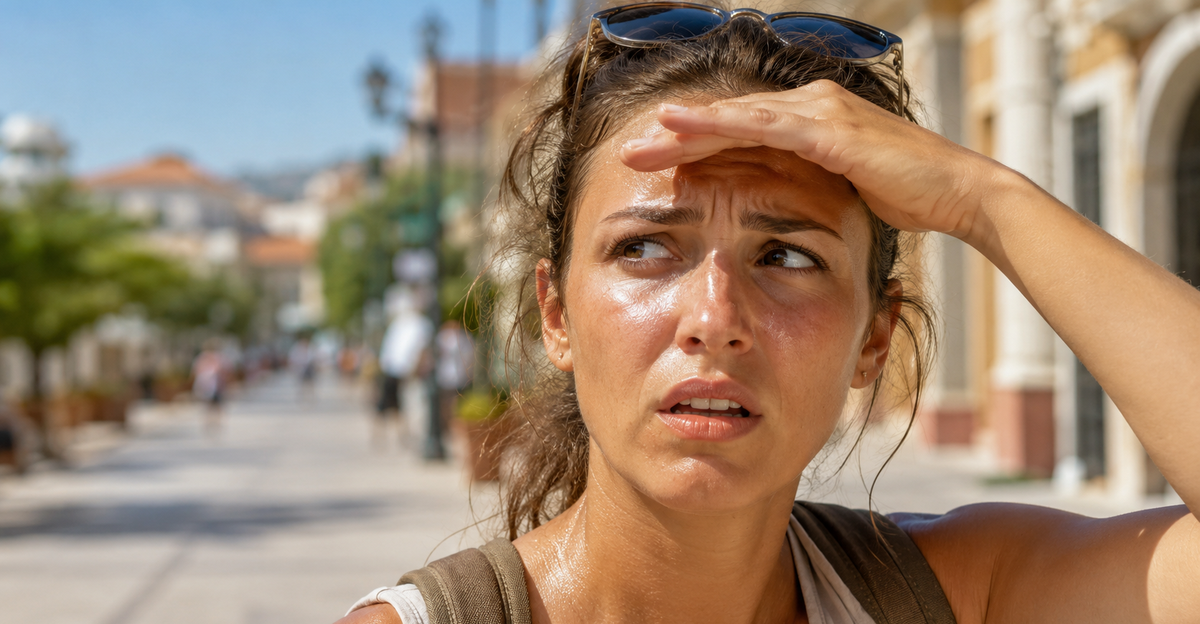
When I planned my vacation, I picked a city famous for its walkable neighborhoods. I imagined leisurely strolls between cafés, museums, and parks. Instead, the afternoon heat made every block feel exhausting. That experience made me realize that the season can completely reshape a destination.
Walkability Depends On More Than Sidewalks
A city can have excellent sidewalks, short distances, and pedestrian-friendly streets. Those features only matter if people are comfortable enough to use them. Extreme temperatures can discourage walking and push travelers toward taxis, rideshares, or public transit. Researchers studying urban design consistently identify thermal comfort as a major factor in walkability.
Summer Can Change Your Daily Schedule
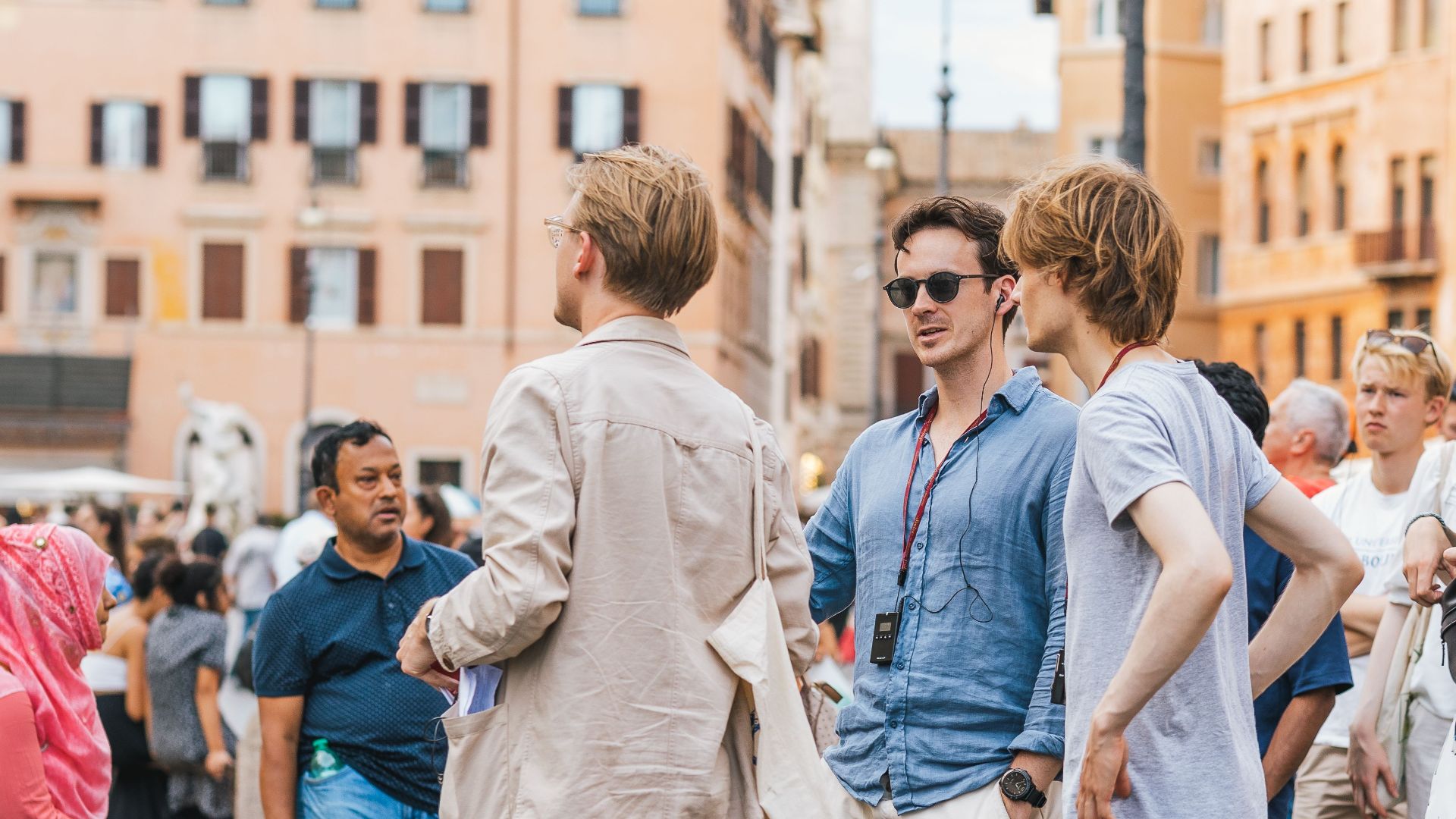
Many popular destinations remain enjoyable during summer. The difference is that locals often organize their days around the weather. Early mornings and evenings become the best times for sightseeing, while afternoons are reserved for indoor attractions or rest. Visitors who ignore that rhythm often find themselves uncomfortable.
Humidity Makes Heat Feel Worse
Air temperature tells only part of the story. High humidity slows the body's ability to cool itself because sweat evaporates more slowly. A destination with temperatures in the upper 80s can feel much hotter when humidity is high. That is why tropical cities often feel more exhausting than dry climates with similar temperatures.

Shade Changes Everything
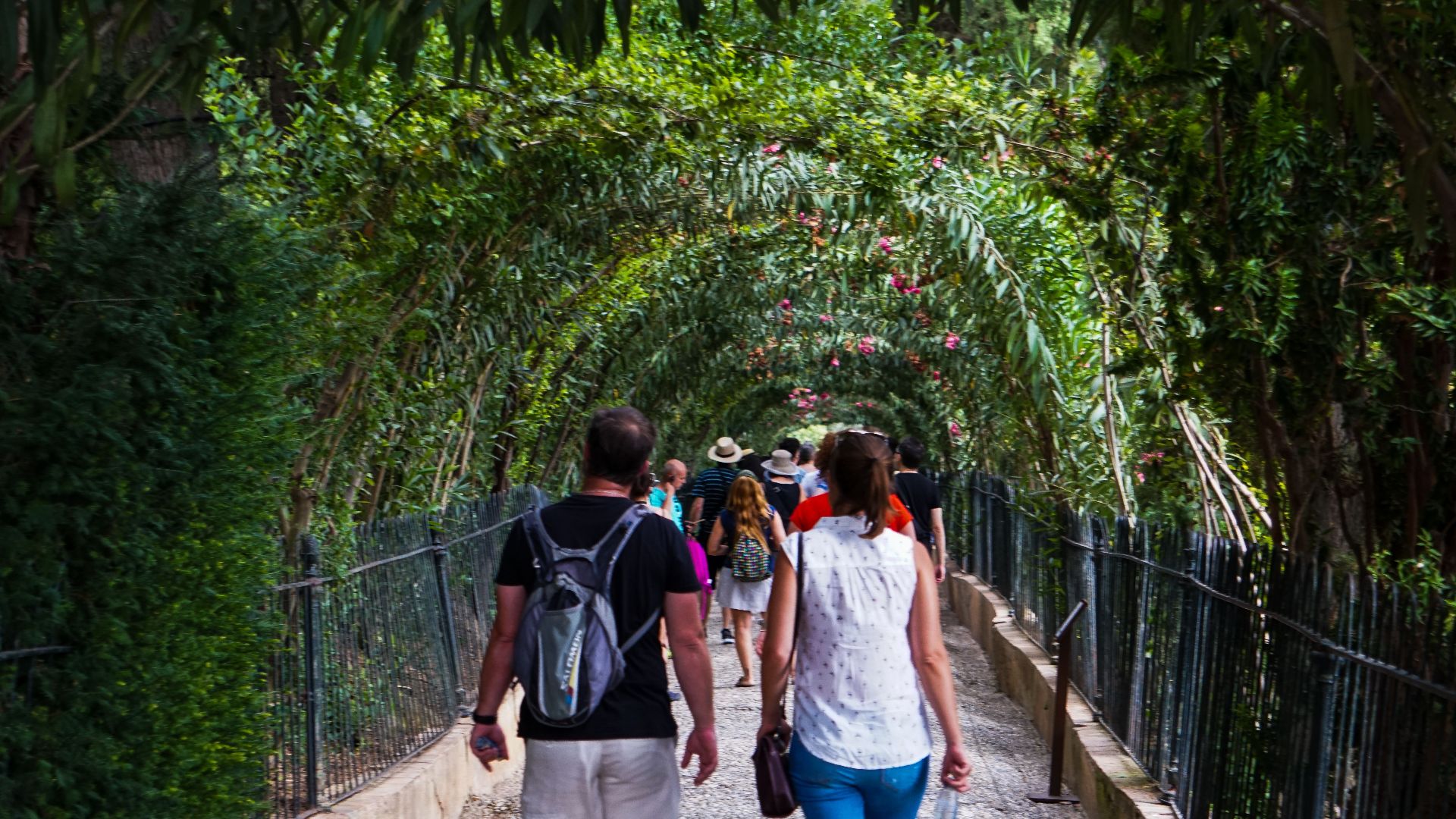
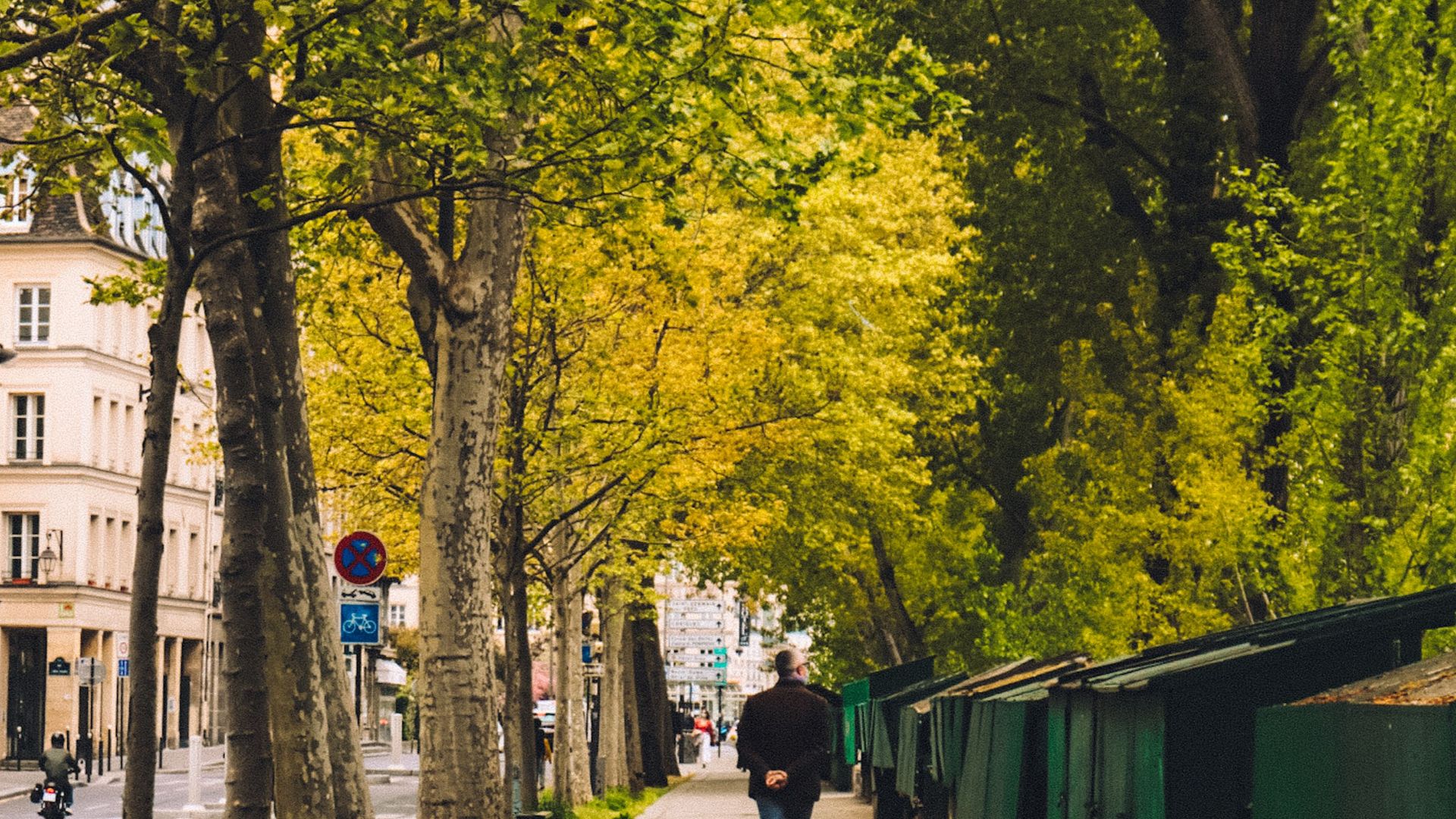
Two streets can have the same air temperature but feel completely different. Tree canopies, arcades, and tall buildings provide shade that lowers a pedestrian's heat exposure. Urban planners increasingly study how shaded routes improve comfort during hot weather.
Pavement Holds Heat Long After Sunset
Concrete and asphalt absorb heat throughout the day. They slowly release that stored heat well into the evening, creating what scientists call the urban heat island effect. This can make nighttime walks warmer than many travelers expect. Cities with more trees and green spaces often feel noticeably cooler.
Shoulder Seasons Often Offer The Sweet Spot
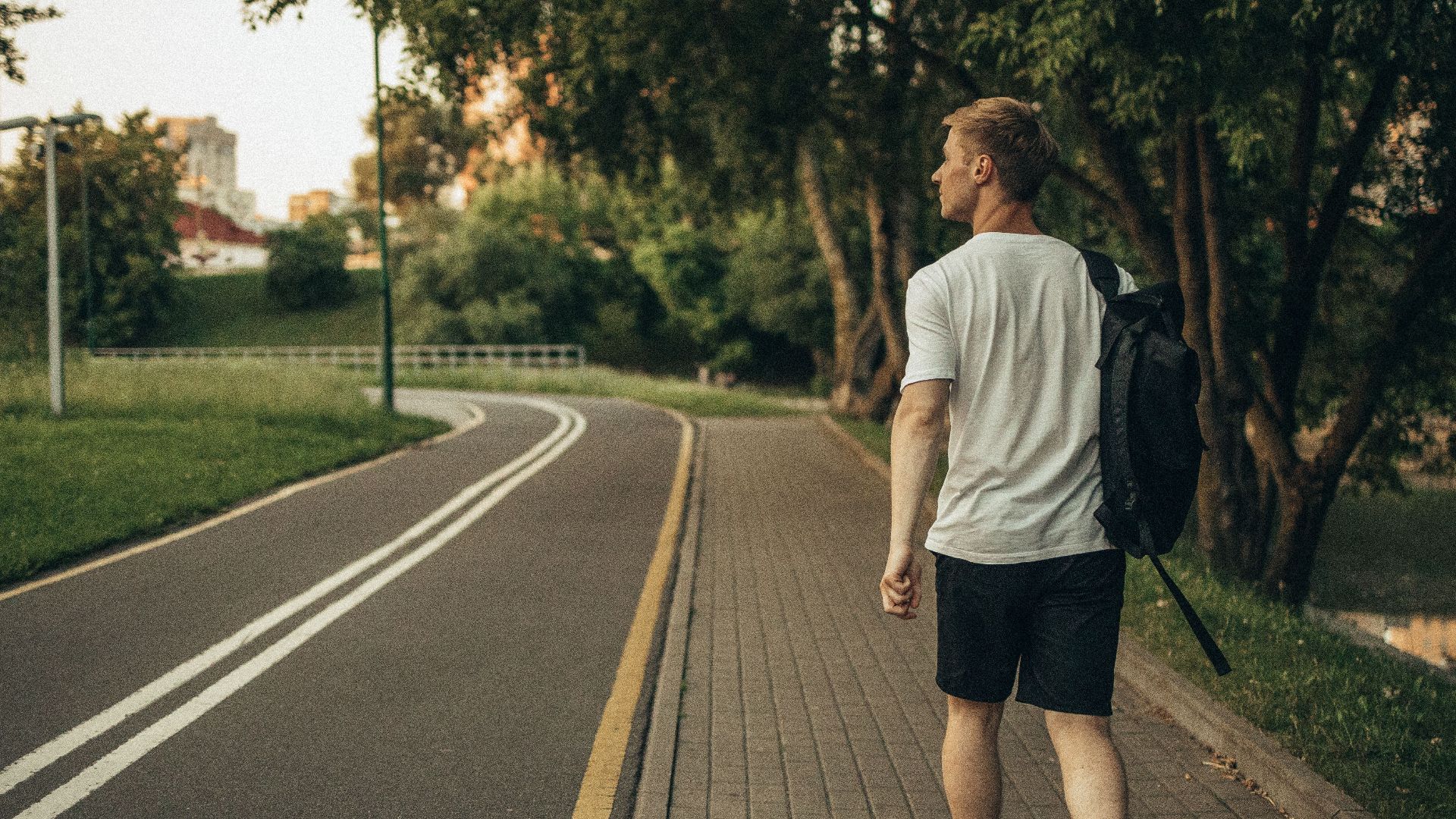
Spring and fall frequently provide pleasant temperatures without the busiest tourist crowds. Many cities become easier to explore on foot during these months. Outdoor dining, parks, and walking tours are often far more enjoyable. Hotels may also offer lower rates outside peak vacation periods.
Winter Can Be A Pleasant Surprise
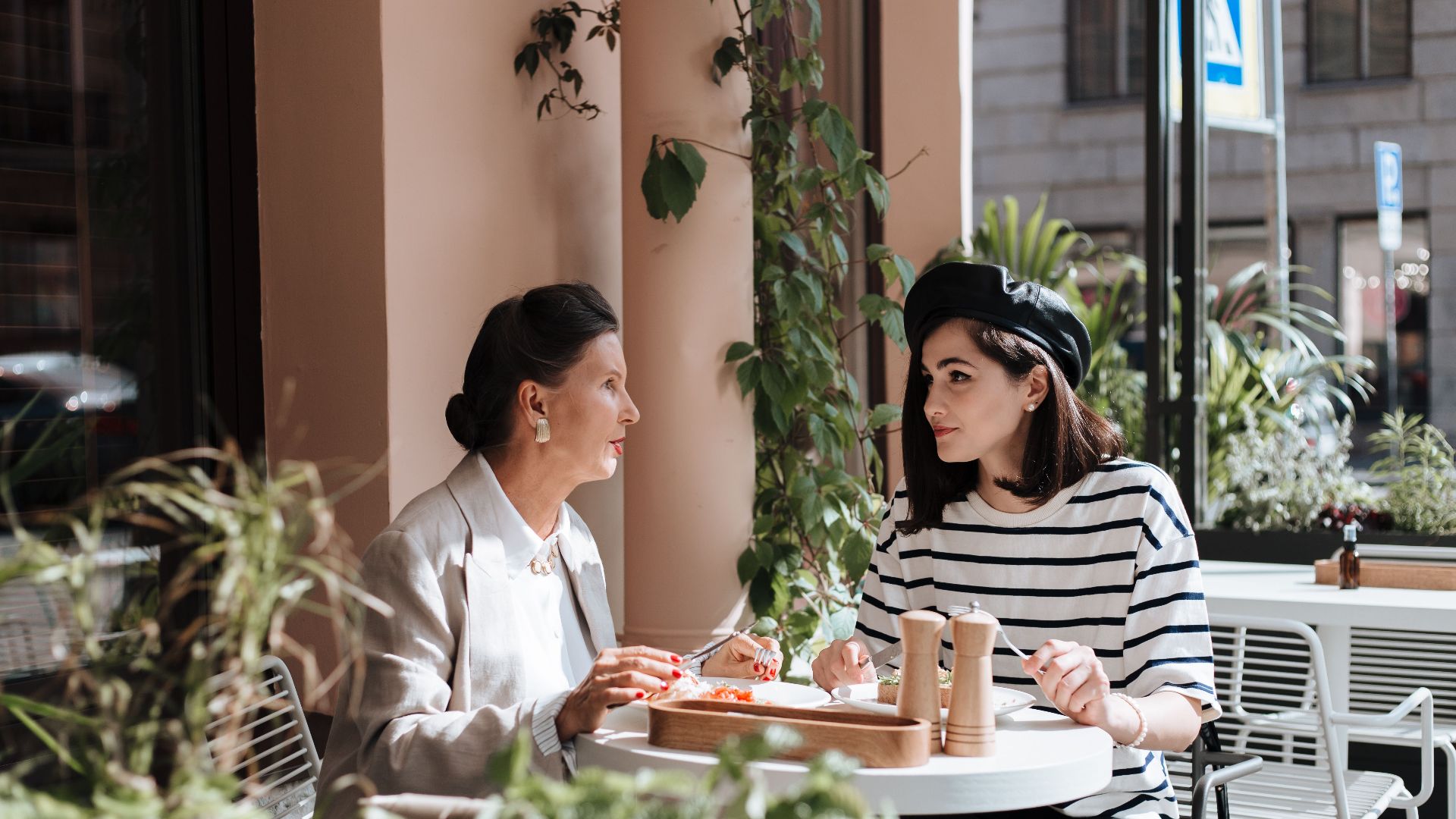
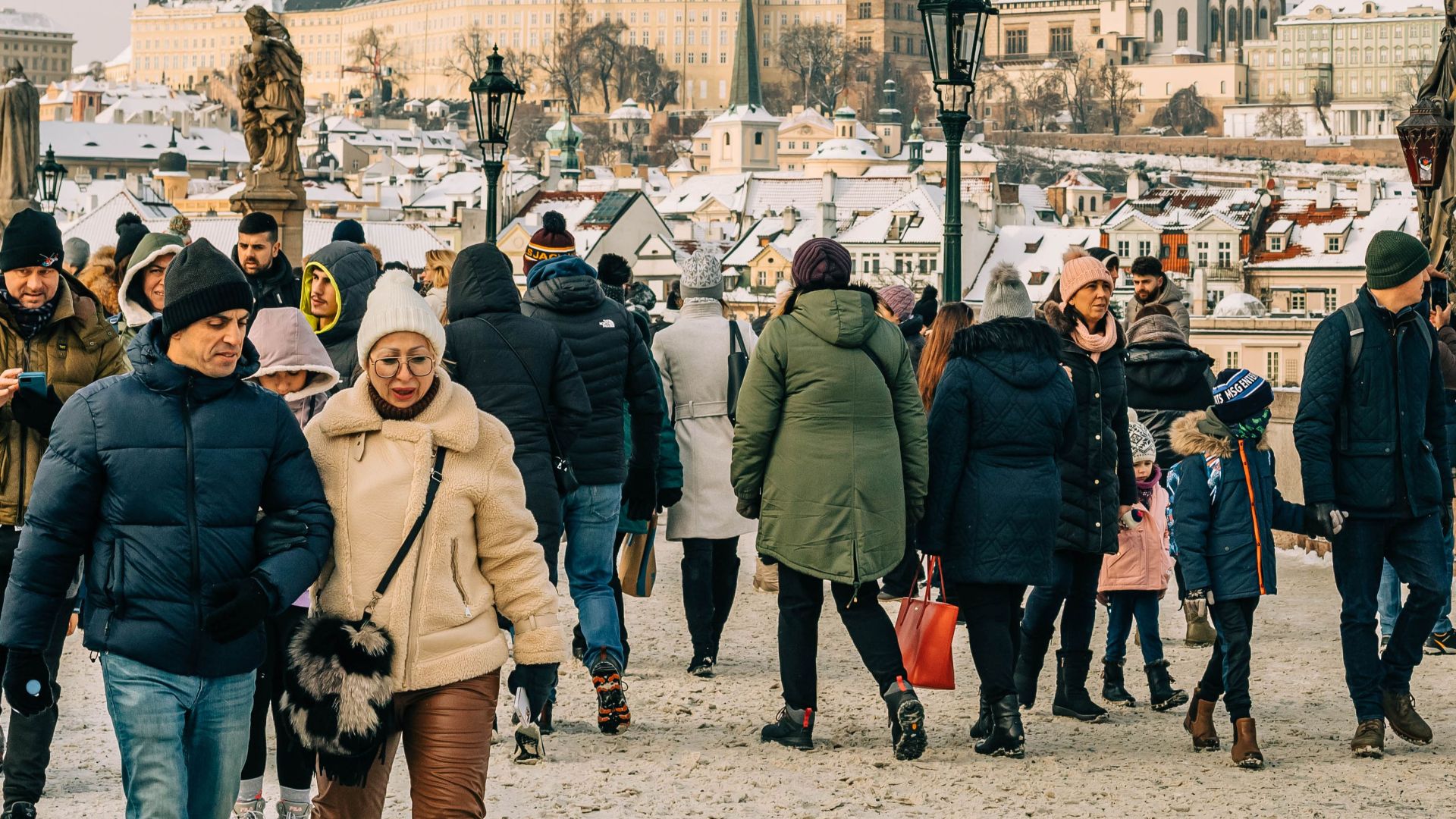
Some destinations famous for scorching summers become ideal winter escapes. Cities in southern Europe, the American Southwest, and parts of the Middle East often experience mild winter days. Travelers can comfortably explore attractions that might feel overwhelming in July. The experience can feel like visiting an entirely different place.
 Helena Jankovicova Kovacova, Pexels
Even Famous Walking Cities Have Tough Seasons
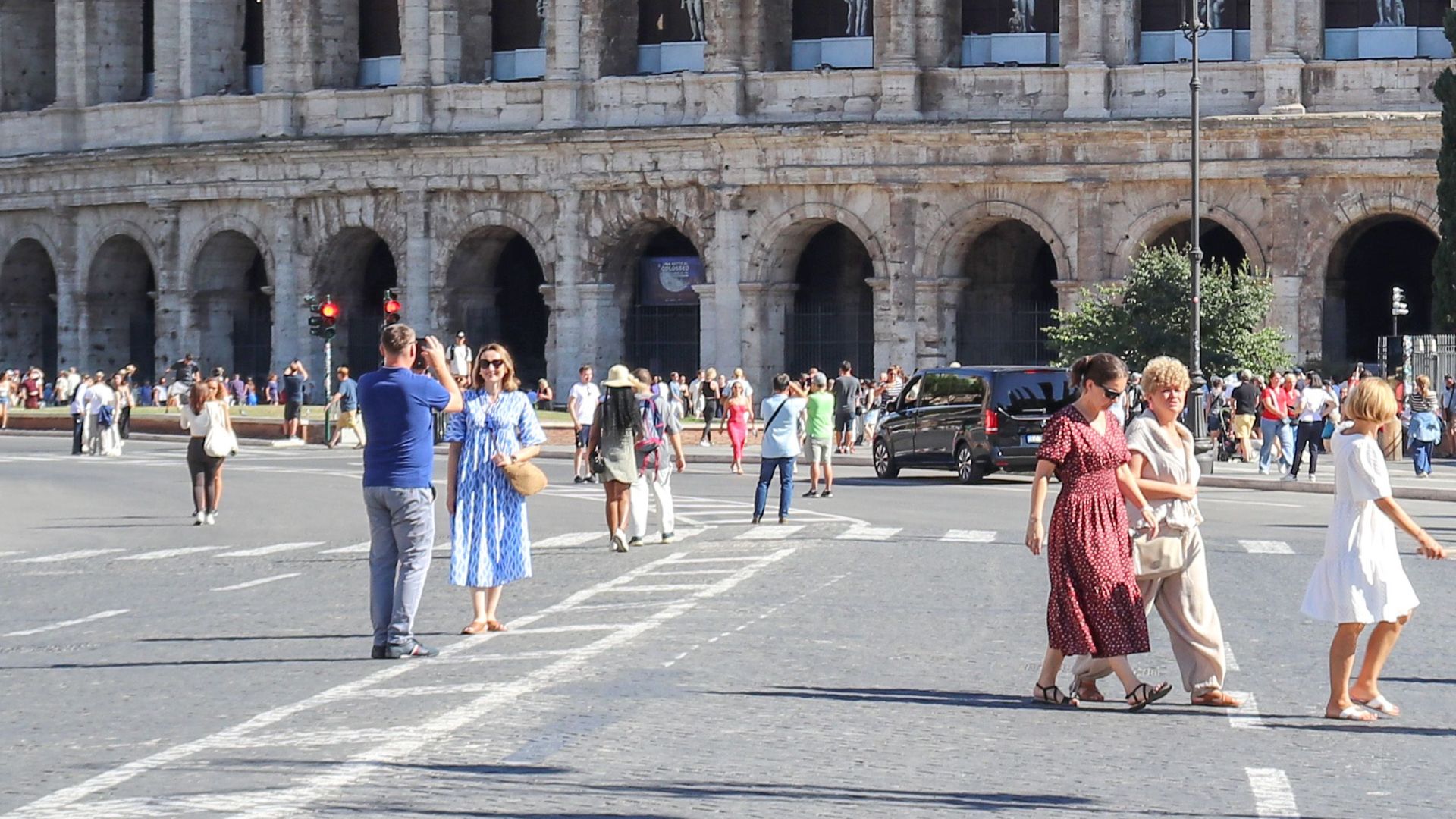
Cities like Rome, Athens, and Seville attract millions of walkers every year. During heat waves, however, sightseeing becomes much more demanding. Many visitors shift museum visits to the hottest hours and save outdoor exploration for cooler periods. Seasonal planning makes these destinations far more enjoyable.
Local Architecture Often Reflects The Climate
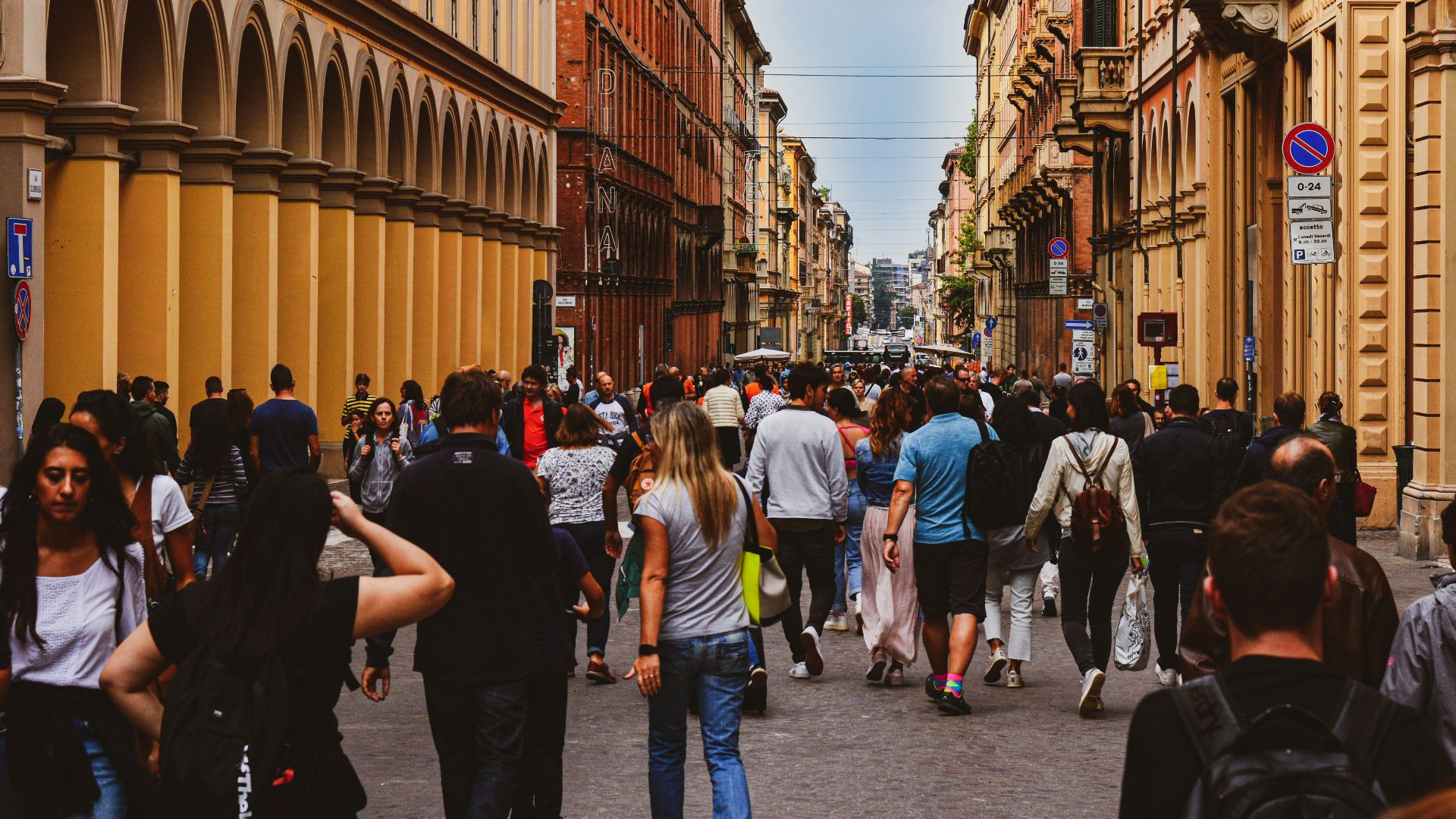
Older neighborhoods frequently include narrow streets, shaded courtyards, and covered walkways. These features developed long before air conditioning became common. They help reduce direct sun exposure and improve comfort for pedestrians. Traditional design often reveals centuries of practical climate adaptation.
Water Changes The Experience
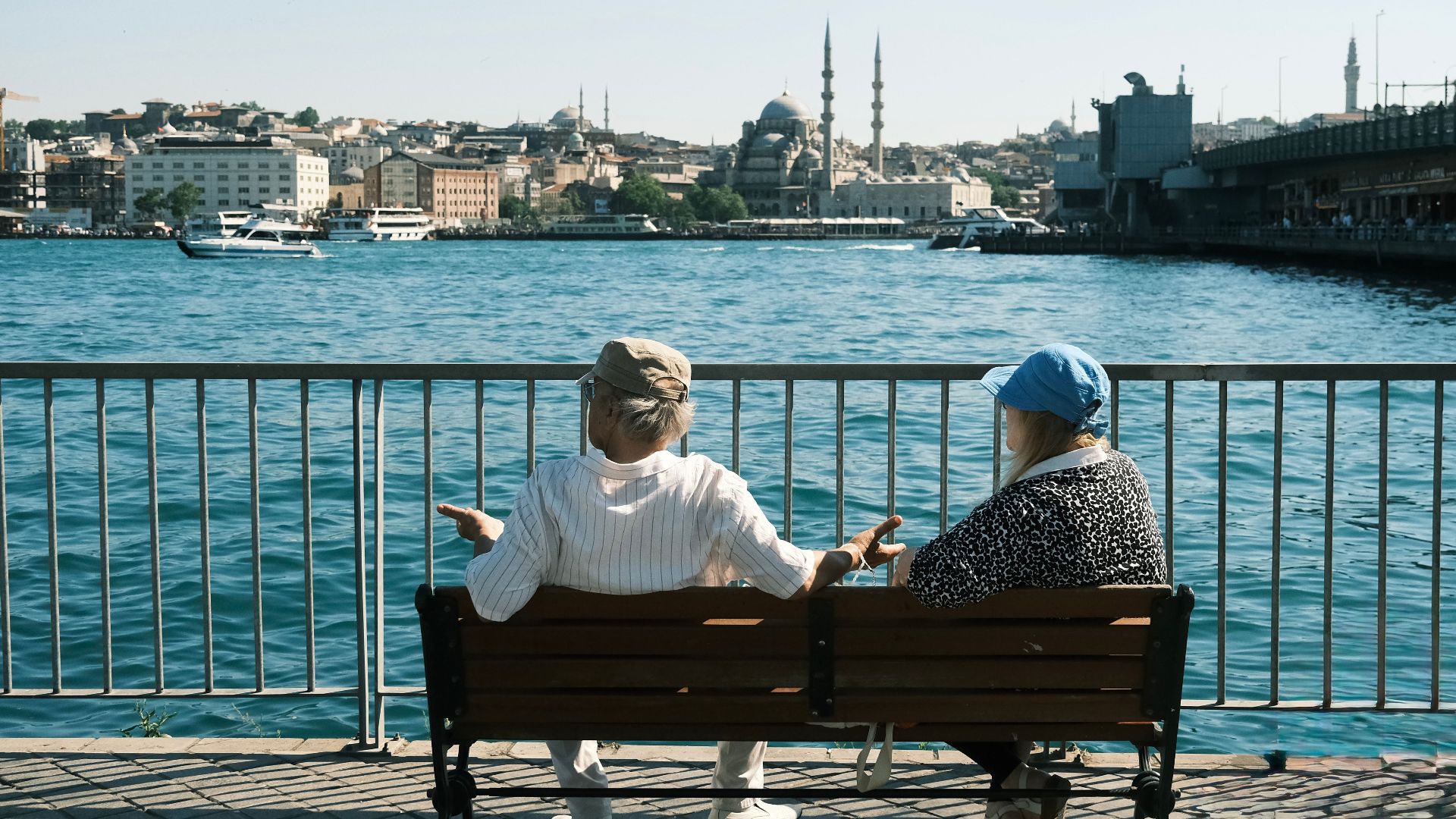
Cities near oceans, lakes, or rivers sometimes benefit from cooling breezes. Waterfront promenades can feel noticeably more comfortable than inland streets. The effect varies depending on local geography and wind patterns. Even a small breeze can make walking much easier.
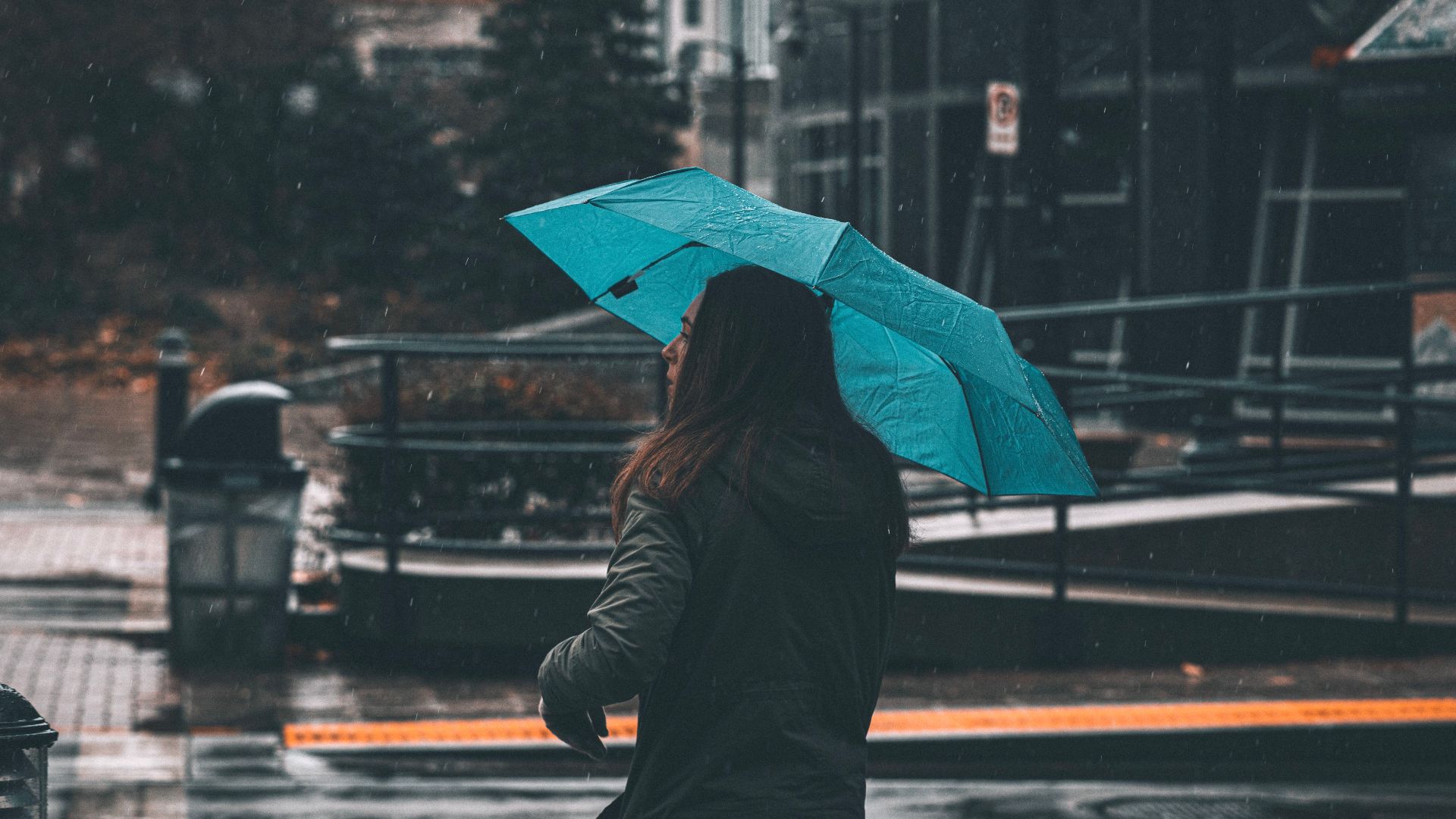
Rain Can Be Just As Disruptive
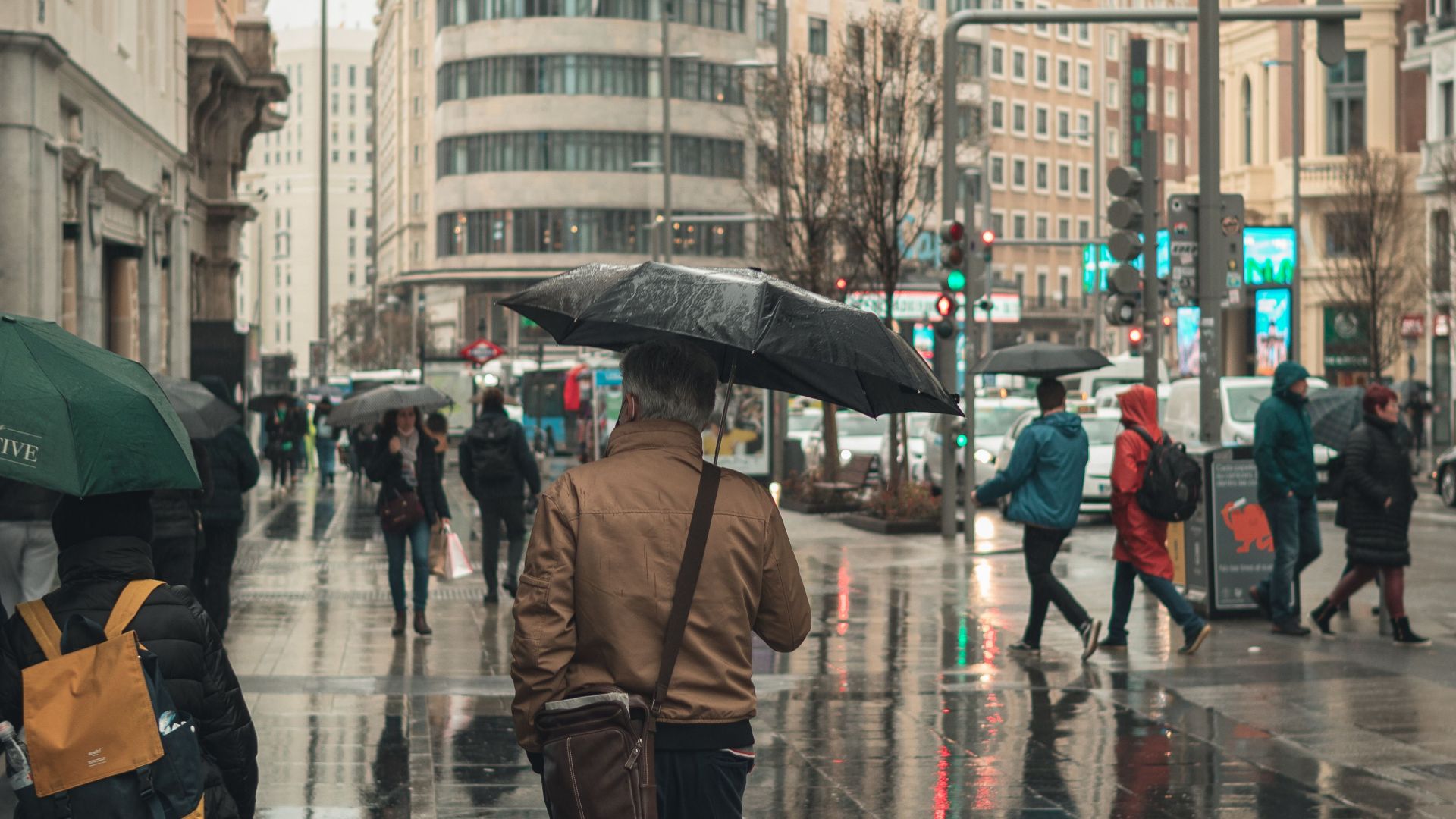
Heat is not the only seasonal challenge. Tropical destinations may experience frequent afternoon downpours during rainy seasons. Sudden storms can interrupt walking tours and outdoor dining. Travelers who prepare with flexible schedules usually adapt much more easily.
Sunrise Becomes Your Best Friend
Many experienced travelers begin sightseeing shortly after sunrise. Temperatures are often significantly cooler during the morning hours. Popular attractions are frequently less crowded as well. That combination creates a much more relaxed experience.

Midday Calls For Indoor Attractions
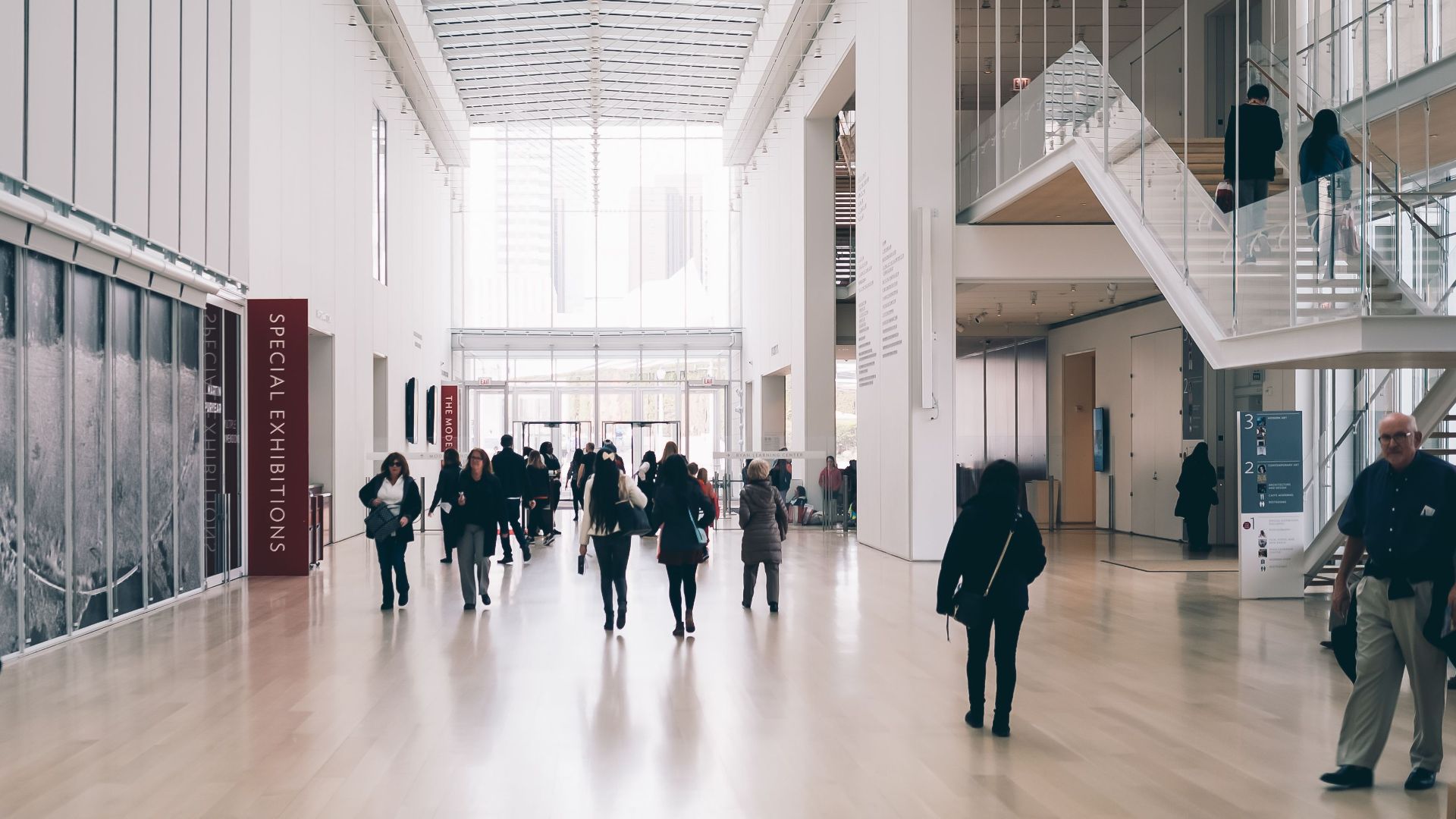
Museums, galleries, historic buildings, and shopping arcades offer welcome breaks from extreme heat. Many cultures naturally schedule slower afternoons during the hottest part of the day. Visitors can benefit by adopting a similar routine. Saving outdoor activities for later often improves the entire trip.
Clothing Matters More Than You Think
Lightweight, breathable fabrics help the body stay cooler. Wide-brimmed hats and sunglasses reduce direct sun exposure. Comfortable walking shoes remain important, but clothing choices can influence overall comfort just as much. Packing for the season is just as important as packing for the destination.

Hydration Should Never Be An Afterthought
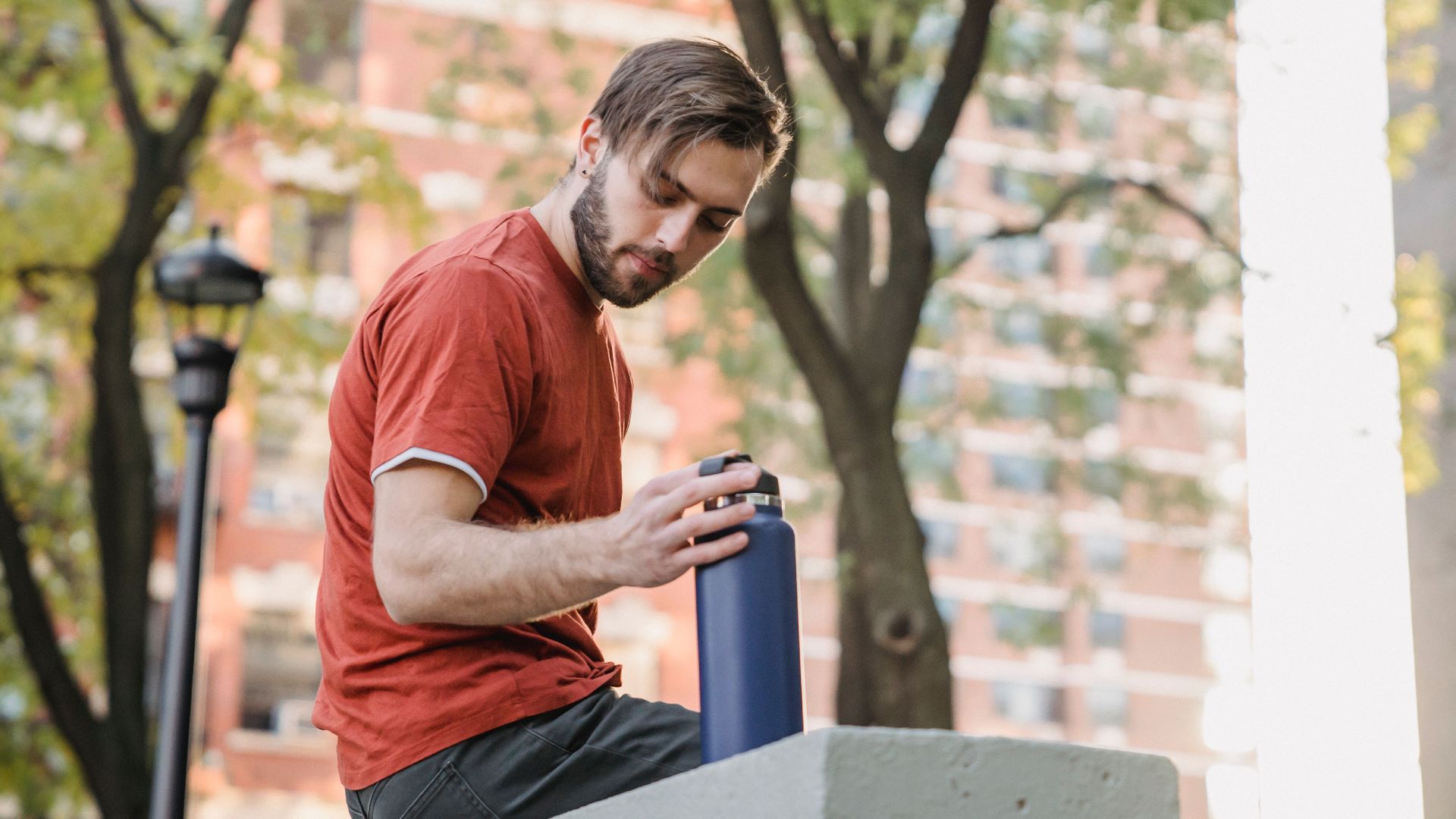
Walking several miles while sightseeing increases water needs. Hot weather speeds dehydration, especially for travelers unfamiliar with the climate. Carrying a reusable water bottle makes it easier to stay comfortable throughout the day. Many destinations now offer convenient refill stations.
Public Transit Can Save The Day
A walkable city usually has good public transportation as well. Trains, buses, and trams allow visitors to avoid the hottest stretches of the day. Combining short walks with transit often creates the most comfortable itinerary. It also allows travelers to conserve energy for key attractions.

Weather Apps Are Part Of Trip Planning
Checking forecasts before leaving the hotel can shape the entire day. Heat advisories may encourage travelers to start earlier or adjust sightseeing plans. Rain predictions can influence which attractions come first. Flexible planning helps visitors get more from every day.

Climate Change Is Affecting Travel
Researchers report that increasing temperatures are creating new challenges for pedestrians in many cities. Heat waves are becoming more frequent and intense in numerous regions. Urban planners are responding by studying cooling strategies and improving pedestrian comfort. Travelers should expect weather to play an increasingly important role in trip planning.

Some Cities Are Building Cooler Streets
Communities around the world are investing in additional trees, shade structures, reflective materials, and cooling infrastructure. These improvements aim to make walking safer during hotter weather. Some projects also focus on improving thermal comfort along popular pedestrian routes. These changes benefit both residents and visitors.
Your Fitness Level Matters
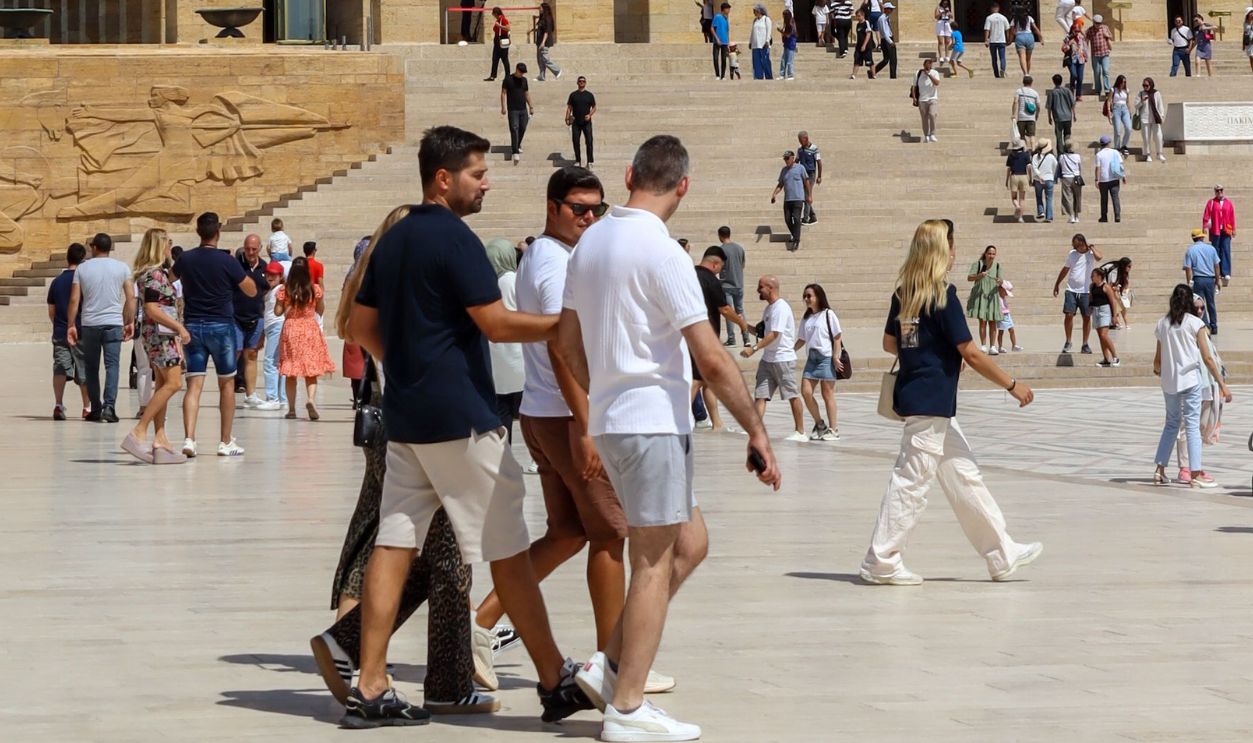
Walking five miles in mild weather feels very different from walking the same distance in intense heat. Travelers sometimes overestimate how much sightseeing they can comfortably accomplish. Planning realistic daily distances prevents unnecessary exhaustion. Rest breaks quickly become valuable.
Families Feel The Difference Faster
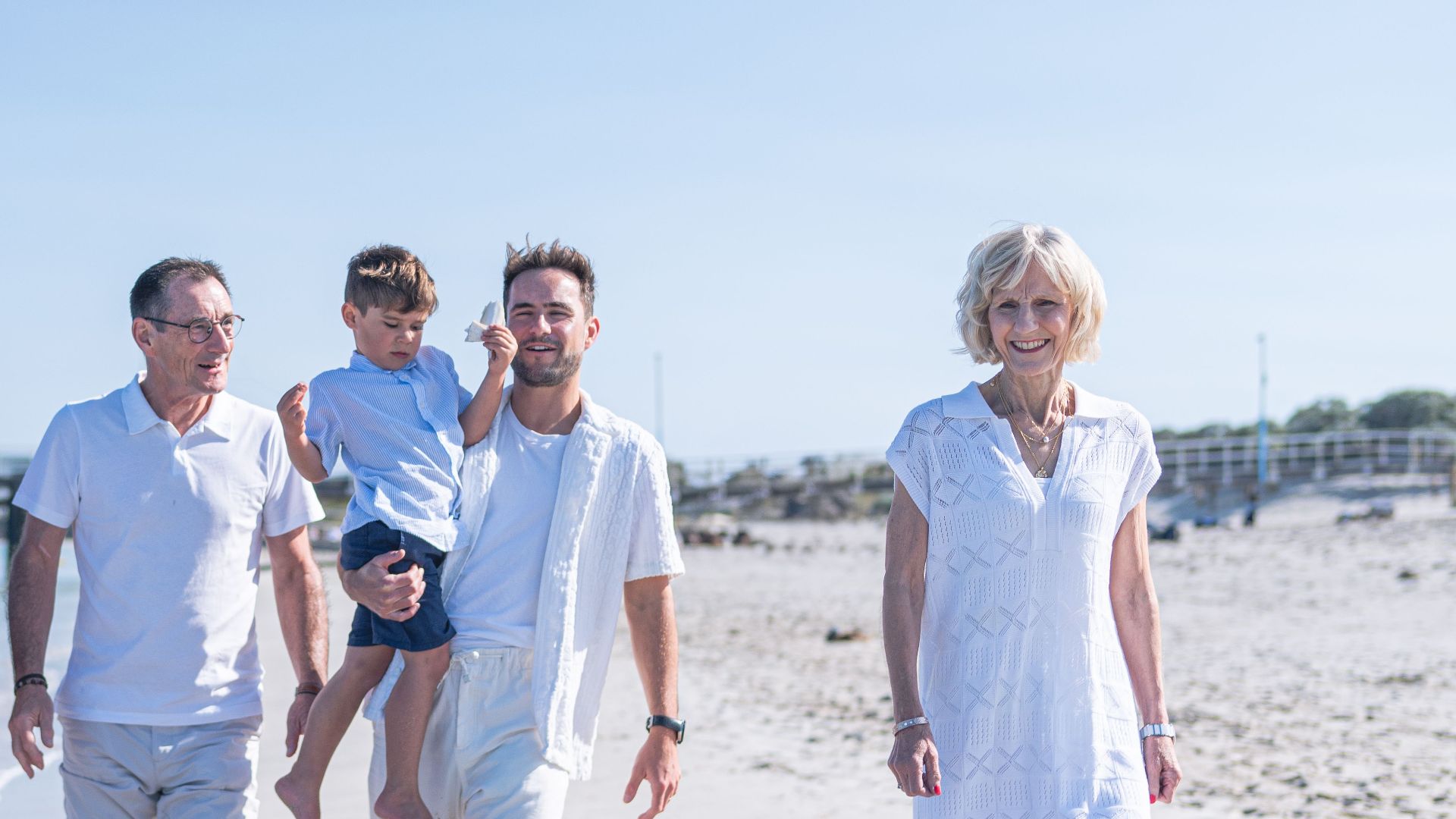
Young children and older adults often become uncomfortable sooner during extreme temperatures. Families may need more frequent breaks, shade, and hydration stops. Flexible schedules help everyone enjoy the trip. Building extra time into each day reduces stress.
The Cheapest Season Is Not Always The Best
Lower hotel prices can make off-peak travel appealing. However, lower prices sometimes coincide with very hot, rainy, or otherwise challenging weather. Saving money is valuable only if travelers can comfortably enjoy the destination. Considering climate alongside price leads to better decisions.
Ask One More Question Before Booking
Instead of asking whether a city is walkable, ask when it is most comfortable to walk. Tourism websites often highlight attractions but spend less time discussing seasonal conditions. Reading recent weather information can provide valuable perspective. A little research may completely change your travel dates.

The Season Can Become The Biggest Part Of The Story
My trip taught me that choosing the right destination is only half the equation. Choosing the right season can completely transform the same streets, parks, and attractions. A city that feels exhausting in midsummer may feel magical a few months later. Timing often determines whether a walkable vacation becomes relaxing or unforgettable.

You May Also Like: