When The Trail Gets Cut Short
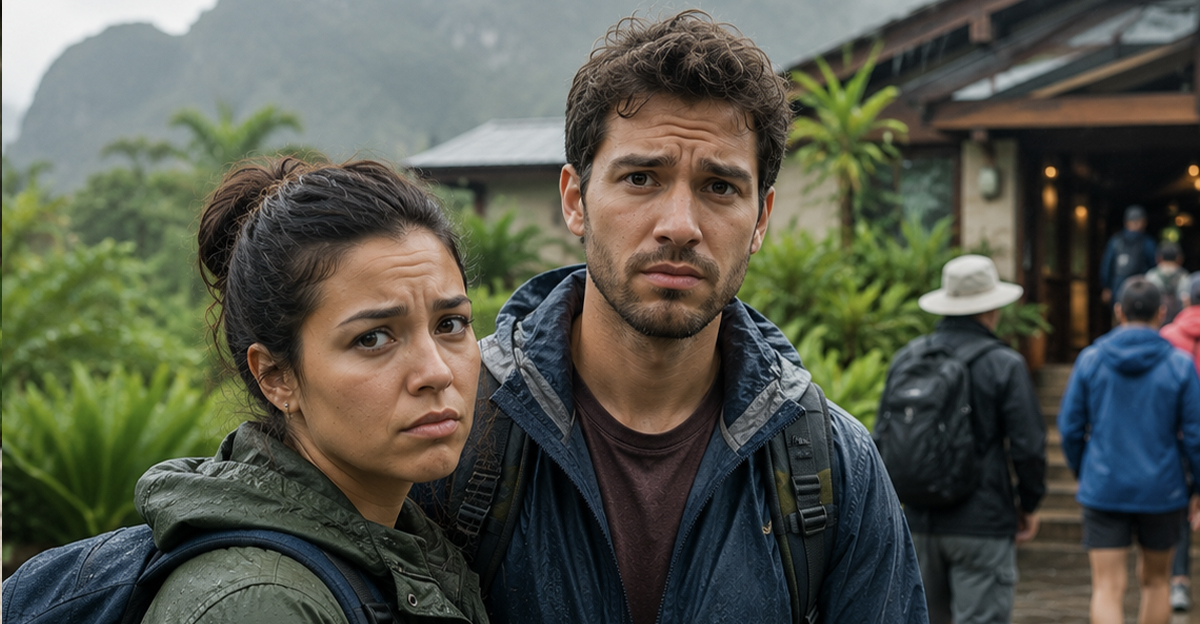
Outdoor adventures don't always go according to plan. Sometimes a guided hike has to be shortened because of lightning, flash flood warnings, wildfire smoke, extreme heat, or other dangerous conditions. While most travelers understand that safety comes first, many still wonder whether paying full price for a much shorter experience is fair. The answer depends on the tour company's policies, the circumstances, and how much of the planned experience was actually delivered.
Safety Always Comes First
Reputable guides are trained to make conservative decisions when weather conditions become unsafe. Continuing a hike during lightning, flooding, rockfall risks, or dangerous heat could put everyone at unnecessary risk. Most professional operators would rather disappoint guests than expose them to preventable danger. While that may shorten the adventure, it often reflects responsible decision-making rather than poor service.
Read The Cancellation Policy Carefully
Most guided tour companies publish weather and cancellation policies before you book. Some promise full refunds if they cancel the trip entirely. Others reserve the right to modify routes, shorten activities, or change itineraries without offering compensation. Those policies often determine what you're entitled to if conditions change unexpectedly.

A Shortened Tour Isn't The Same As A Canceled Tour
Many travelers assume that any reduction in the experience automatically deserves a refund. In reality, companies often distinguish between canceling a tour and modifying it. If the guide still provided a meaningful portion of the experience, the company may consider the tour successfully completed even if the route changed.
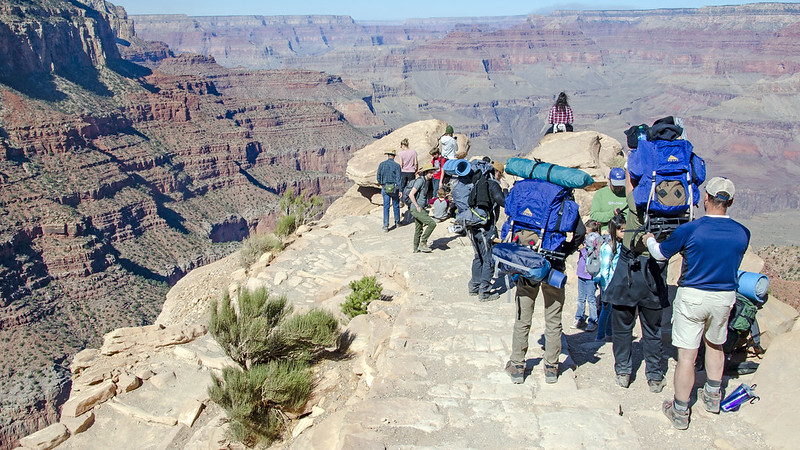 Grand Canyon National Park's Photostream, Flickr
It Depends On How Much Was Lost
A 15-minute detour around a muddy trail is very different from losing half the hike. If dangerous weather forced the group to turn around after completing only a small portion of the advertised route, your argument for partial compensation becomes much stronger. The more significant the reduction, the more reasonable it is to ask about a refund or credit.
Some Weather Risks Develop Suddenly
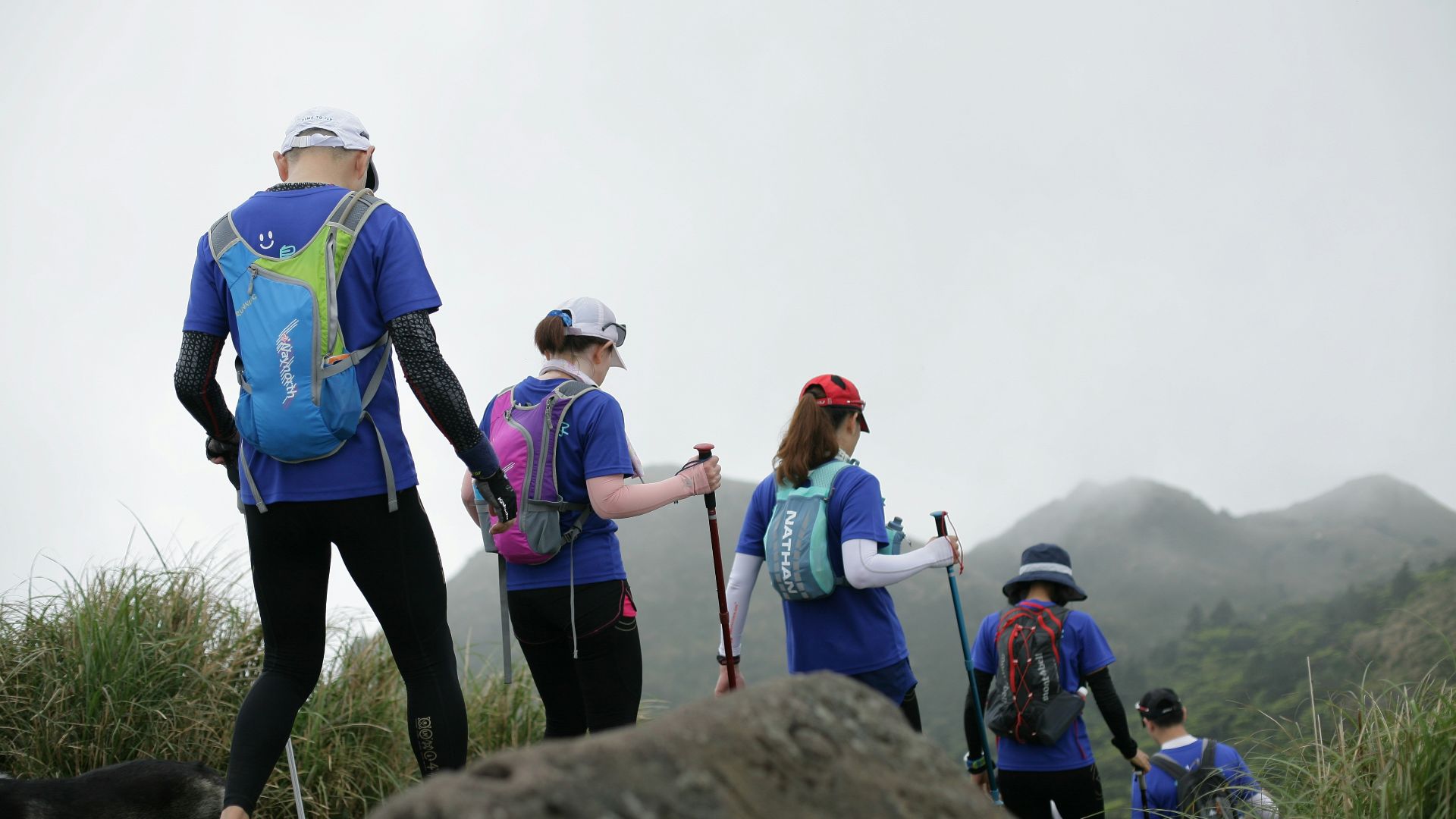
Not every weather decision can be predicted before the hike begins. Thunderstorms, flash flood warnings, falling temperatures, wildfire activity, and high winds can develop quickly. Guides often make decisions based on changing conditions rather than the morning forecast. That flexibility is part of keeping guests safe.
The Guide Usually Knows The Trail Best
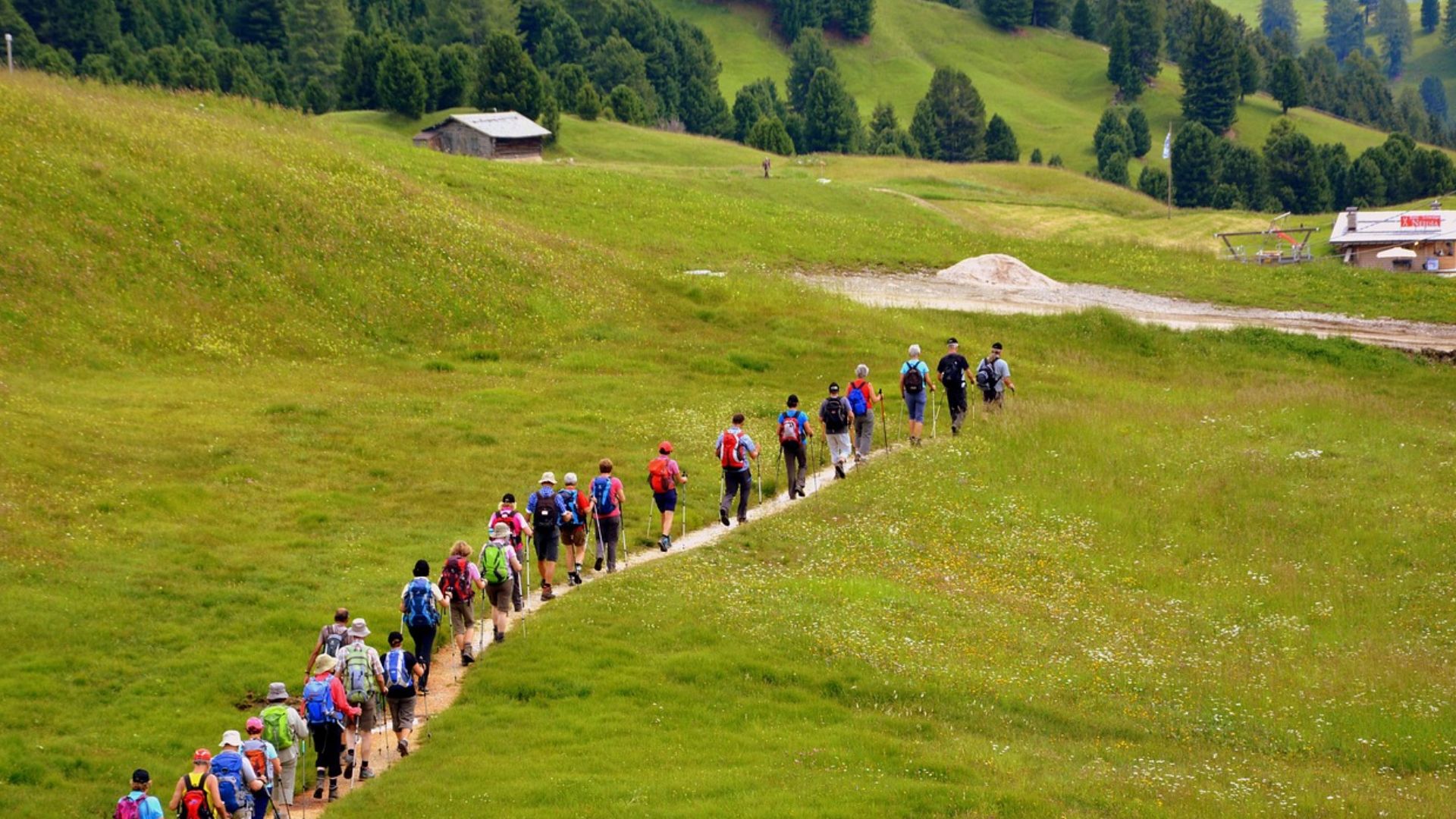
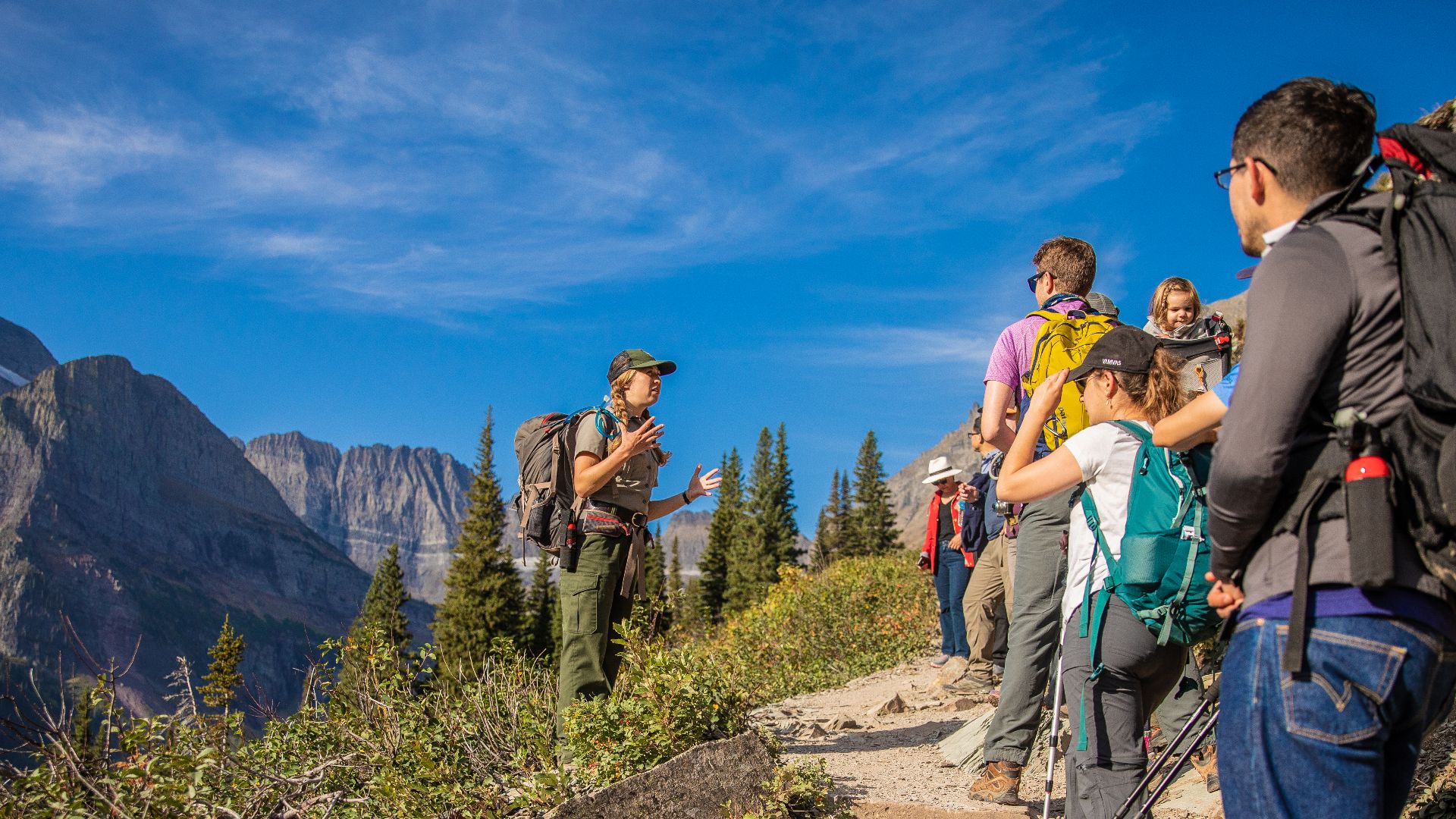
Guests sometimes believe the weather doesn't seem dangerous enough to justify ending the hike. However, guides often understand risks that aren't obvious. A small amount of rain can dramatically increase the danger of slippery rock faces, creek crossings, landslides, or exposed ridgelines. Their local knowledge is one reason people hire guided tours in the first place.

Ask What Changed
If the route was shortened, politely ask the guide what prompted the decision. Many are happy to explain the weather forecast, trail conditions, park advisories, or safety concerns. Understanding the reason often makes the decision easier to accept. It also helps determine whether the change was truly unavoidable.
National Parks And Public Lands May Issue Closures
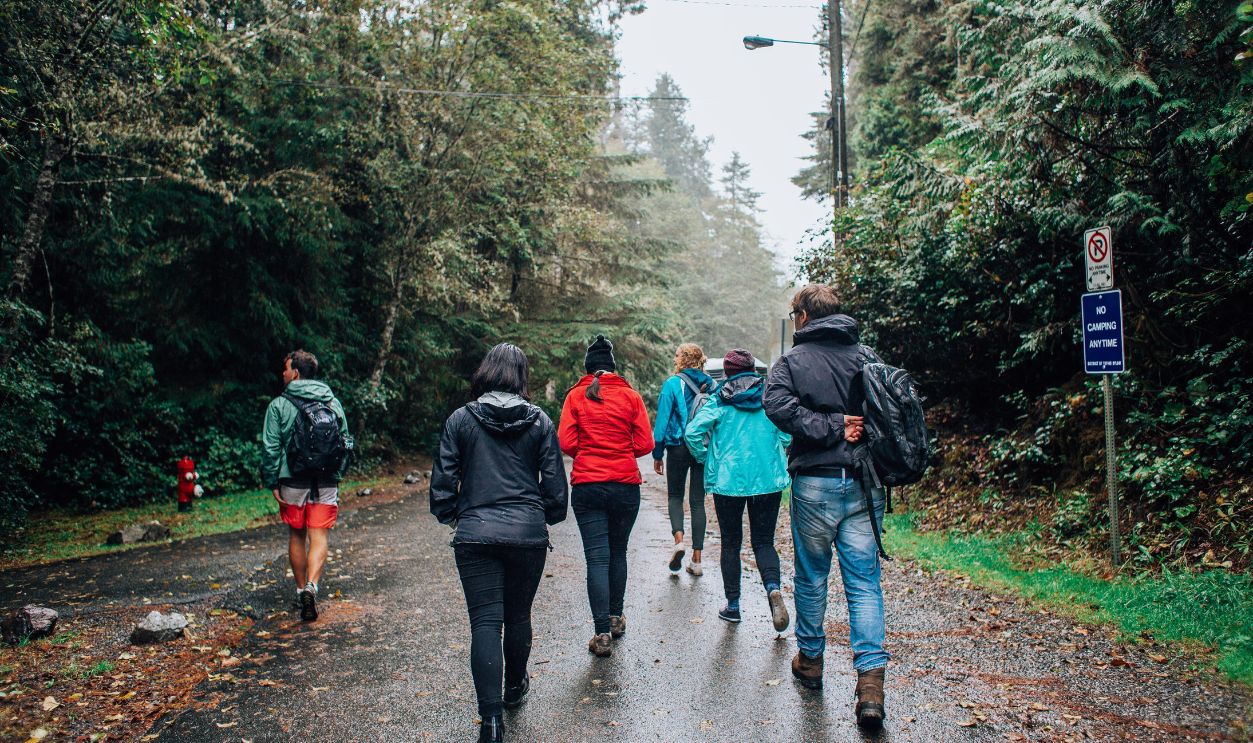
Many guided hikes operate inside national parks, forests, or other public lands. Rangers and land managers sometimes close trails because of dangerous weather, flooding, wildfire risk, or falling trees. In those cases, the guide may have little or no discretion about continuing the hike. The alternative route may simply be the only legal option.
Extreme Heat Can Be Just As Dangerous
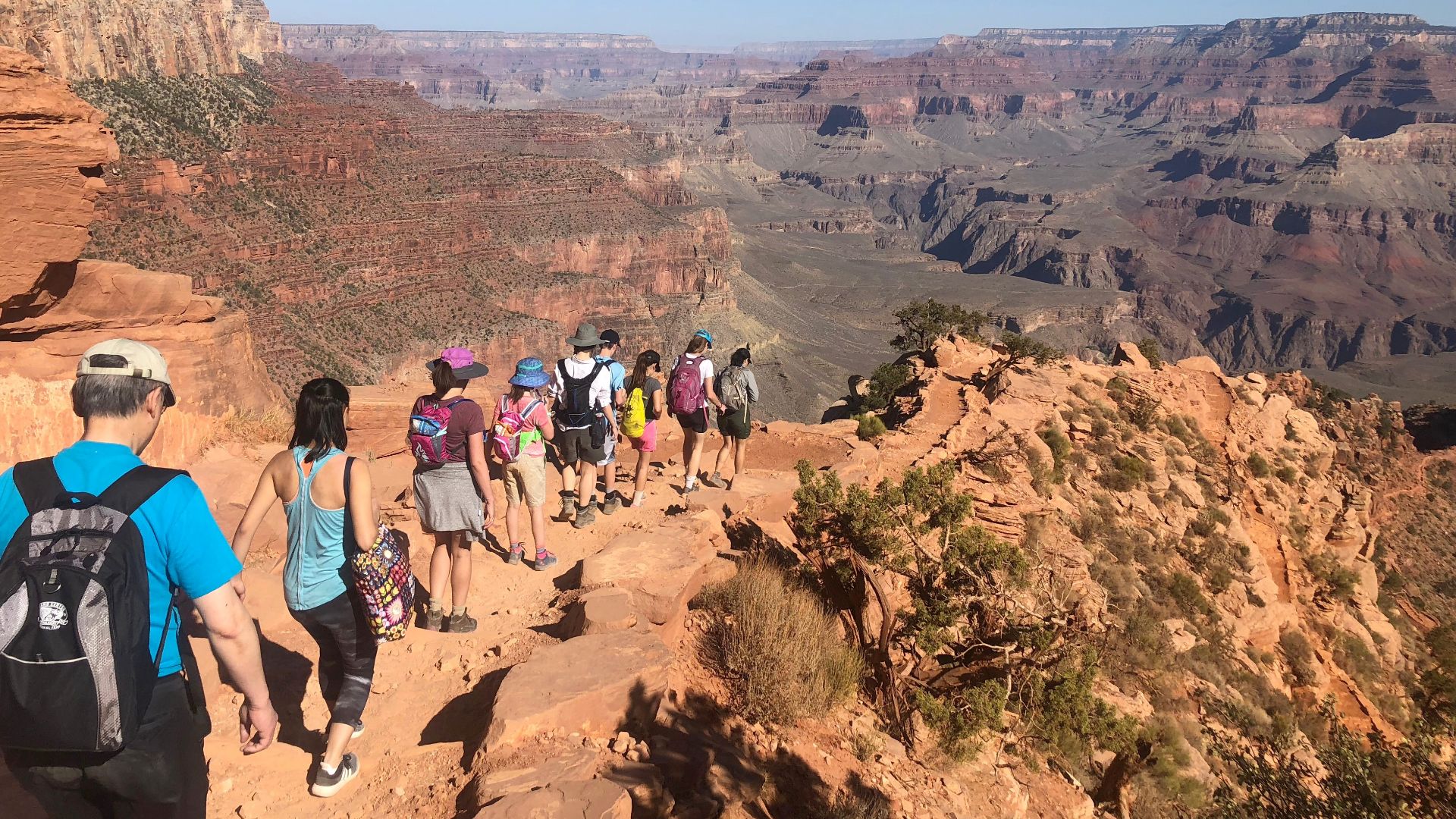
Many people think only storms force hiking changes. In reality, excessive heat has become an increasingly common reason for shortened outdoor tours. High temperatures can increase the risk of dehydration, heat exhaustion, and heat stroke, especially on exposed trails. Responsible guides monitor these risks carefully.
 Grand Canyon NPS, Wikimedia Commons
The Tour Still Has Costs
Even if the hike ends early, many of the company's expenses remain the same. Guides still worked, transportation may have been provided, permits may have been purchased, and equipment still had to be maintained. That's one reason companies don't automatically issue partial refunds whenever a route changes.
Some Companies Offer Credits Instead
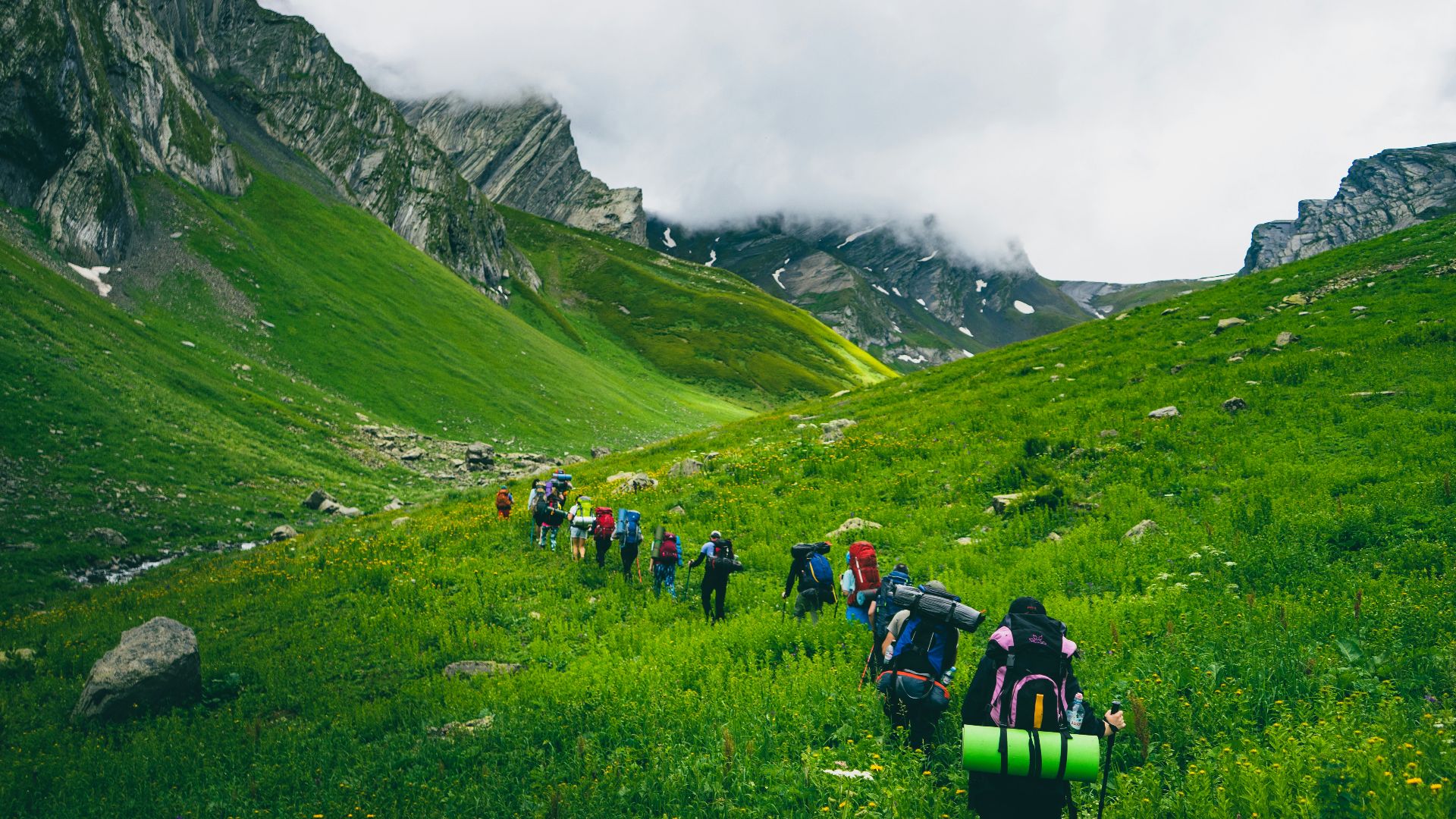
Rather than providing cash refunds, some operators offer discounts or credits toward a future tour. This can be a reasonable compromise when the weather significantly reduced the experience but the guide still completed much of the planned outing. It's always worth asking what options are available.

Travel Insurance Usually Won't Cover Minor Changes
Standard travel insurance generally focuses on cancellations, interruptions, and covered emergencies. A shortened excursion often doesn't qualify for reimbursement unless the entire activity was canceled or another covered event applies. Review your policy before assuming insurance will help.

Credit Card Disputes Should Be A Last Resort
Some travelers immediately consider disputing the charge with their credit card company. That's rarely the best first step. If the company followed its published weather policy and still provided much of the advertised service, a chargeback may not succeed. It's usually better to work directly with the tour operator first.

Document What Happened
If you believe the tour was substantially different from what was advertised, keep notes about the timing, distance covered, weather conditions, and any explanations provided by the guide. Save emails, booking confirmations, and photos if they help demonstrate what occurred. Good documentation supports any later request for compensation.
Compare The Advertising
Look back at the original itinerary after the tour. Did the company promise a specific summit, waterfall, overlook, or distance that was never reached? Or did the description clearly state that routes could change because of weather and safety? The wording may influence whether your refund request is likely to succeed.

Guides Don't Usually Benefit From Ending Early
Some guests worry that the guide simply wanted an easier day. In reality, professional guides generally take pride in delivering the full experience whenever conditions allow. Ending early often disappoints them too, especially if it leads to unhappy guests and negative reviews. Safety decisions are rarely made lightly.
Ask Politely Before Demanding A Refund
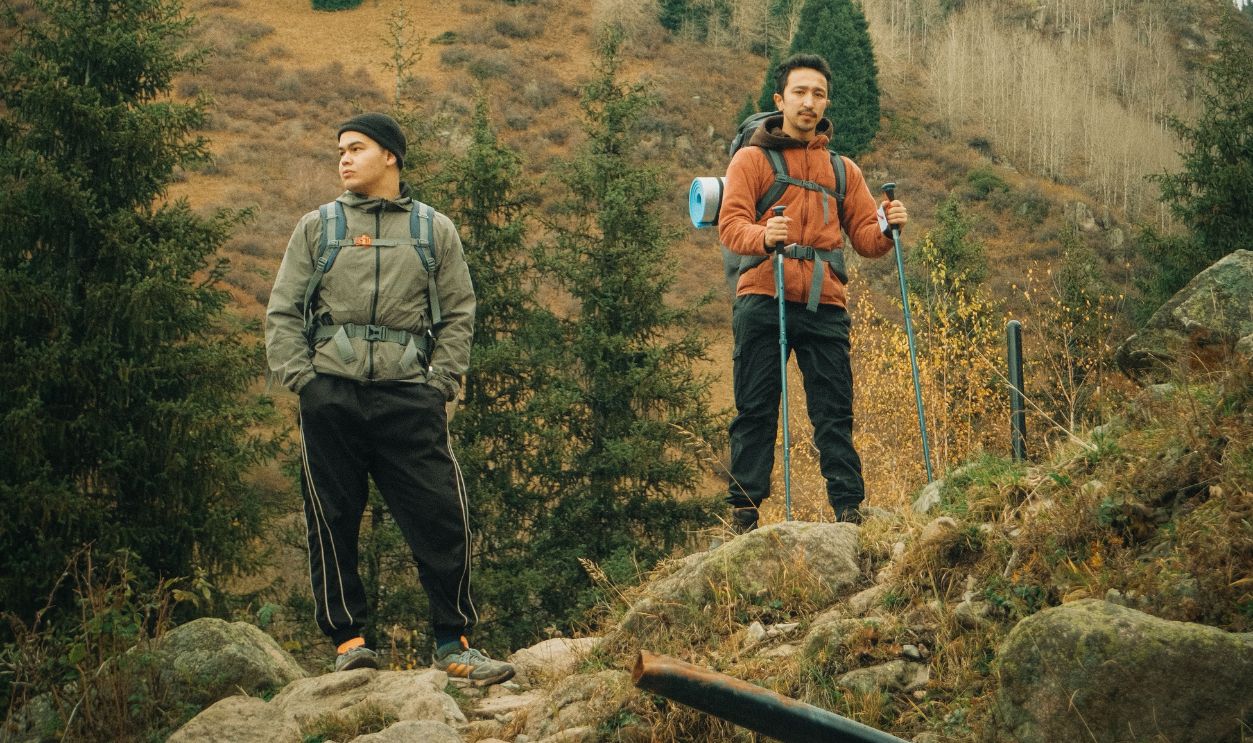
If you feel the shortened hike significantly reduced the value of the experience, explain your concerns calmly. Ask whether the company offers partial refunds, future discounts, or credits under these circumstances. A respectful conversation often produces better results than immediately threatening complaints or bad reviews.

Reviews Should Reflect The Whole Experience
If you decide to leave a review, distinguish between unavoidable weather and how the company handled the situation. A guide who communicated clearly, prioritized safety, and treated guests well deserves different feedback than a company that ignored concerns or refused to explain anything. Fair reviews help future travelers make informed decisions.

Outdoor Adventures Always Carry Some Uncertainty
Unlike museums or indoor attractions, hiking tours depend heavily on nature. Weather, trail closures, wildlife activity, rockfalls, and other natural events can all affect the itinerary. Booking an outdoor experience usually means accepting some level of unpredictability. Most companies explain this somewhere in their booking terms.
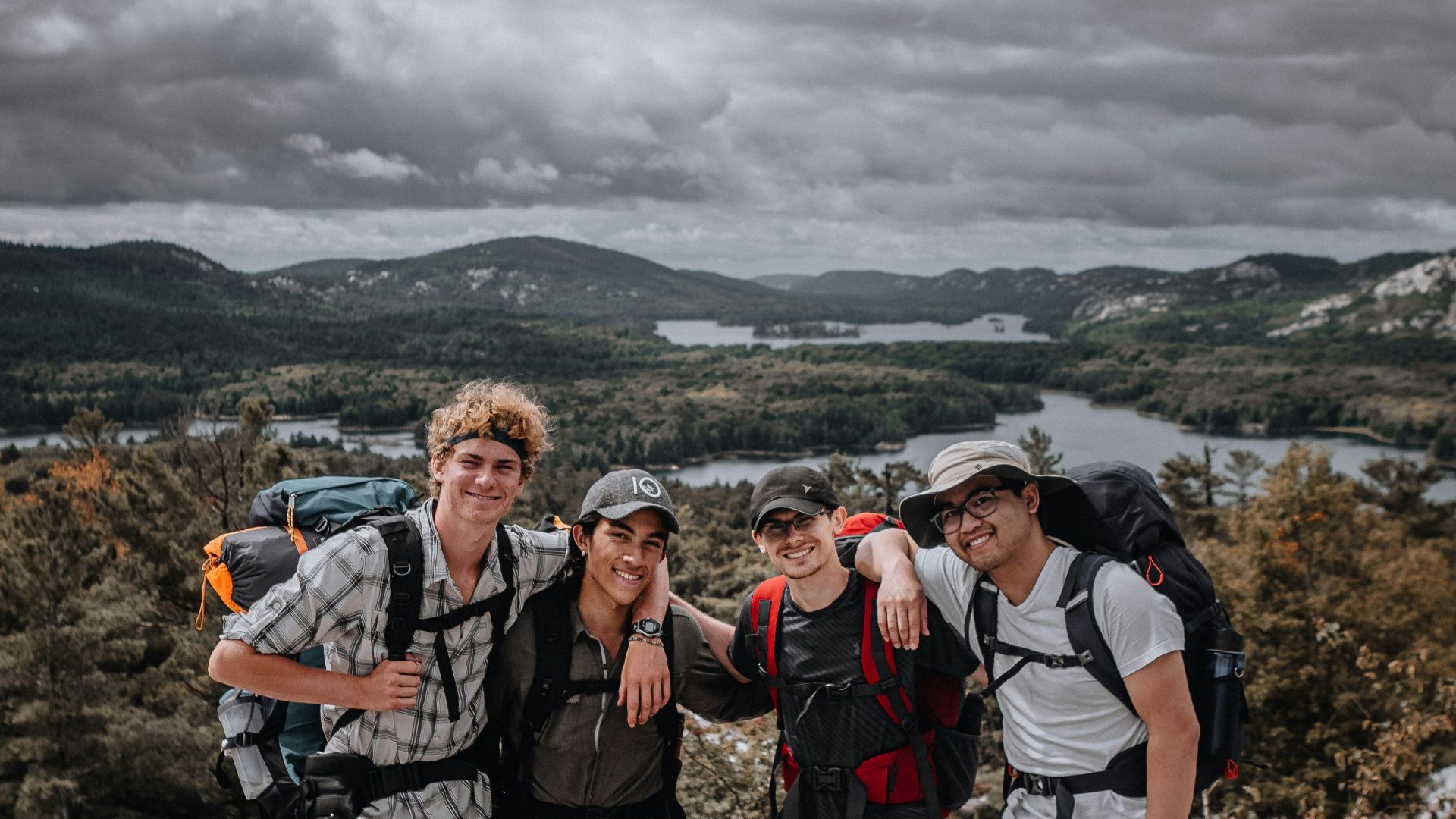
Know The Difference Between Inconvenience And Mismanagement
Not every shortened hike deserves compensation. If the guide acted responsibly because conditions genuinely became dangerous, many travelers accept that safety comes first. If poor planning, avoidable mistakes, or misleading advertising caused the change instead, your case for compensation becomes much stronger.
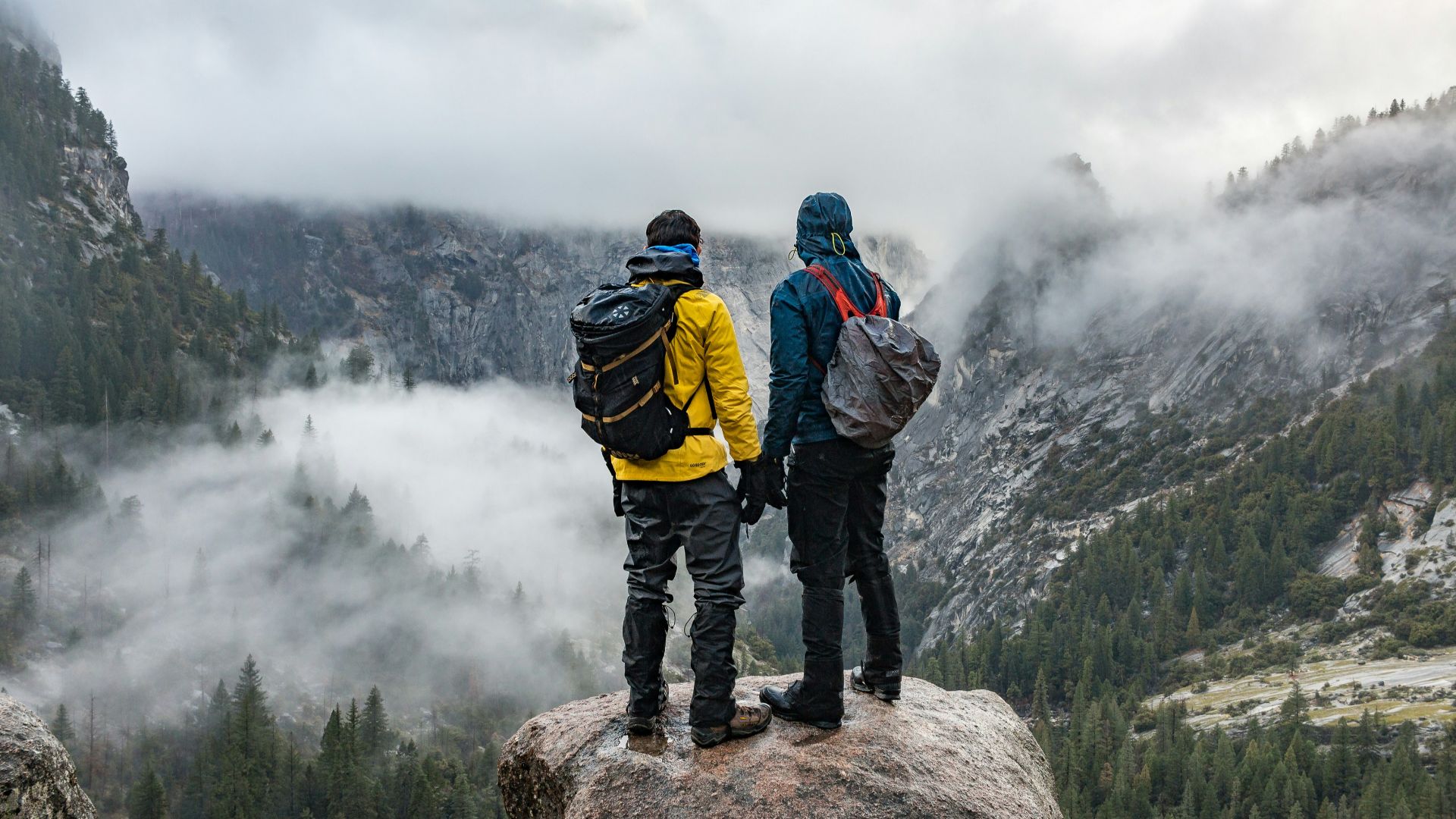
Flexible Companies Often Earn Loyal Customers
Many tour operators recognize that goodwill matters. Even when they aren't legally required to issue refunds, they may offer future discounts or partial credits simply because they value customer satisfaction. Companies that handle disappointing situations well often earn repeat business despite circumstances beyond their control.

Weather Policies Should Be Easy To Find
Before booking future adventures, spend a few minutes reviewing the operator's weather, cancellation, and modification policies. Understanding those rules beforehand helps avoid surprises if Mother Nature changes the day's plans. It's one of the simplest ways to set realistic expectations.

A Partial Refund Is Possible, But Not Guaranteed
If your guided hike was cut short because of dangerous weather, you may be entitled to some form of compensation, but it isn't automatic. The answer depends on the company's published policies, how much of the experience was completed, and whether the guide acted reasonably under the circumstances. A calm conversation with the operator often resolves these situations better than assuming the answer is either an automatic refund or no compensation at all.
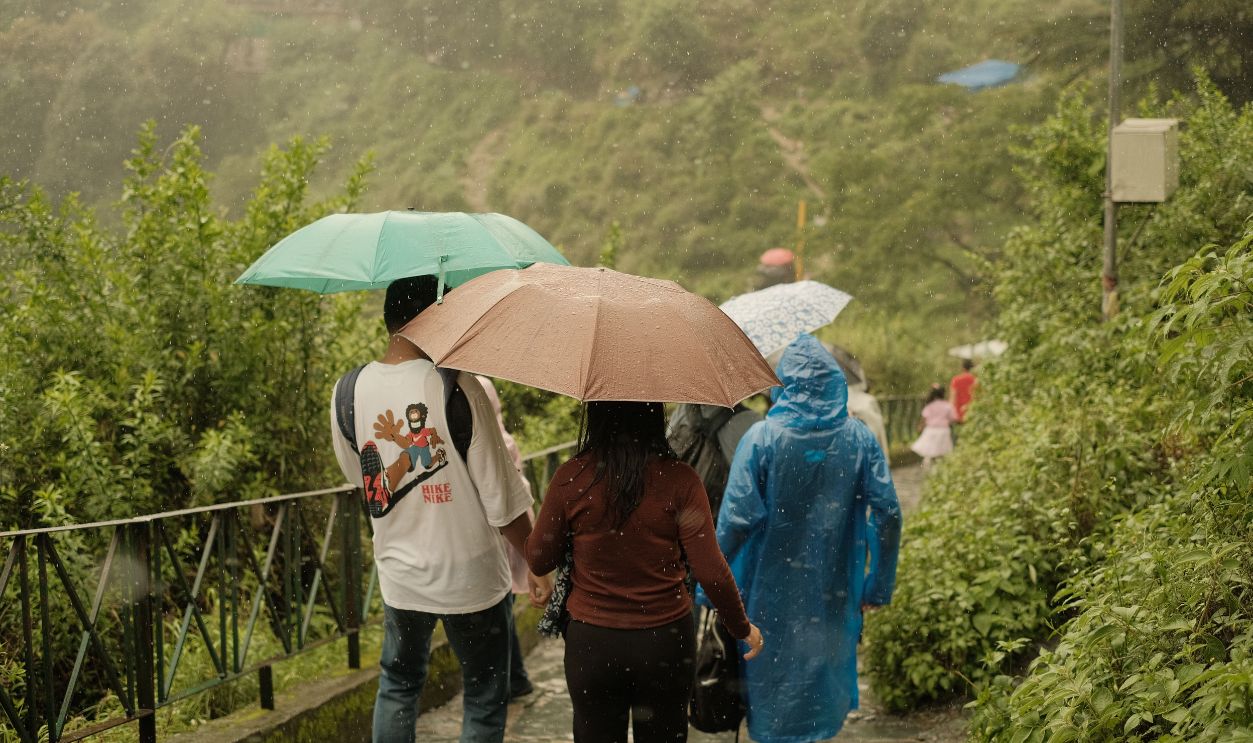
Safety Doesn't Have To Mean Losing The Entire Value
Having a long-awaited hike shortened by dangerous weather is disappointing, especially if you traveled a long way for the experience. Fortunately, many companies understand that frustration and are willing to work with guests through partial refunds, future credits, or other solutions when a significant portion of the tour couldn't be completed. By reviewing the booking terms, documenting what happened, and approaching the company respectfully, you'll give yourself the best chance of reaching a fair outcome while recognizing that keeping everyone safe was ultimately the guide's most important responsibility.

You May Also Like:
The cruise line changed ports after I booked. Am I entitled to compensation?
I arrived at a national park only to learn my reservation didn’t guarantee parking. Is that normal?