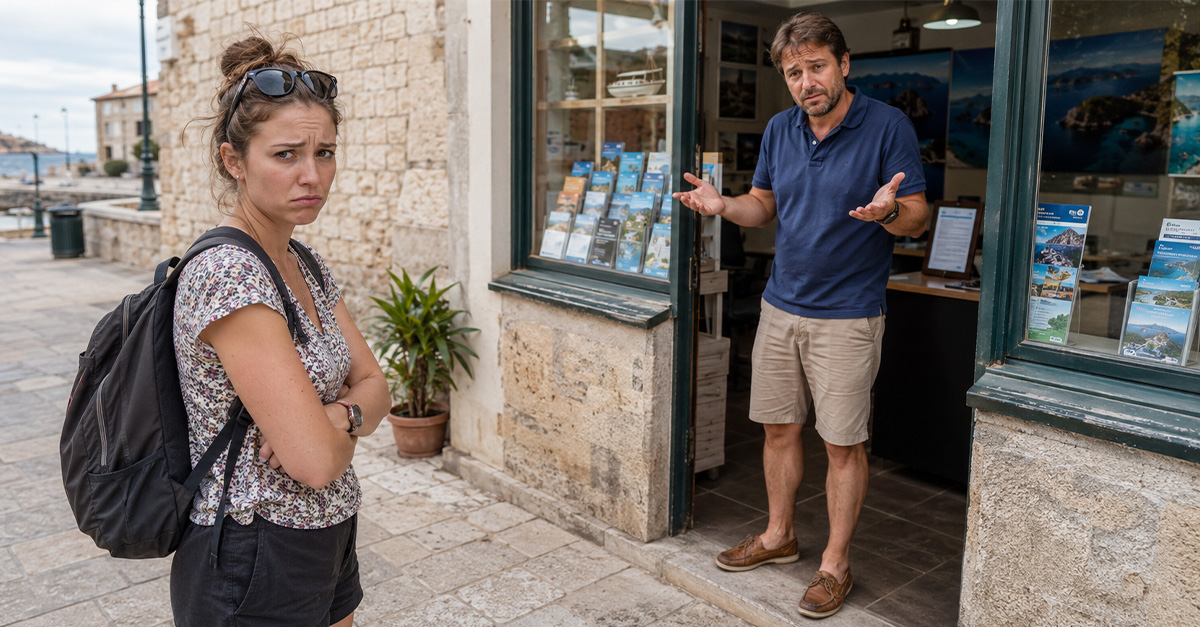
When Your Tour Vanishes Before It Begins
You booked the tour, paid your money, pictured yourself sipping, strolling, paddling, climbing, tasting, or sightseeing, and then came the email: canceled due to low attendance. Annoying? Absolutely. Unfair? Sometimes. Illegal? Not always. Minimum attendance rules are one of travel’s least glamorous fine-print surprises.
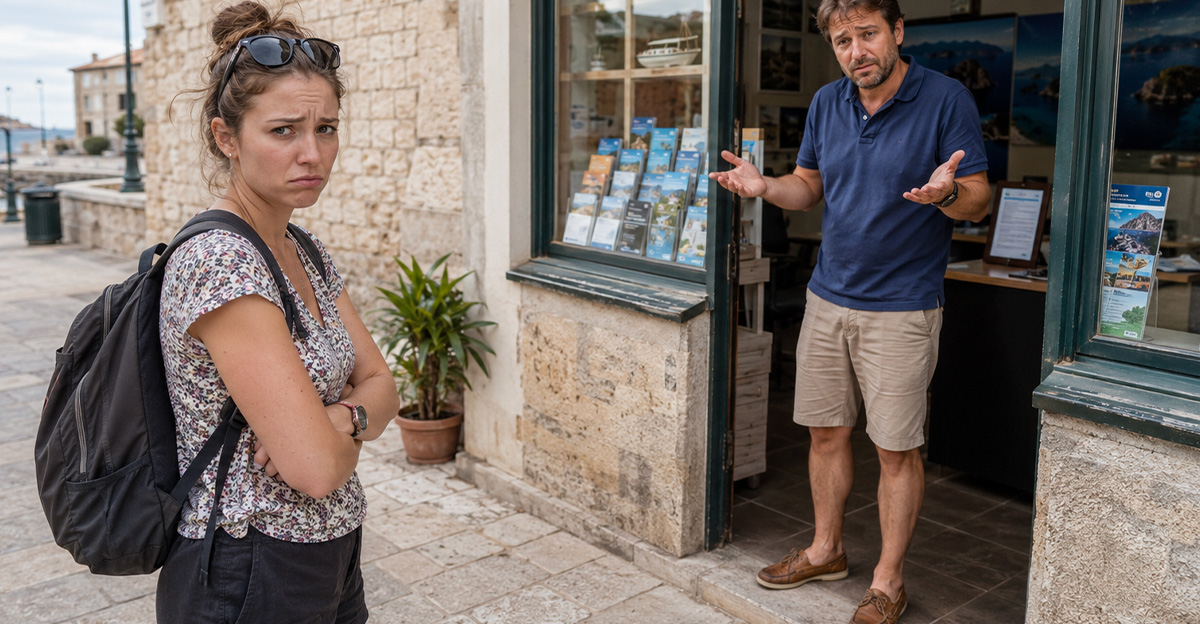
The Minimum Attendance Problem
Many tours only make financial sense when enough people sign up. A guide, driver, vehicle, tickets, permits, insurance, and admin time all cost money. If only two people book a tour designed for twelve, the operator may lose money by running it. That is why minimum numbers exist.

But We Paid Already
This is the part that makes travelers fume. Paying feels like a deal is locked in, and emotionally, it is. Legally and contractually, though, payment may only secure your spot if the tour actually goes ahead. The real answer usually lives in the booking terms you clicked past.

The Fine Print Strikes Again
Most reputable tour companies disclose cancellation rules somewhere in their terms and conditions. The wording may say the tour requires a minimum number of guests, and if that number is not reached, the company can cancel. It is boring language, but it matters a lot.

It Should Be Clear Before Booking
A minimum attendance rule should not be hidden like a secret treasure map. Ideally, it appears on the tour page, during checkout, or in the confirmation email. If the company only reveals it after canceling, that is when the situation starts to smell a little funky.

A Refund Should Be Automatic
If the operator cancels because they did not reach minimum attendance, you should generally receive a refund for the tour itself. You paid for a service they are no longer providing. A credit or reschedule can be offered, but it should not be the only option unless you agreed to that.

Credits Are Not Always Enough
Some companies try to hand travelers a voucher and call it a day. That might work if you are local or flexible, but it is not helpful if you flew across the world for one weekend. When the company cancels, a proper refund is usually the fairest outcome.
 Andrii Iemelianenko, Shutterstock
Timing Matters A Lot
Canceling three weeks ahead is frustrating. Canceling the night before is a different beast. Late cancellations can wreck carefully planned trips, especially if the tour was the big reason you visited. The closer to departure they cancel, the more reasonable it is to push back firmly.

Your Extra Costs Are Trickier
Here is where things get messy. The tour company may refund your tour, but they usually will not automatically cover flights, hotels, taxis, vacation days, or the outfit you bought for the perfect vineyard photo. Those costs are often considered your responsibility unless the terms say otherwise.
 Karolina Grabowska www.kaboompics.com, Pexels
Travel Insurance May Help
If the canceled tour caused a bigger trip problem, travel insurance might help, depending on your policy. Some plans cover certain prepaid, nonrefundable expenses, but not every disappointment qualifies. Insurance companies love definitions, exclusions, and paperwork, so read your policy before celebrating.

Small Operators Face Real Limits
It is easy to imagine the tour company twirling a villain mustache, but sometimes they are just trying to survive. A kayak company cannot pay two guides, launch a van, and rent gear for one guest without losing money. That does not excuse bad communication, though.

Big Companies Should Do Better
Larger operators often have more flexibility. They may combine groups, switch guides, move travelers to a partner company, or run the tour at a smaller profit. If a big company cancels last minute with no useful solution, travelers have every right to be unimpressed.

Ask About Alternatives
Before you go straight to battle mode, ask what they can offer. Can they move you to another time? Combine you with another group? Upgrade you to a similar tour? Transfer you to a partner operator? Sometimes the best fix is not a refund, but a rescue plan.
 peopleimages.com, Adobe Stock Images
Private Tours Change The Math
If you booked a private tour, minimum attendance should not be an issue unless the terms say otherwise. A private tour is usually priced around your group size. If the operator cancels because nobody else booked, that would be strange and worth challenging immediately.

Group Tours Are Different
Public group tours are often priced assuming multiple guests will attend. That cheap walking tour, food crawl, snorkel trip, or day excursion may depend on shared costs. The lower the ticket price, the more likely minimum numbers are baked into the business model.

Check The Cancellation Deadline
Some tour companies set a deadline, such as canceling no later than 24, 48, or 72 hours before departure if minimum numbers are not met. This gives travelers time to rebook something else. If they ignore their own deadline, point that out politely and directly.

Keep Every Message
Do not rely on memory when travel plans go sideways. Save the confirmation email, cancellation notice, screenshots of the listing, terms and conditions, receipts, and any messages from the operator. If you need to dispute the charge, documentation is your best travel companion.

Be Polite, But Specific
Angry emails feel satisfying for about eight seconds. A clear email works better. State your booking number, tour date, amount paid, cancellation reason, and what you want: refund, rebooking, or help finding another tour. Make it easy for them to say yes.

When To Push Harder
Push harder if the minimum attendance rule was not disclosed, the cancellation came very late, the operator refuses a refund, or they keep your money as a credit you cannot use. That is when you move from disappointed traveler to organized consumer with receipts.

Credit Card Disputes Can Work
If the operator canceled and will not refund you, your credit card company may let you dispute the charge. This is not magic, and you will need evidence. Still, a chargeback can be useful when a company takes payment for a tour it never provided.

Booking Platforms Add Another Layer
If you booked through a platform, such as a major travel marketplace, check that platform’s cancellation and refund rules. Sometimes the platform can pressure the operator or process the refund directly. Other times, they send you in circles like a suitcase on a broken baggage belt.

Reviews Can Help Future Travelers
Once the issue is resolved, leave a fair review. Do not exaggerate. Say the tour was canceled due to low attendance, when you were told, and how the refund was handled. Future travelers care less about perfection and more about how companies behave when things go wrong.

Should They Run It Anyway?
Morally, you may feel they should. Practically, not always. If the terms clearly explained the minimum, and they refund you promptly, the company is probably within normal travel-industry behavior. If they buried the rule or kept your money, that is a different story.

What Good Operators Do
Good operators make minimums obvious, cancel with enough notice, offer helpful alternatives, and refund quickly when they cannot deliver. They do not act surprised that travelers are upset. They understand that a canceled tour is not just a business decision; it is someone’s vacation.

How To Avoid This Next Time
Before booking, look for phrases like “minimum numbers required,” “subject to minimum attendance,” or “may be canceled if minimum not met.” For must-do experiences, contact the operator and ask if the tour is confirmed. It feels nerdy, but nerdy travelers often have smoother trips.

The Best Backup Plan
For once-in-a-lifetime trips, avoid putting all your joy into one fragile booking. Have a backup tour, museum, beach day, restaurant, or self-guided option ready. That way, if the operator cancels, your day bends instead of completely snapping in half.

The Bottom Line
If your tour was canceled because not enough people signed up, the company may not have to run it anyway, especially if the rule was clearly disclosed. But they should refund you, communicate clearly, and help if they can. Fine print matters, but so does basic travel decency.

You May Also Like: