
The Moment Everything Went Wrong
It often starts with a simple accident. A phone slips from your hand, lands badly, and suddenly the screen is shattered or the device won't turn on. If your train ticket, boarding pass, hotel booking, and travel itinerary all lived on that phone, the situation can become stressful very quickly. Many travelers now rely almost entirely on digital documents. While that is convenient, it also creates a single point of failure.

Why Digital Tickets Feel So Safe
Digital tickets are incredibly convenient. Airlines, rail operators, and event venues increasingly encourage travelers to use apps and electronic tickets instead of paper documents. Many transportation providers allow tickets to be stored in apps, emailed as PDFs, or saved in mobile wallets. This reduces paper use and speeds up check-in and boarding processes.

The Hidden Risk Of One Device
The problem is not the digital ticket itself. The problem is relying on only one device to access it. A lost, stolen, damaged, or dead phone can instantly cut off access to important travel documents. Even a software crash or forgotten password can create problems when you need your ticket immediately.

Stay Calm Before Taking Action
If your phone breaks abroad, your first priority is to stay calm. Most airlines, train operators, and transportation companies deal with these situations regularly. Panicking often wastes valuable time. Instead, focus on proving your identity and locating your reservation through other means.
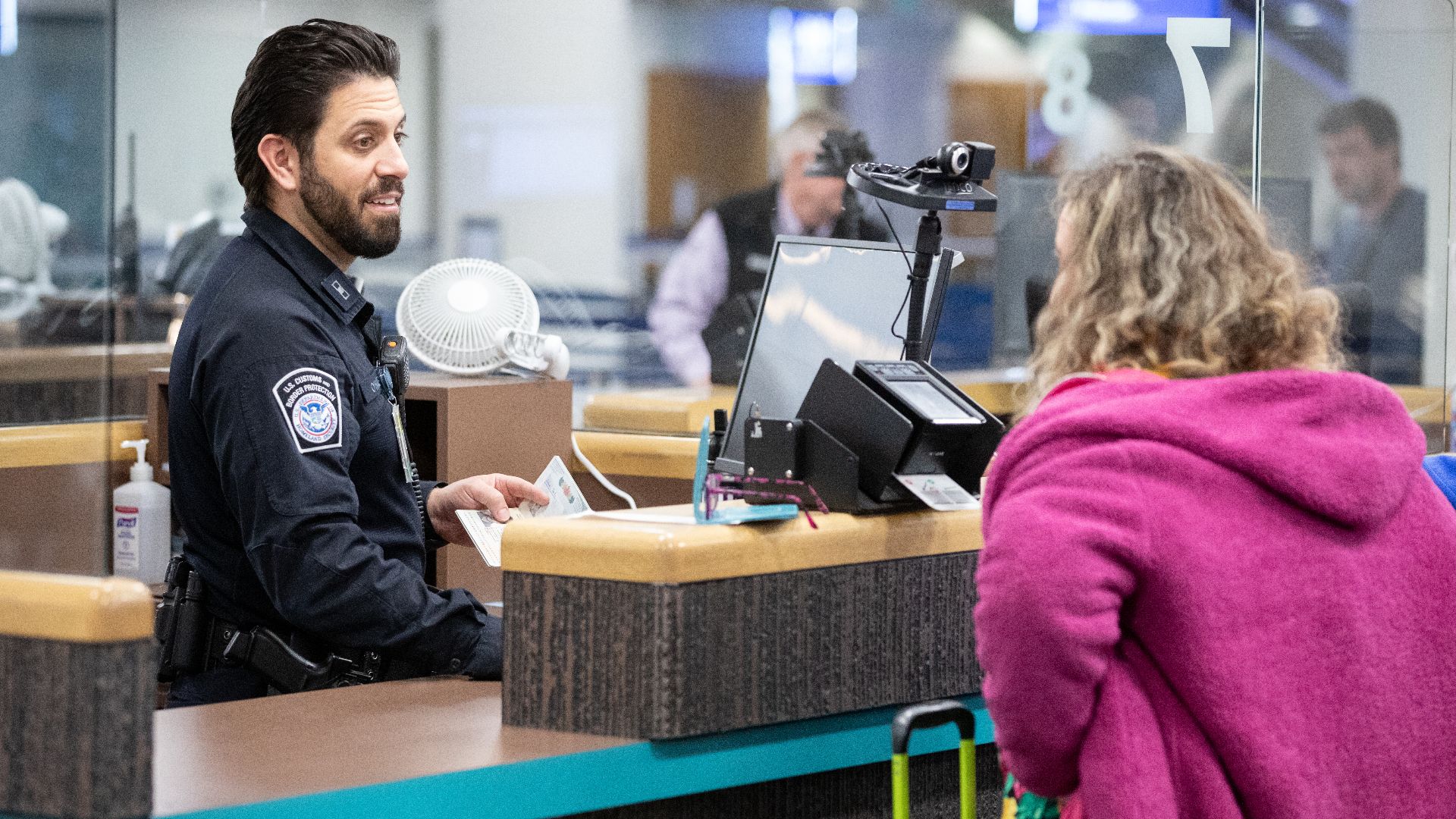 CBP Photography, Wikimedia Commons
Your Booking Still Exists
One reassuring fact is that your reservation usually remains stored in the carrier's system. Breaking your phone does not erase the airline's or rail company's records. In many cases, staff can locate your booking using your passport, identification, reservation code, or ticket number.
 Frame Stock Footage, Shutterstock
Head To A Service Desk
If you are at an airport, train station, or bus terminal, go directly to a staffed customer service counter. Employees can often retrieve your booking and issue a replacement boarding pass or printed ticket. Airlines commonly assist passengers whose mobile boarding passes become inaccessible.

Know Your Reservation Number
One of the smartest things you can do before traveling is write down important reservation numbers. A booking reference, confirmation code, or ticket number can help staff locate your reservation quickly. Having these details available on paper can save a great deal of time.

Carry A Printed Backup
This may sound old-fashioned, but a printed backup remains one of the most reliable travel tools. Many transportation providers still allow travelers to print tickets or boarding passes before departure. A sheet of paper does not run out of battery or crack when dropped.

Save Tickets As PDFs
Whenever possible, download ticket PDFs rather than relying exclusively on an app. Many rail and transportation providers send tickets as PDF attachments. These files can be stored across multiple devices and accessed even if one device fails.

Use Cloud Storage Wisely
Cloud services can provide a useful backup. Storing tickets, hotel confirmations, and itineraries in services like Google Drive, OneDrive, or Dropbox creates another recovery option. If your phone breaks, you may still be able to access documents from a public computer, hotel business center, or another device.

Email Yourself Everything
Email remains one of the simplest backup systems available. Keeping copies of tickets and confirmations in your email account allows you to retrieve them from virtually any internet-connected device.

Bring A Second Device
Many experienced travelers carry a tablet, laptop, or secondary phone. Even an inexpensive backup device can provide access to email, cloud storage, and digital tickets when your primary phone fails.

Screenshots Can Be Lifesavers
A screenshot often loads faster and requires fewer resources than opening an app. Travel experts frequently recommend taking screenshots of boarding passes and QR codes. Screenshots may remain accessible even when connectivity is poor.

But Screenshots Are Not Perfect
That said, a screenshot is not always a complete solution. Some transportation providers require dynamic tickets displayed through official apps. In certain cases, screenshots or printed images of mobile-only tickets may not be accepted.
 Kosovo Police, Wikimedia Commons
Understand Your Ticket Type
Before traveling, learn whether your ticket is a PDF ticket, a mobile ticket, or an app-only ticket. Different providers have different rules. Some accept printed copies, while others require validation through their mobile platforms.

Keep Your Passport Accessible
Your passport can become your most important recovery tool. Many airlines and transportation companies can locate reservations through passenger identification. Keeping your passport easily accessible can speed up the process significantly.

Battery Failure Can Be Just As Bad
You do not need a broken phone to face trouble. A dead battery can create the same problem as a damaged device. Travelers who rely on digital tickets should always consider battery management part of their travel planning.

Never Travel Without A Power Bank
A charged power bank is one of the simplest travel safeguards available. A portable battery can keep your phone alive through delays, long travel days, and unexpected disruptions.

Airport Charging Stations Are Helpful
Most modern airports now provide charging stations. If your battery dies unexpectedly, finding a charging point may allow you to recover access to your digital boarding pass before departure.

Hotels Matter Too
Transportation tickets are not the only documents at risk. Hotel confirmations, reservation numbers, and check-in details should also exist in multiple locations. A printed itinerary can make hotel check-in much smoother if technology fails.

Consider Offline Access
Internet access is not guaranteed abroad. Downloading tickets and travel documents before leaving Wi-Fi coverage ensures they remain available without mobile data or roaming service.

Public Computers Can Help
If your phone becomes unusable, a hotel business center, internet café, or public computer may provide access to email and cloud storage. This option is not ideal, but it can help retrieve critical documents in an emergency.

Keep Family Informed
Sharing your itinerary with a trusted family member or friend can be surprisingly useful. If you lose access to your documents, someone back home may be able to send reservation numbers, ticket copies, or hotel information.

Security Matters Too
Travel documents contain personal information. Experts recommend treating boarding passes and ticket barcodes as sensitive documents. Sharing them publicly can expose personal data and reservation details.

So, What Should You Have Done?
You should have created multiple layers of backup before leaving home. A printed itinerary, PDF copies in cloud storage, screenshots, a power bank, and written reservation numbers would have dramatically reduced the stress of your broken phone.

The Best Travel Rule
Technology is wonderful until it fails. The smartest travelers embrace digital convenience while maintaining analog backups. One piece of paper can sometimes be worth more than the most advanced smartphone.

Final Takeaway
If your phone breaks abroad and your digital tickets disappear, remember that you are usually not stranded forever. Transportation providers can often recover your booking using identification and reservation information. The real lesson is preparation. Digital tickets are excellent travel tools, but they should never be your only plan.

You May Also Like: