The Private Island Letdown
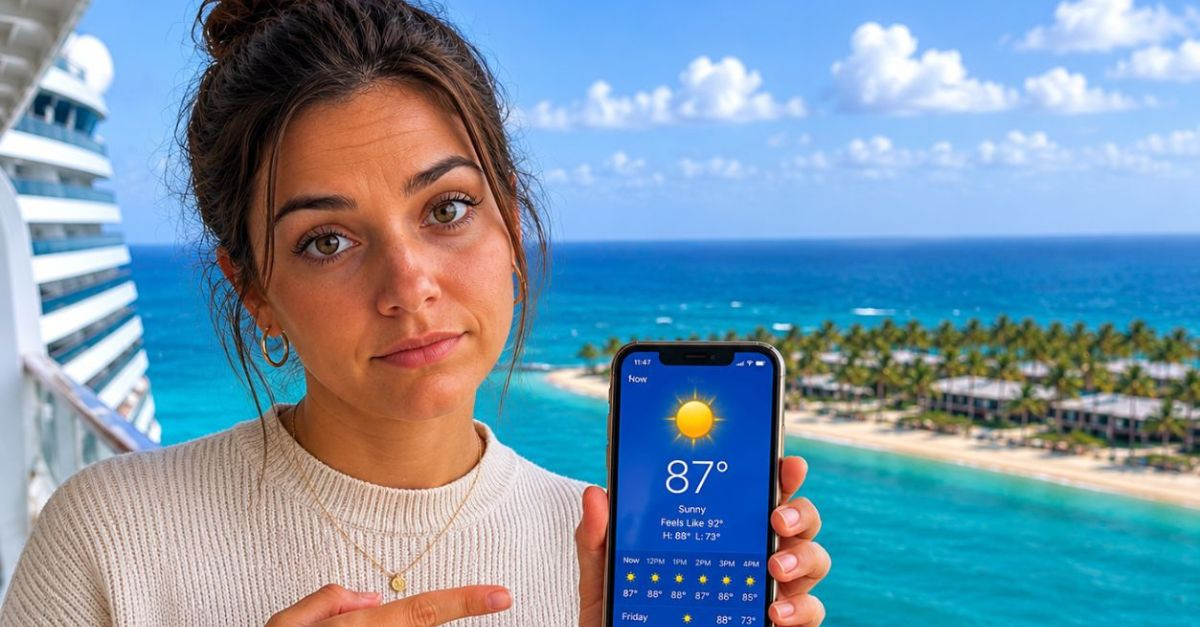
Few cruise disappointments sting like waking up to find your much-hyped private island stop—half the reason you booked the trip—has been canceled. It feels even worse when social media lights up with locals or webcam watchers saying the weather looked perfectly fine. That disconnect has led many passengers to ask a blunt question: Can cruise lines just use weather as an excuse?
The Short Answer
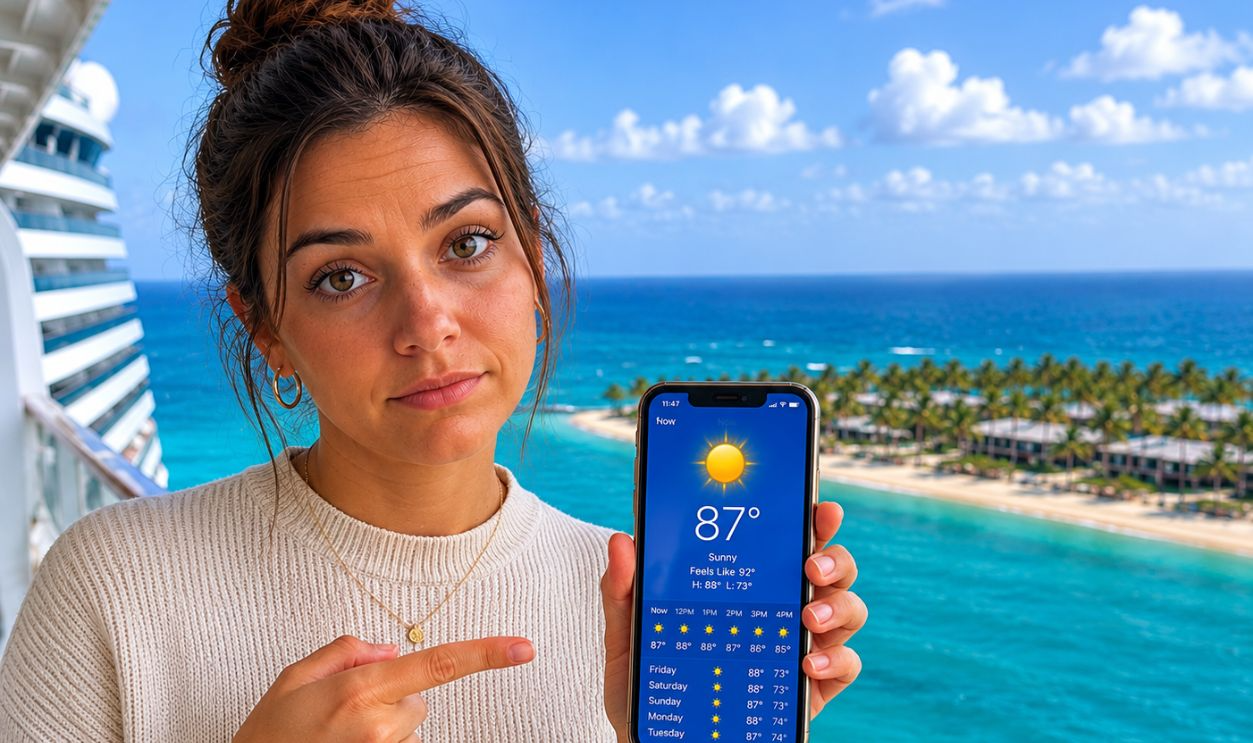
Yes, cruise lines can cancel a port or private island stop because of weather or sea conditions, even if the sky over the destination looks sunny. The real issue is often not what the beach looks like, but whether the ship can safely approach, anchor, tender, or dock. Cruise contracts also give lines wide authority to change itineraries for safety and operational reasons.
What Cruise Contracts Actually Say
The fine print matters. Major cruise lines say itineraries are not guaranteed and can be changed, delayed, or canceled without notice for reasons including weather, safety, security, and operations. In practice, that usually means passengers are not owed compensation just because a beach day vanished from the schedule.

Carnival Puts It In Writing
Carnival’s cruise ticket contract says ports, destinations, and arrival or departure times are not guaranteed. The company says it may substitute or cancel ports of call for reasons including weather, safety, or other circumstances beyond its control. That gives the line a lot of flexibility when conditions change.

Royal Caribbean Says The Same
Royal Caribbean’s cruise ticket contract also says advertised schedules and ports can change. The contract states that the line can alter the itinerary when advisable or necessary, including for safety and weather-related reasons. So even a much-anticipated stop at a private destination is not a promise in the legal sense.
Norwegian Also Reserves The Right
Norwegian Cruise Line uses similar language in its guest ticket contract. It says ports of call may be skipped, changed, or swapped out due to weather, safety, or other operational concerns. Across the industry, this is standard contract language, not some unusual loophole.
Sunny Skies Can Be Misleading
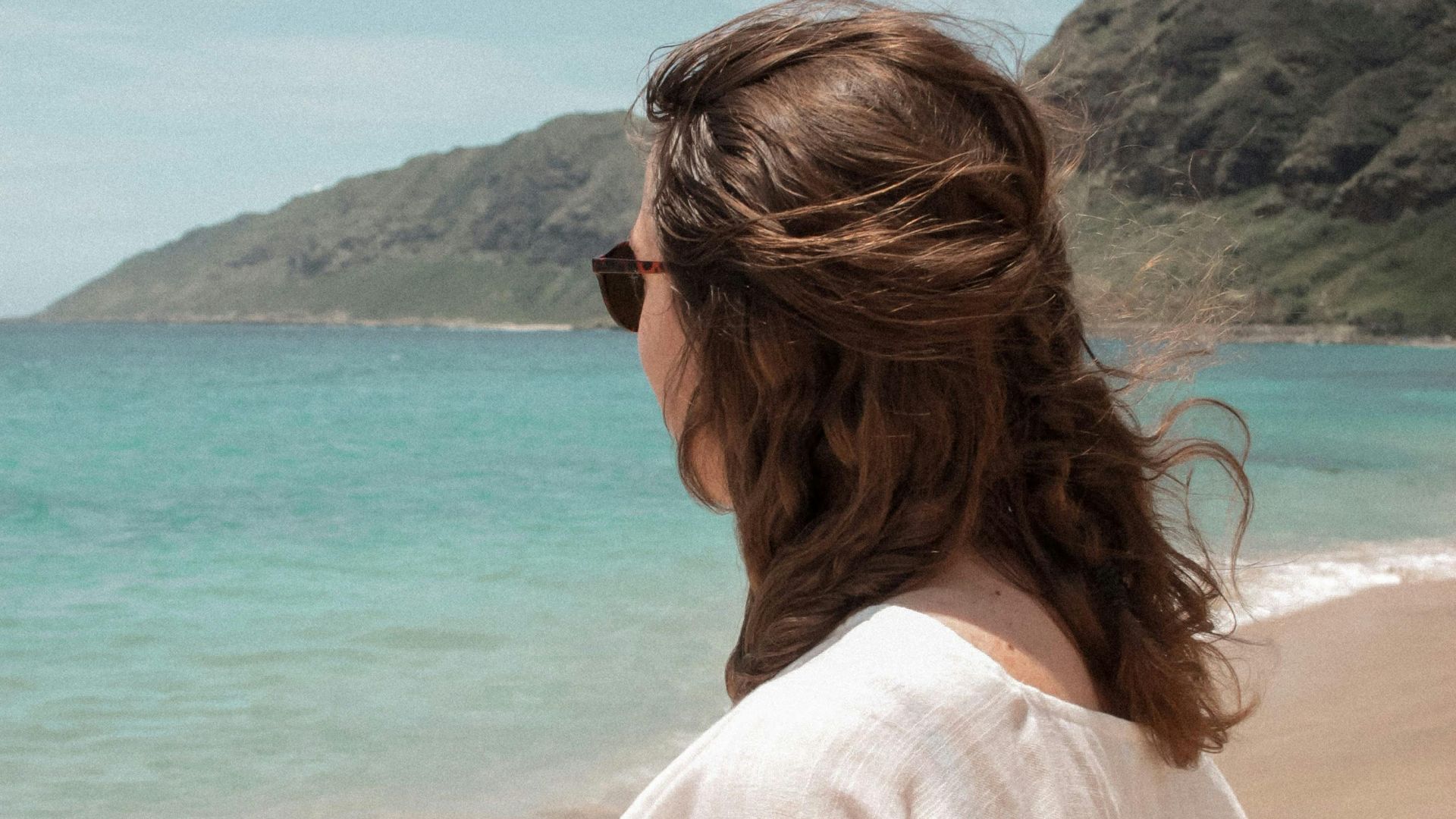
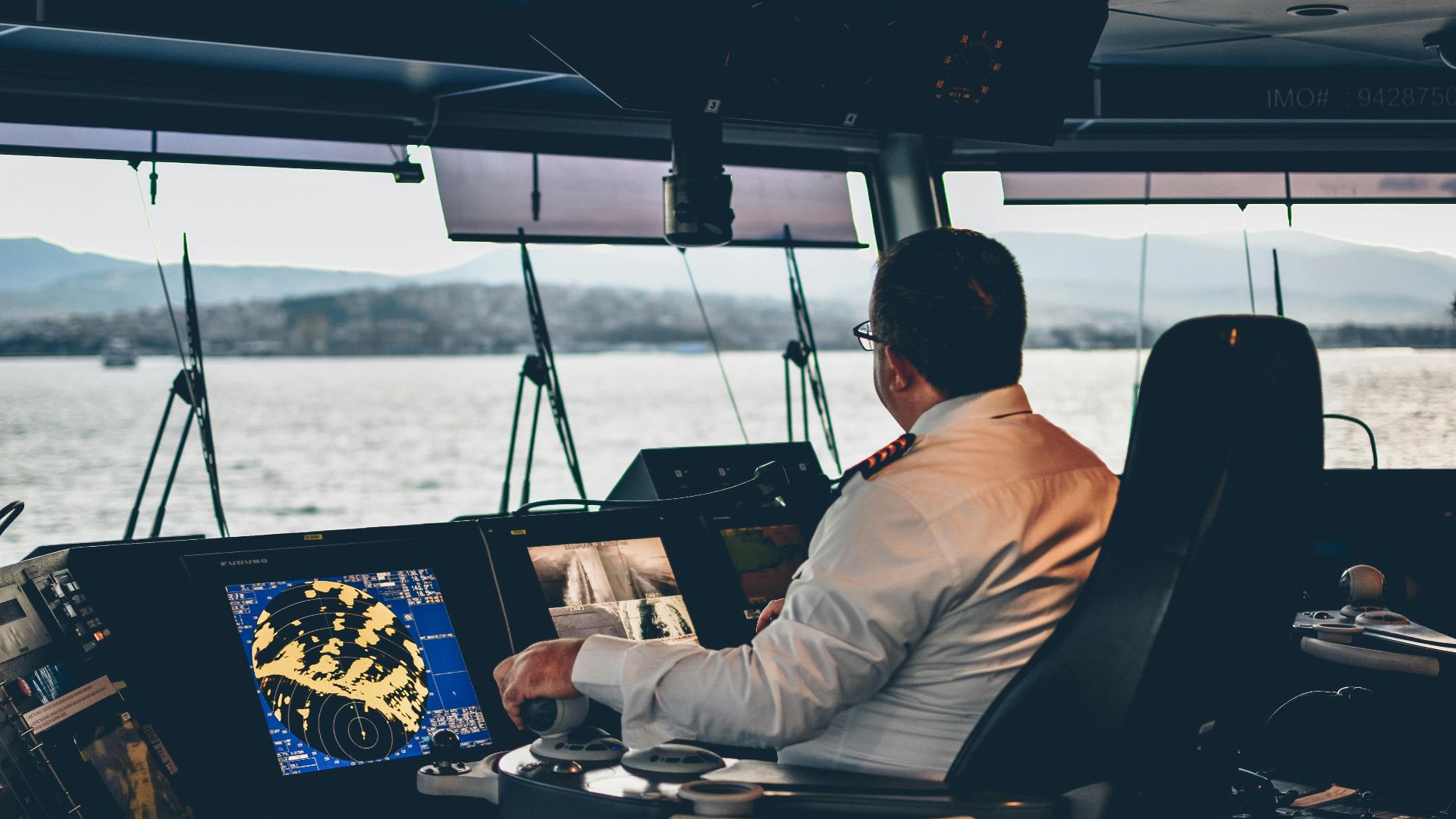
This is where a lot of online arguments go off the rails. A destination can look calm on shore while the approach channel, anchorage, or docking area is dealing with rough swells, strong currents, or poor visibility. Cruise captains and shoreside teams make decisions based on marine conditions, not just whether the sun is out on land.
The Beach Is Not The Whole Story
Private islands and beach clubs are especially vulnerable because many depend on very specific docking or tendering conditions. If waves are pounding a pier, winds are too strong for safe maneuvering, or surf makes tender transfers risky, the stop can be scrapped. A bright tropical morning does not erase those hazards.
NOAA Explains Why Marine Forecasts Matter
The National Weather Service, part of NOAA, publishes marine forecasts because conditions over open water can be very different from conditions on shore. Wind speed, wave height, swell direction, and small craft advisories can all affect whether it is safe to move passengers on and off a ship. Those are the details a captain has to weigh long before beachgoers start posting photos online.
Wind Can Shut Down A Perfect-Looking Day
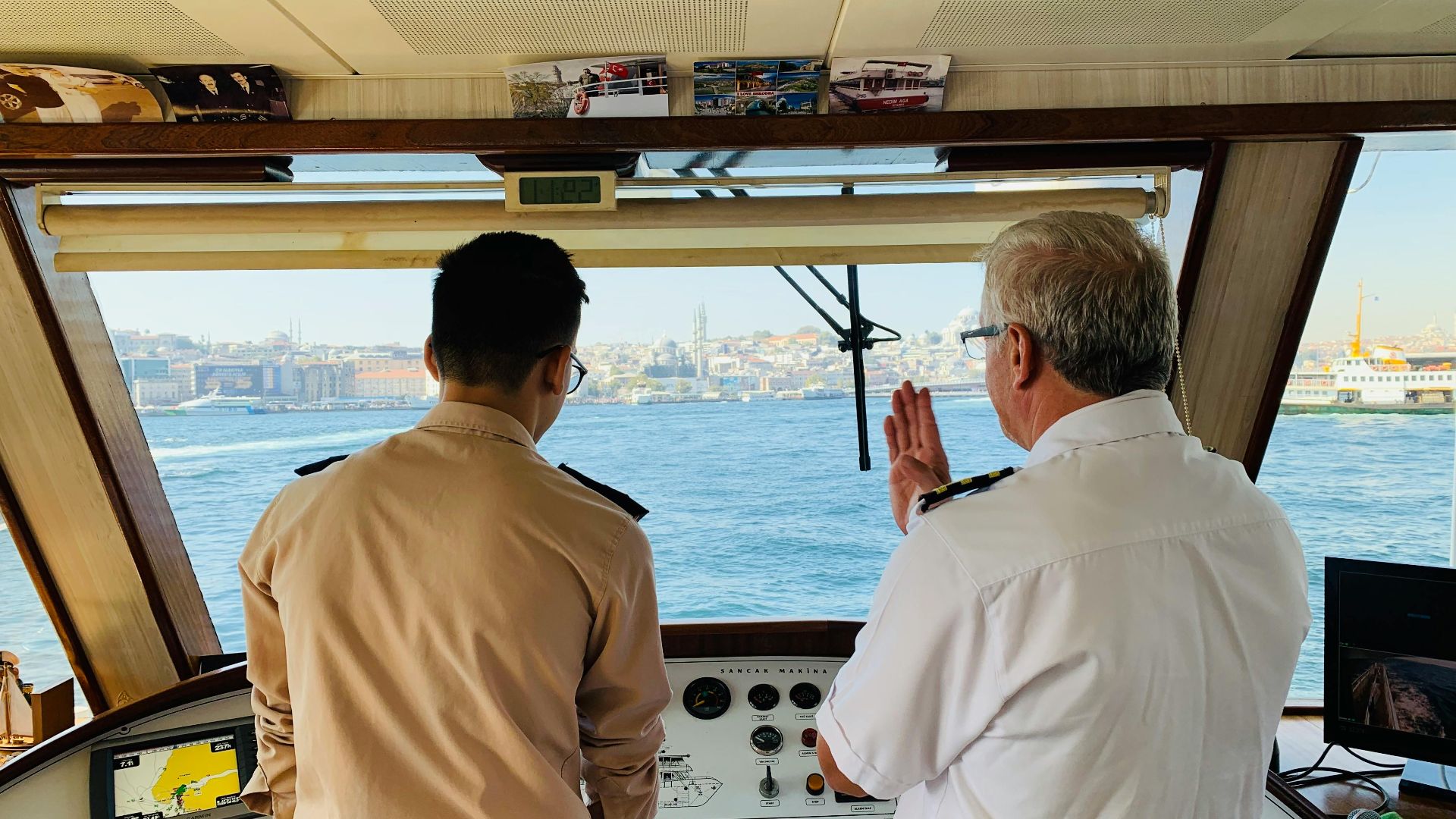
One of the biggest troublemakers is wind. Strong winds can make it hard for a large ship to hold position, line up with a pier, or safely launch tender boats. Even if the island itself looks postcard-perfect, gusts and swells offshore can make the operation unsafe.
Tender Ports Are Extra Vulnerable
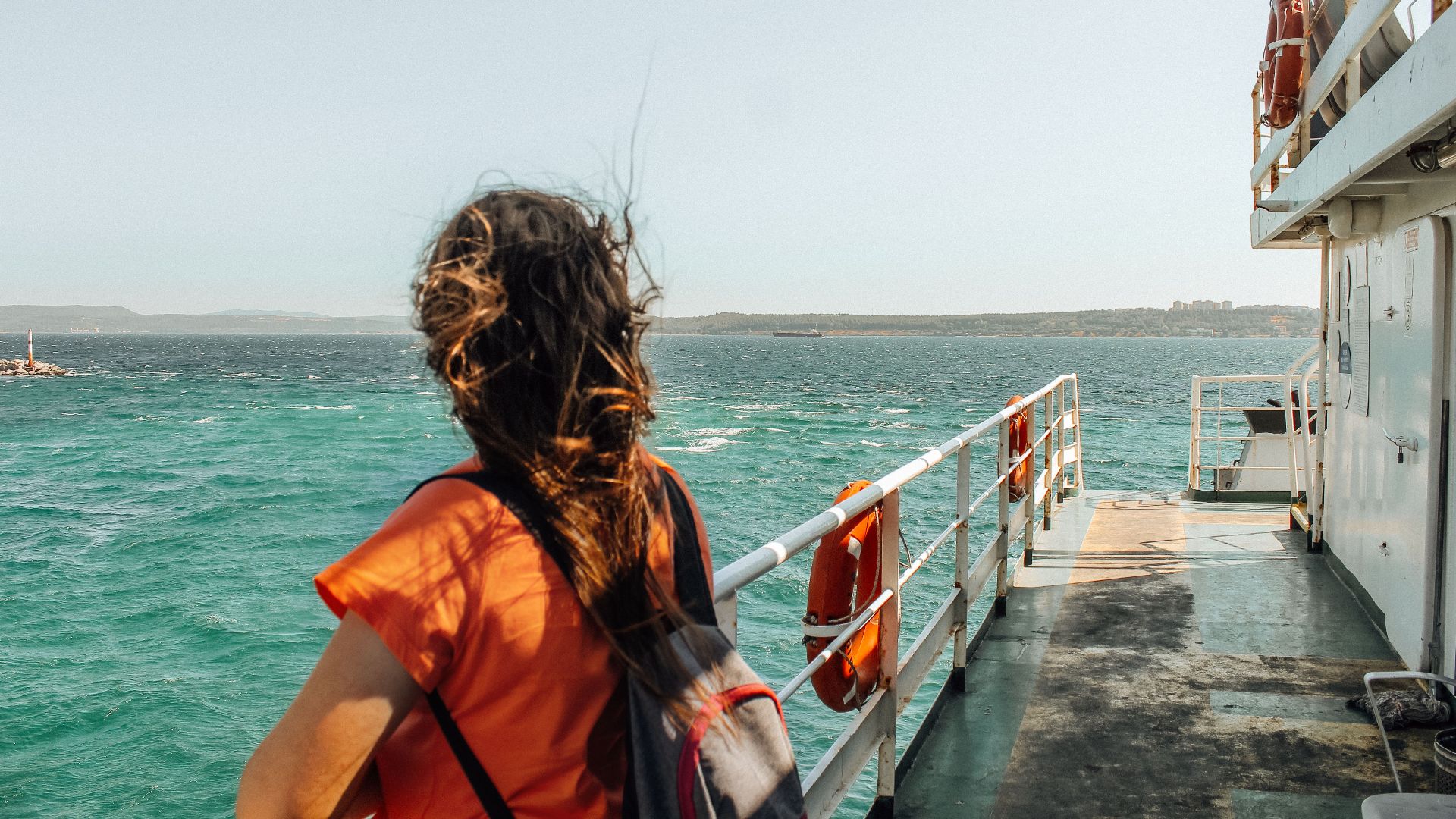
Some private island stops rely on tenders, which are smaller boats used to shuttle passengers ashore when the ship cannot dock directly. Tender operations are often the first thing canceled when seas build. That is why a stop can be dropped even when the island appears open and calm from a distance.
Piers Do Not Solve Everything
Building a pier can cut down on weather-related disruptions, but it does not eliminate them. Ships still need enough room, depth, visibility, and manageable winds to berth safely. If the captain believes those conditions are not there, the safest move may still be to skip the stop.
Cruise Lines Have Been Open About This
Major cruise lines routinely tell guests that weather cancellations can happen at private destinations. Their own policies frame these changes as safety decisions first. That does not make the news any easier to take, but it does show the industry is not pretending port calls are guaranteed.

The Captain Has Broad Authority
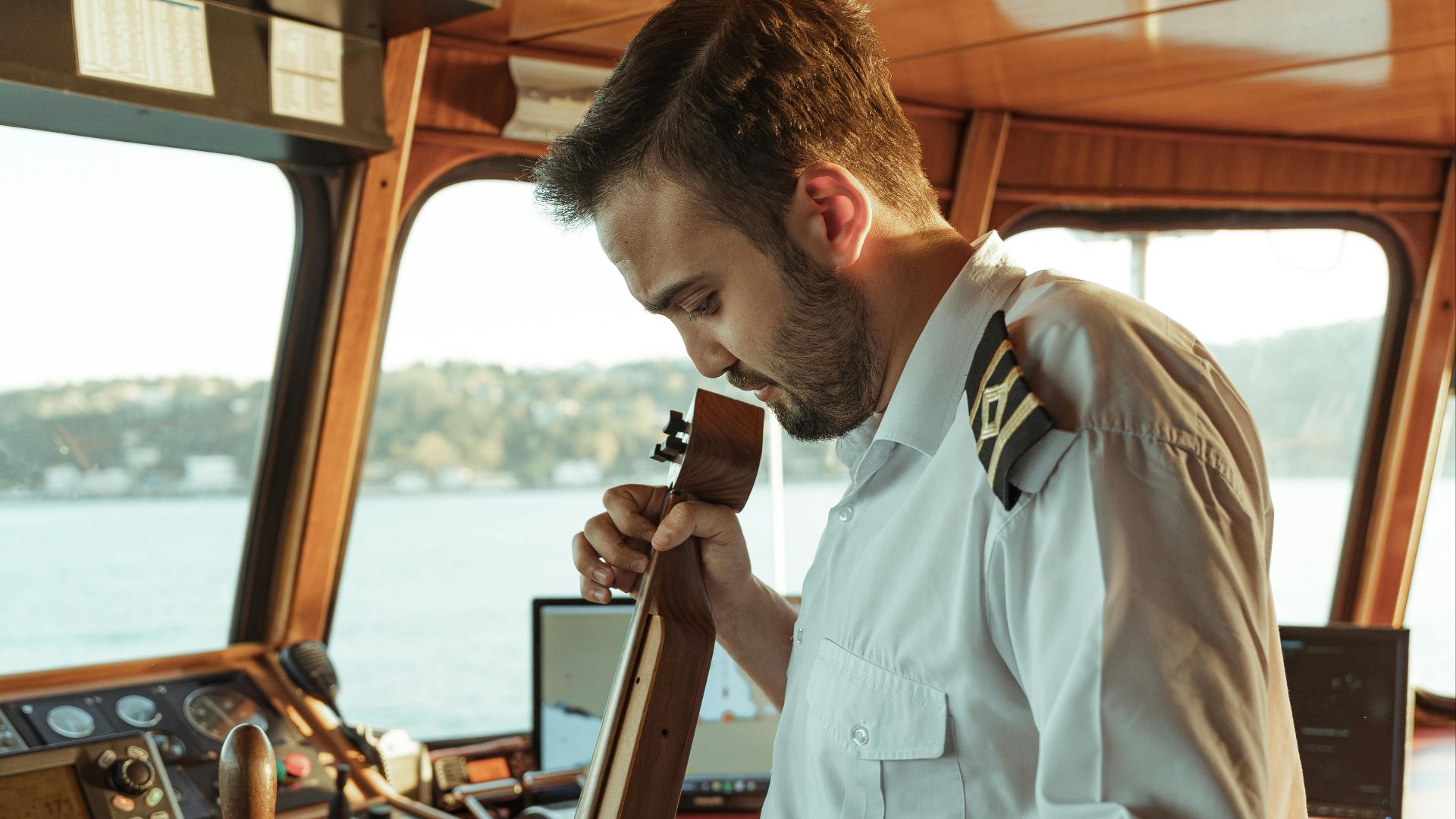
On a cruise ship, the captain carries broad responsibility for passenger and crew safety. Maritime practice gives captains the discretion to alter routes and port calls when conditions call for it. If a captain believes docking or tendering is unsafe, that decision usually stands even if guests do not like it.
What Locals Online May Not See
Locals posting from shore may be sharing real observations, but they usually do not have access to the ship’s maneuvering data, the bridge view, company risk assessments, or marine forecasts for the exact approach area. They may also be looking at conditions hours after the key decision was made. Timing matters because captains often decide well before arrival.
Morning Conditions Can Change Fast
Marine weather is not fixed. Forecasts can worsen overnight, and conditions at dawn may look different from what people see later in the morning on social media. A canceled call can seem suspicious at 10 a.m. if the sea settles after the ship has already changed course.
Private Islands Are Still Real Ports Of Call
Passengers sometimes think a cruise line-owned destination should be easier to guarantee because the company controls it. In reality, the same physical limits still apply. Owning the beach does not mean owning the weather, the wind, or the sea state around the pier.
Can A Cruise Line Ever Hide Behind Weather
In theory, a cruise line could lean on broad terms like operational reasons in a way that leaves passengers frustrated. But proving that a weather cancellation was fake is difficult without internal navigation data, port assessments, and company records. A social post showing blue skies is not enough to prove the line used weather as an excuse instead of making a safety call.
Weather Is Not The Only Reason Stops Change
Itineraries can also change because of medical emergencies, mechanical issues, port congestion, government restrictions, or the need to avoid a bigger storm system later in the voyage. Sometimes a private island stop is canceled because the ship needs to stay on a safer or more efficient route overall. Cruise contracts generally allow those changes too.
What Passengers Usually Get
When a private island stop is canceled, compensation is often limited. Some guests may get a refund of prepaid shore excursions tied to that stop, and onboard schedules may be adjusted to add activities. But a missed beach day by itself usually does not trigger a broad right to a cash refund of the cruise fare.
Federal Regulators Warn Itineraries Can Change
Consumer guidance in the United States has long reflected the reality that cruise itineraries can change. The Federal Maritime Commission has posted cruise passenger guidance encouraging travelers to read ticket contracts carefully. That advice may sound dry, but it is central to understanding what your rights actually are.

How To Check If The Explanation Makes Sense
If you are skeptical, look at marine forecasts rather than beach photos. Check the National Weather Service marine forecast for the relevant area and compare it with the timing of the canceled stop. Wind, seas, and advisories often tell a much fuller story than a sunny snapshot ever could.
Ask The Right Questions On Board
If a stop is canceled, head to guest services and ask whether the issue was wind, swell, tender safety, docking conditions, or a broader routing decision. You may not get a detailed bridge-level briefing, but polite questions can sometimes lead to a more specific explanation. That is usually more useful than spinning through online speculation.

Travel Insurance Has Limits Too
Standard travel insurance does not always pay out for a single missed port, especially if the cruise still operates and the contract allows itinerary changes. Some policies offer limited missed-port coverage, but travelers need to read the terms closely. It is one more reminder that the dream itinerary you booked is always somewhat conditional.

Why Private Island Stops Feel Different
These cancellations hit harder because private islands are often the centerpiece of the marketing. They are sold with glossy images of waterparks, quiet beaches, and luxury cabanas. When that stop disappears, passengers do not just lose a port call. They lose the vacation moment they were most excited about.
The Bottom Line For Cruisers
Cruise lines generally can cancel a private island stop because of weather or sea conditions, even when people on land insist the weather looked fine. The legal contracts allow it, maritime safety norms back it up, and marine forecasts often reveal risks that shore photos miss. Frustrating as it is, the best practical advice is to treat every port, even a private paradise, as planned but never guaranteed.