
Different Vacation Dreams
You imagined strolling through historic cities, visiting famous museums, and soaking up European culture. Your husband, meanwhile, wants to spend nearly every day catching up with relatives. Now you are wondering whether your vacation should revolve around family obligations or the once in a lifetime experiences you hoped to enjoy.
Both Goals Matter
Neither of you is necessarily being unreasonable. Reconnecting with relatives can be deeply meaningful, especially if family members are elderly or rarely seen. At the same time, spending thousands of dollars to travel overseas naturally creates expectations that you will also experience the places you traveled so far to reach.

Europe Is Living History
Many Americans think of Europe as an enormous open air museum filled with castles, cathedrals, ruins, and famous landmarks. Yet millions of people also call those places home. For your husband, visiting family may be just as authentic a European experience as touring museums.

Understand His Motivation
Ask why these visits matter so much. Perhaps he wants to strengthen family connections, introduce you to his heritage, or reconnect with relatives he has not seen in years. Understanding the emotional reasons behind his priorities makes finding a compromise much easier.

Explain Your Expectations
Be equally honest about your own hopes. Share the attractions, neighborhoods, museums, or landscapes you dreamed about long before booking the trip. Framing your disappointment around missed experiences instead of blaming your husband encourages a more productive conversation.

Plan Before Departing
The best compromises happen before boarding the plane. Sit down together with maps, calendars, and reservation details. Decide which days belong primarily to family visits and which days are reserved for sightseeing so neither of you feels surprised later.

Divide Your Time
A simple solution may be splitting the itinerary. Spend several days with relatives, followed by several days exploring independently. Both priorities receive dedicated attention without either one completely dominating the vacation.

Combine Both Interests
Family visits and sightseeing do not have to compete. Relatives often know hidden neighborhoods, excellent restaurants, local festivals, and overlooked attractions that guidebooks rarely mention. They may actually help you experience a richer version of Europe than tourists typically see.

Let Relatives Participate
Invite family members to join you for a museum, castle, walking tour, or scenic drive. Shared activities create memories together while allowing you to explore destinations that originally inspired your trip.

Respect Family Schedules
Remember that your husband's relatives have jobs, appointments, and daily routines. They may not expect you to spend every waking hour together. Many families appreciate shorter visits that leave everyone with pleasant memories instead of exhausted hosts and guests.

Build Free Time
Even during family visits, schedule a few independent hours each day. Explore nearby streets, visit a local café, or tour a museum while relatives catch up among themselves. Those smaller adventures can make the entire vacation feel more balanced.

Consider Future Opportunities
Ask yourselves how likely another visit will be. If elderly relatives may not be around much longer, prioritizing family could make sense. If regular visits are realistic, preserving more sightseeing time now may feel like the better long term decision.

Budget Carefully
Family visits can reduce hotel and restaurant expenses if relatives offer accommodations or meals. Those savings might free enough money to extend your vacation, add another destination, or book special sightseeing experiences that otherwise would exceed your travel budget.

Avoid Overcommitting
Well meaning relatives may enthusiastically plan breakfasts, lunches, dinners, and gatherings every day. Politely declining a few invitations is perfectly reasonable when you have already committed significant time to spending your vacation with family.

Set Realistic Boundaries
You do not need to apologize for wanting to explore. Explain that you traveled across an ocean to experience both family connections and Europe's famous destinations. Most reasonable relatives will understand and encourage you to enjoy the surrounding region.
 Tommie Hansen, Wikimedia Commons
Appreciate Local Knowledge
One major advantage of visiting relatives is insider advice. They often know which attractions deserve your time, which restaurants avoid tourist pricing, and which neighborhoods offer authentic experiences beyond the typical guidebook recommendations.
 Filip Rankovic Grobgaard, Unsplash
Preserve Couple Time
Do not forget that this is also your vacation together. Schedule dinners, evening walks, or day trips where the focus remains entirely on your relationship rather than constantly entertaining or visiting extended family members.

Stay Flexible
Travel rarely unfolds exactly as planned. Weather, transportation delays, or changing family schedules may require adjustments. Remaining flexible helps prevent small disappointments from becoming larger arguments that overshadow the entire trip.

Respect Cultural Differences
Family customs may differ from what you expect in the United States. Meal times, greetings, hospitality, and social expectations often vary across Europe. Approaching those differences with curiosity instead of frustration usually leads to more rewarding interactions.

Discuss Spending Openly
Visiting relatives sometimes involves gifts, shared restaurant bills, or extra transportation expenses. Agree on a travel budget beforehand so financial surprises do not create additional tension during what should be an enjoyable vacation.

Know Your Documents
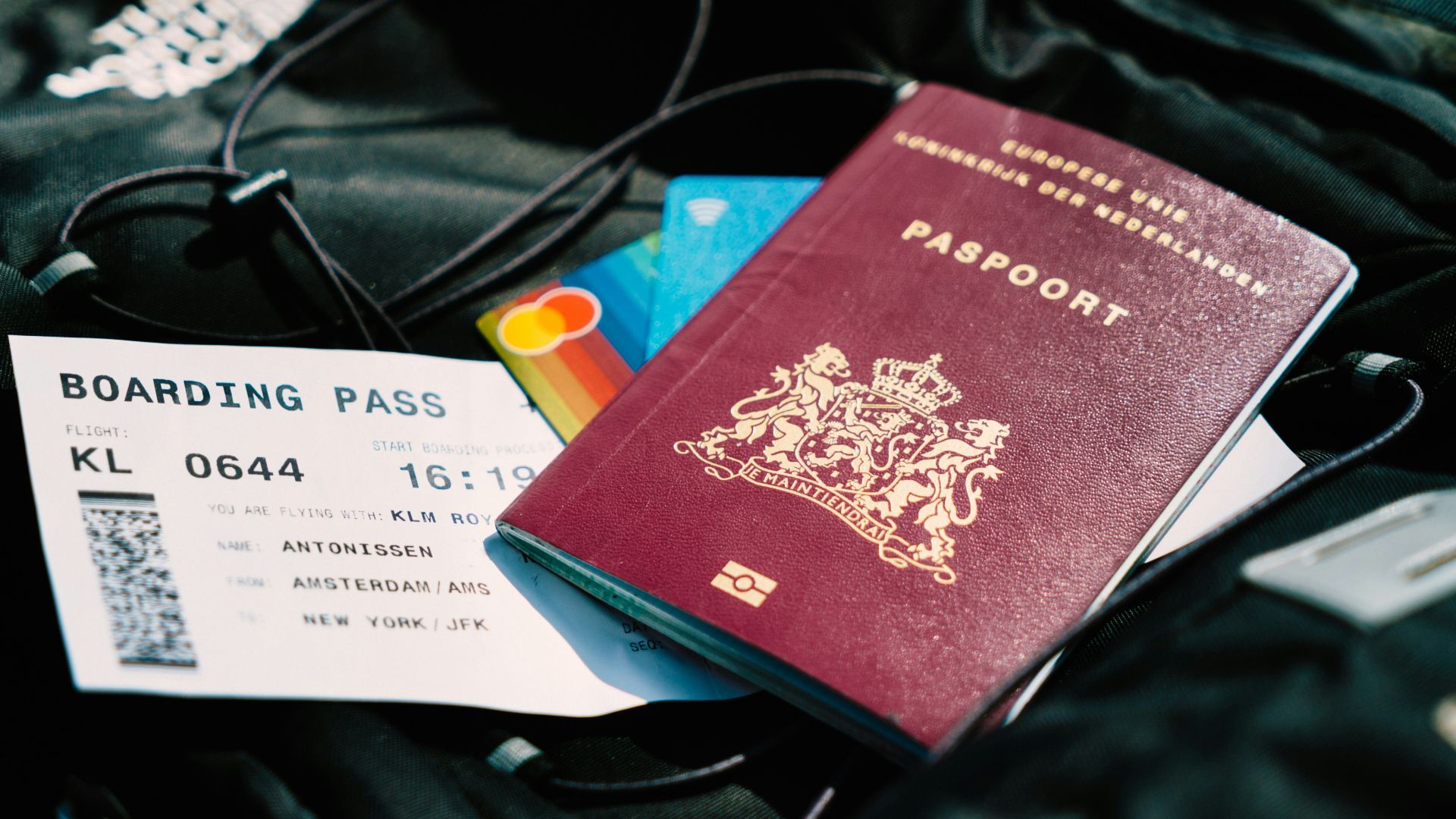
Before leaving the United States, make sure passports remain valid, purchase appropriate travel insurance if desired, and understand any entry requirements for the countries you plan to visit. Preparation reduces unnecessary stress while traveling abroad.
Leave Room For Memories
The most memorable parts of your trip may come from unexpected conversations around a family dinner table as much as from famous landmarks. Leave enough flexibility in your itinerary to appreciate both planned sightseeing and spontaneous family moments.
 Dietmar Rabich, Wikimedia Commons
Focus On Shared Success
Avoid treating the vacation like a competition between sightseeing and relatives. Success means returning home feeling that both of you experienced something personally meaningful rather than proving whose priorities deserved more attention.

Talk Before Resenting
If disappointment begins building during the trip, address it early. Calm conversations usually produce better solutions than silent frustration. Waiting until the vacation ends often means missed opportunities that can never be recreated.

Find The Balance
You are not wrong for wanting to experience Europe beyond family living rooms, and your husband is not wrong for valuing time with relatives. The strongest vacations usually combine meaningful family connections with unforgettable exploration, giving both of you memories worth bringing home.

You May Also Like: