A Gift Card, A Stranger, And A Very Fancy Dinner
You’re wandering through Europe, feeling worldly and spontaneous, when a stranger offers you a gift card to an expensive restaurant. They seem friendly. The card looks real. You hand over $20. Later, one question hits: did I just get scammed?

The Short Answer Is Probably Yes
Sorry to say it, but this has all the makings of a classic street scam. The setup is simple: offer something that appears valuable, ask for a small amount in return, then disappear before the victim realizes the “deal” was fake.

Why The Offer Felt So Tempting
A gift card to a fancy restaurant sounds like free luxury. Maybe it was supposedly worth $100, $200, or more. Compared to that, $20 feels tiny. That’s exactly why the scam works: it makes the trade seem too good to question.

Scammers Love Tourists For A Reason
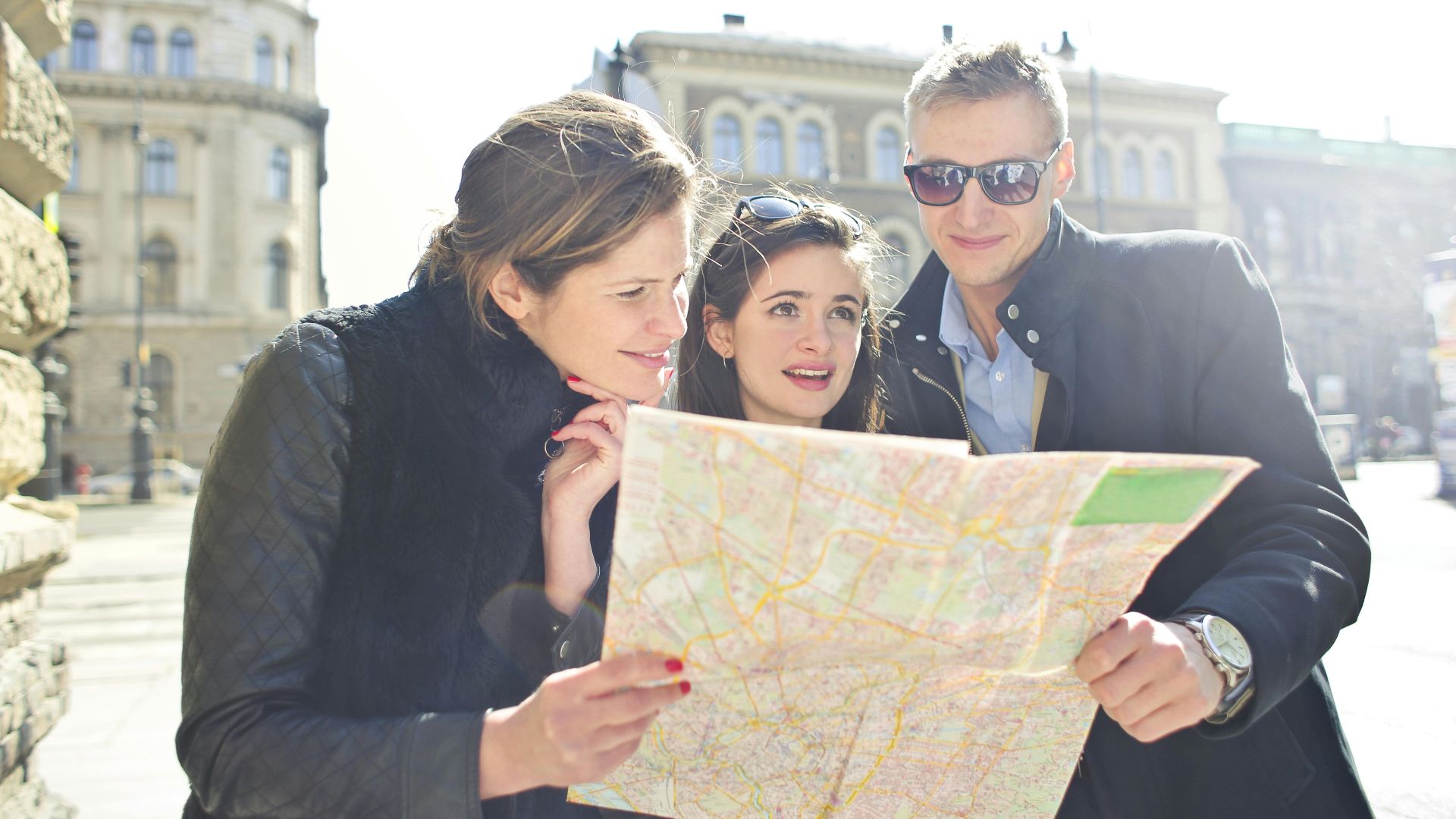
Tourists are often distracted, excited, and unfamiliar with local scams. You’re navigating maps, trains, languages, currencies, and new streets. Scammers know this. They look for people who are relaxed enough to engage but unsure enough not to challenge the story.
The Story Usually Sounds Believable
The stranger might say they’re leaving town, won the card, got it as a gift, or can’t use it before it expires. These stories are designed to sound casual and harmless. The goal is to make the exchange feel lucky, not suspicious.
 Oranich Thipsuwan, Shutterstock
The Gift Card May Be Worth Nothing
The card could be expired, empty, fake, already used, or not accepted by the restaurant. Some cards may look convincing but have no actual value. By the time you find out, the person who sold it to you is long gone.

The Restaurant Might Not Even Exist
Sometimes the “expensive restaurant” is real. Sometimes it has closed. Sometimes the name is similar to a real place but not quite right. A scammer only needs the card to look impressive for a few minutes, not survive serious research.

Why They Asked For Only $20
A small amount is key. If someone asked you for $200, you would probably walk away. But $20 feels low-risk. Many people think, “Even if it’s fake, it’s not a huge loss.” Scammers count on that exact reaction.
It Wasn’t Really A Gift
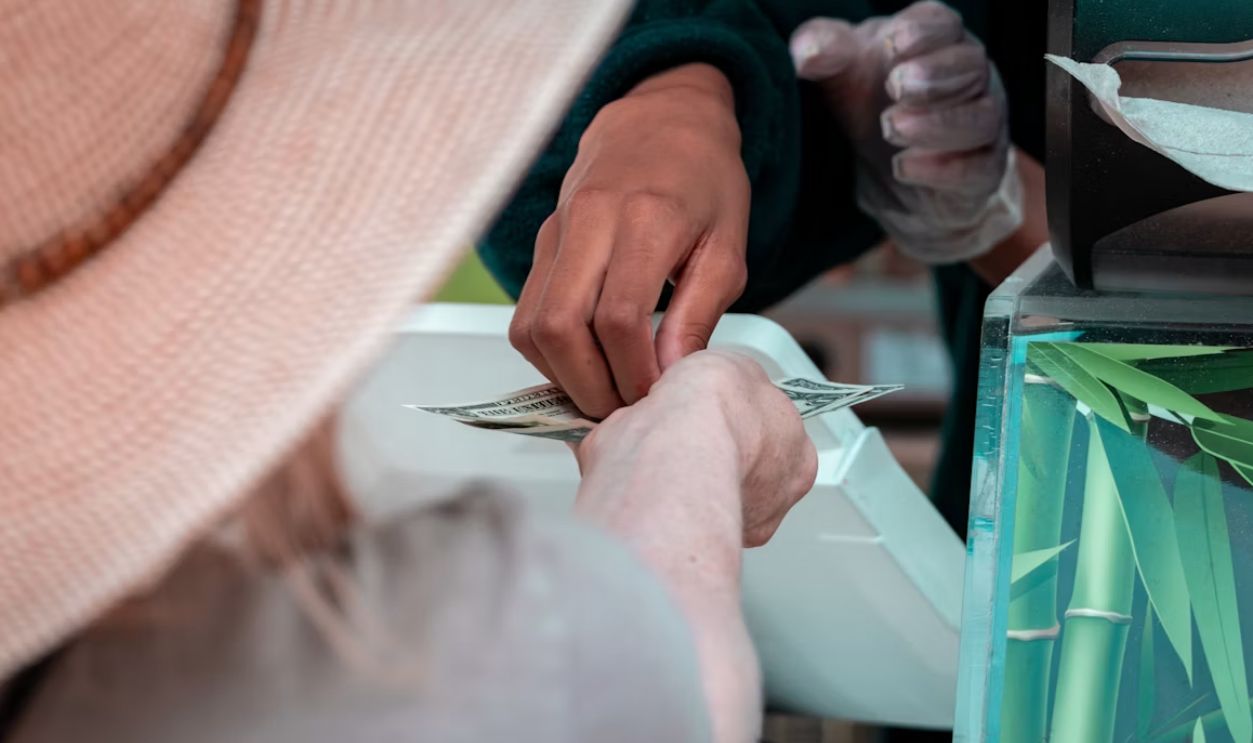
This is the funny part: calling it a “gift card” makes the offer sound generous. But once money changes hands, it’s not a gift. It’s a transaction. And in street transactions with strangers, especially involving unverifiable value, caution is your best travel companion.

Could It Have Been Legit?
Technically, yes. A real person could have a valid gift card they cannot use. But most legitimate people don’t randomly approach tourists in public to trade expensive dining credit for cash. That detail pushes this from “maybe lucky” to “almost certainly sketchy.”
The Pressure Was Part Of The Trick
Scams often create a quick decision. The person may act rushed, emotional, friendly, or slightly desperate. They do not want you to call the restaurant, check the balance, or think too long. Speed keeps the illusion alive.
Your Brain Did Something Normal
Don’t beat yourself up. Travel puts your brain in adventure mode. You’re open to surprises, stories, and chance encounters. Scammers exploit normal human instincts: trust, curiosity, politeness, and the tiny thrill of getting a bargain.

The Politeness Trap Is Real
Many travelers get scammed because they don’t want to seem rude. Someone approaches, chats, smiles, and suddenly walking away feels awkward. But when money is involved, especially with a stranger, you’re allowed to be abrupt. Your wallet outranks their feelings.

Check The Card Before Using It
If you still have the card, contact the restaurant directly through its official website or phone number. Don’t use a number printed only on the card. Ask whether they issue gift cards, whether the card format is valid, and whether the balance can be checked.
Don’t Pay More To “Activate” It
A second scam could appear if someone says the card needs an activation fee, booking deposit, or verification payment. Do not send more money. Real gift cards are either valid or they are not. Paying extra rarely fixes a questionable street purchase.

Watch For Fake Reservations
Some scams involve gift cards connected to fake dining experiences. You may be told to book through a certain website, message a “manager,” or pay taxes upfront. Real restaurants usually have clear booking channels and do not ask for strange side payments.

Tell Your Travel Group
If you’re traveling with friends, tell them what happened. Not to roast you, although they might lovingly try, but to keep everyone alert. Scams often happen in clusters near tourist areas, train stations, plazas, and busy restaurant districts.

Report It If You Can
For $20, reporting may feel like a hassle. Still, you can mention it to local police, tourist information, or the restaurant if its name was used. Even a quick warning helps businesses and other travelers recognize the pattern.

Do Not Confront The Seller
If you see the person again, don’t chase them or demand money back. Street scams can involve teams, lookouts, or people who become aggressive when challenged. Your safety is worth far more than $20 and a dramatic comeback speech.

Consider It A Cheap Travel Lesson
This may sting, but as scams go, $20 is not the worst outcome. Some travelers lose hundreds through fake tickets, fake taxis, rigged ATMs, or bogus apartment rentals. You bought a lesson, and luckily it came at economy-class pricing.

How To Avoid This Next Time
A simple rule works almost everywhere: don’t buy vouchers, tickets, jewelry, electronics, or “leftover” items from strangers on the street. If you can’t verify the value immediately through an official source, treat the deal as entertainment, not commerce.

Fancy Restaurants Don’t Need Sidewalk Sales Teams
This is a good mental shortcut. High-end restaurants do not usually rely on random people selling discounted gift cards outside tourist attractions. If the restaurant is truly expensive and popular, its vouchers don’t need to be hustled beside a fountain.

Trust The Too-Good-To-Be-True Alarm
Travel magic is real. Free upgrades happen. Kind strangers exist. But when a stranger offers high value in exchange for quick cash, your internal alarm should start playing nightclub-level bass. Deals that feel strangely perfect usually have a catch.
Keep Small Cash Separate
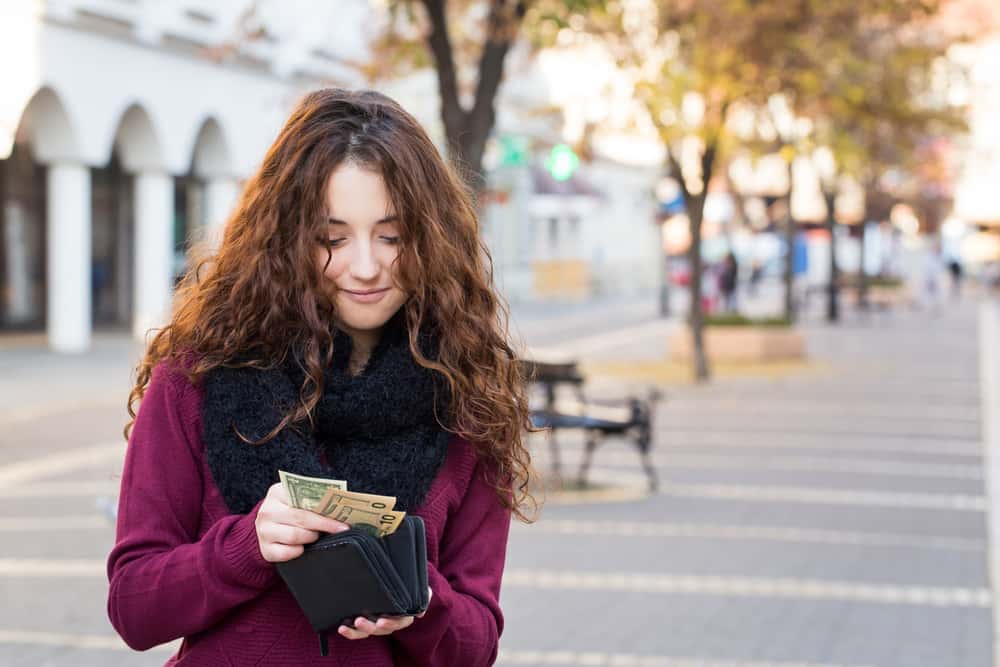
One smart travel habit is carrying a small “street wallet” with limited cash while keeping cards and larger bills elsewhere. This won’t stop every scam, but it limits damage if you make a rushed decision or encounter a pickpocket.
Laugh, Learn, And Move On
The best travelers collect stories, and not all of them are flattering. Maybe this becomes the tale of how you almost dined like royalty for $20. Or maybe it becomes the reason you now investigate every “amazing deal” like a detective.
The Real Souvenir Was Skepticism
So, did you get scammed? Most likely, yes. But you also gained a useful travel instinct: pause before paying, verify before trusting, and remember that strangers offering luxury at a discount are rarely handing out miracles.

What To Do Before Your Next Trip
Before heading to a new city, spend ten minutes reading about common local scams. It’s not paranoid; it’s practical. Knowing the tricks makes you harder to target, quicker to react, and much more likely to spend your money on gelato instead.

You May Also Like:
My travel buddy disappeared for two days and left me with the hotel bill. Can I recover the money?