
Every Small Problem Became The End Of The World
A delayed train became a disaster, a wrong turn became an argument, and a slow restaurant suddenly threatened the entire vacation. Traveling with someone who reacts to every inconvenience like an emergency can leave everyone else exhausted and constantly on edge. Surviving the trip requires more than staying calm yourself. Here's how to stop one person’s anxiety from controlling every day.
Recognize The Pattern Early
A high-stress traveler may repeatedly assume the worst, demand immediate answers, or become angry when plans change. Once that pattern becomes clear, stop treating each new outburst as a completely separate problem. Recognizing the cycle helps you respond deliberately instead of being pulled into the same panic every time.

Anxiety And Controlling Behavior Aren’t Identical
Someone may feel genuinely frightened by delays, crowds, unfamiliar food, or missed connections. That deserves empathy. However, anxiety doesn’t give anyone permission to shout, insult others, control every decision, or make the entire group responsible for regulating their emotions.

Talk Before The Next Trip
The easiest time to discuss travel stress is before anyone reaches the airport. Ask what situations usually make the person nervous and what genuinely helps them feel prepared. The conversation should also cover what the rest of the group won’t accept, such as yelling, constant criticism, or last-minute attempts to cancel everyone’s plans.

Identify Their Most Common Triggers
The traveler may become especially stressed by tight connections, unfamiliar transportation, hunger, crowds, or uncertainty about money. Knowing the triggers makes it easier to prevent some avoidable meltdowns. It also reveals which problems require practical planning and which ones are emotional reactions that planning alone won’t fix.

Agree On What Counts As A Real Emergency
A lost passport, medical issue, dangerous situation, or cancelled flight may require immediate action. A restaurant being full or a hotel room not being ready usually doesn’t. Agreeing on that distinction can reduce the tendency to treat every disappointment with the same level of urgency.

Create A Basic Contingency Plan
High-stress travelers often calm down when they know there’s a backup. Record alternative flights, local transportation options, emergency contacts, hotel details, and insurance information in one accessible place. The plan doesn’t need to predict everything. It simply needs to show that one disruption won’t leave the group helpless.
Give Them A Useful Responsibility
Some anxious travelers feel worse when they have no control, but giving them control over the entire trip creates new problems. Assign a limited, practical task such as keeping reservation numbers organized or checking airport transfer details. A defined role can provide reassurance without allowing them to dictate every choice.

Make Travel Information Easy To Access
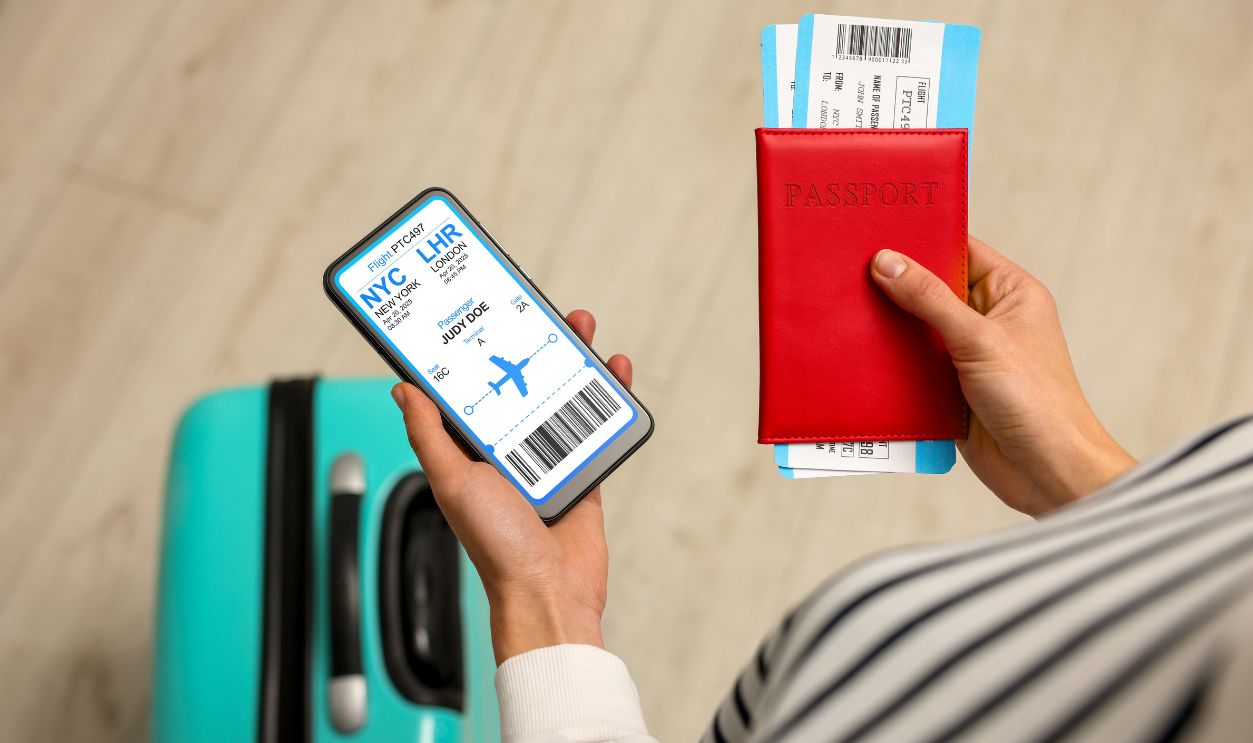
Don’t let one person become the sole keeper of boarding passes, hotel addresses, or confirmation numbers. Share important documents with every adult traveler and keep offline copies where possible. When information is accessible, fewer minor questions become urgent demands directed at one overwhelmed organizer.
Add More Time Than You Think You Need
Rushed connections and tightly packed schedules can make an anxious traveler much harder to manage. Choose longer layovers, leave early for reservations, and allow time for wrong turns or security lines. Extra time may feel inefficient, but it can prevent one small delay from setting off hours of conflict.

Reduce Unnecessary Transitions
Changing hotels every night, taking multiple forms of transportation, or switching cities constantly creates more opportunities for plans to go wrong. A slower itinerary with fewer transfers can make the trip easier for everyone. Staying in one place longer also provides a sense of stability for someone who struggles with uncertainty.

Stop Trying To See Everything
An overloaded itinerary leaves little room for delays, fatigue, or emotional recovery. Choose one or two priorities each day and treat everything else as optional. A less ambitious schedule may actually produce a better vacation because the group isn’t constantly racing against the clock.
Build In Time Apart
Travel companions don’t need to spend every hour together. One person can rest at the hotel while another visits a museum, goes shopping, or takes a walk. Regular breaks can protect the relationship by preventing irritation from building until the next inconvenience triggers a major argument.
Don’t Match Their Panic
When one person raises their voice and predicts disaster, it’s tempting to become equally forceful. That usually adds more energy to the crisis. Speak slowly, keep your language simple, and focus on the next practical step instead of debating every exaggerated claim.

Validate The Feeling Without Confirming The Disaster
You can acknowledge that a delay is frustrating without agreeing that the vacation is ruined. Try saying, “I know this is stressful, and we’re going to look at the options.” This recognizes the emotion while gently returning the conversation to what can actually be done.

Use Facts To Shrink The Problem
Anxious travelers may fill uncertain situations with worst-case predictions. Replace speculation with concrete information whenever possible. Confirm the new departure time, ask the hotel how long the wait will be, or check the official transit schedule before deciding that everything has fallen apart.

Don’t Feed Endless Reassurance Loops
Repeatedly answering the same fearful question may calm the person for only a few seconds before they ask again. Give a clear answer once or twice, then redirect them to the agreed plan. Constant reassurance can leave everyone drained without making the traveler feel meaningfully safer.

Put A Time Limit On Decisions
Stress can turn a simple choice into an hour-long debate. Give the group a reasonable period to compare options, then make the best available decision. A deadline keeps one anxious person from holding everyone in limbo while waiting for a perfect solution that may not exist.

Address Bad Behavior Privately
Correcting someone in front of the entire family or travel group can make them feel embarrassed and defensive. When possible, step aside and speak calmly. Explain how their reaction affected everyone and what needs to happen differently when the next problem appears.

Protect Sleep, Food, And Downtime
Hunger, exhaustion, dehydration, and overstimulation can make an already anxious traveler much more reactive. Schedule regular meals, avoid excessively late nights, and leave time to decompress. These basics won’t eliminate the pattern, but they can prevent ordinary physical discomfort from becoming another apparent crisis.

Prepare Carefully For Airports
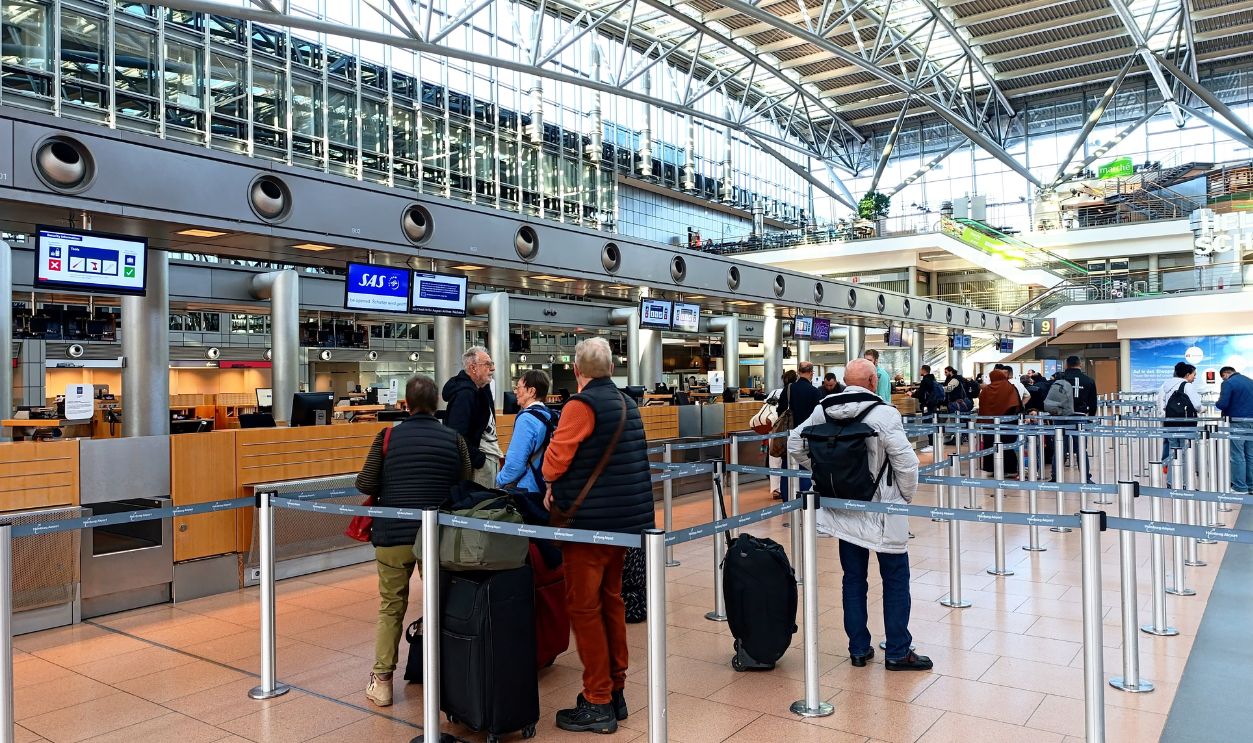
Airports combine crowds, time pressure, security procedures, and frequent schedule changes. Check in early, review baggage rules, organize documents, and arrive with enough time to avoid rushing. If the traveler has severe airport anxiety, consider quieter waiting areas, lounge access, or professional support before departure.

Keep Money Disagreements Separate
Stress often increases when travelers don’t know who is paying for taxis, rebooked tickets, or unexpected meals. Agree in advance on how shared expenses and emergency costs will be handled. A clear budget prevents every disruption from becoming both an emotional crisis and a financial argument.

Create A Few Useful Phrases
It helps to have calm responses ready before tension rises. Try, “This is frustrating, but it isn’t dangerous,” “Let’s solve one part at a time,” or “We have two reasonable options, and we need to choose one.” Familiar language can interrupt the cycle without starting a fresh debate.

Set Boundaries For Future Travel
After the trip, explain honestly what worked and what didn’t. Future travel might require a shorter itinerary, separate rooms, independent activities, or professional help managing severe anxiety. In some cases, the healthiest boundary may be deciding that you can enjoy this person at home without traveling together again.

You Can Support Them Without Carrying The Entire Trip
A high-stress traveler may not be able to prevent every anxious reaction, but they’re still responsible for how they treat the people around them. You can prepare carefully, stay calm, offer practical support, and leave room for flexibility. You don’t have to surrender the entire vacation to their fear. The trip becomes far more manageable once everyone understands that anxiety can be accommodated, but it can’t be allowed to run the itinerary.
You May Also Like: