
The Bill Arrives And Everyone Goes Quiet
One night, you start to notice that the room service trays are stacking high in your suite. Then when it's time to leave, the final hotel bill lands with a thud. If you weren't the one ordering the the hundreds of dollars in room service, your instinct is probably that you shouldn't have to pay an equal share—even if your friend says they do that on trips all the time.

There Is No Universal Travel Rule
Group travel comes with plenty of unwritten customs, but there is no universal rule that says everyone must split every expense evenly. Etiquette experts usually come back to the same ideas: fairness, clear communication, and consent. If one or two people rack up a big tab on personal extras, most advice points to those people paying for what they ordered.

Etiquette Favors Paying Your Own Way
Modern etiquette is pretty consistent here. If everyone agreed in advance to divide all trip costs evenly, that is one thing. But if there was no clear agreement, expecting other people to cover your late-night burgers, champagne, or hotel desserts is a quick way to sour the trip.

Why Room Service Gets Tricky Fast
Room service feels casual in the moment, especially when a group is sharing a suite or hanging out after a long day. But hotel charges are rarely as simple as the menu price. Taxes, service fees, automatic gratuities, and delivery charges can turn a small order into a painful bill.

Hotels Often Add More Than The Menu Price
Many hotels tack on mandatory charges to in-room dining, and travelers do not always notice until checkout. Consumer reporting and hotel guidance have long warned guests to read the fine print on room service bills for service charges and gratuities. That means even a few generous orders can spiral into hundreds of dollars very quickly.

What Experts Say About Splitting Restaurant Bills
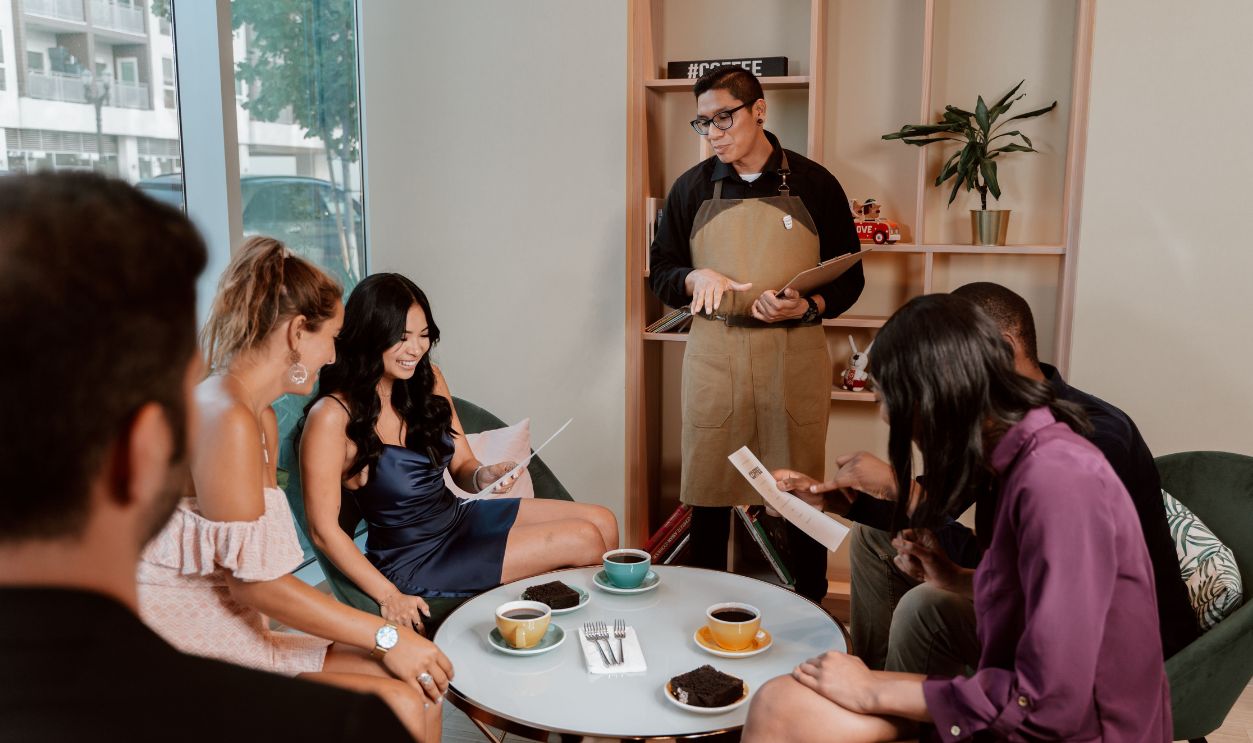
Etiquette writers have covered the bigger issue of group dining for years, and the same logic applies on vacation. The Emily Post Institute advises people to speak up early if they want separate checks or different payment arrangements. The basic rule is simple: do not surprise people with a bigger share than they expected.
Miss Manners Has Long Warned Against Assumptions
Advice in the Miss Manners tradition also leans hard against forcing your spending choices onto other people. If you ordered the expensive extras, you should be ready to cover them. Assuming equal payment without equal participation is less a travel norm and more a recipe for resentment.

Travel Experts Push Planning Before Departure
Travel planning guides regularly recommend setting money expectations before the trip starts. That includes hotel costs, transportation, meals, drinks, and extras like room service. These conversations are not fun, but they are often the difference between a great getaway and a friendship stress test.

Group Trips Magnify Small Money Problems
Money tension on vacation tends to grow fast because people are tired, hungry, busy, and already spending more than usual. A charge that might seem minor at home can feel huge when it shows up on top of flights, hotel rates, attraction tickets, and restaurant bills. That is why one unchecked room service spree can become the moment everyone remembers.

What Counts As A Shared Expense
Usually, a truly shared expense is something the group knowingly used together. Think a rental car, a grocery run for the house, or a pizza everyone ate by the pool. A solo Caesar salad sent to one room at midnight usually does not belong in that category.

If Everyone Ate It, The Answer Changes
The fairest answer depends on what actually happened. If the room service order was clearly communal and everybody ate or drank from it, splitting may make sense. If only a few people ordered and consumed most of it, those travelers should usually pay most or all of that bill.

Consent Is The Real Line
The biggest issue is not whether there is a shared bill. It is whether everyone agreed to that setup. Consent matters in travel budgeting just as much as it does in any other shared plan. If nobody checked first, the people who placed the order should not be shocked when others refuse to split it evenly.

Why “We Always Do It This Way” Is Not Enough
Some friend groups really do divide nearly everything down the middle. That can work if everyone knows the routine and is comfortable with it before the trip starts. But one group’s habit is not a universal standard, especially when new travelers or different budgets are in the mix.

Budget Gaps Change The Whole Dynamic
One traveler might see a $75 club sandwich order as a funny vacation splurge, while another is tracking every dollar. Travel advisors often point out that mismatched budgets are one of the most common causes of group-trip tension. Even close friends can have completely different ideas about what counts as reasonable.

Hotels Usually Charge One Guest First
There is also a practical problem. Hotels usually place incidental charges on the room tied to the order or the card on file. That means one guest may get hit first and then have to chase everyone else for repayment. If the group is messy about paying each other back, the person whose card is on file can end up carrying both the stress and the cost.

Digital Payment Apps Help But Do Not Solve Etiquette
Venmo, PayPal, Zelle, and similar apps make it easier to split money, but they do not fix bad assumptions. Technology can calculate a share in seconds. It cannot make that share fair. A clean payment request is not the same thing as a justified one.

How To Respond In The Moment
If this happens to you, stay calm and be direct. Ask for an itemized bill and figure out which charges were actually shared. A simple line like, “I am happy to pay my portion of what I used, but I am not comfortable splitting items I did not order,” is often the clearest way forward.

Ask For The Hotel Folio
Hotels can usually provide a folio or itemized statement showing room service charges, dates, and sometimes the related room number. That paperwork matters if memories start getting fuzzy. It keeps the conversation tied to facts instead of vacation revisionism.

Do Not Forget Taxes And Service Charges
When you review the bill, look beyond the food itself. Hotels may add tax, delivery fees, and service charges that seriously raise the total. If the group agrees to share part of the order, those extra charges should usually be split proportionally too.

When A Partial Split Is The Fairest Option
Sometimes the right answer is not all or nothing. Maybe everyone shared one breakfast order, but two people also added premium cocktails and desserts for themselves. In that case, split the communal items evenly and assign the personal add-ons to the people who ordered them.

What If They Push Back
If your friends insist that “splitting everything” is standard, it is fair to ask when that was discussed. If there was no prior agreement, their expectation may be common in their circle, but it is not an objective travel norm. You do not have to fund someone else’s splurge just because they sound confident about it.

How To Set Rules Before The Next Trip
The smartest move is to talk about money before you leave home. Decide in advance whether meals will be separate, whether groceries are shared, and whether extras like minibar or room service are always personal. Travel experts and etiquette advisers consistently recommend this kind of upfront planning because it prevents ugly scenes later.

A Simple Script That Saves Friendships
Try something short and clear before check-in. You can say, “Let’s each cover our own room charges unless we agree beforehand that something is for everyone.” It is not glamorous, but it may be the message that saves the trip.

It Is Not Stingy To Want Fairness
People sometimes worry that objecting to an uneven split makes them look petty. In reality, clear money boundaries are often what keep friendships healthy. Fairness is not cheapness, especially when the charges involve optional luxuries instead of shared necessities.

Normal Depends On The Agreement
So, is it normal for travel friends to order hundreds of dollars in room service and expect everyone to split the bill? It can be normal only if the group clearly agreed to that setup ahead of time and everyone benefited from the order. Without that agreement, the more widely accepted standard is that people pay for what they ordered, with shared items divided fairly.

The Best Travel Rule Is Boring But Effective
The least exciting travel rule is often the most useful one. Talk about money early, save receipts, and never assume that shared space means shared spending. It may not be as fun as ordering fries at midnight in a hotel robe, but it is much better than fighting about the bill at checkout.