The Glove Box Was Basically A Survival Kit
Before GPS, USB chargers, streaming playlists, and kids complaining about weak Wi-Fi, a road trip meant loading the car with half the house and hoping Dad “knew a shortcut.” Every Baby Boomer remembers at least a few of these things rattling around the family car. Anyone born after 2000 may need a museum guide.
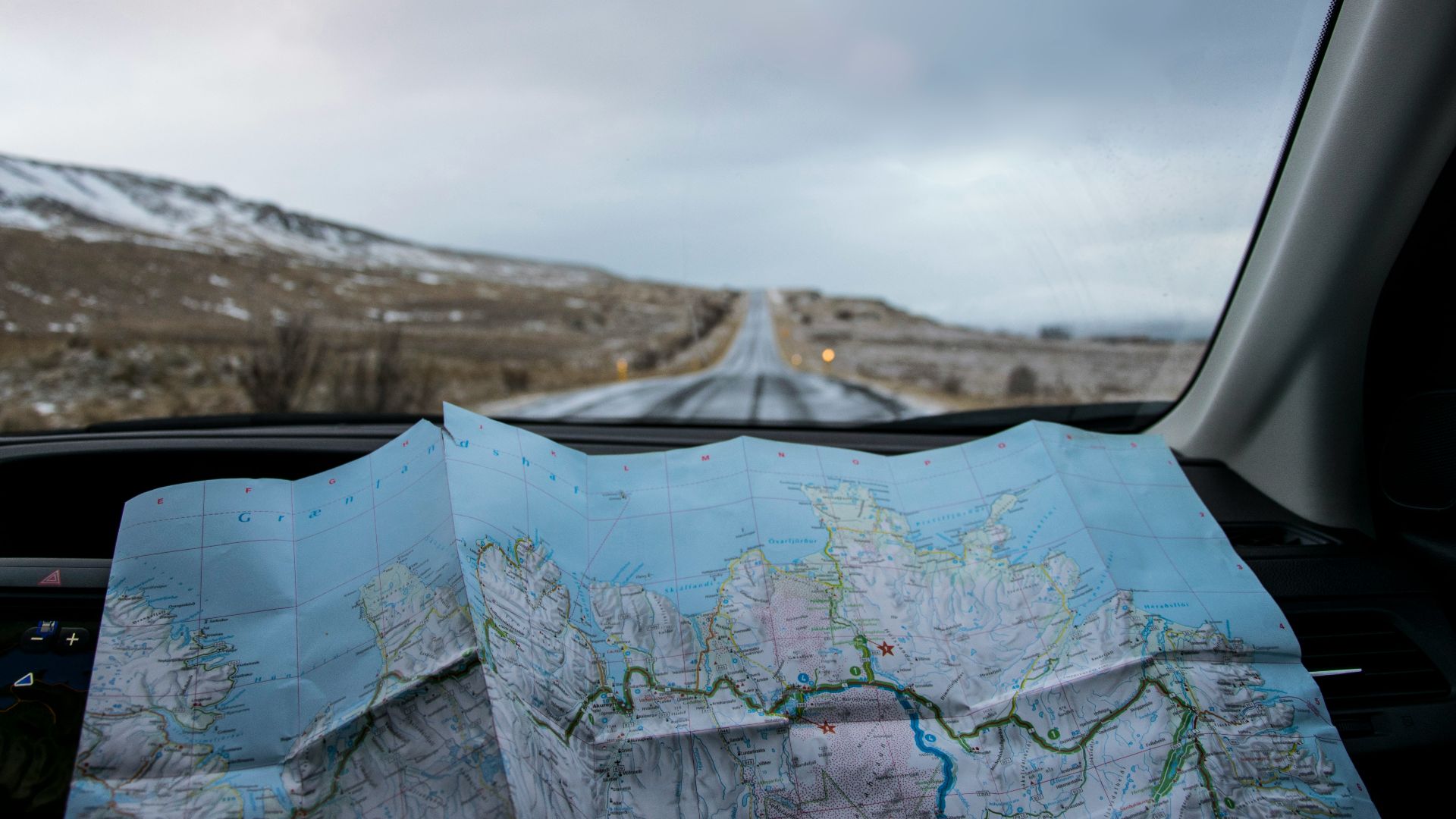
Folded Paper Road Maps
Every car had at least one paper map stuffed into the glove box, usually folded in a way no human could ever recreate. Dad would unfold the whole thing across the steering wheel, Mom would point at tiny highway numbers, and everyone in the backseat would pretend this was normal.
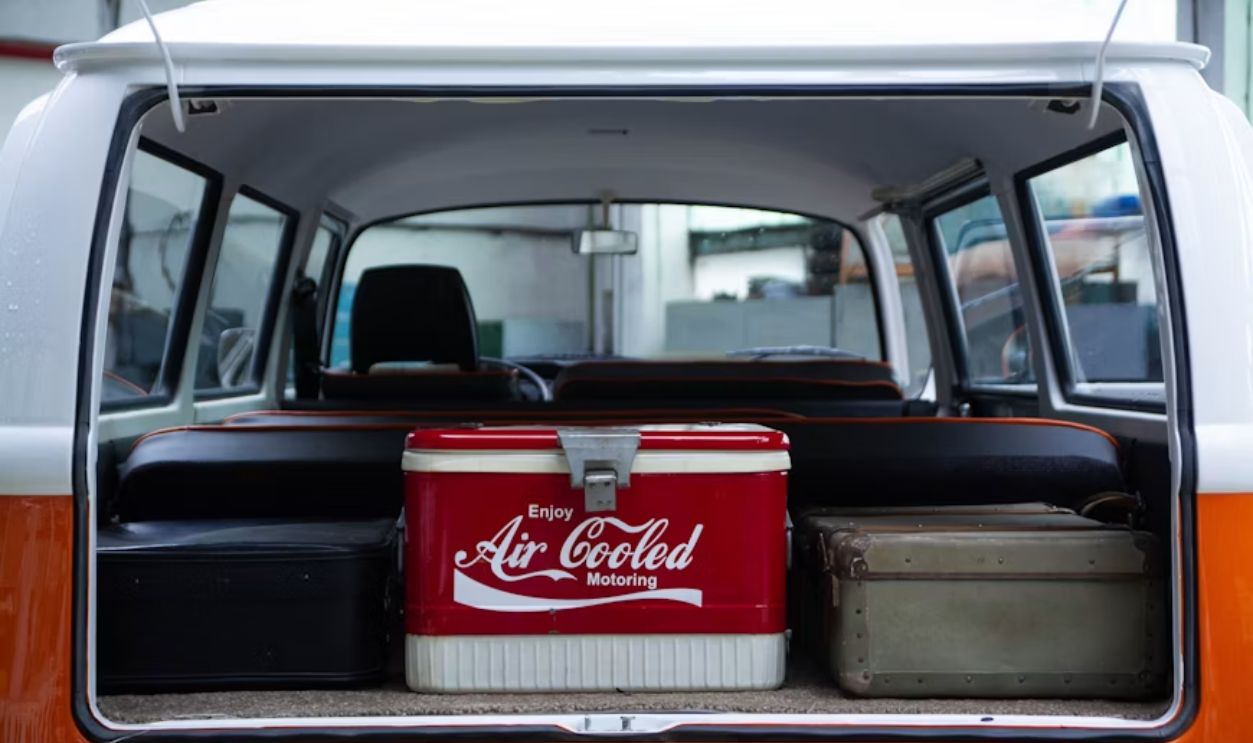
A Metal Coleman Cooler
Every long trip had a cooler, and it was usually big, metal, and heavy enough to qualify as luggage and furniture. It held sweating cans of soda, bologna sandwiches wrapped in wax paper, and maybe one sad apple no one wanted. The lid doubled as a seat because apparently that was allowed.
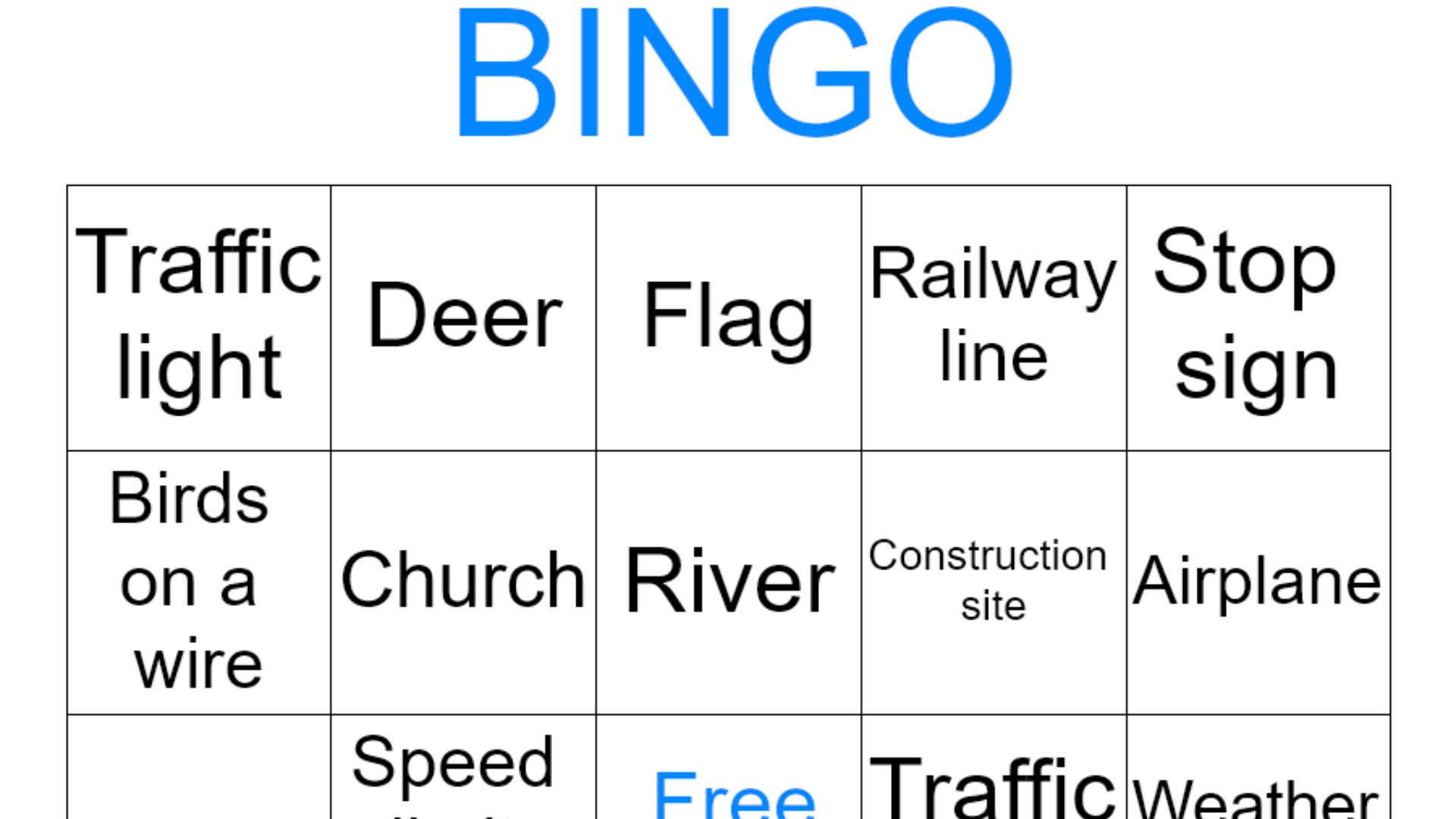
Car Bingo Cards
Before tablets, kids had car bingo. You slid little red windows over things like cow, stop sign, gas station, bridge, or church. It kept children busy for maybe eight minutes, which was apparently considered a parenting miracle. After that, everyone went back to asking how much longer.
 Lord Belbury, Wikimedia Commons
The Rand McNally Road Atlas
The real pros did not rely on one flimsy state map. They had the big Rand McNally road atlas, usually jammed between the front seats or buried under fast-food napkins. It was heavy, confusing, and somehow more trusted than any app with live traffic updates could ever hope to be.
A Full-Size Spare Tire
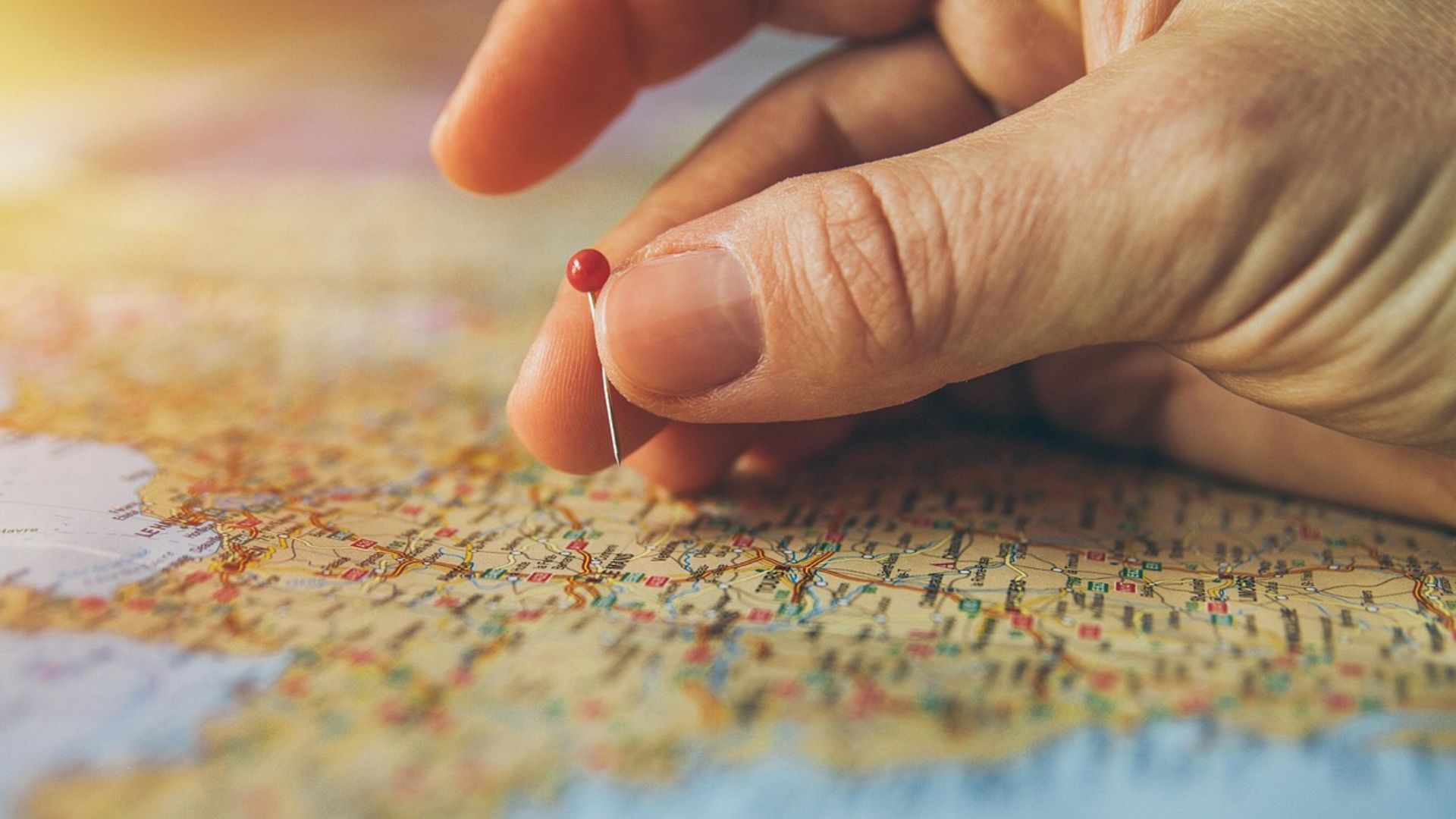
Not a tiny temporary donut. Not a “mobility kit.” In plenty of family cars, a real, full-size spare tire lived in the trunk, eating up space like it paid rent. Parents expected someone to know how to change it, usually on the side of the road while trucks blasted past and kids watched from the backseat.
An 8-Track Tape Case
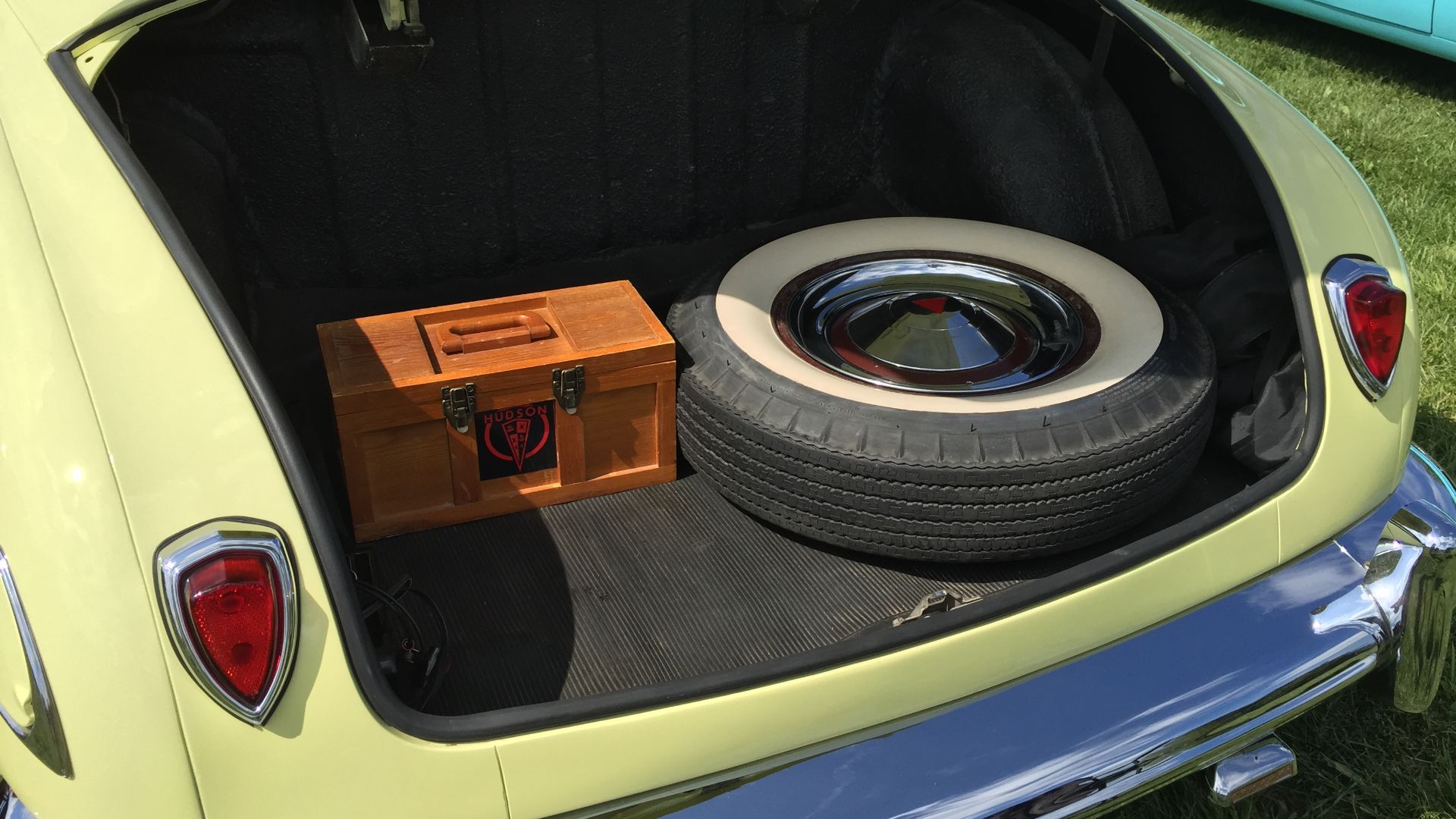
If the family car had an 8-track player, the tape case was usually nearby, clunky and full of albums that clicked in the middle of songs. You did not choose tracks the way people do now. You surrendered to the machine and accepted whatever chunk of music it decided came next.
A Plaid Thermos
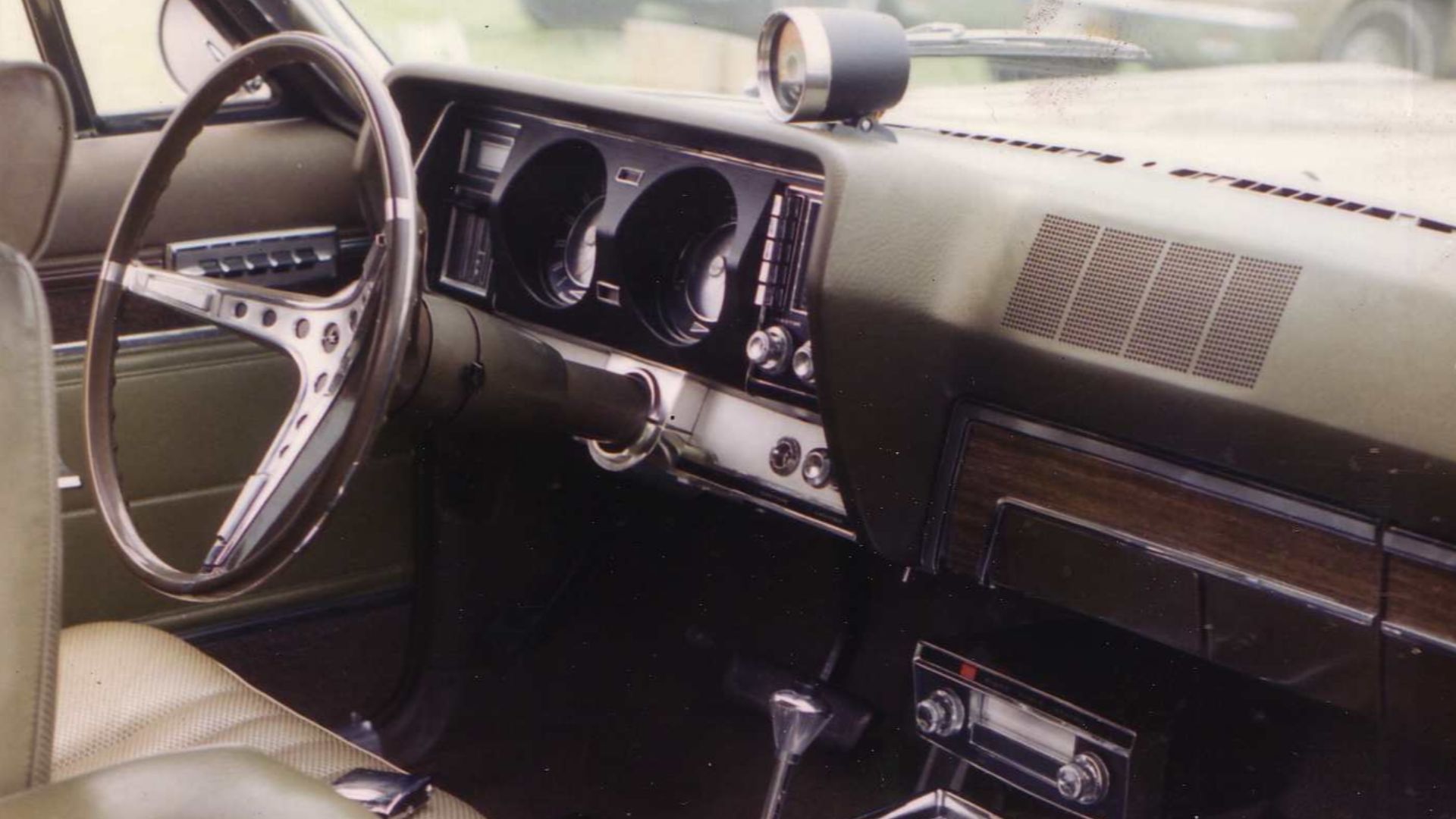
Somewhere in the car was a plaid Thermos full of coffee, soup, or something that had been hot three exits ago. Parents treated that Thermos like modern people treat airport lounge access. It meant preparedness. It meant savings. It also meant the whole car smelled faintly like coffee and plastic.
AAA TripTik Booklets
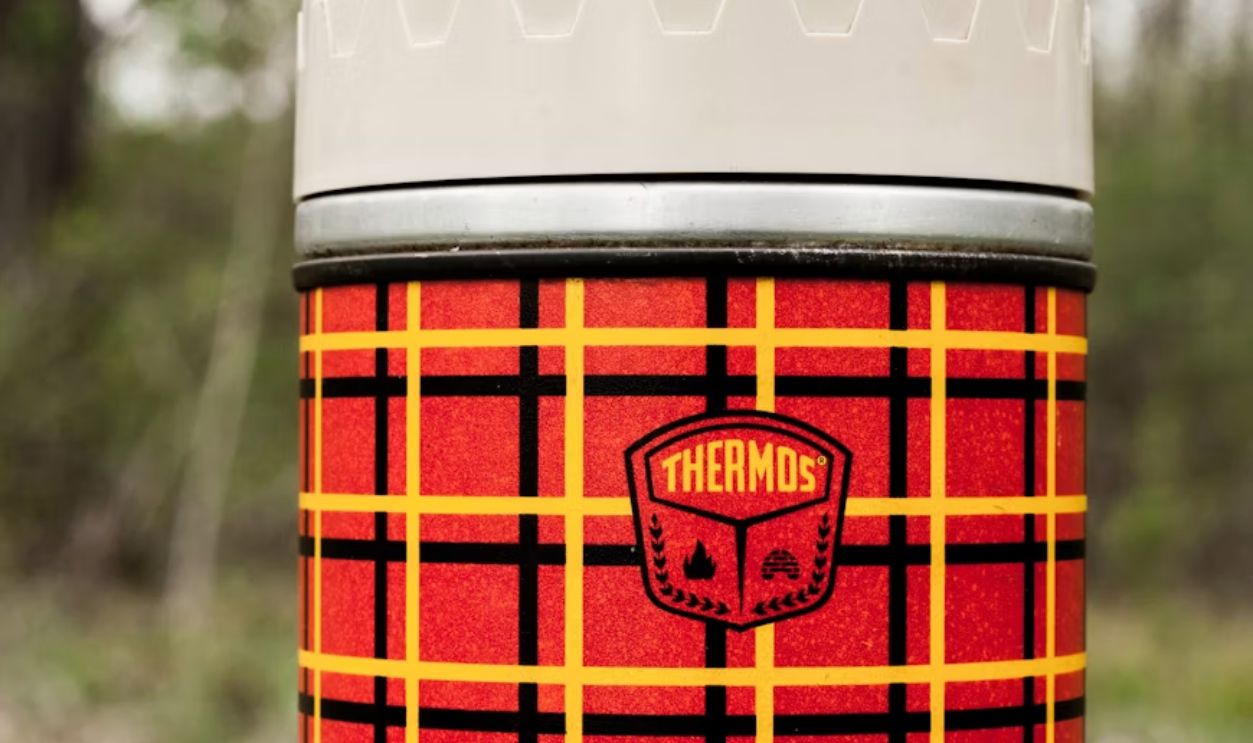
Before phones calmly told you where to turn, AAA could make custom TripTik booklets with highlighted routes, little flip pages, and warnings about construction. It felt very official, like the family car had been given secret government orders. Baby Boomers remember these. Gen Z would assume it was a weird road-trip coupon book.
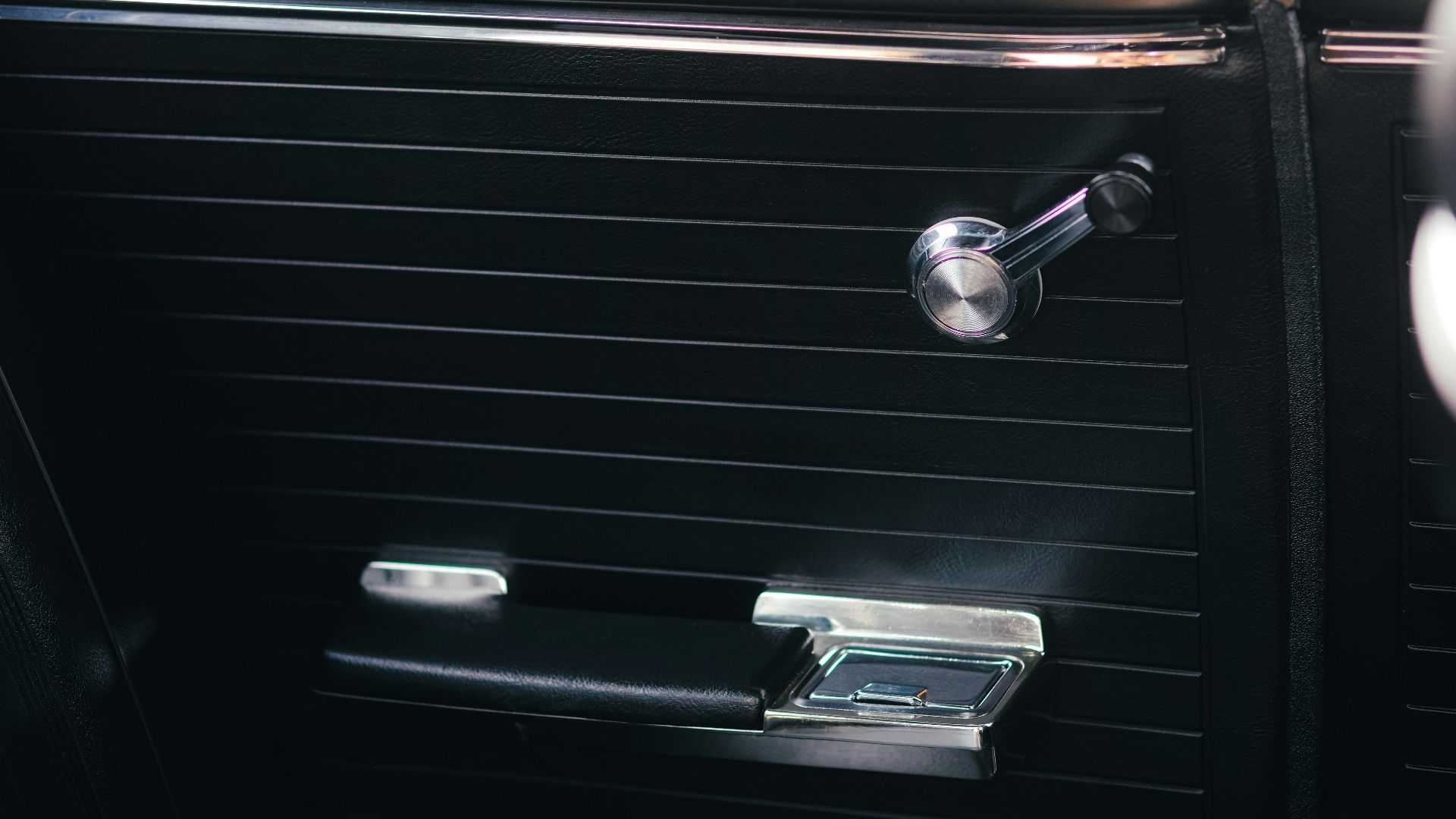
Manual Window Cranks
Every kid knew the feeling of cranking a window up and down by hand, especially when the handle got stiff and your arm started burning. There was no button, no lockout switch, and no gentle electric hum. Just elbow grease and one parent yelling not to play with it.
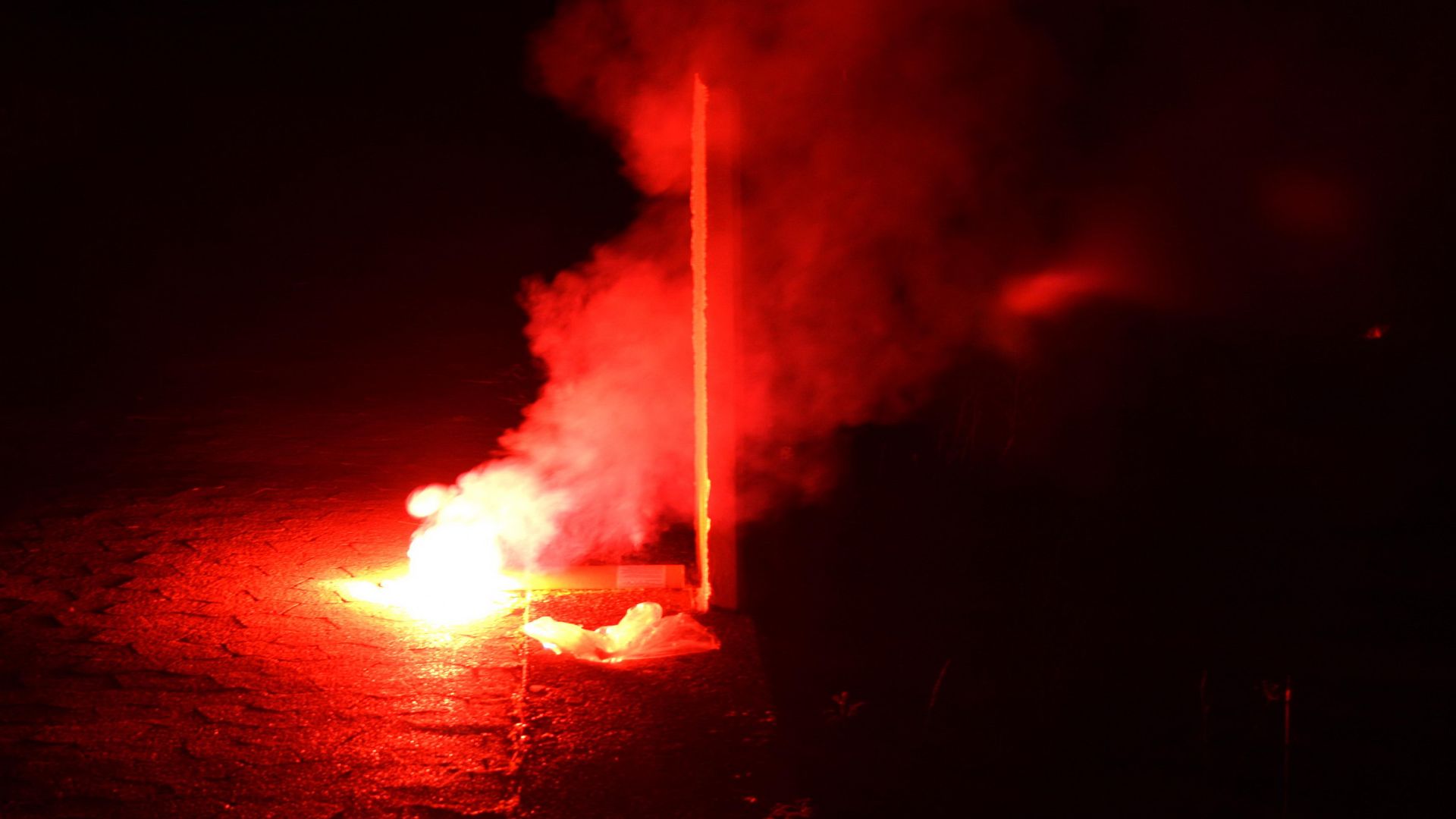
Road Flares
Before everyone had a phone and roadside assistance apps, some families kept road flares for emergencies. They looked dramatic, dangerous, and extremely serious. If one came out, the trip had officially stopped being fun. To anyone born after 2000, it would look like the family packed fireworks for a flat tire.
License Plate Game Lists
Some families had actual printed license plate checklists, while others just used notebook paper and serious competitive energy. Spotting Alaska felt like winning the lottery. Hawaii was basically impossible, but someone always claimed they saw it anyway. No one could prove anything because the car had already passed it.
A Blanket In The Backseat
The road-trip blanket did everything. It kept kids warm, covered vinyl seats baking in the sun, padded a picnic stop, and became a curtain if someone was trying to nap. It was never freshly washed, never neatly folded, and somehow always smelled like the trunk.
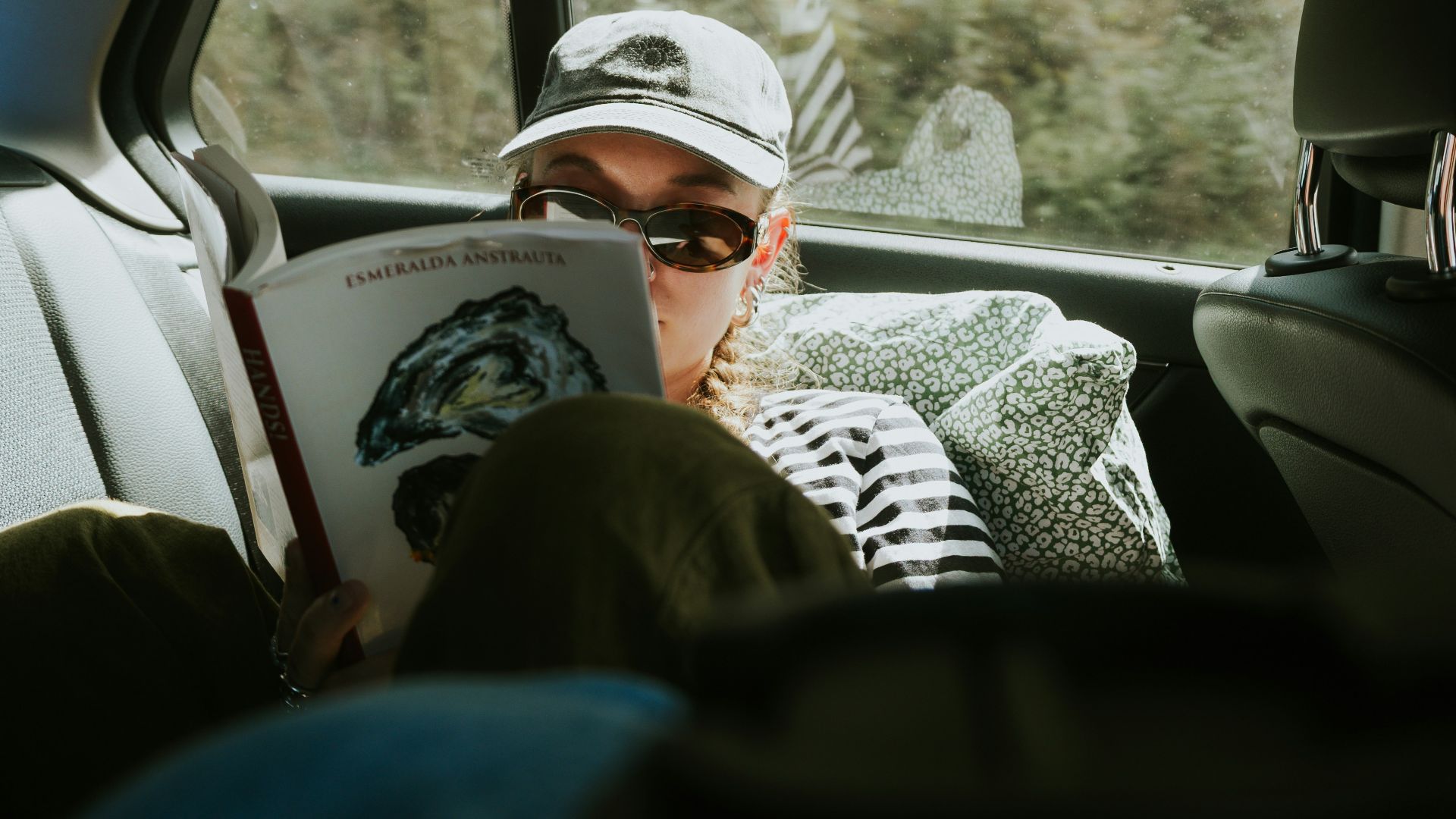
A CB Radio
For a glorious stretch of the 70s, CB radios made regular parents sound like truckers, spies, and outlaw heroes all at once. You had handles, channels, and phrases like “breaker one-nine.” Today it sounds ridiculous, but back then it felt like having a secret road network built into the dashboard.
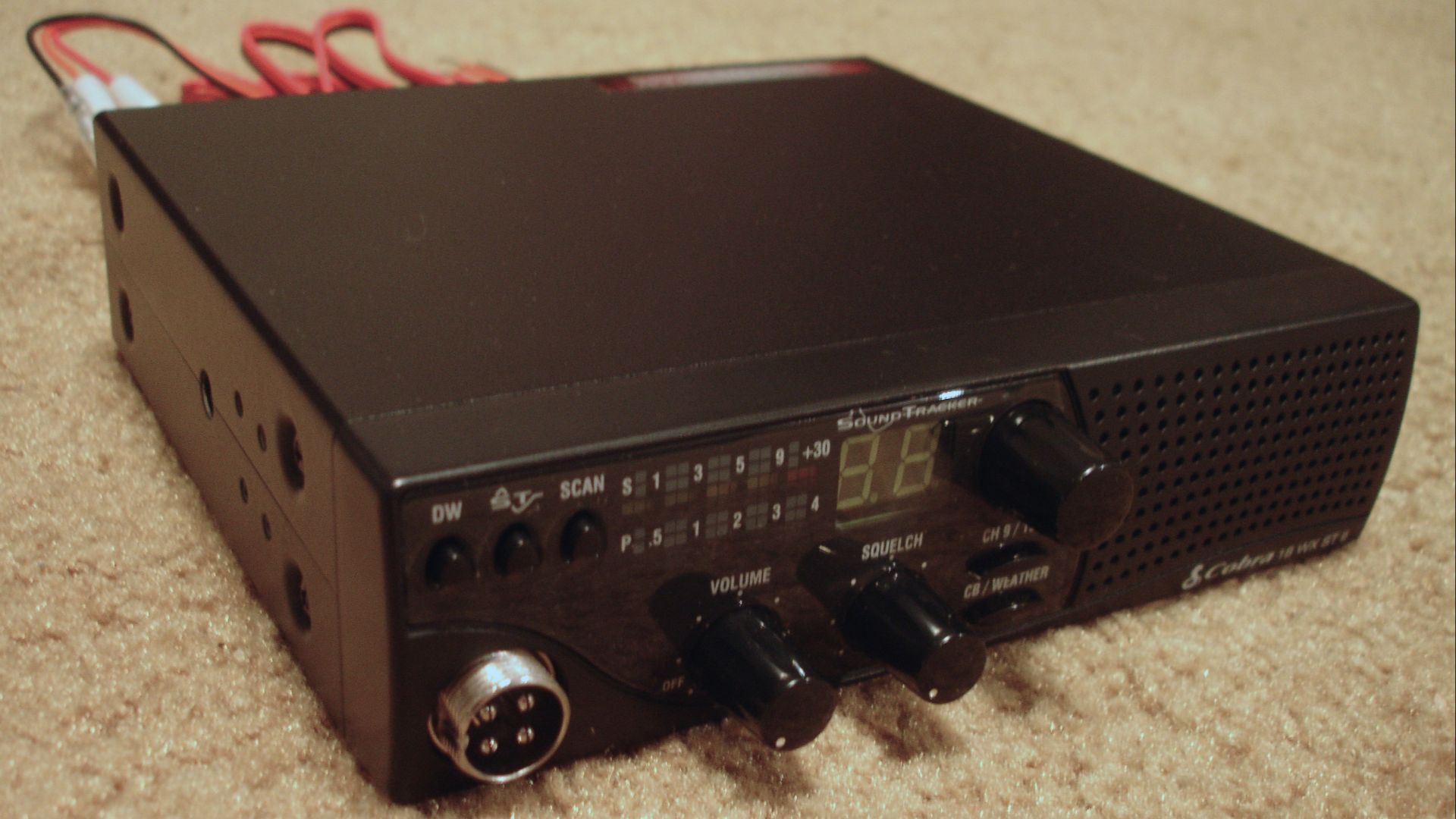
A Big Bottle Of Water For The Radiator
Older cars could overheat more easily, especially on long hot drives, so plenty of families traveled with a jug of water in the trunk. Not for drinking. For the radiator. That detail alone sounds insane now. A modern kid would ask why the car needed its own emergency beverage, and honestly, fair question.
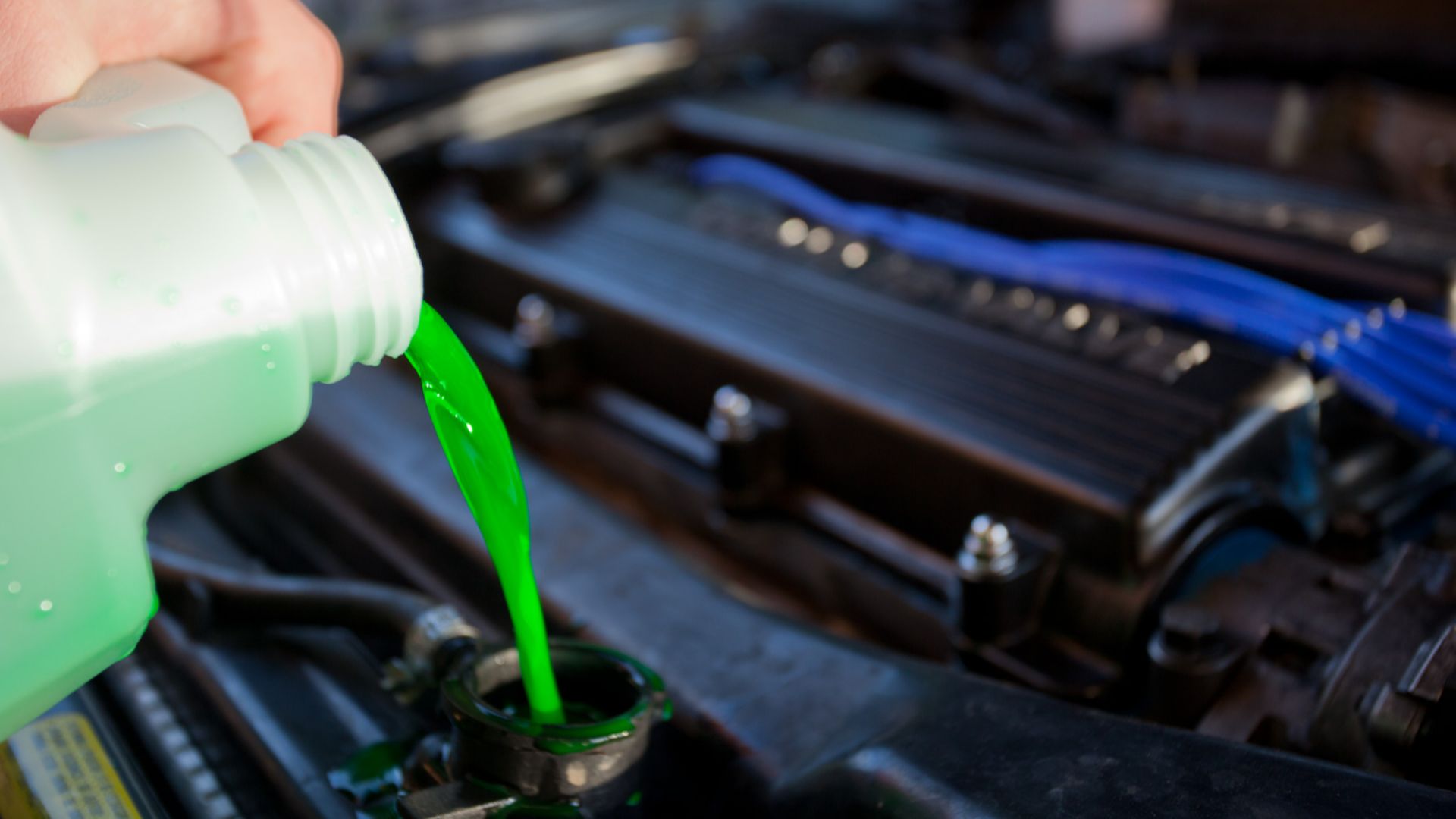
Cassette Tape Suitcases
By the late 70s, plenty of cars had cassette cases with fake leather covers and plastic slots inside. They slid under seats, cracked over time, and always had at least one tape with no label. Every family had a mystery cassette, and half the time it turned out to be someone recording off the radio.
 Véronique Ginouvès, Wikimedia Commons
A Bumper Jack
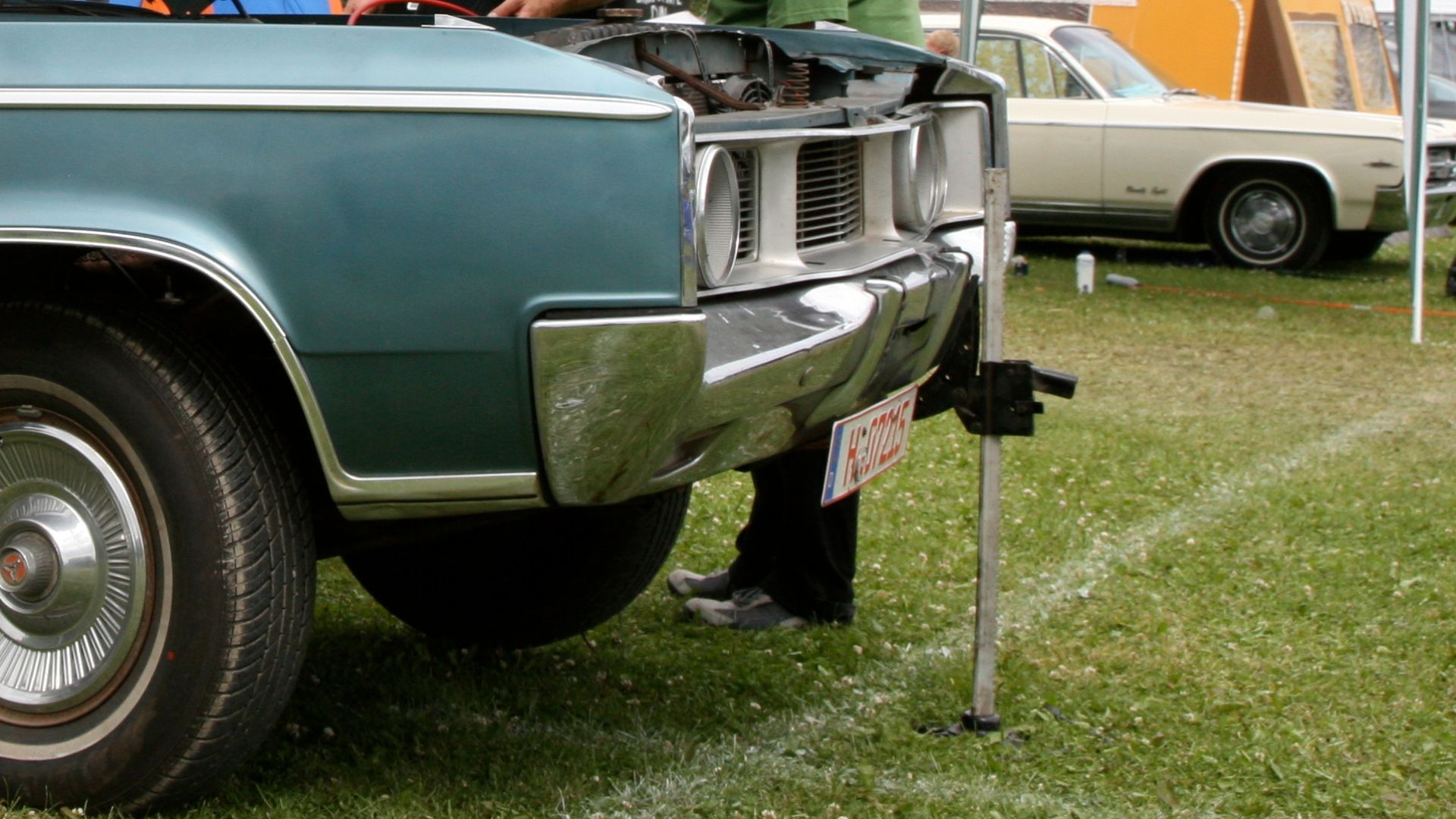
Older cars came with bumper jacks, which were useful, sketchy, and terrifying in equal measure. You hooked them to the bumper, cranked the car upward, and trusted the whole thing not to turn into a physics lesson. Anyone raised on modern roadside assistance would take one look and call an adult.
 Triple-green, Wikimedia Commons
A Pillow From Home
Long before ergonomic neck pillows showed up in every airport, kids brought regular pillows from their bedrooms. They leaned them against windows, fought over them, dropped them on grimy floor mats, and dragged them into motels. Nothing said family vacation like sleeping against a hot car door with your actual bed pillow.
A Glove Box Full Of Gas Station Maps
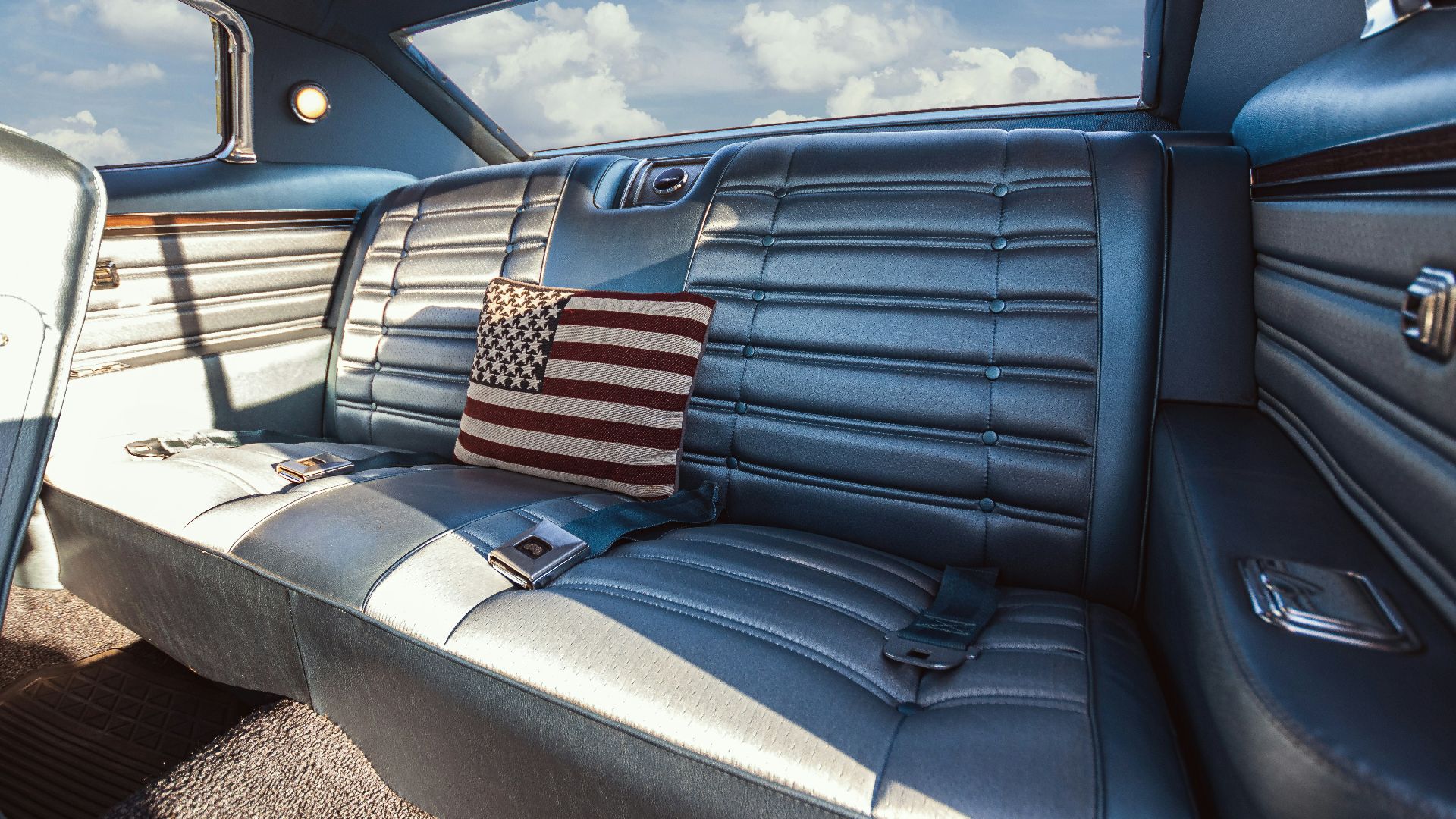
Gas stations used to hand out maps, and people actually kept them. The glove box became a paper graveyard of Mobil, Esso, Texaco, Shell, and state highway maps from trips nobody remembered. Finding the right one involved pulling out 12 wrong ones first and blaming whoever folded them last.
A Dashboard Compass
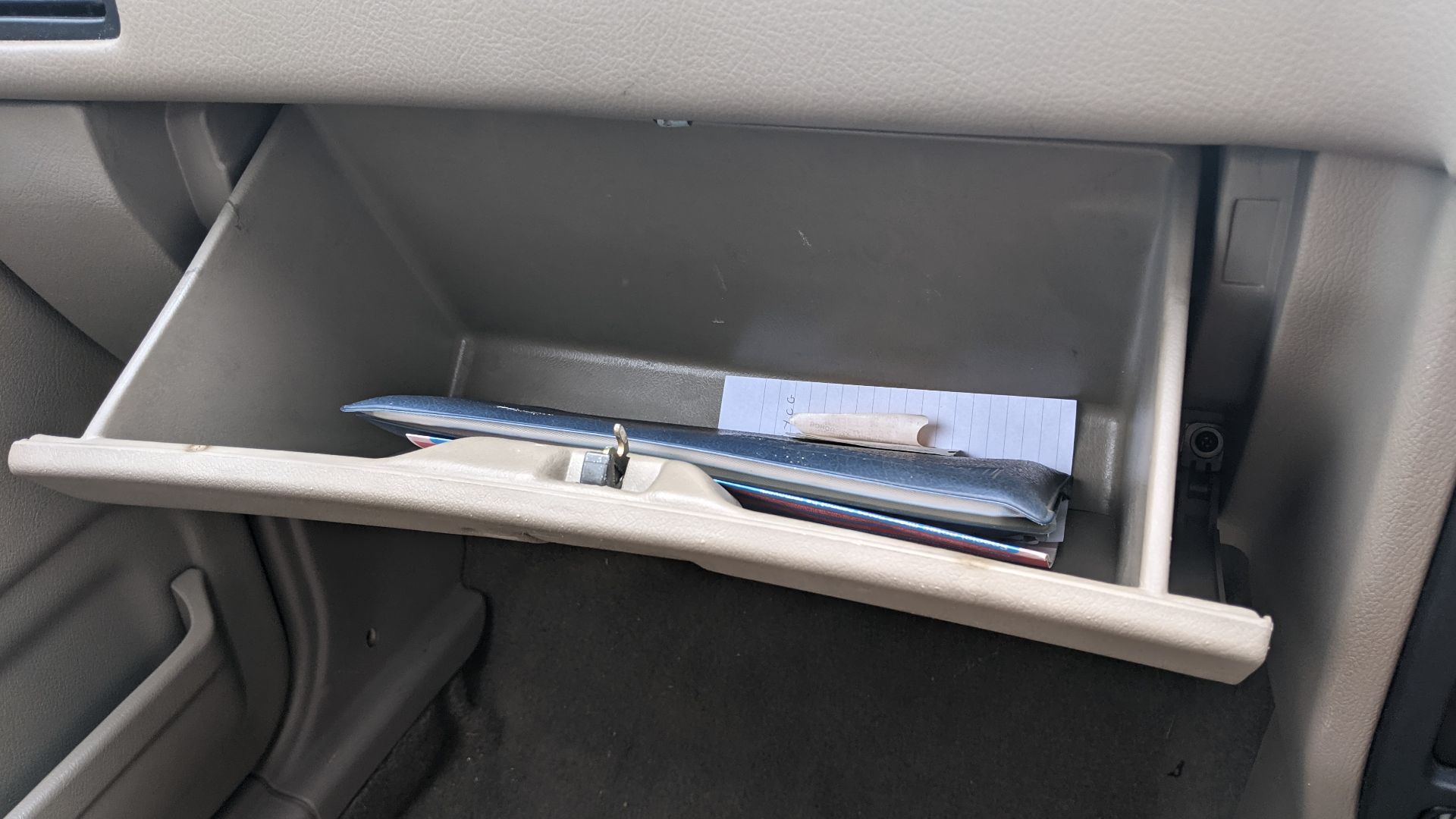
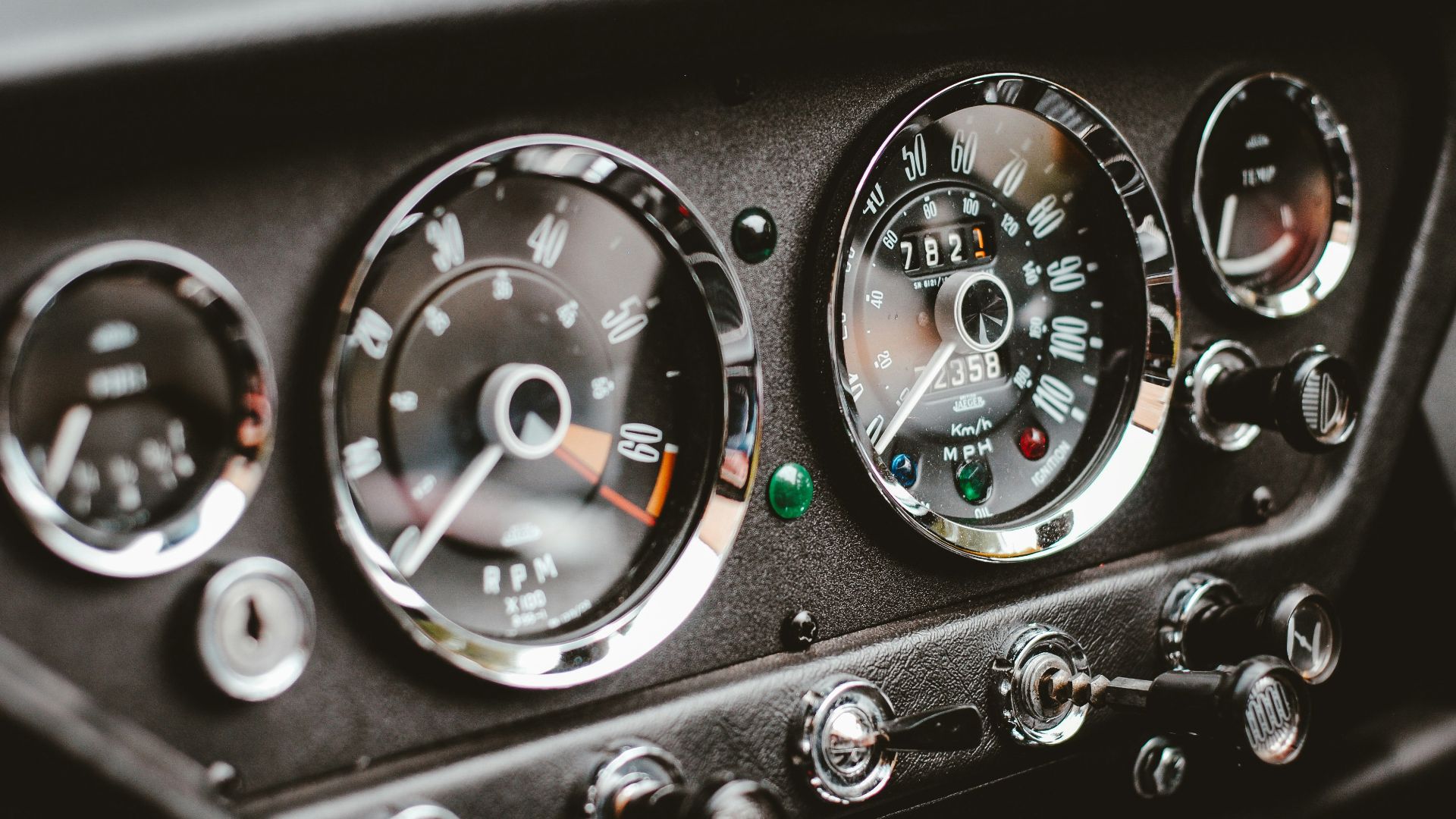
Some cars had little aftermarket compasses stuck to the dash, because apparently knowing “roughly west” counted as navigation. They bobbled, spun, and pointed wherever they felt like after a hard turn. Still, they made the car feel adventurous, like the family was crossing the Yukon instead of driving to Aunt Carol’s.
A Flashlight With Weak Batteries
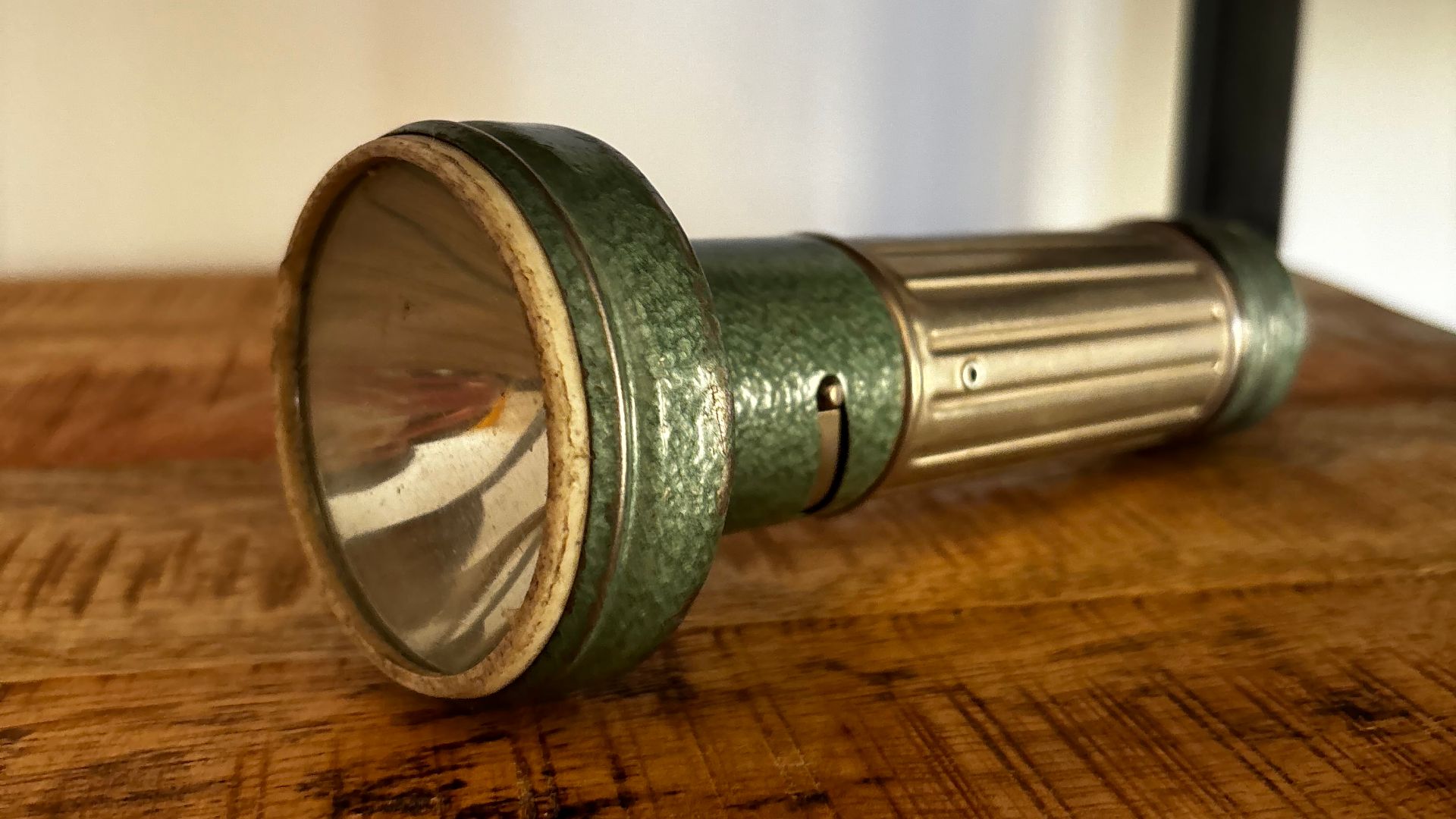
Every road-trip car had a flashlight, but somehow the batteries were always half-dead. It lived under the seat or in the trunk, waiting for a tire change, engine trouble, or one parent saying, “Check if we packed the blanket.” When it finally turned on, the beam looked like a tired candle.
 ElisaVintage, Wikimedia Commons
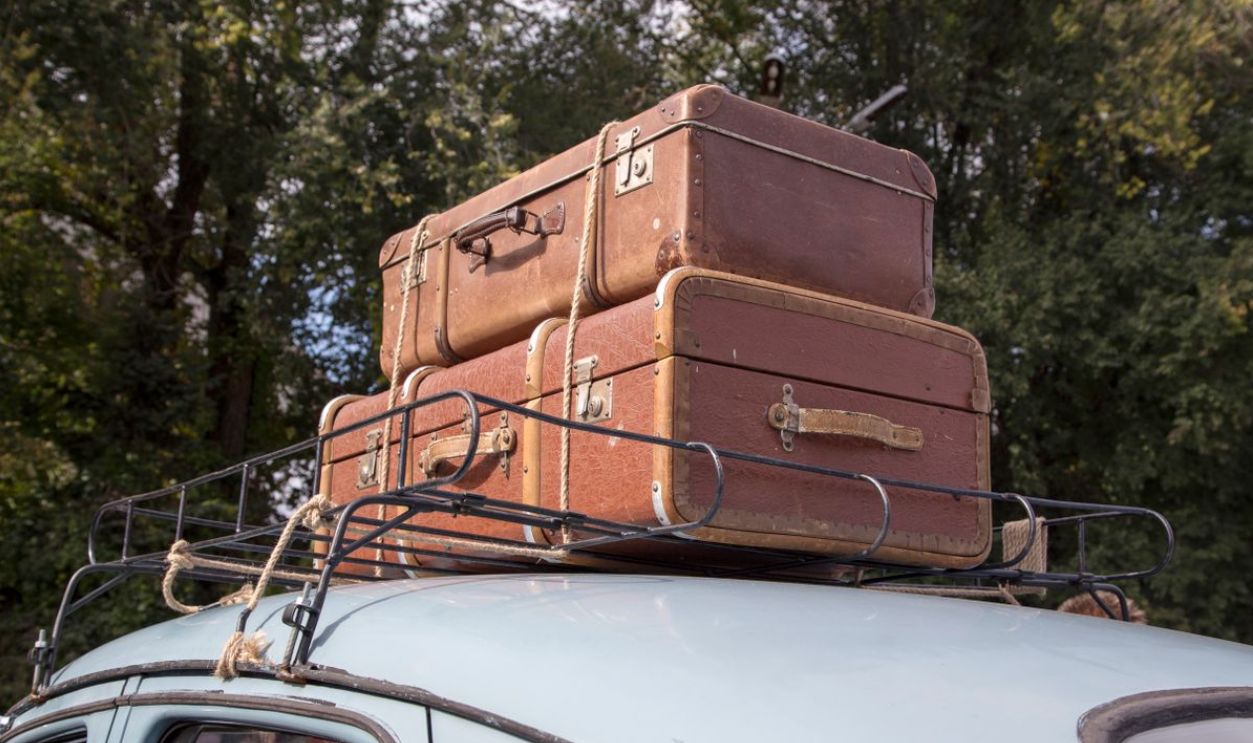
Vent Window Handles
Those little triangular vent windows were magic. You cracked them open with a tiny handle and got a blast of air without rolling the whole window down. They were great for smoke, heat, and pretending the car had advanced climate control. Today they feel like a lost technology from a smarter civilization.
A Tire Pressure Gauge
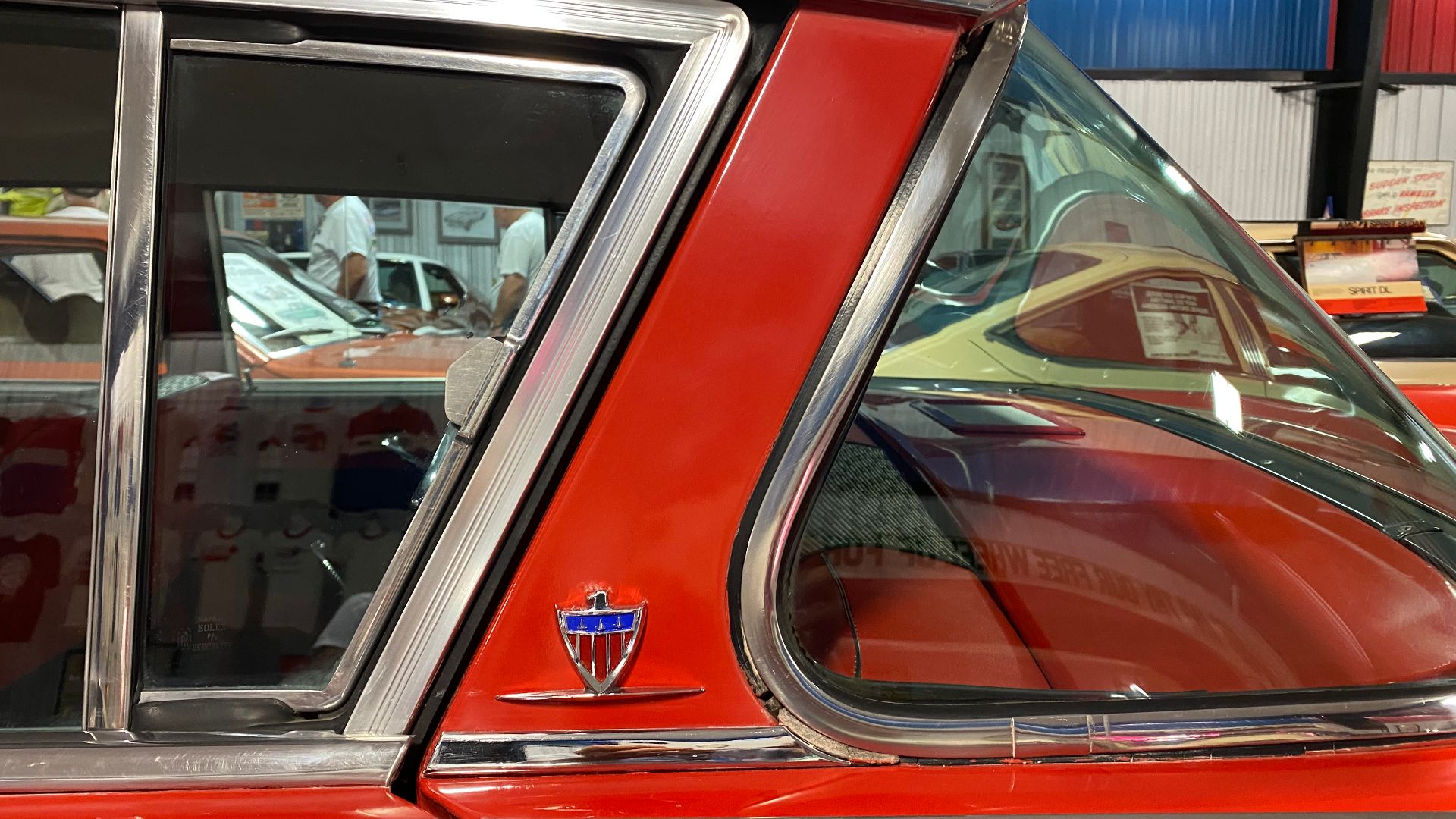
The pencil-style tire pressure gauge was tiny, cheap, and somehow treated like professional equipment. You pressed it onto the valve stem and a little white stick shot out with numbers on it. Every dad owned one. Whether anyone actually understood what the numbers meant was a separate discussion.
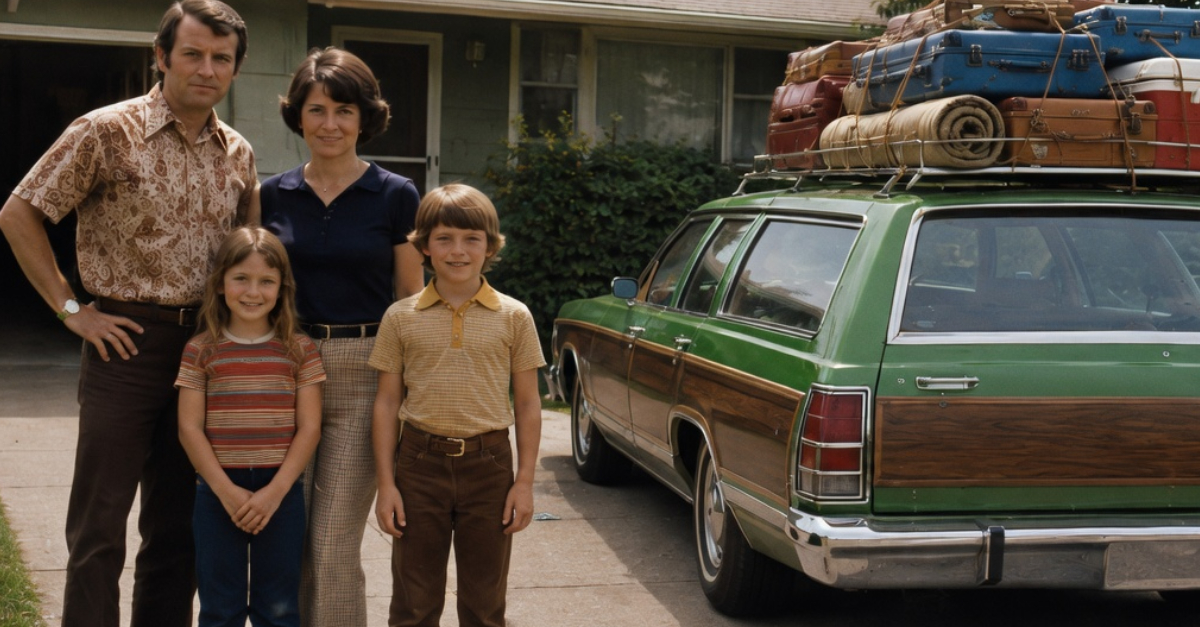
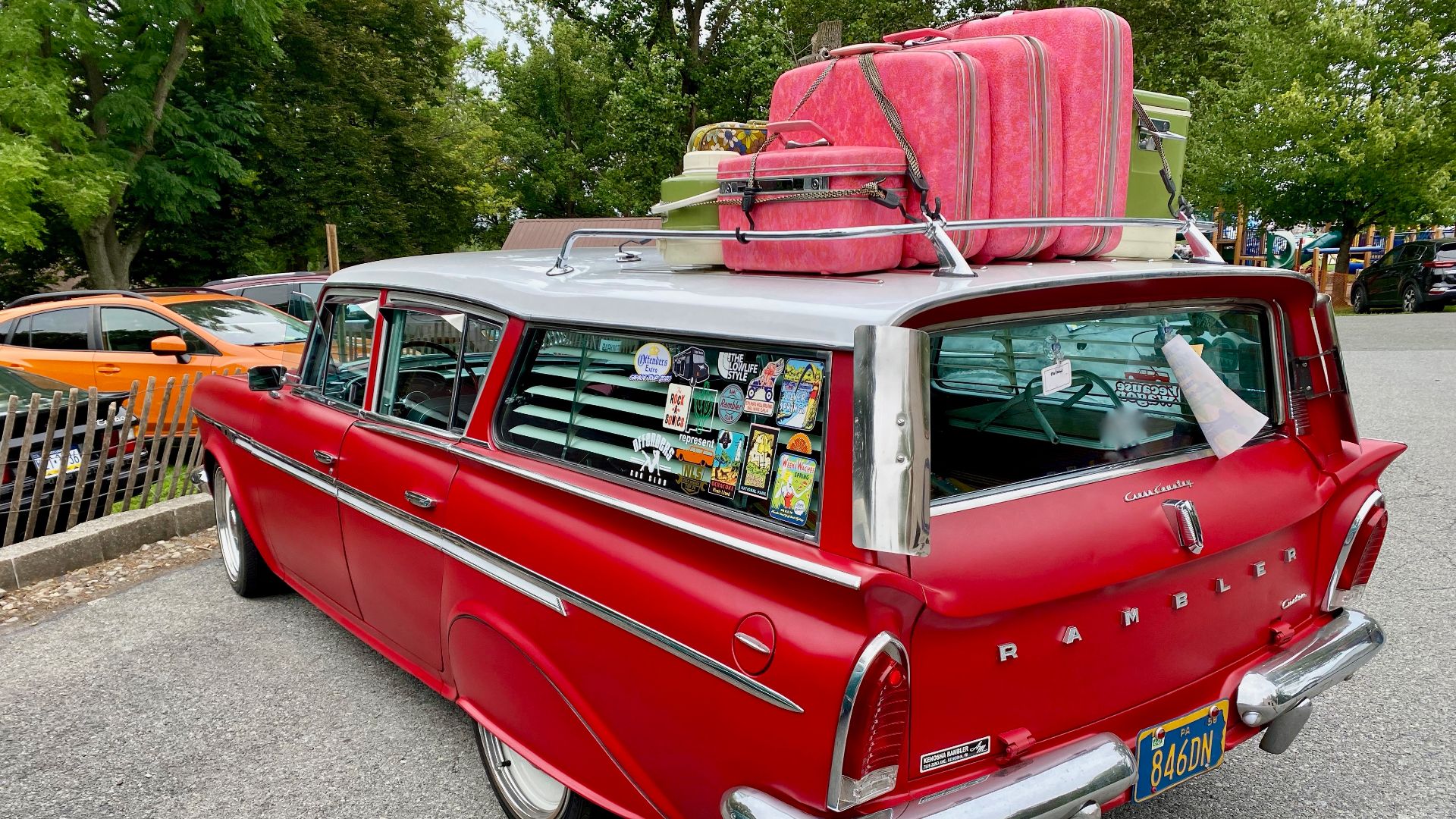
A Roof Rack Tied Down With Rope
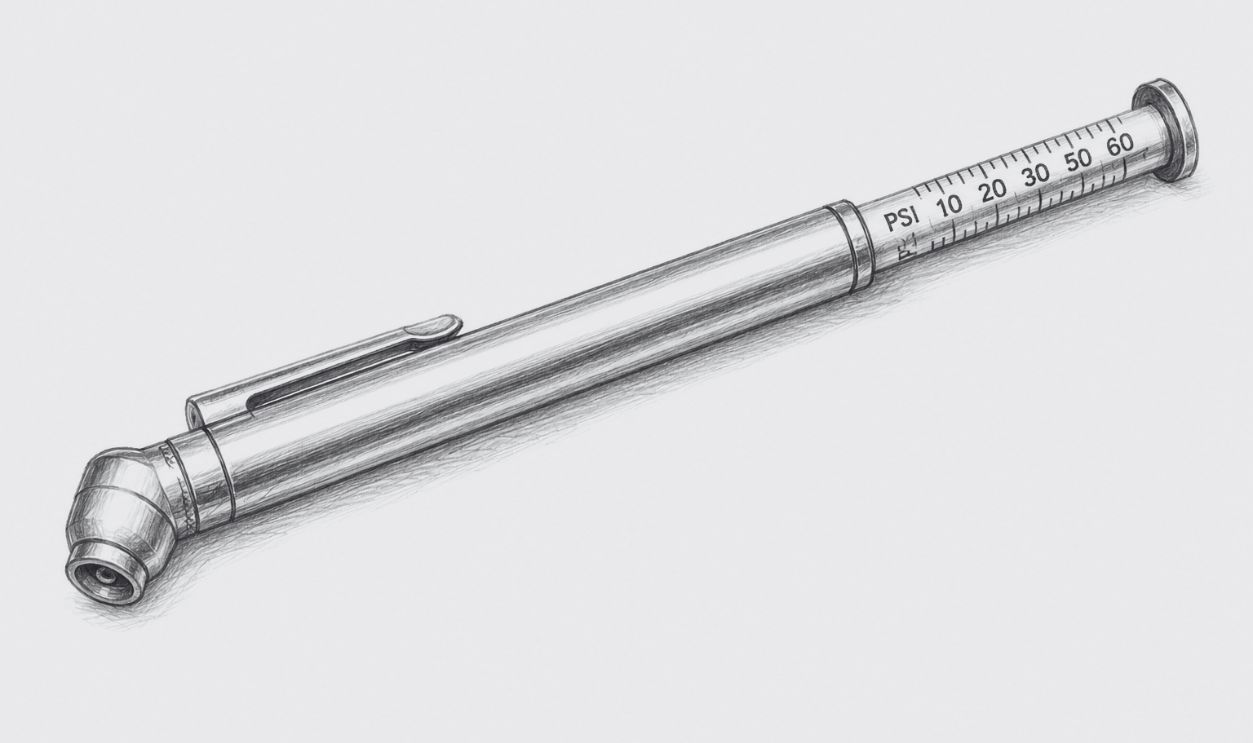
Suitcases, coolers, lawn chairs, and mystery bundles got strapped to the roof with rope and optimism. The knots were either genius-level secure or one pothole away from disaster. Every few miles, someone looked out the window to make sure the luggage was still there, which was not exactly relaxing.
A Windshield Squeegee From The Gas Station
Before pay-at-the-pump made everyone antisocial, stopping for gas meant cleaning the windshield with the station squeegee. Families also kept rags in the car for bug splatter, dust, and mysterious smears. A clean windshield was part of the ritual. So was someone saying, “You missed a spot.”
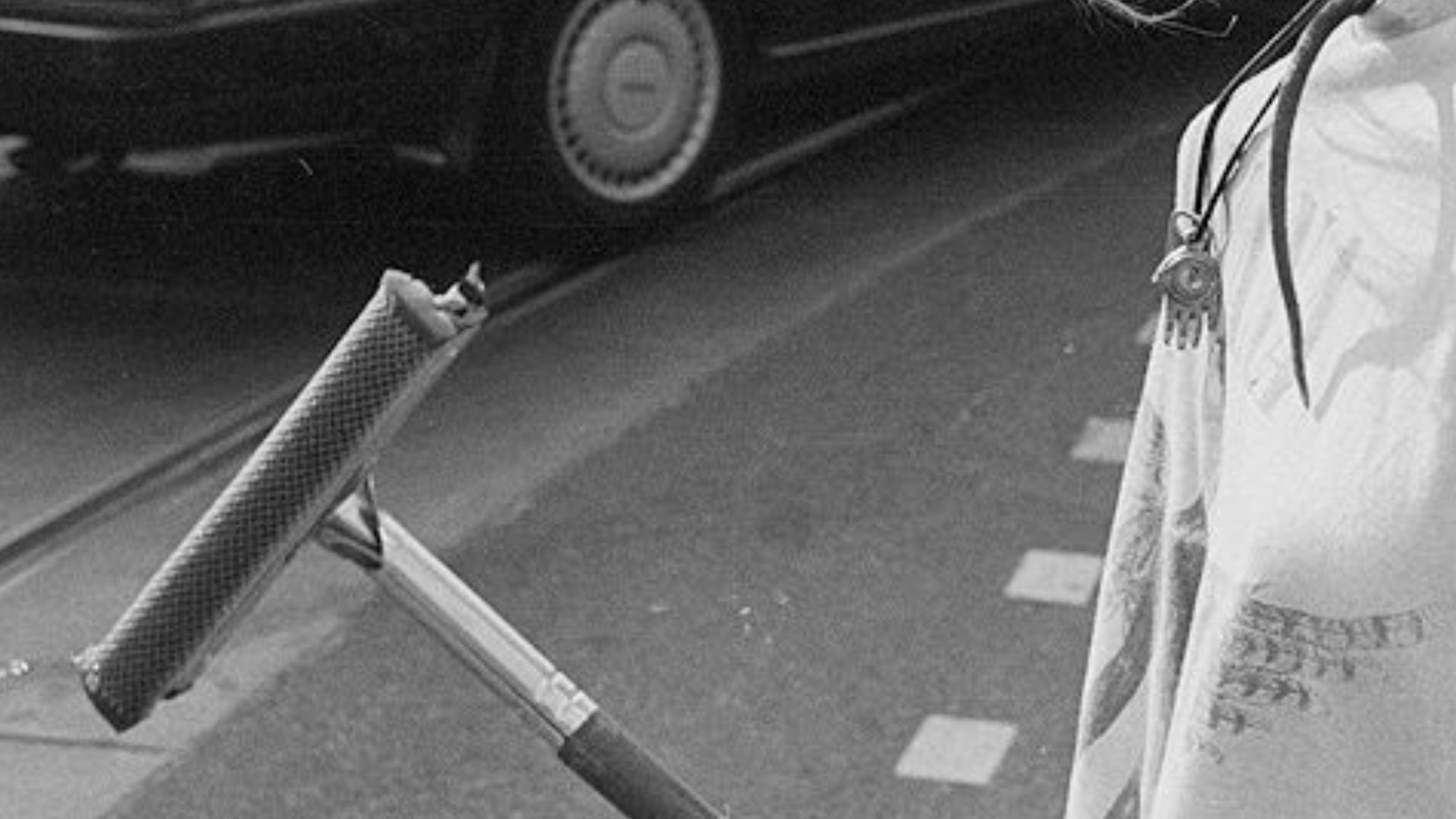 Ivaan Kotulsky via Toronto History from Toronto, Canada, Wikimedia Commons
The Rear-Facing Station Wagon Seat
Some Baby Boomers rode in the back of station wagons facing the cars behind them, making eye contact with strangers for hundreds of miles. No screens, no seatback trays, no privacy. Just a giant rear window and the thrilling possibility of waving at truck drivers until someone told you to stop.
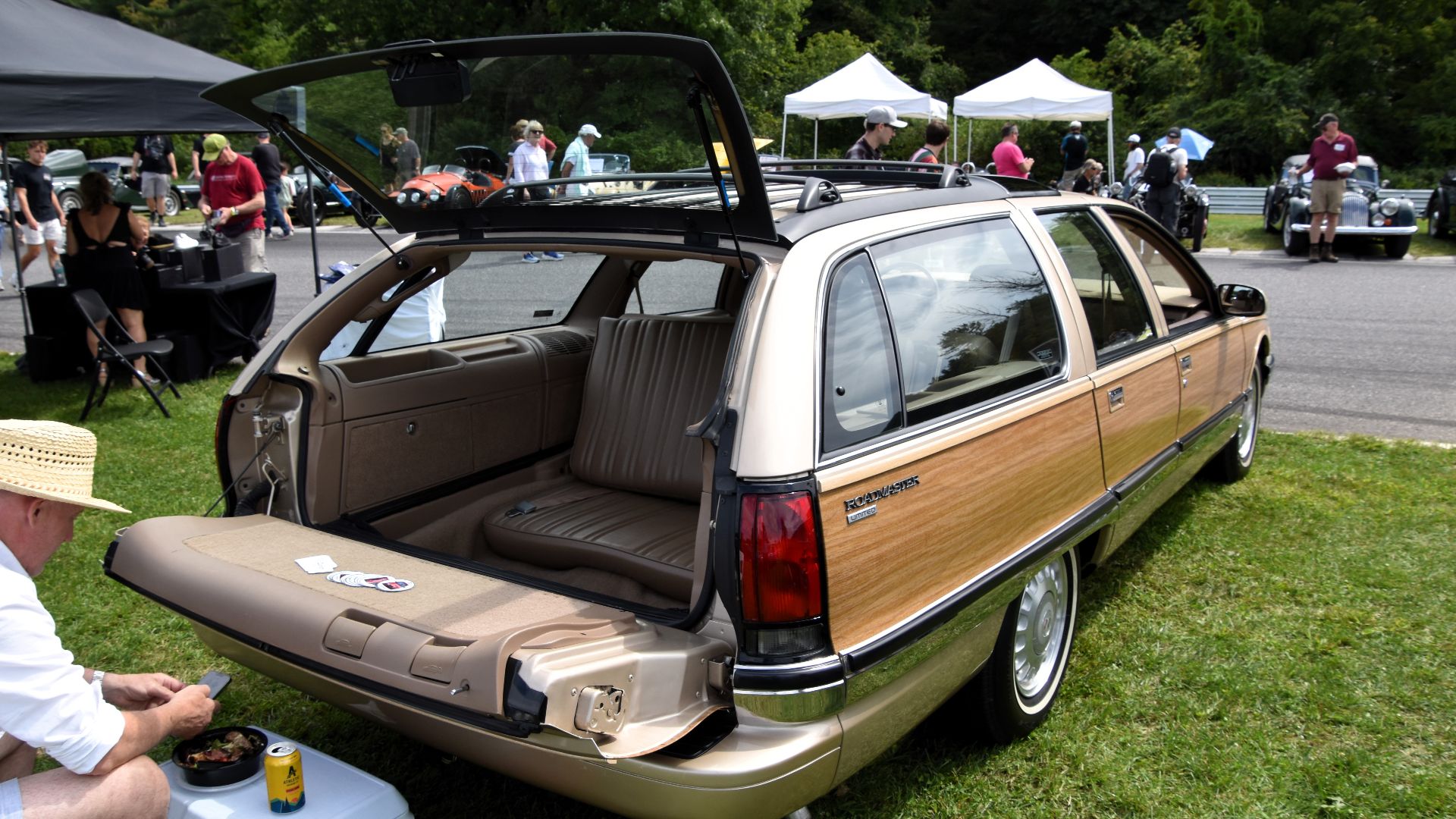 Charles from Port Chester, New York, Wikimedia Commons
One Last Exit
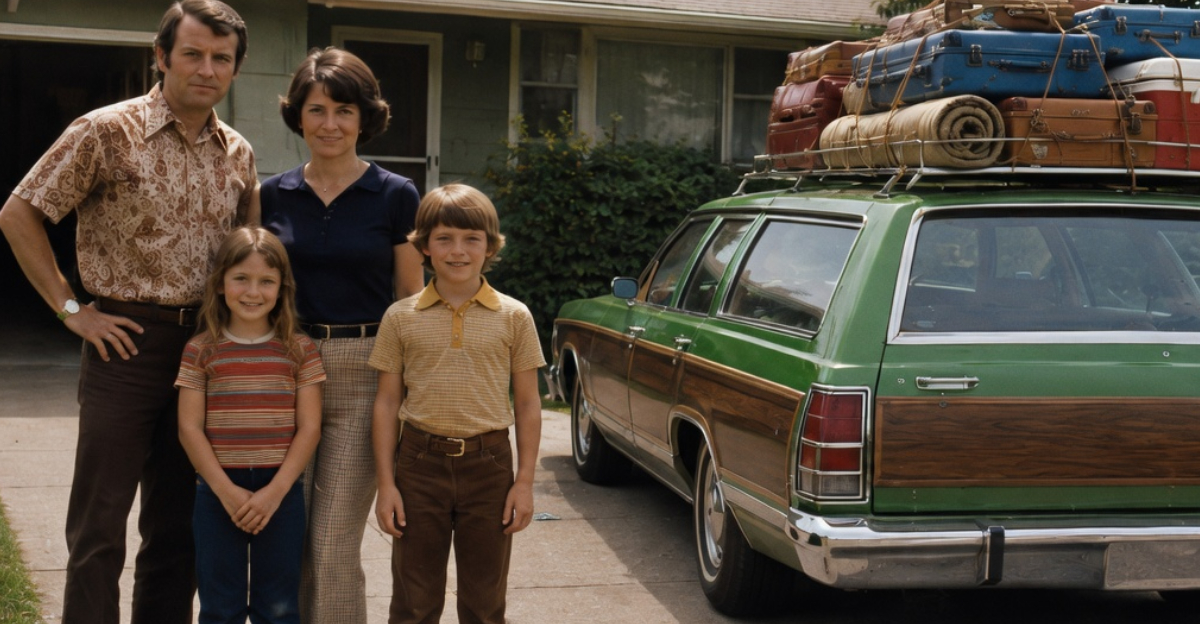
The map wouldn’t fold, the cooler weighed as much as a washing machine, the flashlight was already on its last legs, and at least one suitcase on the roof was being held down by pure hope. Looking back, it’s amazing any family vacation made it past the driveway.
You Might Also Like:
I Was Charged Extra Because My Rental Car Crossed A County Line. How Is That Possible?