The Pitch
You find a vacation rental you love, and before you finalize the reservation, the host sends a message suggesting you pay outside Airbnb to "save money." They may promise a discount, lower fees, or special perks. While that offer can sound tempting, it often exposes you to significant financial and legal risks that many travelers do not fully understand.
Why Hosts Make The Request
Some hosts ask for off-platform payments because they want to avoid Airbnb service fees. Others may hope to receive funds more quickly or avoid platform rules. While a few may have innocent motives, travelers have no easy way to verify a host's intentions before sending money.

Airbnb's Official Position
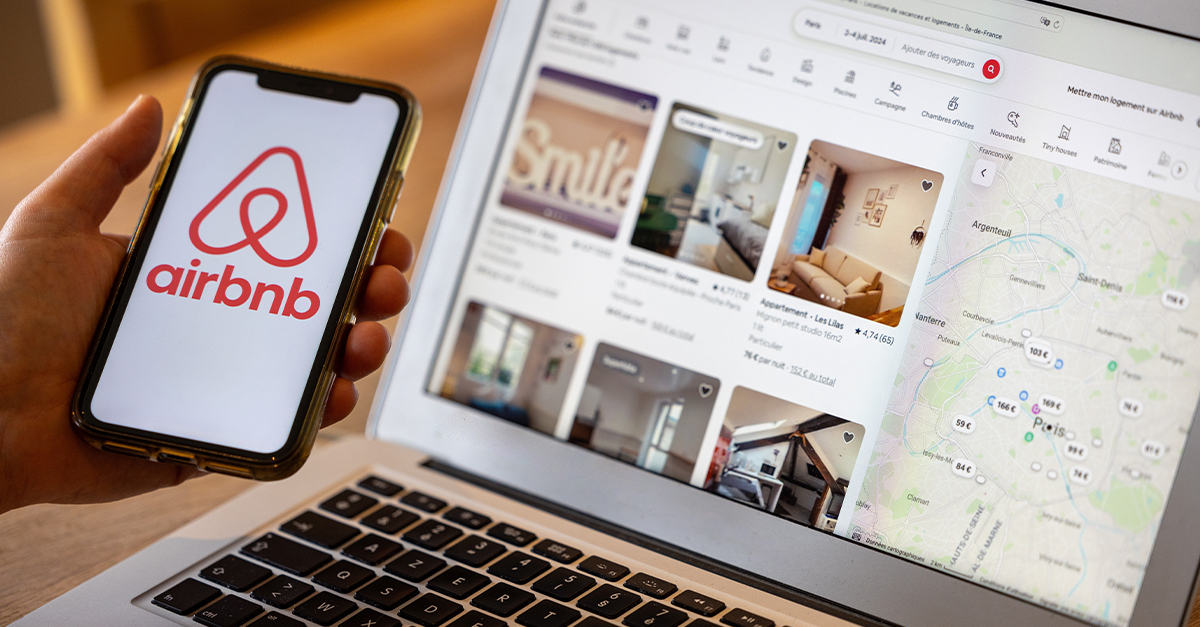
Airbnb generally requires reservations and payments to remain on its platform. This policy helps create a record of transactions and provides access to customer support, dispute resolution, and certain protections. When payments move elsewhere, many of those safeguards may disappear immediately.
The Promise Of Savings
The most common argument is simple. The host claims both sides can save money by avoiding platform fees. While that may be true in some cases, the amount saved is often relatively small compared to the potential financial losses if something goes wrong.

Fraud Risks Increase
Once money leaves Airbnb's payment system, you lose many of the protections that help identify suspicious activity. Scammers often use urgency, discounts, or personal appeals to persuade travelers to send money through methods that are difficult or impossible to reverse later.

You May Lose Reservation Protection
If the host cancels unexpectedly after receiving off-platform payment, Airbnb may have limited ability to help. The company generally relies on reservation records within its own system. Without those records, recovering your money can become much more difficult.
Credit Card Protections Matter
Paying through Airbnb with a credit card may provide multiple layers of protection. You may have access to chargeback rights through your card issuer in addition to platform support. Sending money through certain transfer apps or direct bank payments can eliminate those options.
The Danger Of Wire Transfers
Wire transfers are particularly risky for travelers. Once the funds leave your account, recovering them can be extremely difficult. Many travel-related scams specifically request wire transfers because they provide fewer consumer protections than traditional credit card transactions.

Payment Apps Are Not Equal
Not all payment platforms offer the same safeguards. Some peer-to-peer services are designed primarily for payments between friends and family. If you use one of these services for a vacation rental, dispute options may be limited if the booking turns out to be fraudulent.

Fake Listings Exist
Fraudsters sometimes copy legitimate vacation rental photos and descriptions from real listings. They then encourage travelers to pay outside established booking platforms. By the time guests realize the property does not exist or is unavailable, the money may already be gone.

Documentation Becomes Critical
If you ever find yourself involved in a dispute, documentation can make a major difference. Reservations booked through Airbnb automatically generate records of conversations, payment details, and booking terms. Off-platform arrangements often leave gaps that complicate investigations.

Insurance Complications
Some travel insurance policies may expect travelers to use recognized booking channels and maintain proof of payment. If a reservation was handled informally outside the platform, obtaining reimbursement for certain losses could become more difficult.

Host Guarantees May Disappear
A host may verbally promise refunds, flexible cancellations, or additional services. However, promises made outside the booking platform can be harder to enforce. Without written platform records, proving exactly what was agreed upon may become challenging.

Last-Minute Pressure Tactics
One warning sign is a host who pushes aggressively for immediate payment. Scammers frequently create artificial deadlines to prevent travelers from researching the property or considering the risks. Legitimate hosts generally understand that cautious travelers need time to evaluate requests.

What If The Host Offers A Contract?
Some hosts may provide a rental agreement and request direct payment. While contracts can add legitimacy, they do not automatically eliminate risk. You still need to verify the host, the property's ownership, cancellation terms, and your available legal remedies.

State Laws Vary
Vacation rental regulations differ significantly across the United States. Some states and local governments impose registration requirements, tax obligations, or licensing rules. Off-platform arrangements may create confusion about compliance and leave travelers uncertain about their rights.

Refund Disputes Become Harder
Suppose you arrive and discover serious problems with the property. When the booking occurred through Airbnb, there is an established process for reporting issues. If payment occurred elsewhere, you may need to negotiate directly with the host or pursue legal remedies.

Customer Support Limitations
Many travelers assume Airbnb can step in whenever something goes wrong. In reality, support representatives may have limited authority when a transaction occurred outside the platform. Their ability to investigate or reimburse losses may be greatly reduced.

When Direct Booking Makes Sense
There are situations where direct booking may be reasonable. For example, some professional property management companies operate independent websites and accept standard credit card payments. Even then, you should thoroughly verify the business before providing any payment information.

Research The Property Carefully
Before considering any direct payment arrangement, search for independent reviews, business registrations, and contact information. Verify that the host actually controls the property. A few minutes of research can reveal warning signs that might otherwise be missed.

Use Secure Payment Methods
If you choose to book directly, credit cards generally offer stronger consumer protections than cash transfers, wire payments, or peer-to-peer apps. Avoid payment methods that cannot easily be disputed if the property turns out to be misrepresented or unavailable.

Watch For Common Red Flags
Be cautious if the host asks you to communicate only by private email, refuses platform messaging, offers unusually large discounts, or insists on unconventional payment methods. These patterns appear frequently in travel fraud cases and should prompt additional scrutiny.

Consider The Real Savings
Many travelers focus on saving a small percentage in booking fees. However, losing hundreds or thousands of dollars because of a fraudulent or problematic reservation can easily outweigh those savings. Risk and reward should always be evaluated together.

How To Respond Politely
If a host asks for off-platform payment, you can simply explain that you prefer keeping all transactions within Airbnb for security reasons. Legitimate hosts typically understand this concern and will continue the booking through normal channels.

The Bottom Line
For most travelers, paying through Airbnb is the safer choice. The platform's payment records, dispute procedures, customer support systems, and built-in protections provide valuable safeguards. A promised discount may sound attractive, but maintaining your financial security is usually worth far more.

You May Also Like: