A Stay Can Turn Sour Fast
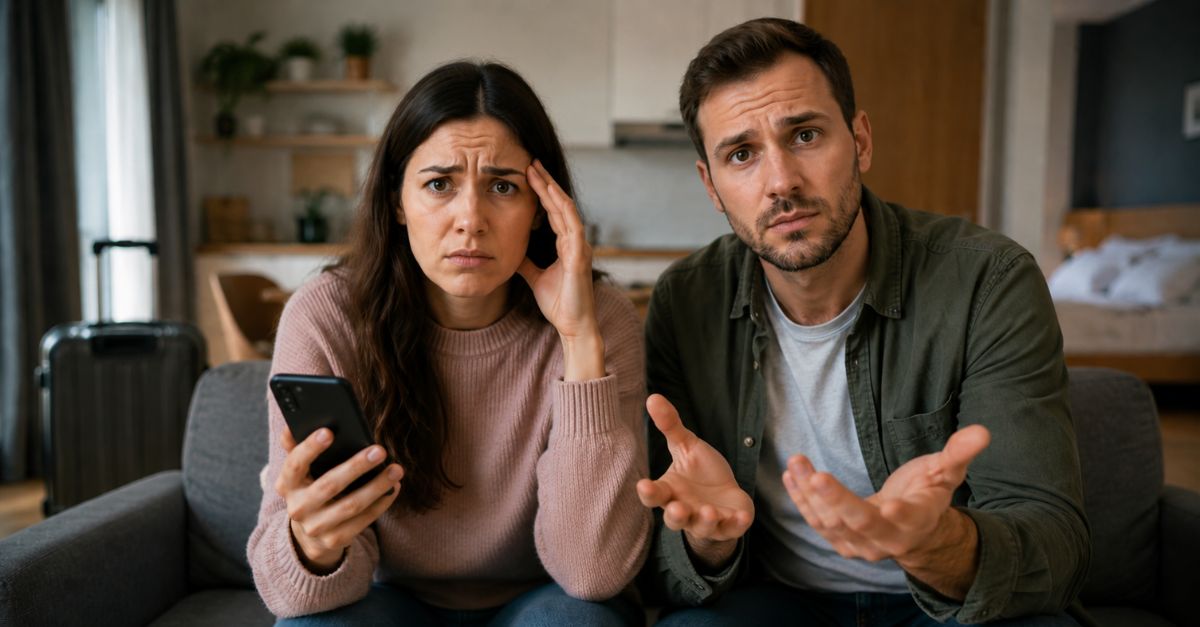
You book a place, follow the rules, and assume the hardest part will be choosing where to eat before check-out. Then a host sends a message saying you need to leave a perfect review or face a damage claim. It sounds absurd, but complaints about review pressure and shaky damage accusations have become common enough that Airbnb has clear rules against it.
The Question Travelers Keep Asking
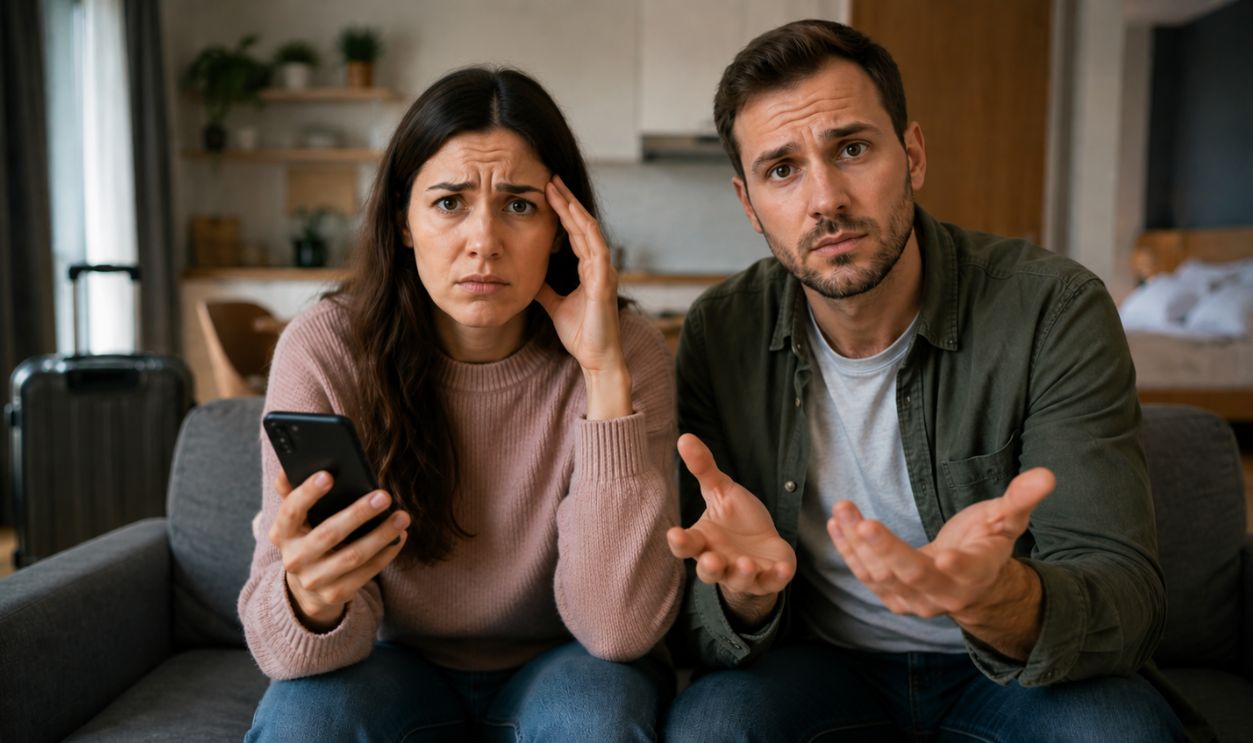
If a host threatens to report fake damages unless you post a glowing review, is that a new scam taking over Airbnb? The short answer is that this kind of extortion does happen, even if there is no public dataset showing exactly how often it happens across all bookings. What is clear is that Airbnb bans review manipulation and gives guests a way to dispute retaliatory damage claims.

Airbnb Says Extortion Is Not Allowed
Airbnb’s review policy says hosts and guests cannot use threats or incentives tied to reviews. Users are not allowed to pressure someone to leave a positive review, change a review, or skip leaving one. So a message like “leave five stars or we’ll report damages” is exactly the kind of behavior Airbnb says is out of bounds.
The Rules Got More Specific Over Time
As complaints about manipulation became more visible, Airbnb tightened and clarified its review rules. The current policy bars biased reviews, conflicts of interest, incentive-based reviews, and extortion. That gives travelers clearer language to point to when they report a host trying to weaponize the review system.

Damage Claims Have Their Own System
Hosts can ask for money through Airbnb’s Resolution Center, but there are deadlines and evidence requirements. Airbnb says damage usually must be reported within 14 days of check-out or before the next guest checks in, whichever comes first. Guests can review the claim, respond with their side, and challenge charges they think are false or inflated.

AirCover Sounds Reassuring But It Does Not End Disputes
Airbnb promotes AirCover for Hosts as a form of damage protection under certain conditions. That does not mean every host claim is valid, and it does not stop a host from filing a claim a guest believes is bogus. In practice, it can make some travelers nervous because it gives hosts a formal channel to push a weak claim.

There Is Real Evidence Of Review Pressure
Consumer forums, Reddit posts, and travel complaint boards are full of stories from guests who say hosts demanded five-star reviews or hinted at retaliation. Those stories do not prove a huge statistical trend, but they do show the pattern is real. More importantly, the behavior lines up with the kind of extortion Airbnb’s own rules warn about.

The Federal Trade Commission Has Warned About Fake Reviews
The FTC has not made a rule aimed only at Airbnb, but it has taken a much harder line on deceptive reviews across the broader marketplace. In August 2024, the agency announced a final rule banning fake reviews and some forms of review suppression. That matters here because threats tied to reviews are part of the bigger problem of manipulating consumer trust.

Review Manipulation Is Bigger Than One Platform
Airbnb is hardly alone. Booking platforms, online stores, and restaurant apps have all dealt with fake praise, review gating, and retaliation fears. On Airbnb, though, it can feel more personal because the dispute often plays out in private messages after you have stayed in someone’s home.

One Ugly Twist Is Timing
Hosts and guests usually review each other after the stay, and that creates a pressure point. A guest may worry that being honest will trigger a revenge review or a suspicious damage accusation before the review window closes. Airbnb’s double-blind review system helps a little, but threats sent ahead of time can still pressure people into staying quiet.

What Airbnb’s Double-Blind Reviews Actually Do
Airbnb says reviews are published after both sides submit them or when the review period ends. The idea is to reduce direct retaliation because one side cannot instantly read the other review and respond before writing their own. That helps, but it does not stop a host from making threats beforehand.

Retaliatory Claims Are Hard To Prove
The hardest part for guests is often proving motive. A host can insist the damage is real even if the timing looks suspicious. That is why screenshots, photos, and a clean communication record matter so much when you argue that a claim was made as leverage.

Airbnb Tells Users To Keep Communication On Platform
This advice sounds dull until something goes wrong. If a host makes threats in Airbnb messages, the company can review them during a dispute. If the pressure happens over text, WhatsApp, or a phone call, proving it gets much harder unless you saved screenshots or notes.

The Best Immediate Move Is To Document Everything
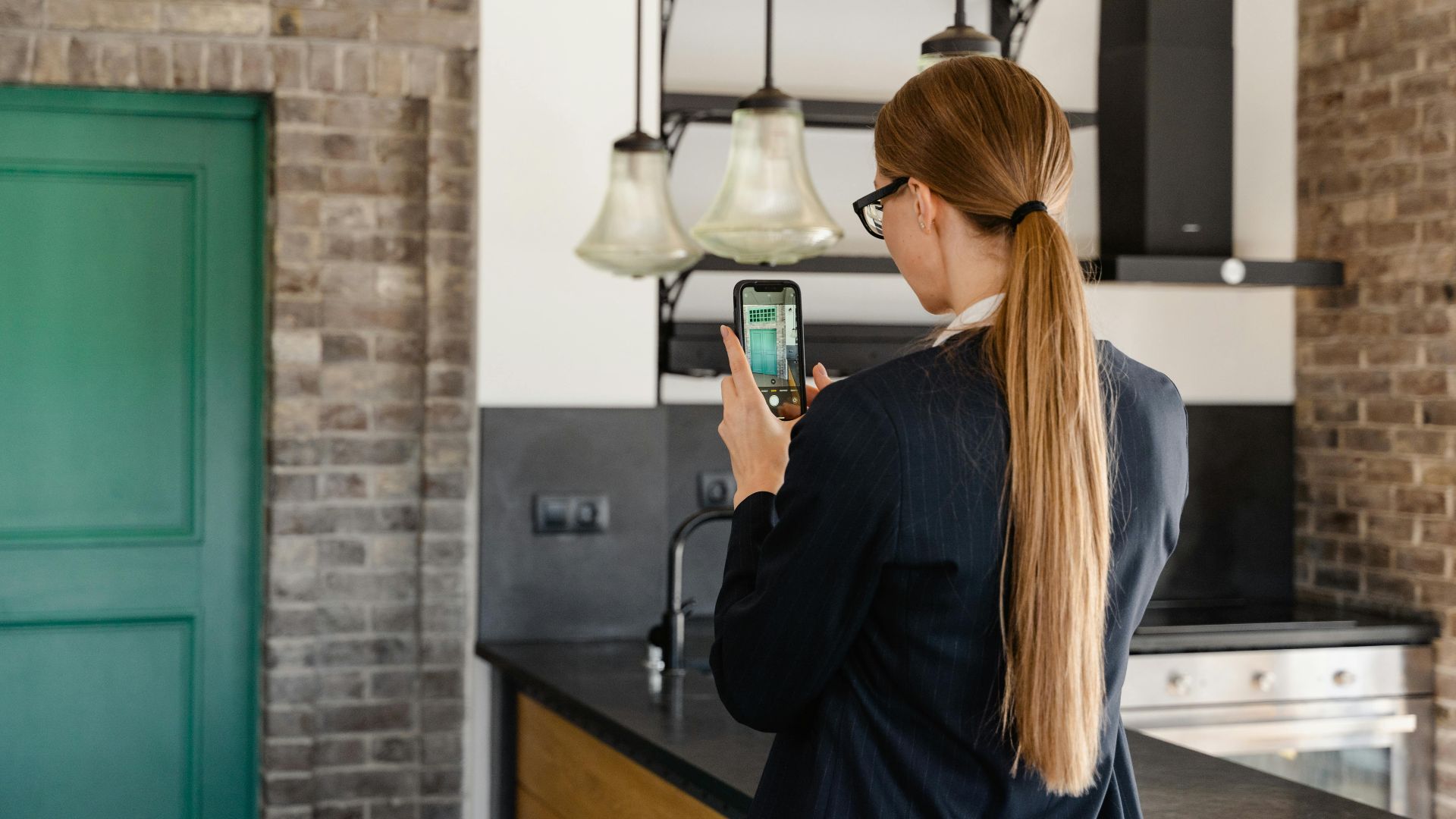
If you get a threatening message, take screenshots right away and save them somewhere outside the app too. Photograph the property at check-out, including anything a host might later claim was damaged. Time-stamped images of clean rooms, intact items, and the condition you left behind can become your best defense fast.

Check-Out Photos Are More Useful Than Most Travelers Realize
Many guests only start taking pictures after a dispute starts, which is often too late. A quick room-by-room video when you leave can show cleanliness, condition, and whether furniture and decor were intact. That small habit can take a lot of the sting out of a fake-damages threat.
Do Not Negotiate Under Pressure
If a host says they will drop a damage claim in exchange for a perfect review, do not bargain with them privately. That can muddy the record and make the dispute look like a back-and-forth deal instead of prohibited extortion. Respond briefly, stay calm, and report the message through Airbnb.

Use Airbnb’s Reporting Tools Promptly
Airbnb lets users report messages, reviews, and safety issues through its help system. When you report a threat, be specific about what was said, when it was said, and what the host demanded. Quoting the exact language makes it easier to connect your complaint to Airbnb’s rule against extortion and biased reviews.

False Damage Claims Can Be Disputed
If a host opens a case in the Resolution Center, do not ignore it. Submit your evidence before the deadline, explain why the claim is false, and point to any message suggesting retaliation or review pressure. A clean timeline with screenshots and photos will usually do more for you than an angry rant.

Chargebacks Are Not Always The First Best Option
Some travelers immediately think about disputing the charge with their credit card company. That can help in some cases, but it can also complicate your Airbnb account and the dispute itself. It is often smarter to go through Airbnb’s internal process first while keeping your card issuer informed if money is actually taken.

Bad Reviews Should Still Be Honest
If the stay was fine until the host started making threats, your review can say that. Stick to facts, dates, and what was said without exaggerating. Reviews that are calm and specific usually come across as more credible to both readers and moderators.

There Are Limits To What We Can Call Common
It would be sloppy to say this exact scam is everywhere without hard platform-wide numbers. Airbnb does not publish a public count of hosts accused of tying reviews to fake damage reports. What we can say is that the problem is serious enough for Airbnb to address it directly in its policies, and guest complaints show it is not rare enough to ignore.

Why This Feels More Common Now
Part of the reason is visibility. Social media and discussion boards make every ugly dispute travel fast, and stories about review blackmail spread because they hit a nerve. Travelers are also more aware of the stakes because cleaning fees, house rules, and post-stay charges have become hotter topics in recent years.

Hosts Are Not The Only Ones Who Break The Rules
To be fair, Airbnb also bans guests from using reviews as leverage. A guest cannot threaten a bad review to squeeze out refunds or perks they are not owed. The rules are meant to stop both sides from turning reviews into bargaining chips.

Most Stays Do Not End In A Showdown
Millions of Airbnb stays happen without review extortion or fake damage drama. That matters because panic is not useful either. The better takeaway is not to avoid every rental, but to book carefully and know what to do if a host crosses the line.

How To Lower Your Risk Before You Book
Read recent reviews closely, especially the three- and four-star ones that mention communication issues or surprise fees. Avoid listings with a pattern of disputes, aggressive rule enforcement, or repeated accusations that feel familiar. If the host’s messages before arrival already seem pushy, take that seriously.

Look For Warning Signs In The Listing
Overly harsh house rules, huge security deposits outside normal platform procedures, or repeated complaints about reviews can all be red flags. So can listings where several guests mention feeling watched, nitpicked, or pressured at check-out. A host who seems obsessed with ratings in the listing may be even more intense after your stay.

If You Are Threatened, Keep Your Cool
The message may make your blood boil, but an angry reply rarely helps. Say that you will communicate through Airbnb, that you dispute any false claim, and that you are saving the record. Then gather your evidence and move quickly through the proper channels.
The Bottom Line For Travelers
Yes, demanding a perfect review in exchange for not reporting fake damages is the kind of conduct Airbnb prohibits, and guest complaints show it happens. No, there is not strong public evidence proving it is now a dominant Airbnb scam. The practical lesson is simple: keep everything on-platform, document your stay, and do not let a bully decide what your review says.