Apparently, The Goldfish Crackers Are Contraband
You’re planning ahead for a family vacation, and packing snacks your kids will actually eat seems like an obvious move. Then someone tells you the resort likely won’t allow any outside food on the property. Now you're panicking.
Do resorts really ban outside food—and does that rule still apply when you’re simply bringing familiar snacks for your young kids?

Parents Pack Snacks For A Reason
Anyone who has traveled with children knows that hunger doesn't conveniently arrive during restaurant hours. A snack can be the difference between a peaceful afternoon and a spectacular lobby meltdown.
And that's before considering picky eaters, dietary restrictions, or medical needs.
"But We're Paying To Stay Here"
That's probably the first objection most parents would have. You're already a paying guest, and the crackers in your backpack aren't exactly competing with a five-course dinner.
Still, paying for a hotel room doesn't automatically give you unrestricted use of every part of the property.

Hotels Have Rules About Their Common Areas
A resort is private property open to paying guests, and it can establish rules governing restaurants, pools, entertainment areas, and other facilities.
That's why you'll encounter everything from dress codes to glass-container restrictions around pools.

Outside Food Rules Aren't Unheard Of
Restaurants, entertainment venues, pools, and resorts sometimes restrict outside food and beverages.
The reasons can range from sanitation and cleanup to pest control, food-service operations, licensing requirements, and—yes—the fact that the property would prefer guests buy its food.

But Where The Kids Are Eating Matters
There's a meaningful difference between eating your own sandwich at a resort restaurant table and giving your toddler crackers while sitting in your hotel room.
A resort may have a much stronger operational reason for controlling outside food inside its restaurants than inside a guest's private accommodation.

The Pool Can Have Different Rules Too
Pool decks frequently have their own restrictions, particularly concerning glass and potentially messy food.
So don't assume that because a snack is permitted in your room, it must also be permitted beside the pool.

Food Safety Is More Complicated Than It Sounds
Commercial food establishments operate under health and sanitation requirements. In the U.S., the FDA Food Code provides a model that jurisdictions use to develop their own retail and food-service regulations.
That doesn't mean the Food Code creates a blanket ban on parents bringing packaged crackers into a resort.

In Fact, There's No Universal "Outside Snacks Are Illegal" Rule
That's an important distinction.
A resort saying "our policy prohibits outside food" isn't the same thing as saying "the law prohibits you from bringing outside food." The exact legal situation depends on the location and circumstances.

And All-Inclusive Resorts Make This Even Stranger
At an all-inclusive property, meals and snacks may already be part of the package.
That makes a rule requiring guests to consume only resort-provided food less obviously about collecting another $8 for a bag of chips—but it doesn't necessarily make the restriction legally mandatory either.

What If Your Kids Are Just Picky?
This is where parents may be disappointed.
If your child simply prefers a particular brand of crackers, cereal, or granola bar, that preference generally isn't the same thing as a legally protected medical accommodation.
You can certainly ask for an exception, but that doesn't automatically mean the resort must provide one.

Allergies Change The Conversation
Suppose your child has a serious food allergy and you've brought food you know is safe.
Now you're dealing with something potentially much more significant than a kid refusing to eat unfamiliar chicken nuggets.

Food Allergies Can Be Serious
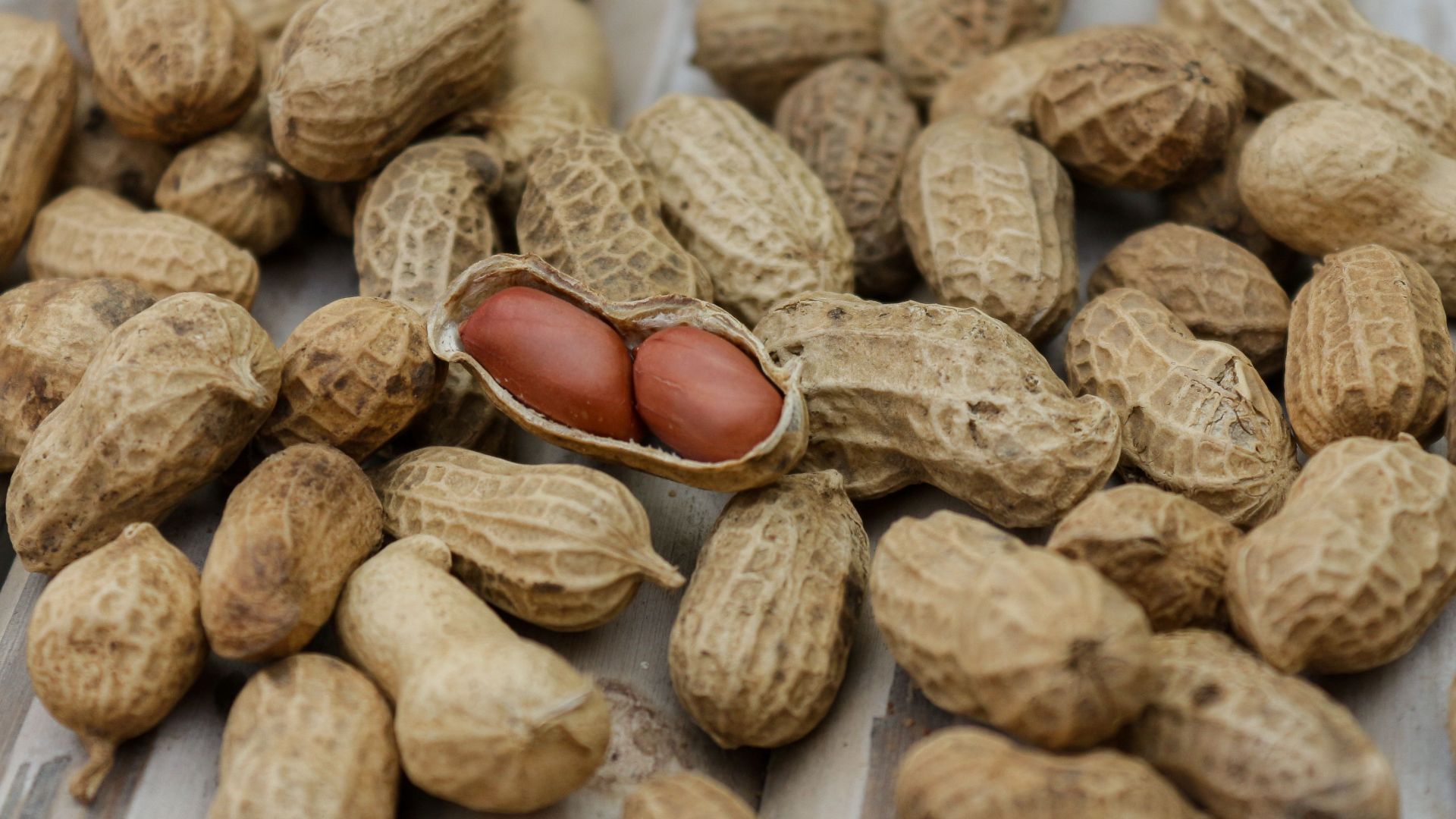
The FDA recognizes nine major food allergens in the U.S., including milk, eggs, fish, crustacean shellfish, tree nuts, peanuts, wheat, soybeans, and sesame. Allergic reactions can be serious, which makes reliable food information particularly important for affected travelers.
Some Medical Conditions Can Qualify As Disabilities
Under U.S. disability law, certain food allergies and conditions can constitute disabilities depending on their severity.
Businesses open to the public generally must make reasonable modifications to policies when necessary to accommodate a person with a disability, unless doing so would fundamentally alter their services.

There's Even A Government Example Involving Snacks
The Justice Department's ADA guidance gives a particularly relevant example: a day-care center with scheduled snack times may need to modify its policy so a child with diabetes can bring food for an additional snack when necessary.
That's not the same setting as a resort, but it illustrates why a blanket food policy can run into disability-accommodation requirements.
 https://kaboompics.com/, Pexels
Restaurants Don't Have To Become Personal Chefs
There's an important limit.
Justice Department guidance concerning food allergies explains that restaurants may need to make reasonable accommodations, but aren't necessarily required to fundamentally change their operations or create entirely different foods for individual customers.

A Resort Hotel Can Have ADA Obligations Too
In the United States, hotels and other places of lodging are generally public accommodations covered by Title III of the ADA.
That means their ordinary policies can sometimes require reasonable modifications for guests with disabilities.

But Your Resort Might Not Be In The United States
This is particularly important for an article about resorts.
Many popular all-inclusive destinations are outside the U.S., so American disability and food-service laws may not apply. Local law in the country where the resort operates is what ultimately matters.

The Resort's Own Terms Matter As Well
Look at the property's policies and the terms you agreed to when booking.
If an outside-food restriction was clearly disclosed beforehand, the resort has a stronger basis for telling guests about and enforcing its house rule, subject to applicable local laws and accommodation requirements.

A Surprise Rule Is Worth Questioning
If nobody mentioned the policy until an employee spotted your child eating a granola bar, ask where the restriction is published.
There's nothing unreasonable about politely asking whether the rule applies everywhere on the property or only in restaurants, pools, or other designated areas.

Ask A Very Specific Question
Instead of simply asking, "Can we bring outside food?", explain exactly what you need.
"Can my children eat packaged snacks we brought from home in our room or while we're away from the restaurant?" may get a very different response.
Medical Needs Should Be Mentioned Clearly
If the snacks are necessary because of diabetes, severe allergies, celiac disease, or another medical condition, tell management.
Don't present it as merely preferring your own food if you're actually requesting a disability-related or medical accommodation.

Don't Sneak Food Around If You Can Resolve It
Secretly smuggling crackers past resort employees probably isn't the ideal vacation strategy.
Ask guest services or management for the property's written outside-food policy and find out exactly where it applies. You may discover that the restriction is narrower than the first employee made it sound.

Here's The Question That Really Matters
Is the resort banning outside food everywhere, or restricting it in particular food-service and recreation areas?
And if your child needs specific food for a medical reason, does local law require the resort to make an exception or another reasonable accommodation?
Those details can completely change the answer.

So... Can The Resort Really Stop Your Kids From Eating Their Own Snacks?
Sometimes, yes—but it's not as simple as "outside food is illegal."
A resort can generally establish reasonable rules for the use of its property, including restrictions on outside food in certain areas. But there isn't one universal law that automatically makes children's outside snacks forbidden at every resort, and the rules become more complicated when a disability or medically necessary diet is involved.
In the U.S., covered businesses must make reasonable policy modifications when required by the ADA unless doing so would fundamentally alter their services.

Before You Throw Away The Snack Bag
Ask management for the actual policy, find out where it applies, and explain any medical or dietary accommodation your child genuinely requires.
If the resort's position really is, "Your kids cannot eat their own packaged snacks anywhere on this property under any circumstances," that's worth examining much more carefully than a simple rule against bringing outside meals into the restaurant.
After all, there's a pretty big difference between protecting a buffet's food-safety procedures and confiscating a six-year-old's emergency Cheerios.

You May Also Like: