They Saw It Coming (Or At Least Claim They Did)
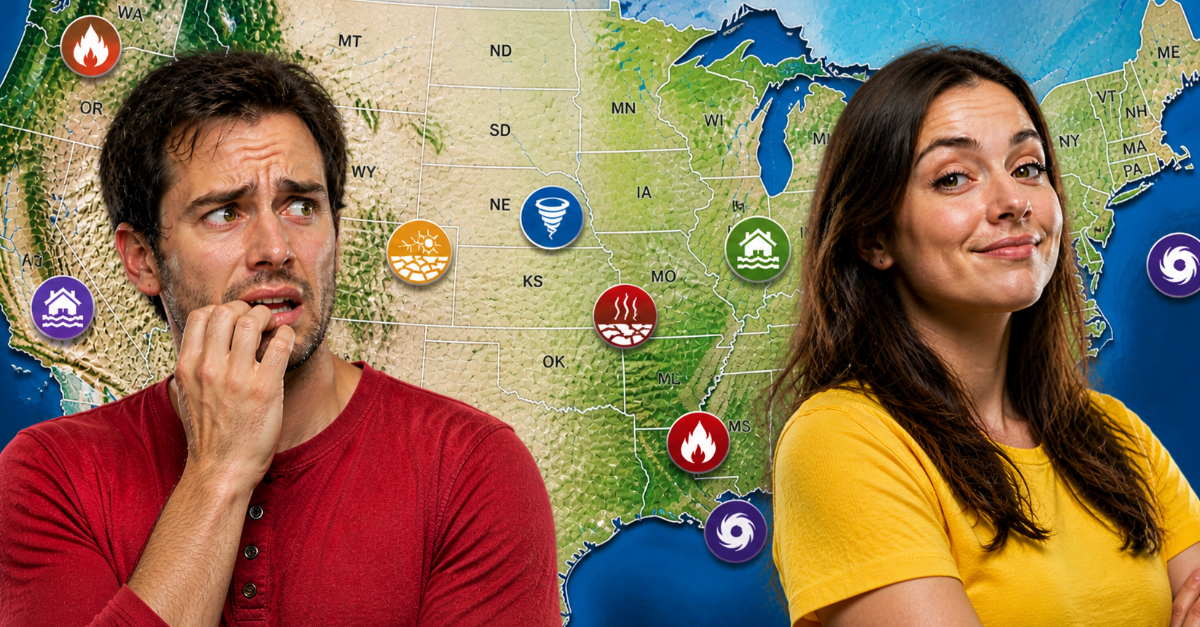
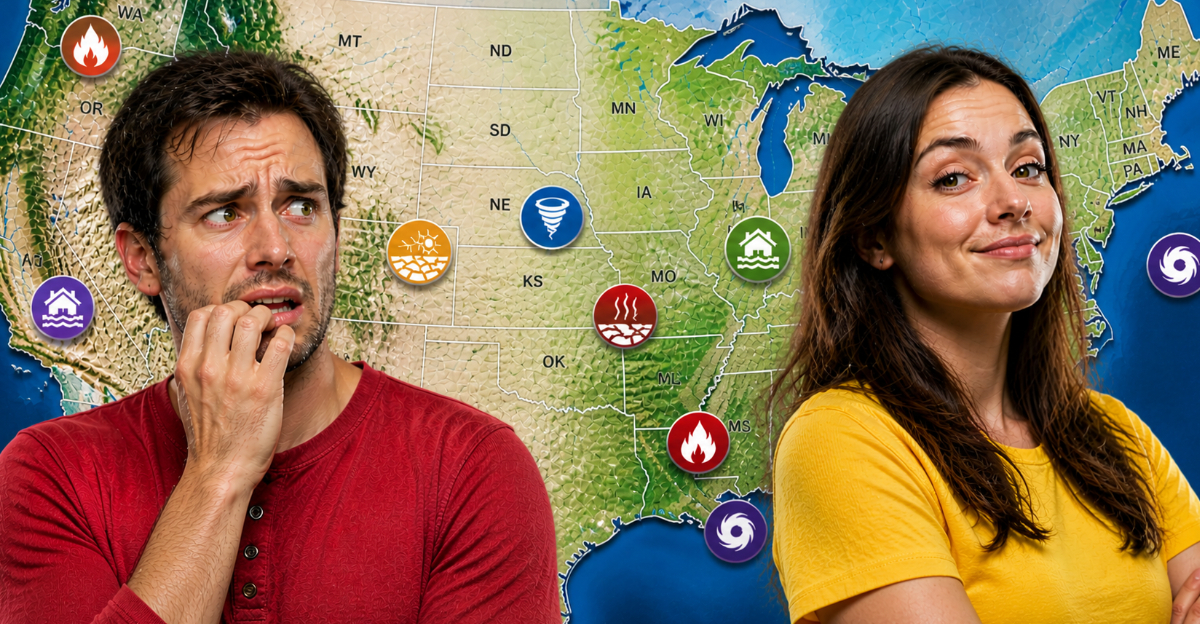
Some people stock up on snacks. Others stock up on generators, bunkers, and a very specific sense of smugness. Whether it’s extreme weather, survival culture, or just a deep distrust of the system, certain states are far more likely to be standing in the rubble saying, “Yeah… we warned you.”
So we ranked all 50 states based on survival readiness, disaster frequency, off-grid culture, and overall told-you-so energy. From laid-back to we’ve-been-ready-since-2003, here’s how it shakes out.
50: Hawaii
Beautiful, remote, and a little too chill to be smug about it. If anything, they’ll just keep surfing and ignore the chaos. Sure, isolation helps with survival, but the vibe here is more ride it out than we predicted this. If they did see it coming, they’re definitely not making a big speech about it afterward.
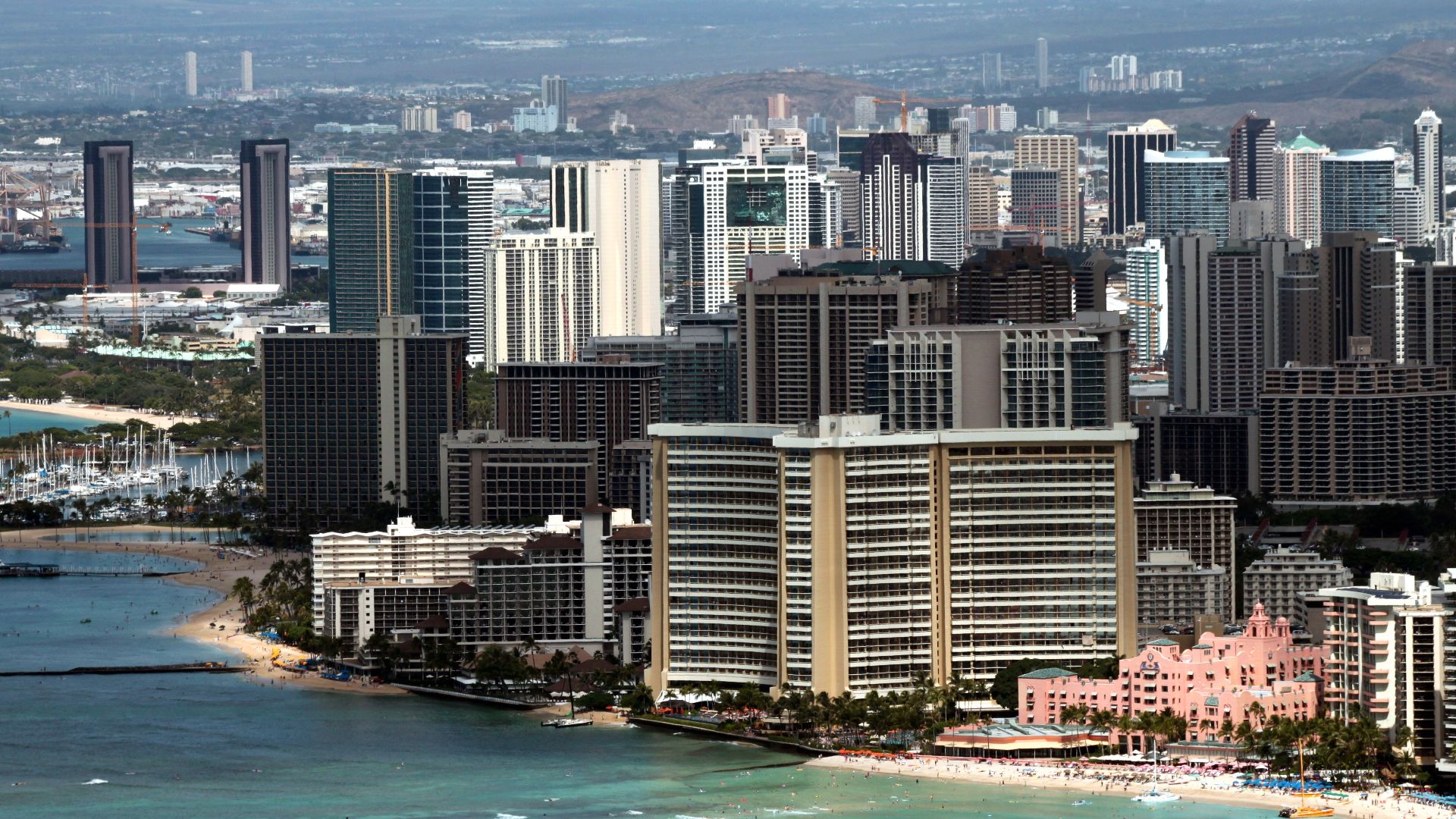 Prayitno / Thank you for (12 millions +) view from Los Angeles, USA, Wikimedia Commons
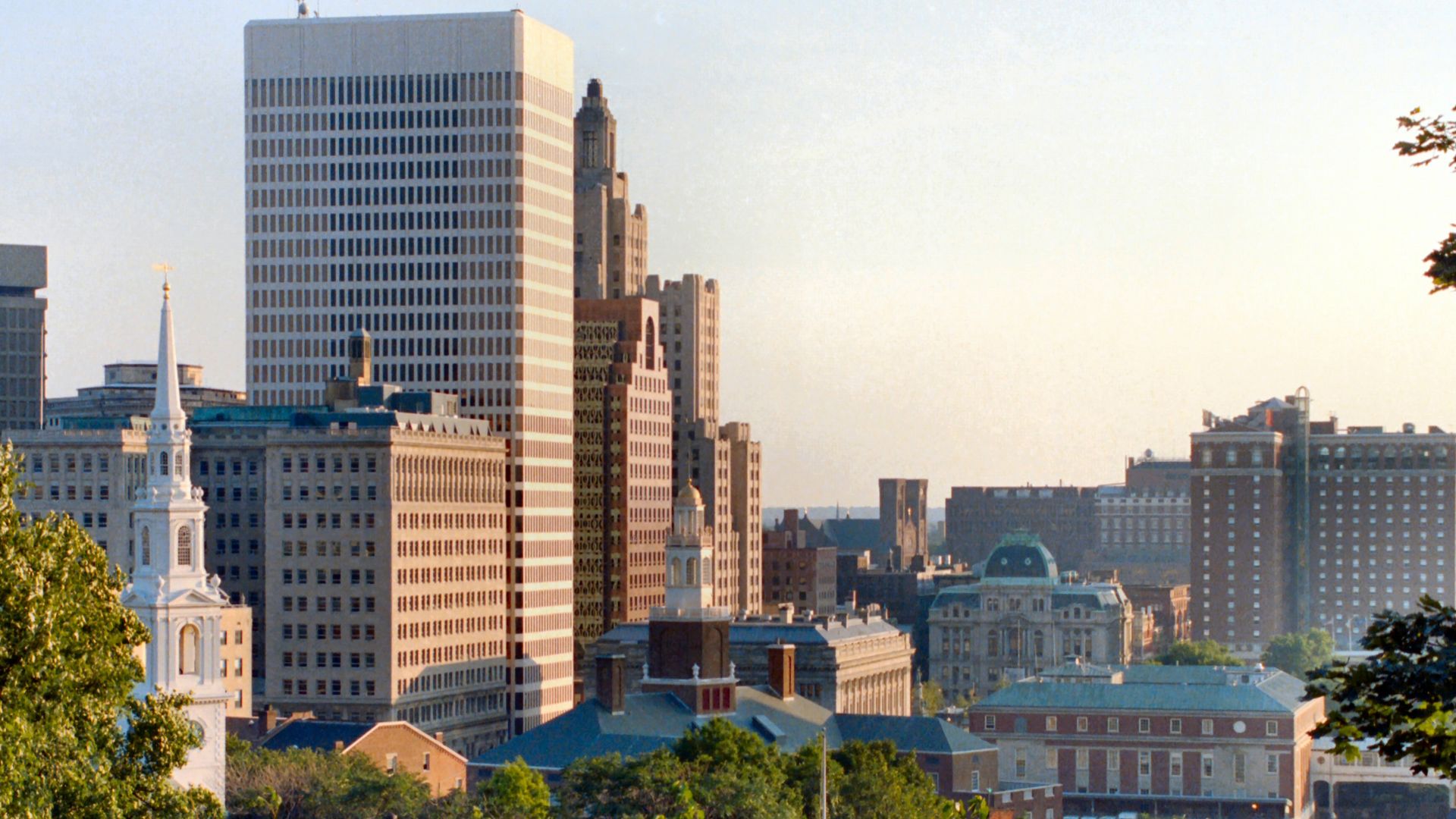
49: Rhode Island
Small, coastal, and more focused on clam chowder than catastrophe planning. Not much I told you so energy here. They’ll adapt like everyone else, but there’s no strong prepper culture driving any kind of victory lap. If anything, they’re just hoping things get back to normal quickly without making a scene.
48: Delaware
Quietly minding its own business. If the apocalypse hits, they’ll be surprised along with everyone else. There’s no major history of extreme disasters or loud survival culture here, just steady, low-key living. Not exactly the profile of a state ready to say, We warned you, or turn it into a big moment.
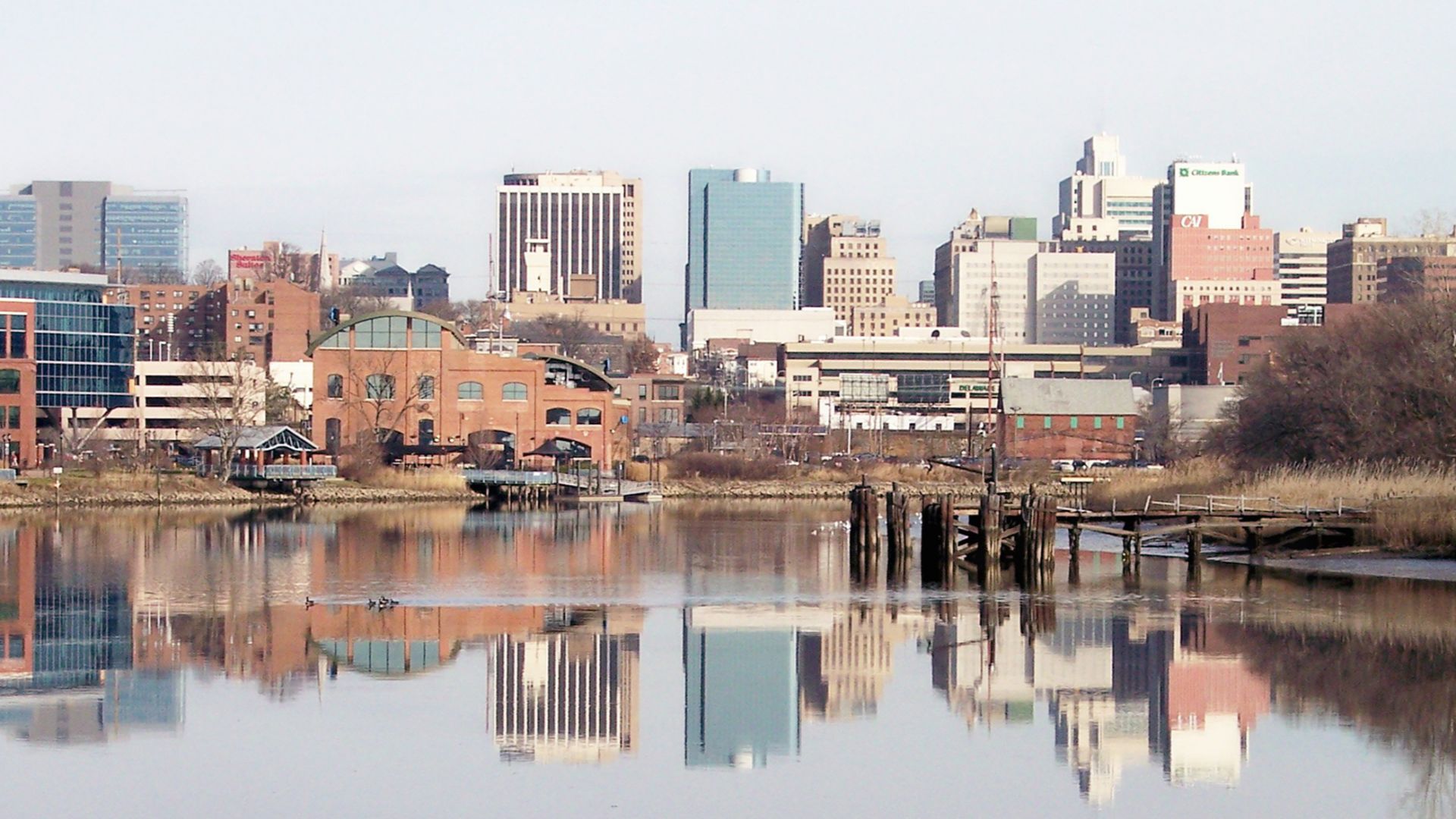 Tim Kiser (User:Malepheasant), Wikimedia Commons
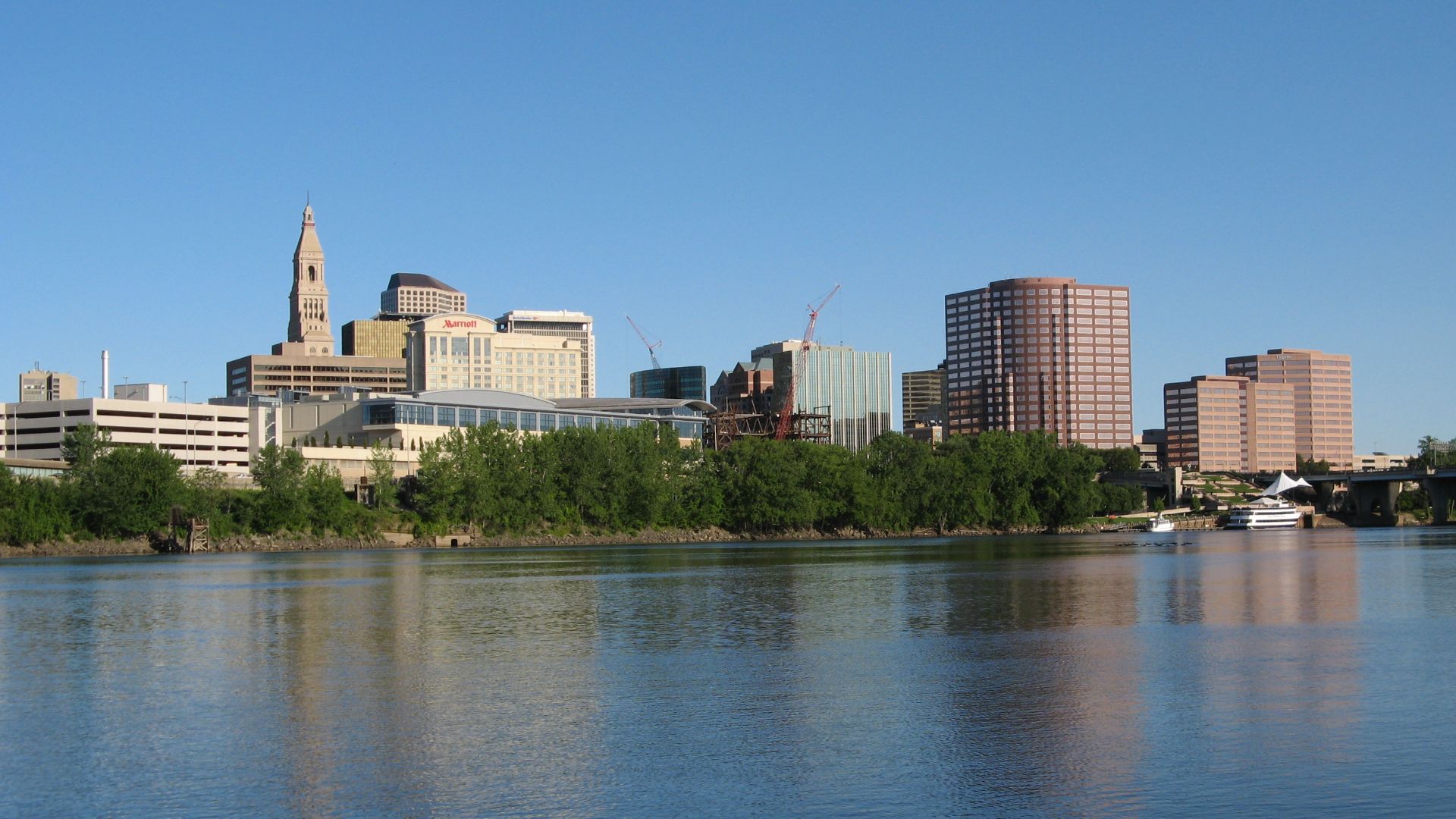
47: Connecticut
Prepared? Maybe. But too polite to rub it in. Expect a soft we did mention this at most, probably delivered in a calm, measured tone. Even if they stocked up early, they’re not about to turn it into a whole moment or remind everyone repeatedly afterward.
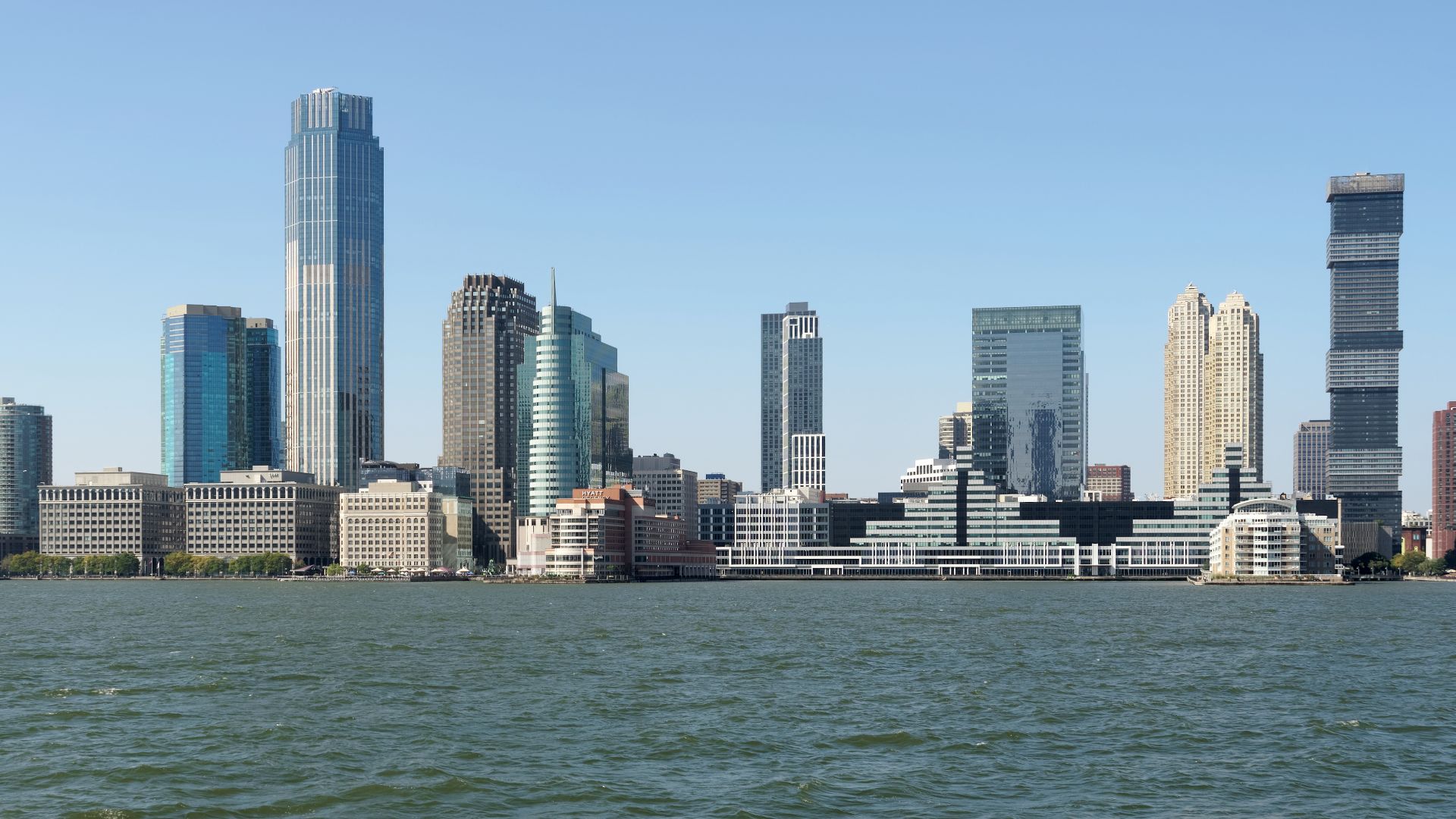
46: New Jersey
They’ll survive somehow, but they’ll complain the whole time instead of bragging. The attitude is less we told you so and more of course this would happen to us. Resourceful? Yes. Smug about it? Not really, even when things go exactly how they predicted.
 Jakub Halun, Wikimedia Commons
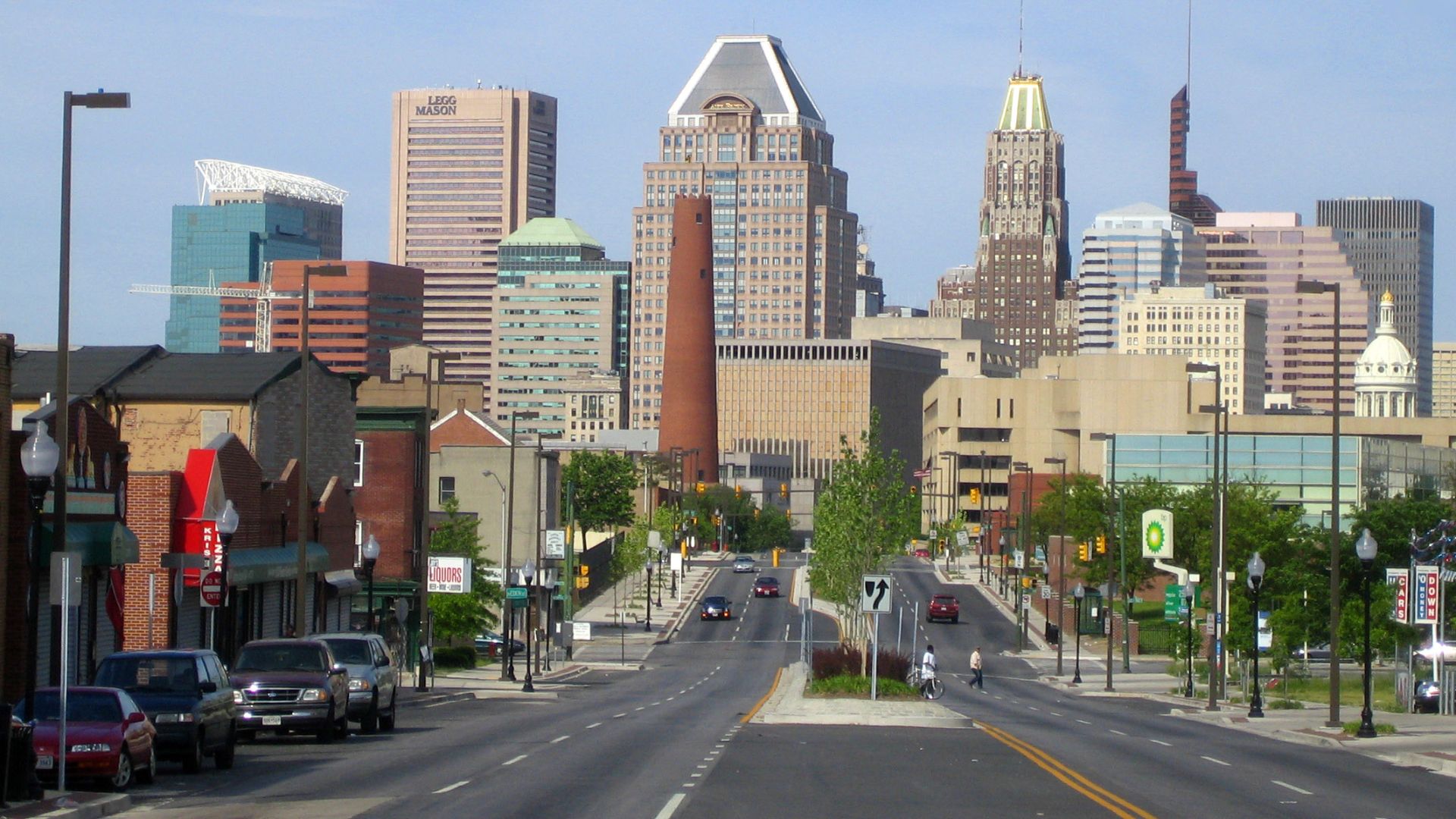
45: Maryland
Balanced and practical, but not overly dramatic about doomsday scenarios. They’ve got some readiness thanks to proximity to federal infrastructure, but it’s not something they’re advertising. If anything, they’ll just quietly handle it and move on without making a point about it.
 User:Steelplug, Wikimedia Commons
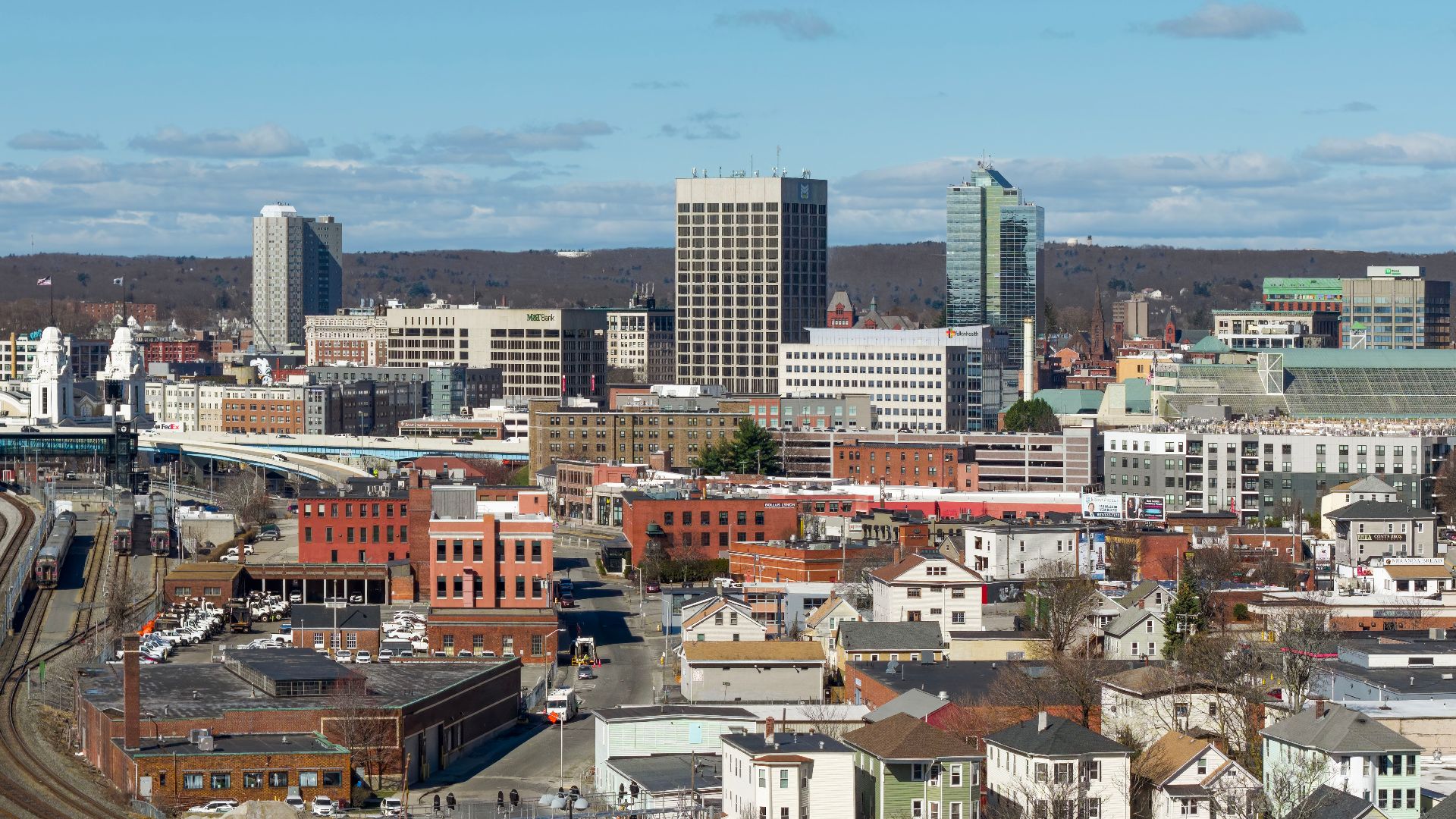
44: Massachusetts
Smart enough to prepare, but more likely to debate the apocalypse than predict it. Expect long conversations about why it happened, not a smug victory lap. They knew the risks, they just didn’t feel the need to announce it loudly to everyone beforehand.
 Quintin Soloviev, Wikimedia Commons
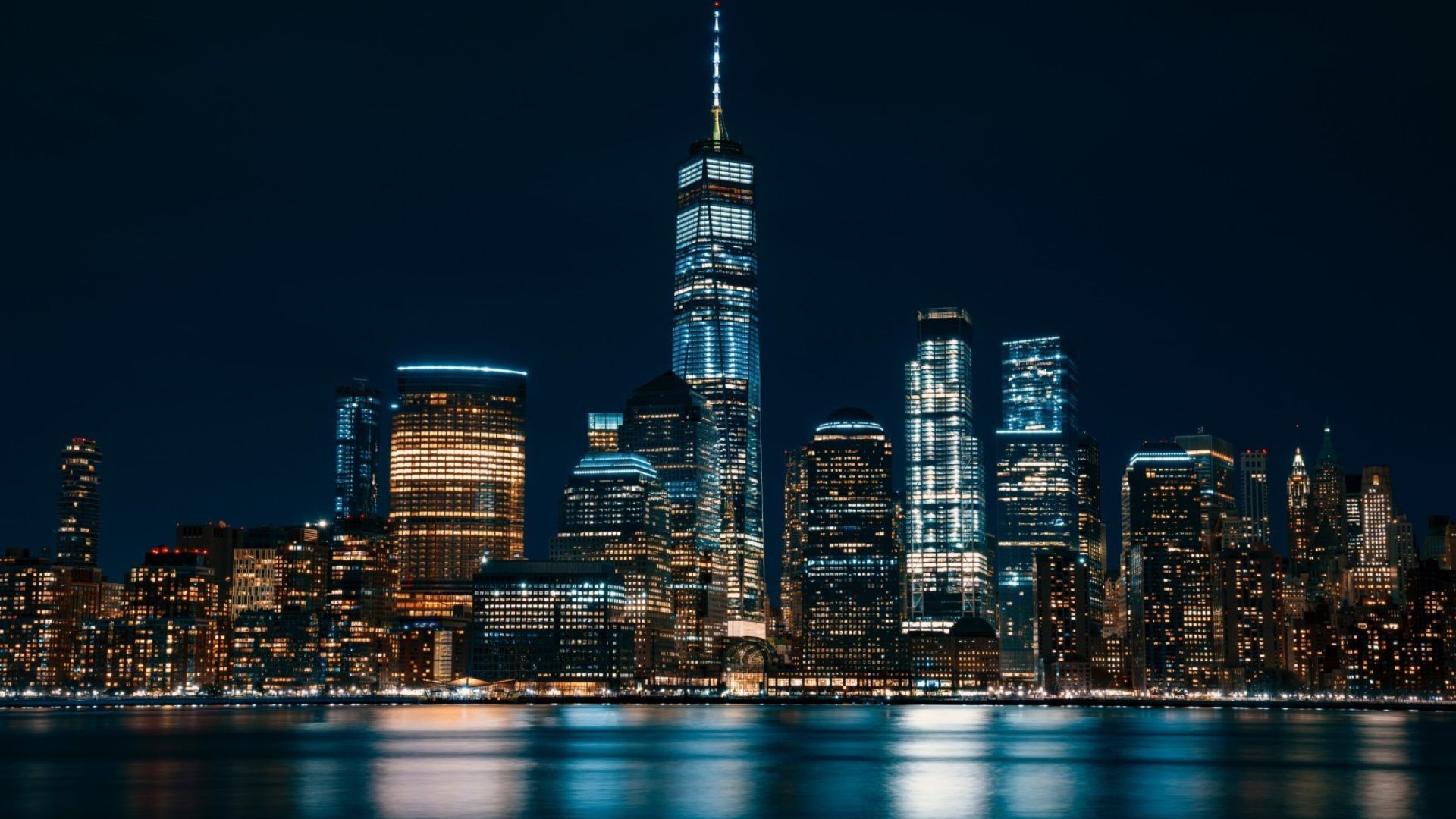
43: New York
Too busy to plan for the end of the world. If it happens, they’ll adapt fast, but won’t claim they saw it coming. The energy here is survival through hustle, not pre-planned smugness. They’ll make it work, just don’t expect an I told you so moment.
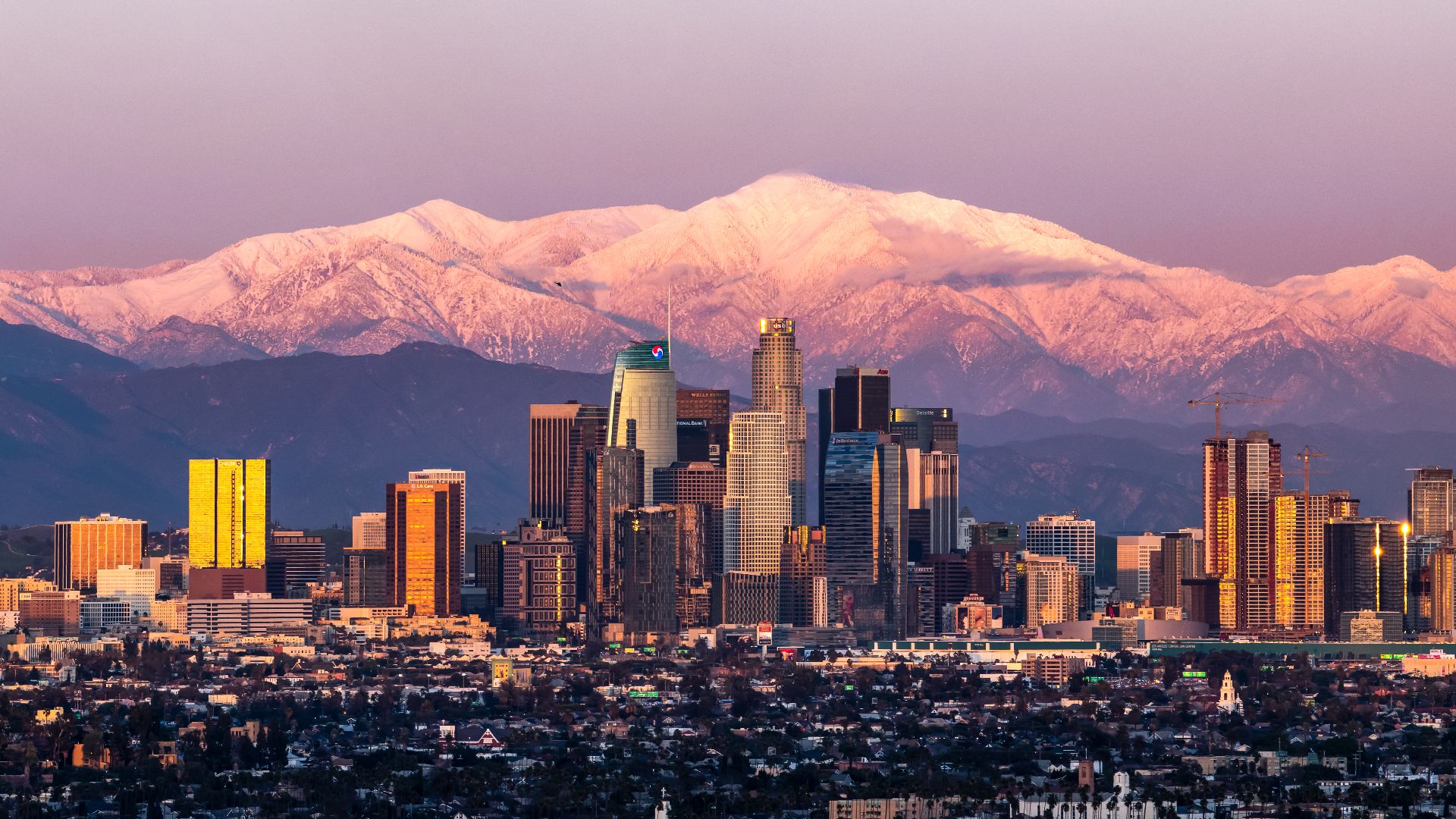
42: California
Ironically prepared for everything but still somehow shocked every time it happens. The infrastructure is there, but the reaction is always a mix of readiness and disbelief. Not much room for smugness when it feels like a recurring surprise.
 Alek Leckszas, Wikimedia Commons
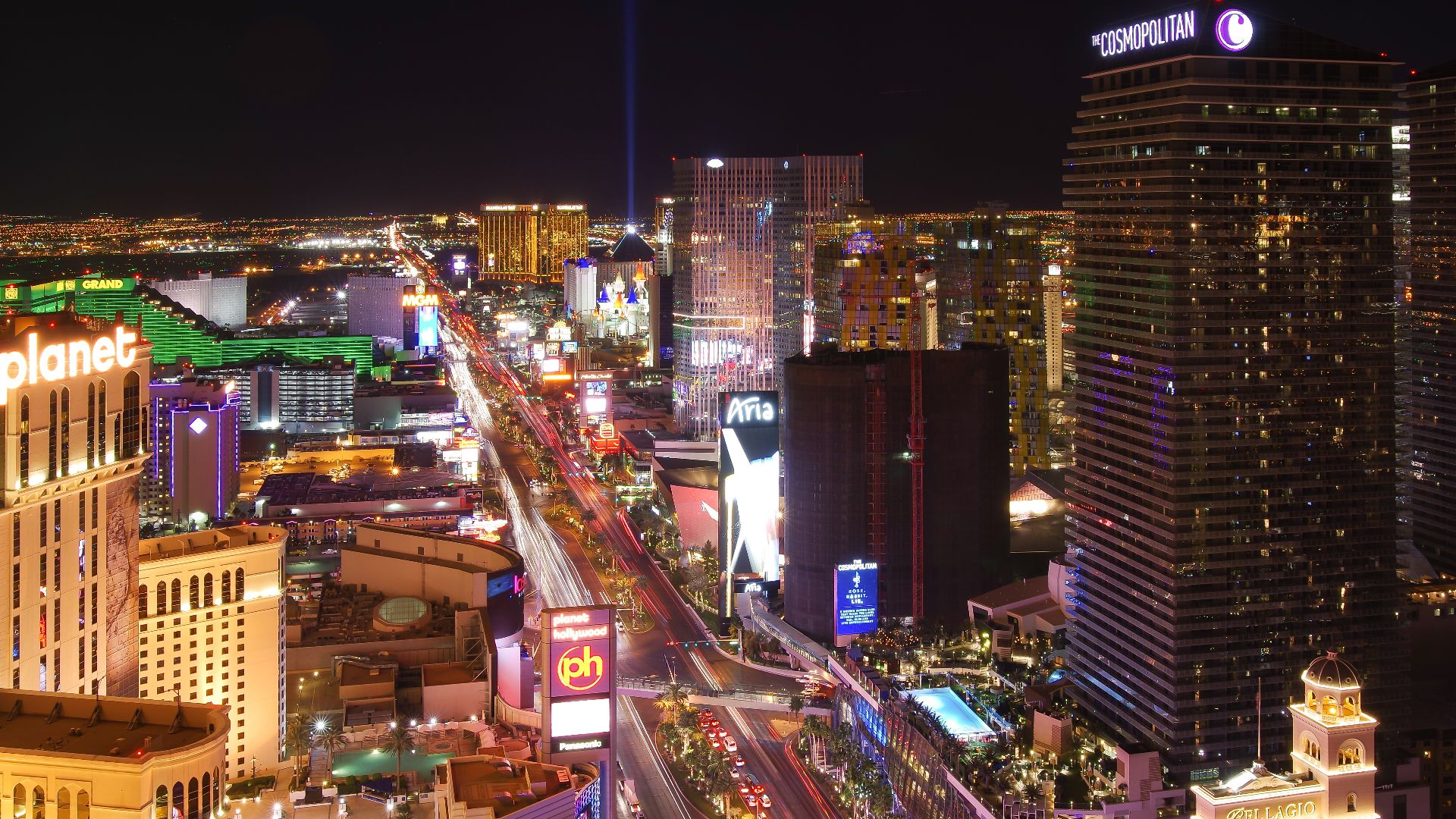
41: Nevada
Used to harsh conditions, but more we’ll figure it out than we warned you. Survival instincts are solid, especially in desert regions, but there’s not a huge culture of saying it out loud. They’ll adapt quickly, just without the commentary afterward.
 EconomicOldenburger - Alles uber den Las Vegas Strip, Wikimedia Commons
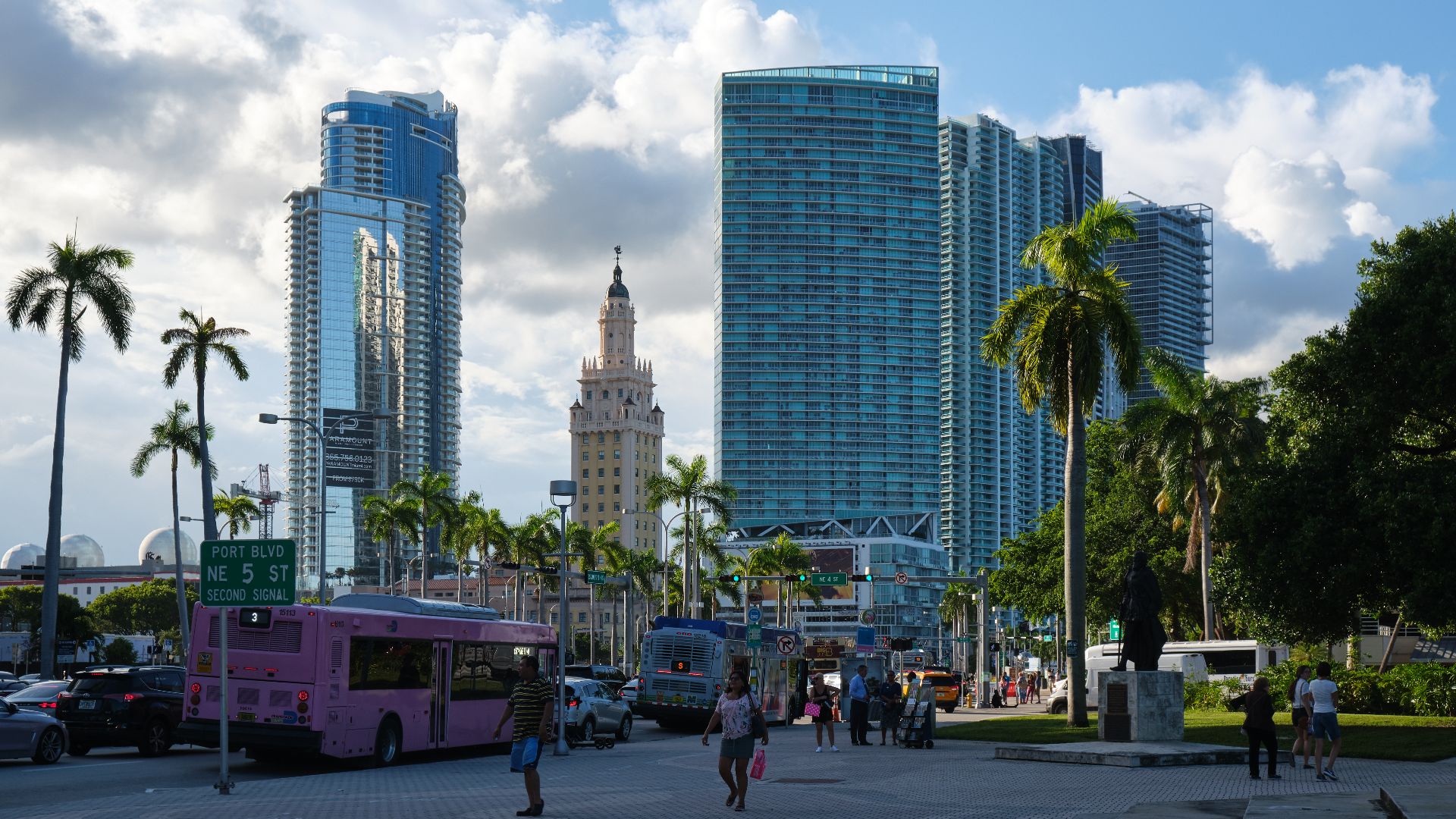
40: Florida
They’ve seen things, but they’re too used to chaos for it to feel like a big told you so moment. Hurricanes, flooding, wild headlines, it’s all part of the routine. At a certain point, you stop predicting and just start reacting to whatever happens next.
 Oliver Echeverria, Wikimedia Commons
39: Illinois
Prepared enough, but not especially vocal about it. There’s a mix of urban and rural readiness, but no strong identity built around it. If things go wrong, they’ll manage, but they won’t make a point of reminding everyone they were right.
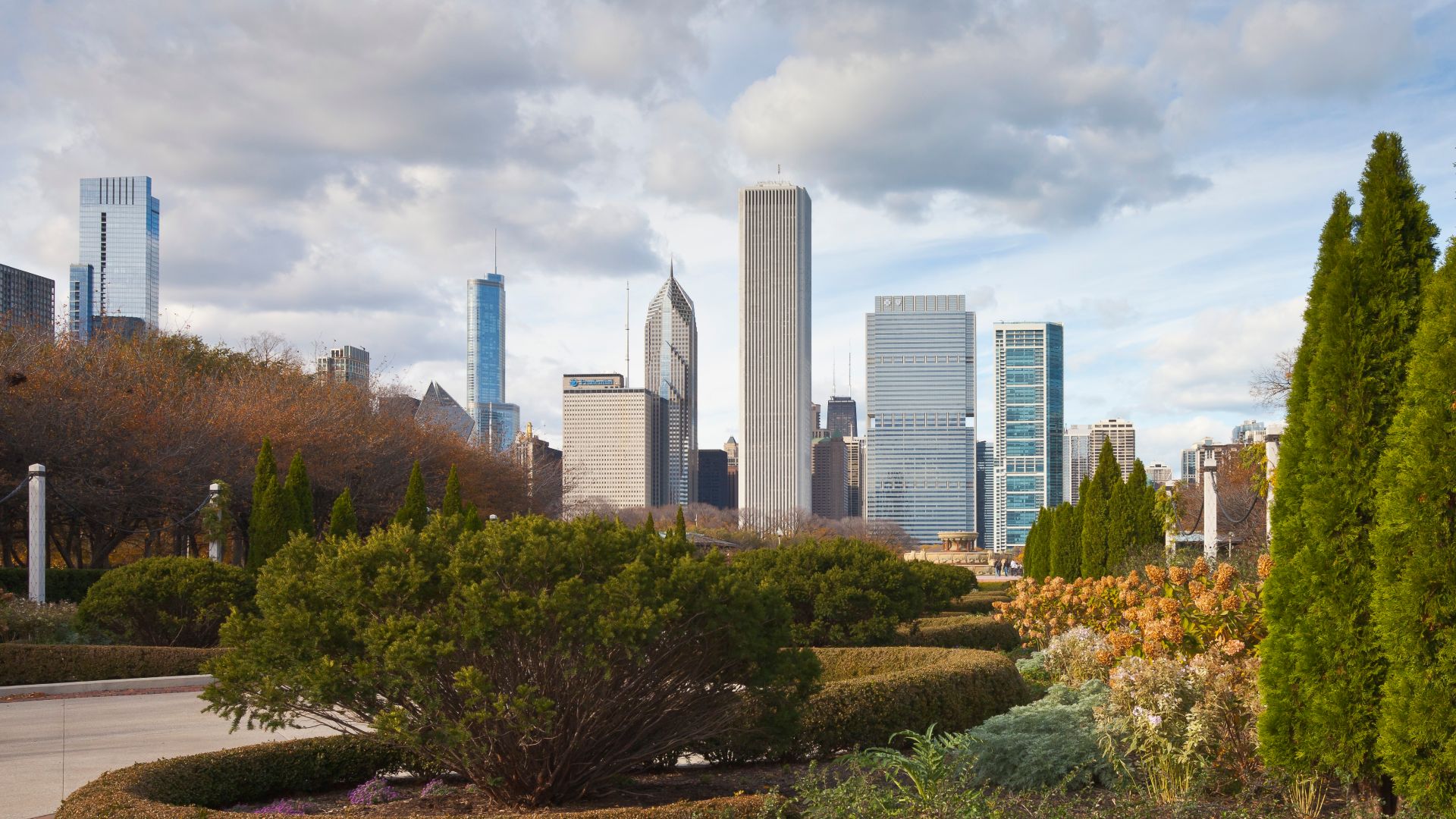 Diego Delso, Wikimedia Commons
38: Minnesota
Quietly capable, but too nice to gloat. Winters alone have built serious survival skills, but humility wins out here. Even if they absolutely called it, they’re not going to rub it in or make anyone feel bad about it.
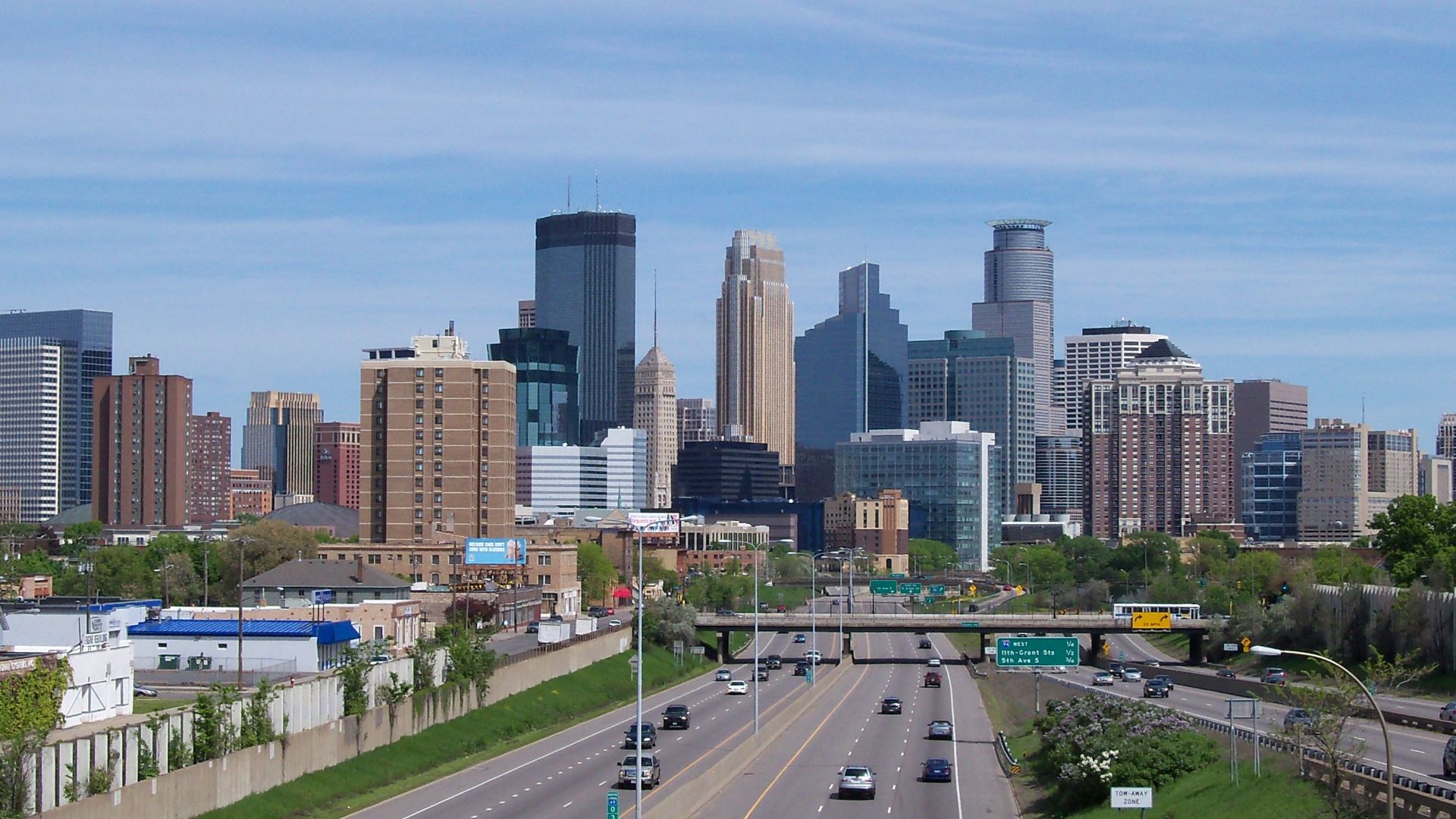 AlexiusHoratius, Wikimedia Commons
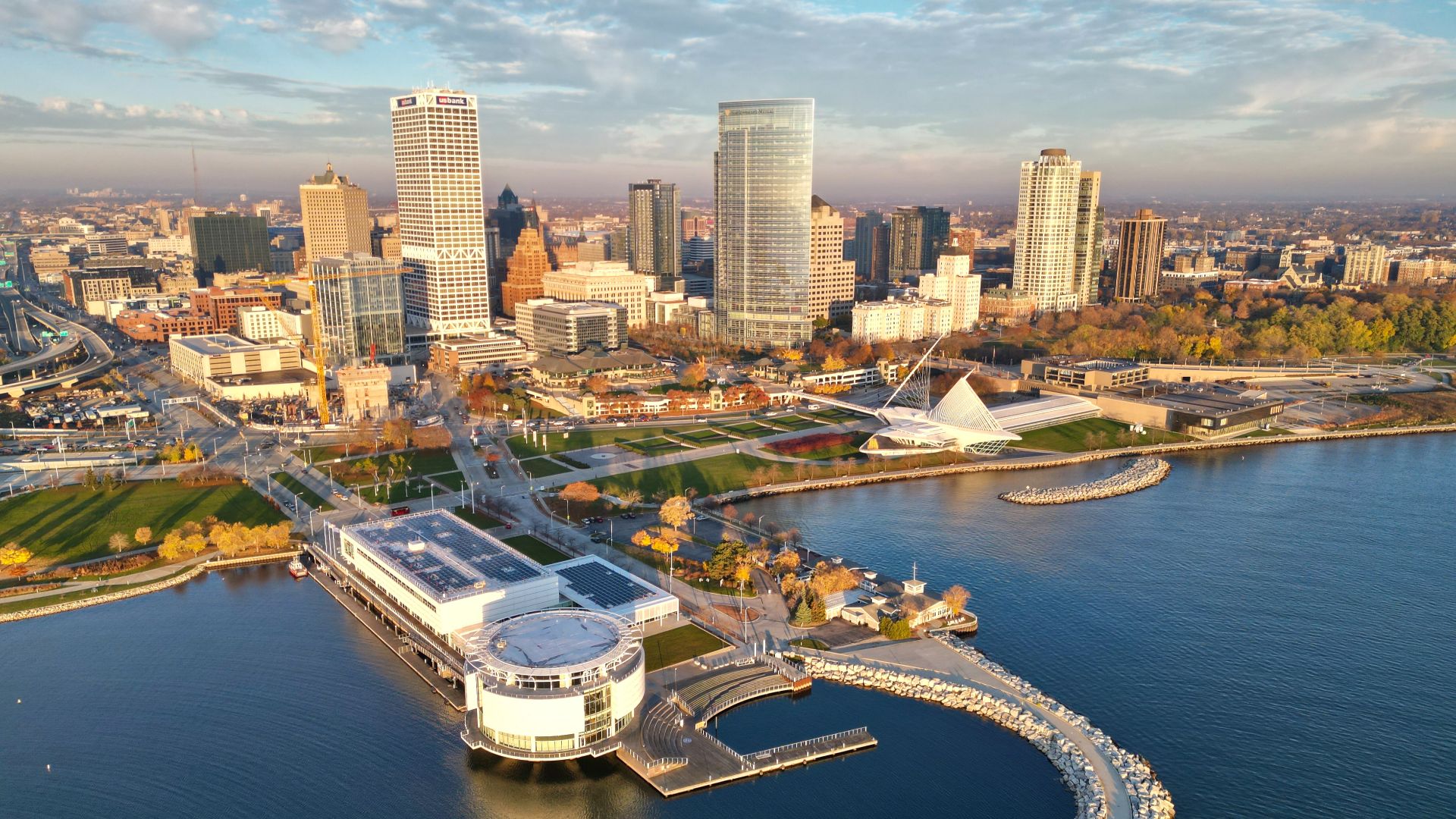
37: Wisconsin
Stocked with supplies and practical know-how, but not making a big deal about it. There’s a grounded preparedness here, especially in rural areas, but it’s not paired with loud we told you so energy or any need to prove a point afterward.
36: Pennsylvania
Some survival pockets, but overall pretty middle-of-the-road. You’ll find preppers and planners, but also plenty of people just going with the flow. Not unified enough to claim they all saw it coming or predicted exactly how things would unfold.
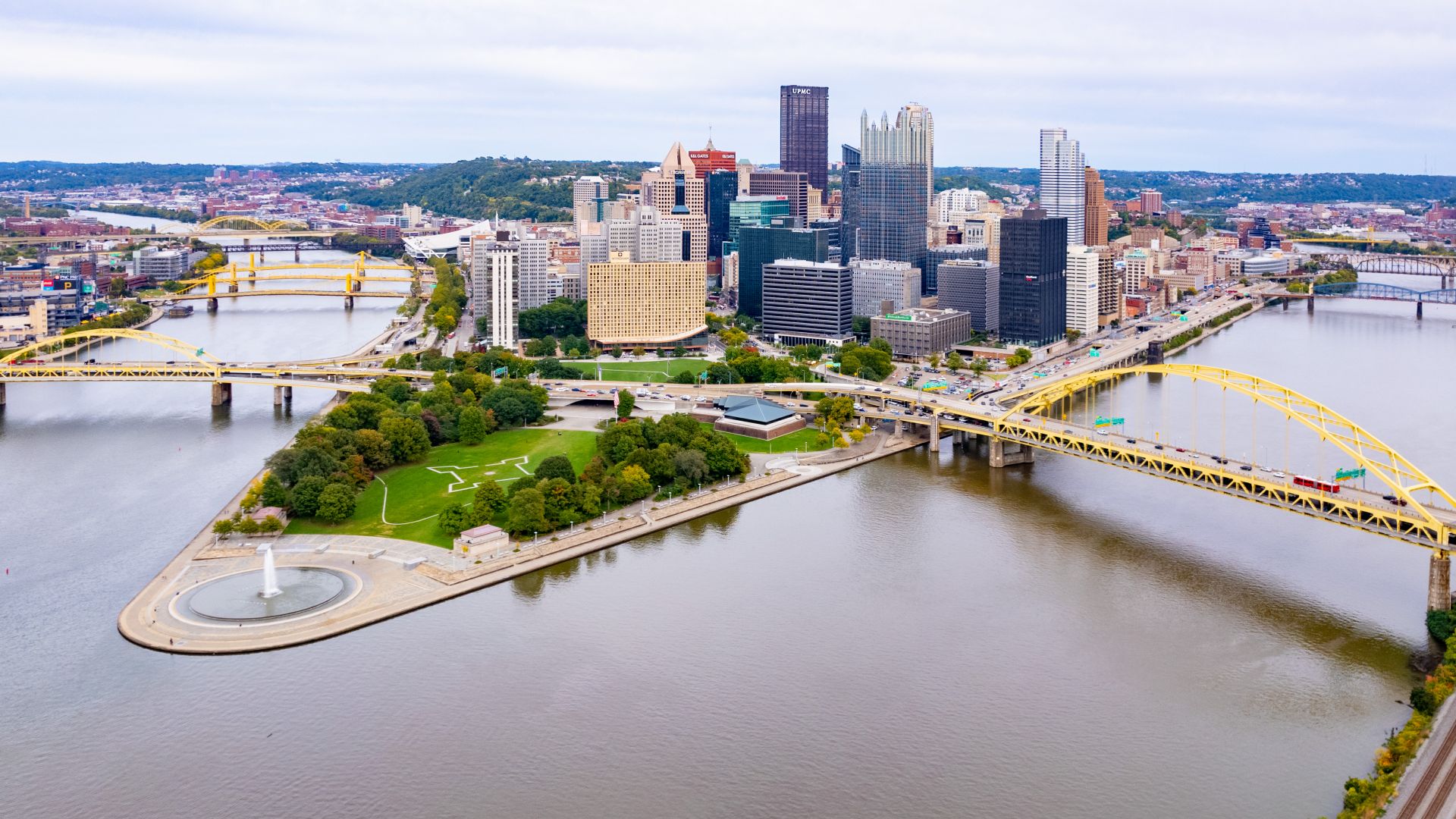 Popscreenshot, Wikimedia Commons
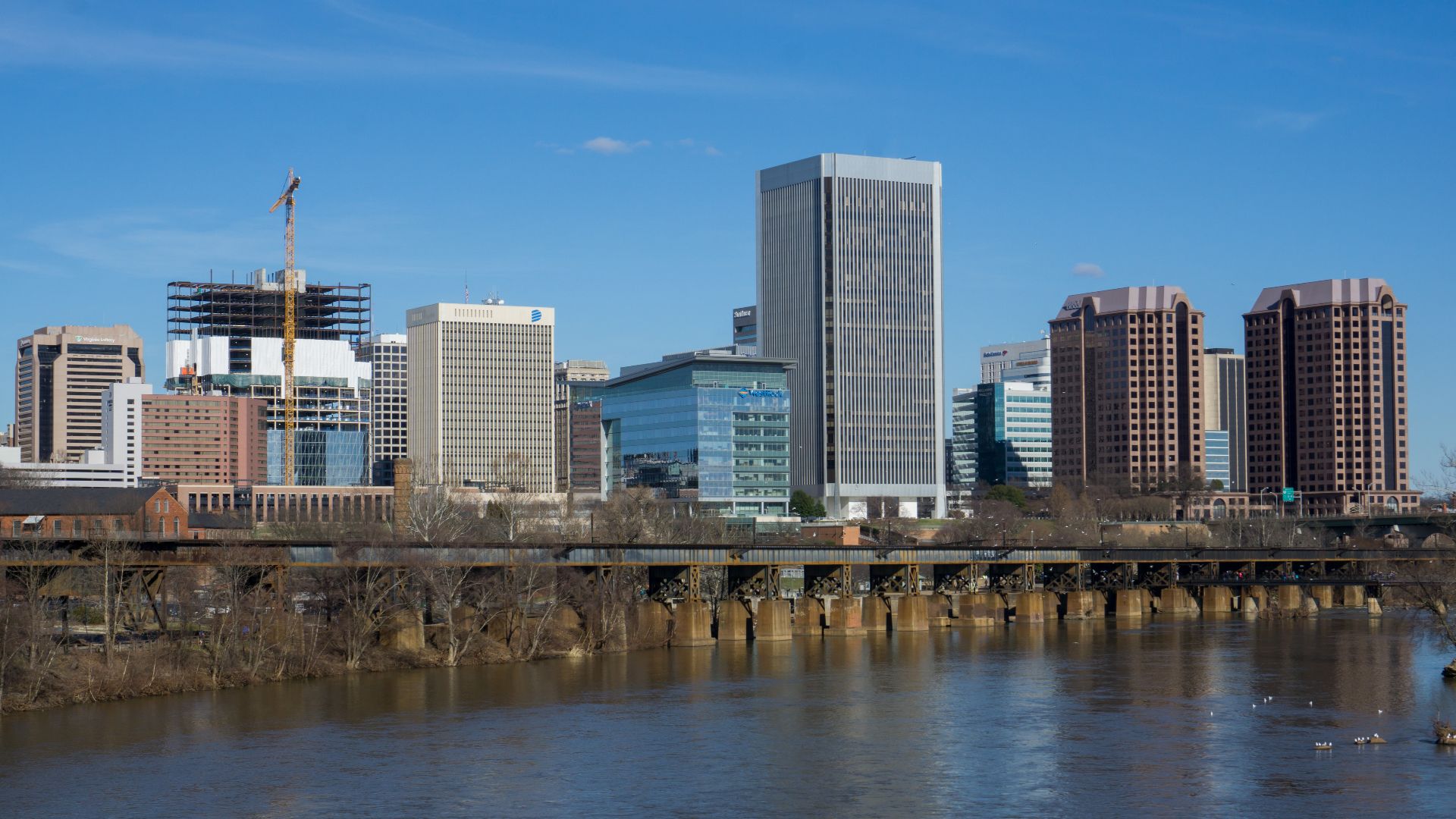
35: Virginia
Balanced between government readiness and rural prep culture. There’s definitely some preparedness baked in, but it’s split across very different lifestyles. Not quite bold enough to make the top tier of smugness when things start going wrong.
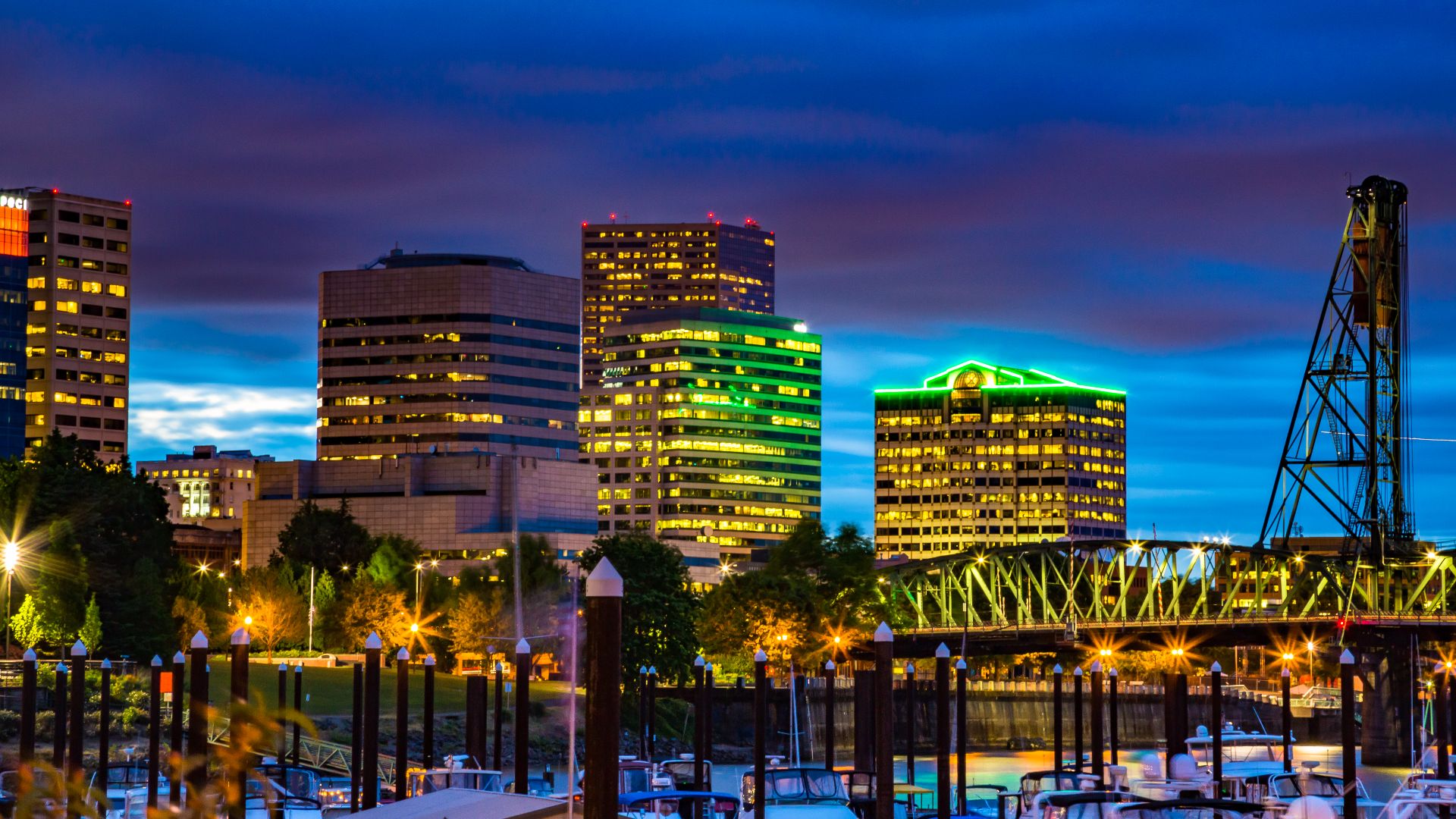
34: Oregon
Off-grid culture exists, but it’s more about vibes than vindication. Plenty of people are ready, they just don’t care about proving it to anyone. It’s less we told you and more we’re good over here, quietly doing their own thing.
 Tony Webster from Minneapolis, Minnesota, Wikimedia Commons
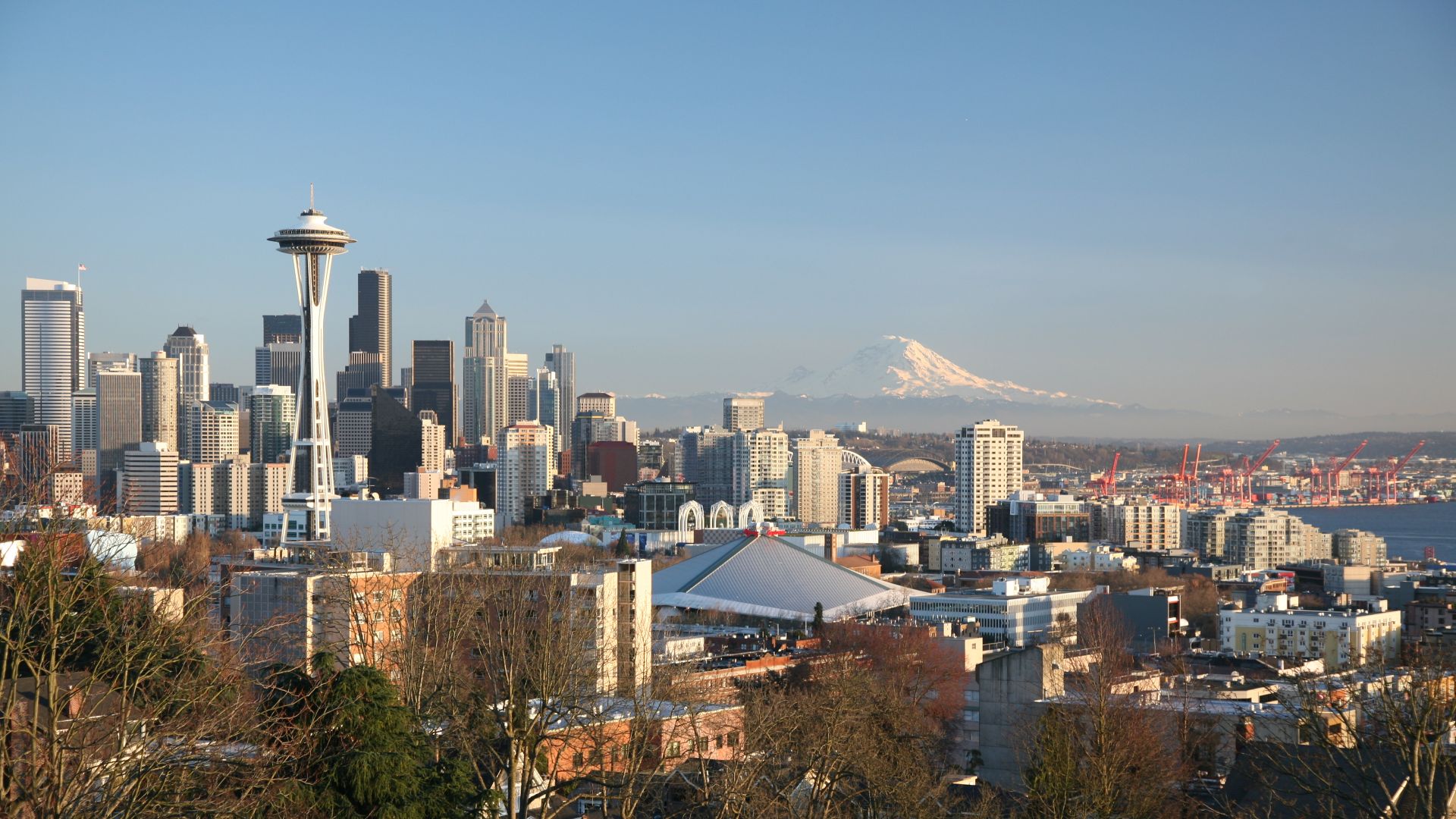
33: Washington
Tech-savvy preparedness, but not much smugness. There’s awareness of risks, especially environmental ones, but the tone stays practical. They’ll handle it, just without the attitude or need to remind anyone they had a plan all along.
 Daniel Schwen, Wikimedia Commons
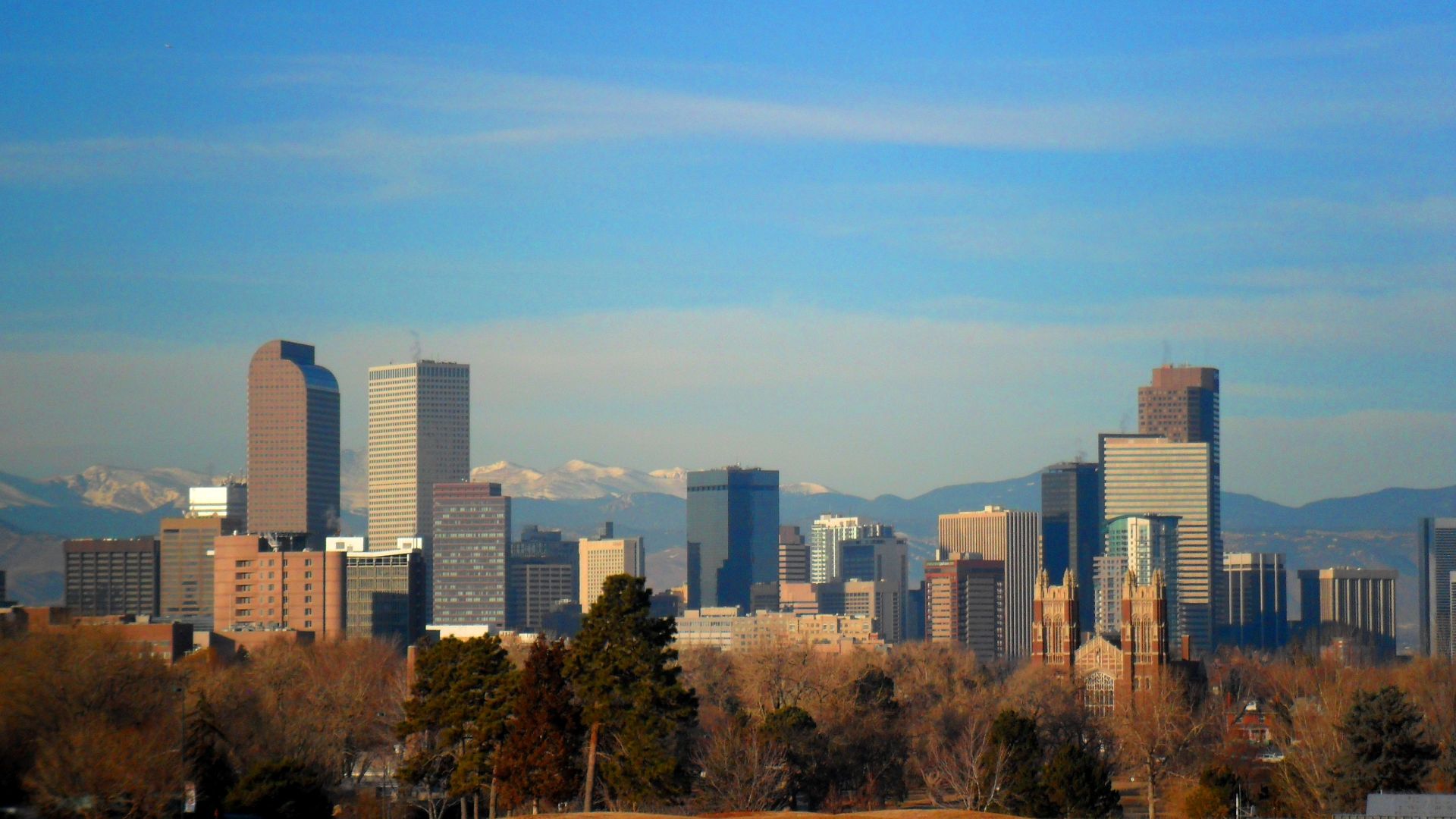
32: Colorado
Knows how to survive, but too outdoorsy-chill to say I told you so. People here are capable, resourceful, and ready for tough conditions, but they’re not interested in bragging about it or turning it into a big moment.
31: Arizona
Heat-hardened and resilient, but not overly preachy about it. Living in extreme conditions builds preparedness, but the culture leans more toward adaptation than prediction. They’ll handle it, but won’t make a big deal out of being right.
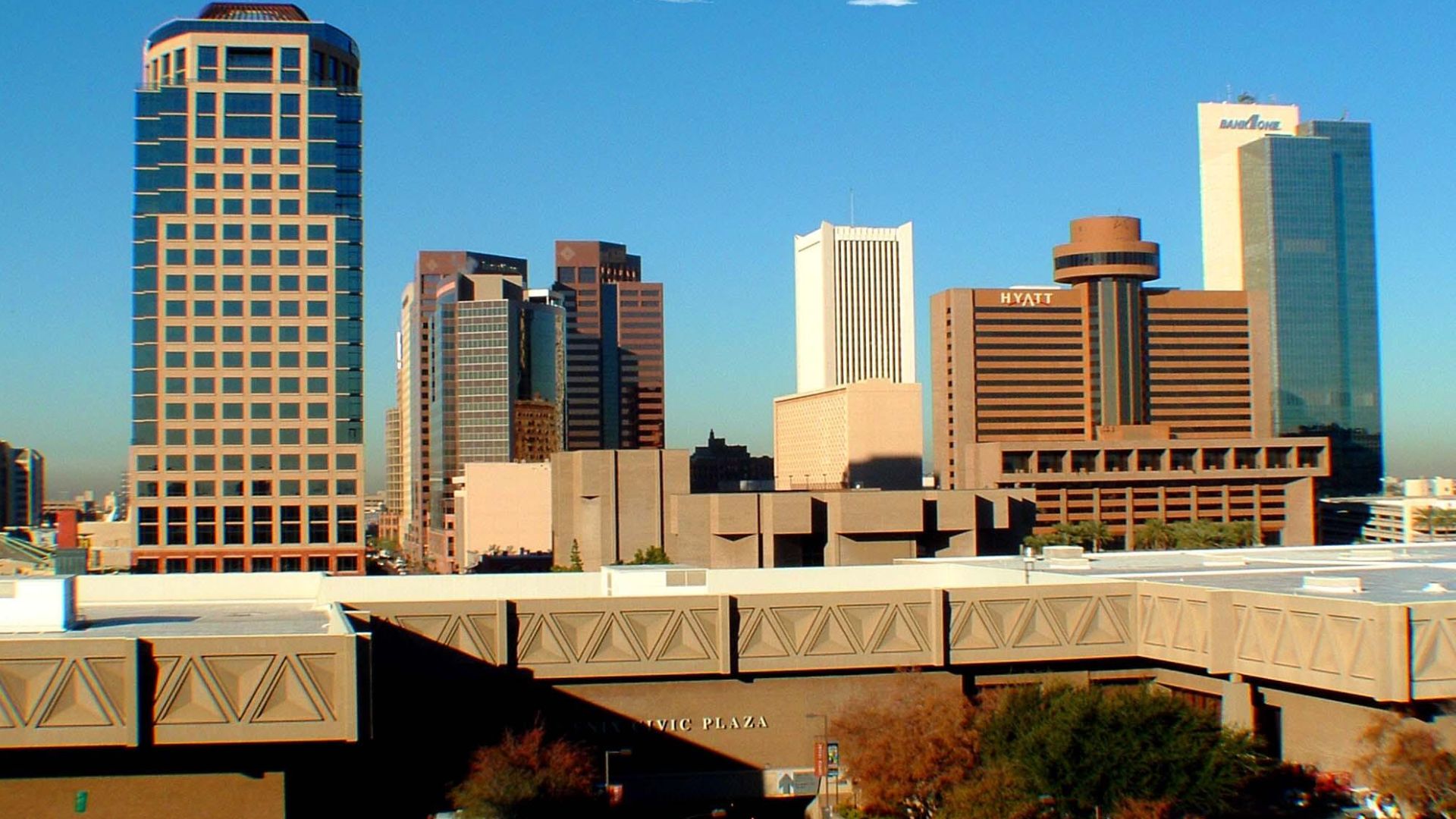 Urban~commonswiki, Wikimedia Commons
30: Maine
Rugged and independent, but quietly so. They’ll survive without making a speech or pointing fingers. Preparedness is just part of life, not something to announce dramatically to others once everything settles down again.
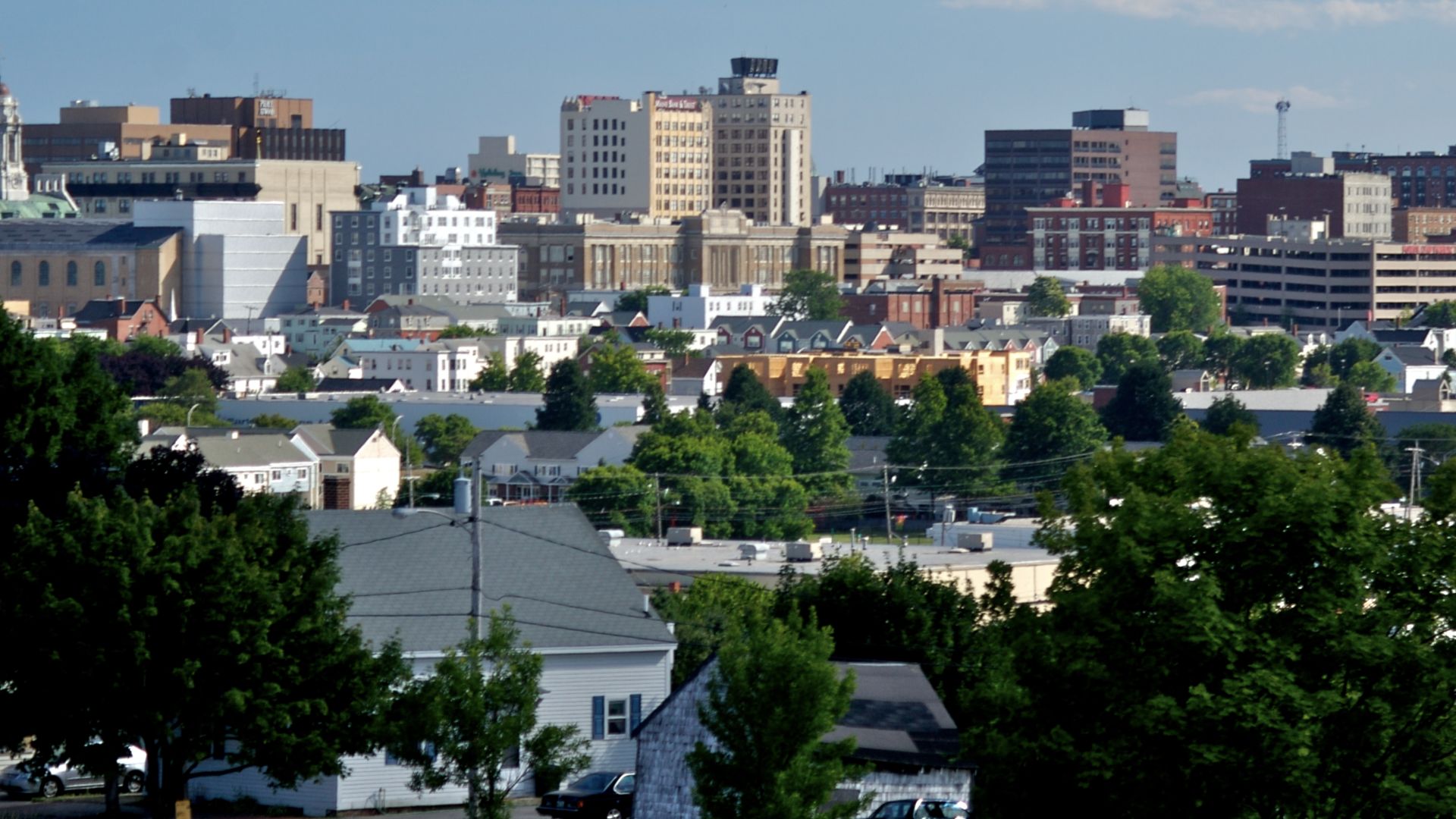 Jeffrey B. Ferland, Wikimedia Commons
29: New Hampshire
Live Free or Die energy, but more action than talk. There’s definitely a readiness mindset here, but it’s not paired with a need for validation or outside approval, even when they clearly saw it coming.
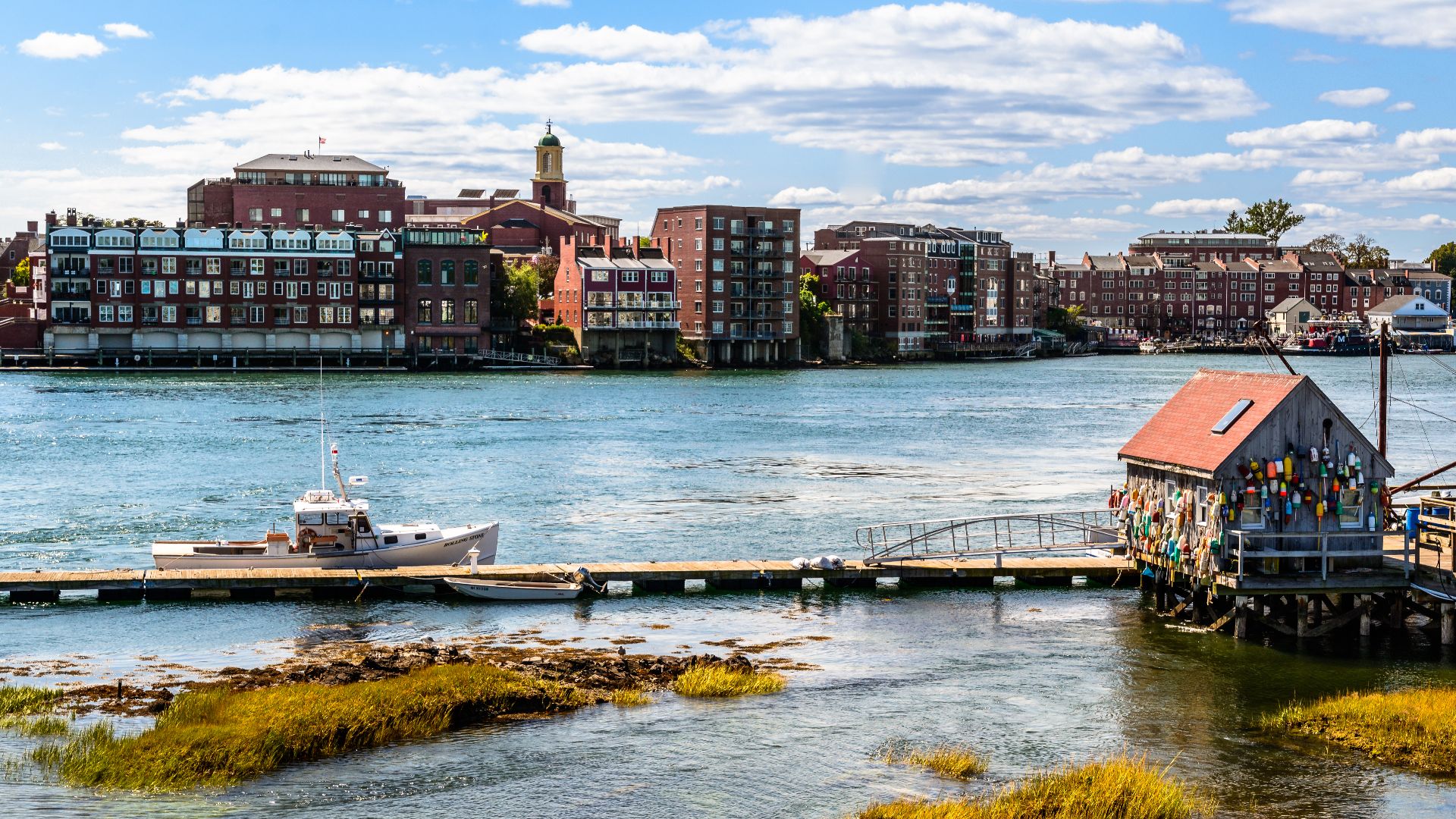 Domenico Convertini, Wikimedia Commons
28: Vermont
Prepared in a wholesome, farmer’s-market kind of way. Think sustainability, self-sufficiency, and community, not smugness. They’ll be fine, but they’re not making a big deal about it or trying to prove anything afterward.
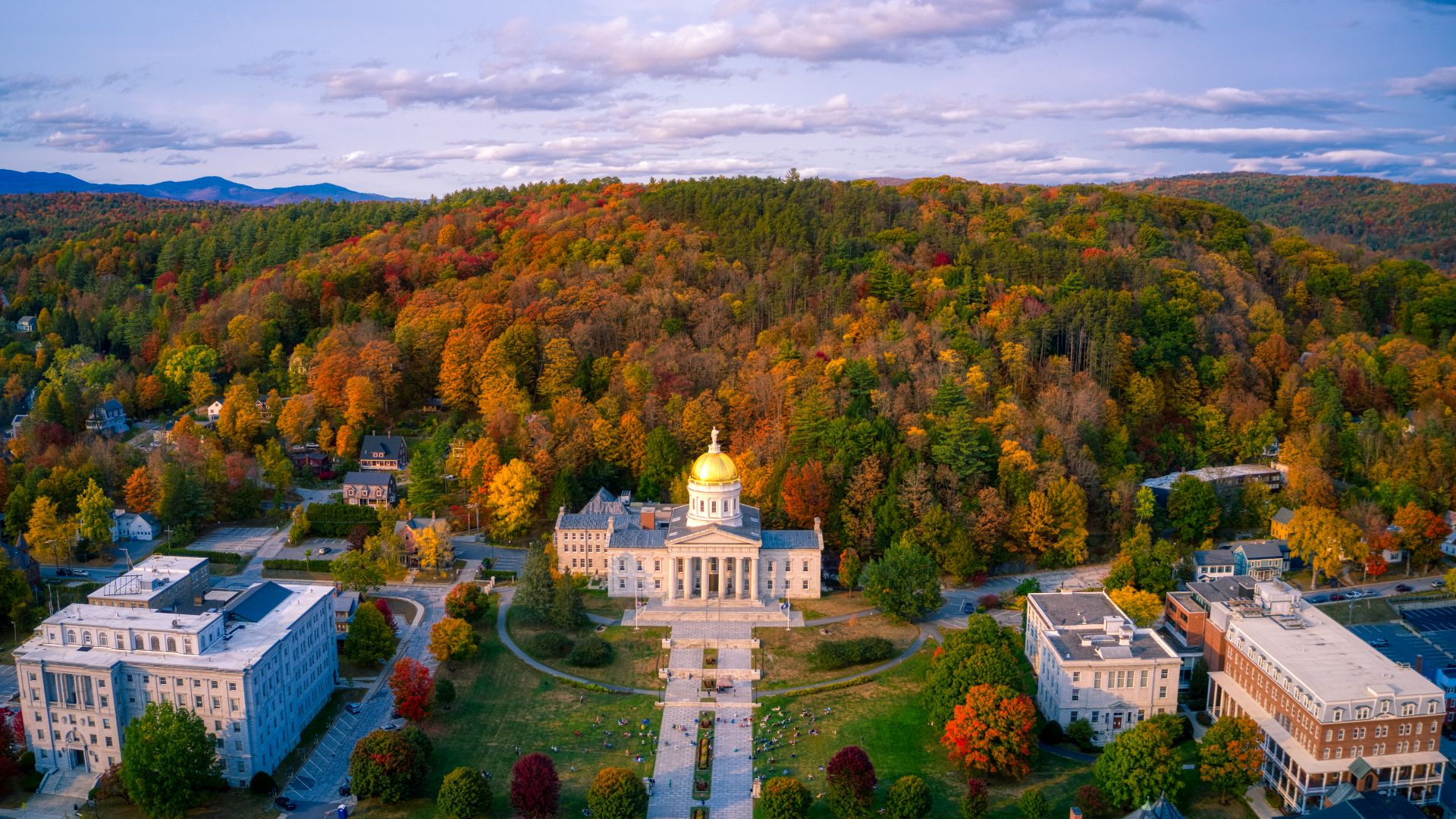
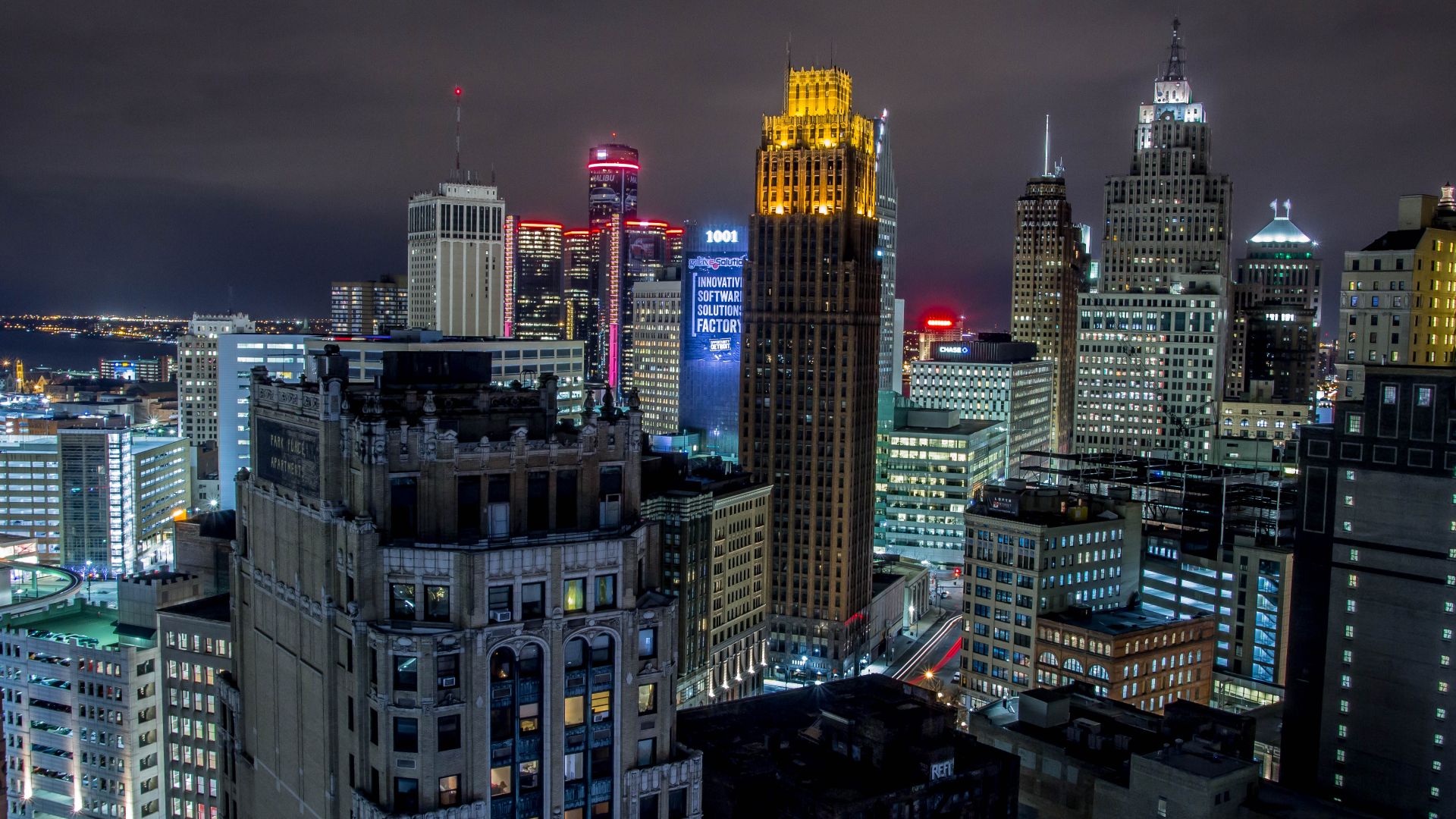
27: Michigan
Used to tough conditions, but not bragging about it. There’s resilience here, especially with harsh winters and economic swings, but it’s not loud or flashy or looking for attention when things stabilize again.
 Derek Gauci, Wikimedia Commons
26: Ohio
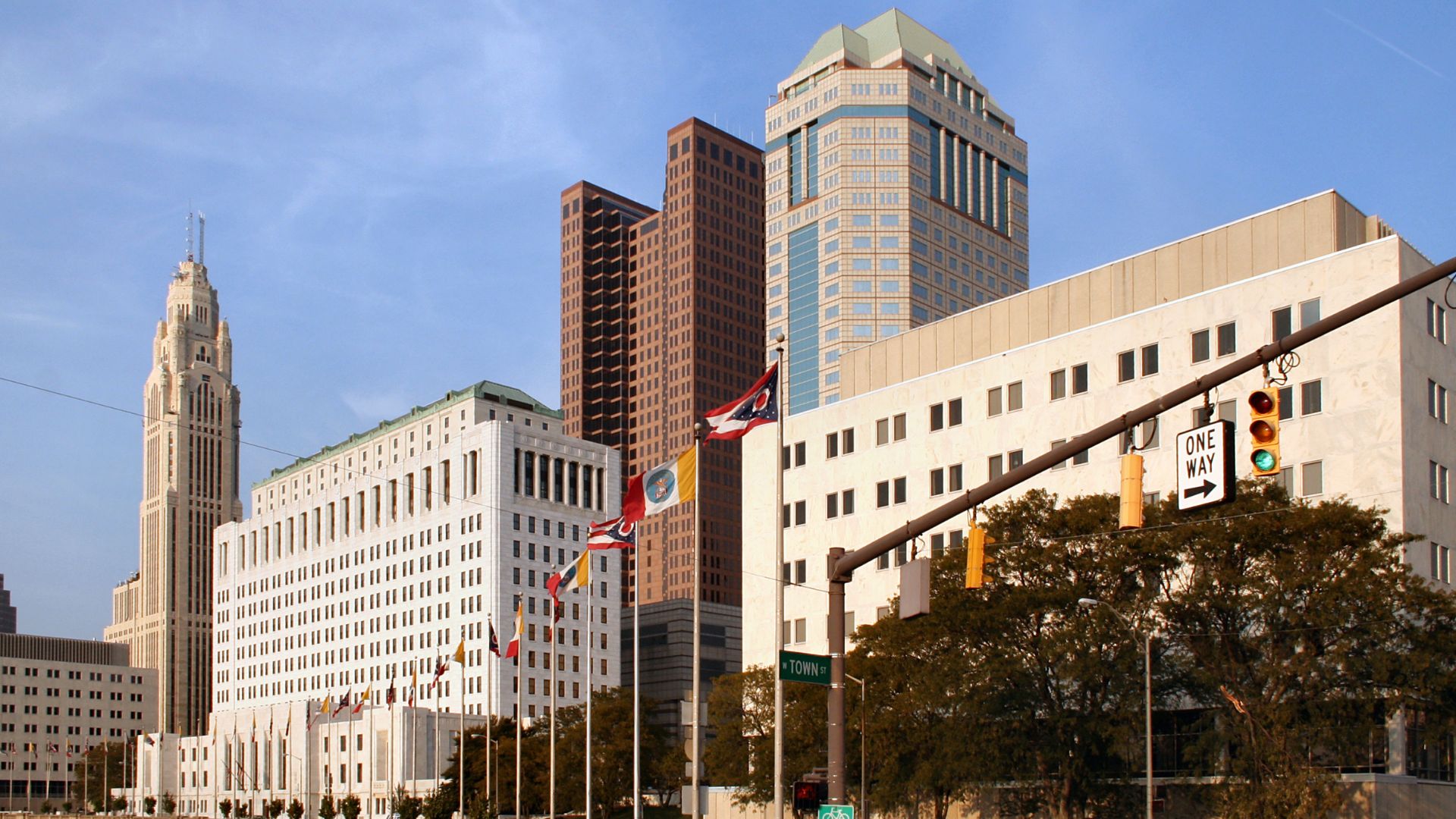
Has the tools, but not the attitude. Capable of handling disruptions, but not the type to say we told you so after the fact to anyone around them when things start falling apart.
25: Indiana
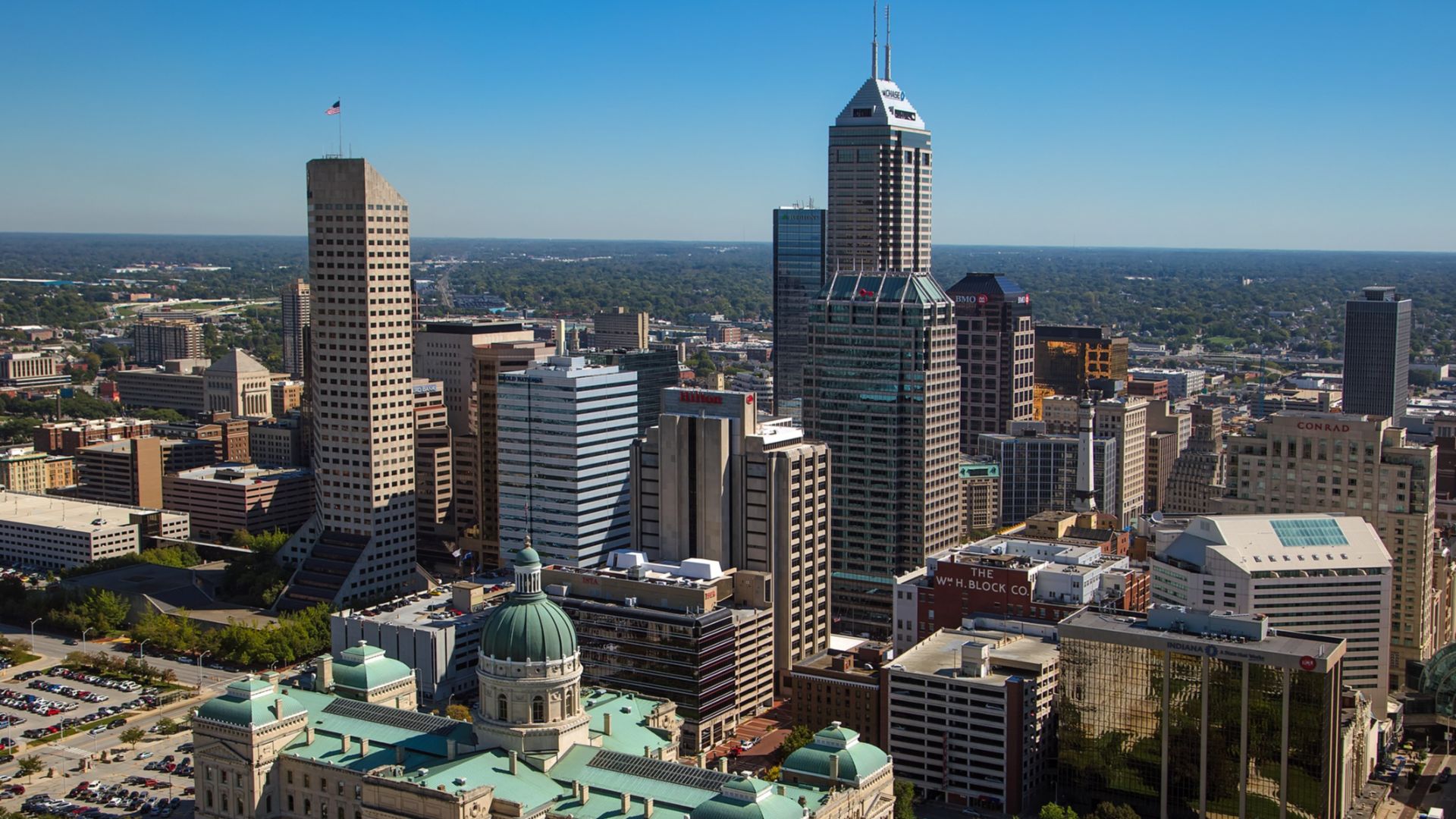
Solidly prepared, quietly confident. There’s a steady, practical approach to readiness, but it doesn’t come with a lot of noise or attention-seeking behavior when things go wrong around them.
24: Iowa
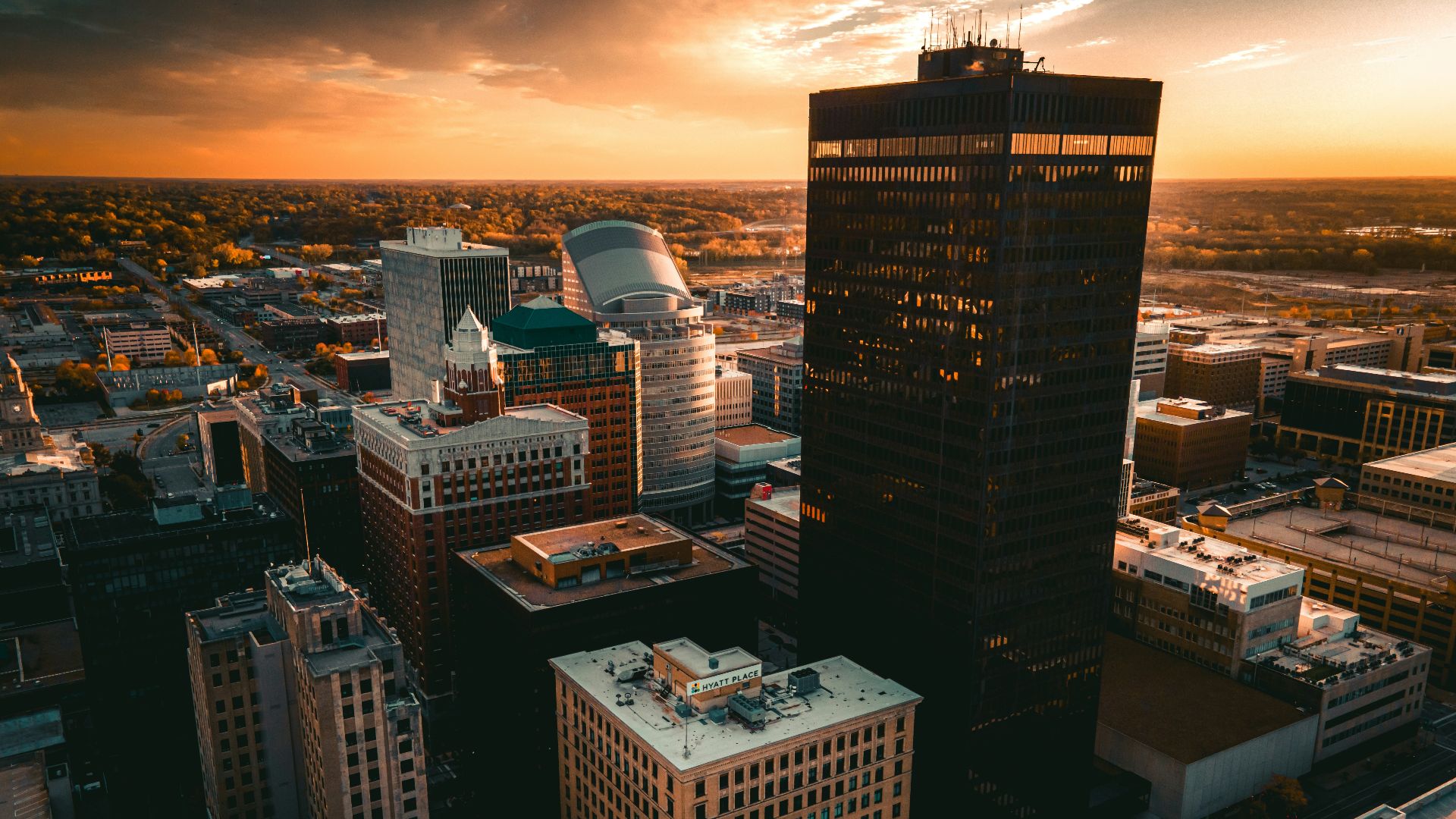
Knows how to handle disasters, but keeps it humble. Tornadoes and storms have built real experience, just without the ego or need to broadcast it loudly to everyone else once everything passes.
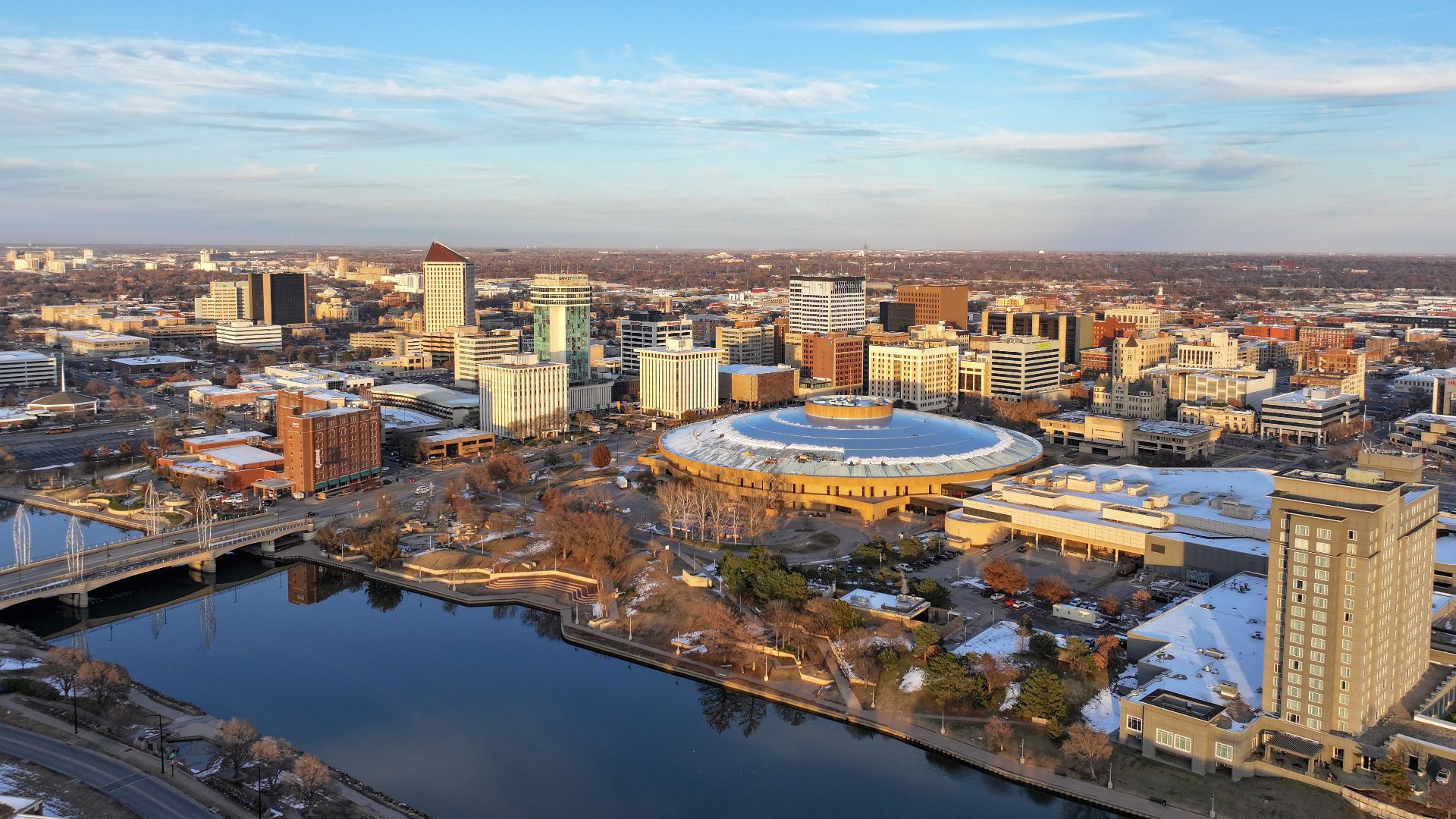
23: Kansas
Tornado-tested, but not overly smug about it. Survival is expected, it’s just part of life here, not something to brag about publicly every time things calm down and life returns to normal.
 Quintin Soloviev, Wikimedia Commons
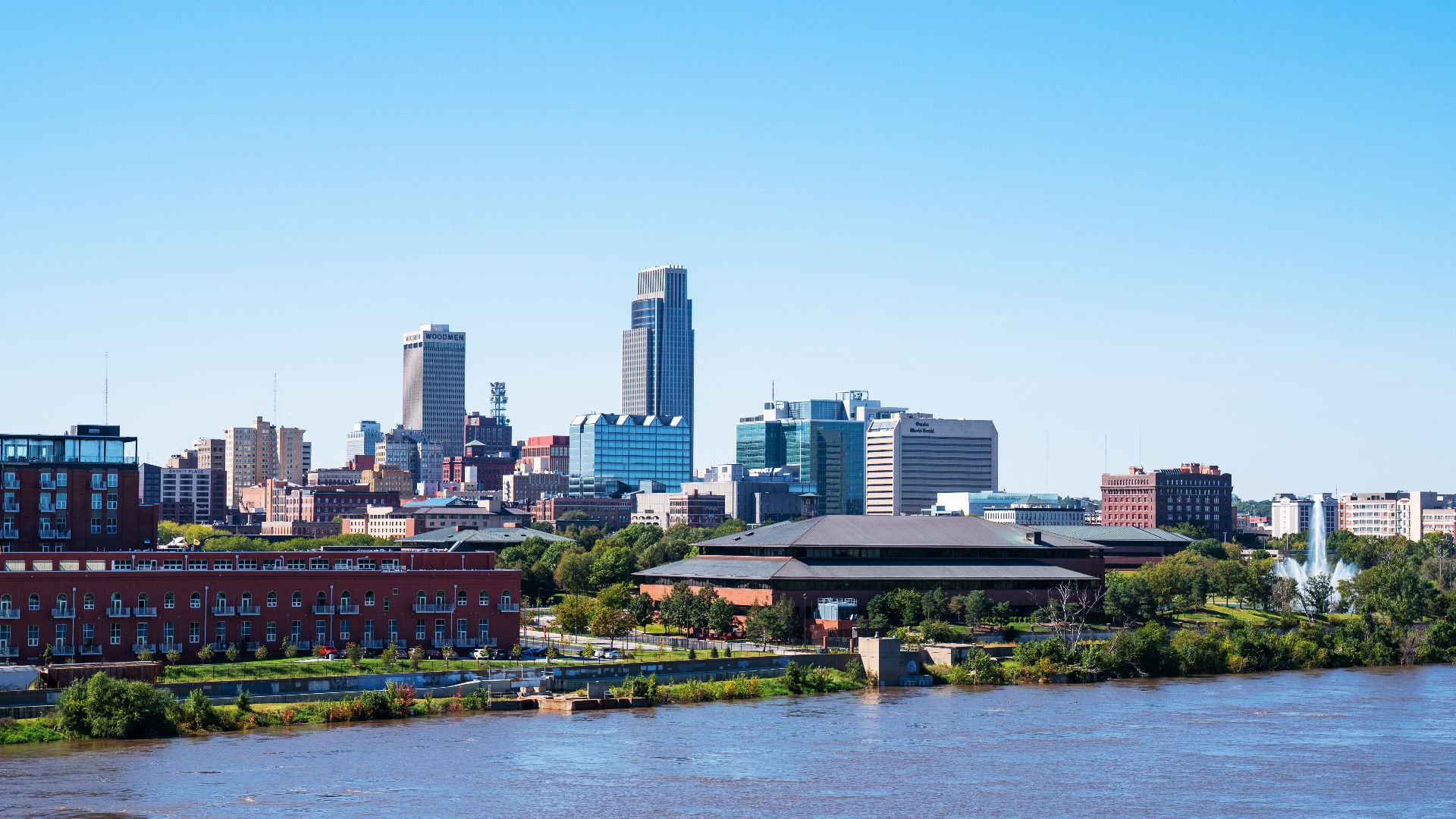
22: Nebraska
Practical and prepared, but low-key. There’s resilience in spades, just not much desire to point it out or make it a whole thing publicly when others start noticing their level of readiness.
 Tony Webster from Minneapolis, Minnesota, United States, Wikimedia Commons
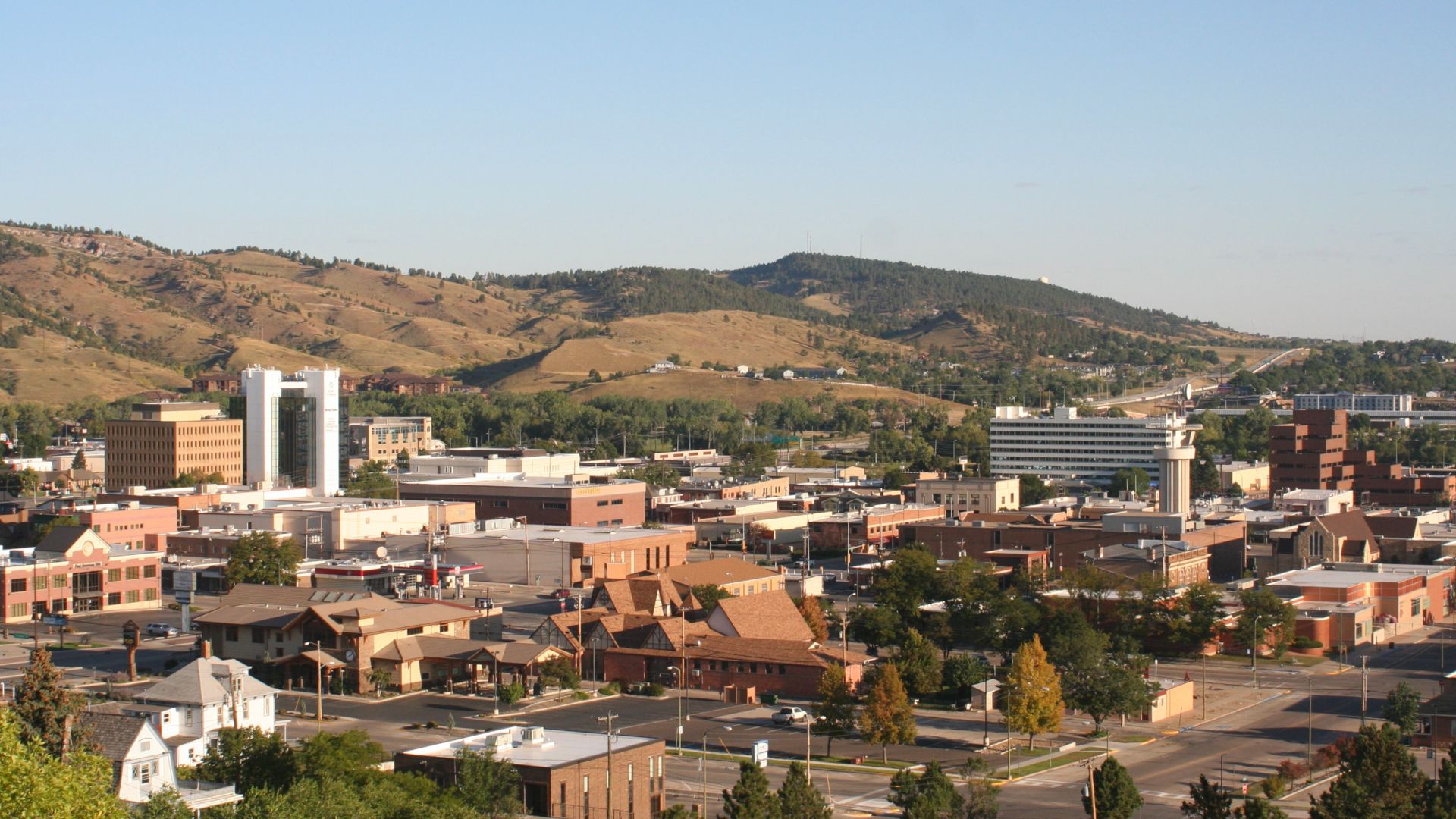
21: South Dakota
Rural resilience, but still understated. Capable and ready, but not interested in turning it into a moment or proving anything to anyone else after things go sideways across the entire region.
 WeaponizingArchitecture, Wikimedia Commons
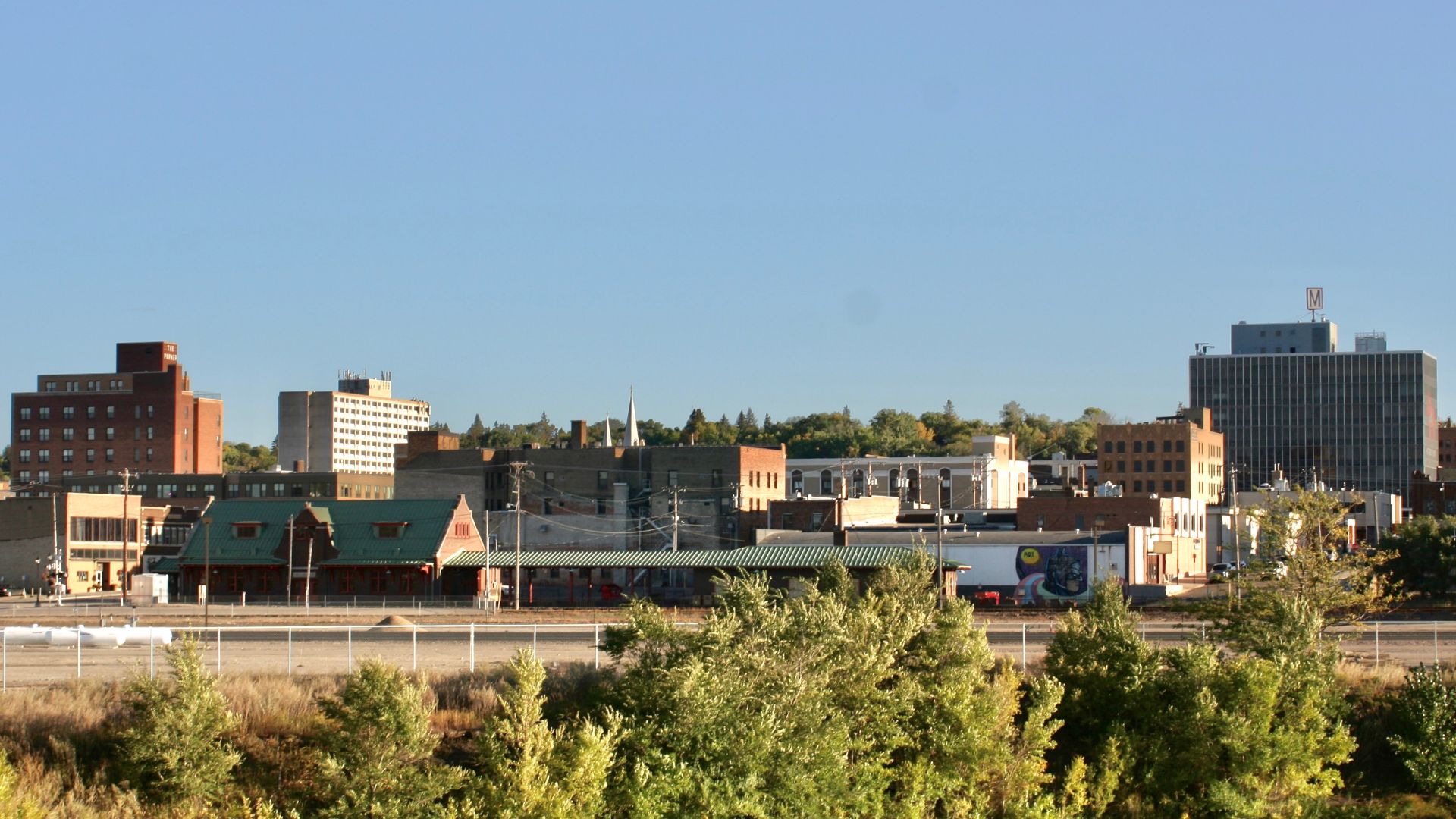
20: North Dakota
Built for harsh conditions, starting to get a little we’ve been ready energy. The environment alone demands preparation, and there’s a quiet confidence that comes with that experience over time.
 WeaponizingArchitecture, Wikimedia Commons
19: Alaska
Extreme survival skills, but too busy surviving to brag. When daily life already feels like a challenge, there’s no need for extra commentary, speeches, or reminders later about how prepared they were.
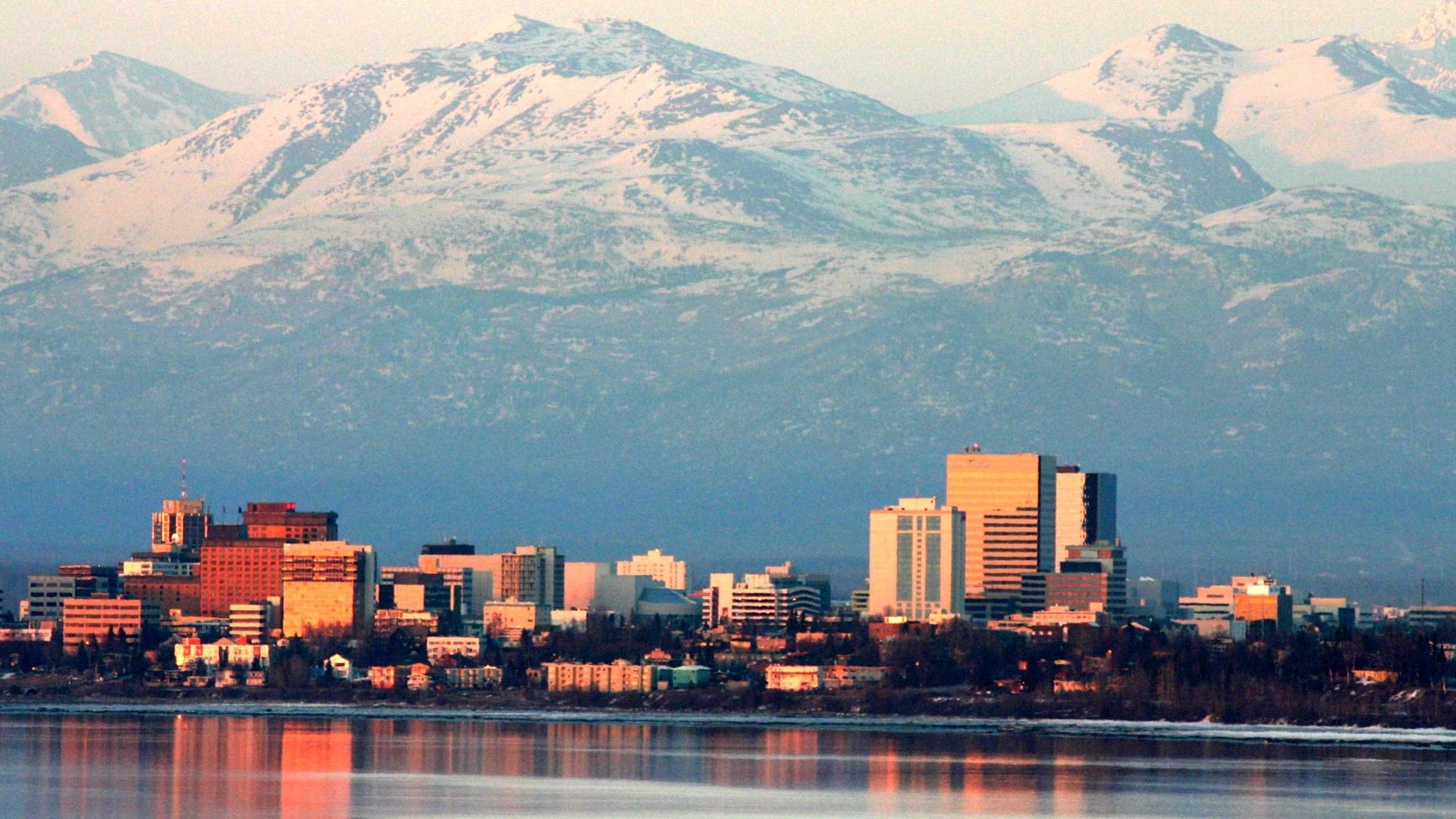 Frank K. from Anchorage, Alaska, USA, Wikimedia Commons
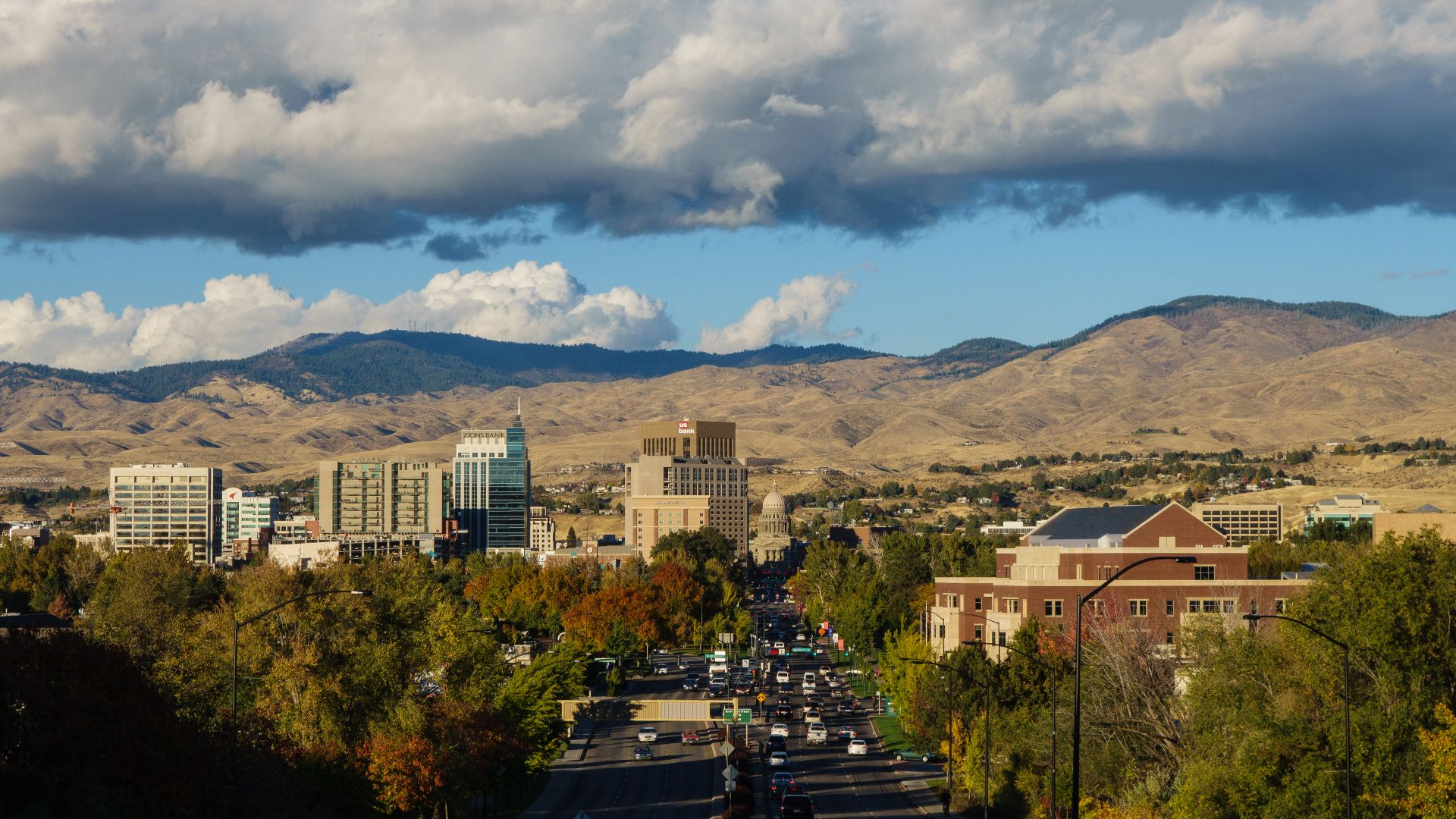
18: Idaho
Off-grid lifestyles are common, confidence is growing. There’s a noticeable shift toward we’ve got this, and maybe even a subtle hint of you should’ve listened before everything started going wrong.
17: Montana
Wide open spaces and self-reliance, definitely leaning toward we warned you. People here value independence, and they’re not afraid to point it out when it pays off in situations like this.
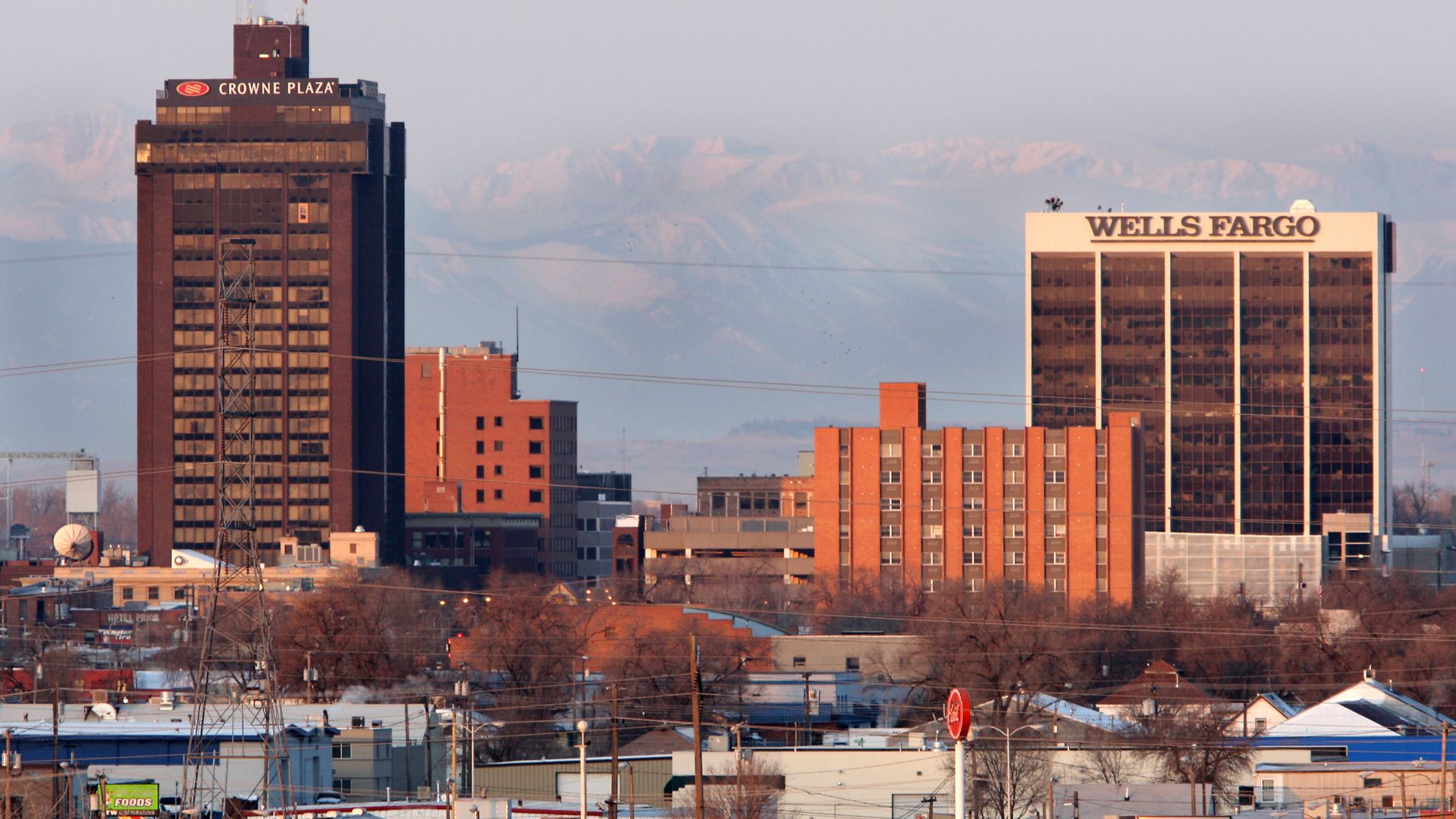 Pruhter~commonswiki, Wikimedia Commons
16: Wyoming
Low population, high independence, and a noticeable hint of smugness. When you’ve been self-sufficient for this long, it’s hard not to say something once everything proves you right in the end.
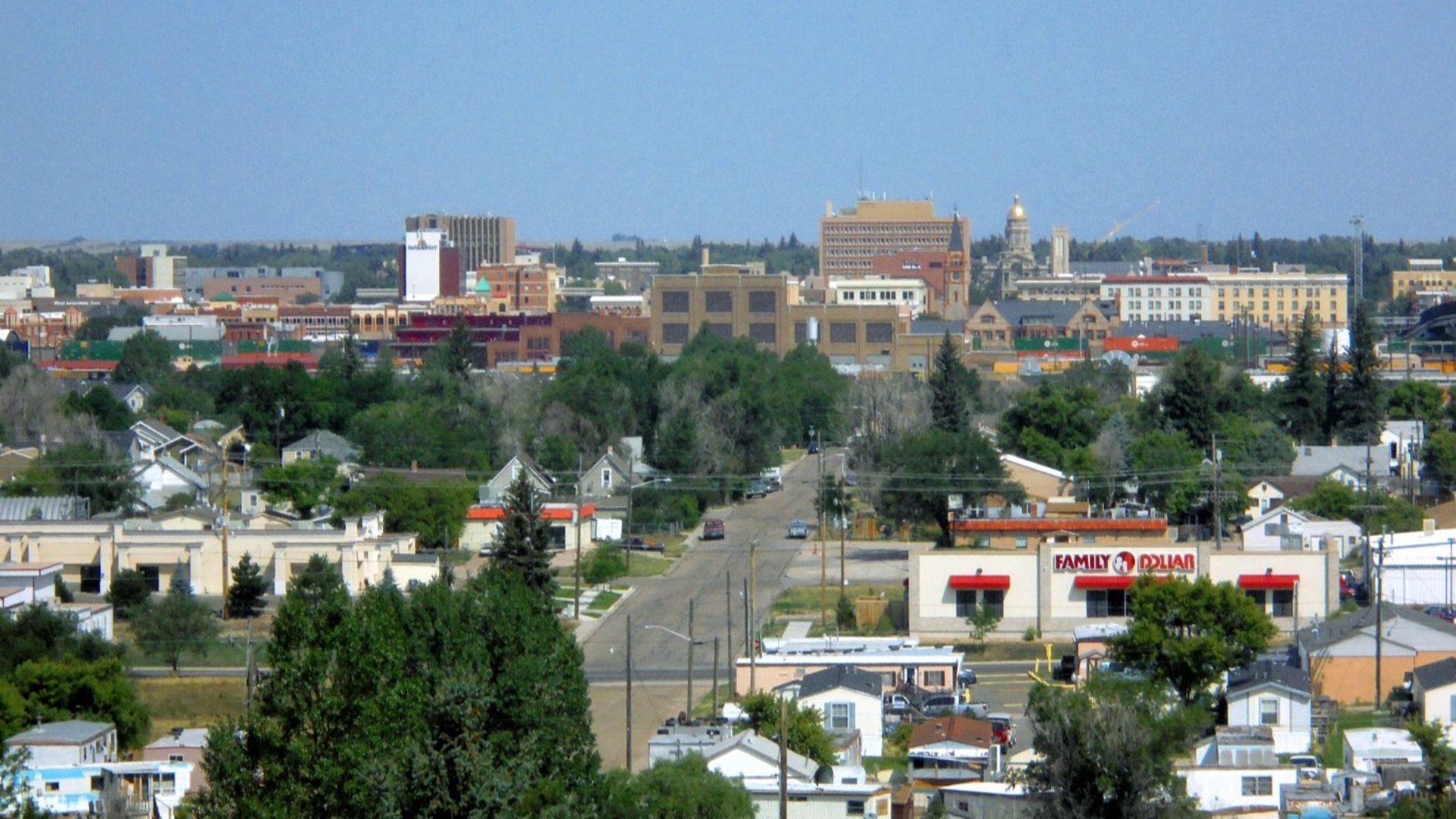 Vasiliymeshko, Wikimedia Commons
15: Kentucky
Knows how to get by when things go sideways and might mention it. There’s a practical resilience here, with just enough pride to turn into a quiet told you so moment.
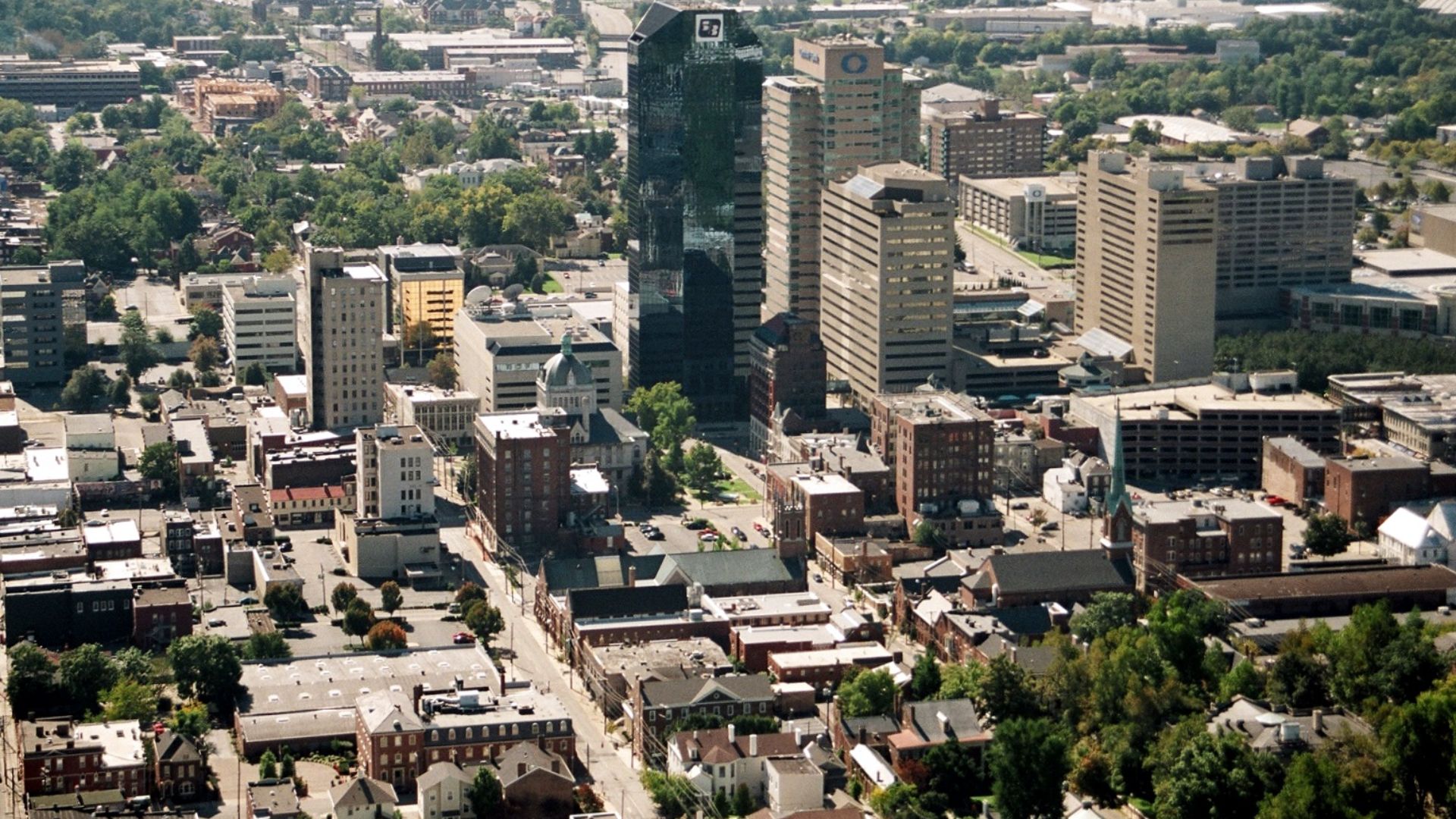 Madgeek1450 at English Wikipedia, Wikimedia Commons
14: Tennessee
Prepared and proud of it, starting to sound a little like a warning. There’s growing confidence in handling disasters, and it’s becoming more vocal over time as similar situations repeat.
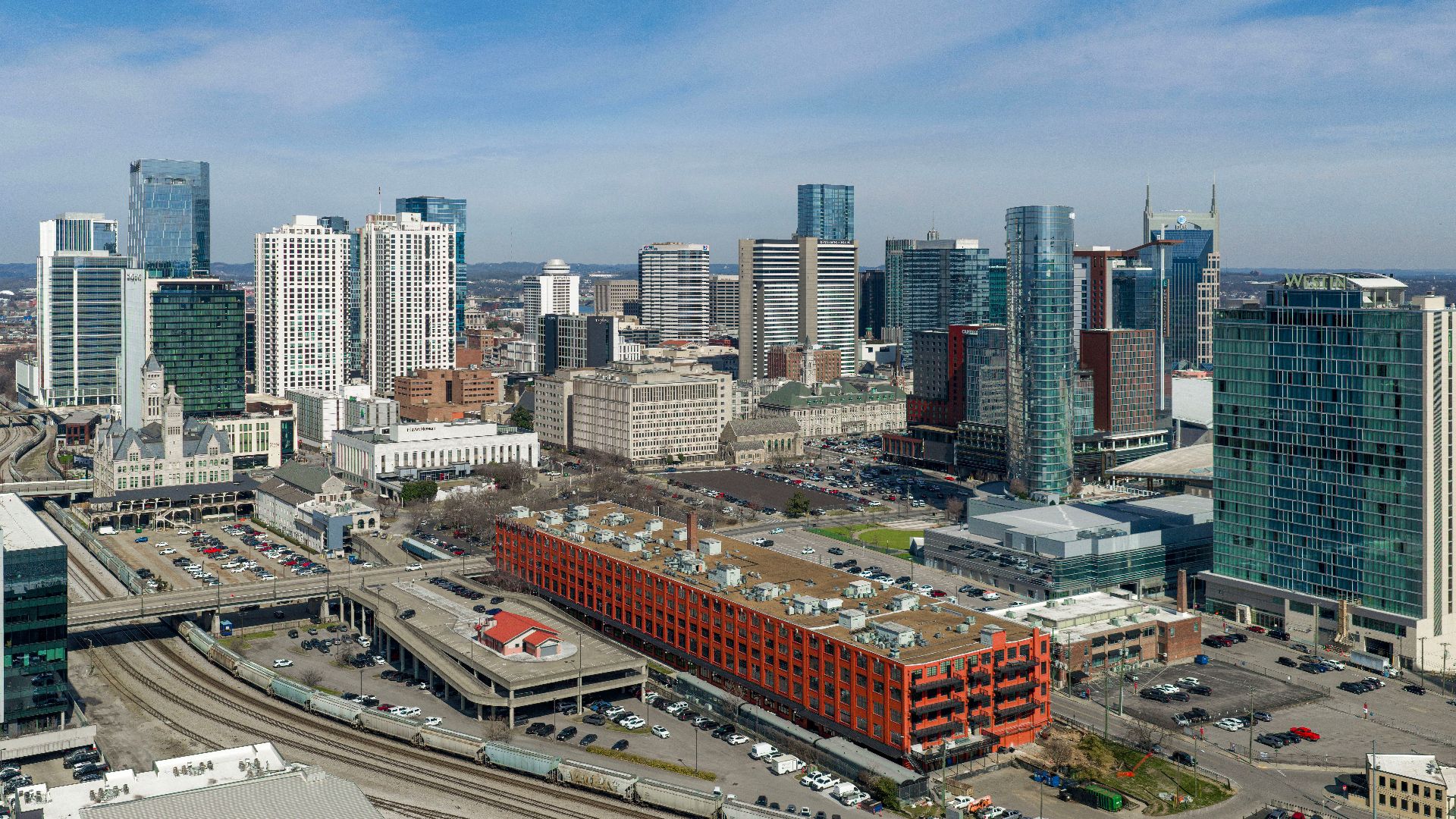 Quintin Soloviev, Wikimedia Commons
13: Missouri
Right in the middle of everything and ready for anything. Experience with multiple types of disasters builds a strong case for we’ve seen this coming long before others start reacting.
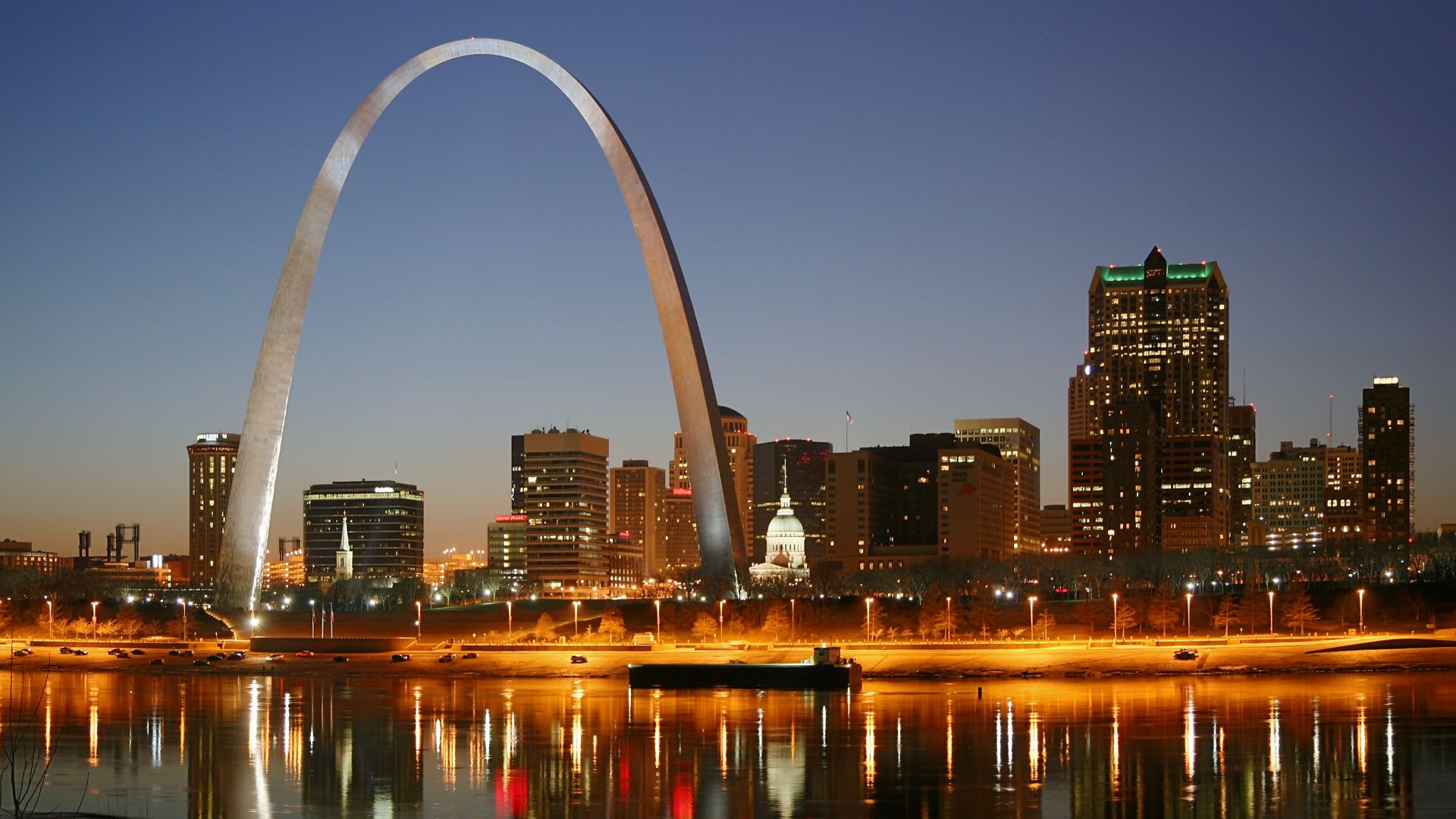 Daniel Schwen, Wikimedia Commons
12: Arkansas
Strong prepper culture, quietly confident but increasingly vocal. There’s real readiness here, and it’s starting to come with a message for others who didn’t prepare nearly as seriously.
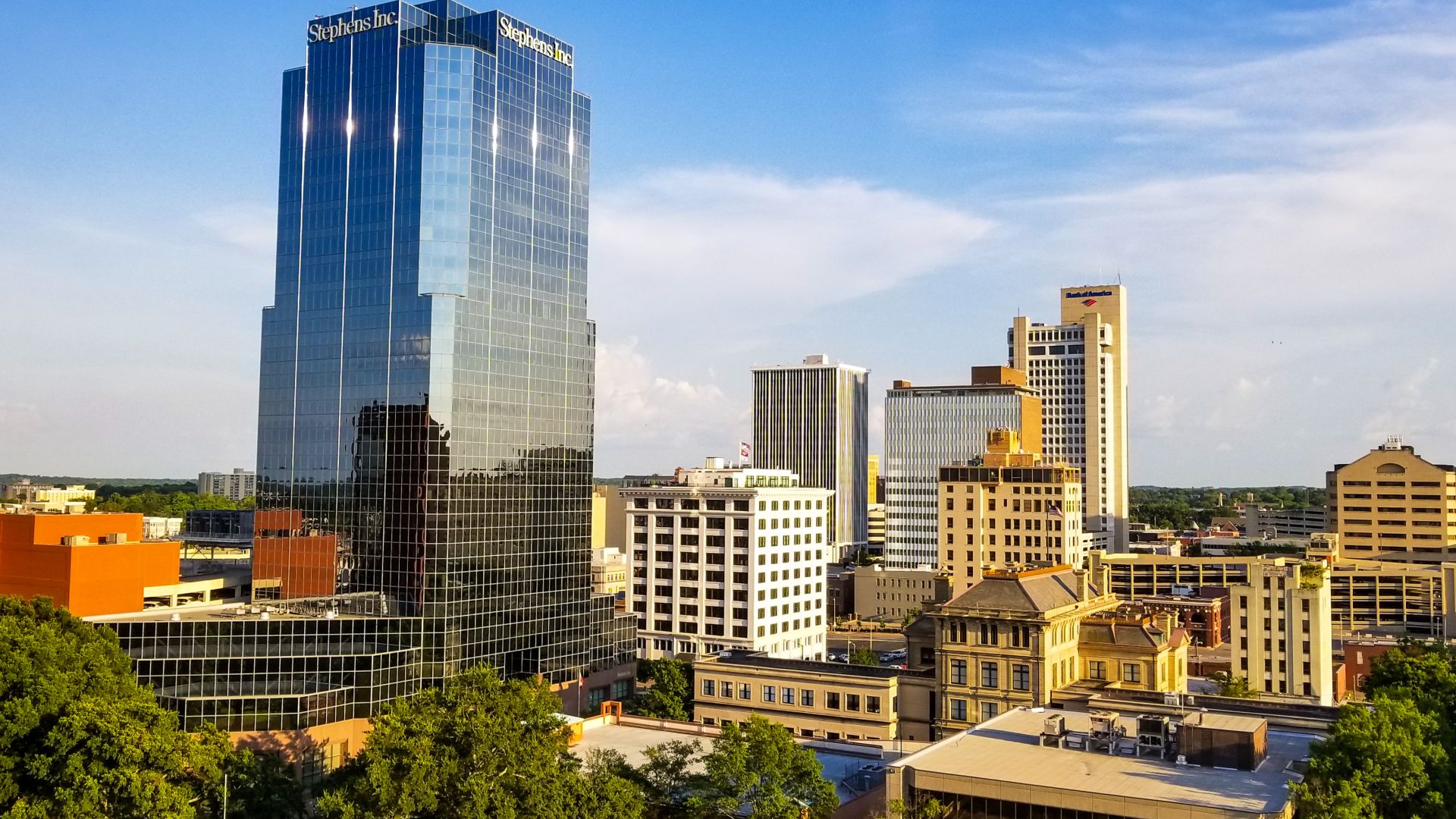 Bart Everson, Wikimedia Commons
11: Alabama
Used to storms and setbacks, definitely not shocked by disaster. When it happens, they’ll be ready, and they might remind you why they were prepared in the first place.
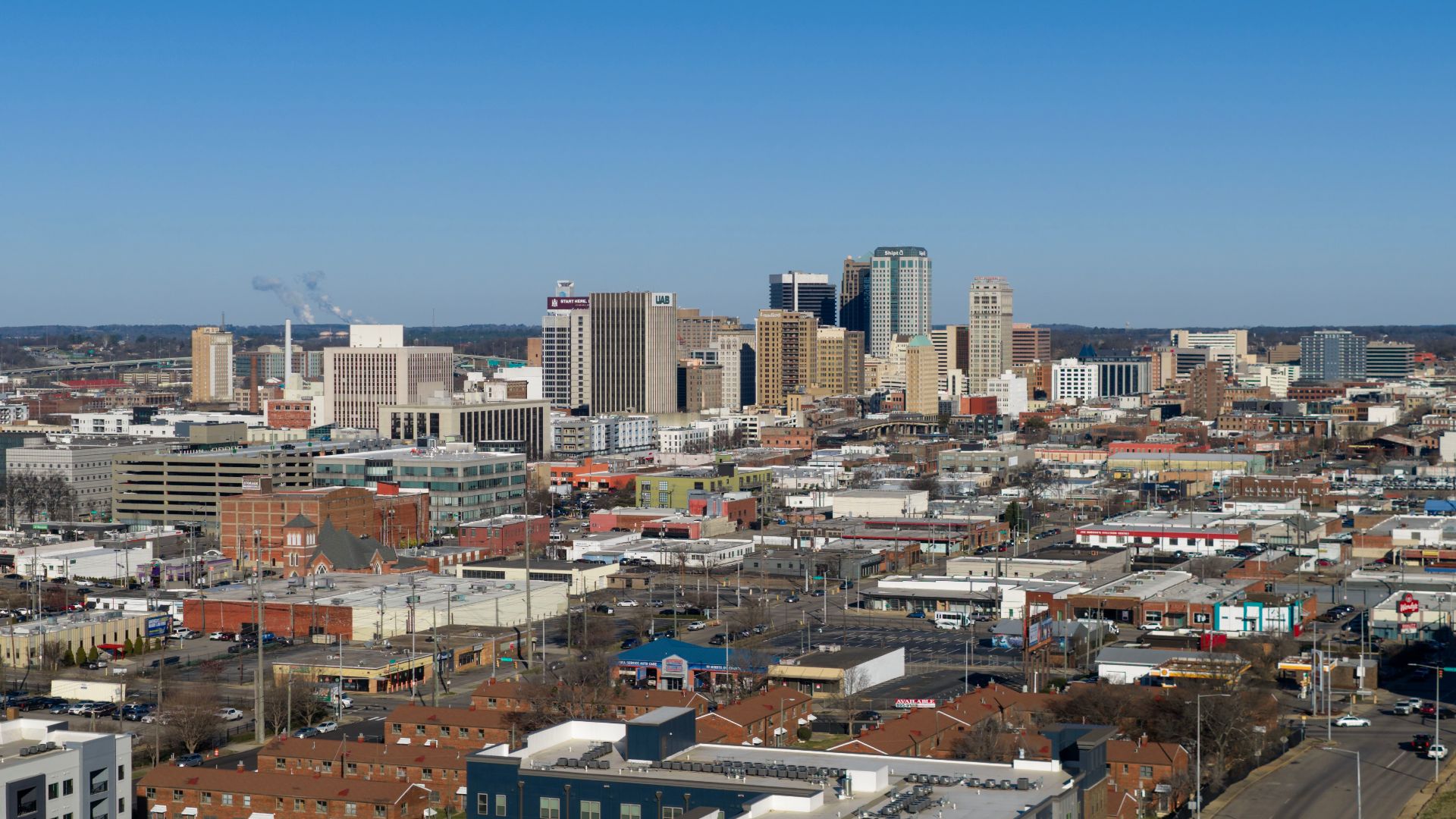 Quintin Soloviev, Wikimedia Commons
10: South Carolina
Hurricane-tested and increasingly confident in their readiness. Experience builds certainty, and certainty starts to sound like we told you more often after the storm clears and recovery begins.
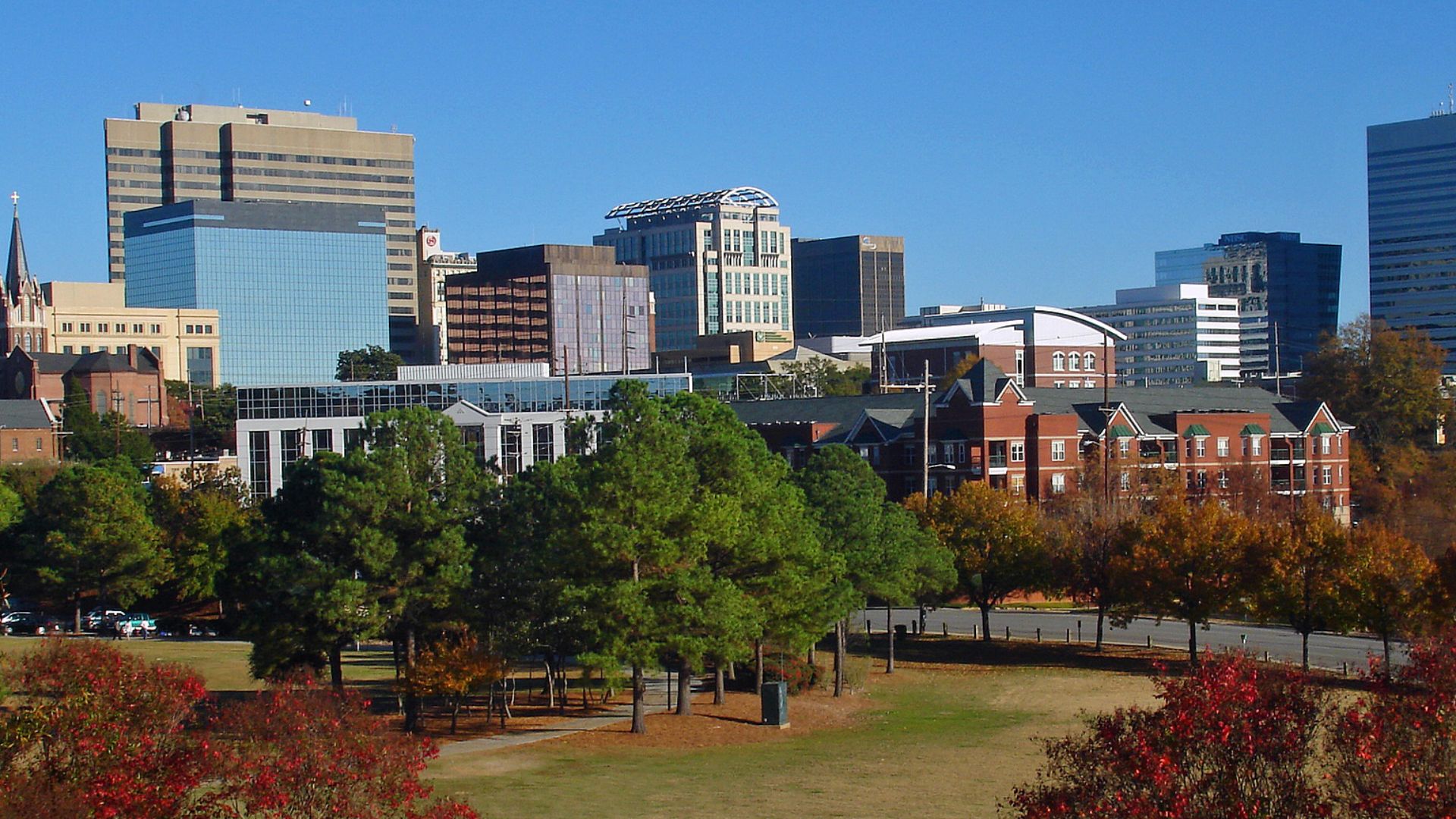 Akhenaton06, Wikimedia Commons
9: North Carolina
Knows what’s coming and getting more comfortable saying so. Repeated storms have created a sense of expectation, not surprise anymore, especially when warnings start early each season.
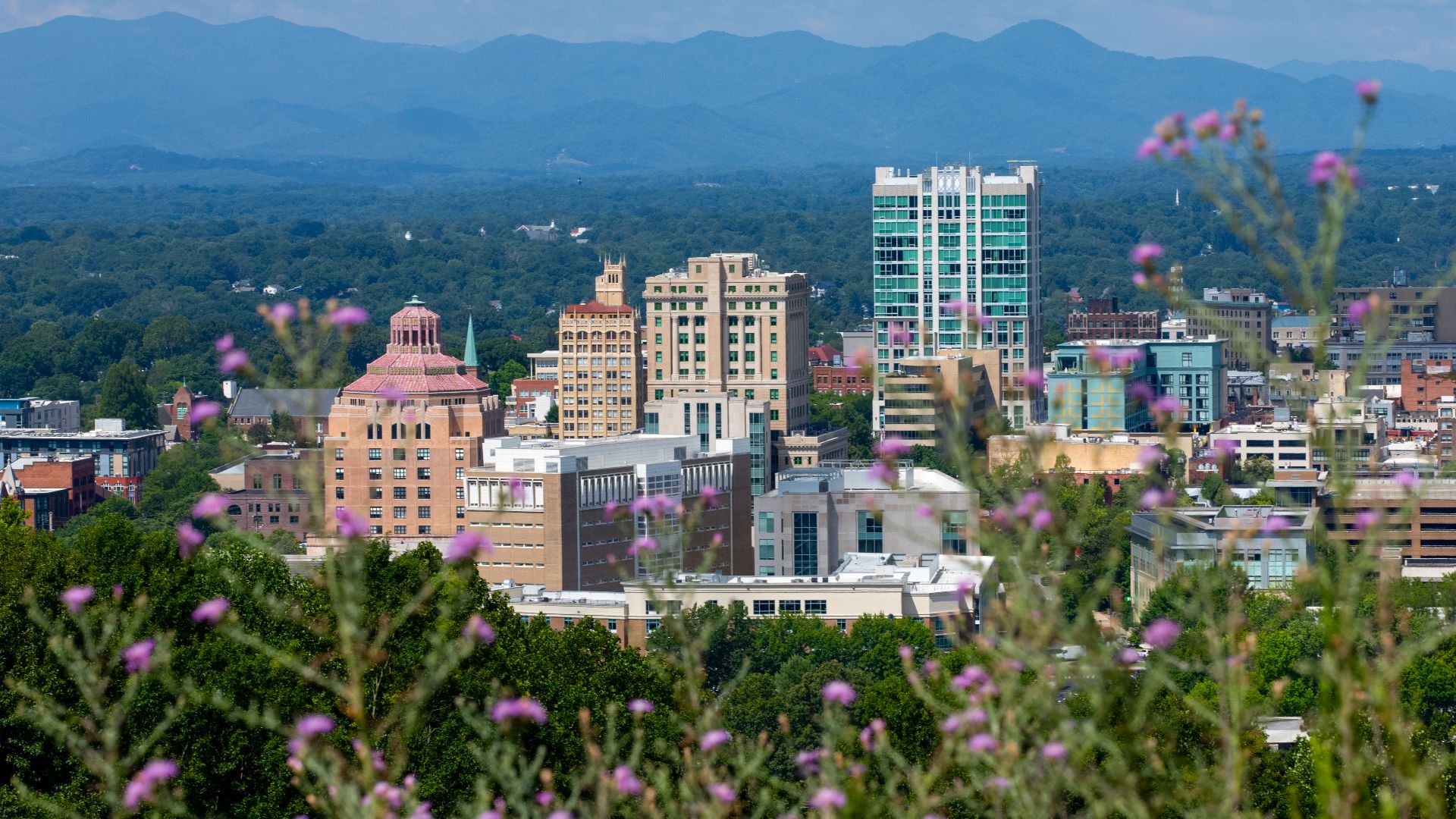 Asheville Photography, Wikimedia Commons
8: Georgia
A mix of urban and rural prep, confidence turning into we said this. The more experience they get, the more vocal it becomes when things start falling apart again.
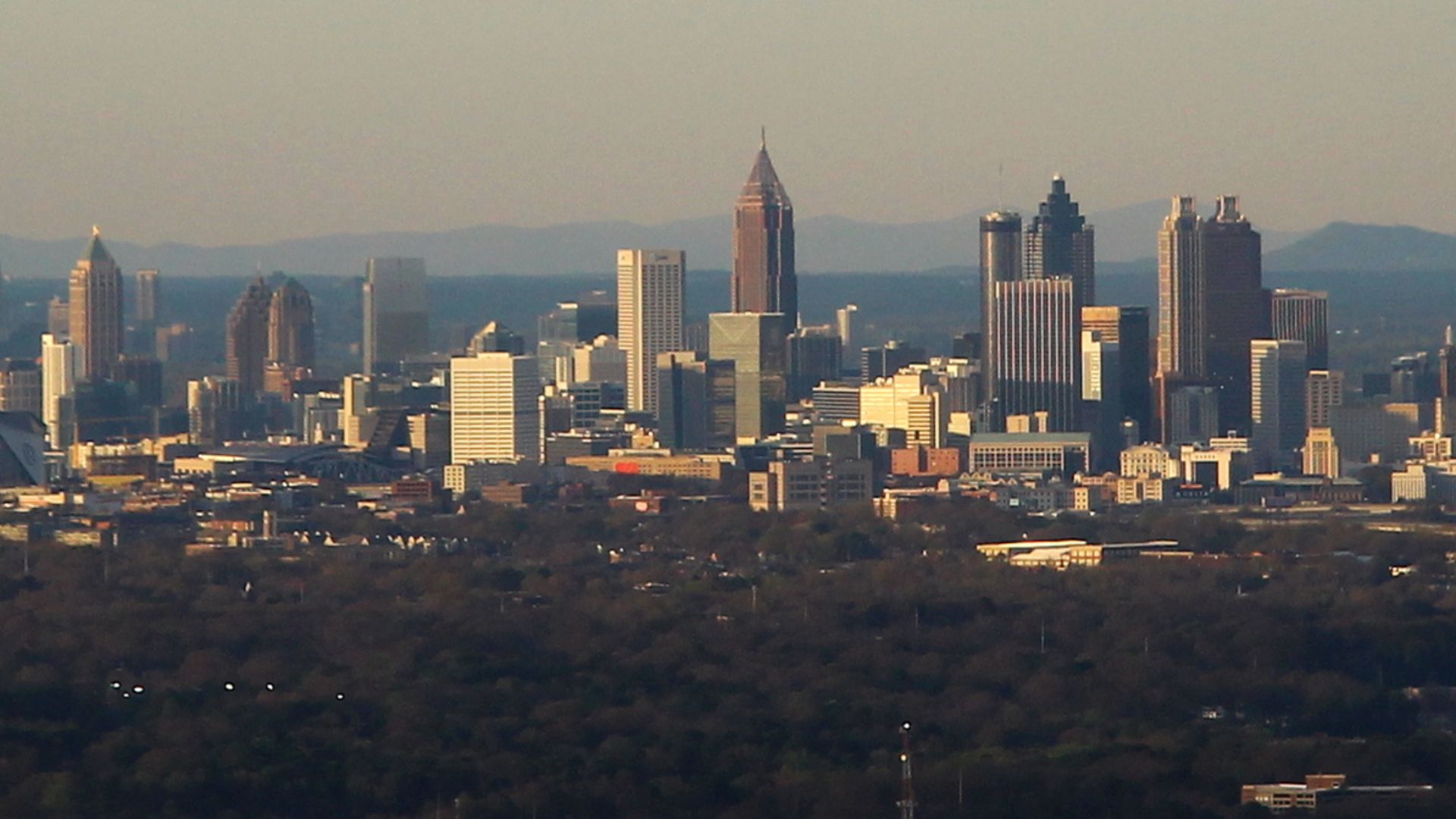 formulanone, Wikimedia Commons
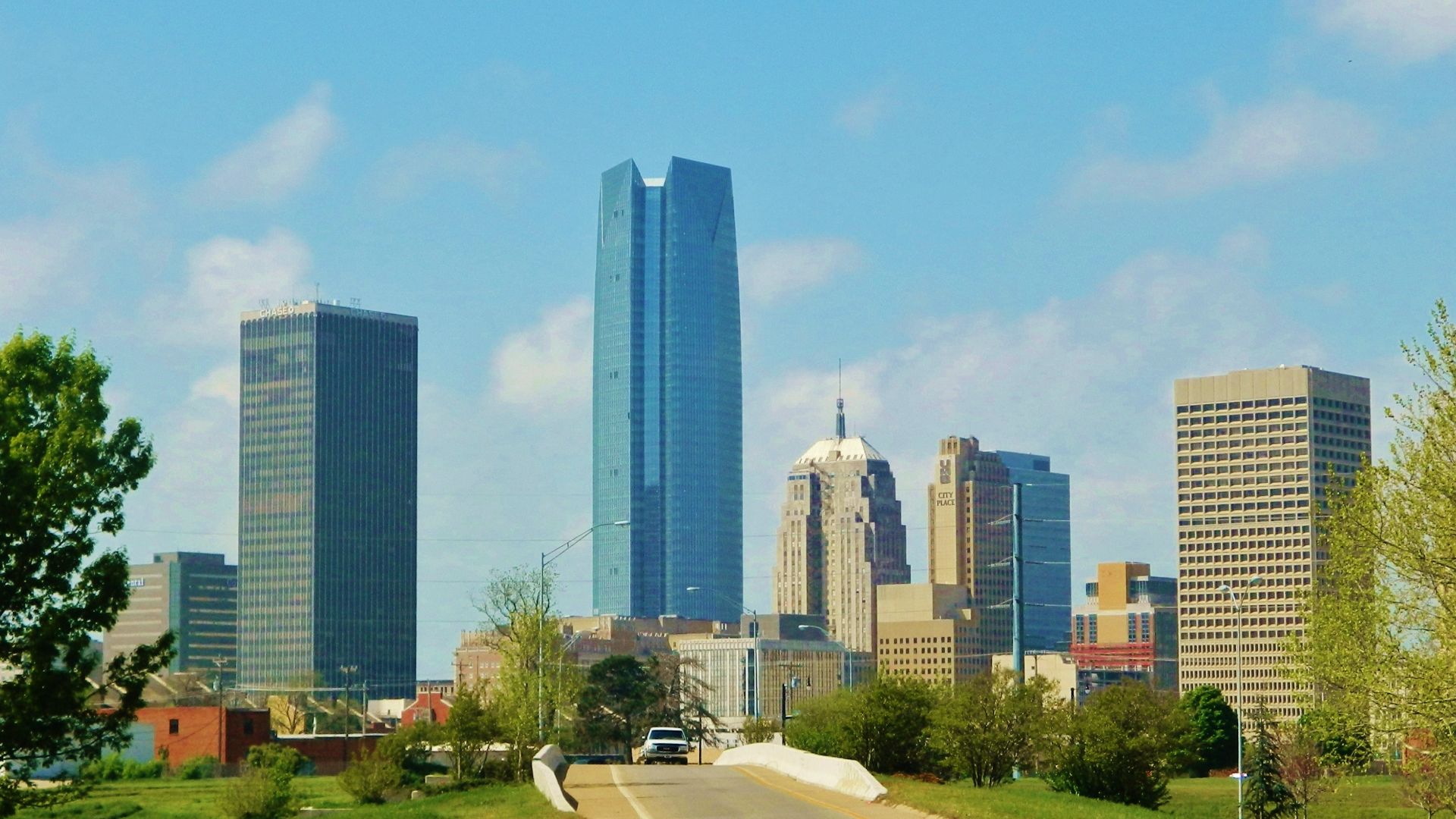
7: Oklahoma
Tornado central. At this point, preparedness is basically tradition, and yes, they’ll remind you. When you’ve been through it this many times, it’s hard not to say something.
6: Louisiana
Storm-hardened and experienced, they’ve been through it before and will say it. There’s a deep sense of we knew this was coming all along, reinforced by years of repeated experience.
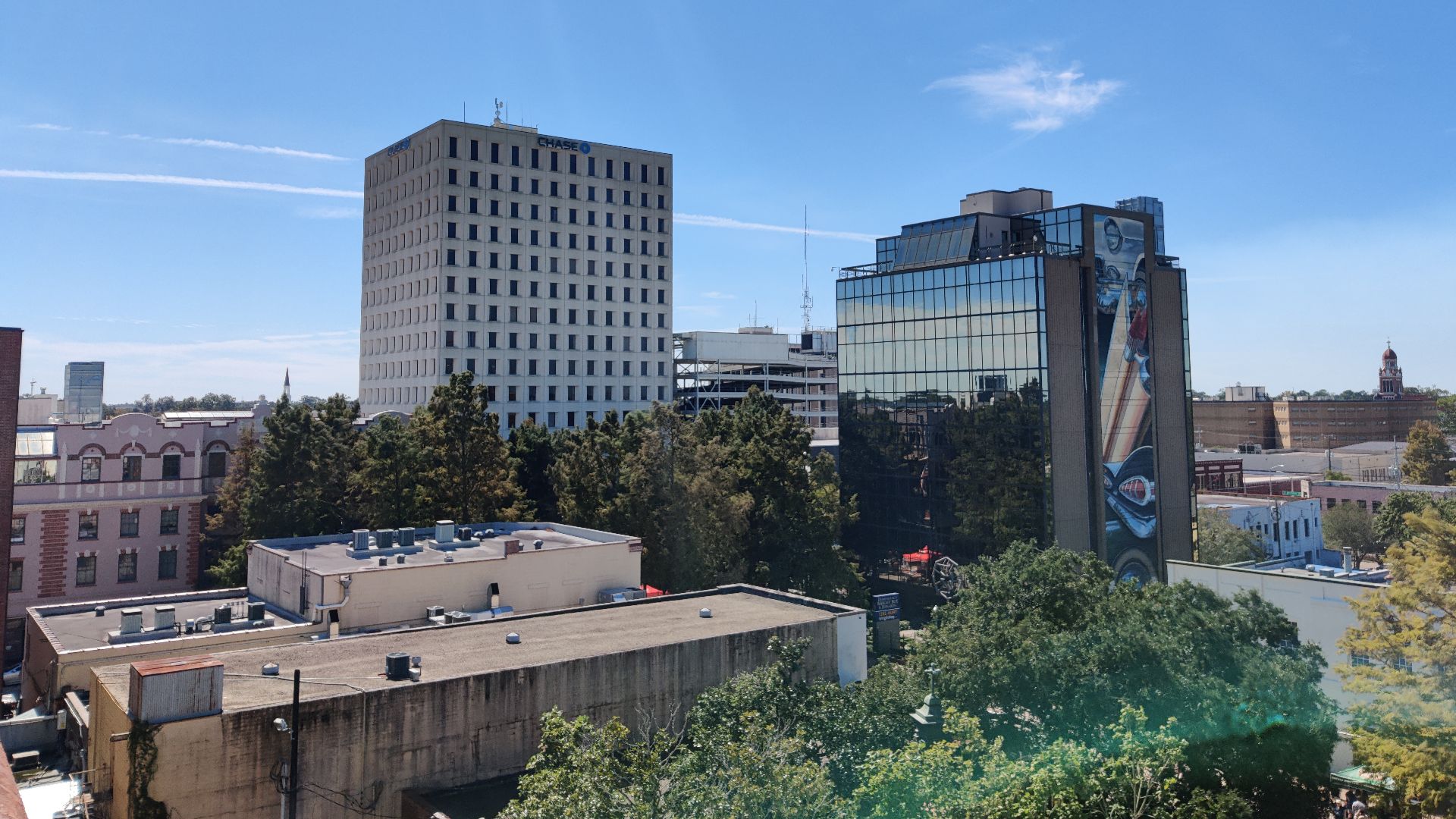 TheLionHasSeen, Wikimedia Commons
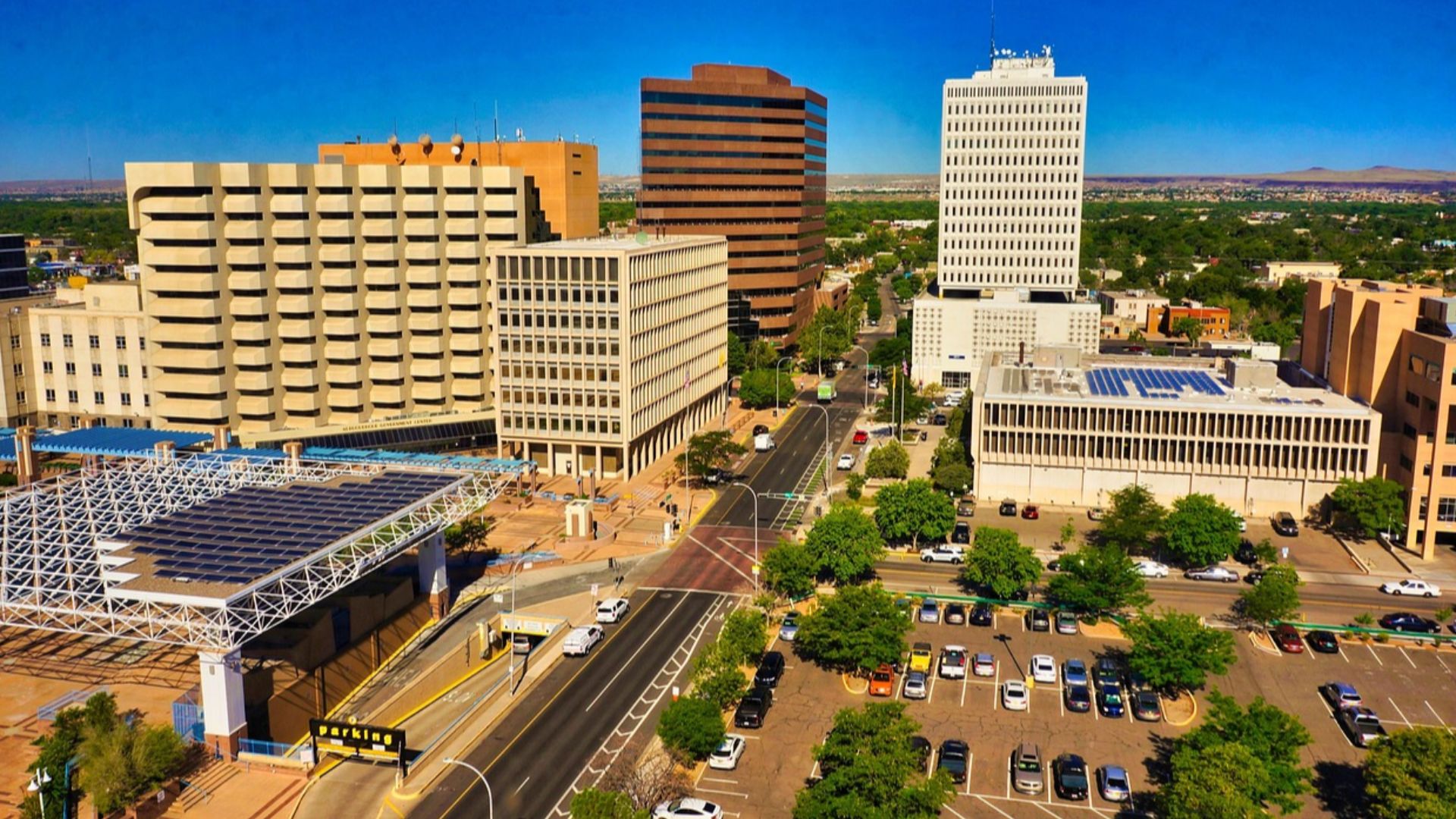
5: New Mexico
Remote, resourceful, and very aware of how to live off the grid. That awareness turns into confidence, and eventually commentary when things actually go wrong around them again.
4: Texas
Big state, big confidence. Between extreme weather and a strong independent streak, Texas has serious we told y’all energy. There’s a long-standing belief in self-reliance here, and when things go wrong, they’re not shy about pointing out they were ready.
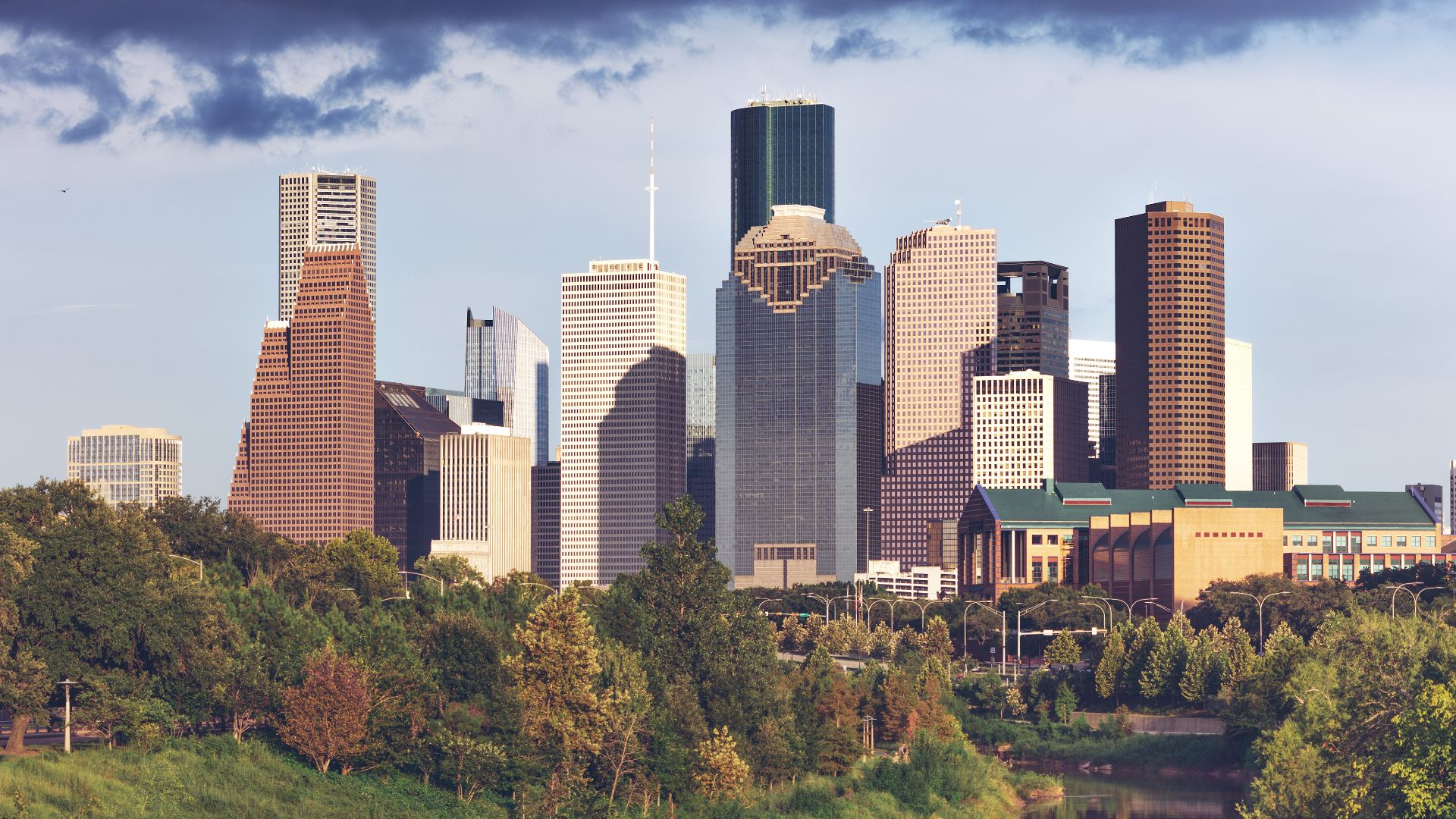 David Daniel Turner, Wikimedia Commons
3: West Virginia
Deep survival instincts and a long history of self-reliance. They won’t just say it, they’ll mean it. Preparedness isn’t a trend here, it’s a way of life, and it shows when things fall apart around them.
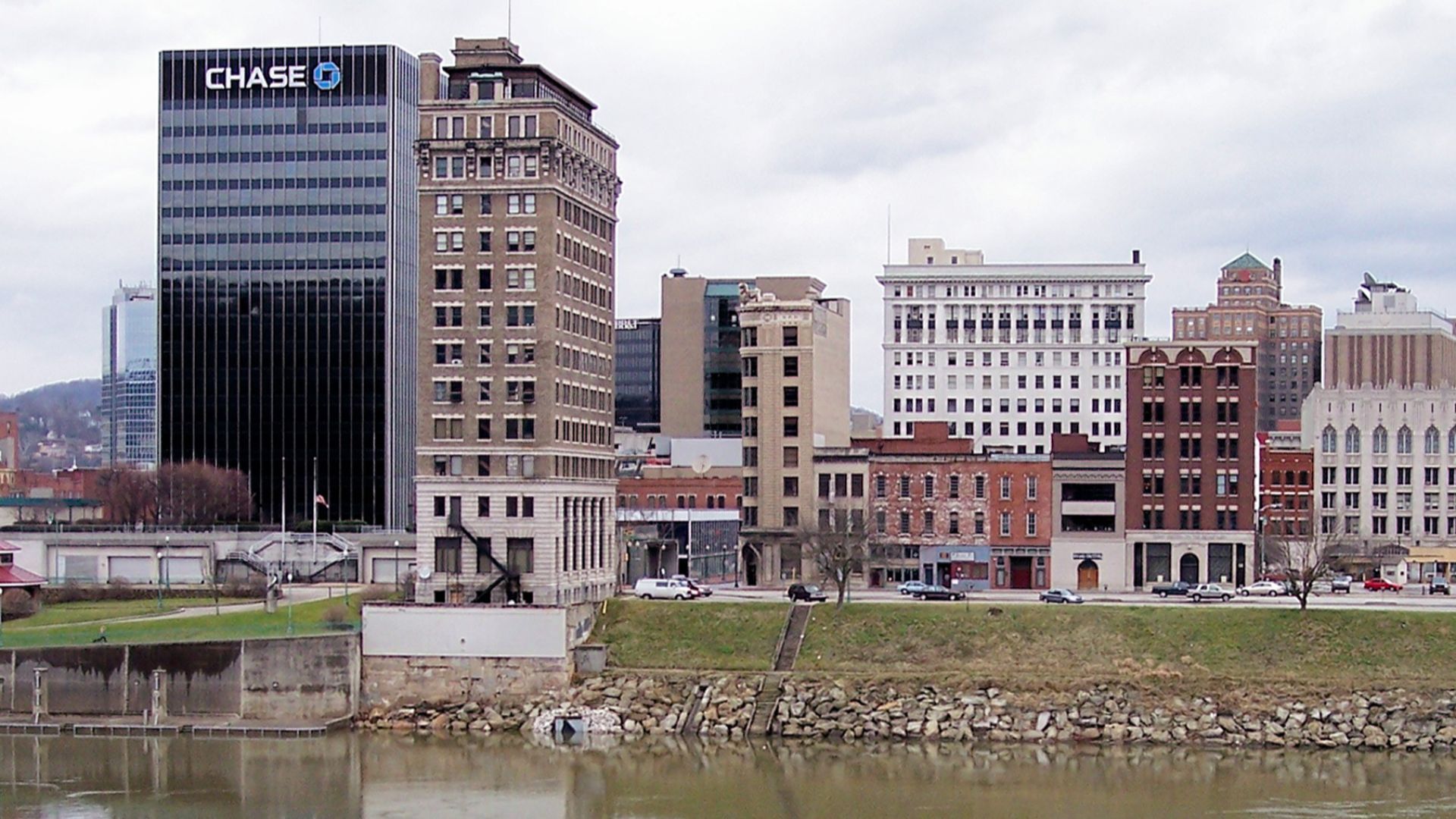 Tim Kiser (w:User:Malepheasant), Wikimedia Commons
2: Mississippi
Used to hardship and incredibly resilient. When things fall apart, they’ll calmly remind you they’ve handled worse. There’s a quiet but unmistakable confidence that turns into a very real we told you so moment.
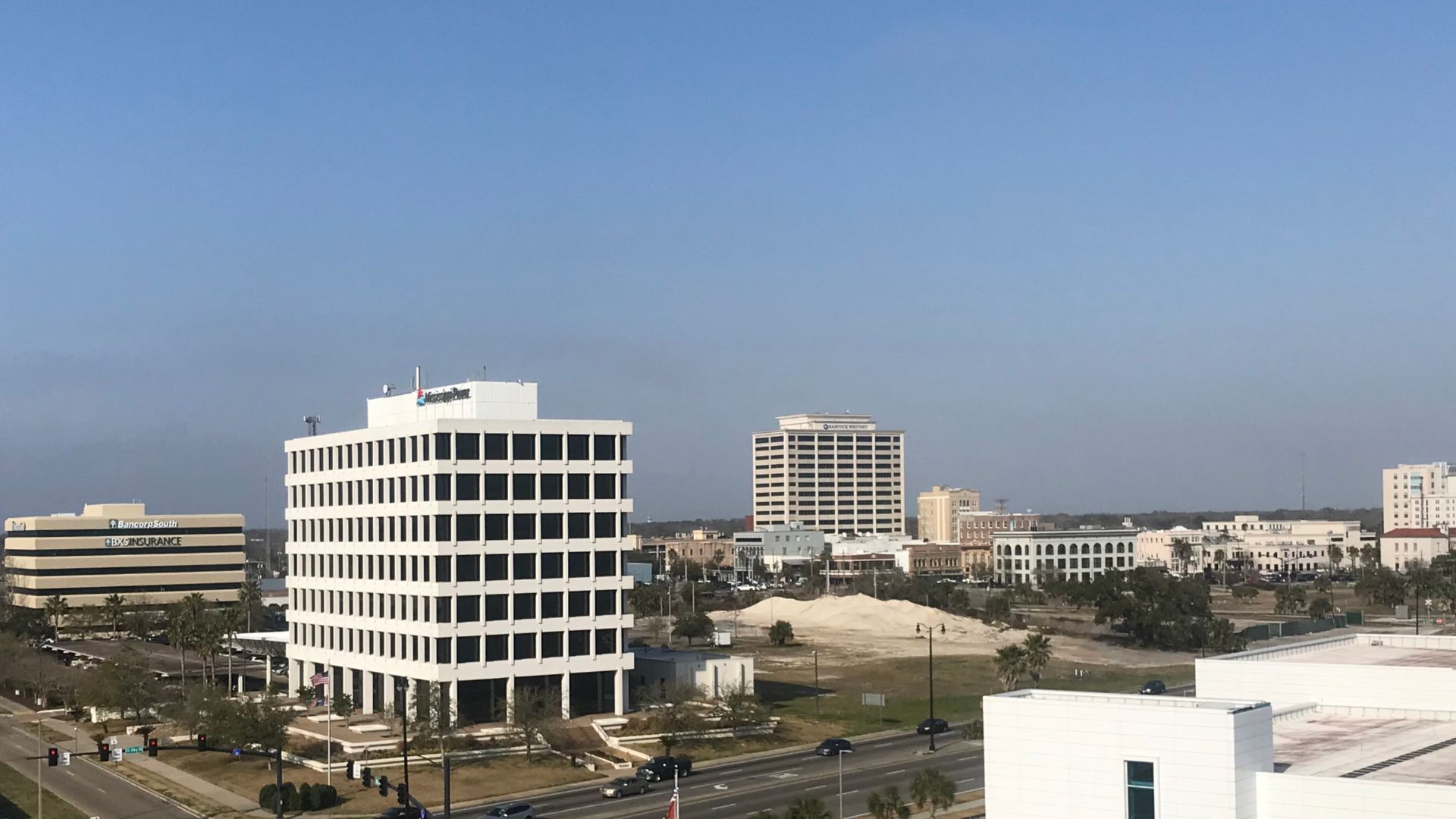 WeaponizingArchitecture, Wikimedia Commons
1: Utah
If any state is already fully prepared, it’s Utah. Between organized emergency supplies, strong community planning, and a culture that actually takes preparedness seriously, this is peak we warned you territory. When the dust settles, expect a polite but unmistakable we did try to tell everyone.
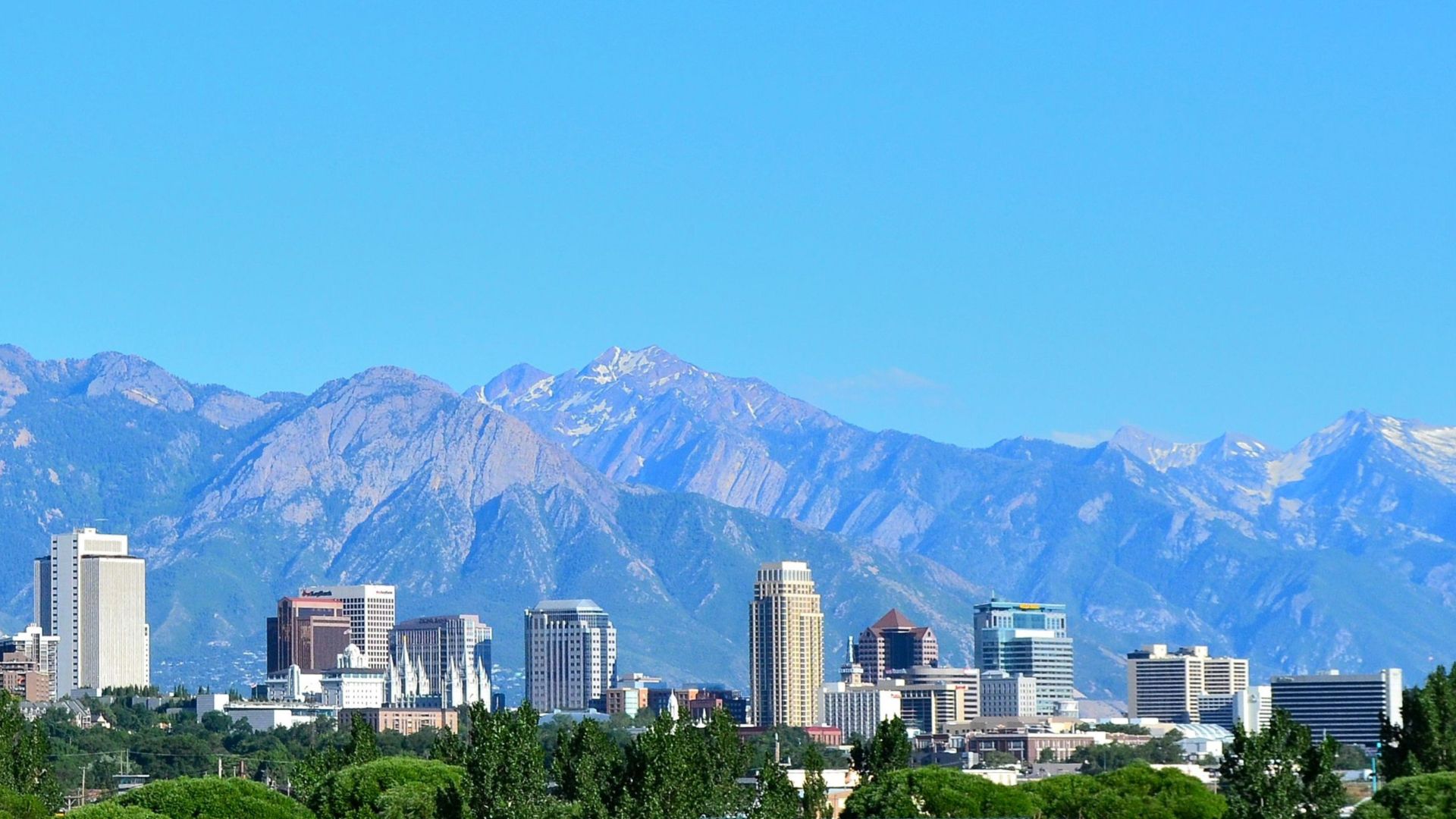 Garrett from Salt Lake City, Wikimedia Commons
You Might Also Like:
The Most Walkable Cities In America In 2026, According To Data
The Most Helpful States In America—Based On Real Surveys
The Best States For Beginner Metal Detectorists—Ranked By What You Can Find