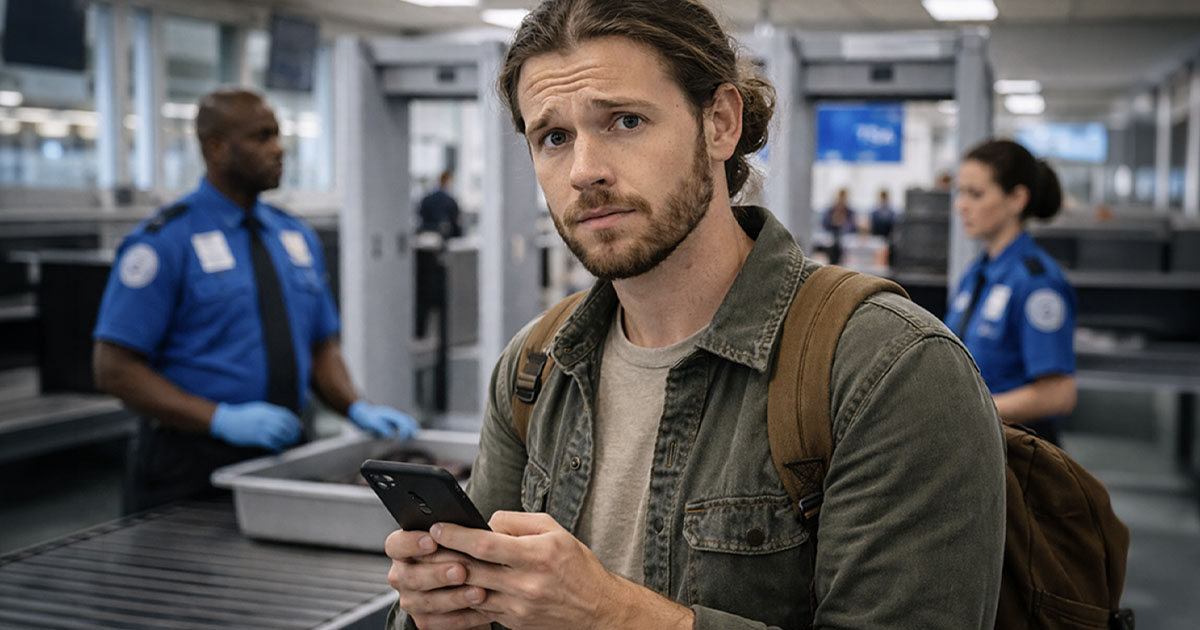
The Ziploc Nightmare
Travel can be stressful on a good day. Add grief, an airport security check, and your son’s ashes, and it becomes something else entirely. One traveler says she spent $2,000 on a beautiful urn, only for TSA to break it during inspection and hand her ashes back in a Ziploc bag. It sounds unbelievable, but it raises a very real question: can you sue?

A Travel Story Nobody Wants
This is the kind of story that makes everyone wince. A delayed flight is annoying. Lost luggage is frustrating. But a broken urn holding a loved one’s ashes is deeply personal. That is why this situation feels bigger than a typical airport complaint — it is not just about property, but respect.

Why This Feels So Different
A fancy urn is still an object in the eyes of the law, but to a grieving family, it is much more than that. It holds memory, meaning, and emotion. So when something like this gets damaged, people are not just thinking about reimbursement. They are thinking about dignity and whether the damage crossed a legal line.

What TSA Says About Ashes
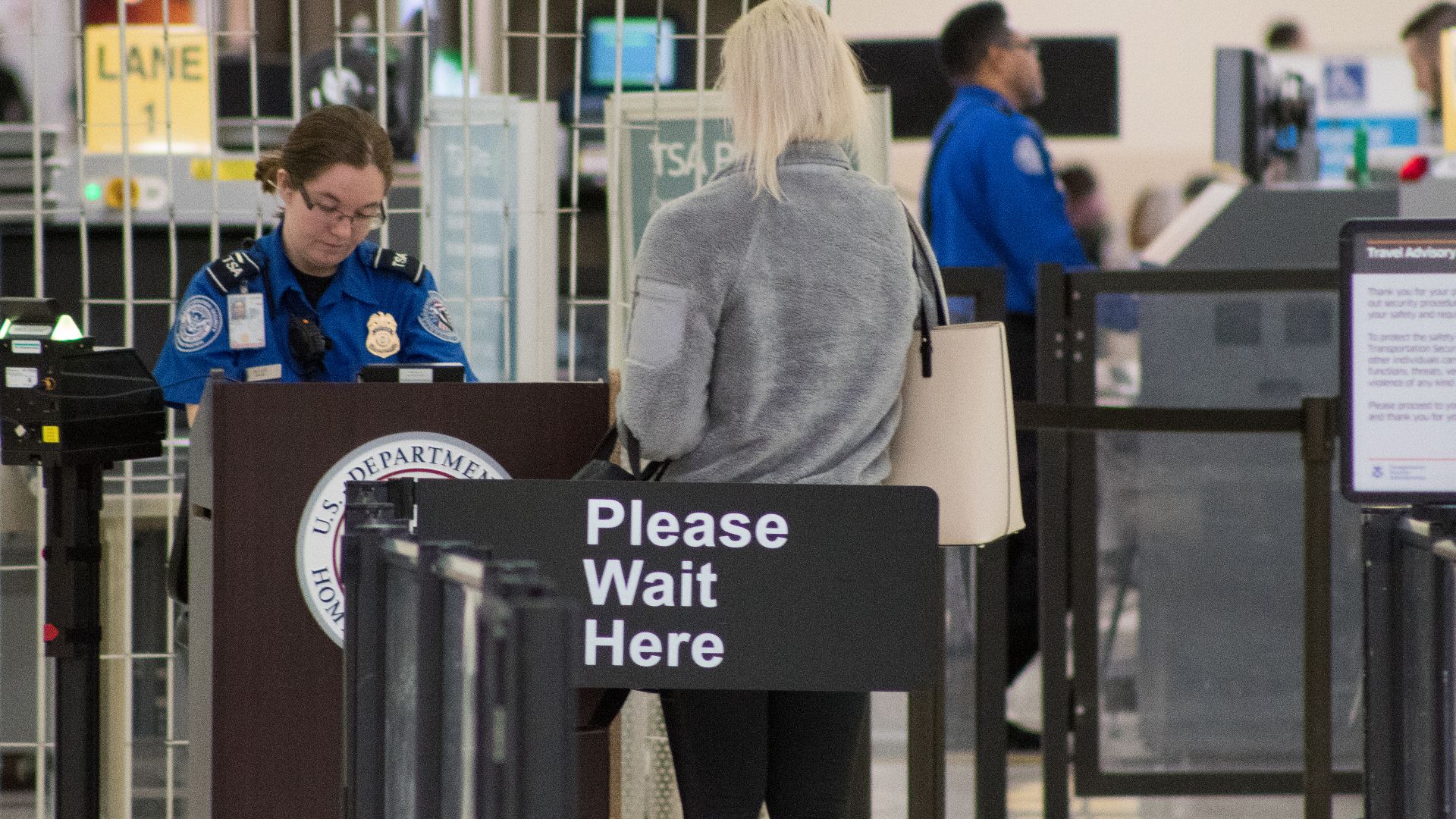
TSA does allow cremated remains in both carry-on and checked bags. But the agency also recommends using a temporary container made of wood or plastic so it can be screened easily. If officers cannot clearly scan the container, that can create problems before it ever reaches the gate.
 Michael Ball, Wikimedia Commons
The Rule That Really Matters
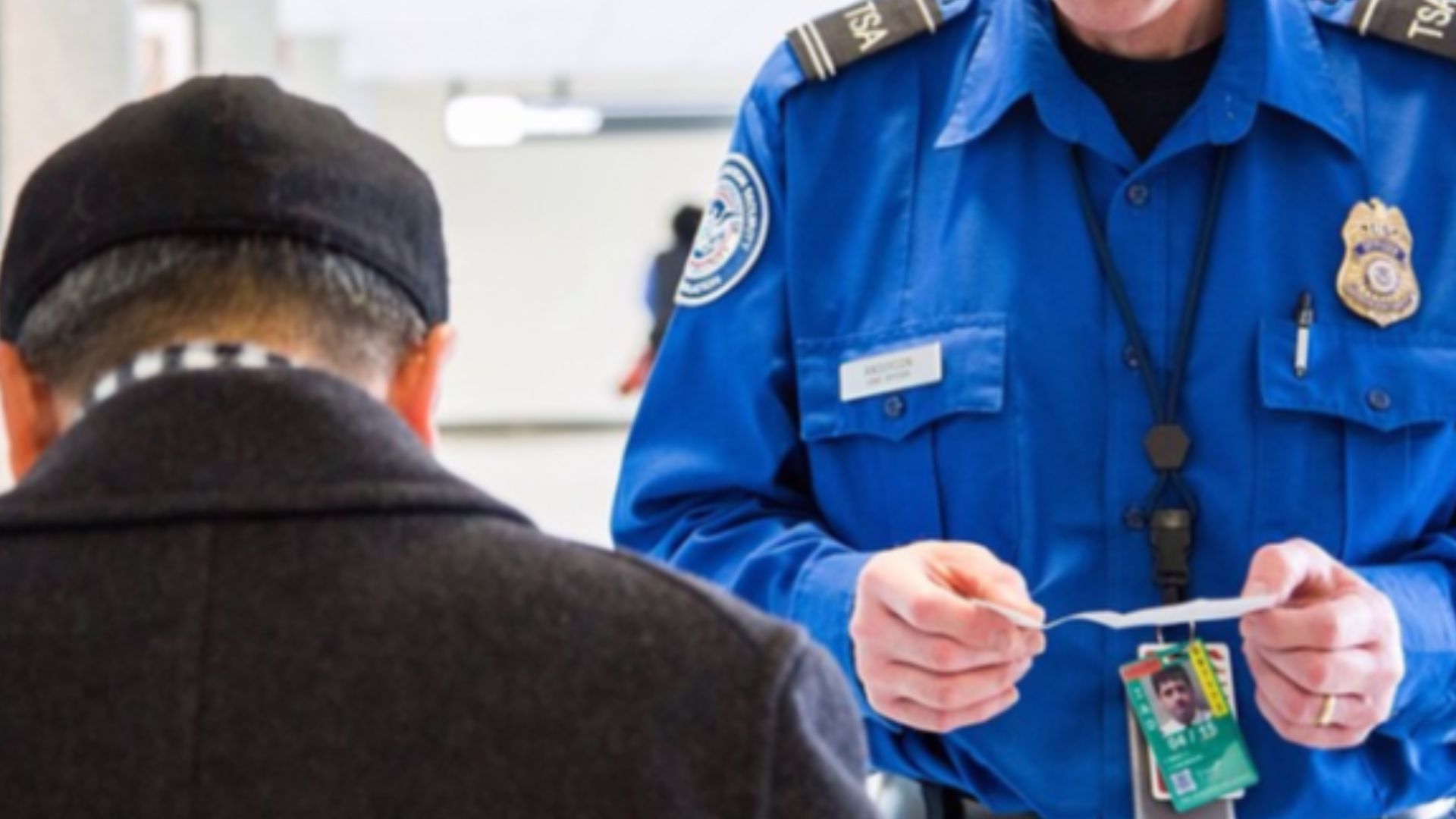
Here is the big part: TSA says officers will not open a cremation container out of respect for the deceased. That makes this story especially upsetting. If the urn was actually opened and the ashes were moved into a plastic bag, that is exactly the kind of detail that could matter in a legal claim.
 Transportation Security Administration, Wikimedia Commons
First, Figure Out Who Handled It
Before anyone starts talking lawsuits, one thing matters a lot: who actually touched the urn? Was it screened at the checkpoint in a carry-on bag? Was it inside checked luggage? Was it handled by TSA officers or a private company working airport security? That answer could change everything.

Can You Sue TSA?
Maybe, but not in the simple way people imagine. You usually cannot just march into court and file a quick case against a federal agency like it is a regular business. When federal employees are involved, there is usually a claims process that has to happen first before a lawsuit is even possible.

The Government Loves Paperwork
If the damage was caused by TSA or another federal screener, the first real step is filing an administrative claim. That means forms, documentation, receipts, and a clear dollar amount for the loss. It is not dramatic, but it is the process that usually comes before any courtroom fight.

So, Is The Answer Yes Or No?
The honest answer is yes, maybe. A claim may be possible if airport screening damaged the urn through negligence or mishandled the ashes afterward. But that does not mean instant compensation or an easy legal win. It means there may be a path, and that path starts with documentation.

There Is At Least A System
The good news is that TSA does have a claims process for items that are lost or damaged during screening. So this is not a dead end from the start. There is a formal way to report what happened and ask for compensation, even if that process can feel frustratingly slow.

But It May Take A While
The less comforting part is that claims are not handled overnight. Investigations can take months, and that means the person filing the complaint may be stuck reliving a painful experience while waiting for a response. That delay can make an already emotional situation feel even worse.

The Hardest Part To Price
Replacing a broken urn is one thing. Putting a value on the emotional shock of getting a loved one’s ashes back in a Ziploc bag is something else entirely. That is where people often feel let down by claims systems, because grief does not fit neatly into a reimbursement category.

What You Might Be Able To Recover
In a strong case, you might recover the value of the urn, the cost of replacing it, shipping fees, or other related expenses. Those are the straightforward damages. The emotional side of the story matters deeply, but it is usually harder to turn that pain into compensation.

Proof Matters More Than Outrage
A story like this naturally makes people angry, but anger is not evidence. Photos of the broken urn, the plastic bag, receipts, airport records, and any communication with TSA or the airline all matter. The more proof you have, the harder it is for the claim to be brushed aside.

Ask The Boring Questions
It is worth asking a few unglamorous but important questions. What was the urn made of? Was it packed in checked luggage or carried on? Did anyone at the airport explain what happened? These details may sound minor, but they can shape whether the claim looks strong or shaky.

The Container Itself Could Matter
TSA recommends lighter containers because they are easier to scan. If someone used a dense decorative urn, the government might argue that screening was more difficult from the start. That does not excuse carelessness, but it could become part of the back-and-forth over who is responsible.

The Most Disturbing Detail
What makes this story especially troubling is not just that the urn was broken. It is the image of ashes being returned in a plastic bag. That is the detail people remember, and it is also the detail that could make a lawyer look more closely at whether proper procedures were ignored.
 Mike Art 🎥 Visual Creator | Photography and Video 📸, Pexels
Do Not Sit On It
If something like this happens, waiting is a bad idea. Claims involving federal agencies have deadlines, and evidence gets harder to collect over time. Photos disappear, memories fade, and paperwork gets misplaced. The sooner someone files and gathers proof, the better the odds of being taken seriously.

Start With A Claim
The first move is usually not court — it is filing the official claim. That creates a paper trail and gives the agency a chance to respond. It may not feel satisfying, especially when emotions are running high, but it is usually the step that has to come before anything bigger happens.

A Lawyer Could Help
Not every bad travel experience needs an attorney. This one might. When a case involves federal procedure, damaged property, and the handling of human remains, even a short legal consultation could be useful. A lawyer can quickly tell you whether this is just awful or actually actionable.

Small Claims Is Not So Simple
At first glance, a $2,000 urn sounds like a small-claims issue. But once the federal government enters the picture, things stop being simple. These cases often do not follow the usual local-court route people expect. That is why the claims process matters more than a dramatic threat to sue.

What If It Was A Private Screener?
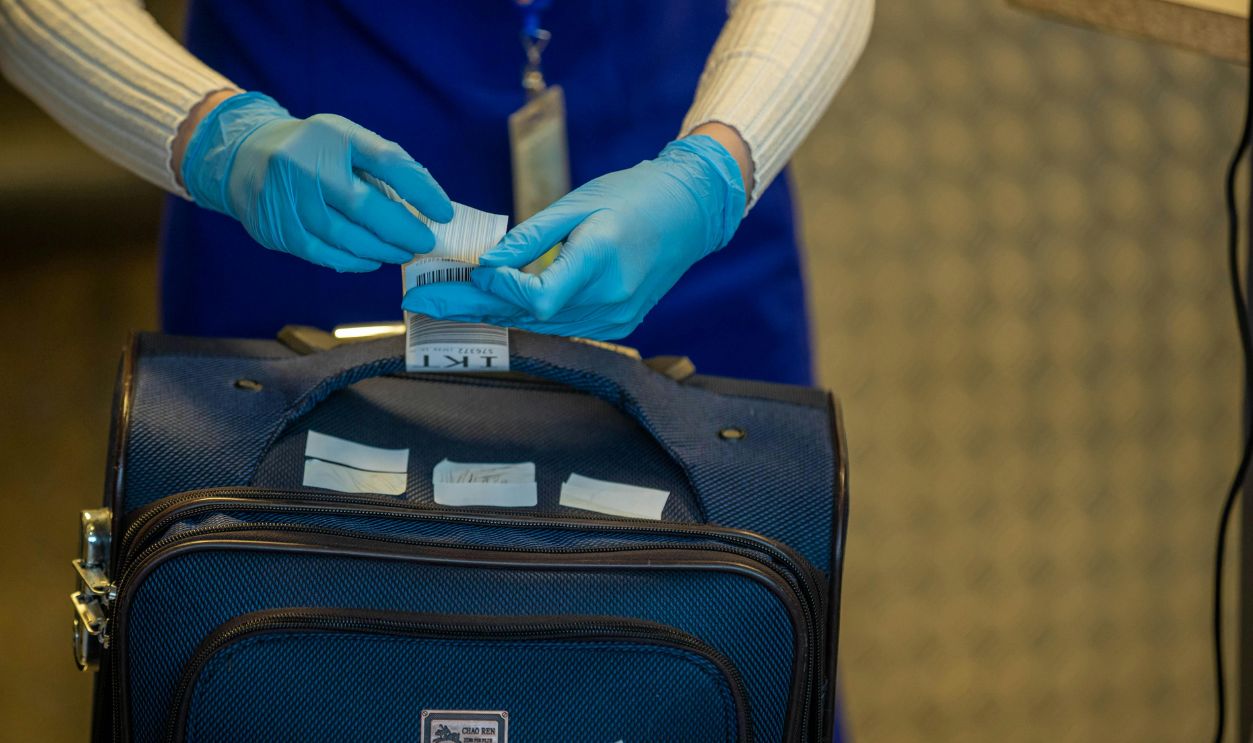
Here is where things can get tricky. Some airports use private screening companies instead of TSA officers for certain security work. If that happened here, the claim may need to go in a different direction. So identifying the exact airport and screening operator is a very important first step.
The Internet Makes It Sound Easy
Online, people love saying, “Sue them immediately.” Real life is rarely that clean. Most cases like this move through forms, investigations, denials, and maybe a settlement if things go well. It is not as satisfying as a courtroom showdown, but it is usually much closer to how things actually work.

What A Strong Case Looks Like
A strong claim usually has a clear timeline. The urn was intact before screening, damaged during screening, and documented right away afterward. Add proof of value and any witness statements, and the case becomes much stronger. The clearer the chain of events, the better the chances of a serious review.

How To Avoid This In The Future
It may not feel fair, but the safest move is often using a temporary travel container for ashes and transporting the decorative urn separately later. That lowers the odds of trouble during screening. It is not sentimental advice, but it can help families avoid an already painful situation becoming worse.

The Part No Form Can Capture
There is something deeply upsetting about reducing a loved one’s ashes to a damage claim and a receipt. The legal system may focus on cost, process, and paperwork, but families are dealing with loss, shock, and a sense that something sacred was mishandled. That part never fits neatly on a form.

The Bottom Line
So, can you sue? Potentially, yes. But the better question is whether you have a claim strong enough to survive the government process and possibly lead to legal action. If the facts are really as bad as they sound, the smartest move is simple: document everything, file quickly, and get legal advice.

You May Also Like:
What Expats Miss Most About The United States—According To New Surveys